

I traveled to the main island of Okinawa from April 21st (Sunday) to 24th (Wednesday). My itinerary included a three-night stay at a resort hotel, taking pleasure in the hotel’s amenities while discovering the Okinawa sea and the “Gusuku Sites and Related Properties of the Ryukyu Kingdom,” designated as a World Heritage Site in 2000.
4/21 (Sun)
I took JAL flight 905 (A350-900) from Haneda Airport at 8:15 a.m. heading to Naha Airport and noticed many families with preschoolers on the flight. Our scheduled arrival time was 11:05 a.m., but a strong headwind caused a delay of about 10 minutes. After renting a car, I searched for an Okinawa soba restaurant near Shikinaen Garden, but due to full parking or being sold out, I resorted to purchasing rice balls and other items from a convenience store for lunch at Shikinaen Garden.
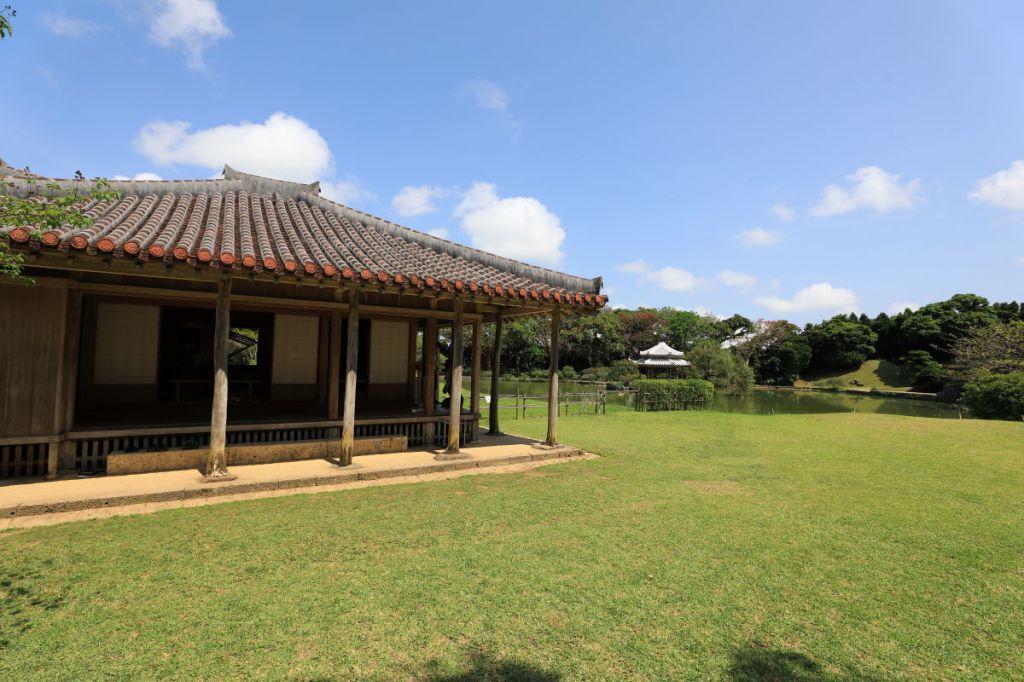
Constructed in 1799, Shikinaen Garden served as a villa for the Ryukyu Kingdom’s royal family and functioned not only as a retreat but also as a venue for hosting envoys from the Chinese emperor. It holds the unique distinction of being the sole location in Okinawa Prefecture designated as a special place of scenic beauty.

Along the route, there is a main gate that one would walk through for some time. This is characteristic of prestigious estates where the royal family and envoys from China would pass through a covered gate known as “Yajo style.”

Panoramic view from the main hall
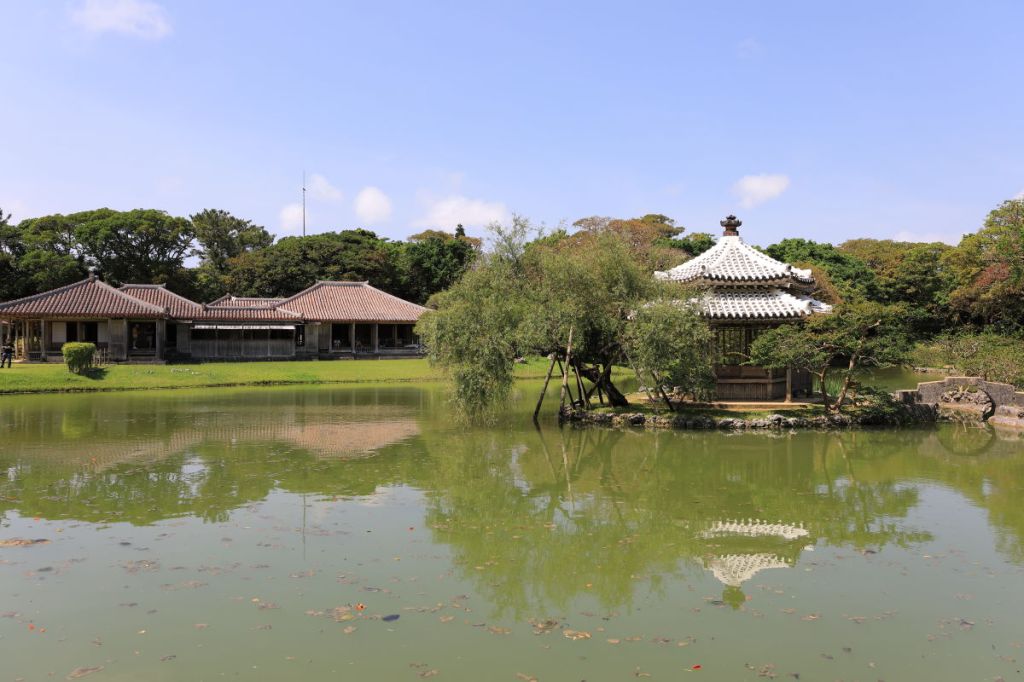
Mainhall and Rokkakudo( hexagonal hall) from Taikobashi (Arched bridge)
As I glanced upwards on my way to the gate, I noticed the red Deigo flowers in full bloom.

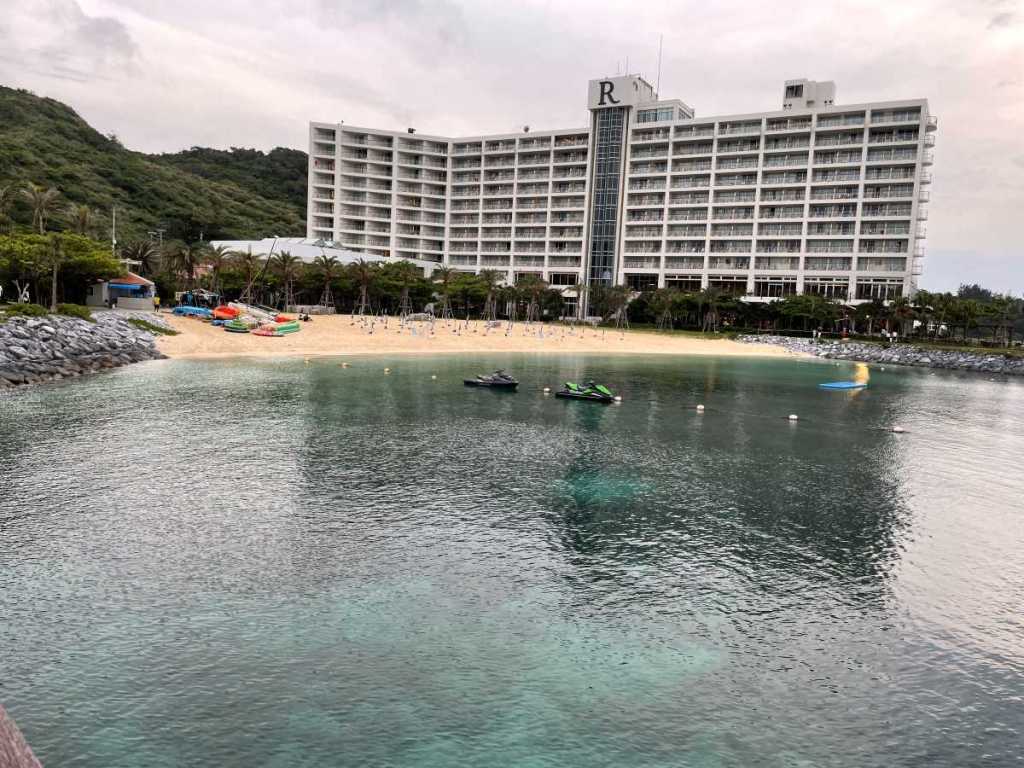
After exploring the Garden, I journeyed on the Okinawa Expressway from Naha IC to Ishikawa IC, which led me to the Renaissance Resort Okinawa, my accommodation for the day. Booking a stay for three consecutive nights or more with CLUB SAVVY entitles you to several perks, such as complimentary breakfast and lunch, along with a free dinner for one evening.
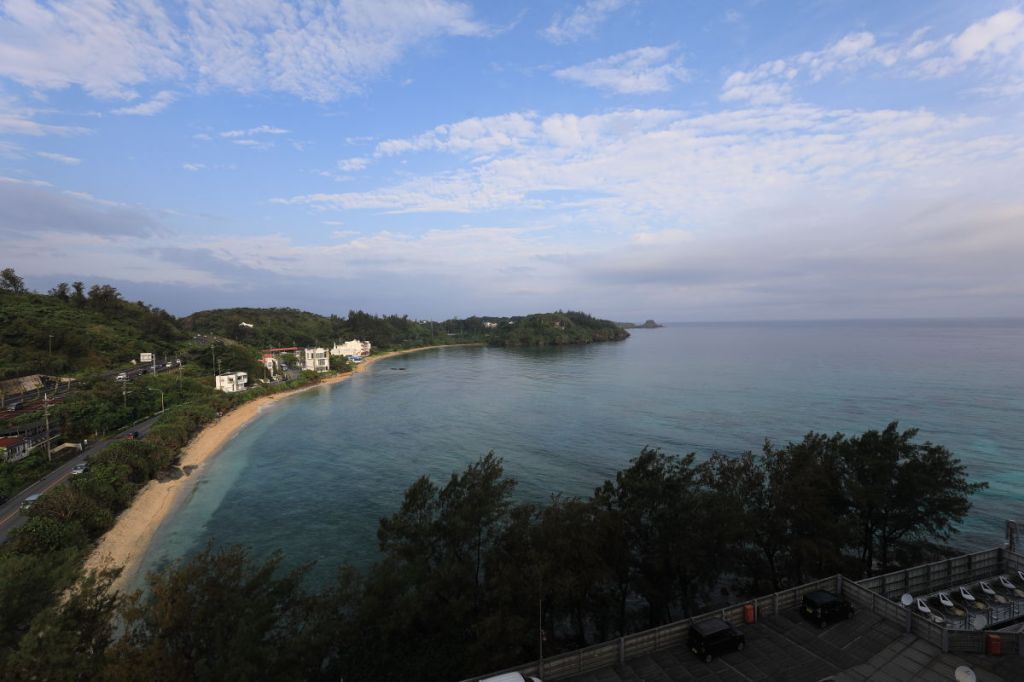
The balcony of the room also offered a beautiful view.
Constructed on the grounds of the former Yamada Onsen inn, you can enjoy a natural hot spring experience in Okinawa. Initially, we chose to cleanse away the travel fatigue in a hot spring. The following photo is a screenshot from the hotel’s official website.
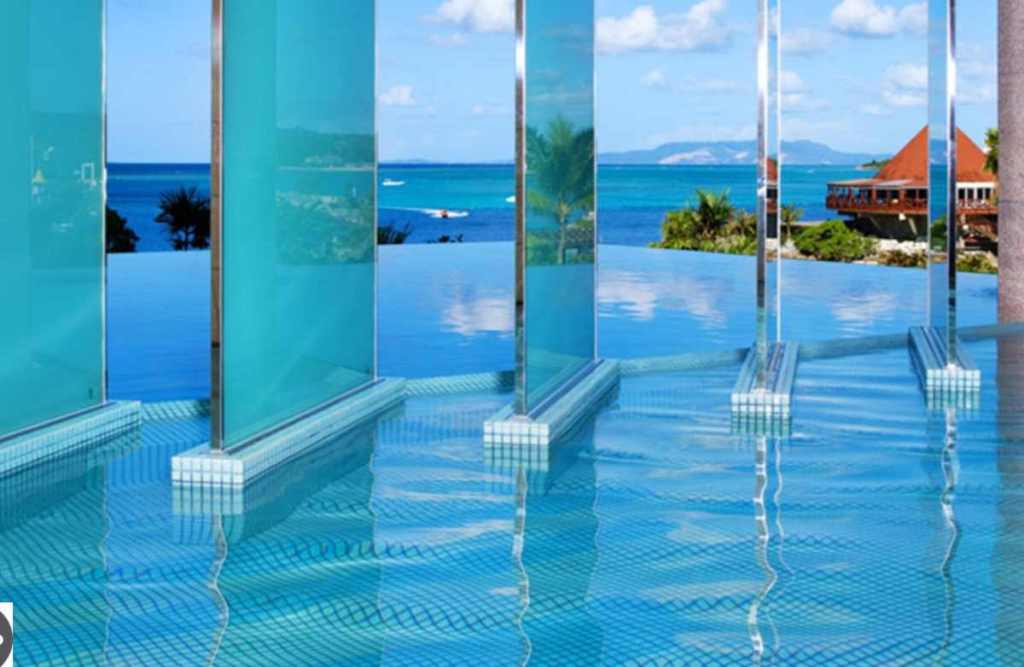
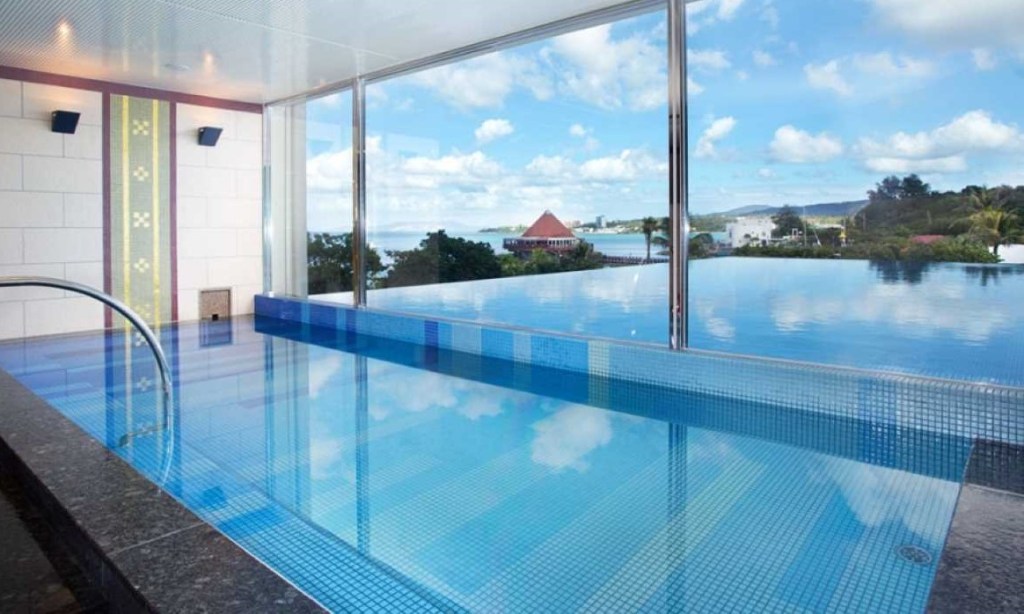
The spring quality is simple sulfur spring and has a slight sulfur smell. For dinner tonight, I promptly visited a restaurant named “Irodori,” utilizing the dinner ticket supplied by the service.
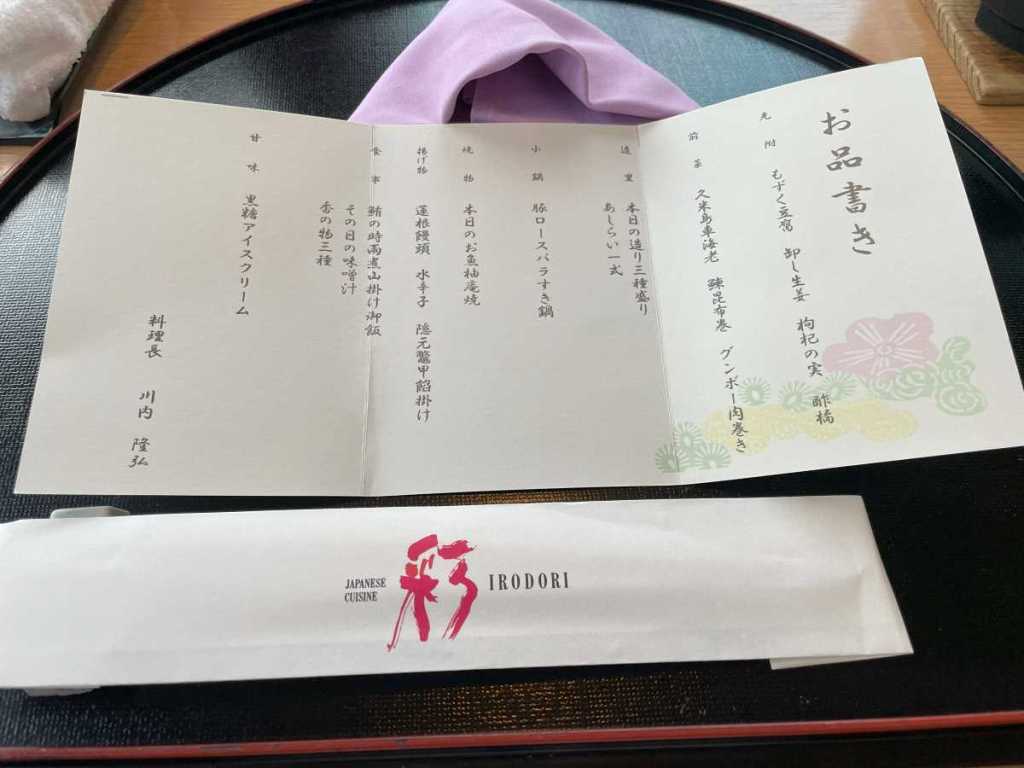
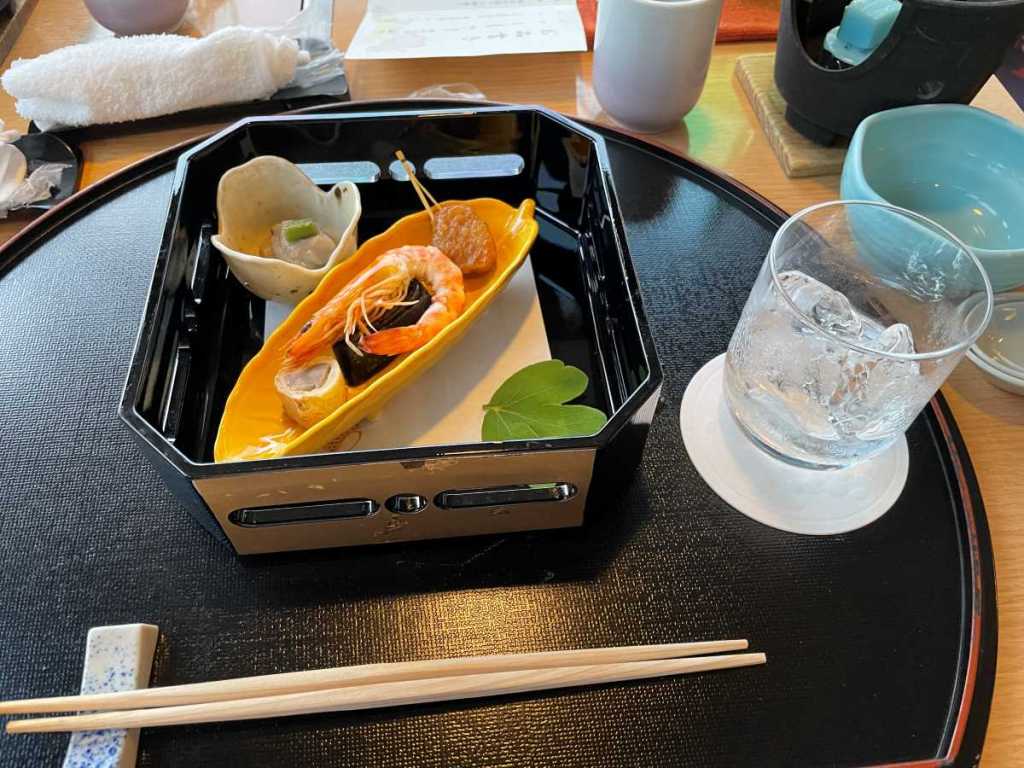
This evening, I enjoyed my usual sweet potato shochu, Akakirishima, and noticed that the price seemed higher than typical restrants.
4/22 (Mon.)
The “Four Seasons” offers a Teppanyaki breakfast with three teppanyaki stations serving freshly cooked dishes like thick-cut ham steaks, pancakes, and omelets. Additionally, a broad assortment of other items, including sparkling wine, is available to give you a resort-like experience.
After breakfast, I took a drive around the hotel. Our first stop was Cape Zanpa, known for its towering 30-meter cliffs. In the past, typhoons have been powerful enough to move the large rocks on these cliffs with their massive waves.
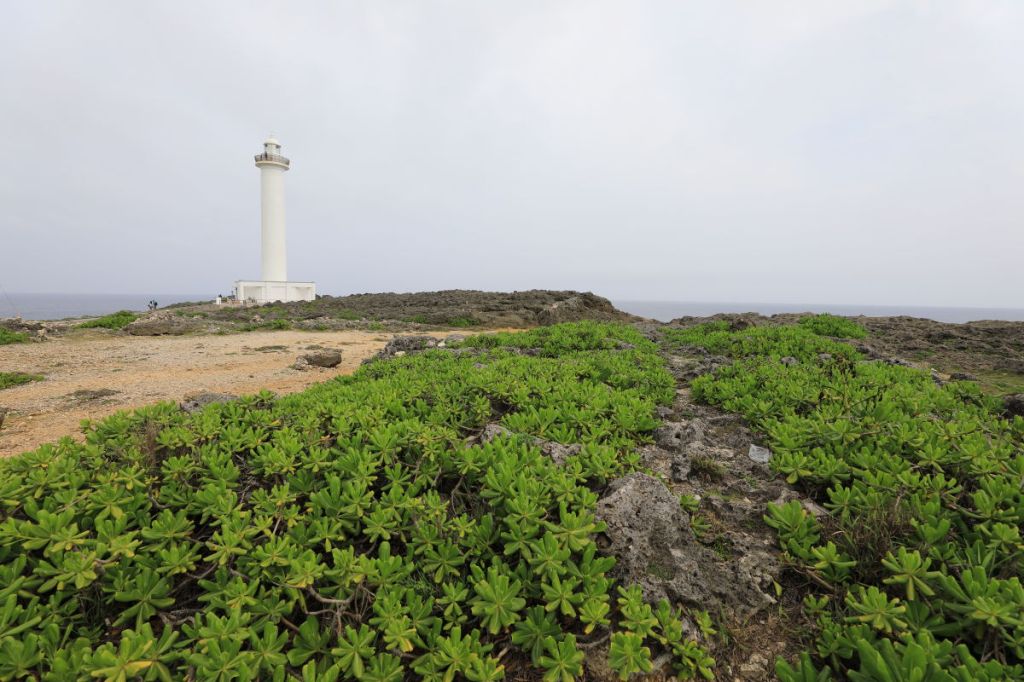
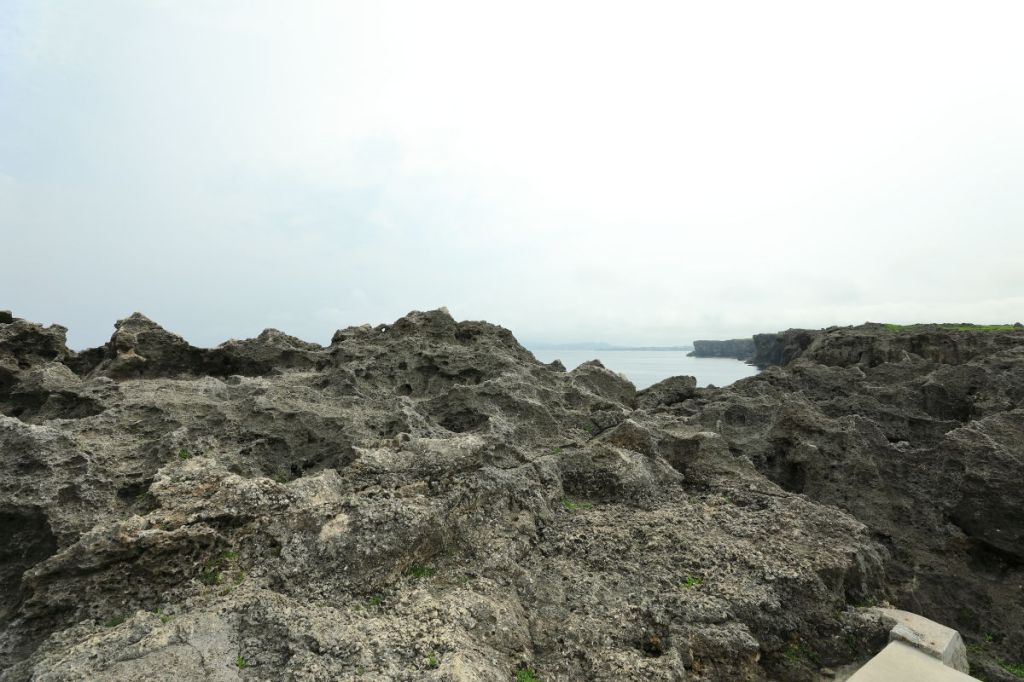
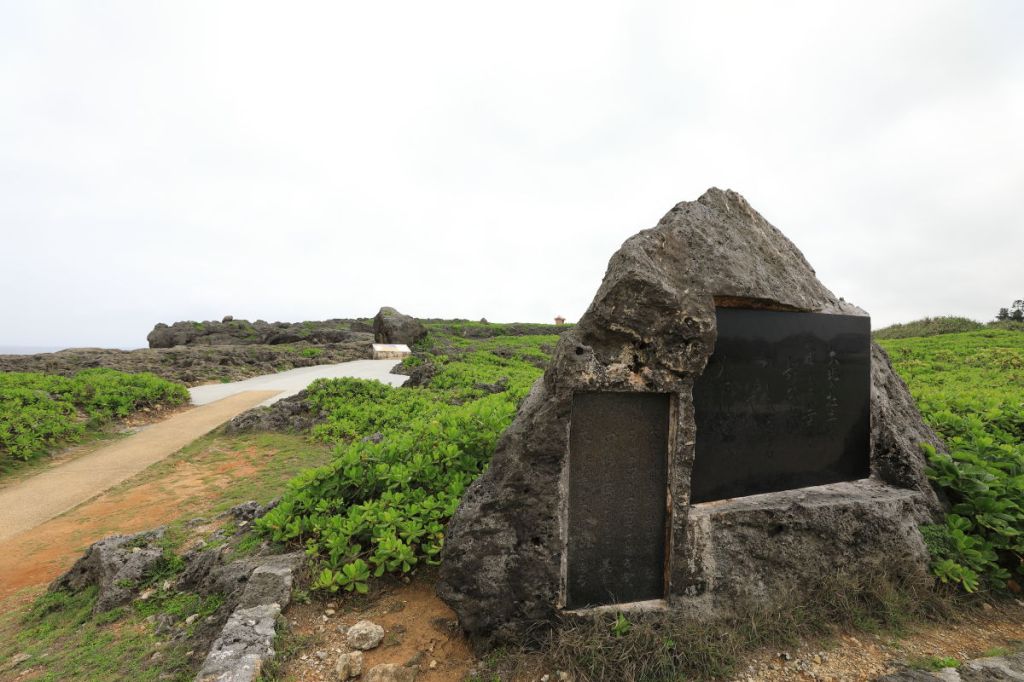
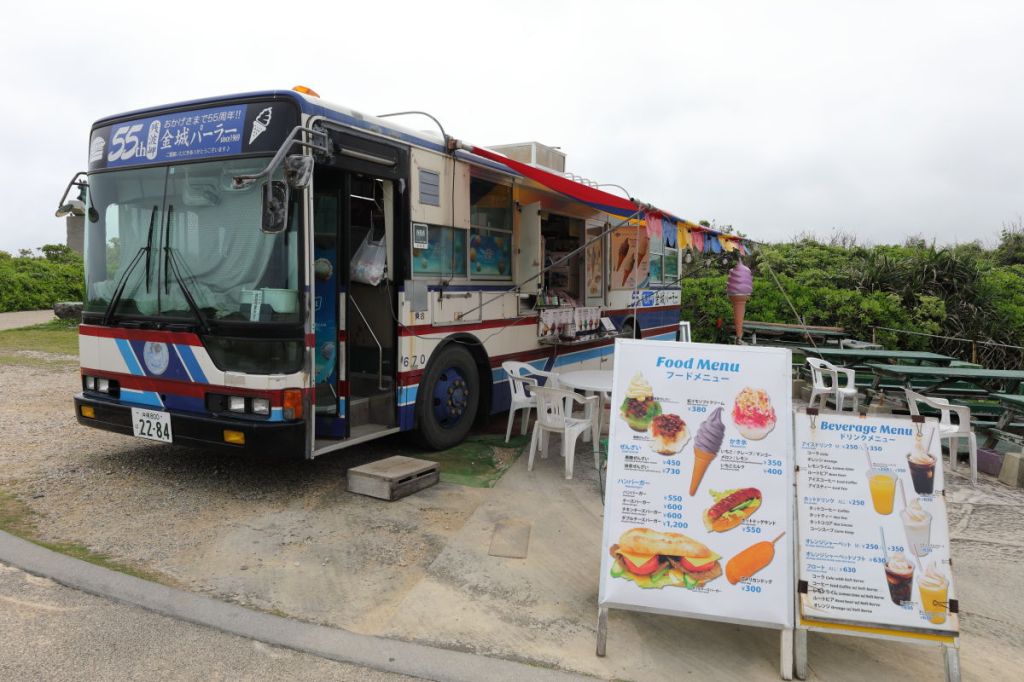
Kinjo Parlor, situated at the entrance, is celebrating its 55th anniversary.
Next, I visited the Zakimi Castle Ruins, a World Heritage Site. Constructed in the 15th century, this castle served to oversee the domain of the Hokuzan King.
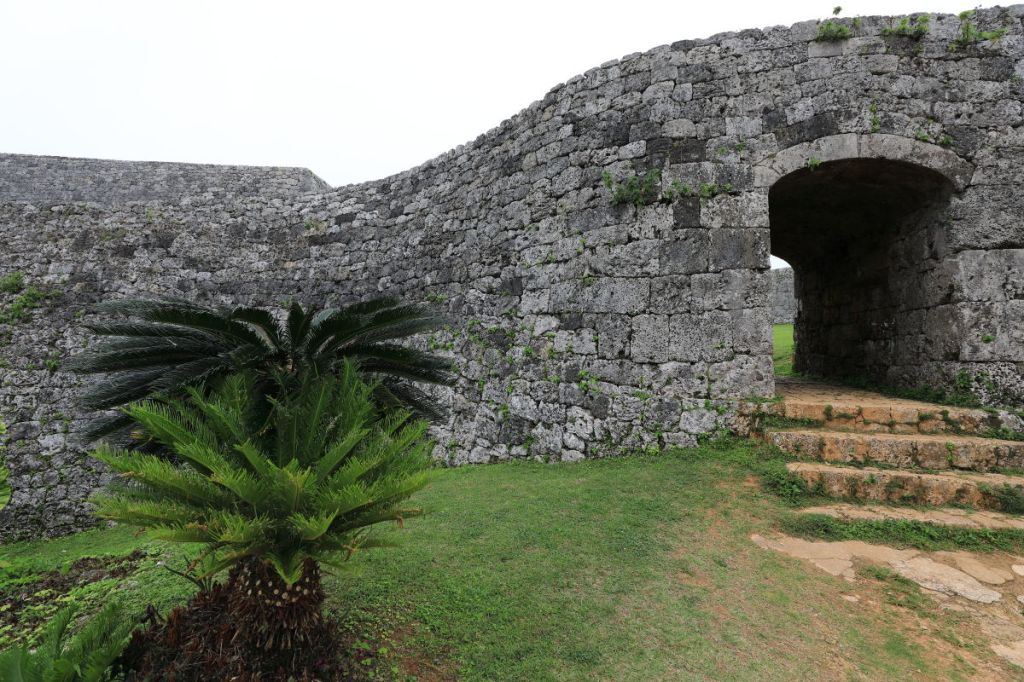


While the stonework was indeed beautiful, it also conveyed the tranquility and solitude of an abandoned castle. Afterwards, we proceeded to Yachimun no Sato, a pottery village, where we discovered a traditional climbing kiln at the rear.


After exploring different stores, I chose to purchase a plate from Fuji, a pottery studio of the Living National Treasure, Kinjo Jiro Kiln.

I purchased a 5-inch plate (3,300 yen each) with paintings of sea turtles, fish, and whales on the bottom shelf by Jiro Kinjo’s granddaughter, Kanako Fujioka.
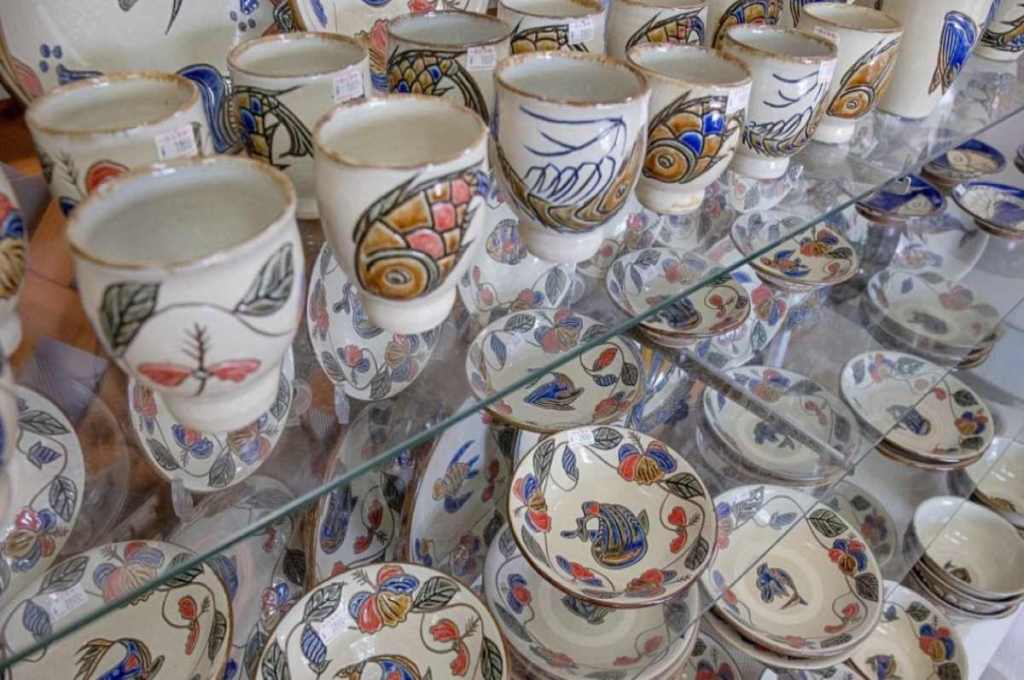
For lunch, I went back to the hotel and enjoyed the Okinawa soba and juushii (Okinawan seasoned rice) set that I had missed out on the day before, at no extra charge. Having booked a snorkeling session for 15:30 the previous day, I rested briefly in my room before heading out to snorkel.
As anticipated, wearing a wetsuit is essential during this season. Thus, we donned wetsuits for the first time and embarked on a journey aboard a twin-hulled yacht.
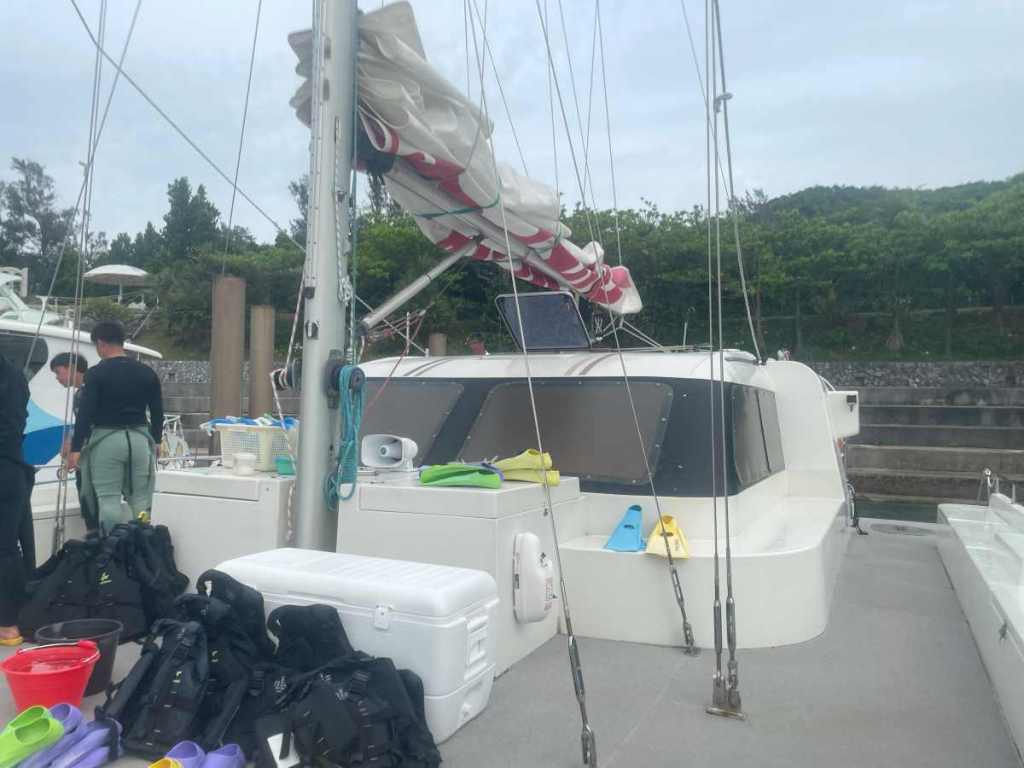
We dropped anchor just five minutes after setting sail and spent close to an hour marveling at an underwater world teeming with tropical fish. Lacking an underwater camera, I couldn’t capture photos, yet the water’s crystal clarity and the vibrant coral reef were plainly visible. Once back on the yacht, a heaviness overcame my body, making it hard to stand, a sign of my waning physical strength.
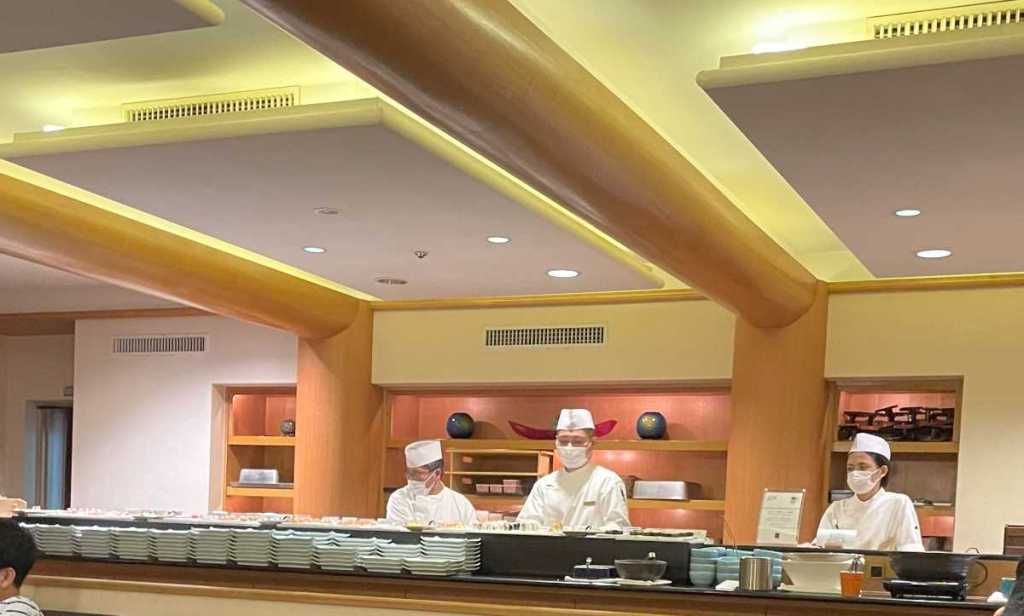
Today’s dinner at “Royce Sushi Bar” was the “Sushi Buffet” for 7,000 yen. In addition to sushi, there are other dishes available, and the small size of the sushi pieces allowed me to try every variety on the counter. Moreover, if you order items such as salmon roe gunkanmaki from your table, they will be served to you.
4/23 (Tue.)
In the morning, we enjoyed a Ryukyu breakfast at Irodori, the same place where we dined on the first day, before setting off on a drive northward. Our first destination was Ukori Island, viewed from the Ukori Ohashi Minamizume Observation Deck.
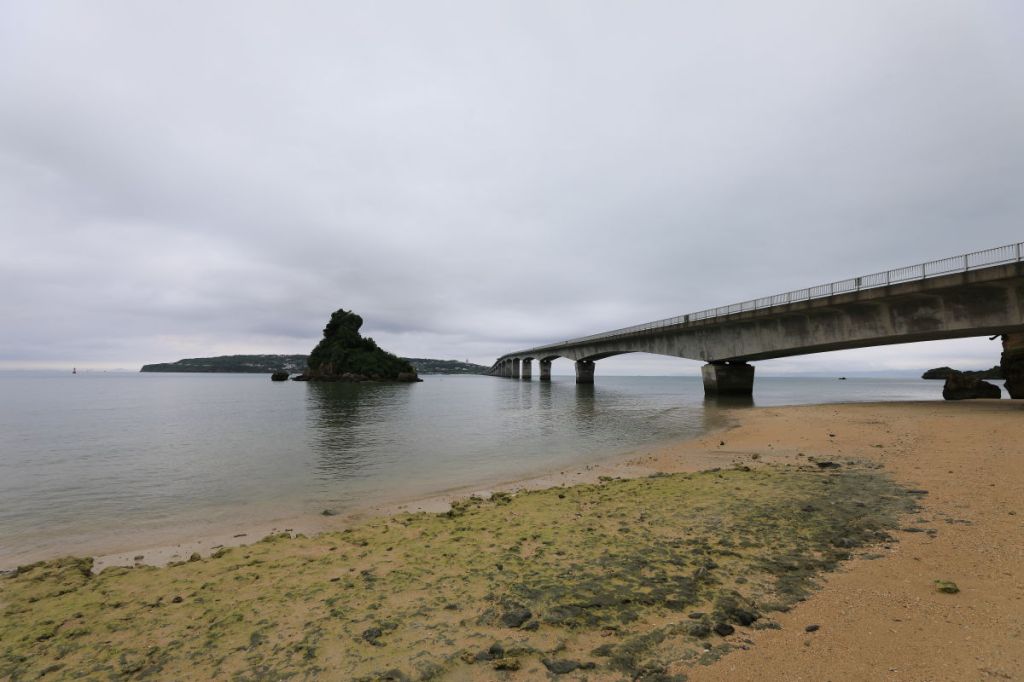
If you take this bridge and look towards Ukori Island.
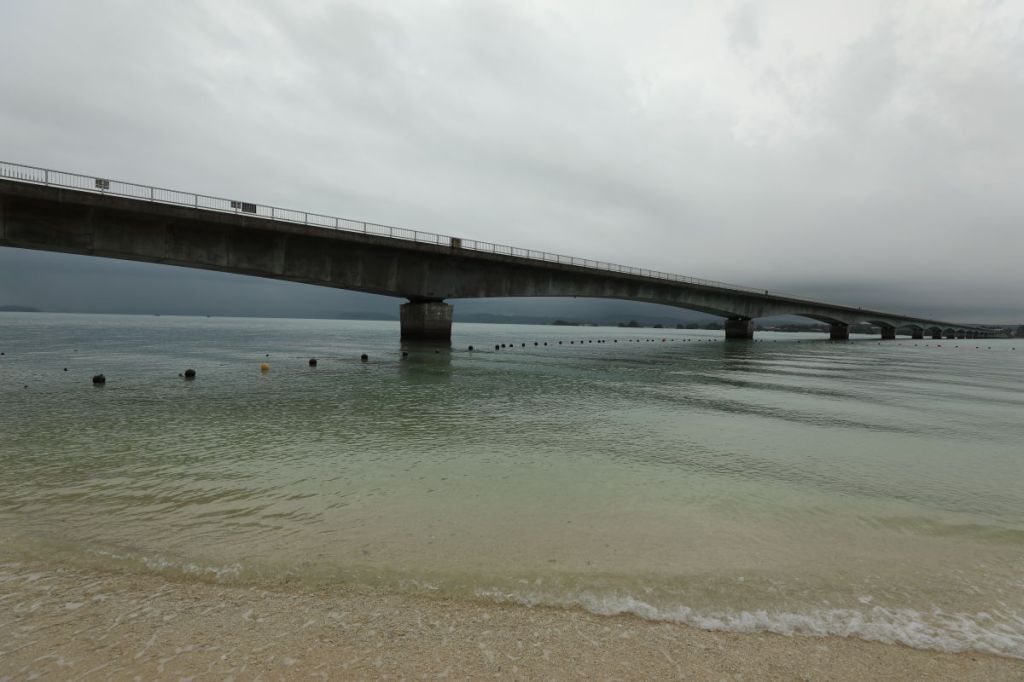
Despite the cloudy sky, the sea remained a vivid marine blue. Should the weather clear up, the view would be spectacular.
Next, I visited the Nakijin Castle Ruins, a World Heritage Site. In the 14th century, the Ryukyu Kingdom was divided among three rulers: Hokuzan, Chuzan, and Nanzan. This castle served as the residence of King Hokuzan, the ruler of Ryukyu’s northern region. Later, it was conquered by King Chuzan, who appointed a steward to oversee it. The castle met its demise in 1609 during the Satsuma invasion (present-day Kagoshima District), after which it became a sacred site and a place of worship for locals.

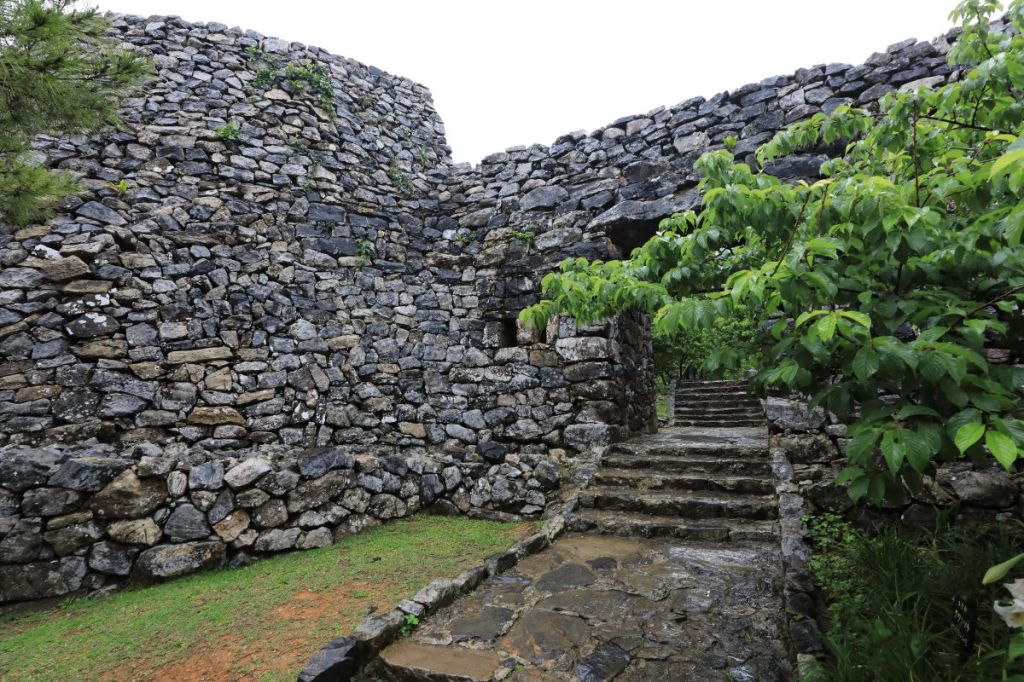
Wall surrounding the outside

Commonly known as Honmaru (the main enclosure of the castle) Ruins

After exploring the Nakijin Castle ruins, we made our way to the Churaumi Aquarium. Around midday, I stopped by KominKa Tetsuko Soba and enjoyed a mixed Okinawa soba with pork spare ribs, three-piece pork meat, and pork cartilage, accompanied by juicy rice.

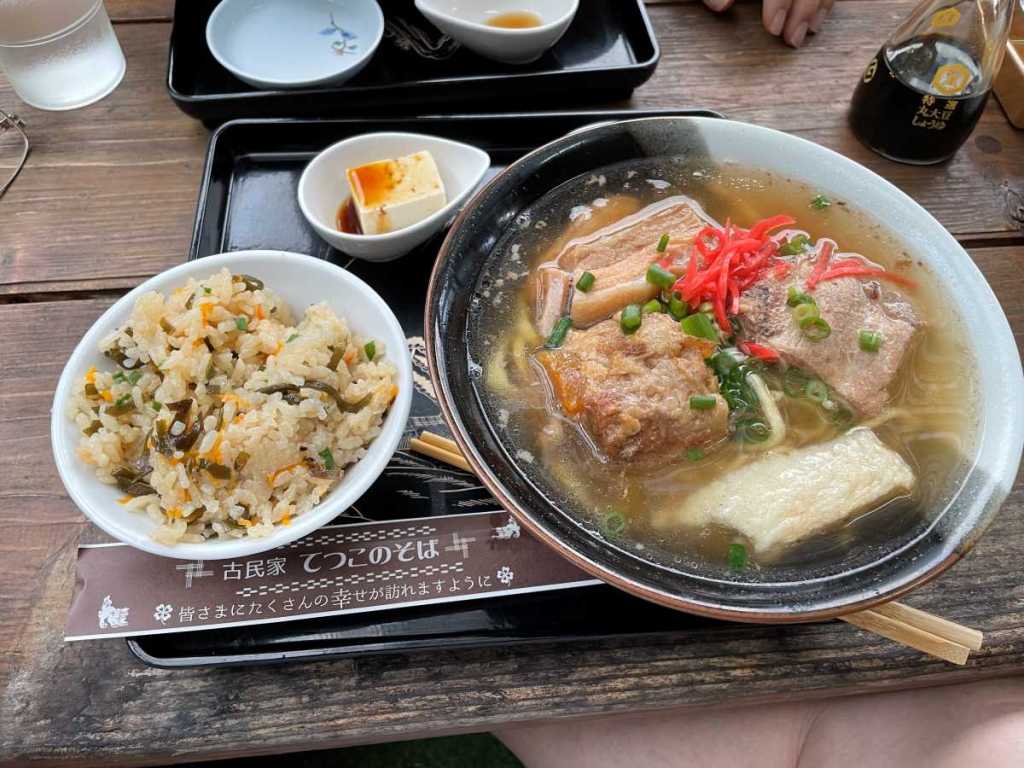
After getting full, we arrived at Churaumi Aquarium. Although it was a weekday, it was full of tourists.

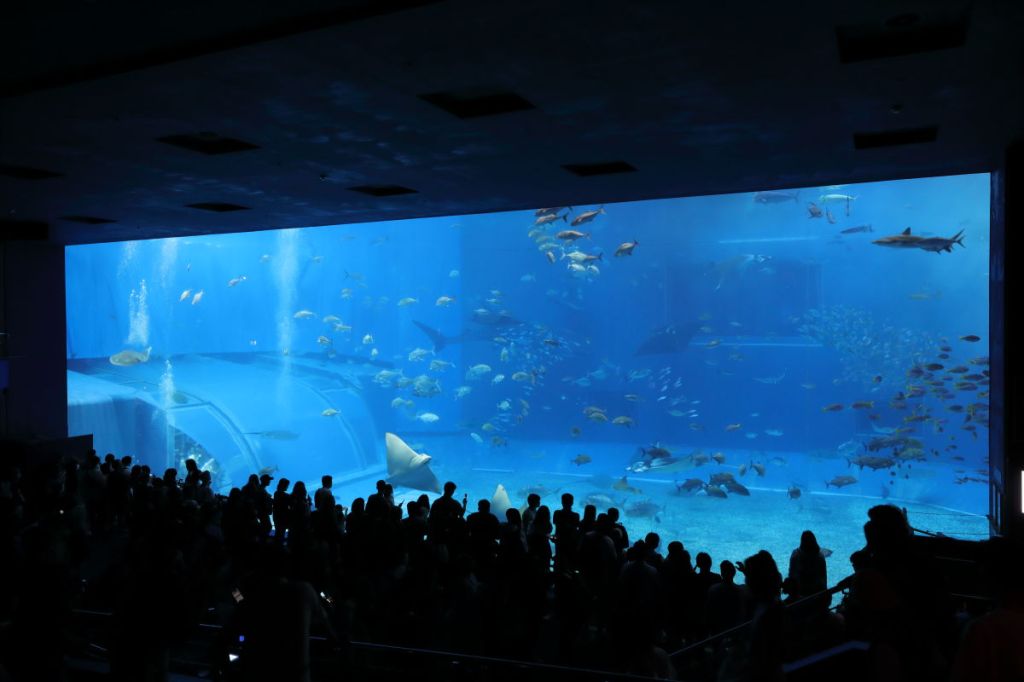

After taking a brief rest at the hotel, we dined at Ryukyu Charcoal Grill Umikaji, known for its aquarium. The spots in front of the aquarium were in high demand, and I was unable to secure a reservation, so my seating was a bit removed. I opted for a course named Eicer.

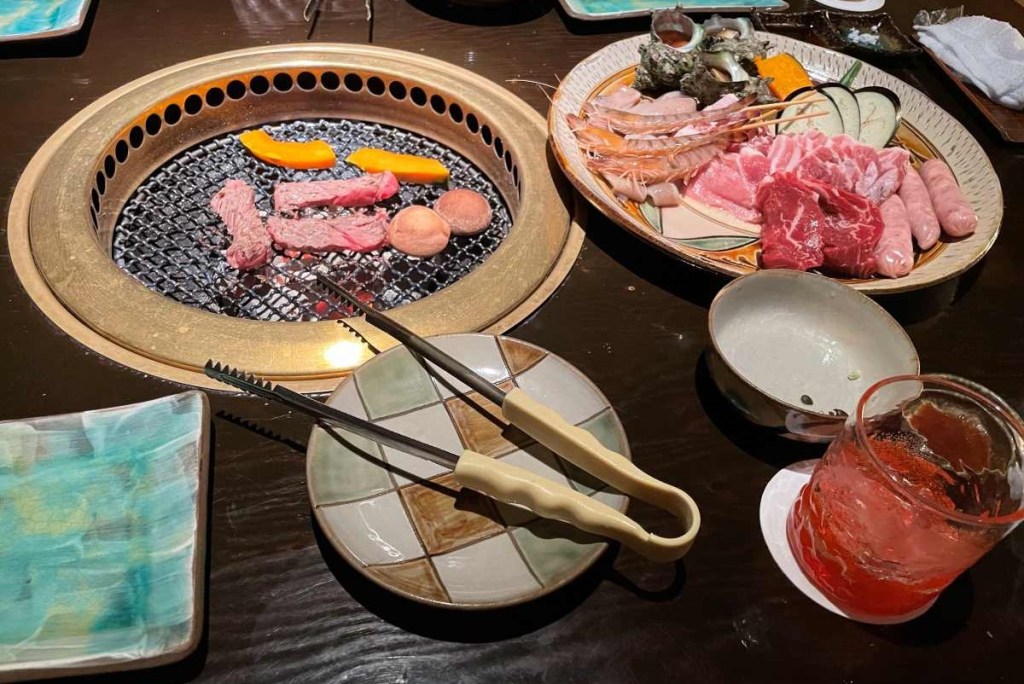
4/24 (Wed.)
Today marks the final day. For breakfast, I enjoyed the Teppanyaki at “Four Seasons,” the first place I dined. I checked out of the hotel at 9:30 AM, traveled via the Okinawa Expressway from Ishikawa IC to Naha IC, and visited Shurijo Castle Park.
Shuri Castle, where the king unified the three kingdoms of Hokuzan, Chuzan, and Nanzan in 1429 to form the Ryukyu Kingdom, completed its restoration in March 2019. However, on October 31st of the same year, a fire destroyed eight buildings, including the Seiden (Main Hall). Restoration efforts are in progress, with completion anticipated by the end of 2026.
Begin at the Shureimon Gate, proceed through the Kankaimon Gate, continue past the Zuisenmon Gate, and finally, go through the Rokokumon Gate to arrive at the main entrance of the paid facility area.

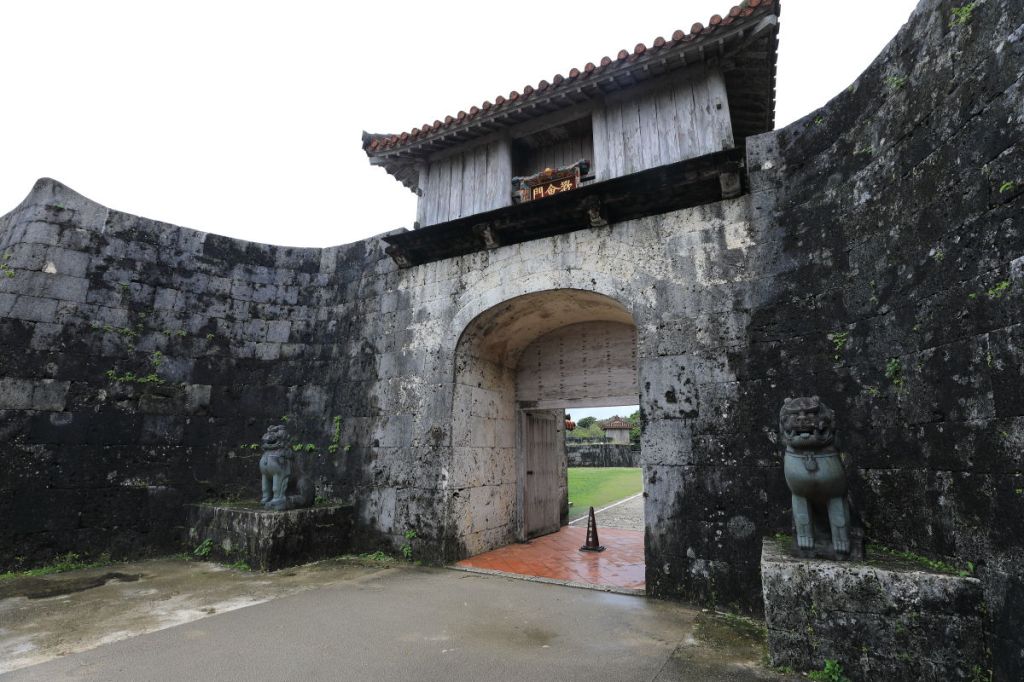
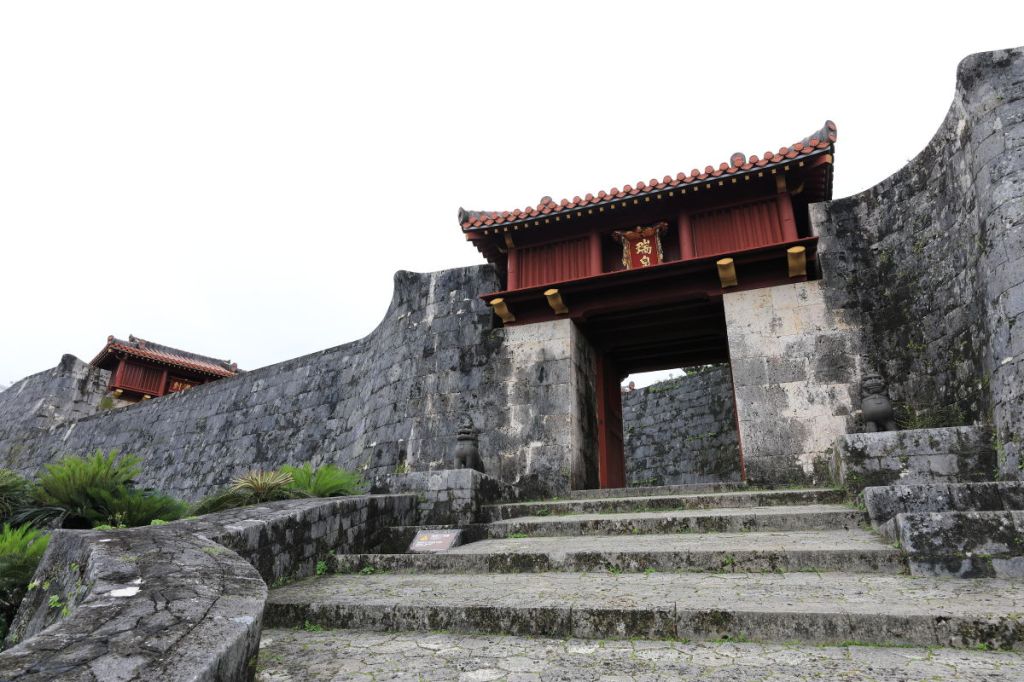


Secure your ticket here and proceed to the paid viewing section. Inside the expansive structure, you can observe the ongoing restoration efforts.
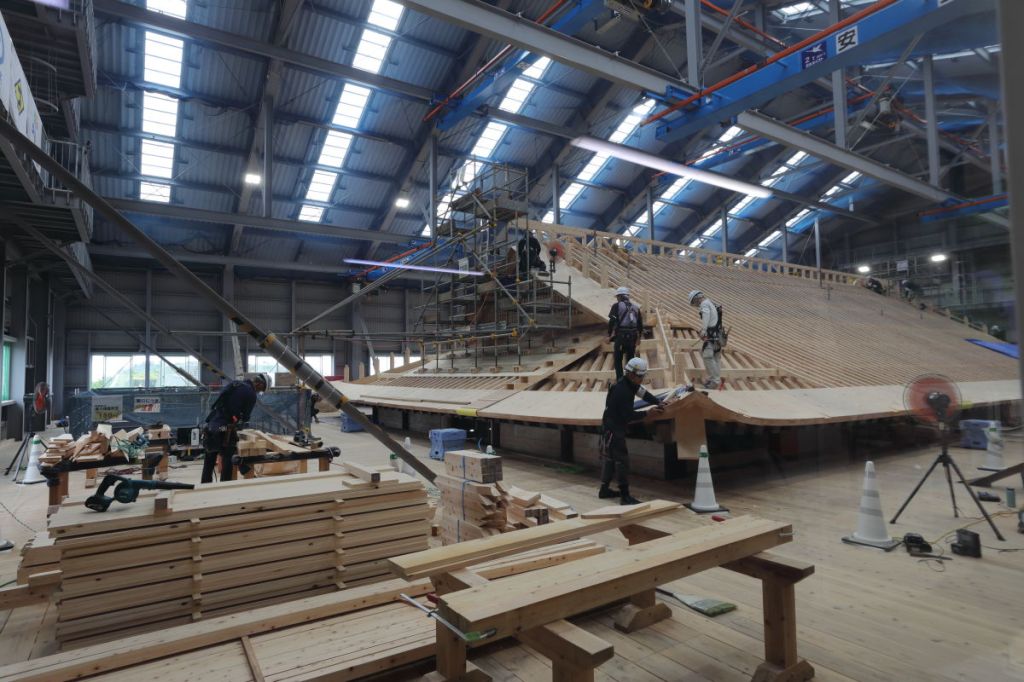
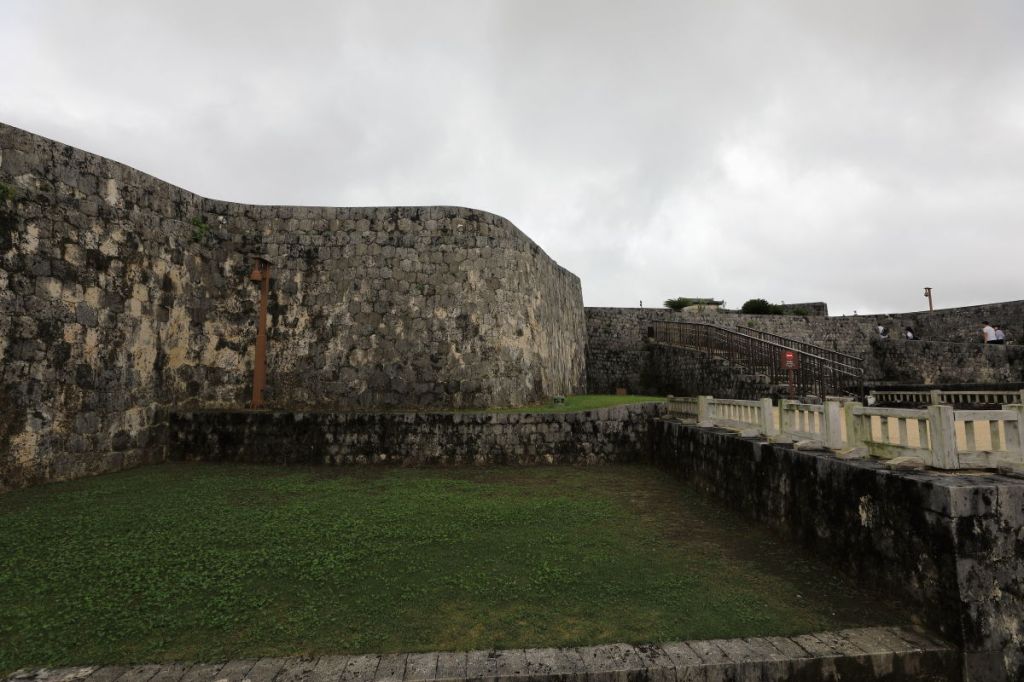
After a stroll in the park and as lunchtime approached, we made our way to Shuri Soba Nakata, the sister establishment of Shuri Soba. The menu was straightforward. Conscious of my appetite, I opted for just the Shuri soba. This variety stands out from other Okinawa soba noodles due to its distinctive flat noodles.
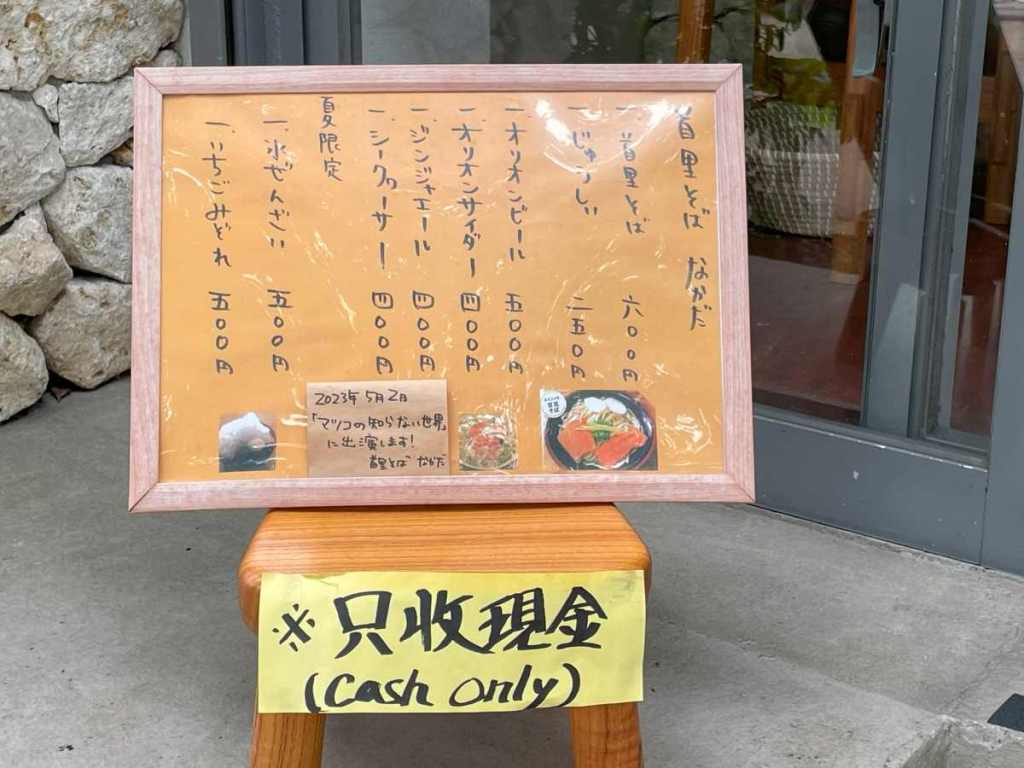
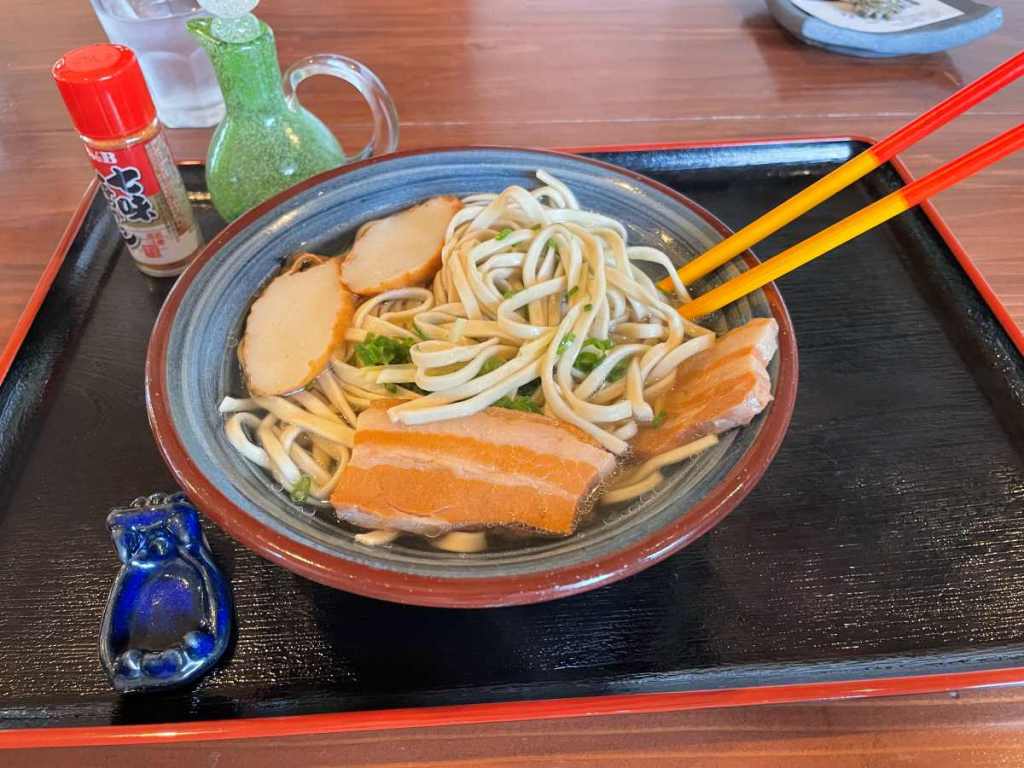
Following lunch, we visited the final World Heritage Site on our journey, the Tamaudoun Mausoleum, the burial site of successive generations of Ryukyu kings and their relatives.
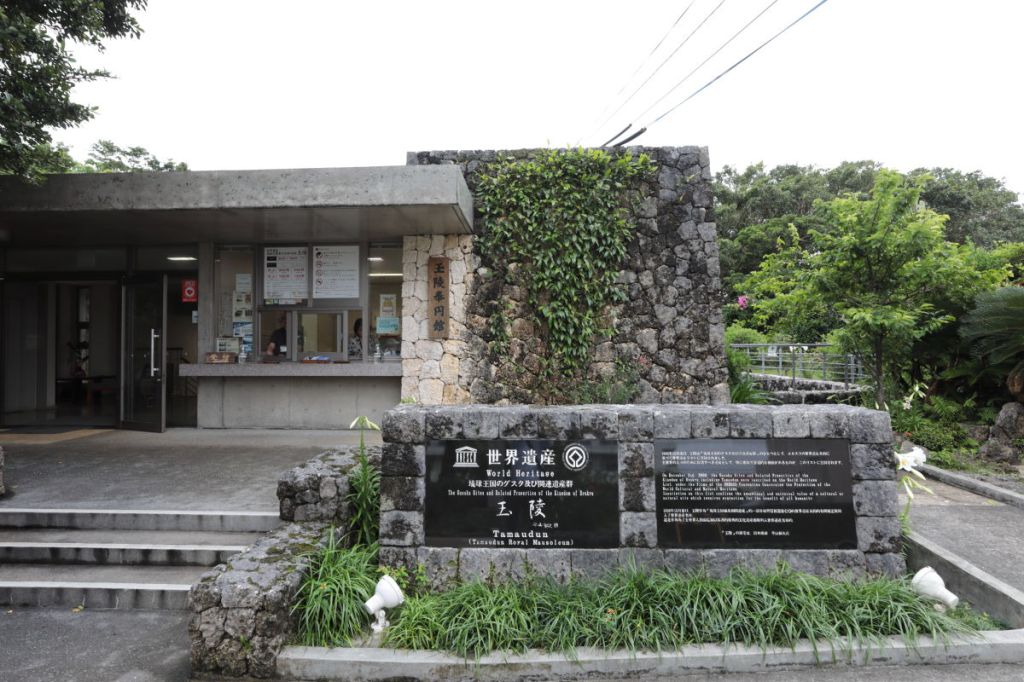

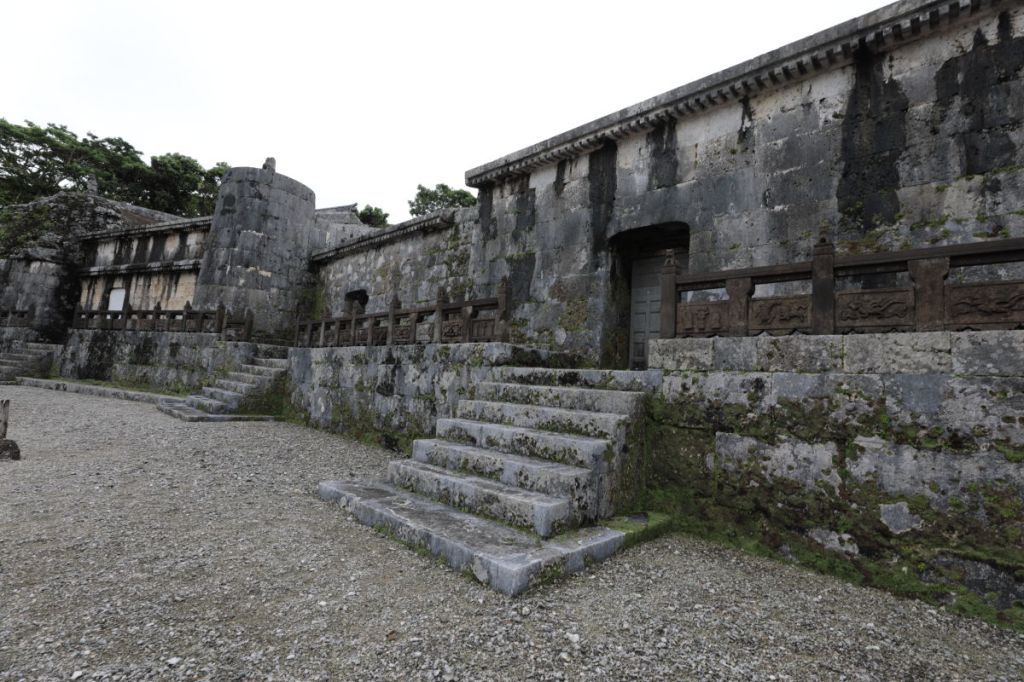
Constructed in 1501, the Tamaudoun Mausoleum features a large building on the left utilized by successive kings and queens, while the right front served their families, and the center was designated for storing corpses prior to washing. Following the tour, we returned our rental car and reached Naha Airport by 14:00. For the return journey, I boarded JAL flight 914 (A350-900) departing from Naha Airport at 15:45 and arrived at Haneda Airport by 18:00 safely.
(in conclusion)
I had visited Naha on a business trip four years ago, but my last sightseeing trip to Okinawa was 55 years ago when I was in elementary school, and I hardly remember it. Thus, this was essentially my first genuine tour of Okinawa. Thanks to early booking, the round-trip flight cost only 26,300 yen, and the hotel was inexpensive, making the trip very cost-effective. Although the sky remained cloudy after the first day, the lack of rain allowed me to appreciate the quiet and isolation of the castle ruins, a mood that only a cloudy sky could enhance. I managed to see 5 of the 9 World Heritage Sites, and I aim to visit the remaining four on my next trip.
 旅好き爺の旅行記
コメントを残す