

From May 20th (Mon) to May 29th (Wed), I took JAL on its new Doha route and visited Istanbul, Cappadocia, Pamukkale, and Doha. This is the thard article in my series and I will focus on sightseeing of Pamukkale
May 25th (Sat)
Today, we departed from the hotel at 8:30 am and embarked on a journey from Cappadocia to Pamukkale, tracing the route of the ancient Silk Road. The journey spans approximately 600km, roughly equivalent to the distance from Tokyo to Himeji. After covering about 250km, we took a break at the Sultanhani Caravanserai, a historical caravan lodge.
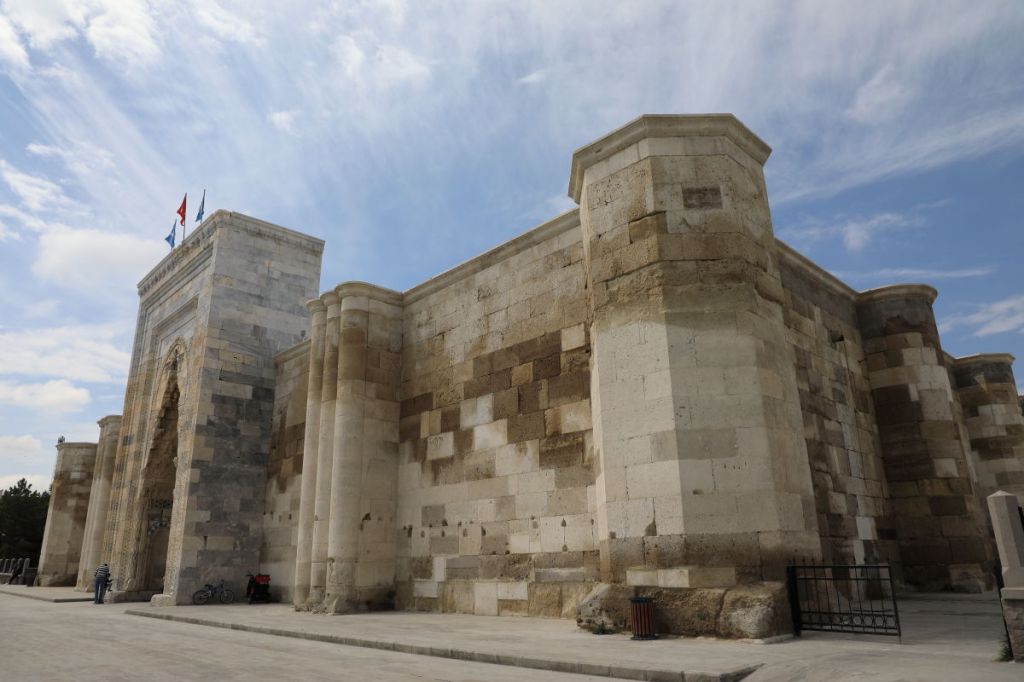
During that era, the ruling dynasty and local authorities safeguarded the caravans that generated their wealth. They established caravanserais at intervals of every 30 kilometers, offering travelers three days of lodging and meals.
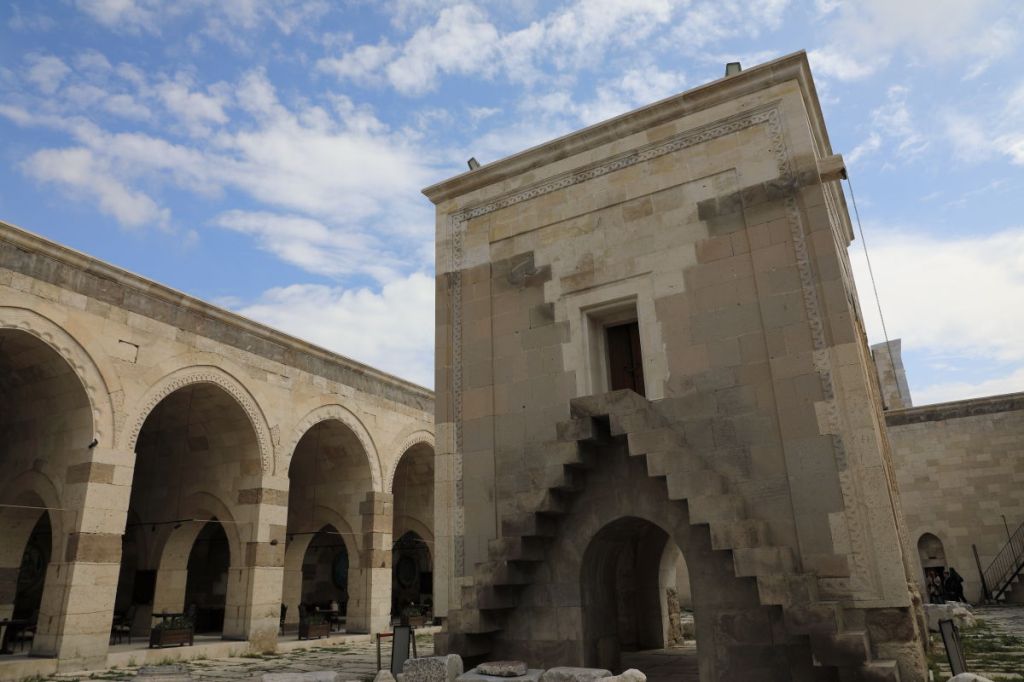
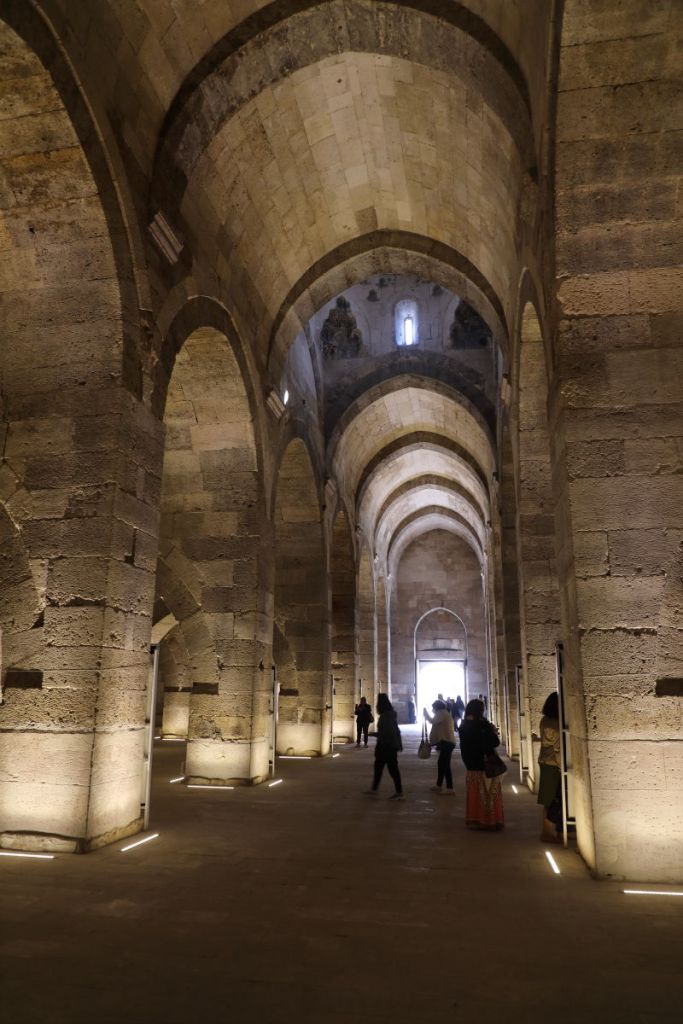
Ascending the stairs leads to the second floor, which serves as a place of worship, flanked by accommodation rooms. The main building’s interior is constructed with equal sturdiness.
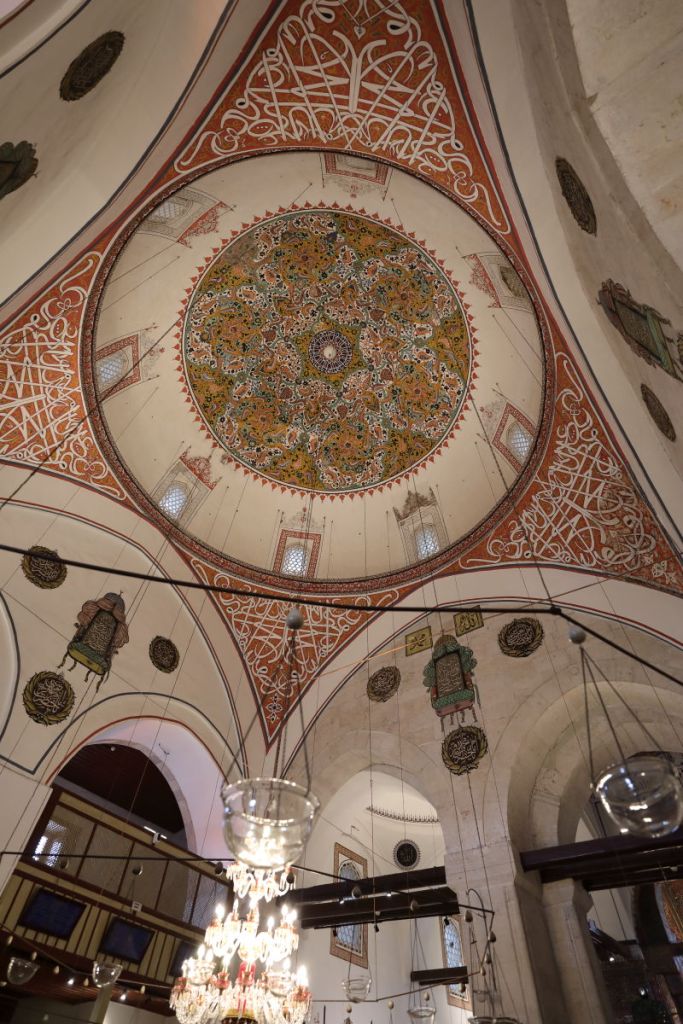
Konya, located about a two-hour drive from here, is the principal city of the Anatolian region in the heart of Turkey. This ancient city’s history stretches back to 3000 BC, and it served as the capital of the Rum Seljuk Empire starting in the 11th century. Despite its ancient roots, Konya exudes a vibrant atmosphere with new factories and businesses emerging in its suburbs. It is also renowned for the Mevlana Museum, which contains the mausoleum of the family of the theologian Mevlana.
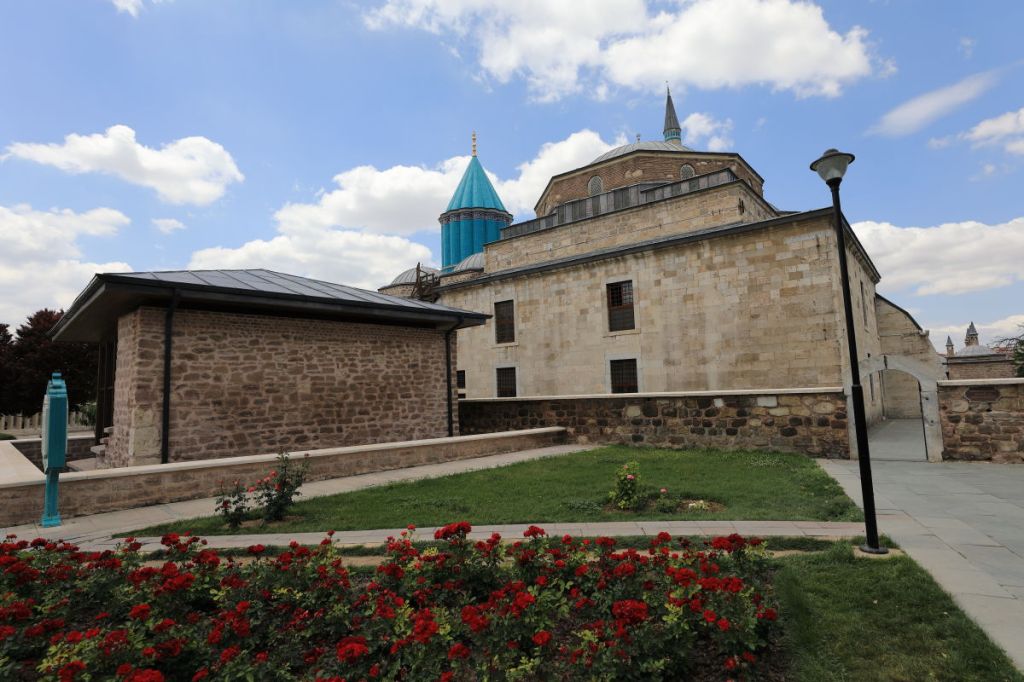
The mausoleum of Mevlana Celaleddin Rumi is among the most distinguished.
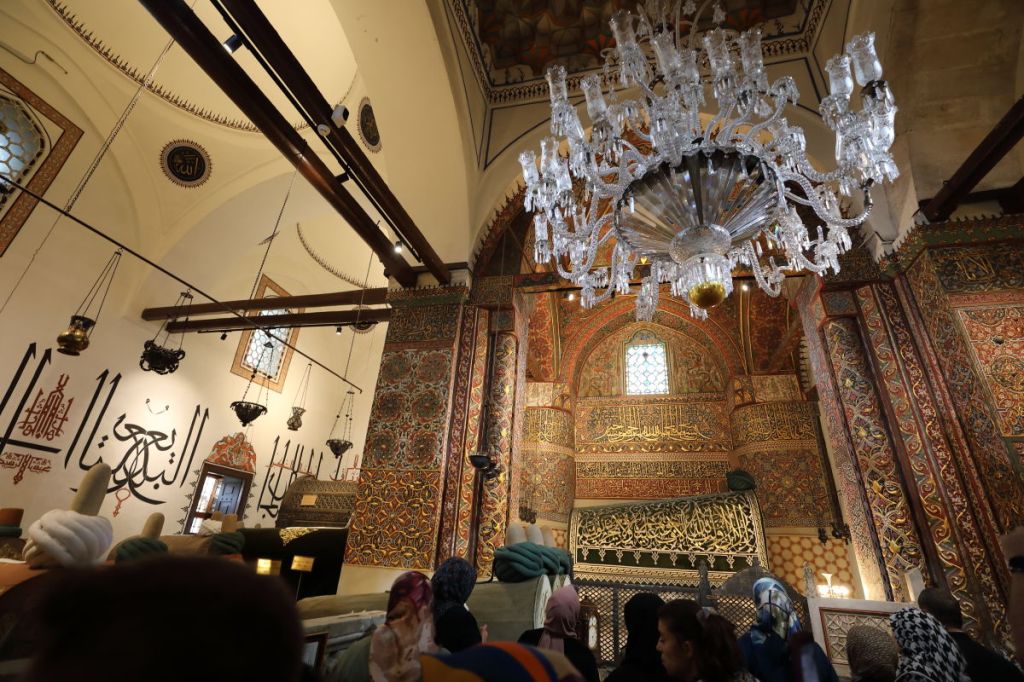
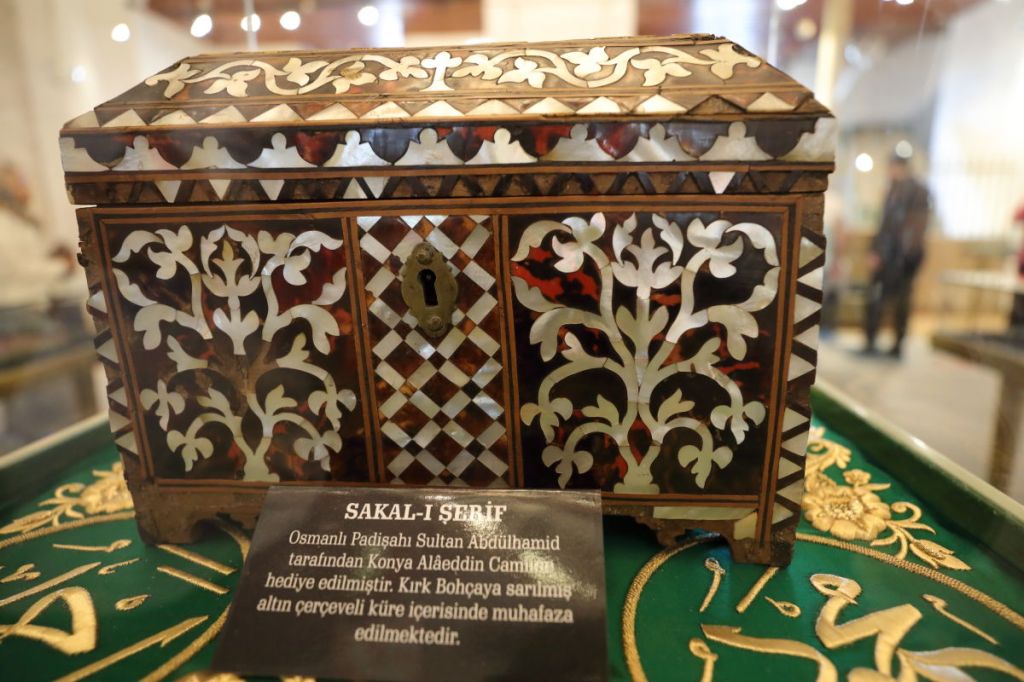
The image is believed to show a box that holds the Prophet Muhammad’s beard. Covered by glass, it has tiny holes on each side, allowing worshippers to catch the scent and feel wonder.
There is also a beautiful mosque next to the museum.
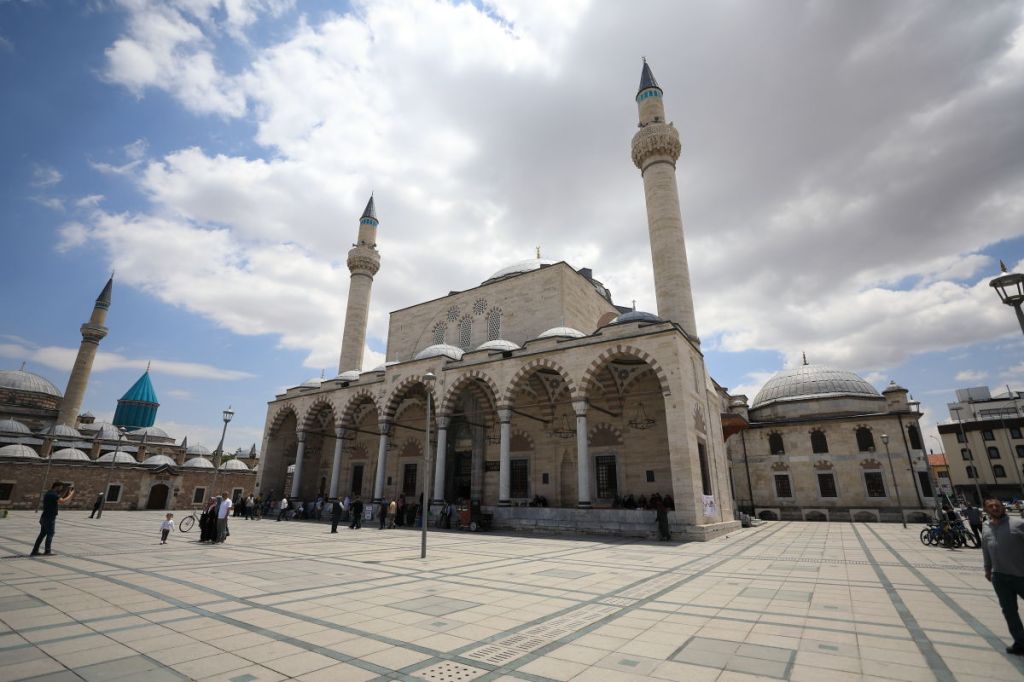
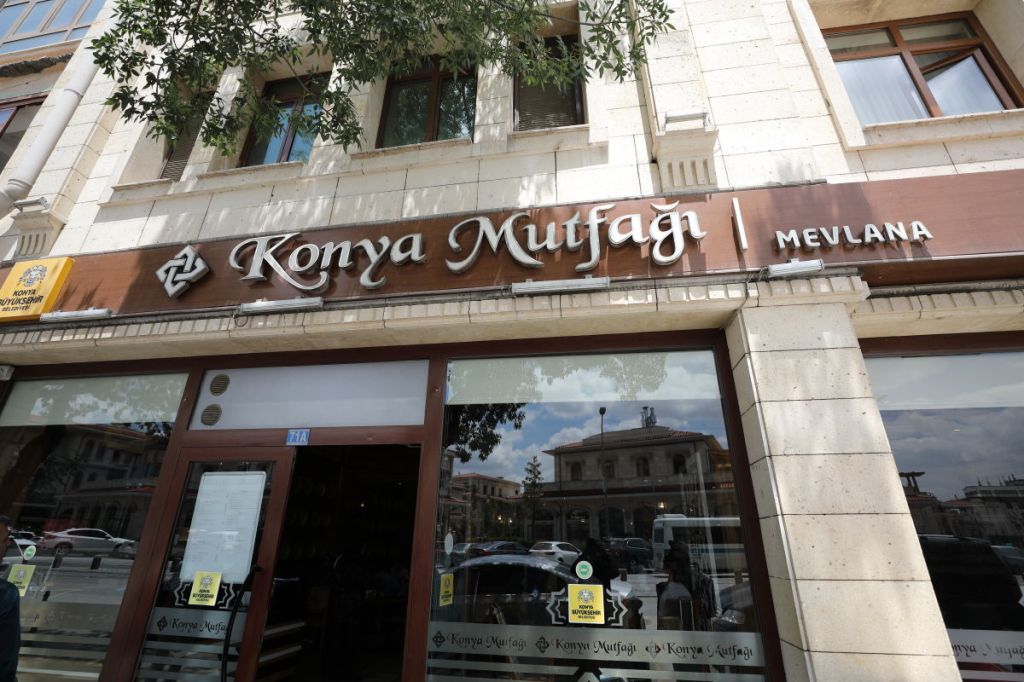
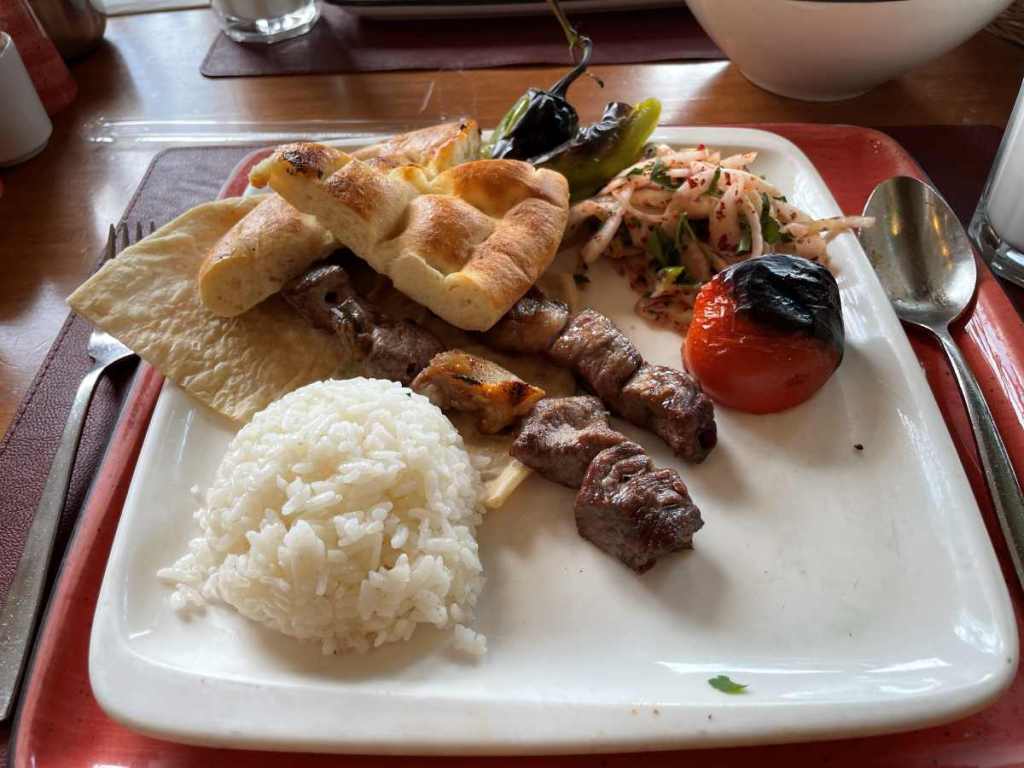
I had lunch at the restaurant opposite this, I chose the lamb kebab which tasted good.
After a four-hour drive from Konya, we finally reached our accommodation in Pamukkale.
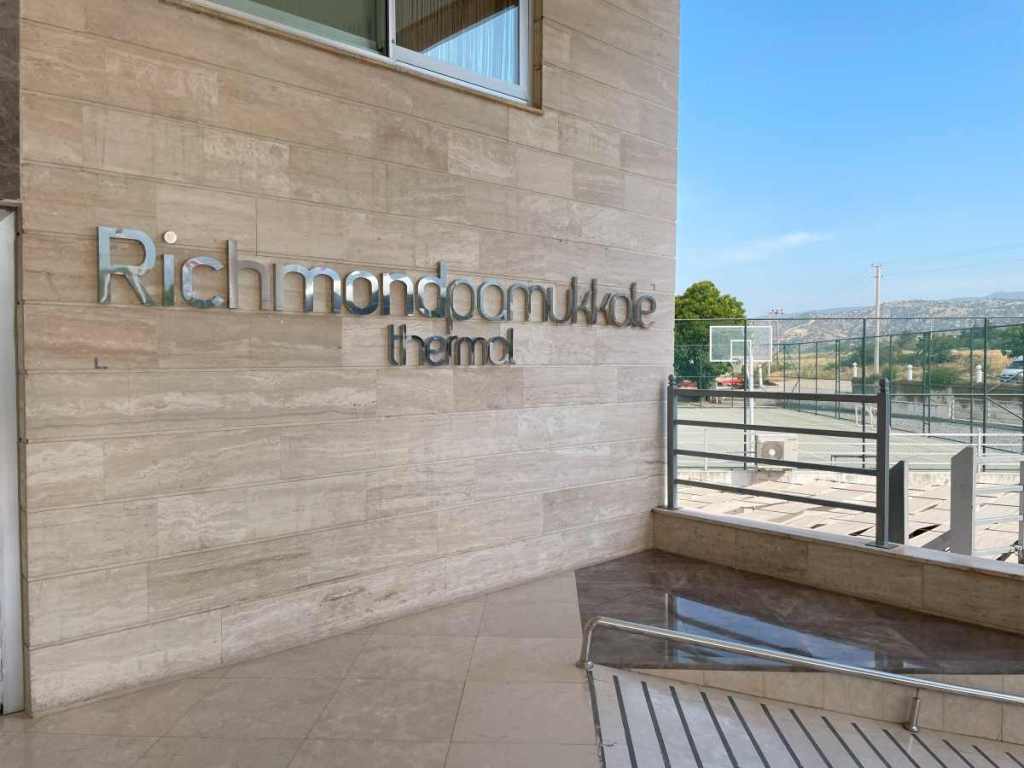
As implied by the name “Thermal,” Pamukkale is renowned for its hot spring resort, featuring both indoor and outdoor thermal pools. The photograph below depicts the outdoor thermal pool.
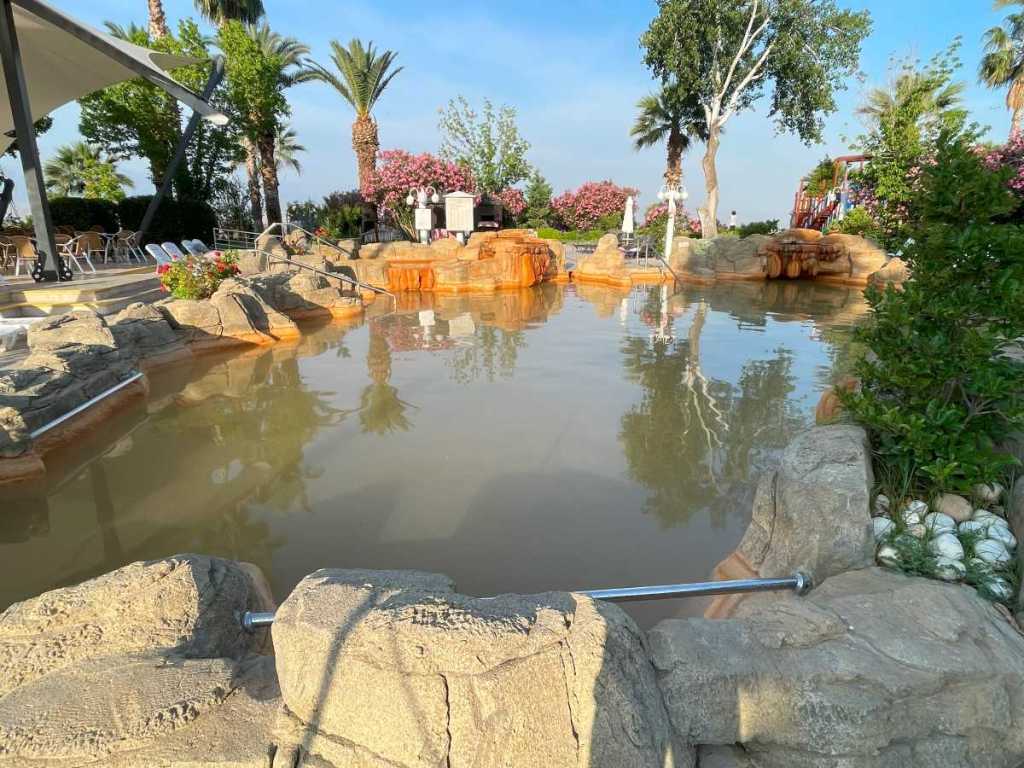
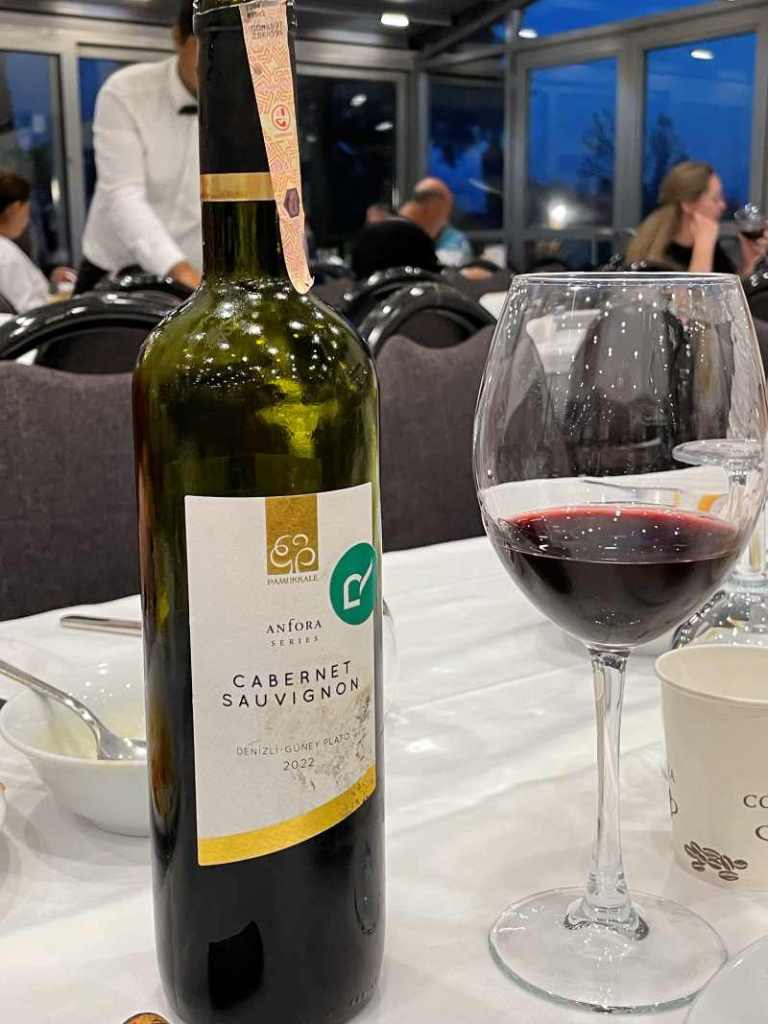
The white sign displayed in the background lists the ingredients, and the water, at 47 degrees, is rich in calcium carbonate. Its color and texture resemble the high-temperature carbonated springs found at Nagayu Onsen in Oita. After easing my weariness in the hot springs, I enjoyed a dinner buffet accompanied by wine.
May 26th (Sun)
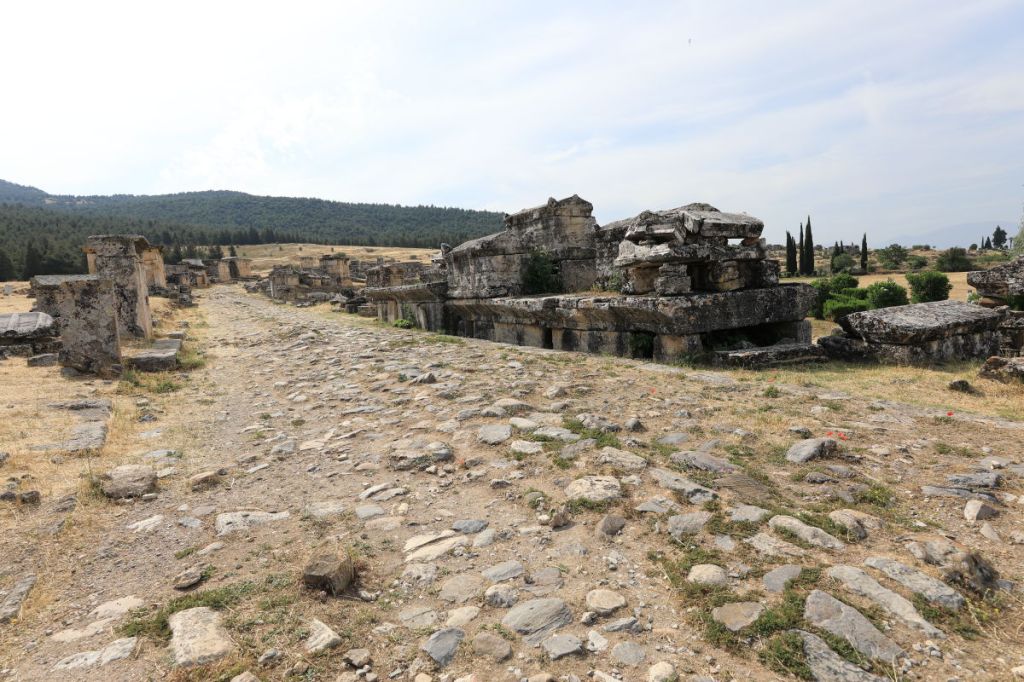
This morning, we explored the nearby Roman hot spring resort of Hierapolis. Entering through the gate where group tourists seldom go, one can discover an ancient cemetery.
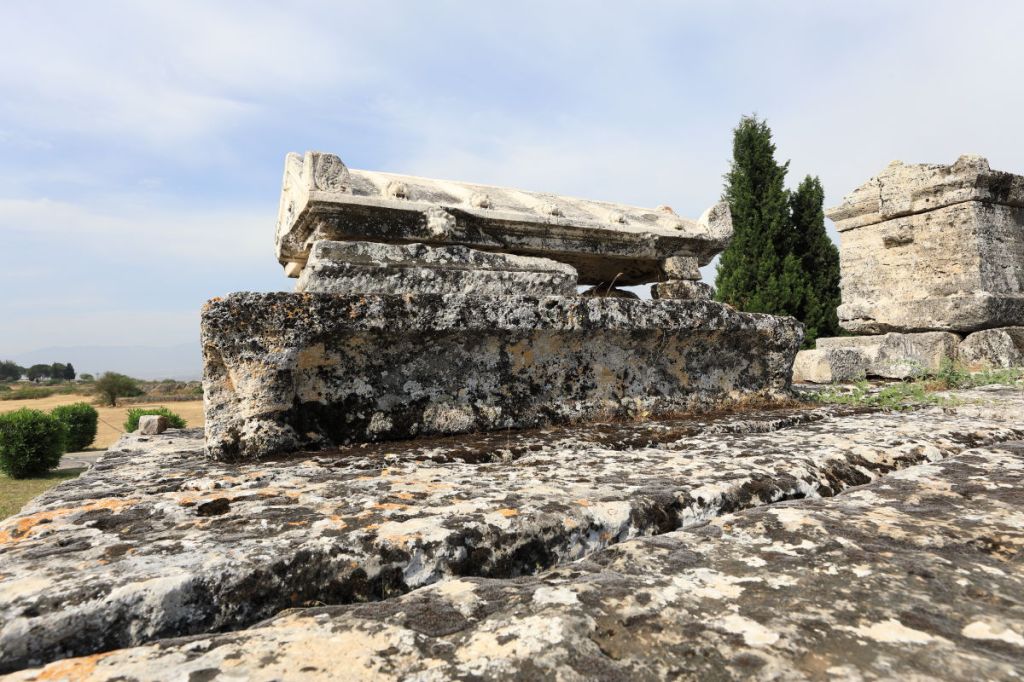
Just before the town gate, there was a public bath where individuals would purify themselves prior to entering the town.
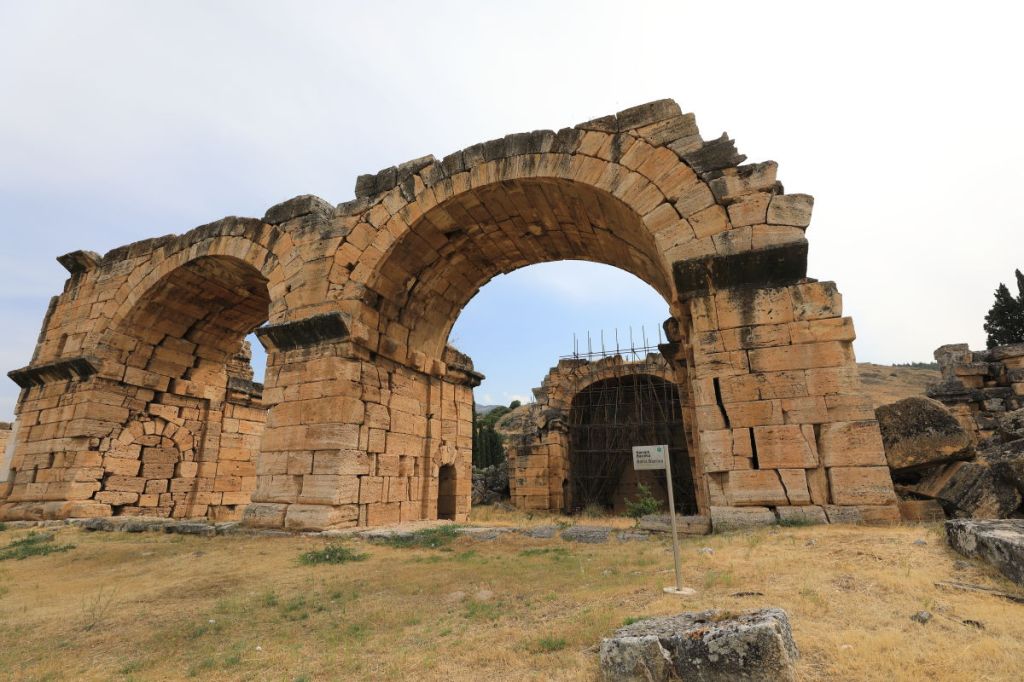
Flush toilets were located to the left, immediately after entering the town gate.
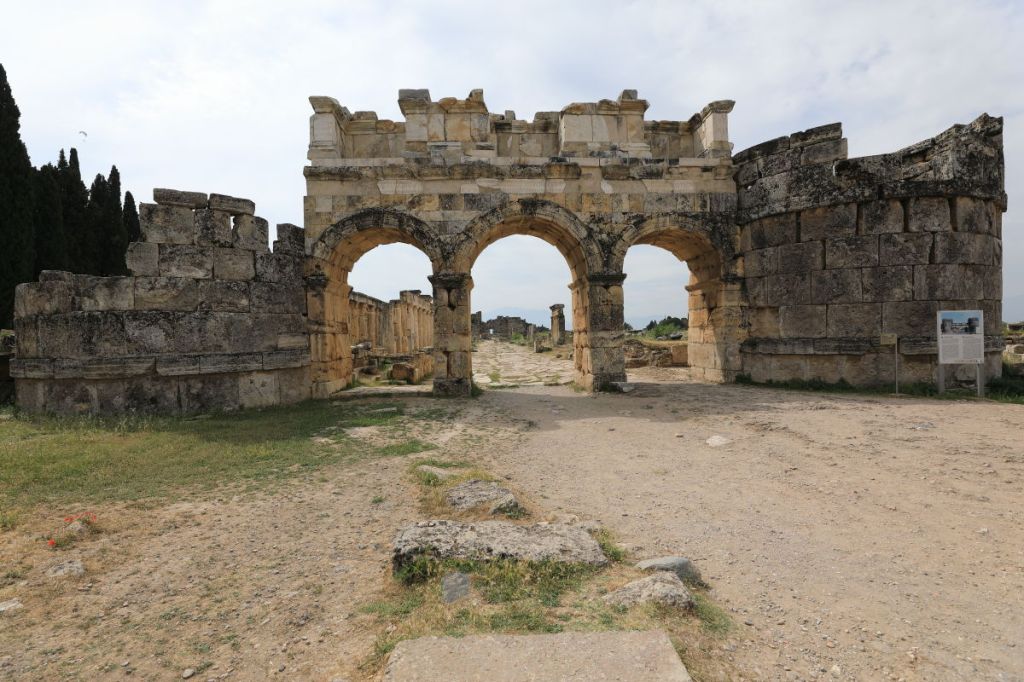
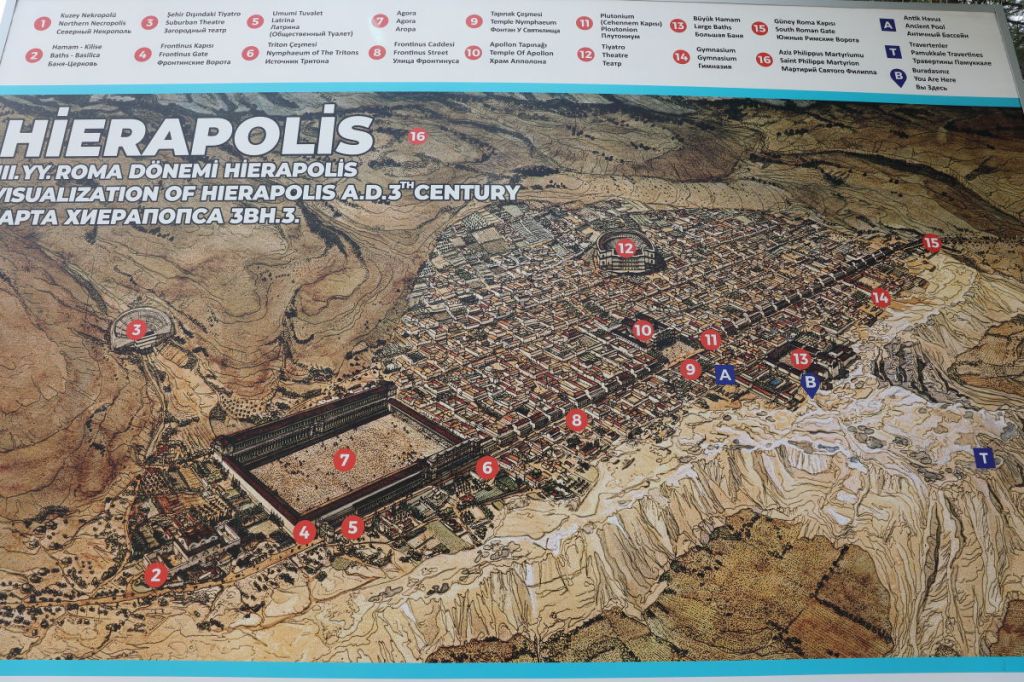
The image below depicts a map of Hierapolis. The public baths can be found at location ②, and the town’s gate is situated at the entrance marked ⑦.
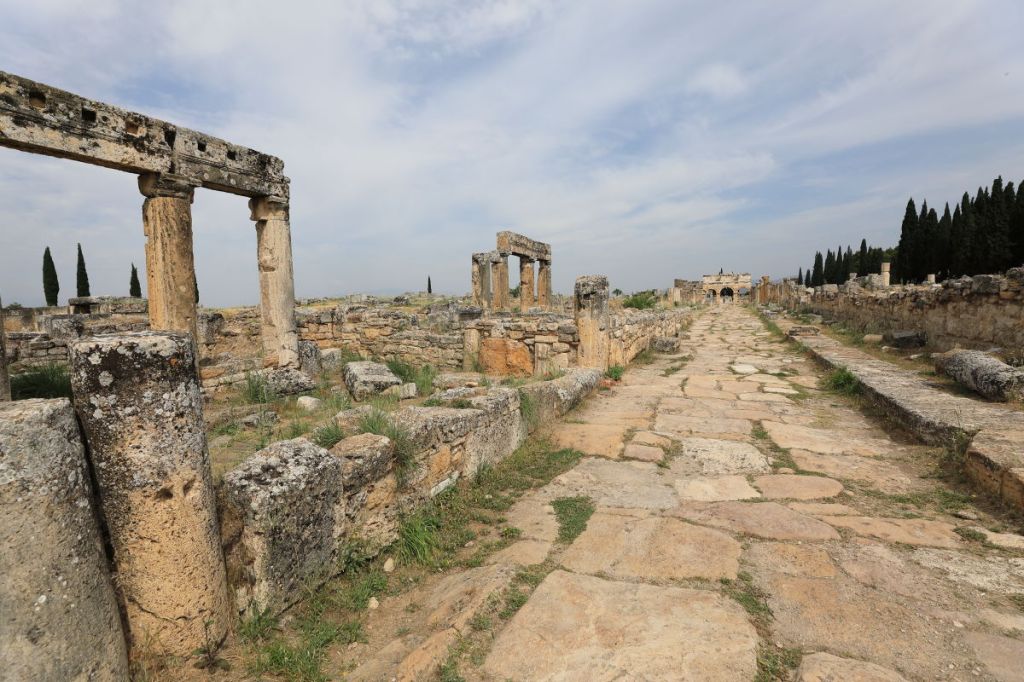
In the center lies a stone pavement with a sewer running beneath it.
Ahead on the left, you will notice the renowned pure white rice terraces. Situated atop a travertine terrace, these formations have been sculpted by hot spring water rich in calcium carbonate. Due to a decreasing water level, and in efforts to prevent contamination, the water is redirected to a different location every ten days.

Since it was Sunday, the large pool near the entrance was bustling with tourists.
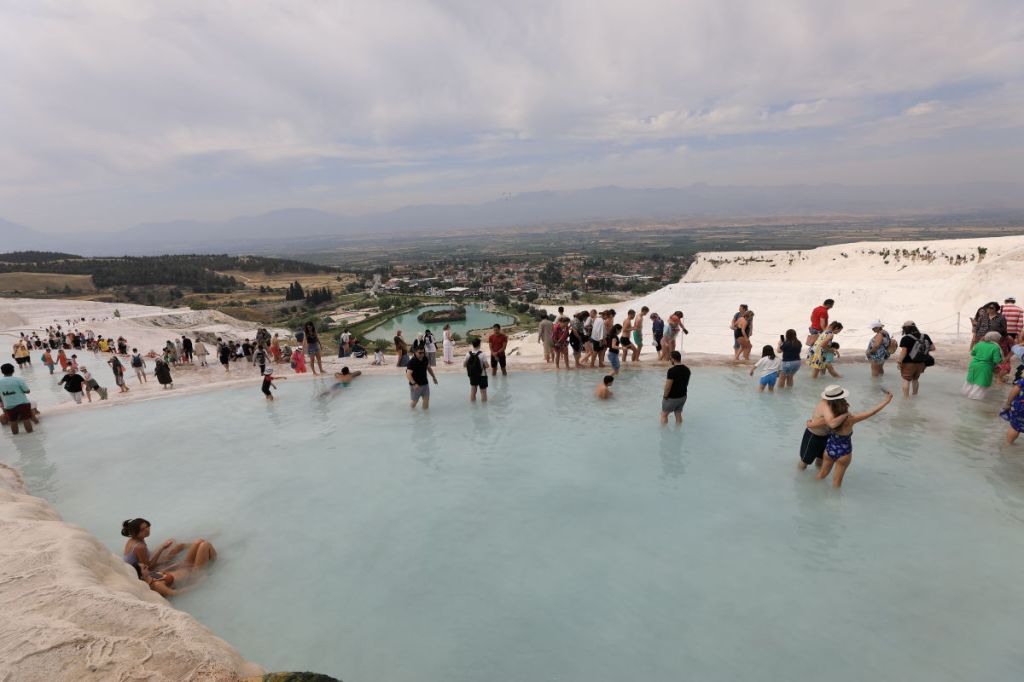
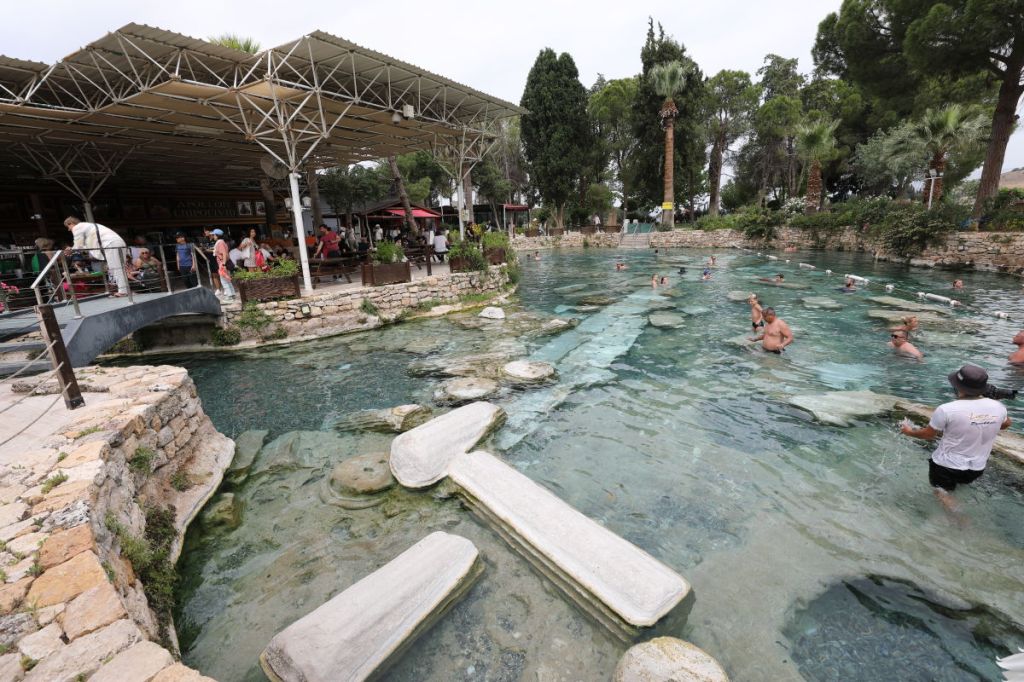
The image below depicts the ruins pool, accessible upon additional payment of an entrance fee.
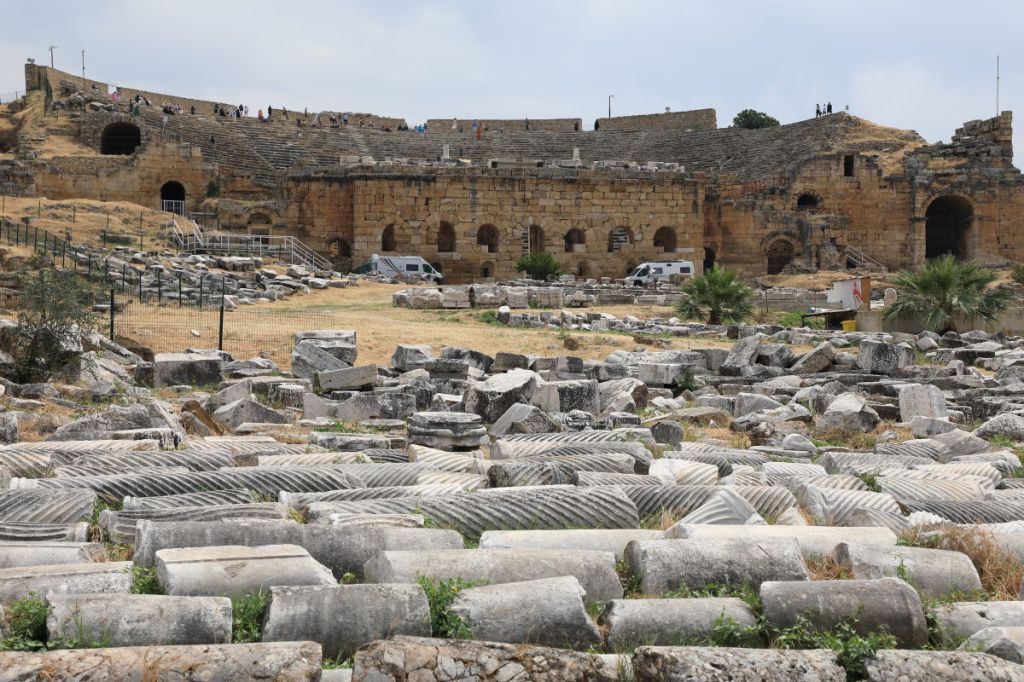
In front of the amphitheater, parts of a structure are currently under excavation.
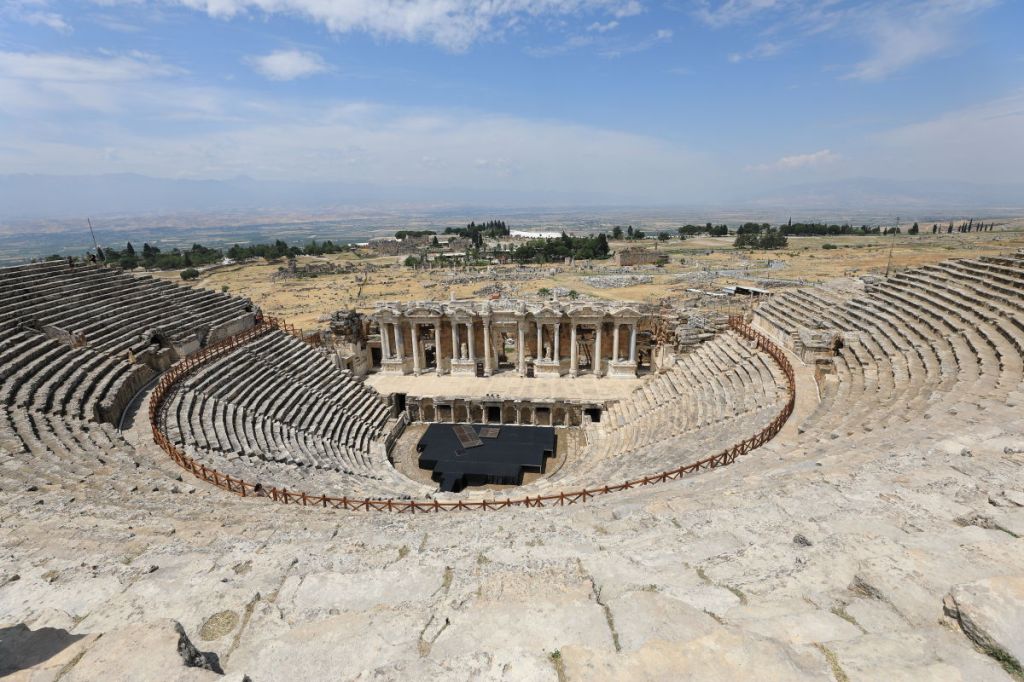
The amphitheater remains in excellent condition, and beyond it lies a temple dedicated to Apollo, the sun god of Greek mythology.
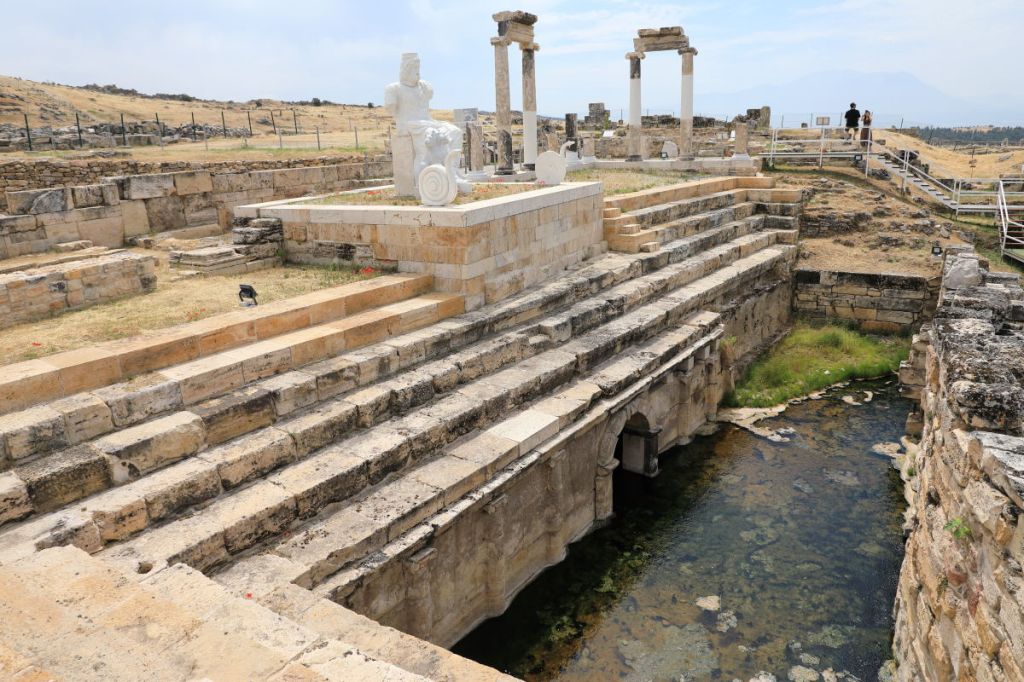
After lunch, we visited Kaklık Cave. The landscape bears resemblance to the travertines of Pamukkale, though it boasts fewer stalactites.
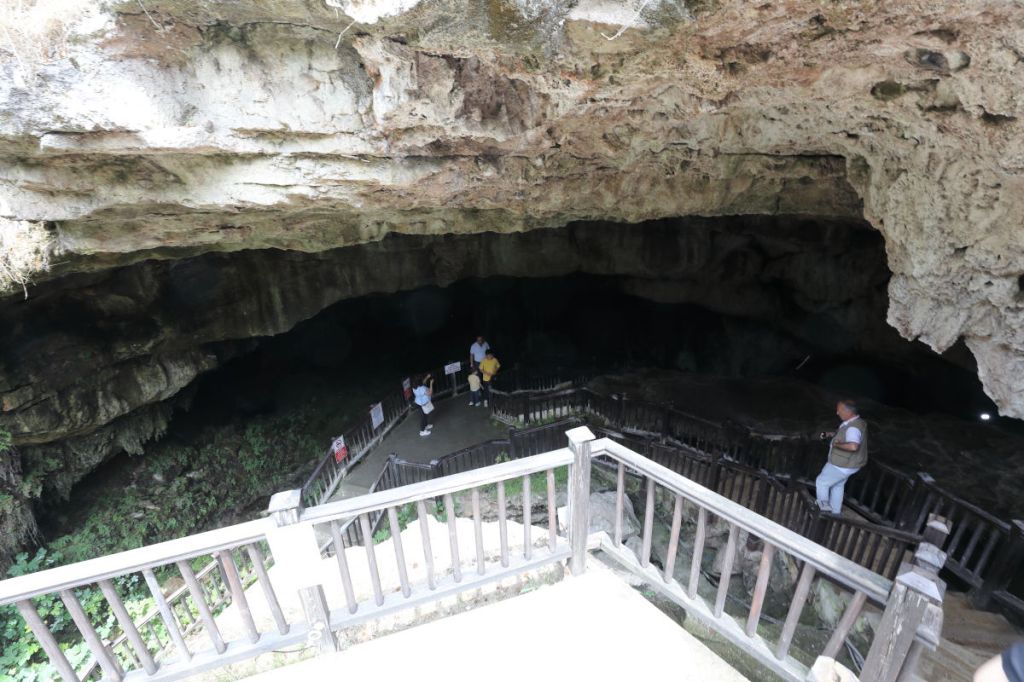
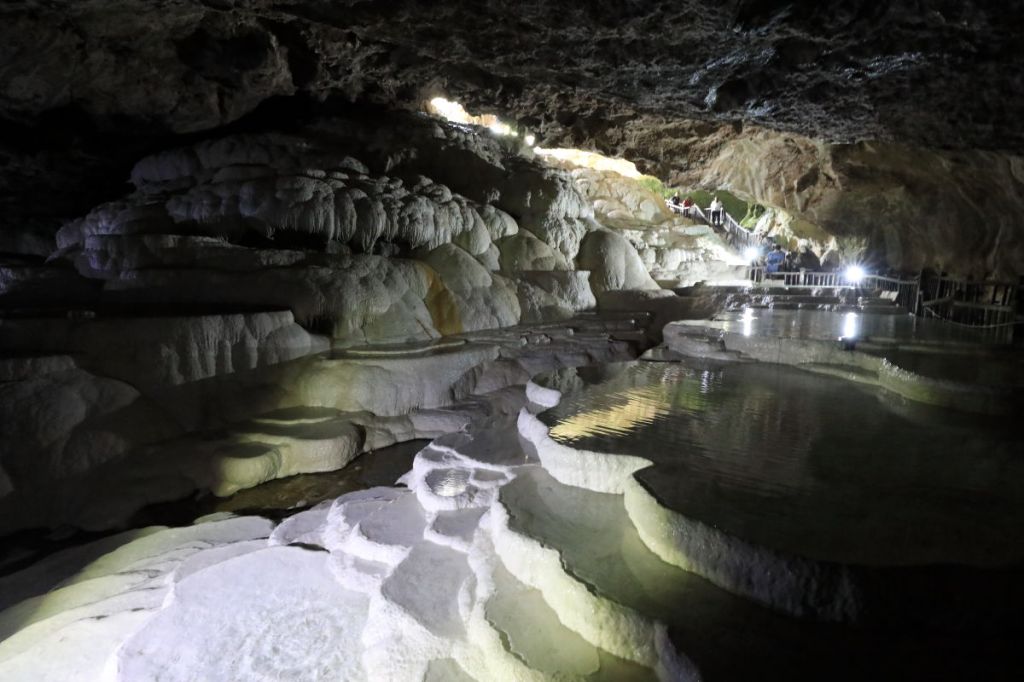
With this, I have concluded my Pamukkale tour and arrived back at Istanbul’s Zabiha Gökcan Airport at 20:15 on AJet flight VF3195, which left Denizli Çardak Airport at 19:05. Tomorrow, I will depart from Istanbul to Doha. The tour’s lunch was repetitive, featuring soup, salad, a variety of kebabs, and meatballs, which became somewhat monotonous, but I suppose it’s all part of the learning experience.
 旅好き爺の旅行記
コメントを残す