

I visited Tsukioka Onsen in Niigata and Omaru Onsen in Tochigi for a three-day, two-night trip from Sunday, July 21st to Tuesday, July 23rd. The trip’s aim was to unwind in the hot springs and admire the works of Ishikawa Uncho, known as the Michelangelo of Echigo in Niigata. Uncho, born in Zoshigaya, Edo (now Tokyo) in 1814, is recognized as an Ishikawa-style sculptor who settled in Echigo. He earned the nickname ‘Michelangelo of Echigo’ due to his varied creations, including fusuma paintings and stucco work.
July 21st (Sun)
I departed from my home at 6:00 in my car, paused for a break en route to the Kan-etsu Expressway, exited at Yamato Smart IC, and reached Kaiun Kannon Ryukokuji Temple in Minami-Uonuma City at 9:45. This temple is the first location featuring the artwork of Ishikawa Uncho. Ryukokuji Temple is a Soto Zen temple with a history spanning over 1,000 years.
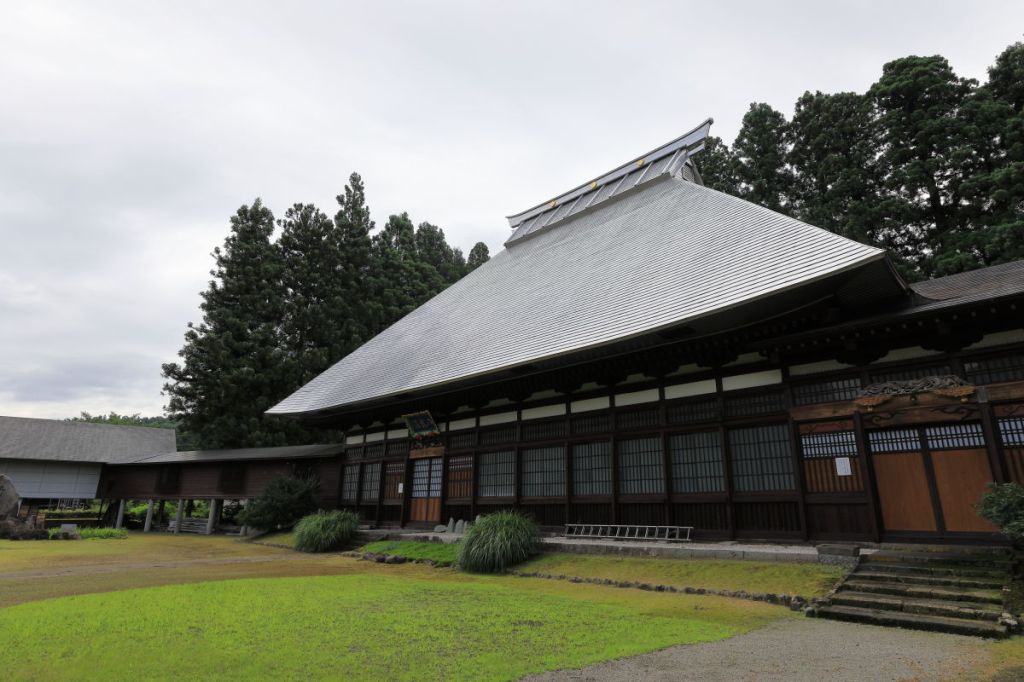
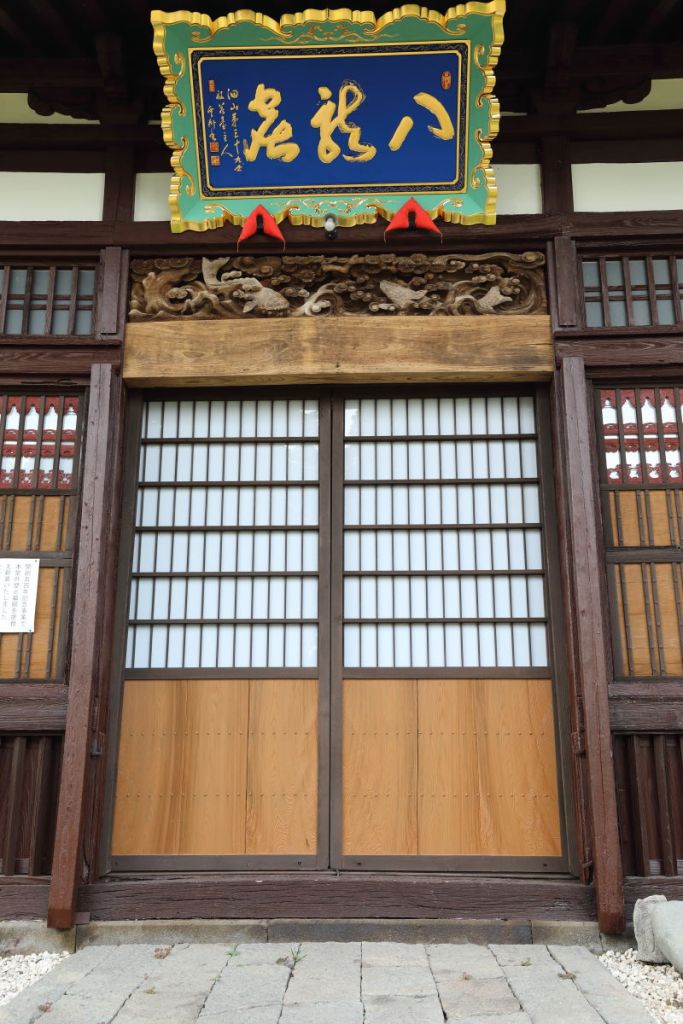
You enter the main hall through this Indian-style Kannon Hall.

Photography is not allowed inside the main hall; therefore, the photo below is from a screenshot taken from the Niigata Tourist Navigator website. The main hall features numerous openwork carvings by Uncho. Additionally, the Myokodo Hall, situated to the left of the main hall, houses 120 wooden Buddha statues crafted by Takeuchi Shozan, a renowned Buddhist sculptor from the late Meiji to the Taisho period, which are also worth visiting.

The next destination was the nearby Anachi Juni Daimyojin Shrine, a quaint shrine adorned with artwork by Uncho.
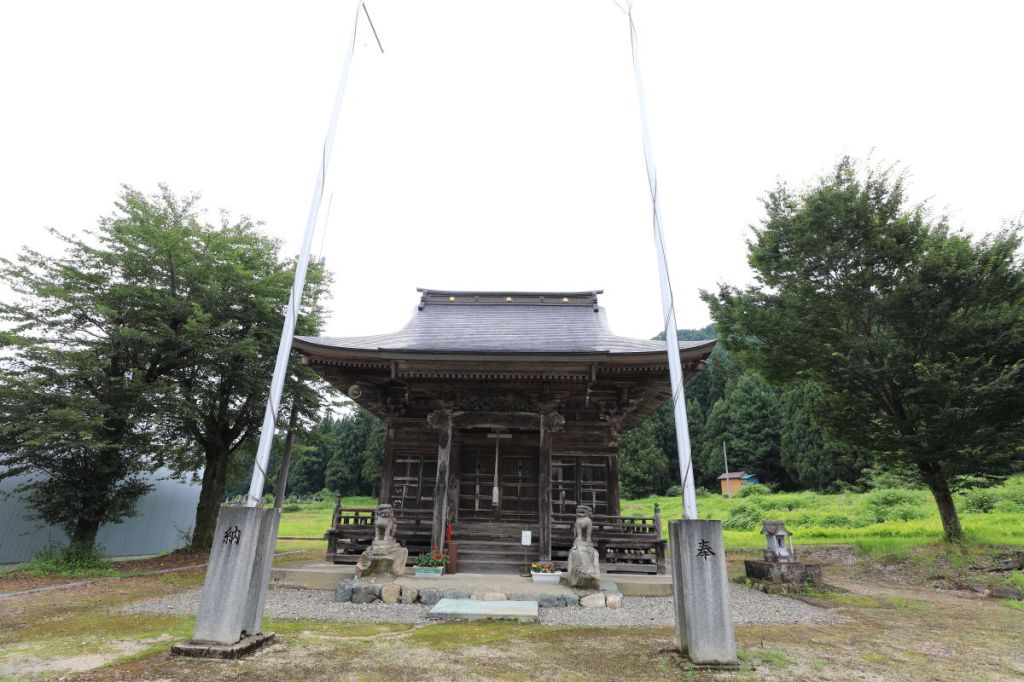
In front of the worship hall there is a powerful sculpture of a dragon with lions on either side.
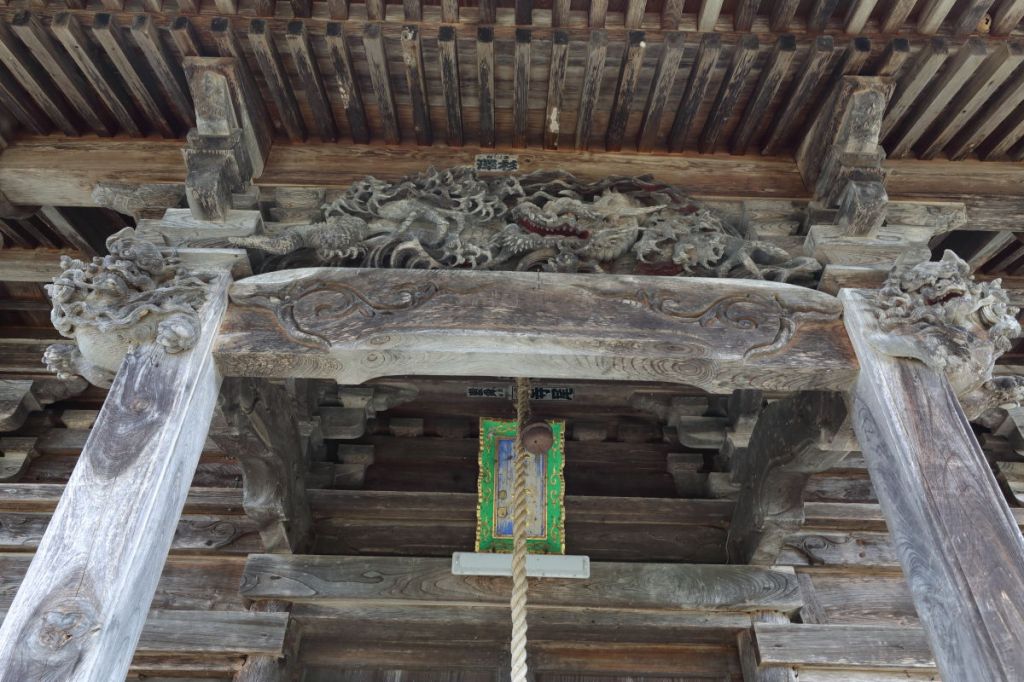
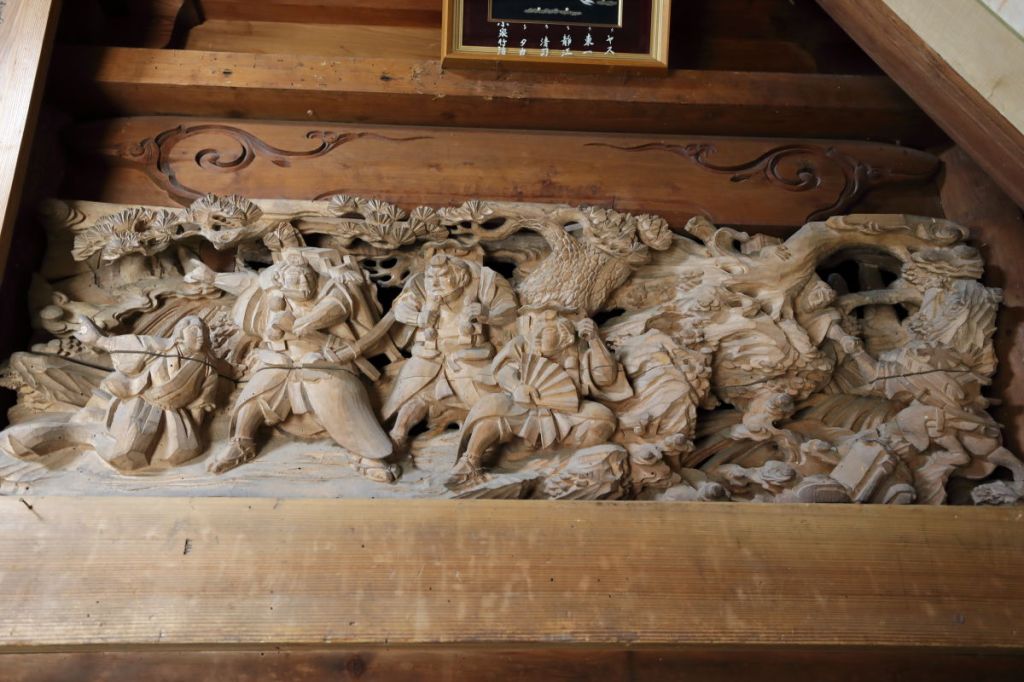
The worship hall also features exquisite openwork carving on the transom. However, upon closer examination, ink marks remain alongside the chisel marks, suggesting that the work was left incomplete.

It was lunchtime, so I checked Google Maps and found an Italian restaurant called Forest Inn nearby, so I went there. I had pasta, which was delicious and highly recommended.
After lunch, I made my way to the Akagisan Saifukuji Temple in Uonuma City, which is nearby. Established in 1534, the temple features a hall known as Kaizan-do, constructed in 1857 during the late Edo period, adorned with the art of Uncho inside.
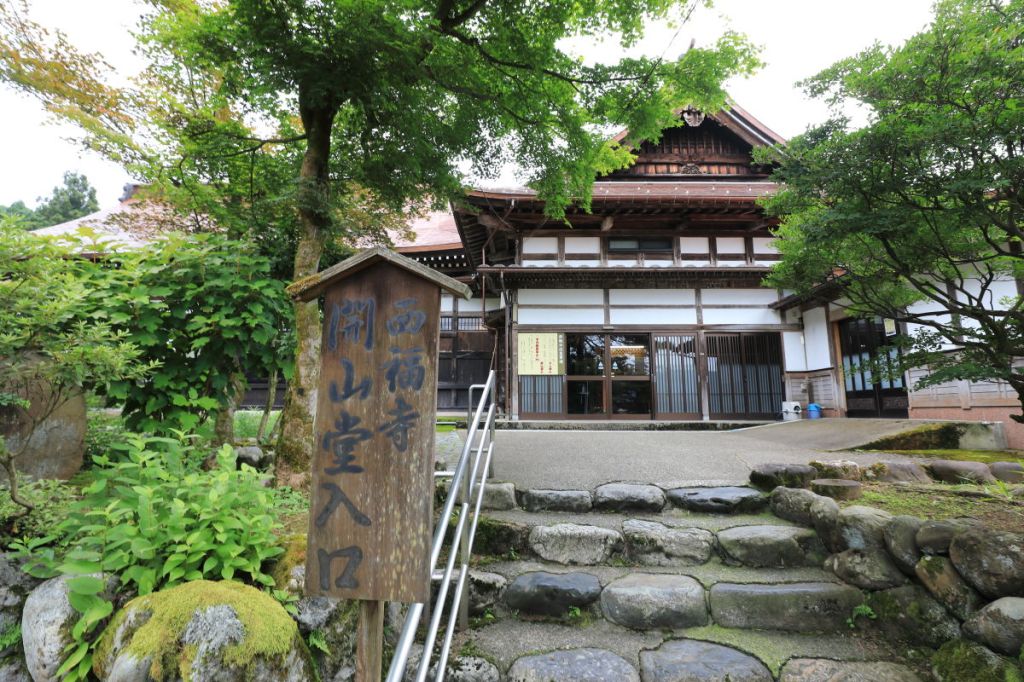
The building on the left protected by a steel roof is the Kaizan-do Hall.
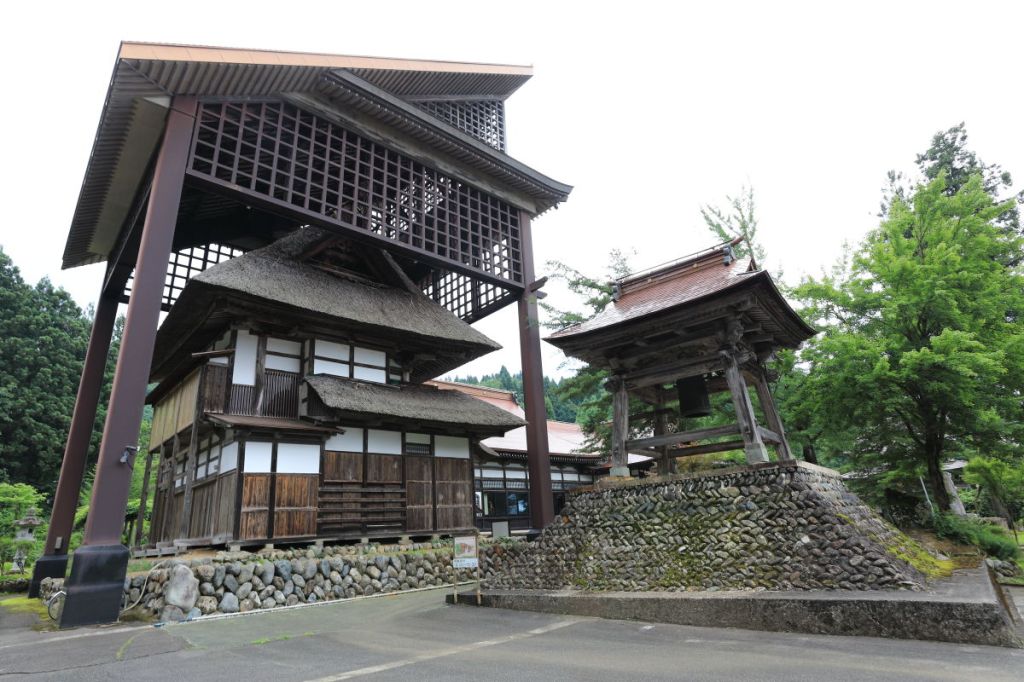
The front porch of Kaizan-do Hall is adorned with openwork carvings by Uncho, and at the center, there is a hawk’s eye with a glass ball, considered a valuable item during that period.
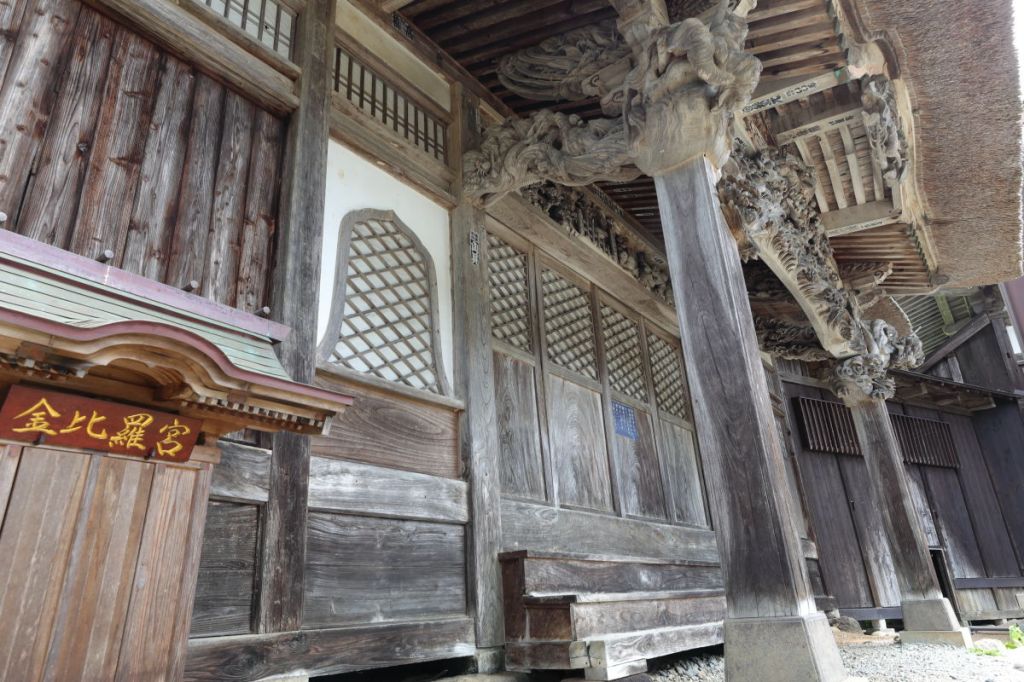
Unfortunately, photography is prohibited inside the temple, but the following photos can be found on the Niigata Tourist Navigation website.
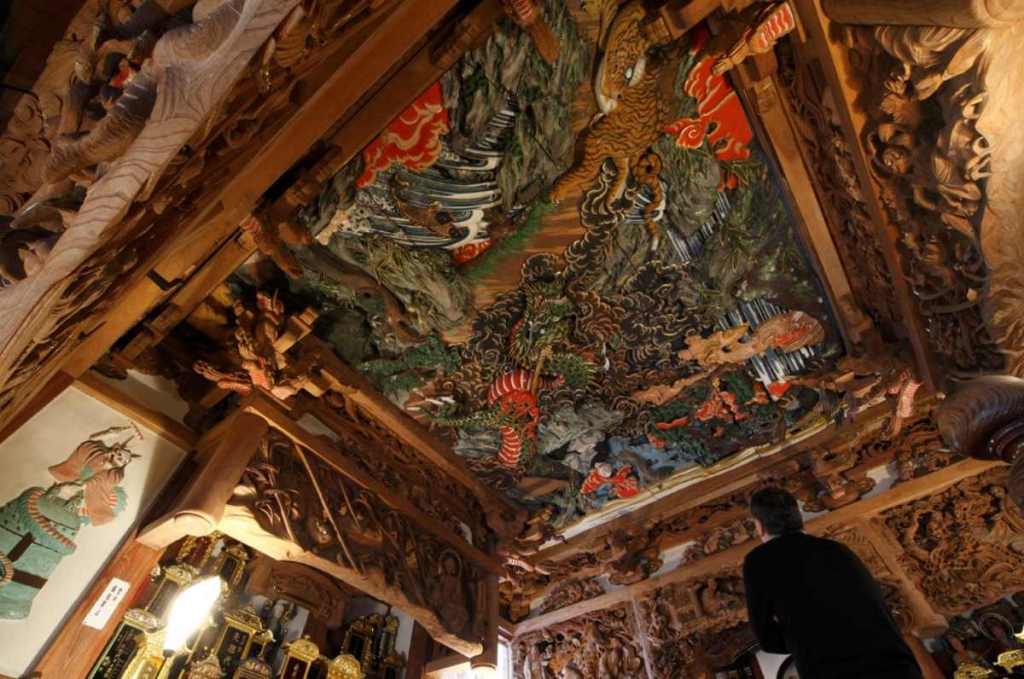
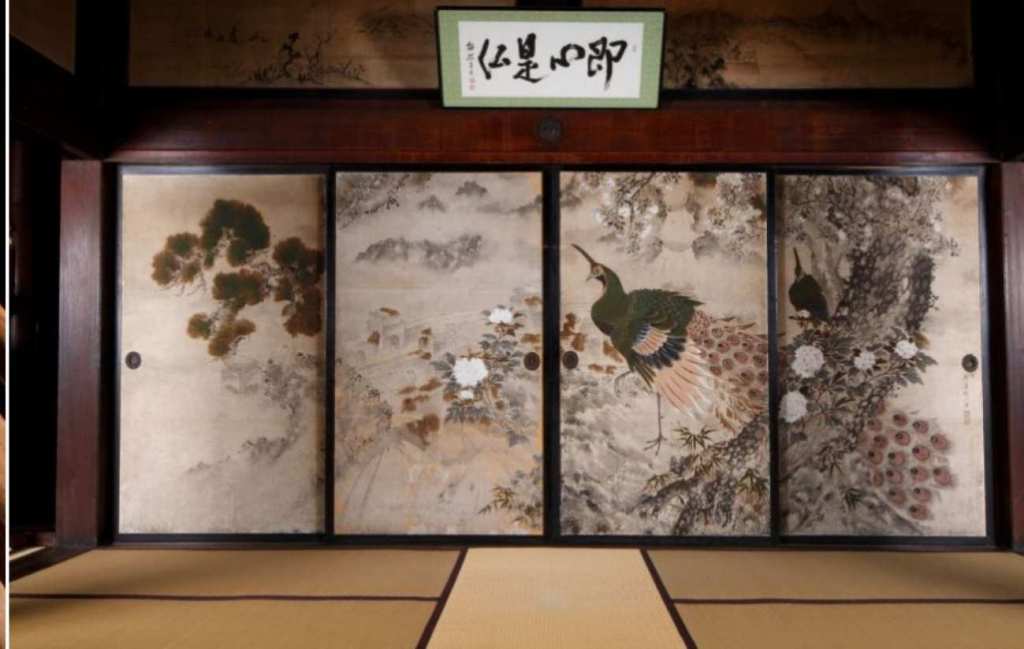
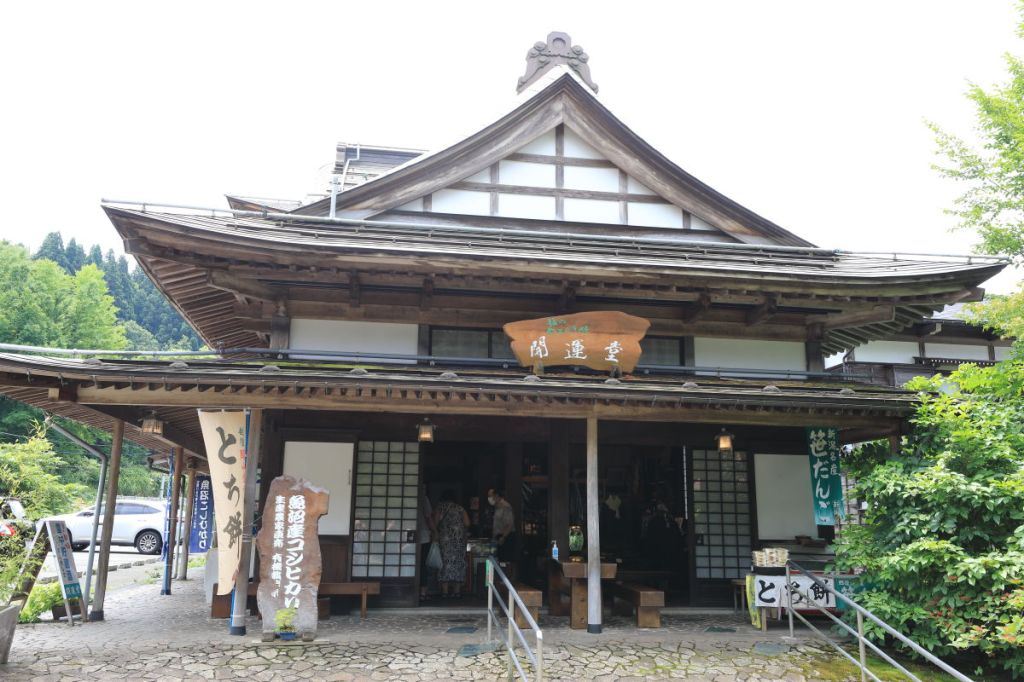
The corridor is adorned with wooden inlays by Uncho, adding a playful touch. Following my visit to the temple, I purchased Tochi Mochi, a cake made from pounded horse chestnuts and mochi rice, and Sasa Dango, sweet dumplings wrapped in bamboo leaves, as souvenirs from the Kaiun-do store.
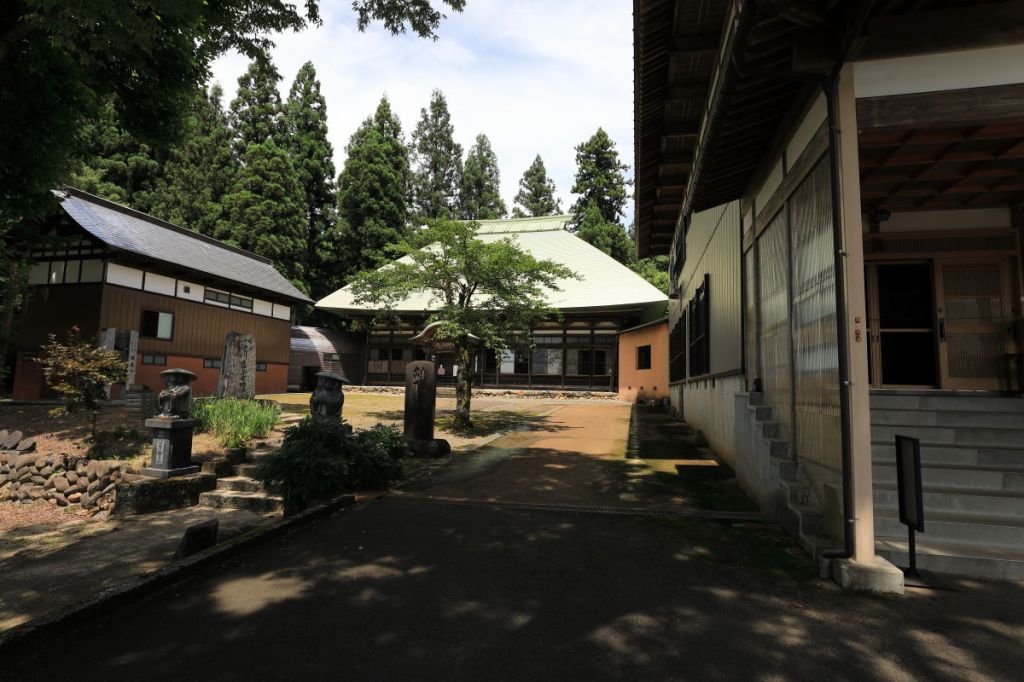
The final destination of my visit today was Eirinji Temple, also located in Uonuma City. With a history spanning over 500 years, Eirinji Temple is a renowned temple of the Soto sect. It was granted permission to construct a main hall and to display the three-leaf chrysanthemum crest, which honors the memorial tablets of Matsudaira Tadanao, the grandson of Tokugawa Ieyasu, and his son, Matsudaira Mitsunaga.
There were many works by Uncho here too. Unfortunately, photography is not allowed inside the building, so here are some of the works shown on the Niigata Tourist Navigation website.
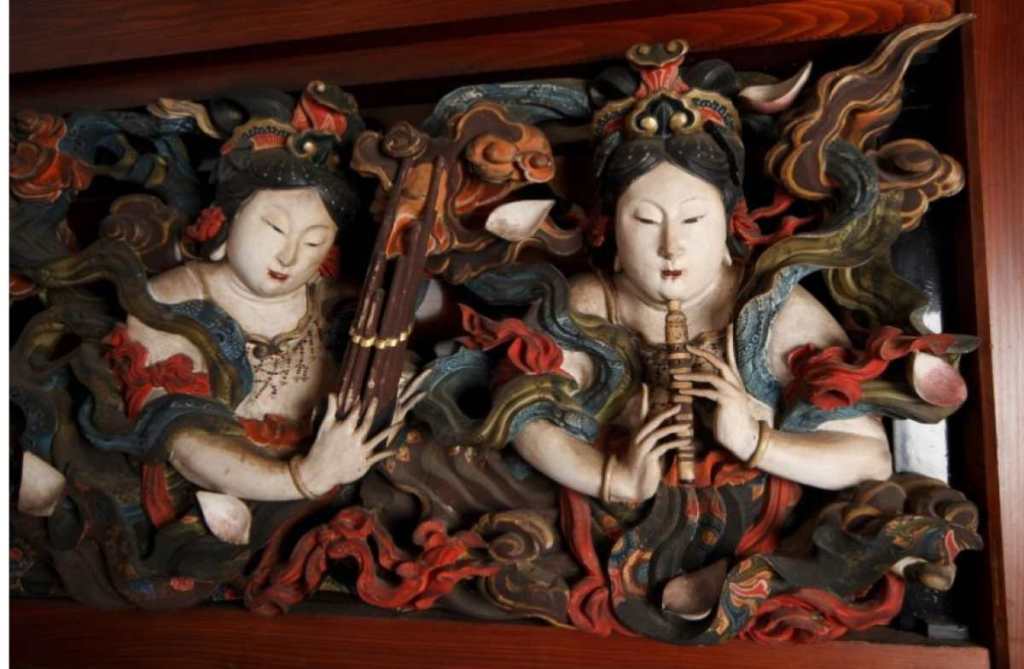
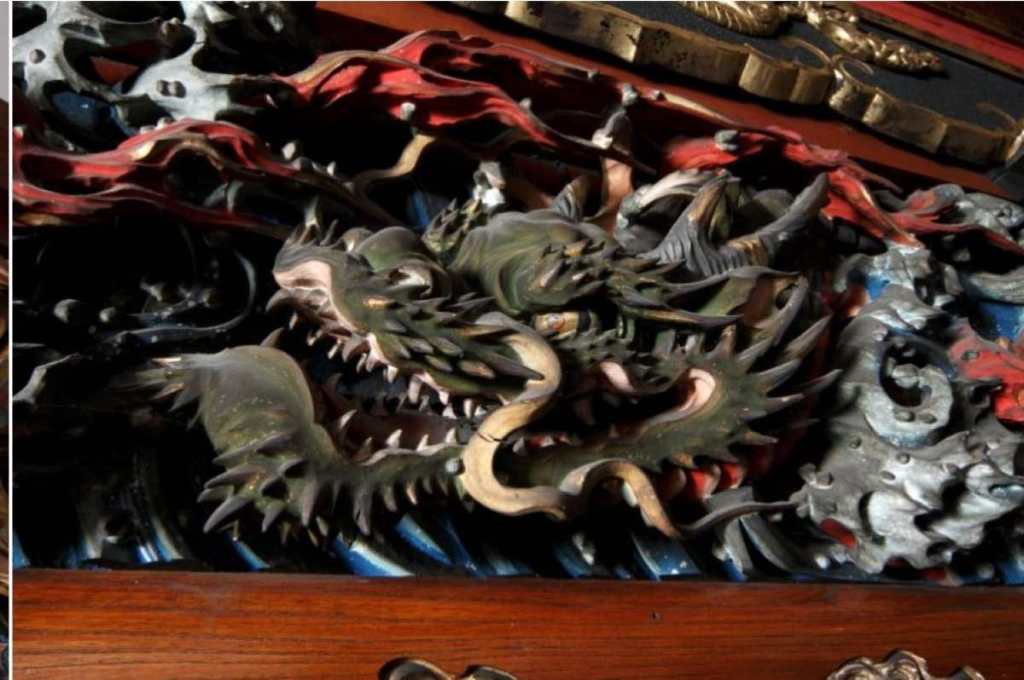
There are some brightly colored openwork carvings.
Having appreciated Uncho’s masterpieces, I rejoined the Kan’etsu Expressway at Muikamachi IC and made my way to Tsukioka Onsen for an overnight stay. Located in Shibata City, Tsukioka Onsen is a modern hot spring, accidentally discovered in 1915 during oil drilling. Known for its weakly alkaline sulfur waters with the highest sulfur concentration in Japan, it was a hot spring I had long wished to experience.
Today, I stayed at Shiratama no Yu Senkei, a top-rated inn that holds the 4th place in the 2024 Top 100 Japanese Hotels and Inns Selected by Professionals. Since it was a weekday, I managed to book a plan for about 20,000 yen that includes a one-night stay with two meals. After checking in at 3:00 p.m., I rested briefly before heading to the hot springs. The indoor bath, as shown on the inn’s website, is filled with boiled water for pre-bathing, while the open-air bath features a hot spring with emerald green sulfuric water.
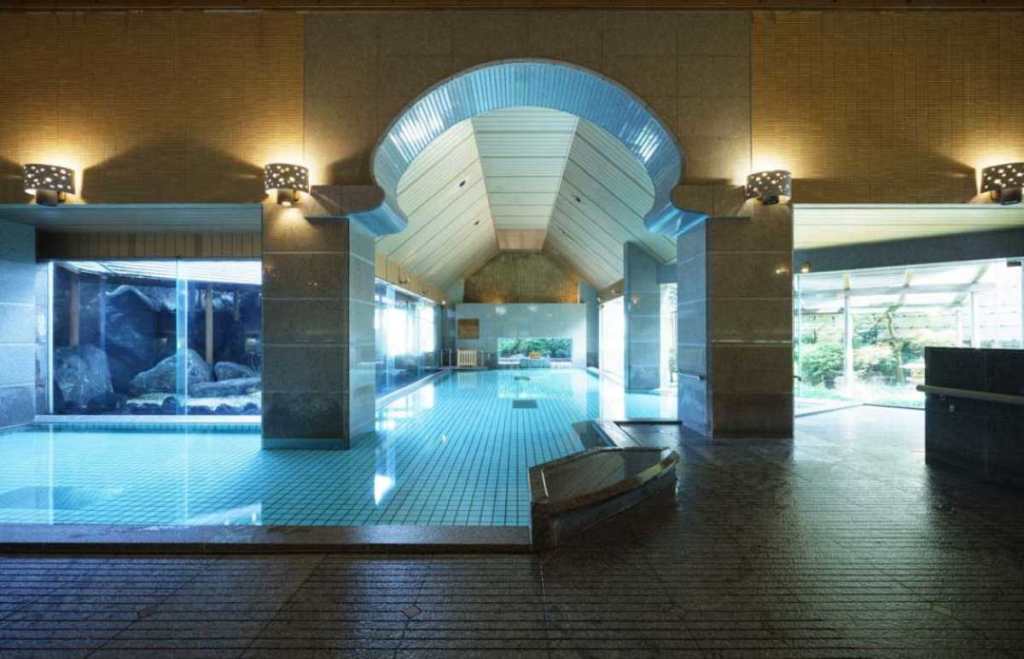
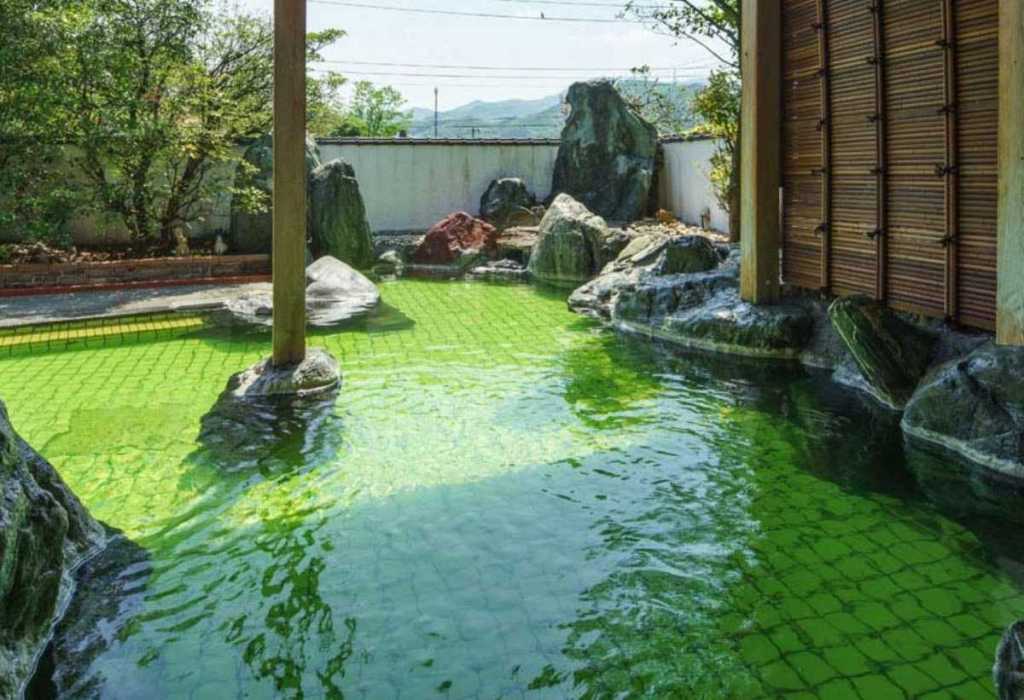
Sulfur springs typically present as acidic hydrogen sulfide springs with a milky white appearance. However, this particular spring is emerald green due to its composition as a weakly alkaline sodium chloride sulfate spring containing sulfur. Shiratama no Yu, a private hot spring, has a sulfur concentration of 164.8 mg per kg, significantly surpassing that of Takayu Onsen and Manza Onsen, which I have previously visited. In contrast, the sulfur concentration in the other hot springs at Tsukioka Onsen is 85.8 mg, suggesting that the elevated levels may be attributed to the exclusivity of the private spring.
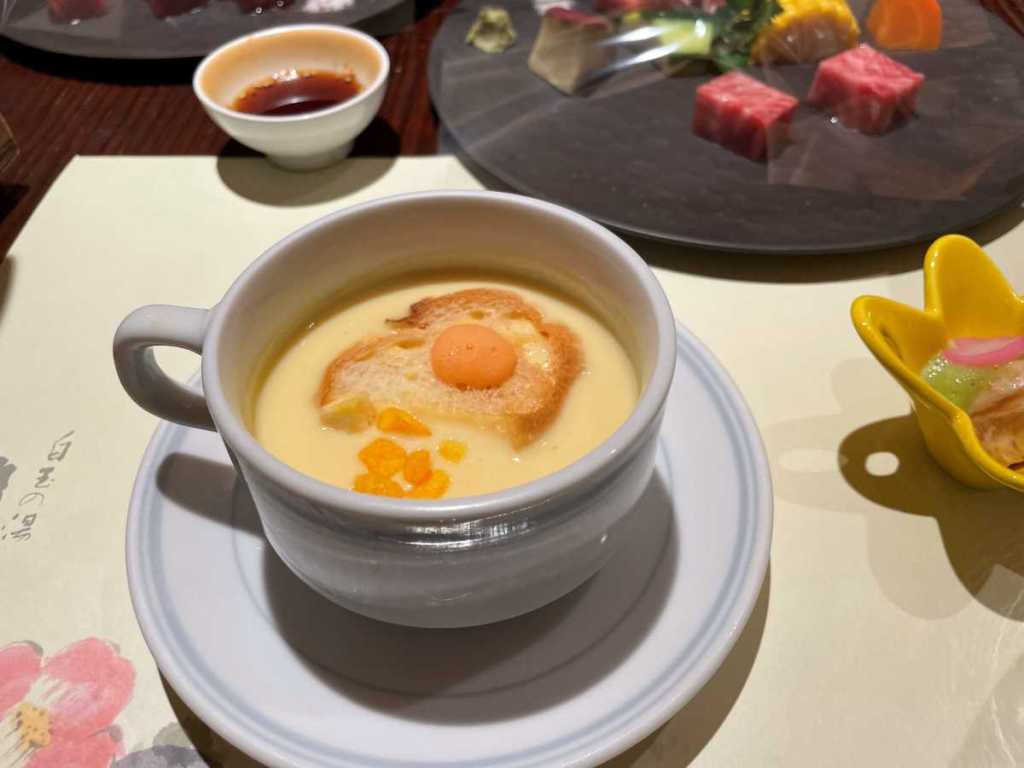
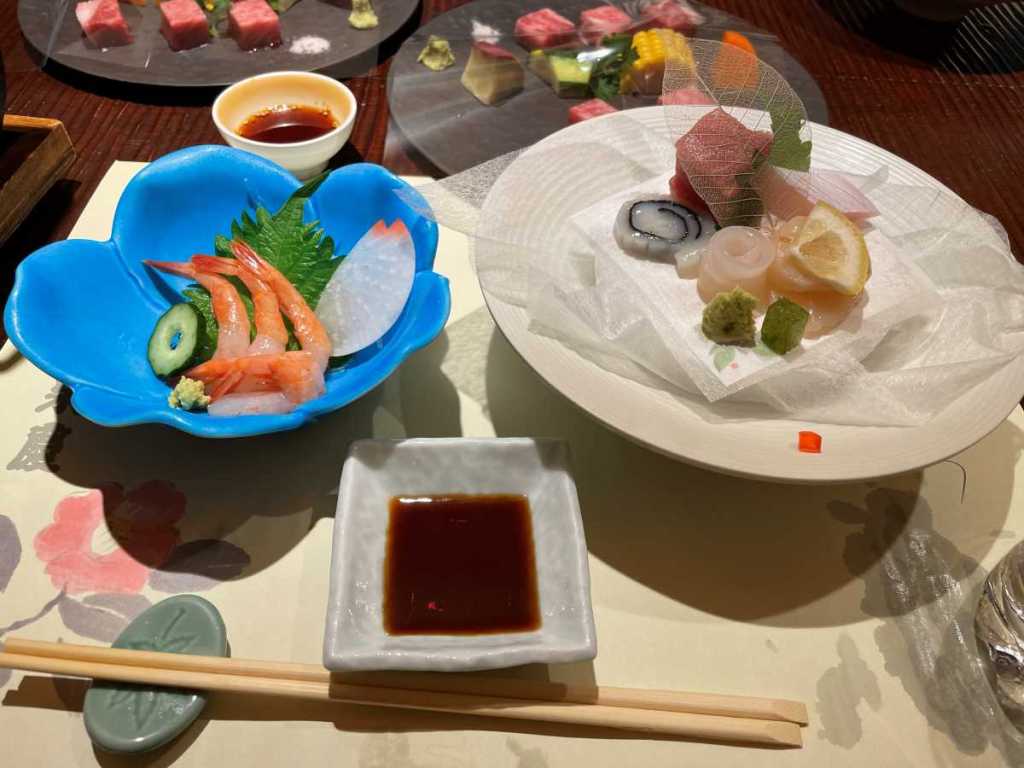
The dinner features a kaiseki cuisine prepared with ingredients sourced from Niigata and is complemented by seasonal edamame beans, exclusive to summer time of year.
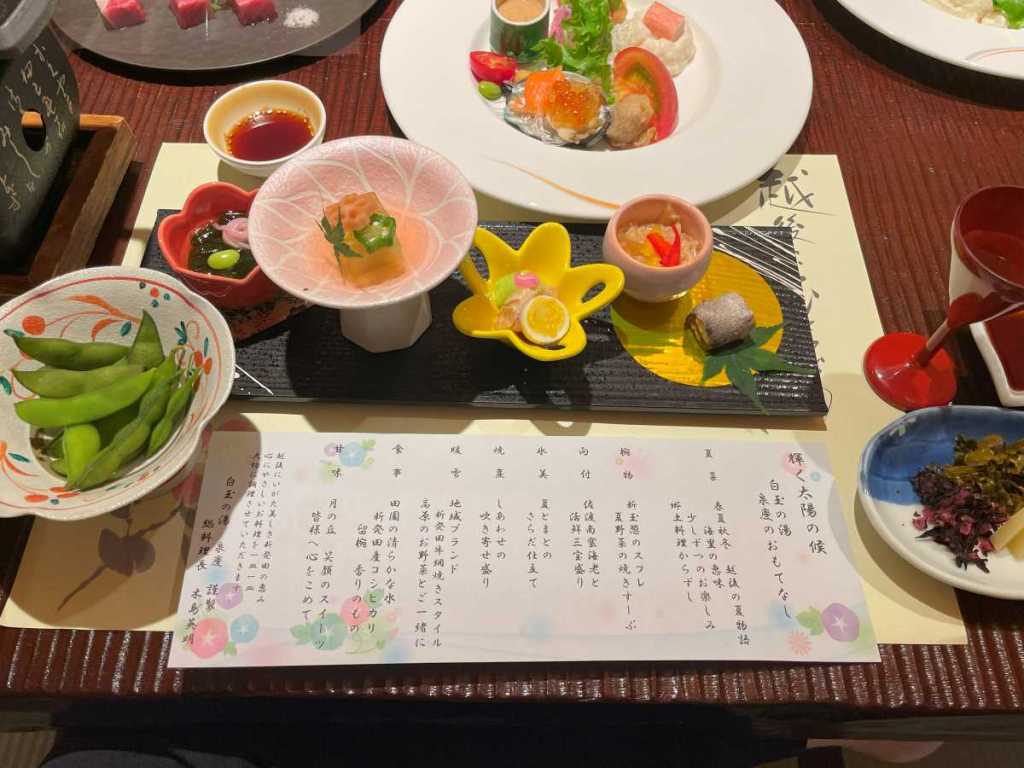
The onion soufflé was delicious.

July 22nd (Mon)
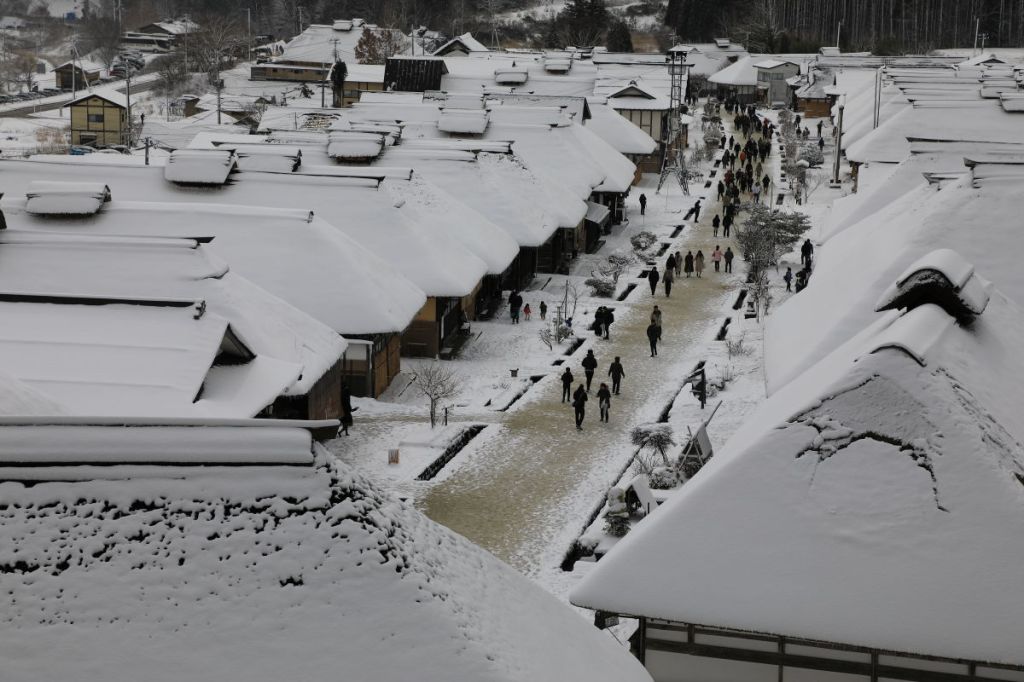
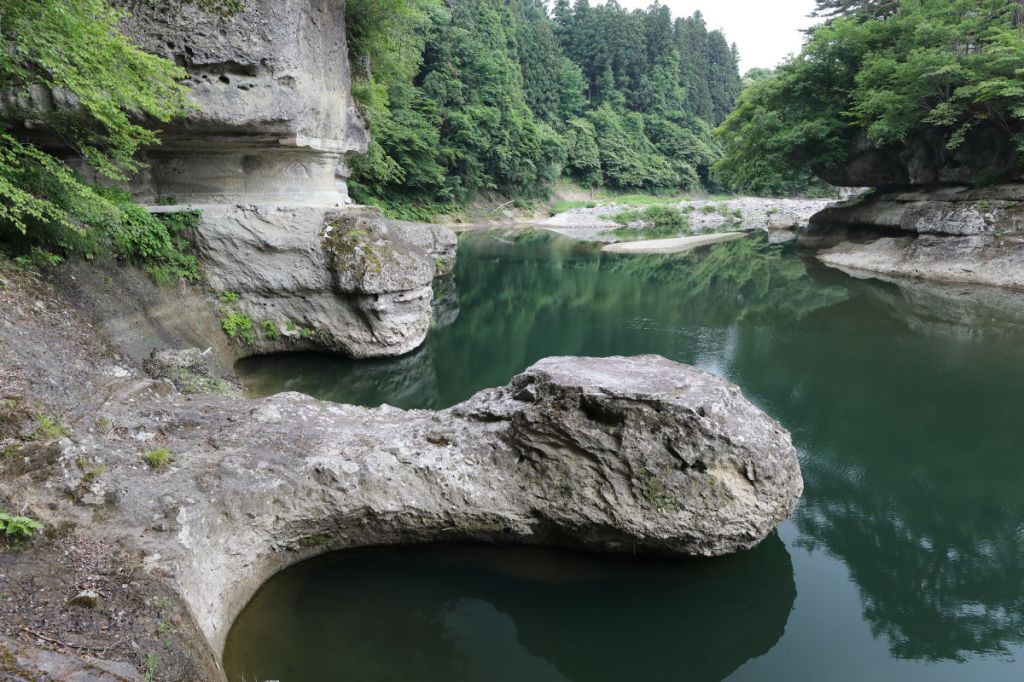
After eating a buffet-style breakfast, I checked out after 9:00 and headed to Omaru Onsen in Nasu today. We got on the Ban’etsu Expressway from Yasuda IC, got off at the smart IC at Shintsuru PA, and headed to Nasu on the general roads. I didn’t stop there this time, but you can also see Ouchijuku and Tonohetsuri. By the way, I have some photos from when I went there in 2018, so I’ll show them to you.
Ouchijuku(June)
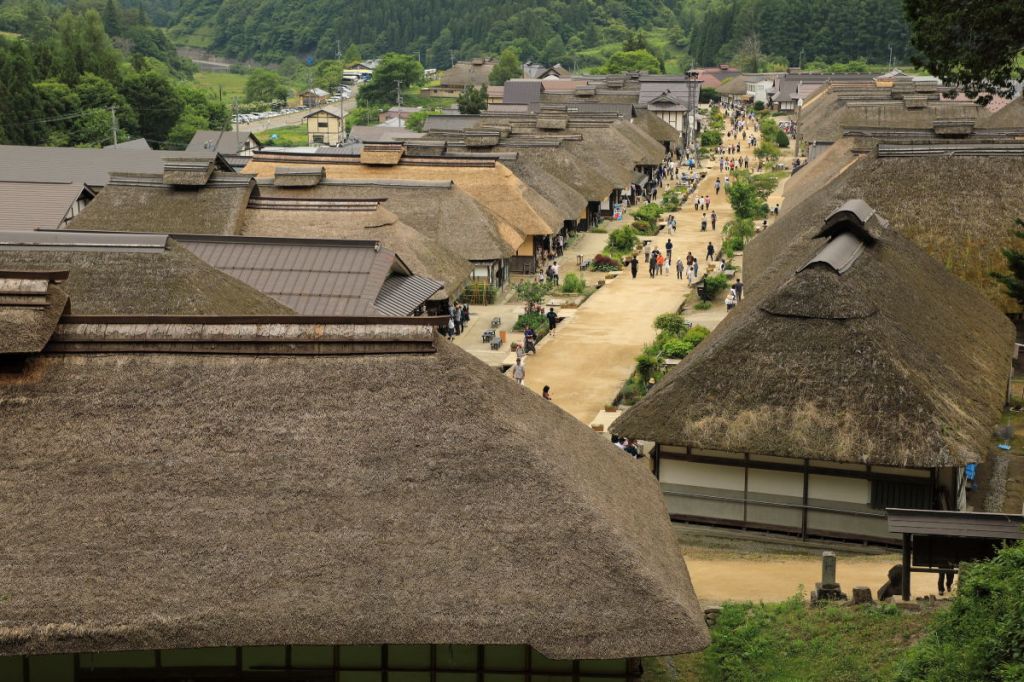
Ouchijuku (February)
Tonohetsuri (June)
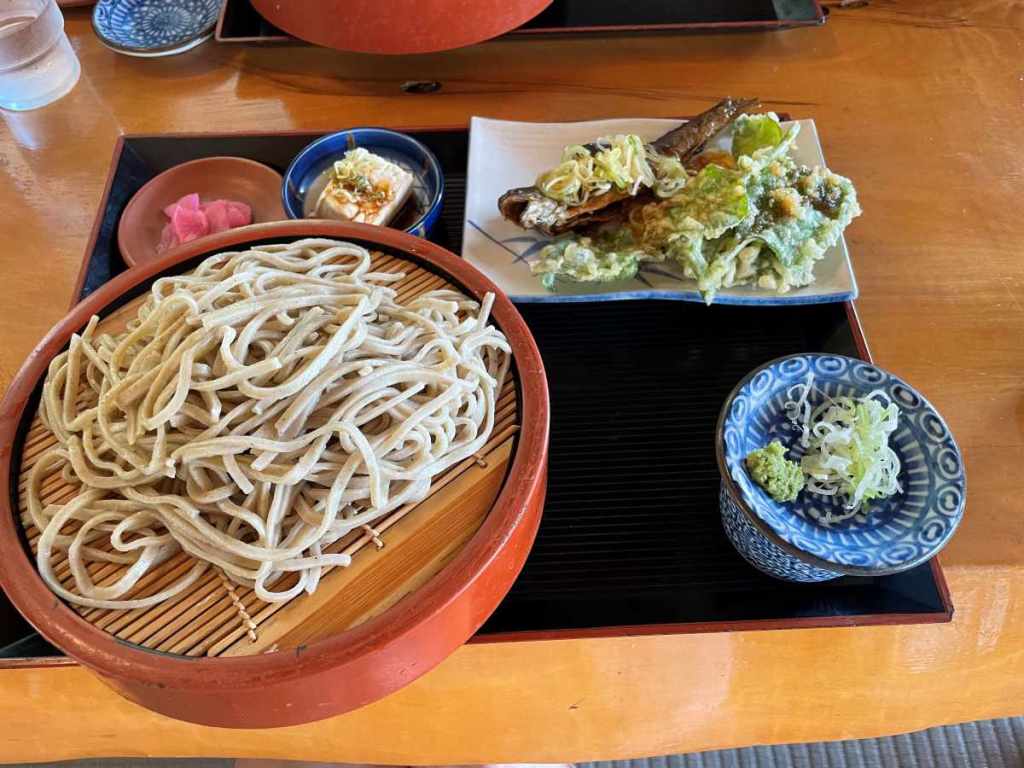
For lunch, I had the option of enjoying Leeks soba in Ouchijuku, but instead, I visited a soba restaurant named Gokoen located at the entrance of Tonohetsuri. There, I savored the Hetsuri soba, which is thick handmade soba served with fried iwana (char) and vegetable tempura, and I managed to consume the iwana from head to tail.
Check-in at the Omaru Onsen Ryokan in Nasu begins at 2:00 p.m., so I decided to head there right after lunch to make the most of the hot springs early on.
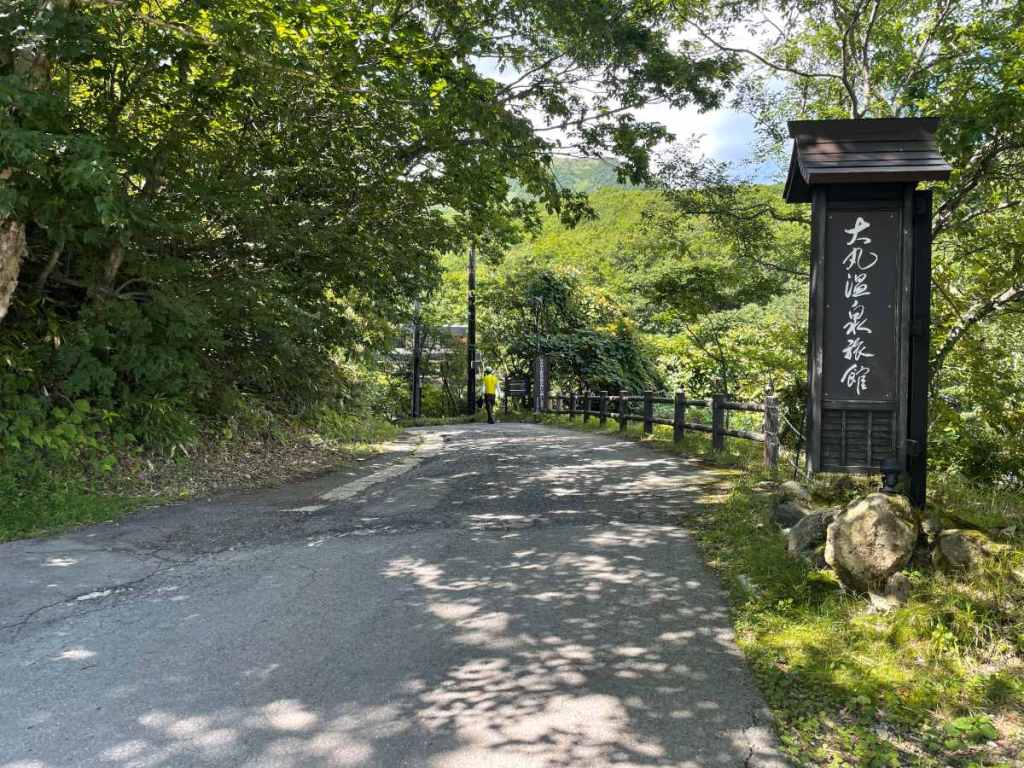
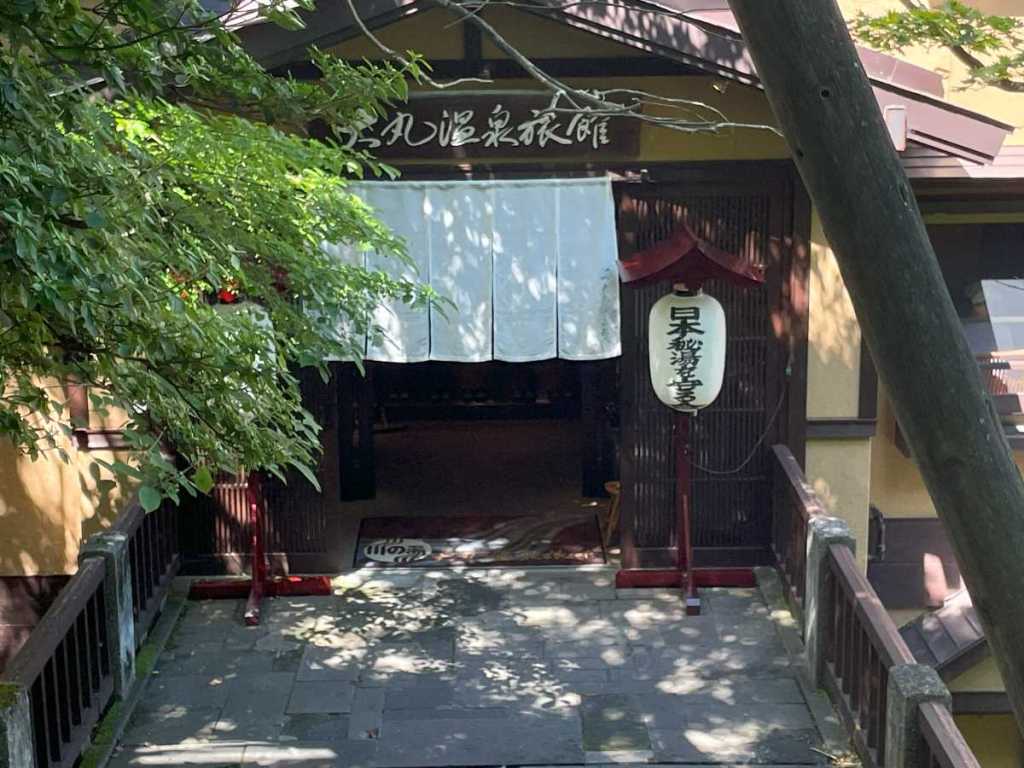
Omaru Onsen features a blend of five different sources, including four simple springs and one simple sulfur spring. The hot spring is rich in metasilicic acid, known for its moisturizing properties, and is reputed to be beneficial for the skin. The accompanying photo was sourced from the inn’s official website.
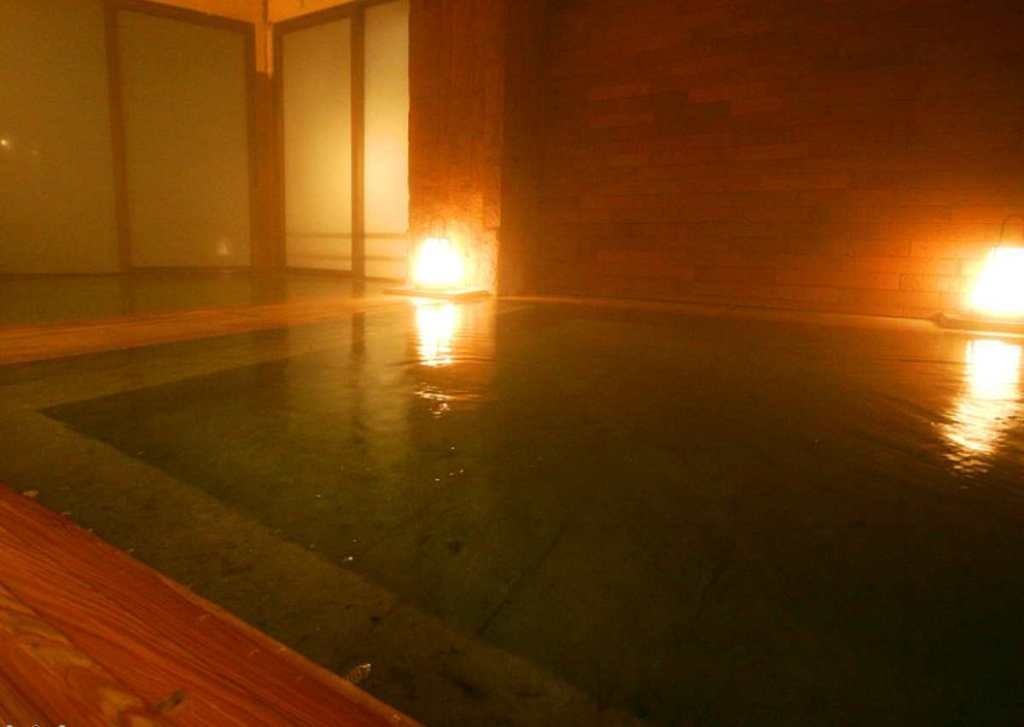
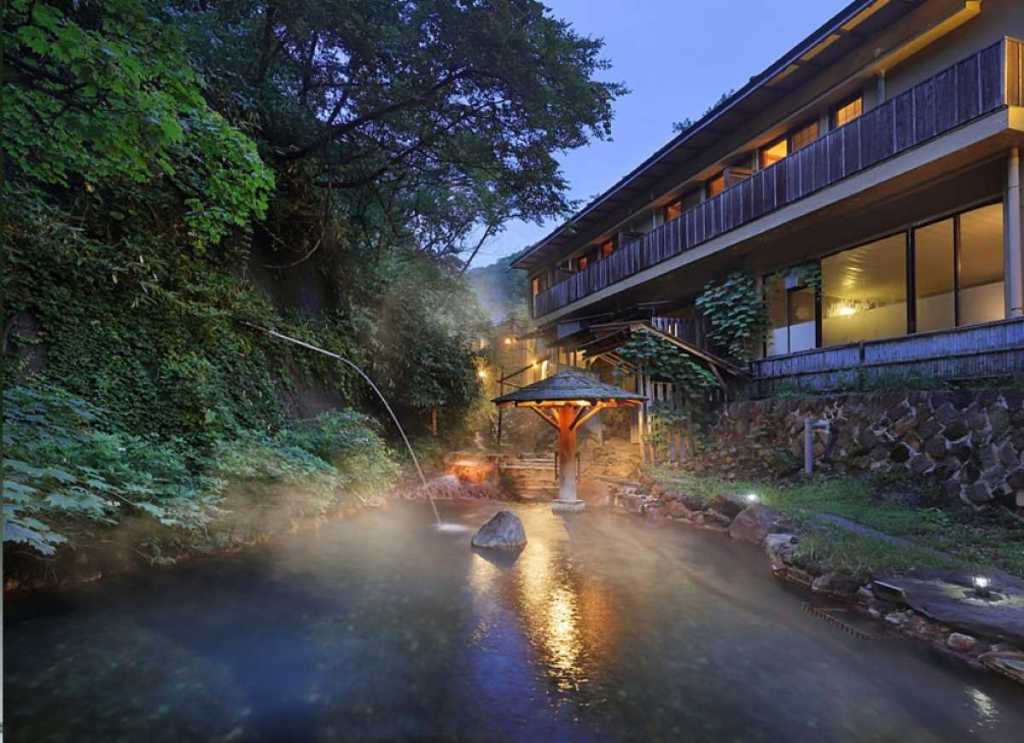
This open-air bath is formed by damming a natural river. The bath shown in the photo is mixed-gender, with bathing suits available for both men and women in the changing rooms. While there is a separate open-air bath for women, the only option available for men is this mixed-gender bath.
Dinner is a kaiseki meal made mainly with local Nasu ingredients.
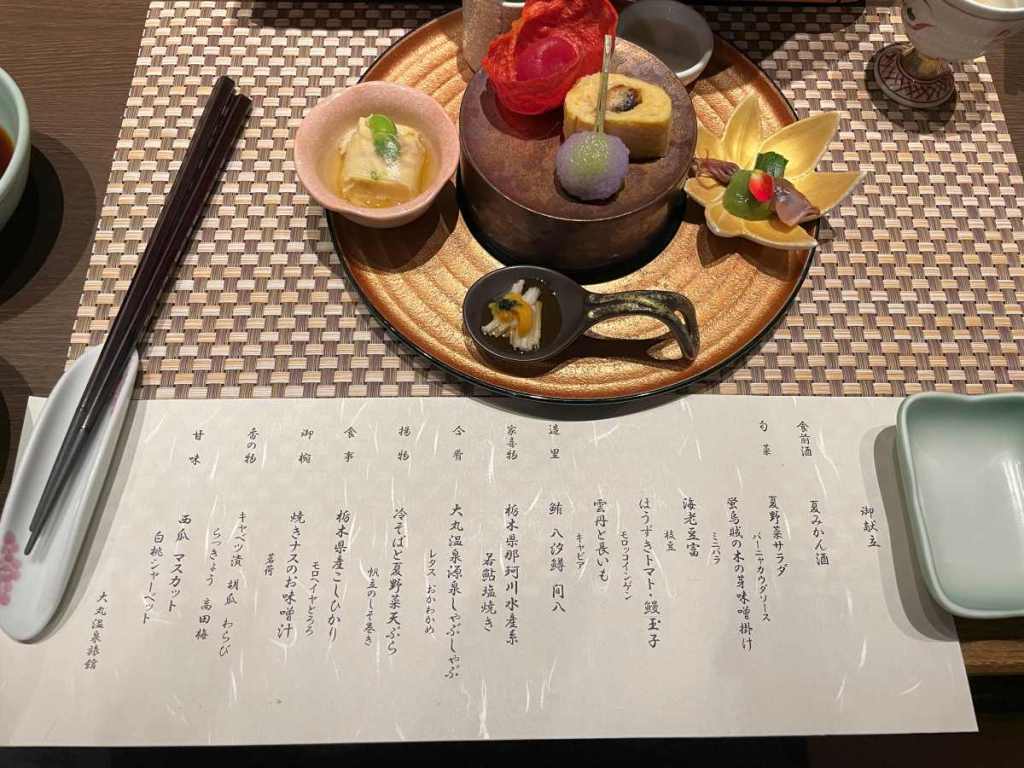
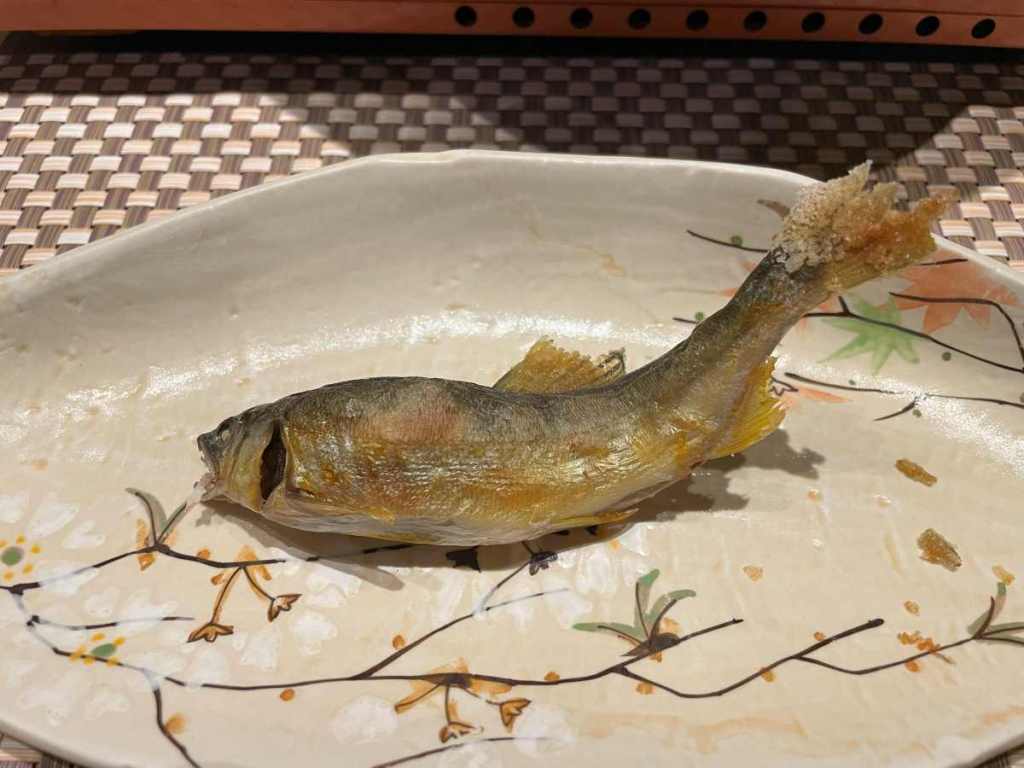
The sweetfish of the Naka River are very famous, and the grilled salted young sweetfish caught at this time of year are delicious and can be eaten from head to bone.
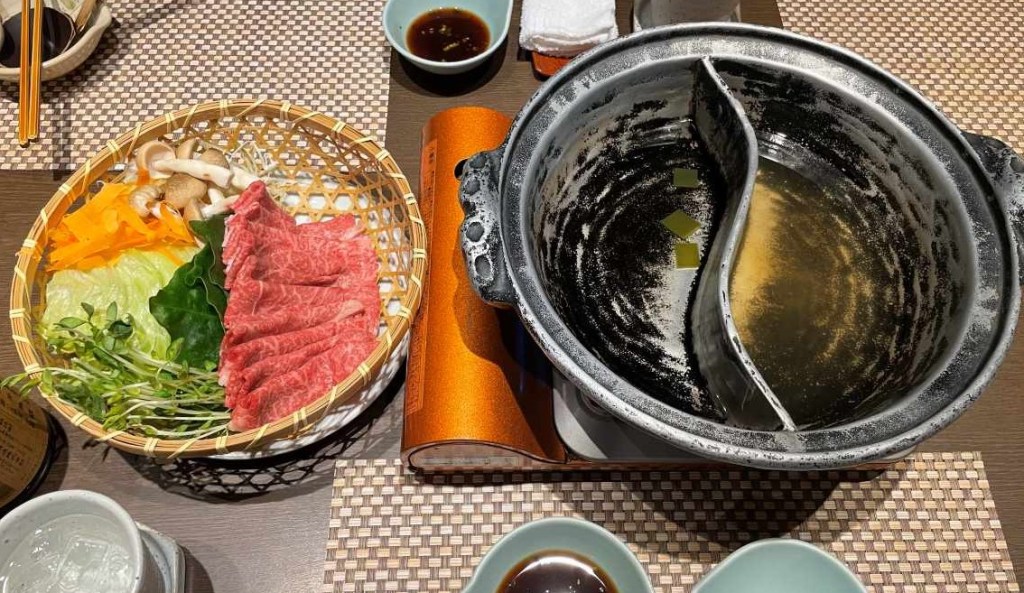
Shabu-shabu may be uncommon in the summer, yet Daimaru Onsen, situated at an altitude of 1,300 meters, remains pleasantly cool even during the warmer months. Incidentally, the left side of the pot contains the Omaru Onsen’s source water, while the right side is filled with kelp broth.
July 23rd (Tue)
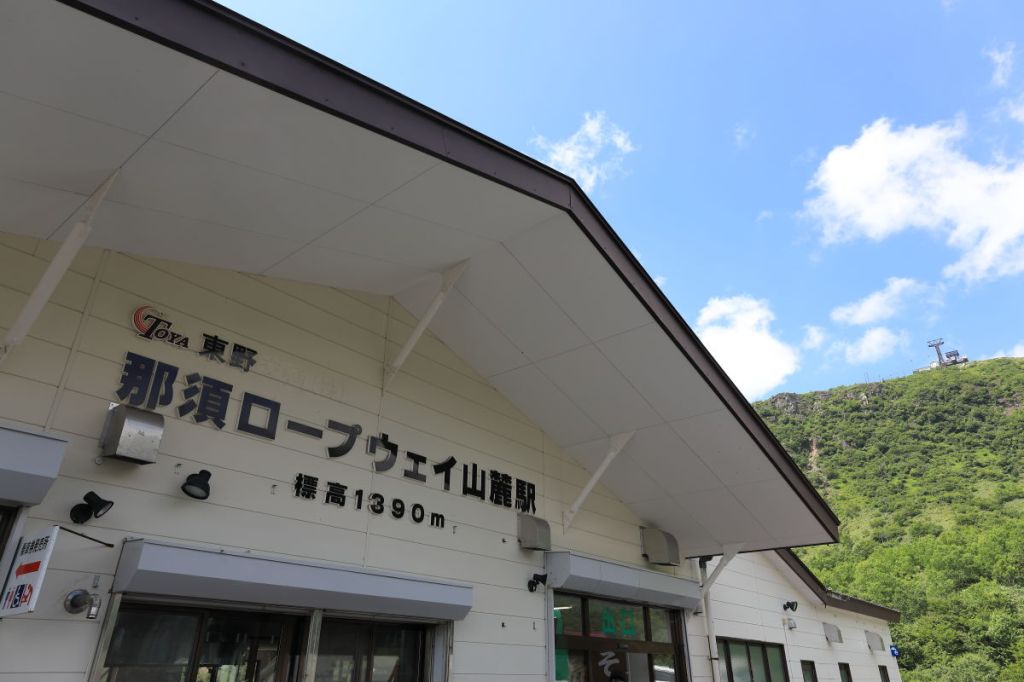
After breakfast, I checked out shortly after 9:00 AM and made my way to the Nasu Ropeway base station. Surprisingly, the parking lot was nearly full, despite it being early on a weekday morning. The journey from the base station, located at an altitude of 1,390 meters, to the summit station took approximately 4 minutes.
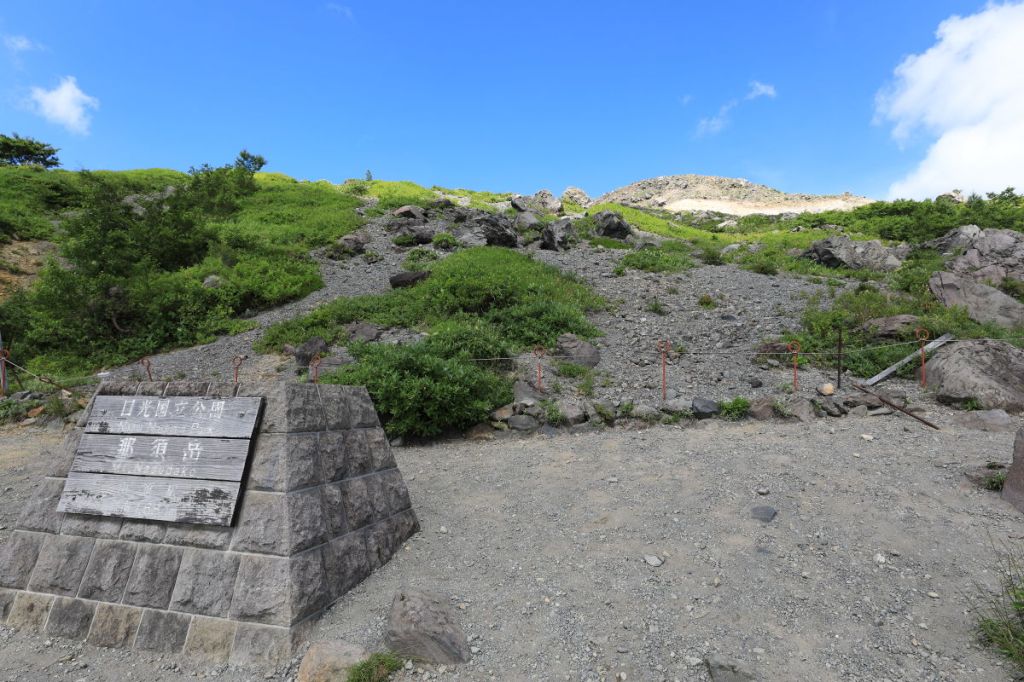
From the summit station at an altitude of 1,674 meters, one can view the peak of Mt. Chausu. An active volcano, Mt. Chausu continues to emit smoke. The name Mt. Nasu collectively refers to Mt. Sanbonyari, which stands at 1,917 meters, Mt. Asahi at 1,810 meters, and Mt. Chausu. However, the principal peak is Mt. Chausu, rising to 1,915 meters.
The view from the summit station is spectacular.
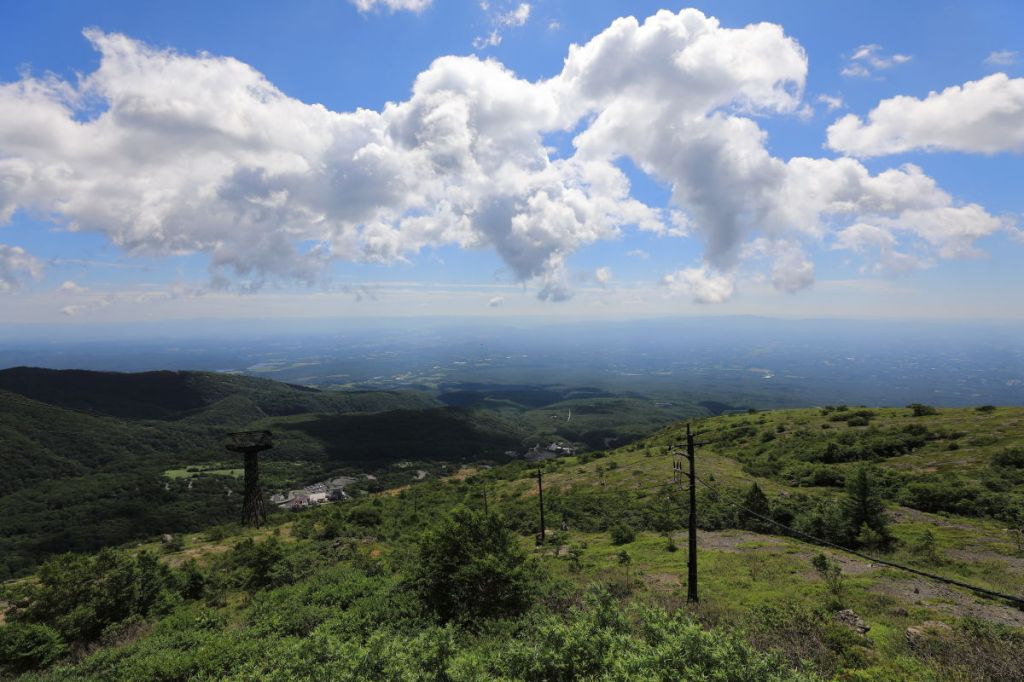
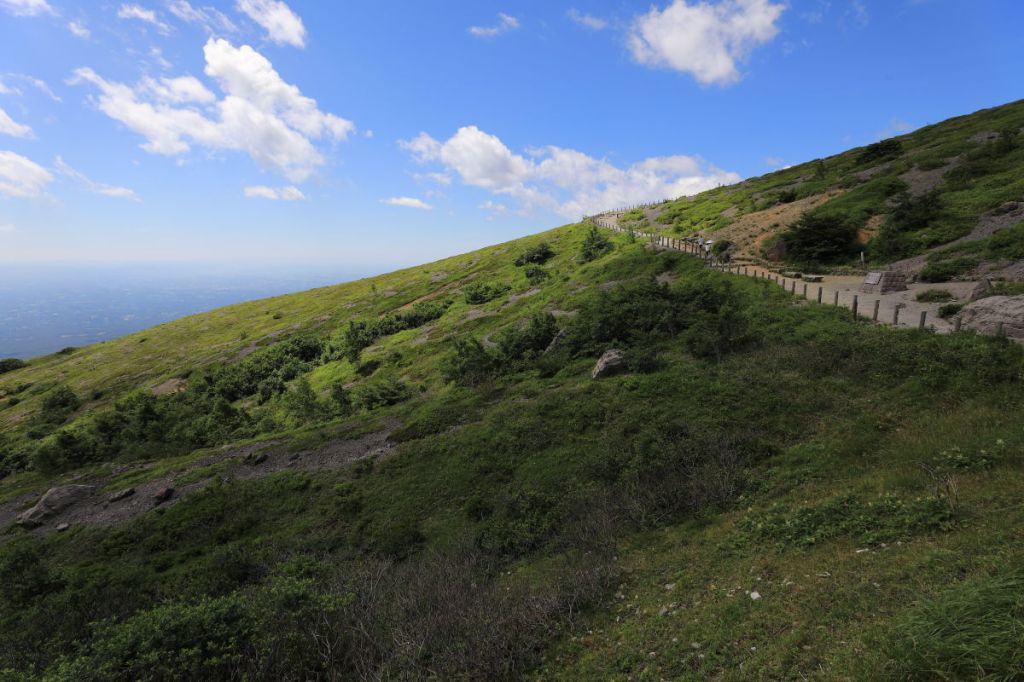
When my children were younger, we hiked around Mt. Chausu by this hiking trail, but this time, lacking the stamina and time, I simply wandered near the summit station before returning to the base station. Afterwards, I visited the Onsen Shrine, a place of significance for me as an enthusiast of hot springs.
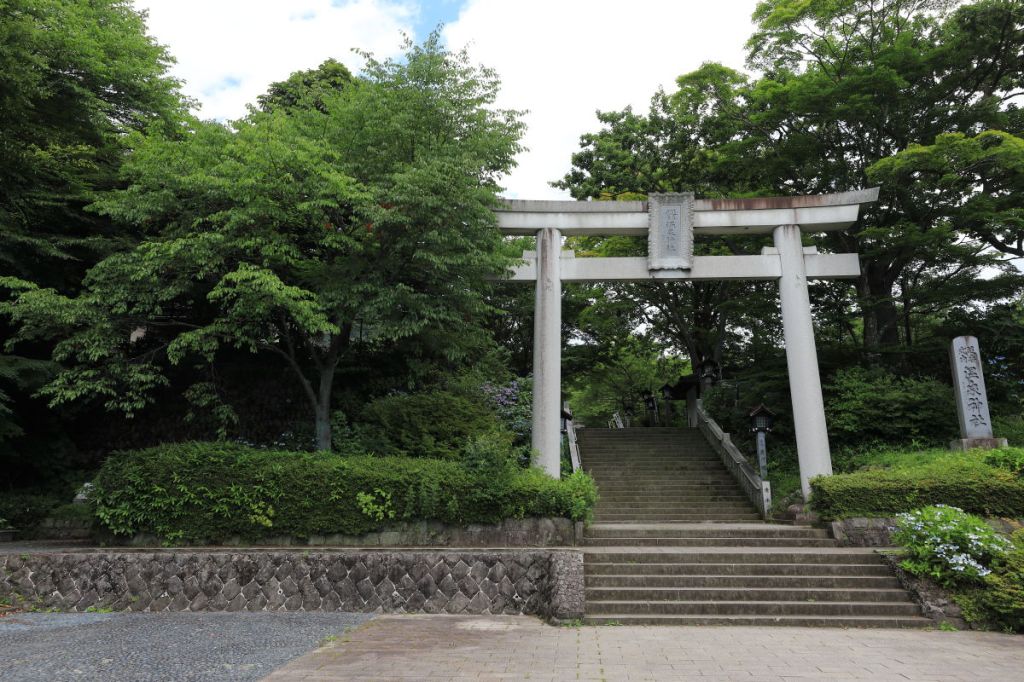
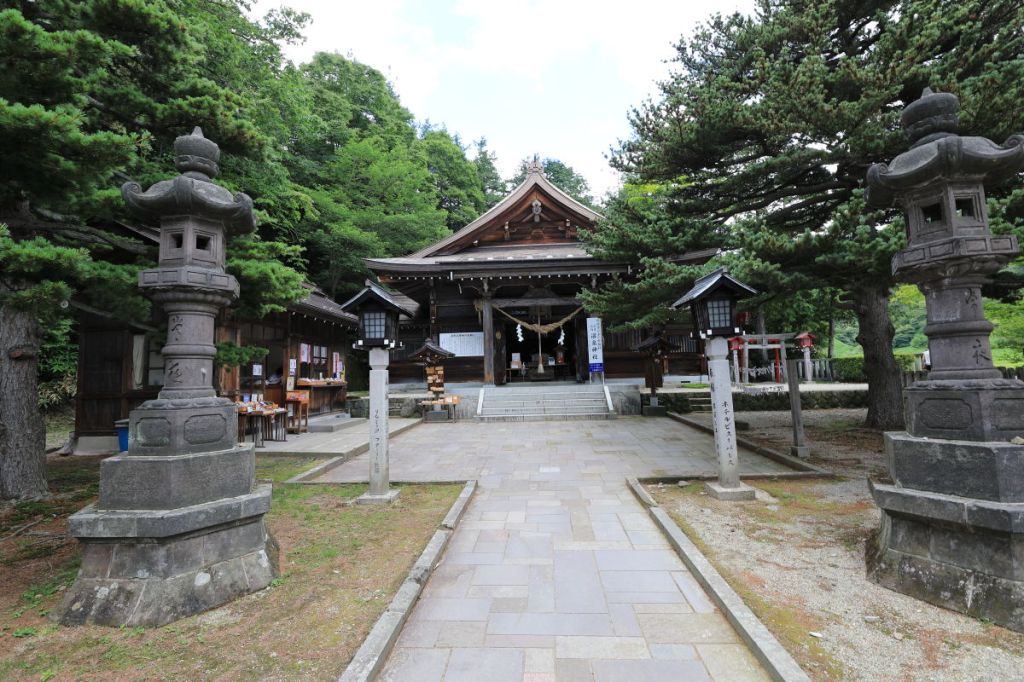
The Onsen Shrine, established in 630, is one of the most historic and prestigious shrines among the ten shrines named “Onsen” in Japan. Nasu Yoichi is believed to have visited this shrine before starting the Genpei War (1180-1185). Following his famed feat of shooting a fan during the Battle of Yashima in 1185, the shrine earned the profound reverence of the Nasu clan. The site is also home to a magnificent 800-year-old Japanese white pine and a sacred Mizunara tree.
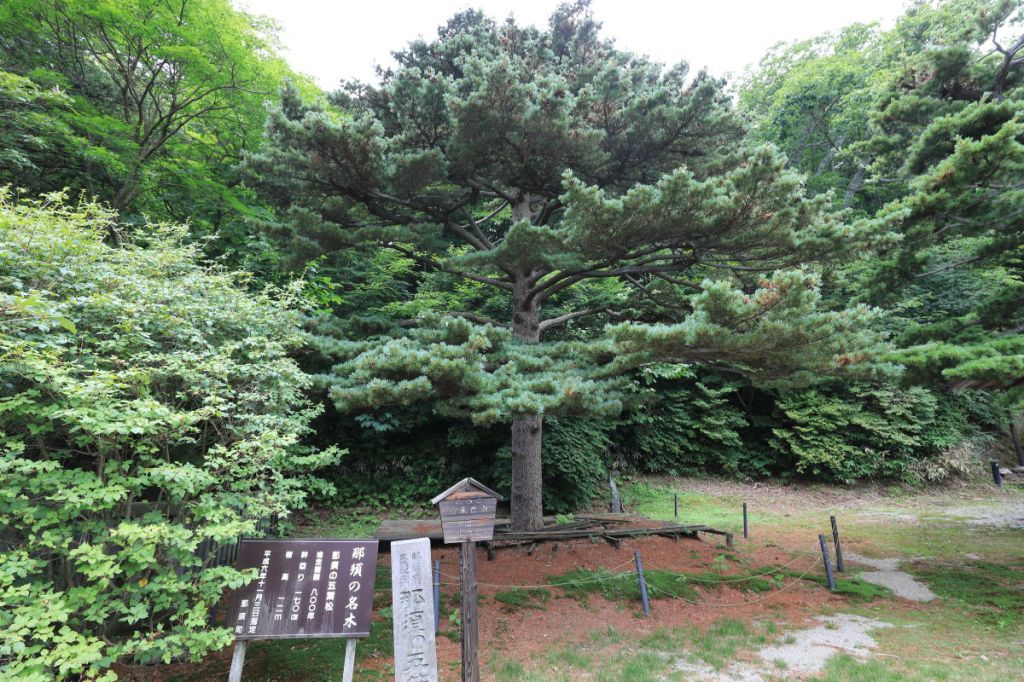
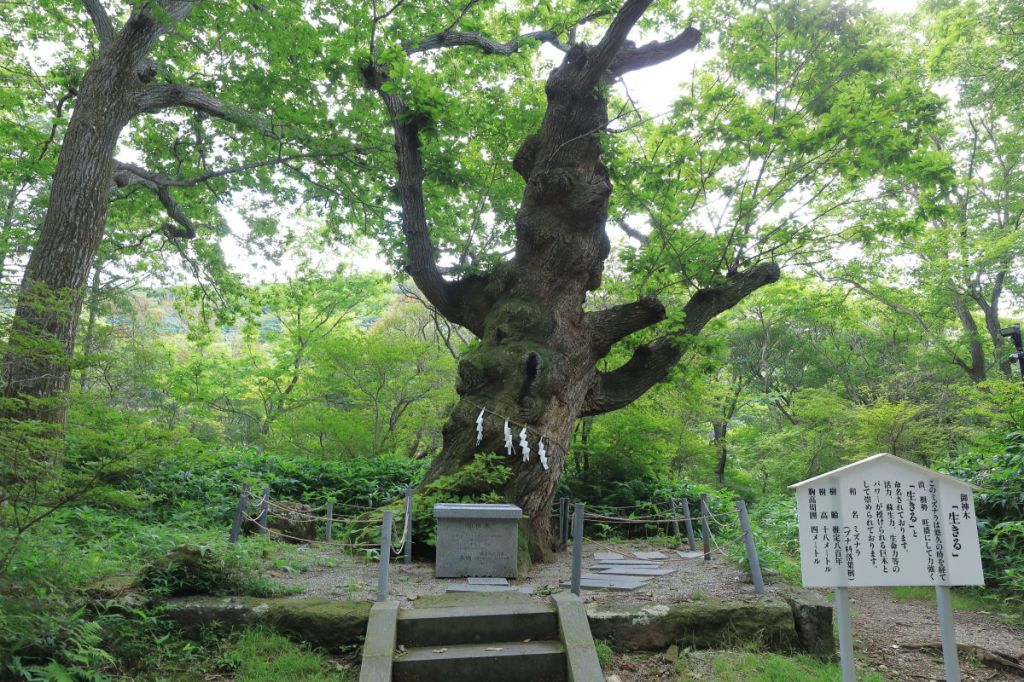
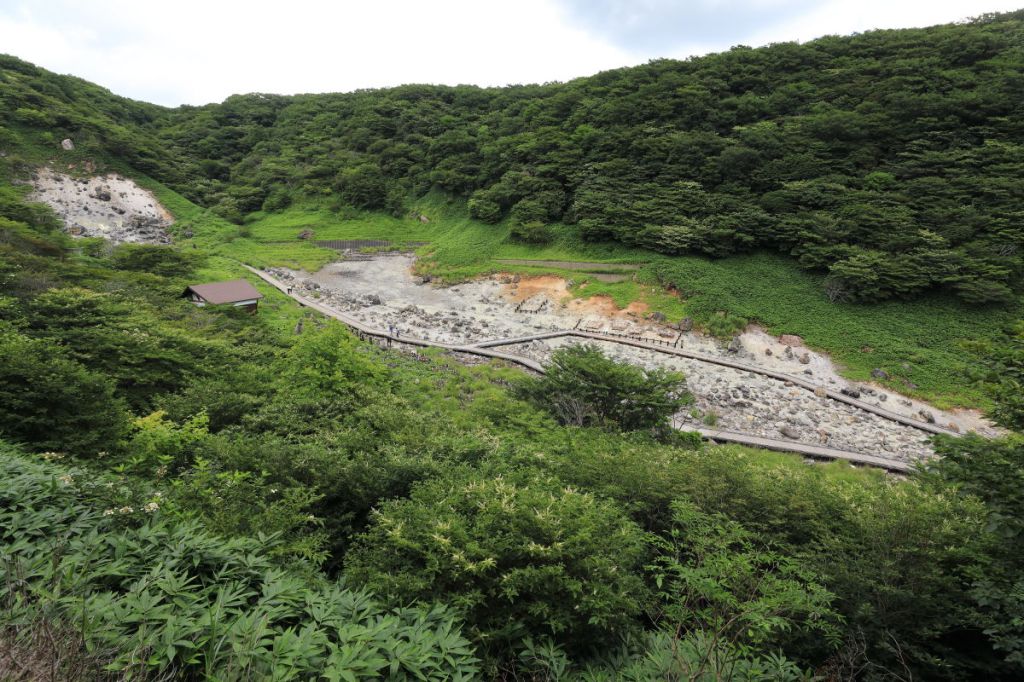
From the side of the main hall you can see the riverbank where the Sessho-seki stone is located.
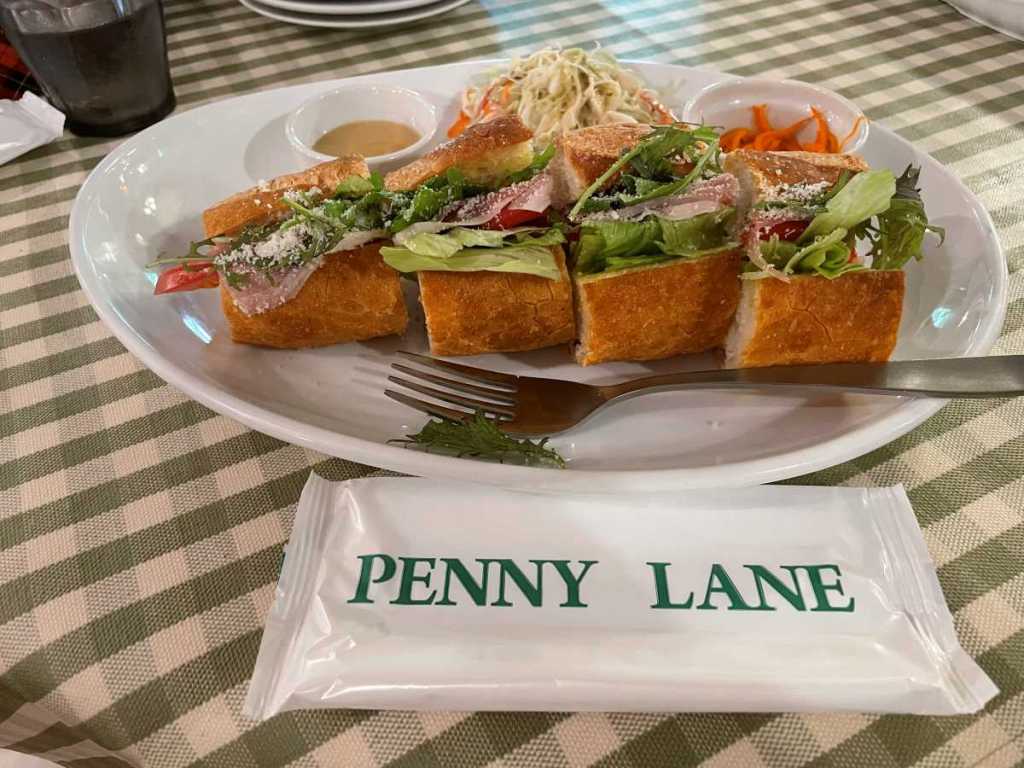
As lunchtime approached, I visited a familiar restaurant named Penny Lane, known for its delicious bread. The prosciutto sandwich, made with half a baguette, was exceptionally flavorful.
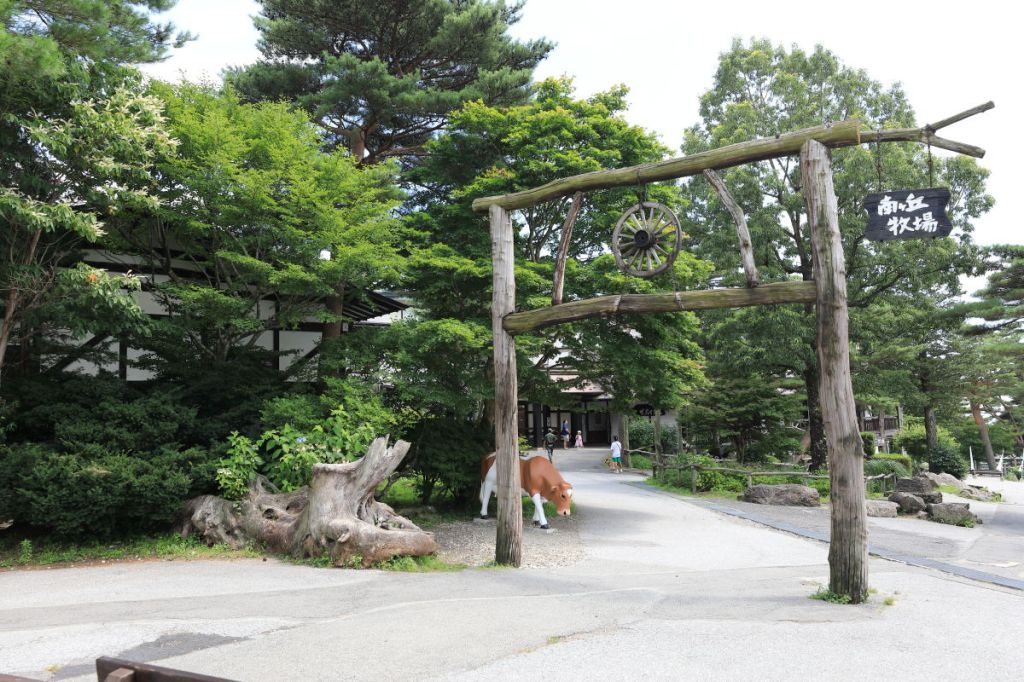
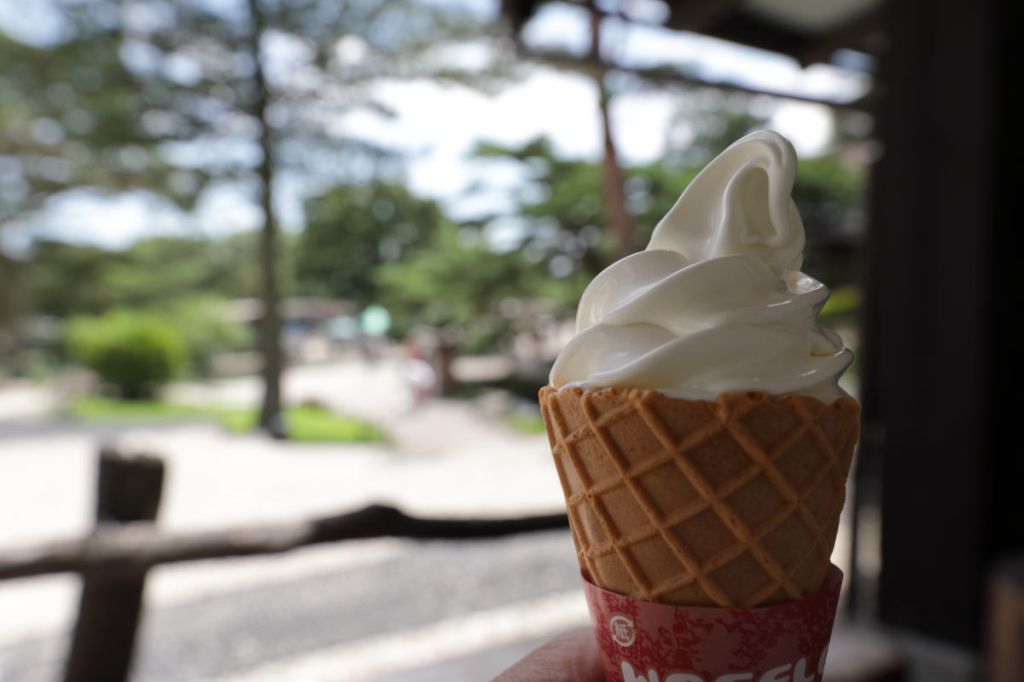
Following the meal, I purchased bread as a souvenir before heading to the nearby Minamigaoka Ranch, where I indulged in rich, premium vanilla soft-serve ice cream, leaving us thoroughly content..
On the way back, I did some shopping at Nasu Garden Outlet and then headed home.
Japan, with the depreciation of the Yen, is a popular tourist destination usually bustling with foreign visitors. However, on this occasion, I encountered no foreign tourists, making for a tranquil journey. Despite the extreme heat this year, having a car seems to make travel less tiring. In August, I intend to retreat to a hot spring on the plateau to avoid the heat and relax.
 旅好き爺の旅行記
コメントを残す