

From Sunday, August 18th to Wednesday, August 21st, I went on a 3-night, 4-day trip visiting hot springs in Aichi and Gifu prefectures.
August 18th (Sun)
I left my house in my car at 6:00 in the morning, had breakfast at Ashigara SA on the way, and headed for my first destination, Okazaki Castle.

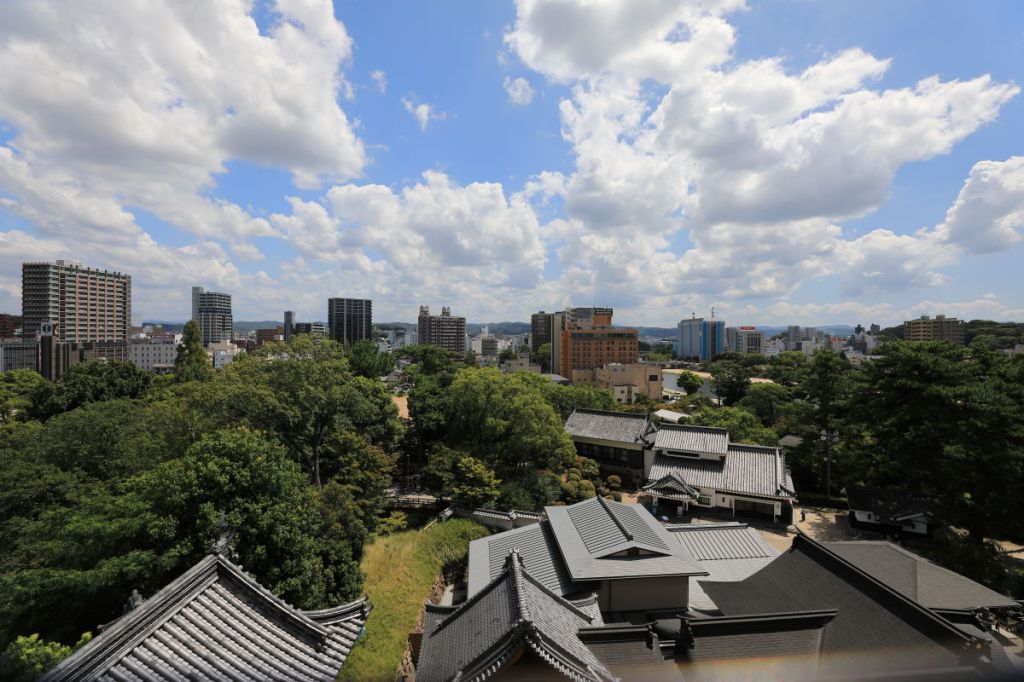
Originally built by Saigo Yoritsugu in the 15th century, Okazaki Castle was relocated to its present site by Matsudaira Kiyoyasu, Tokugawa Ieyasu’s grandfather, in 1531. Born there in 1542, Tokugawa Ieyasu spent his early years as a hostage, first to Oda Nobuhide at six, then to Imagawa Yoshimoto at eight. Following Yoshimoto’s death in the Battle of Okehazama in 1560, Ieyasu declared independence at 19 and established himself as a Sengoku daimyo using Okazaki Castle as his stronghold. The castle was largely torn down during the early Meiji period, but the current tower was reconstructed in 1959, closely resembling its historical form.
Aichi is famous for its eel dishes, so I decided to have an eel rice bowl and liver soup for lunch at Hasebe, a restaurant located in Kawaramachi, close to Okazaki Castle.
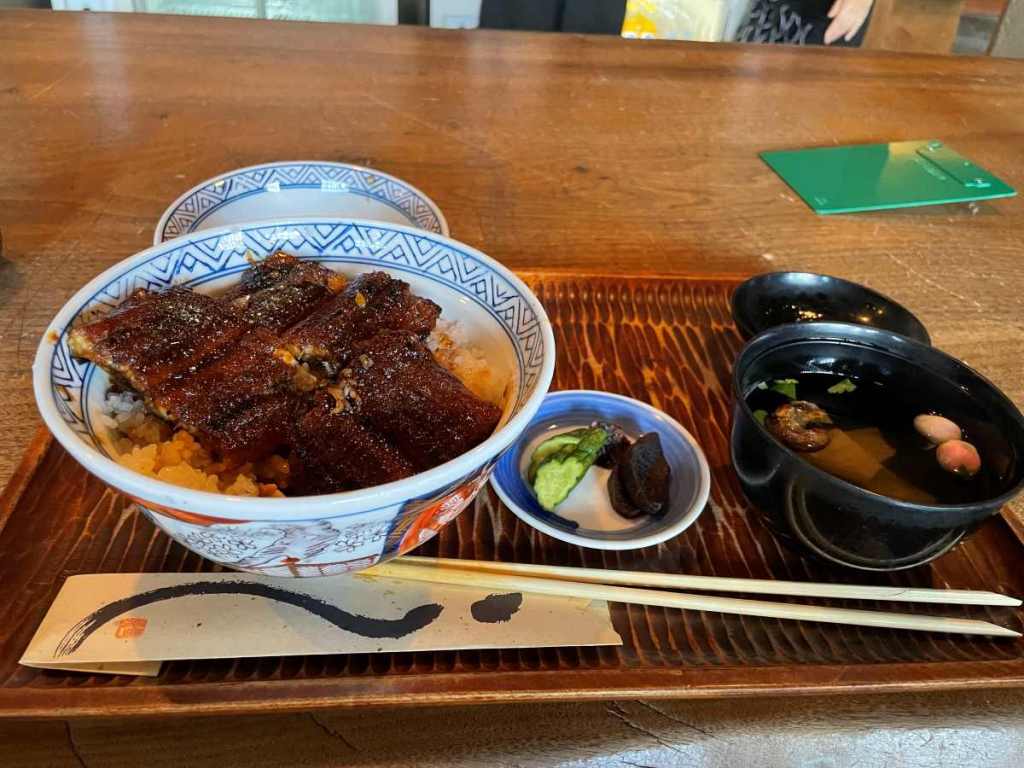
The skin was crispy as if it had been fried in eel oil, and the flesh was less moist, making the kabayaki eel I typically enjoy in the Kanto region more to my liking. Following the meal, I visited the nearby Daijuji Temple.
Daiju-ji Temple, established in 1475 as a temple of the Jodo sect, prospered with the support of the Matsudaira clan and the Tokugawa shogunate. During the Battle of Okehazama, Tokugawa Ieyasu defended Otaka Castle against the Oda clan. Upon learning of the Imagawa’s defeat, he retreated to Daiju-ji Temple. On the verge of committing seppuku at his ancestors’ graves, the head priest counseled him with the teaching “Enriedō Gongujōdō,” which advocates despising the impure world and aspiring for rebirth in Buddha’s pure land. Persuaded, Ieyasu joined the temple monks in battle, repelling his enemies, and adopted “Enriedō Gongujōdō” as his guiding principle.
The mountain gate, constructed by the third Shogun Iemitsu, offers a direct view of Okazaki Castle’s tower from the main hall.
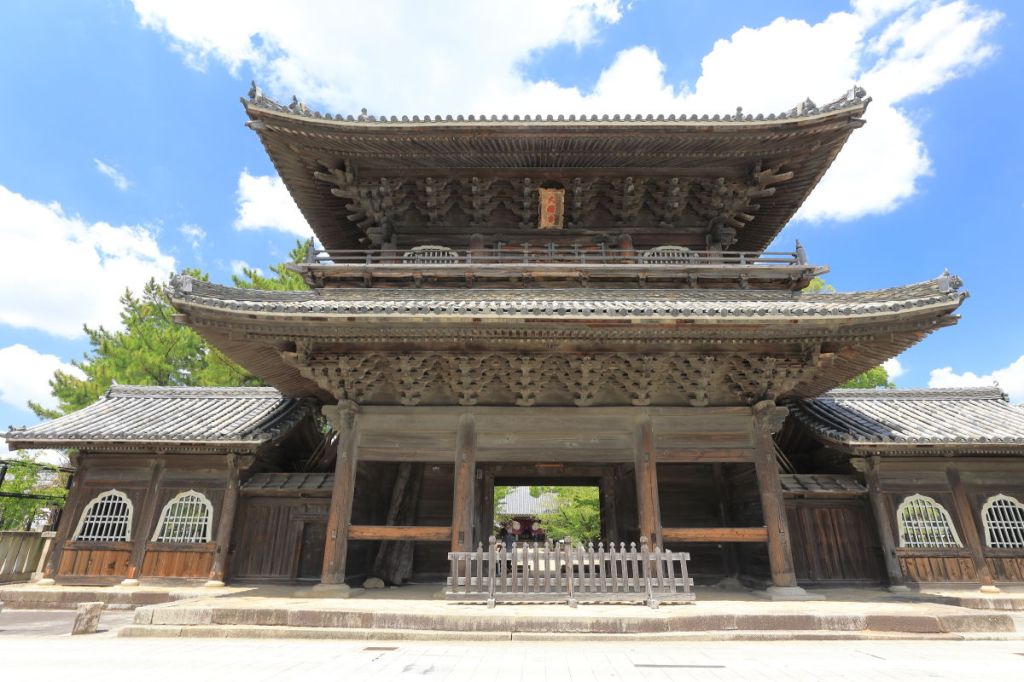
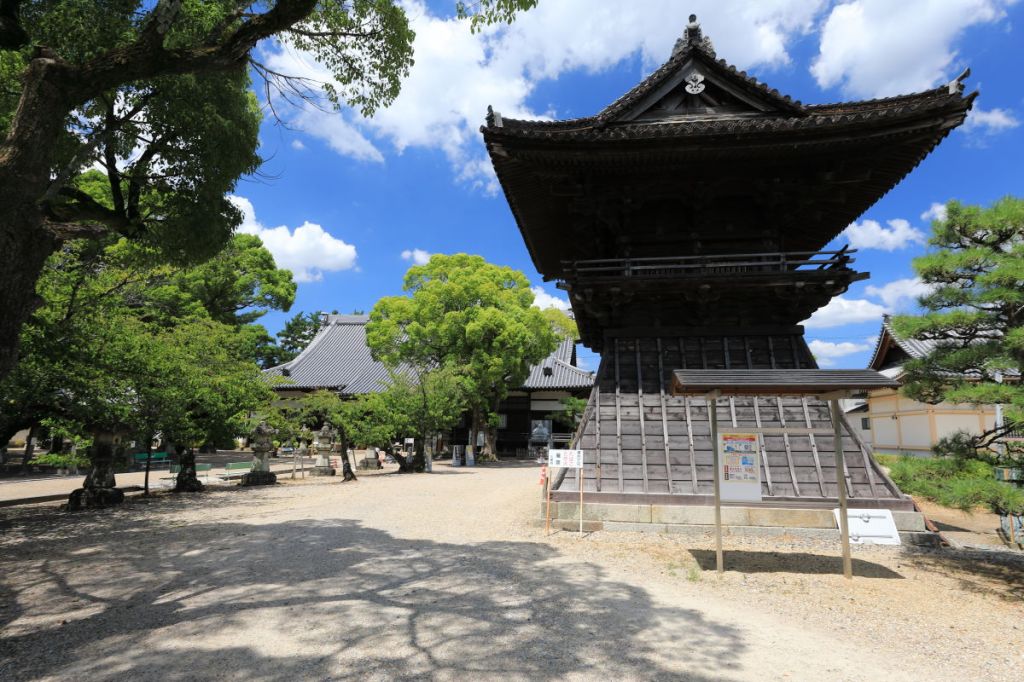
Bell tower and main hall
Inside the main hall

Entry beyond the main hall requires an admission fee, and photography is not allowed inside. However, the receptionist agreed to overlook this rule, allowing me to capture a photo of the exquisite sliding door paintings in one of the inner rooms.
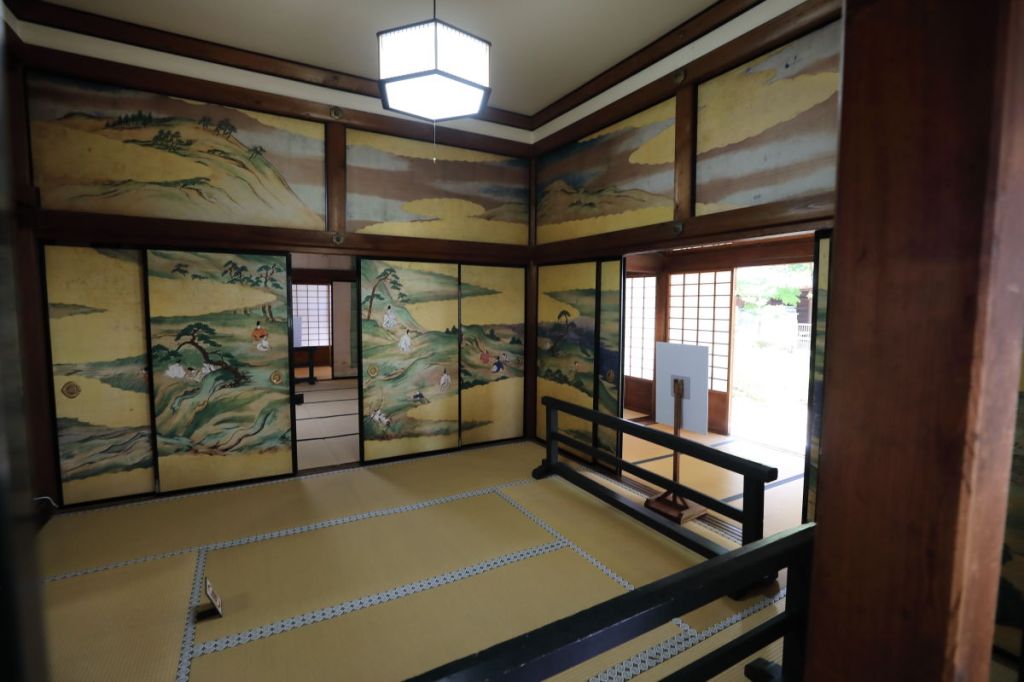
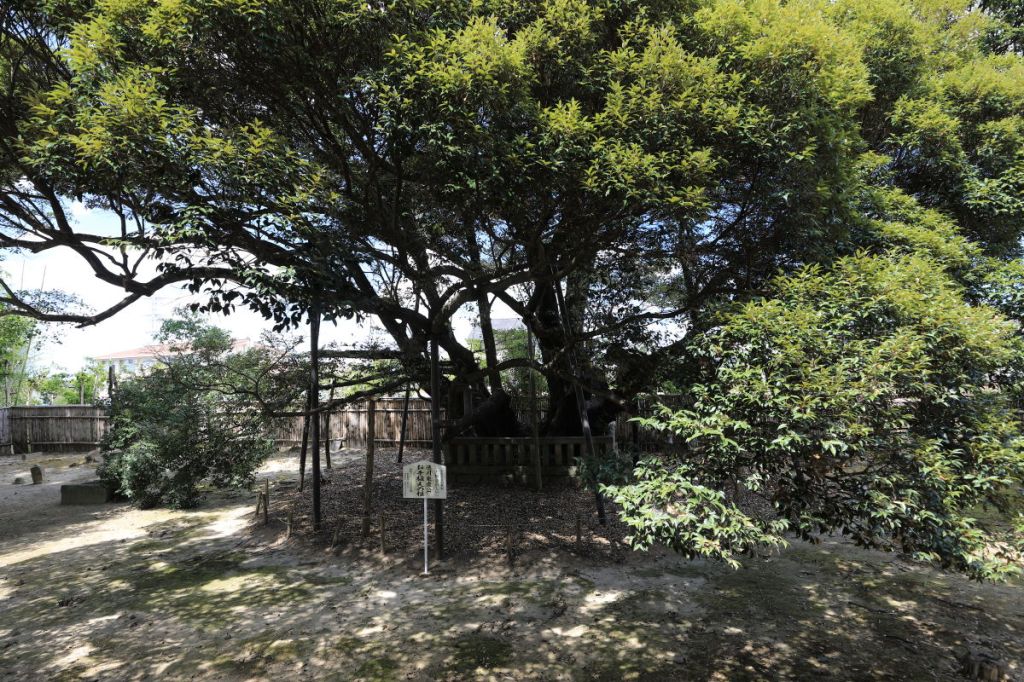
There is a chestnut tree in the garden that was hand-planted by Ieyasu.
The innermost room contains life-size memorial tablets of all the shoguns from Ieyasu to the 14th, Iemochi. Most of these figures are below 160cm in height, with the 5th shogun, Tsunayoshi, being notably short at just 124cm. It is believed that his stature influenced the promulgation of the stringent animal protection laws known as “Shourui Awaremino Rei.”
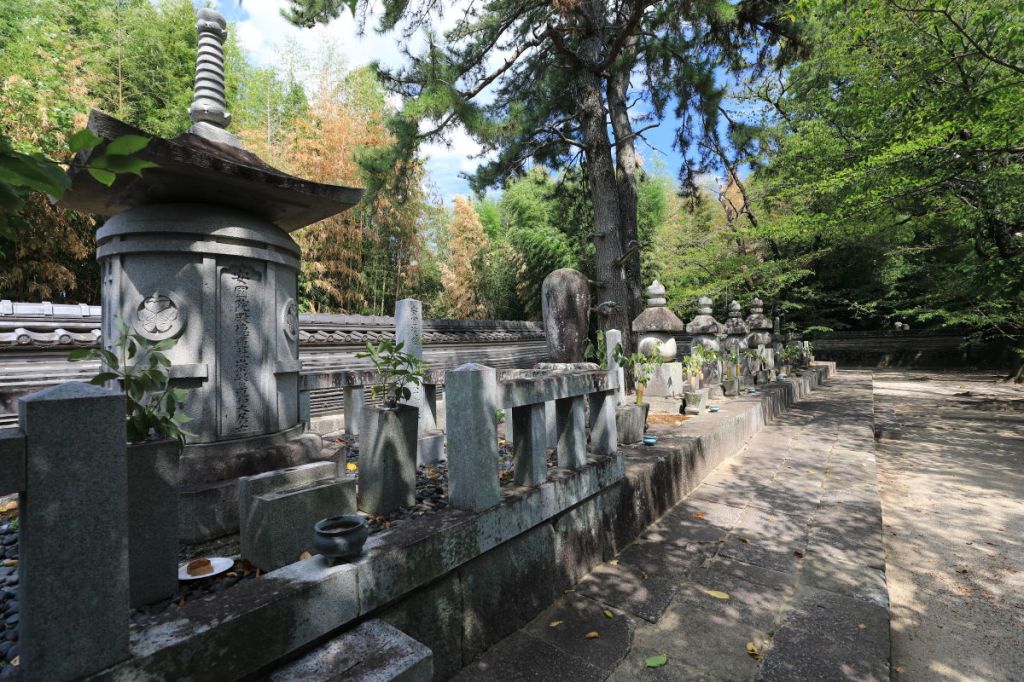
The grounds house the graves of eight generations of Matsudaira ancestors, established by Ieyasu in 1615. Prominently, a large grave was constructed in 1969 by the citizens of Okazaki to honor Ieyasu’s virtues, containing his possessions and accompanied by a tomb and monument.
After completing my sightseeing in Okazaki City, I proceeded to my accommodation for the evening, the Shunkei Roman Ginpaso, located in Nishiura Onsen.

You can see Mikawa Bay from the room windows.
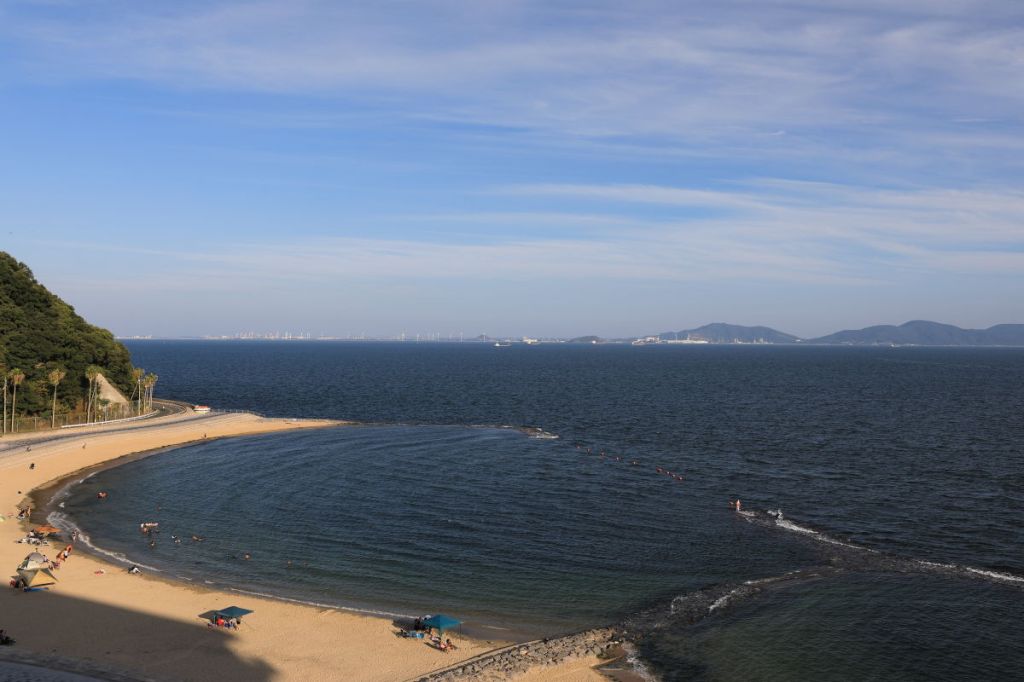
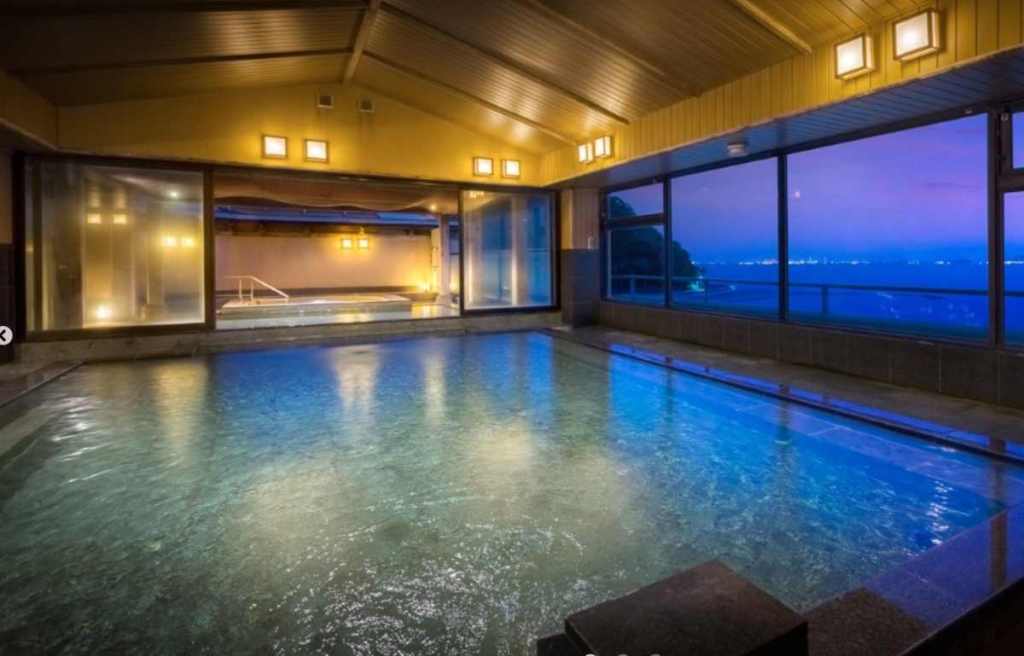
In 1998, a new vein of hot springs was discovered 1,200 meters beneath the surface, 1.5 kilometers from the coast. It is an alkaline simple spring, notable for its low salt and calcium content, which is uncommon in coastal regions. The image is a screenshot from the inn’s website, showcasing the stunning view of Mikawa Bay visible from the bath.
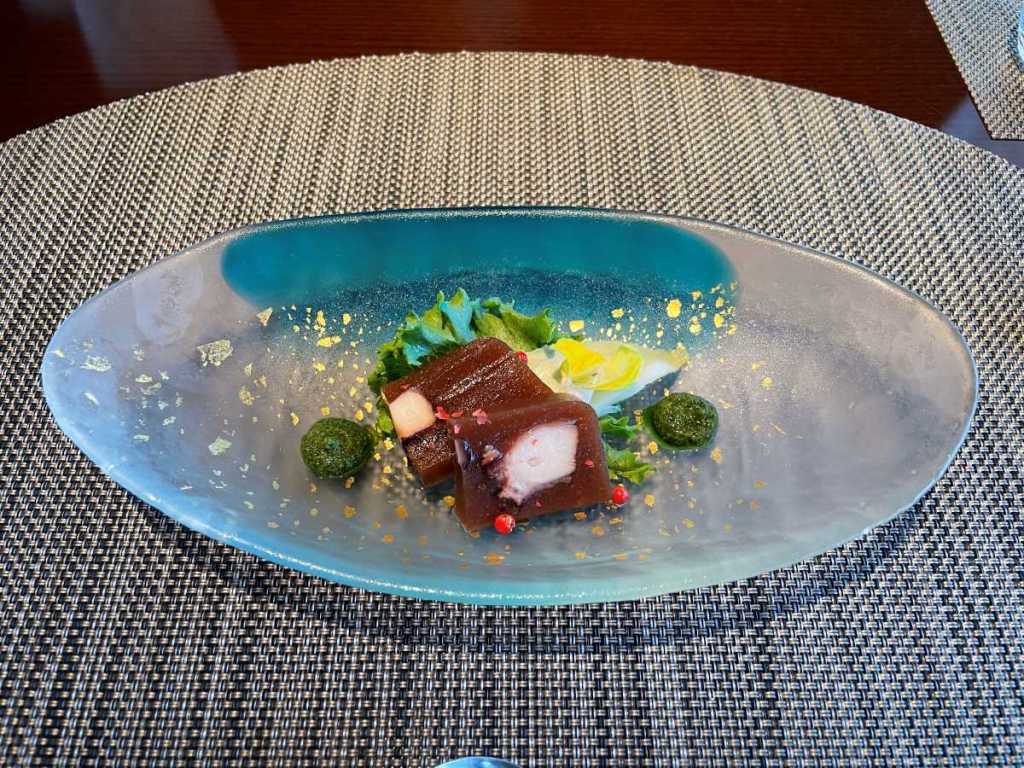
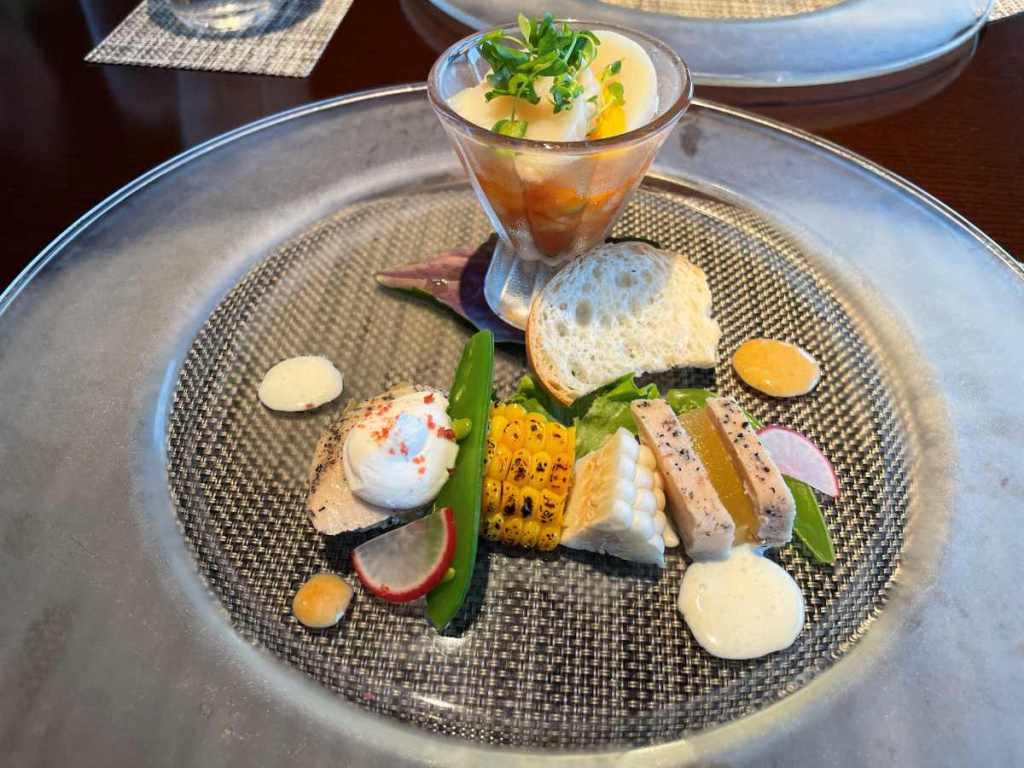
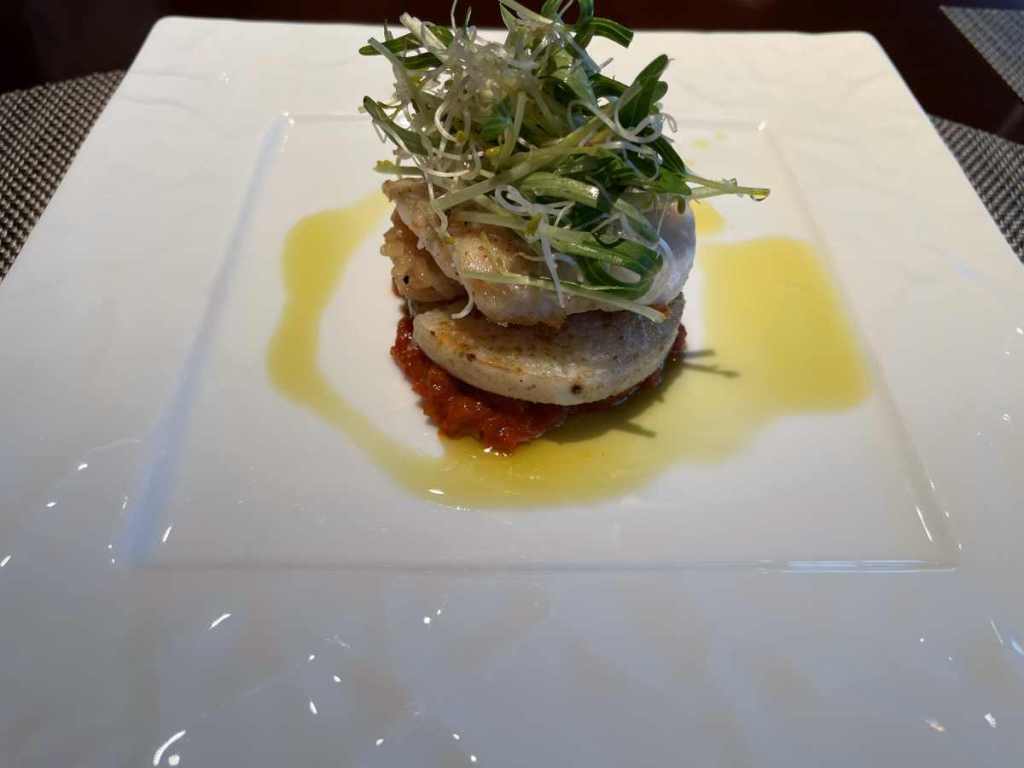
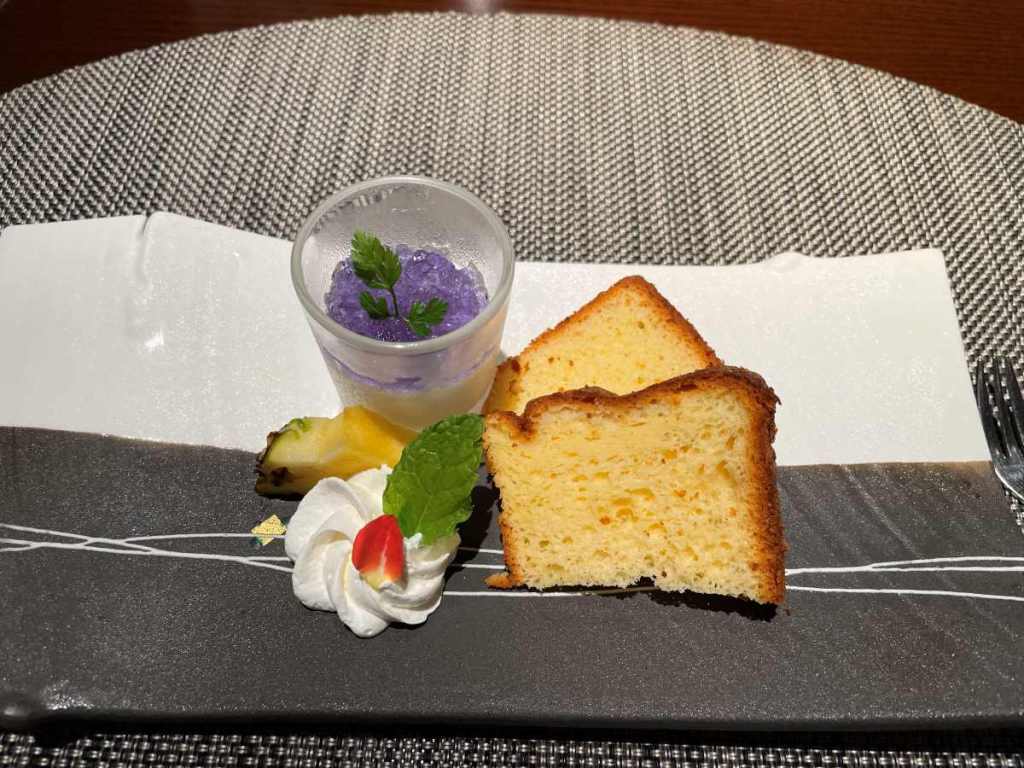
During my three-night stay at the hot spring resort, I opted for a teppanyaki dining experience tonight to enjoy a change from consecutive kaiseki meals. The photo captures just a segment of the feast, which was both meticulously crafted and delectable.

August 19th(Mon)
After breakfast, I checked out of the hotel and made my way to Inuyama City. There, I enjoyed another eel lunch today at a restaurant known as Hozen.
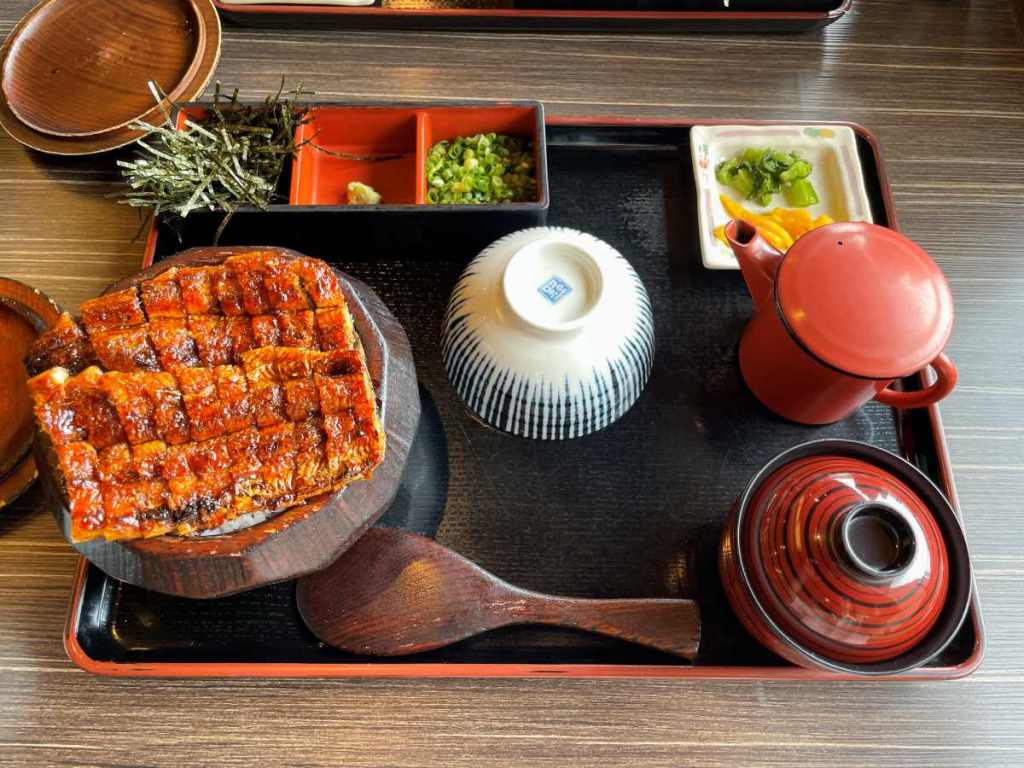
I ordered a regular serving of Hitsumabushi, and it was quite satisfying, featuring a crispy shell with a soft and fluffy inside. The instructions recommended enjoying the first portion plain, the second with condiments, the third as ochazuke (with green tea), and the fourth however you prefer. I chose to have it as ochazuke again. It was incredibly tasty, and I was quite satiated. In hindsight, a smaller serving would have sufficed.
After the meal, I visited the esteemed Inuyama Castle, a national treasure. Among the 12 original castle towers still standing, five are designated as national treasures: Matsumoto Castle, Hikone Castle, Himeji Castle, Matsue Castle, and Inuyama Castle itself. Inuyama Castle is believed to have been constructed in 1537 by Oda Nobuyasu, Oda Nobunaga’s uncle. During the Battle of Komaki and Nagakute in 1584, Ikeda Tsuneoki’s unexpected assault on behalf of Hideyoshi led to the convergence of Hideyoshi’s forces with those of the Oda and Tokugawa in Owari. It was then that Hideyoshi’s troops took possession of this castle, leading a substantial contingent.
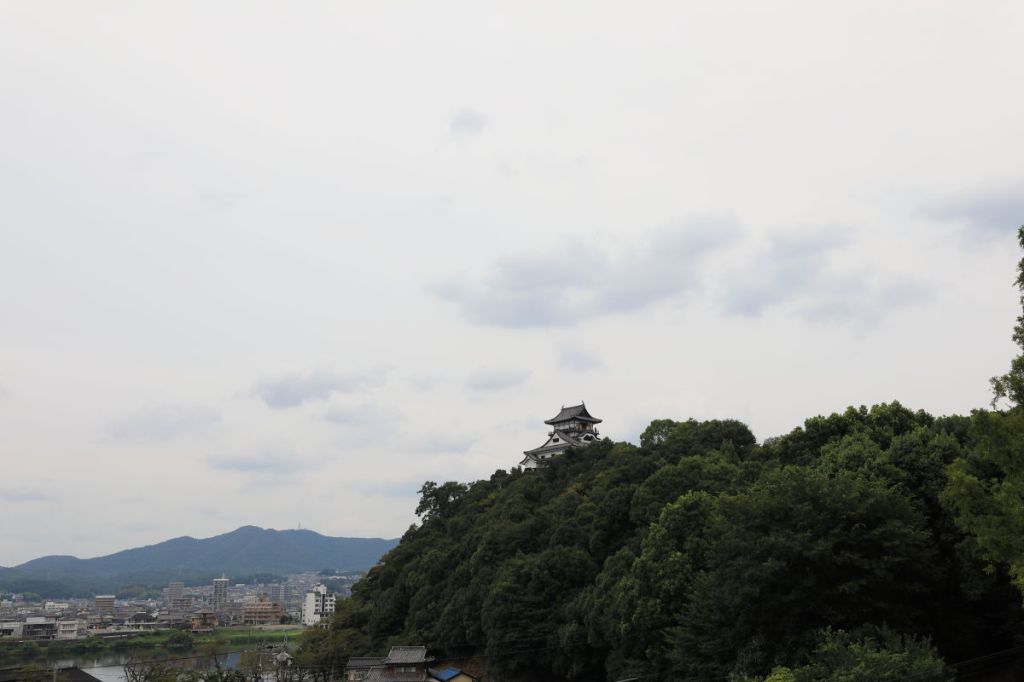
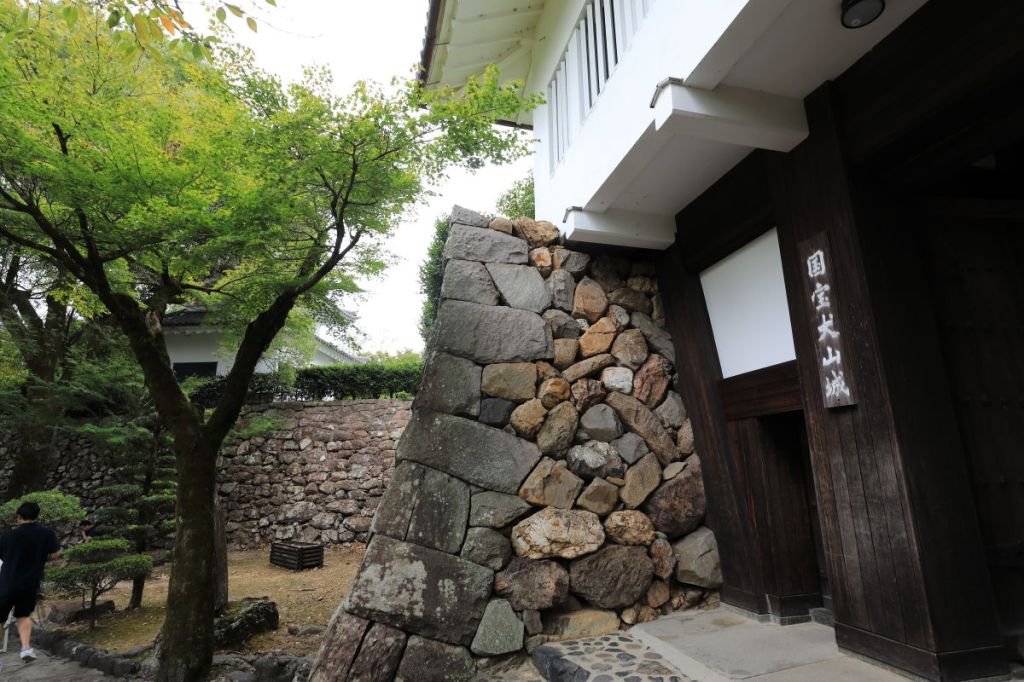
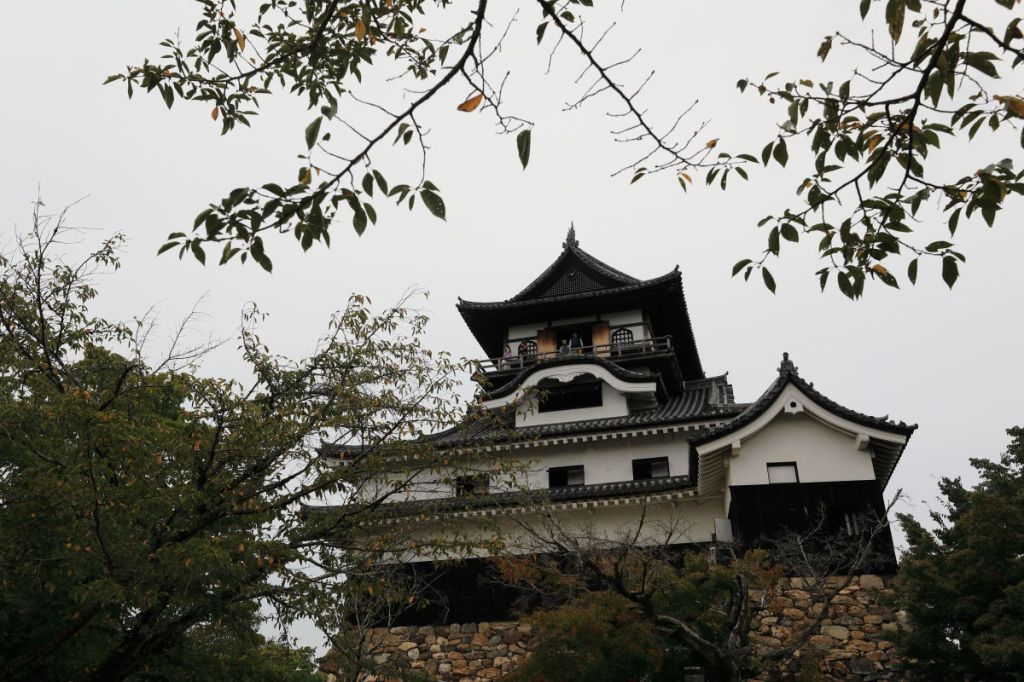
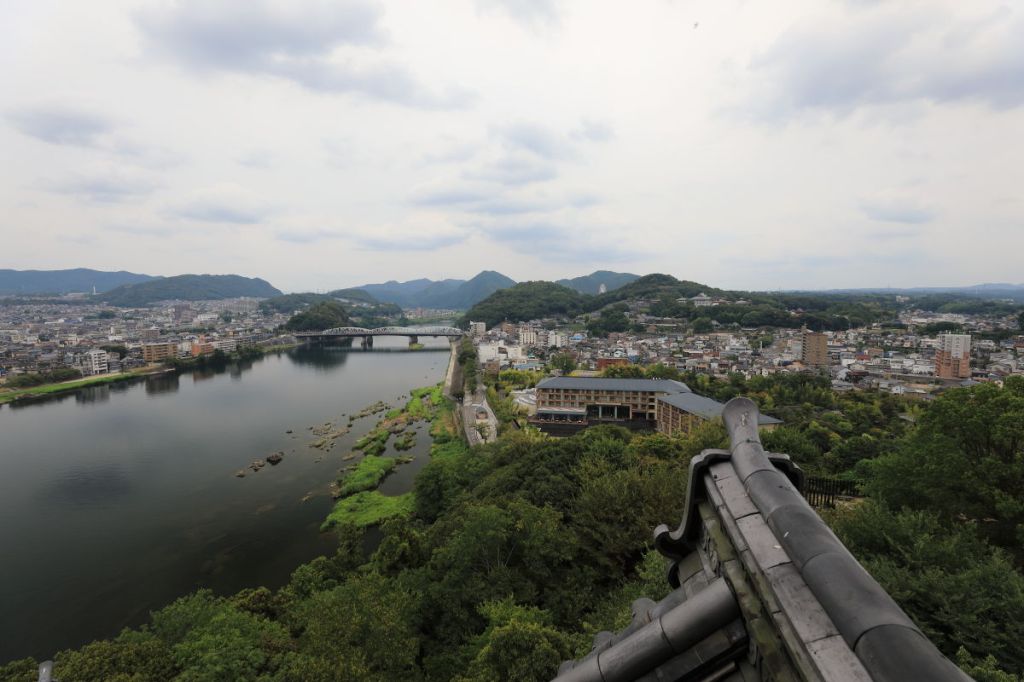
A sign at the entrance warned of no air conditioning inside and the necessity for physical stamina to tackle the steep stairs. Despite this, I gathered my strength and climbed to the top floor, helping to burn the calories from indulging in too much Hitsumabushi. It’s a moving thought that warlords from the Sengoku period may have looked out upon this very view.
After visiting Inuyama Castle, I headed to my lodging for the night, Kaiseki Yado Suihoen in Gero Onsen.
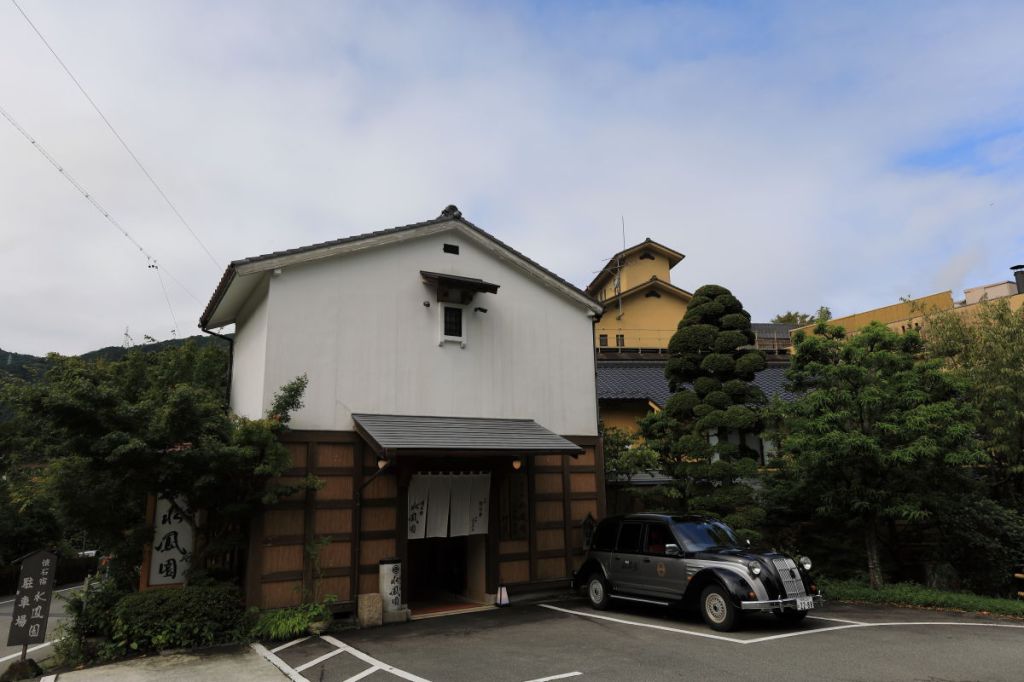
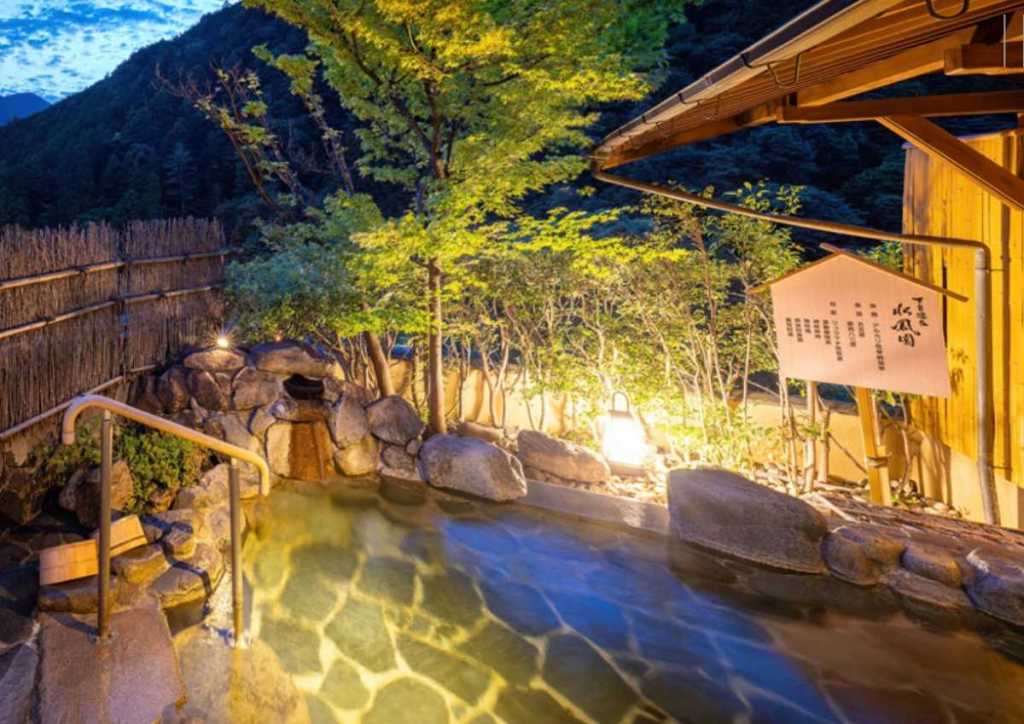
Upon reaching the inn and taking some time to rest, I promptly made my way to the hot spring. Gero Onsen boasts a millennium of history and ranks among Japan’s “Three Famous Hot Springs,” alongside Arima and Kusatsu. Characterized by its colorless, transparent alkaline waters, the spring offers a remarkably smooth and silky bathing experience. The accompanying photo is a screenshot from the inn’s website, showcasing the indoor bath on the first floor and the open-air bath on the fifth floor.

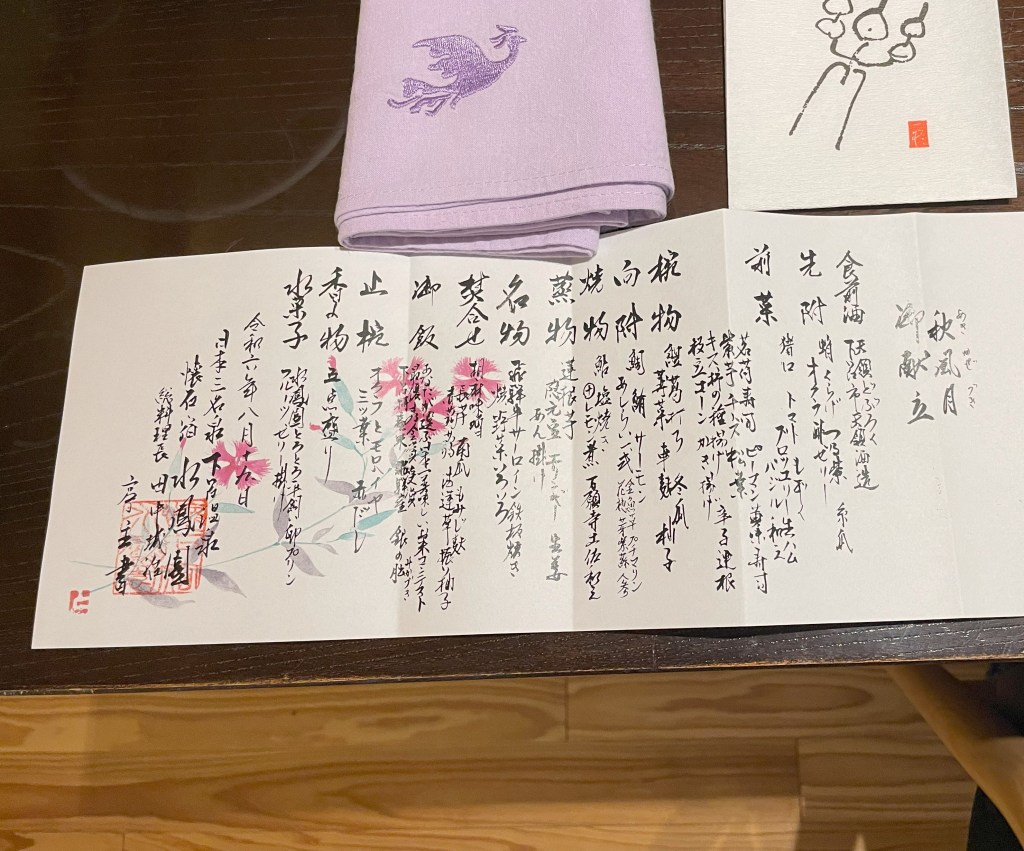
As the name of the inn suggests, the meal is kaiseki cuisine. By the way, you can take home the napkin on the menu handwritten by the inn’s owner.
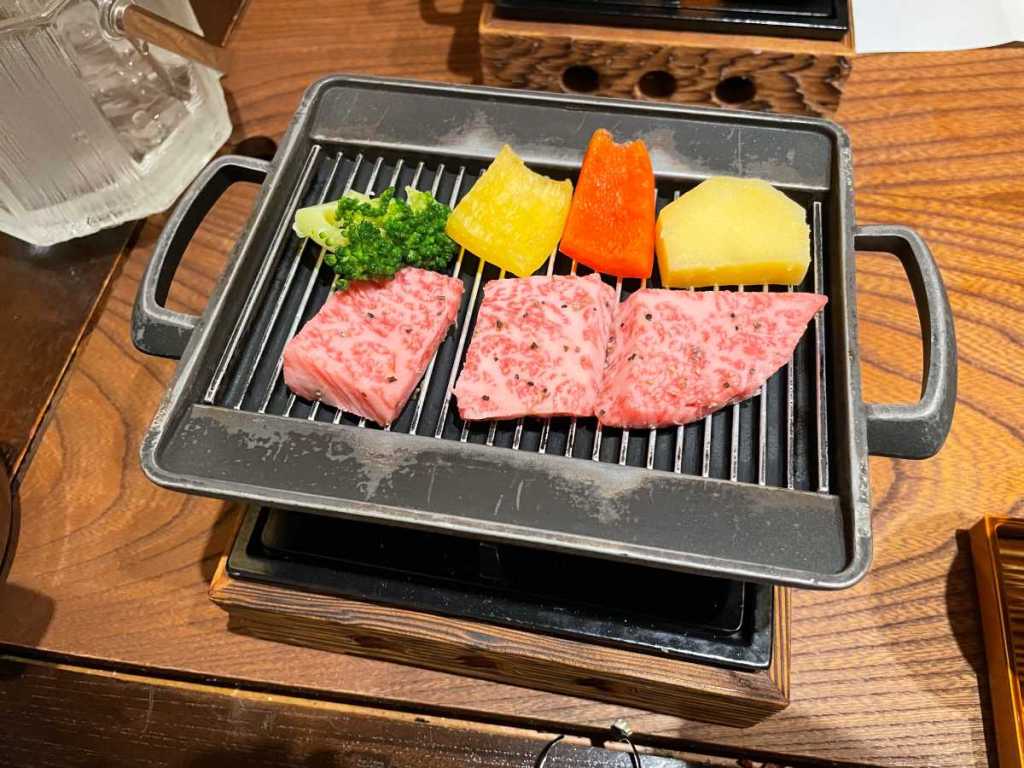
The image depicts a clear soup with pike conger, winter melon, and wheat bran, and grilled Hida beef sirloin. Hida beef is known for its rich marbling and exquisite taste.

August 20th (Tue)
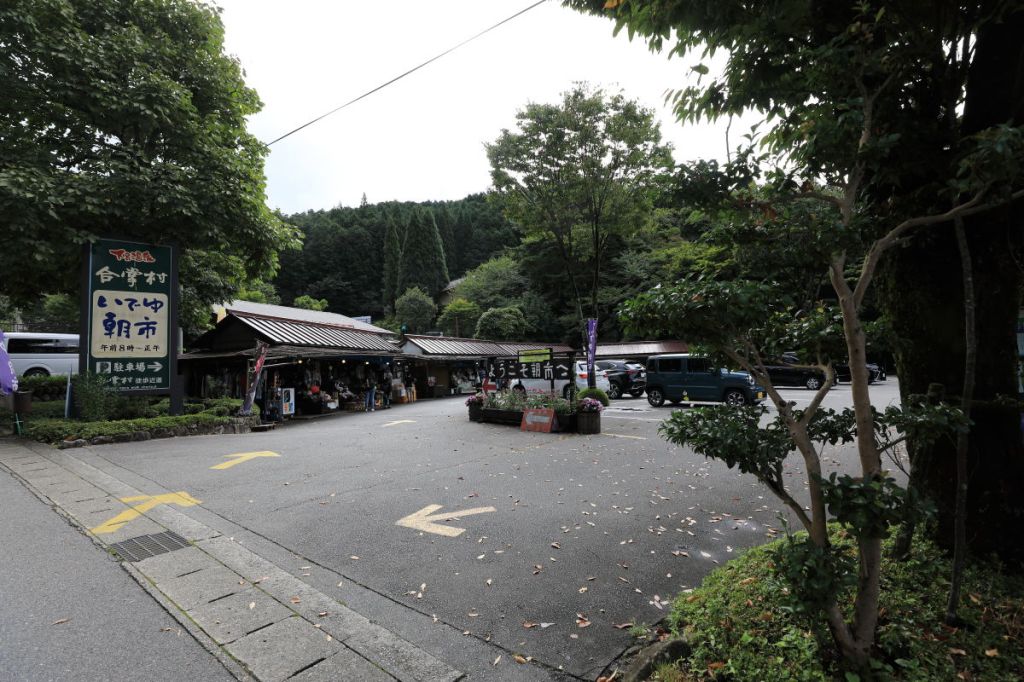
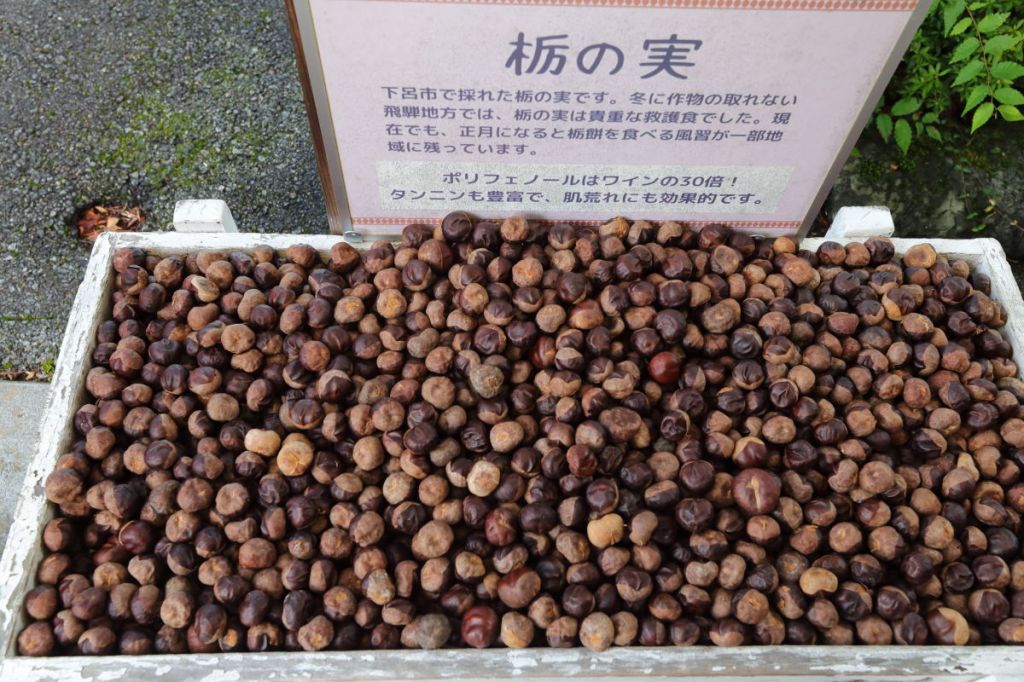
Following breakfast, I visited the morning market close to the inn. Despite being a morning market, it resembled a cluster of souvenir stalls. At the horse chestnut cracker stand, I purchased freshly baked crackers that solidify in 30 seconds. I savored them while they were still soft, relishing the unique texture.
Following my visit to the morning market, I made my way to Takayama Jinya in Hida Takayama. In 1692, Hida Takayama was placed under the direct control of the Edo Shogunate, which appointed a magistrate to perform his duties at this Jinya.
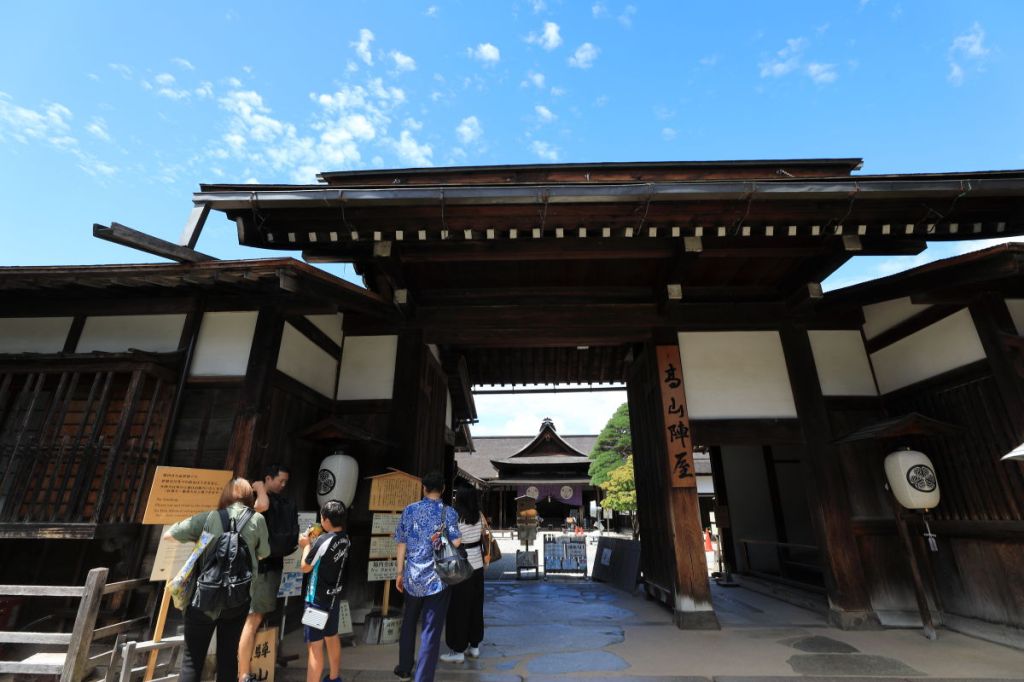
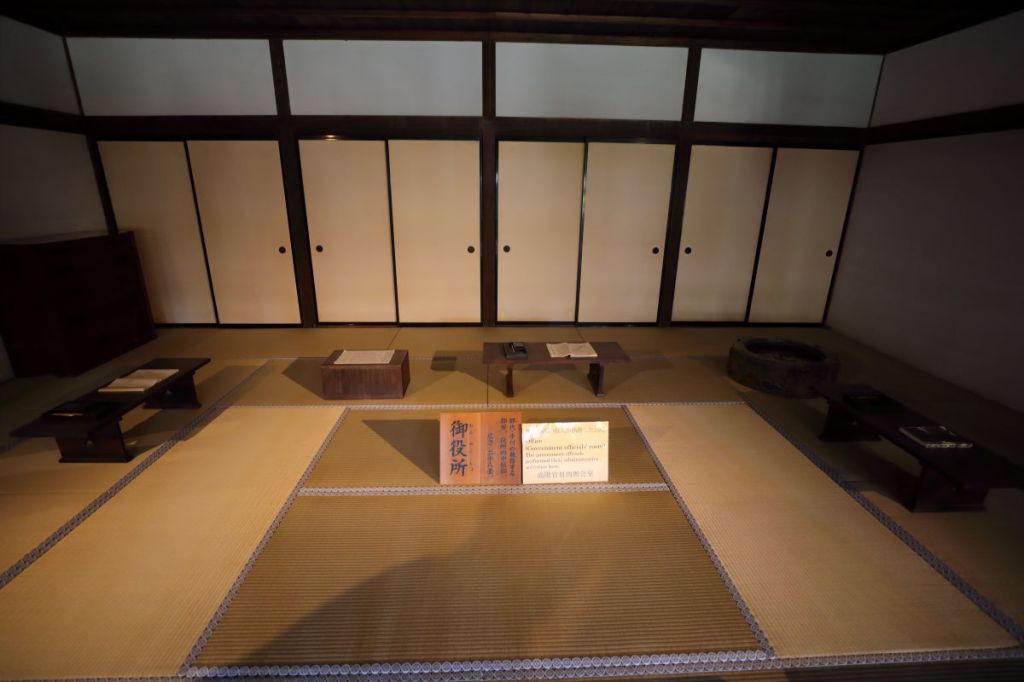
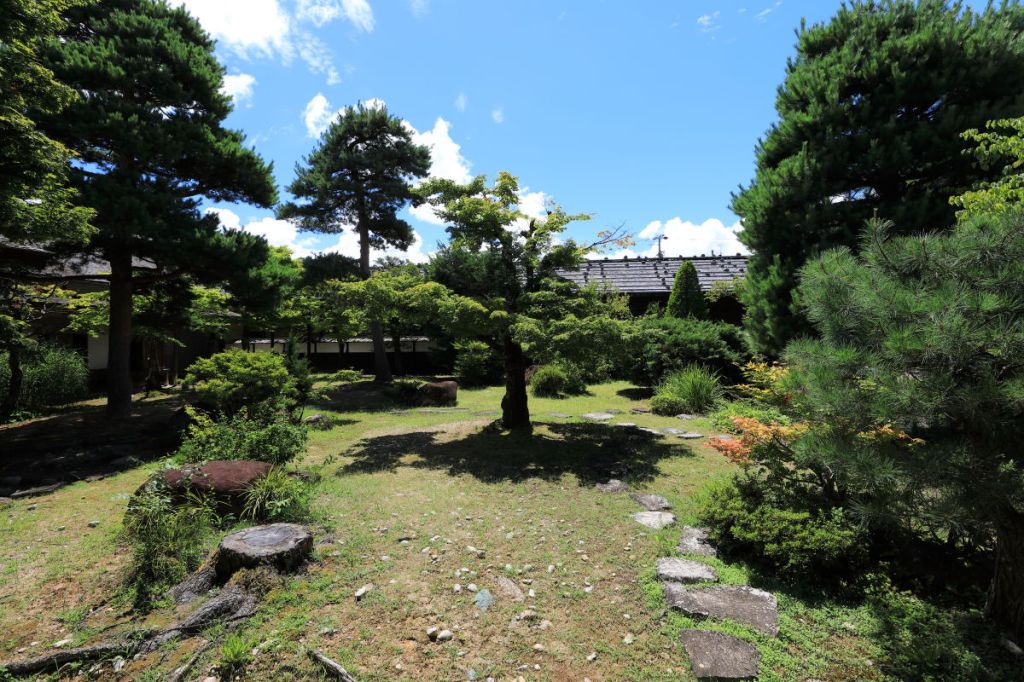
The camp’s interior is quite expansive and definitely worth a visit. Following the tour, I crossed the bridge to the opposite street, where the old townscape is preserved. The river water was crystal clear and beautiful as well.
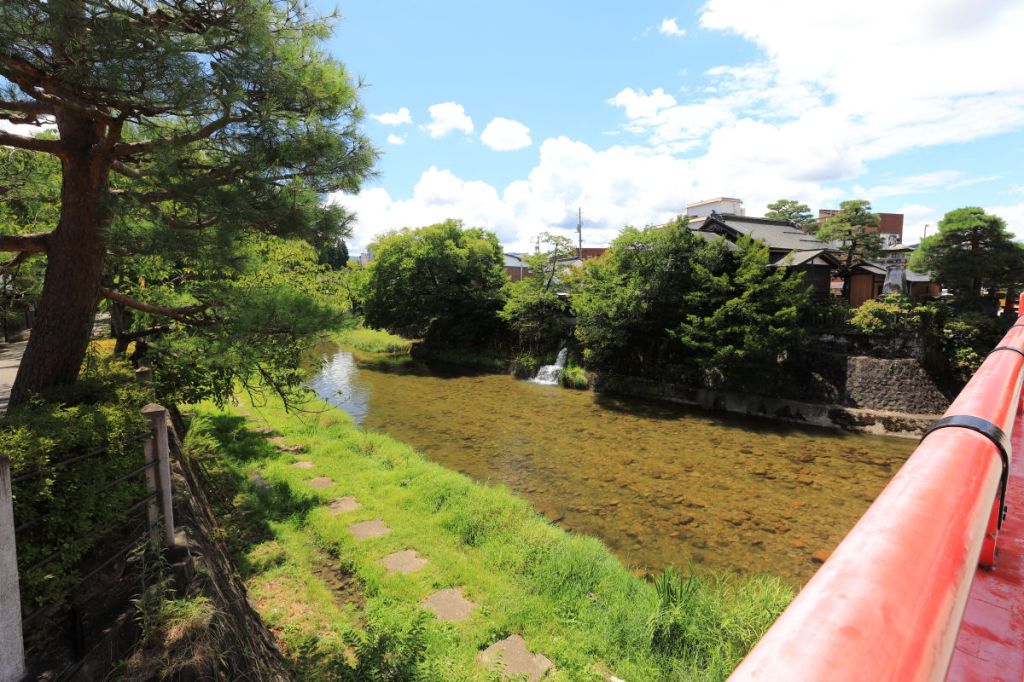
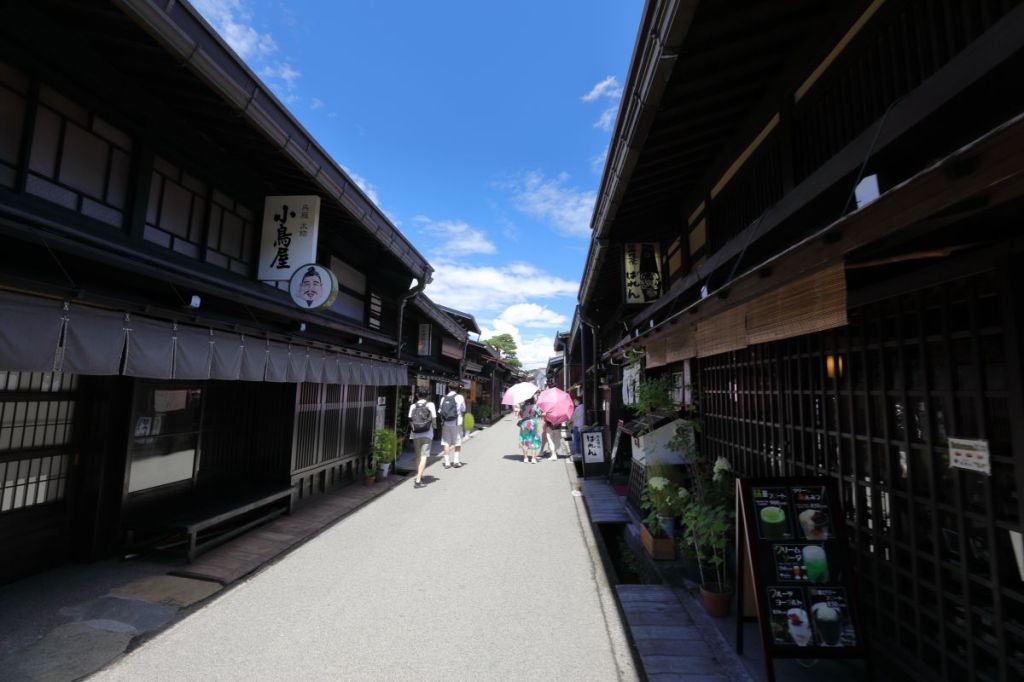
I captured this photo during a quiet moment, yet the streets were bustling with international tourists. The tasting corners of the sake breweries were especially crowded, with many people queuing up. It appears that sake’s popularity is surging abroad as well..
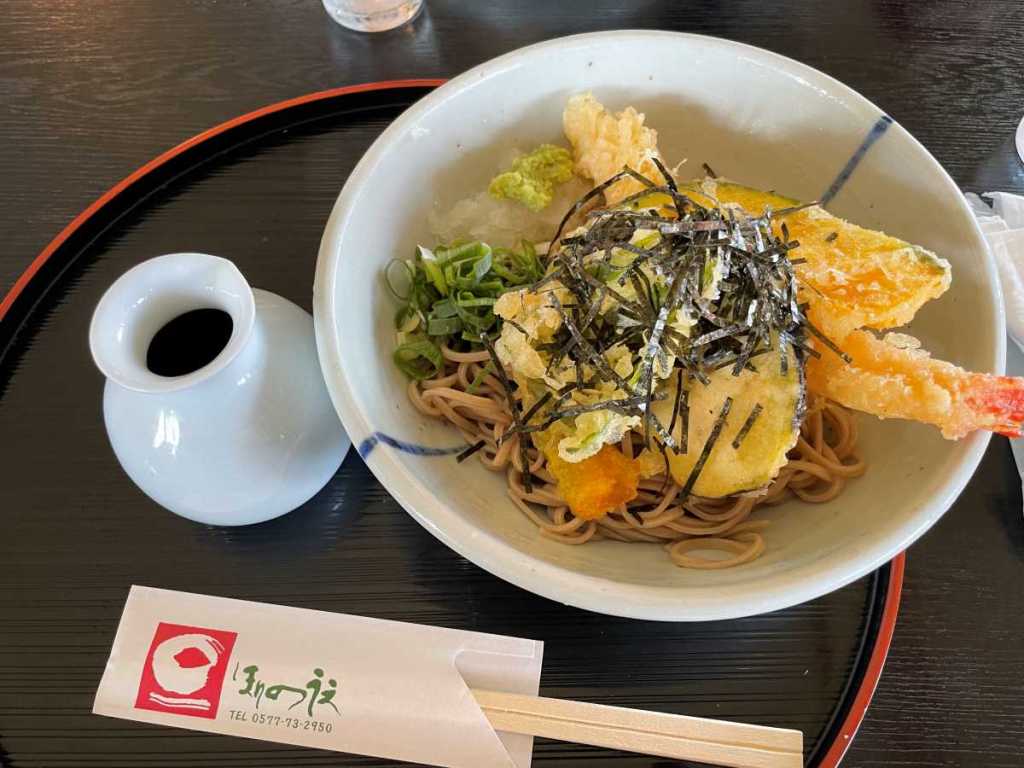
I continued my journey to Hida Furukawa, situated in the far north of Gifu Prefecture. En route, I made a stop at the Alp Hida-Furukawa roadside station, next to a noodle factory named “Mendokoro Horinoue.” There, I savored Koro soba noodles accompanied by tempura. Koro soba, a dish featuring noodles in a chilled soup, is predominantly consumed in the Chukyo area. The meal was reasonably priced at 1,000 yen. Additionally, they offered Koro udon and Koro chuka noodles, both served with tempura.
Hida Furukawa, characterized by its white-walled storehouses, is a quaint town that sees fewer tourists than Hida Takayama. It offers a serene environment where one can leisurely appreciate the ambiance of an ancient town.
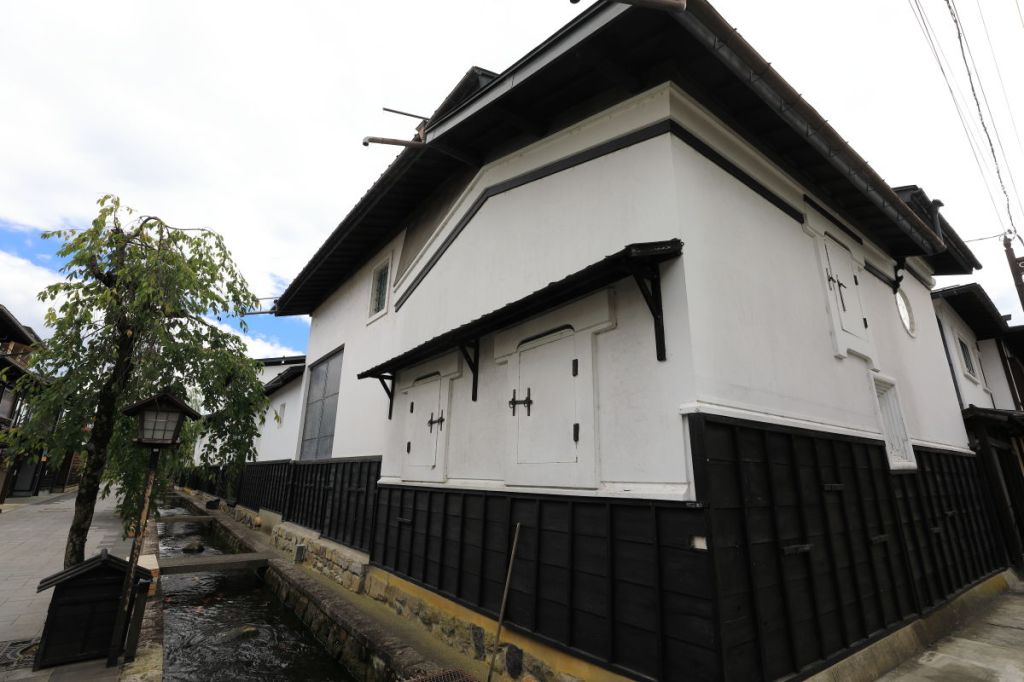
Old townscape along the street.
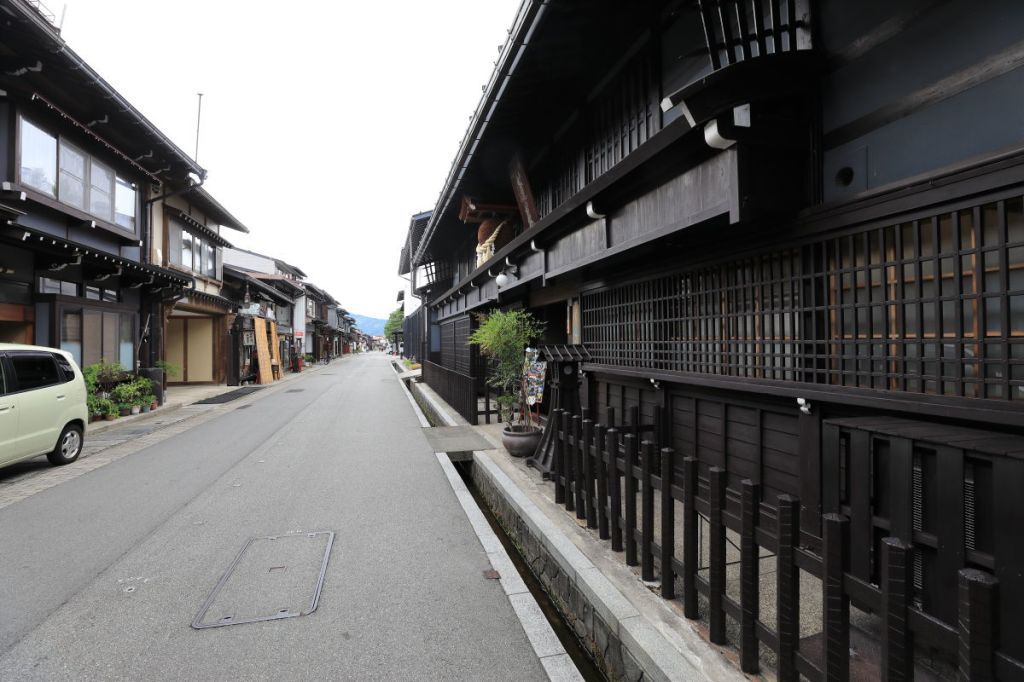
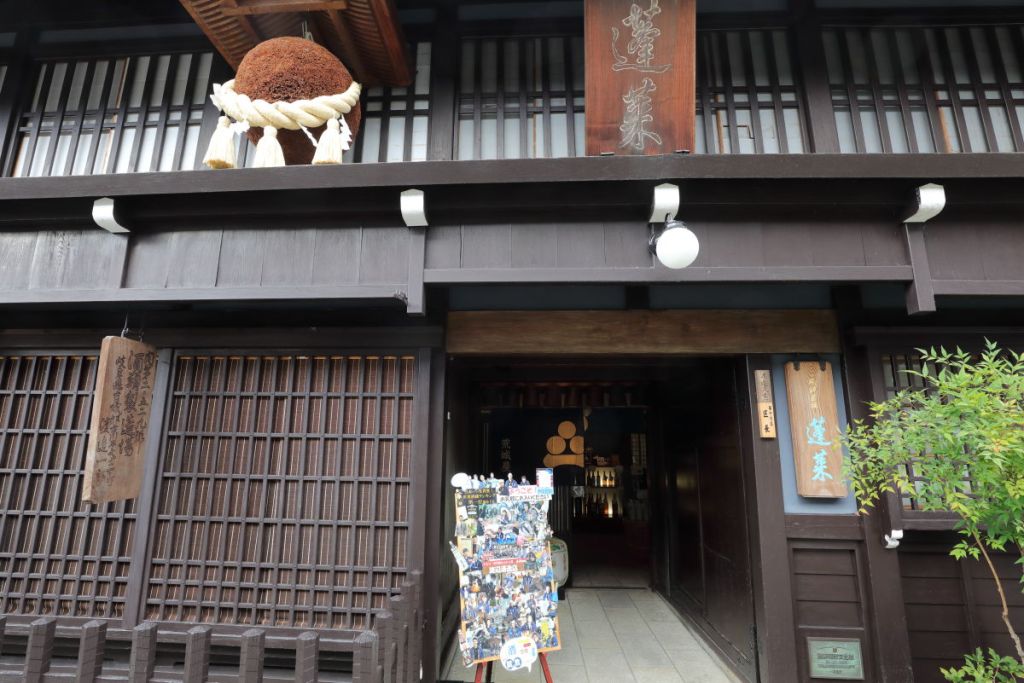
A sake brewery called Horai
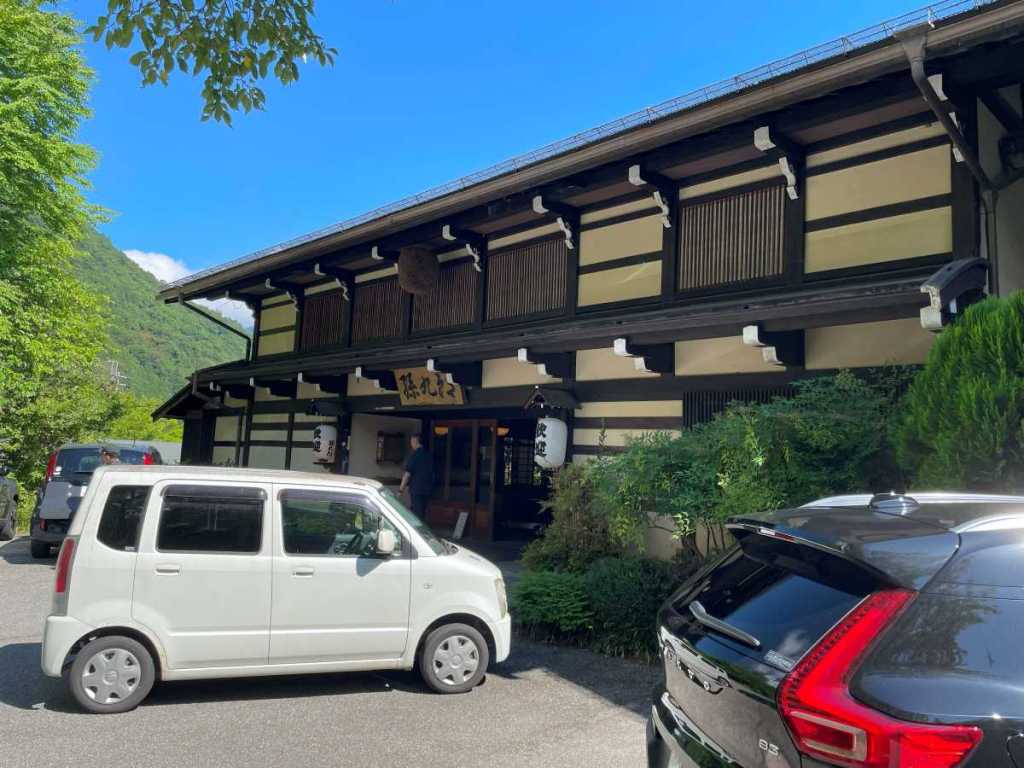
After wandering through the old town, I made my way to “Motoyu Magokuro” at Fukuchi Onsen in Okuhida Onsen Village, which will be my accommodation for the night. Fukuchi Onsen is also revered as the Emperor’s Spring, believed to have been a secret retreat for the 62nd Emperor Murakami (946-967), adding to its historical significance. Situated at an elevation of 1,000 meters, it serves as an ideal hot spring destination during the summer.
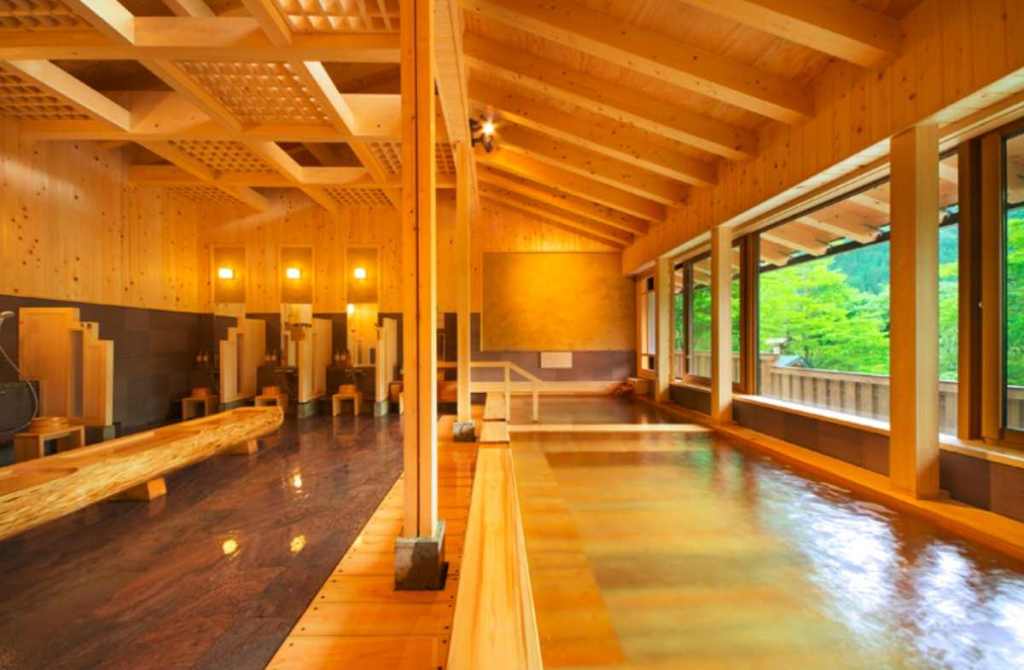
Magokuro boasts two unique hot springs of its own. The indoor bath is equipped with a sodium bicarbonate spring, commonly known as a ‘beauty bath’ due to its skin-moisturizing benefits. The spring water is drinkable and its constituents are said to resemble those in over-the-counter gastrointestinal remedies. The provided photo is a screenshot from the inn’s official website. This hot spring is genuine, emerging directly from its source at a flow rate of 60 liters per minute, with no dilution or artificial heating.
The open-air bath is a simple hot spring, but it is cloudy greenish-white due to the iron content. The photo below is a screenshot from the inn’s website.

The dinner featured a rustic mountain village style, predominantly utilizing local ingredients.
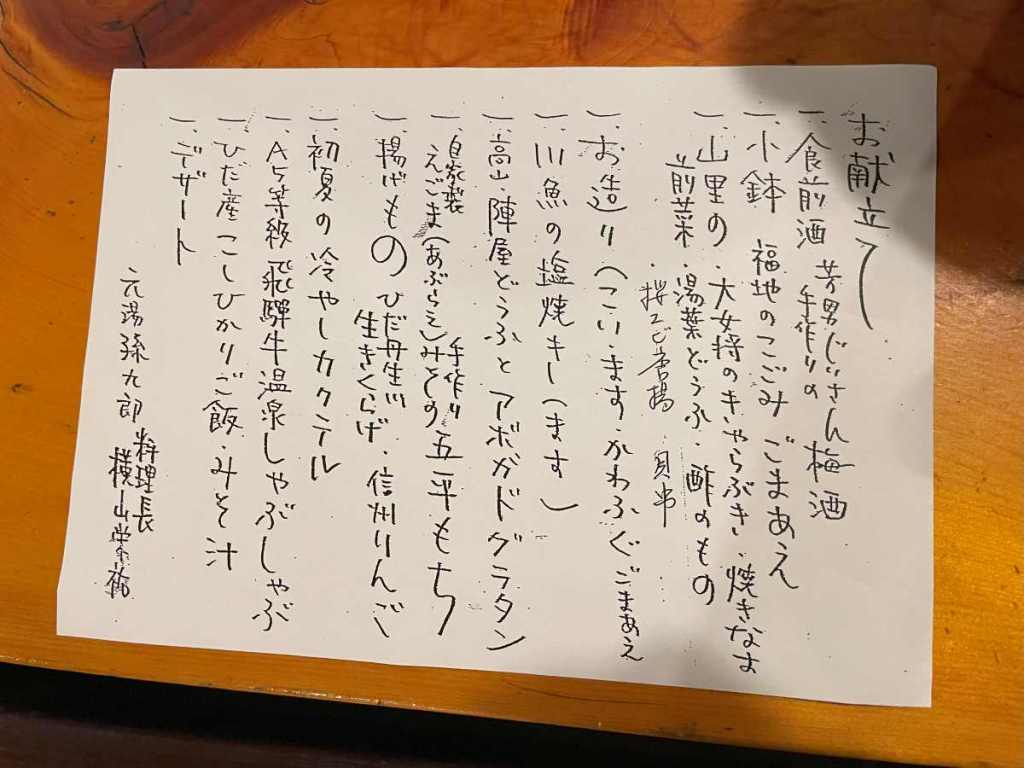
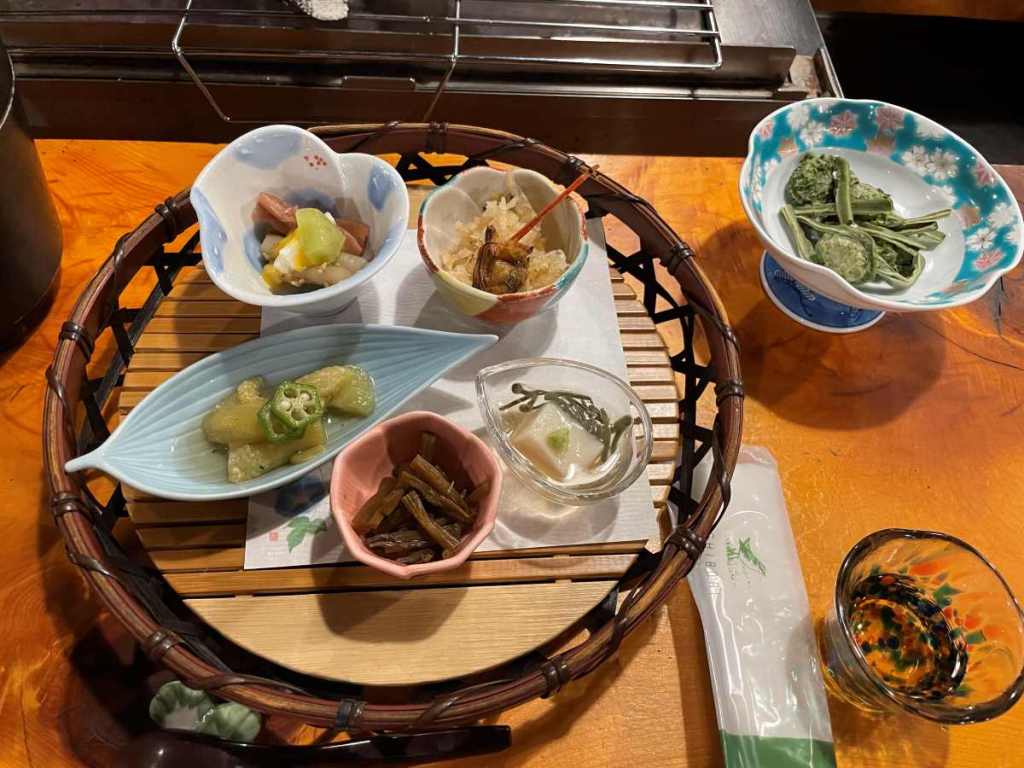
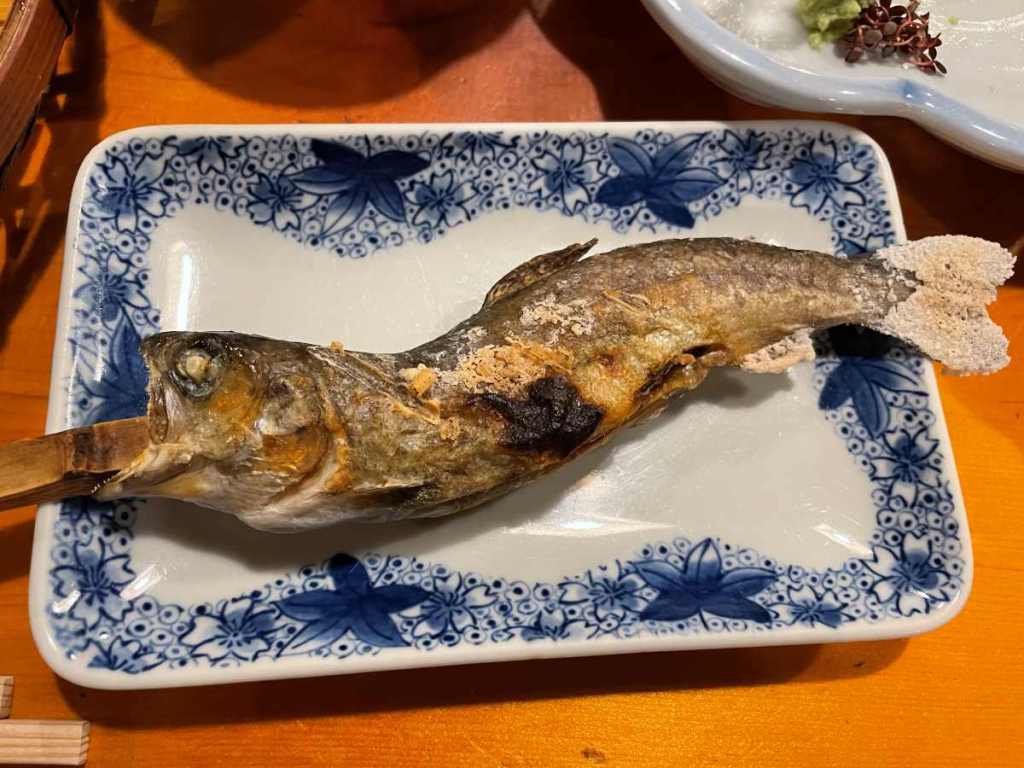
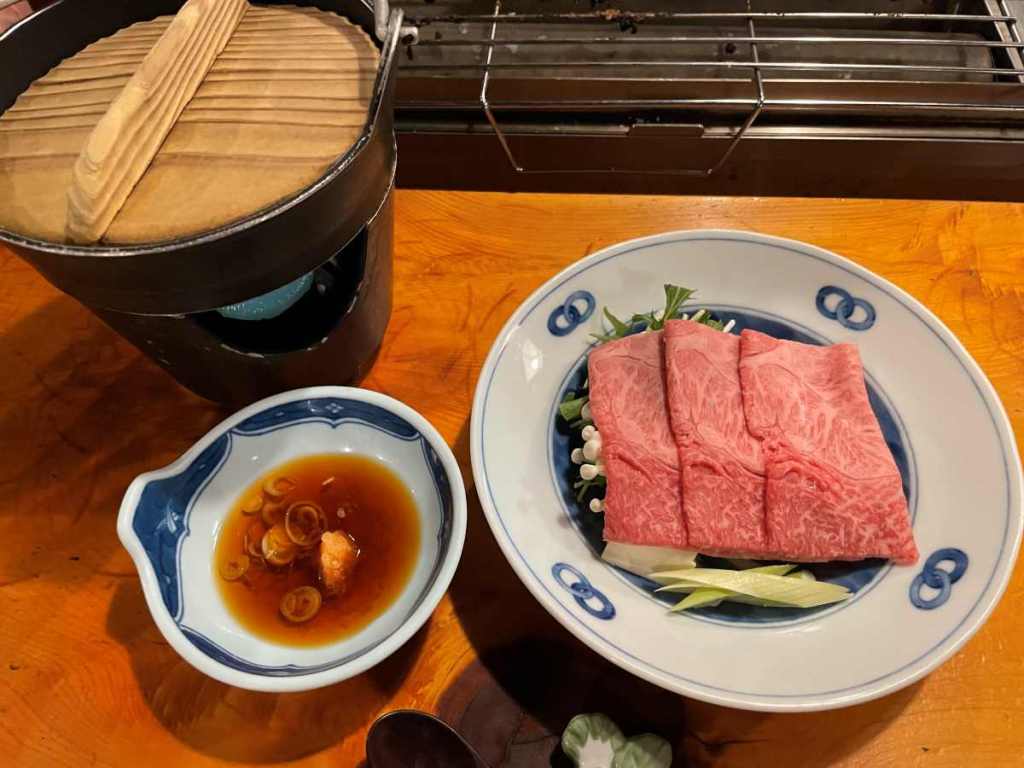
August 21th (Wed)
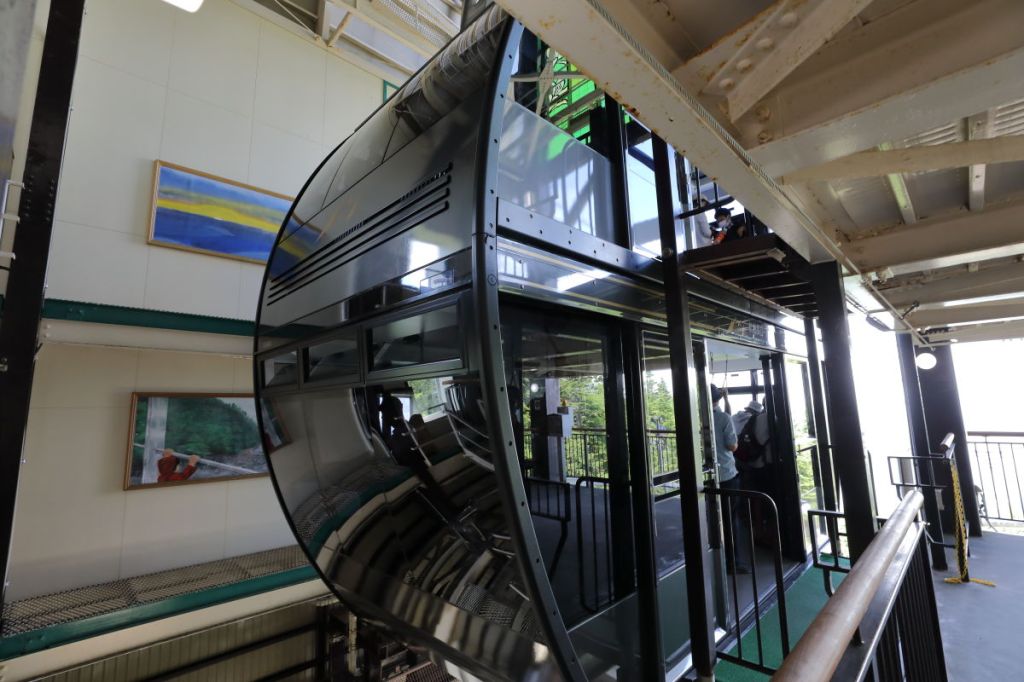
After breakfast, I headed to the nearby Shinhotaka Ropeway. First, I took the first ropeway from Shinhotaka Onsen Station to Nabedaira Kogen Station, then a few minutes’ walk from Shirakabadaira Station to Nishihotakaguchi Station on the second ropeway. I was surprised to see that the second ropeway was a two-story structure.
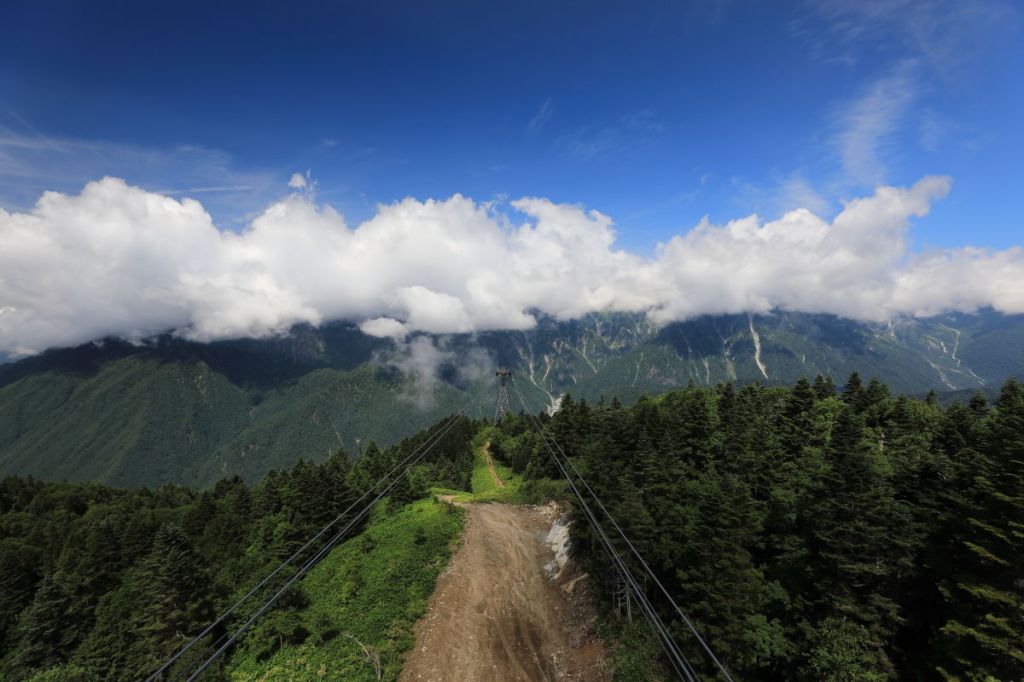
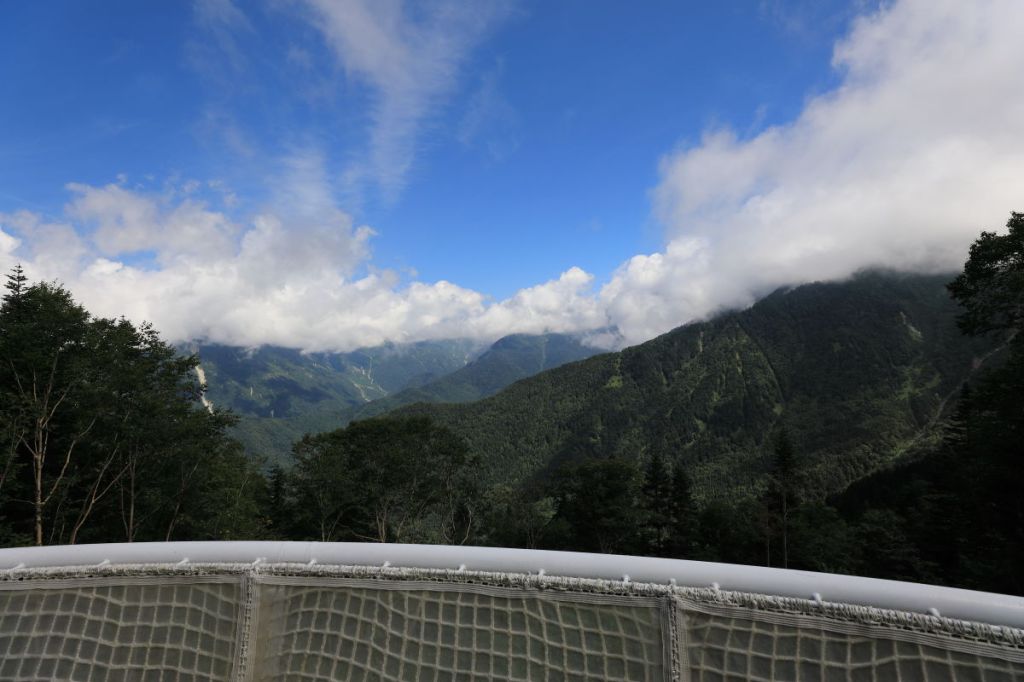
From the observation deck on the roof of Nishihotakaguchi Station you can get a panoramic view of the Northern Alps, but unfortunately the peaks were hidden by clouds.

Yamabiko Post, the highest postbox in Japan, is located at an altitude of 2,156m and can be used all year round.

View of Mount Yari from the Yari Corridor
After returning to Shinhotaka Onsen, I headed straight for my house, taking the local roads to Matsumoto IC, then driving on the Nagano Expressway and Chuo Expressway.There was a bit of traffic on the way, but I was able to get home around 18:00.
This time, I traveled to three hot spring resorts in Aichi and Gifu prefectures, and it was a very satisfying trip where I was able to soak in the hot springs and enjoy delicious food.
 旅好き爺の旅行記
コメントを残す