

For my first trip of 2025, I visited Iya Valley in Tokushima Prefecture and Awaji Island in Hyogo Prefecture I had visited I Valley over 35 years, and upon learning about the hot springs there, I wanted to visit again. Awaji Island is near Tokushima and is known for its delicious sea food, so I decided to combine the two
January 13th (Mon)
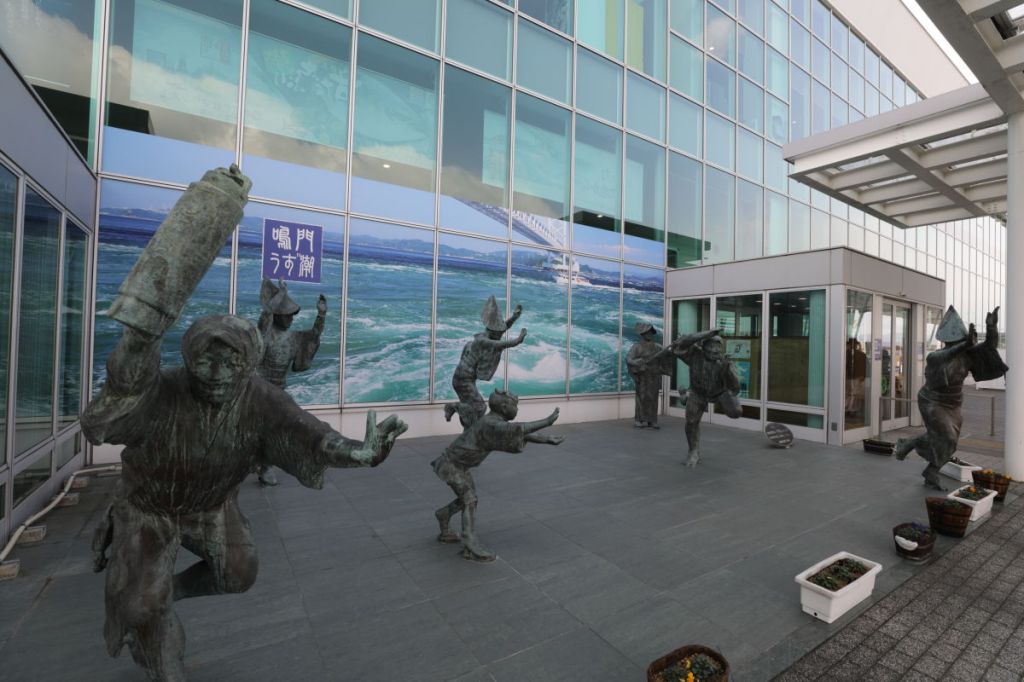
JAL flight 455 departs Haneda Airport at 10:10 and arrives at Tokushima Airport at 11:30. At the entrance there is an Awa Odori statue, which is unique to Tokushima Awa Odori Airport.
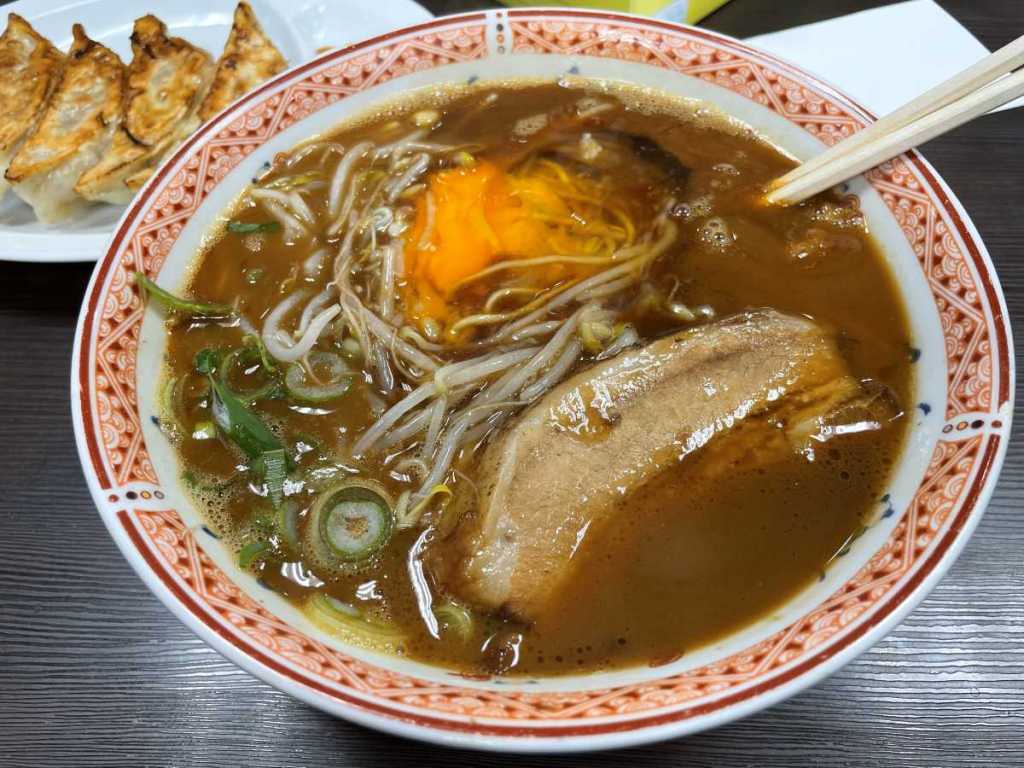
I rented a car and headed straight for Iya Valley. It was lunchtime, so I ordered some ramen at a restaurant called Tokushima Ramen Dai-Son before entering the Tokushima IC on the Tokushima Expressway.

The soup is a mild, brown-ish Tokushima ramen soup with pork bones and soy sauce, and the noodles are medium-thick and straight. There was a free raw egg on the table, and all the locals put it in their ramen, so I did too. It was a hearty ramen with bean sprouts, long green onions, and two thick slices of roast pork.
Immediately after the meal I headed to my lodging for the night, Hotel Kazurabashi in Iya Valley, arriving at 3:00 p.m.

After taking a break, I went straight to the hot springs, first taking a bath in the indoor bath. The spring quality was a simple sulfur spring with no taste or smell, and there was nothing particularly special about it. The photo is a screenshot from the hotel’s website.

I went to the cable car station on the same floor and headed to the open-air bath.

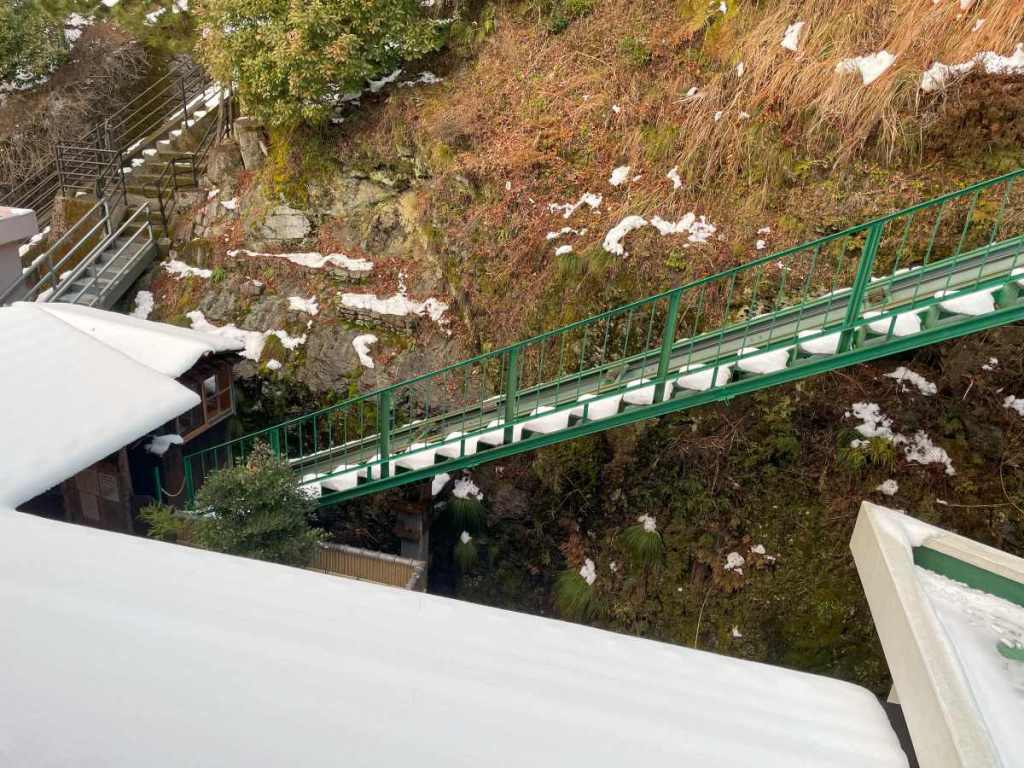
From the window of the room I stayed in, I could see the cable car I had just taken. The small hut-like structure on the left is the cable car. It was completely covered in snow from the previous day.
Dinner is a multi-course meal using local seasonal ingredients. The appetizer is lemon-boiled Naruto sweet potato, roasted Awa beef, and oil-boiled sweetfish with roe.
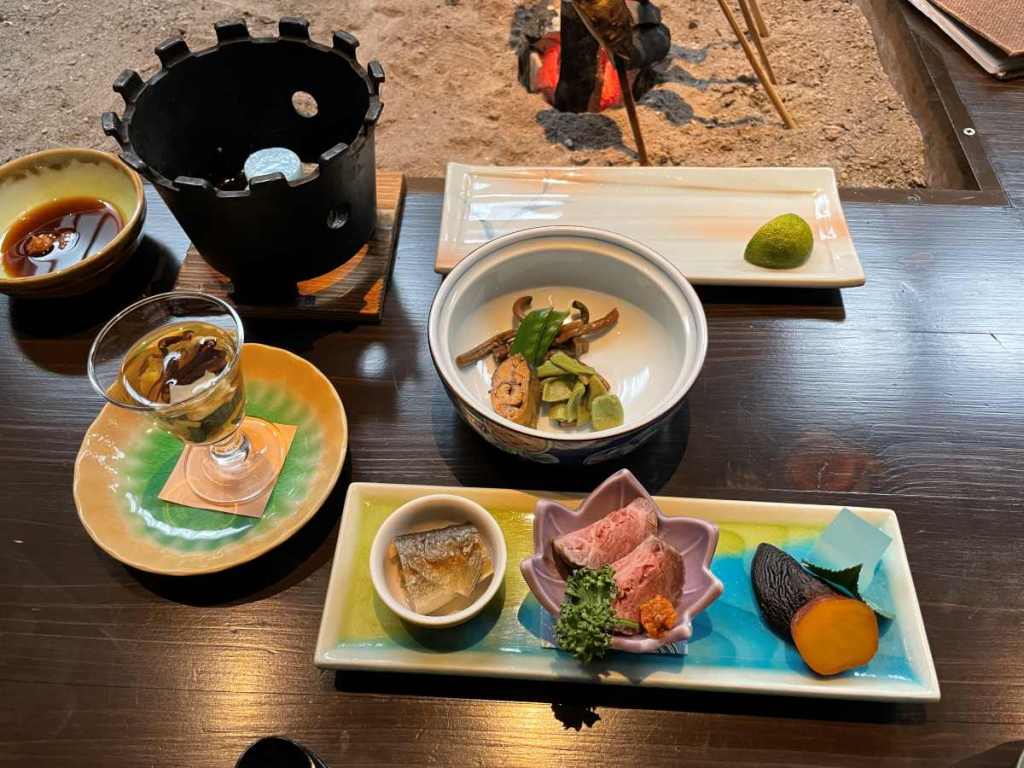
On the empty plate was for a traditional Iya dish called “dekomawashi” (grilled skewers of potatoes, tofu, and konjac) grilled over the charcoal of the hearth, and grilled salted sweetfish.

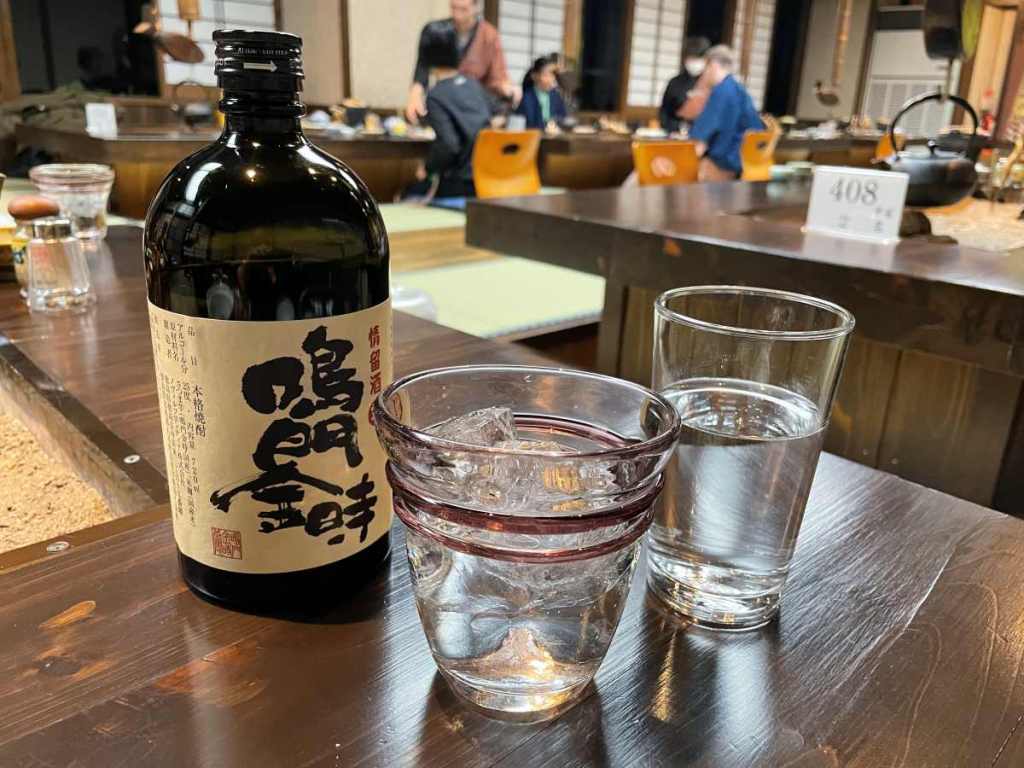
The local sweet potato shochu “Naruto Kintoki” is a highly palatable shochu with no distinct aftertaste.
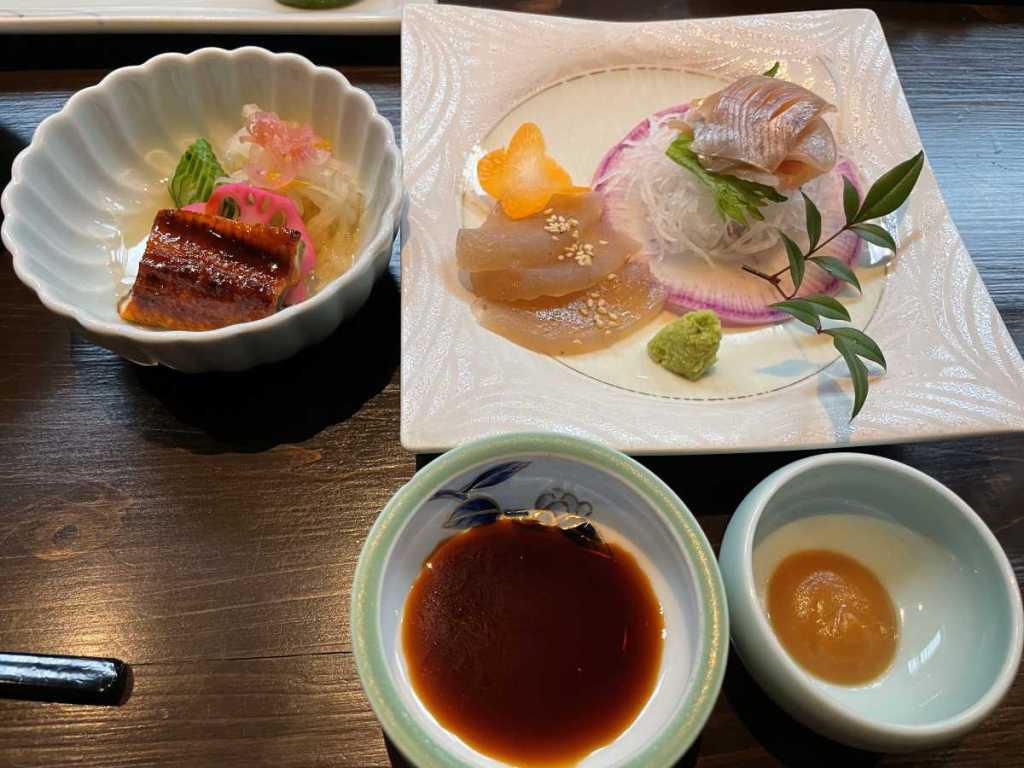
I was served sashimi of mountain stream amego (apparently it’s called amego, not amago, in this region), konnyaku sashimi, and vinegared eel. The amego was light, flavorful, and chewy, and very delicious.
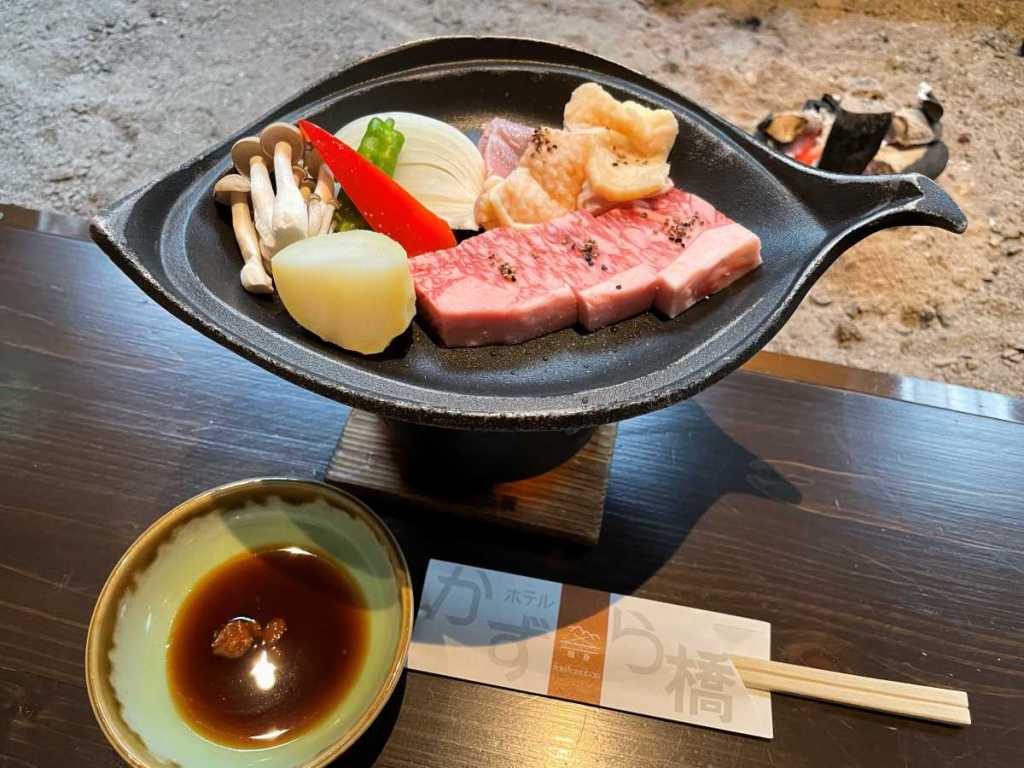
The teppanyaki dish of Tokushima’s brand beef, Waichi and Awaodori chicken, with seasonal vegetables was superb.
Finally, I was full after eating the Amego sashimi rice bowl, the Iya soba bowl and dessert.
January 14th (Tue)
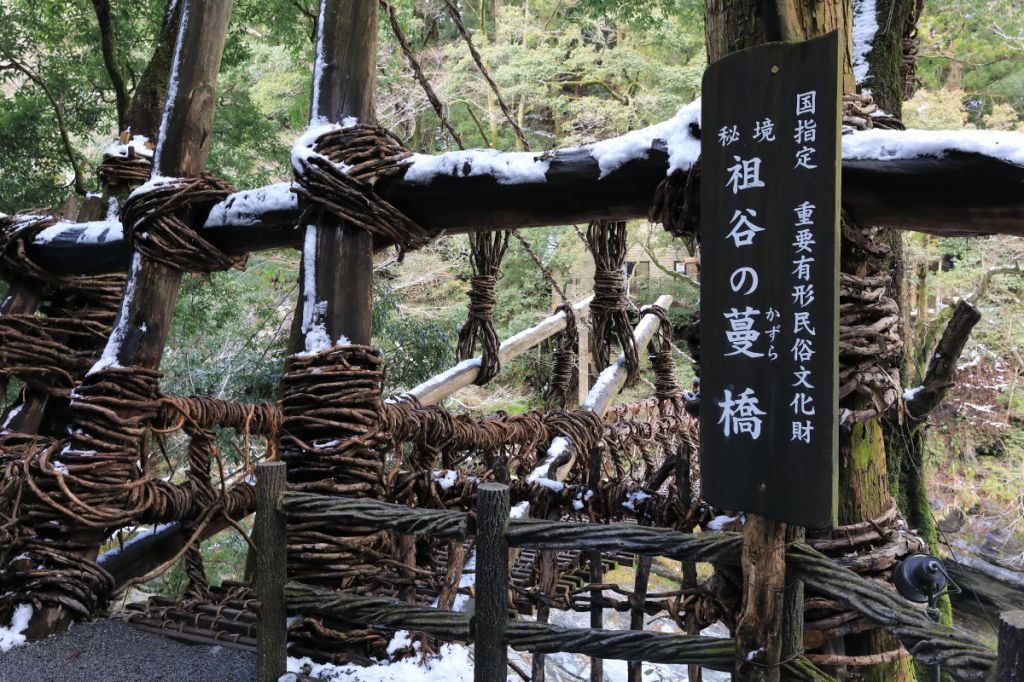
This morning, I’m going to Kazurabashi Bridge in Iya Valley. Kazurabashi Bridge is a bridge made of kudzu plants such as wild pears. It is 45m long, 2m wide, and 14m high above the valley. It is one of the three most unusual bridges in Japan and an National Important Tangible Folk Cultural Property. The current bridge has wires decorated with kudzu for safety reasons, so it is said to be safer than it looks.
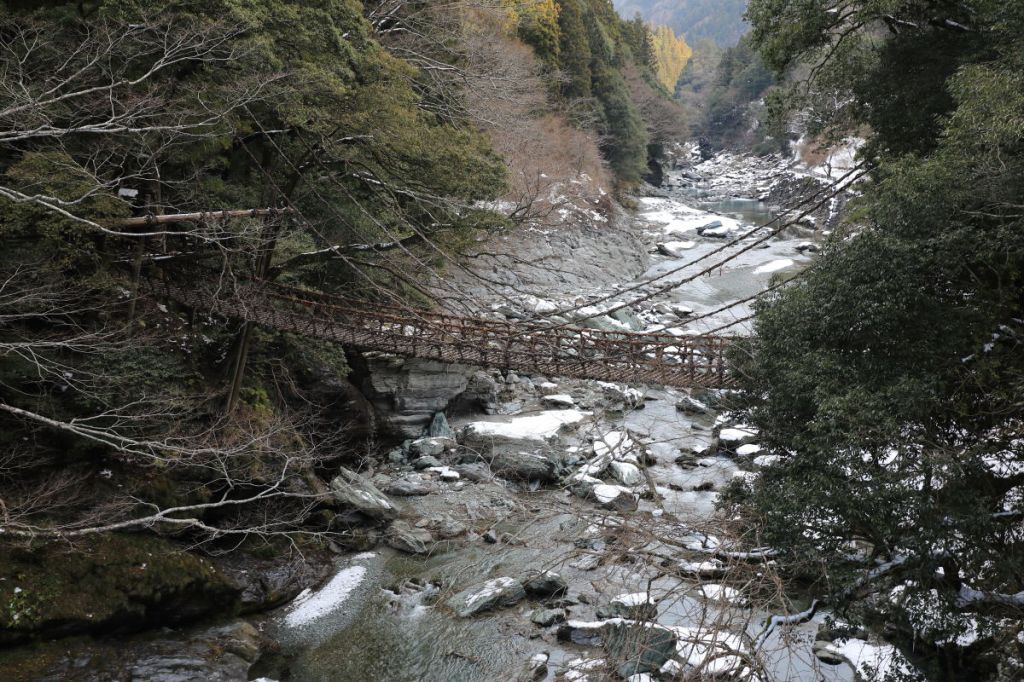
It is a one-way street, and you must pay the entrance fee at the entrance on the left before you can begin crossing.
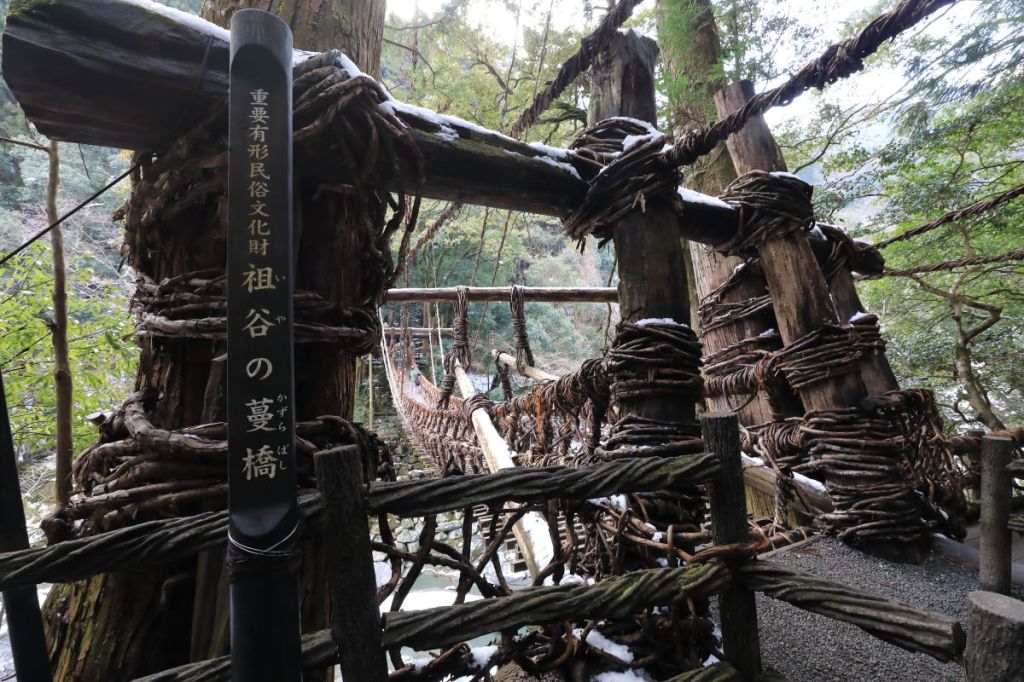
Approximately 35 years ago, I visited the Iya Valley and crossed this bridge. At the time, I did not notice it, but the ground was quite open, which made me feel apprehensive about crossing it. Perhaps it is due to my advancing age.
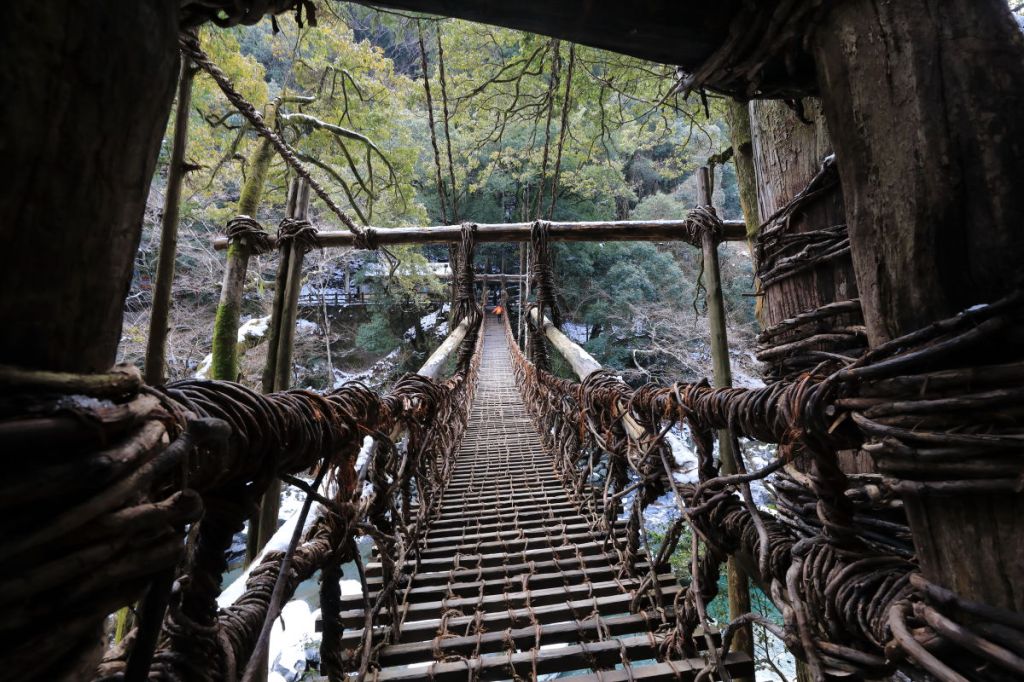
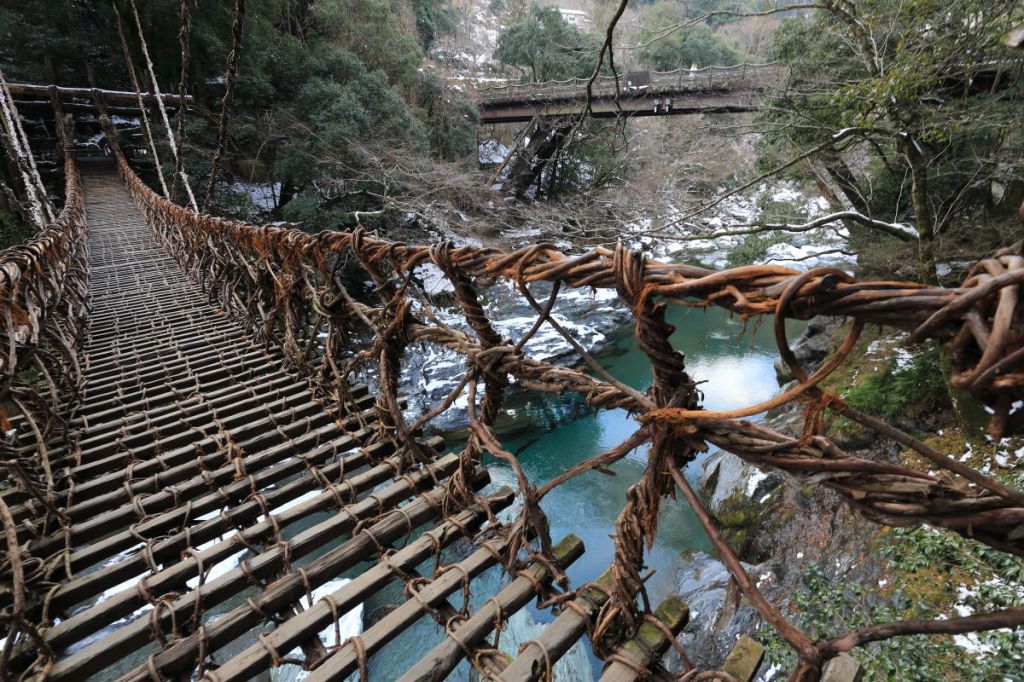
Finally, I arrived at the exit side and after a short walk, I came to Biwa Falls. It is said that after being defeated in the Battle of Yashima during the Genpei War (Year 1180 to 1185), Tairano Kunimori, who was defeated in the Battle, came to Iya carrying Emperor Antoku and settled there. This is one of the legends of the fugitive of Heike’s clan. The fugitives would play the biwa (pipa) under the waterfall while reminiscing about their lives in the Kyoto capital, and so the waterfall is said to have been named Biwa Falls.
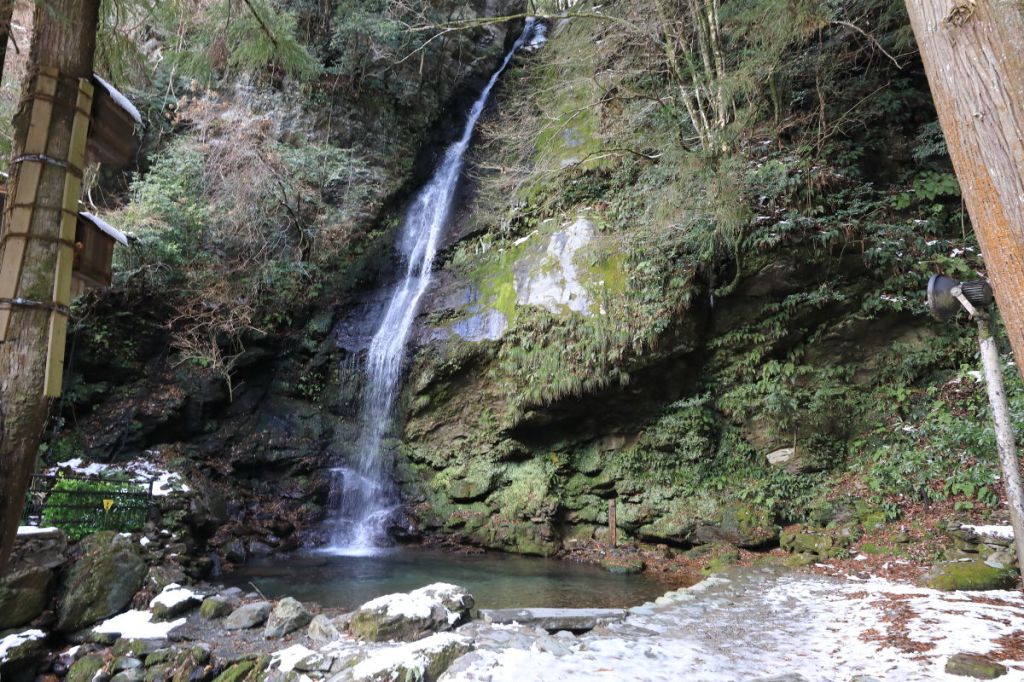
As I was driving along the mountain path from Kazurabashi Bridge, I came across a bronze statue of a peeing boy set up on a cliff for some reason. It was apparently erected there because local children and travelers would urinate into the valley as a test of courage, but I would be too scared to do it myself.

I got back on the Tokushima Expressway again and headed for Awajishima via Tokushima city. Uzushio Roadside Station was undergoing renovations and was temporarily open at Uzumachi Terrace, so I decided to have lunch there.

Here I purchased the Awaji Island Onion Beef Burger, which won first place in the National Local Burger Grand Prix, along with a set of fried onion rings and a drink, and had lunch on the terrace.
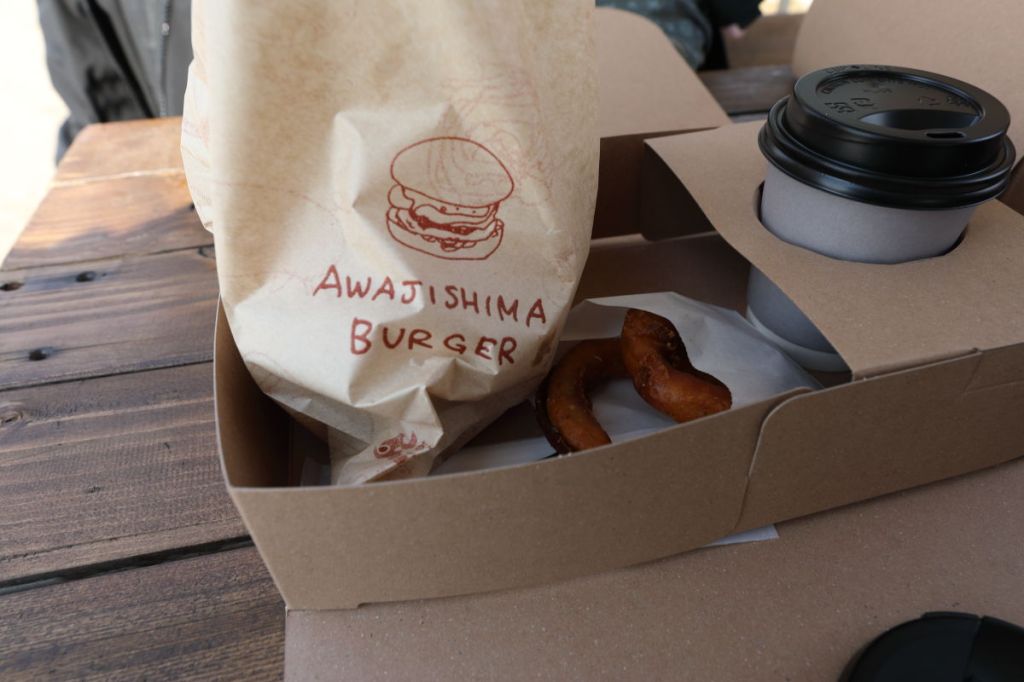

From here you can see the Naruto Bridge that we just crossed. Depending on the time of day, you should be able to see the whirlpools. The whirlpools in the photo were taken from a sightseeing boat when I visited three years ago.

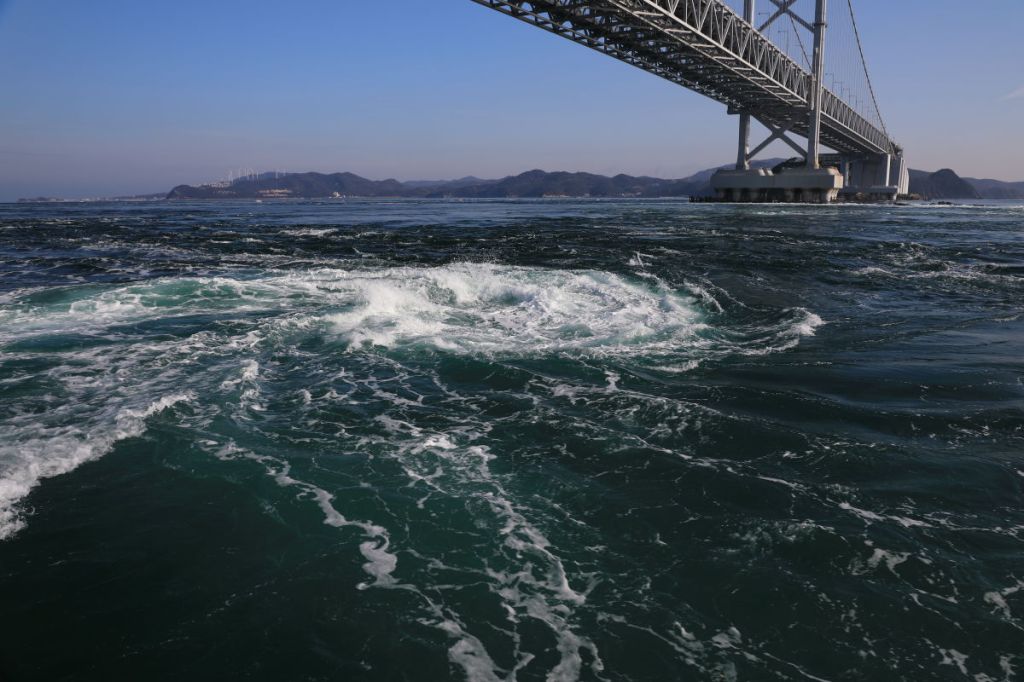
I headed to my lodging for the night, Awaji Island Uzushio Onsen Umemaru.
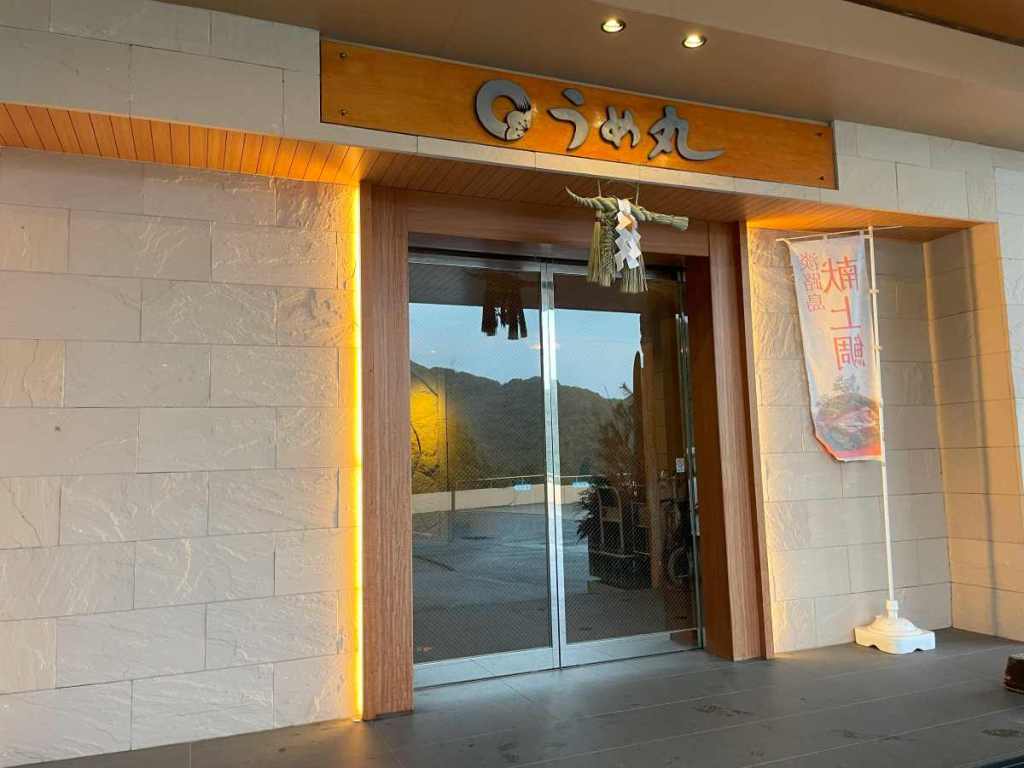
I could see the Naruto Bridge from my room.
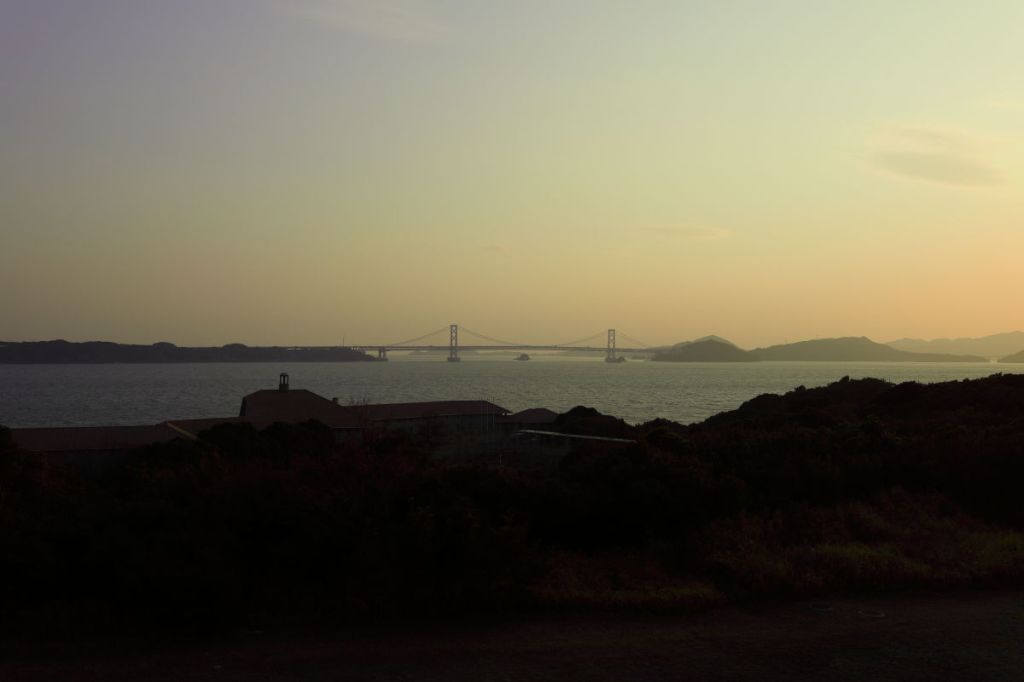
The hot spring is simply constructed with an indoor bath and an open-air bath (the photo is a screenshot from the inn’s website). The spring quality is a weak alkaline hydrogen carbonate spring (sodium bicarbonate spring), known as a beauty bath, but it contains a lot of hydrogen carbonate ions and sodium ions. I have been to many hot springs of this type, but I felt that the water here was the most pleasant to the touch and slippery feeling. It is a very impressive hot spring that is worth visiting.


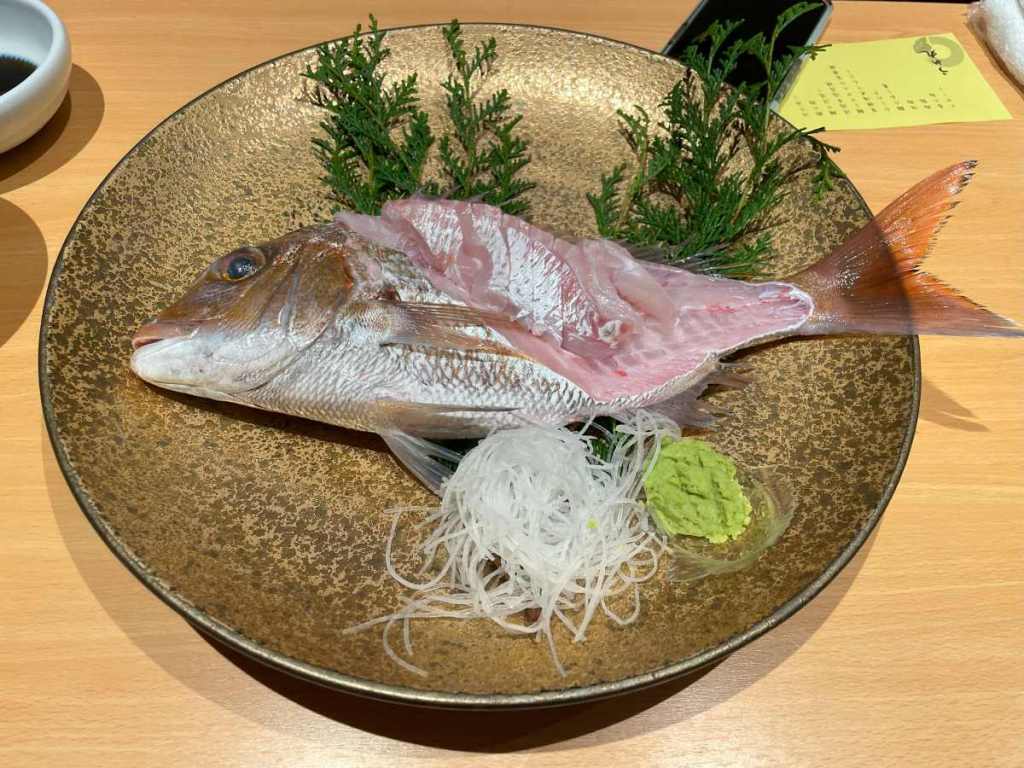
Dinner was a full course of live sea bream sashimi and Awaji beef. After the appetizer and vinegared dishes, the live sea bream sashimi was served first. It had a wonderful texture and was very fresh.
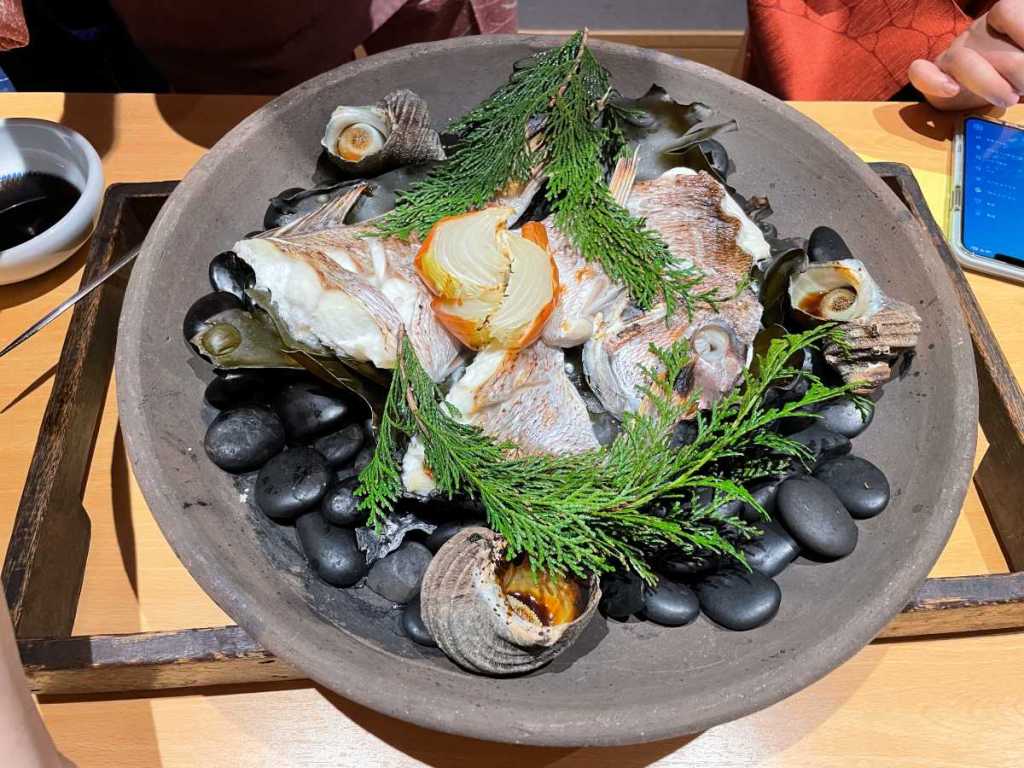
The remaining half was then removed and the sea bream and turban shell Horakuyaki (A dish made by placing pine needles and salt in an unglazed earthenware pot, then placing ingredients (seafood or vegetables) on it, covering it, and steaming it.) was revealed.
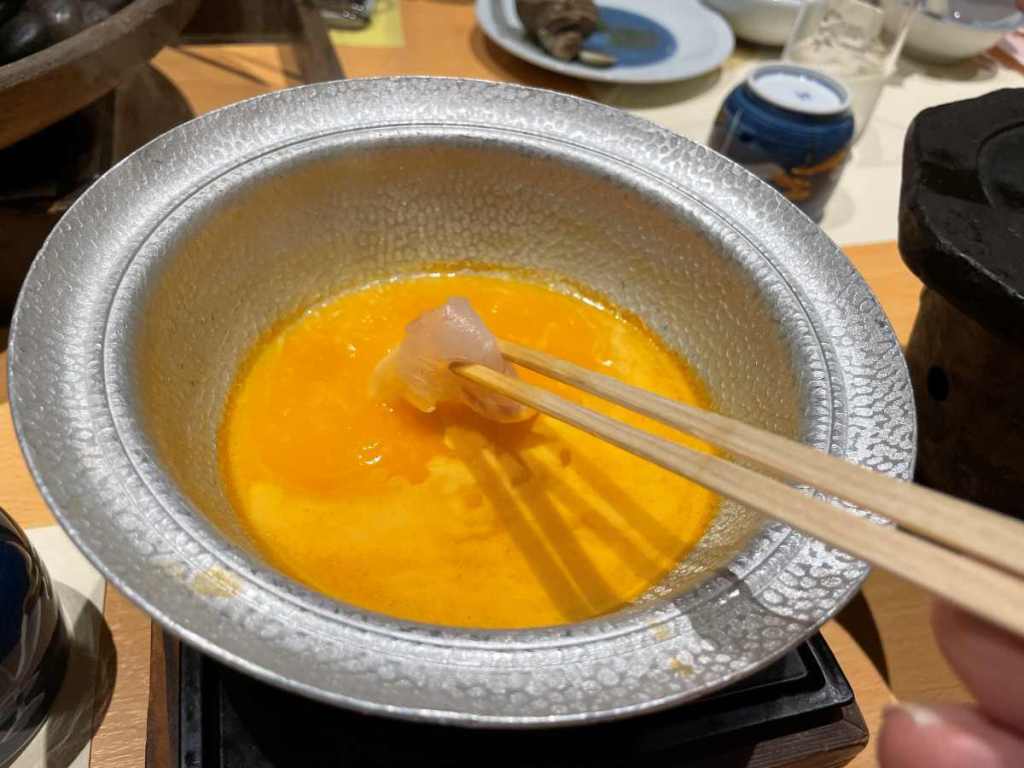
After the head-on shrimp tempura is served, I next have thinly sliced sea bream shabu-shabu in a dashi stock containing sea urchin.
This is followed by boiled sea bream bones, a truly sea bream-filled dish, and then lava-grilled Awaji beef.

After that, soup, rice, pickles and dessert were served. It was a very satisfying dinner.
January 15th (Wed)
I don’t have a photo of breakfast, but the steamed yellowtail and other side dishes were set at the tables, and the rest was buffet style. You could also make your own sea bream rice bowl and sea bream chazuke. I was able to enjoy sea bream, including breakfast.
After the meal, I headed to Honpukuji Temple Mizumido, which has a modern main hall designed by Tadao Ando, one of the purposes of this trip. This temple is a Shingon sect Omuro school temple that is said to have been founded in the Heian period ( Year 794 to 1185), and the entrance looks like an ordinary temple, but inside I was greeted by an amazing sight.
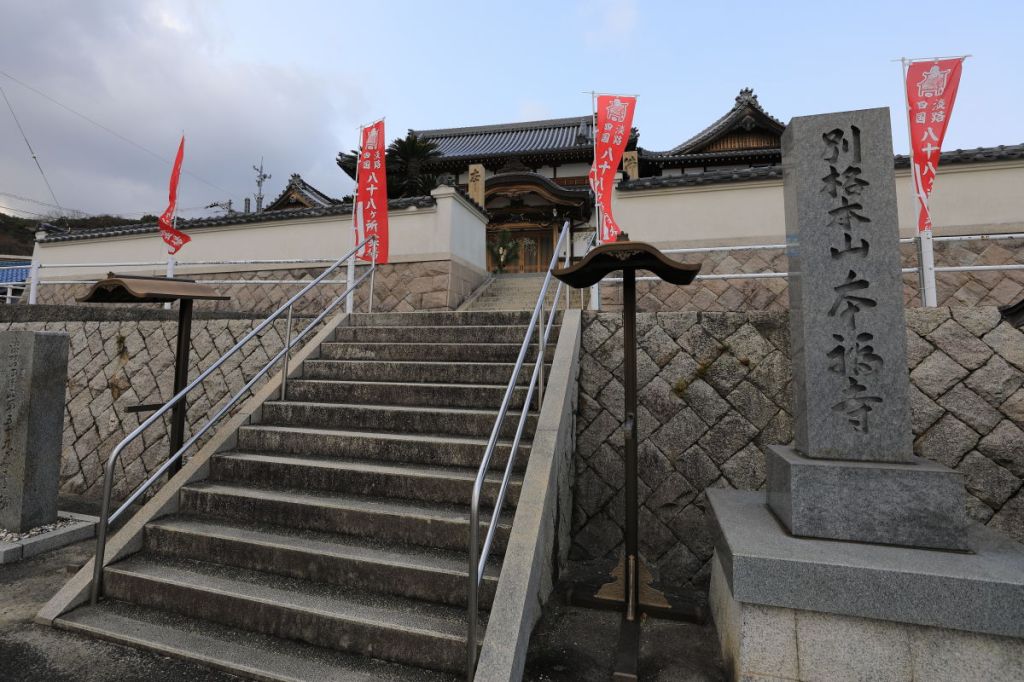
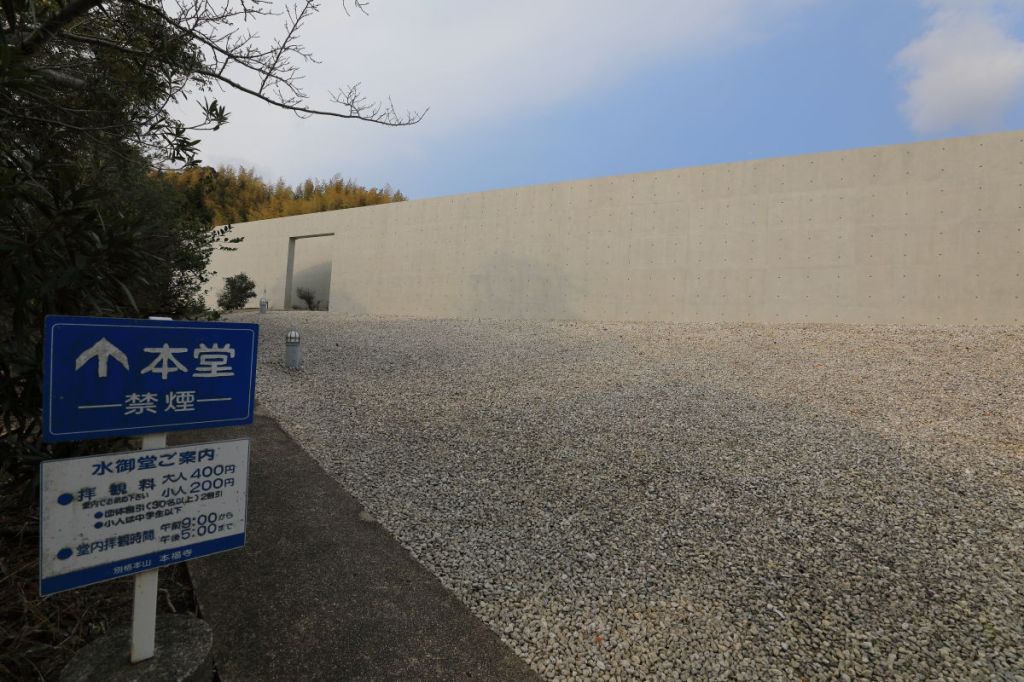
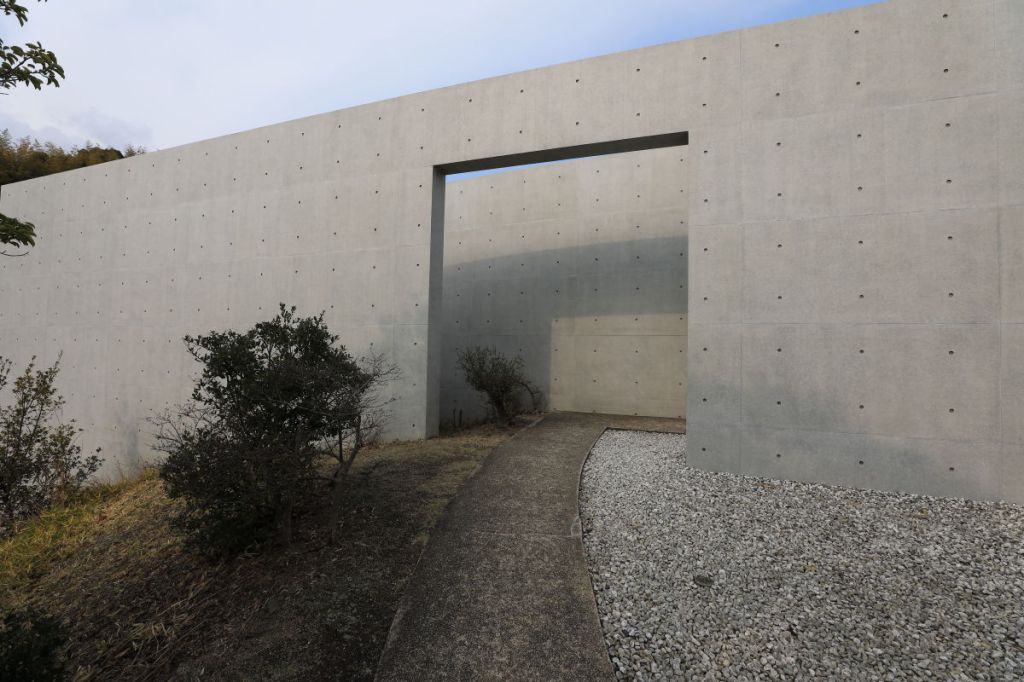
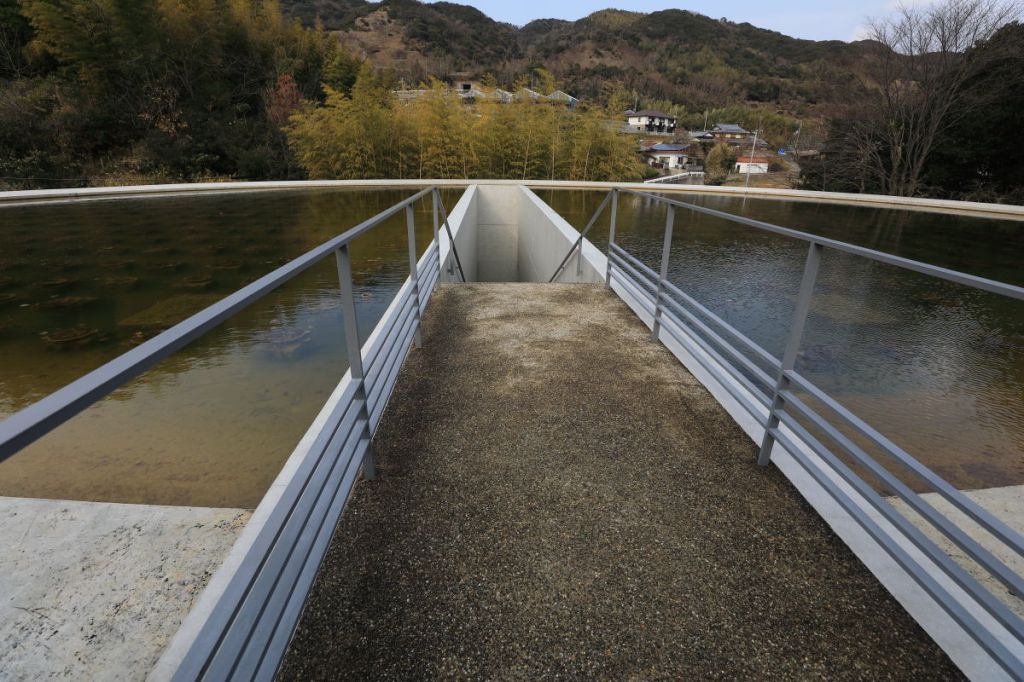
Entering through the exposed concrete entrance you come to a circular corridor.
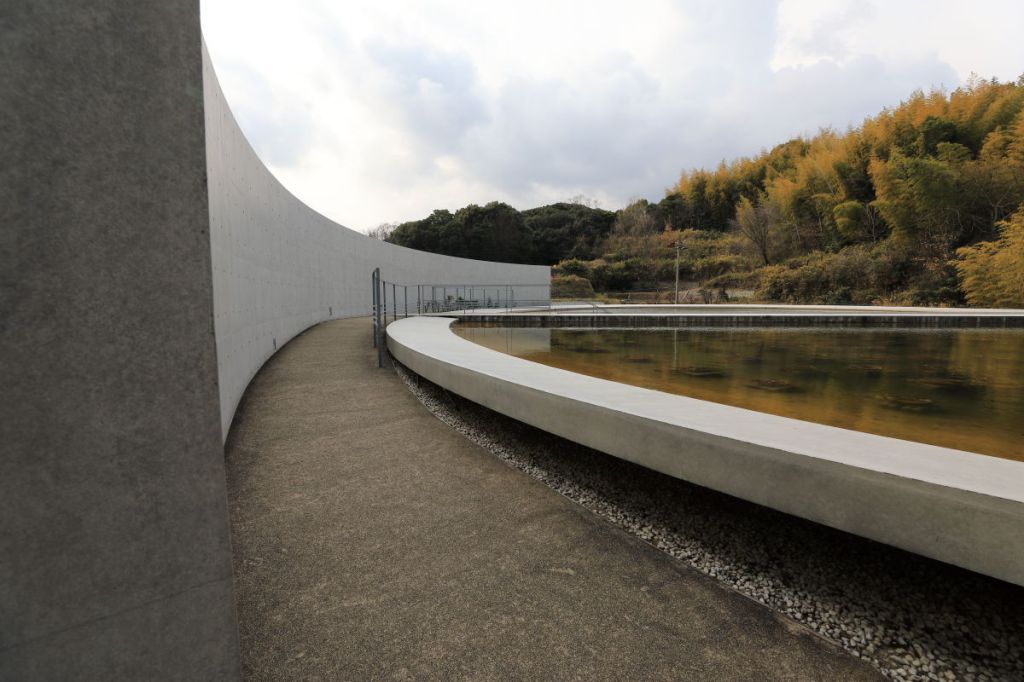
There was a staircase leading to the main hall in the center of the circular pond. The pond is a lotus pond, but unfortunately, since it was winter, there were lotus leaves in the water. It seems that the lotus flowers bloom from June to July and it becomes beautiful.
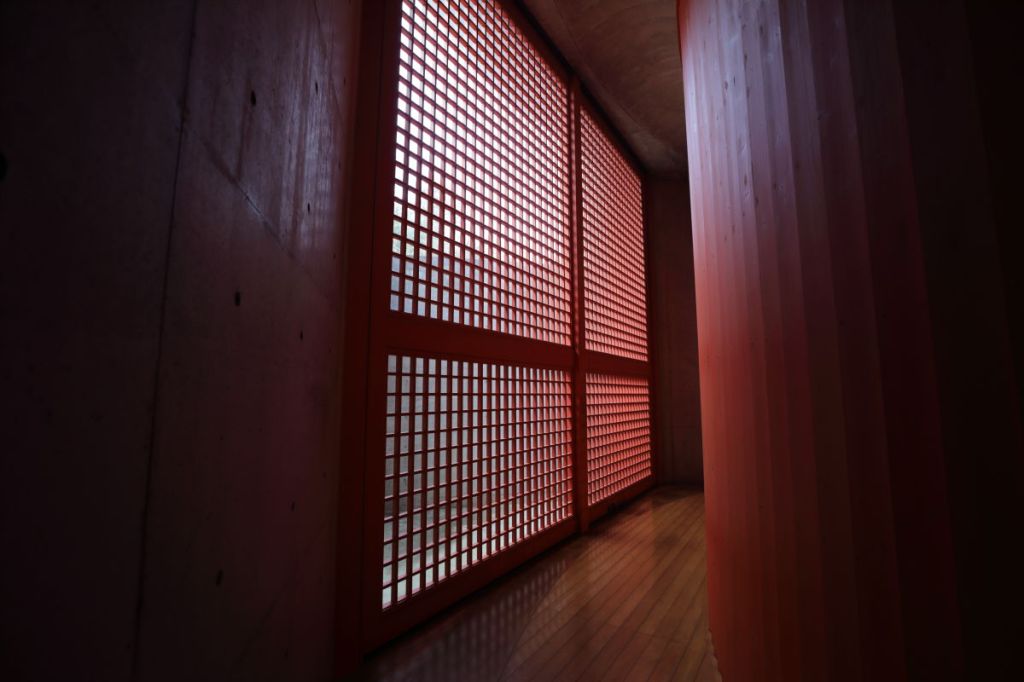
Photography is prohibited inside the main hall, so the only photo I could take was of the vermilion corridor, but it has a unique atmosphere. By the way, the main hall is home to the Yakushi Nyorai statue, an important cultural property of Awaji City.
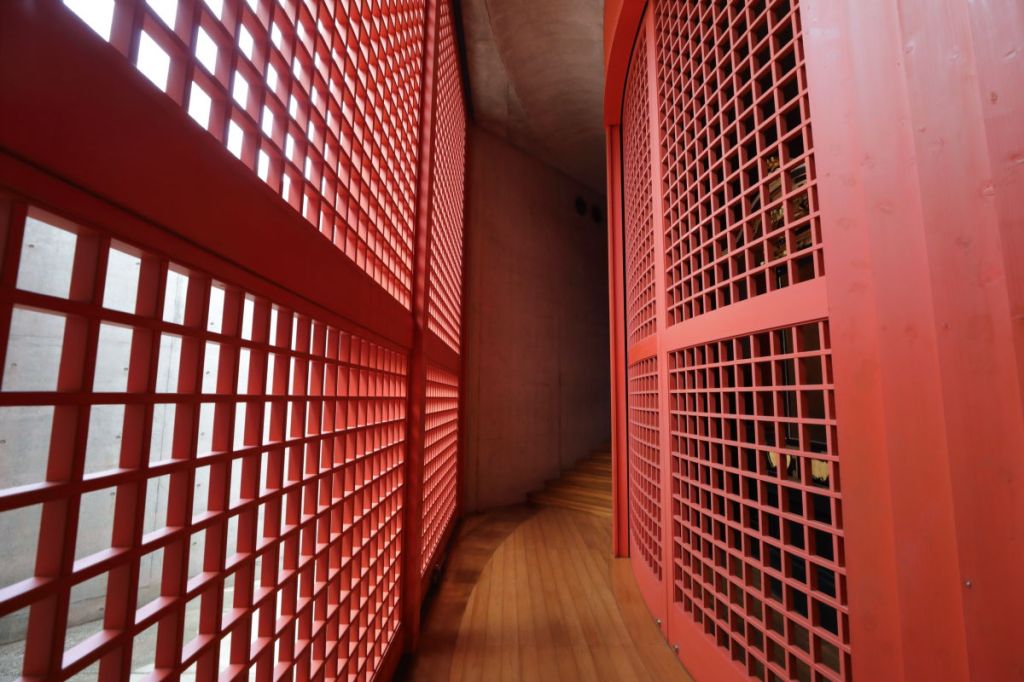
This main hall was completed in September 1991, exactly 30 years before the Great Hanshin-Awaji Earthquake, but there were no signs of damage.
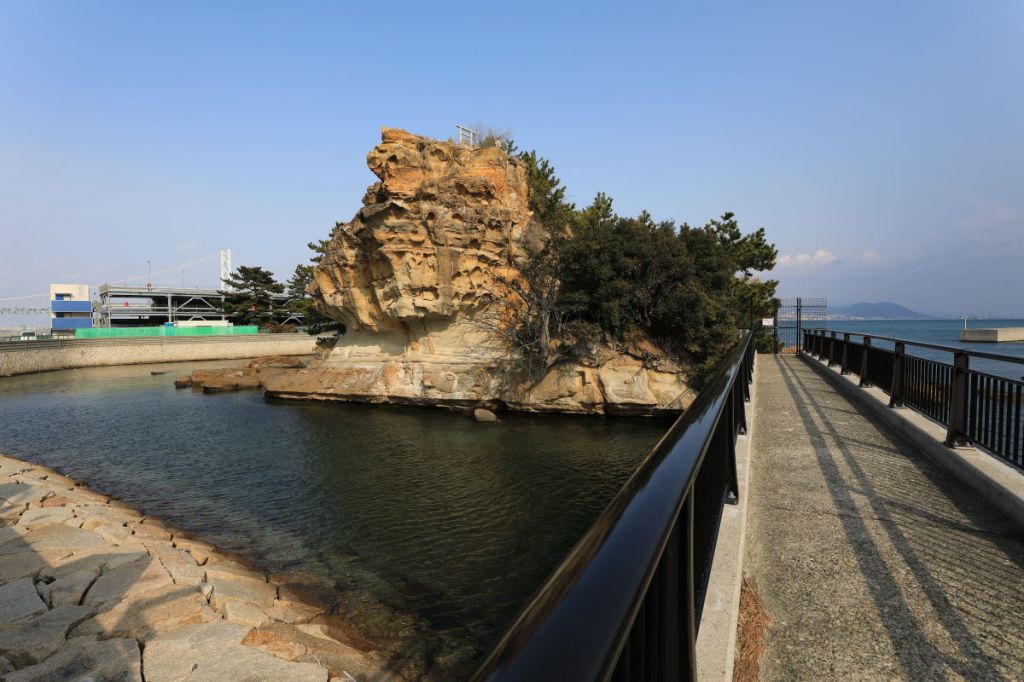
Next I went to Eshima, which is close to this temple at the northern tip of Awaji Island. Eshima is a rock formation where 20 million year old sandstone layers are exposed, and the rock surface has been given mysterious patterns by years of wind, rain and waves. It is a natural work of art that has become the symbol of Awaji Island. In the Creation Myth, one of the Japanese mythologies, it is said that Eshima was the first island in the Japanese archipelago, Onokoro Island, which the two gods Izanagi and Izanami created by standing on the bridge of the heavens and creating a mountain of rain. It is a scenic spot since ancient times and has been written about in many waka poems.
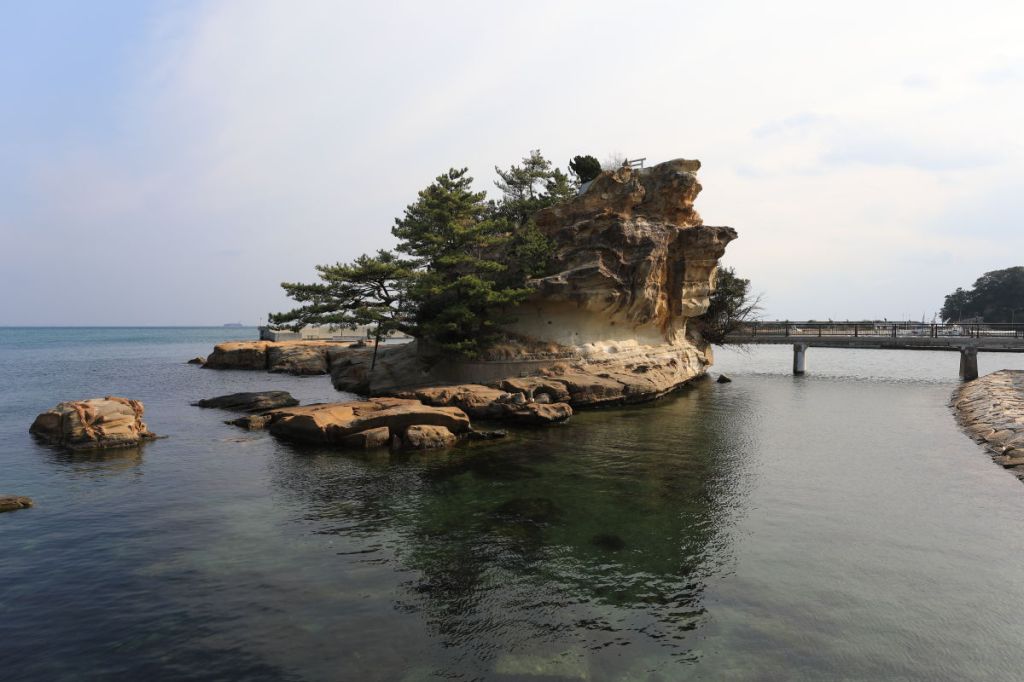
Unfortunately, entry to the island is prohibited. You can see the Akashi Kaikyo Bridge in the distance.
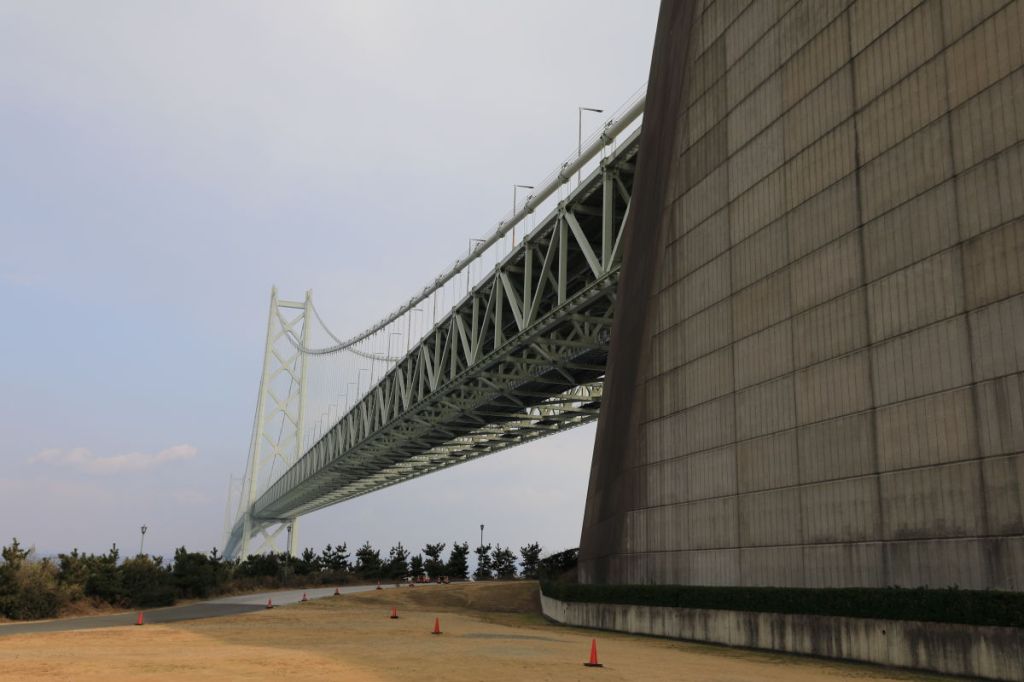
On the way back, I passed by the Awaji Roadside Station and were able to see the Akashi Kaikyo Bridge up close.
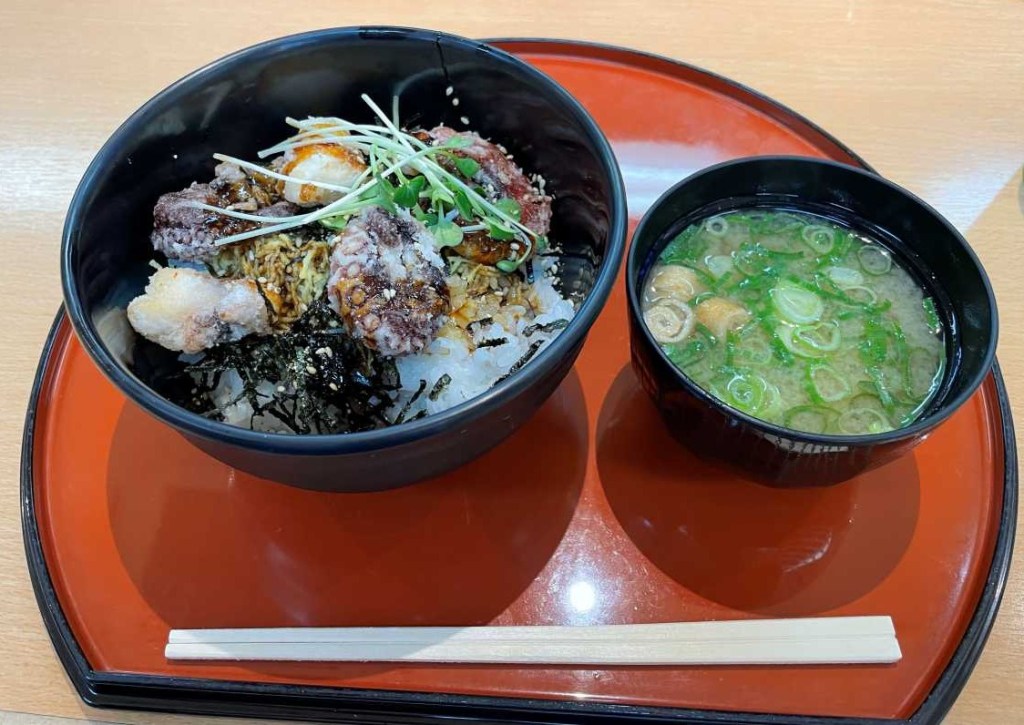
For lunch, I had planned to go to a restaurant that serves conger eel rice bowls, but they were already sold out, so I had no choice but to order a fried octopus rice bowl at the food court in Awajishima Minami Parking. Awaji Island, sandwiched between two straits, has delicious seafood, and this octopus was also delicious.
I returned the rental car at Tokushima Airport and arrived safely at Haneda Airport at 18:50 on schedule on JAL flight 462, which departed at 17:35.
This trip was once again very fulfilling, as I was able to take a cable car to an open-air hot spring with a beautiful view, soak in the excellent bicarbonate spring water, and savor a dinner of local specialties from Tokushima and Awaji Island.
 旅好き爺の旅行記
コメントを残す