

From Wednesday, April 9th to Saturday, April 12th, I took a four-day, three-night trip to the Goto Islands in Nagasaki Prefecture. The Goto Islands are surrounded by beautiful blue seas, have a ria coastline, and have complex topography with many inlets, making them a scenic spot. In July 2018, the islands were registered as a World Heritage Site as part of the “Hidden Christian Sites in the Nagasaki Region,” and there are many related heritage sites in the Goto Islands. Because it is difficult to access from Tokyo, I have not been able to go there until now, so my wish has finally come true.
April 9th (Wed)
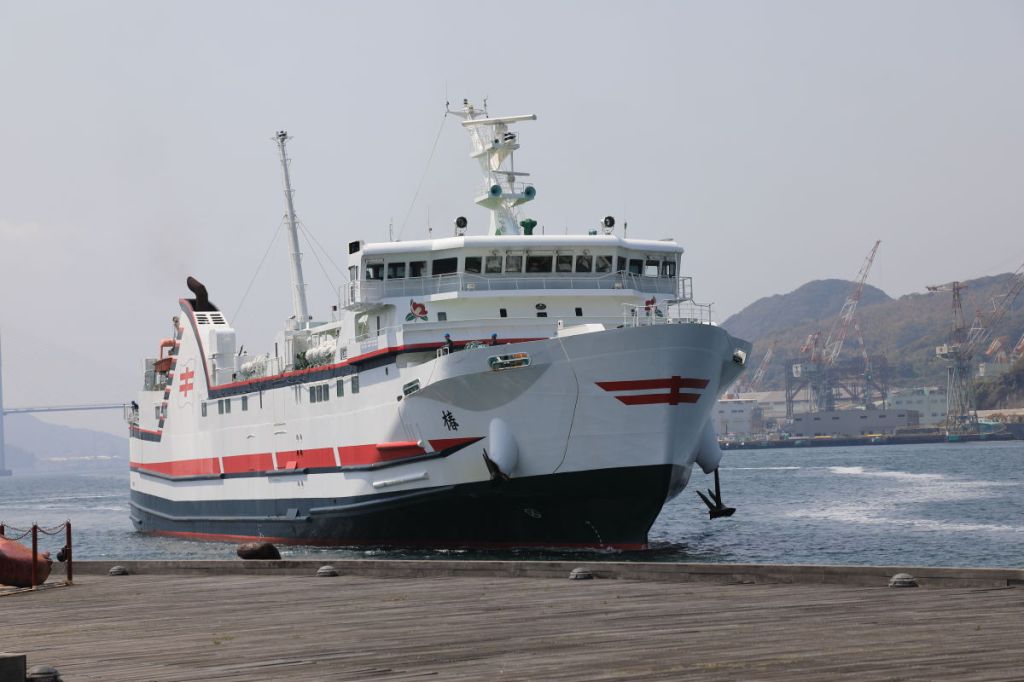
I arrived at Nagasaki Airport at 9:15 on JAL flight 605 departing from Haneda at 7:25, got off at a bus stop called Ohato near Nagasaki Port by express bus. I had lunch at a restaurant in the ferry terminal, and then headed to Narao Port on Nakadori Island, where Shinkamigoto Town is located, on the Kyushu Shosen ferry departing at 12:25. The photo shows the ferry Tsubaki that I was on. The Goto Islands are famous for the natural habitat of camellias, and camellia oil is one of their specialties.
I arrived at Narao Port at 3:00 p.m., and my accommodation for the night was the Goto Islands Resort Hotel Margherita Narao, located on a hill about a 5-minute shuttle bus ride from there.
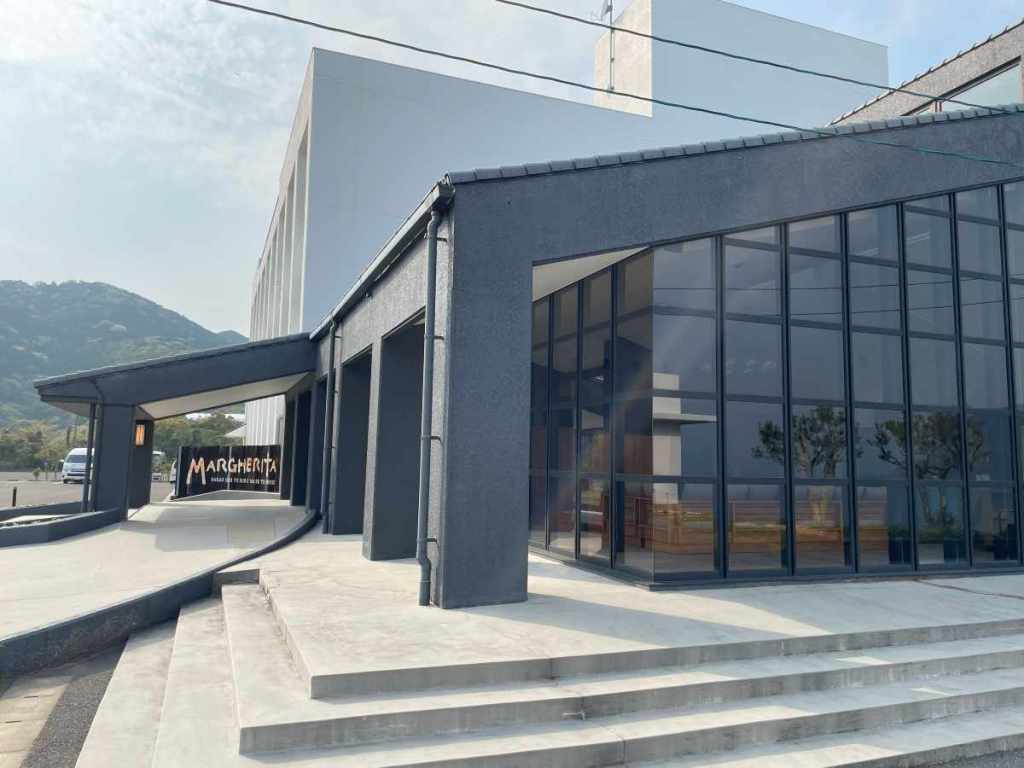
There is a hot spring facility attached to the hotel, but unfortunately the facility was out of order and they were only using boiled tap water, but the view from the bath was amazing. After taking a rest and drinking a beer after the bath, it was time for the long-awaited dinner at the hotel restaurant.
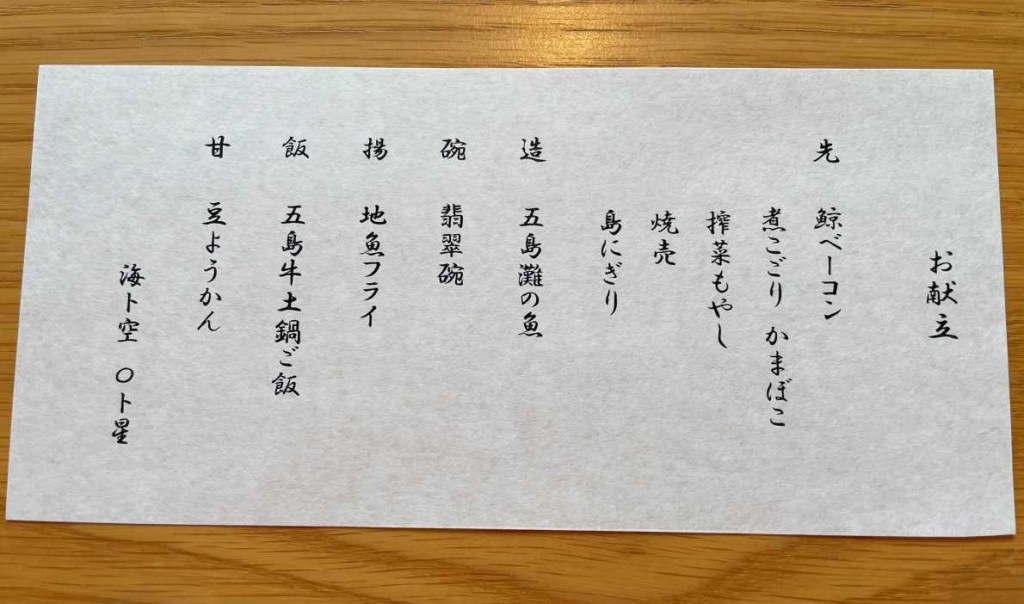
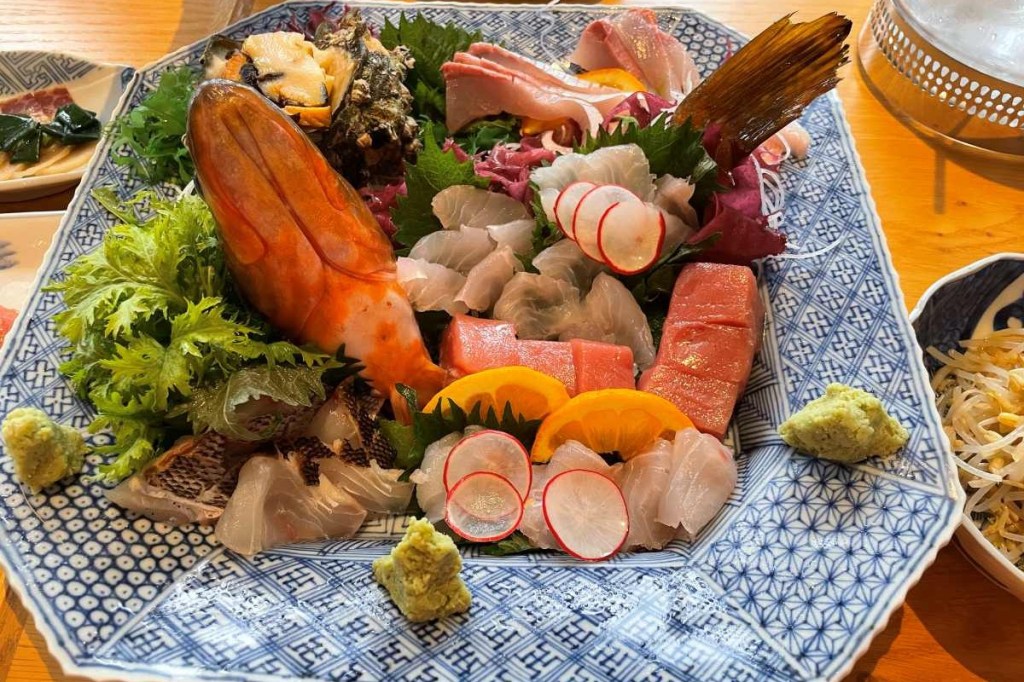
First, I ordered sweet potato shochu made by a sake brewery in Shinkamigoto. The sweet potatoes and rice malt were all made in the Goto Islands, and it was a very good shochu with a rich flavor.

The Goto Islands are influenced by the Kuroshio Current and the Tsushima Current, and are home to a wide variety of fish. The fish in the center is a red spotted grouper, which has a nice texture and a sweet taste. Tuna and yellowtail amberjack are also farmed here, and the yellowtail amberjack at the top was crunchy and fatty and very delicious. The other fish, grunt, rock bream, and turban shell, were also fresh and made for a very satisfying dish.
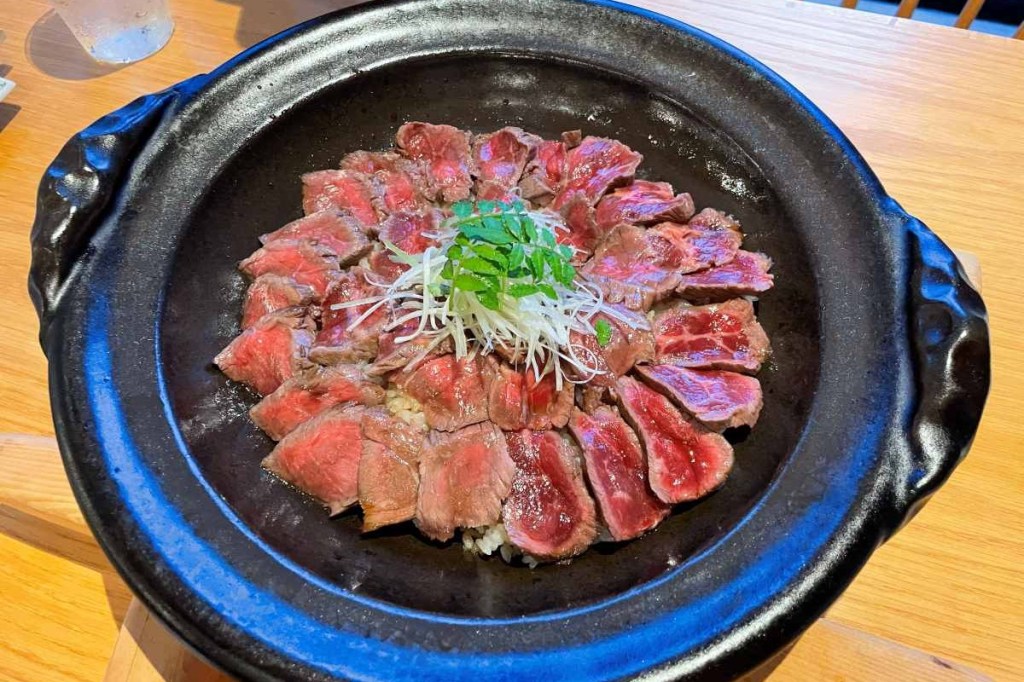
The Goto beef clay pot rice was topped with so much Goto beef tataki that it almost covered the rice, and I was able to enjoy the delicious and fragrant Goto beef. Goto beef farmers generally raise Japanese black beef calves and breeding cows, and the calves become branded beef in Matsusaka and Omi, so there are few Goto beef cattle that are fattened, and most of the beef is consumed on the island.
April 10th (Thr)
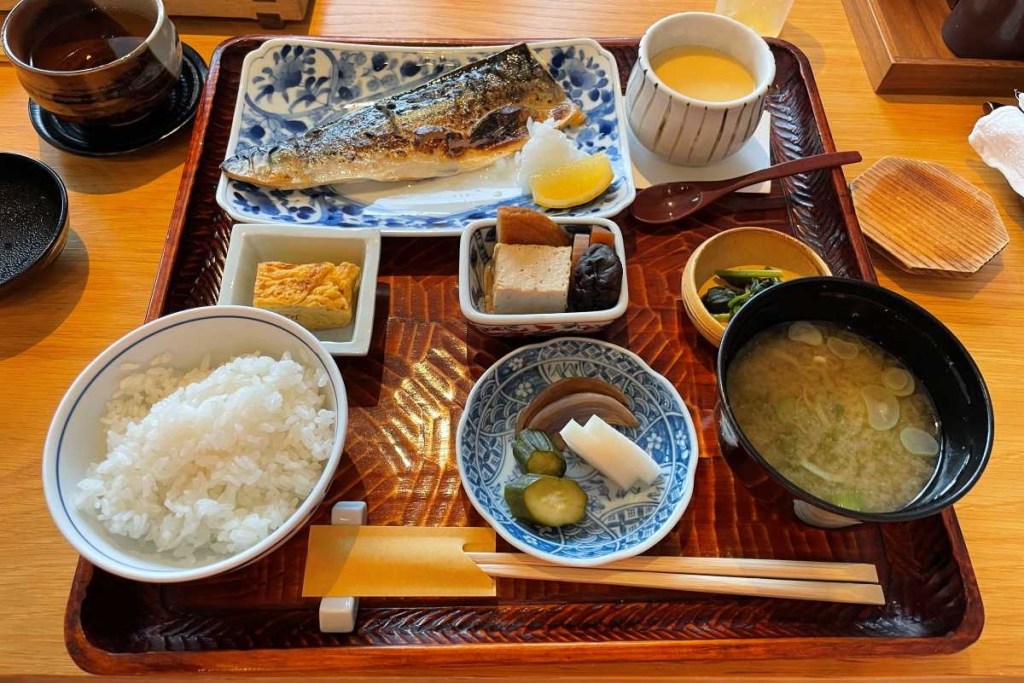
Today, after breakfast, I took a sightseeing taxi to tour Nakadori Island, where Shinkamigoto Town is located. The hotel breakfast was a Japanese set menu, but the salt-grilled mackerel was fatty and had a taste I had never tasted before. There was also a wide variety of side dishes to go with the rice, such as raw eggs, horse mackerel namero, grated yam, and kelp tsukudani.
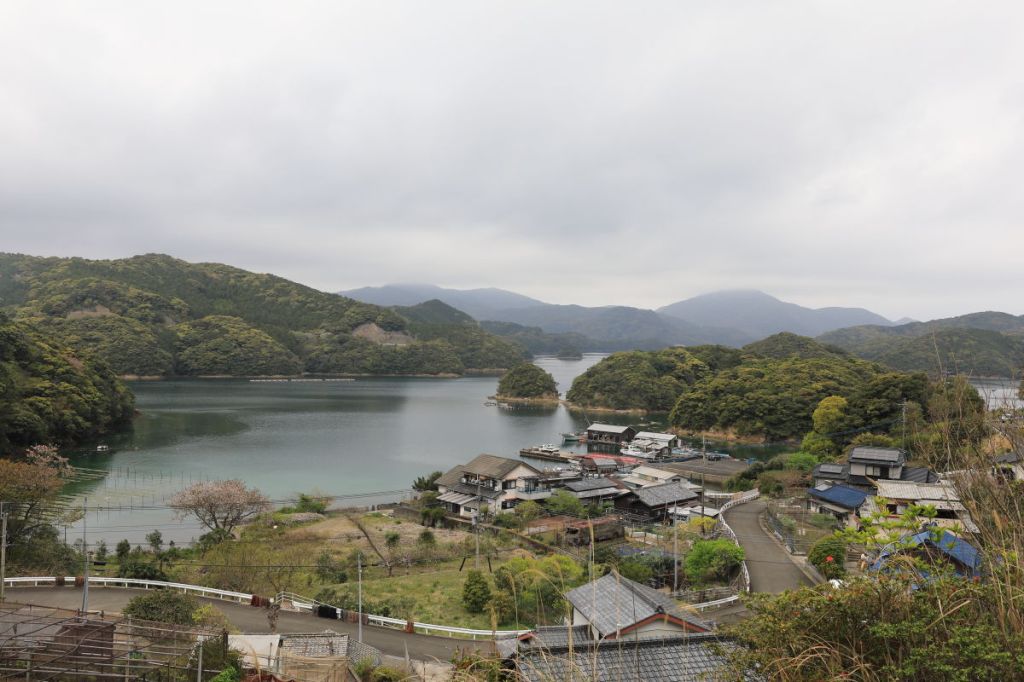
I left the hotel at 9:30 and booked a 5-hour course since the ferry to Fukue Island was leaving Narao Port at 15:15. First I headed to Nakanoura Church, and on the way there, the scenery from the taxi window looked like Matsushima in Miyagi, with small islands floating in the cove.
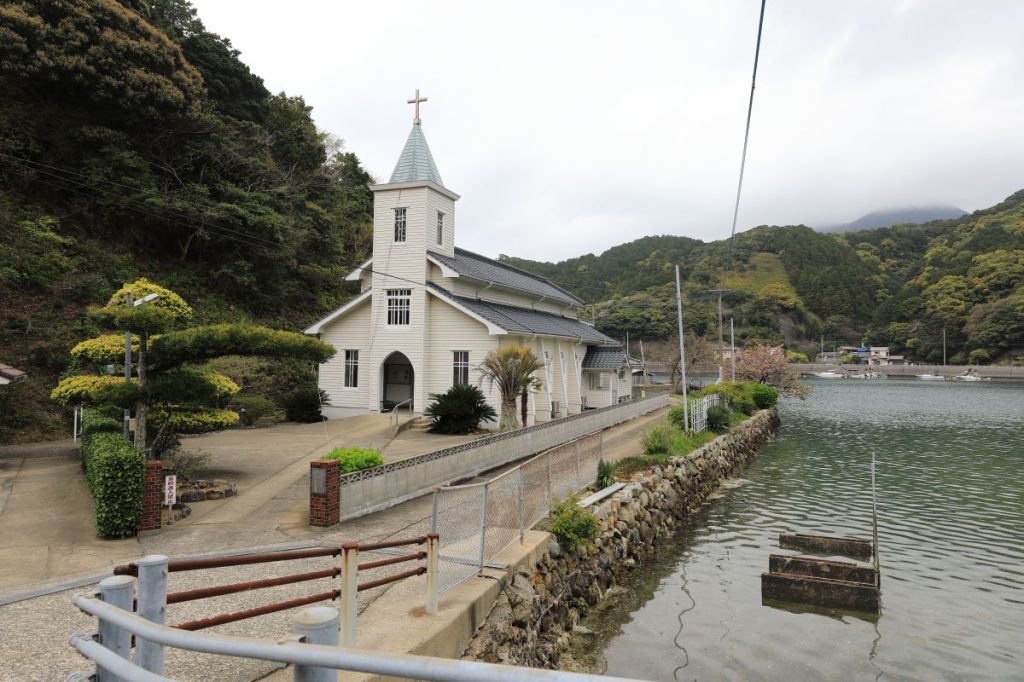
Nakanoura Church is also known as the “Water Mirror Church,” and when there are no waves in the cove, the church and its reflection appear symmetrical when viewed from the opposite shore. Unfortunately, there were ripples on the day I took this photo, so I took a photo from the front.
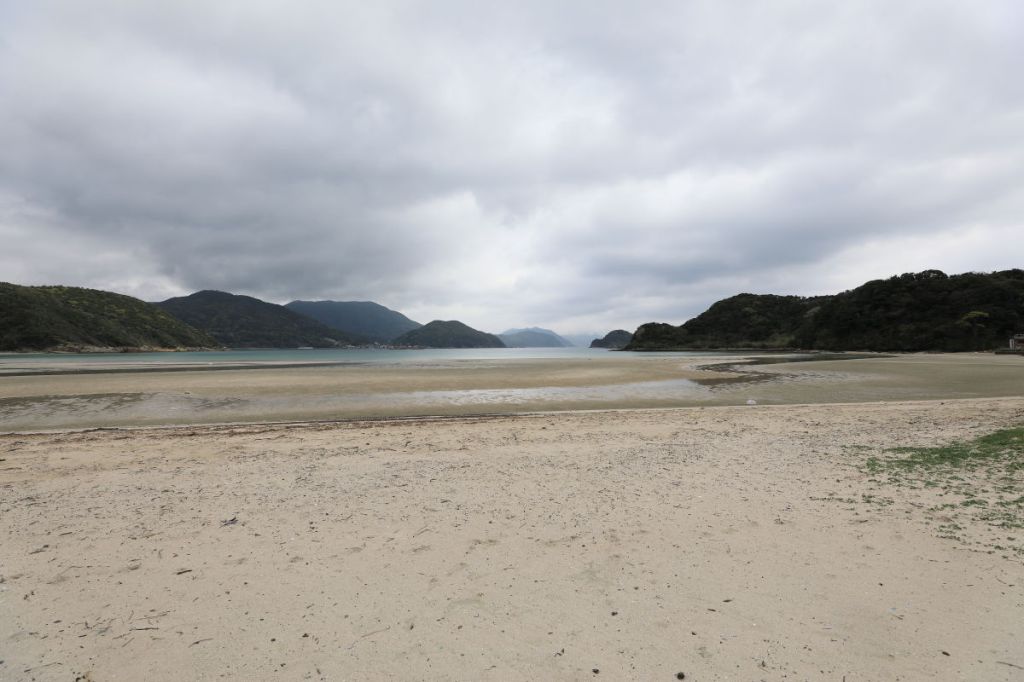
My next stop was Hamagurihama Beach, designated as one of the Ministry of the Environment’s 100 Best Swimming Beaches with its shallow white sand and blue sea.

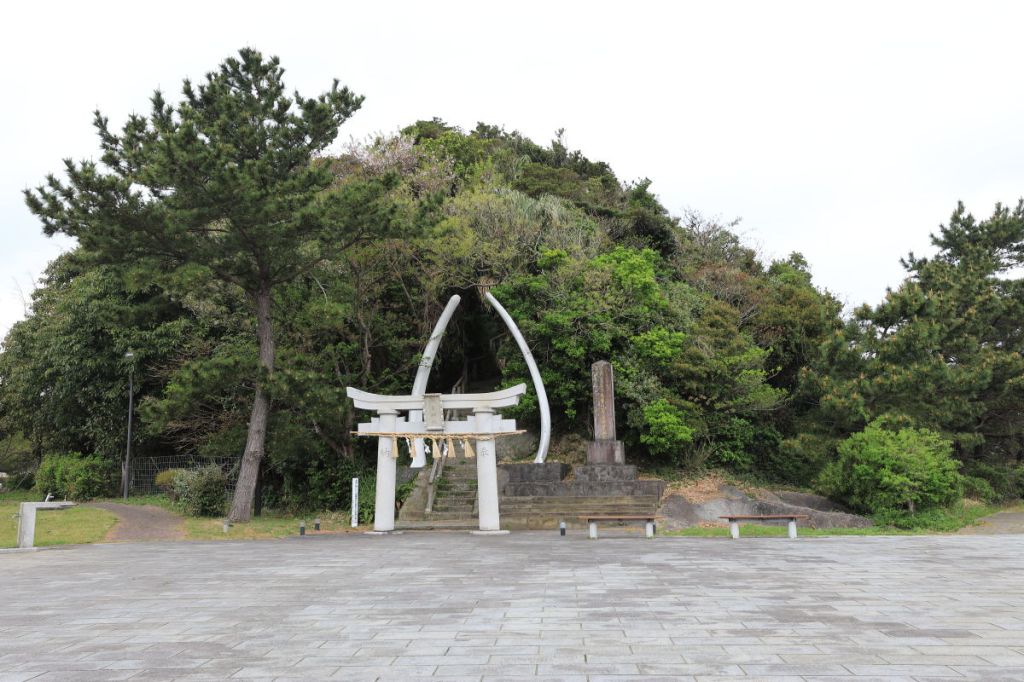
From the taxi window on the way to Kashiragashima Catholic Church, I could see Kaido Shrine, with its shrine gate made from the jawbone of a fin whale. Whaling has been popular in the Goto Islands since ancient times, and this is a relic from that time.
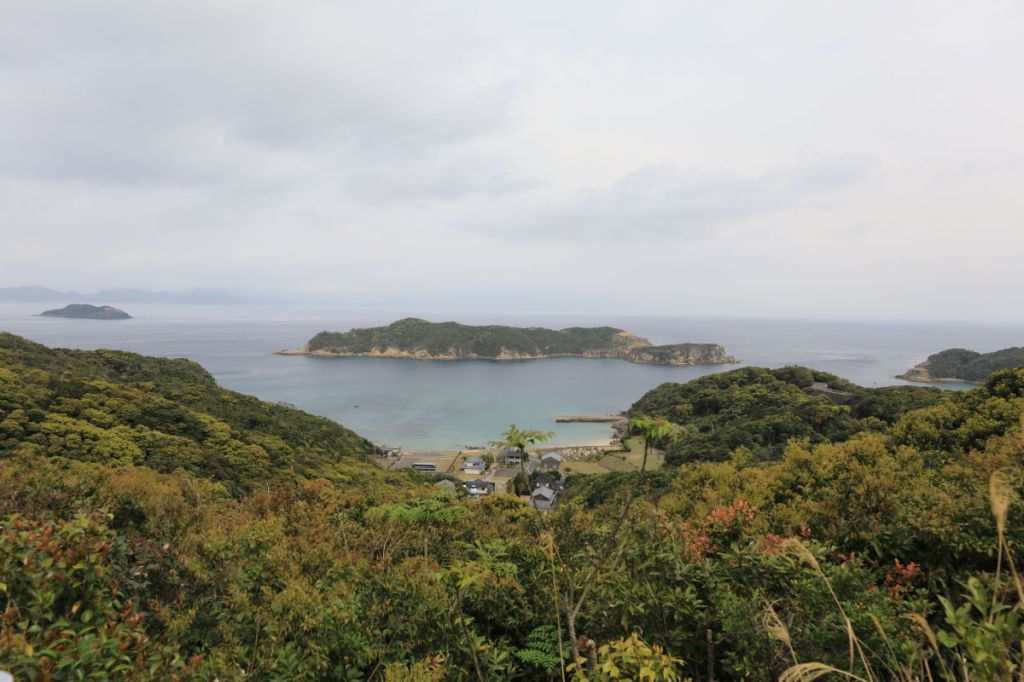
I could see the village of Kashiragashima, one of the components of the World Heritage Site. This is located at the eastern end of the island.
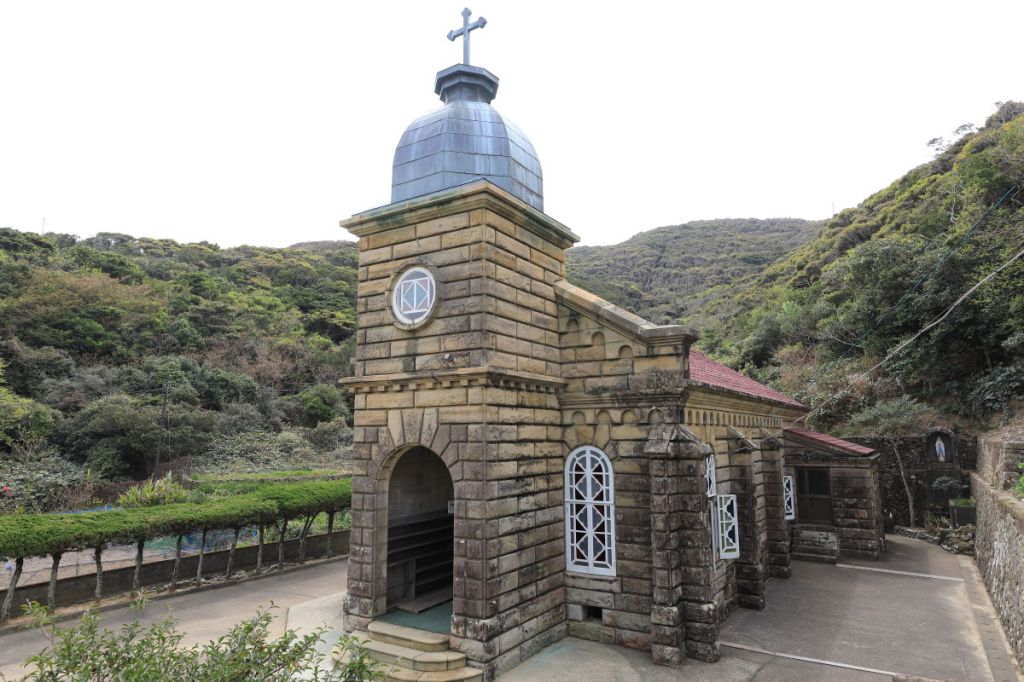
Construction of Kashraigashima Cathedral began in 1910 and was completed in 1919, and was built from locally quarried sandstone.
The nearby Catholic cemetery is characterised by the crosses on the gravestones that are common in Japan.
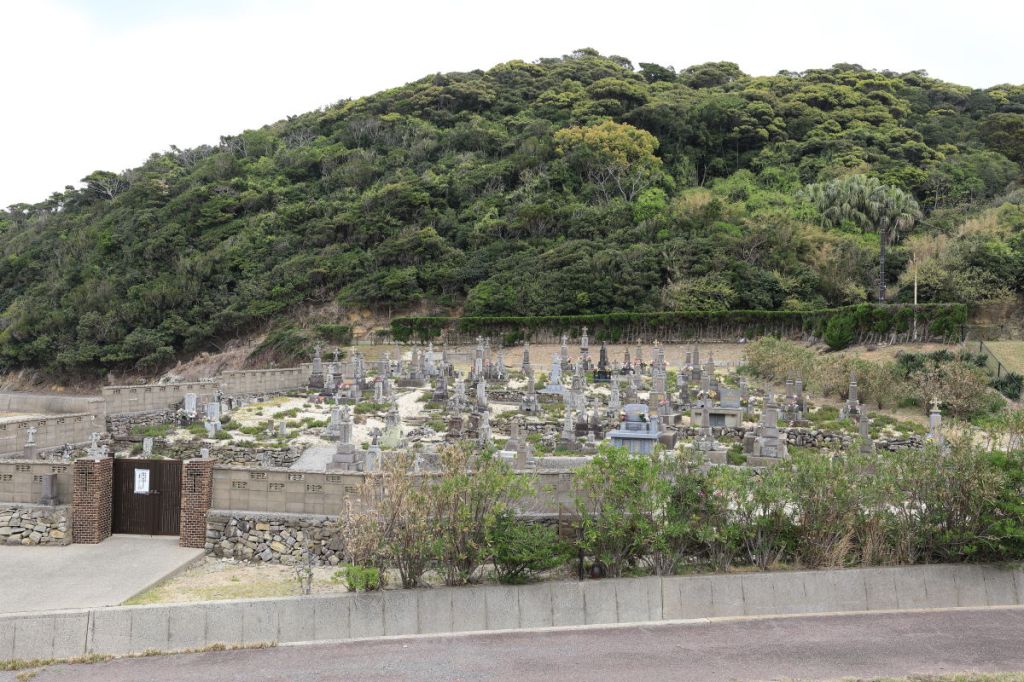
From here I turned around and drove again towards Narao Port, where I came across a bronze statue of Sakamoto Ryoma with his hands together in prayer.
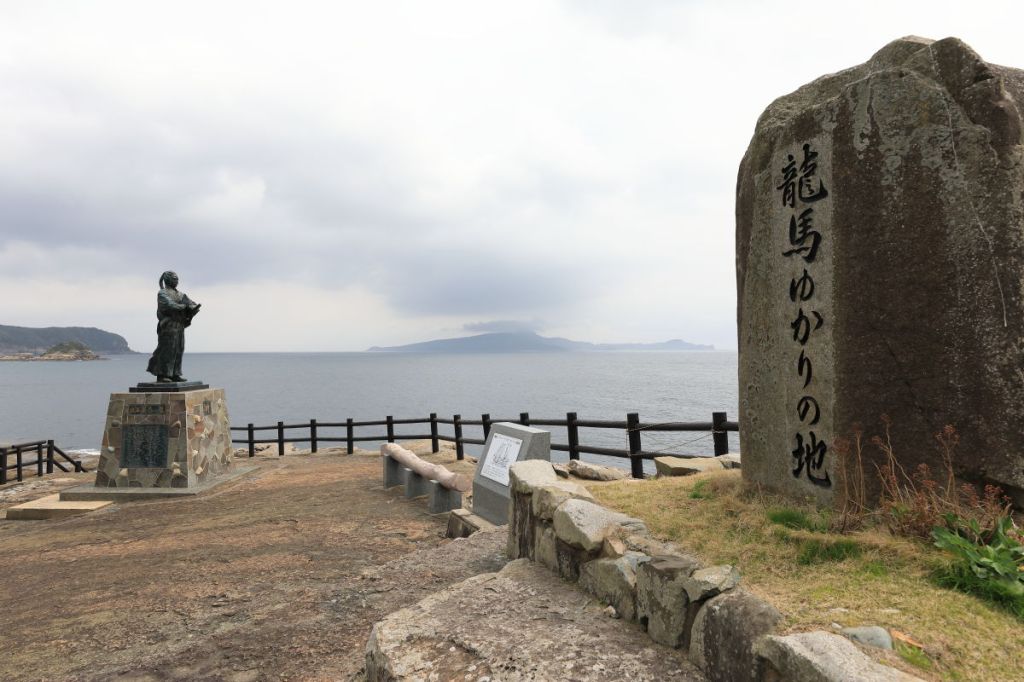
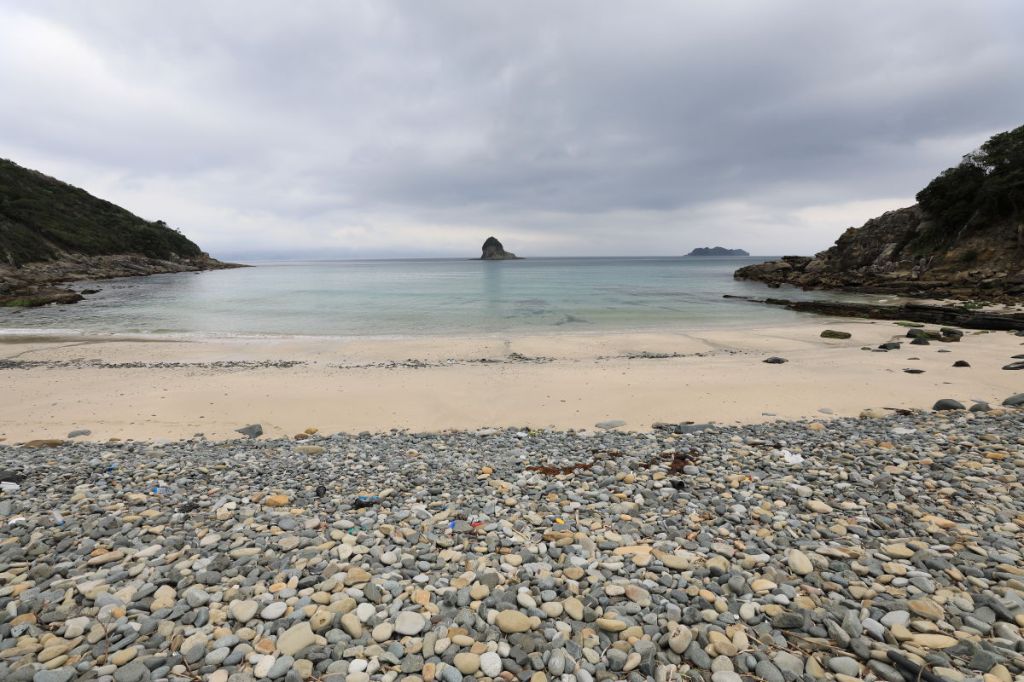
Ryoma, who was active during the late Edo period, organized Japan’s first trading company, Kameyama-shachu. However, the Prussian-made wooden sailing ship he purchased from Glover, the Wild Wave, encountered a storm during a training voyage and ran aground at Shiogozaki, killing his comrades on board. Ryoma apparently came to this island to pray for the repose of the souls of his comrades. Takaitabi Beach, close to Narao Port, also has beautiful white sands and blue seas.
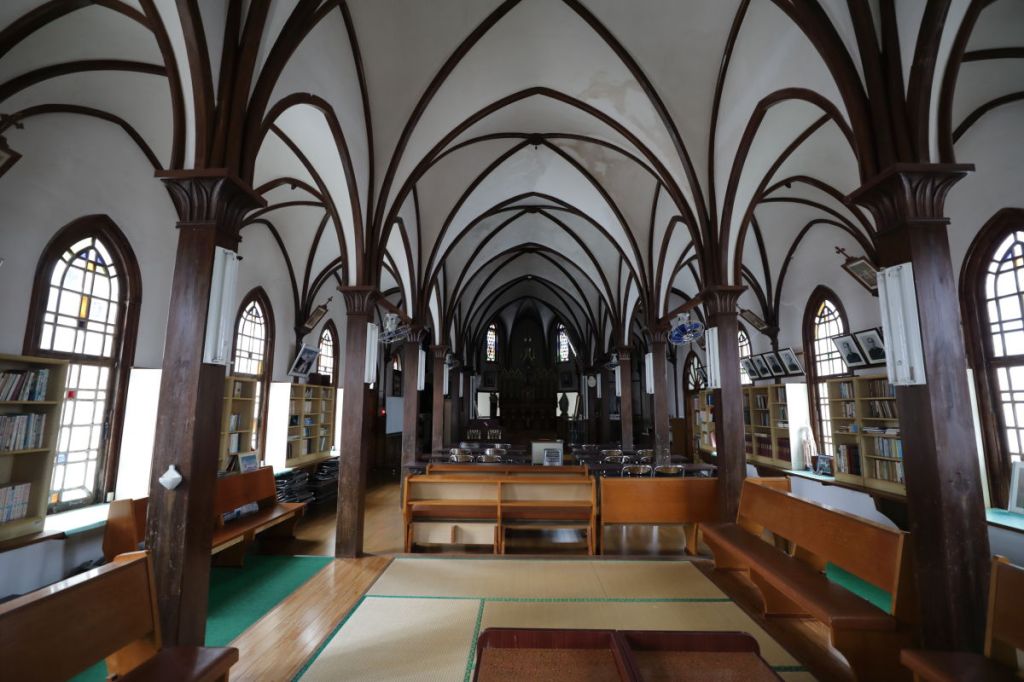
The former Tainoura Church was built in 1903, and the current church was expanded with a bell tower made from bricks from the former Urakami Cathedral, which was destroyed by the atomic bomb in 1948. It is currently used as a reference room and a Sunday school.

The room had a Gothic ceiling and some areas were covered with tatami mats, giving it an eclectic Japanese-Western feel.
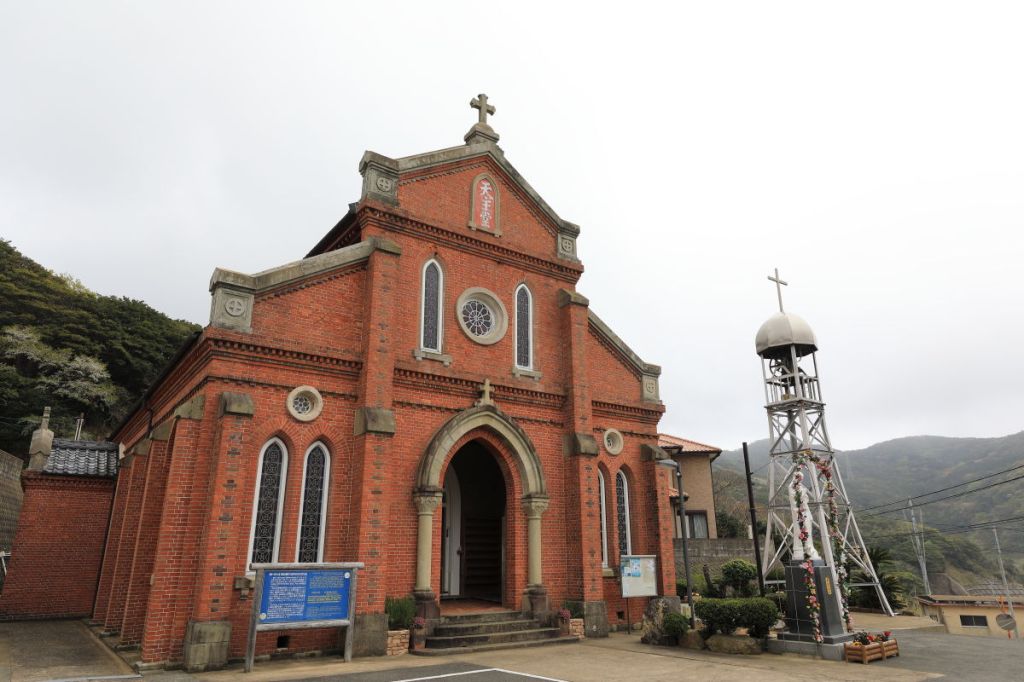
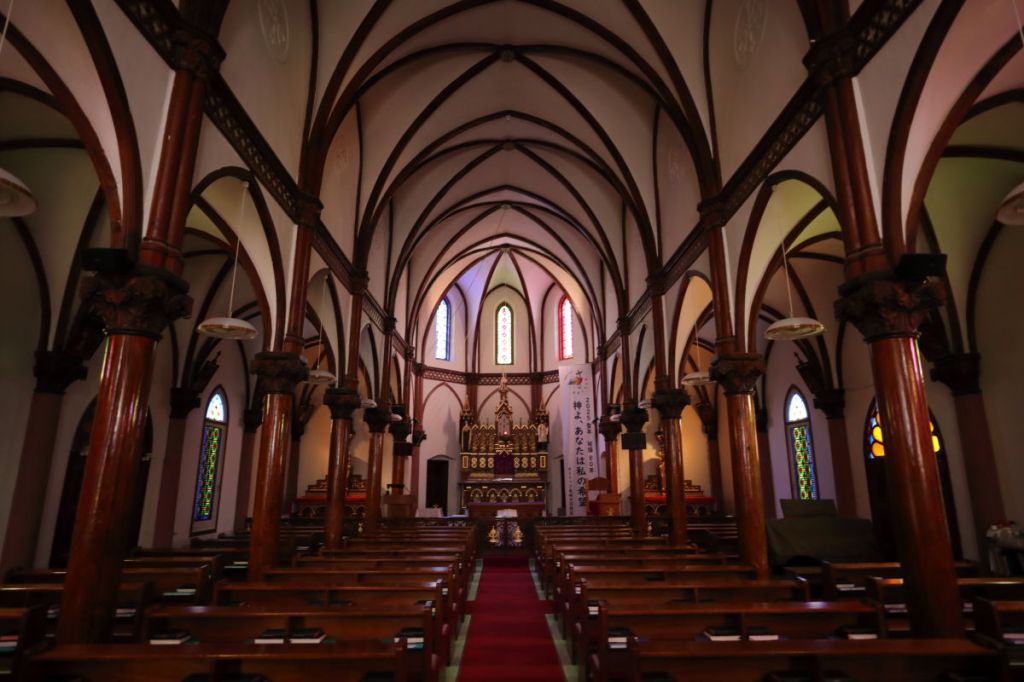
Aosagaura Cathedral was built in 1910 and was designed and constructed using original documents imported from abroad.
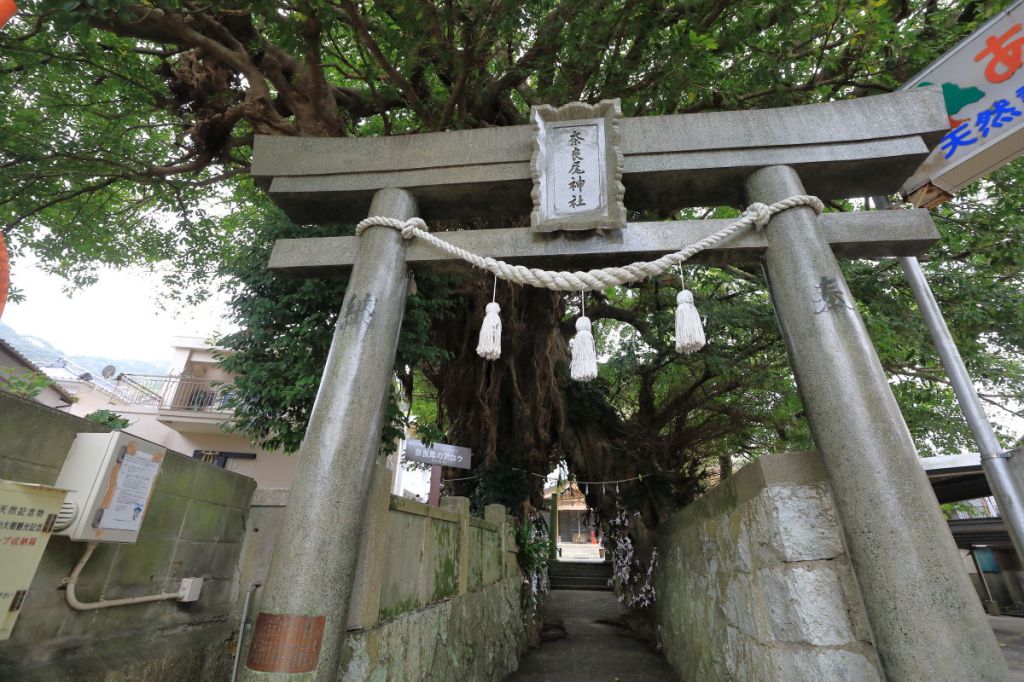
Since I still had time, I went to see the Akou tree (Ficus superba) at Narao Shrine near Narao Port. It is estimated to be 670 years old and is the largest tree in Japan. It splits into two at the bottom, forming a natural torii gate. It is said that walking through it will extend your life.
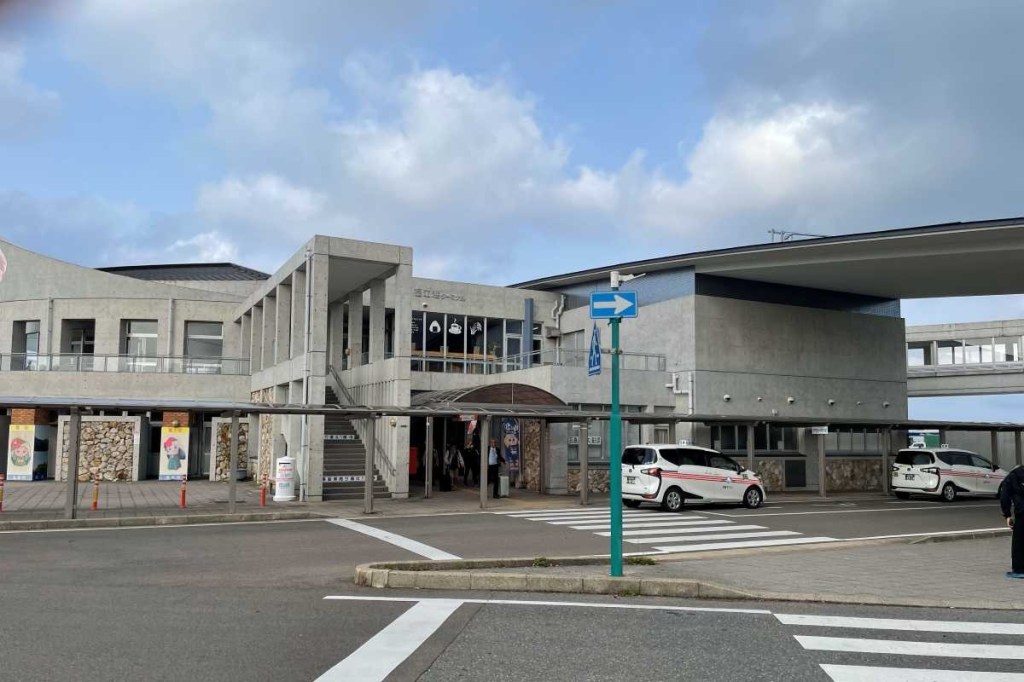
It took about an hour by ferry from Narao Port to arrive at Fukue Port, and then I walked to my accommodation for the nights, the Campana Hotel.
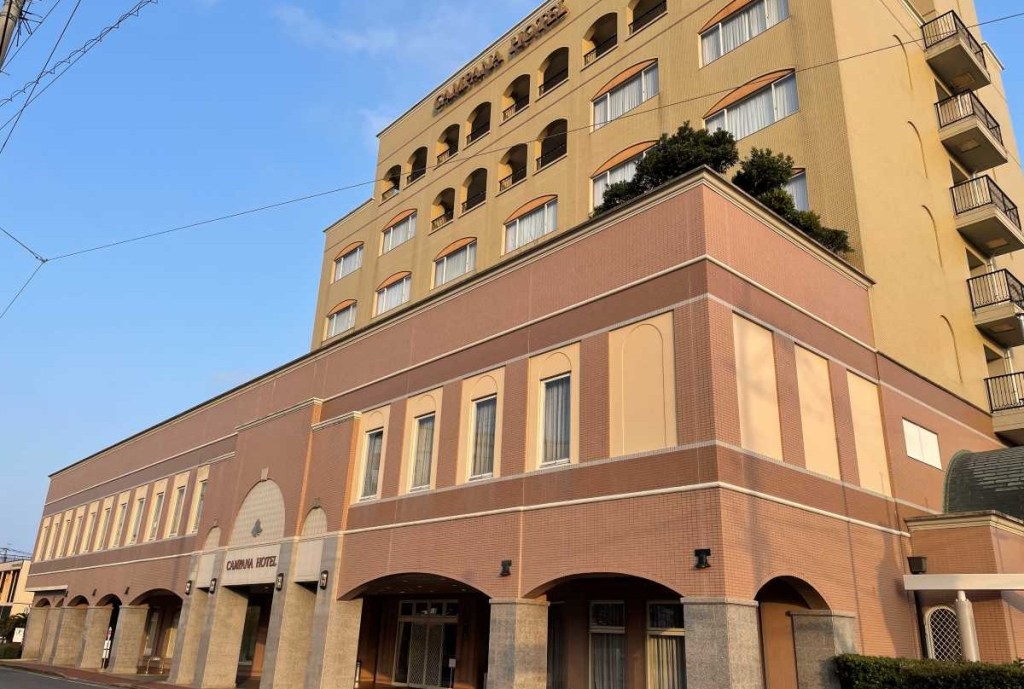
Since there was no plan that included dinner, I went to a Japanese-style izakaya called Ishimatsu near the hotel.
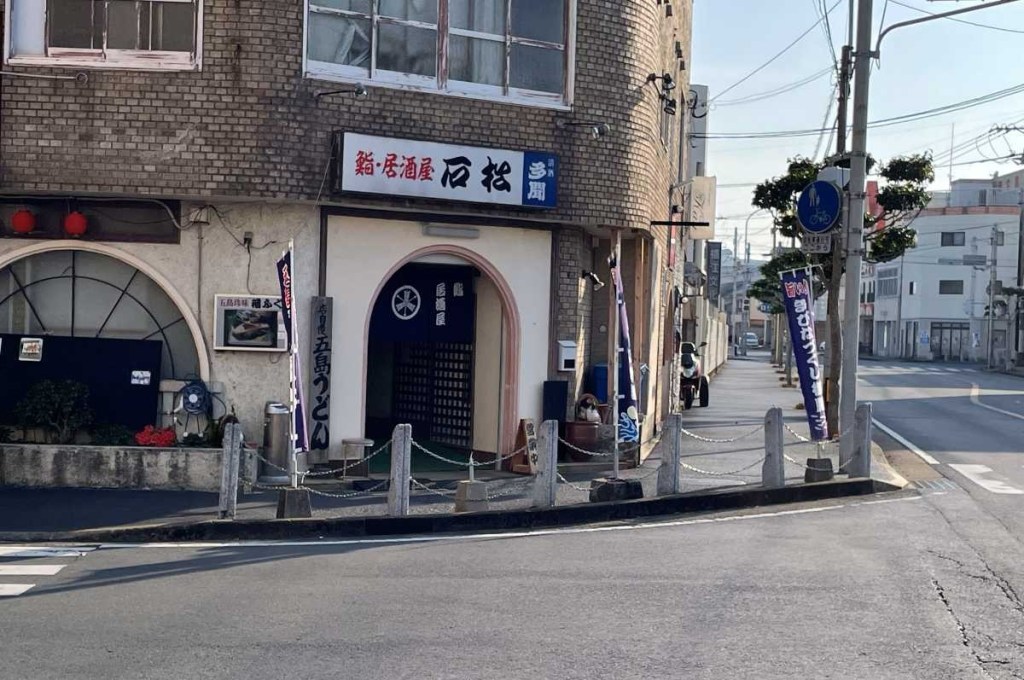
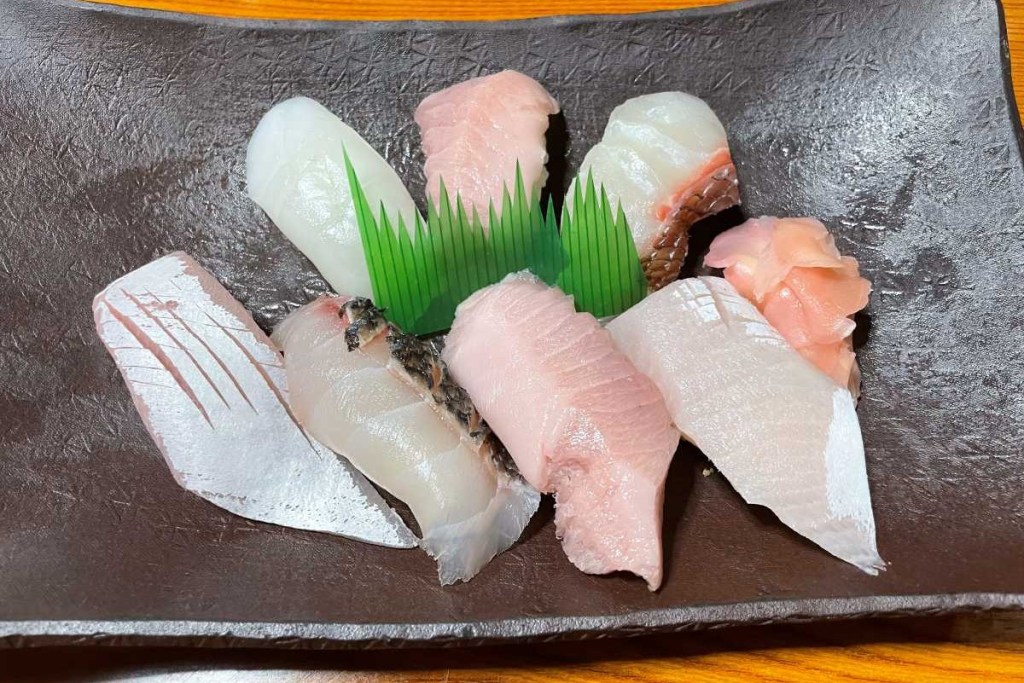
The black sea bream sashimi and silverside tempura were delicious. All the sushi made with local fish was also very tasty.

April 11th (Thr)
Today I decided to use a regular sightseeing bus to tour Fukue Island all day. I left the bus stop at Fukue Port and drove through the center of the island, heading for Imochiura Church of Lourdes.
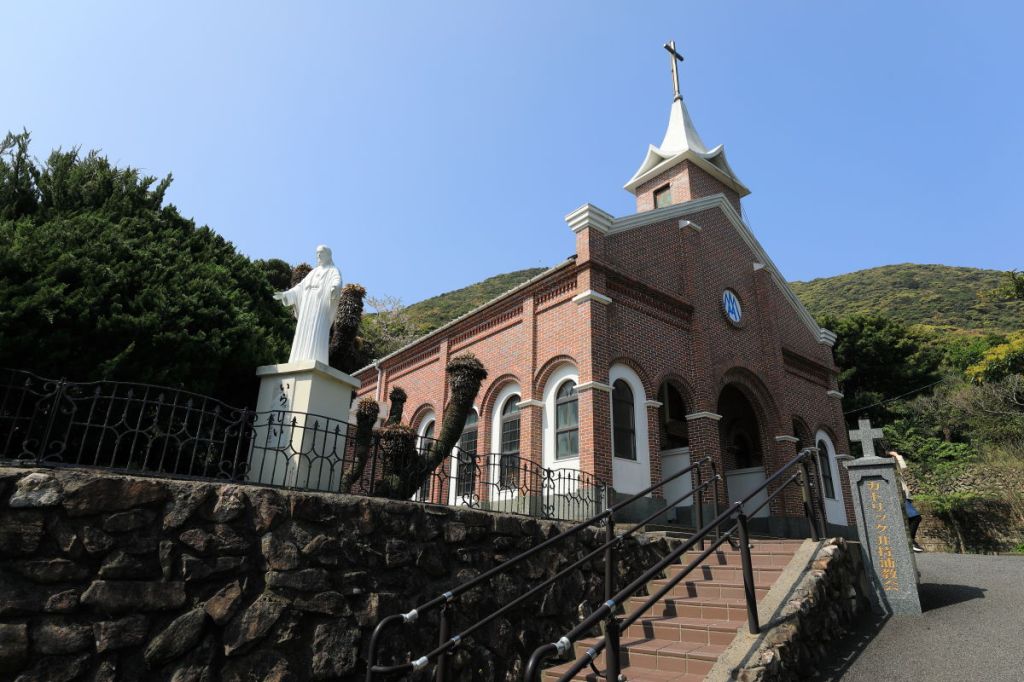
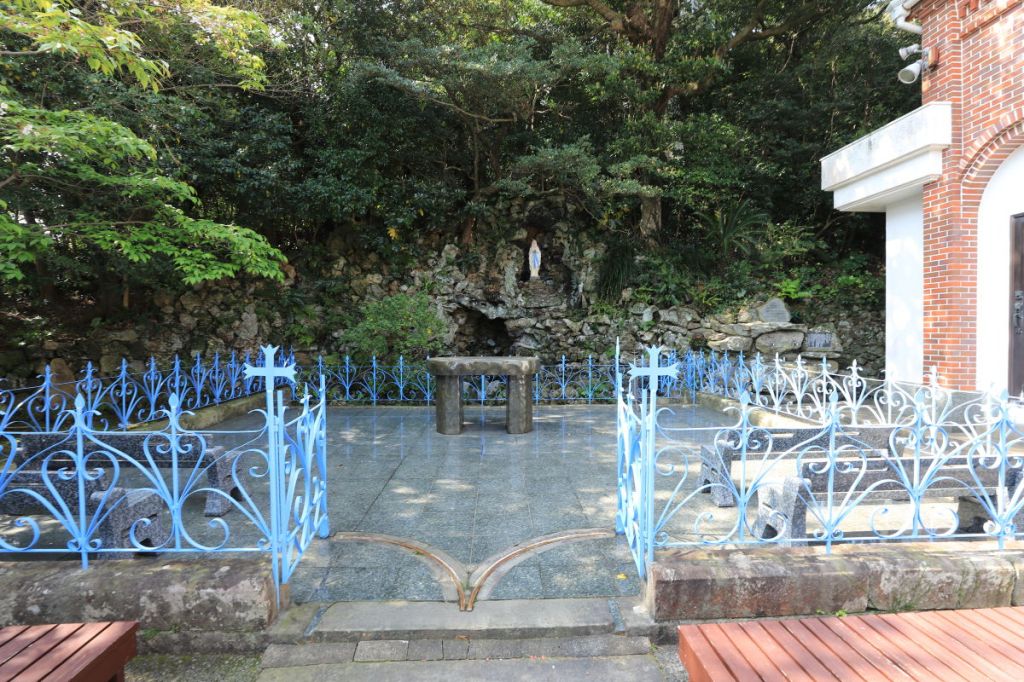
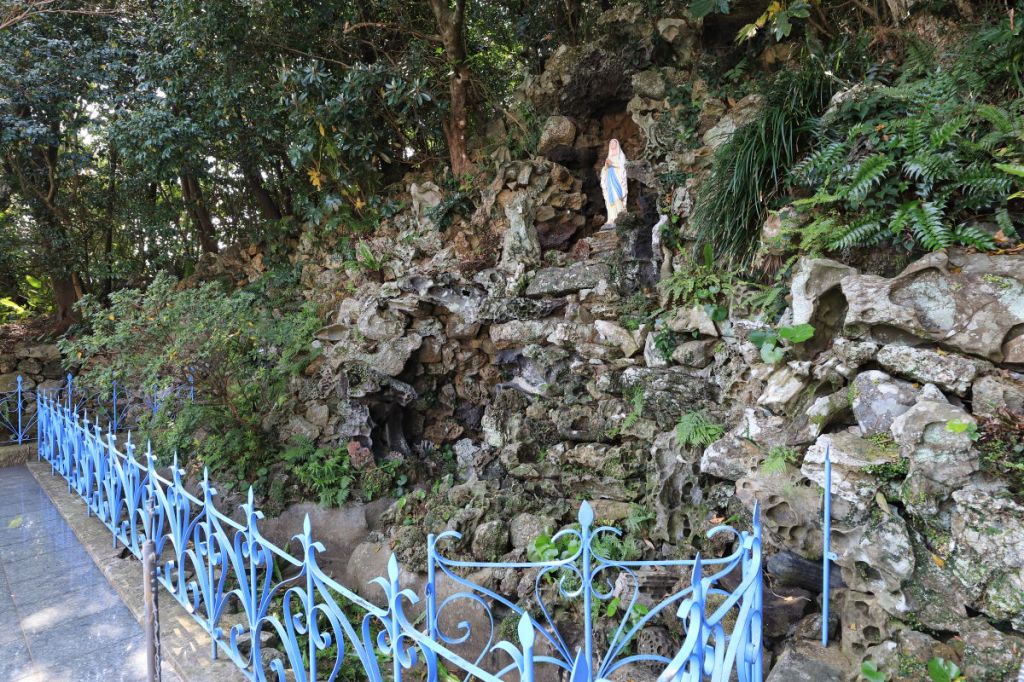
Lourdes is a place name in southern France, but it has been a Catholic pilgrimage site since the Virgin Mary appeared in 1858, and the springs of Lourdes are known as the miraculous water that cures incurable diseases. In 1897, Father Pellew, who was at the church at the time, proposed making an imitation of the springs of Lourdes, and the real water of Lourdes was ordered from France and poured into the facility, making it the oldest Lourdes in Japan. There is a faucet at the stonework on the right, so you can drink the water from the springs of Lourdes.
Next, I headed to the nearby Osezaki Cliffs. There used to be a lighthouse keeper here, but it is now unmanned. If you have time, there seems to be a promenade up to the lighthouse.
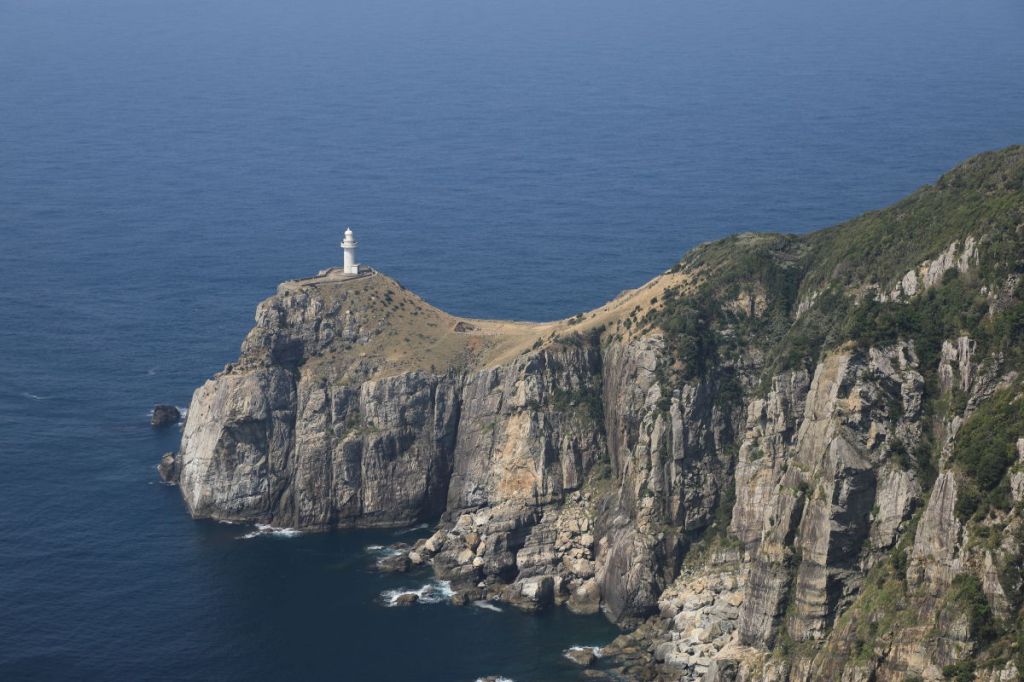
After enjoying the magnificent scenery, I drove along the west coast of the island, which has been selected as one of the 100 best roads in Japan, and arrived at Takahama Beach, a beach in Shirahama (white sands) that boasts the most beautiful beach in Japan.
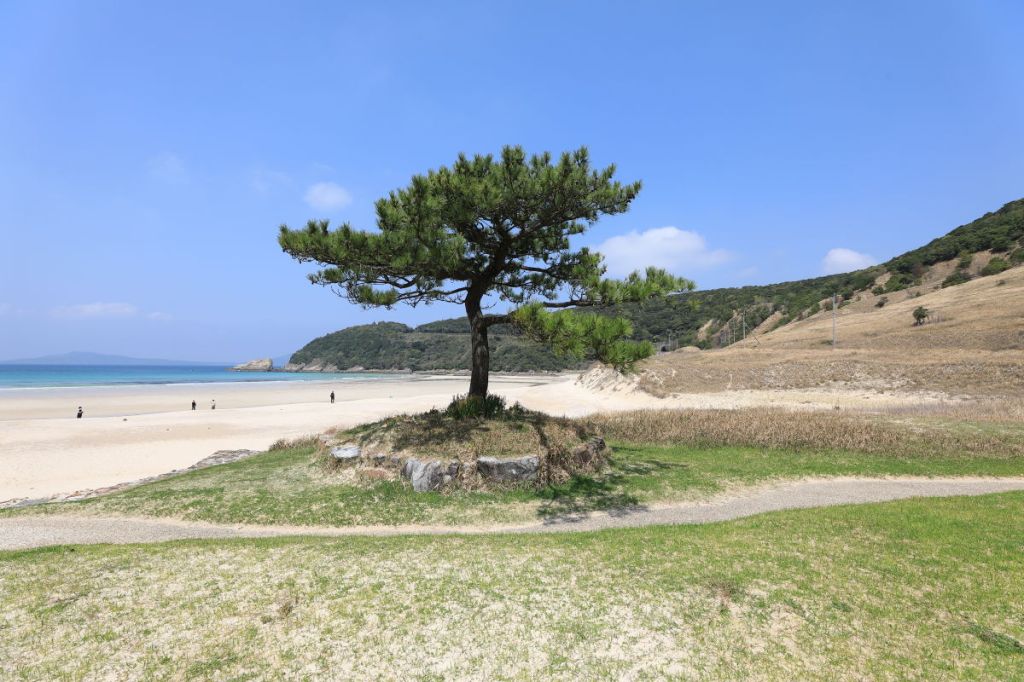
Looking from the top of the mountain, you can see Tondomari Beach beyond Takahama Beach, where we just stopped, and a beautiful view unfolds before you.
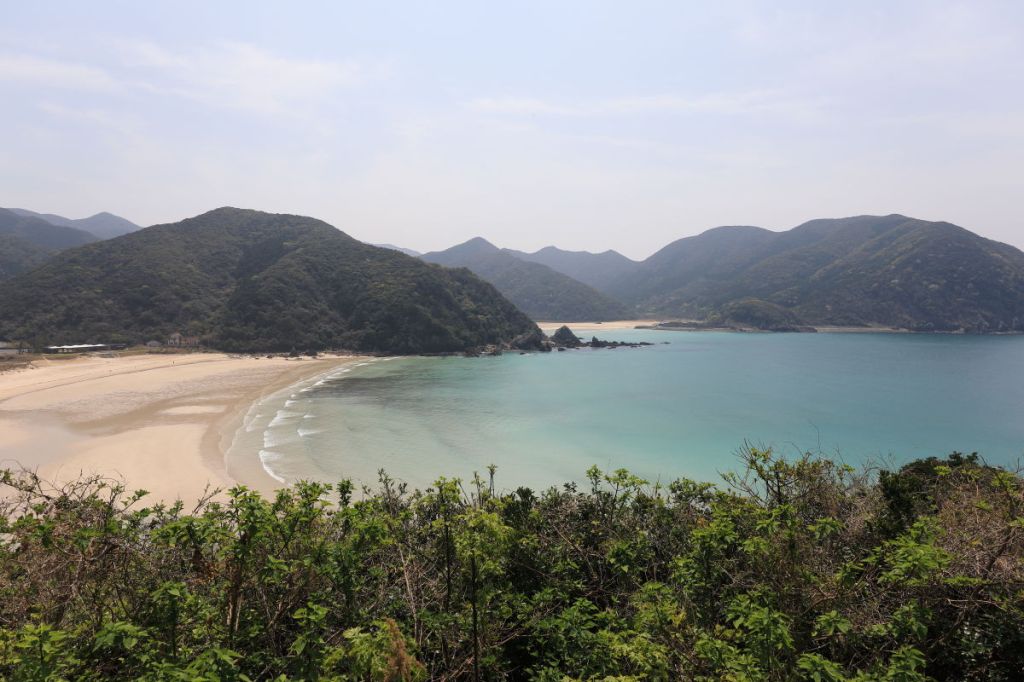
The bus then travels along the north side of the island, with views of Mizunoura Cathedral and other sights from the window, before returning to Fukue Port, where the morning course comes to an end.
After an hour’s lunch break, the bus headed back to Dozaki Cathedral. From the footpath leading to the Cathedral, the tide was out and two cute, rounded rocks were visible in the cove.
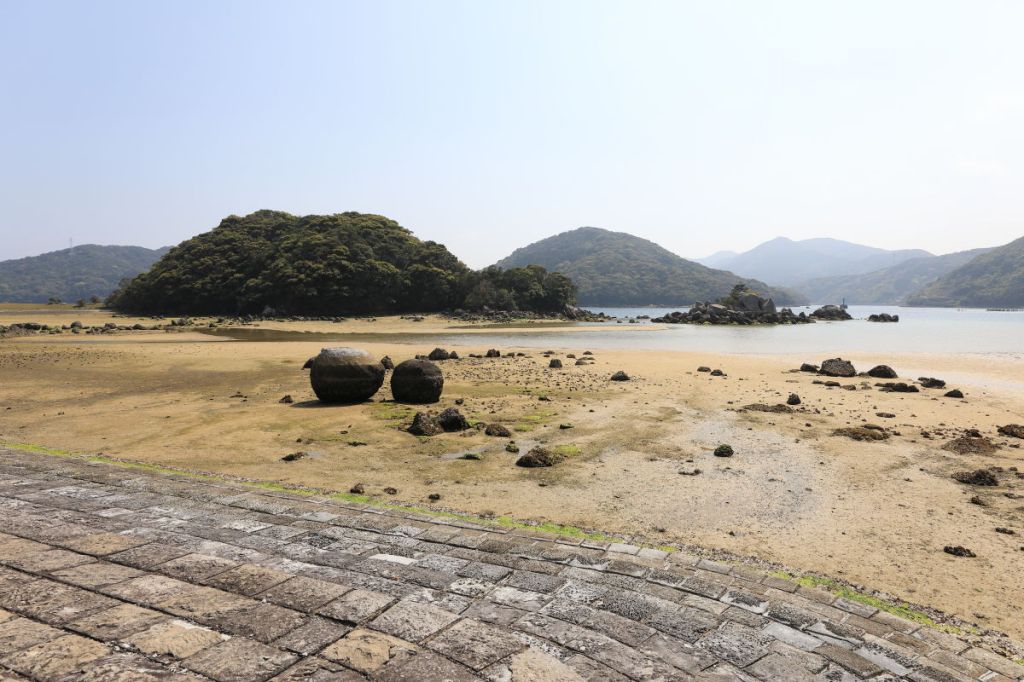
Dozaki Cathedral was the first church built in the Goto Islands after the ban on Christianity from the Edo period was abolished, and its interior is currently used as the Dozaki Cathedral Christian Museum.
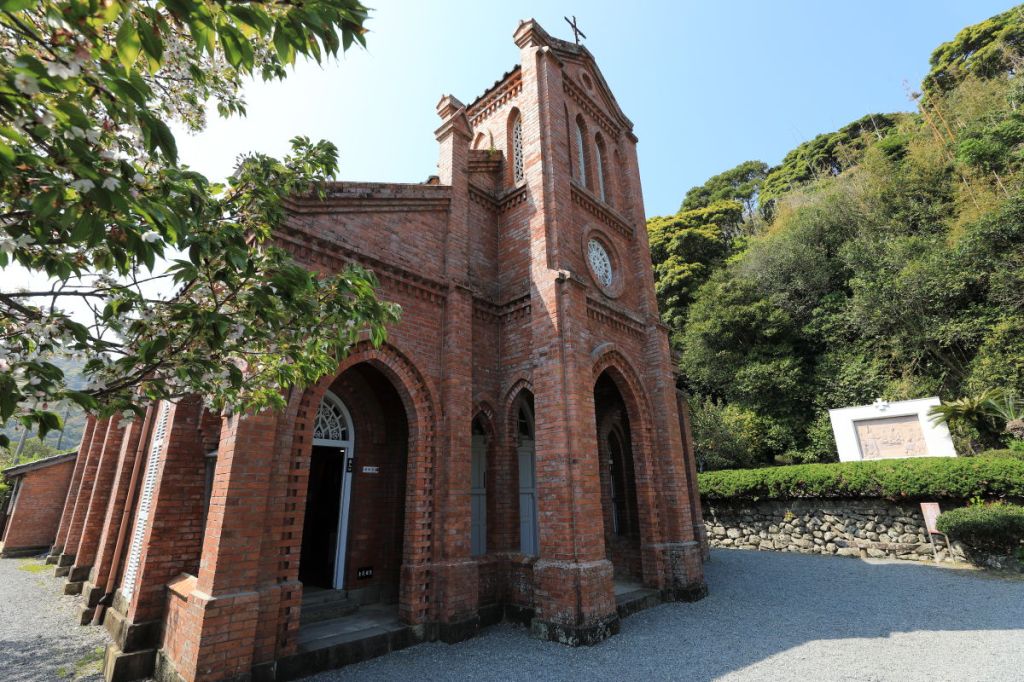
The bus returned to Fukue Port and headed to Abunze Lava Coast, with views of Ishida Castle and the samurai residence street from the window. By the way, Ishida Castle is also called Fukue Castle, but it is said to be the last castle built in Japan in preparation for the American military ships, called as the Black Ships.
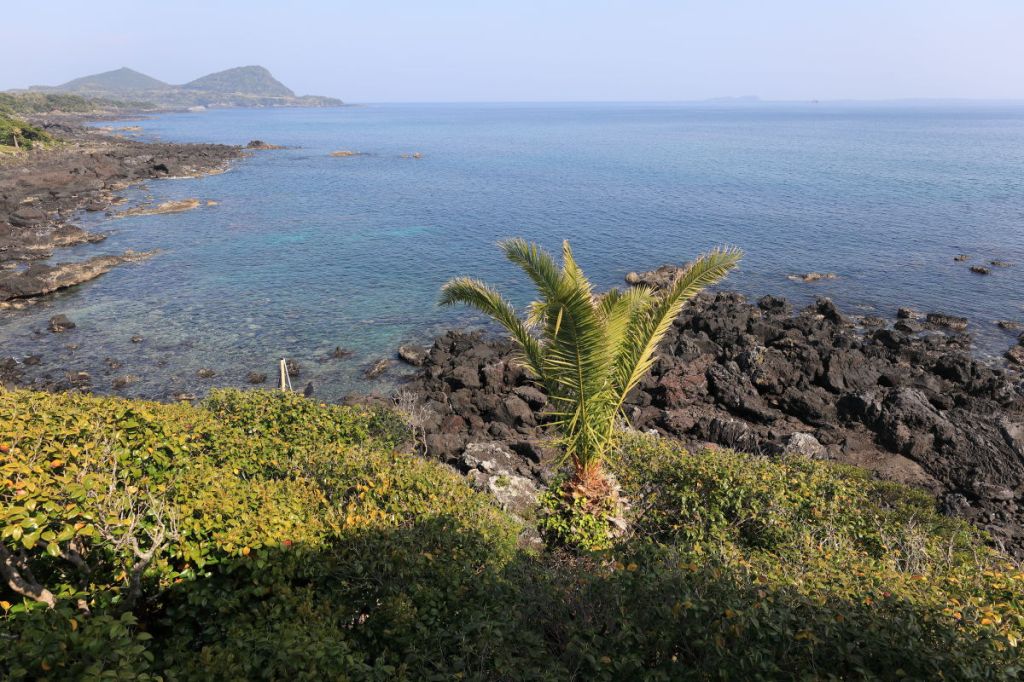
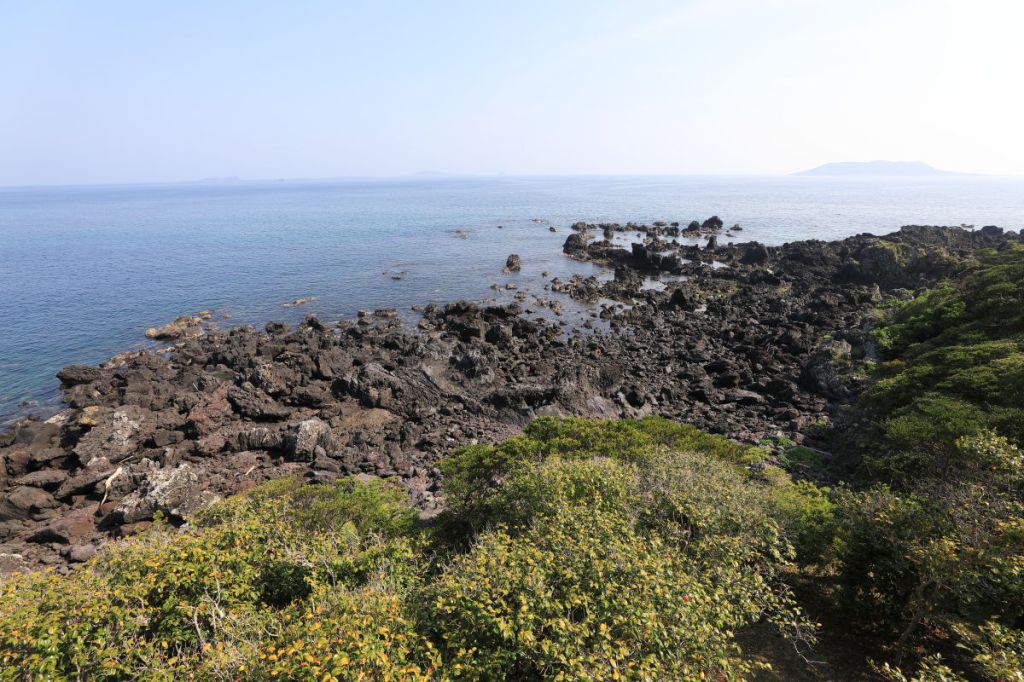
Abunze Lava Coast is a coast made of lava from an eruption that occurred around Onidake about 50,000 years ago. Onidake is burned once every two years, and the top of the mountain looks like it is wearing a brown cap.
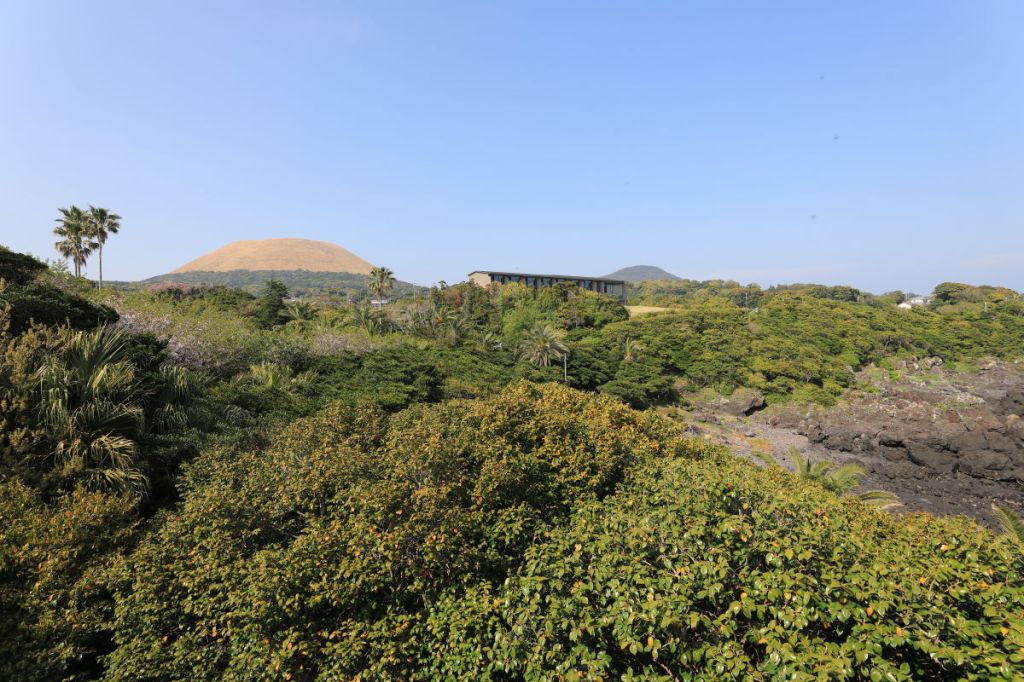
The water is very clear and the blue sea is beautiful.
This ended the afternoon course, and the bus headed back to Fukue Port. Until then, I had thought that Christians had lived in hiding since the prohibition of Christianity in the Edo period, but I came to understand that in the Edo period, there was a Buddhist temple parishioner system, and that Christians secretly maintained their Catholic faith while appearing to be Buddhists.
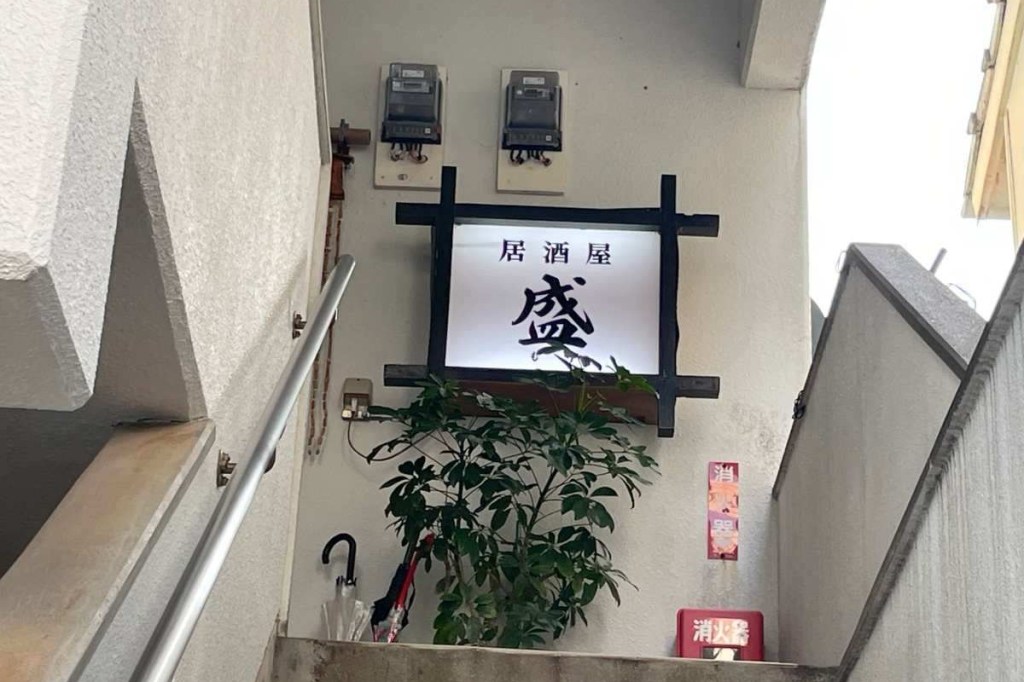
Tonight I went to an izakaya about a 5-minute walk from the hotel. It has a limited number of seats, but it has a good reputation, so I made a reservation and was able to enter smoothly.
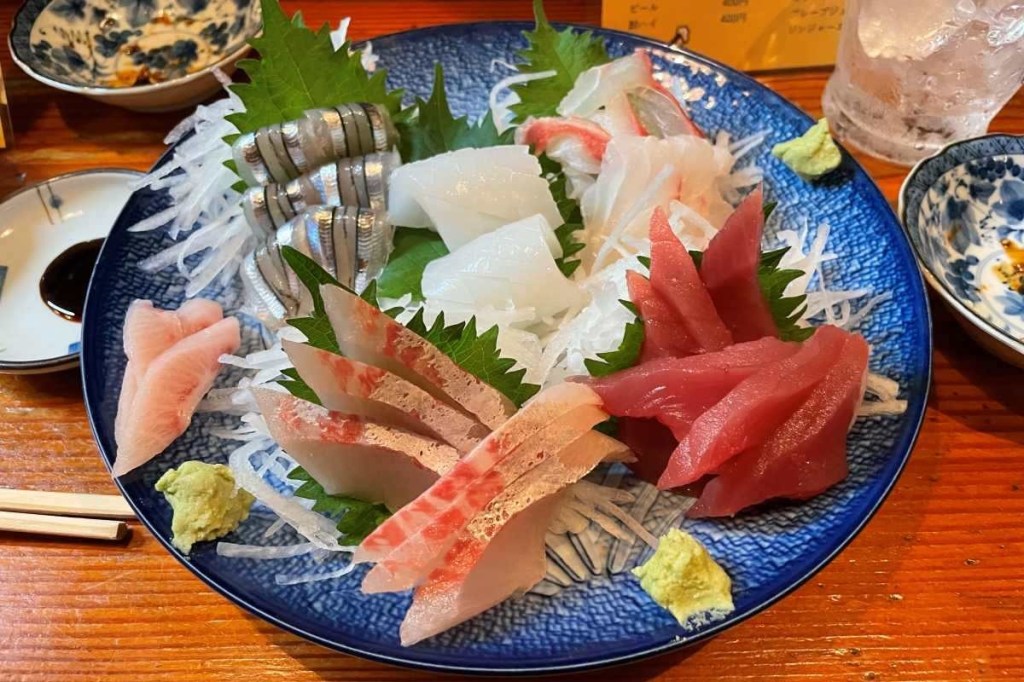
The sashimi platter features fish from the Goto Islands, including silver-striped round herring, bigfin reef squid, cherry snapper, yellowtail amberjack, and tuna.
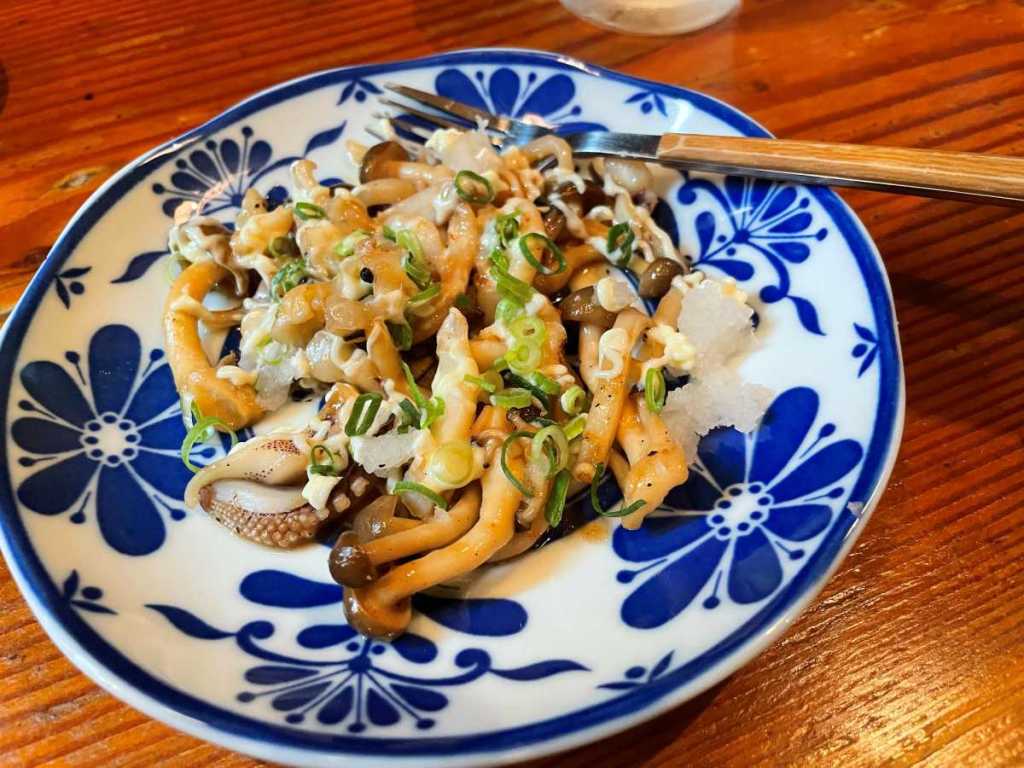
The stir-fried spear squid tentacles and shimeji mushrooms in olive oil were dressed with mayonnaise, giving the dish a sweet taste of squid.
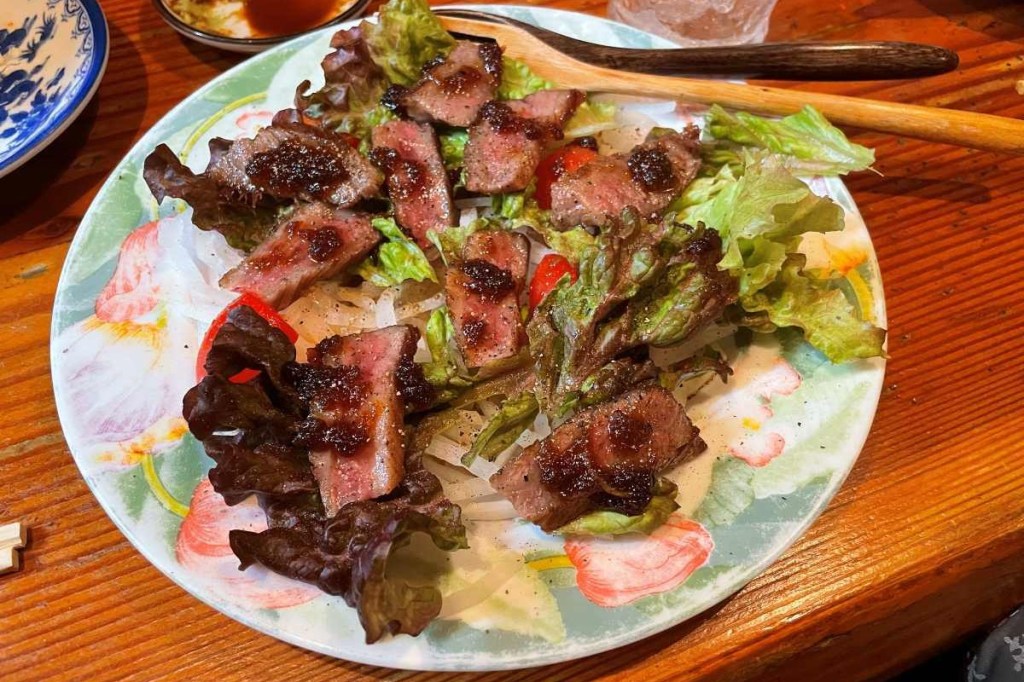
The Goto beef, sauteed at low temperature, was more delicious than steak, according to the owner. The meat had a good texture and a sweet taste.
April 12th (Sat)
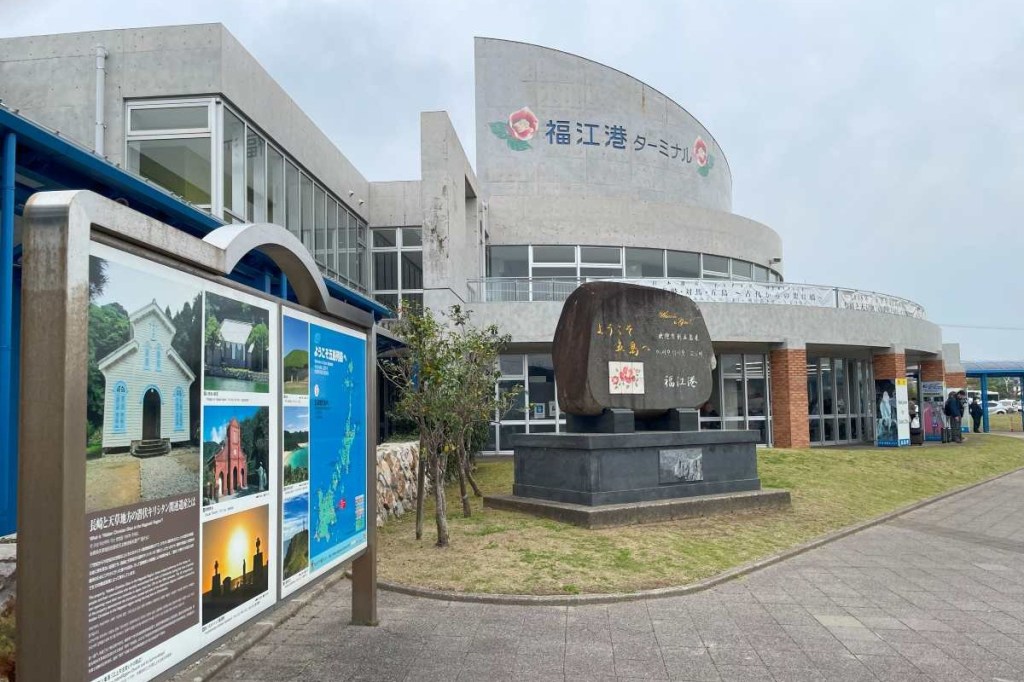
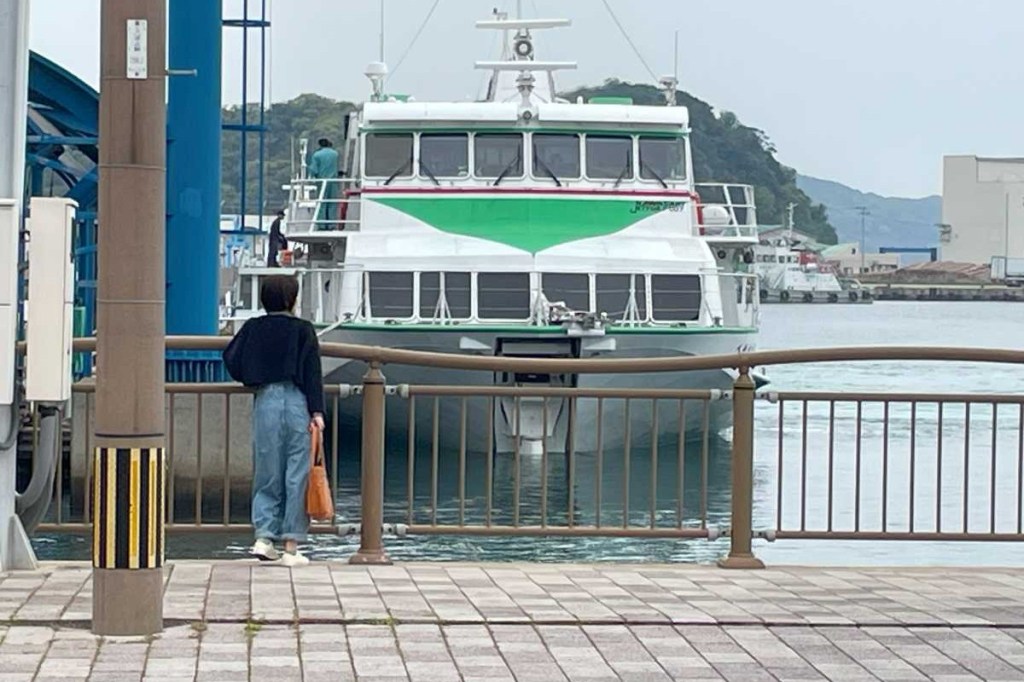
After breakfast, I checked out of the hotel and headed from Fukue Port to Nagasaki Port on a high-speed jetfoil called “Pegasus.” I departed Fukue Port at 9:20 and arrived at Nagasaki Port at 11:05 via Narao Port. Jetfoils are hydrofoils that can travel at speeds of over 80km per hour because the hull is above the water, so although the fare was more expensive than a ferry, it was more than twice as fast and more comfortable.
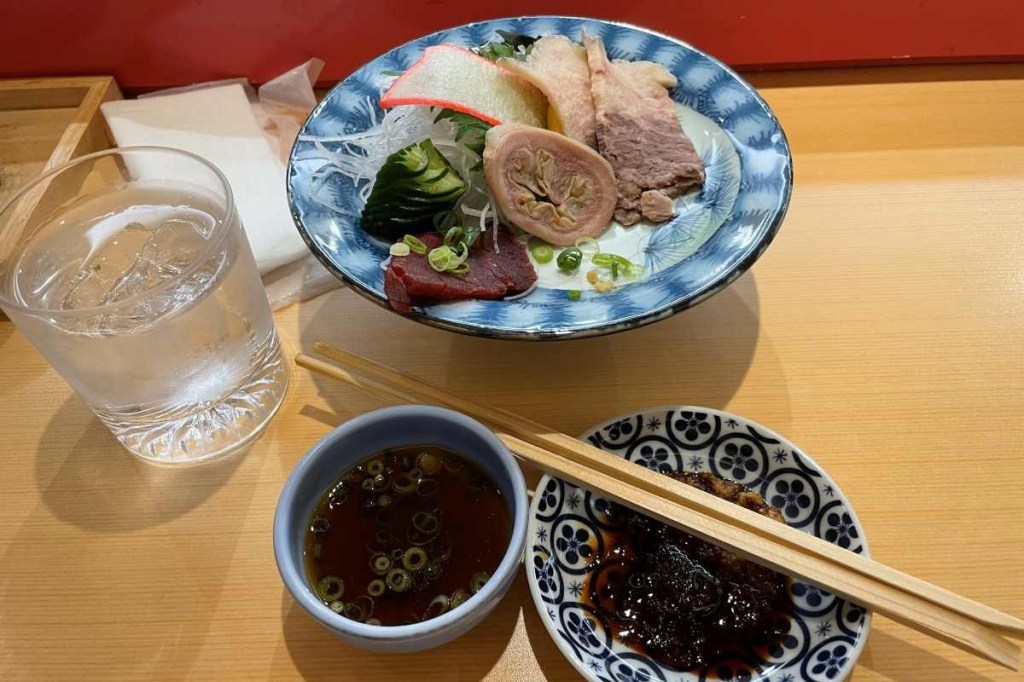
From Nagasaki Port, I once again headed to the airport on an express bus from the Ohato bus stop. Since I had some time before departing from Nagasaki Airport for JAL flight 612 at 15:25, I went to Sushi Shobu in the airport terminal for lunch and ordered sashimi of various parts of whale, a specialty of the Goto Islands, and sashimi of Tsushima conger eel.
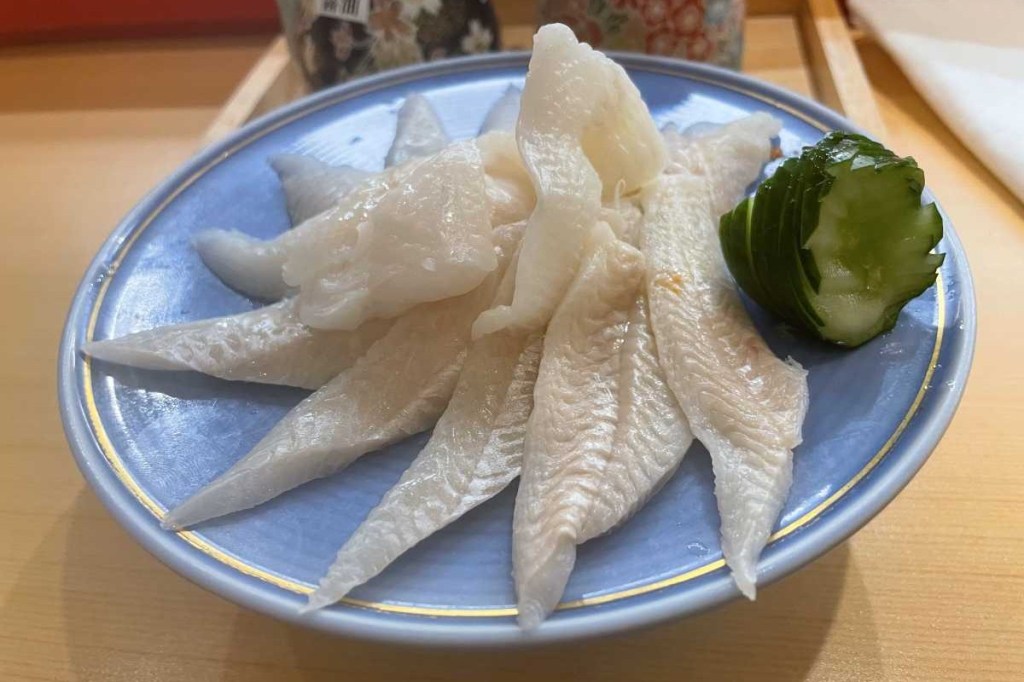
It was my first time eating Tsushima conger eel, but it was a thick, impressive-looking fish known as golden conger eel, and the sashimi was very fatty and chewy.
I arrived safely at Haneda Airport at 17:10 on schedule. There were no problems with the trip, and it was a wonderful trip where I could enjoy the beautiful sea and scenery of the Goto Islands, as well as Goto beef and Goto seafood. The only drawback was that I couldn’t take a bath in the hot springs. I would like to enjoy the trip again next time.
 旅好き爺の旅行記
コメントを残す