

From June 15th (Sun) to 17th (Tue), I went on a trip to Shima Onsen and Yashio Onsen in Gunma Prefecture. The rainy season is not a good time to travel because of the amount of rain, but I remembered that a trip to a hot spring would allow me to relax without worrying about the rain.
June 15th (Sun)
I left my car at 6:30am in the light rain and decided to go to Shima Onsen via Karuizawa since I had time to spare. The first place I went to was the Karuizawa Senju Hiroshi Museum of Art, where works by my junior high and high school classmate, Senju Hiroshi, are on display. The greenery on the approach from the parking lot to the museum entrance was shining beautifully in the air after the rains of the rainy season.

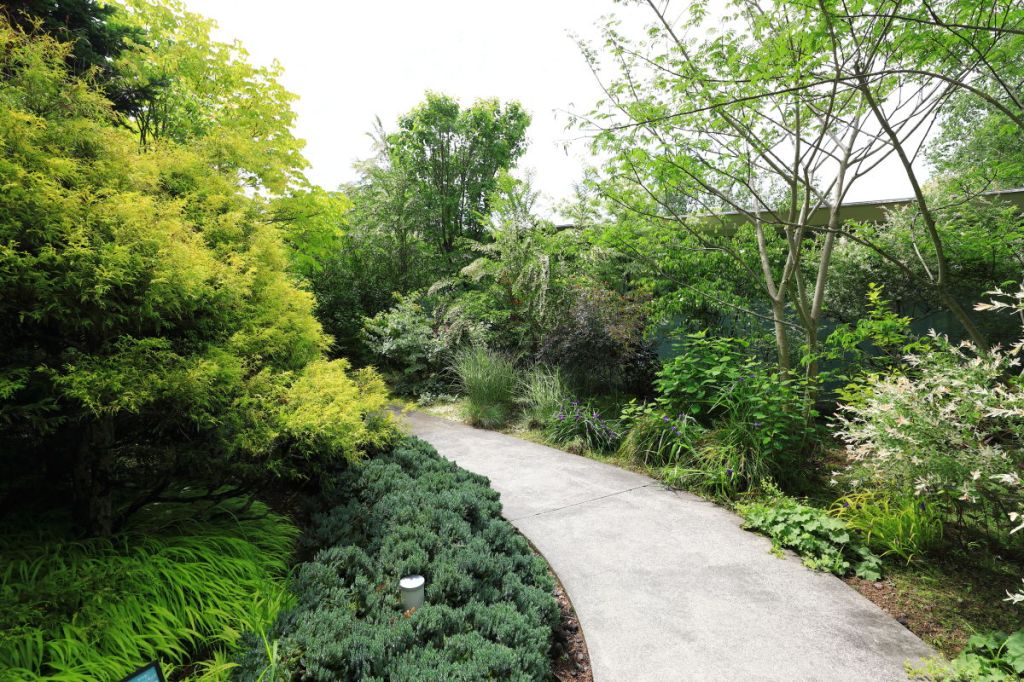
The entrance is reached via an approach lined with a variety of plantings.

There are three atriums within the building, giving the museum an open feel.
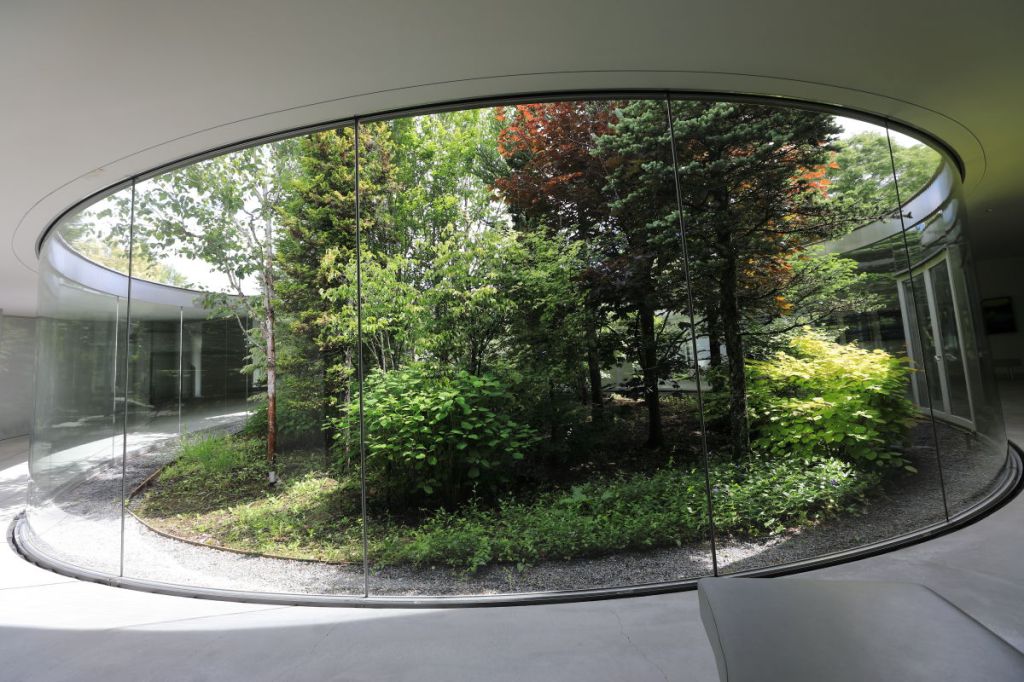
Photography is prohibited inside the museum, so please refer to the following website for information about the museum exhibits.
https://www.senju-museum.jp/
Having seen many pictures of waterfalls, I decided to go to Shiraito Falls in Karuizawa, which is at the source of the Yukawa River.。
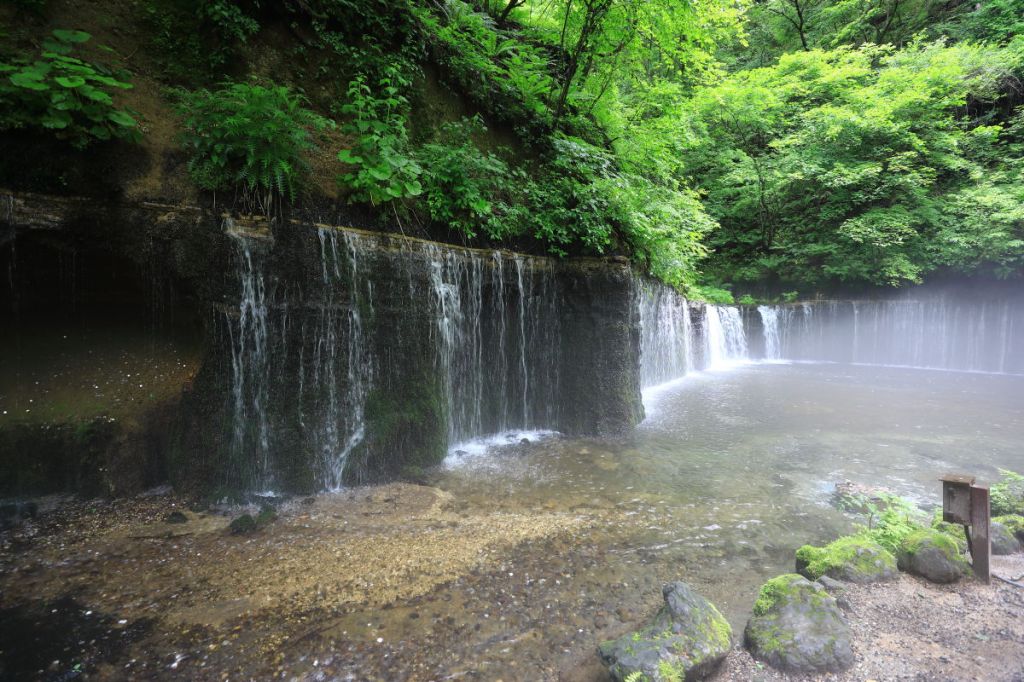
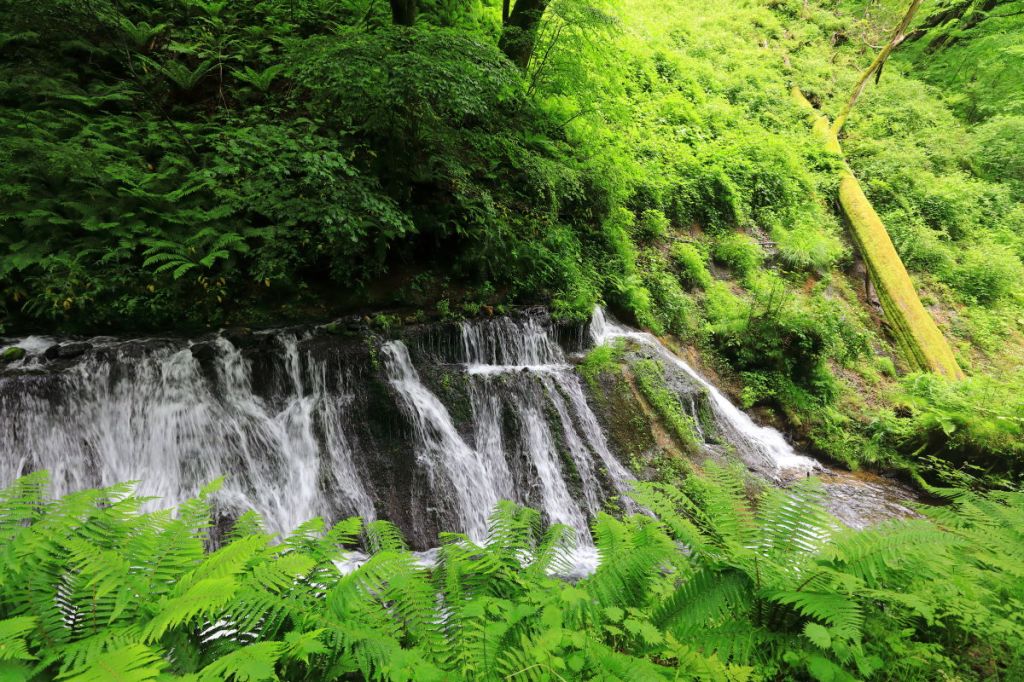
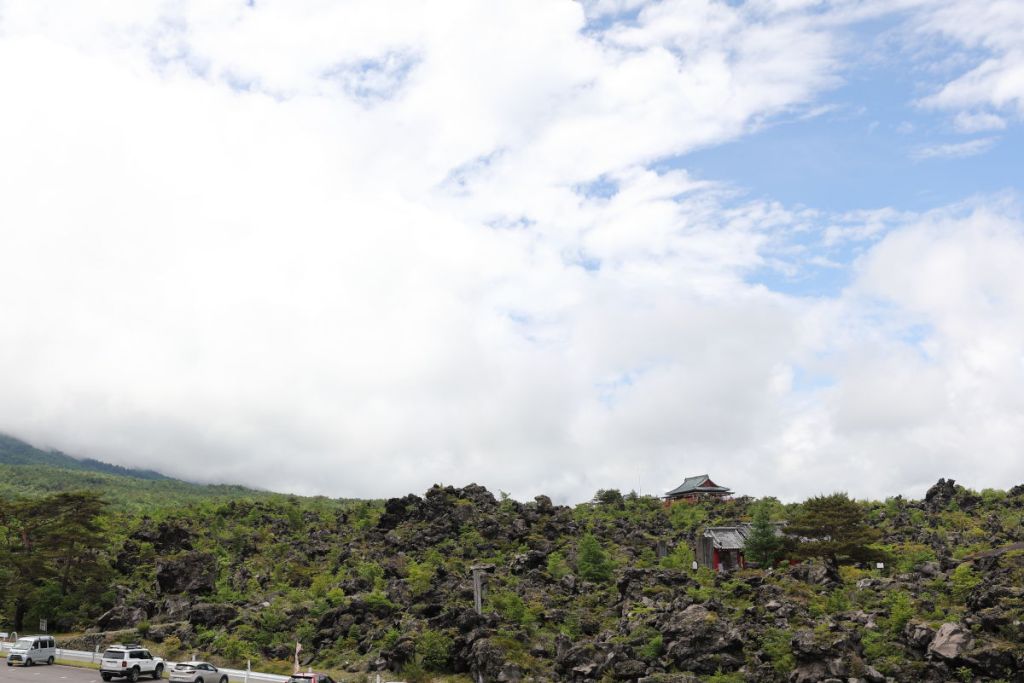
As I descended the Shiraito Highland Way, I came across Onioshidashi Park. It was made of solidified lava from the Tenmei eruption (1783) of Mt. Asama, but unfortunately the mountain was covered in clouds.
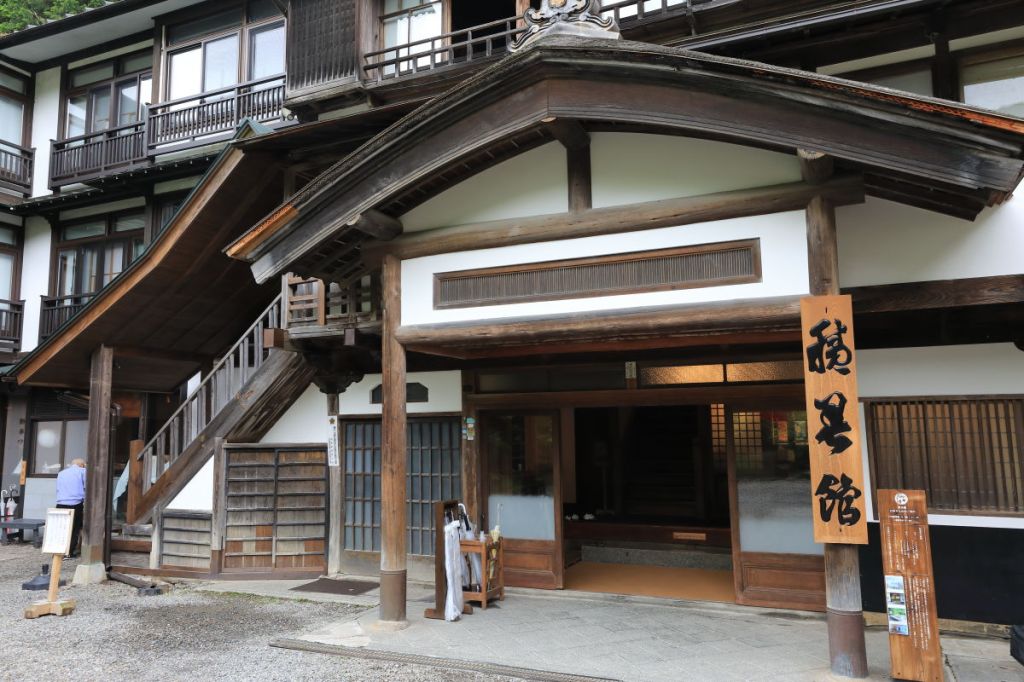
From here, I took the public road past Yamba Dam and other places and arrived at my lodging for the night, Shima Onsen Sekizenkan, just before 3pm. Sekizenkan is a historic inn that was founded as an inn in 1694 with its two-storey main building constructed in 1691. The main building is designated as an Important Cultural Property of Gunma Prefecture, and the mountain villa built in 1936 is a Registered Tangible Cultural Property of the country. Together with Kashotei, which was built in 1986, the structure consists of three buildings built on the slope and connected by a corridor. The photo below shows the entrance to the main building.
The main building has a different atmosphere during the day and at night when it is lit up. It is said to be one of the models for Studio Ghibli’s “Spirited Away.”
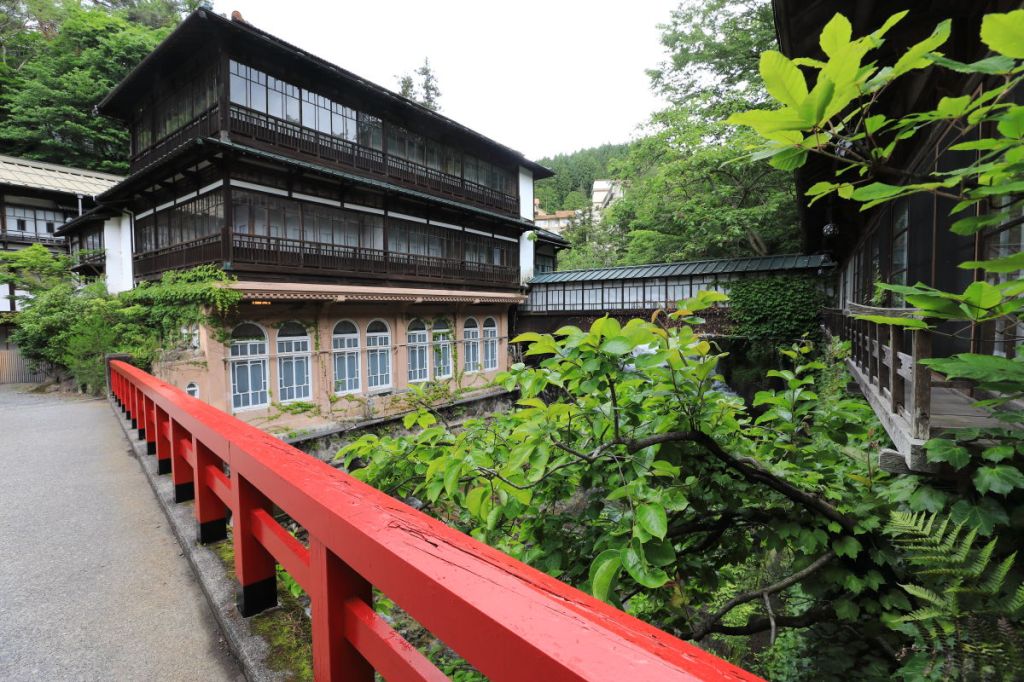
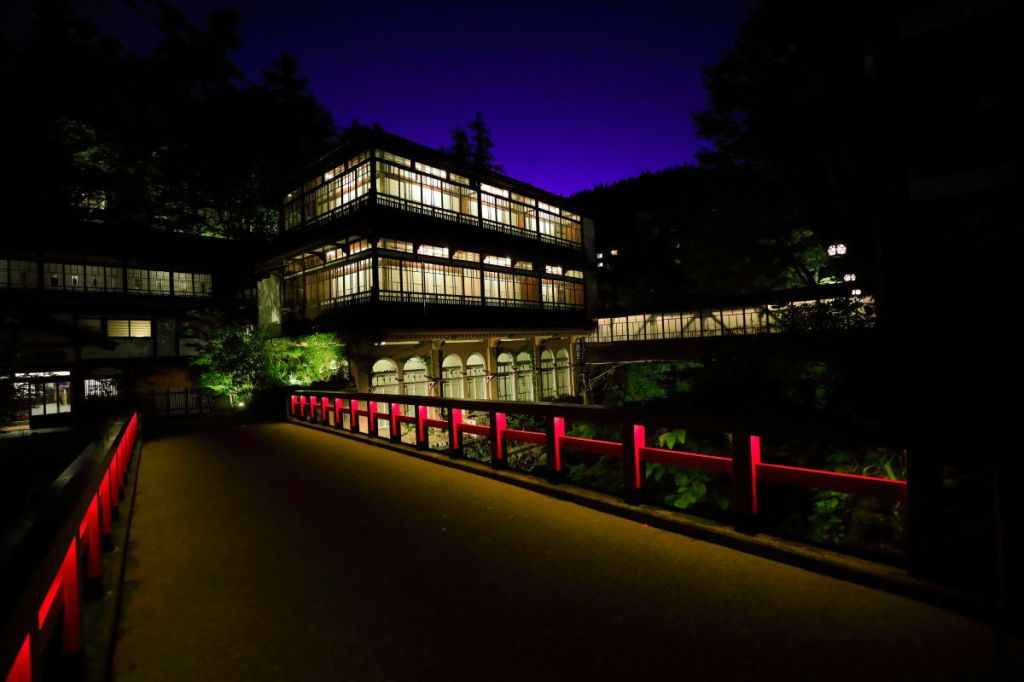
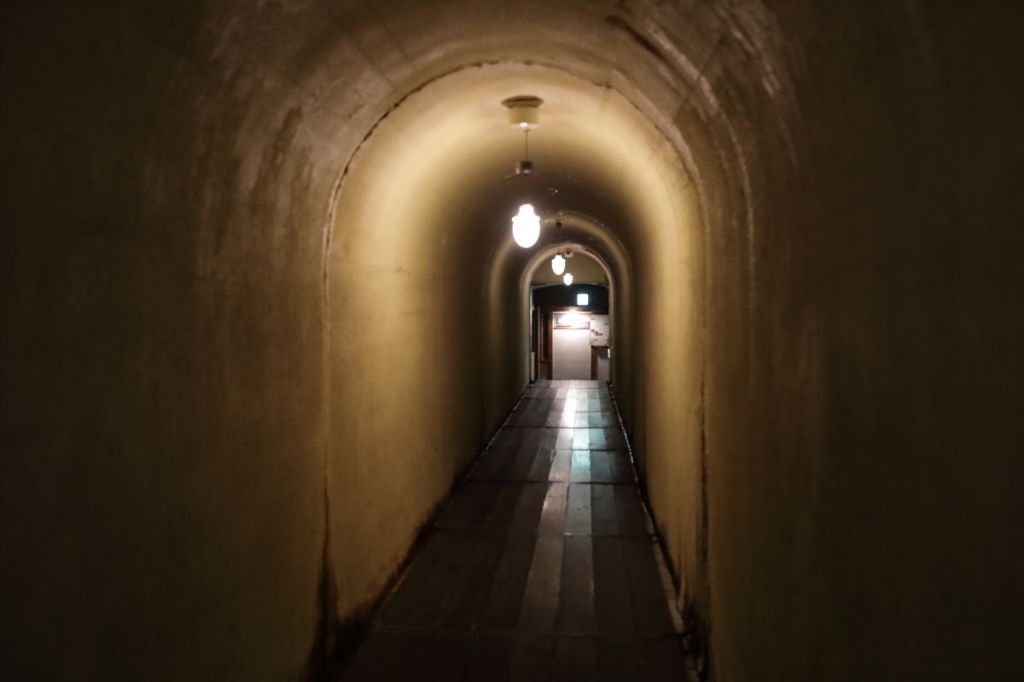
After taking a rest in my room at the mountain lodge, I first went to Genroku-no-Yu, which has a Taisho-era romantic feel to it. From the mountain lodge to the main building, I passed through a tunnel passageway that exuded a sense of history.
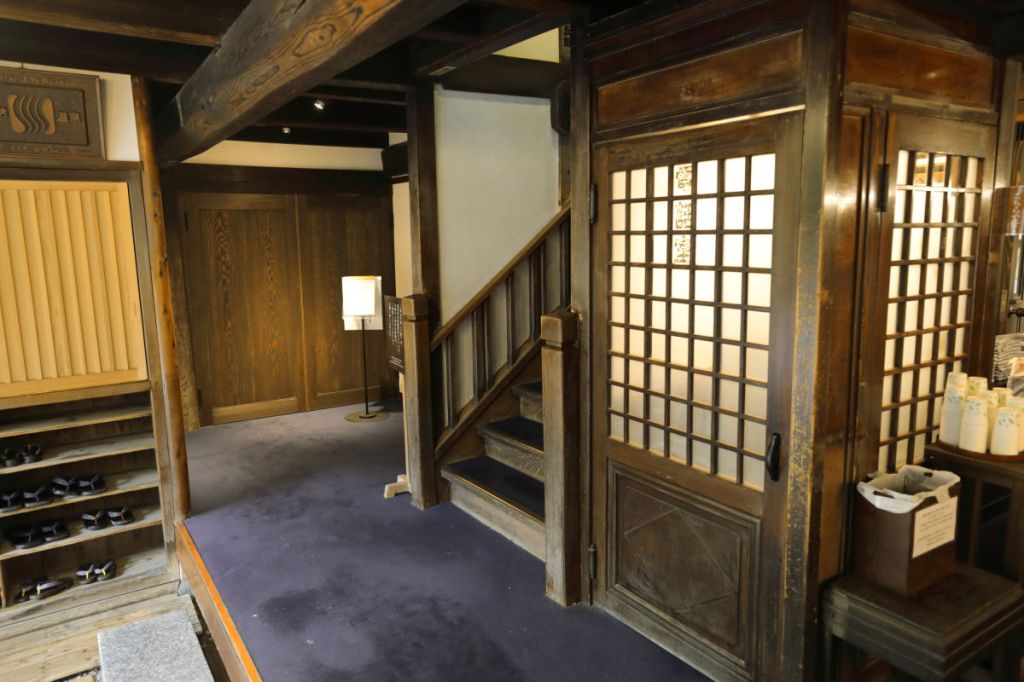
From the second floor of the main building, take the stairs to the entrance on the first floor.
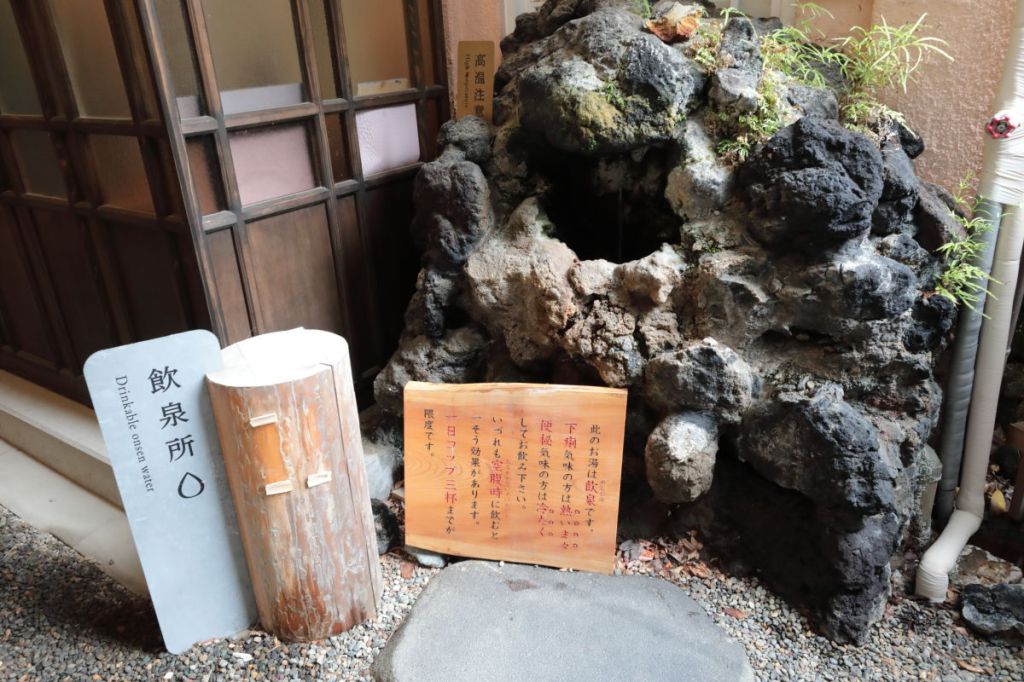
There is a drinking fountain at the entrance to Genroku-no-Yu.
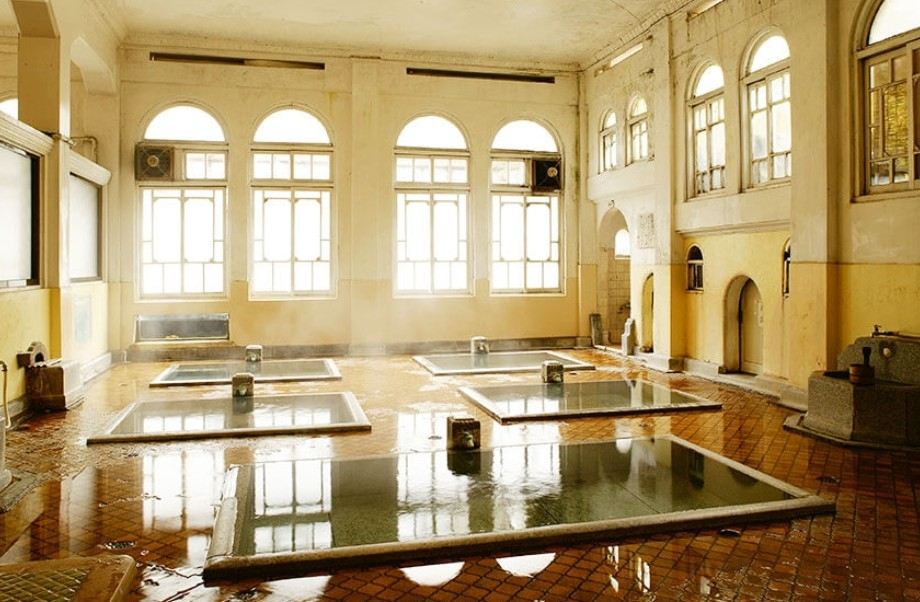
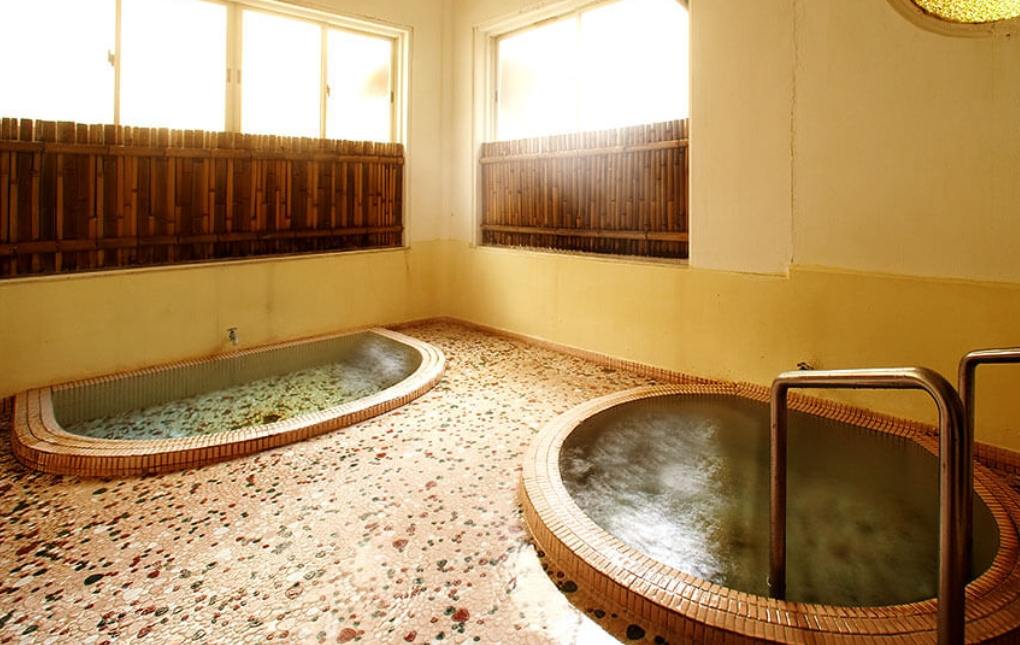
When you open the door of Genroku-no-Yu, the changing room and bath area are integrated without any partition. The photo of the bath below is a screenshot from the inn’s website. The two arched doors on the right side of Genroku-no-Yu are the entrance to the steam bath, which is the origin of the bath.
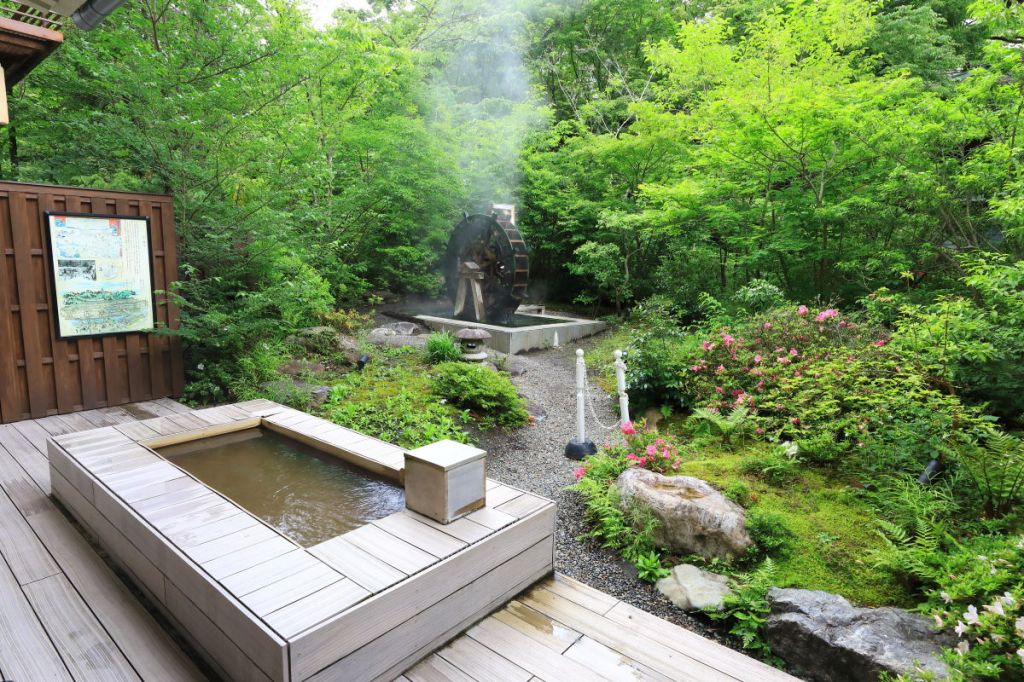
Foot bath and waterwheel in the rest area
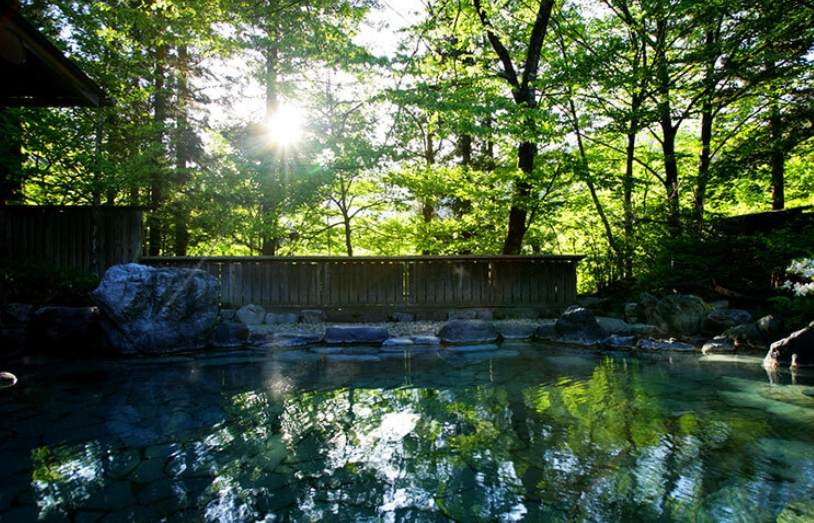
Next, I went to Mori no Yu at Kashotei. There is an indoor bath and a large open-air bath, and it feels very open and spacious, surrounded by greenery.
The mountain lodge has two free private baths, called “Mountain lodge hot springs,” which I was able to use the next morning.
Shima Onsen is said to be the “Agariyu (final rinse)” of Kusatsu Onsen, and is a hot spring with high efficacy for treating 40,000 illnesses. The spring quality is a sodium calcium chloride sulfate spring, and it is a hot spring that feels very good on the skin.
Dinner was a multi-course meal making the most of the flavours of seasonal ingredients, starting with and sweet sake of light green tea , sillaginidae dressed in konowata (salted guts of sea cucumber), and steamed eel rice.

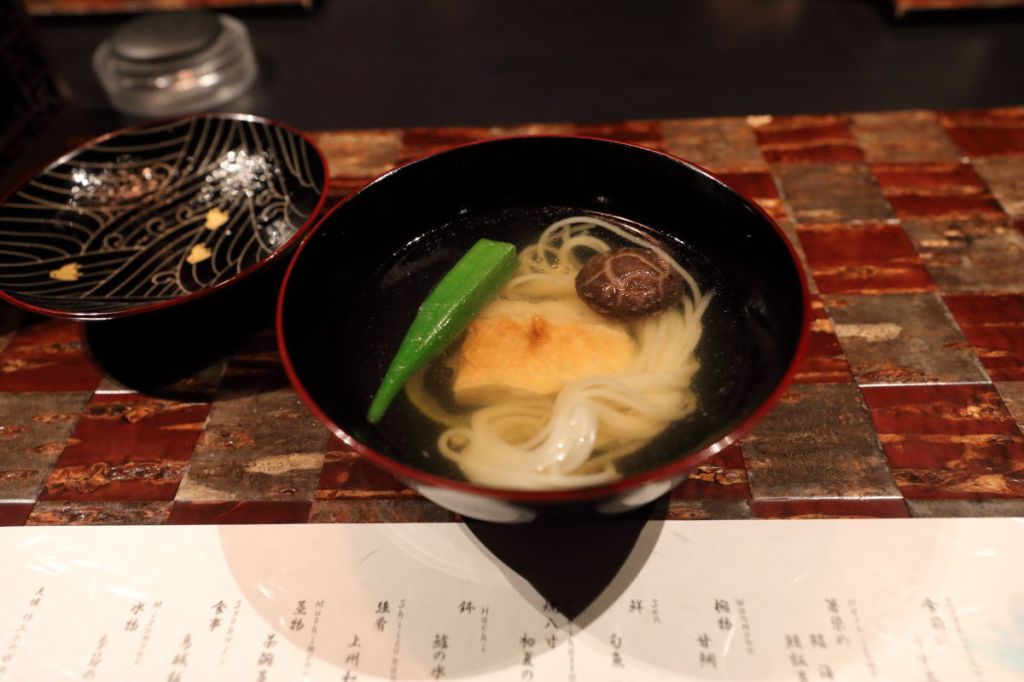
Sweet Snapper Nyumen (somen noodles with hot soup)
Seasonal fish such as red snapper and foamy soy sauce
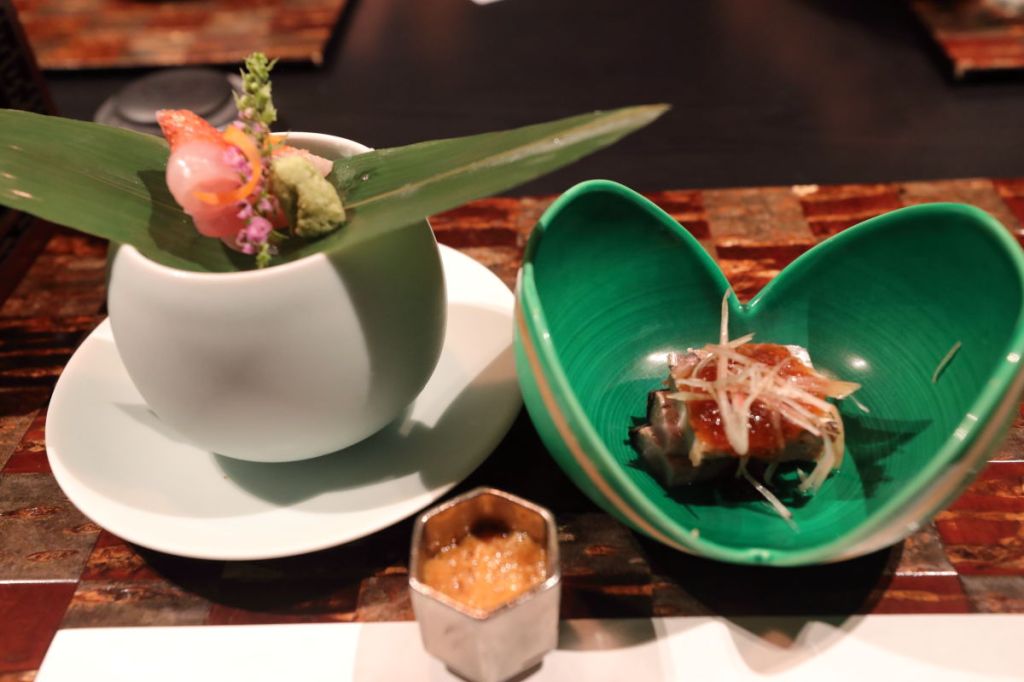
Grilled sweetfish and other dishes
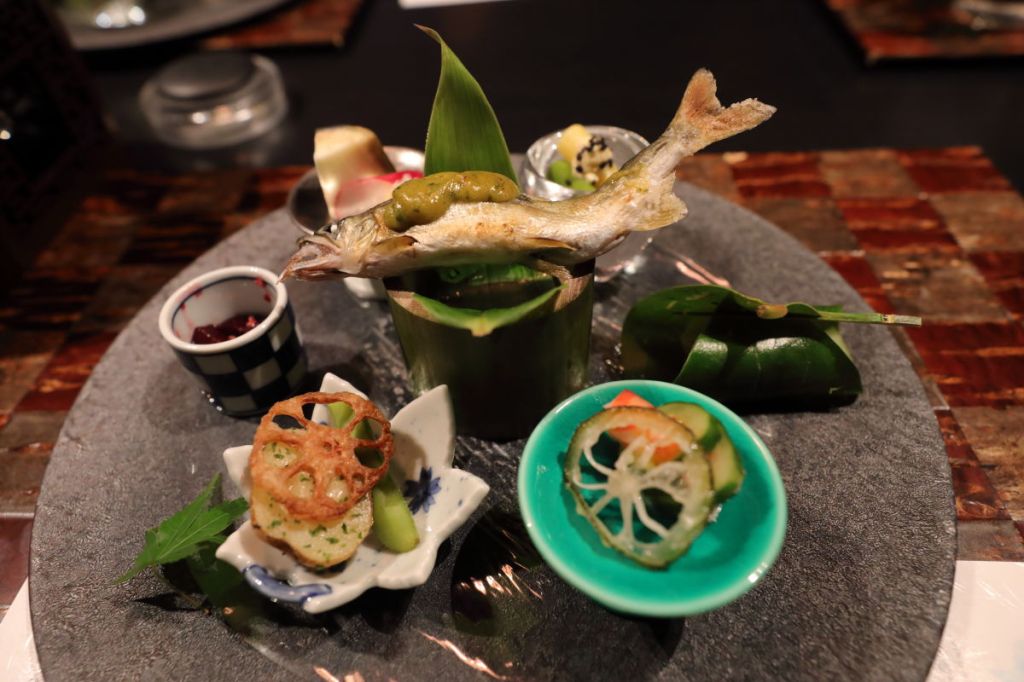
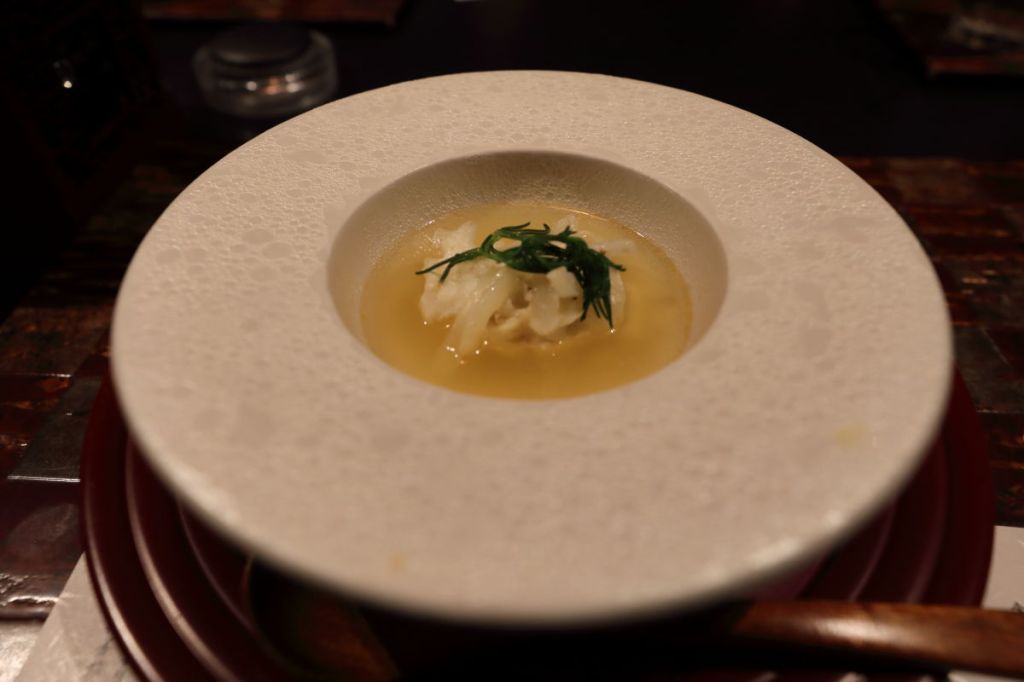
Crystal Steamed Sea Bass
Joshu Wagyu beef shabu-shabu and grilled eggplant
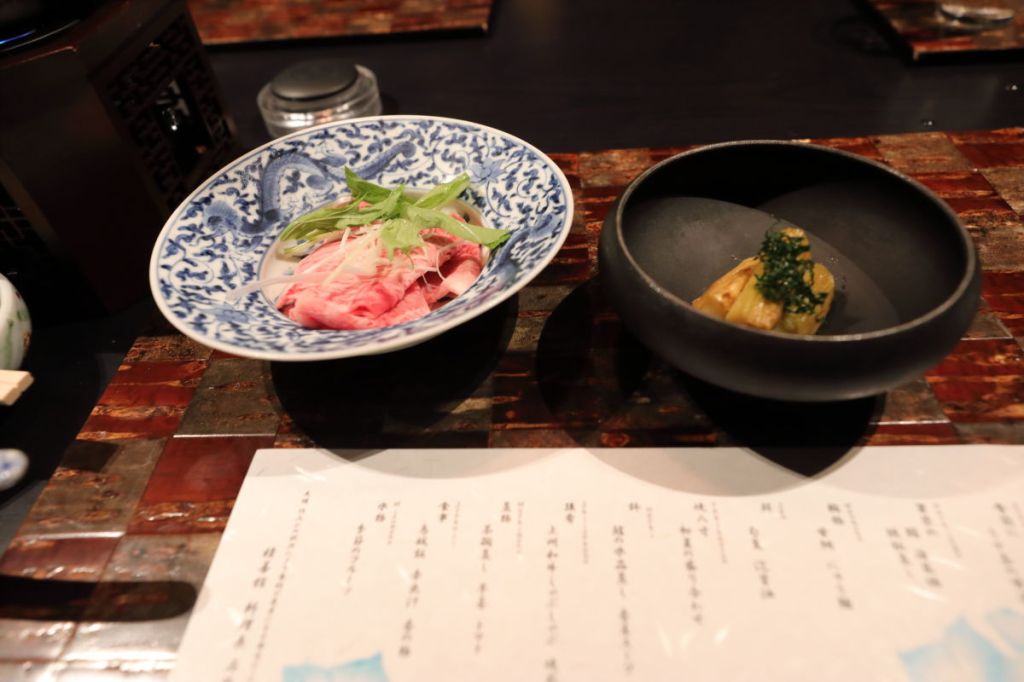
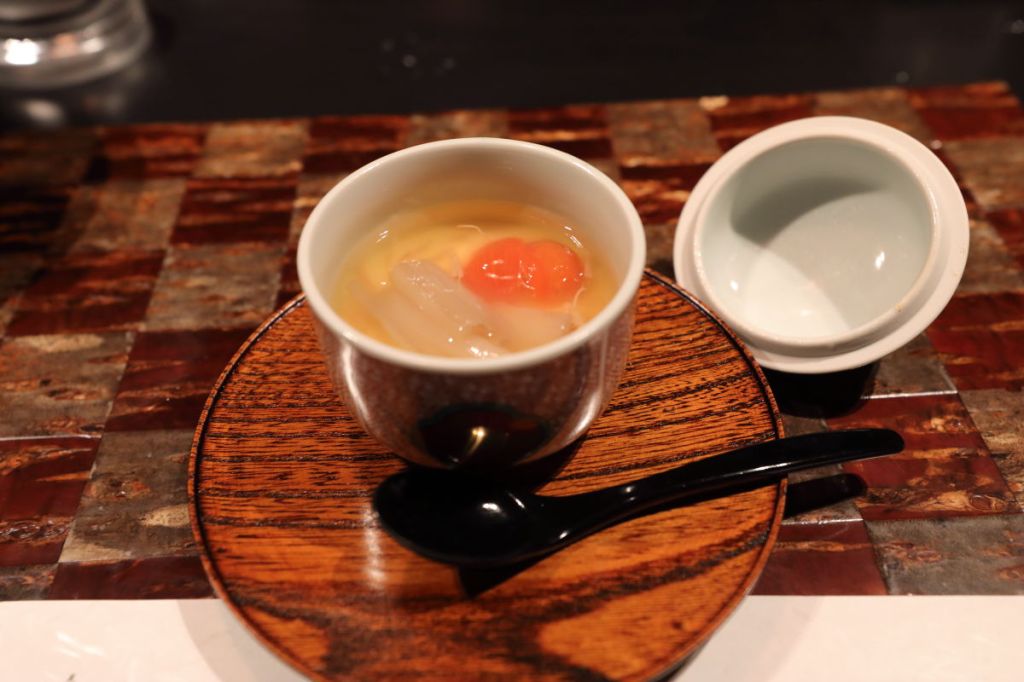
Chawanmushi with potato stems and tomatoes
Squid rice and red miso soup
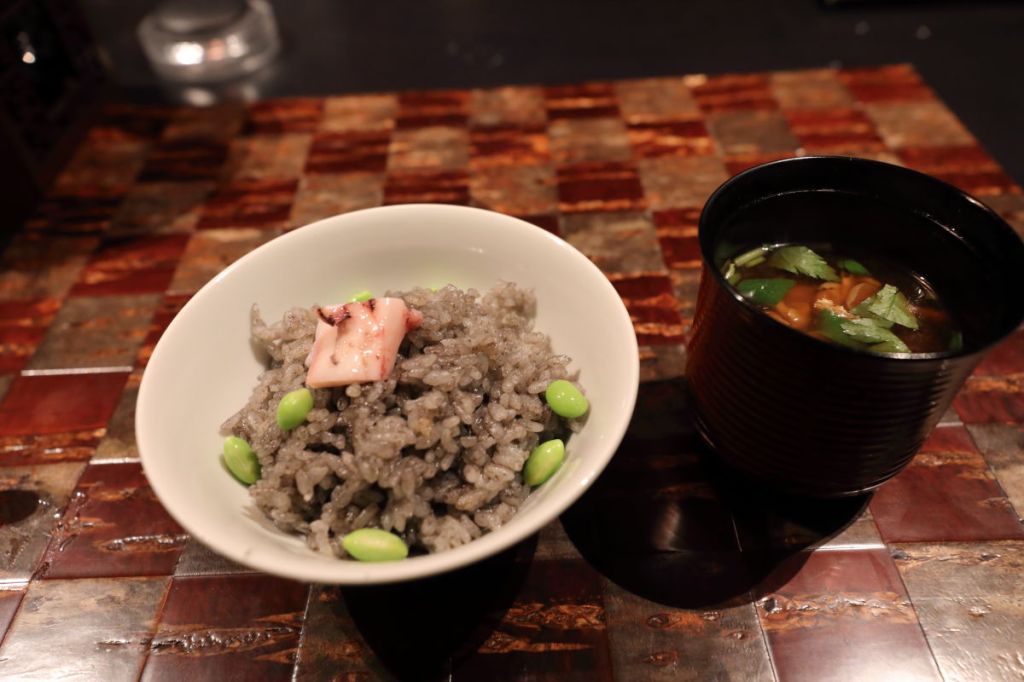
Every dish was carefully prepared and tasted wonderful, making for a very satisfying kaiseki meal.
June 16th (Mon)
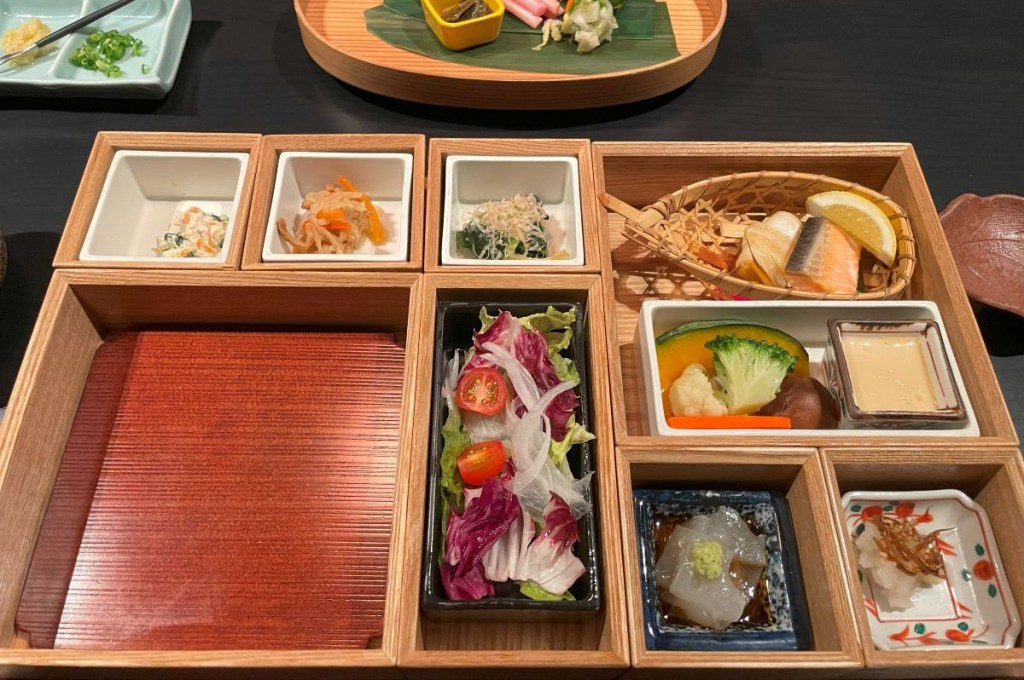
The breakfast was also colorfully presented in a box, which I felt was very well done. By the way, freshly baked rolled omelet was served in the open space.
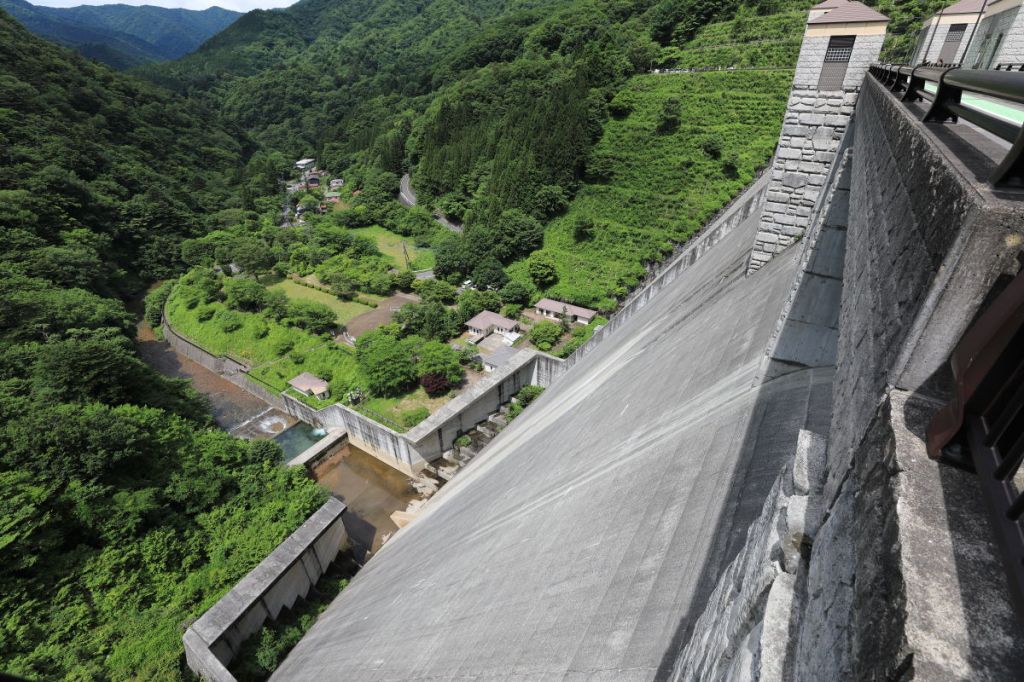
Today I’m heading to Yashio Onsen in Fujioka City. First, I headed for Lake Okushima at the Shima River Dam near my accommodation. The lake surface is a beautiful color called “Shima blue”.
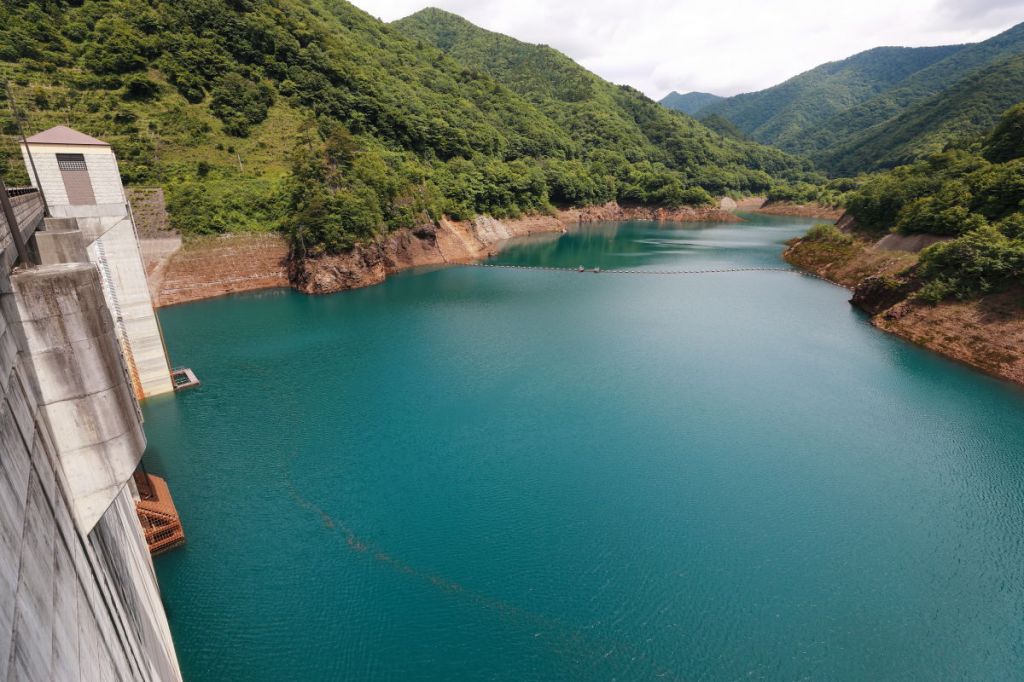
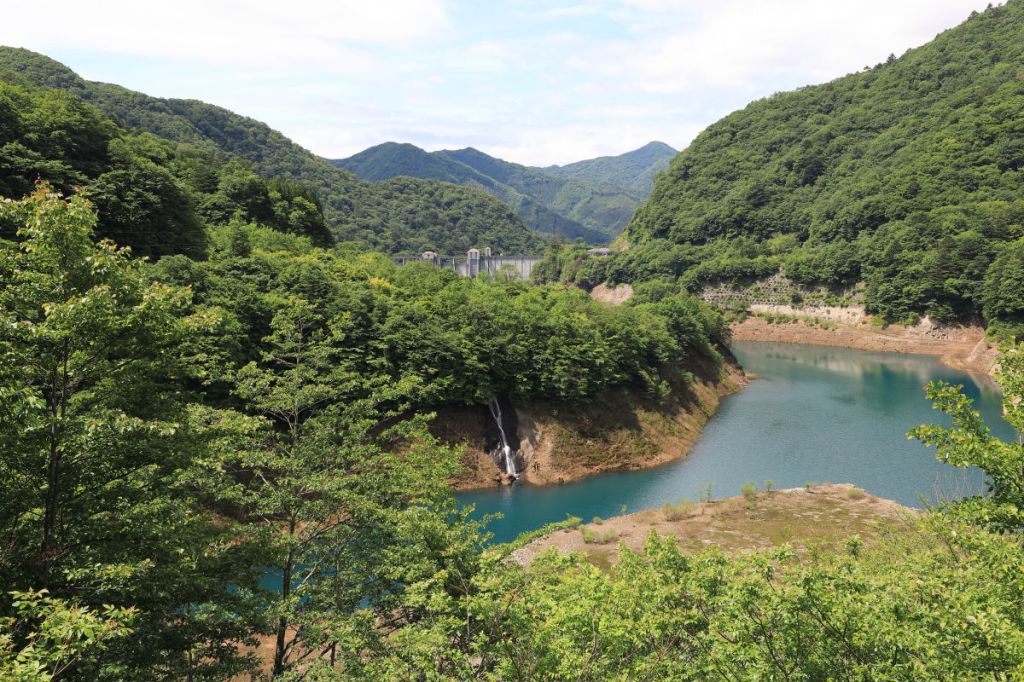
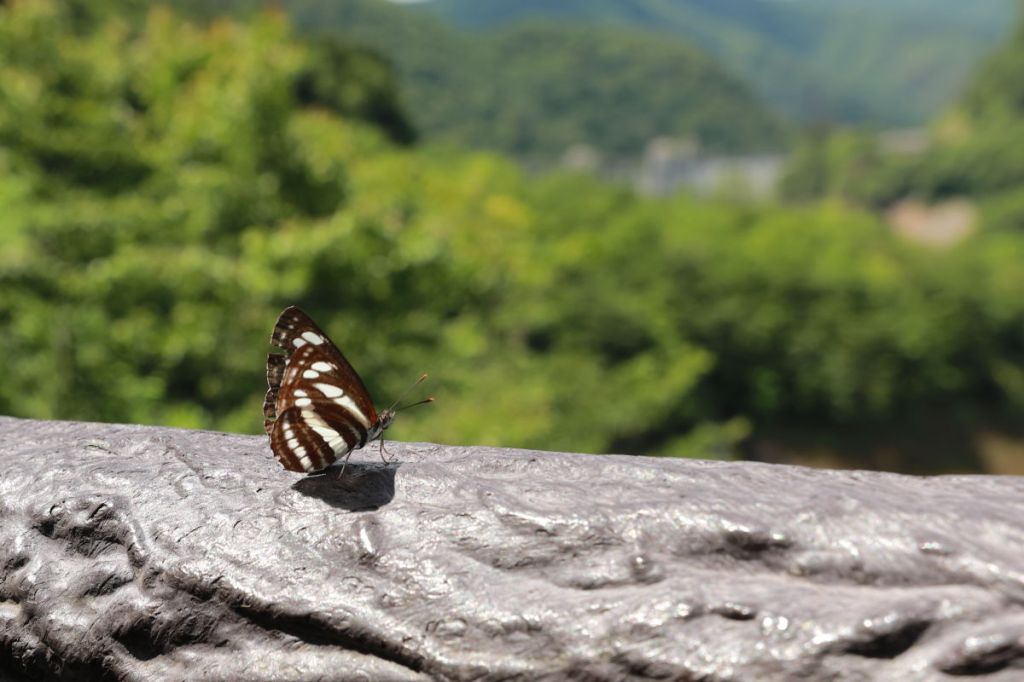
A small butterfly, perhaps a Tiger Copper, came near and landed on the railing.
We returned to Shima Onsen and went to Hinatami Yakushi.
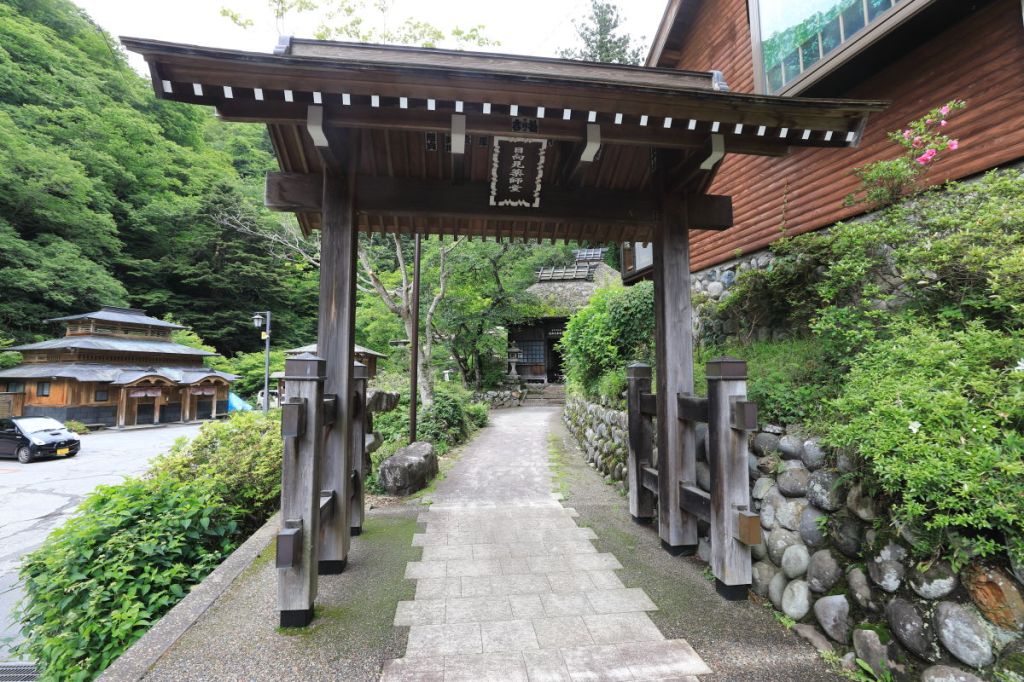
Hinatami Yakushi was first built in the Heian period, but the current Yakushido hall was rebuilt in 1598 as a prayer for the military success of Sanada Nobuyuki, the feudal lord at the time, and is designated as a National Important Cultural Property.
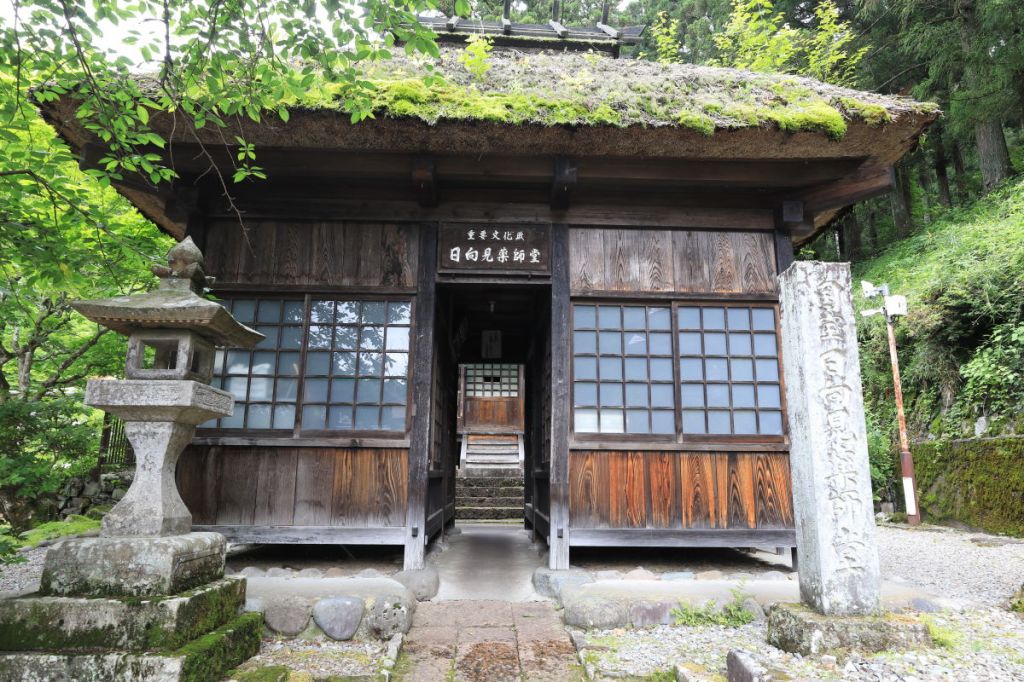

Nearby is the free day-use hot spring, Gomusou-no-Yu.

There were Shima’s potholes along the way, but the water was so high that I couldn’t go down to the riverbank and couldn’t get a good look at the potholes.
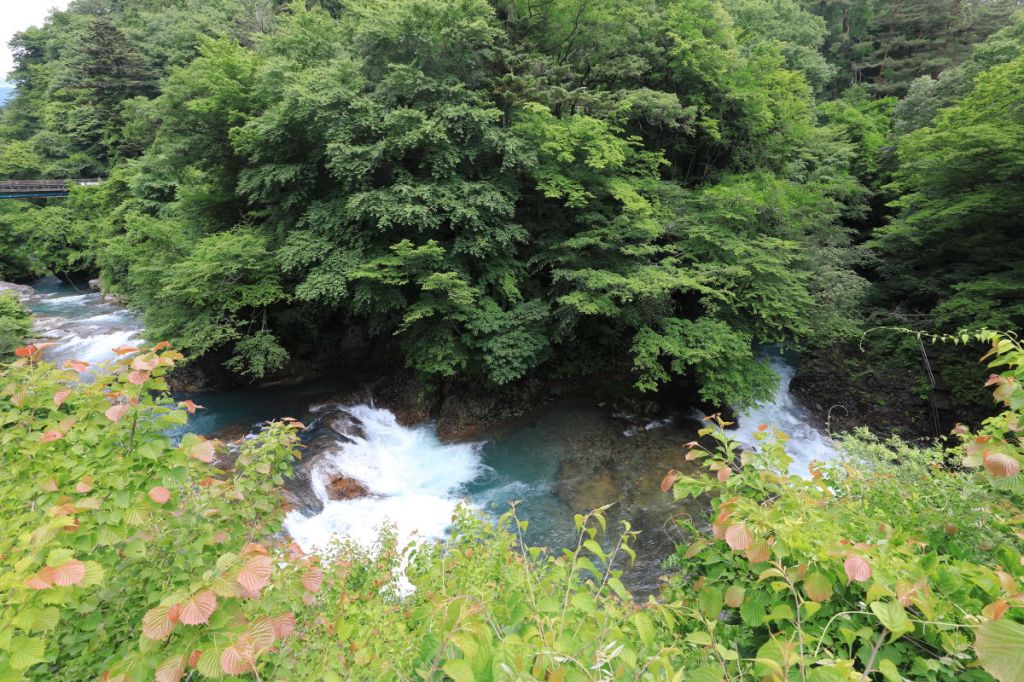
Further ahead was Nakanojo Dam.
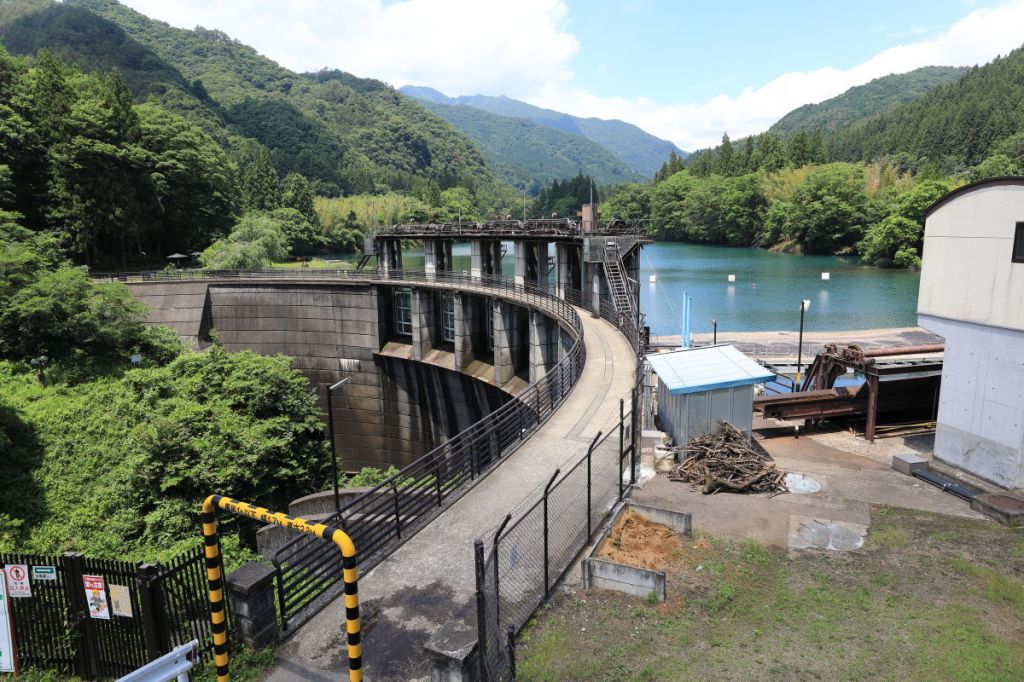
Heading towards Shibukawa, we took the Kan’etsu Expressway from Shibukawa-Ikaho IC, then switched to the Joshin’etsu Expressway at Fujioka JCT, got off at Fujioka IC, and headed to our lodging for the night, Shinsuikan in Yashio Onsen.
Shinsuikan was founded in 1931, and the inside of the building has a Taisho-era romantic atmosphere. If you are a member of the Japanese Society for Preserving Secret Hot Springs, you can get a stamp in your book.

From the lobby you can see the Kanagawa River flowing leisurely across the Japanese garden.
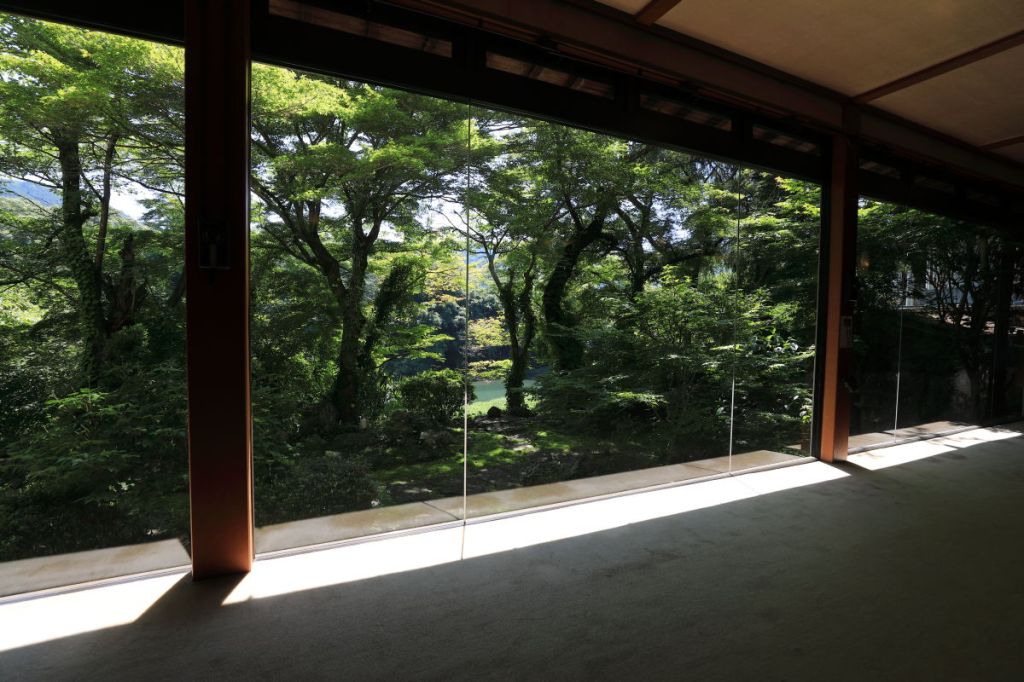
After a short rest, I headed straight to the hot spring. The photo is a screenshot from the inn’s website. By the window is a bathtub filled with heated spring water, and in front is cold water from the source, about 15 degrees. The special thing about this place is that you can alternate between hot and cold baths. The hot spring is said to have gushed forth from trapped seawater from the Tertiary Period of the Cenozoic Era (6,500 to 2 million years ago), and has a high salt concentration, with 70% of its components being sodium and chloride ions. The water is slimy, and even when you go from the hot bath to the cold water tub, it feels cold for a moment, but after a while it starts to warm up, which is quite mysterious.
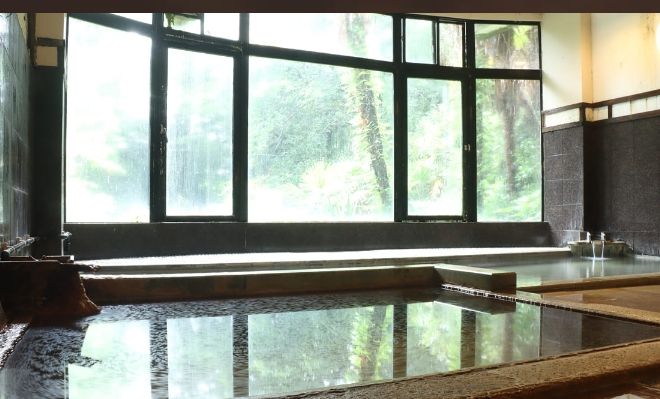
In addition to this indoor bath, there is also an open-air bath facing the Kanagawa River that guests can rent for 30 minutes free of charge.
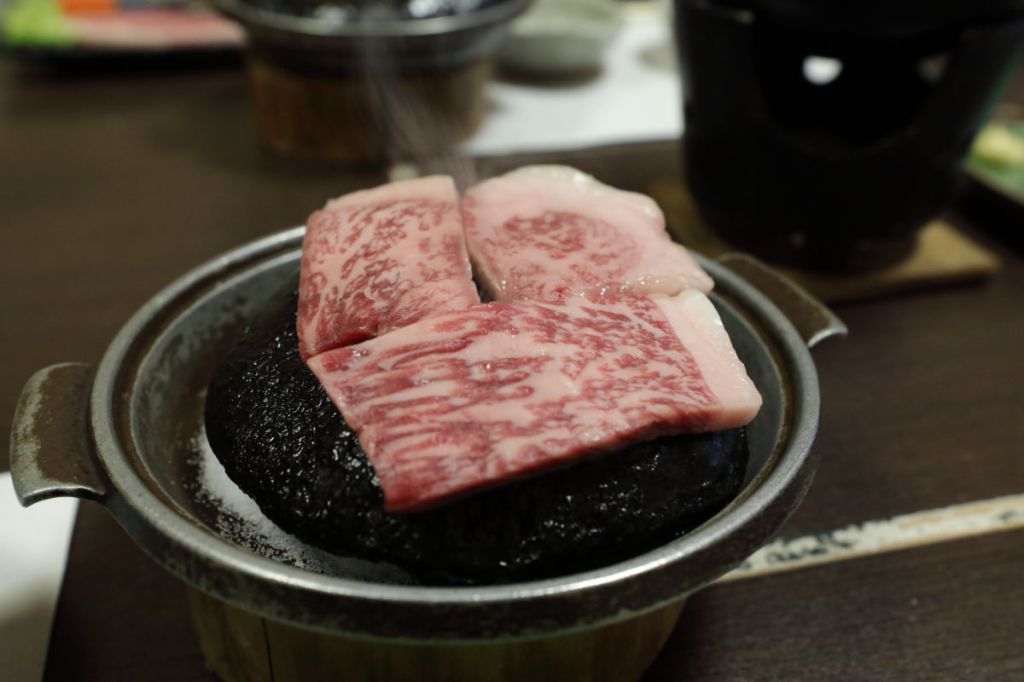
Dinner was a simple banquet course meal, with Joshu Wagyu beef sirloin grilled on a stone made of Sanbashi stone (a crystalline schist mined in the area), and was quite filling.
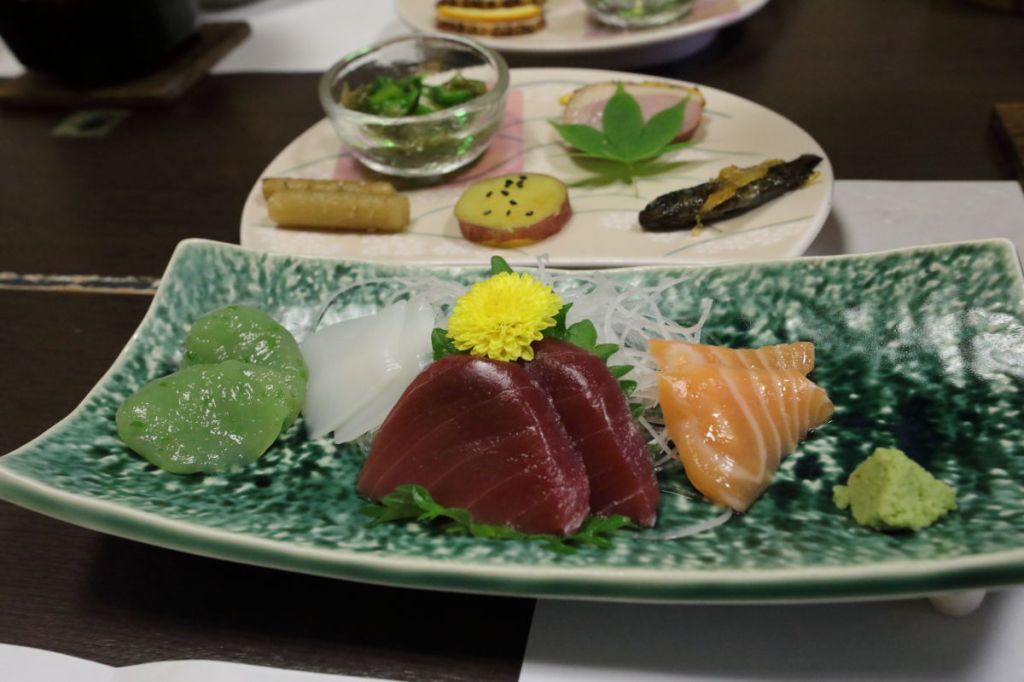
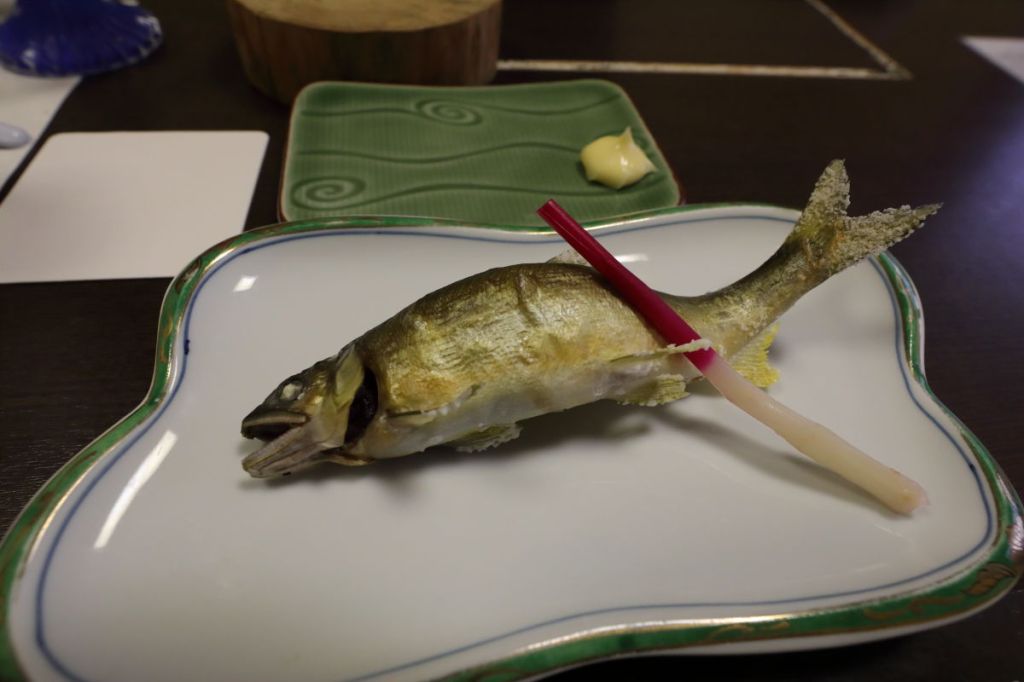
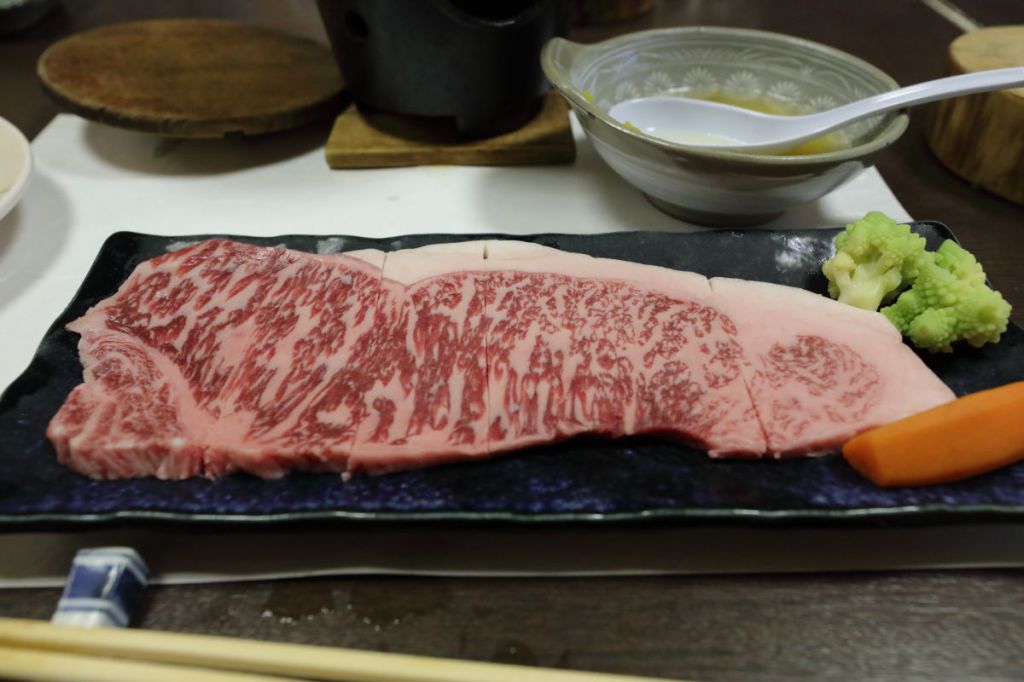
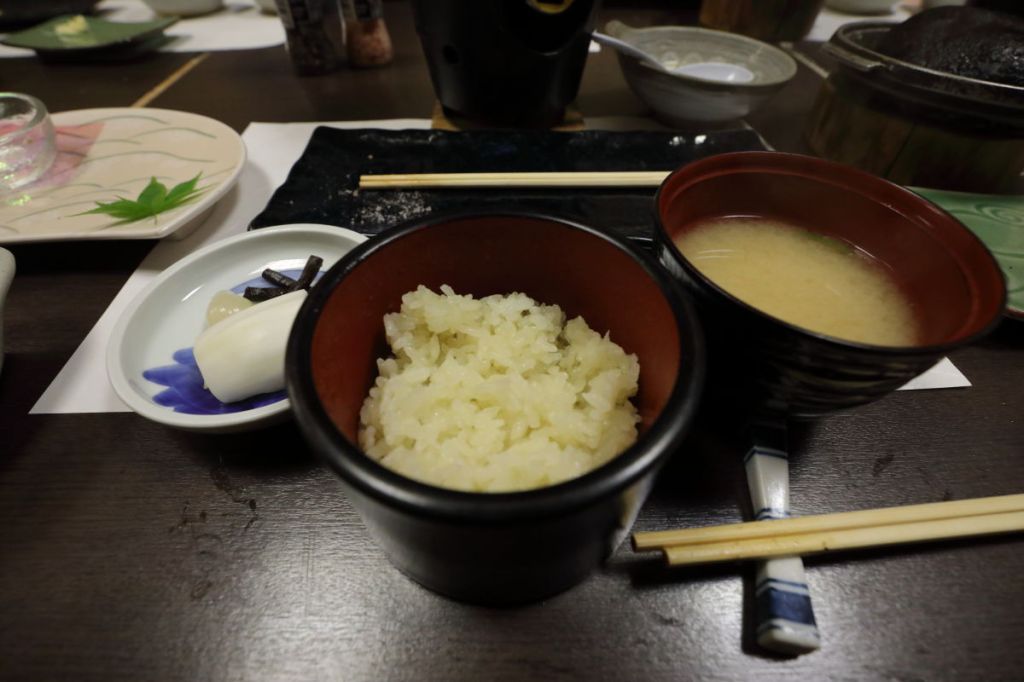
The rice is cooked in the mineral springs here, and is yellowish in color with a slight salty taste. It was a bit hard, so I didn’t find it particularly tasty.
June 17th (Tue)
Today I decided to stop by Nagatoro and Chichibu before heading home. Since the temperature was rising sharply during the break in the rainy season, I decided to first eat shaved ice at the main store of Asami Reizo in Nagatoro.
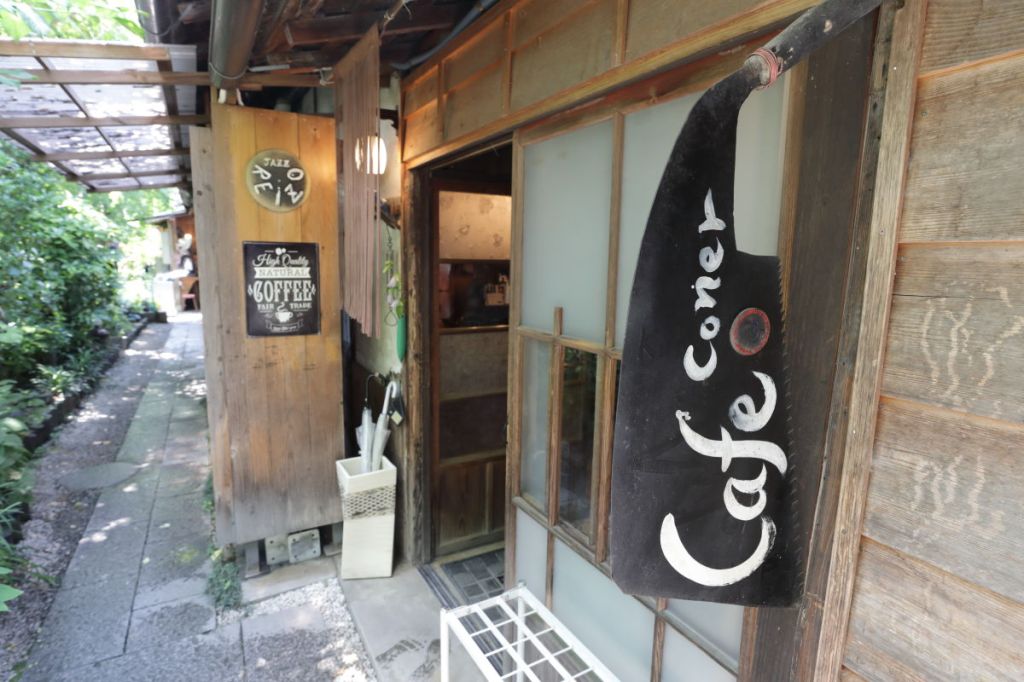
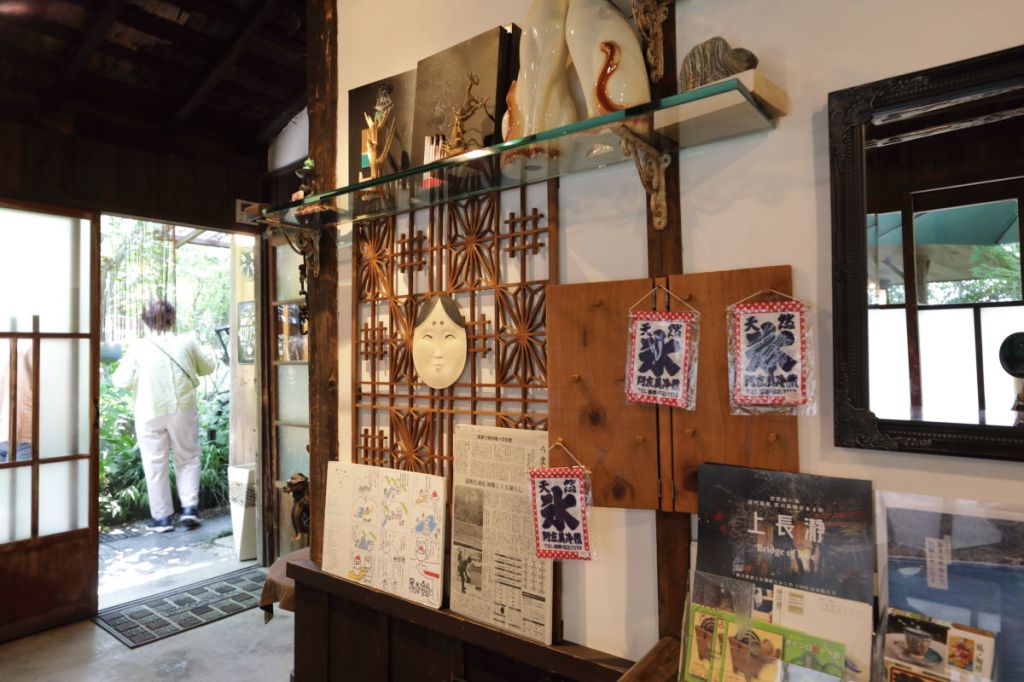
Since I was there, I ordered the Kiwami Special, which comes with white bean paste, red bean paste, and matcha bean paste. I poured the special syrup over the ice and topped each bean paste with a little of each, and the refined sweetness made me feel like the heat was flying away somewhere.

I drove along the Chichibu Road, stopping for lunch along the way, and headed for Chichibu Mitsumine Shrine. Mitsumine Shrine is a historic shrine that dates back to when Yamato Takeru no Mikoto, who was sent by Emperor Keikō (early to mid-4th century) to pacify the eastern provinces, climbed Mount Mitsumine on the way and built the shrine in memory of the two gods who created the country. Despite being located deep in the mountains, there were many visitors even on weekdays.
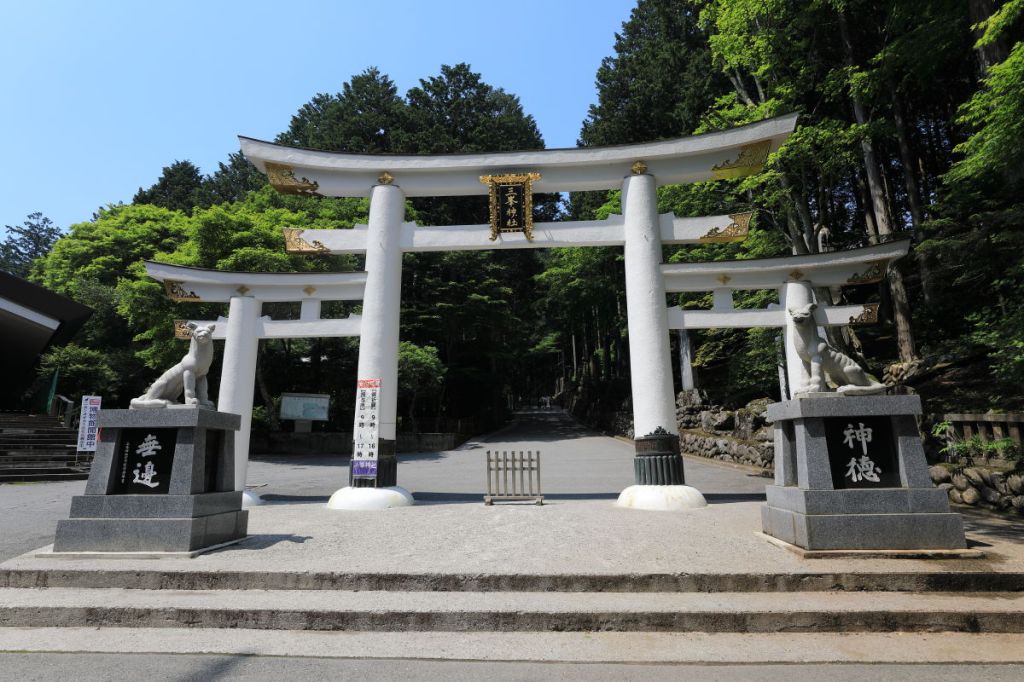
The green of the trees along the mountain path shines brightly.

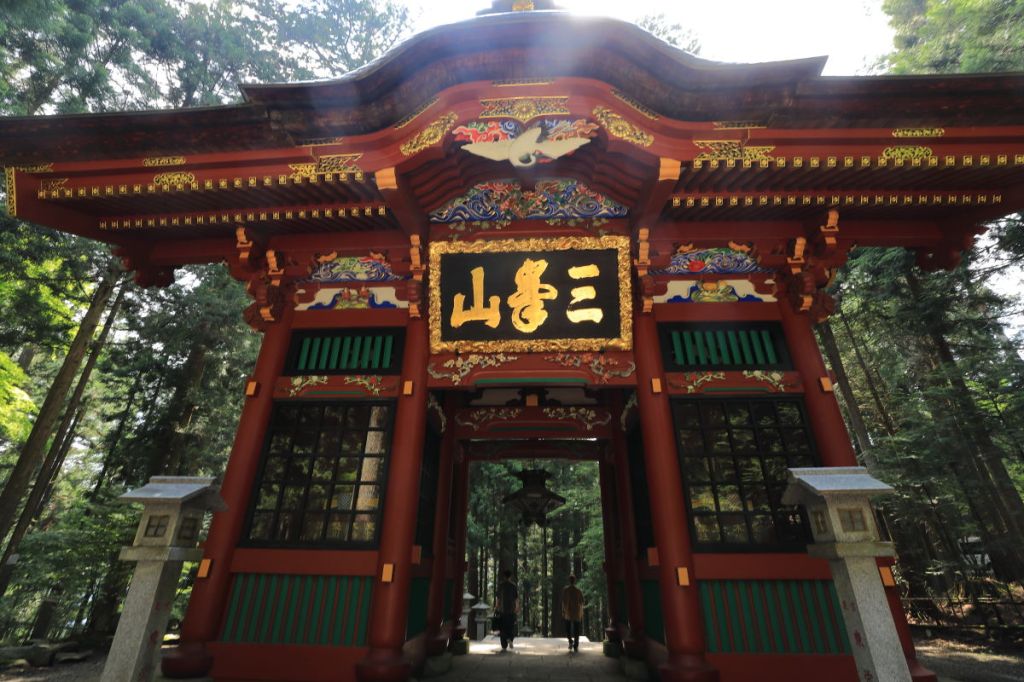
After passing through the Zuishinmon Gate from the main approach and walking for a while, you will see the worship hall.
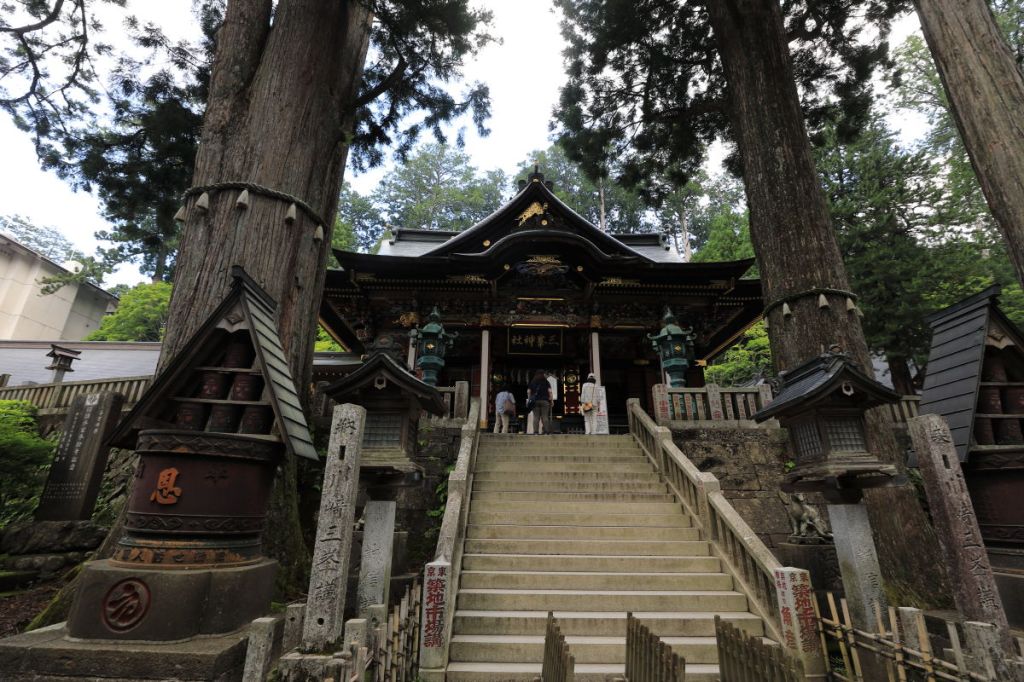
The large cedar tree on the left is estimated to be 800 years old, and it is said that if you take three deep breaths in front of it, you will receive energy.
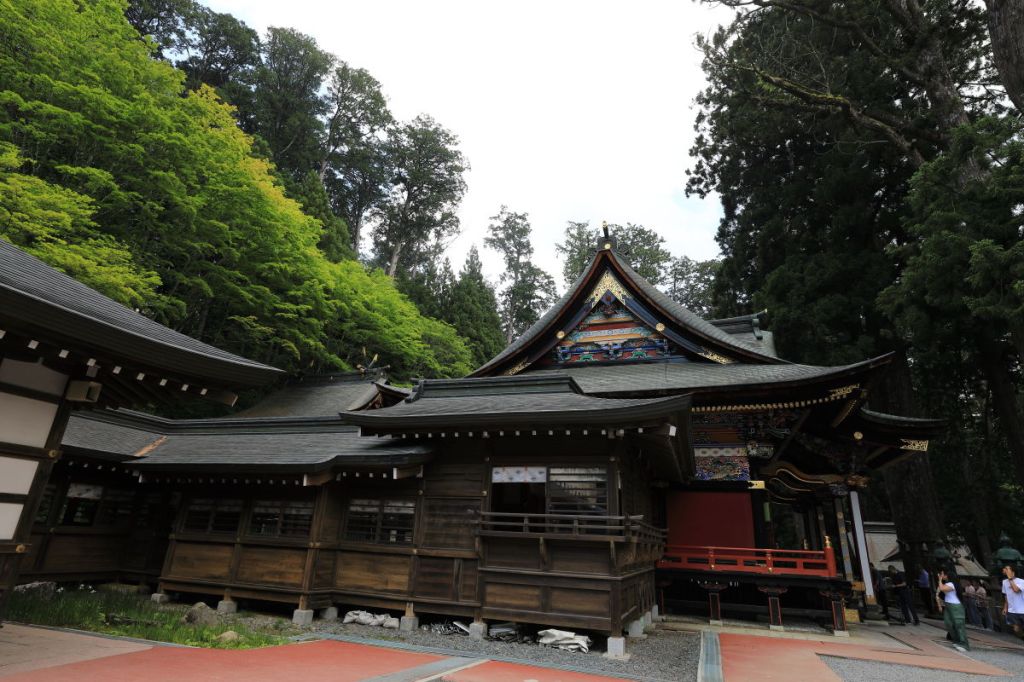
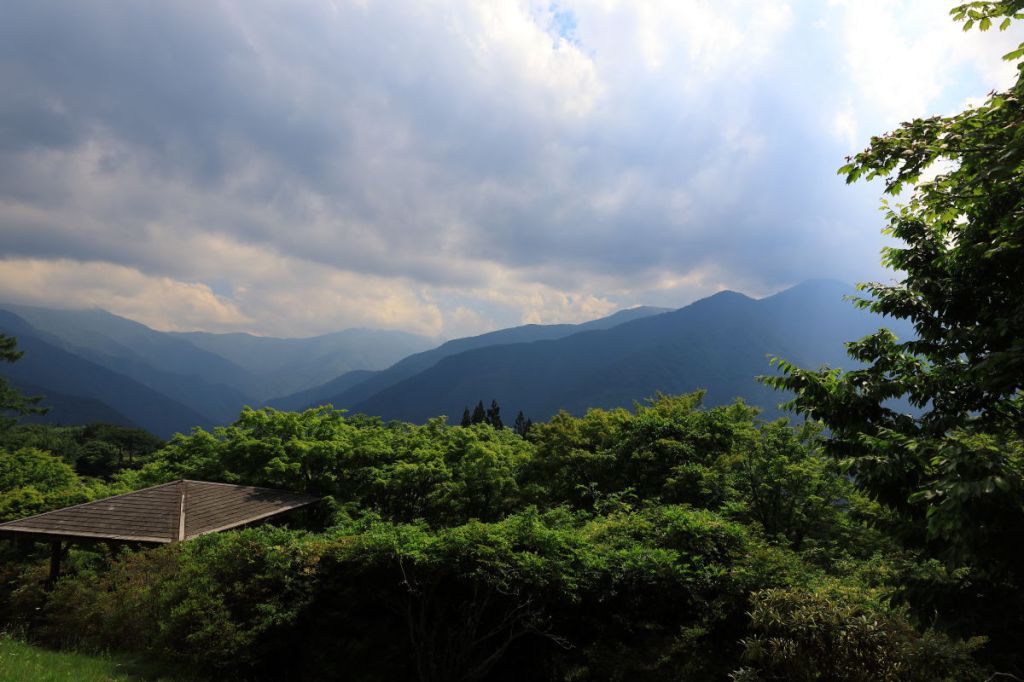
The shrine is located at an altitude of 1,100m, and as a refreshing breeze blows, you can see the Chichibu mountains in the distance.
After visiting the shrine, I returned along the Chichibu route and got on the Kan’etsu Expressway at Hanazono IC, returning home safely. This time, it was during the rainy season, so I was worried about rain, but it didn’t rain except when I left home, and I was able to visit the tourist spots as planned. I was able to take a dip in two famous hot springs and have a delicious meal, so it was a very satisfying trip.
 旅好き爺の旅行記
コメントを残す