

To avoid the crowds during the Obon (August 15) holidays and escape the scorching heat of Tokyo, I took a 5-night, 6-day trip in my car from Sunday, August 17th to Friday, August 22nd, mainly visiting traditional hot spring resorts in Tohoku.
(Itinerary)
My home in Tokyo→ Fuboukaku Hot Springs in Aone Onsen, Miyagi Prefecture → Hirosaki City in Aomori Prefecture → Tsuta Onsen in Aomori Prefecture → Goshogake Onsen in Akita Prefecture → Tamagoyu Hot Springs in Takayu, Fukushima Prefecture → My home. The car mileage was just under 1,800 km.
August 17th (Sun)
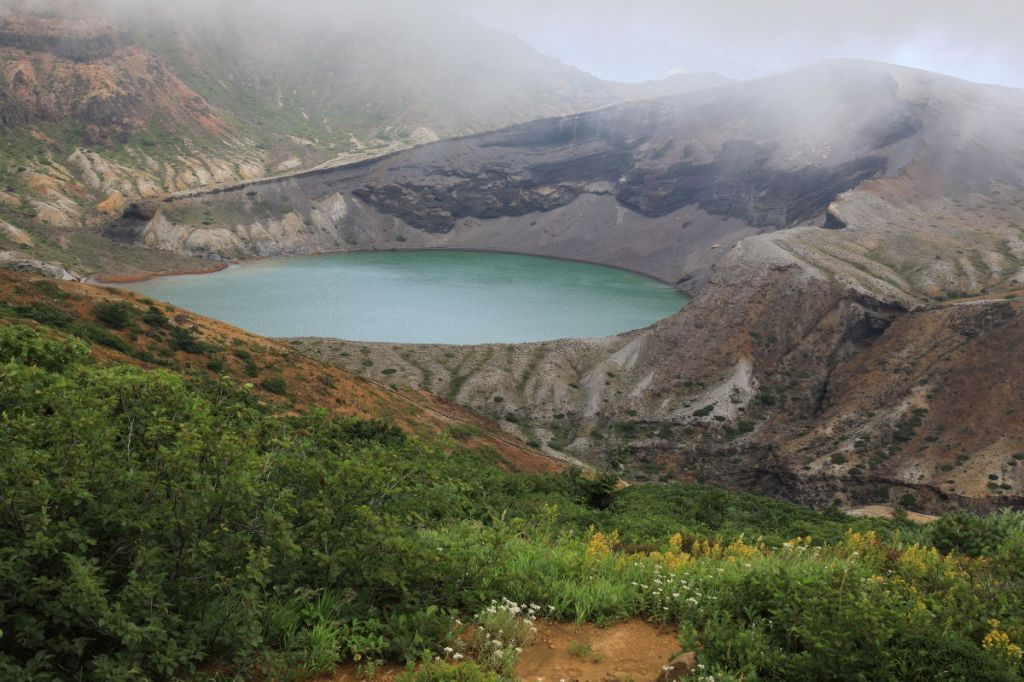
I left my home in Tokyo in my car a little after 6:00 AM, got on the Tohoku Expressway, had breakfast in Hasuda SA, got off at Shiroishi IC, and headed first for the summit of Mount Zao. As I approached the summit, clouds began to appear, but I was able to see Okama Crater Lake, the symbol of Miyagi Zao. It is a beautiful crater lake filled with emerald green water. At an altitude of around 1,700m, it was cool, as expected.
It was lunchtime, so I had the famous kamakatsudon set at the mountaintop rest house.
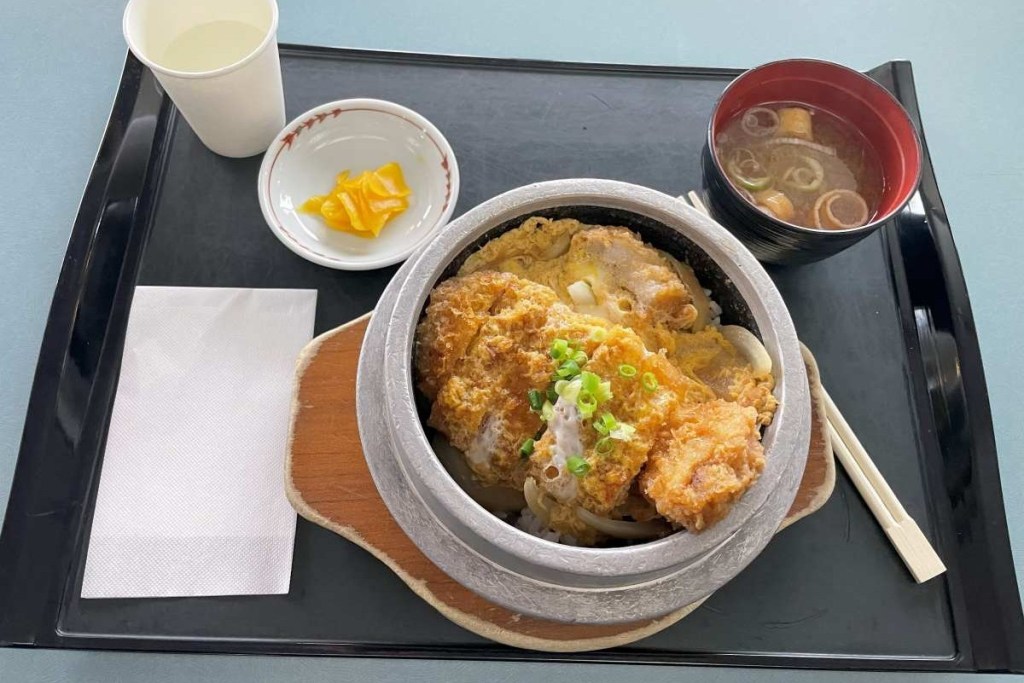
I had high expectations for the cutlet, which was made with Zao brand pork, but I was a little disappointed as it was just a bland, ordinary cutlet bowl.
From here, I headed to Aone Onsen, our lodging for the night, at the foot of Mt. Zao. Our lodging for the night is Fuboukaku, a member of the Society for Preserving Secret Hot Springs in Japan. It was named Fuboukaku 470 years ago when Date Masamune (Japanese Daimyo in Tohoku region in Edo era) stayed there and named Fubokaku. There was a hot spring chief priest here who received a high stipend from the Date clan, and the current chief is in his 21st generation, giving it a sense of history. Writers such as Akutagawa Ryunosuke and Yamamoto Shugoro have also stayed here.
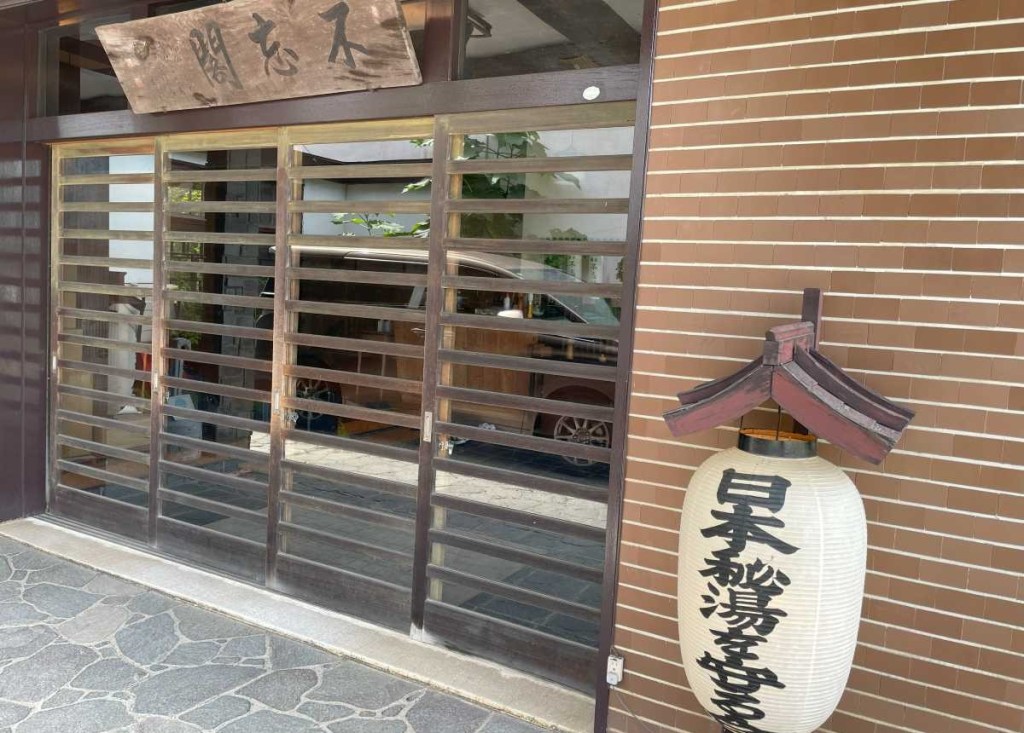
After taking a short rest in my room, I headed to the hot springs. There are five baths here: Gotenyu, Oyu, Kurayu, Shinyu, and Inosuke-no-yu, all of which have a traditional appearance. There was also a sign for Oyu hanging at the entrance.
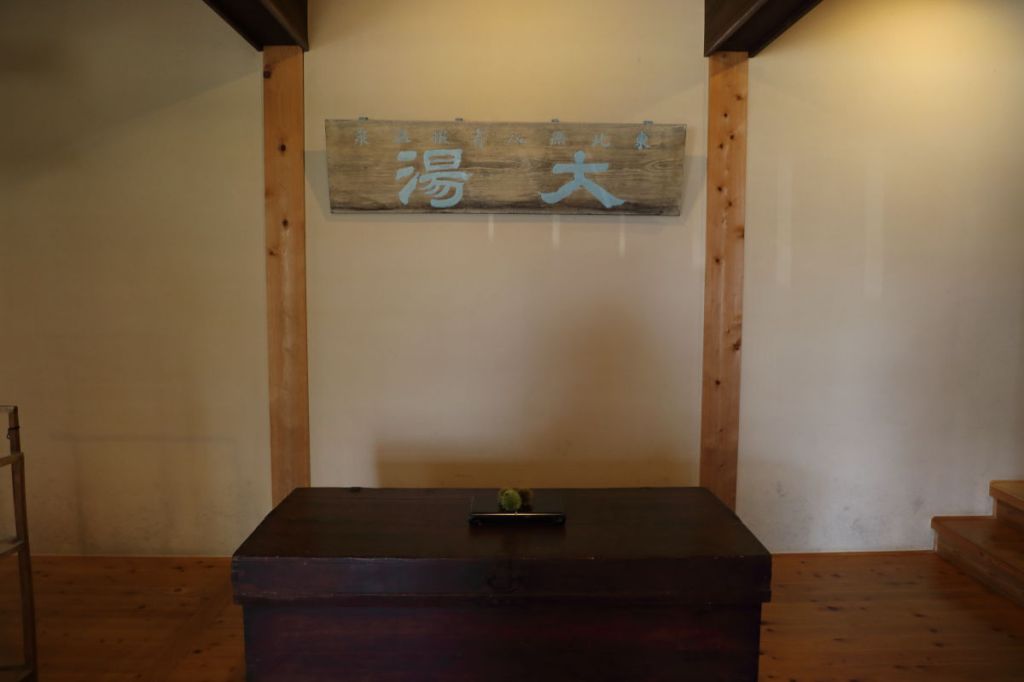
The spring quality is simple hot spring, but the water is gentle, clear, and smooth with little irritation, and it is a hot spring that flows directly from the source. The photo is a screenshot of the Oyu hot spring on the inn’s website.

From the room, you can see the building, which is a nationally registered tangible cultural property, and Oyu is in the back on the right. Gotenyu and Inosuke-no-yu are located there.

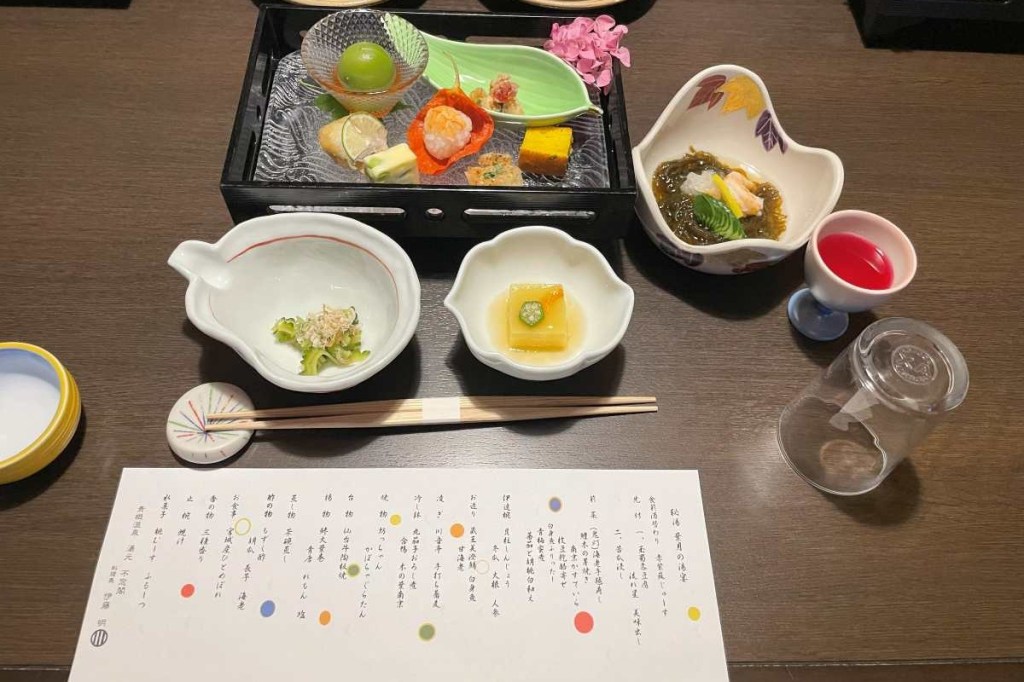
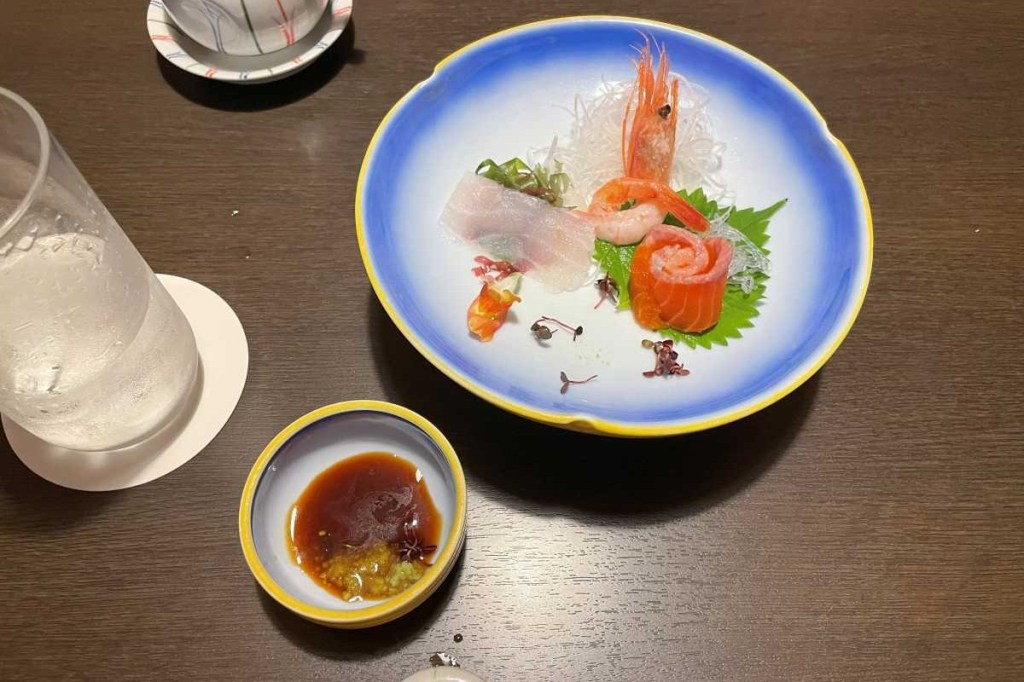
Dinner is a kaiseki meal.
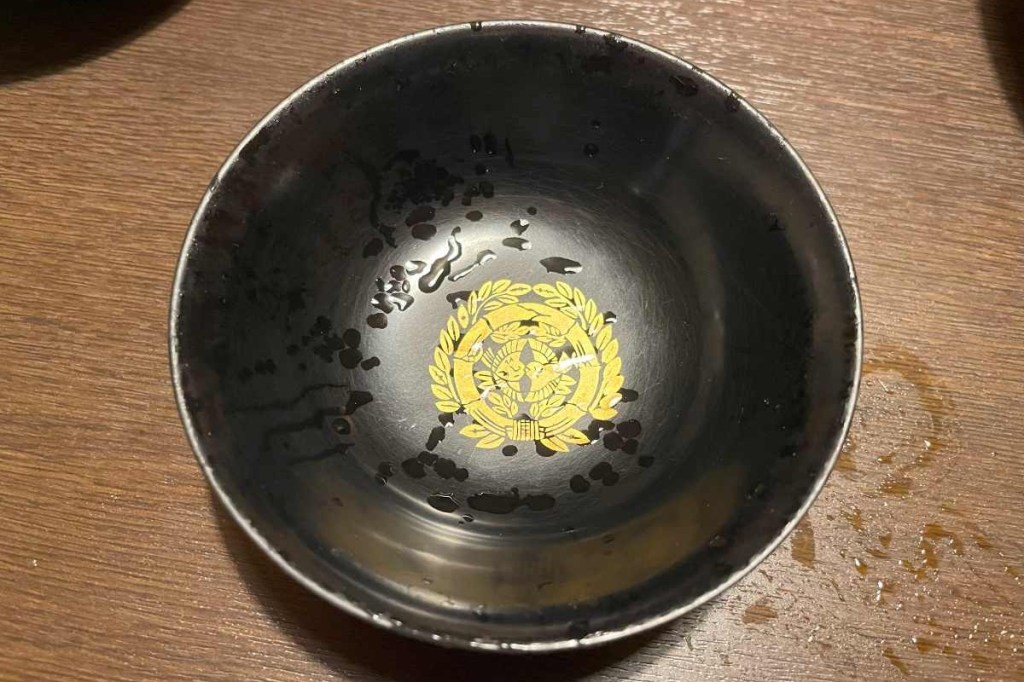
The back of the soup bowl had the Date clan crest painted on it.
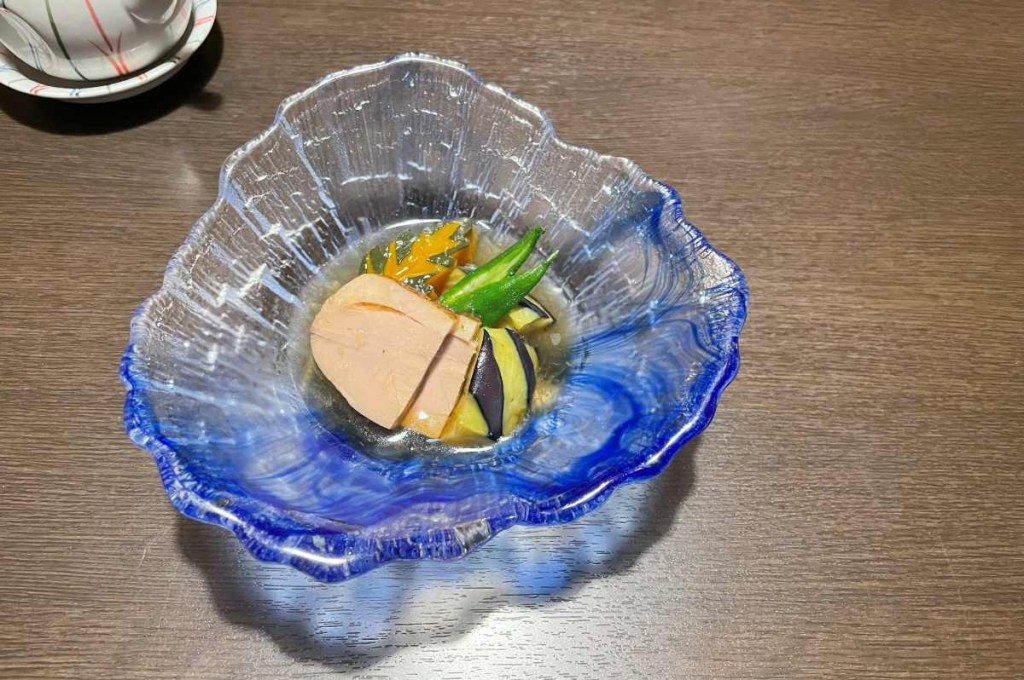
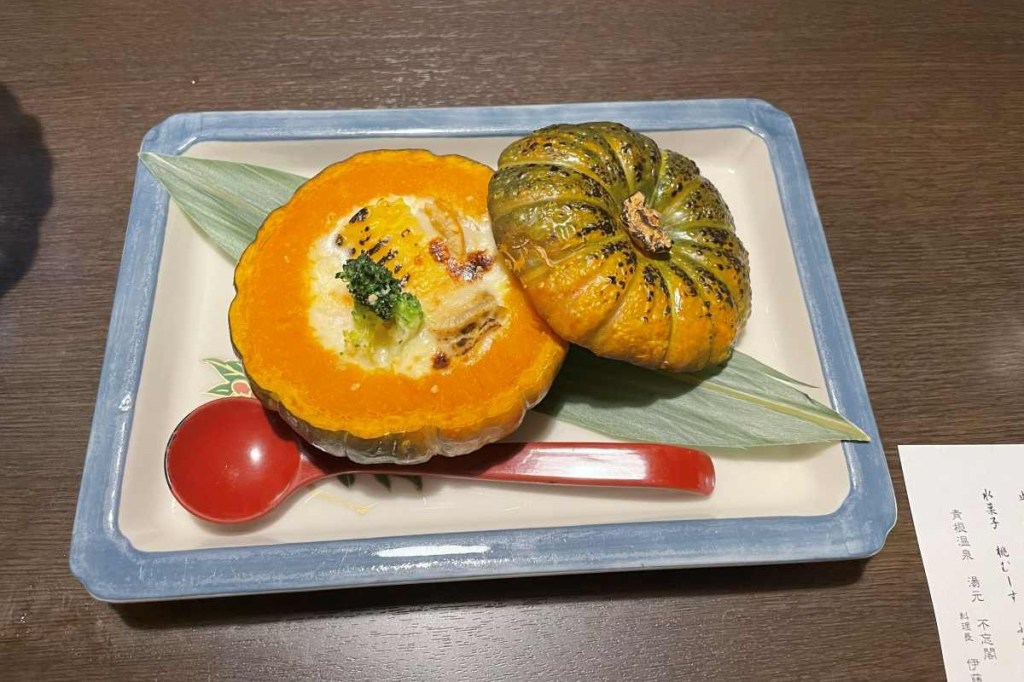
The Bochan pumpkin gratin was especially delicious.
August 18th (Mon)
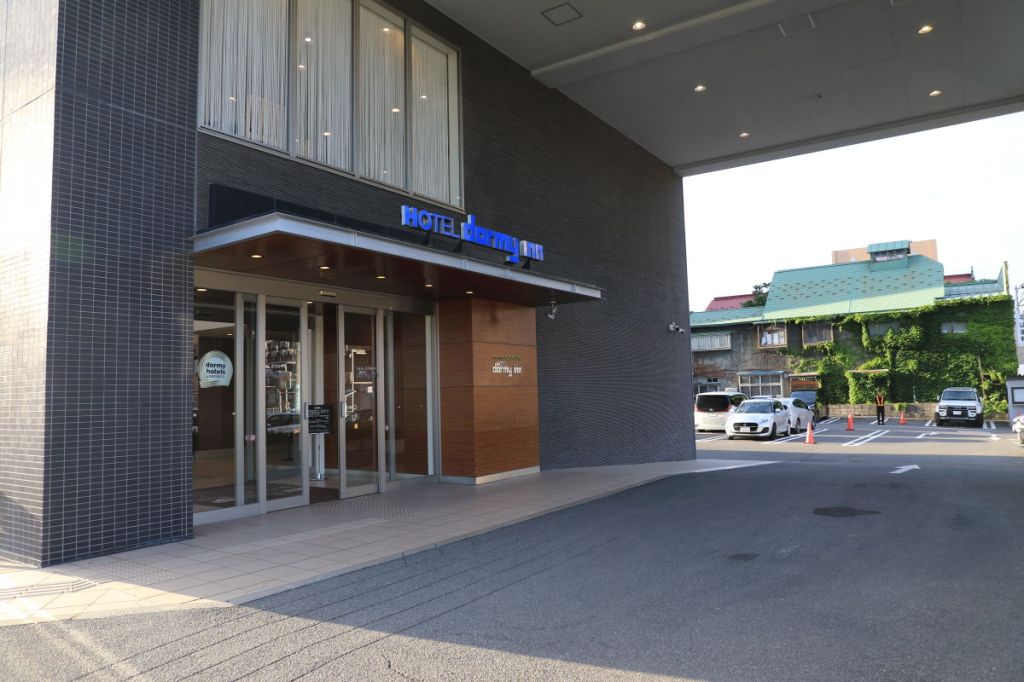
Today I’m heading north on the Tohoku Expressway again, heading for Hirosaki City. I’ve been to Hirosaki City many times on business trips, but I’ve never seen Hirosaki Castle, and although it’s not a hot spring resort, I decided to make it one of my destinations. My accommodation for the night is the Dormy Inn Hirosaki. Although it’s a business hotel, it has a bathhouse on the top floor called Iwaki Sakura no Yu, which uses natural alkaline simple spring water, giving you the feeling of being in a hot spring.
There is an open-air bath on the left side, and you can see the beautiful Mt. Iwaki. The water is alkaline, so it feels slimy and feels good on the skin.

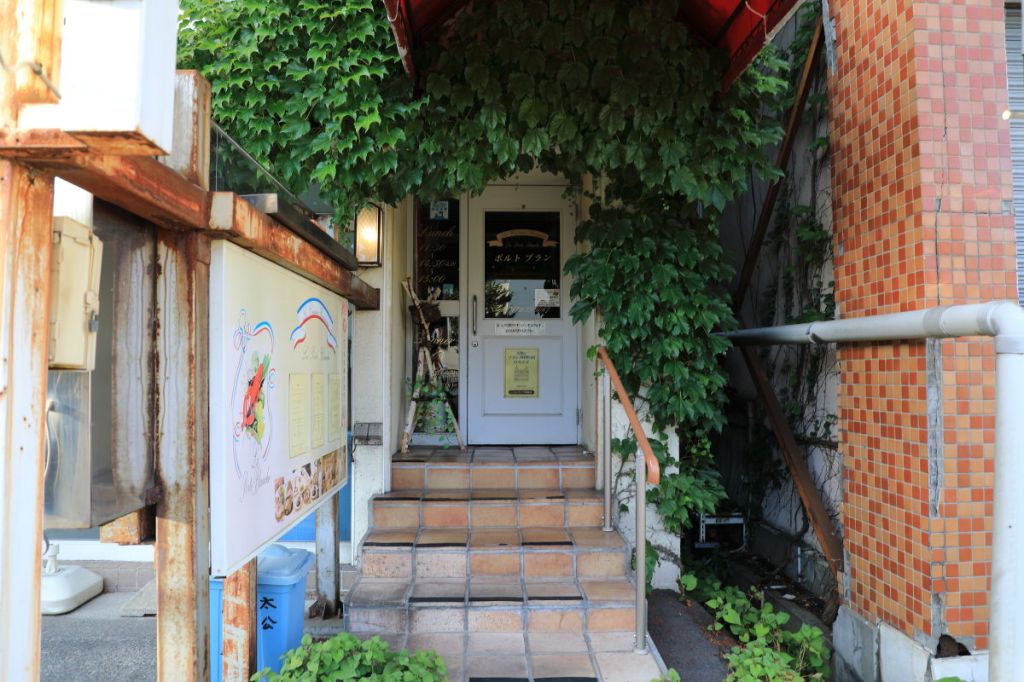
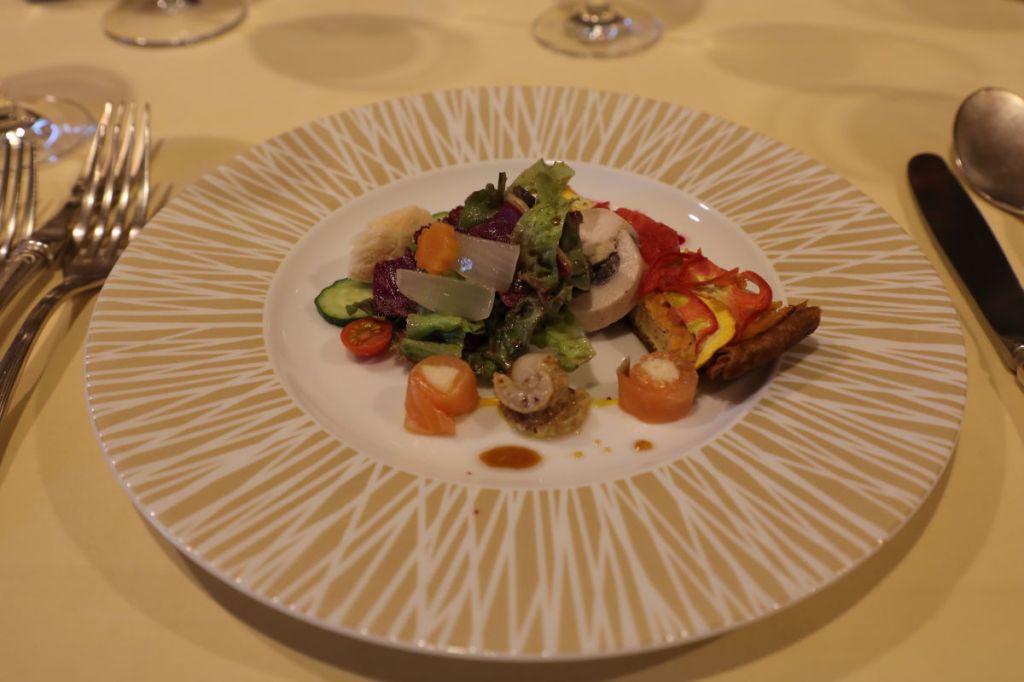
For some reason, Hirosaki City has a lot of French restaurants, and I had dinner at one of them, a restaurant called Port Blanc. I ordered the chef’s choice full course meal, which cost 5,800 yen, which is quite cheap compared to Tokyo.
I ordered a French white wine called Cheverny.

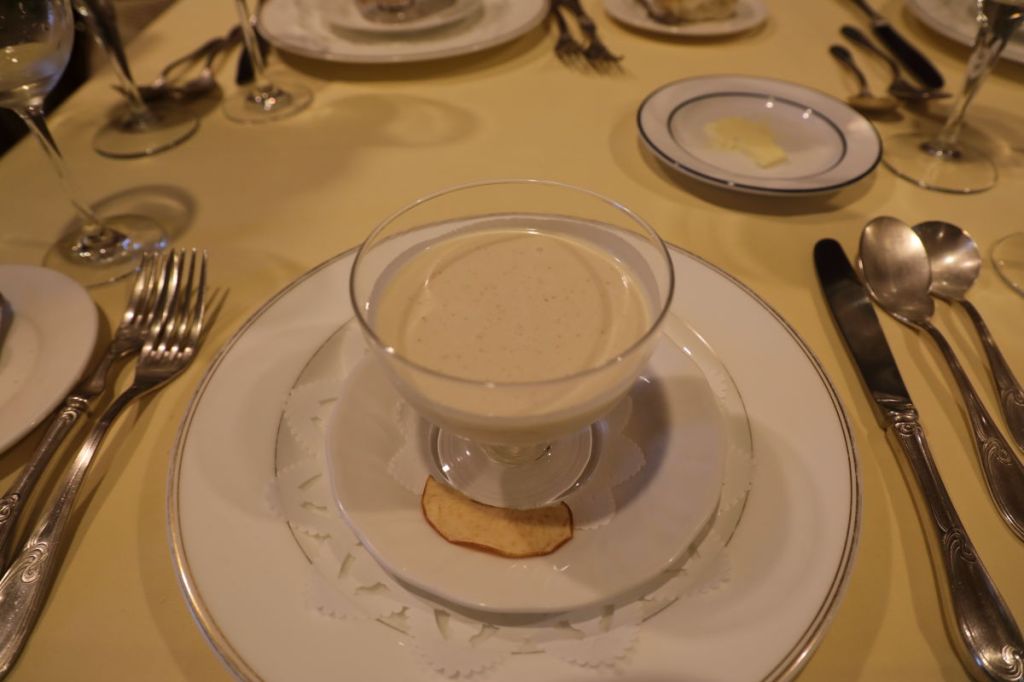
I ordered the cold apple cream soup, which is their specialty. It’s sweet just from the apples, but it’s more like a dessert than a soup, and it’s delicious, but I wouldn’t recommend ordering it as a soup.
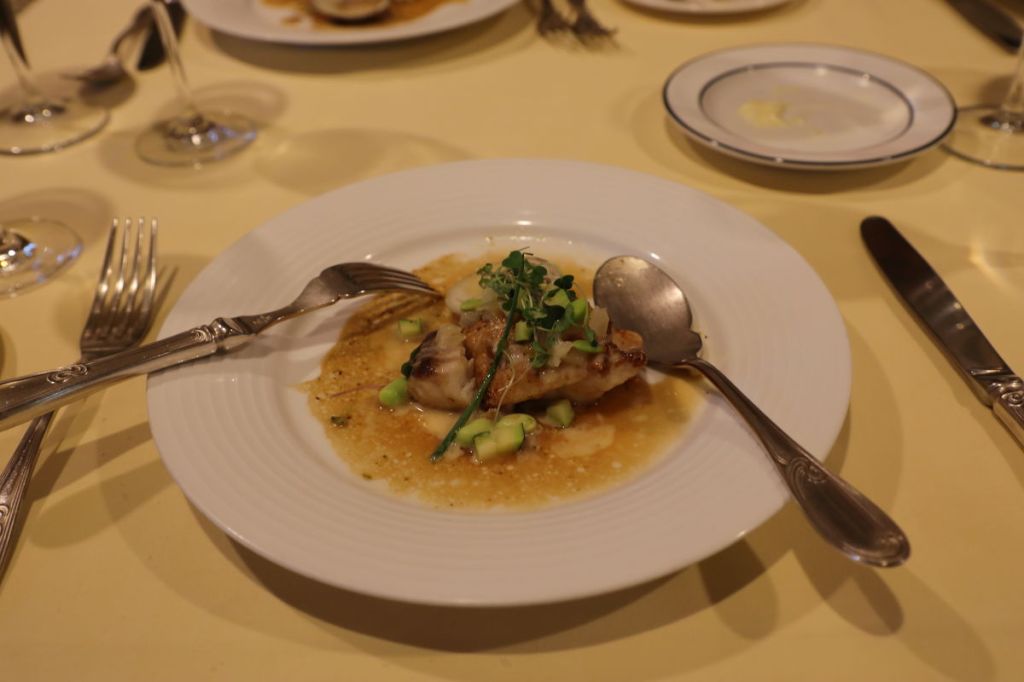
It was sauteed Shirakami flounder, but the sauce was a little sweet and didn’t seem to bring out the natural flavor of the fish.
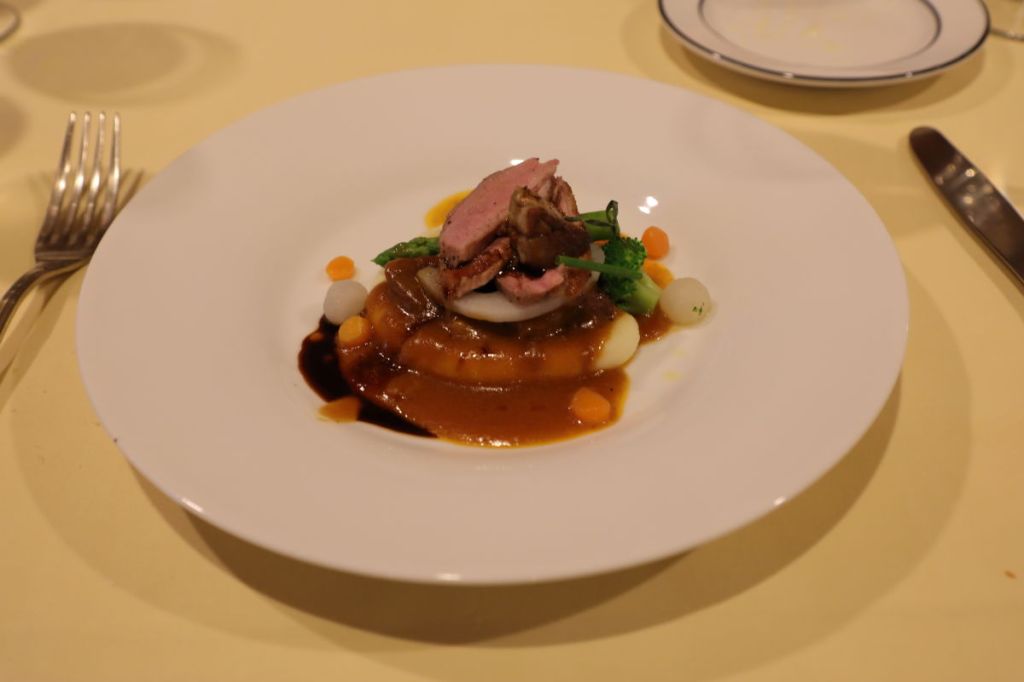
Three-tiered stew of foie gras, duck loin, and braised beef
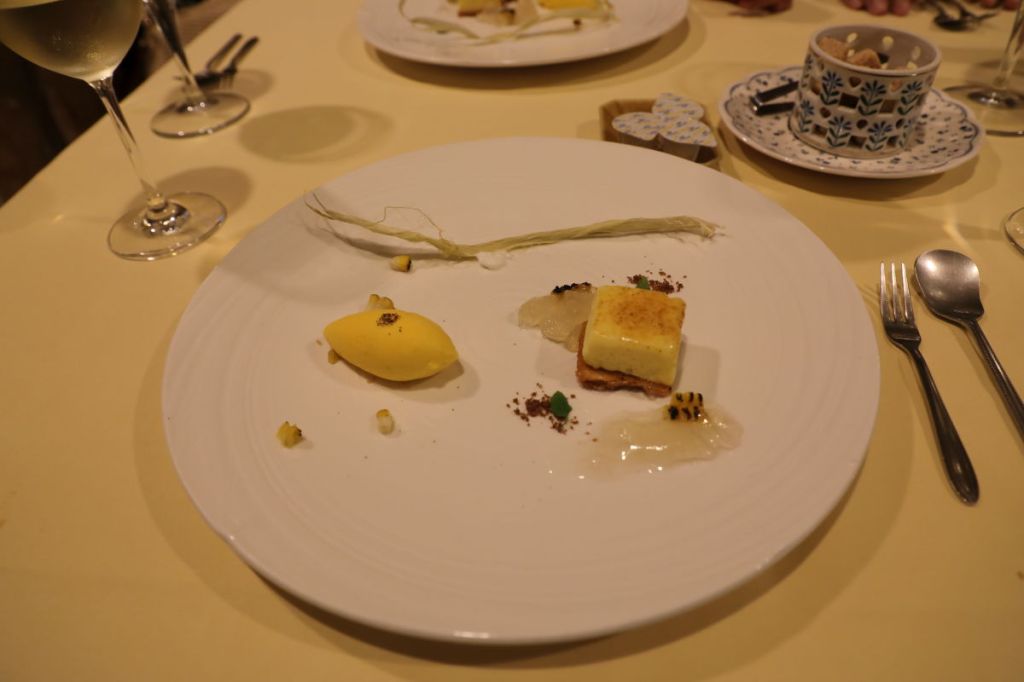
The price was cheap, but it was a bit disappointing for French food.
August 19th (Tue)
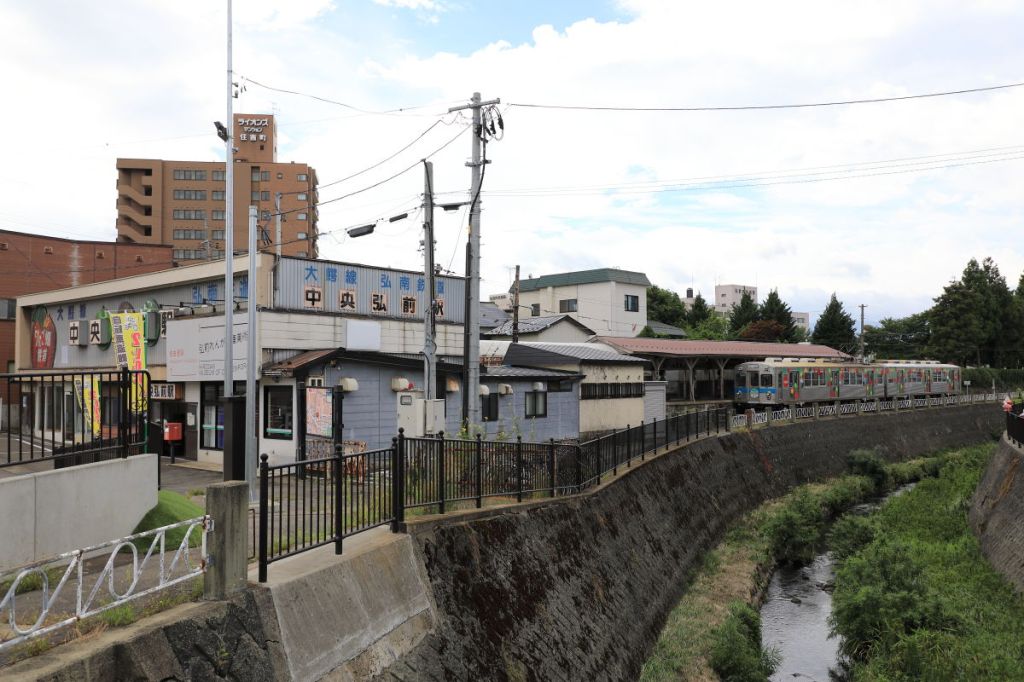
This morning, I went sightseeing in Hirosaki city before heading to Tsuta Onsen. First, I left my car at the hotel and walked around the area. As I walked, I saw Chuo Hirosaki Station on the Owani Line. This railway, nicknamed the “Apple Orchard Railway,” connects Hirosaki and Owani.
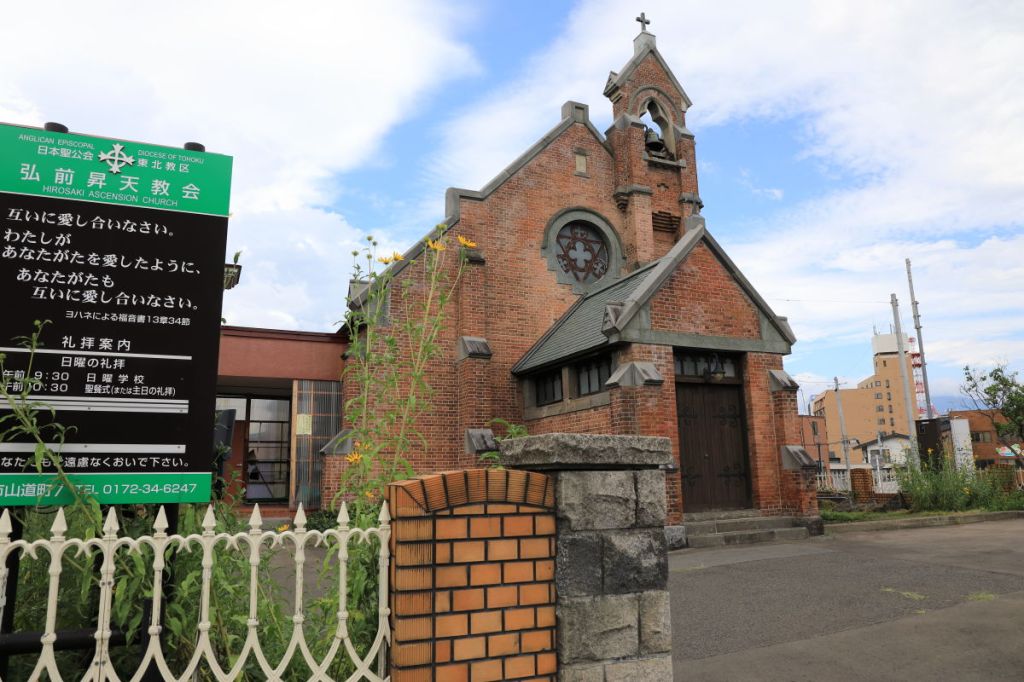
Next to the station is the Gothic-style Hirosaki Ascension Church, built in 1920.
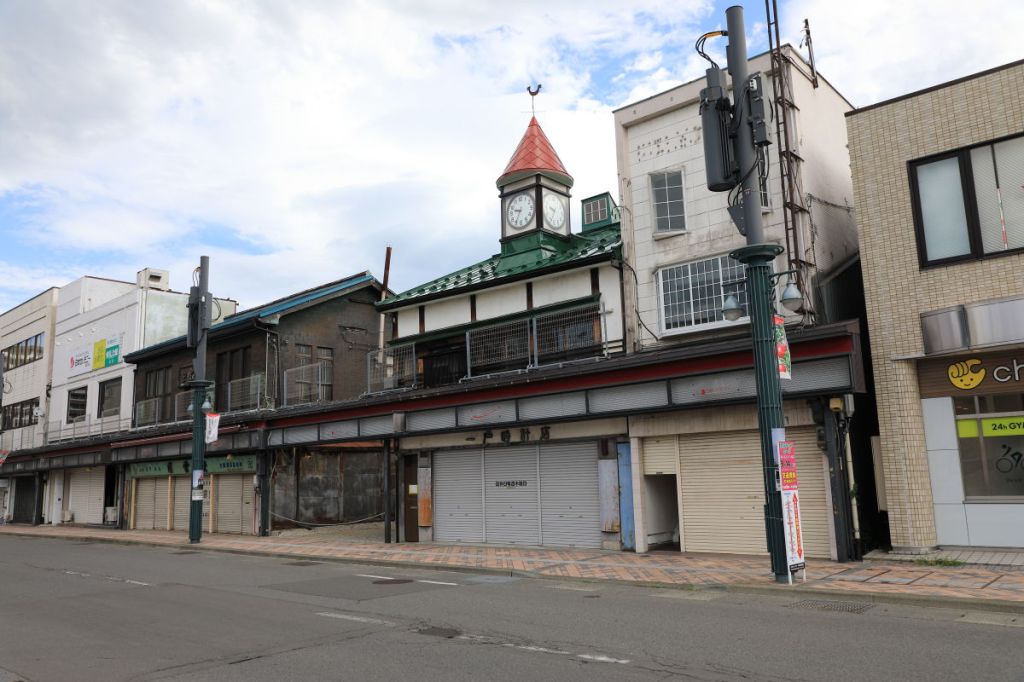
There was the clock tower of Ichinohe Watch Shop, one of the symbols of Hirosaki City. The watch shop itself is closed, but the building has been designated as a quaint building by Hirosaki City. I noticed that there were many shops with their shutters closed in the area.
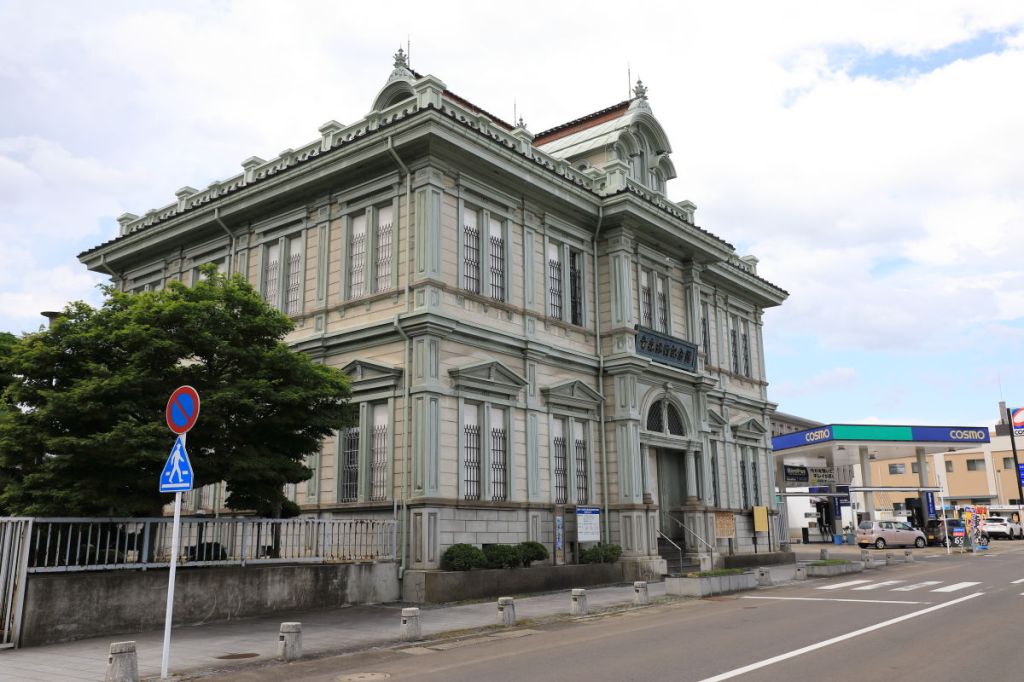
After walking for a while, you will come across the former head office of the 59th Bank, which was built in 1904 and became the parent company of Aomori Bank. It has been designated an Important Cultural Property of Japan and is now the Aomori Bank Memorial Hall.
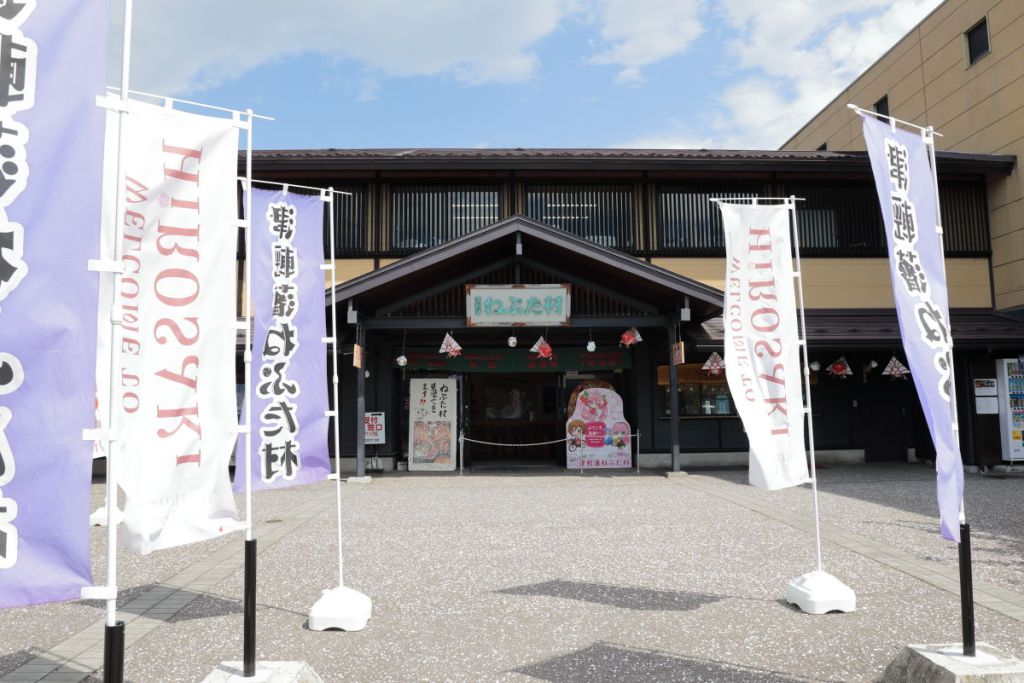
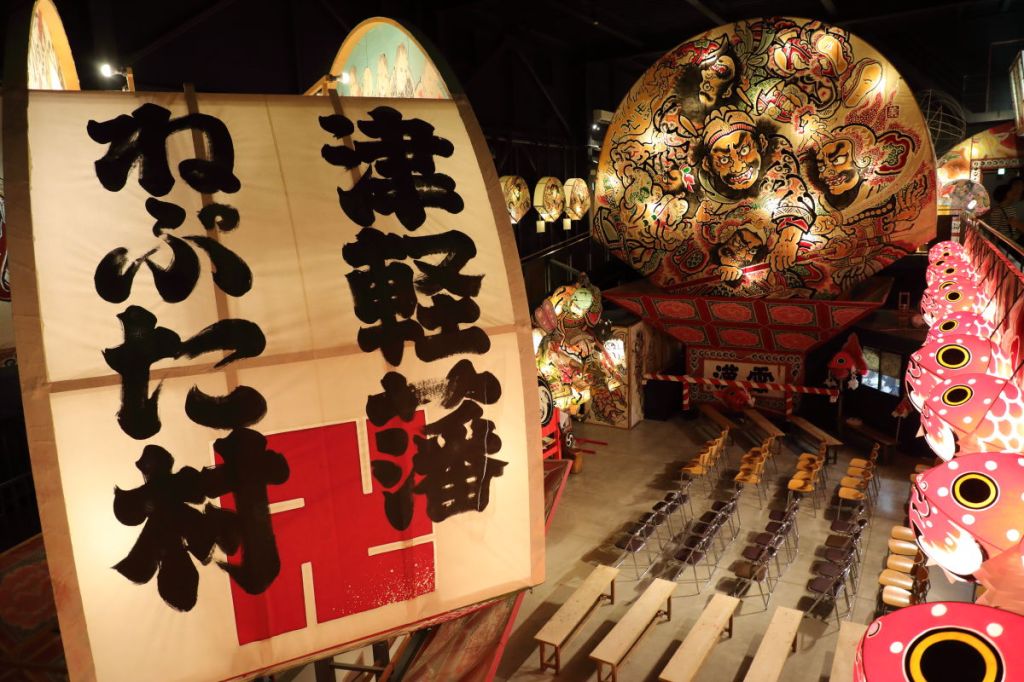
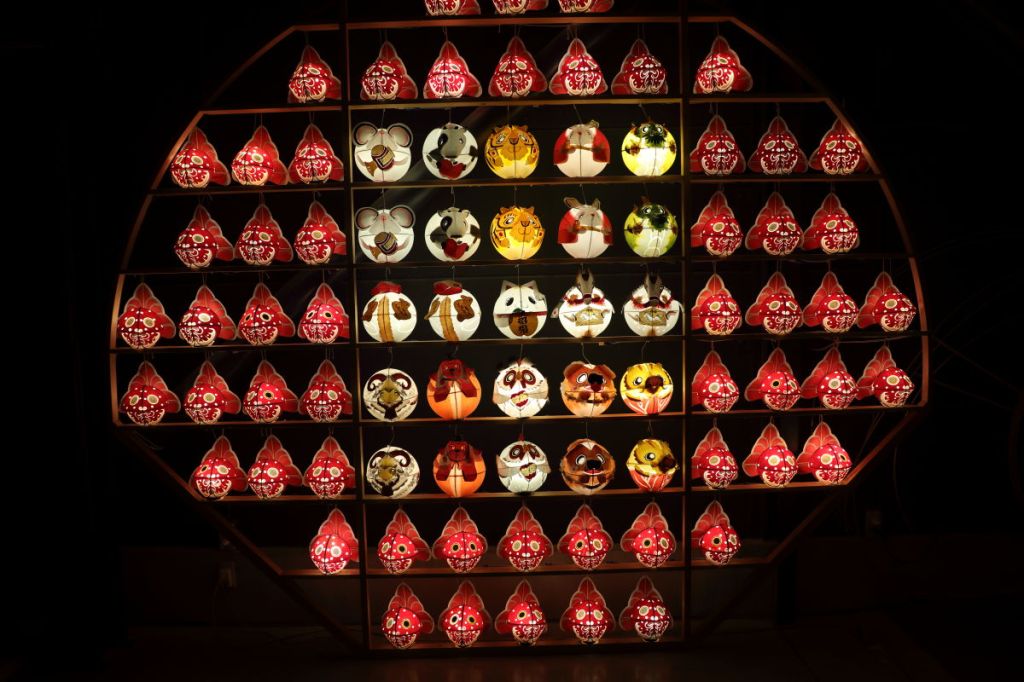
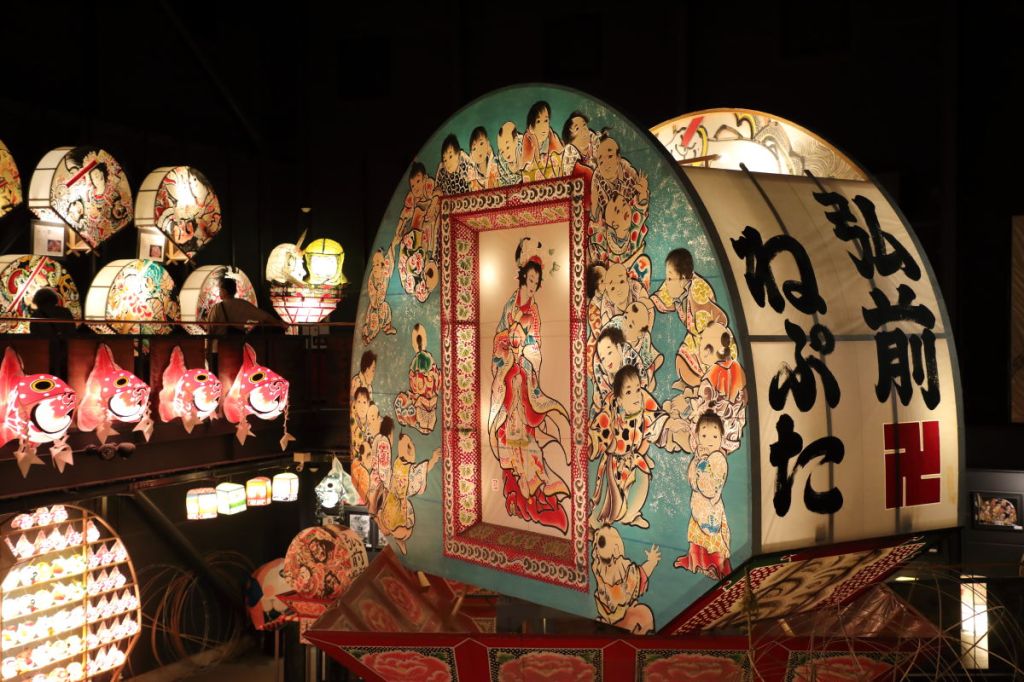
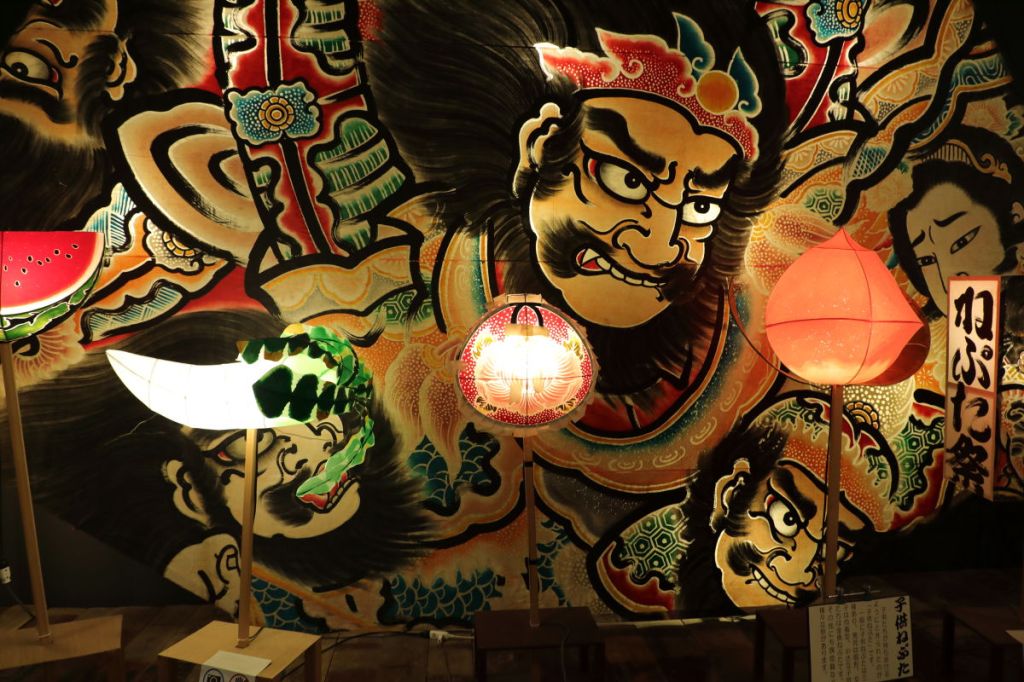
I got in the car and headed to Tsugaru Domain Neputa Village. Neputa or Nebuta festivals are held all over Aomori, but the Neputa in Hirosaki is said to have originated. The word “Neputa” comes from the Tsugaru dialect, “neputi,” referring to the drowsiness that overcomes farmers in the summer, while “Nebuta” seems to be a dialect of other regions. It seems that the original floats were lanterns floating down the river, but now they have evolved into fan-shaped floats, as depicted in nishiki-e prints.
There were also Tsugaru shamisen performances in the hall every hour or so.
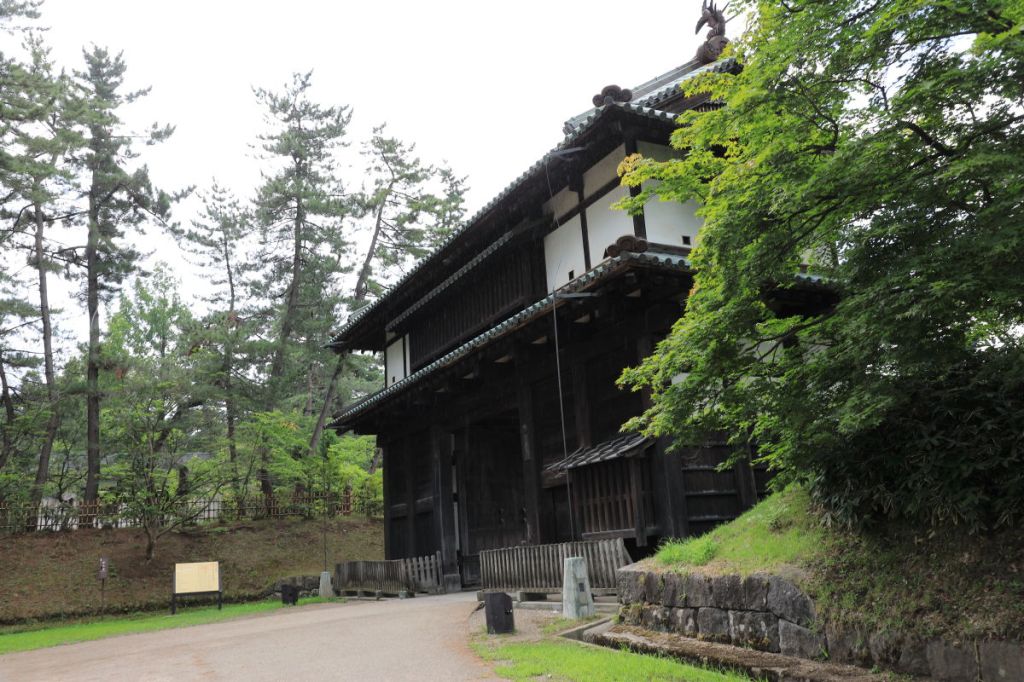
Next, I headed to Hirosaki Castle. The first thing that greeted us was the Sannomaru East Gate. All of the buildings in Hirosaki Castle are designated as Important Cultural Properties.
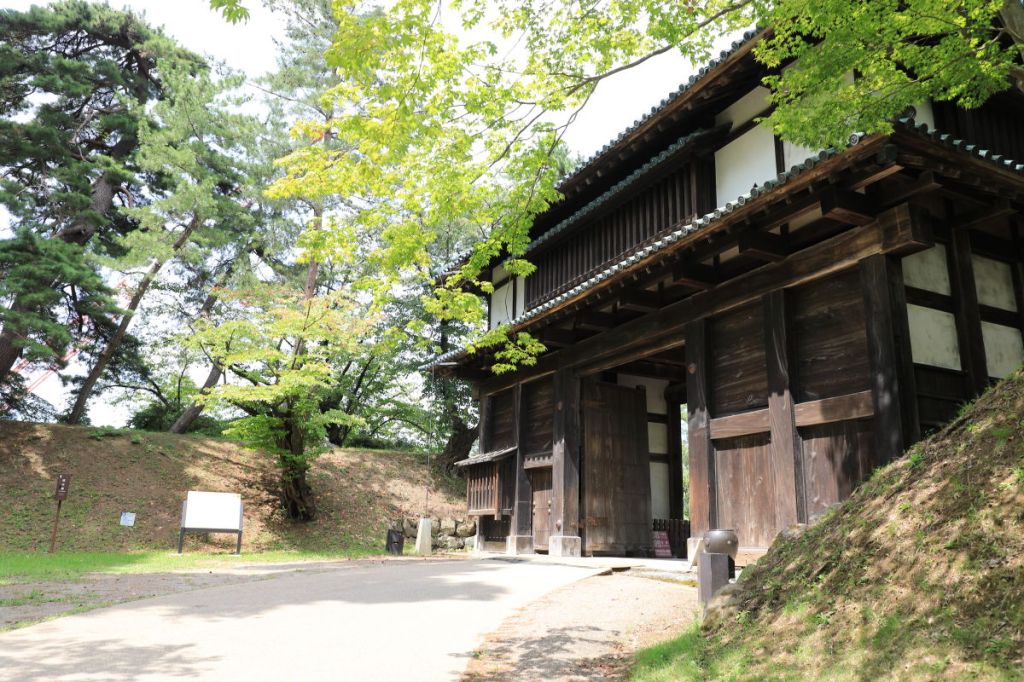
After walking for a while, I came across the Ninomaru East Gate.
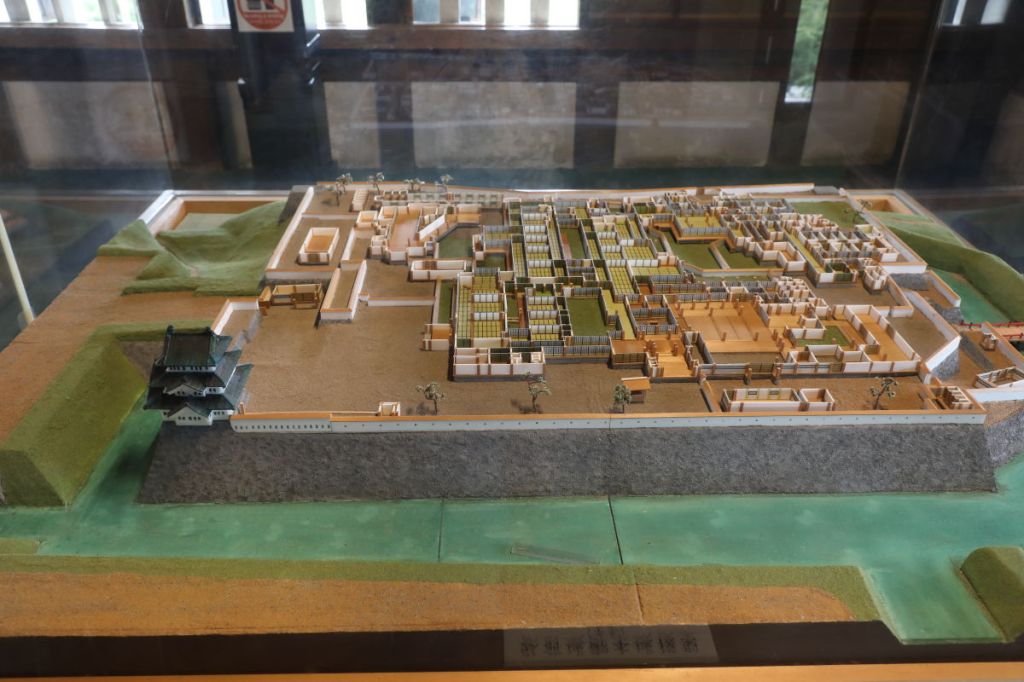
After paying the castle entrance fee, you will come across the paid area, where you will see the three-story castle tower, the only one still standing in the Tohoku region.
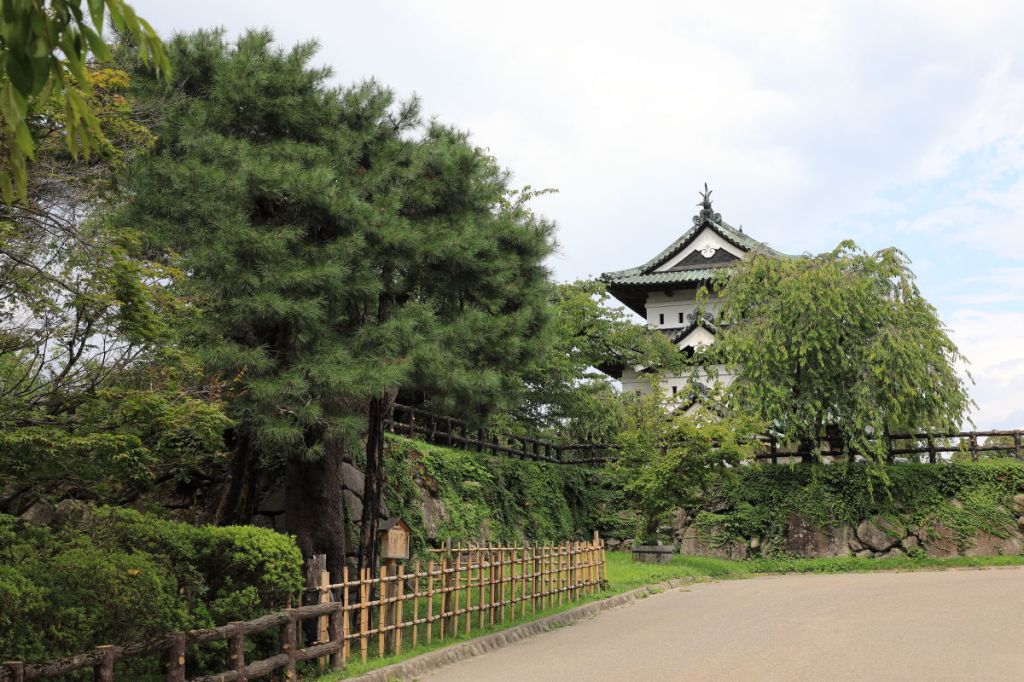
Hirosaki Castle was planned by Tsugaru Tamenobu, who unified Tsugaru region, and completed in 1611 by his second lord, Nobuhira. Originally it had a five-story castle tower, but it was destroyed by a lightning strike in 1627. The current castle tower was rebuilt in 1810 with permission from the Edo Shogunate, and is a three-story tower. Although it looks small, it appears to have been built in ancient style.

It was originally built in an unusual location in the southwest corner of the main castle, but it has now been temporarily moved inward due to repairs to the stone walls. I was surprised to see the castle tower itself being moved.
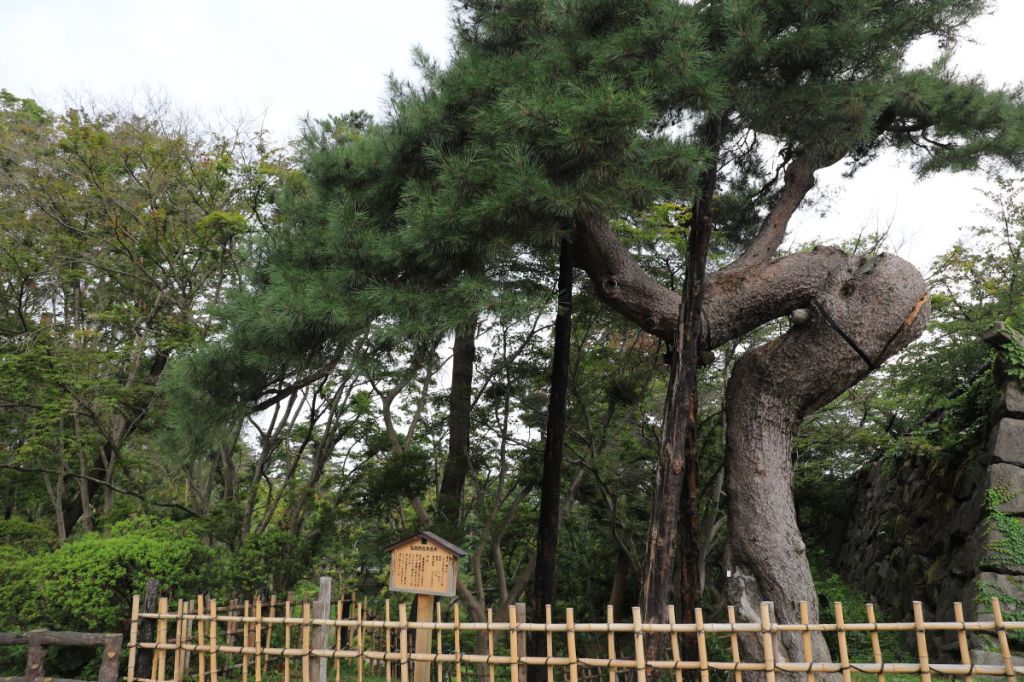
There are many large trees within the castle grounds, but the most impressive one is the Japanese black pine, which looks like a large bonsai. It is estimated to be 300 years old and has a trunk circumference of 6 meters.
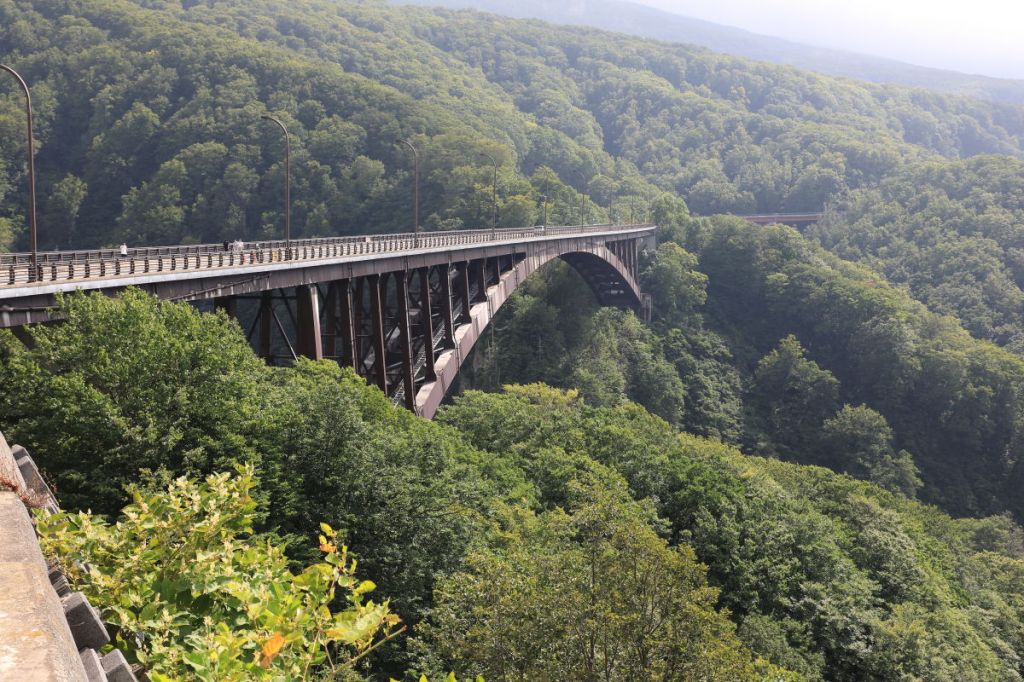
After sightseeing in Hirosaki city, I headed to Tsuta Onsen, driving through the forested mountains on the way.
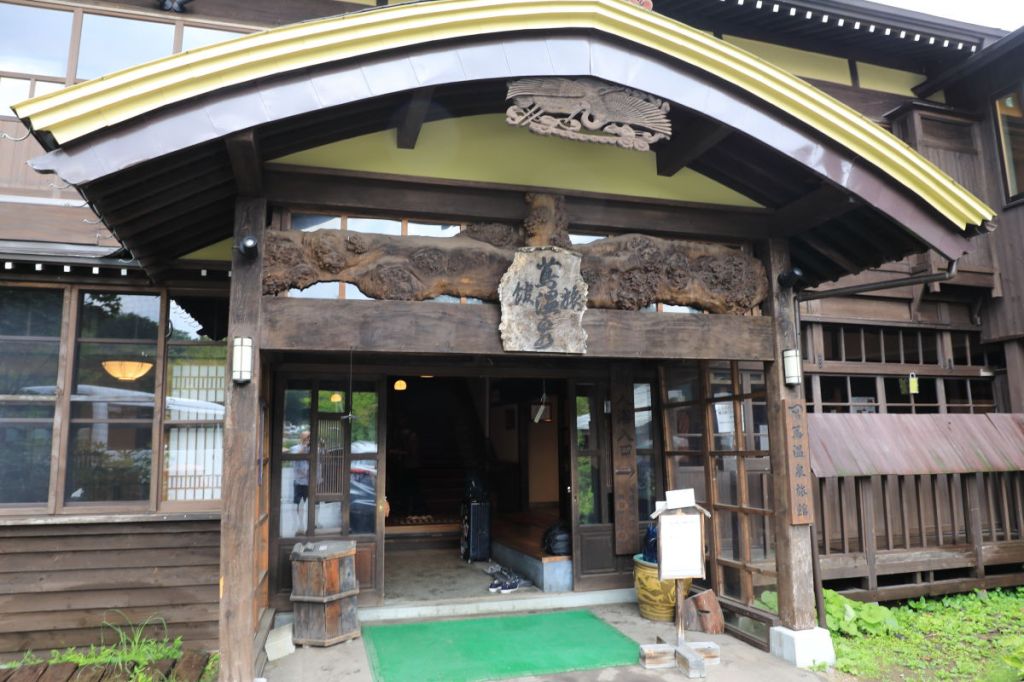
Today’s accommodation is Tsuta Onsen Ryokan. Tsuta Onsen is a hot spring with a history dating back nearly 1,000 years, with documents showing that there were therapeutic baths here as early as 1147. This main entrance was built in 1918.
The hot spring baths at this inn are built over the source, with the water flowing directly from the base, a rare style, the same as when I visited Hoshi Onsen in the past. All the baths have a traditional appearance, and the photo is a screenshot of Kyuan no Yu on the inn’s website. The spring water is a sodium-calcium sulfate-hydrocarbonate-chloride spring, and as it flows directly from the source, it has a powerful quality.

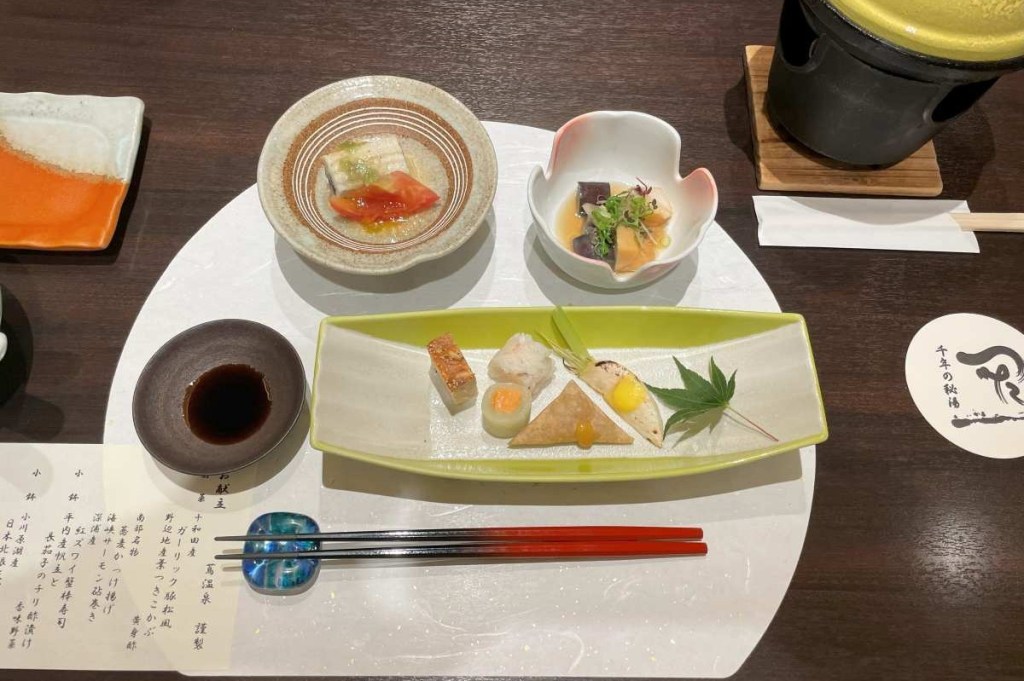
Dinner was a seasonal kaiseki course meal using local ingredients. The small round dish on the top left was white-grilled wild eel from Lake Ogawara, the northernmost part of eel lived in Japan.
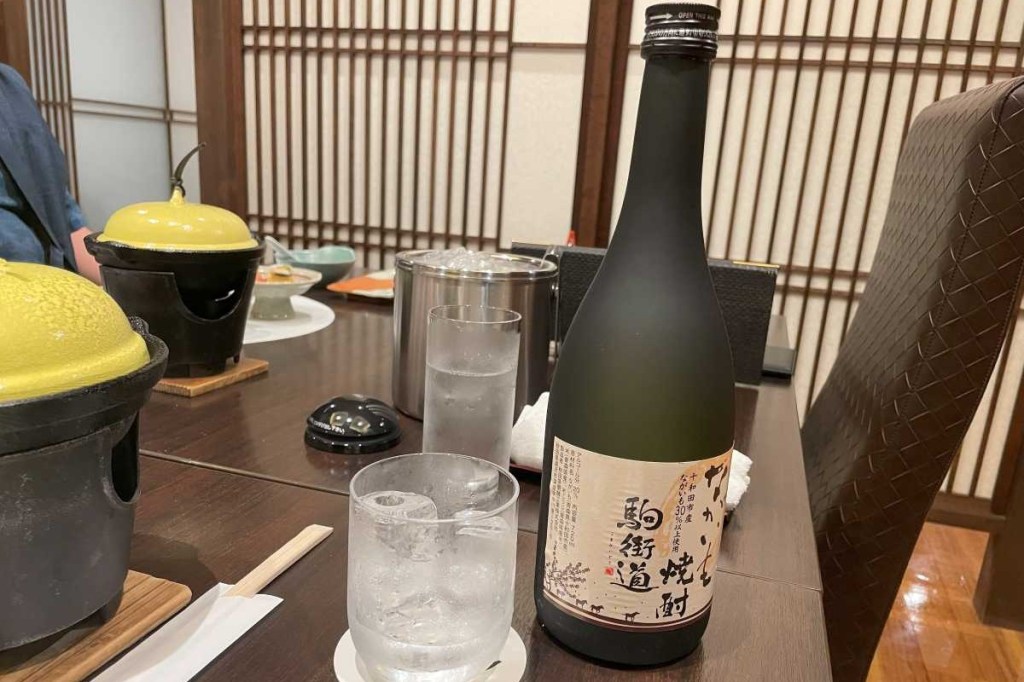
I ordered a shochu made with Nagaimo (Japanese yam) from Lake Towada. It was easy to drink.
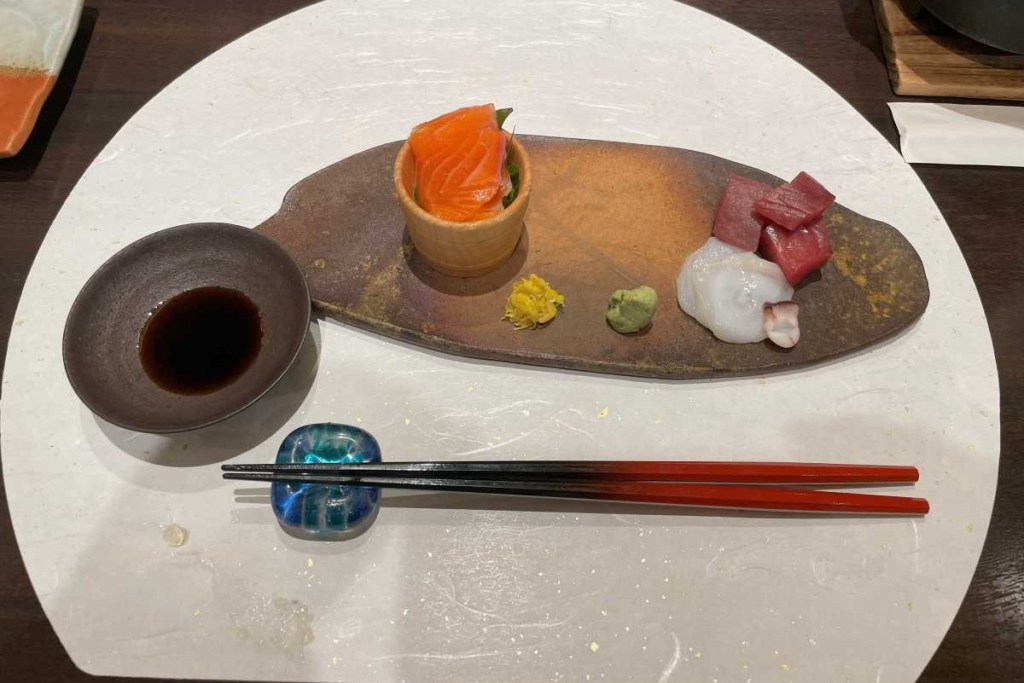
Sashimi of bluefin tuna from Fukaura, water octopus from Hachinohe, and rainbow trout from Lake Towada
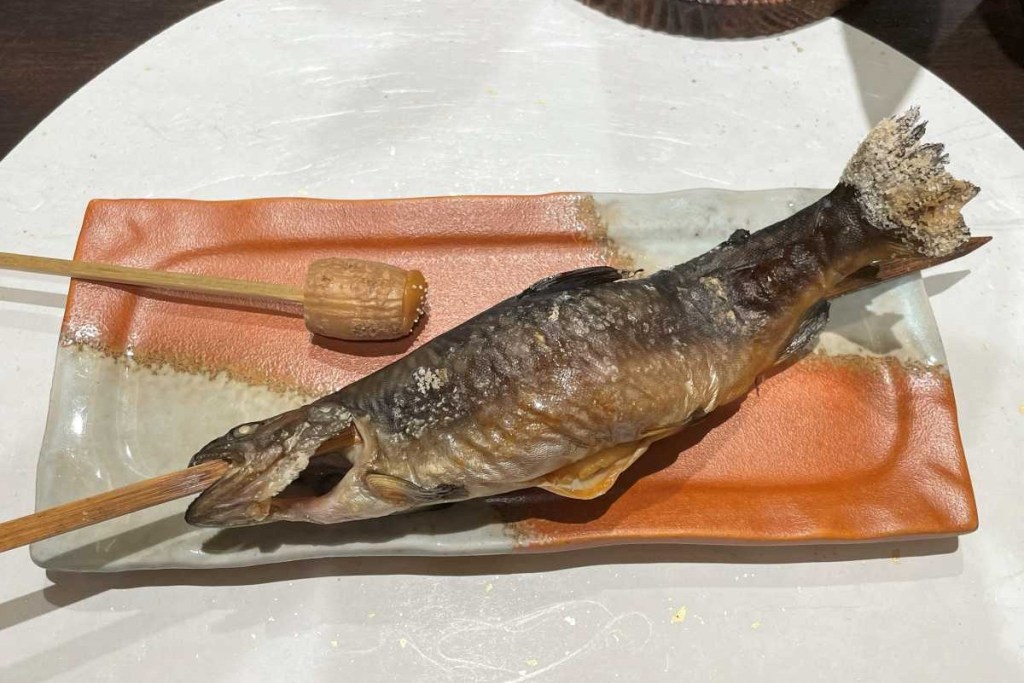
Grilled whole char from Lake Towada
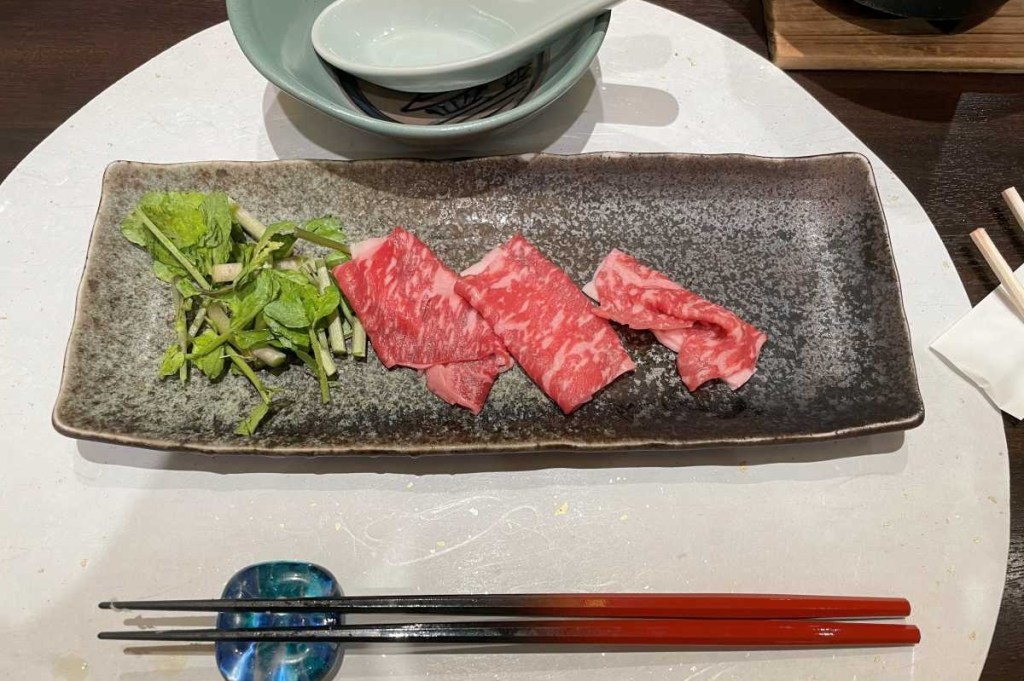
Lake Ogawara beef sirloin and green onion shabu-shabu
August 20th (Wed)
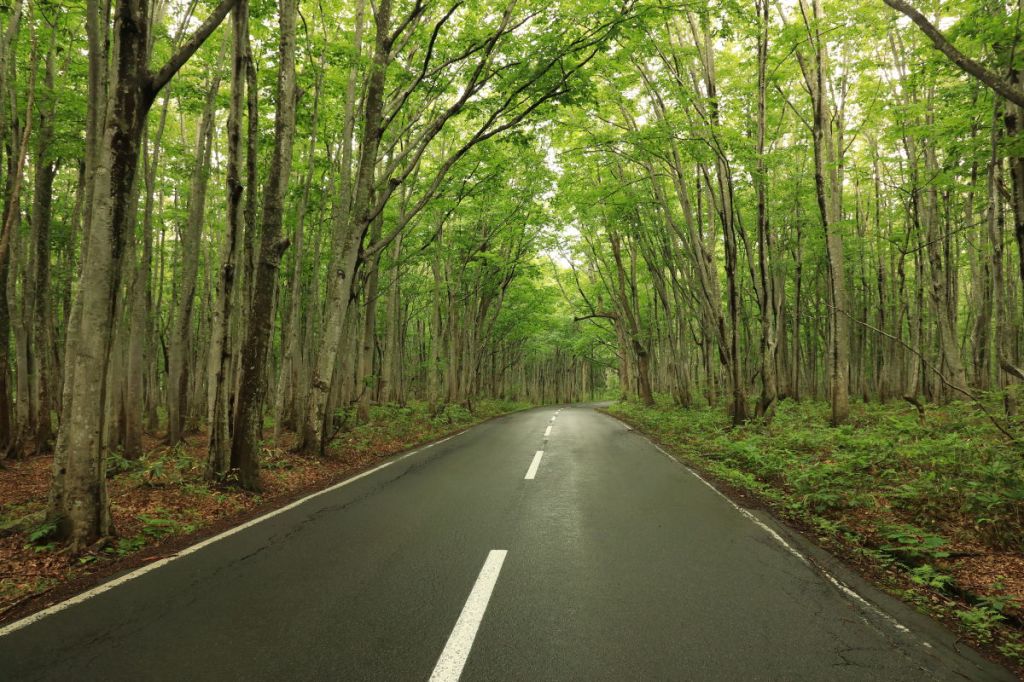
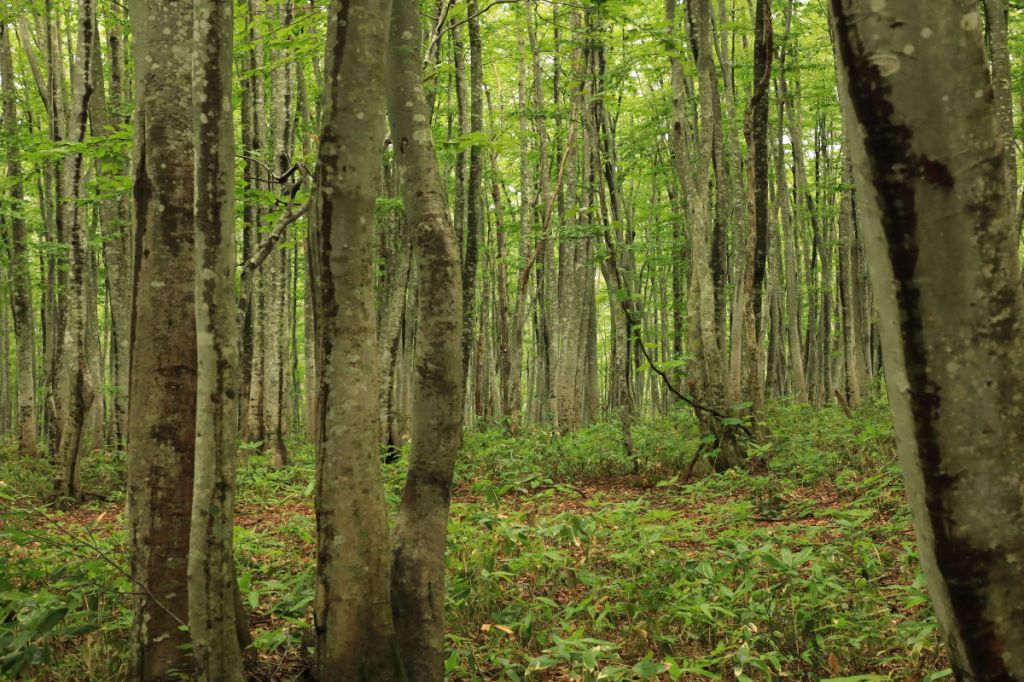
Today, I had planned to go to Lake Towada, passing by Tsuta-numa and the Oirase Gorge near my lodging, and then go to Goshogake Onsen in Akita, but the road to Oirase was closed due to a landslide caused by the heavy rain that began yesterday, so I was forced to return to Kuroishi the way I came and go to Lake Towada. The road through the beech forest was very beautiful.
Just as I was approaching Lake Towada, the road was again closed due to a landslide, so I gave up on Lake Towada and returned to Kuroishi in the fog and rain, deciding to go directly to Goshogake Onsen. The river beside the road was a muddy brown torrent, and I could imagine that the Oirase Gorge was also muddy. A section of the Tohoku Expressway was also closed, so I took a rather long detour before finally arriving at Goshogake Onsen. My lodging for the night was the Goshogake Onsen Ryokan. Goshogake Onsen is a hot spring that has been around for about 300 years and is characterized by its acidic sulfur springs.
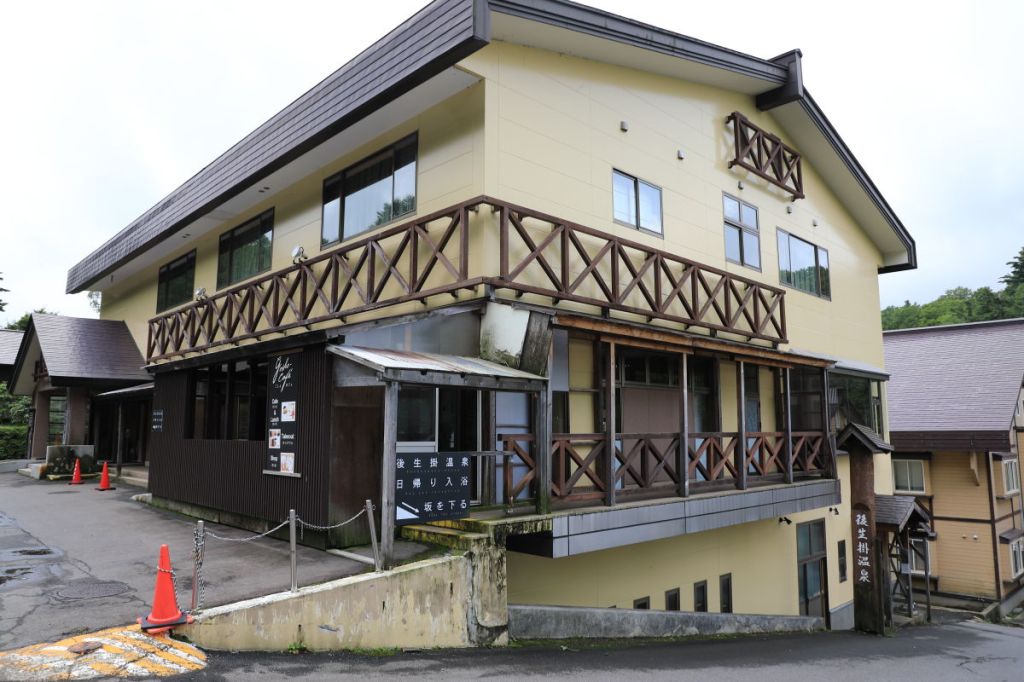
Steam from the hot spring rises from the riverbank in front.
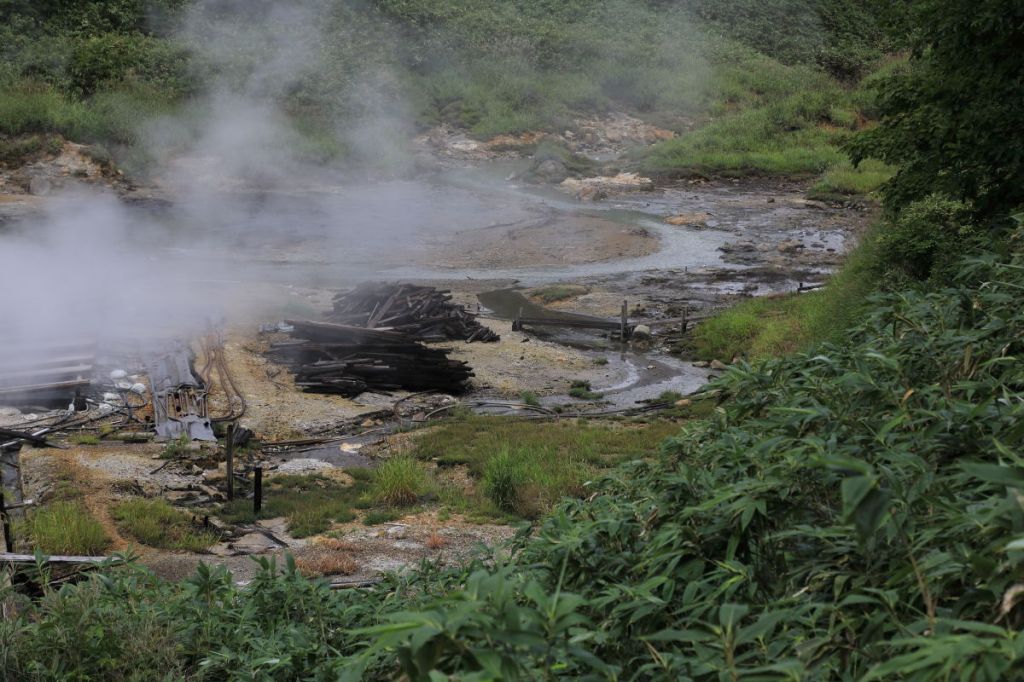
The large bath at this hot spring still retains the atmosphere of an old hot spring resort, with a bubbling volcanic bath in the foreground, a hot bath for neuralgia in the middle, a steam sauna at the top of the stairs at the back, two box steam baths to the right of that, a mud bath and a waterfall bath in the back right where you can smear mud from the boxes on your body, and an open-air bath in the foreground of the photo. The photo is a screenshot from the inn’s website.

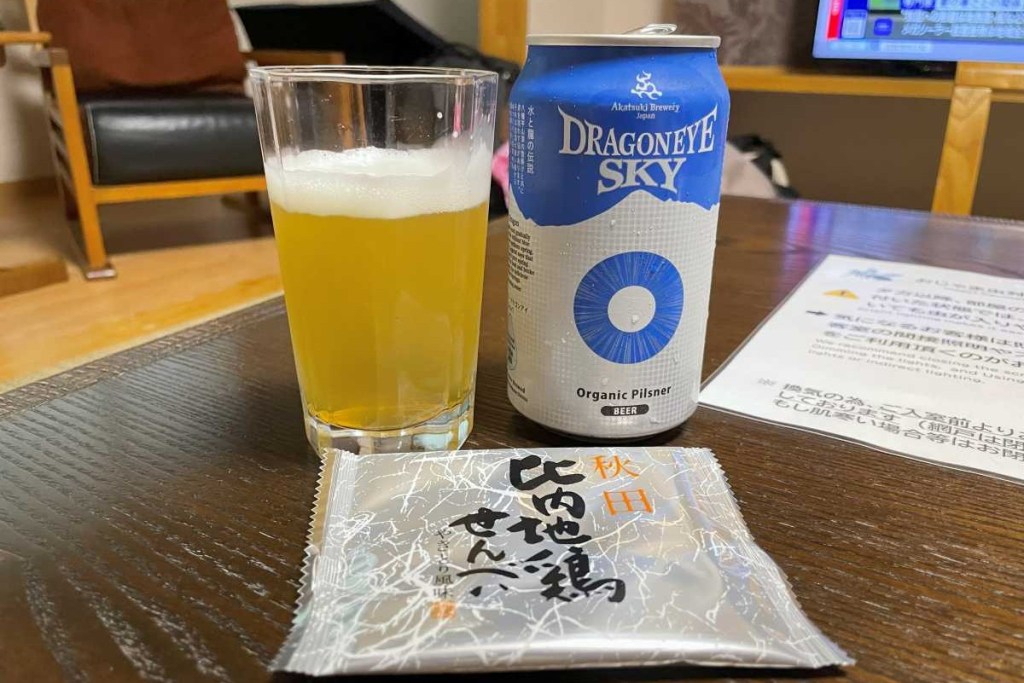
The water was murky gray, and after bathing, I rinsed my body with the hot spring water, which left my skin feeling smooth. After the bath, I took a break with a local beer. Goshogake Onsen is located at an altitude of 1,000m in Hachimantai, and the nearby Kagami-numa Pond is famous for its dragon’s eye, which can be seen from mid-May to mid-June when the snow melts. Perhaps the canned beer was named after it.
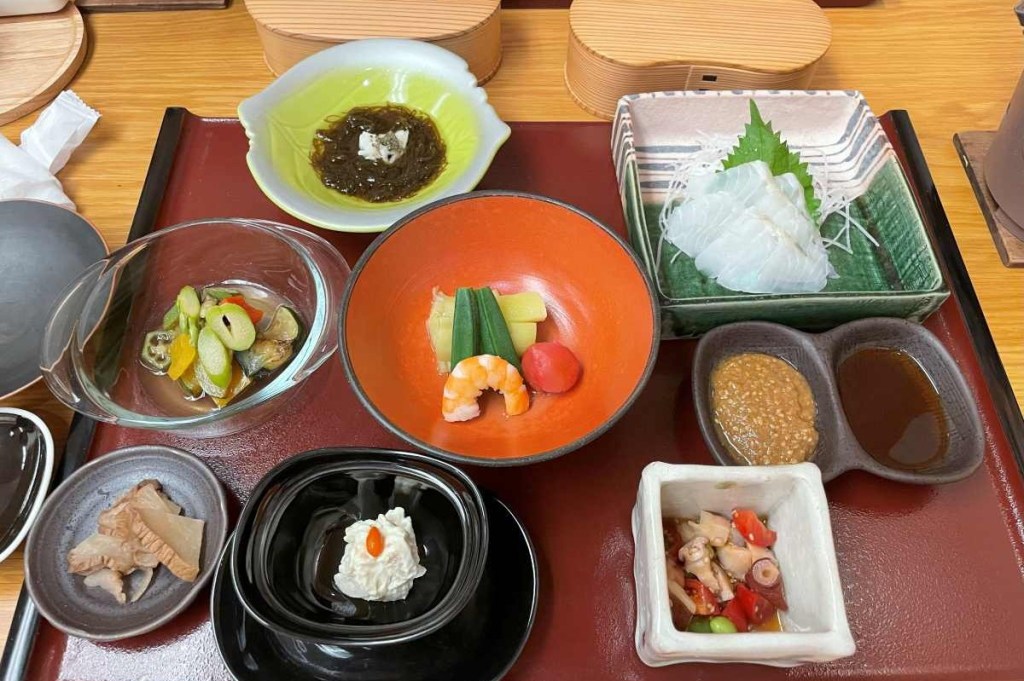
Dinner was a simple kaiseki course meal, and the sea bass served on the square plate in the top right went perfectly with the sesame sauce. The grilled corn rice served in the bento box was also flavorful and delicious.
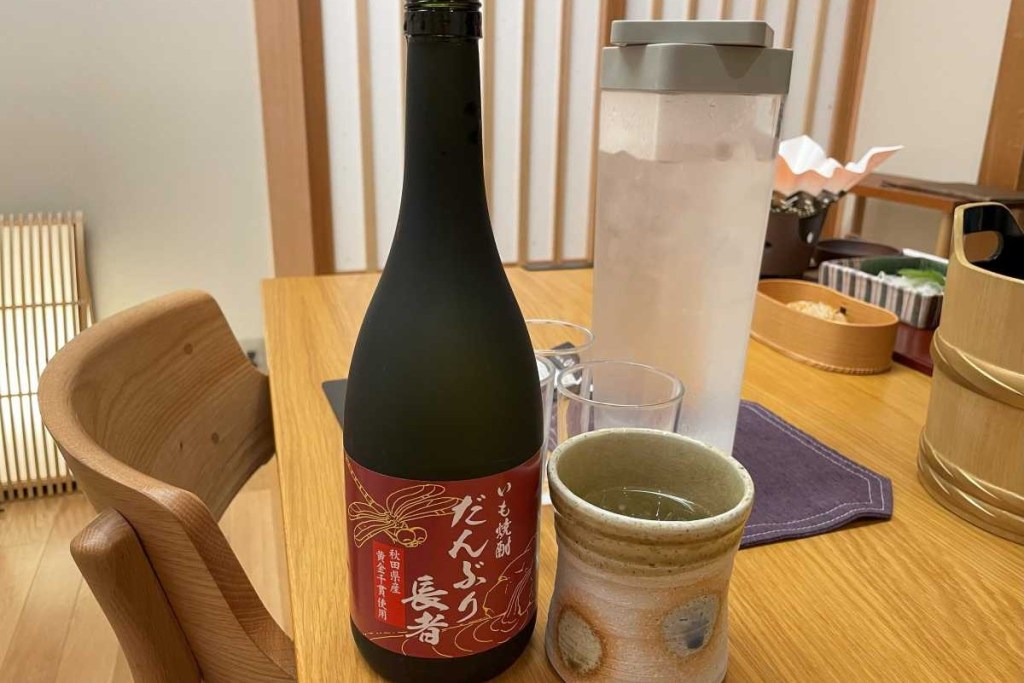
I ordered a shochu made with sweet potatoes from Akita Prefecture. It has the typical flavor of sweet potato shochu.
The sweet and spicy beef tempura was surprisingly delicious.

August 21st (Thu)
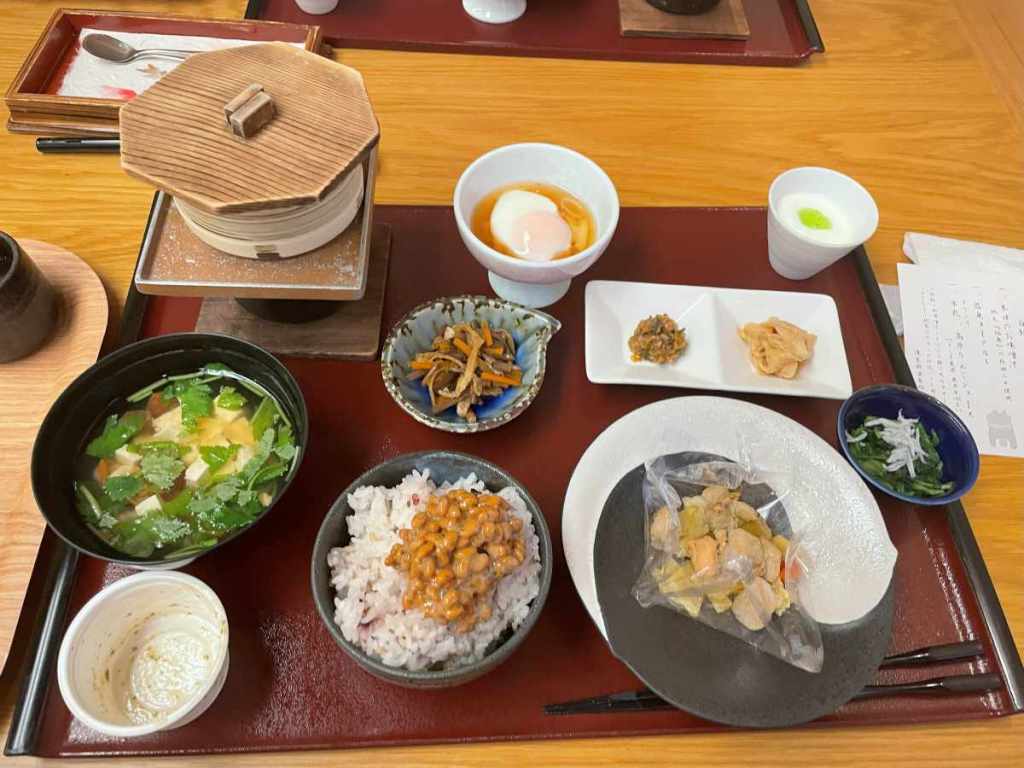
Today I’m heading to Takayu Onsen in Fukushima. Breakfast was a standard affair, but the chanchanyaki-style dish wrapped in cellophane was the perfect side dish for rice. By the way, the lid on the top left contained a large homemade shumai.
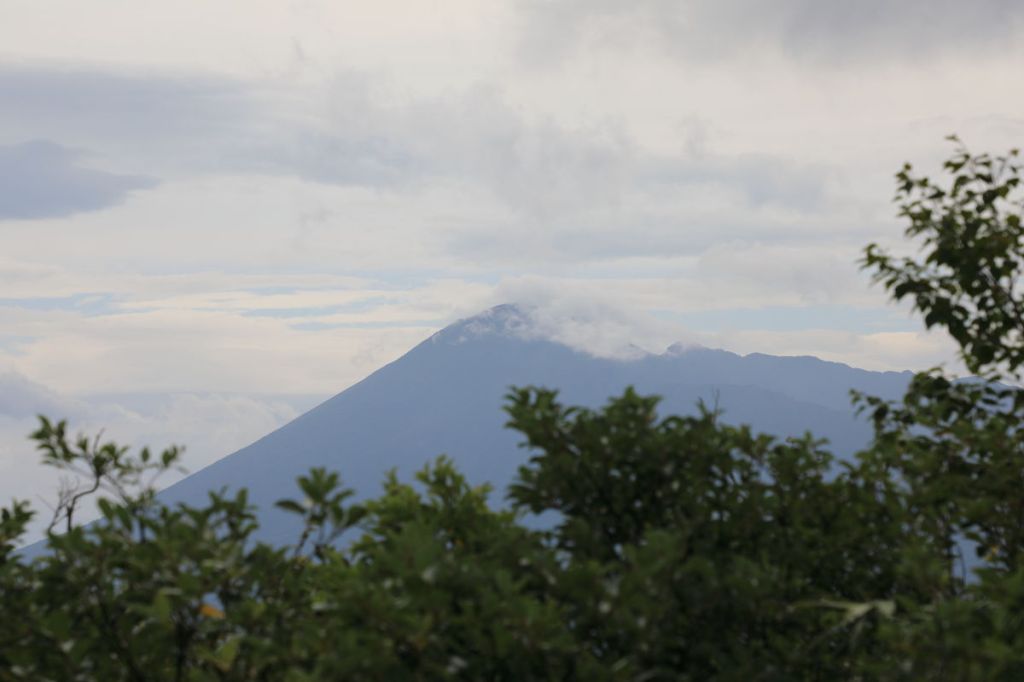
It’s about 350km from Goshogake Onsen to Takayu in Fukushima Prefecture, so I passed the summit of Mt. Hachimantai and entered the Tohoku Expressway at Matsuo Hachimantai IC. Mt. Iwate was visible from the pass along the way.
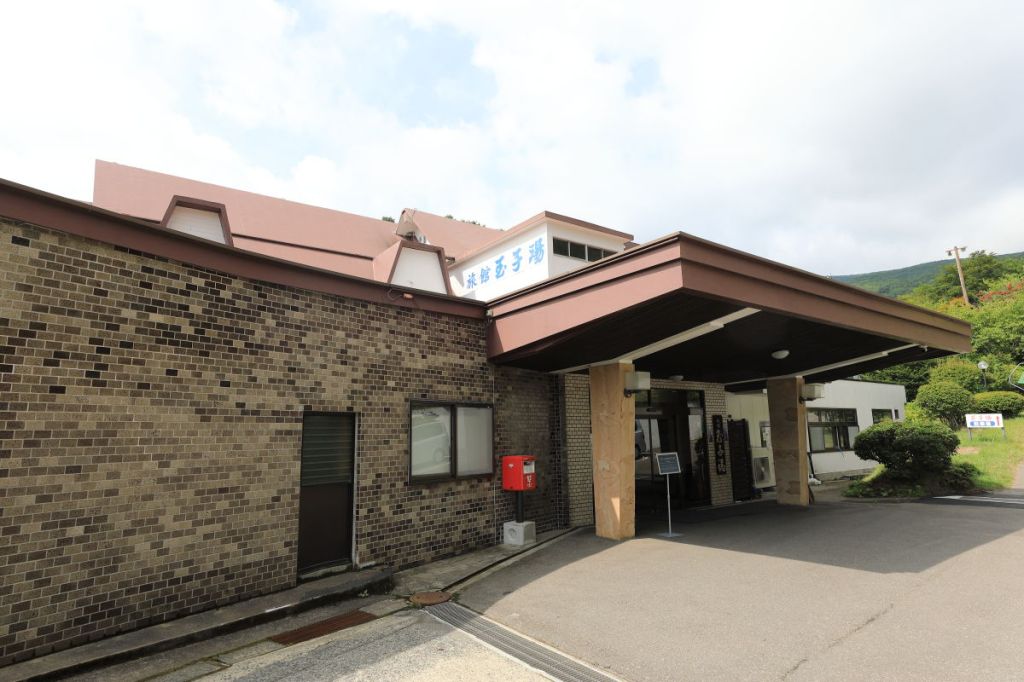
I got off at Fukushima JCT and drove towards the Bandai-Azuma Skyline, and found my lodging for the night, Tamagoyu Ryokan in Takayu Onsen. The hotel is located on a slope, so the front entrance is on the fourth floor. Takayu Onsen is one of the three great hot springs of Oshu, along with Zao Onsen and Shirabu Onsen in Yamagata, and the name Tamagoyu comes from the fact that bathing in the hot spring leaves your skin as smooth as an egg and that it smells similar to a boiled egg.
From the window of my room, I could see Tamagoyu, a thatched-roof bathhouse built in 1868. Inside, the bathtub was small but had a traditional design.
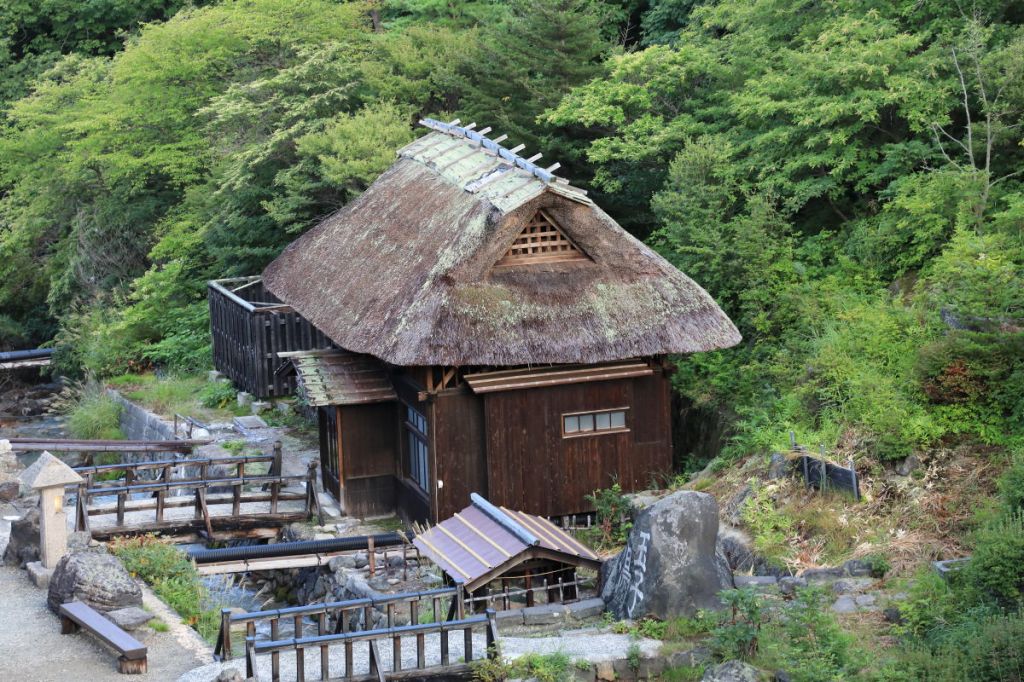
Tamagoyu is a hot spring that has been naturally gushing for 400 years, and the water is acidic, contains sulfur (hydrogen sulfide type), aluminum, and calcium sulfate, and the color of the water is a beautiful cobalt blue. The open-air bath was also very pleasant. The photo below is a screenshot from the inn’s website. At Goshogake Onsen, I poured my body agari-yu (hot spring water) over myself after bathing, but at this hot spring, I do not pour my body agari-yu after bathing in order to leave the minerals in the water.

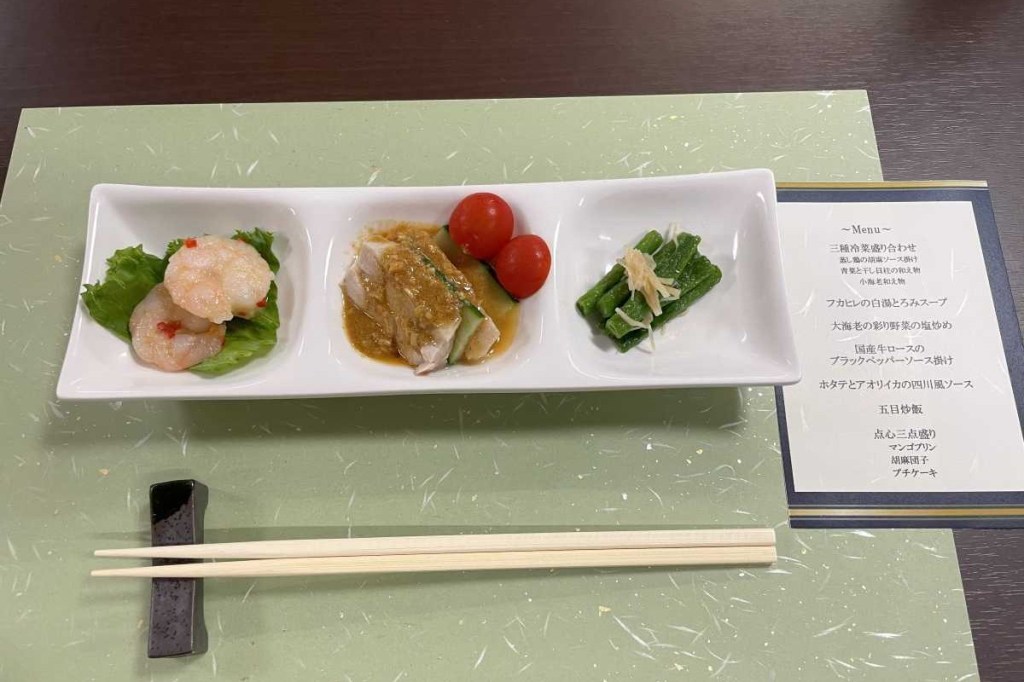
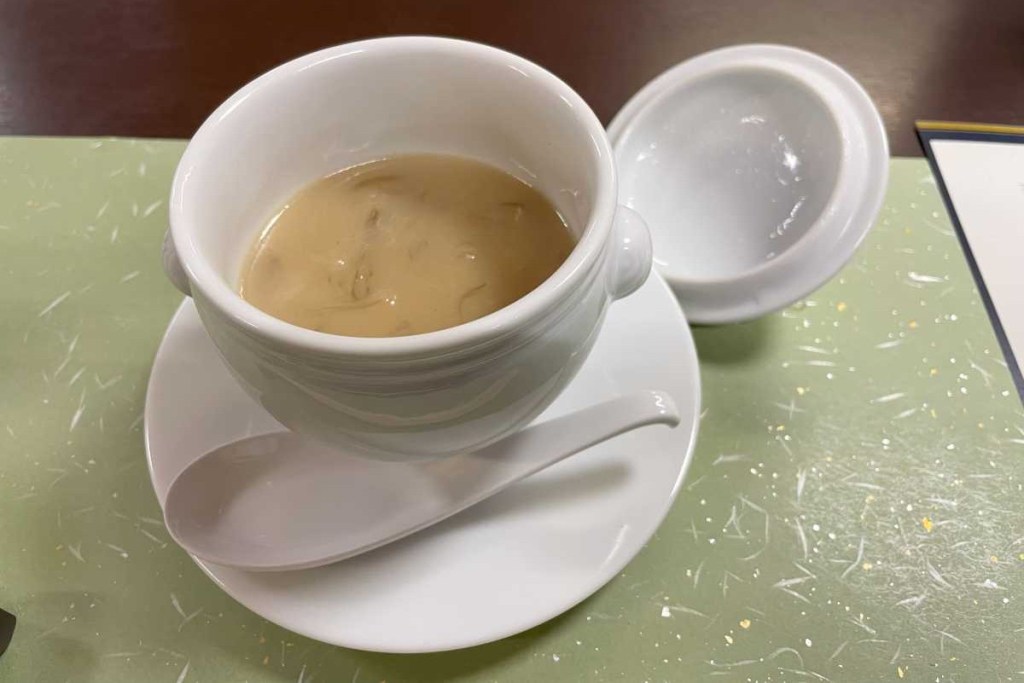
The main course for dinner is a kaiseki dinner, but on this day the Chinese chef was in attendance, so I had an authentic Chinese course. It’s quite rare to be able to eat Chinese food at a hot spring inn.
First, I had a platter of three cold dishes.
They had sweet potato shochu named as Tamagoyu, so I ordered it, and it tasted just like sweet potato shochu.

Shark fin thick soup

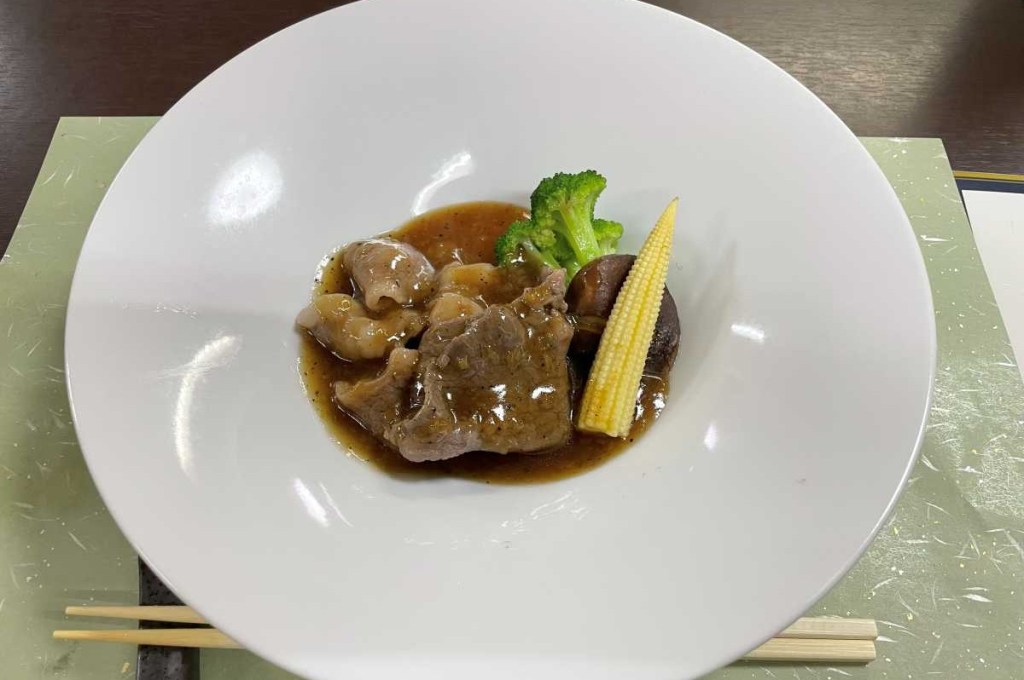
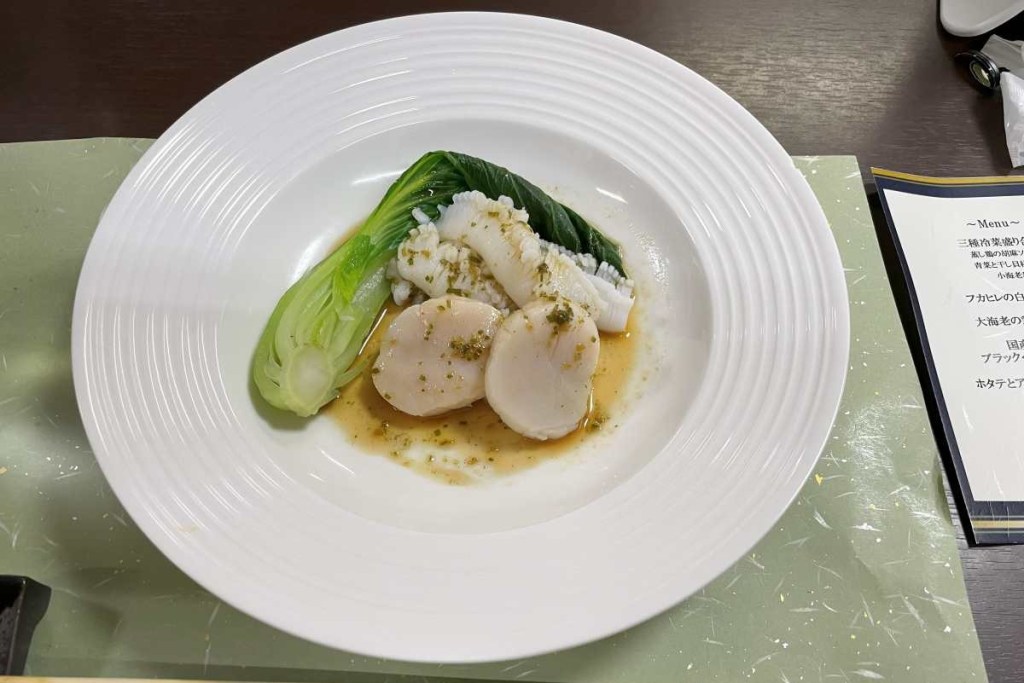
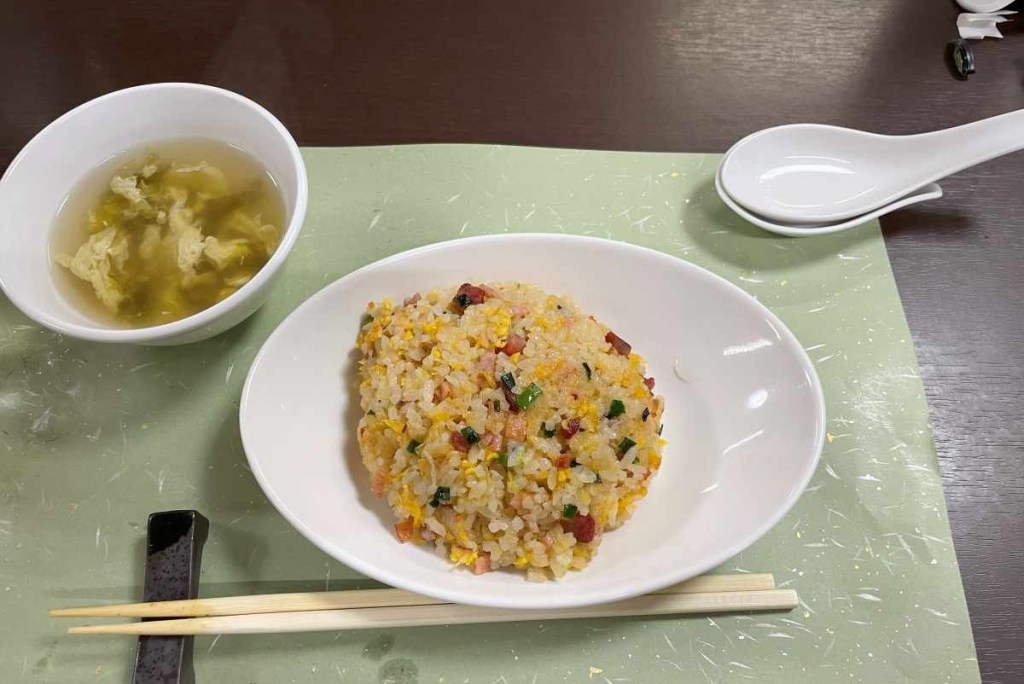
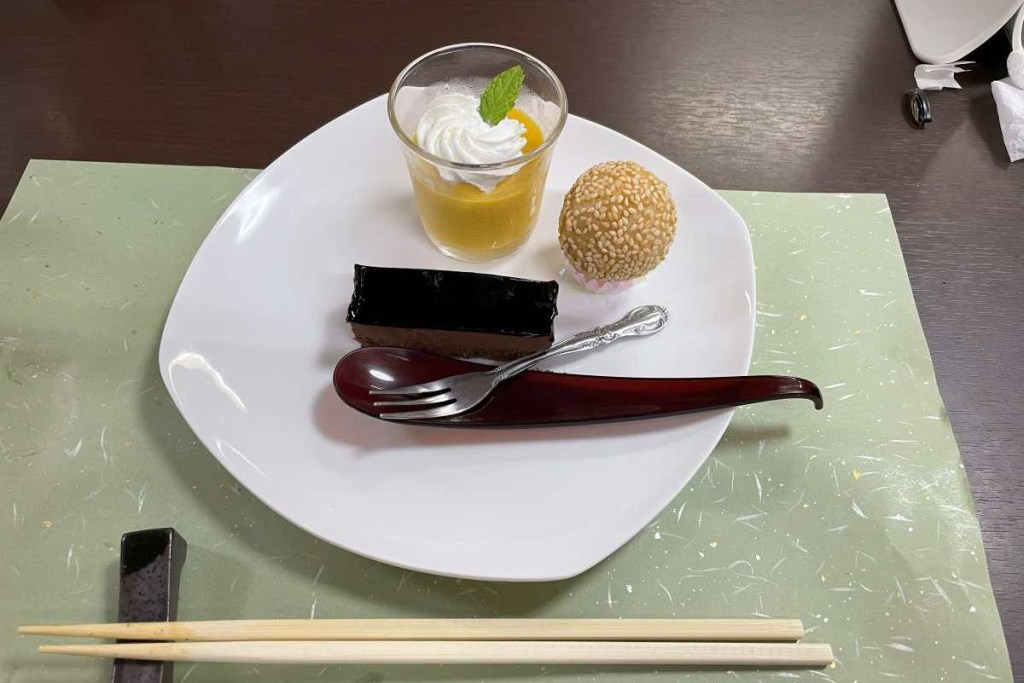
There wasn’t anything particularly unusual, but it was authentic Chinese food. Nakai-san (woman who serve as waitress at ryokan) said that some customers make reservations in anticipation of a Chinese meal.
August 22nd (Fri)
Today I’m going to drive along the Bandai-Azuma Skyline and descend towards Tsuchiyu before heading home. I decided to take a rest at Jododaira, located at an altitude of 1,580m. I could see volcanic gases rising from the mountainside. It seems that the mountain is still very active.
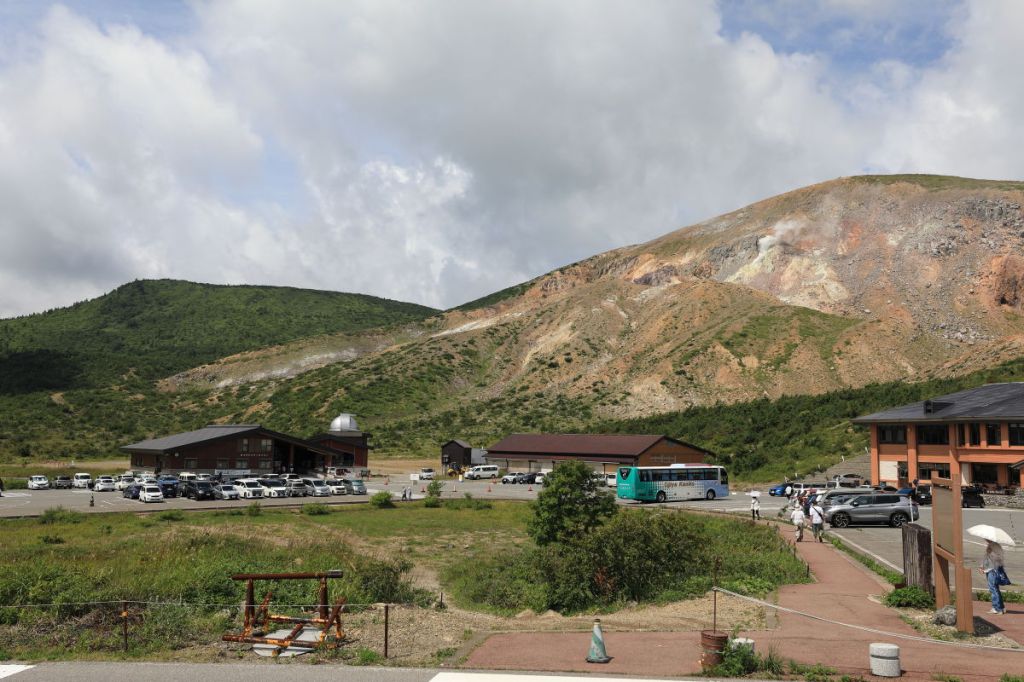
From Jododaira there is a hiking trail to Azuma Kofuji. When I was transferred to Fukushima right after joining the company, I climbed this trail and walked around the crater, but at my age I no longer have the physical strength or energy to climb it.
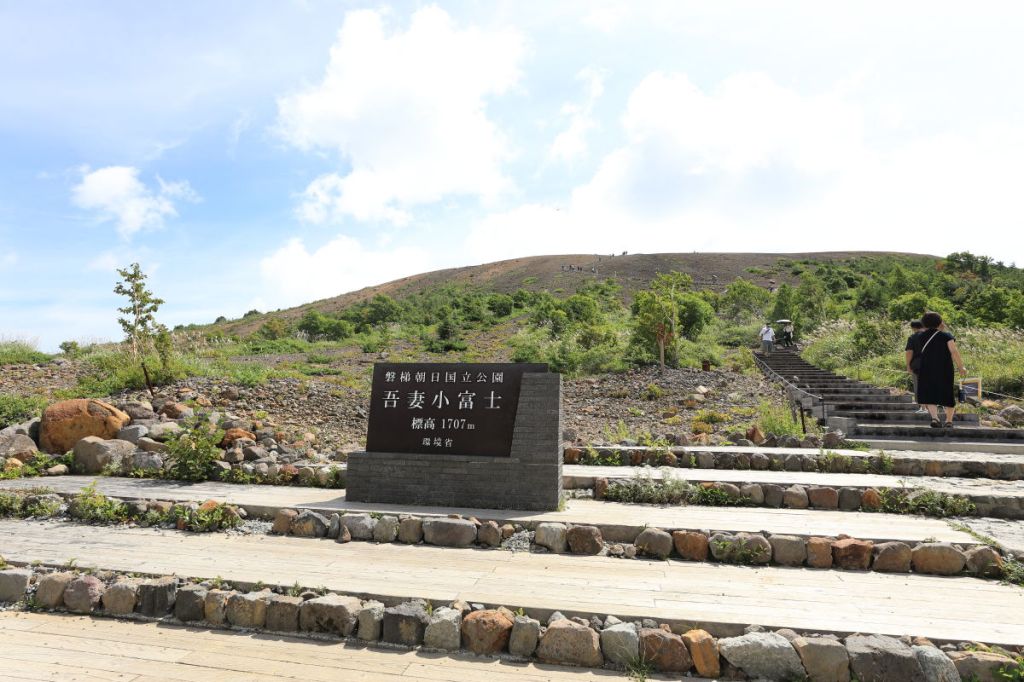
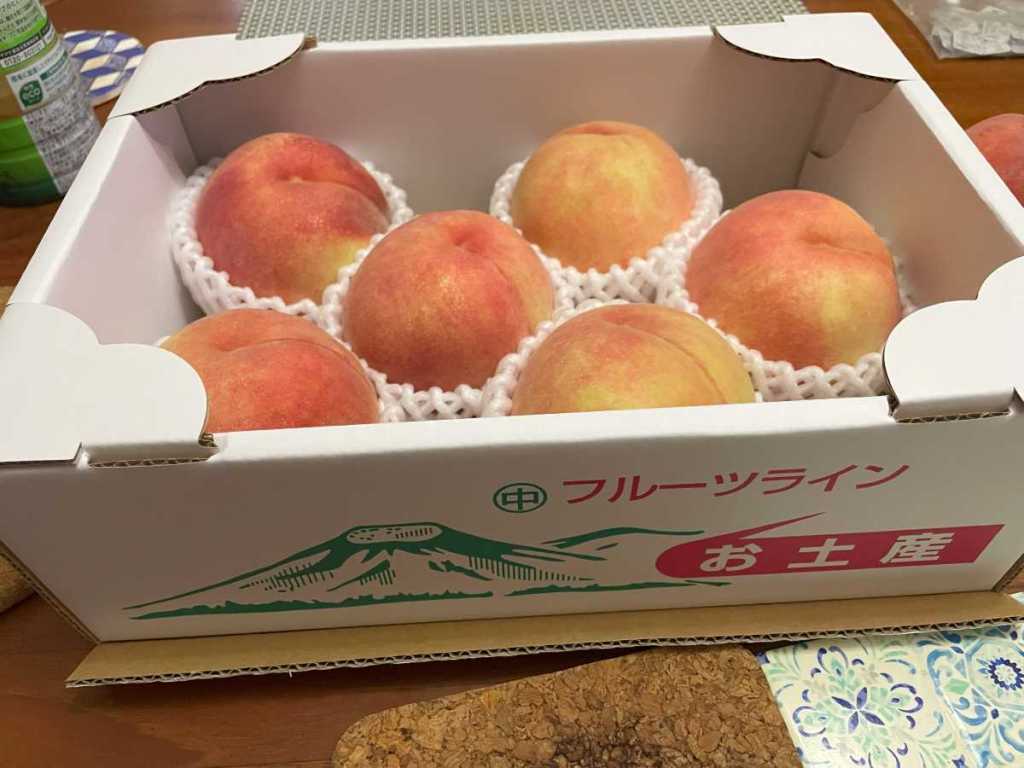
Just before getting onto Fukushima JCT, there was a road called Fruit Line, and there were many orchards, so I bought some freshly picked white peaches. It was a bargain at 2,500 yen.
On this trip, I was hoping for better weather the most, but I had to abandon my route from Tsuta Onsen to Oirase Gorge and Lake Towada due to record-breaking heavy rains in northern Tohoku. However, I was able to enjoy the rest of the itinerary as planned. Aone Onsen Fuboukaku, Tsuta Onsen, Goshogake Onsen, and Takayu Onsen Tamagoyu all have the distinctive feel of traditional hot spring resorts, and I was able to enjoy the hot springs directly from the source. The meals at each inn were also delicious. Thanks to them, my skin seems to have become smoother and more youthful.
There are many wonderful hot spring resorts in Tohoku that I have not yet visited, so I would like to visit the hot springs again on another occasion.
 旅好き爺の旅行記
コメントを残す