

I traveled to the Izu Peninsula for three days and two nights from Thursday, September 18th to Saturday, September 20th. I have been to many hot springs on the Izu Peninsula in the past, but both of the inns I stayed at this time were my favorites, and it was my second time there.
September 18th (Thu)
I left my house in the morning and drove from Tokyo Interchange along the Tomei Expressway, Odawara-Atsugi Road, Hakone Shindo, and Izu Skyline, before getting onto local roads at Amagi Kogen Interchange and heading first to Mount Omuro. I encountered thick fog as I passed through Hakone, but the drive was smooth and there were no traffic jams. I’ve been to the Izu Peninsula many times, but for some reason I had never been to Mount Omuro, so I made it my first destination.
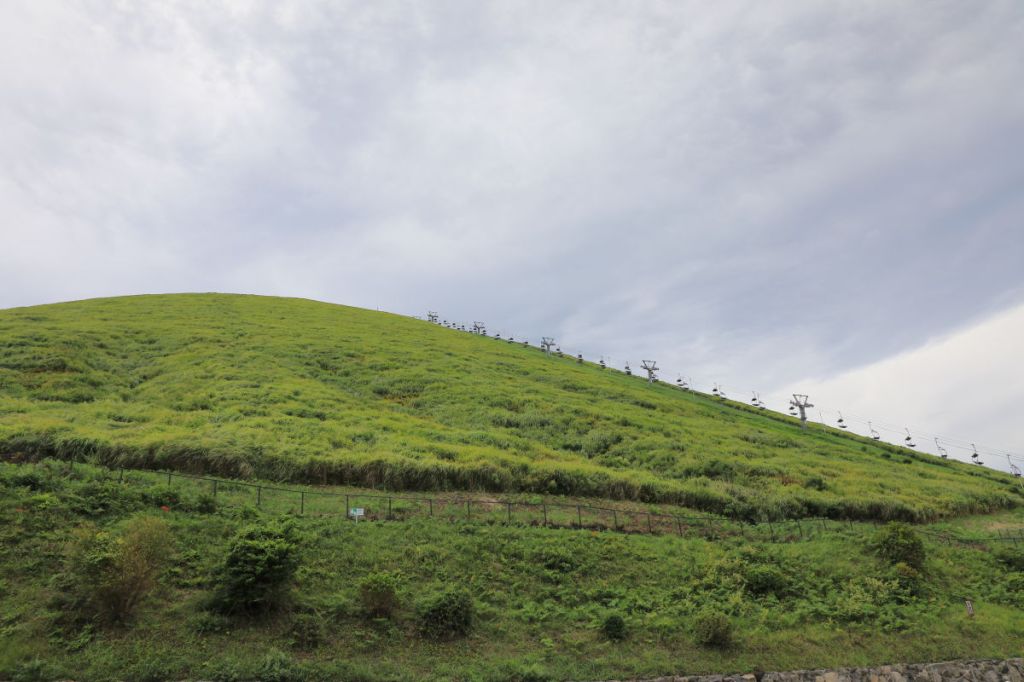
The lift to the top seemed to be out of service, but there were a lot of tourists so I went to the ticket office. Unfortunately, it was out of service due to strong winds near the top.
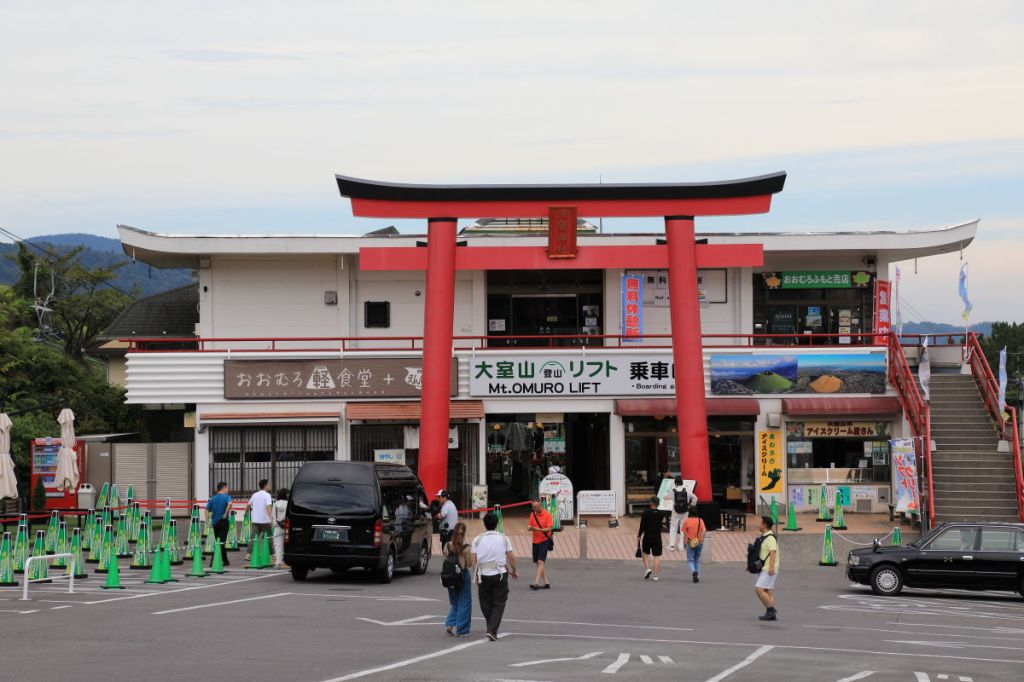
The staff were folding down the seats to protect against strong winds, and it didn’t look like they were going to move anytime soon, so I gave up on the lift.

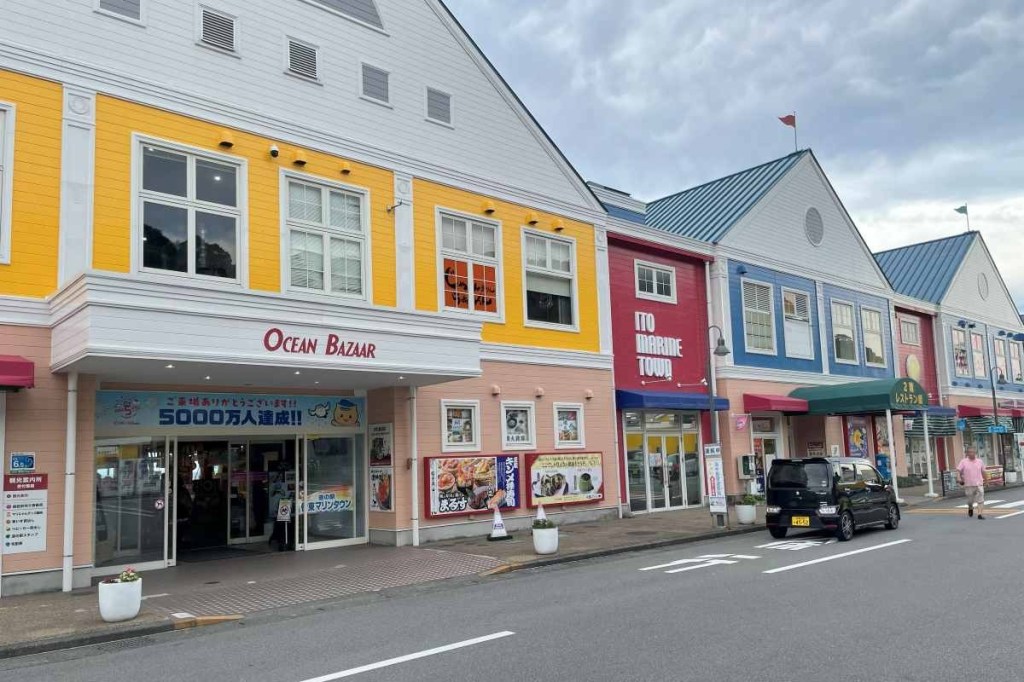
It was lunchtime, so we went to Michinoeki Ito Marine Town. It’s a fairly large facility with souvenir shops, restaurants, hot spring facilities, and a sightseeing boat dock. It’s been 19 years since it opened, and it seems to be a very popular facility, with over 50 million visitors.
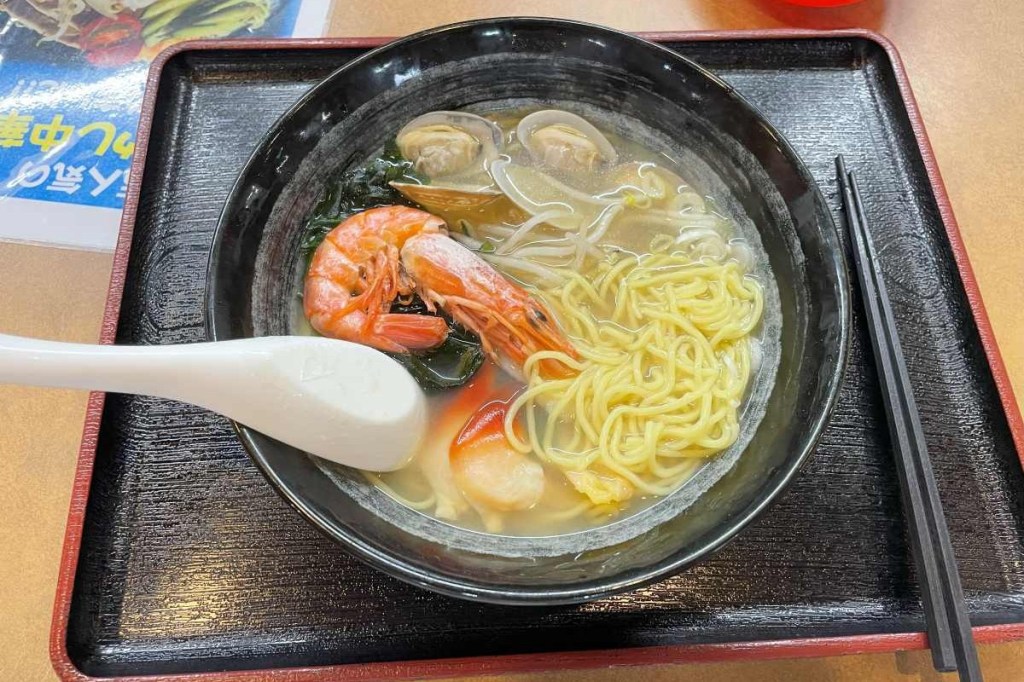
At Ramen Janmarin on the second floor, I ordered seafood ramen and wanted to try a small bowl of turban shell rice, but it was sold out. It had a lot of seafood and a light salty taste, so it was pretty good.
I parked my car in a parking lot near Ito city and went to see Tokaikan, a tangible cultural property designated by Ito city. Tokaikan opened in 1928 as a hot spring inn for the general public, but the building is a purely Japanese-style structure made of high-quality cypress and cedar wood.
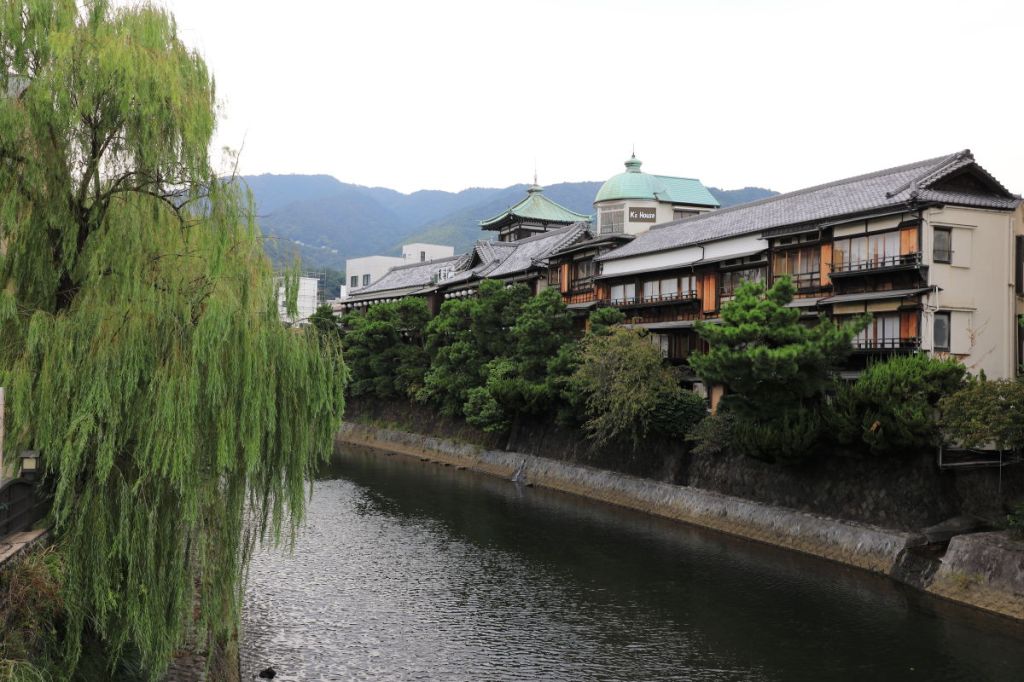
The entrance is also impressive. Although you cannot stay overnight, the hot springs and cafe are open.
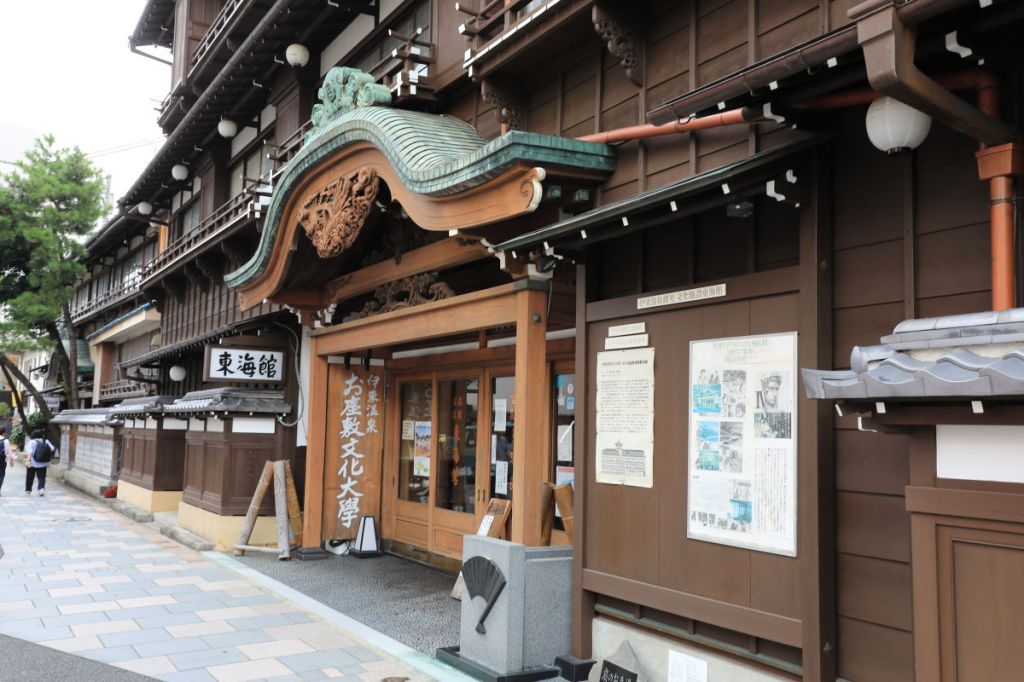
I walked around the area before returning to the parking lot and headed for my lodging for the night, Kannon Onsen, a hidden hot spring inn in Shimoda City.
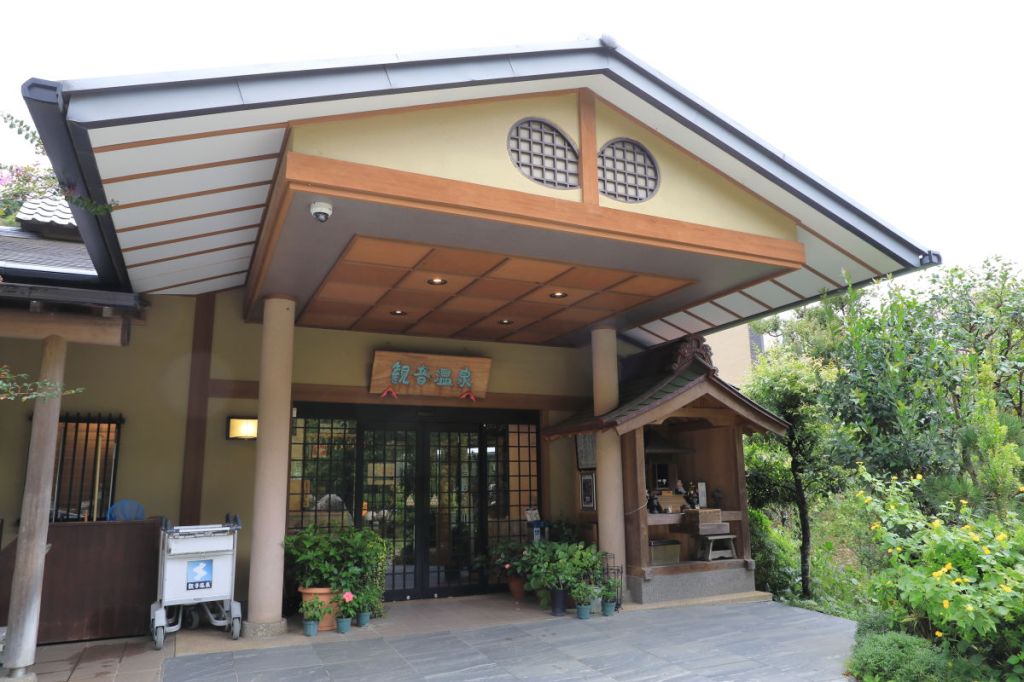
It seems that the founder’s faith in Kannon appeared at his bedside in 1963, and he received a prophecy from her, which led to the start of drilling for hot springs. The hot spring is a strong alkaline simple spring with a pH of 9.5, and there is a large amount of hot spring water. The indoor cypress bath in the room is also filled with hot spring water from the source, and can be used all day. The hot spring water is also drinkable.
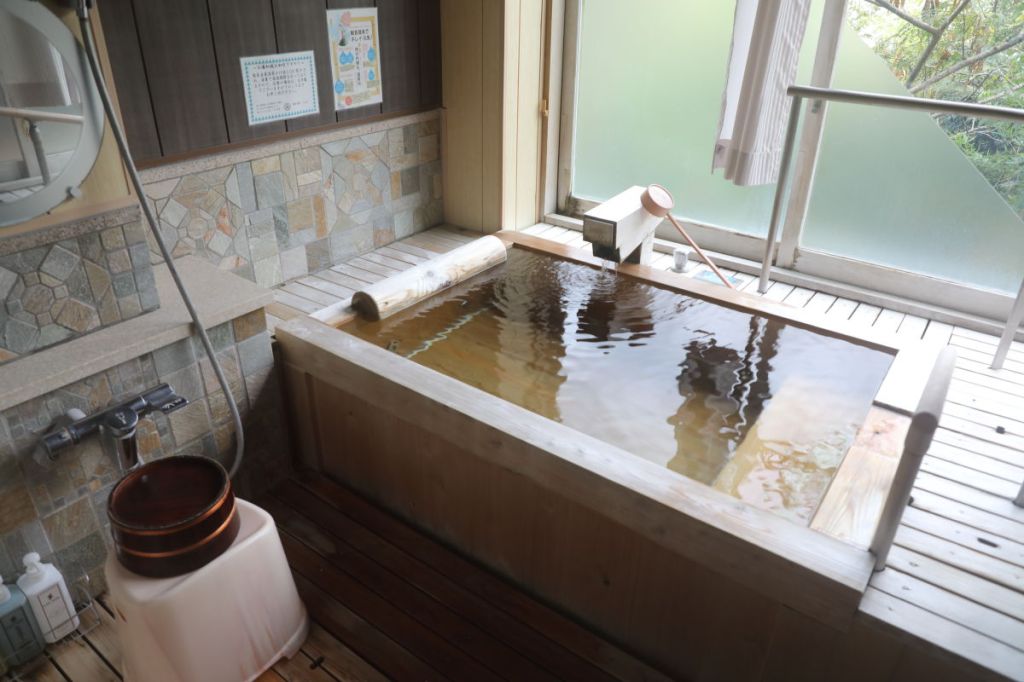
There are two large public baths: Kannon Principle, which is a day-use hot spring, and Galatia, which is exclusively for guests staying at the inn. However, Kannon Principle closes at 4pm on weekdays, so I gave up and went to Galatia instead. The photo is a screenshot from the inn’s website. Outside the window there is an open-air bath and sauna, and in the back right there is a deep bathtub. It is a strong alkaline simple spring, so it has a very slimy feeling.

Dinner is a kaiseki meal. The sashimi includes spiny lobster, a typical Izu combination.

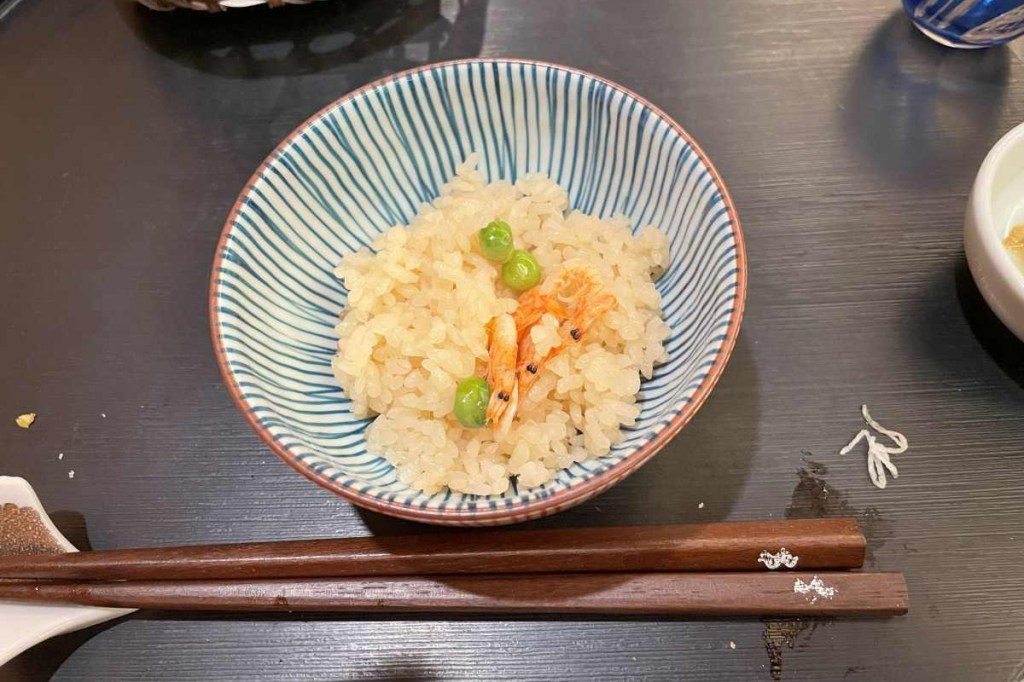
The final dish, rice cooked with cherry shrimp, was delicious.
September 19th (Fri)
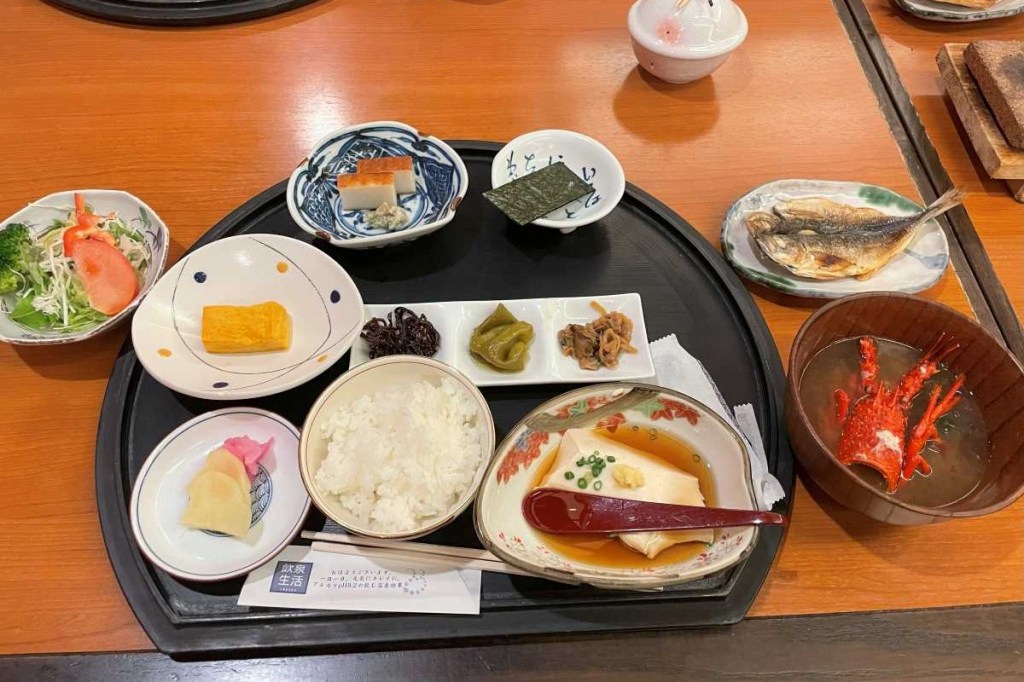
At breakfast, I was served miso soup with the head of the lobster that was served as sashimi the day before.
Today, I’m going to do some sightseeing around Shimoda and then head to Matsuzaki. First, I went to Michinoeki Kaikoku Shimoda Minato. There is a harbor museum exhibiting the history of Shimoda and a JGFA Marlin Museum. Photography is not permitted inside the harbor museum, but photography is permitted inside the Marlin Museum.
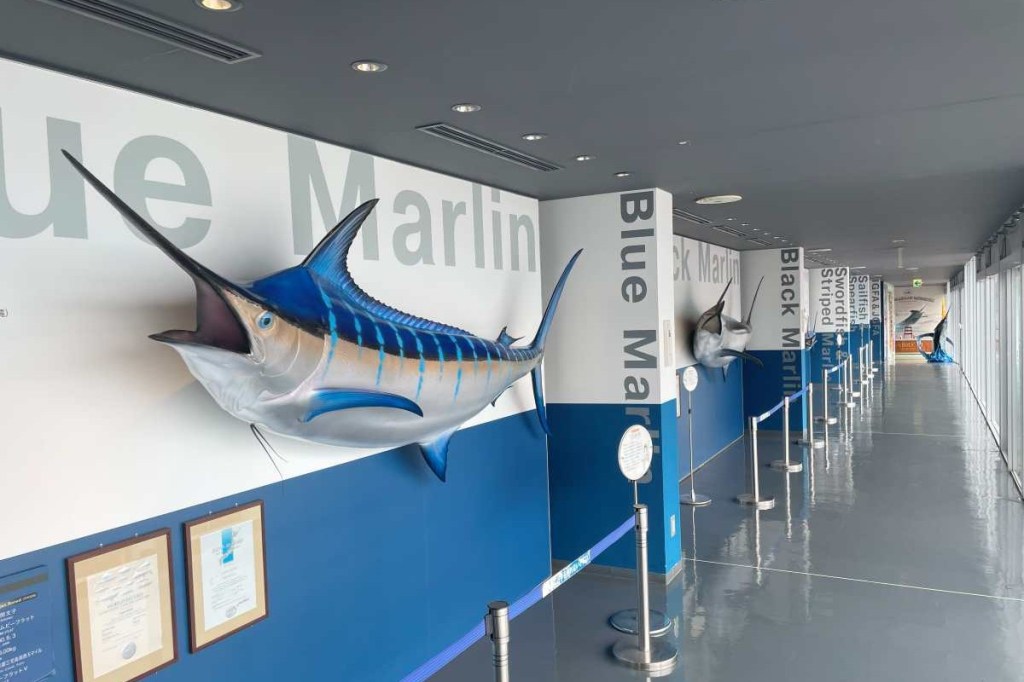
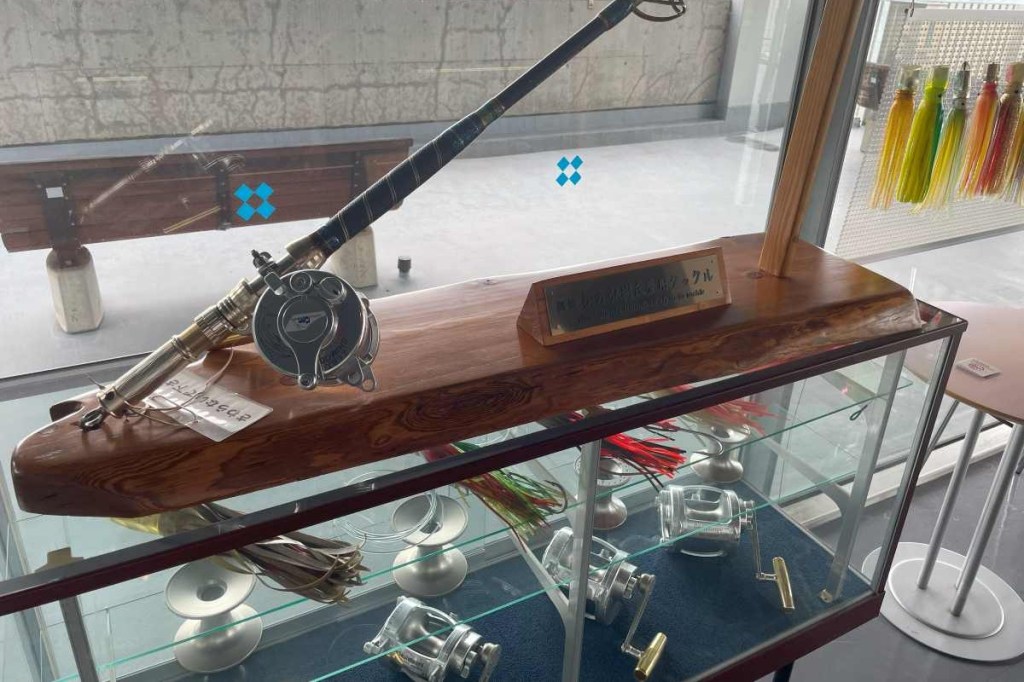
The waters around Shimoda City are one of the world’s leading fishing grounds for swordfish, and a swordfish fishing tournament is held there every year. The tackle used by the late actor Hiroki Matsukata, who loved fishing, is also on display.
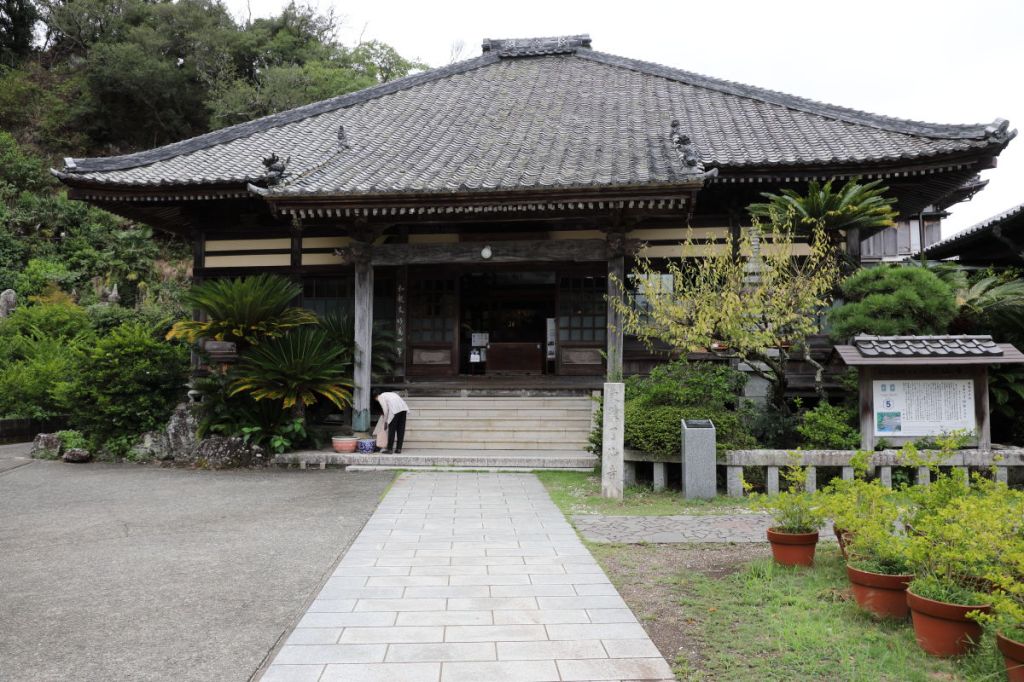
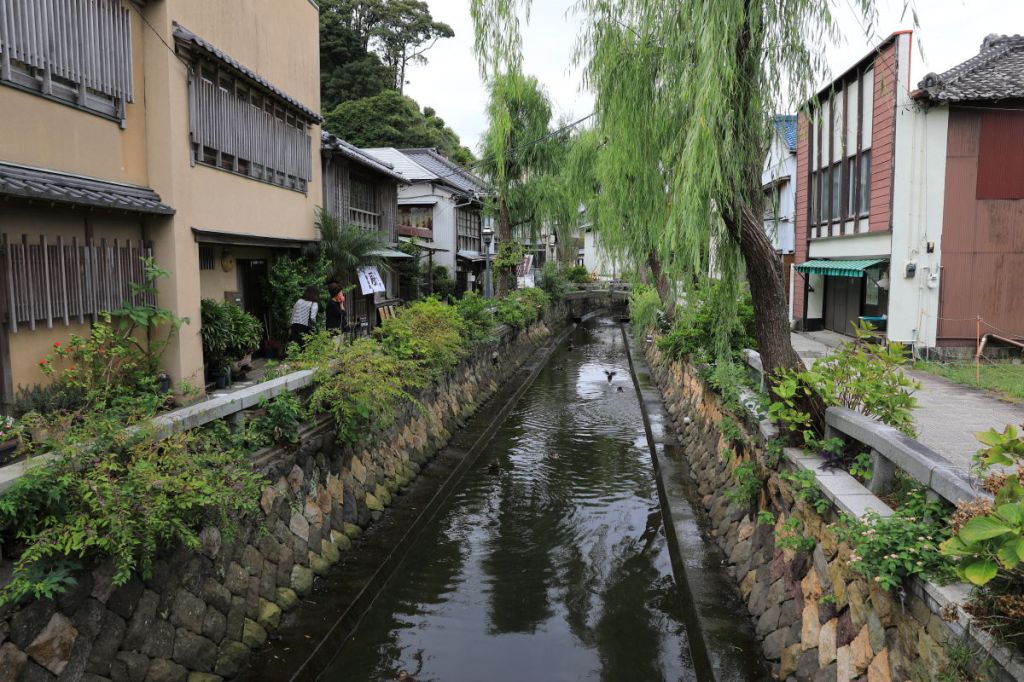
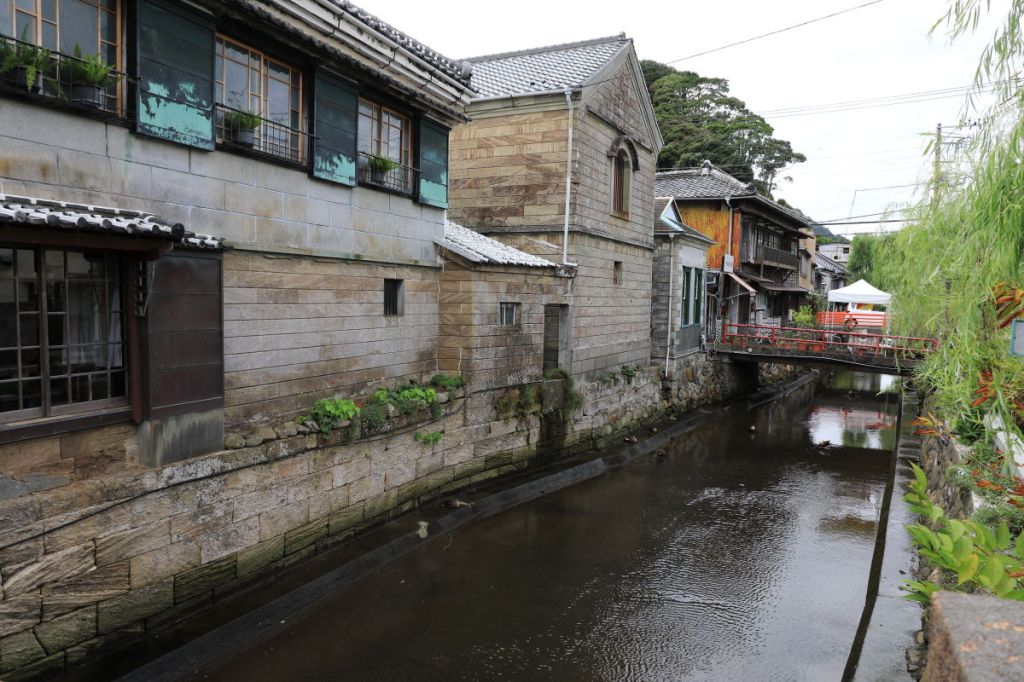
Next, I parked in a parking lot near Perry Road, which retains an old-fashioned atmosphere, and walked around the area. Perry Road was the site of negotiations for the Treaty of Peace and Amity between the United States and Japan at the end of the Edo period, and is filled with retro streets and restaurants. First, we headed to Ryosenji Temple, located at the very back and the site of the Treaty of Peace and Amity negotiations.

The Treaty of Peace and Amity between the United States and Japan was concluded in Yokohama in 1854, but the details had not yet been finalized. Discussions took place in Shimoda, a port opened under the treaty, for 10 days, and the 13 supplementary articles were concluded as the Shimoda Treaty between the United States and Japan.
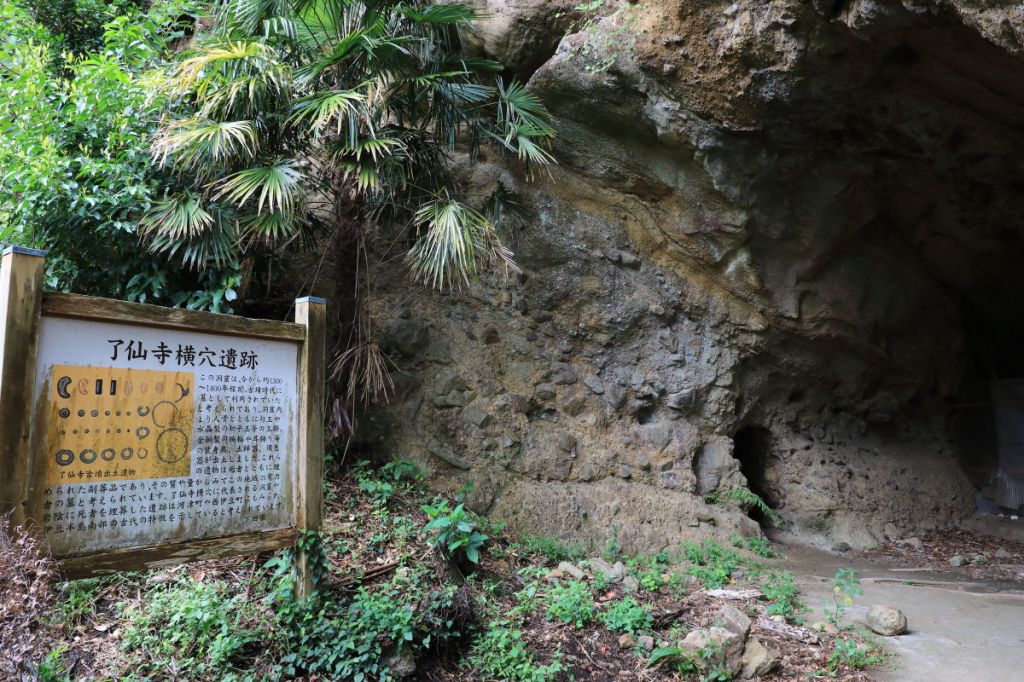
To the rear left of the main hall, there are remains of a cave burial site from the Kofun period, 1300 to 1400 years ago. It was used as a tomb for influential people, and burial goods have been excavated.
I headed back towards the sea on Perry Road and decided to have lunch.
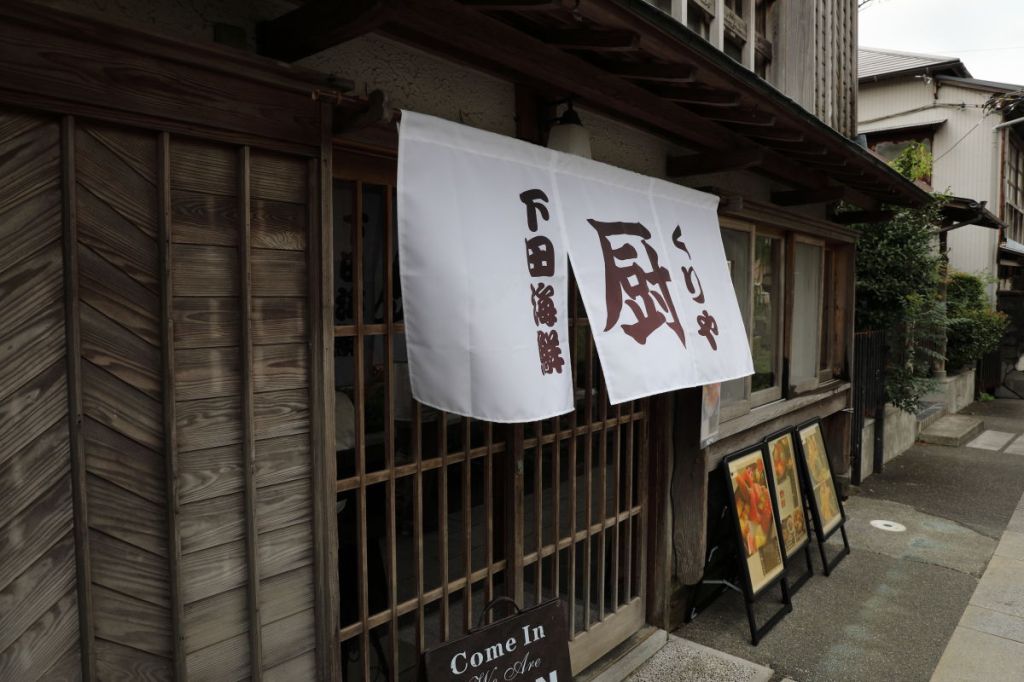
There was a restaurant called Shimoda Seafood Kuriya.
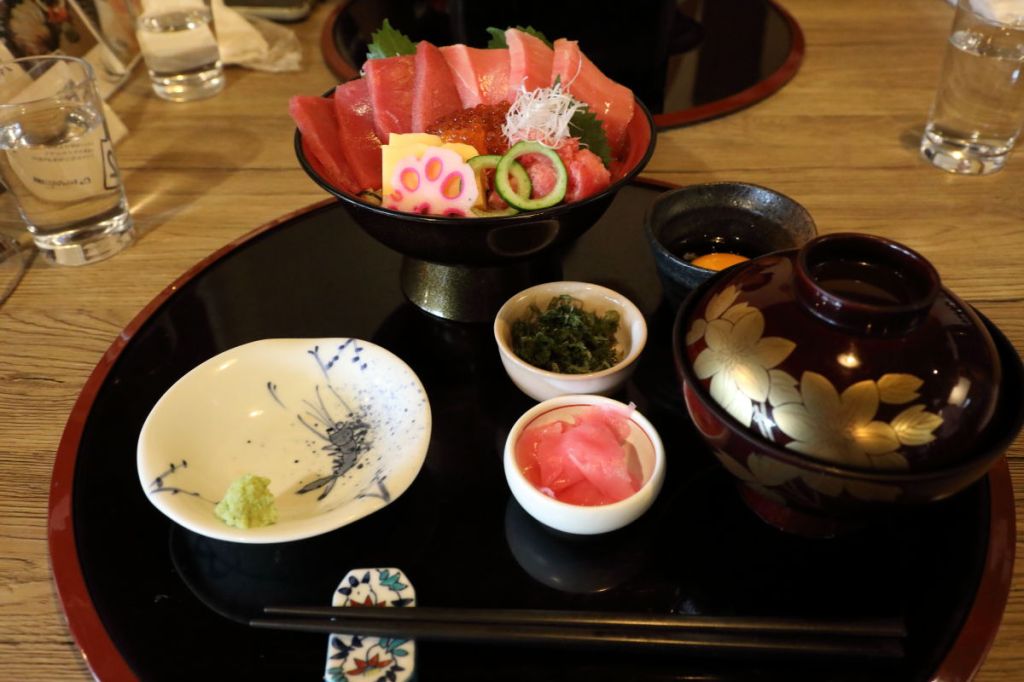
I ordered tuna chirashi, which took a while to come because it was run by a husband and wife, but it looked and tasted amazing. The tuna chirashi was even more delicious when dipped in egg soy sauce.
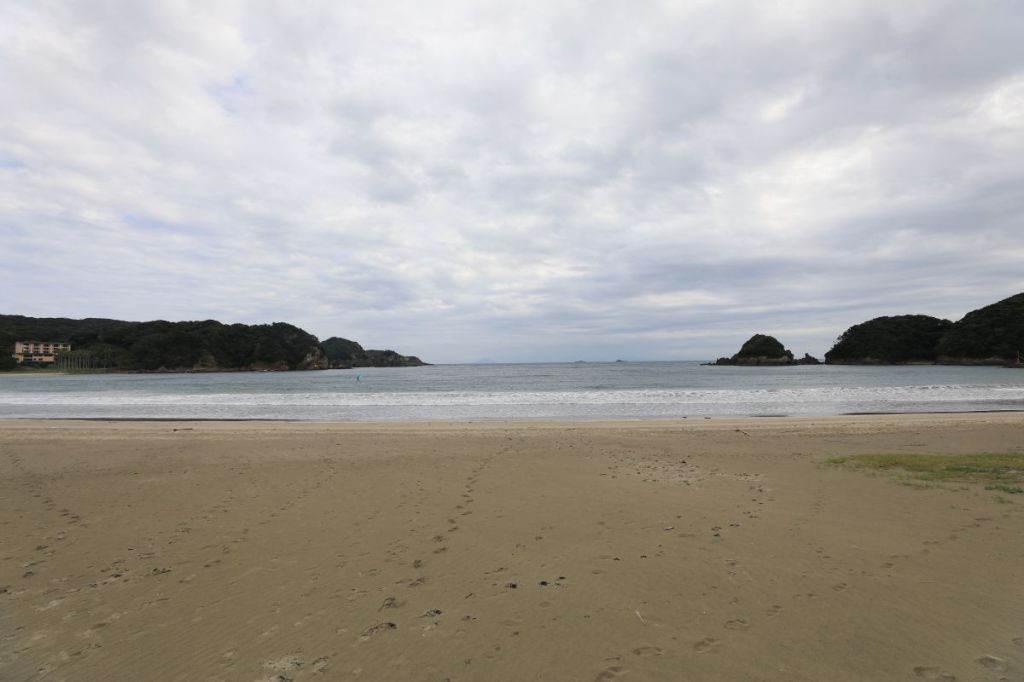
I went to Yumigahama Beach via Cape Irozaki. Yumigahama (Bow beach) Beach, which was selected as one of Japan’s 100 best beaches, is a coastline that curves like a bow, as its name suggests. Due to the bad weather, the beach was quiet.
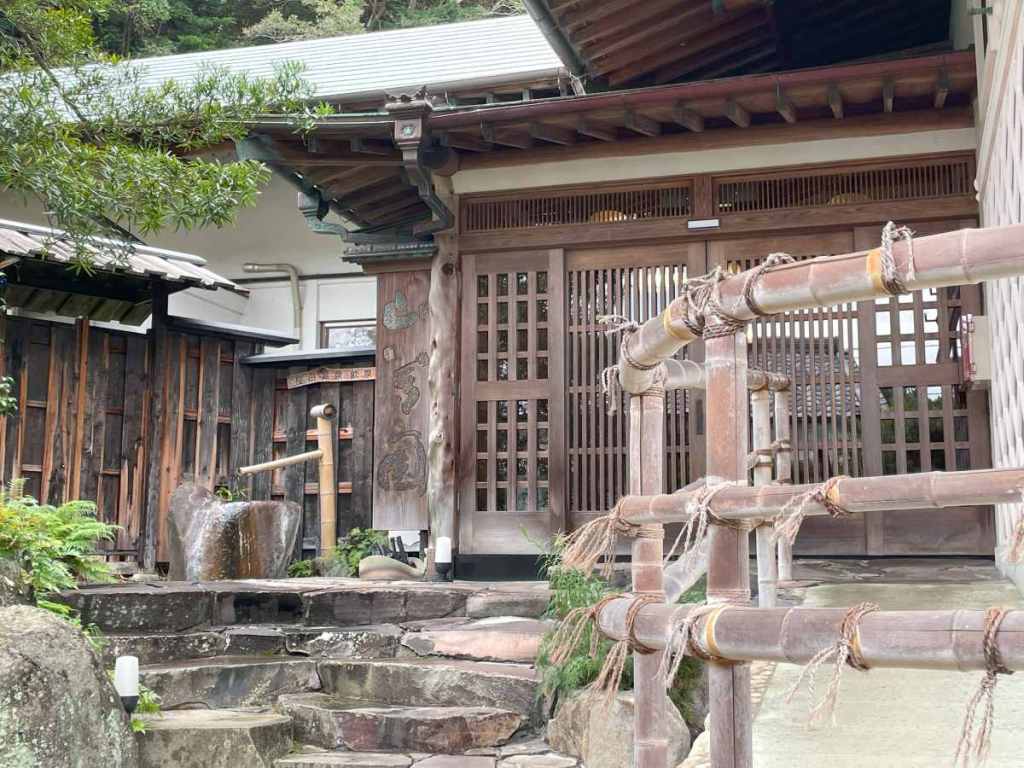
Today’s accommodation is Sakurada Onsen Sanpoen in Matsuzaki. Opened in 1980, this hot spring inn has its own hot spring source and produces an abundant amount of water at 500 liters per minute, so it operates as a free-flowing hot spring. There are 10 guest rooms, but it is a small, family-run inn that currently operates with only 5 rooms.
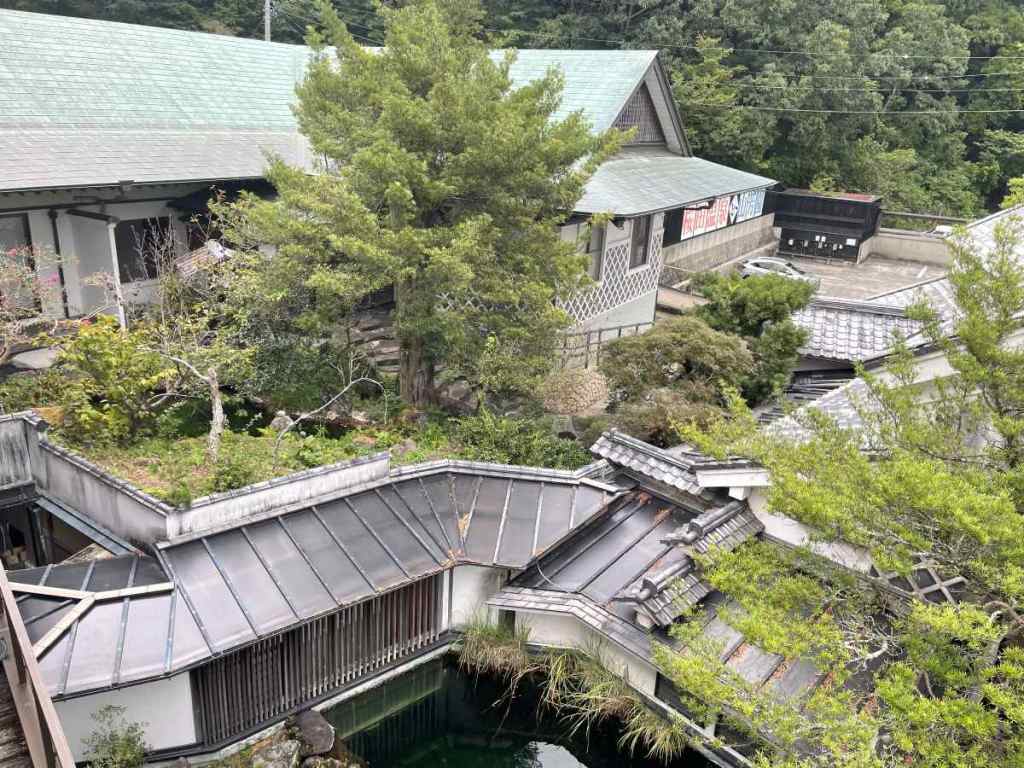
The room windows offer a tranquil rural view. In the distance, there is a river and rows of cherry blossom trees, which create a spectacular view when the cherry blossoms bloom.
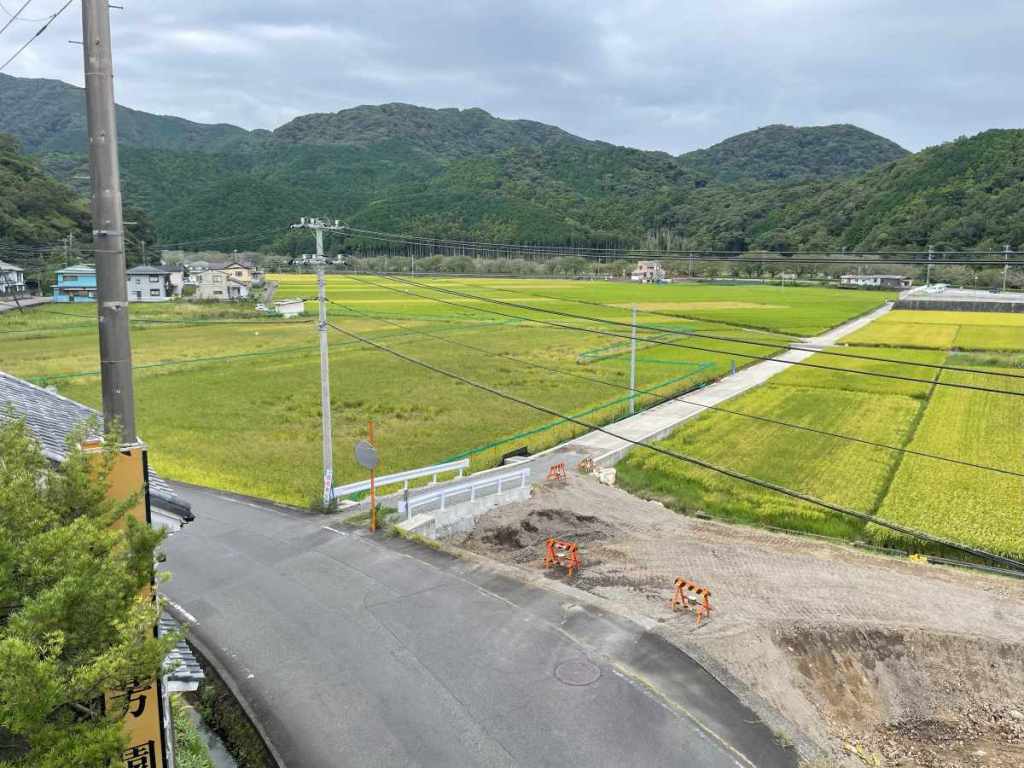
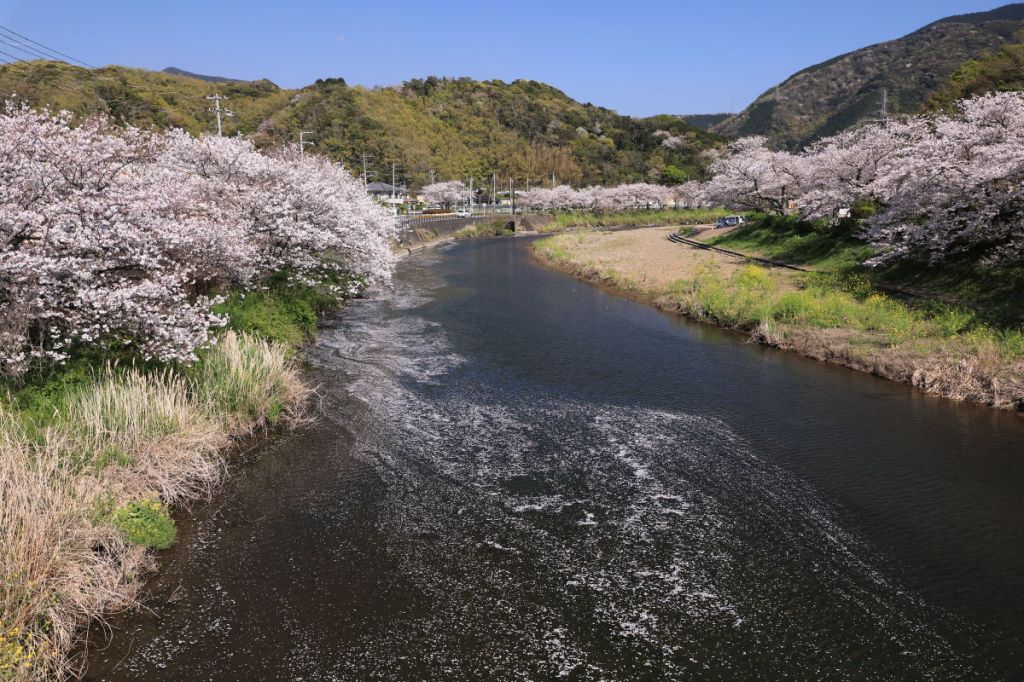
By the way, when I visited Nishiizu in early April 2023, the cherry blossoms along this river were spectacular.
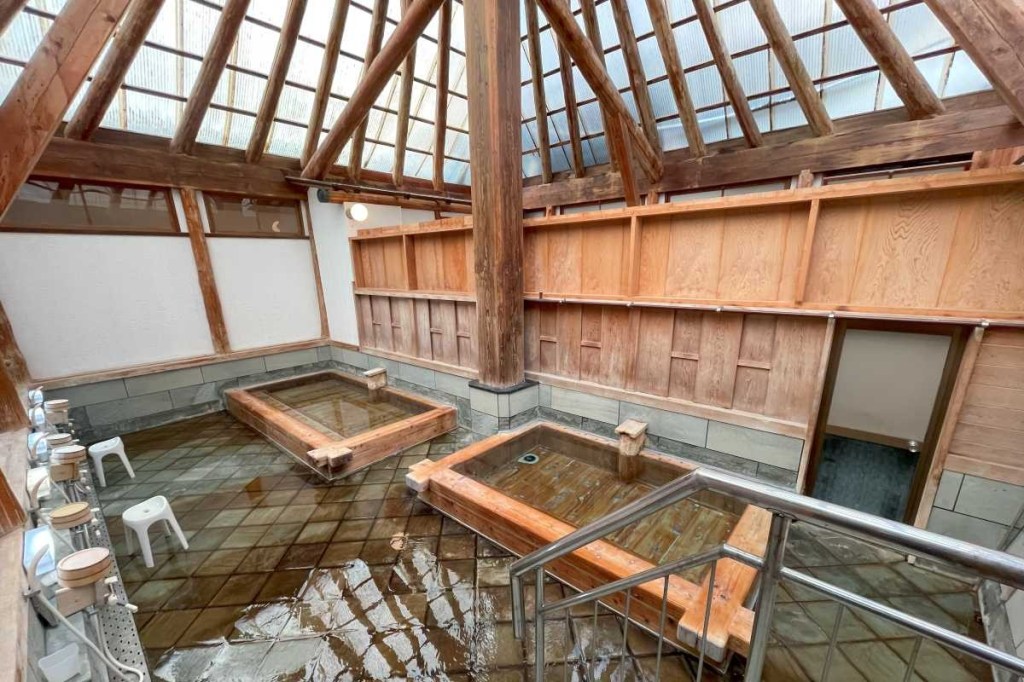
There were two groups of people there today, and I was the only male, so I took a photo of the men’s indoor bath. The cypress tub in the front is slightly hot, while the one in the back is lukewarm, and the hot spring water flows from the foot area. The spring water is sodium and calcium sulfate, and is gentle on the skin, with various health benefits including moisturizing and soothing properties. It is also drinkable, and is said to be good for the digestive system. The spring water here is supplied using a three-pronged method: no water is added to the 75°C spring water, no exposure to air, and no pressure is released, so the water is very rich in hot spring ingredients.
The private open-air bath is always free when it is open, and the rock bath, which is about 20 tatami mats in size, is almost too big to bathe in alone.

I ordered Izu no Oka, a white wine from Nakaizu Winery. It was a refreshing and delicious wine.
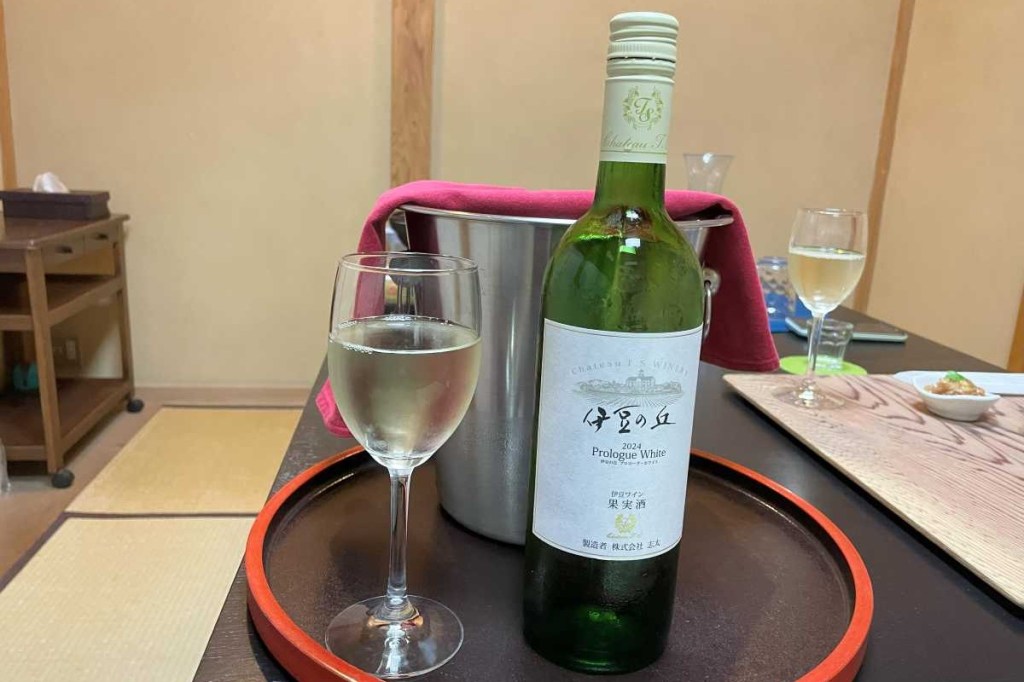
The appetizers were original and carefully prepared, and went very well with the wine.
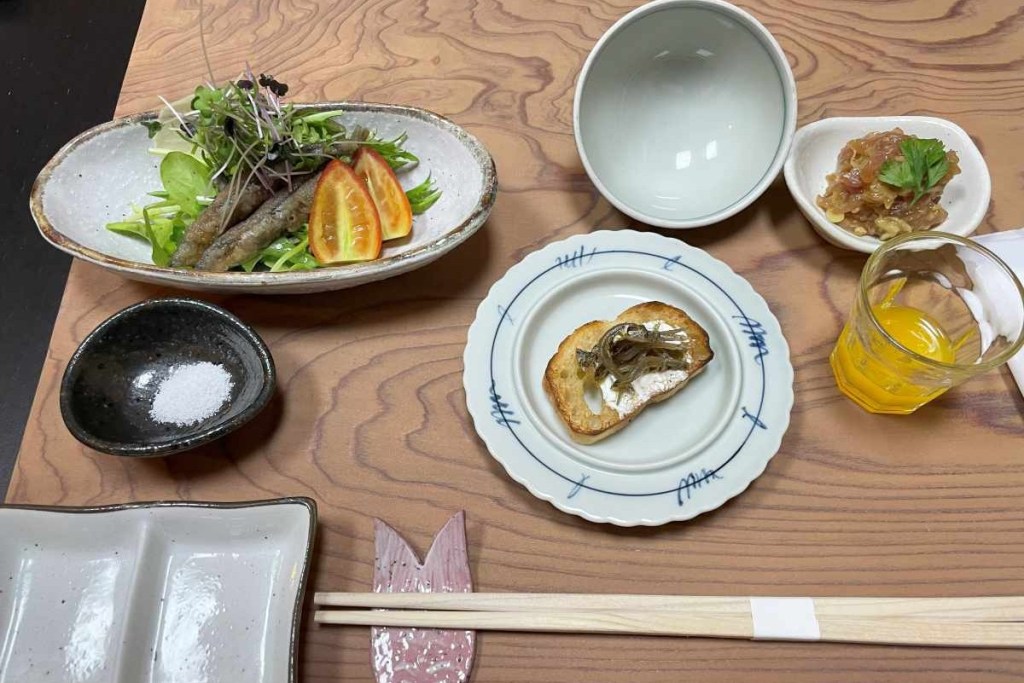
The sashimi is made with local fish, from left to right: blue porgy, rockfish, red snapper, and Erythrocles schlegelii.

The tableware has a cherry blossom petal pattern, which is typical of Sakurada (Cherry blossom rice fields) Onsen.

The restaurant’s signature dish is whole simmered golden-eyed snapper, simmered in a secret sauce that has been passed down for generations. Although it looks dark in color and has a strong flavor, it is actually light and elegant.
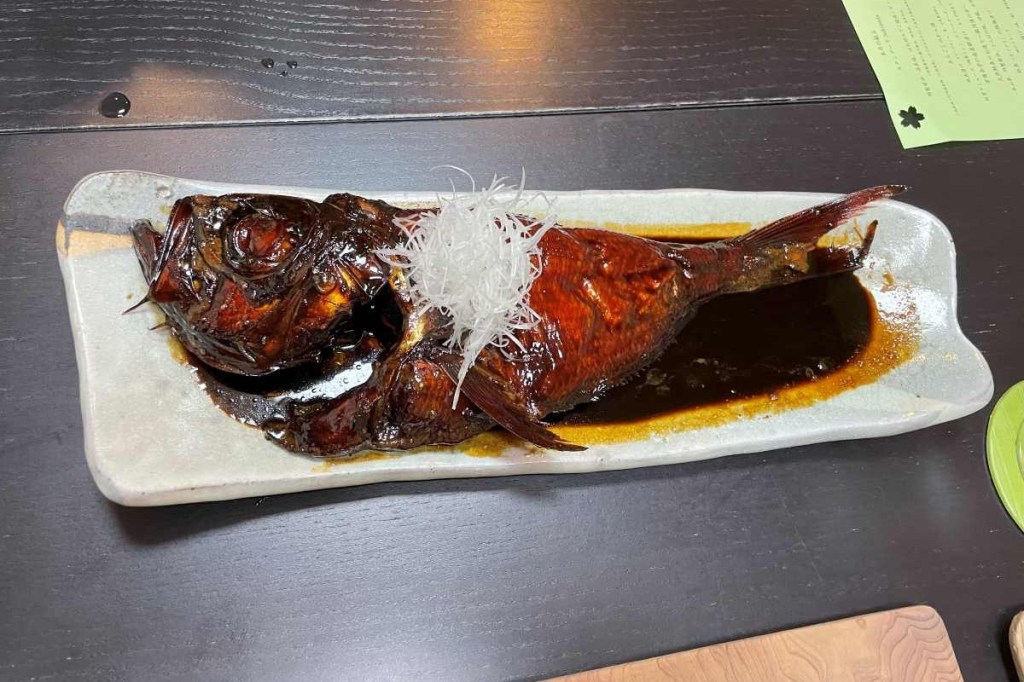
The food was cooked by the son of the receptionist at the front desk, and I was amazed at the heartfelt food prepared by a family-run business.
September 20th (Sat)
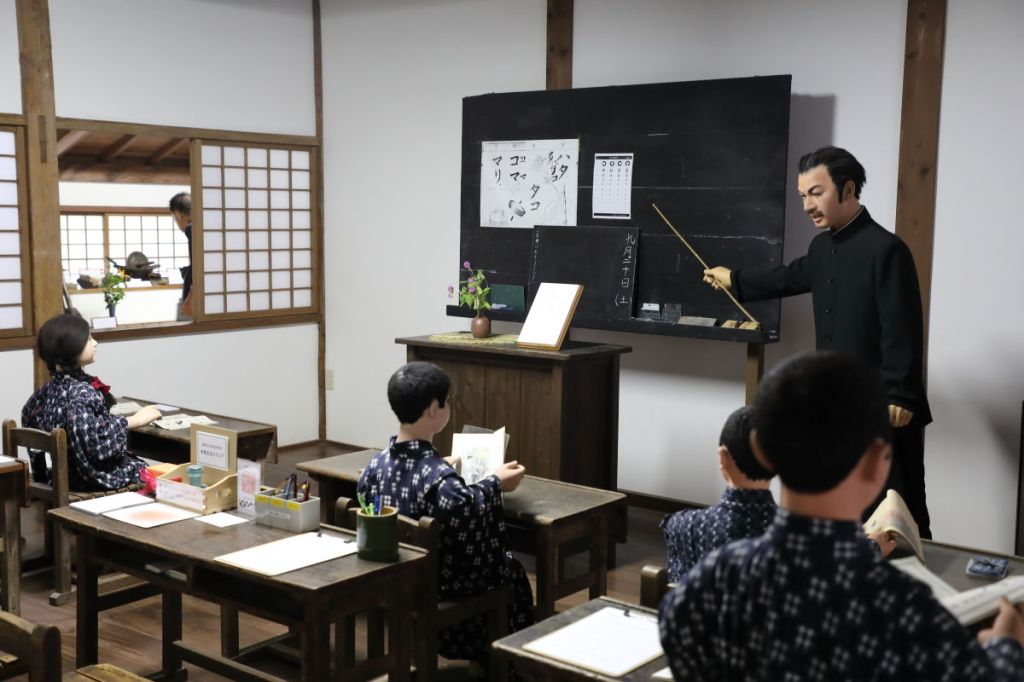
On my final day, I first headed to Iwashina School in Matsuzaki Town, a nationally designated important cultural property. Completed in 1880, it is the oldest school in Izu, combining a shrine-style building with namako walls and a Western-style building with balconies. It is the second oldest school in Japan after the former Kaichi School in Nagano.

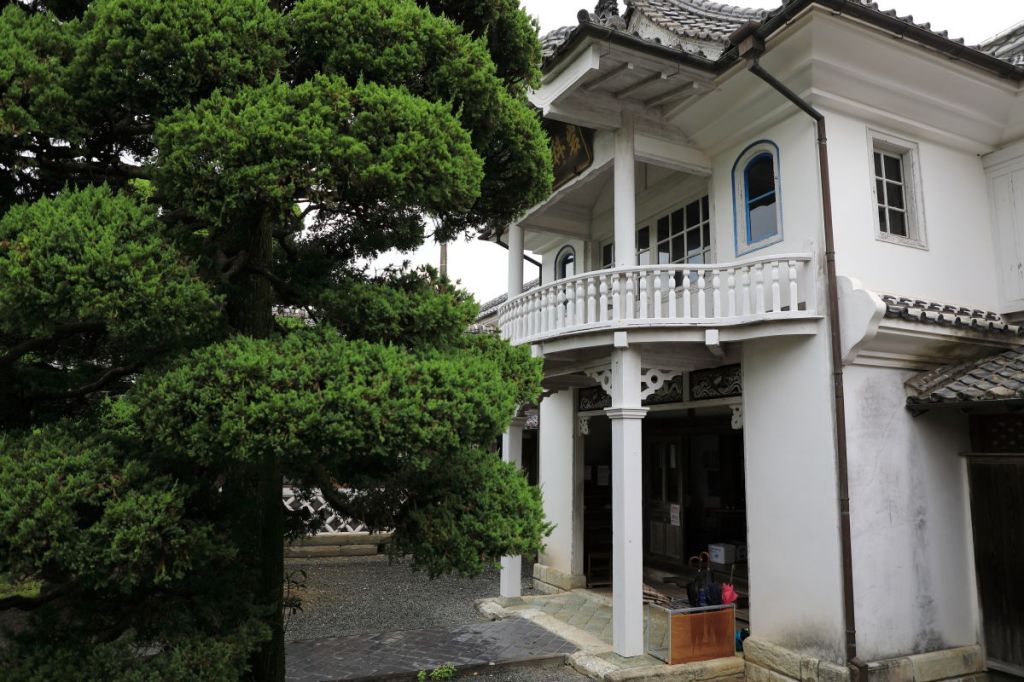
The first floor displays materials such as classroom scenes and textbooks from that time.
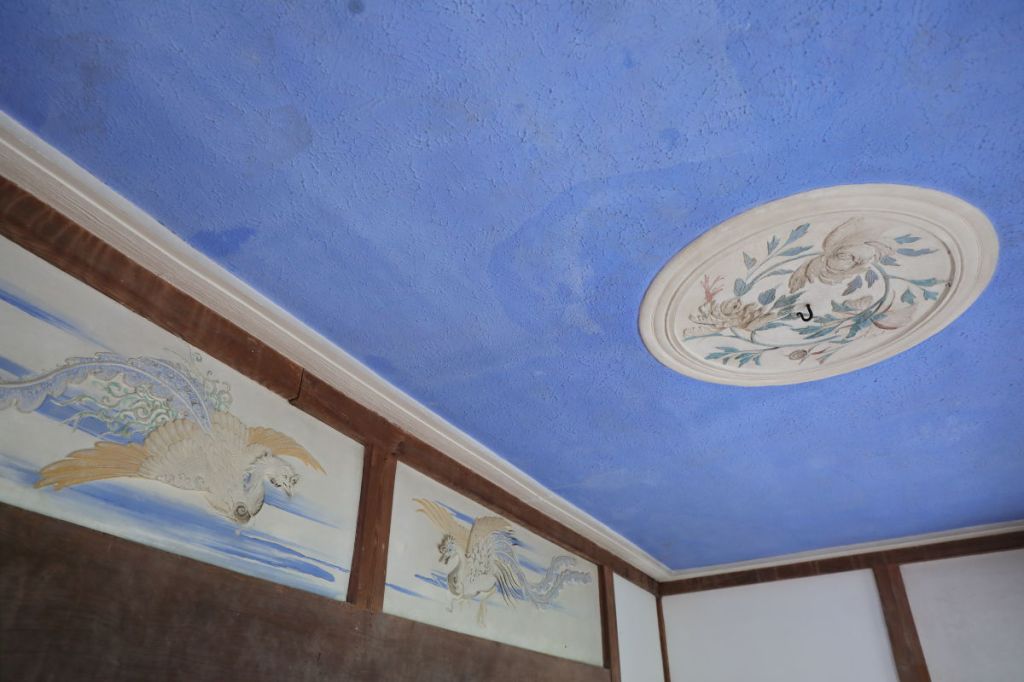
If you go up the spiral staircase to the second floor, you will see a plaster trowel painting of a phoenix by Irie Choshichi above the hall. I had seen Choshichi’s work at the Choshichi Memorial Museum and Art Museum when I came to Matsuzaki before, so I was surprised to see it here as well.
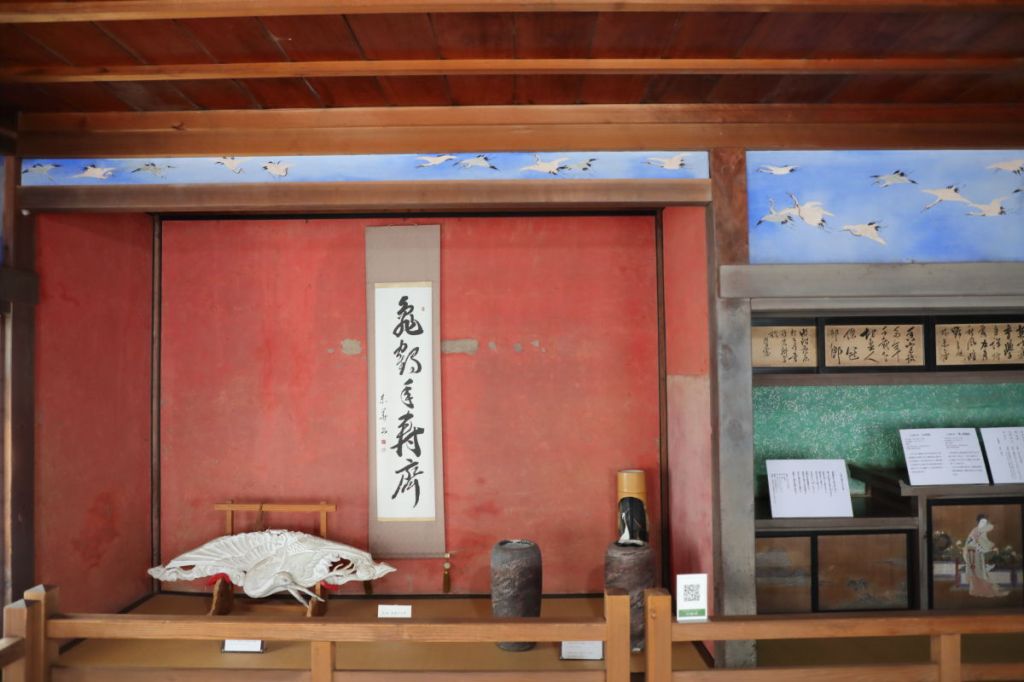
The west room on the second floor is a purely Japanese-style room decorated with a thousand cranes by the master craftsman Irie Choshichi. Each one is unique and the colors are a stunning combination.
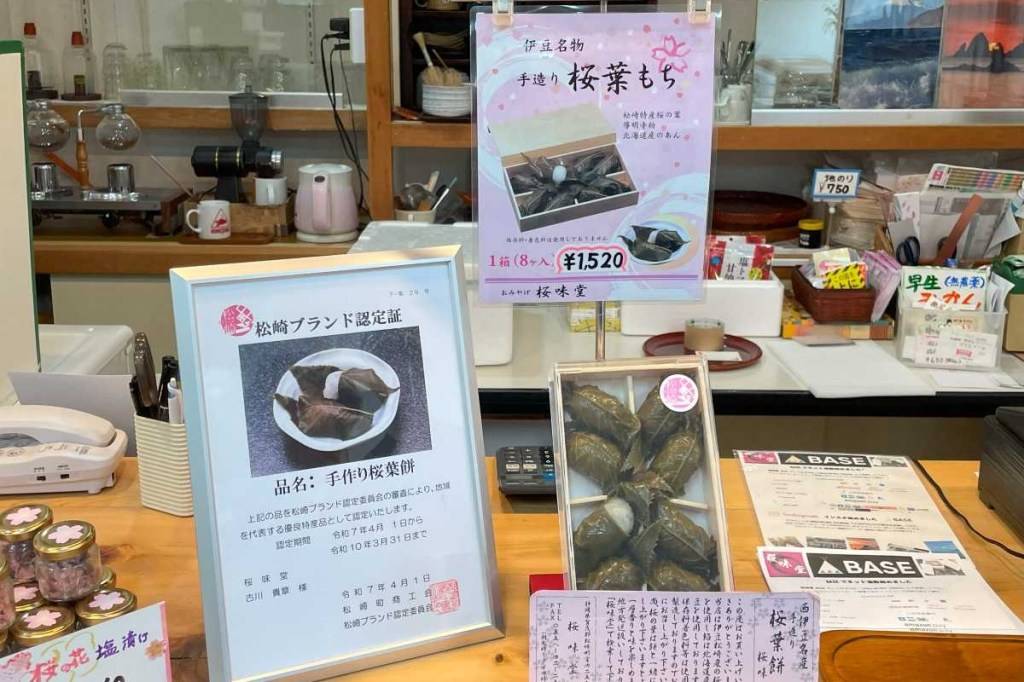
Next, I went to Sakuramidou to buy some souvenirs, a staple when visiting Matsuzaki Town. First, I bought some Sakuraba Mochi (rice cakes wrapped in salted cherry leaves) filled with bean paste. The aroma and saltiness of the cherry leaves complemented the sweetness of the bean paste perfectly.
Next, I bought dried horse mackerel and small herring, and dried mackerel with mirin at the Minzei Sabou. The dried fish here is delicious. They also serve dried fish set meals, but it was too early for lunch, so I only went to the shop.

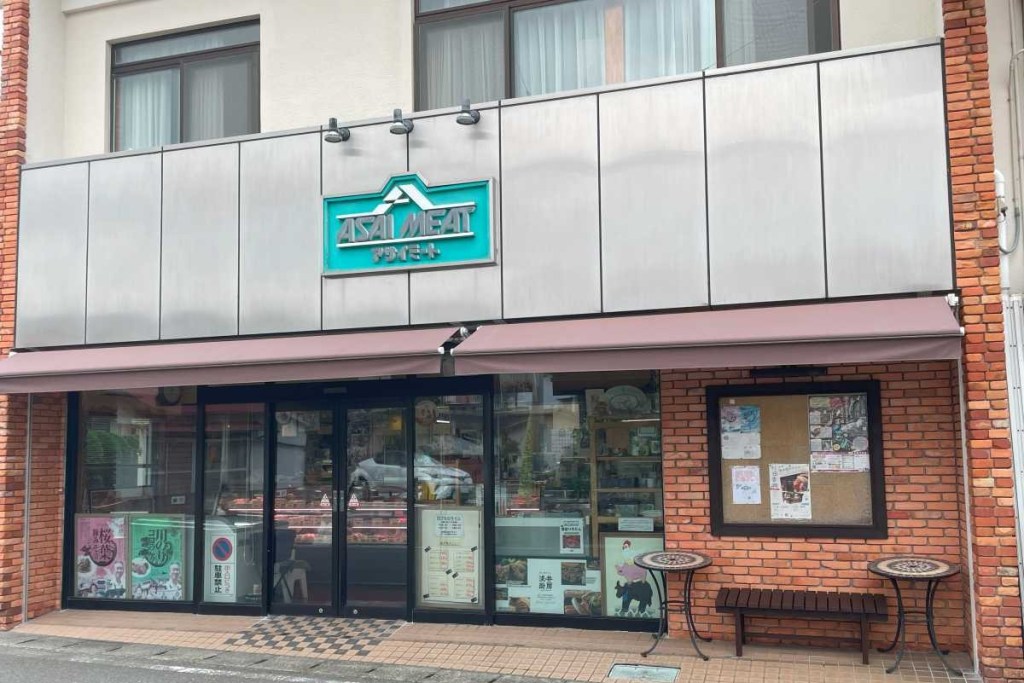
There is a butcher shop called Asai Meat nearby, and I bought some river nori croquettes made with plenty of Matsuzaki’s specialty river nori, chicken breast cheese cutlets, and pork miso pickled in cherry leaves. Both were delicious.
After purchasing the usual souvenirs, I stopped off at the Drive Inn Prima in Izu City for lunch while enjoying the view of Suruga Bay. After that, I took the Izu Longitudinal Road via Toi, and from Numazu onto the Tomei Expressway, safely returning home. As transportation to Minami Izu and Nishi Izu is inconvenient, there were few foreign tourists, making for a relaxing hot spring trip. I wasn’t blessed with good weather, but the delicious Izu produce and wonderful hot springs made for a very satisfying trip.
 旅好き爺の旅行記
コメントを残す