

I underwent lumbar spine surgery on Tuesday, December 2nd last year and am currently undergoing rehabilitation, so this time I decided to visit hot springs in Kagoshima Prefecture with different water qualities and enjoy some delicious local food.
January 8th (Thr)
I boarded JAL flight 643, which departed Haneda Airport at 08:05, and arrived in Kagoshima at 10:00, almost as scheduled. I rented a car at the airport and headed to Eirakuso, a restaurant near the airport where I could eat yakiniku (grilled meat) made with Kagoshima meat, for my first lunch.
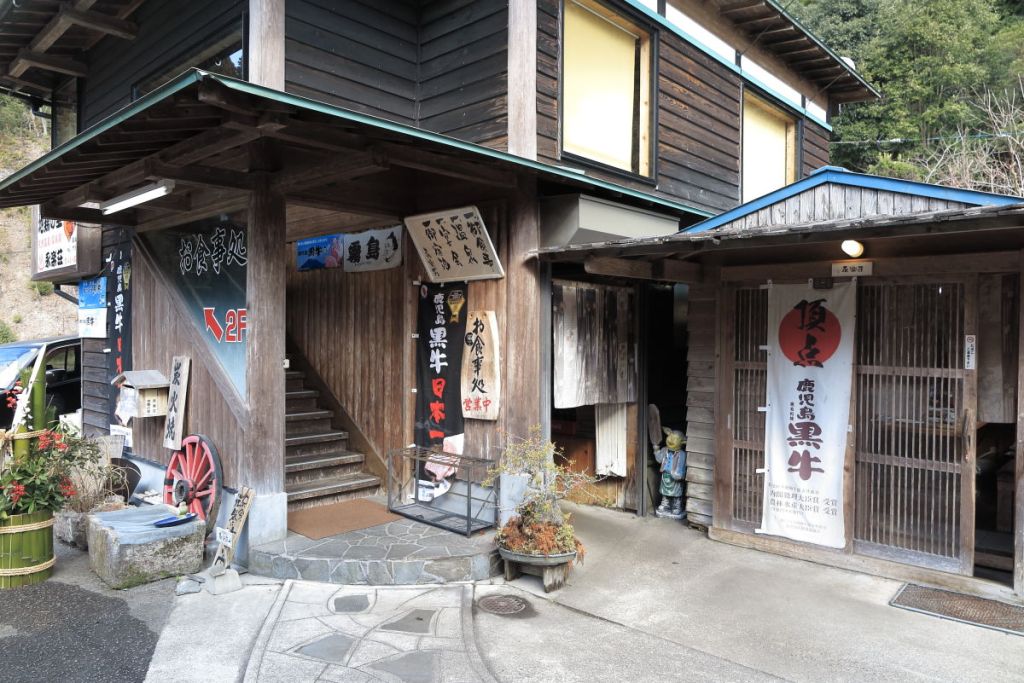
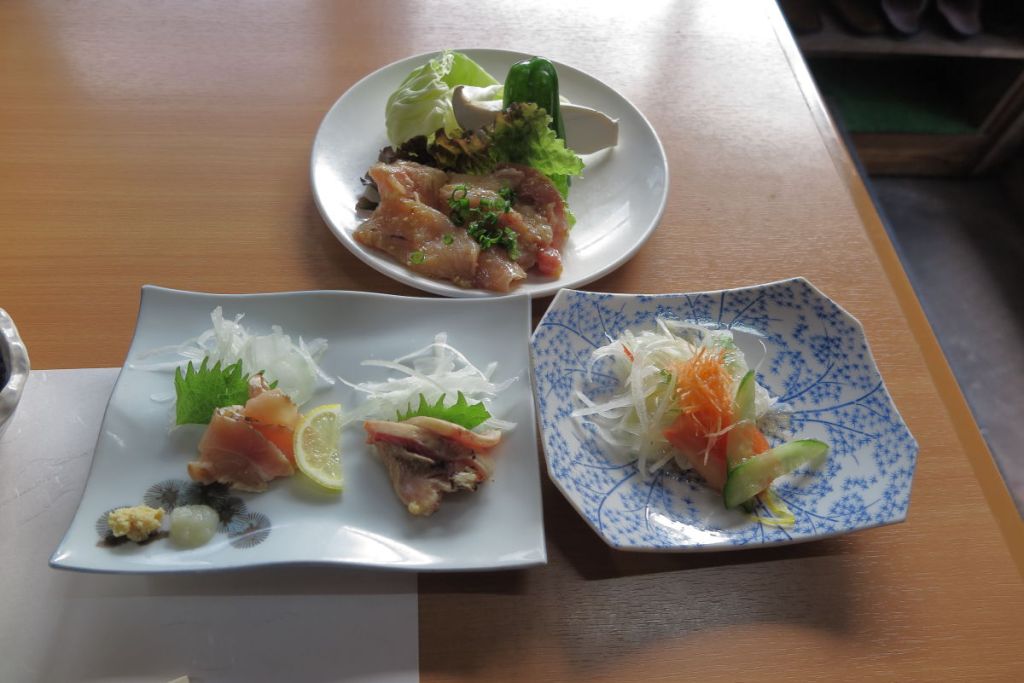
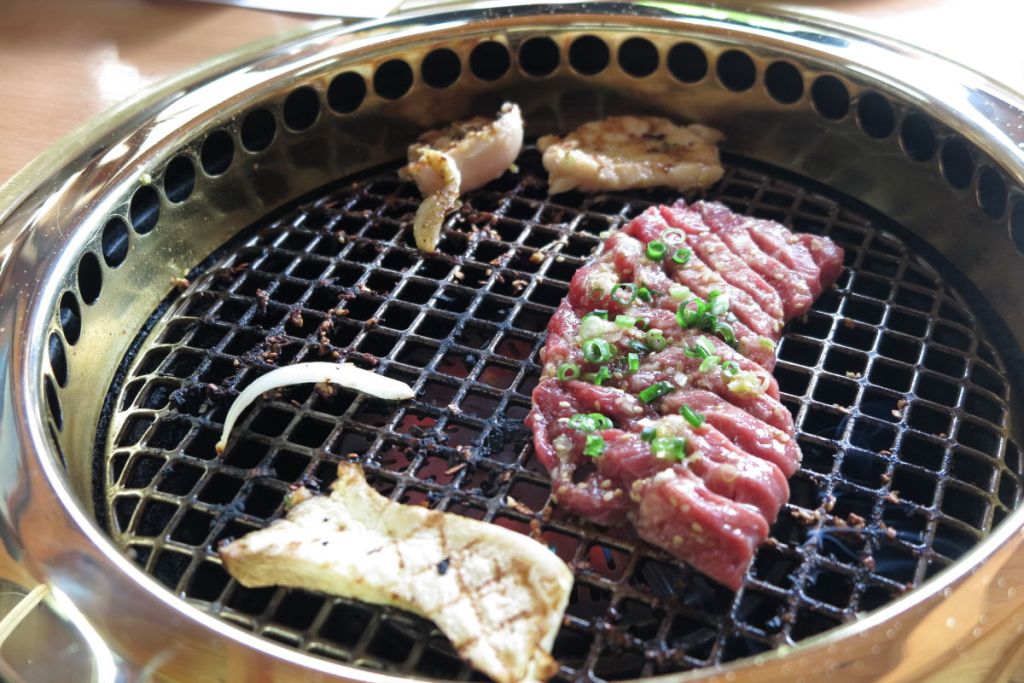
They offer a variety of yakiniku set meals using beef and chicken, but I ordered the local chicken grilled set meal, which I had tried before and found to be delicious. It came with chicken sashimi and salad, and the chicken was both breast and thigh, and very juicy. Apparently it can be eaten raw, so it’s incredibly fresh. I also ordered beef tongue as an a la carte dish, which was grilled in a large chunk and then cut into pieces with scissors.
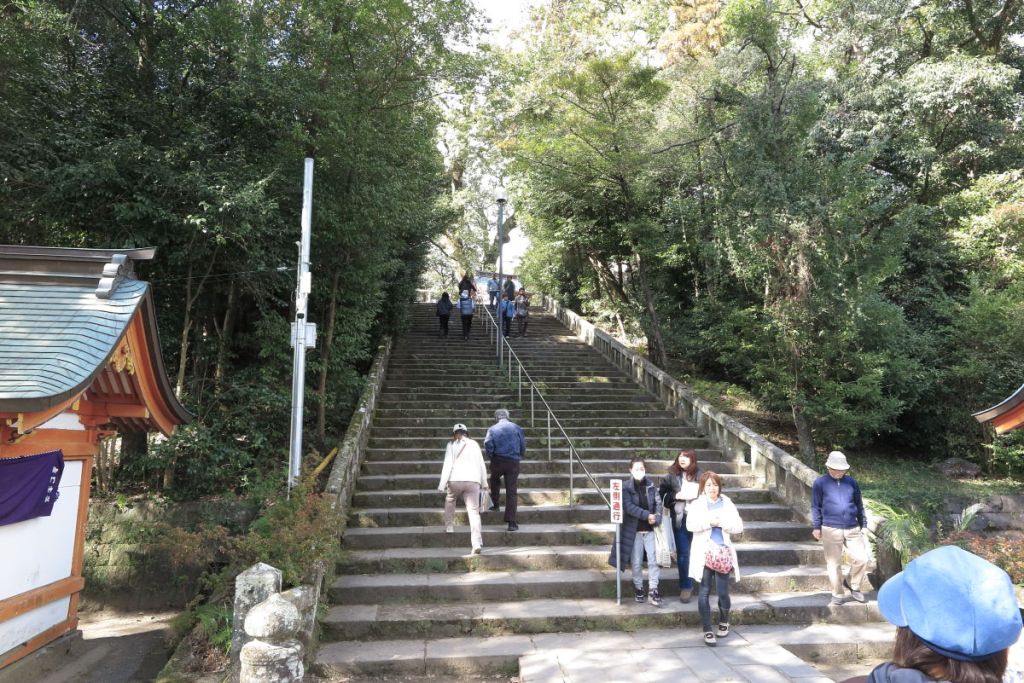
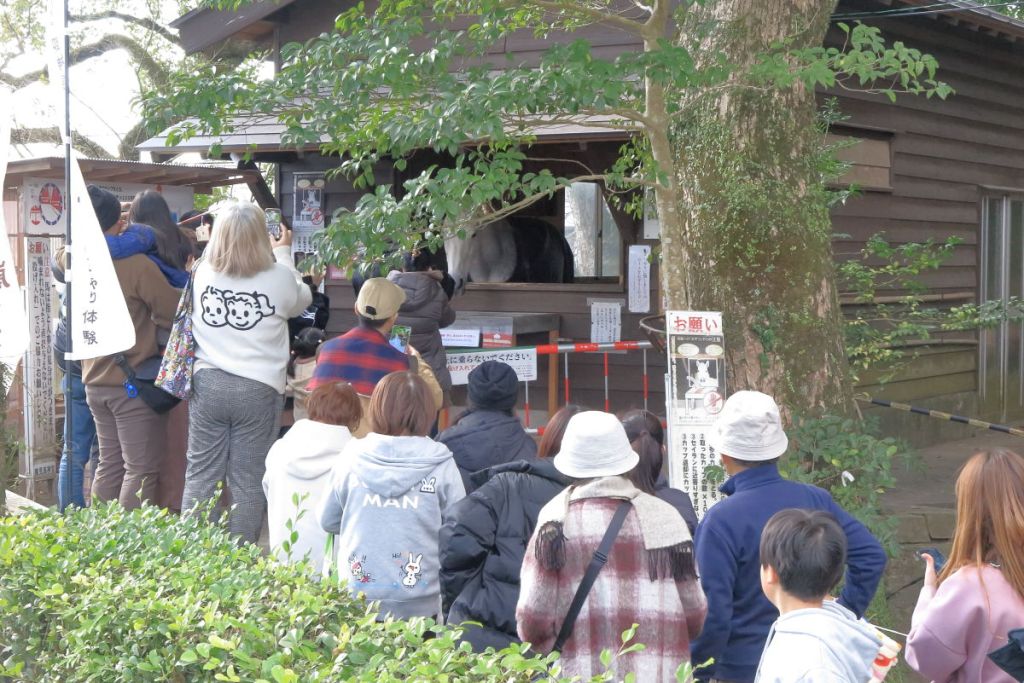
After finishing my meal, I went to Kagoshima Shrine. This shrine is an ancient and historic one, but when I saw the stairs leading up to the main hall, I decided it would be too difficult for me given my current physical condition, so I gave up. At the beginning of the stairs there is a feeding area for the Suzukakeuma, the sacred white horse in this shrine, and since it was the Year of the Horse in Japan, I was satisfied to see the sacred horse.
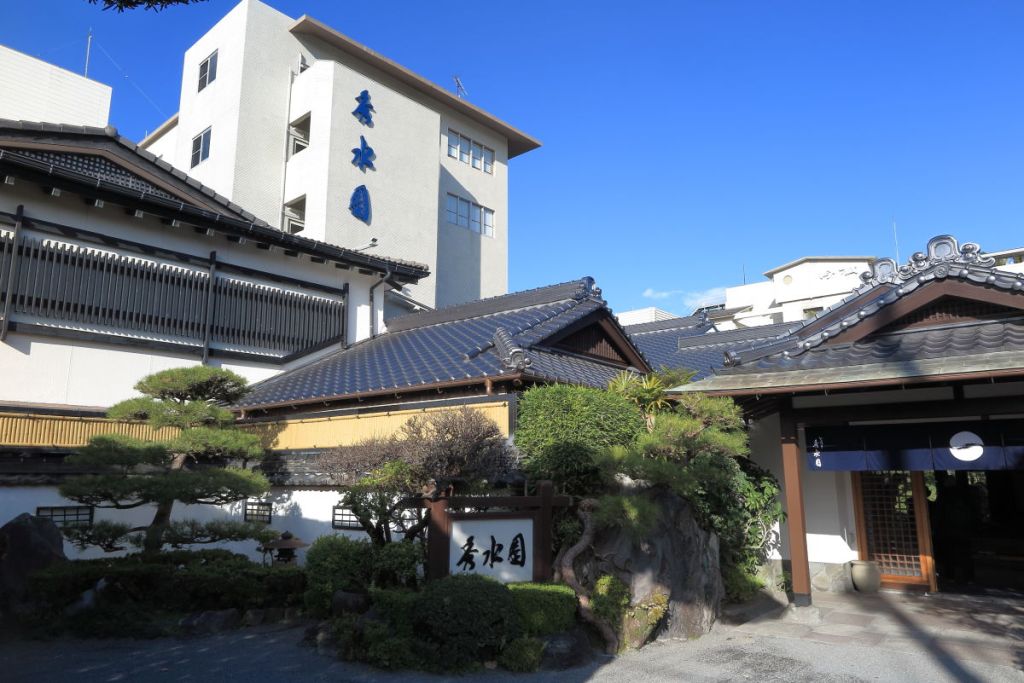
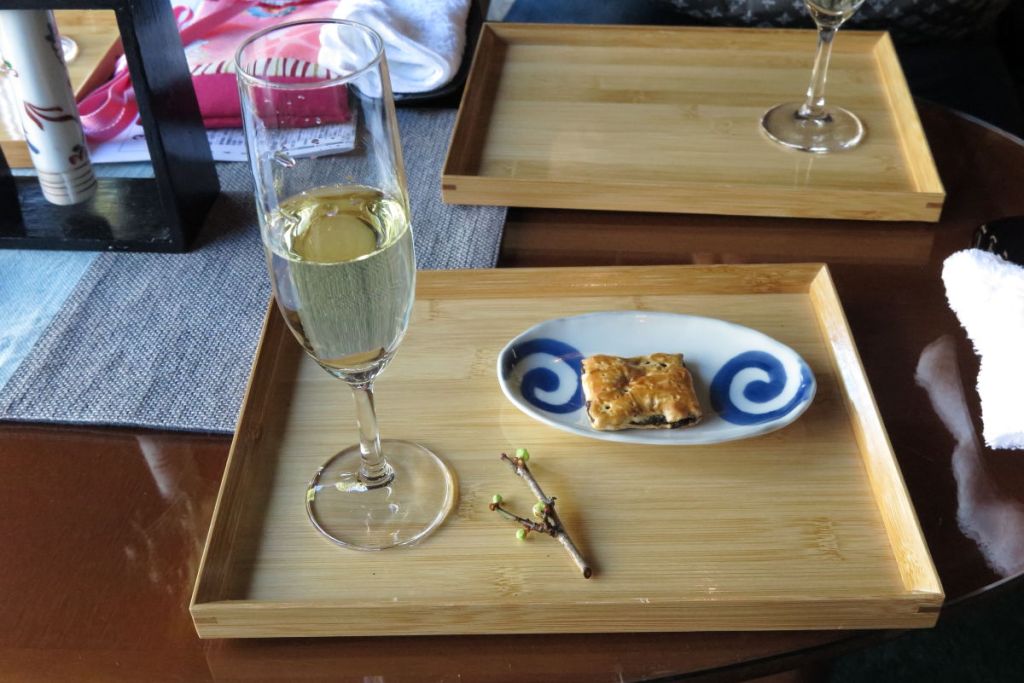
Next, I headed to my lodging for the night, Ibusuki Shusuien. This was my third time staying here, and it was ranked 13th overall and 2nd in the food category in the 2026 Professional Selection of the Top 100 Japanese Inns and Hotels. It is an inn that prides itself on its cuisine, which is always ranked highly in the food category. When I checked in, I was given a welcome drink, and I ordered sparkling wine. This is a welcome treat for those who like alcohol.
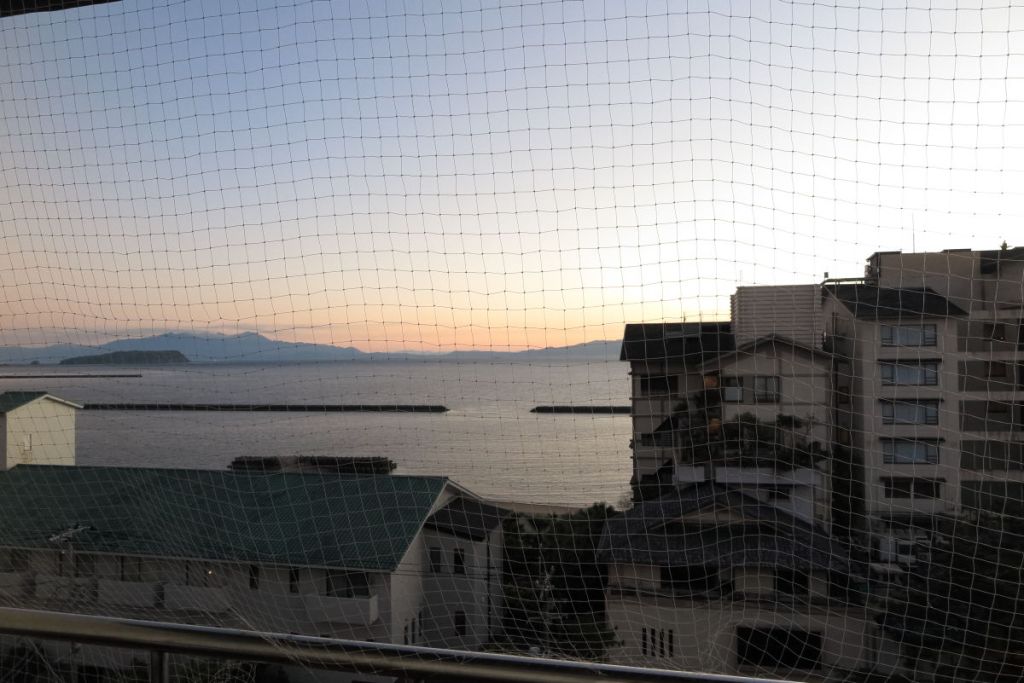
My room was on the top floor (5th floor) and had a view of the Osumi Peninsula across the Kinko (Kagoshima) Bay. The room was spacious, with a bedroom, a Japanese-style room, and a dining table for four. It was a great relief that they upgraded the room to a higher standard than the Japanese-style room I had reserved.
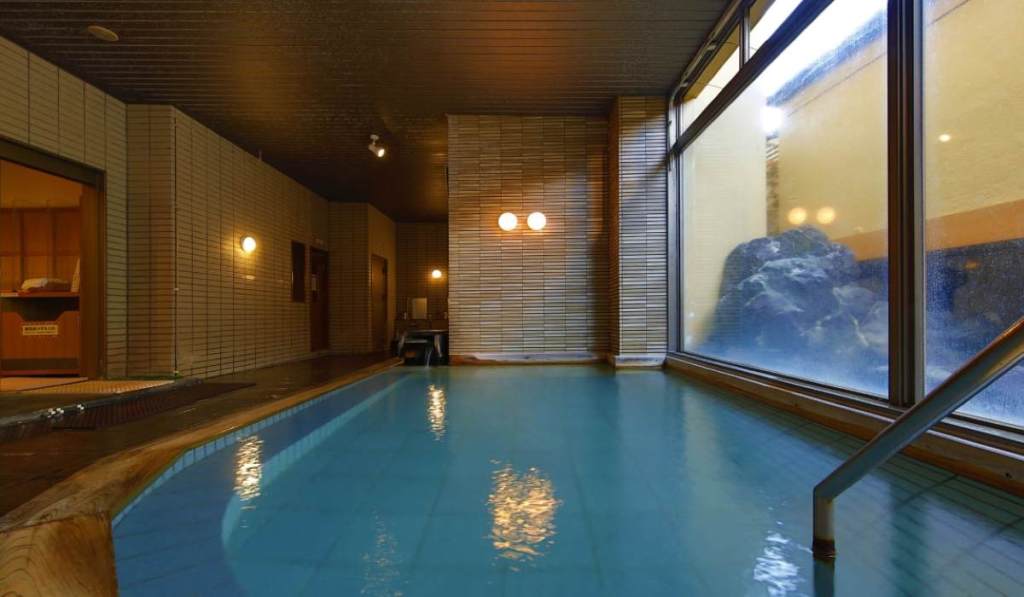
The hot spring is a free-flowing sodium chloride spring, which is perfect for warming up during the cold winter months. The large public bath on the first basement floor has an indoor bath and an open-air bath. The photo is a screenshot from the inn’s website.
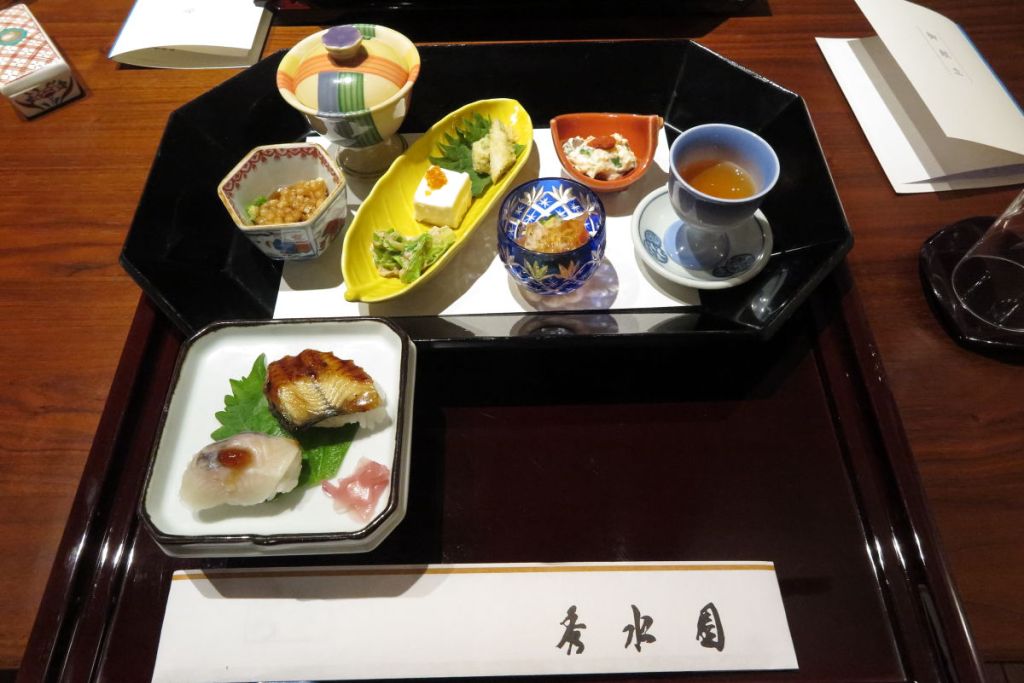
After bathing, it was time for dinner in my room. Eating in the room at the dining table was a relief for me, as my leg muscles have weakened. The appetizers included crab sansai (three-colored dish), bamboo shoots dressed with kinome (green buds), deep-fried smelt with shiso leaves, and persimmon dressed with white dressing. Since I booked with a JTB plan, I was given the special sushi rolls of aged raw eel and grilled eel from Ibusuki, as shown below. Eel blood is poisonous, so it was my first time eating it raw, but it had a texture similar to pufferfish and was delicious.
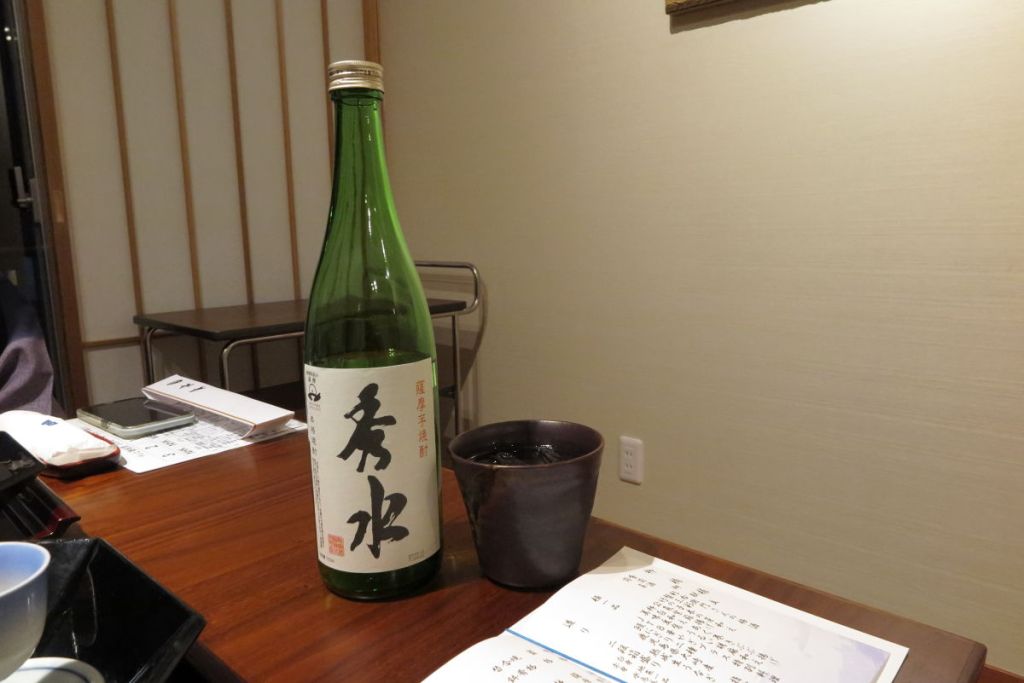
Since it was Shusuien, I ordered Shusui, a shochu made by the local Ibusuki Brewery. It has a rich, refreshing taste and a fruity flavor without any potato smell.
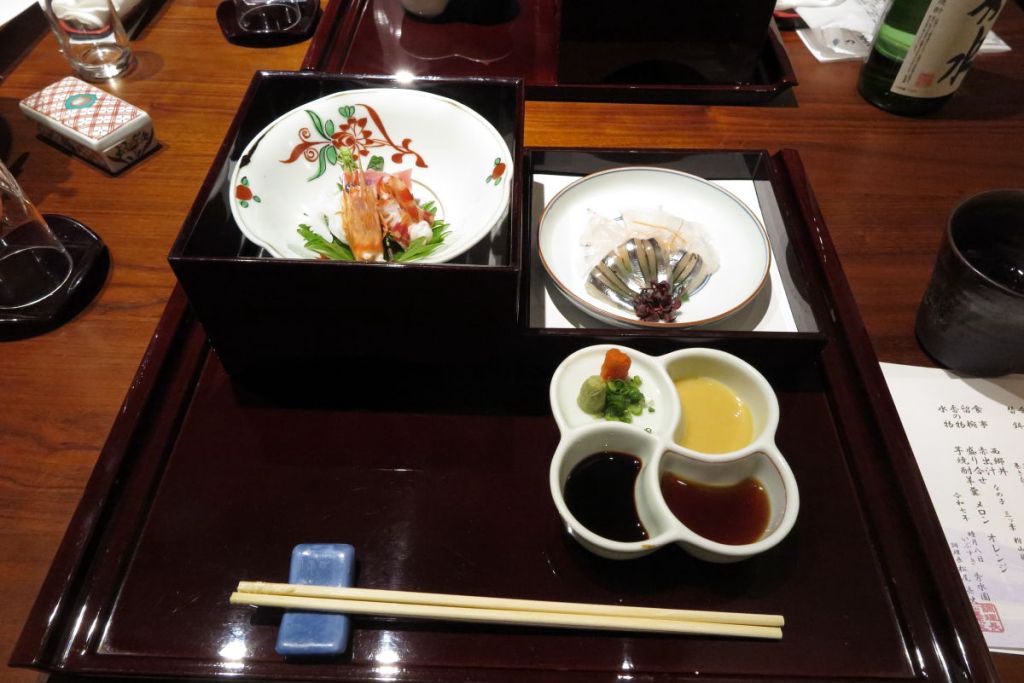
The sashimi is made with ingredients such as silver-ringed herring, squid, and tiger prawns.
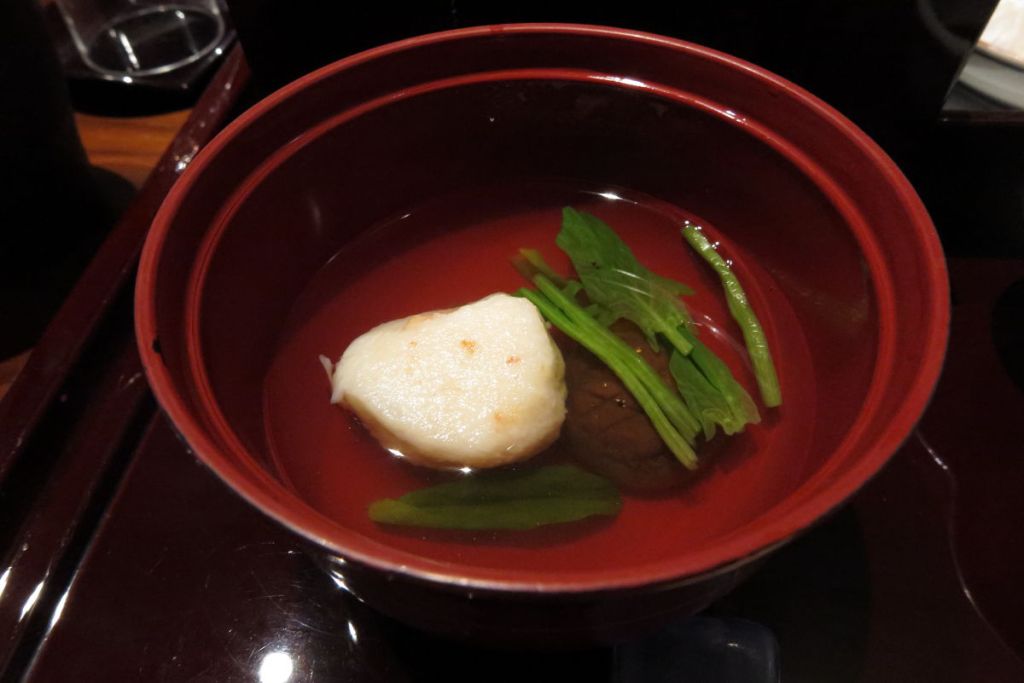
Crab meatball clear soup
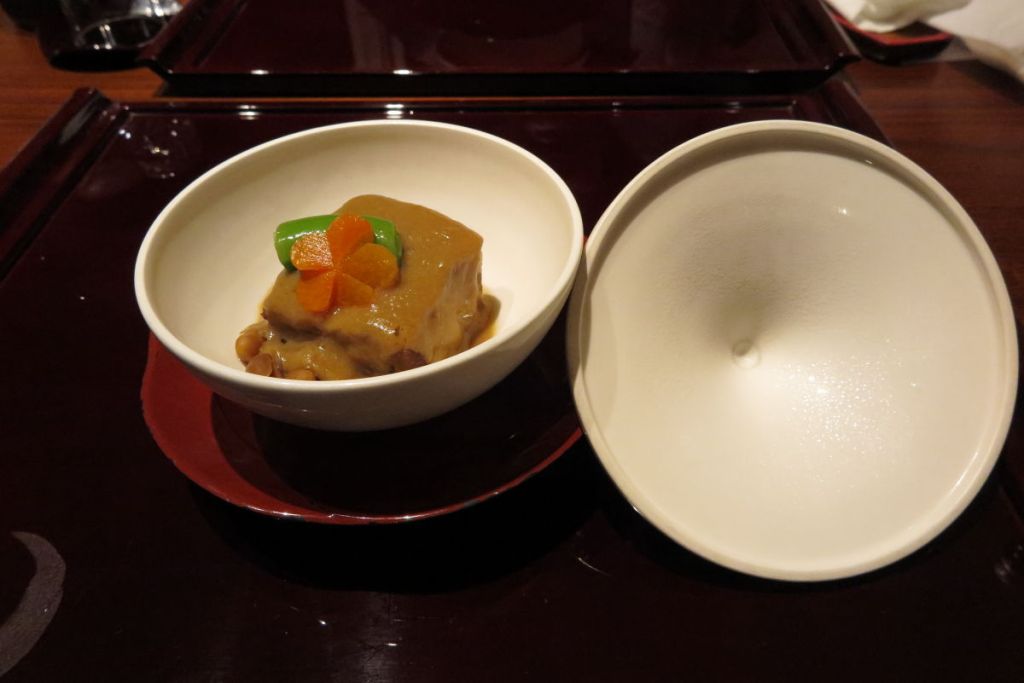
The tenderly stewed Satsuma black pork was topped with a soybean sauce and was delicious.
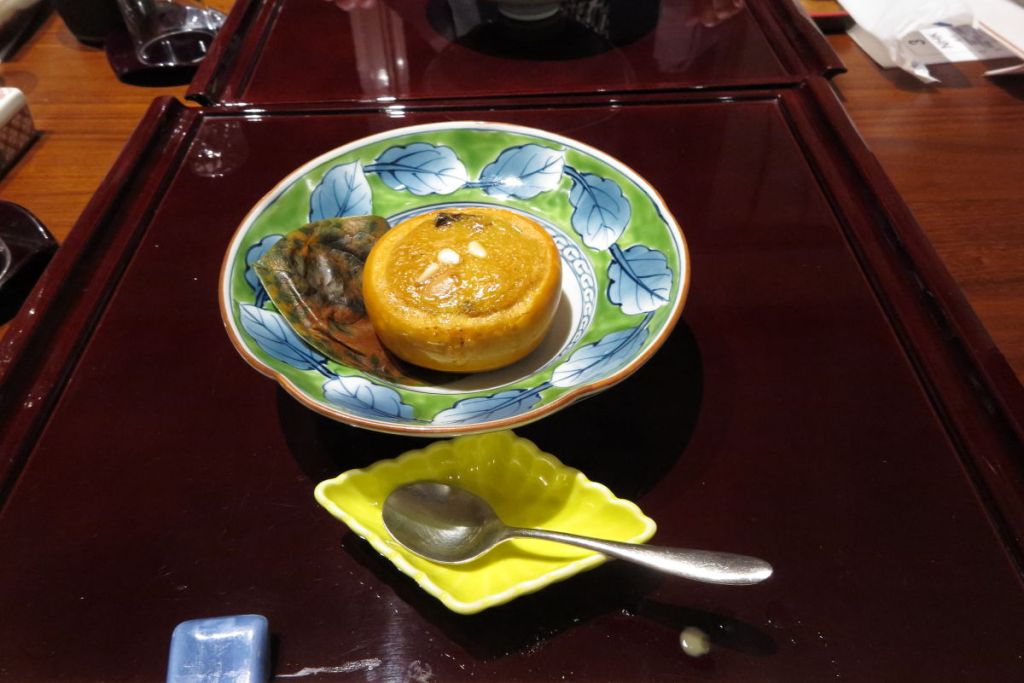
The dish, which featured oysters inside a hollowed-out persimmon, was a bit of a pun (oyster and persimmon are same spell as “Kaki” in Japanese), but it was Western-style and tasted very good.
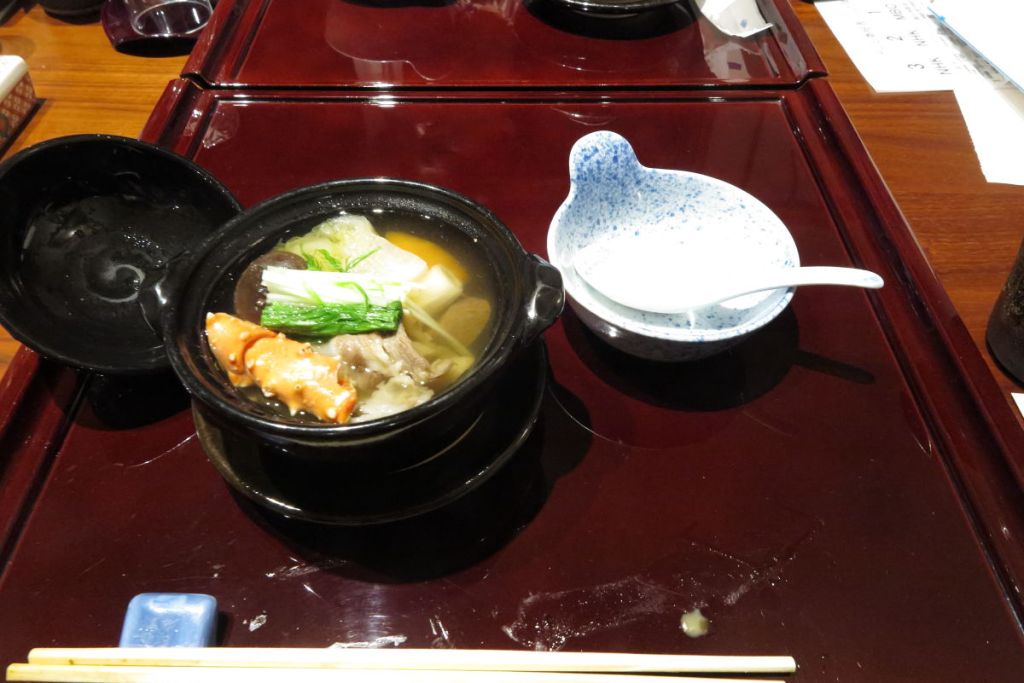
The hotpot with flying fish broth was filled with a variety of ingredients, including black pork, chicken meatballs, yuba (tofu skin), and king crab.
The meal was called Saigo (a Japanese samurai and politician born in Kagoshima who was one of the most influential figures in Japanese history) Donburi, and it was a bowl of marinated amberjack.
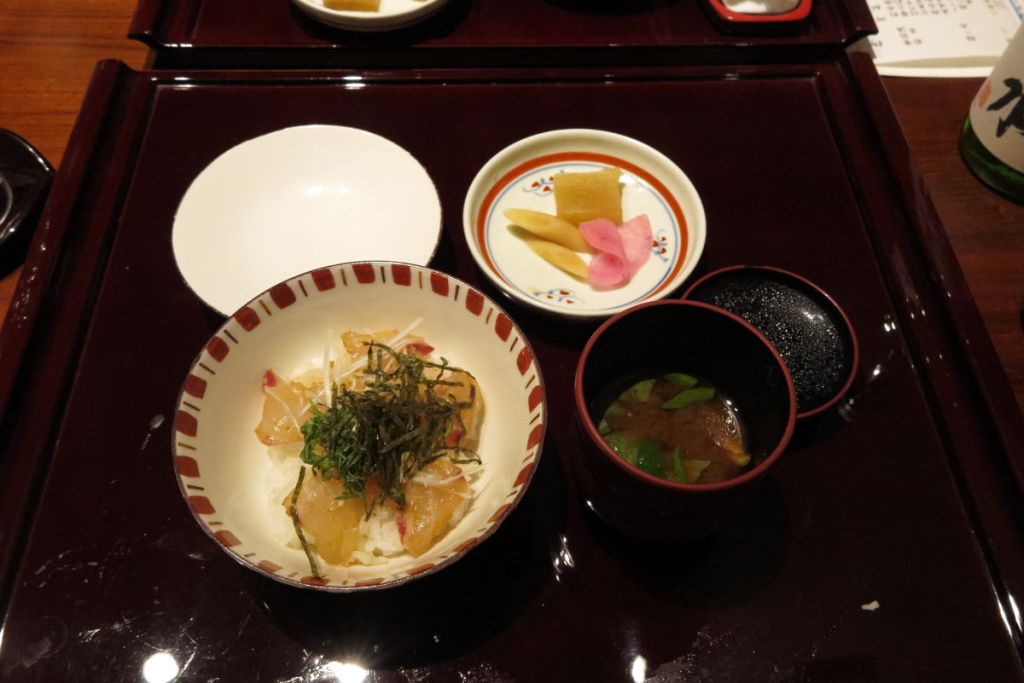
The waitresses waited until I had finished eating, then carefully brought out each dish, which I think further enhanced the flavor of the food. As expected, I was very satisfied with the dinner at this top-class inn.
January 9th(Fri)
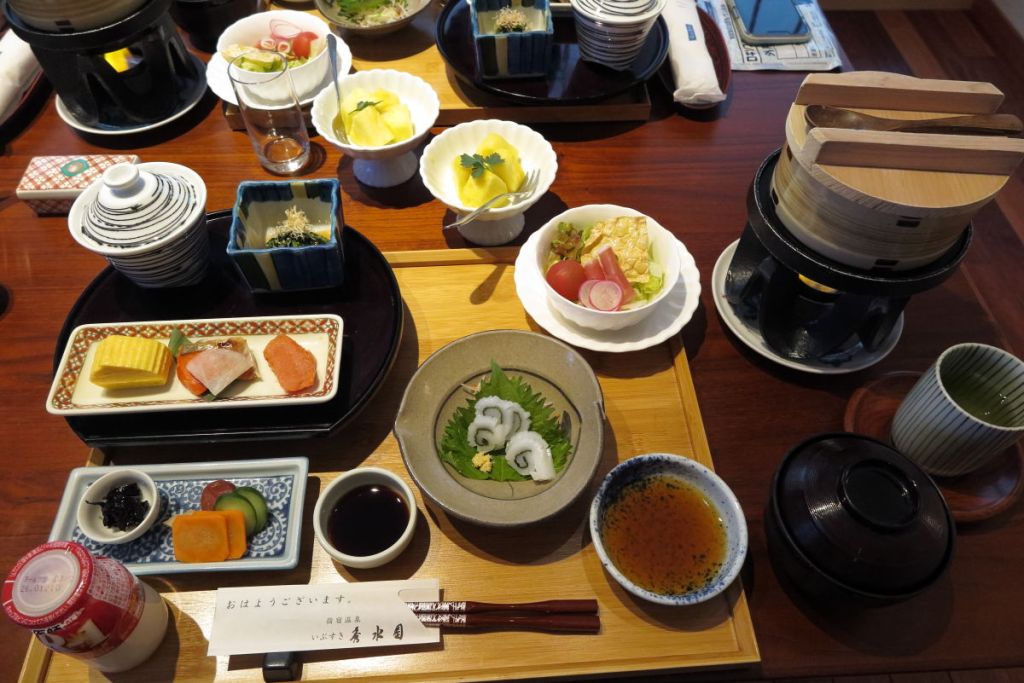
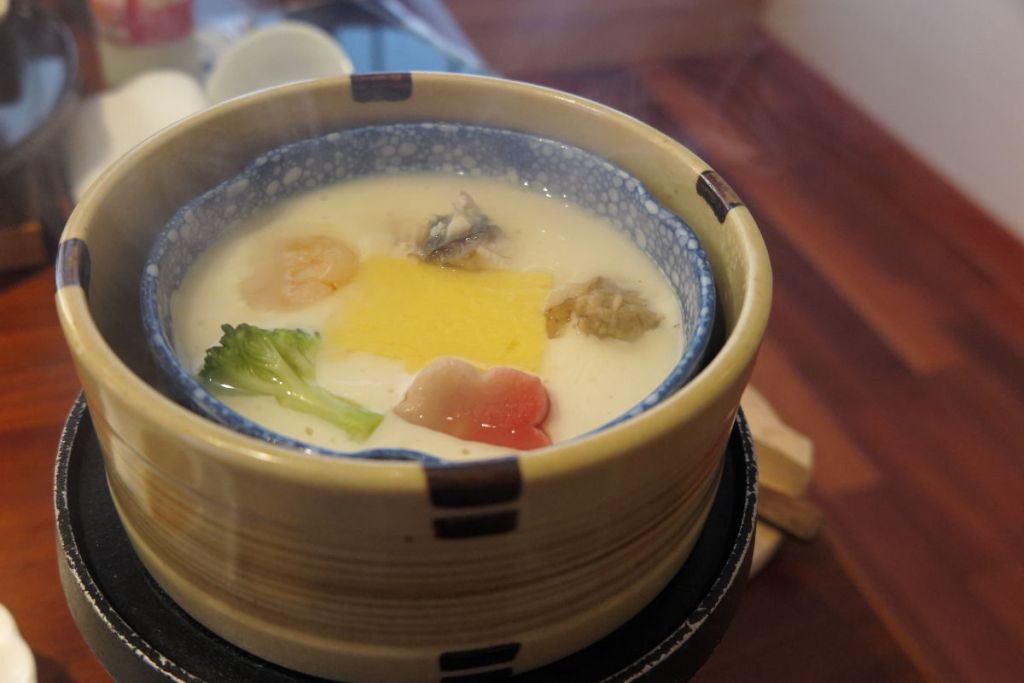
Breakfast was also served in the room. The food was substantial and the dish heated with solid fuel was like chawanmushi (steamed egg custard) and was very delicious.
There is a sand bath facility called Sand Bath Hall Saraku about a 5-minute walk from Shusuien, but I have been there before, so this time I decided to go to a sand bath facility a little further away called Yamakawa Sand Bath Hot Spring Sayuri. A huge amount of steam was rising from behind the facility.
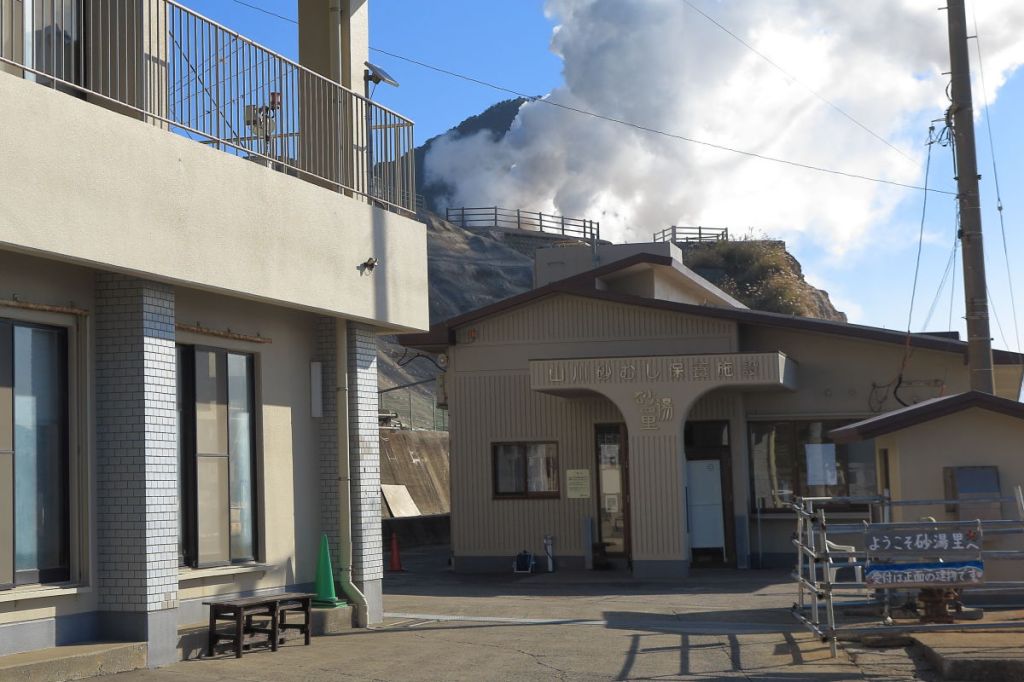
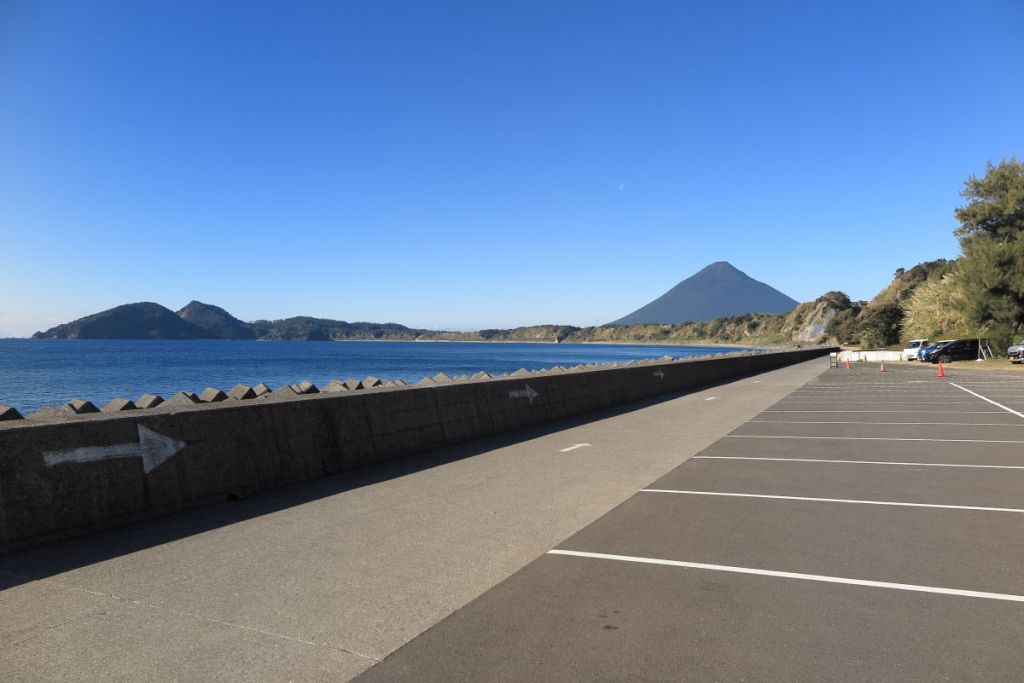
I had a beautiful view of Mt. Kaimon from the parking lot. It was early in the morning, so I was able to enjoy the sand bath at my leisure. I was surprised to see a foreign parent and child on our way back.
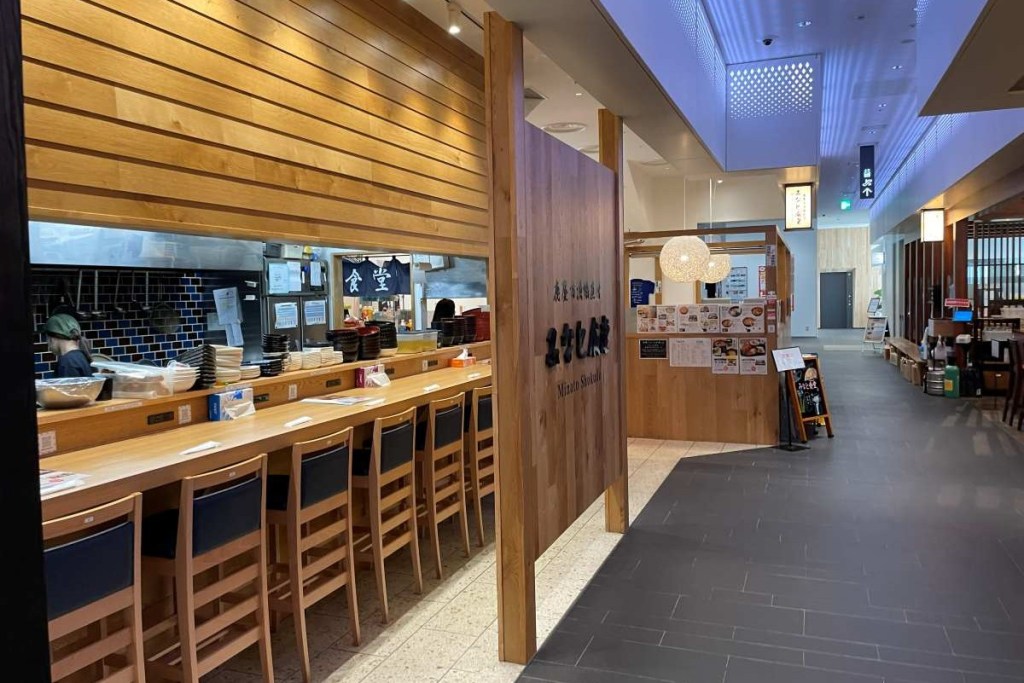
For lunch, I went to Kagoshima City and decided to eat at Minato Shokudo 2nd store, which is directly managed by the Kanoya City Fisheries Cooperative.
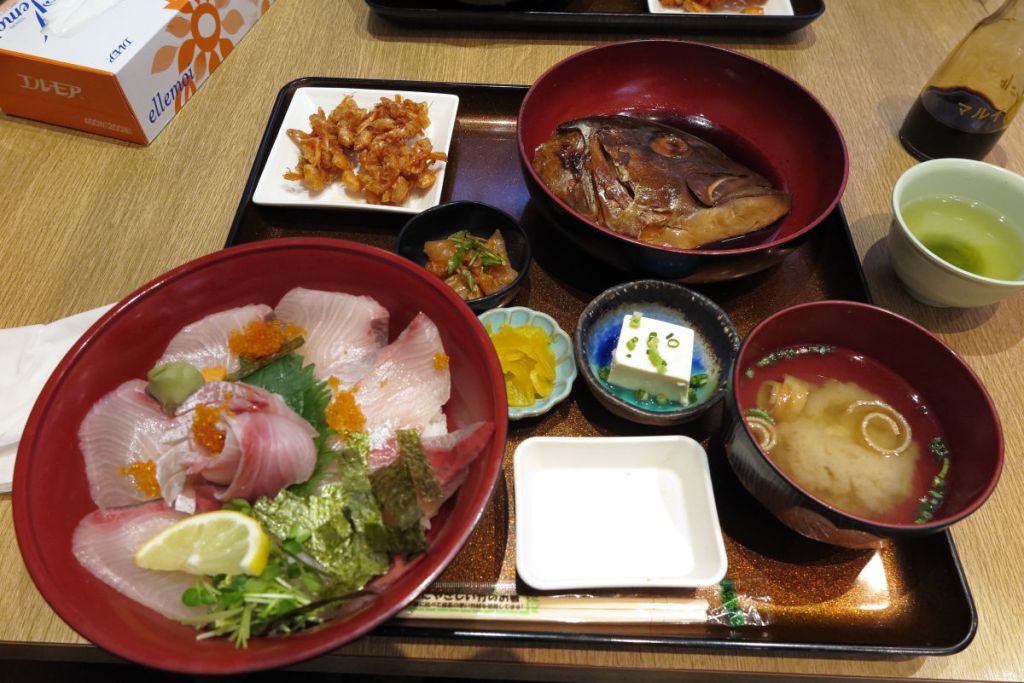
The amberjack seafood bowl comes with boiled head of fish and fried shrimp. The texture of the fresh amberjack was very pleasant and delicious.
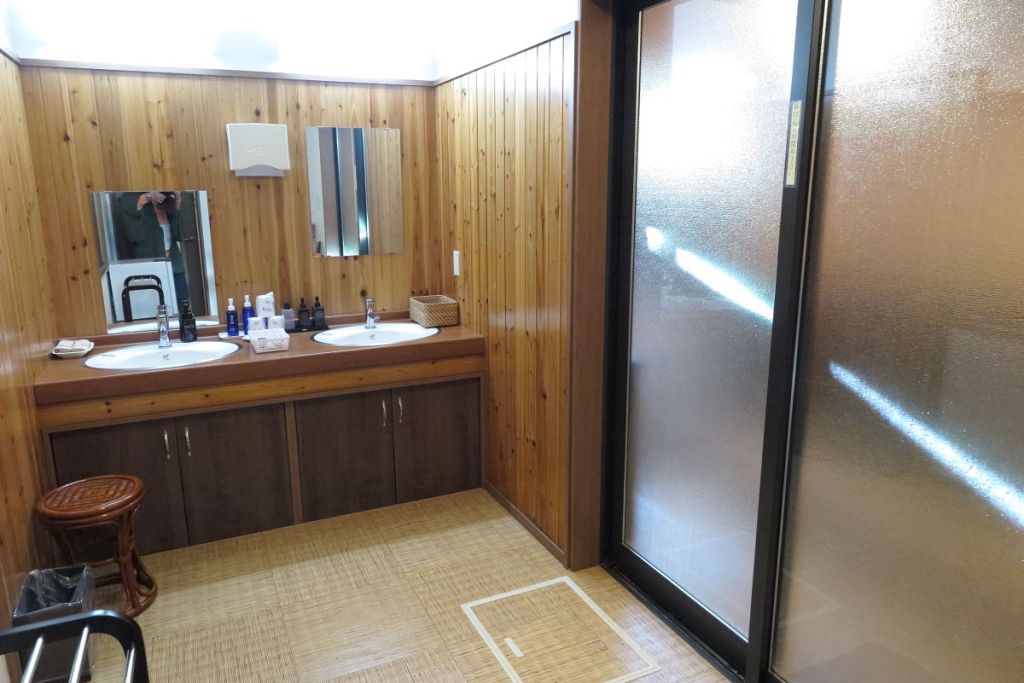
After lunch, I headed to our lodging for the night, Orihashi Ryokan in Myoken Onsen. Orihashi Ryokan is a long-established inn founded in 1879 and is also a member of the Society for Preserving Secret Hot Springs in Japan. The detached Tensen building has two rooms, a Western-style room and a Japanese-style room, and beds were also provided, which was very helpful. What surprised me was the indoor and open-air baths in the rooms, which are as big as the baths in smaller inns. Although it is not visible in the photo, there is a spring water bath next to the open-air bath.
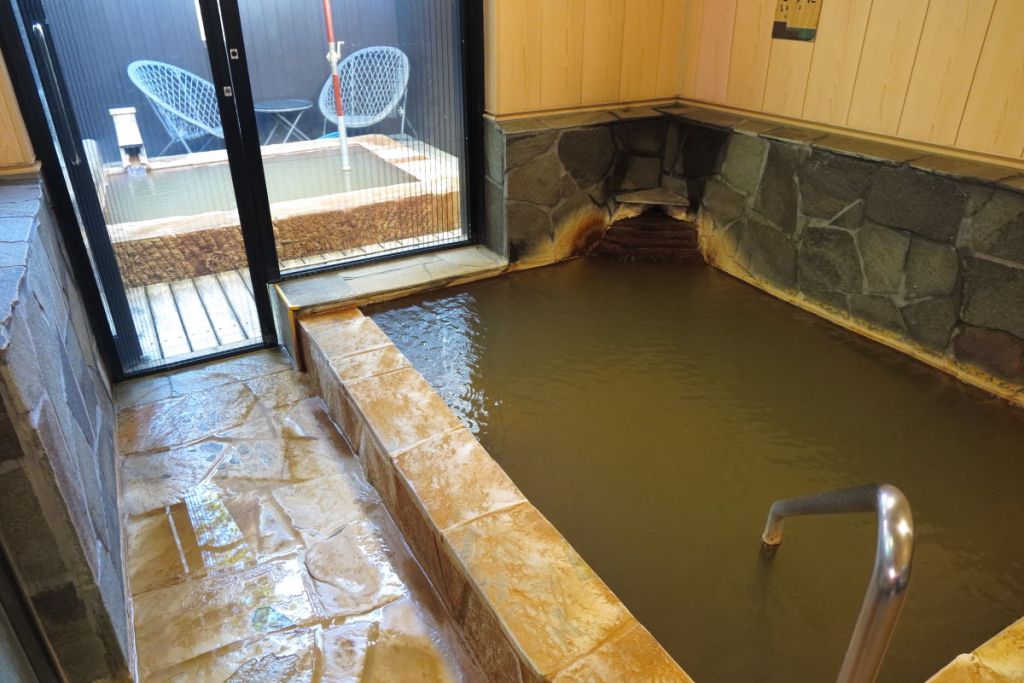
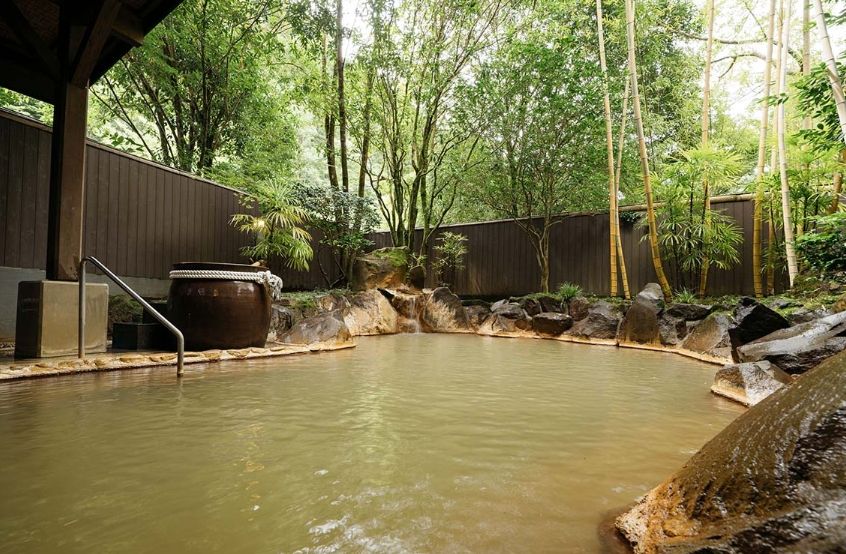
First, I went to the large open-air bath a little further away. The water quality is bicarbonate spring water, and all baths, including the one in the room, are free-flowing. As you’d expect from the Japan Society for the Preservation of Secret Hot Springs.
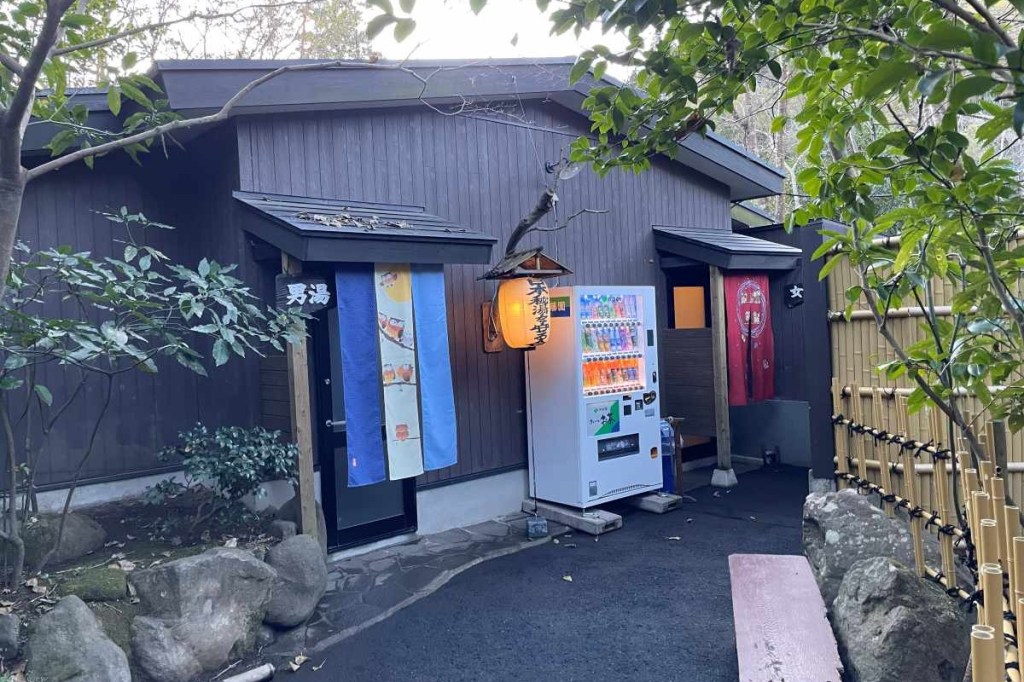
The photo of the bath below is a screenshot from the inn’s website.
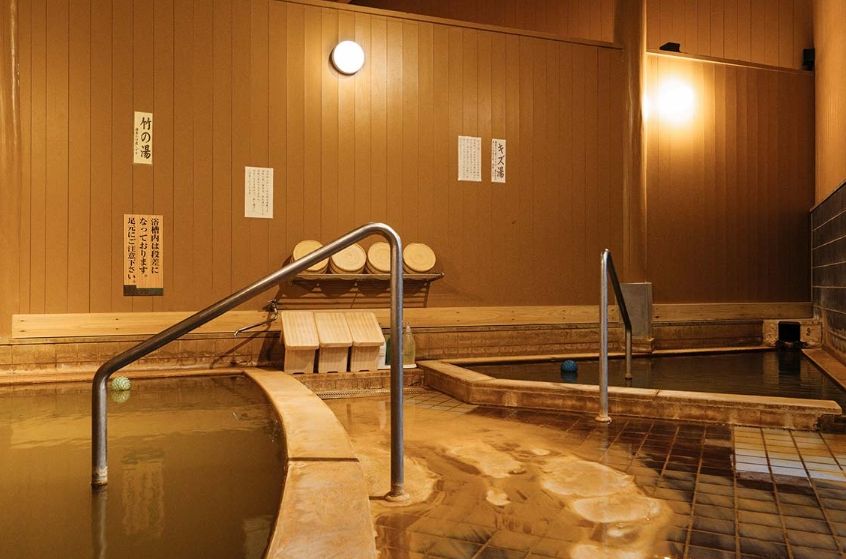
The annex Sansuiso has an indoor bath called Kizuyu, but since there are nice private baths in the rooms, I didn’t go this time. However, it said “This is the only natural hot spring in the hotel,” so perhaps I should have gone.
After bathing, it was time for the much-anticipated dinner. The main building, built in 1913, is a quaint building with windows from that era. This building is currently used as a restaurant.
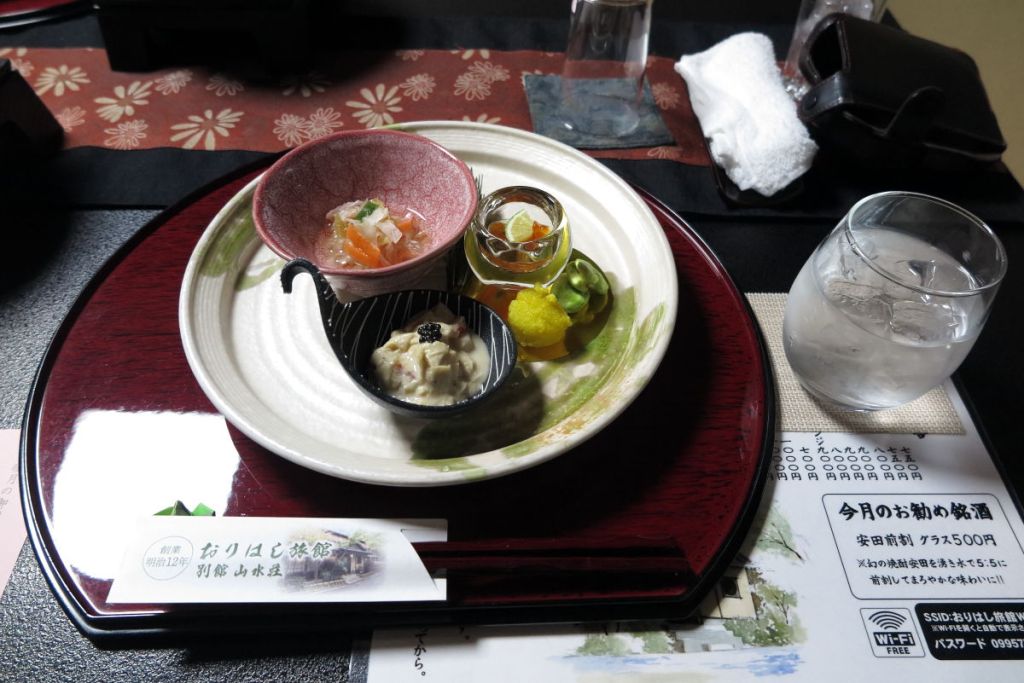
The appetizers were a Western-style salad of red shrimp, scallops and yuba skin topped with caviar, five-color pickled vegetables, salmon roe marinated in soy sauce, scallops and broad beans. A glass of maewari (after diluting shochu with water to your preferred strength and sitting overnight or for a few days) shochu was served as a complimentary drink. Yasuda shochu is apparently difficult to obtain. It had a fruity aroma reminiscent of lychee.
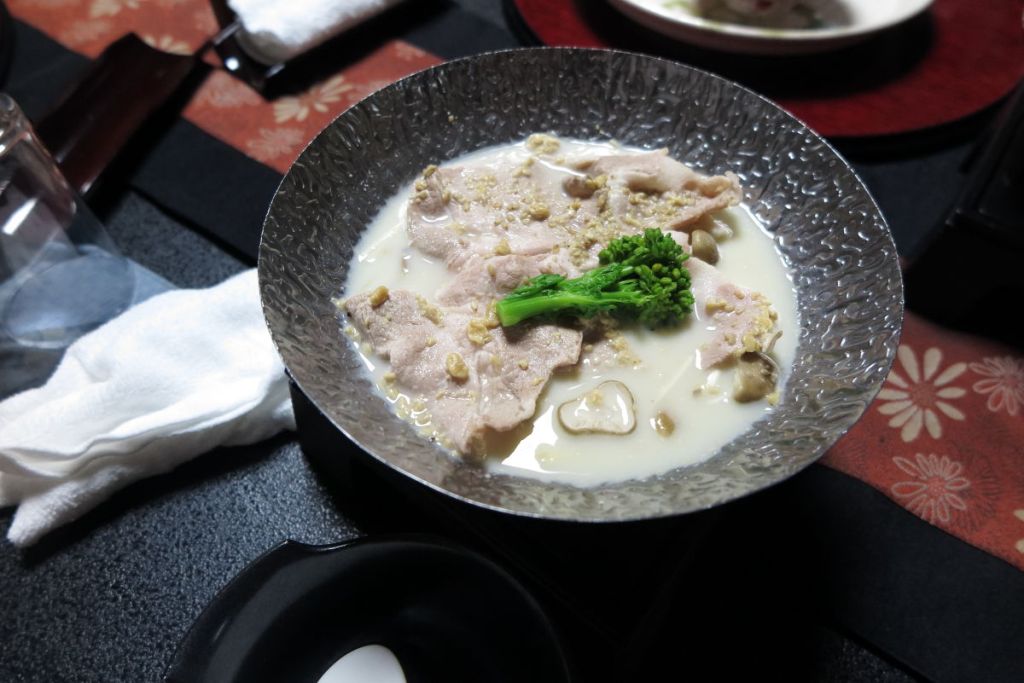
Black pork, soy milk and mushroom hotpot
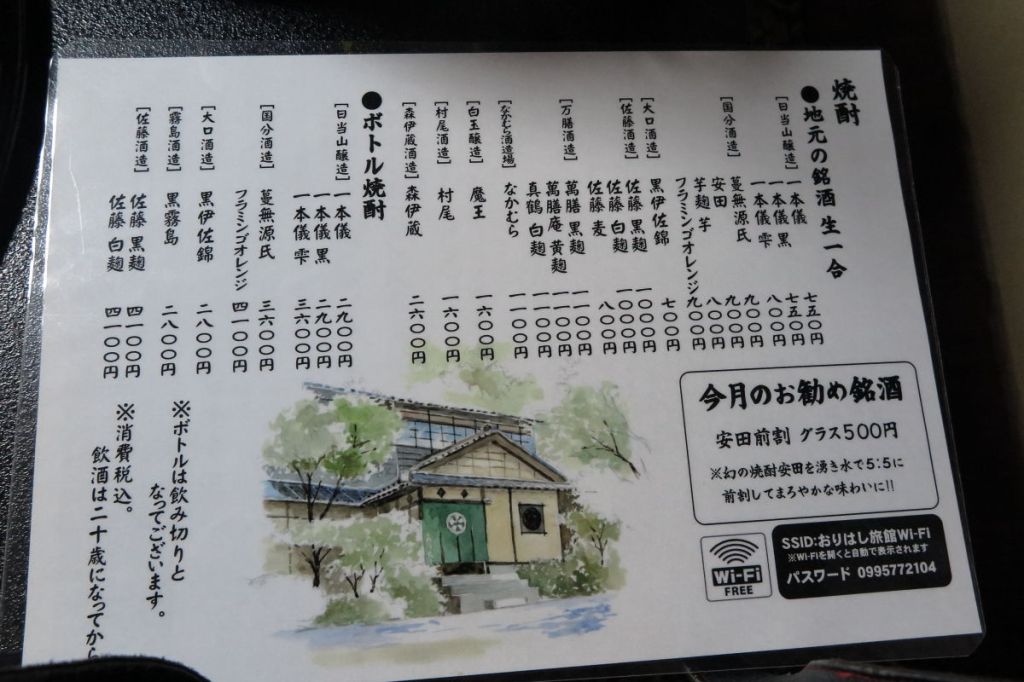
There were some brands on the shochu list that I hadn’t tried yet, so this time I chose a shochu with an unusual name, Flamingo Orange, made by Kokubu Shuzo, the same brewery as Yasuda. Apparently this is also hard to come by. As the name suggests, it has a citrus scent.
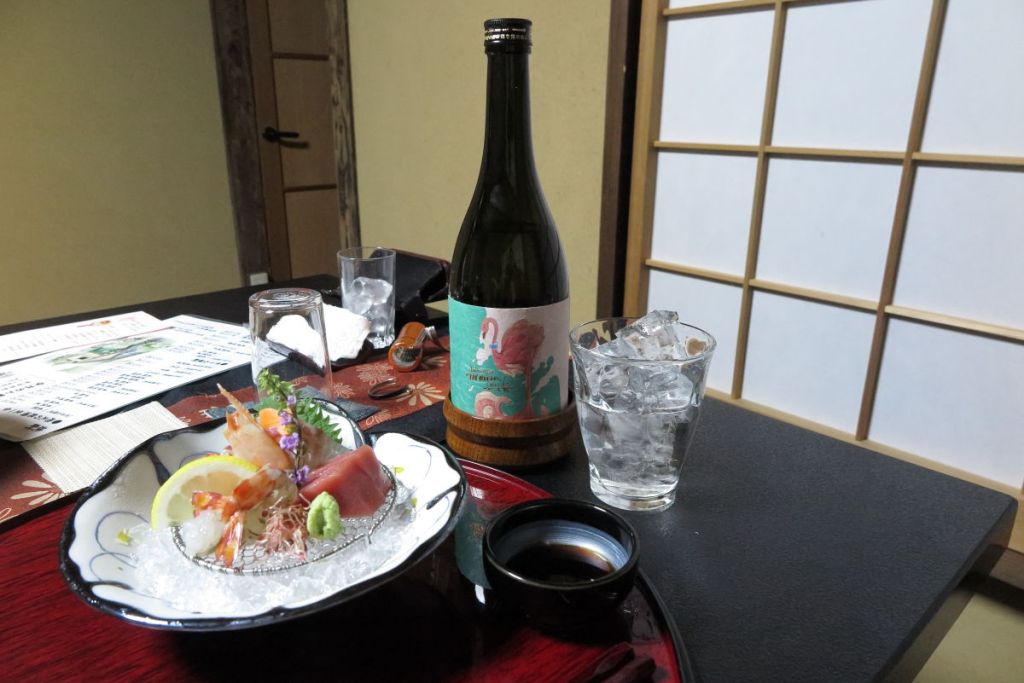
The sashimi is made with wild sea bream, tuna, and tiger prawns. Shusuien also serves tiger prawns, and the heads are edible too, which is very delicious.
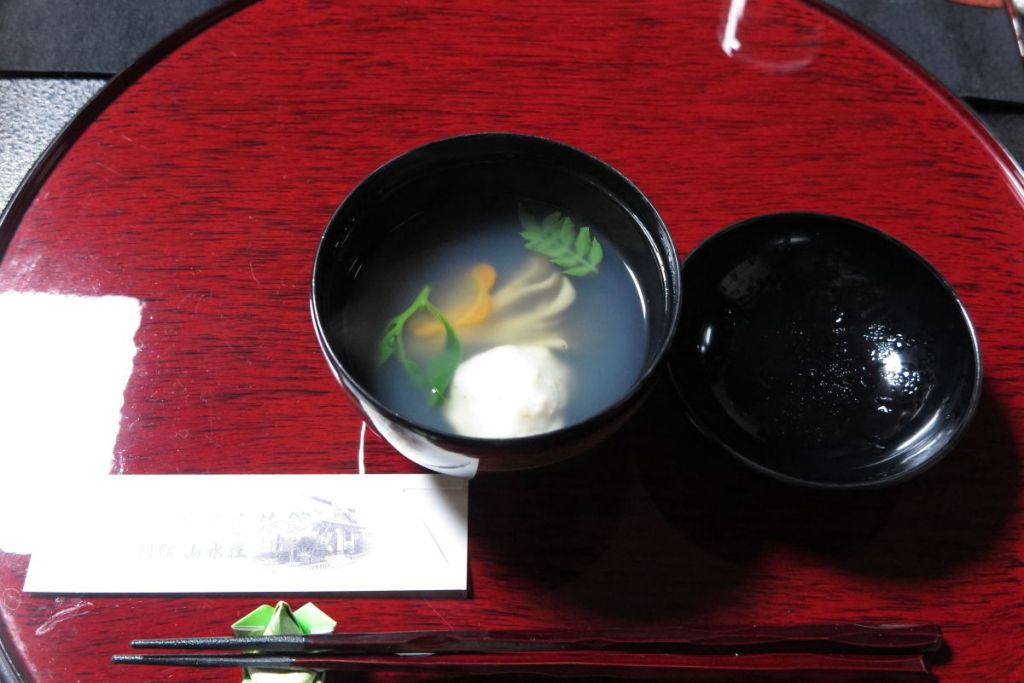
Clam shinjo (mashed clam meat is seasoned with yam, egg white, and dashi stock) soup
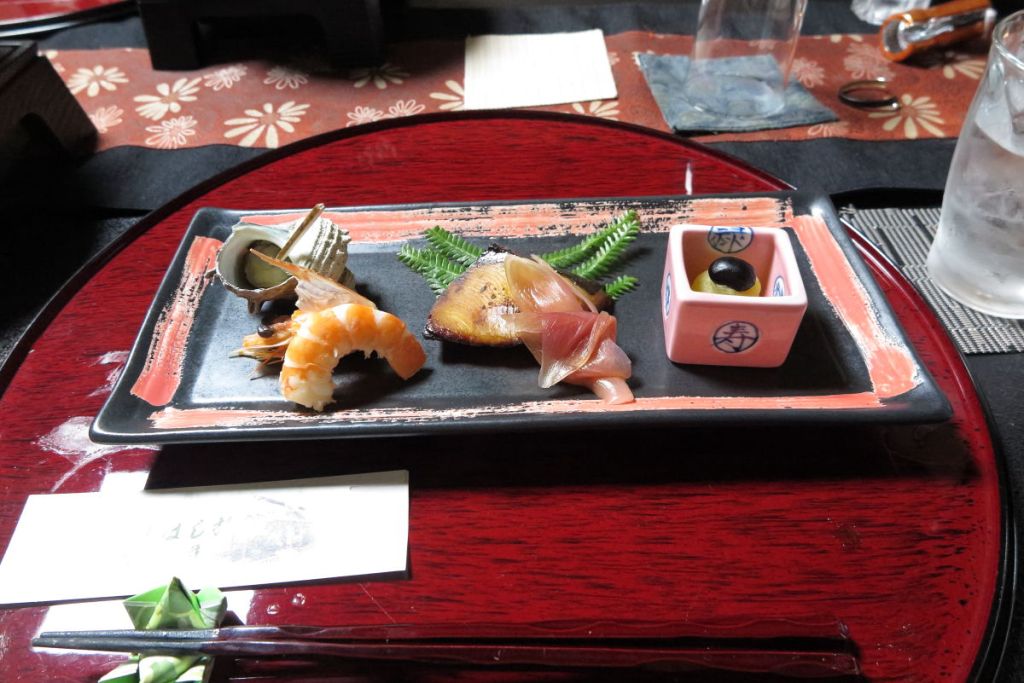
From the left: Braised conch, braised shrimp, grilled yellowtail with yuan sauce, and sweet potato kinton
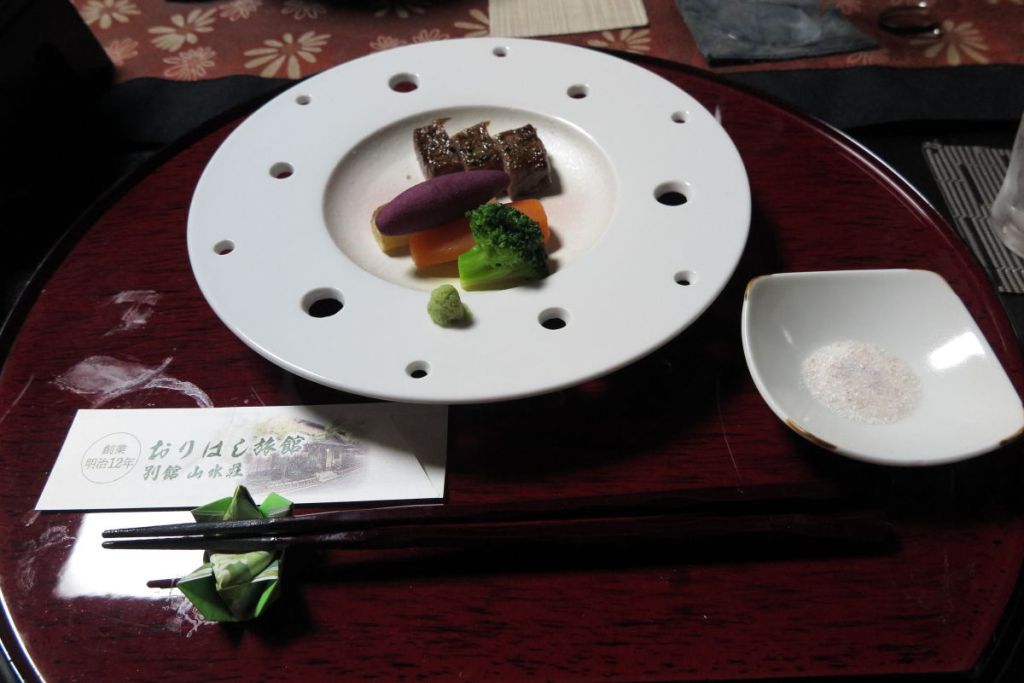
The Kagoshima Black Beef steak tasted amazing when eaten with salt.
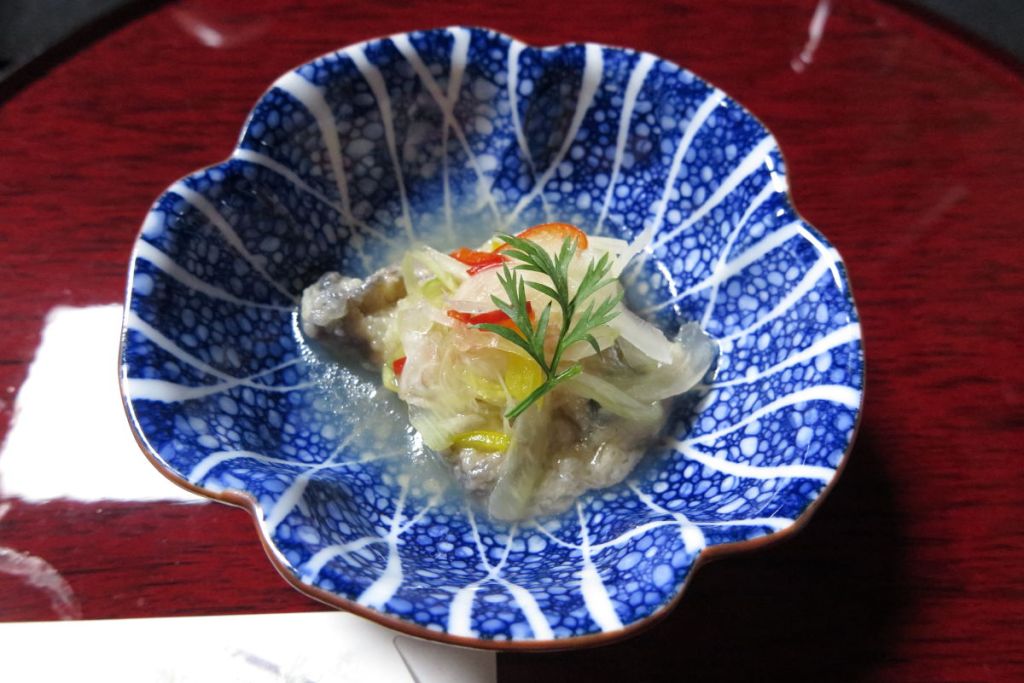
Oyster Nanbanzuke
The meal consisted of rice from the rice terraces of Kirishima cooked in a clay pot, clam soup, and pickles. The scorched rice from the clay pot was fragrant and delicious. Overall, the food was delicious.
January 10th (Sat)
The breakfast had a wide variety of dishes and was sure to give you energy in the morning. Orihashi Ryokan is a small inn centered around a detached building, but in addition to the excellent hot springs, it was a luxurious inn with impeccable food and excellent service from the staff.
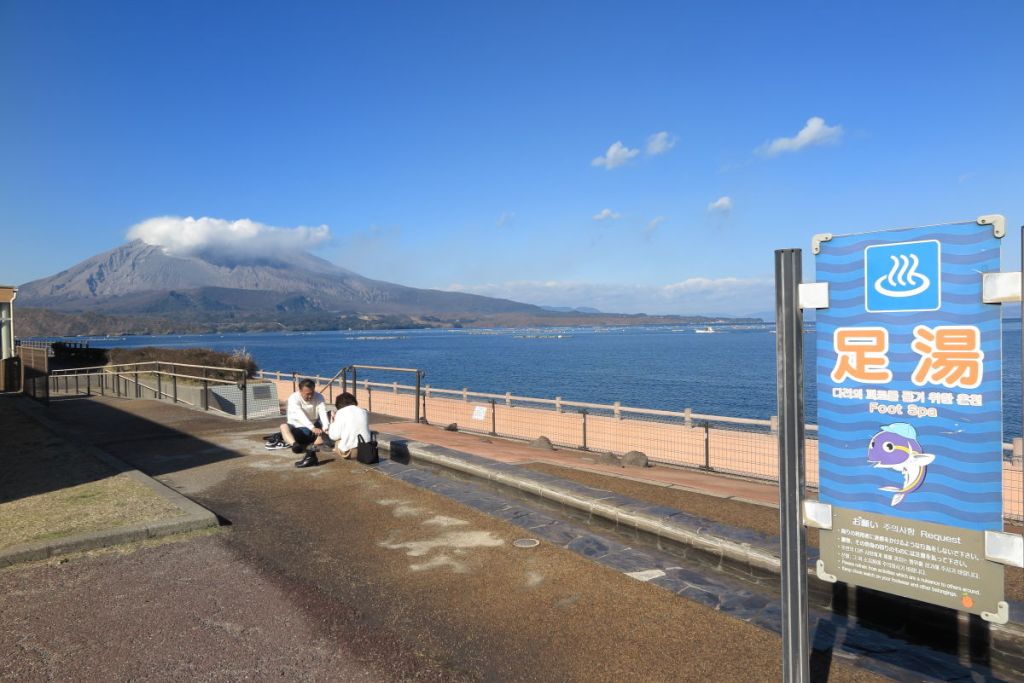
After checking out, I drove around the Osumi Peninsula. First, I took a break at the Tarumizu Roadside Station, close to Sakurajima, which I had visited before. Here, you can enjoy a view of Sakurajima while soaking your feet in a footbath. There are many fish farms in the nearby Kinko Bay, where you can enjoy freshly caught fish.
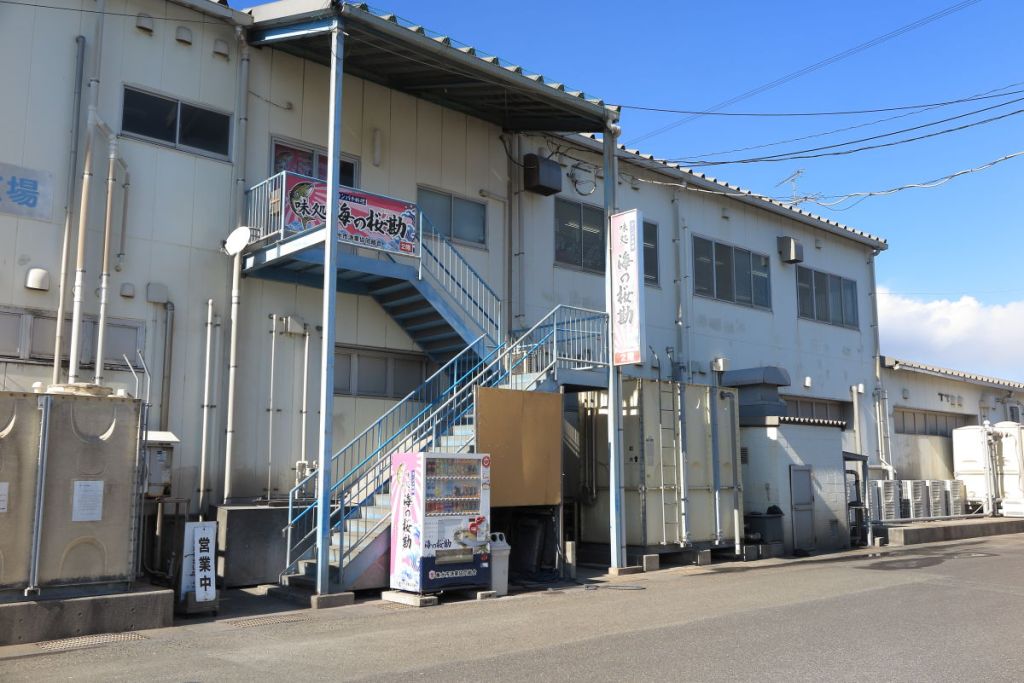
Today’s lunch is at Ajidokoro Umi no Sakurakan, a restaurant run directly by the Tarumi City Fisheries Cooperative, located a short drive away.
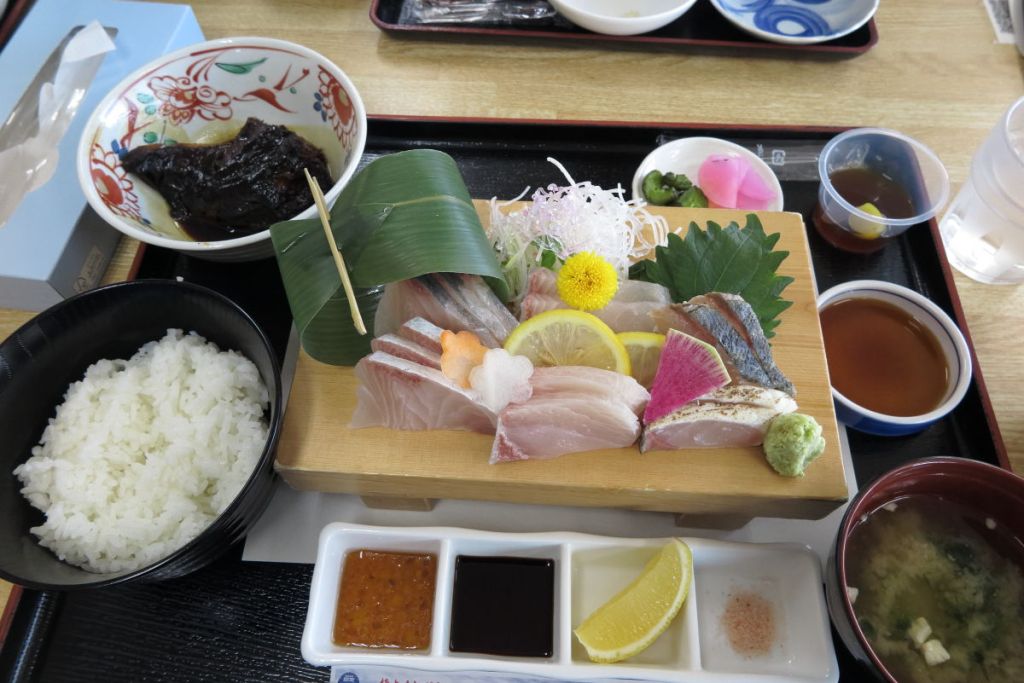
I ordered the Saigodon set meal, which included the savory back, belly, seared, and bone-in portions of amberjack. The boiled bones on the top left were tender even down to the bones. The dipping sauce on the right is for marinating sashimi, and if you dip the sashimi in it and place it on rice, it becomes like marinating sashimi. The sashimi sauce also has a dressing, which when marinated in this, makes it taste like carpaccio. Fresh amberjack has a nice texture and is very delicious.
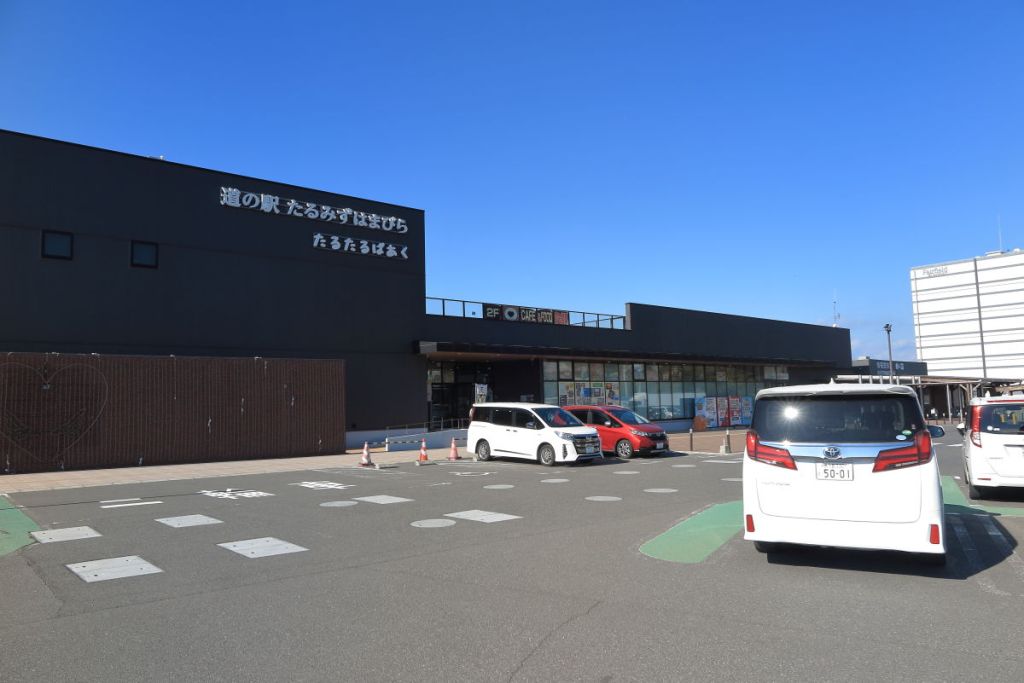
I drove further into the area and arrived at the Tarumizu Hamabira Roadside Station, next to which was a business hotel called the Fairfield by Marriott.
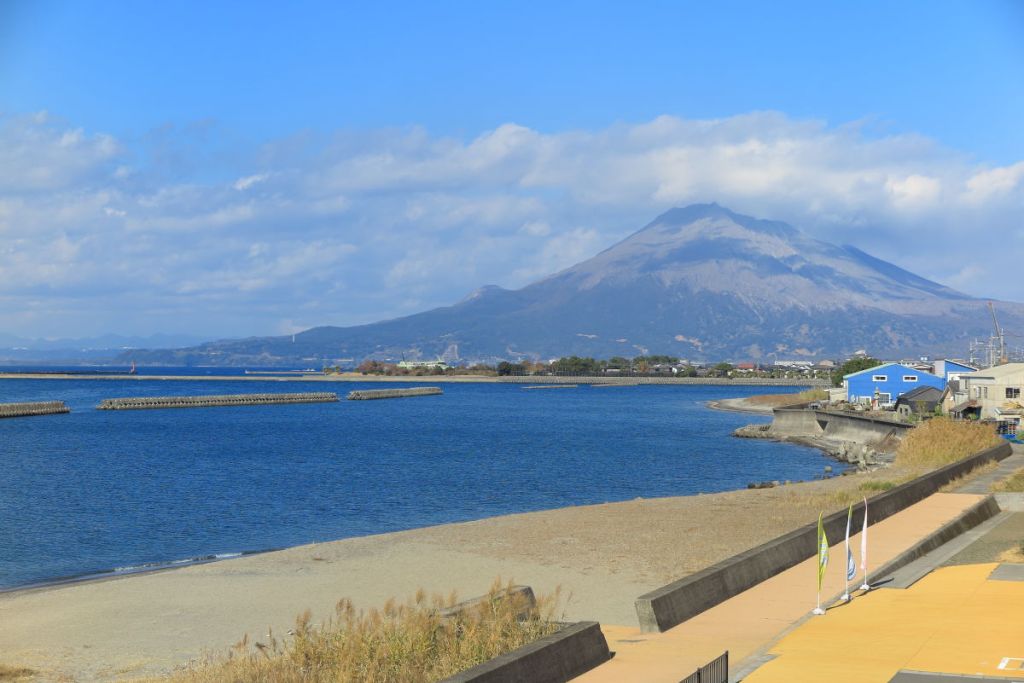
Facing the sea, you can enjoy the view of Sakurajima on the right and Kaimon-dake on the left.

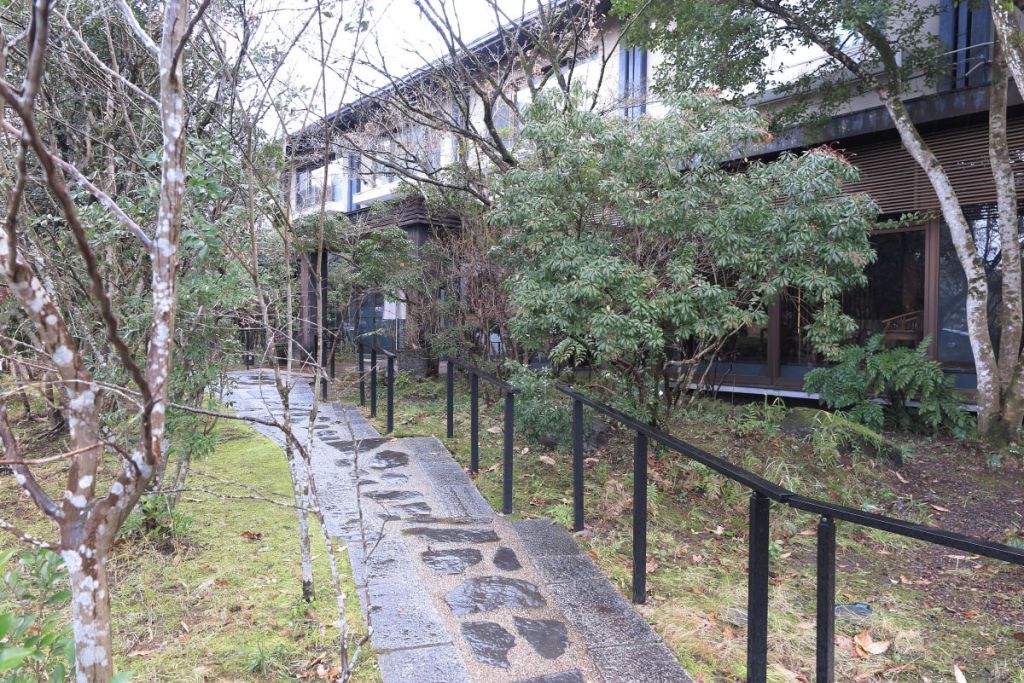
From here, I headed to my lodging for the night, Tetsuka ryokan in Miyanojo Onsen, Satsuma Town. At first, I got lost because there was no sign with the inn’s name at the entrance, but I finally arrived at the two-story inn.
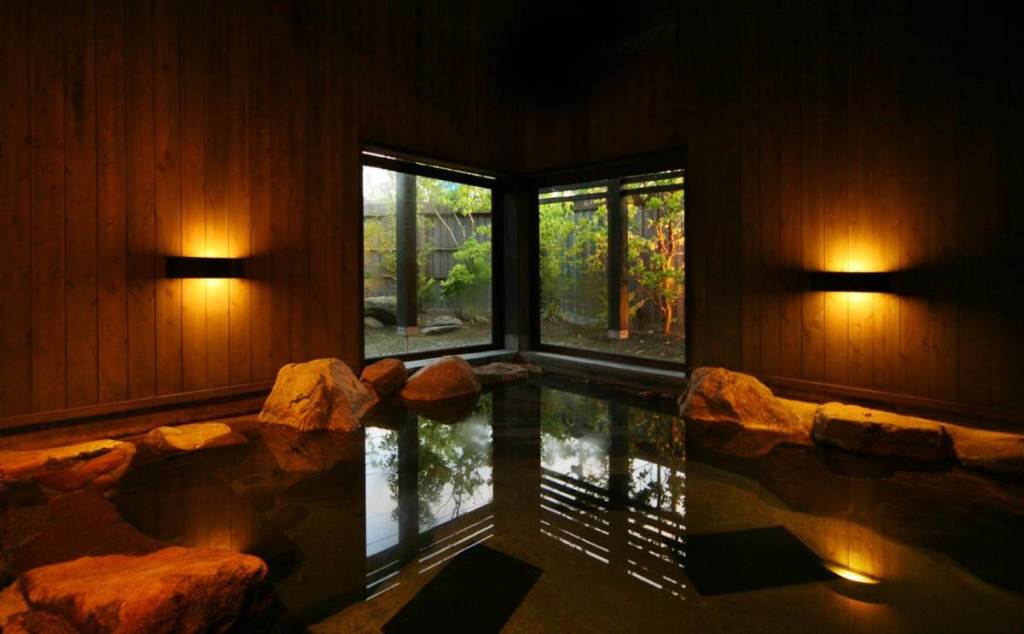
This hot spring has been used as a therapeutic bath since ancient times. It is a simple alkaline hot spring with a pH of 9.0, but it has a very slippery feel and leaves your skin feeling moisturized. There is a large amount of water, and it flows directly from the source. There is an open-air bath, but it is closed from December to March because the flowing water cannot maintain the right temperature. Instead, you can use the private open-air bath for free for 50 minutes. There is also a bedrock bath facility on-site, which you can use for a fee.
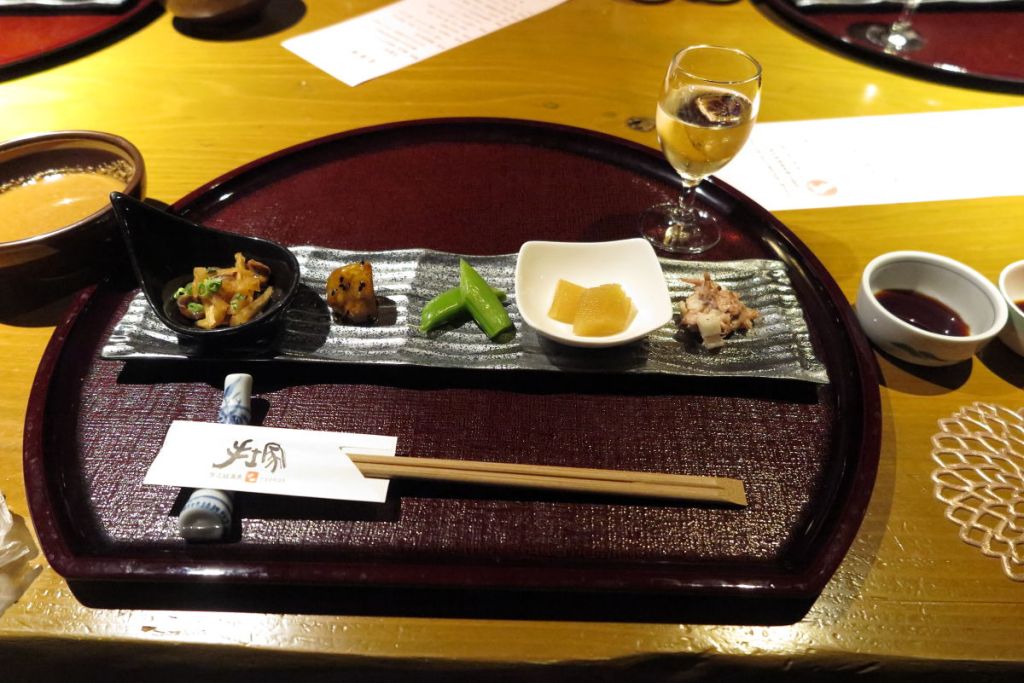
After bathing, I had dinner at the restaurant on the first floor. The appetizers were herring roe, gizzard chanja, turnip and dried bonito flakes dressed with mustard mayonnaise, snap peas and sweet potato.
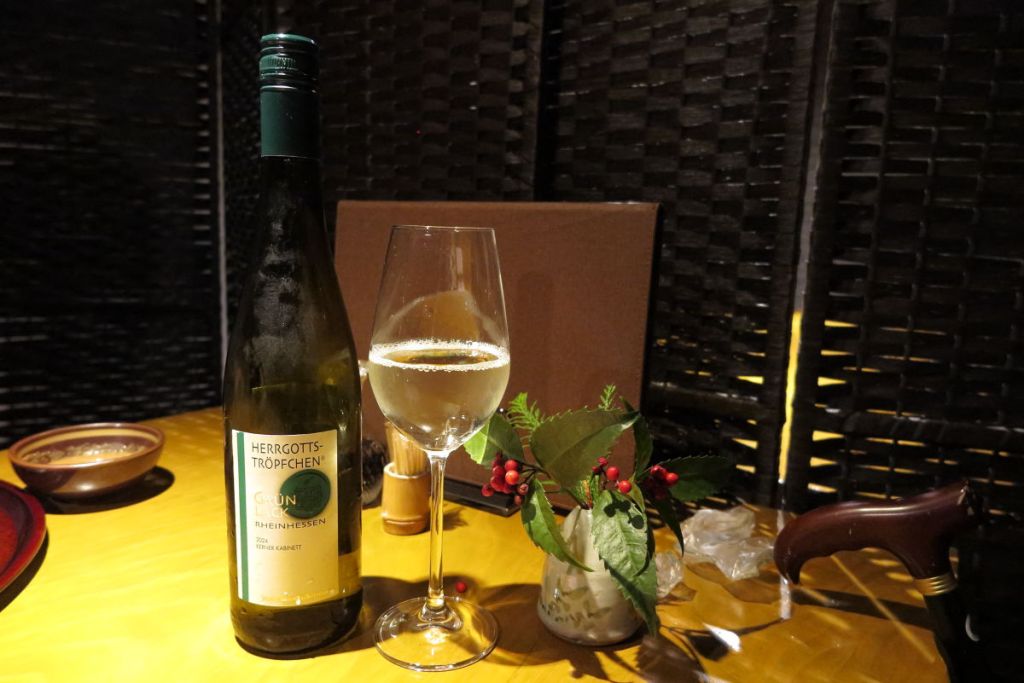
After 7:00 PM, the cafe and bar offers free alcoholic drinks, so I ordered a slightly dry German wine. It had a very fruity aroma and was delicious.
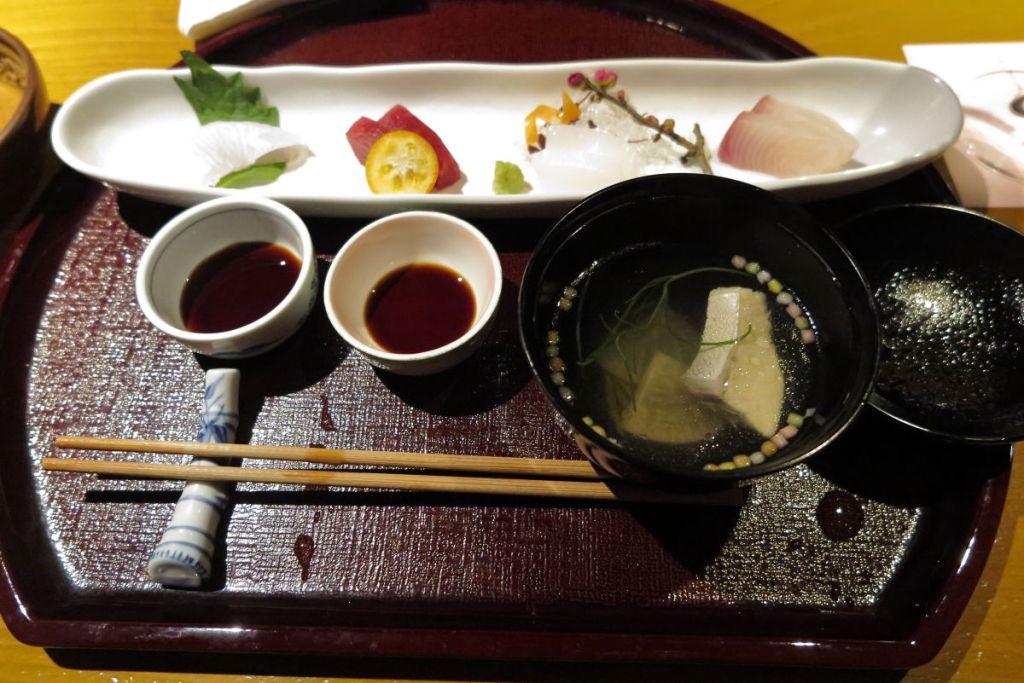
The sashimi, from left to right, is horse-faced flounder, bluefin tuna, cuttlefish, and amberjack, and the soup includes yellowtail and radish.
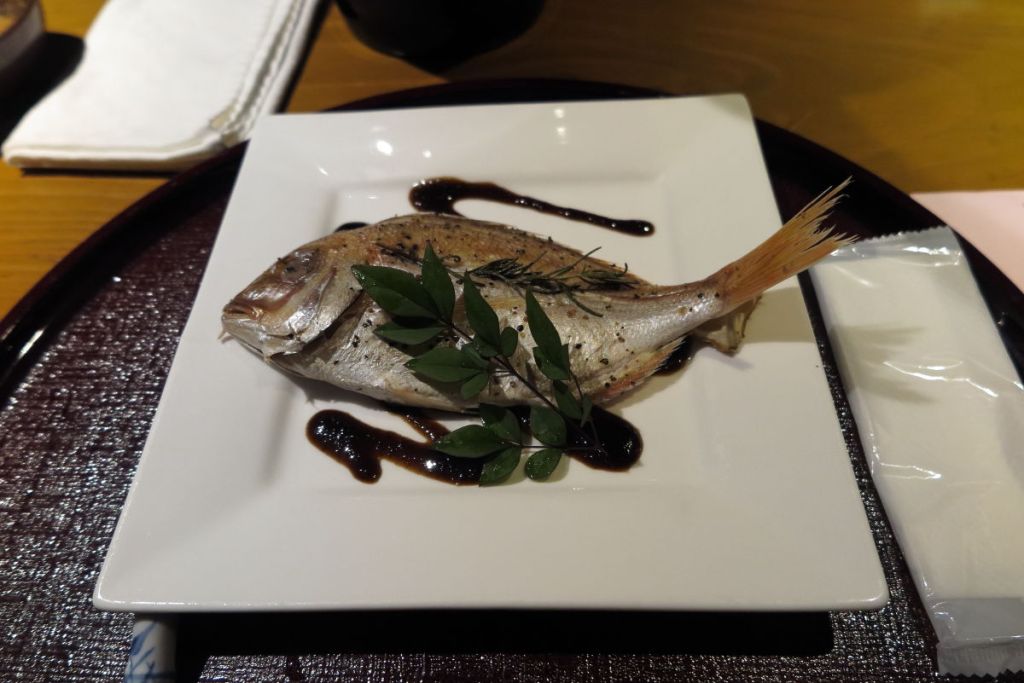
Small sea bream is oven-baked with rosemary and is delicious when served with a balsamic kelp sauce.
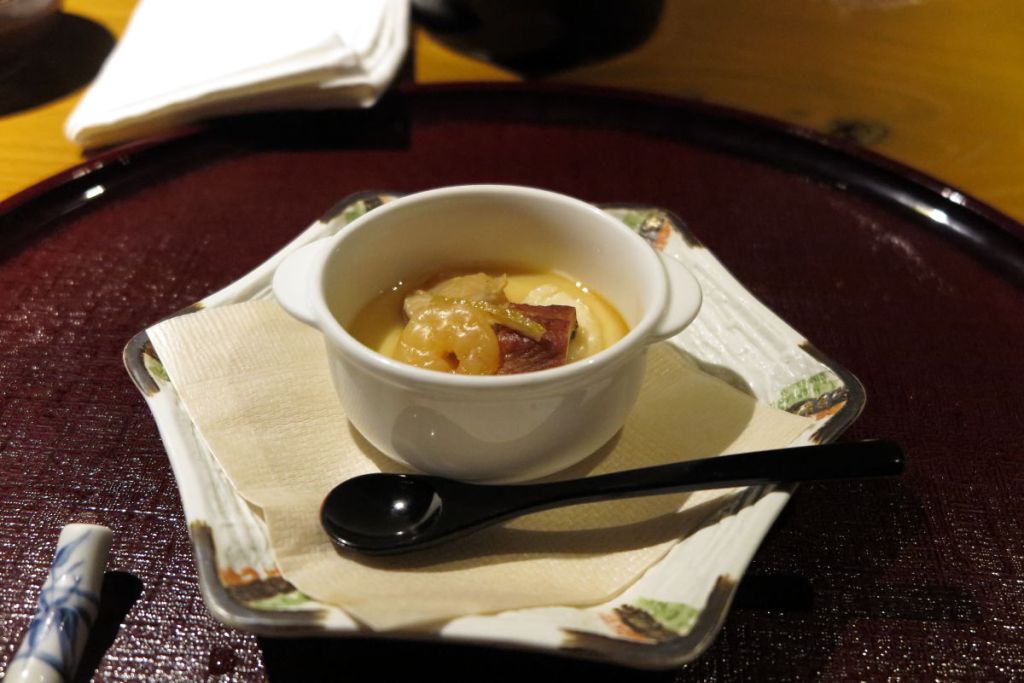
The grilled dish was a seafood tamajime (mix the ingredients into the eggs and pour into hot soup stock to set) that included shrimp and conger eel.
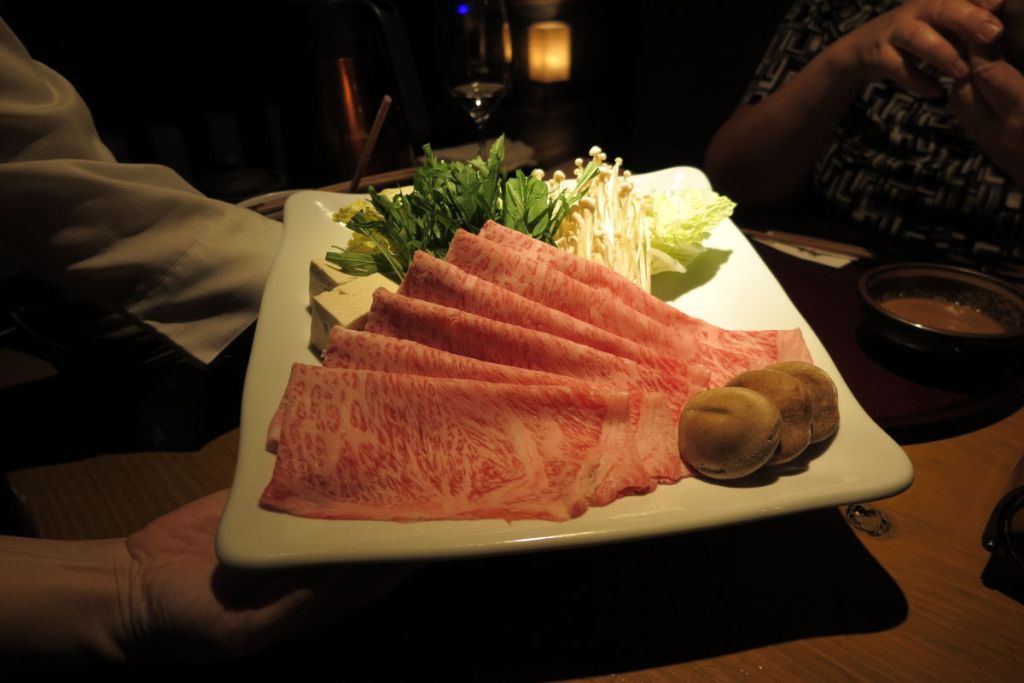
The Japanese Black Beef Shabu-Shabu was very tasty with nicely marinated meat.
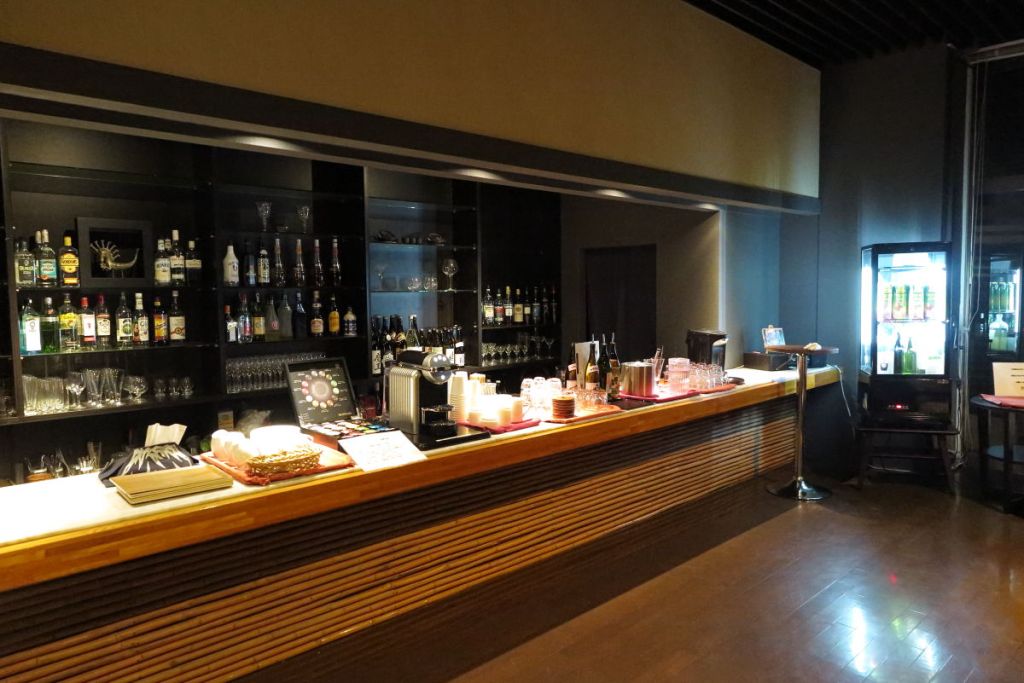
It was a small but delicious course, but it was enough for an elderly person. On the way back, I stopped at the bar and had some local shochu.
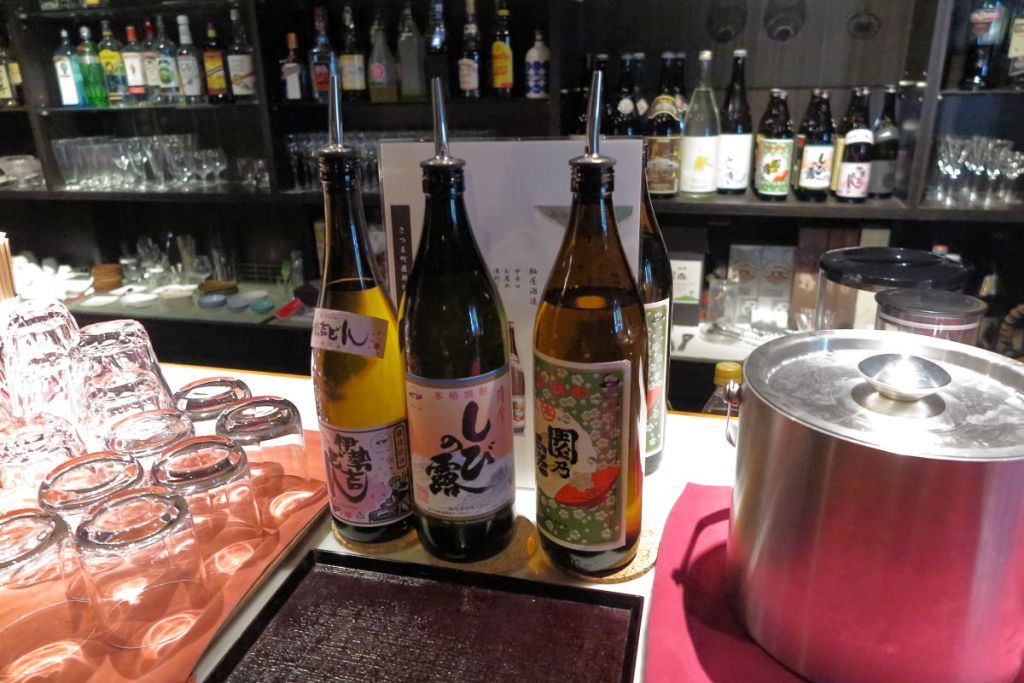
The three types of shochu from different breweries in Satsuma Town each had their own distinctive flavor and were enjoyable.
January 11th (Sun)
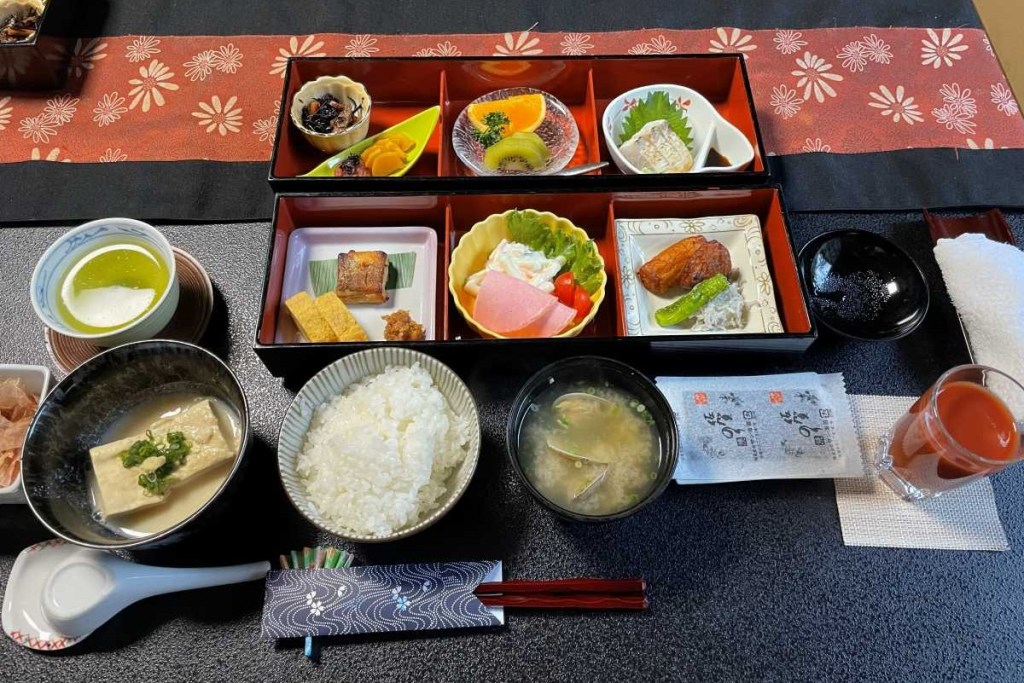
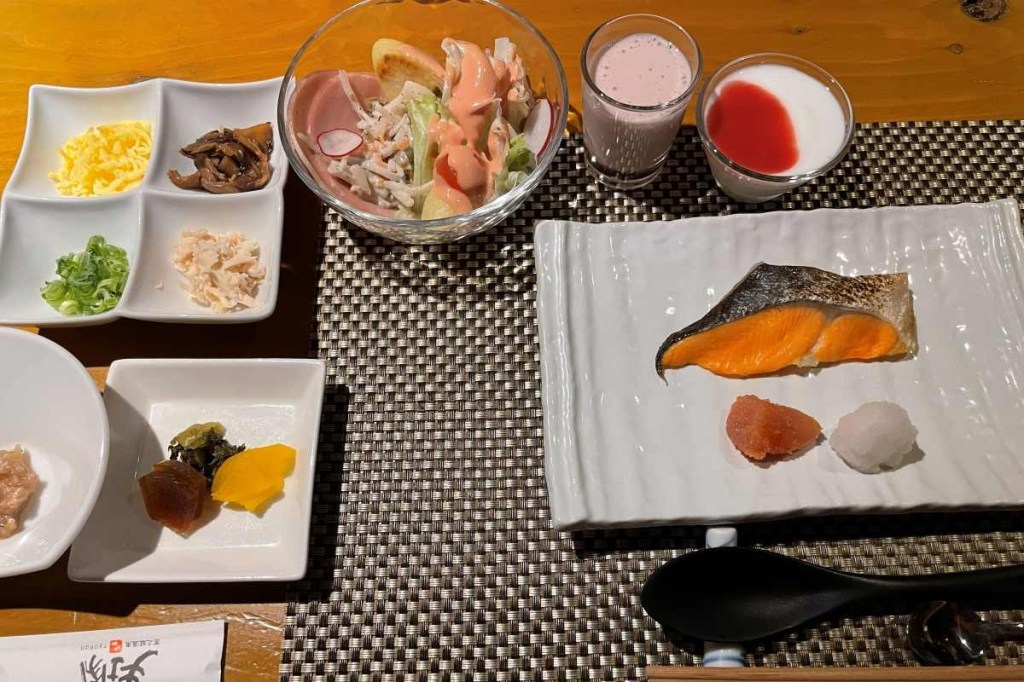
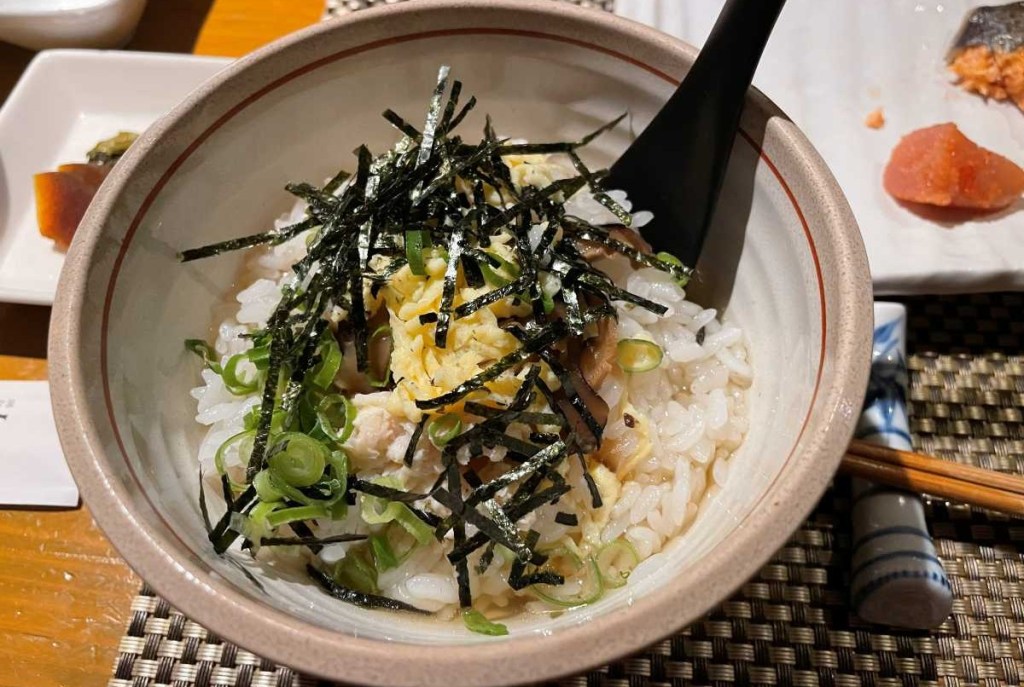
After a relaxing morning bath, I headed to the breakfast area. It was a simple Japanese set meal, but if you put the condiments on the top left on rice and pour chicken stock over it, it becomes chicken rice. Chicken rice is a local dish of Amami Oshima, and the combination of chicken stock and ingredients gives it a deep flavor.
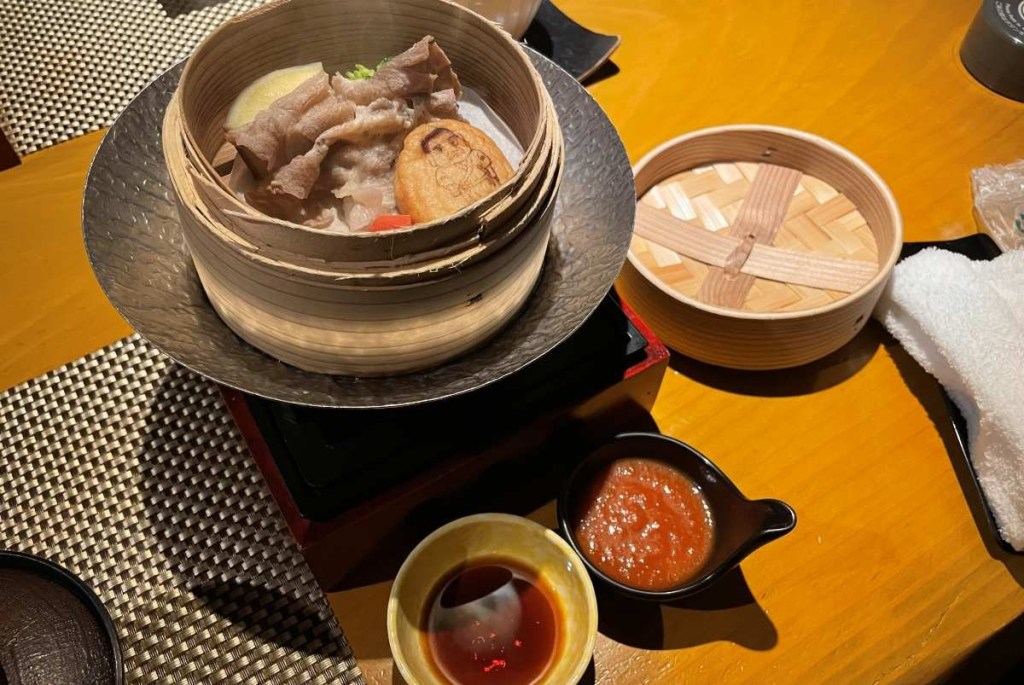
It also came with a steamed dish, and the Satsuma-age (fried fish cake) with a picture of Saigo Don on it was very humorous and cute. It was delicious with tomato sauce and ponzu sauce.
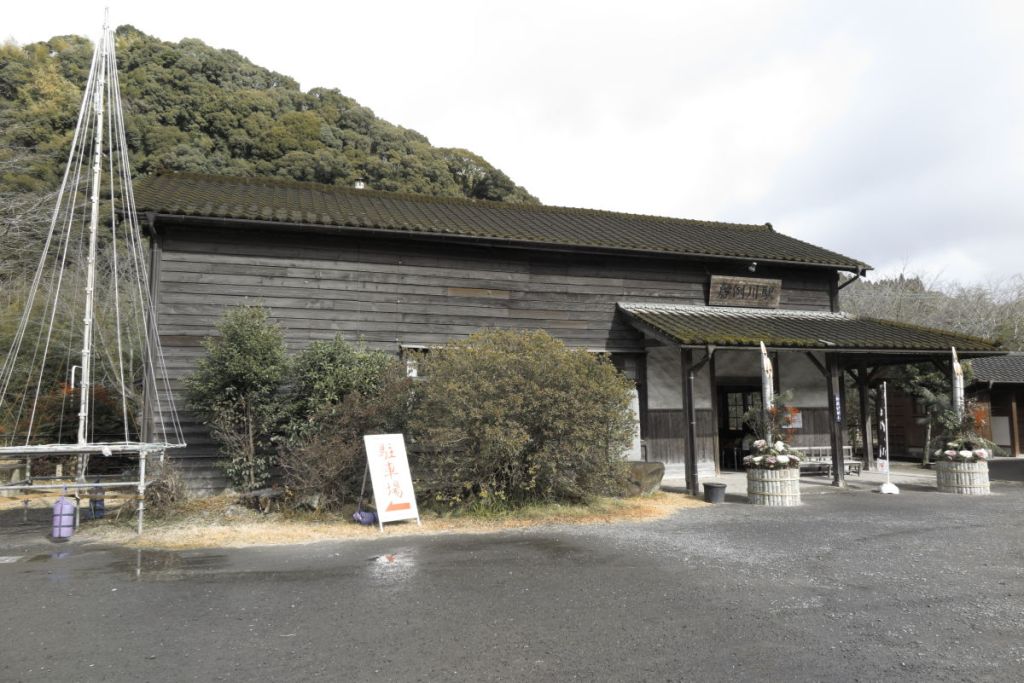
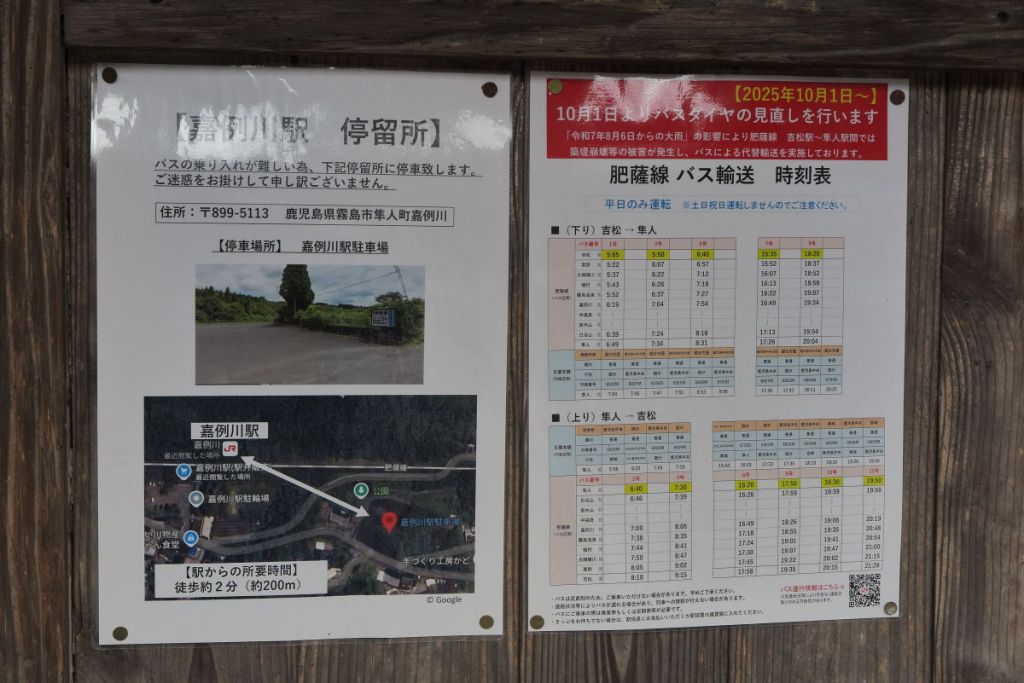
We checked out around 11:00 and headed to Kareigawa Station on the Hisatsu Line, which connects JR Kyushu’s Yatsushiro Station in Kumamoto with Hayato Station in Kagoshima. Kareigawa Station has the oldest wooden station building in Kagoshima Prefecture and is designated as a national tangible cultural property. New Year’s kadomatsu decorations were still on display at the station entrance.
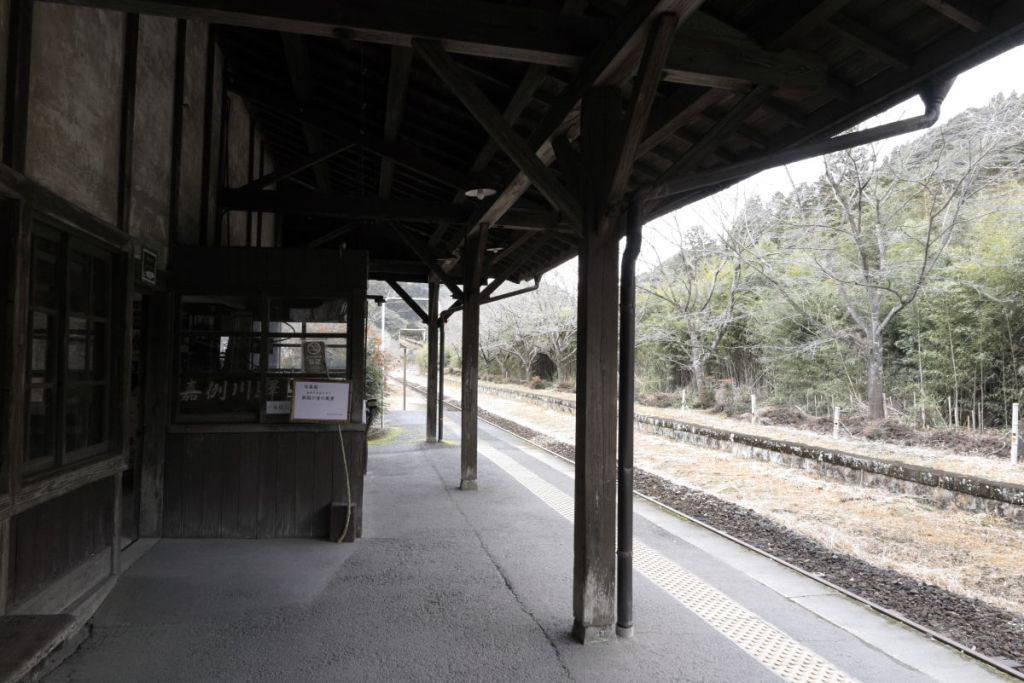
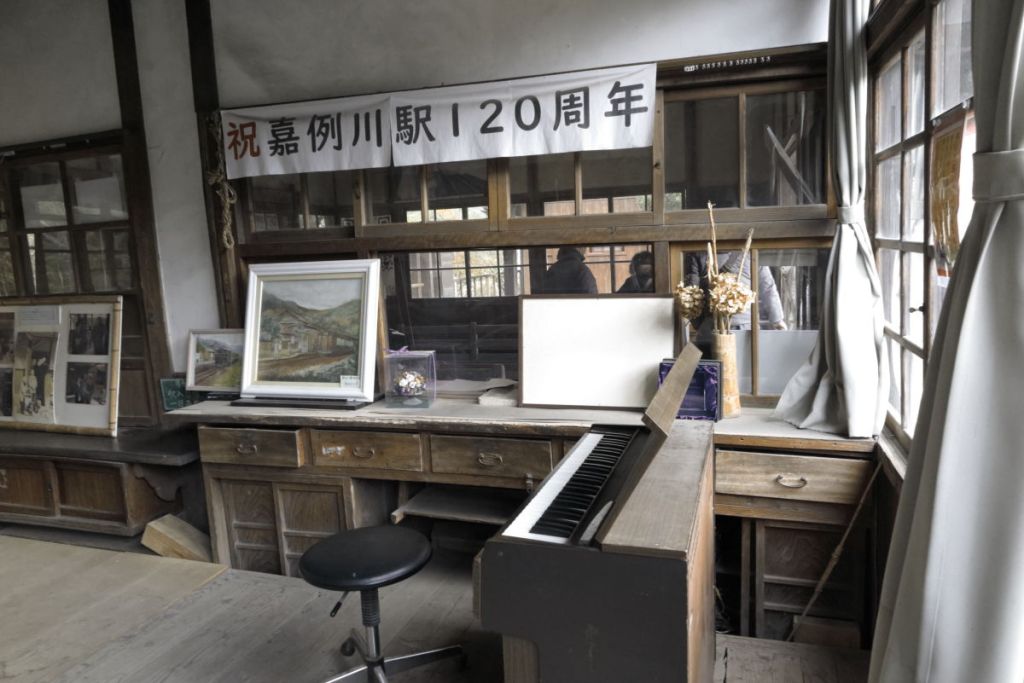
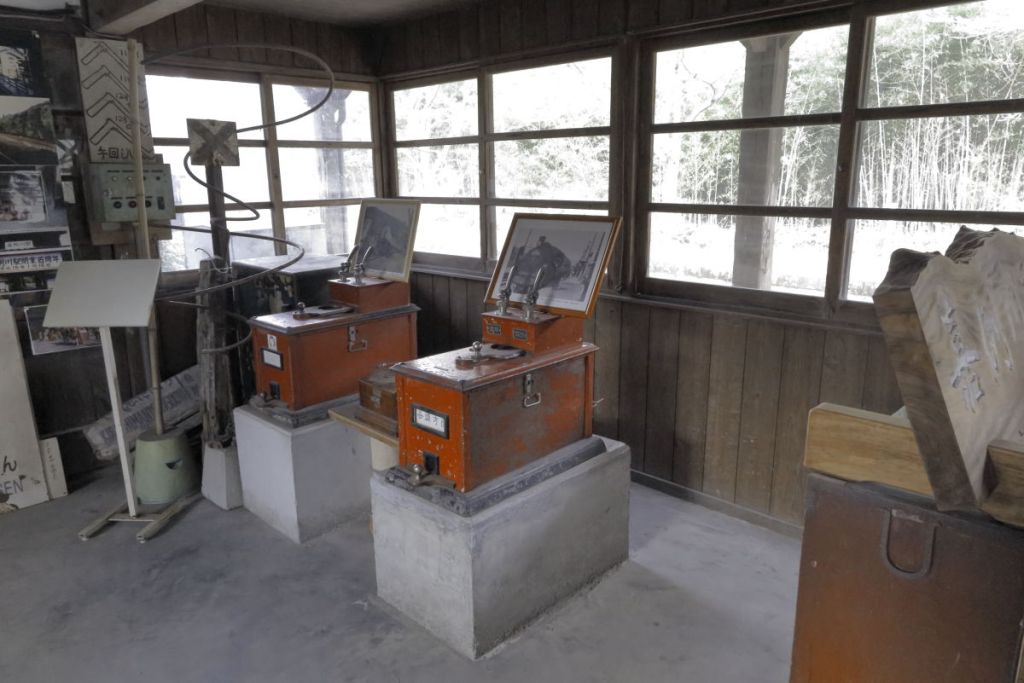
The famous ekiben (lunch box sold at train station) here is the winner of the Kyushu Ekiben Grand Prix, and since only 100 are produced per day, it’s hard to find. However, today I saw some tourists buying several ekiben during their stay. Each one cost 1,800 yen.
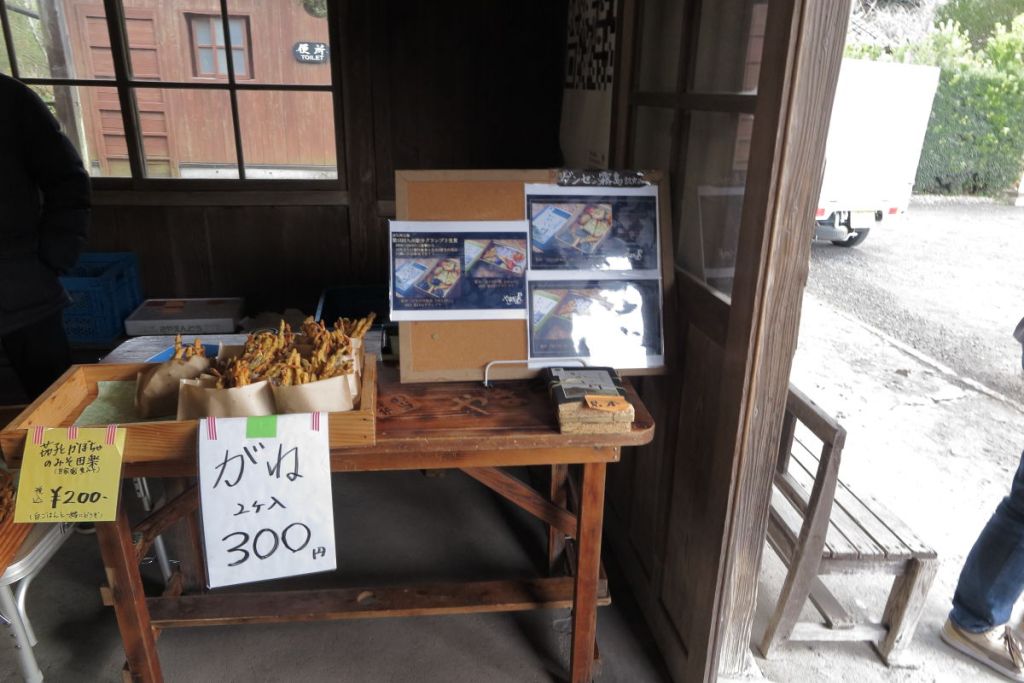
There was no sign of a train coming, so I looked closely and found out that due to heavy rain, service between Yoshimatsu Station and Hayato Station has been suspended since October 2025, and buses are being used instead. I hope that service will be restored soon.
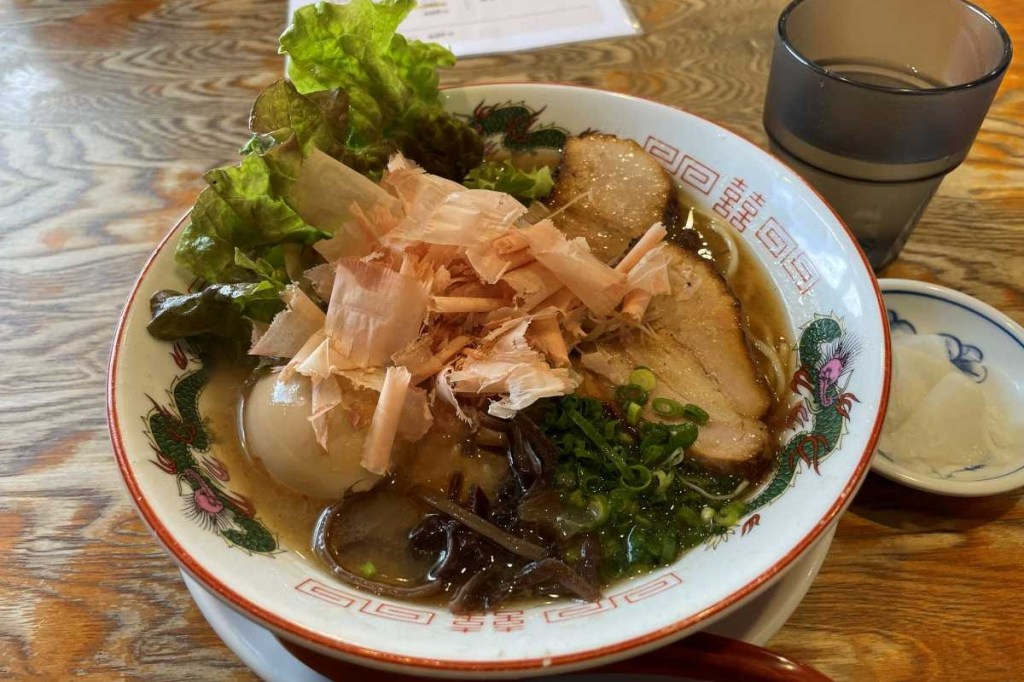
For lunch, I went to Makoto Ramen, a popular local restaurant near the airport. This restaurant was the runner-up in the 2024 Kagoshima Ramen Grand Prix, and the parking lot was filled with cars with local license plates. After waiting for just over an hour, I finally got inside and ordered the recommended Umami Ramen topped with a seasoned egg and vegetables. The ramen wasn’t particularly distinctive, and the taste was neither good nor bad. I didn’t think it was worth waiting that long to eat.
I headed to the airport to return the rental car, then enjoyed some last-minute sweet potato shochu while eating some snacks at the airport restaurant.
I boarded JAL flight 650 departing from Kagoshima at 17:10, but an in-flight announcement announced that takeoff would be delayed by around 20 minutes due to congestion at Haneda Airport. However, due to a strong tailwind, I only arrived at Haneda airport slightly late from the scheduled time of 18:45.
This time, I was also recuperating from surgery, so I didn’t do much sightseeing, but instead enjoyed the hot springs and food. However, I was able to enjoy the different types of free-flowing hot springs: Ibusuki Onsen with its sodium chloride spring, Myoken Onsen with its sodium bicarbonate spring, and Miyanojo Onsen with its alkaline simple spring. I also enjoyed the wonderful meals at Ibusuki Shusuien, Orihashi Ryokan, and Tezuka ryokan. Kagoshima is rich in meat and seafood, and I’ll definitely try the amberjack next time I visit. Considering my current physical condition, it was a very satisfying trip.
 旅好き爺の旅行記
コメントを残す