

As I am still undergoing rehabilitation following lumbar surgery, I visited hot springs in Kobe, Arima and Awaji Island in Hyogo Prefecture from Tuesday, February 17th to Friday, February 20th.
February 17th (Tue)
I boarded JAL flight 455 departing Haneda Airport at 10:15 and arrived at Tokushima Awaodori Airport at 11:35. My trip this time was to Hyogo Prefecture, but it was very convenient to get to my destination, Hyogo Prefecture, in about an hour and a half by using the Honshu-Shikoku Bridge Expressway from Tokushima Airport. After arriving, I rented a car and headed to Kurukuru Naruto Roadside Station for lunch. This roadside station opened in April 2022, so it’s relatively new and the building was beautiful.
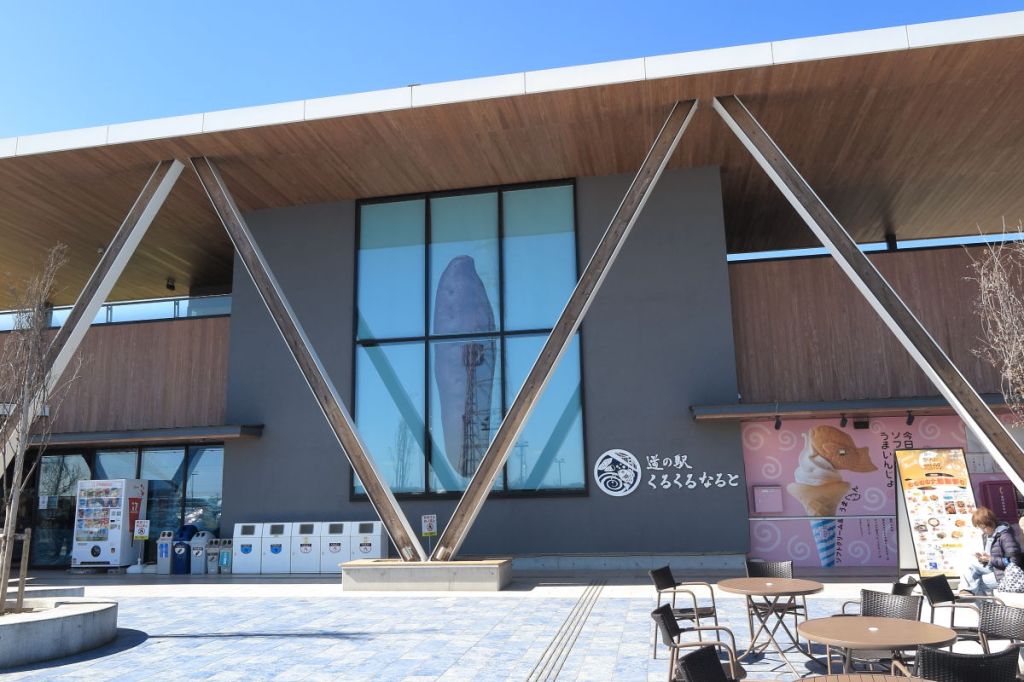
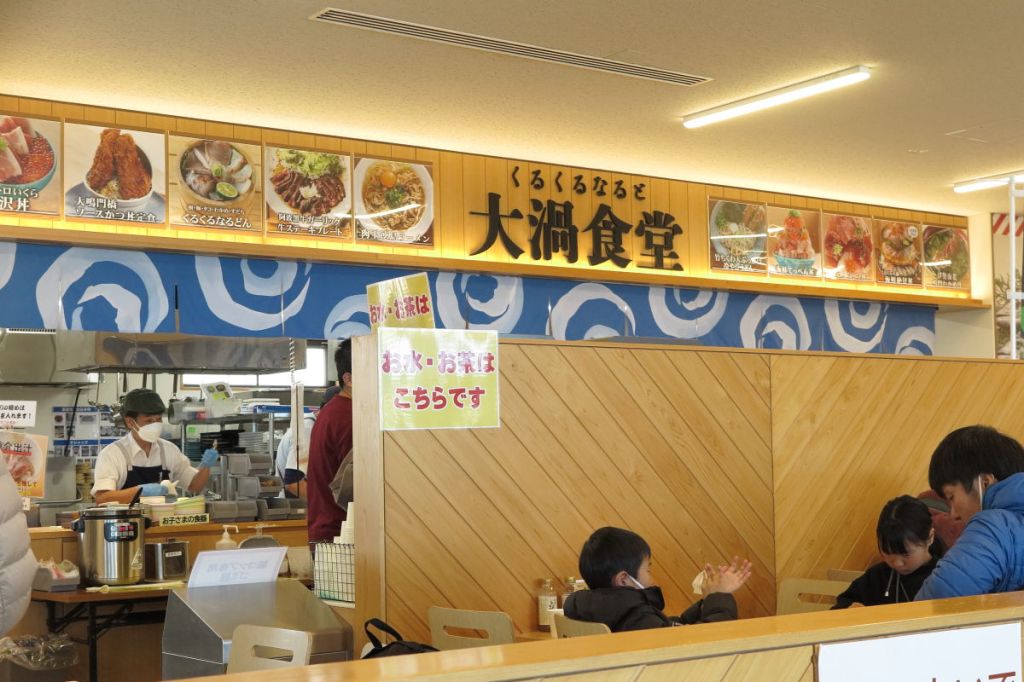
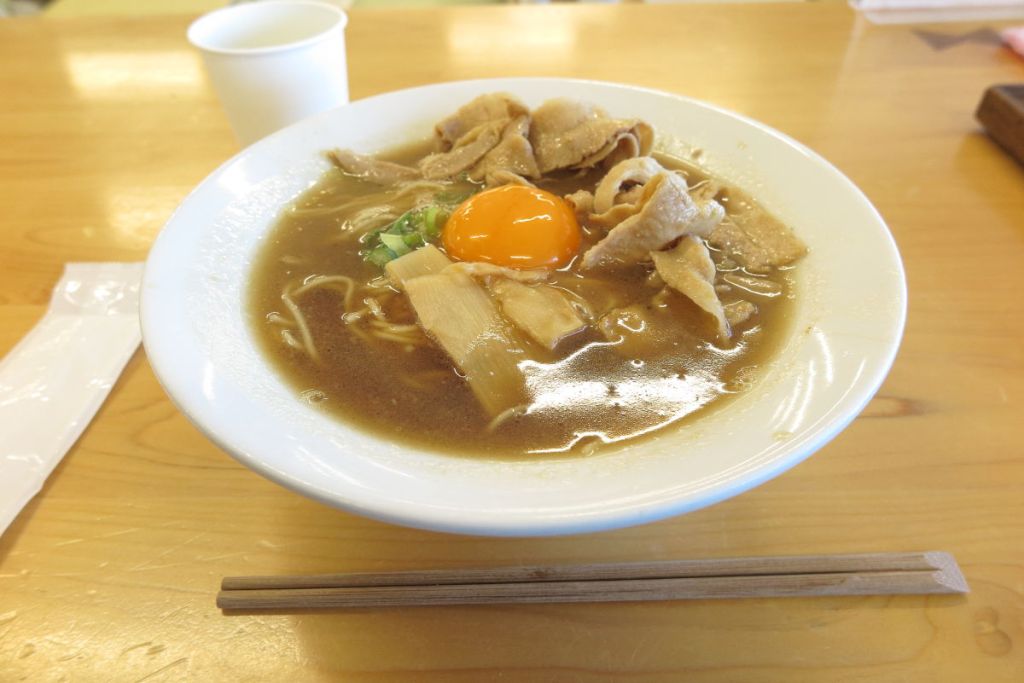
I ordered the Nikutama Tokushima Ramen at Ouzu Shokudo. The seafood bowls and other dishes looked delicious.
Tokushima ramen is characterized by its brown, white, and yellow soup, but the ramen here is the predominant brown one, the soup is rich in flavor, made with pork bone broth and dark soy sauce. It is unique in that it is topped with a raw egg, and many people eat it with rice.
From here, you can take the Honshu-Shikoku Expressway, cross the Naruto Bridge, pass through Awaji Island, cross the Akashi Kaikyo Bridge, and take the Hanshin Expressway to the center of Kobe, which takes about an hour and a half.Tonight’s accommodation is the Dormy Inn Kobe Motomachi.On the right is the Kaieimon Gate of Chinatown, providing excellent access to Chinatown.
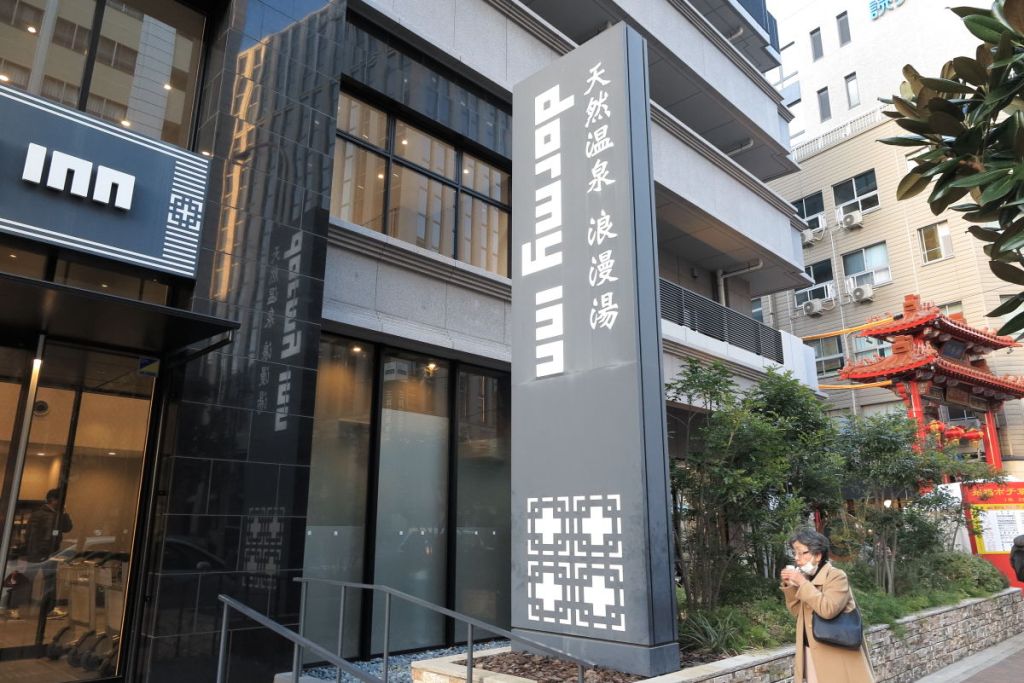
As written on the hotel sign, there is a hot spring bath called Romanyu here, with both an indoor and an open-air bath, allowing you to enjoy the hot spring atmosphere. The hot spring water is brought from the nearby Asahi Onsen and is a weak alkaline simple hot spring. The photo is a screenshot from the hotel’s website.
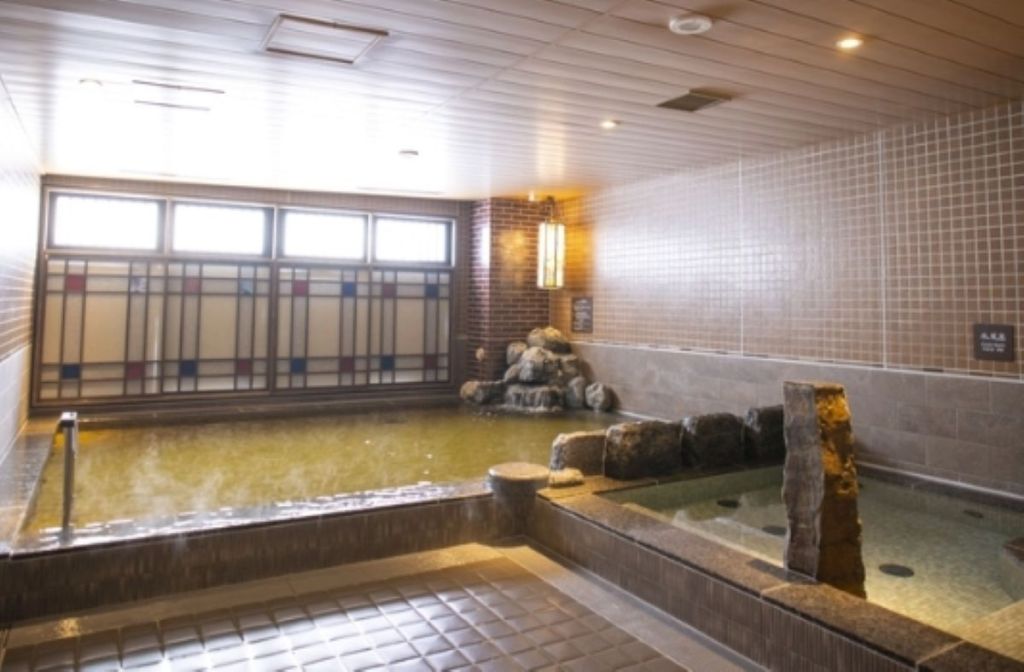
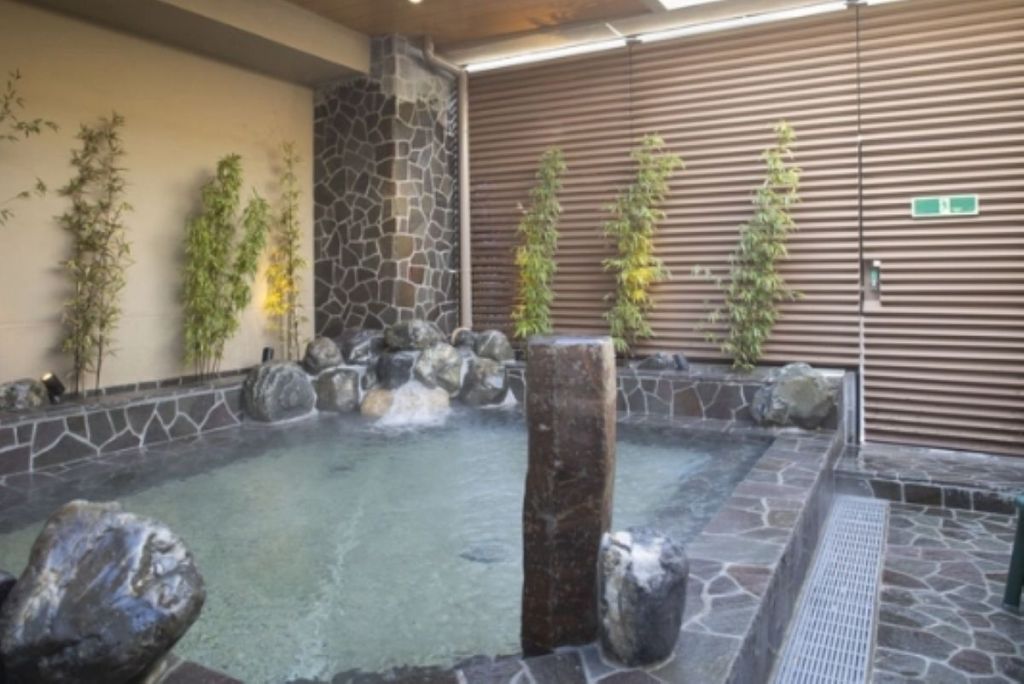
Since I was close to Chinatown, I decided to have Chinese food for dinner. The town was bustling with activity as the Chinese New Year had just begun.
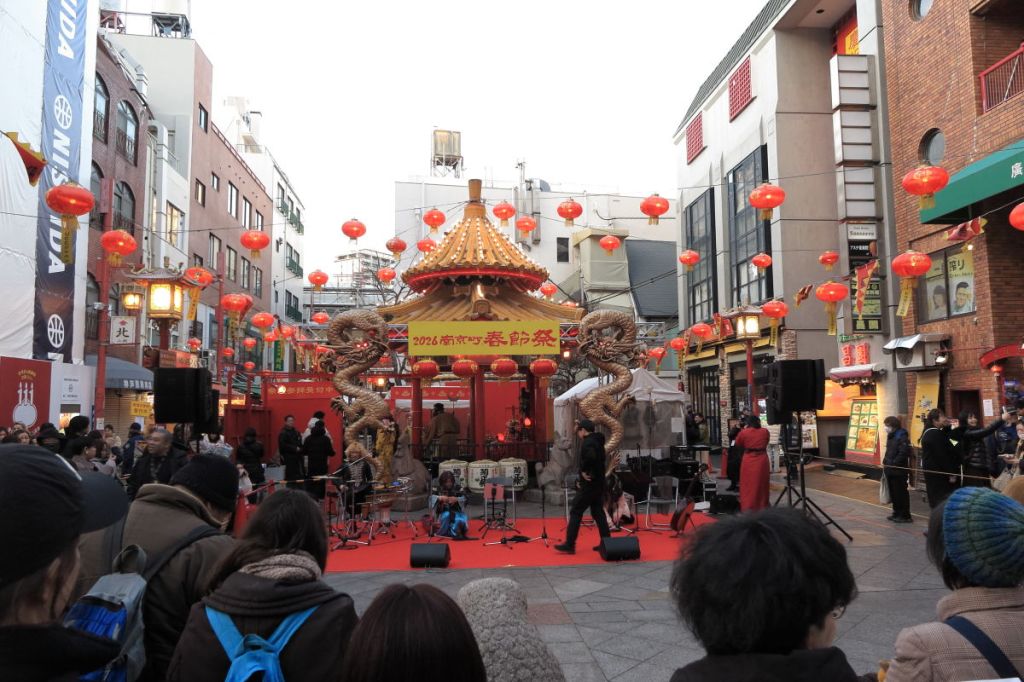
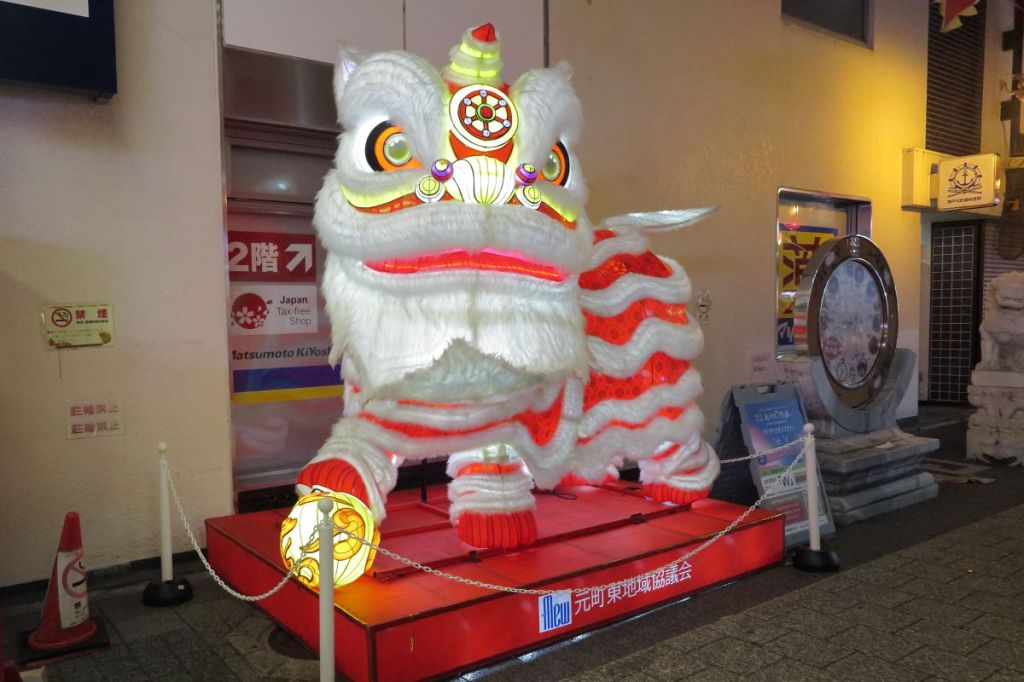
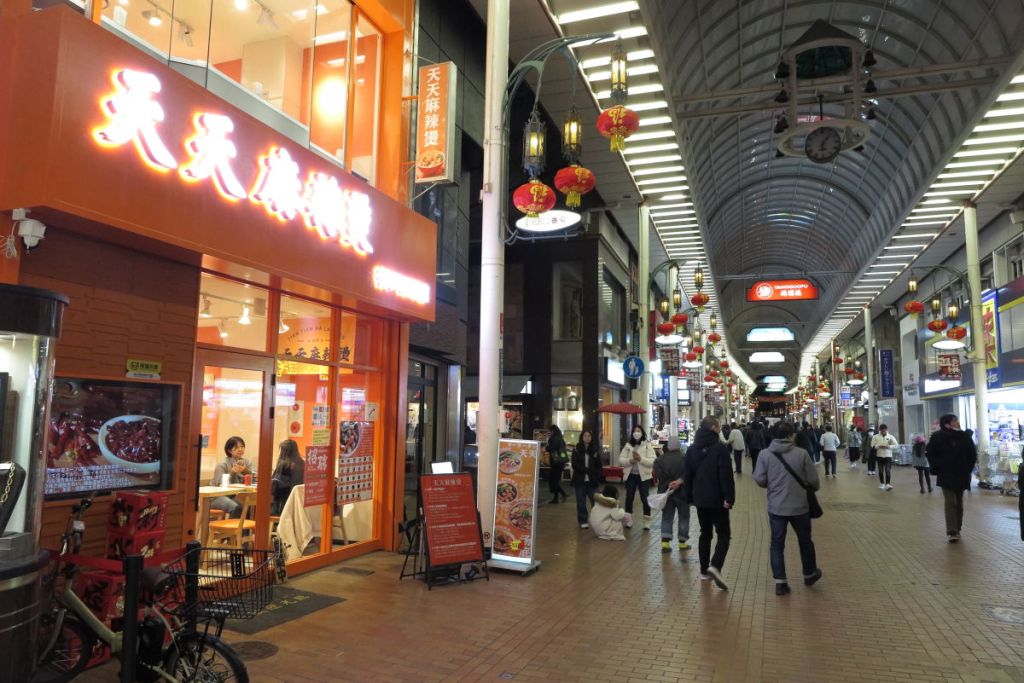
For dinner, I ordered a braised shark fin set at a restaurant called Kinho Restaurant.
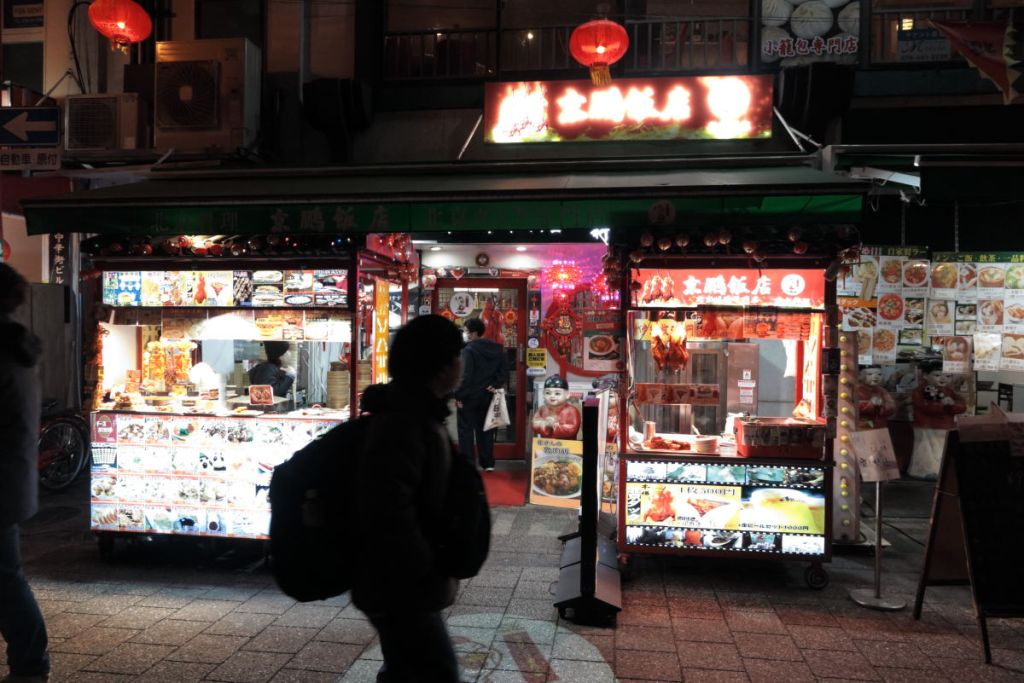
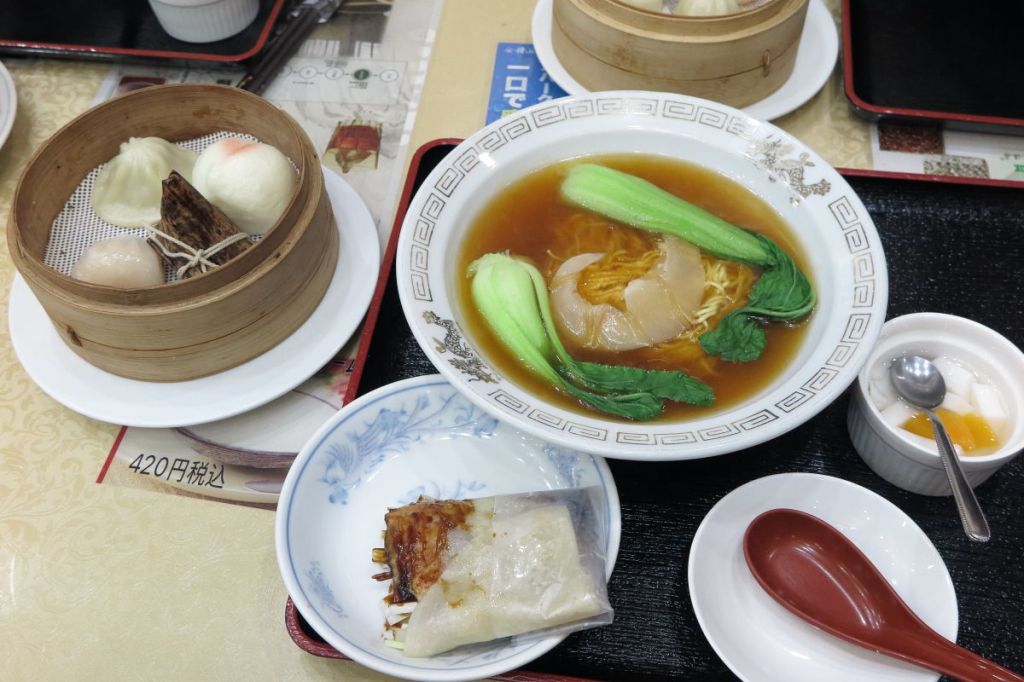
This set includes whole braised shark fin ramen, Peking duck rolls, xiaolongbao, momo man, shrimp dumplings, mini chimaki and almond jelly for 2,026 yen, the same price as this year. The taste was also very satisfying.
February 18th (Wed)
When I woke up in the morning and opened the curtains, I could see the Kobe Port Tower, so I decided to go there right after breakfast.
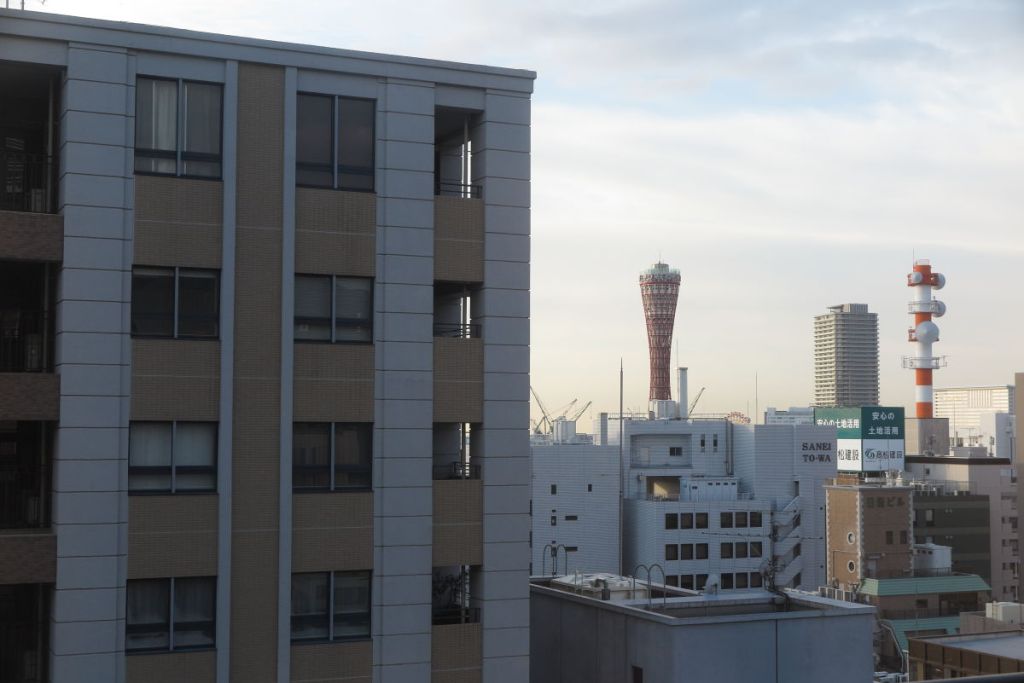
Kobe Port Tower was completed in 1963, and has been standing for over 60 years. Although the Great Hanshin-Awaji Earthquake occurred in 1995, it seems to have suffered little damage as a landmark of Kobe Port. In 2014, it was designated a Registered Tangible Cultural Property.
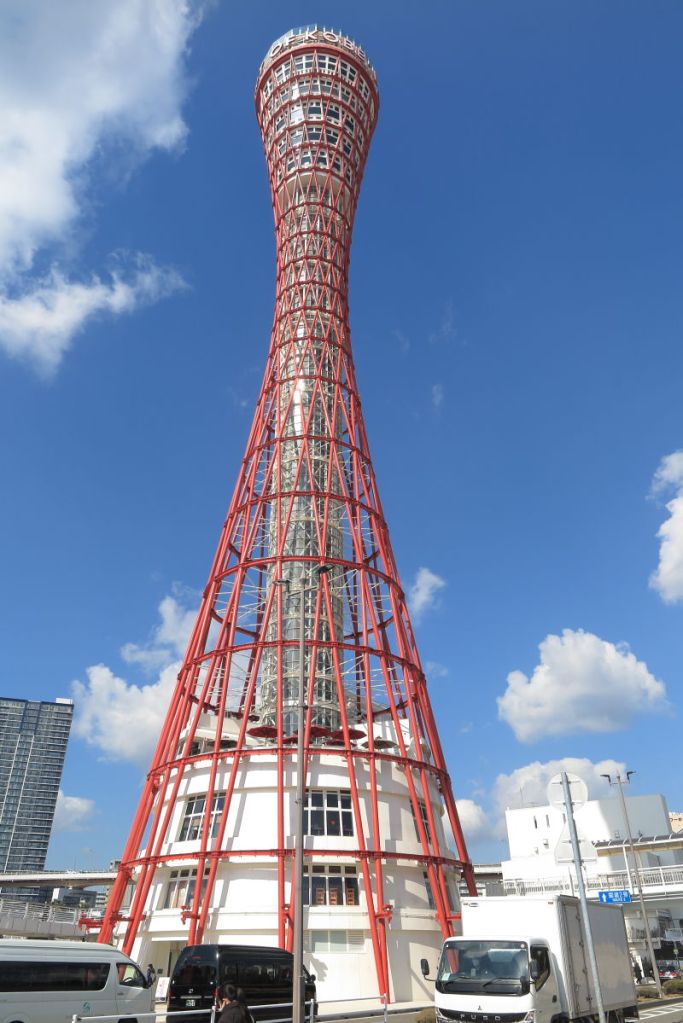
There is an observation deck on the fifth floor, where you can get a 360-degree view. You can reach the rooftop deck by climbing a spiral staircase, but it involves quite a few steps, and my leg strength is still not recovered, so I gave up. The view from the observation deck was also very good. The passenger ship Asuka was anchored at Kobe Port.
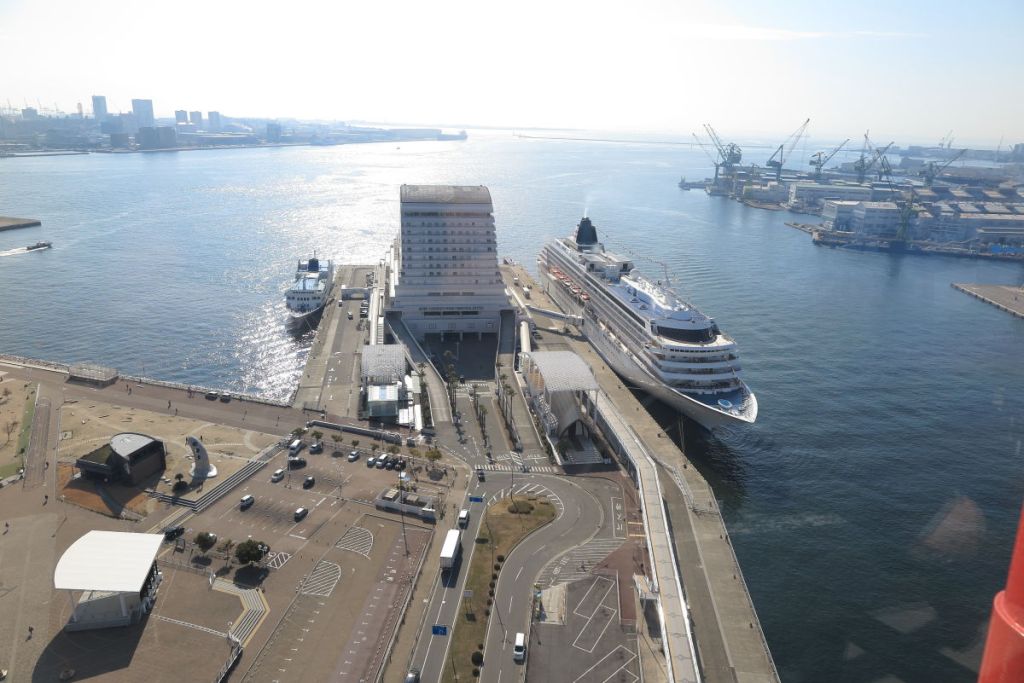
Kobe suffered great damage in the Great Hanshin-Awaji Earthquake, but more than 30 years later, no traces of the disaster remain.
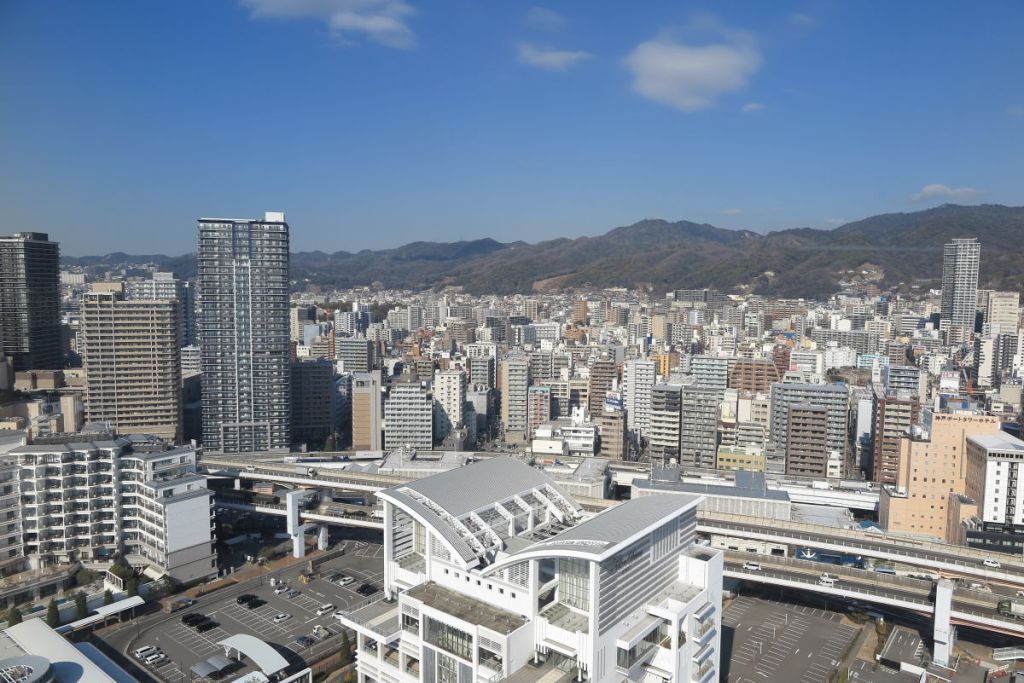
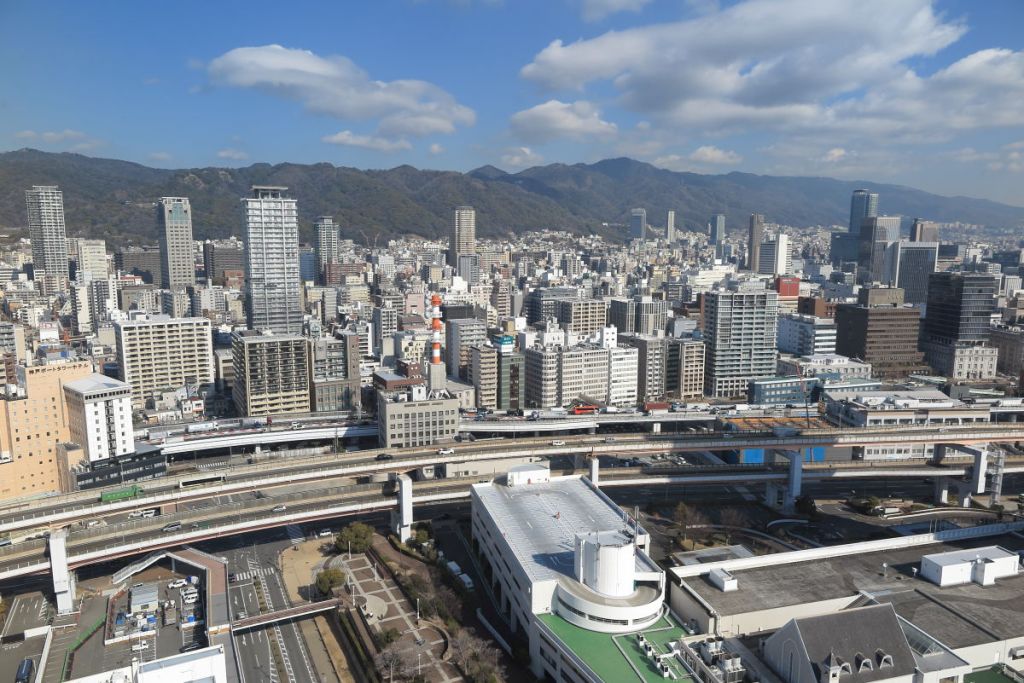
The Museum of Light is located on the 4th floor observation deck.
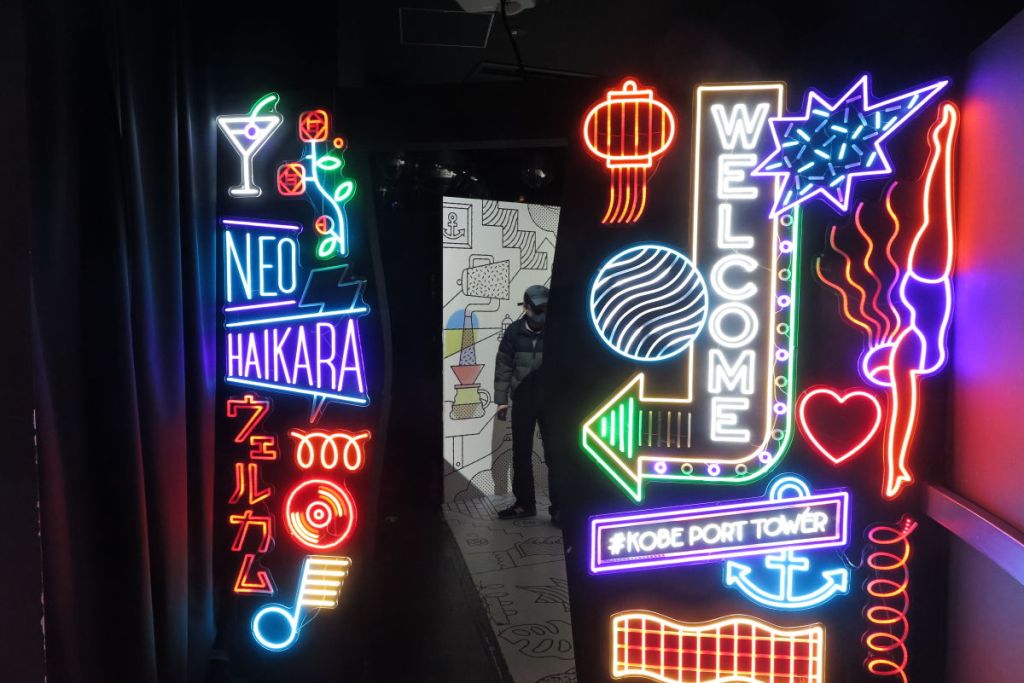
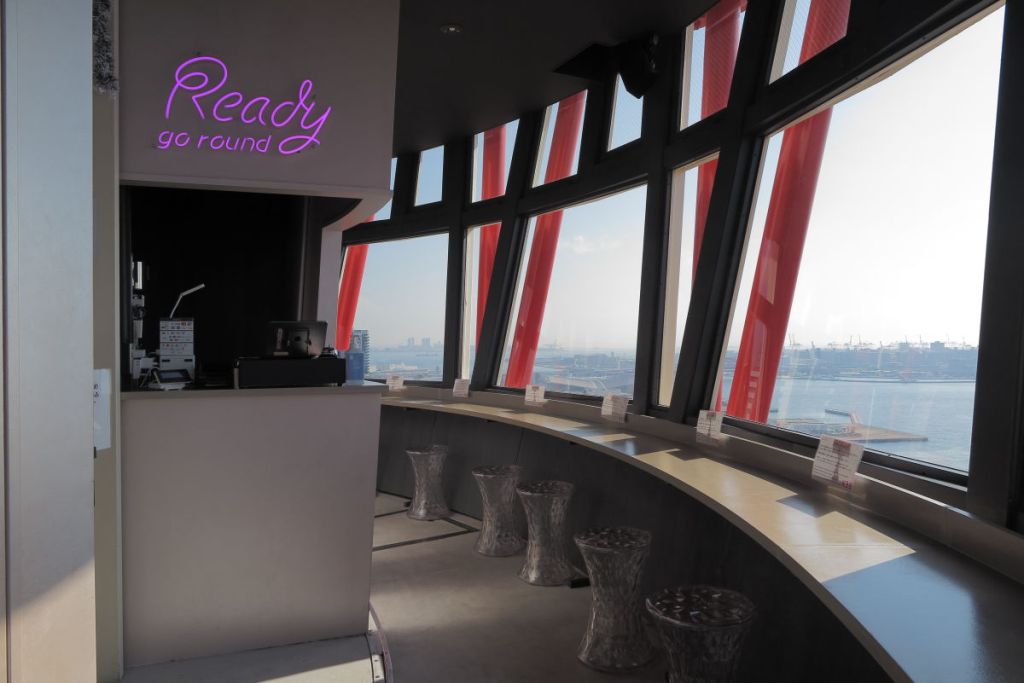
There is a cafe on the third observation floor, and the seats rotate once every 30 minutes, so you can enjoy a 360-degree view while sitting down.
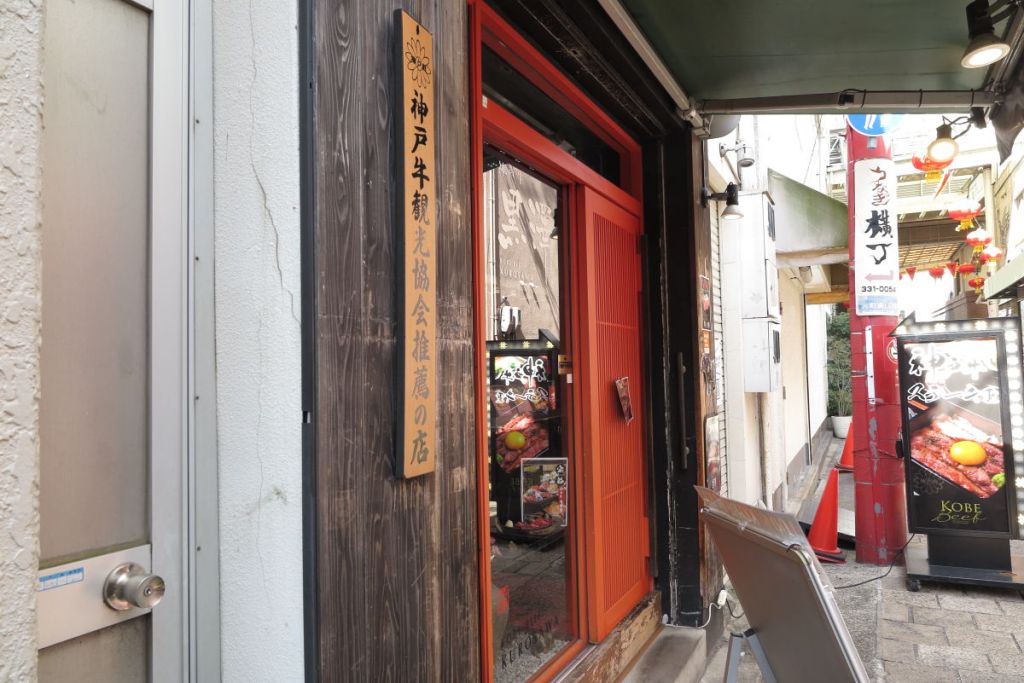
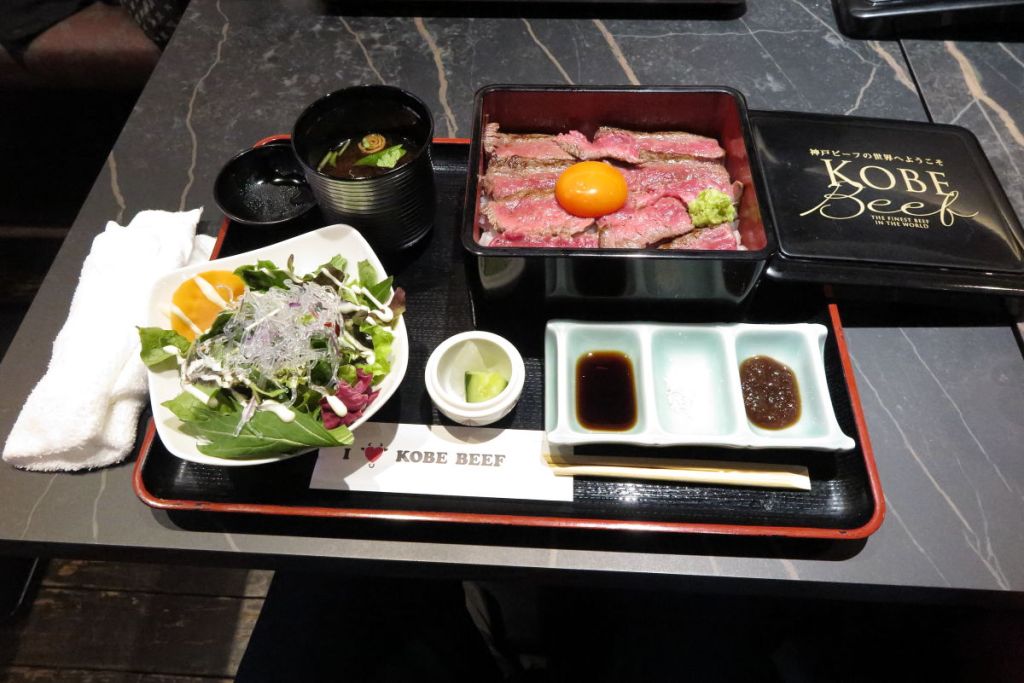
It was lunchtime, so I went back to Motomachi and went to Kobe Beef Kurosawa. Since a full-scale steak lunch is expensive, I ordered the reasonably priced premium steak bowl.
It was a satisfying dish that allowed you to enjoy the delicious flavor of beef.
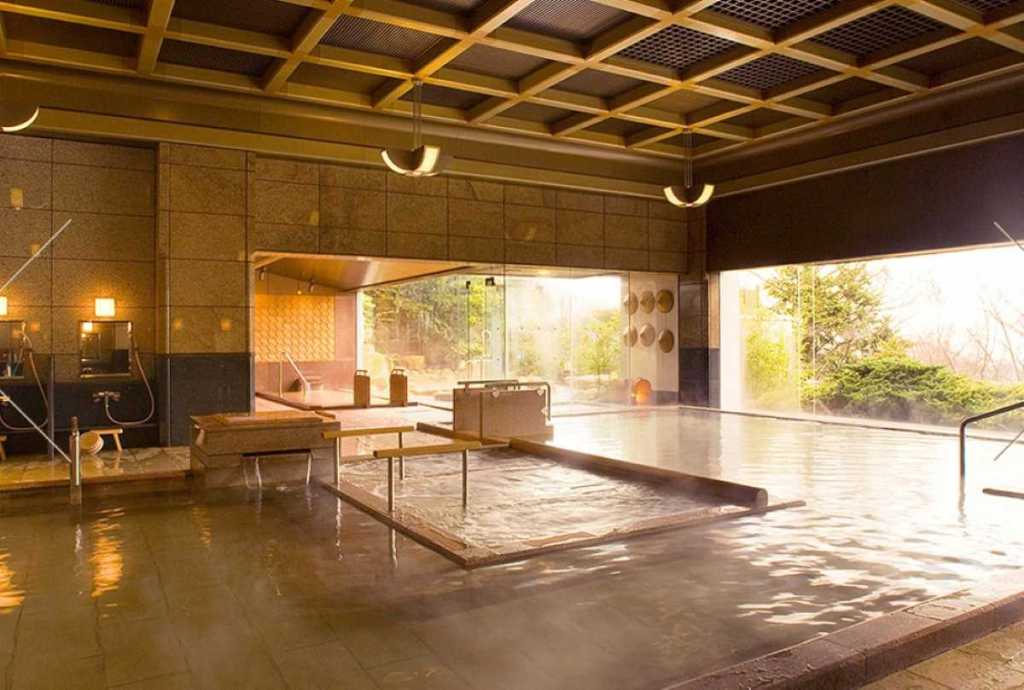
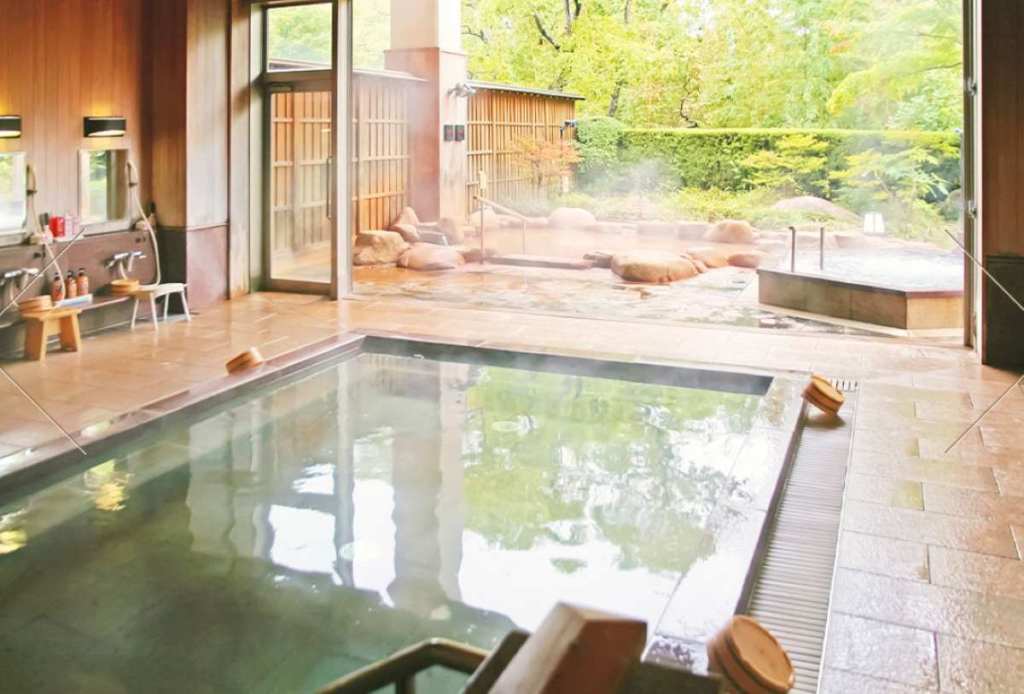
As I drove, I gazed out the window at the Western-style buildings of Kobe and headed to my lodging for the night, Hyoe Koyokaku in Arima Onsen. Hyoe Koyokaku is a long-established inn in Arima Onsen that opened around 650 to 700 years ago, a large facility with 126 rooms. It is said that the name Hyoe was given by Toyotomi Hideyoshi in 1594, according to oral tradition. There are three hot spring baths, each with an indoor bath and an open-air bath, each with a red gold spring and a clear silver spring, allowing you to enjoy a variety of baths. The photo is a screenshot from the inn’s website. The spring water is a high-salinity spring containing iron, sodium, and chloride.
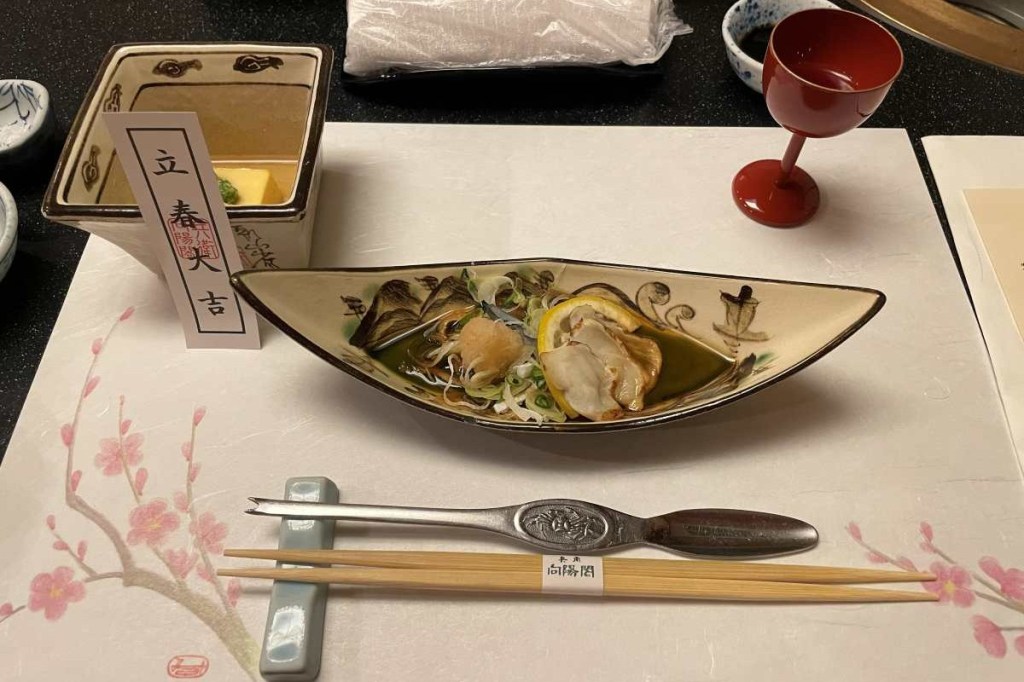
For dinner, I chose the charcoal grilled seasonal kaiseki course meal, and the appetizer was vinegared pufferfish skin.
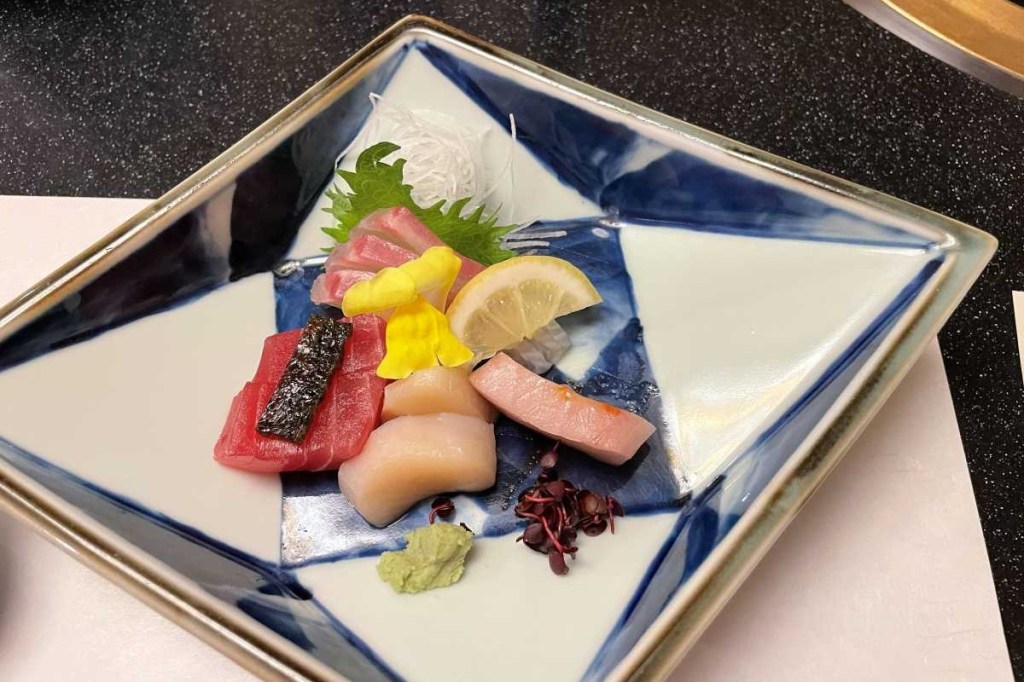
Sashimi includes tuna, sea bream, and clams
Charcoal grilled Rokko Wagyu beef, snow crab, Nagoya Cochin chicken and various vegetables
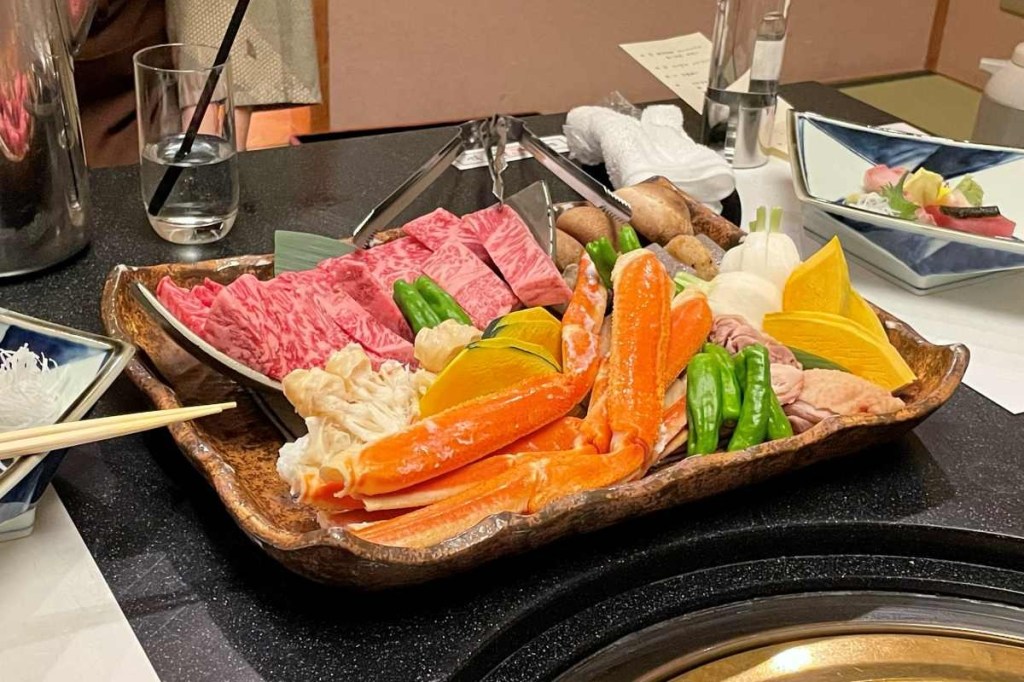
The food was mainly charcoal grilled and not elaborate, but it was satisfying.
February 19th (Thr)
Today I’m heading to Awaji Island. I stopped off at the Awaji Service Area, located just after crossing the Akashi Kaikyo Bridge. There’s also a Ferris wheel here. The view of the Akashi Kaikyo Bridge from here is spectacular.
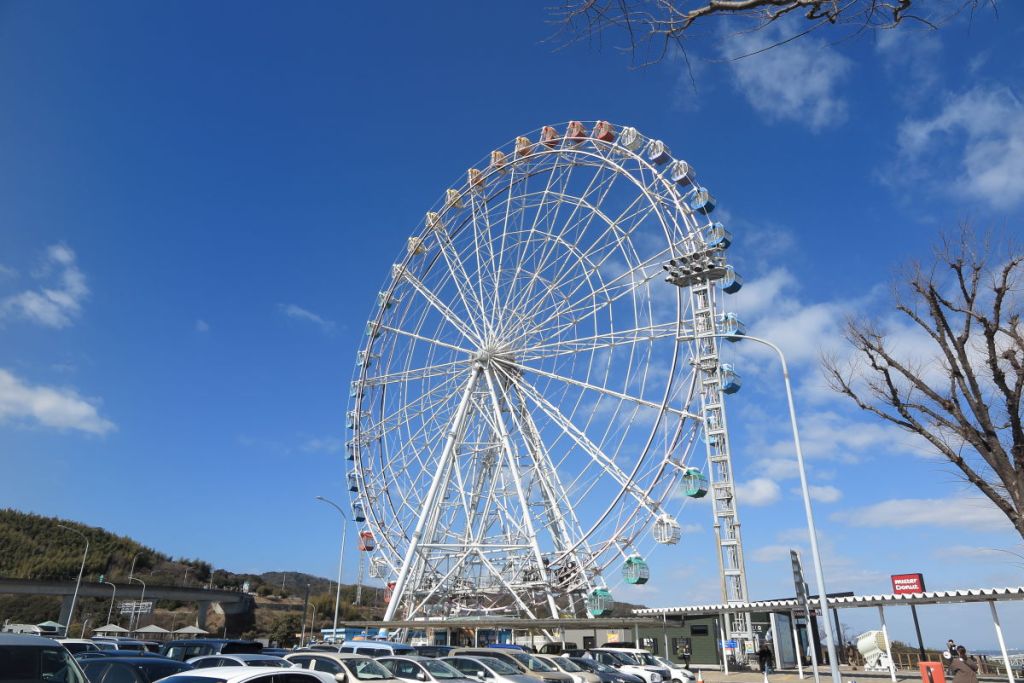
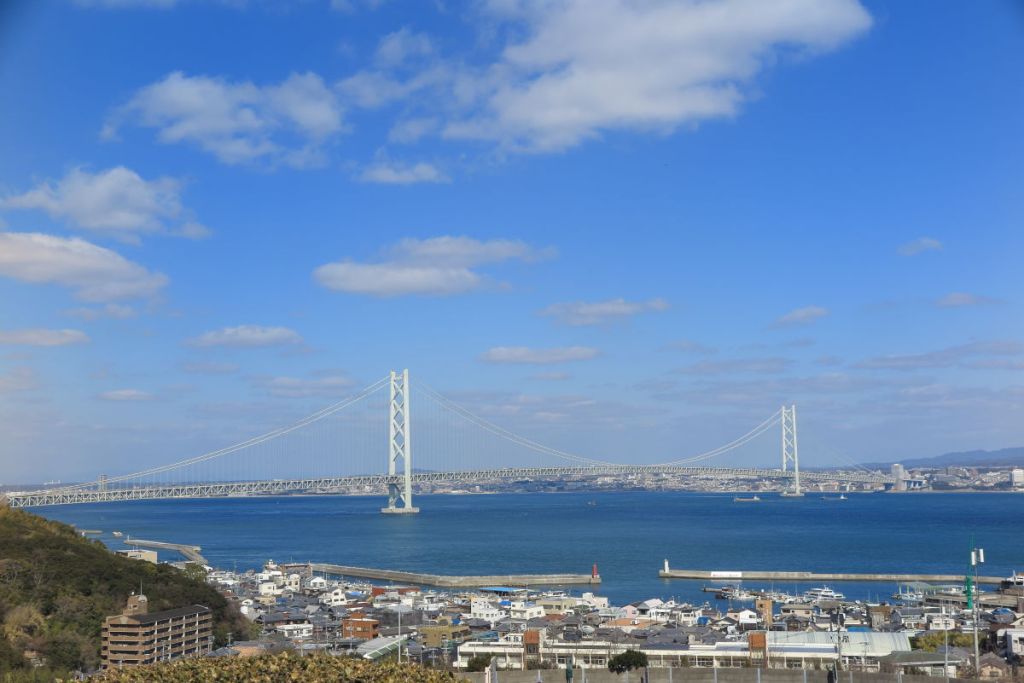
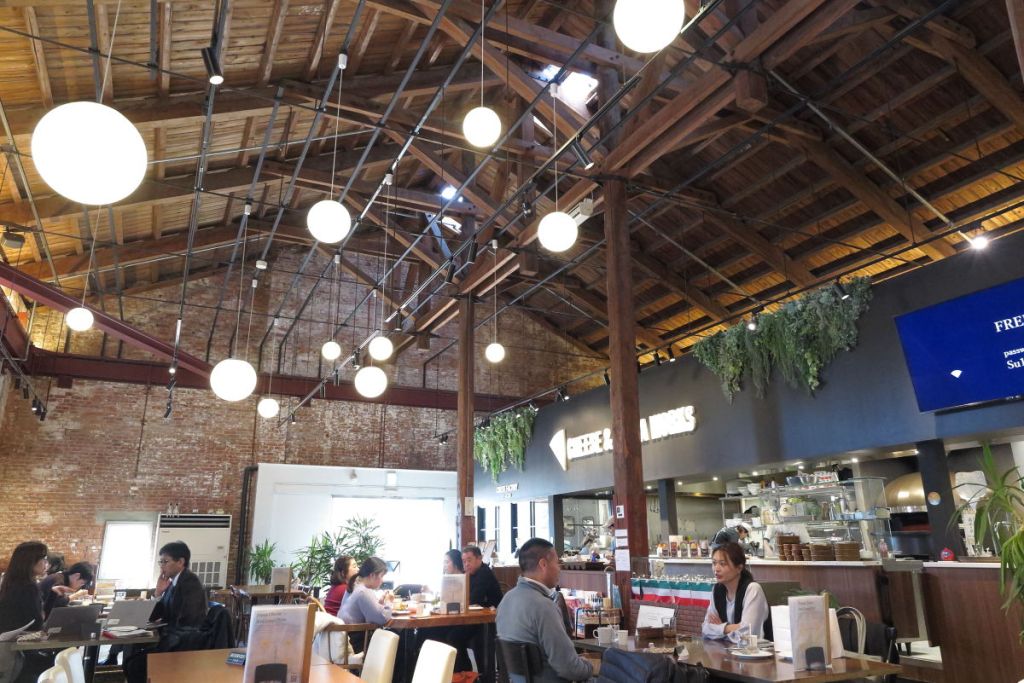
After enjoying the spectacular view, I headed to the red brick buildings of the former Kanebo Sumoto Factory in Sumoto City, Awaji Island. It was lunchtime, so I had pizza at S Brick, a facility that opened in 2021 in this area. The interior was spacious and stylish.
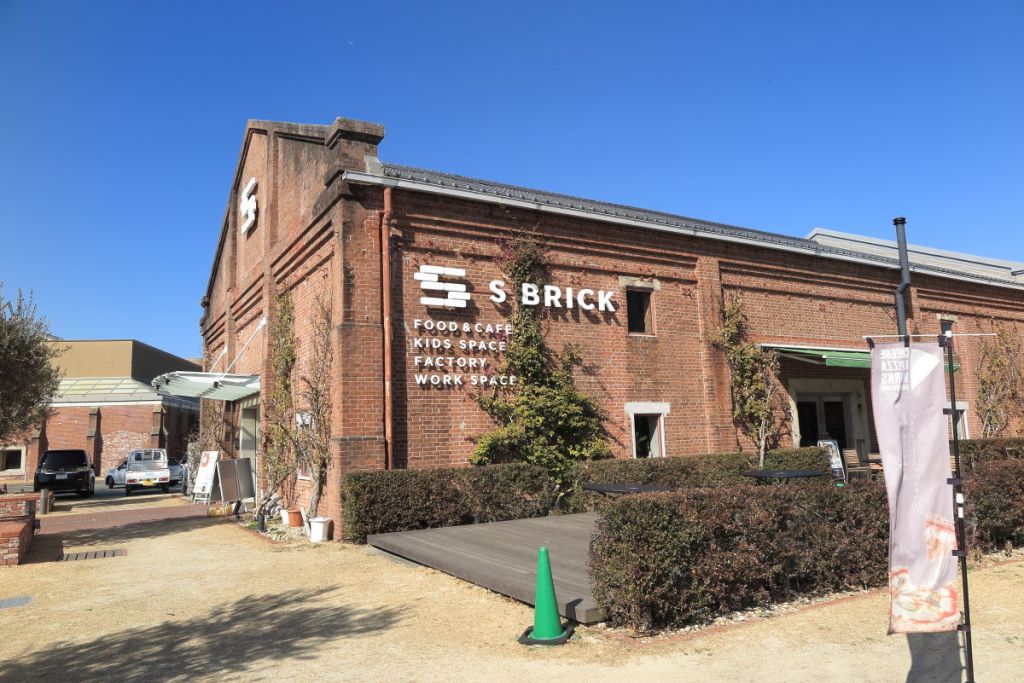
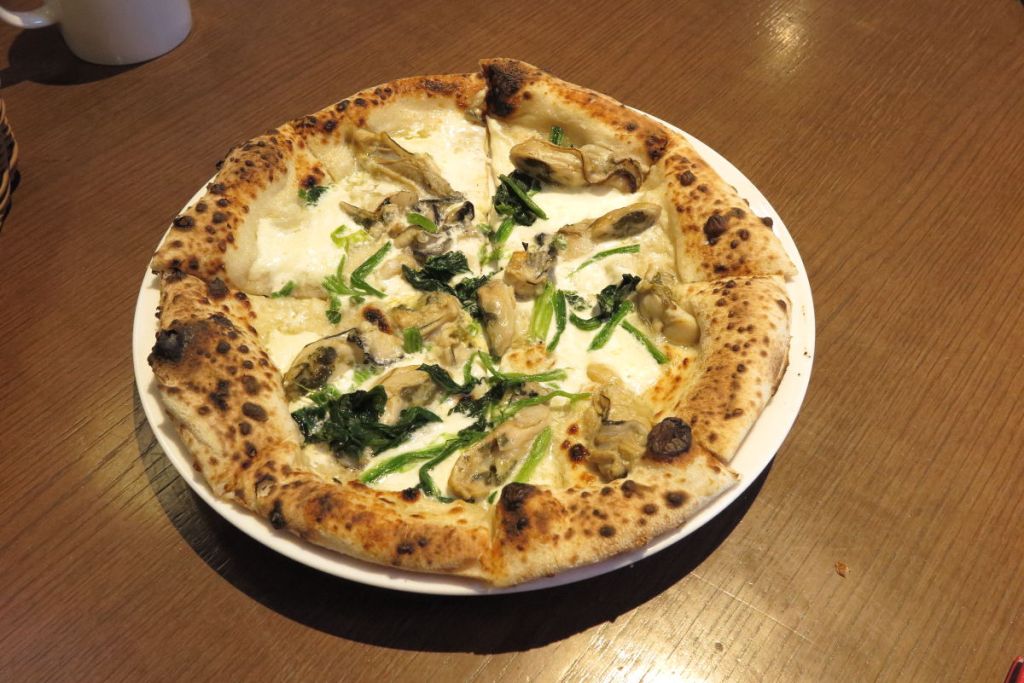
The oyster and spinach pizza was delicious and was made with cheese from the cheese factory located here.
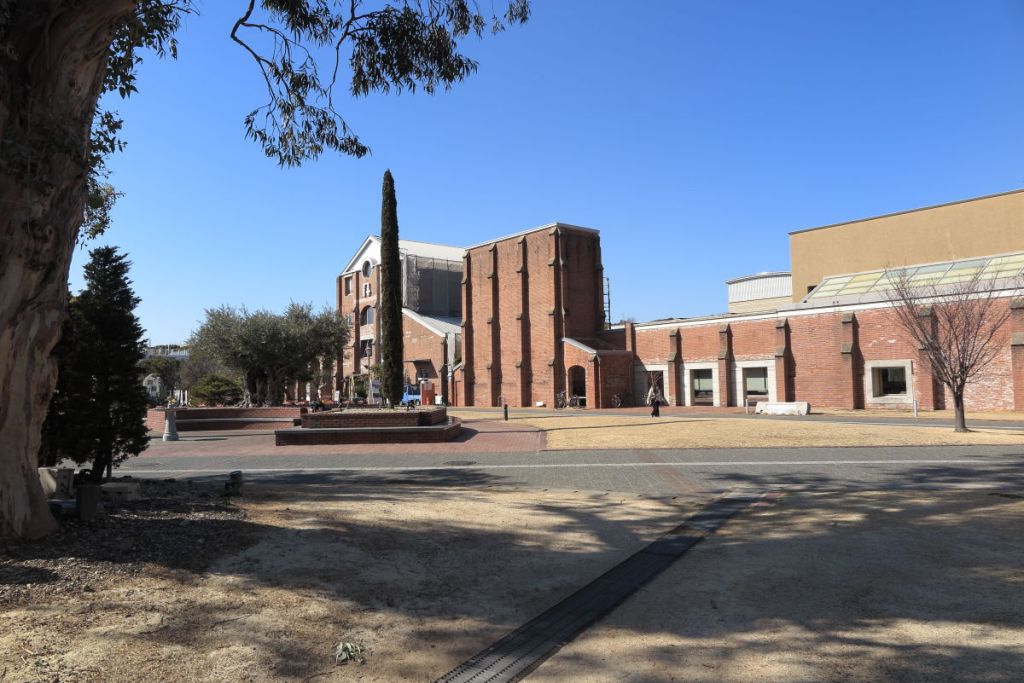
The area has been effectively utilized for its red brick buildings, including a library.
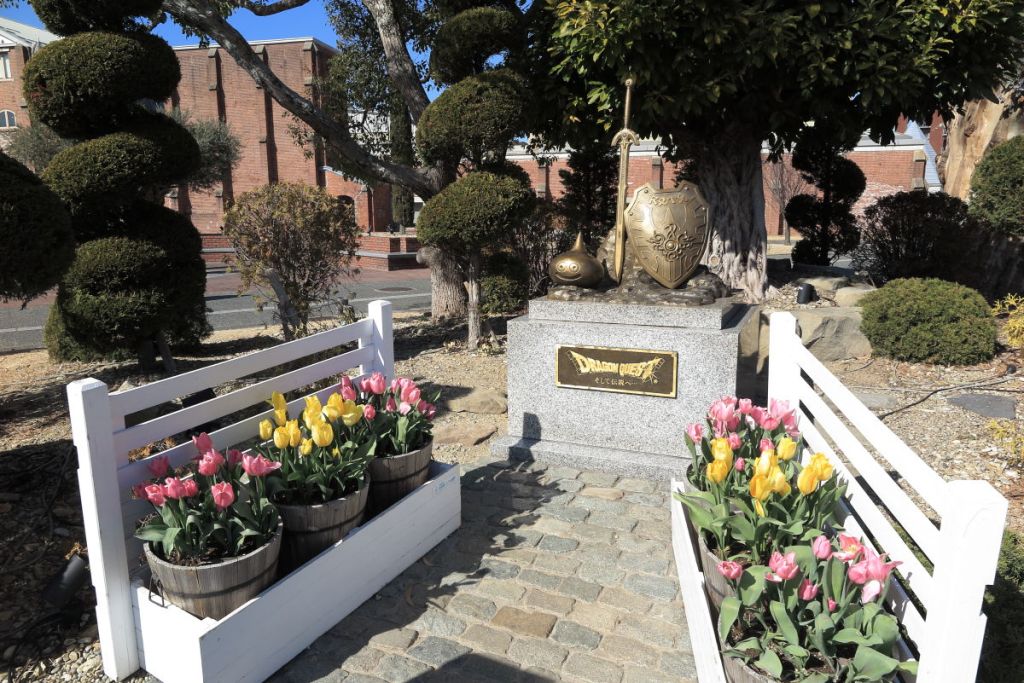
Yuji Horii, the creator of Dragon Quest, was born in Sumoto City, and a monument was erected here as the city is known as the holy land of Dragon Quest.
From here, I headed to my lodging for the night, Uzushio Onsen Umemaru. I came here in January 2025, so this was my second time staying here after a year. The quality of the spring water is excellent and the food is delicious, so I decided to come back again.
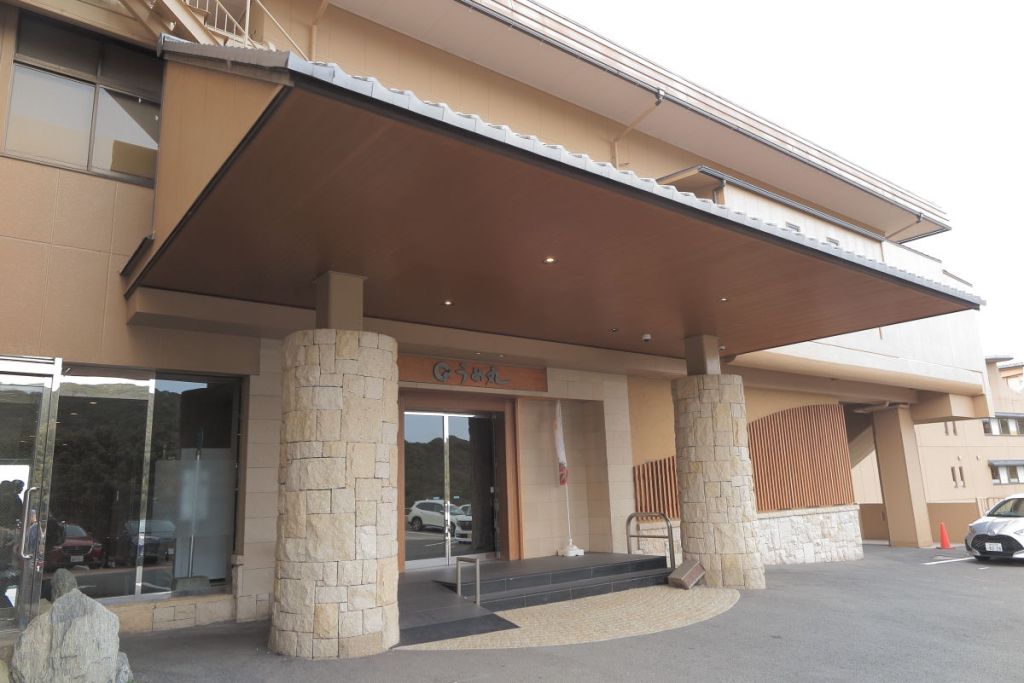
The spring water is a sodium bicarbonate cold mineral spring with an alkaline pH of 8.6. It has a very slimy texture and is gentle on the skin. The photo is a screenshot from the inn’s website, but there is also an open-air bath outside where you can see the Naruto Bridge.

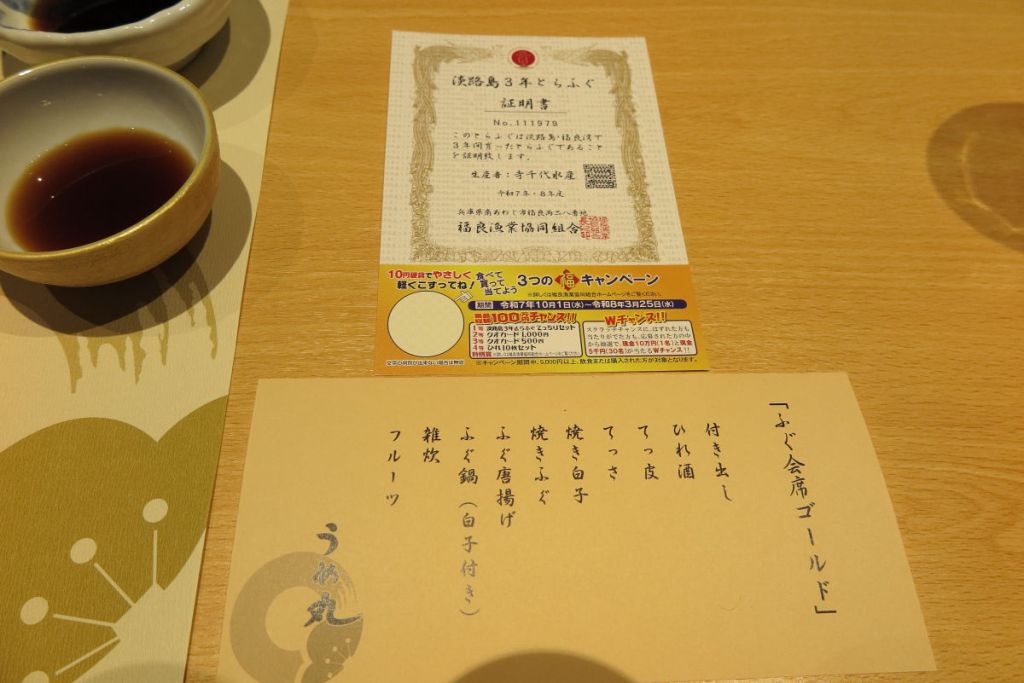
Last year’s dinner was a full course of live sea bream sashimi, so this time I went for the gold fugu kaiseki plan. Awaji Island’s three-year-old tiger pufferfish are twice the size of the two-year-old ones commonly available, and because they are farmed in the Naruto Strait, where the seawater temperature is the lowest and the currents are fast, they have firm flesh and a rich flavor, making them considered high-quality. Since it was a special occasion, I went for the gold plan, which also includes large milt. It also comes with free drinks, which is great for those who like to drink.
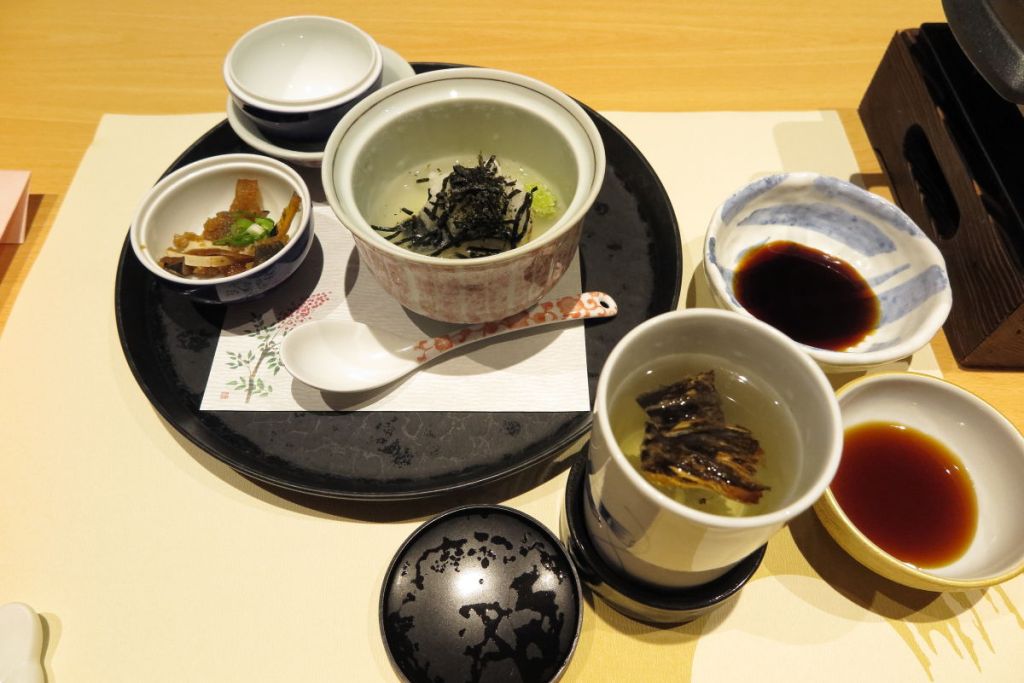
Appetizers and fin sake
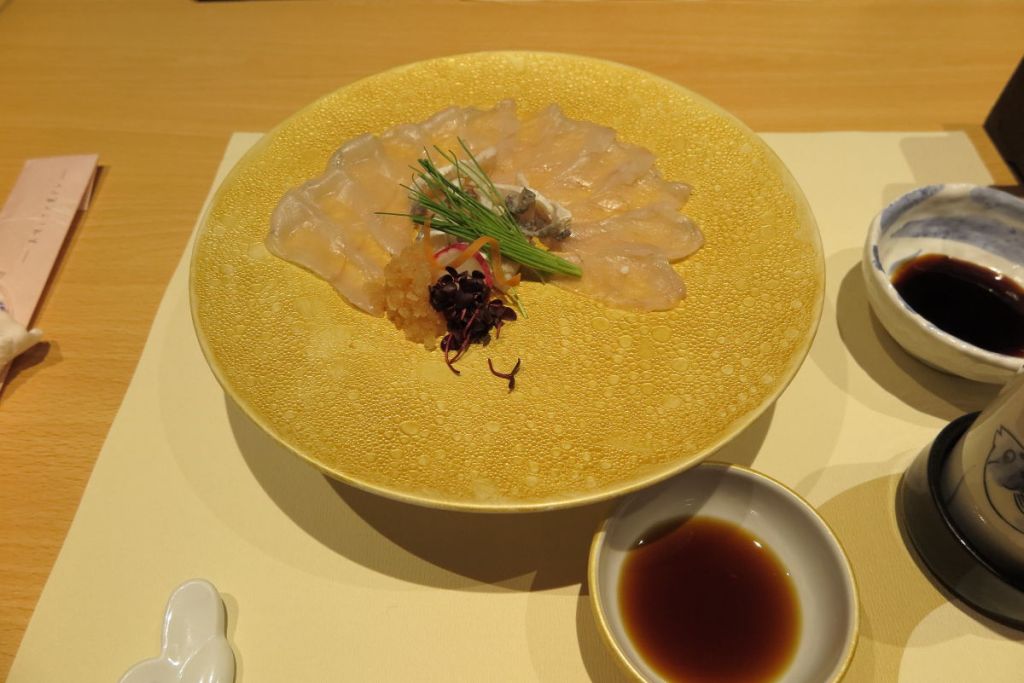
Fugu sashimi, called tessa, has a firm texture and a rich flavor.
Grilled whitefish milt has a crispy exterior and creamy whitefish milt inside.
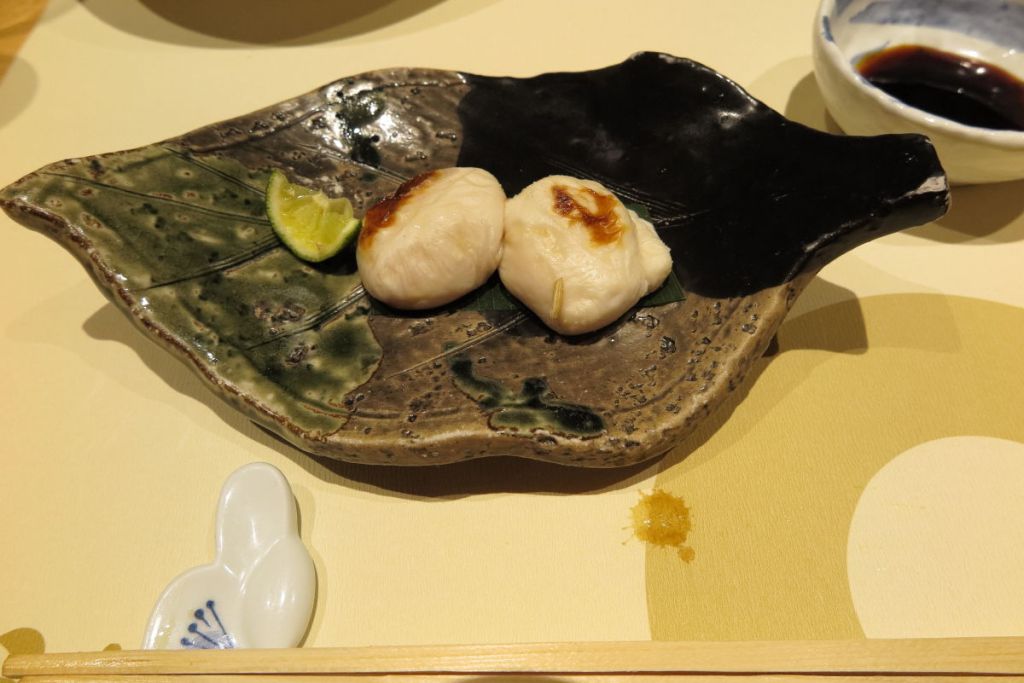
This fugu was grilled on a hot plate.
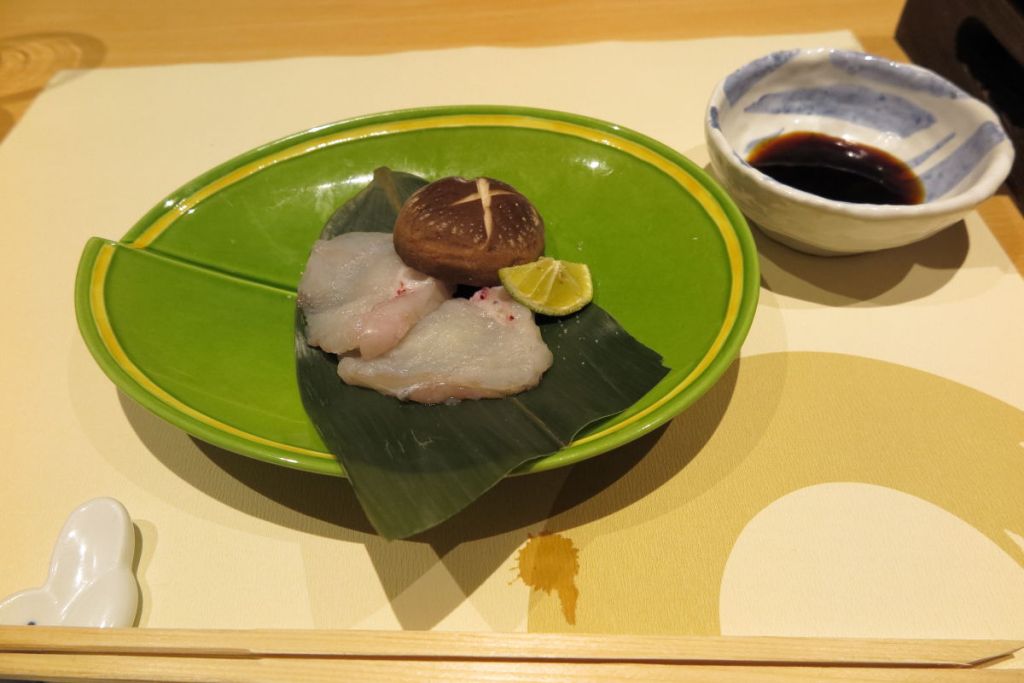
Fried pufferfish is also delicious when eaten with salt.
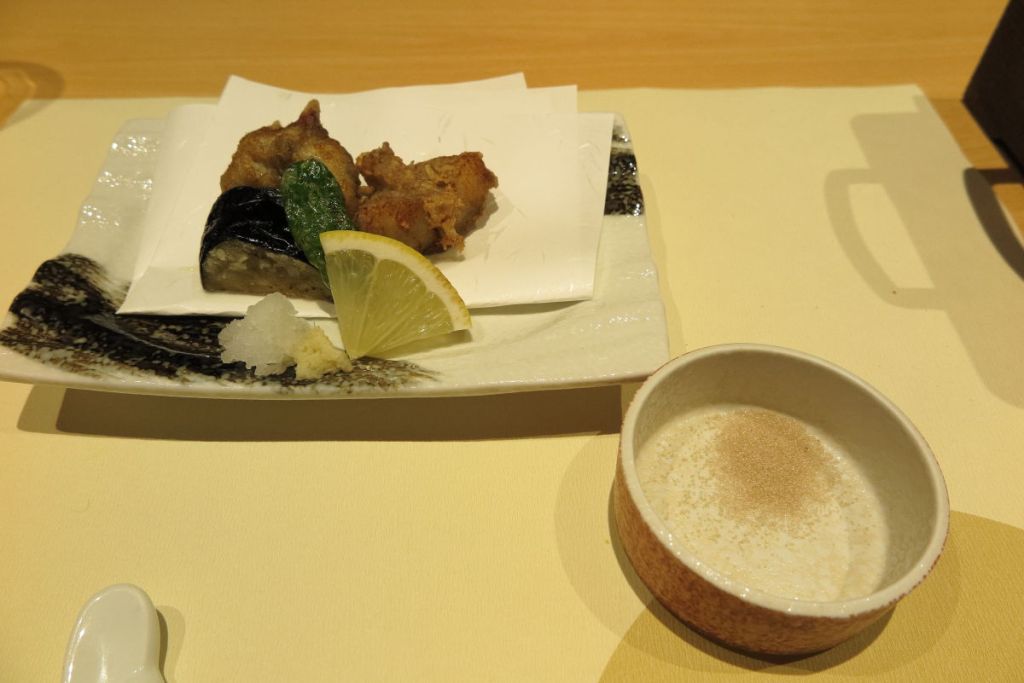
Finally, I had fugu hotpot with soft roe and ate it as rice porridge.
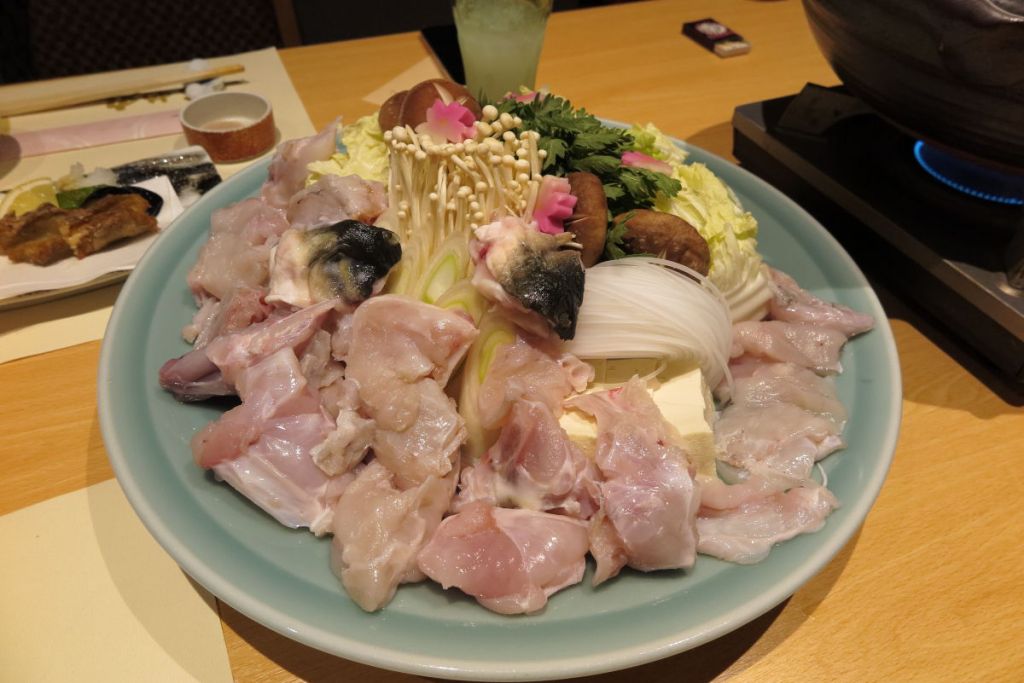
It was a very satisfying dinner where I was able to enjoy all the fugu dishes.
February 20th(Fri)
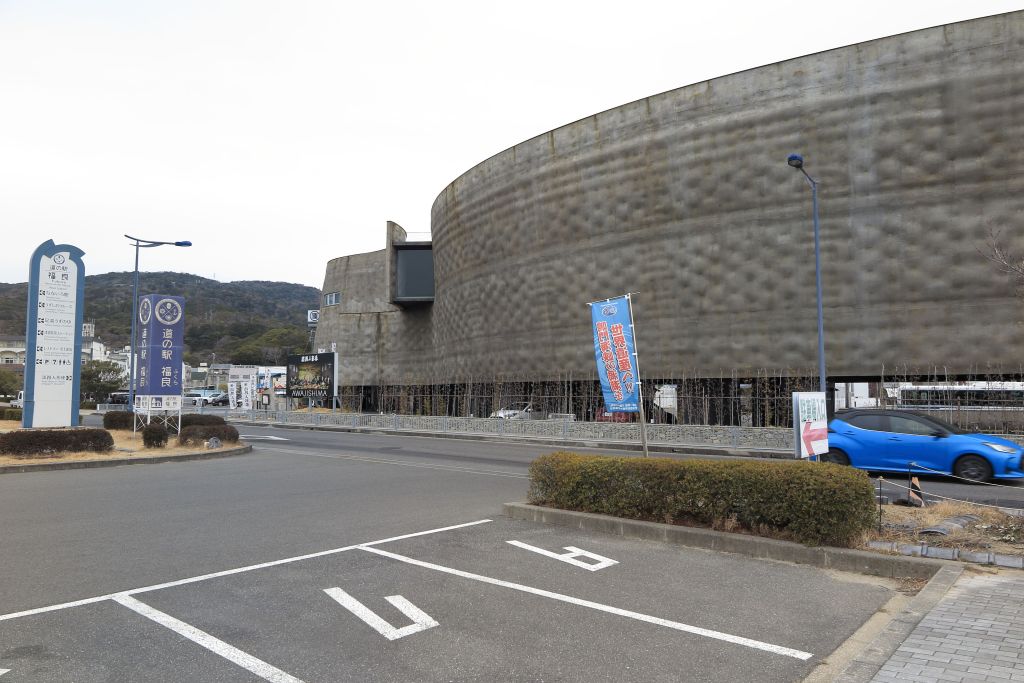
The half-buffet style breakfast offers a wide variety of options, including pickled sea bream rice bowls and sea bream chazuke. After a leisurely meal, I headed to Fukura Roadside Station.
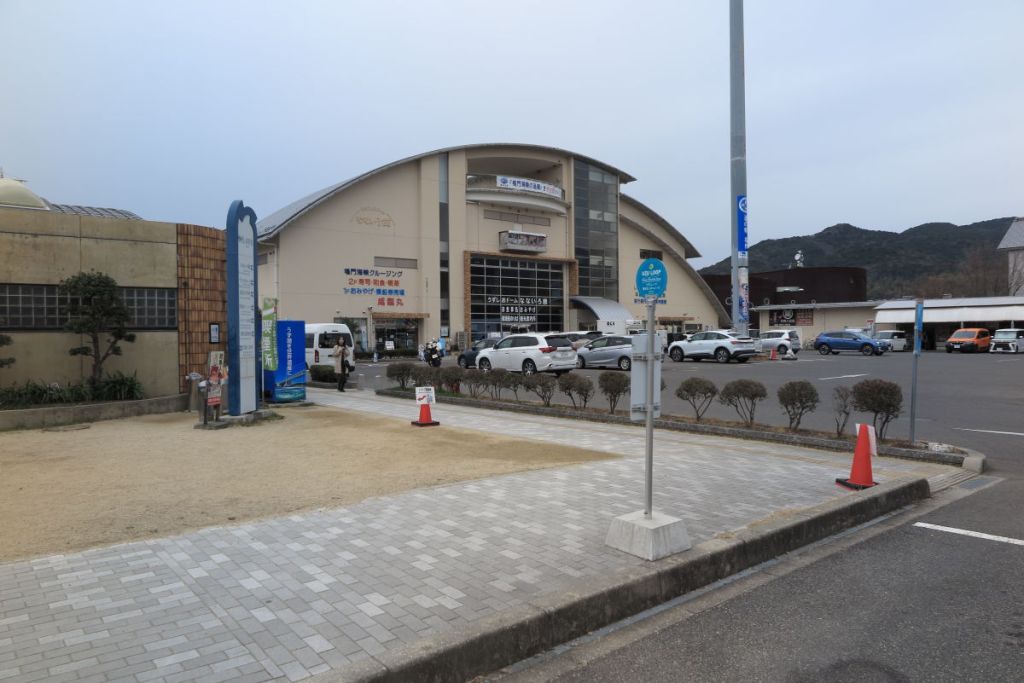
Across the street is the Awaji Puppet Theatre.
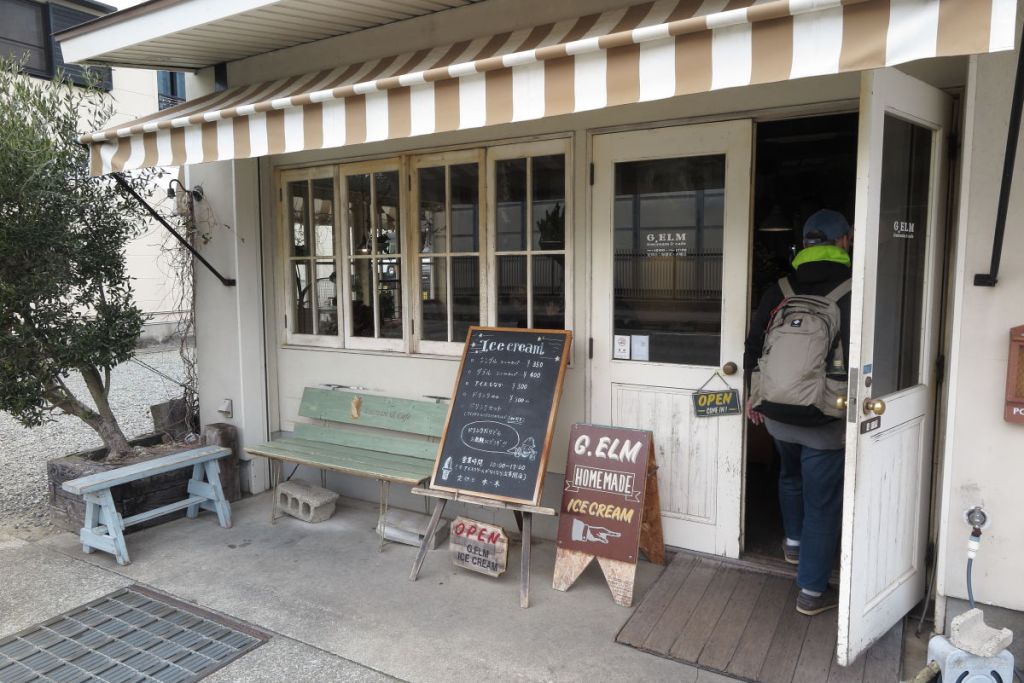
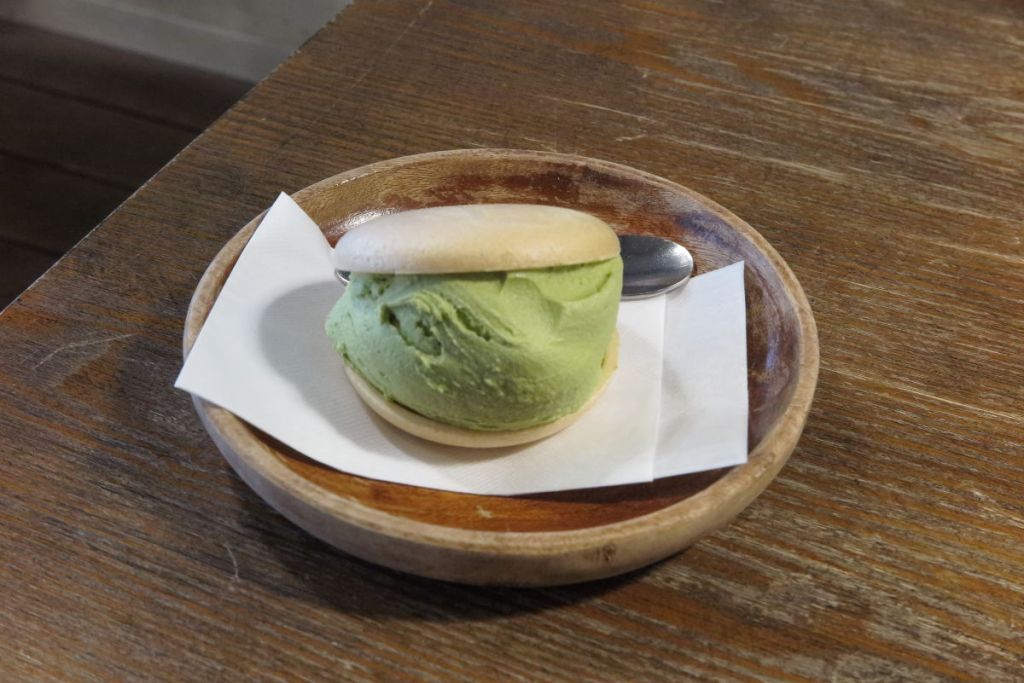
I had matcha gelato at a gelato shop called G.ELM in the nearby Fukura Marche, and it had a great matcha flavor and was very delicious.
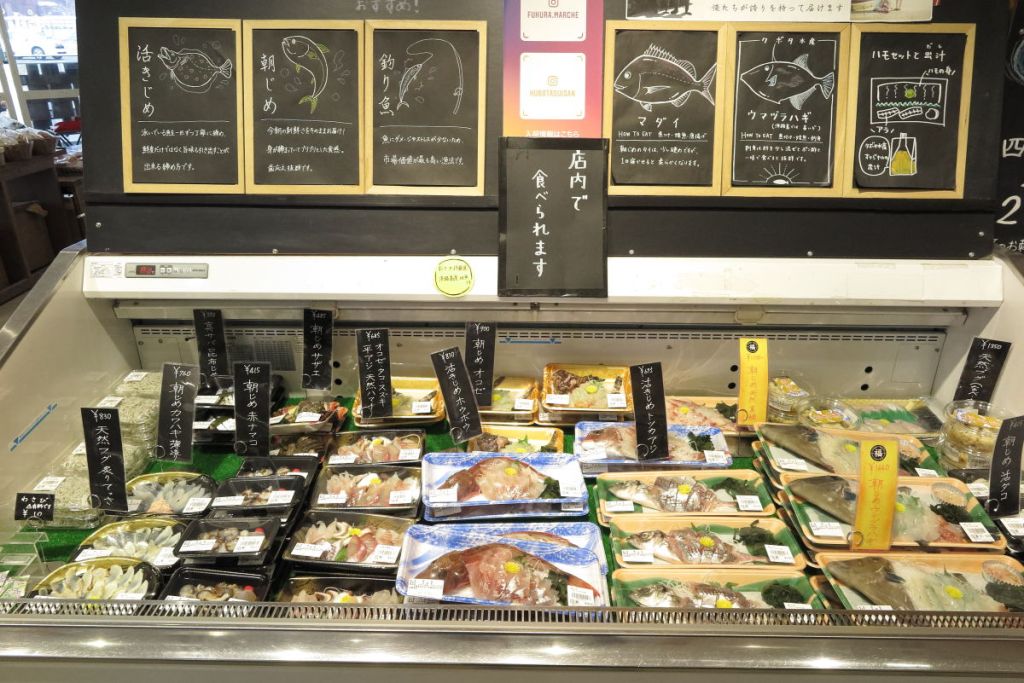
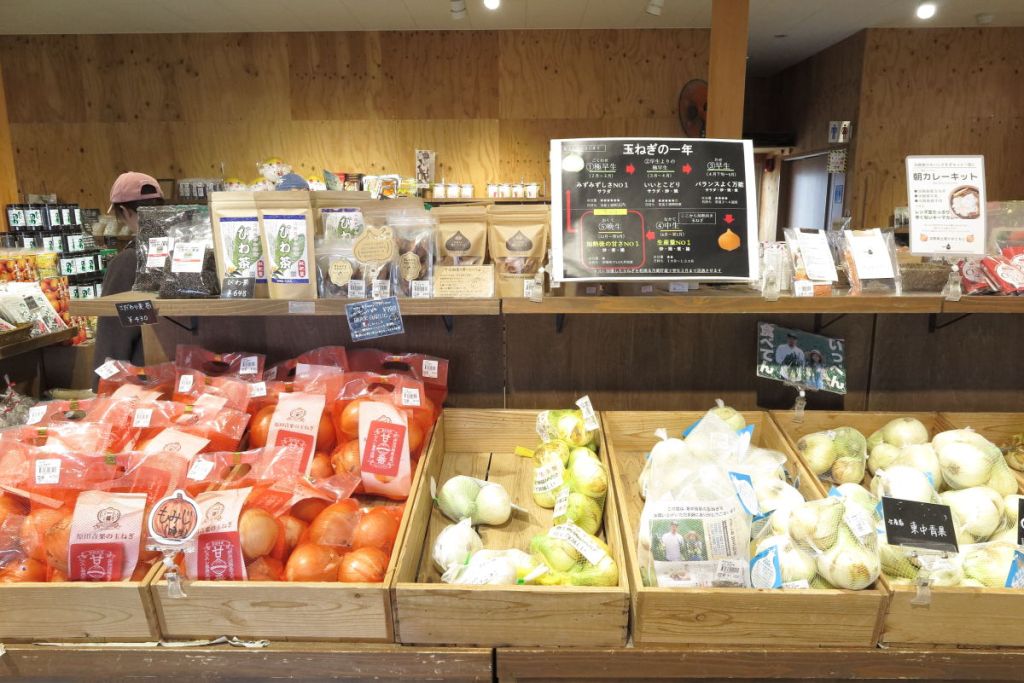
The farm market also sells seafood and local onions, and I bought some for salad. In Tokyo, onions are small and expensive, so it felt like a great deal.
I crossed the Naruto Bridge into Tokushima, returned the rental car, and went to Tokushima Awaodori Airport, had lunch, and then took JAL flight 460, departing at 14:45, arriving safely at Haneda Airport at 16:00.
Although the temperature was a little low during this trip, I was blessed with good weather and was able to fully enjoy the delicious local ingredients. It was a great winter hot spring trip.
 旅好き爺の旅行記
コメントを残す