

Having taken several trips by plane this year, this time I drove my car and visited three hidden hot springs in Nagano Prefecture over a 3-night, 4-day trip from May 24th (Sunday) to 27th (Wednesday).
May 24th (Sun)
I left home before 7:00 AM, got on the Chuo Expressway, had breakfast at Dangozaka Service Area, and then entered the Nagano Expressway from Okaya Junction, getting off at Azumino Interchange. It was about 250 km from Tokyo and took just under 3 hours to drive. First, I decided to stop by the Azumino Chihiro Art Museum. It seems that the museum was opened in Azumino because the parents of the painter and picture book author Chihiro Iwasaki were from Shinshu (Nagano Prefecture).
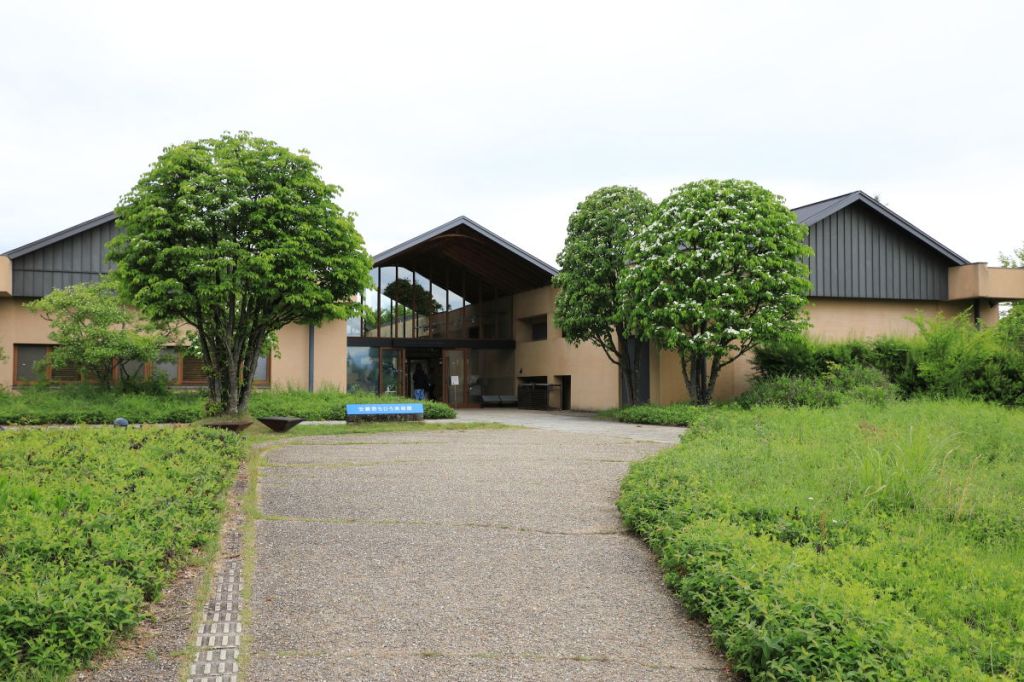
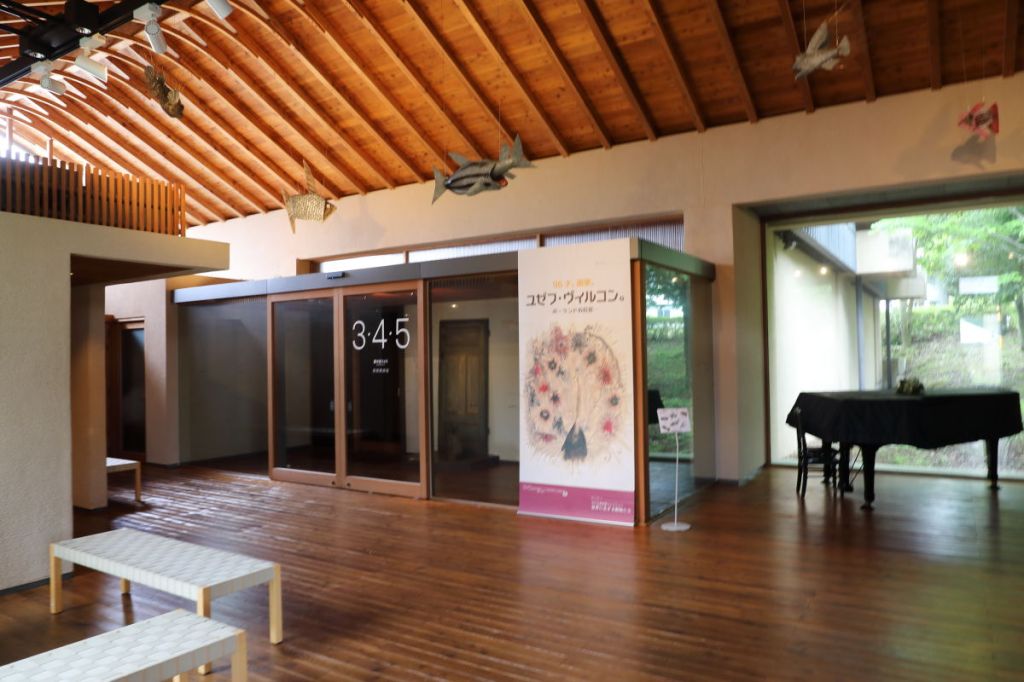
The museum has five exhibition rooms where Chihiro’s representative works, original drawings, picture books, works by related authors, and works by picture book illustrators from around the world are displayed, including original drawings from picture books by the Polish master Josef Wilkon.
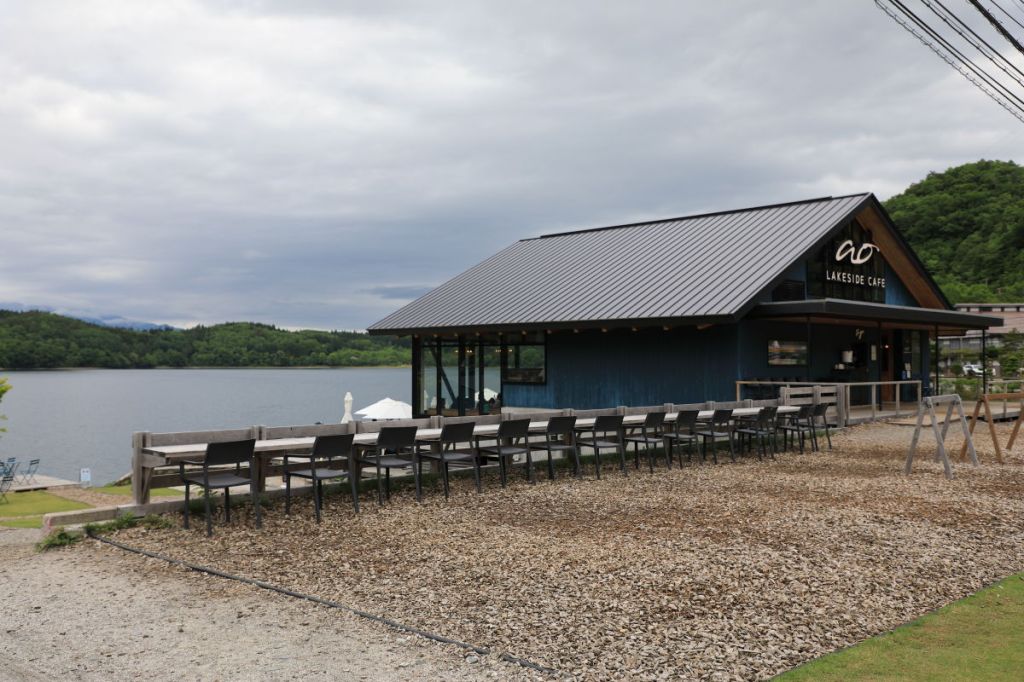
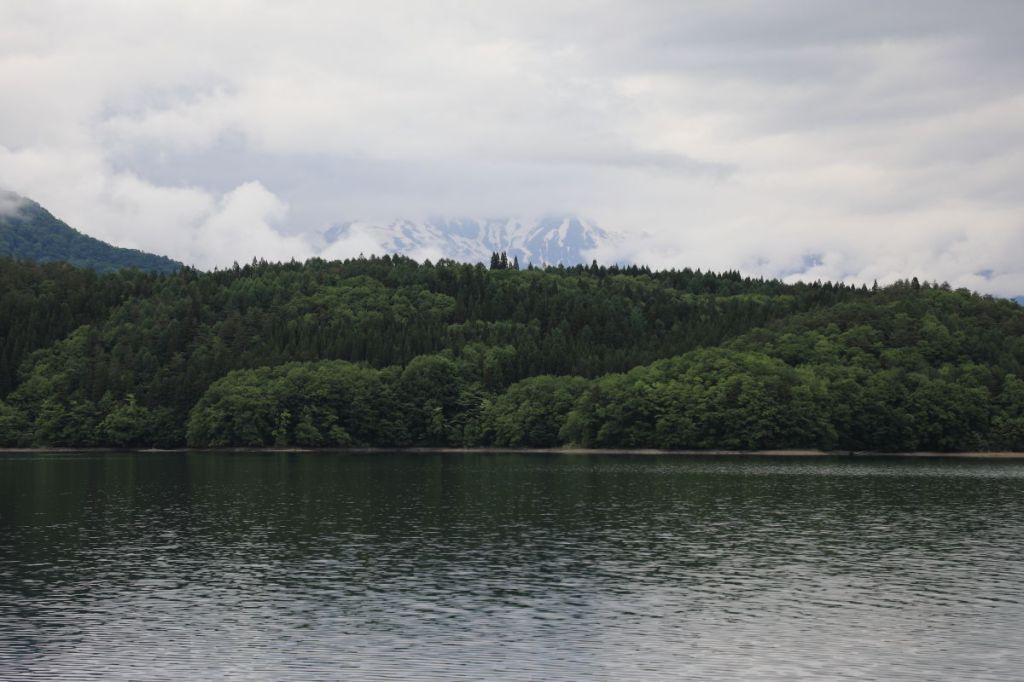
For lunchtime, I ate Shinshu pork SPF loin cutlets at a restaurant called Kuni’s Country Chicken. They were inexpensive and very delicious. Since the Nishina Three Lakes are relatively close by, I went to Lake Aoki, one of them. I enjoyed the view of the lake while drinking coffee on the terrace of Lakeside Cafe.
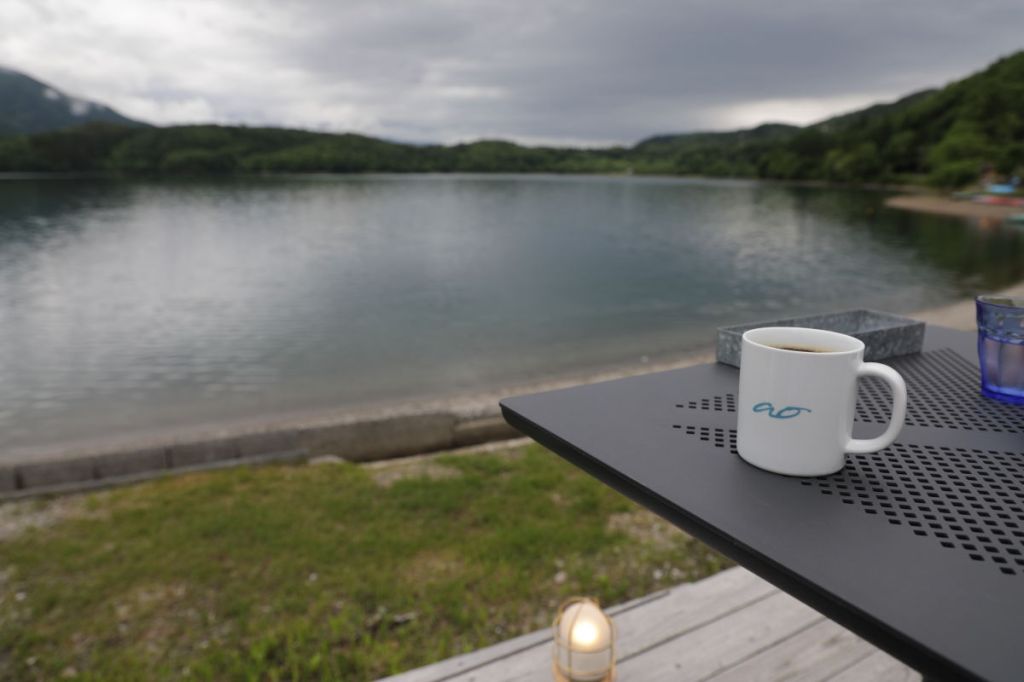
Unfortunately, it was a cloudy day, but I could see the Northern Alps in the distance through gaps in the clouds. It must be a magnificent view on a clear day.
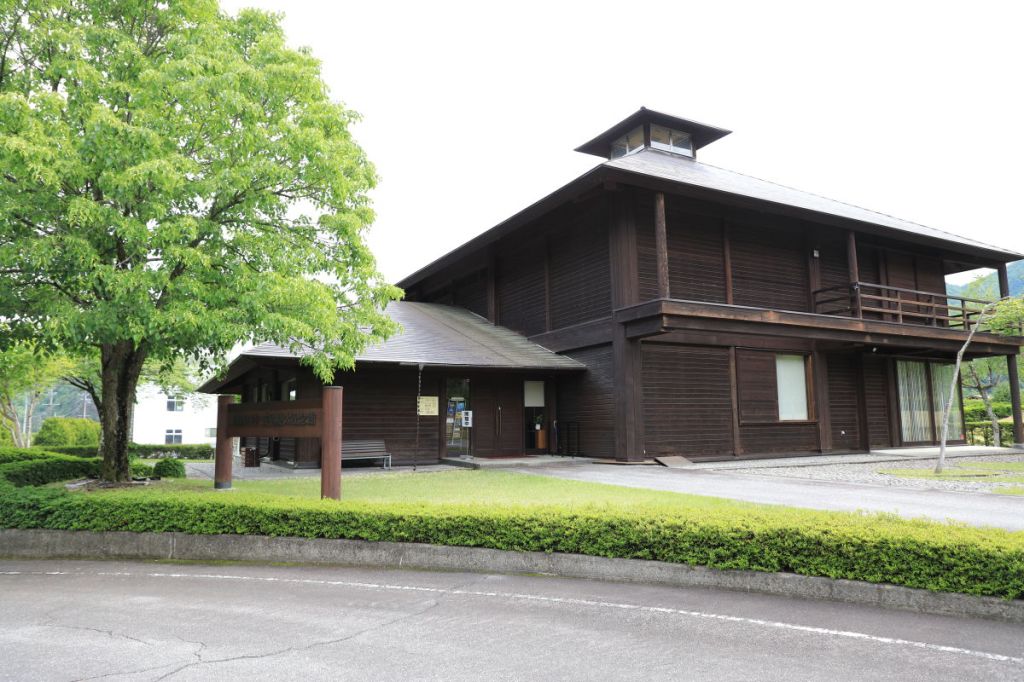
Next, I stopped by the Keita Asari Memorial Museum in Omachi City. It all started when Keita Asari of the Shiki Theatre Company was so moved by the beautiful natural environment of the Northern Alps that he established the Shiki Theatre Company’s base camp in Omachi City.
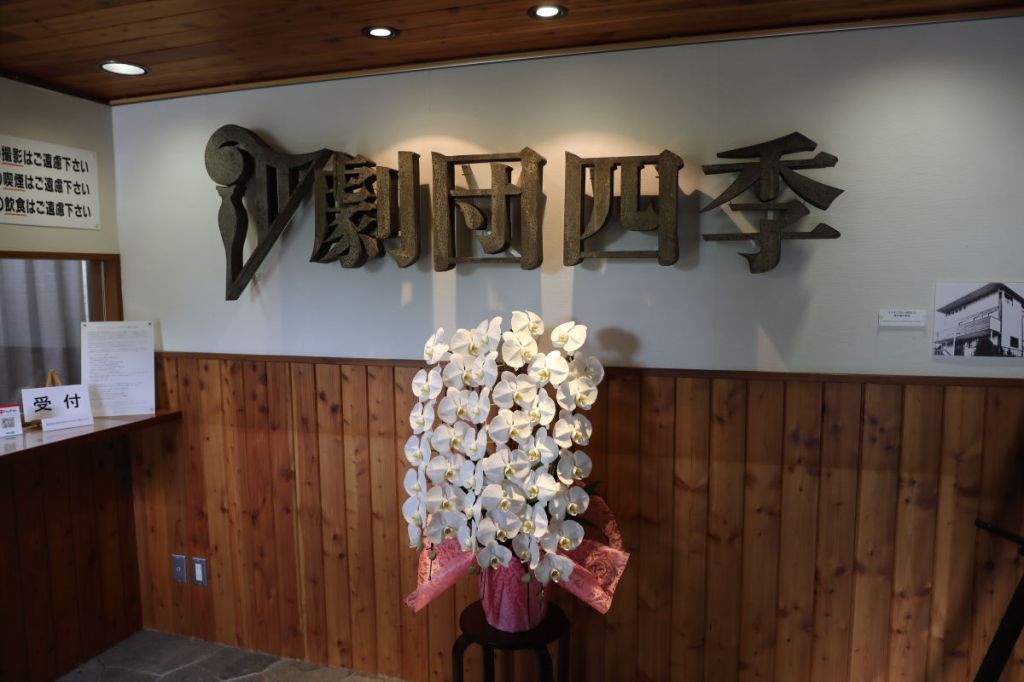
Photography was prohibited inside the exhibition hall, but I was able to enjoy a fascinating visit to see the exhibits showcasing the history of the Shiki Theatre Company, stage models, props, costumes, and more.
My accommodation for the night, Kuzu Onsen Senninkaku, is located very close by. It’s a member inn of the Association for the Preservation of Hidden Hot Springs, but for some reason, I didn’t see any lanterns indicating that.
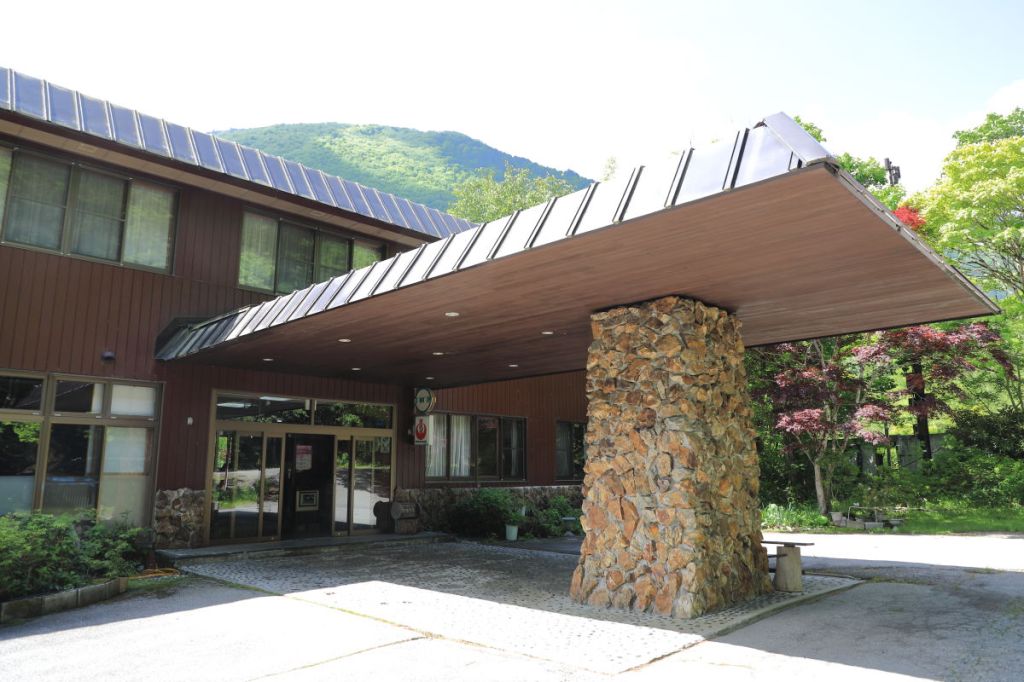
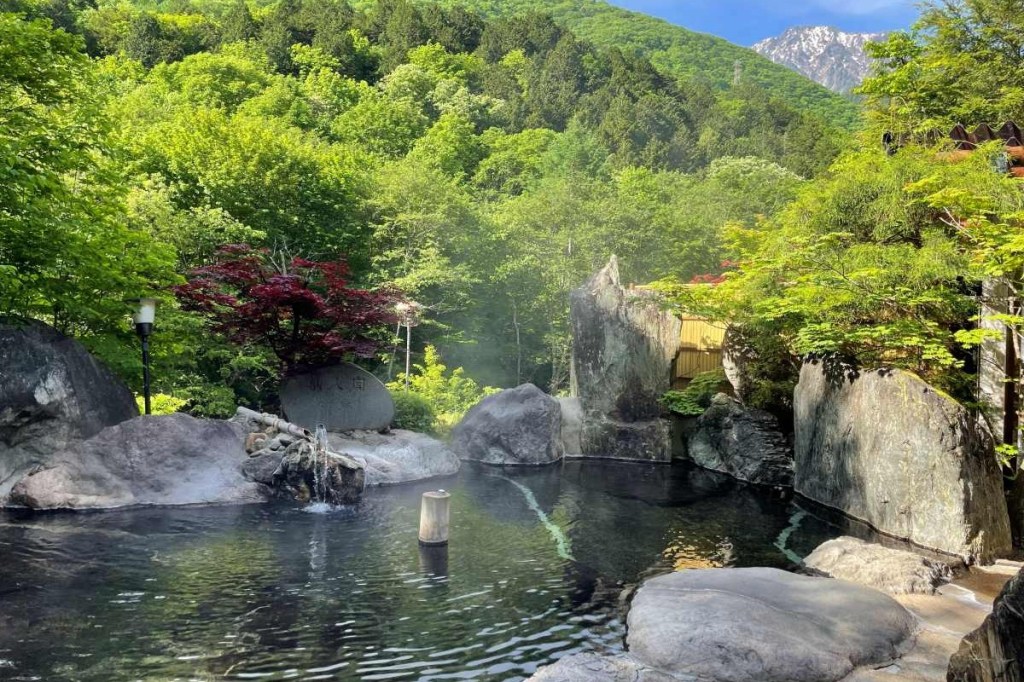
There is an indoor bath with simple spring water and an open-air bath with alkaline simple spring water, and from the open-air bath you can soak in the hot springs while enjoying a spectacular view of the Northern Alps.
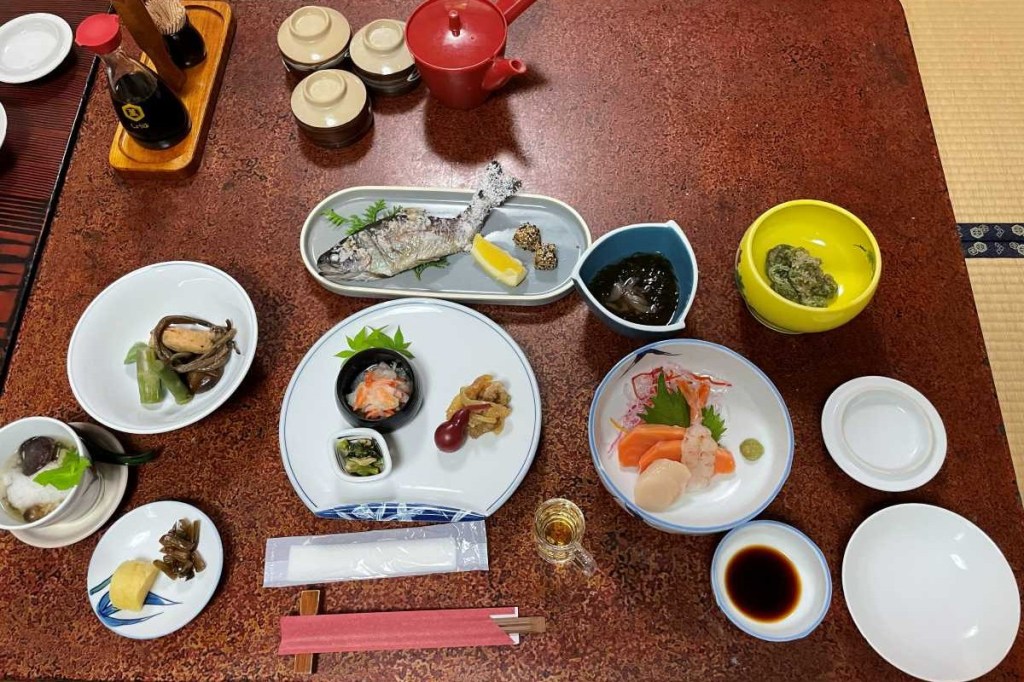
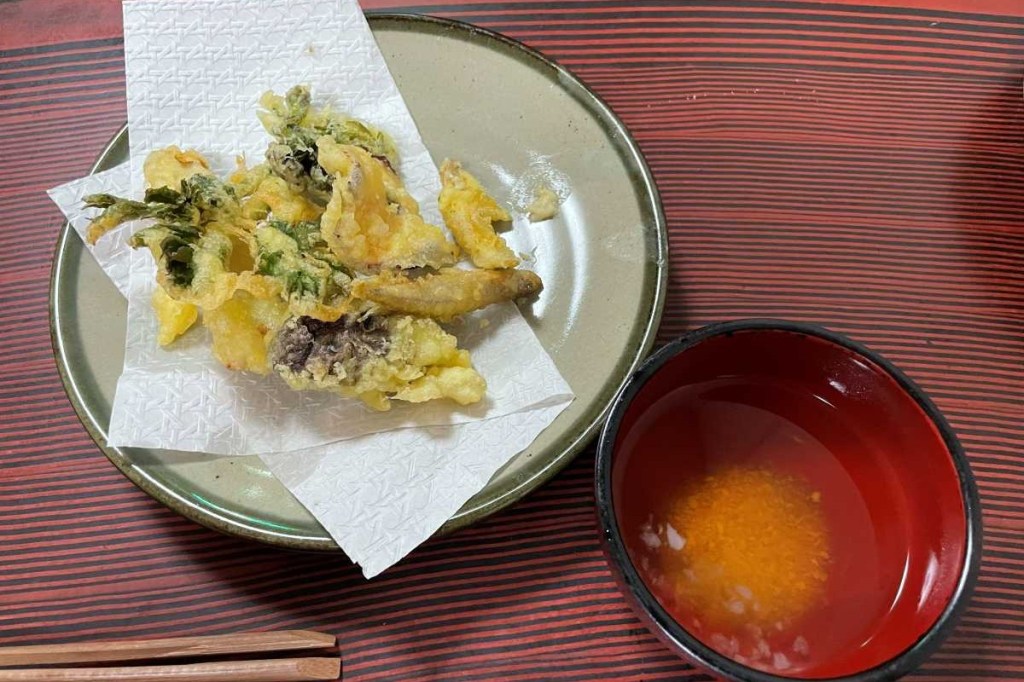
For dinner at the restaurant, there was no menu, but an incredible amount of food was served. The photo shows some of it. It included salt-grilled rainbow trout, blanched wild vegetables, and tempura of smelt and wild vegetables.
May 25th (Mon)
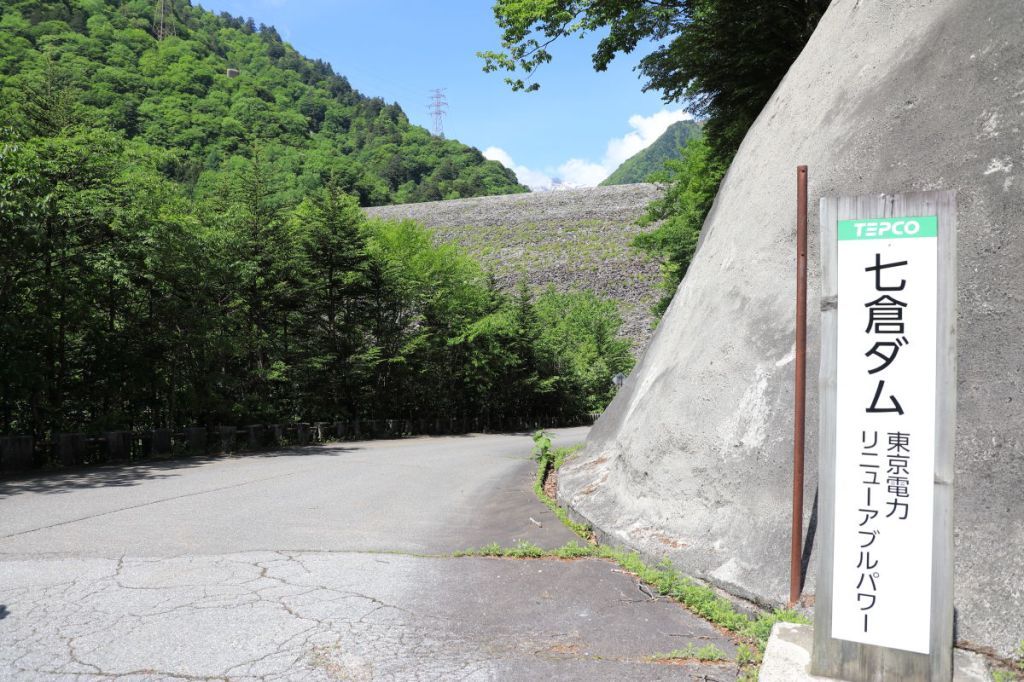
After having a Japanese-style breakfast, I drove to the Nanakura Dam, located upstream of the Takase River. The Nanakura Dam is a rock-fill dam boasting one of the highest heights in Japan, at 125 meters. The Takase Dam, located furthest in the river, is 176 meters high, but it seemed like I wouldn’t be able to see it without walking from the parking lot, so I opted for the Nanakura Dam, which is closer.
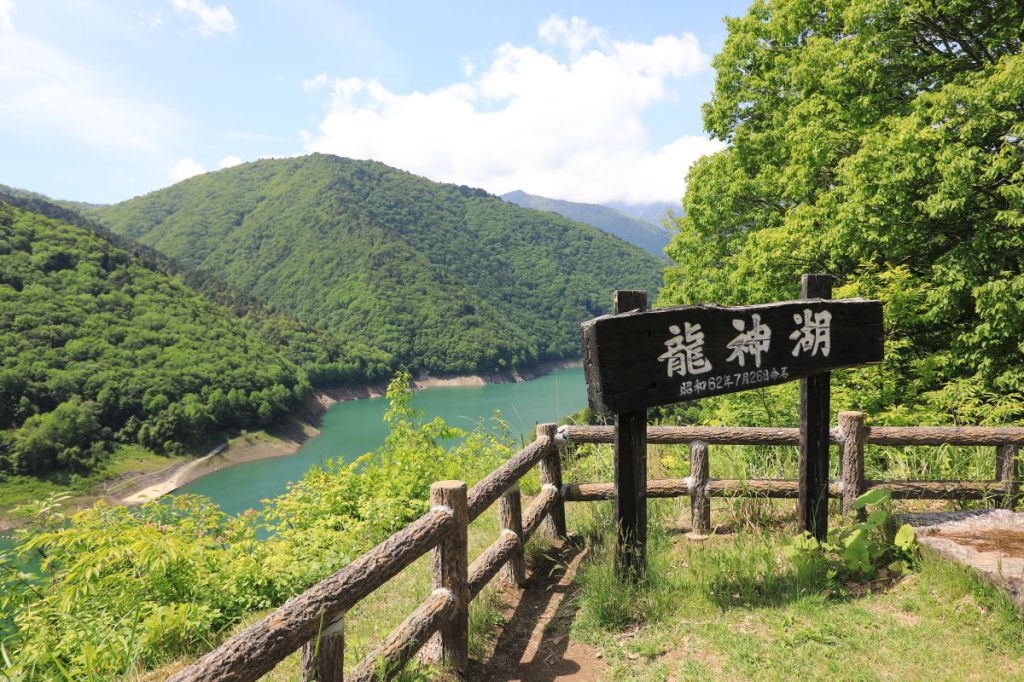
Descending again towards Omachi City, I came across Ryujin Lake (Omachi Dam).
Since the weather was nice, I decided to go to the observation deck at the summit of Takagariyama, where you can see a spectacular view of the Northern Alps. It’s very convenient for me since I can drive almost all the way there, and my leg strength is still recovering.
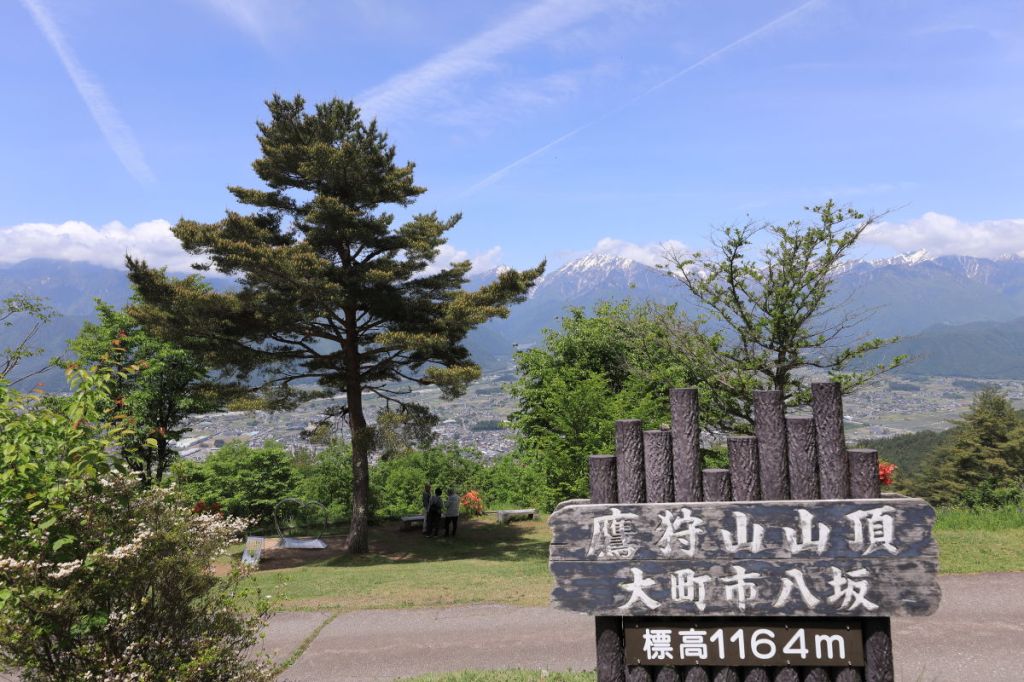
I was able to see the city of Omachi and the magnificent view of the Northern Alps.
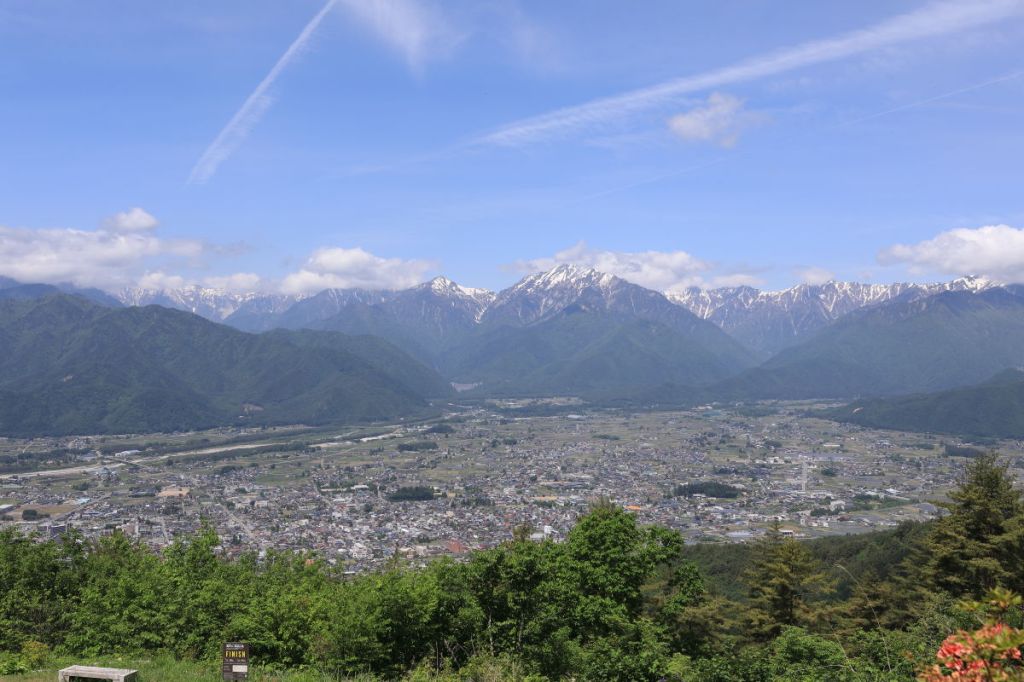
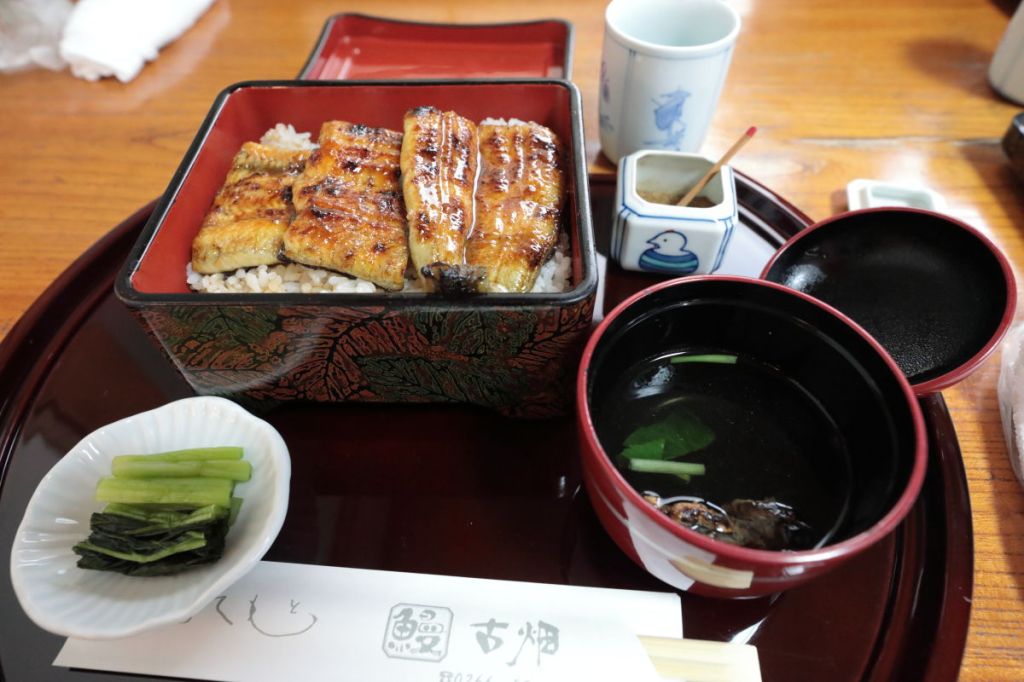
After enjoying the spectacular scenery, I drove towards Lake Suwa. In the past, the area around Lake Suwa was a major eel producing region, along with Hamamatsu and Mikawa Isshiki, so there are still many eel restaurants there. There is a mix of Kansai-style and Kanto-style eels, but for lunch I decided on Unagi no Furuhata, a long-established restaurant specializing in Kanto-style eels.
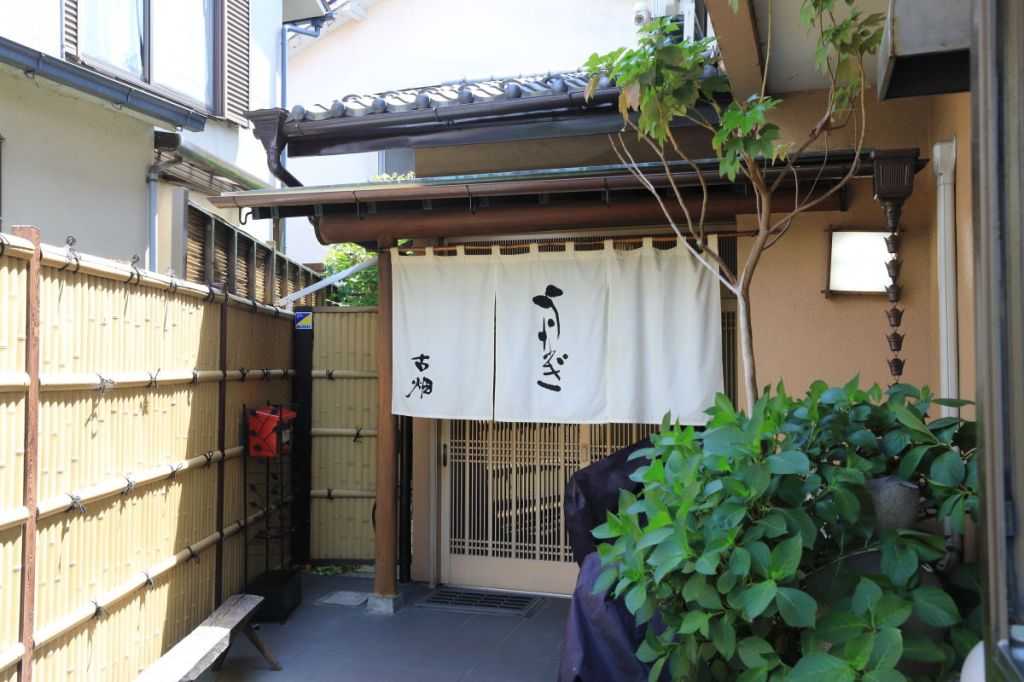
I ordered the “Take” (special) eel rice bowl, which came with eel liver soup, and there was even a piece of grilled eel between the rice. The taste was excellent, and it was a very satisfying lunch.
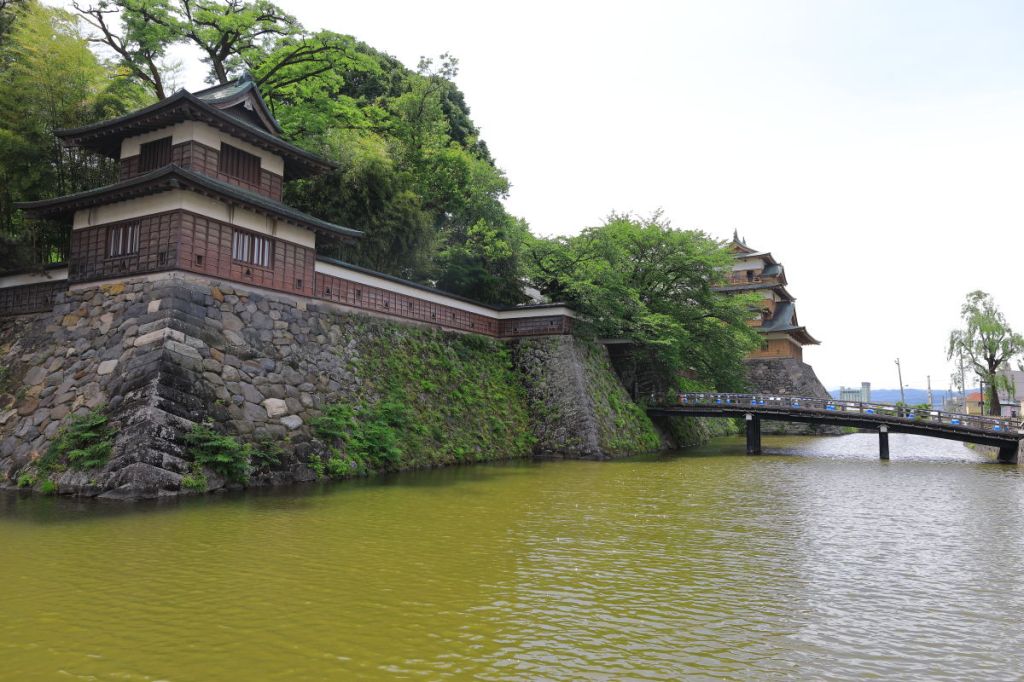
Since I still had some time, I headed to Takashima Castle, which was nearby. It was built in 1598 by Hinenō Oribe-no-kami Takayoshi, a retainer of Toyotomi Hideyoshi. At the time, it was surrounded by a lake and wetlands and was called the “Floating Castle of Suwa.” The current castle tower was restored in 1970.
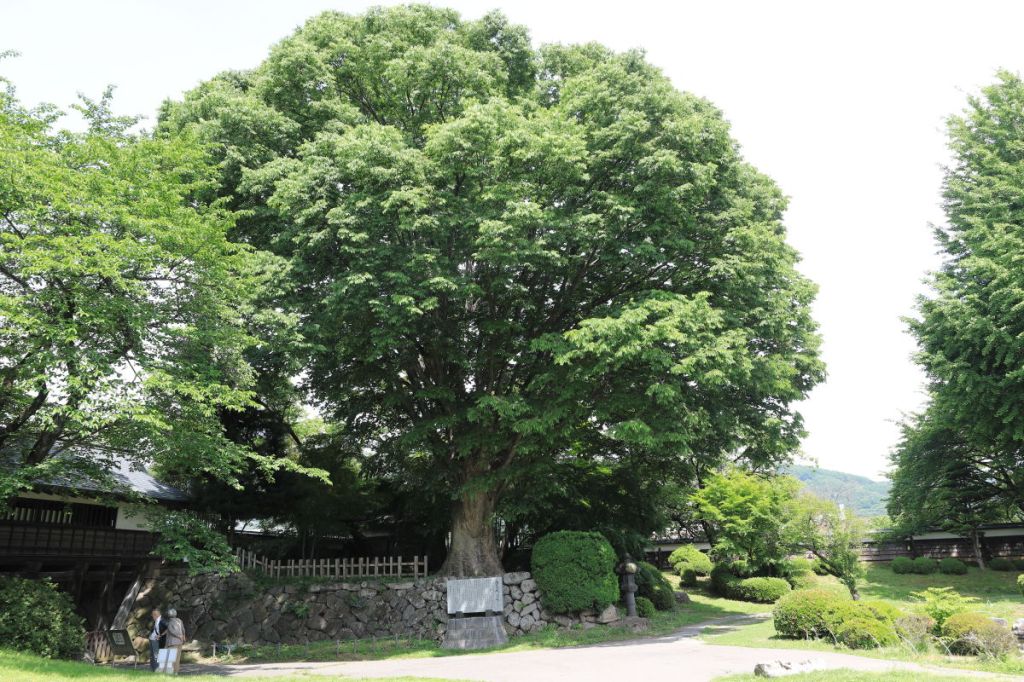
Within the castle grounds stood a large Amur cork tree estimated to be 120 years old.
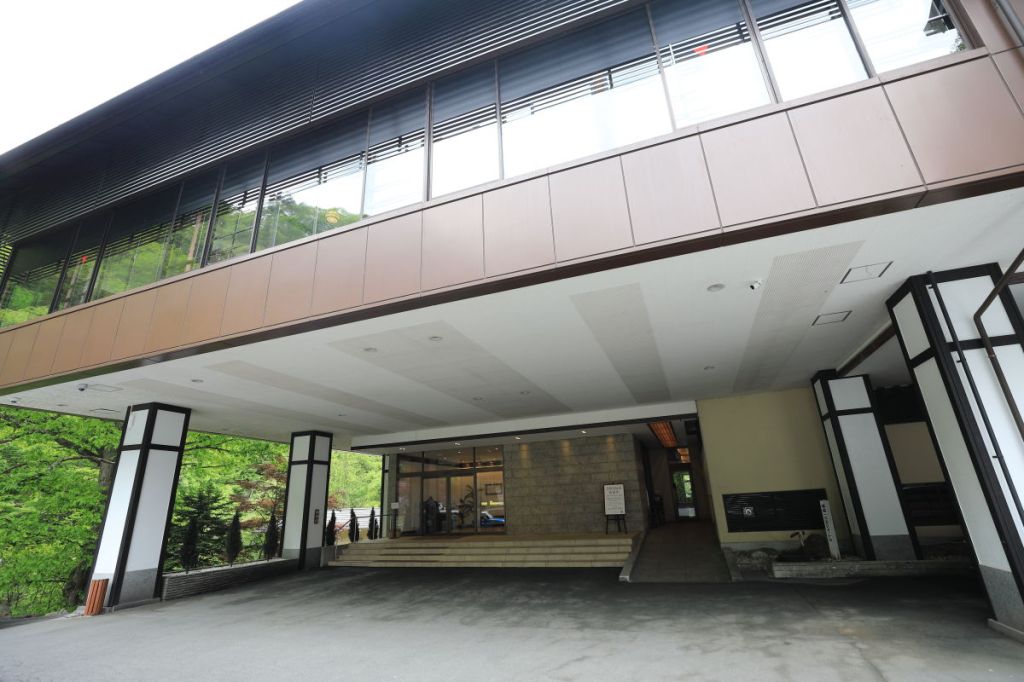
My accommodation for the night, Tateshina Shinyu Onsen, was about 30 minutes away from here. Said to be one of Shingen’s secret hot springs, the inn is located at an altitude of 1350m, and the wind was cool. Although it is not a member of the Association for the Preservation of Hidden Hot Springs, it is situated deep in the mountains and has a secluded feel to it.
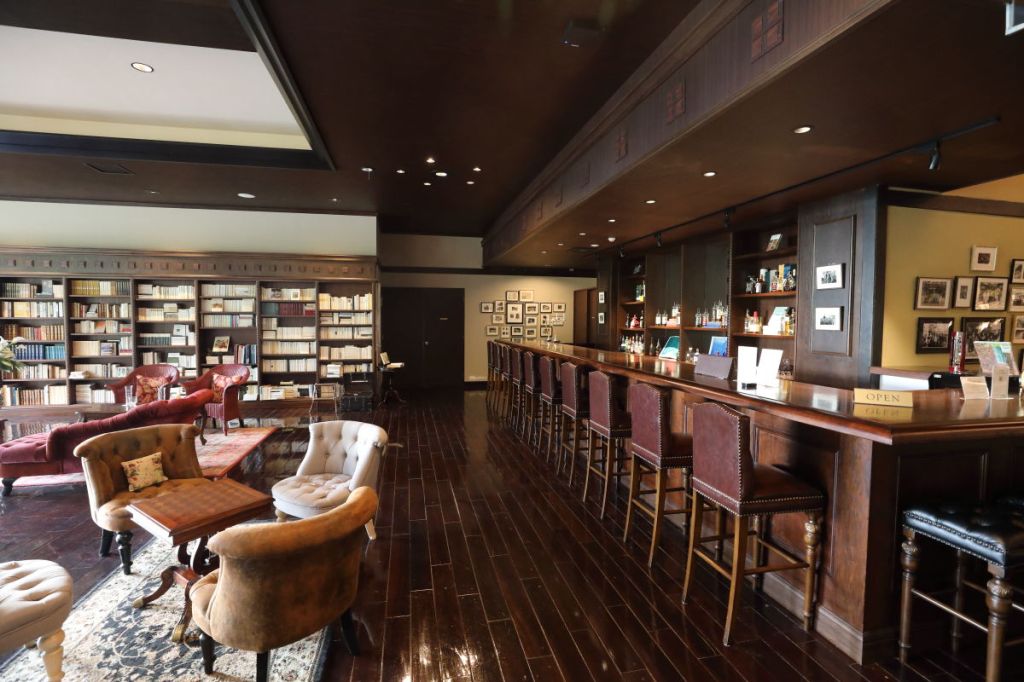
I was served a beer as a welcome drink upon check-in. Misuzu Linrary Lounge is a bar with a wonderful atmosphere, surrounded by books. The inn’s owner is a big book lover, and apparently named the bar after Misuzu Shobo publishing house because its president is from Chino City where is the inn located.
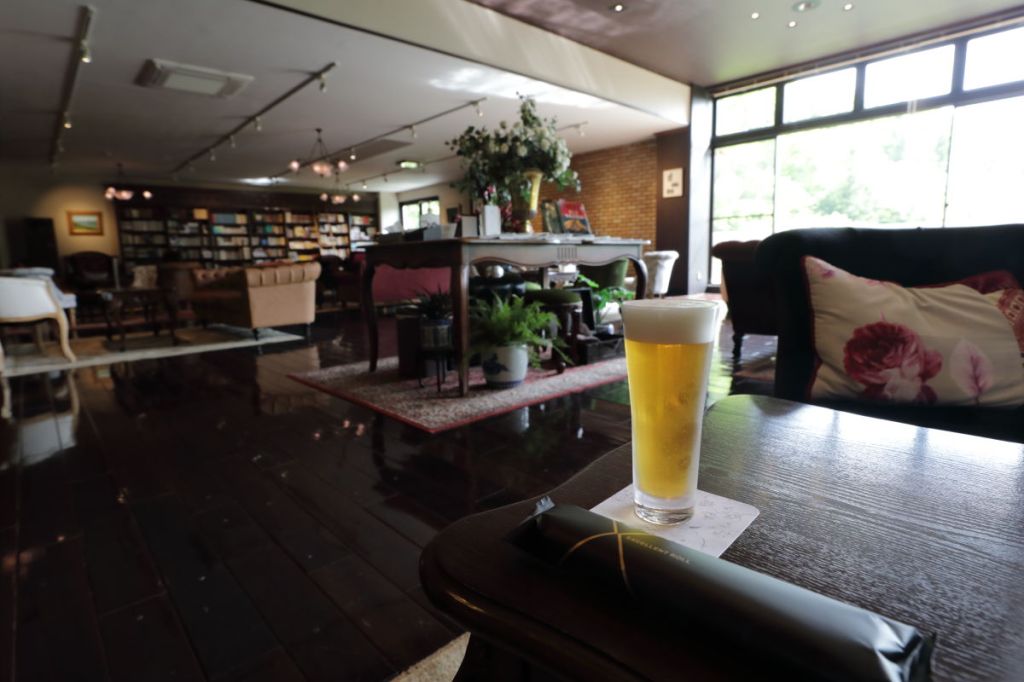
There is also a corridor dedicated to the Iwanami Bunko (Iwanami Library), which houses 30,000 books that guests can freely borrow and read.
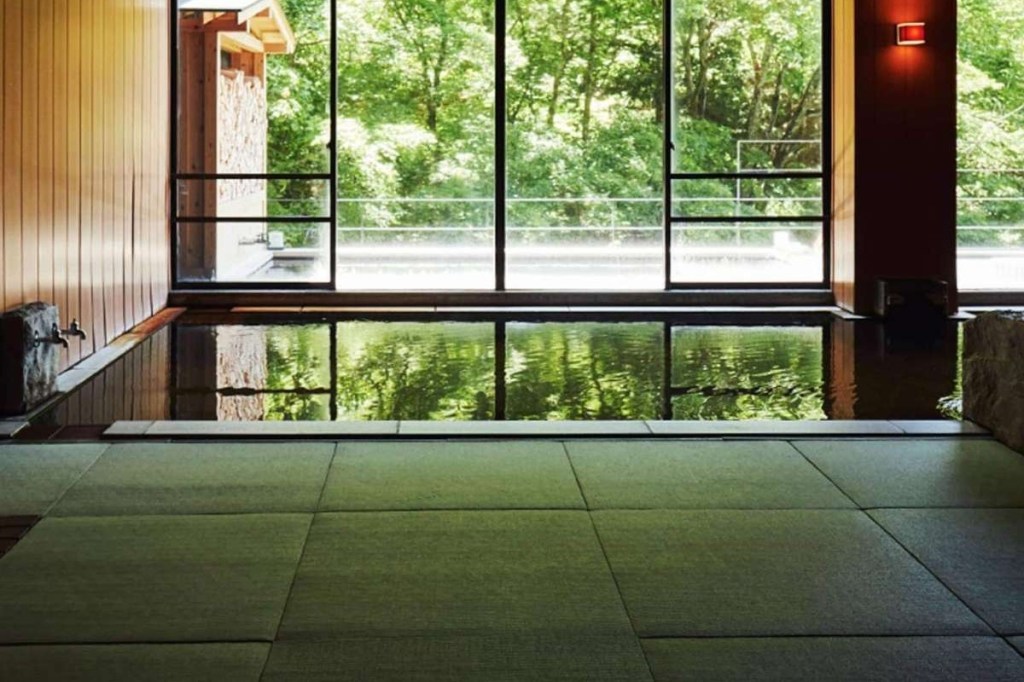
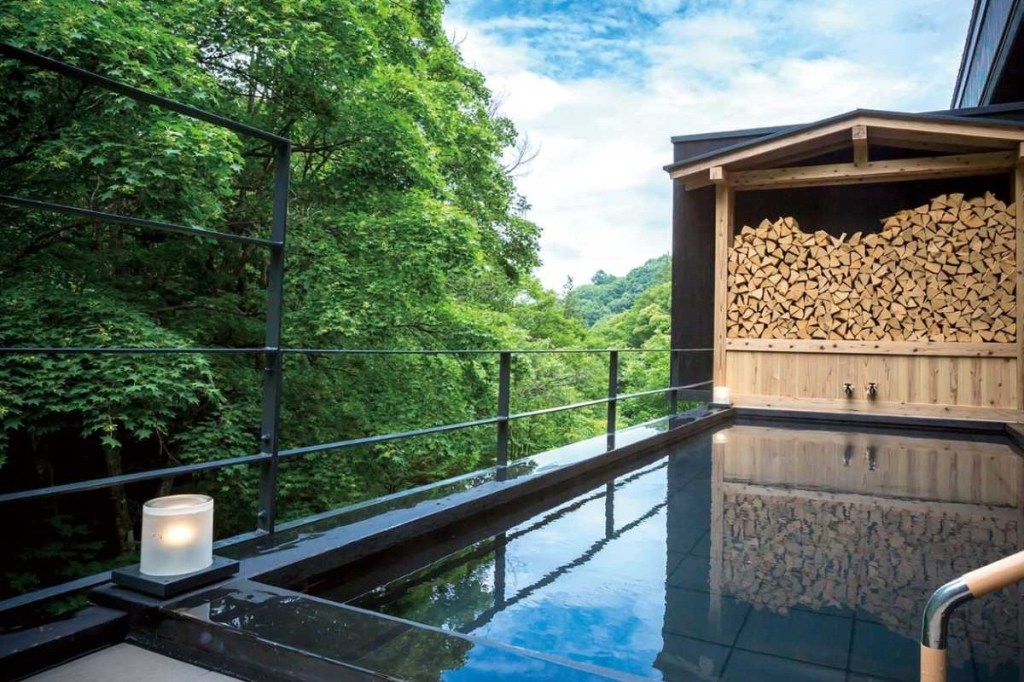
The baths include an indoor bath and an attached open-air bath, and the spring water is a mildly acidic simple spring that is gentle on the skin. The indoor bath has tatami flooring, making it easy for elderly people with weak legs. The open-air bath offers a sense of openness with the sound of the Takinoyu River flowing in the background. The photo is a screenshot from the inn’s website. There is a women-only open-air bath, making it a women-friendly inn.
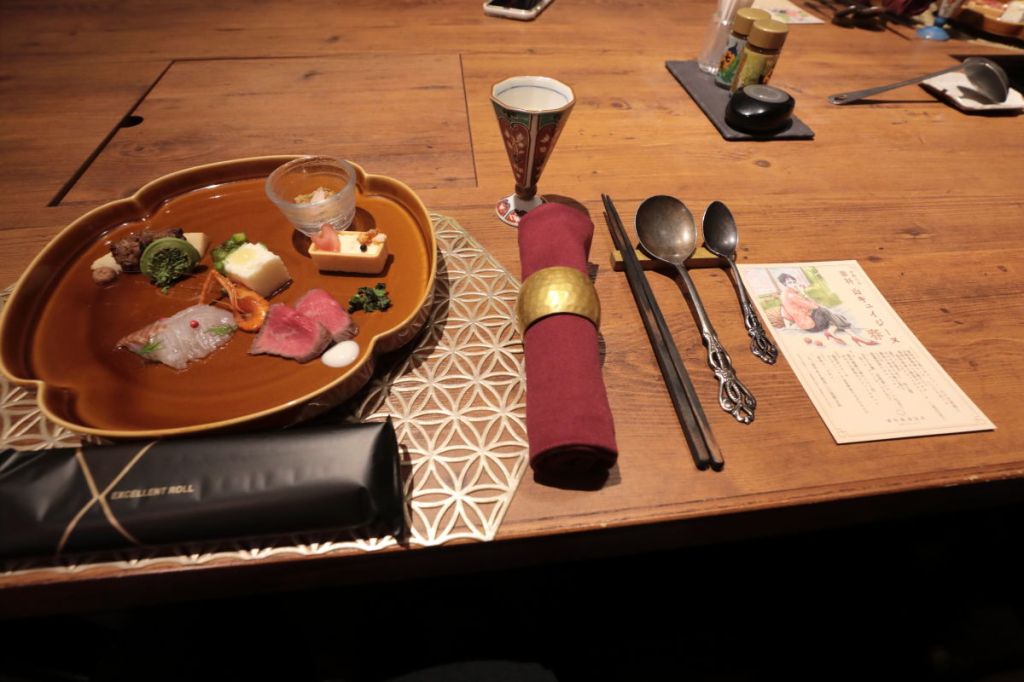
Dinner was a creative meal featuring abundant mountain delicacies from Shinshu, served in a private dining room. The first course included tender confit of Shinshu beef, Chino-produced miso cheese, Shinshu salmon, yam mousse and asparagus terrine, venison miso crumble and grilled bamboo shoots, fiddlehead ferns with walnut dressing, and Shinshu snow trout carpaccio.
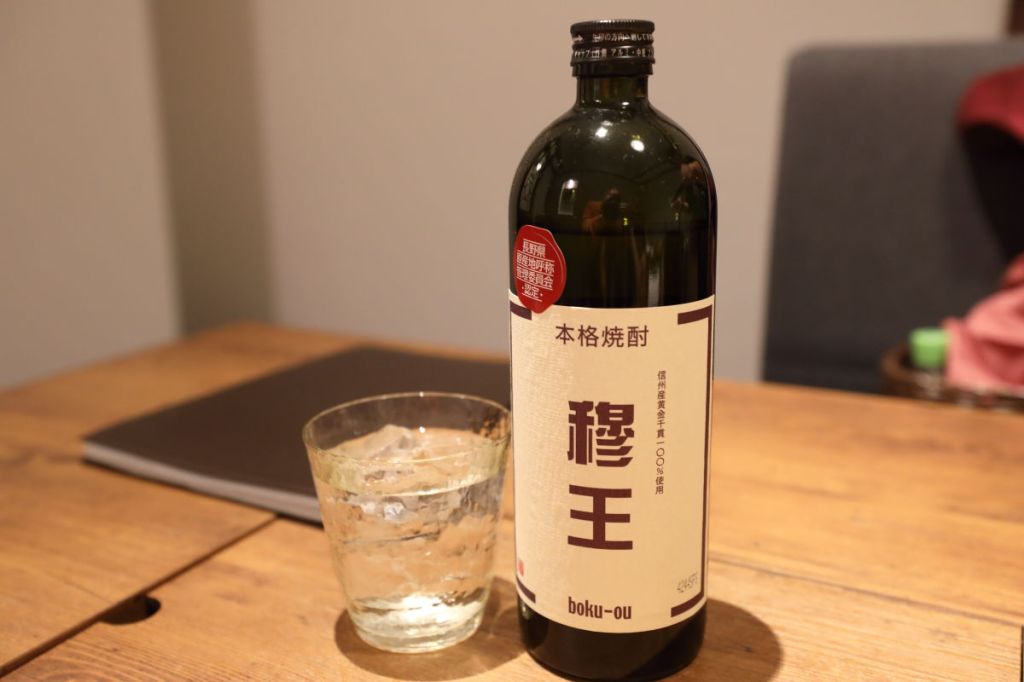
I considered ordering wine, but the wines on the list were rather expensive, so I ordered a sweet potato shochu from Nagano Prefecture. It’s a refreshing and easy-to-drink shochu.
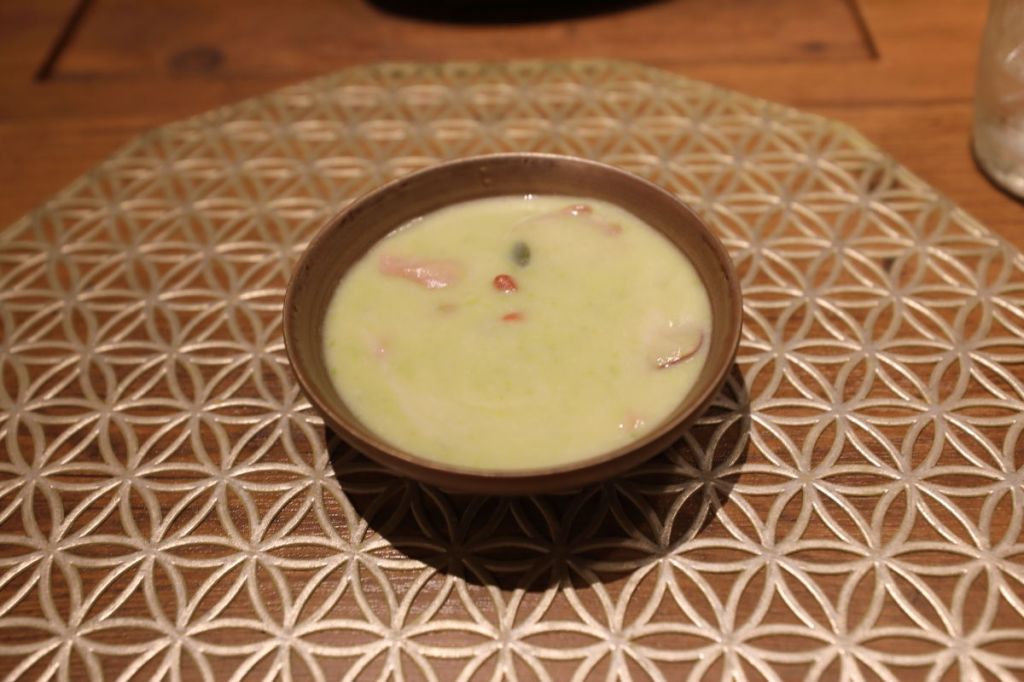
The soup was flavorful, made with a base of soy milk and amazake (sweet rice wine), and contained prosciutto and green peas.
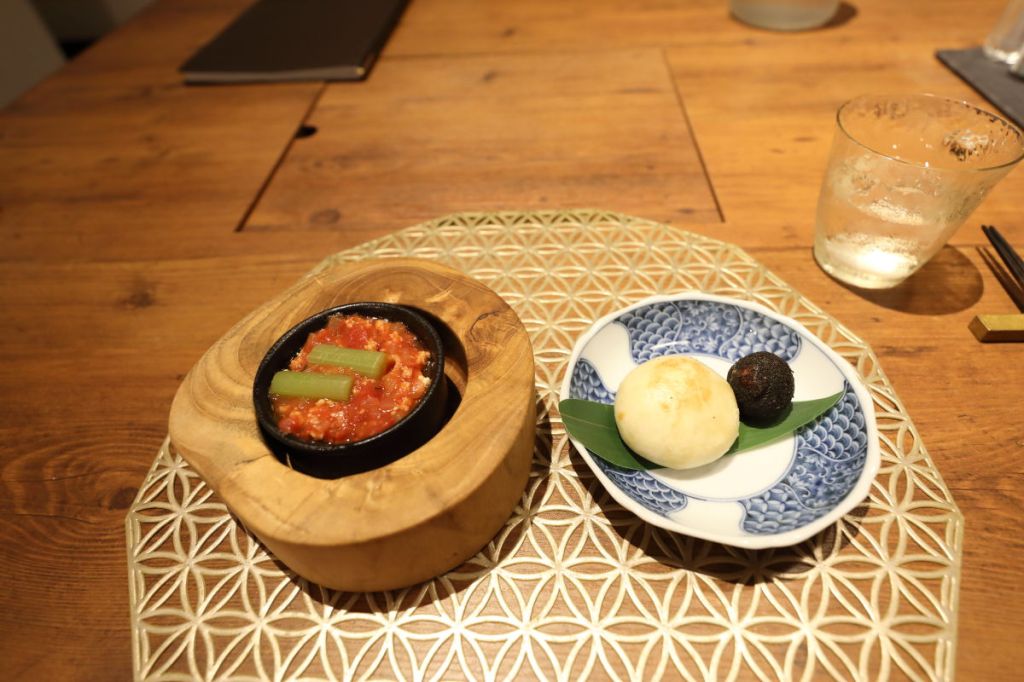
The warm dishes included tomato stew with Shinshu chicken and butterbur, and oyaki (a type of Japanese dumpling) served with wild boar risotto croquettes. The croquettes were blackened with charcoal, but they were very delicious.
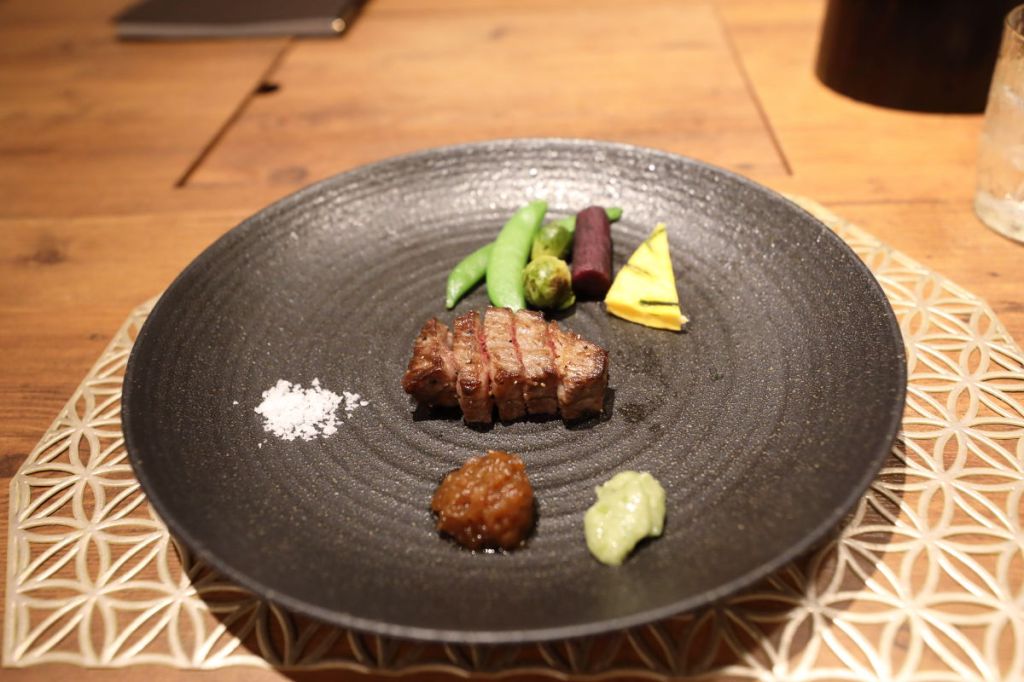
The meat dish is a Shinshu beef steak served with chopped wasabi from Azumino, onion sauce, and salt, and it tastes wonderful no matter which condiment you choose.
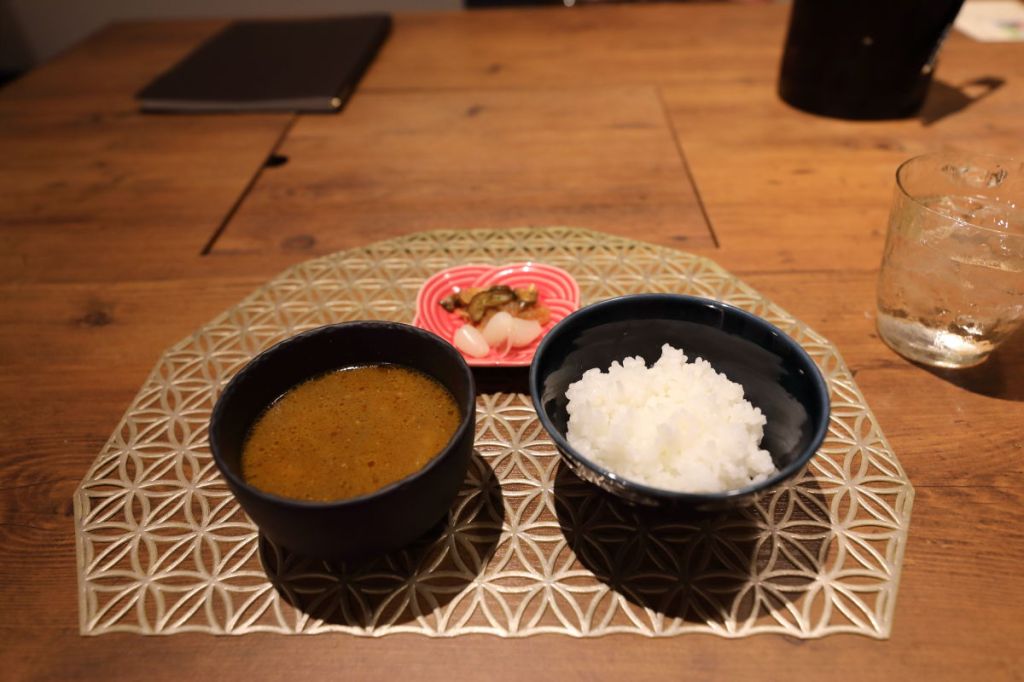
The bowl contains Tateshina soup curry, which you eat by scooping rice with a spoon and dipping it into the soup curry. It’s a very flavorful rice dish.
For dessert, we had Mineoka Tofu, a traditional Japanese confection made with Yatsugatake milk, milk, and kudzu starch. It had a refined sweetness.
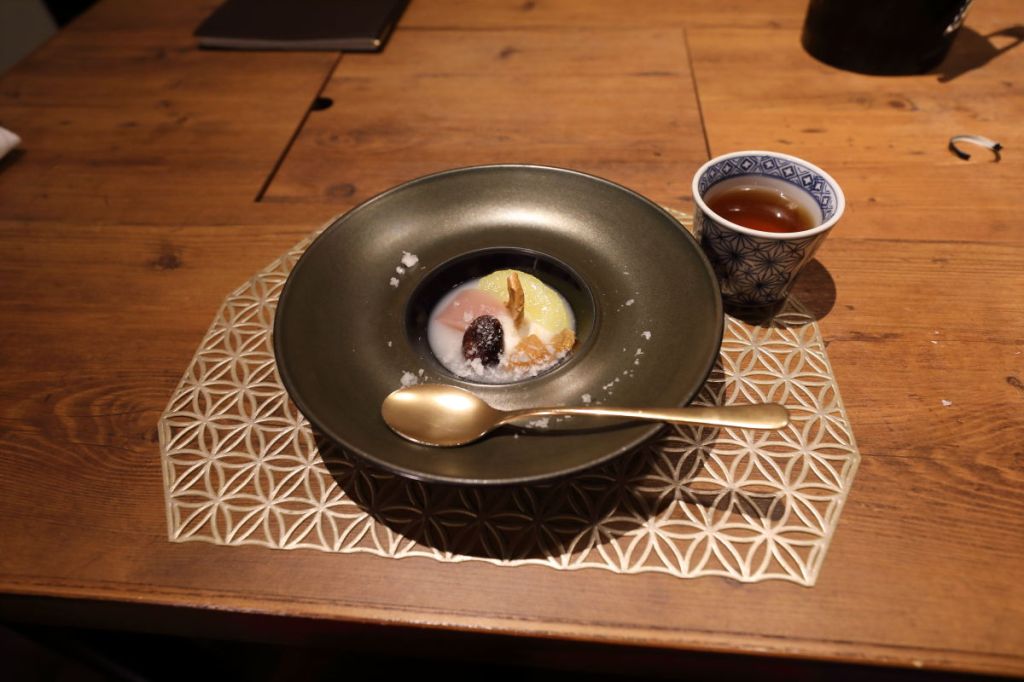
I was very satisfied with each and every dish, which were elaborately prepared and creative.
May 26th (Tue)
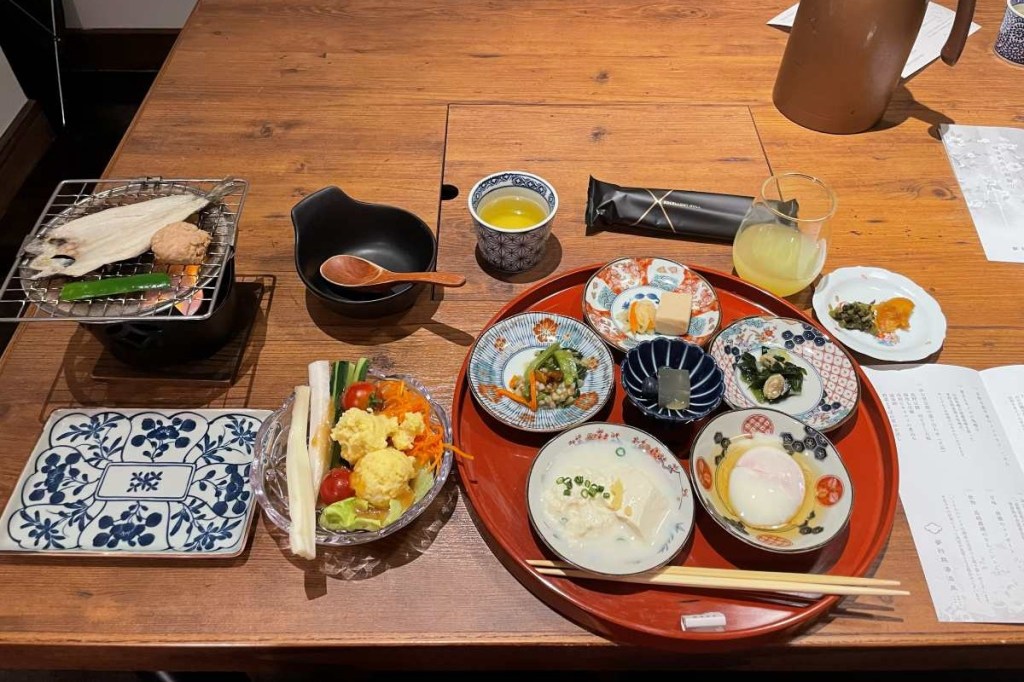
Breakfast was a healthy Japanese set meal. The Imari ware small plate contained freeze-dried tofu, simmered clams and cabbage, a soft-boiled egg, blanched vegetables and buckwheat, and Kamo Nanatofu. The grilled dish was dried Shinshu char, and there was also a salad bar where you could eat your favorite vegetables.
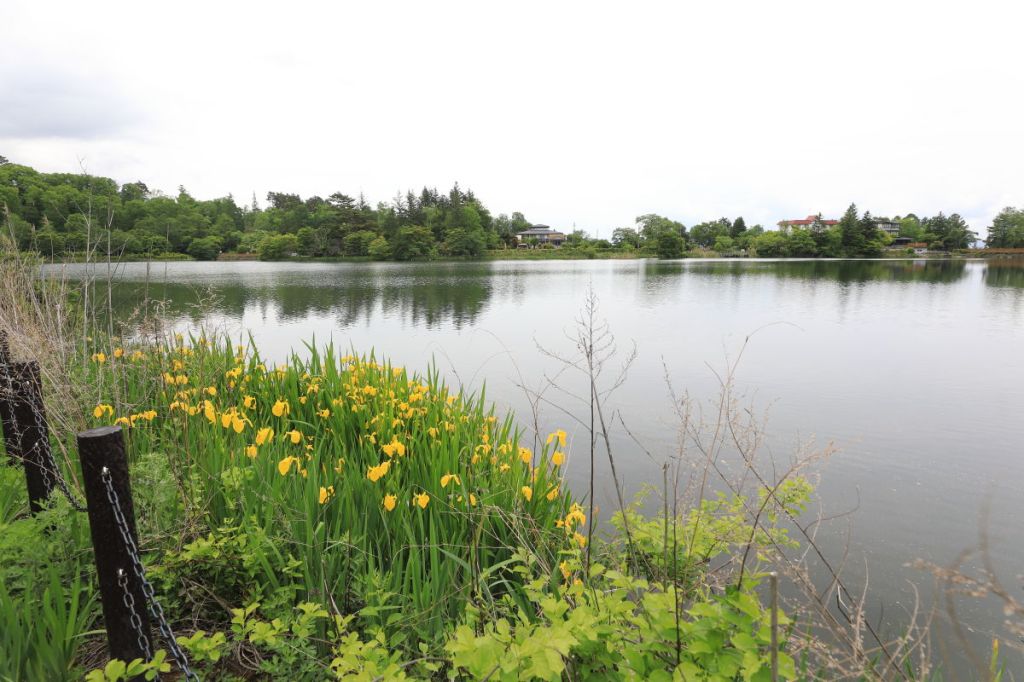
After checking in, I first stopped by Lake Tateshina. It was originally created as a reservoir for warm water used in agriculture, but it seems you can also enjoy fishing and boating there. Yellow irises were blooming along the lakeshore. If the weather is good, you can apparently see Mount Tateshina from there.
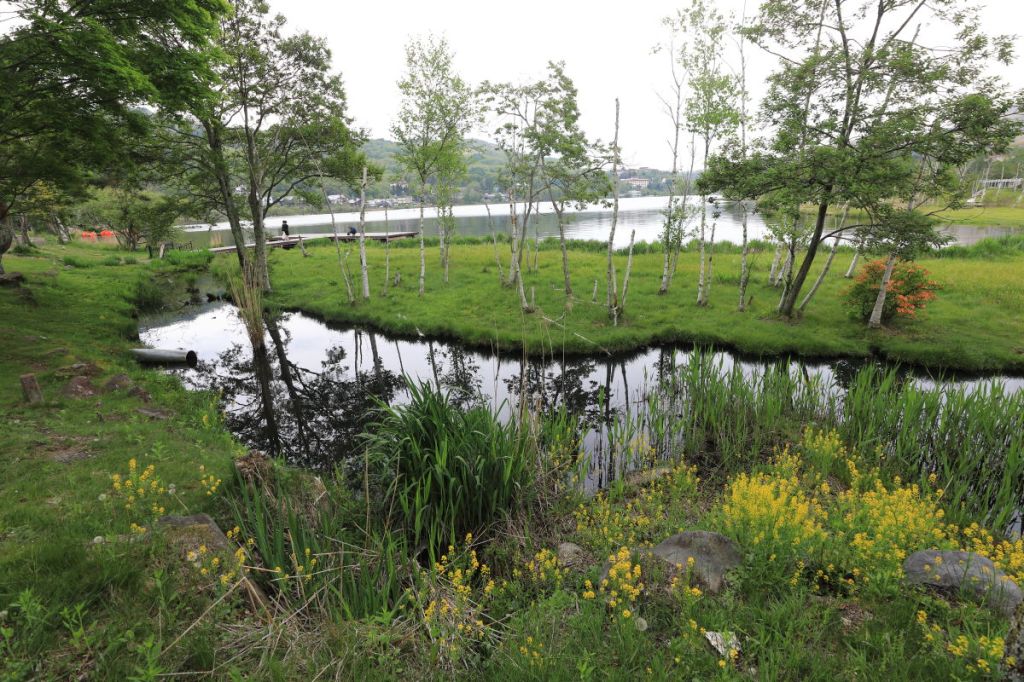
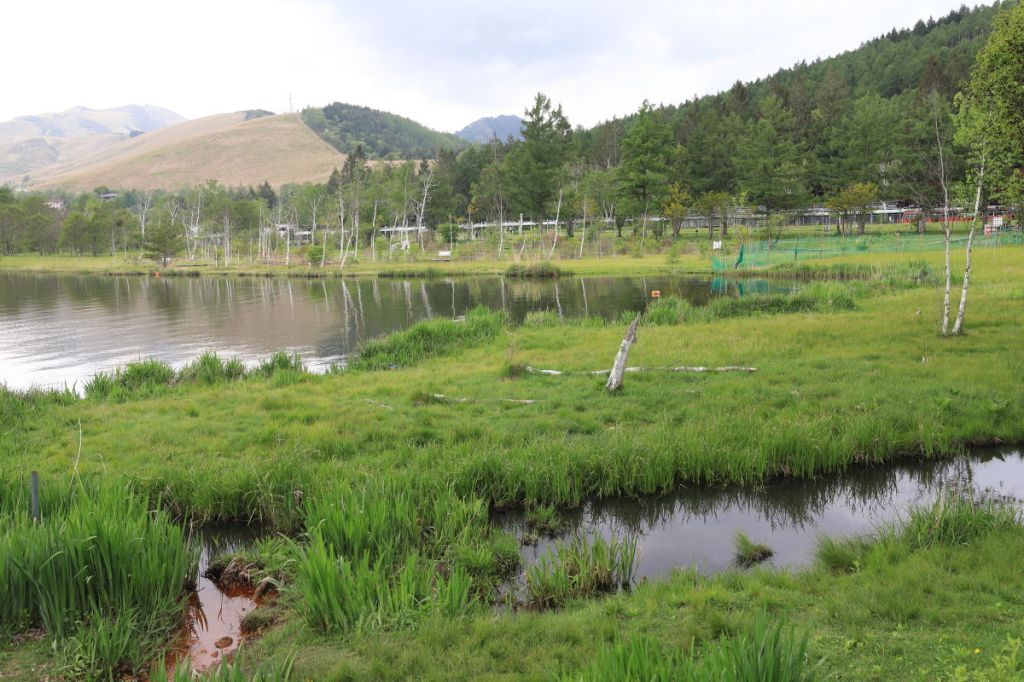
Next, we headed to Lake Shirakaba. Like Lake Tateshina, this lake was also created as a reservoir for hot water used in agriculture, but it has become one of Nagano Prefecture’s leading resort areas. Shirakaba trees (Betula platyphylla) grow along the lakeshore.
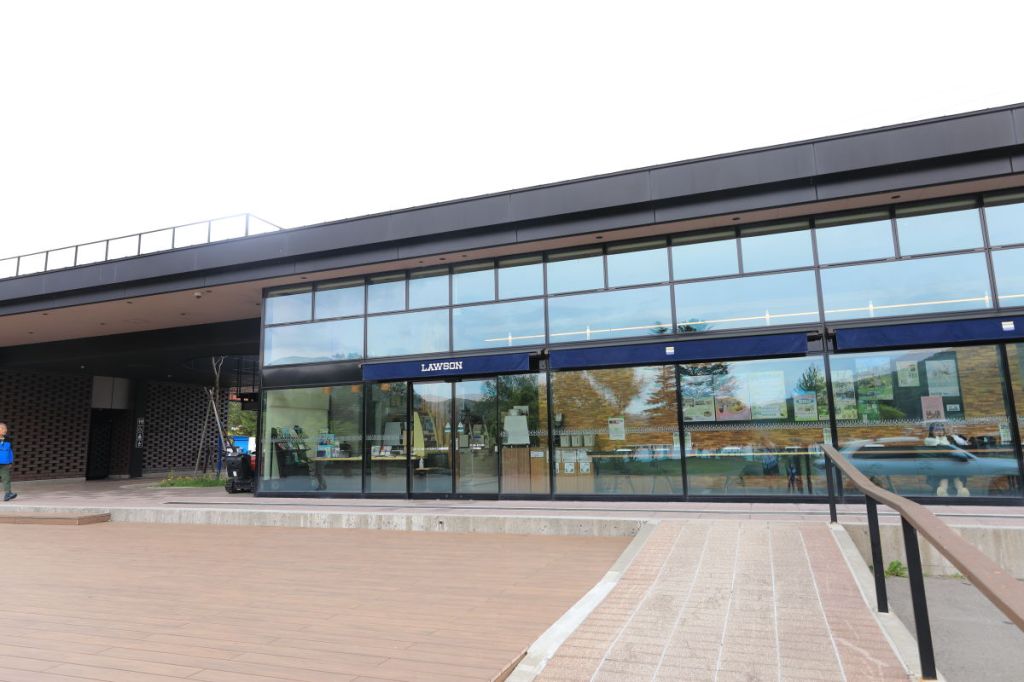
Perhaps because there’s a ski resort nearby, there was a nicely designed convenience store (Lawson).
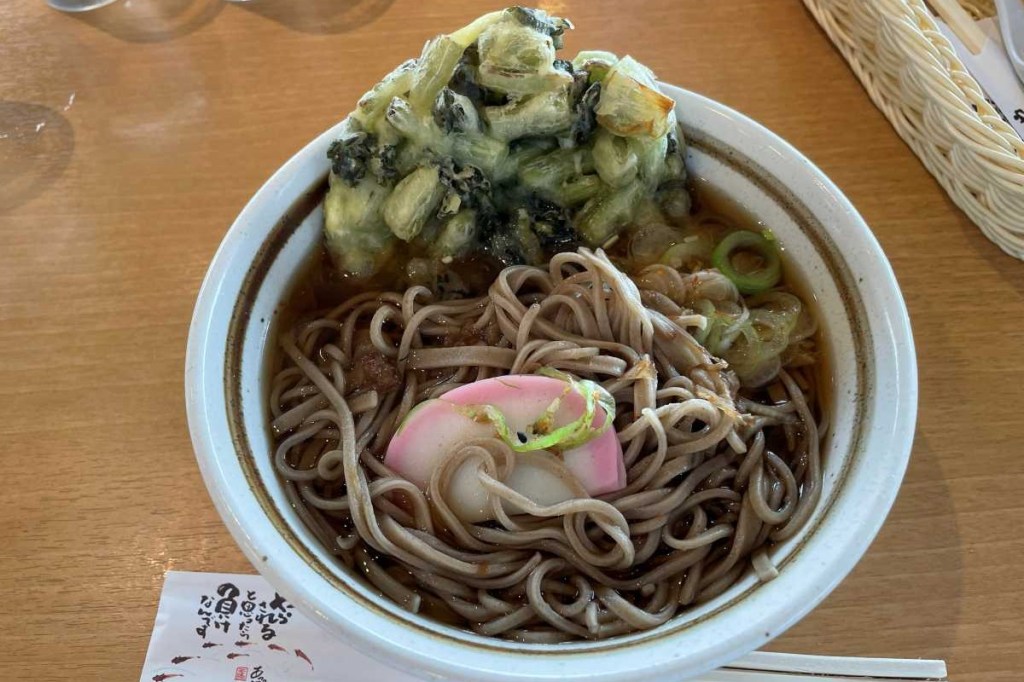
From here, I headed towards Saku City, where my accommodation for the night was located. On the way, I stopped at the Healthy Terrace Saku Minami roadside station and had tempura soba noodles with Nozawana pickles for lunch. Tempura with Nozawana pickles is so typical of Nagano, isn’t it?
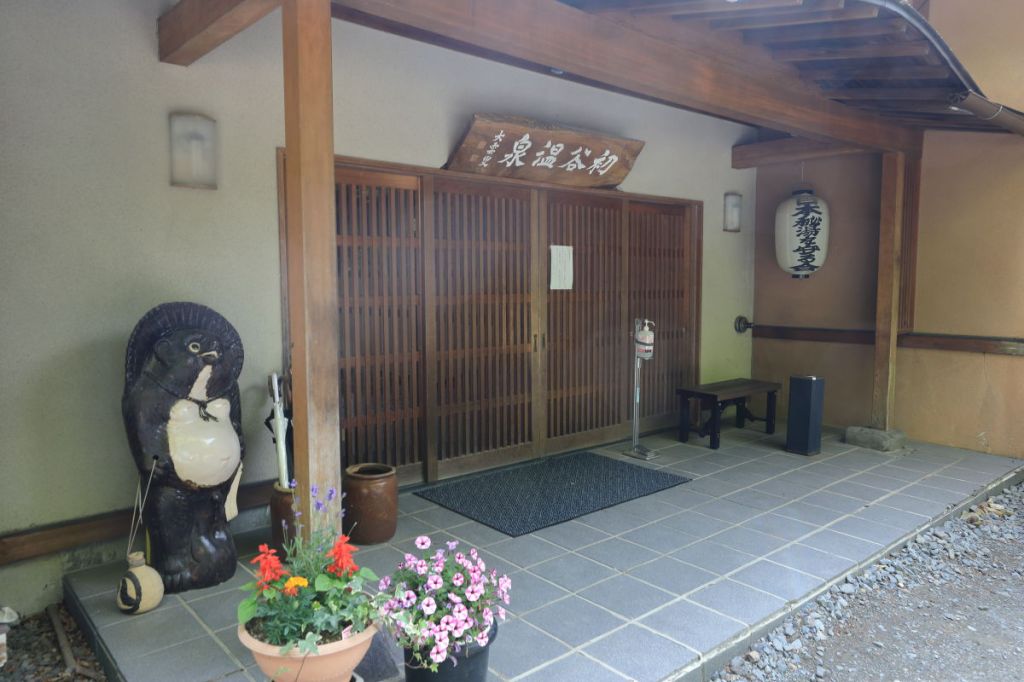
Not far from here, deep in the mountains, is Shoya Onsen, my accommodation for the night. At the entrance, there was a lantern bearing the name of a member of the Association for the Preservation of Hidden Hot Springs. The story goes that in 1885, the founder, while gathering chestnuts, drew spring water and gave it to his sick mother, who recovered, and this water was named Houmeisui (Treasure Water), and it is the source of the hot spring. It is a small inn with only seven rooms, and the interior was very clean.
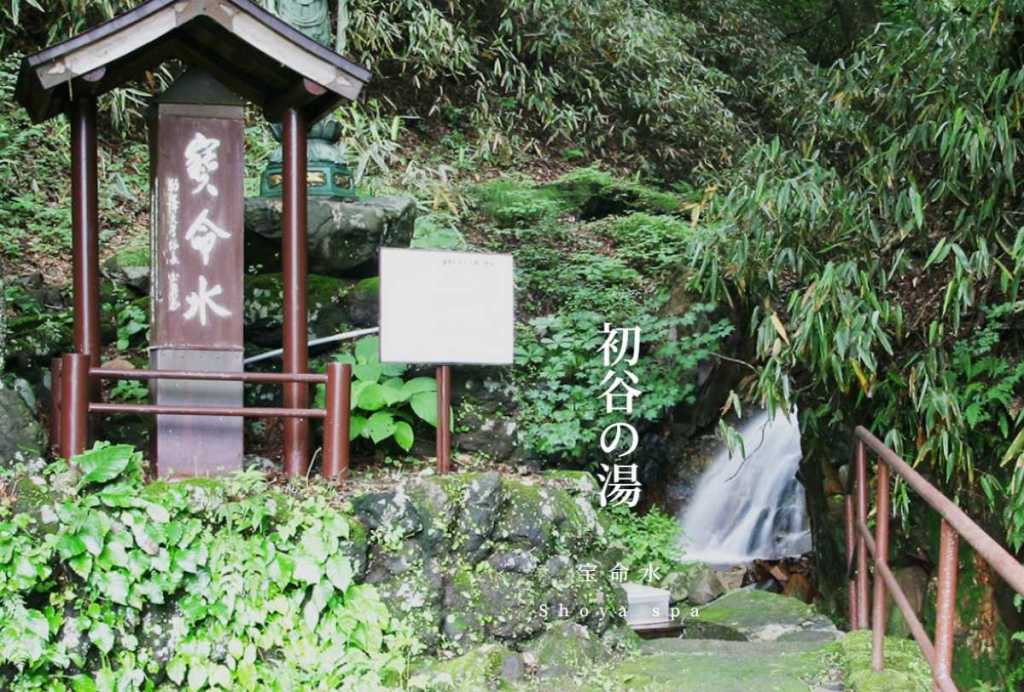
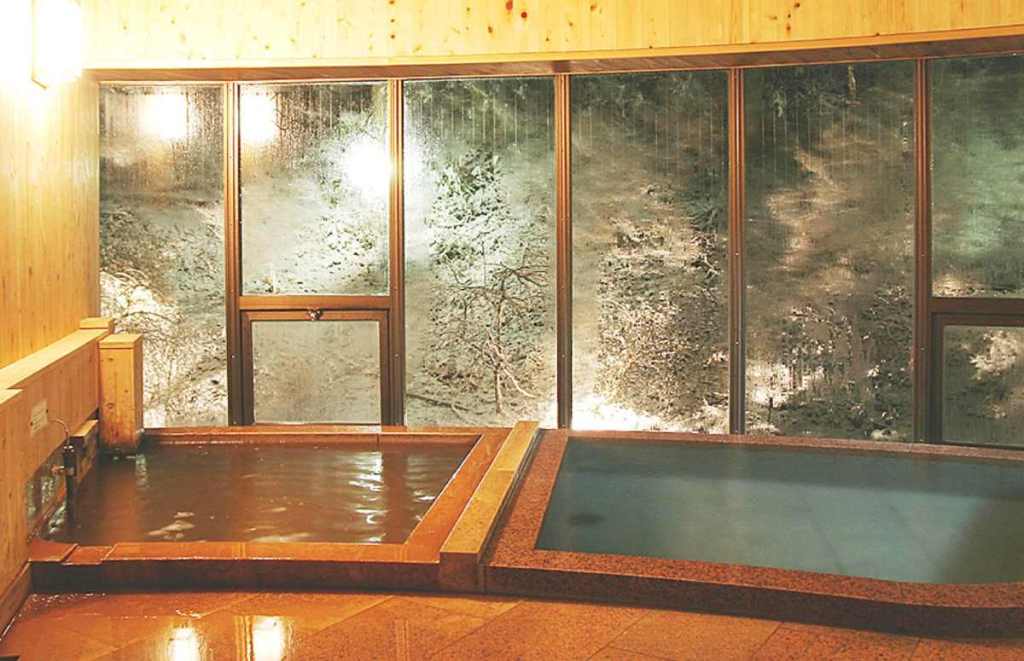
It’s said that drinking this sacred spring water before bathing is beneficial, but since it’s high in salt and iron and not good for high blood pressure, I didn’t drink it. The photos of the sacred spring water and the bathtub are screenshots from the inn’s website.
The right side is regular hot water and the left side is the hot spring, and it seems that bathing in the regular water first and then the hot spring is more effective. Incidentally, the layout was reversed in the men’s bath. The spring water is a cold mineral spring containing carbon dioxide, sodium chloride, and bicarbonate, and it feels very nice on the skin and warms you up very well. The cold mineral spring water is heated up quickly with steam near the bath, so there was a roaring sound from time to time.
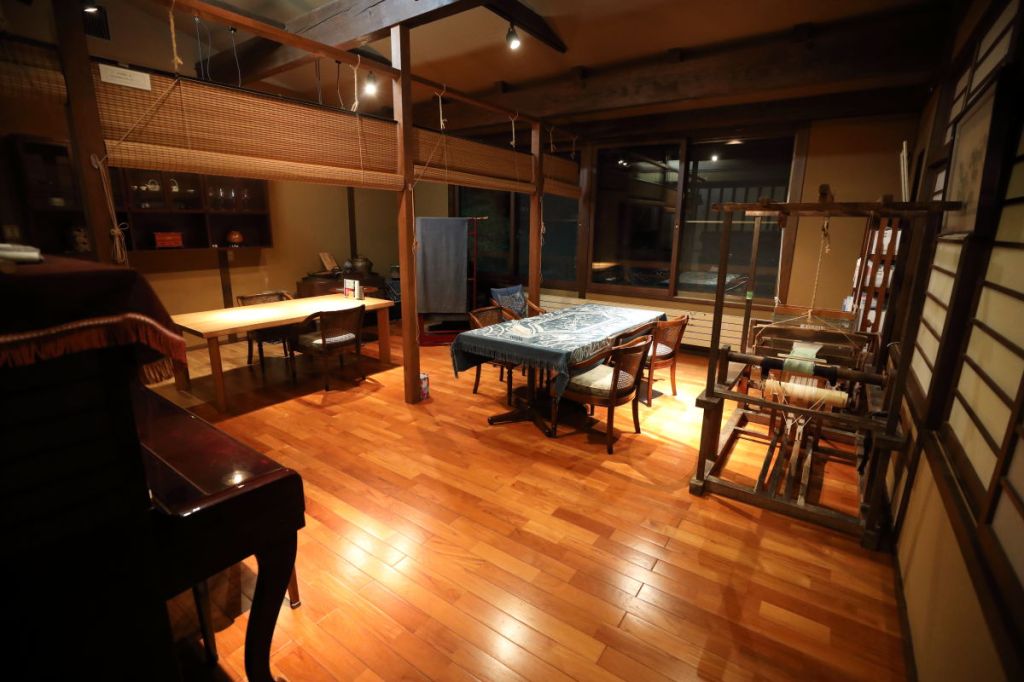
The lounge after your bath also has a nice atmosphere.
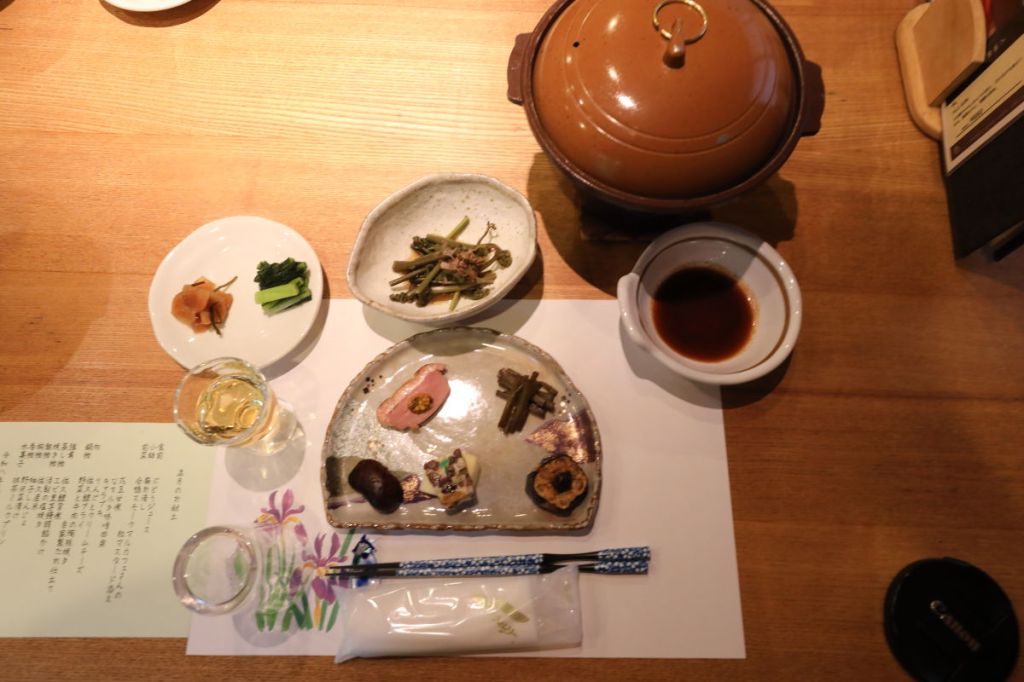
Dinner was served in a private room for each guest. The dishes featured ingredients from Saku, Shinshu, and the appetizers included smoked duck, sweet simmered kidney beans, eggplant and butterbur dengaku with miso, candied butterbur, and apple with cream cheese.
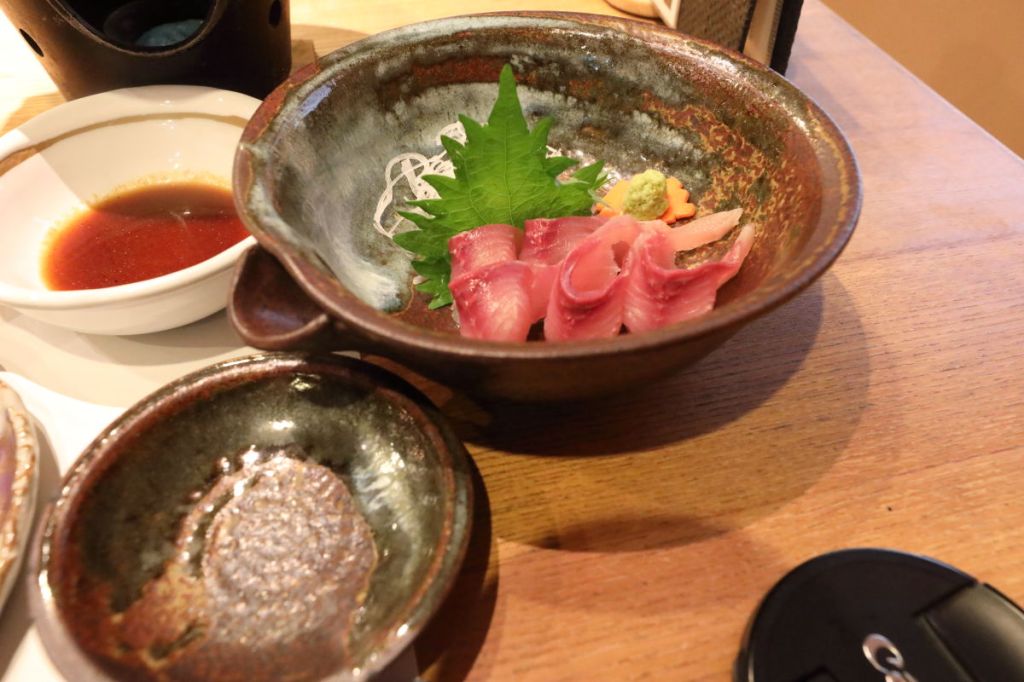
We were served carp sashimi, a specialty of Saku. Perhaps because it’s raised in clean water, it has no unpleasant smell, a subtle sweetness, and an excellent firm texture.
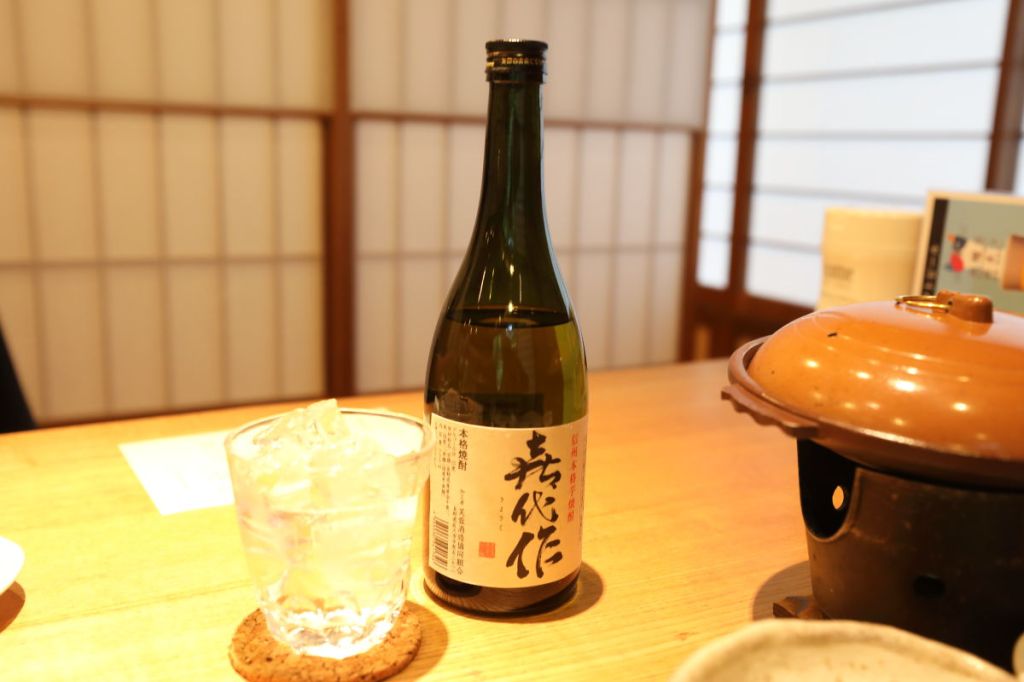
I ordered Kiyosaku, a local sweet potato shochu. It’s a very easy-to-drink shochu and has won top prizes at national alcohol competitions in the past.
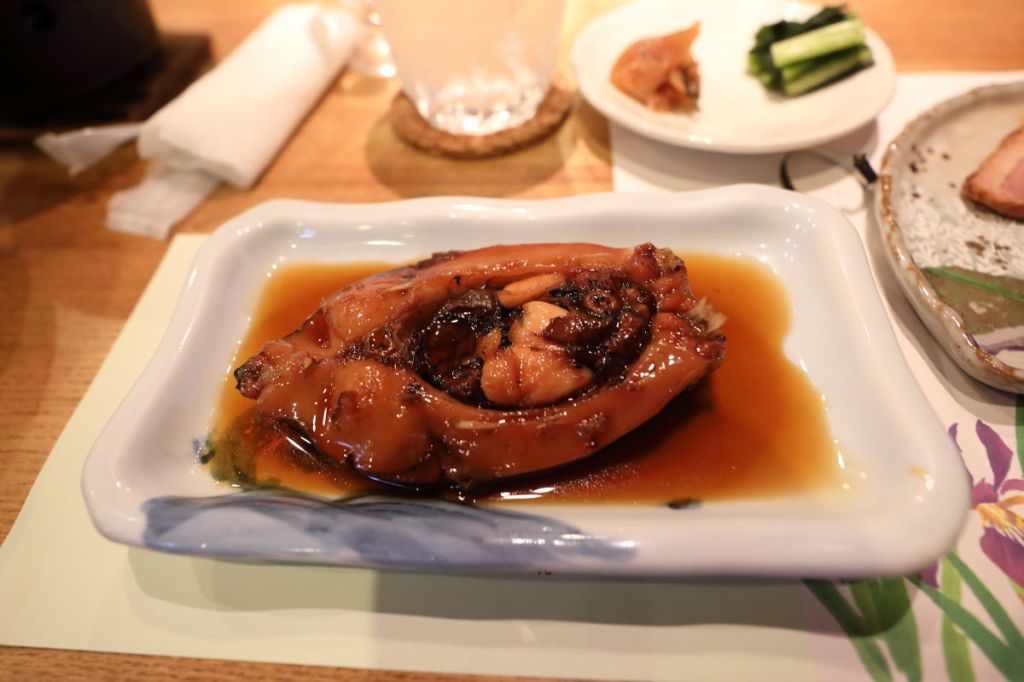
The simmered carp from Saku was lighter than it looked, with a rich and refined flavor.
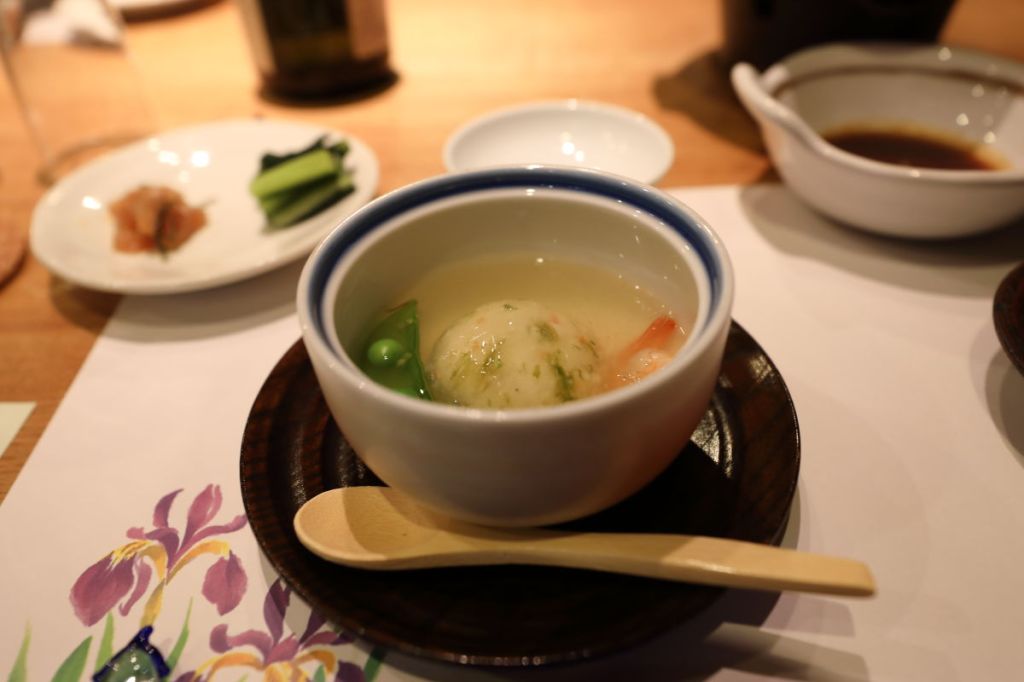
The shrimp and taro dumplings with sweet bean paste filling have a moist texture.
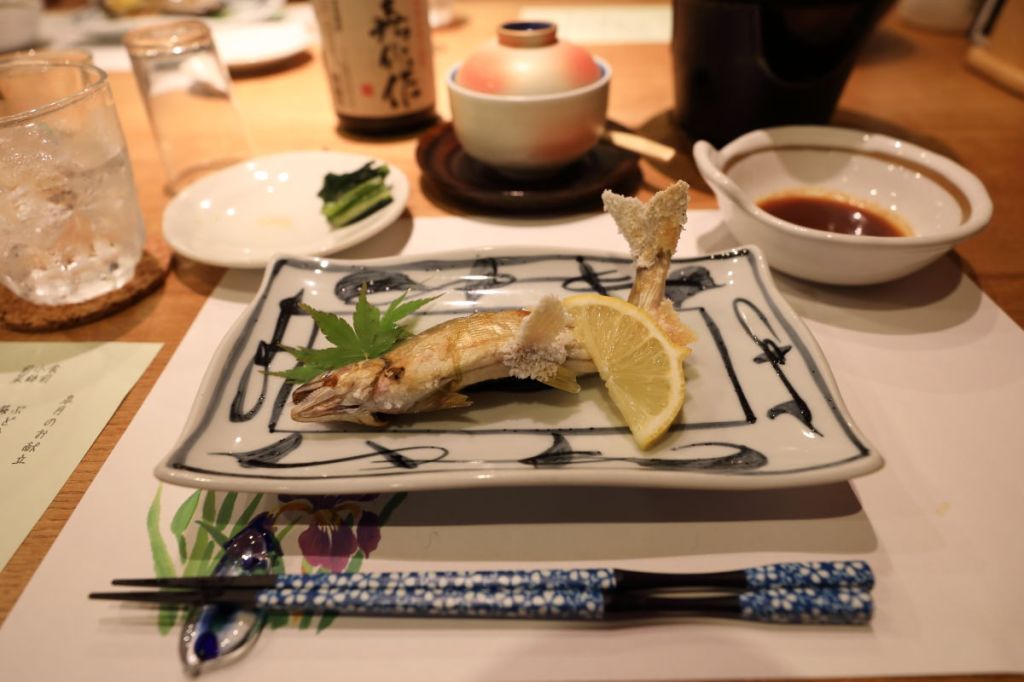
The grilled ayu (sweetfish) are taken from the inn’s own fish tank and then grilled.
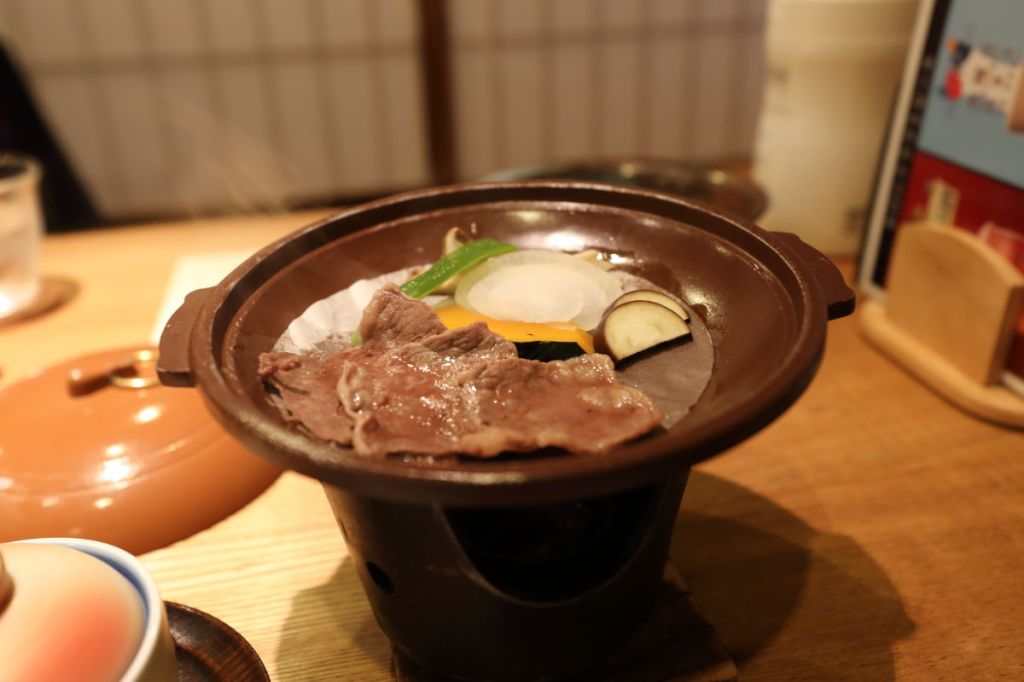
The beef grilled on a ceramic plate was delicious, with a rich meaty flavor.
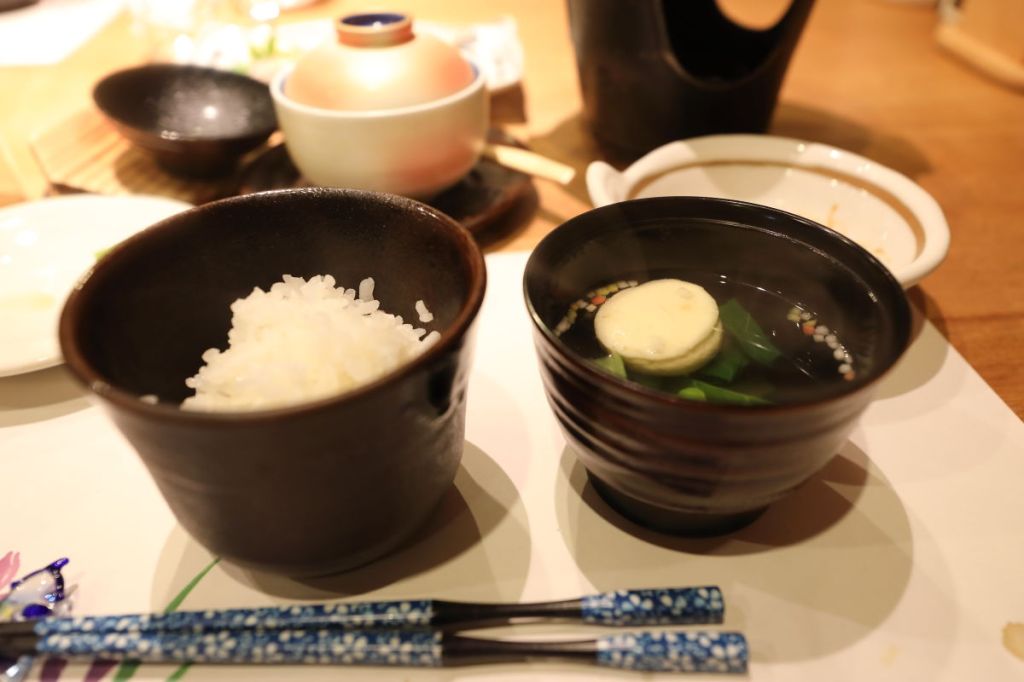
The rice from Saku had a great flavor and texture, and it paired very well with the yuzu shinjo soup.
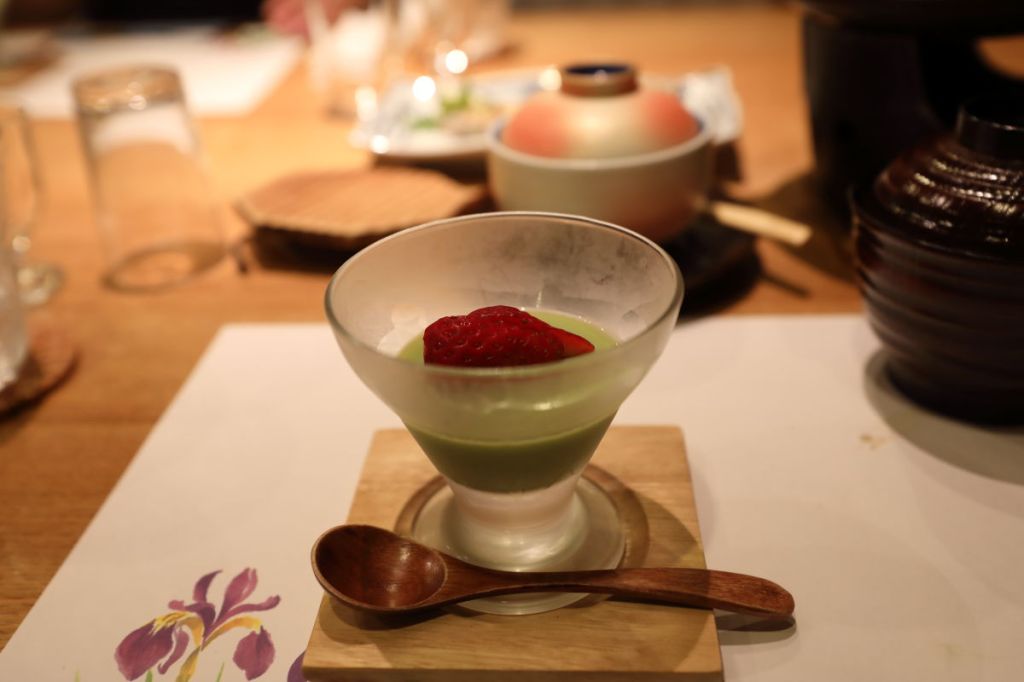
For dessert, I had matcha milk pudding topped with strawberries.
Each dish is carefully and thoughtfully prepared, and I think the cuisine is among the best of all the inns belonging to the Association for the Preservation of Hidden Hot Springs.
May 27th (Wed)
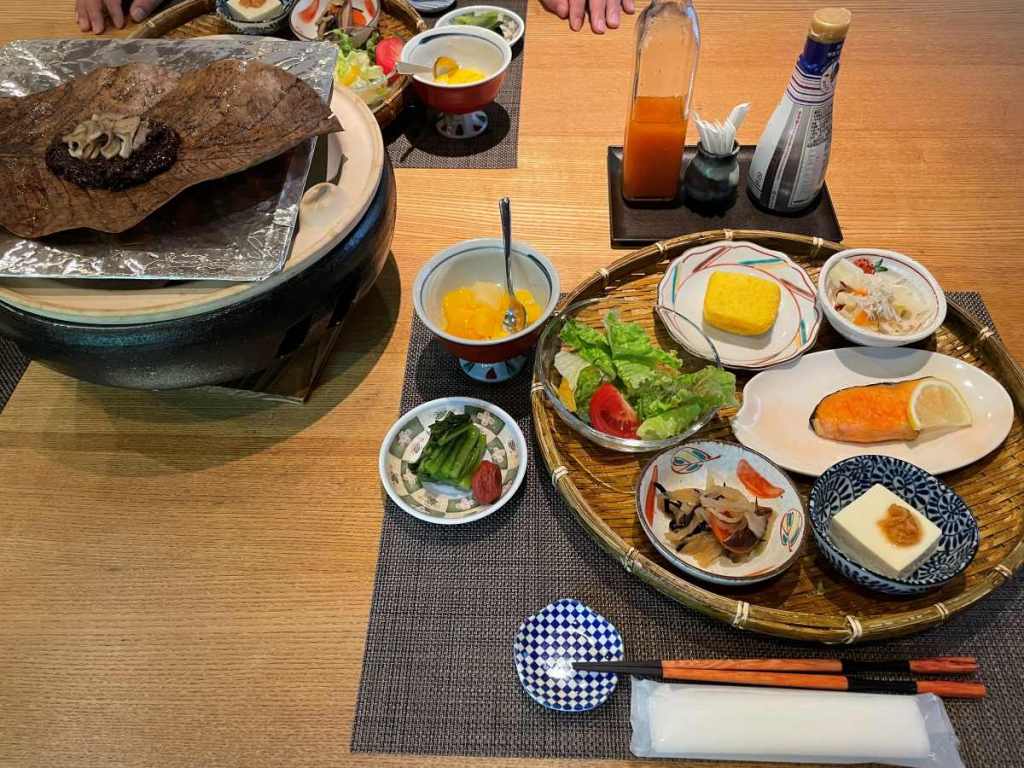
Breakfast was a traditional Japanese set meal typical of Saku. The warmed hoba miso went very well with the rice.
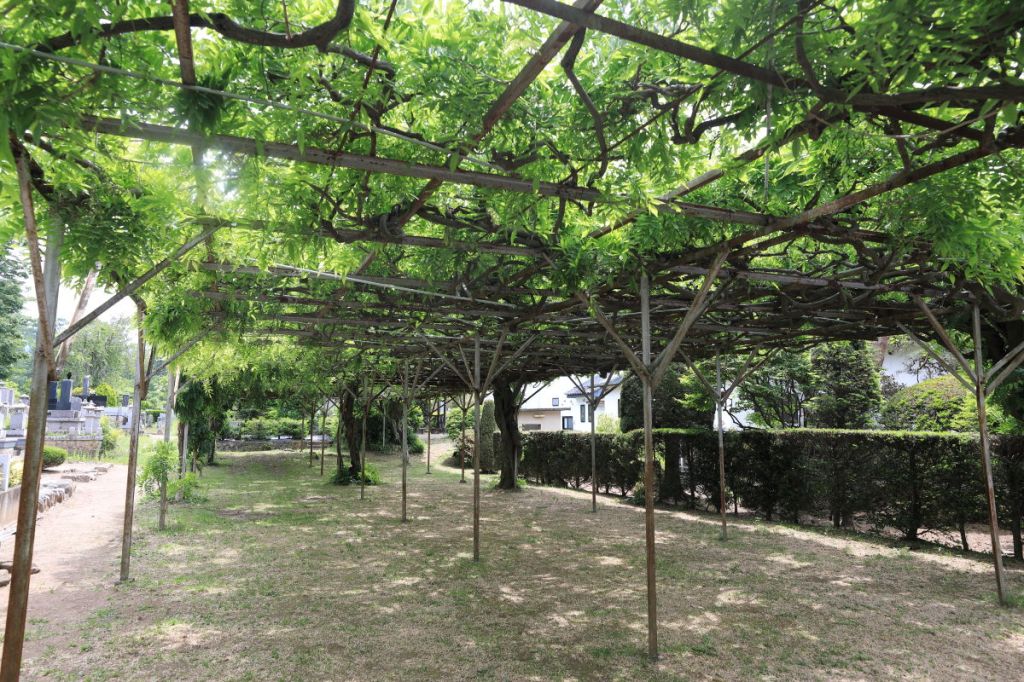
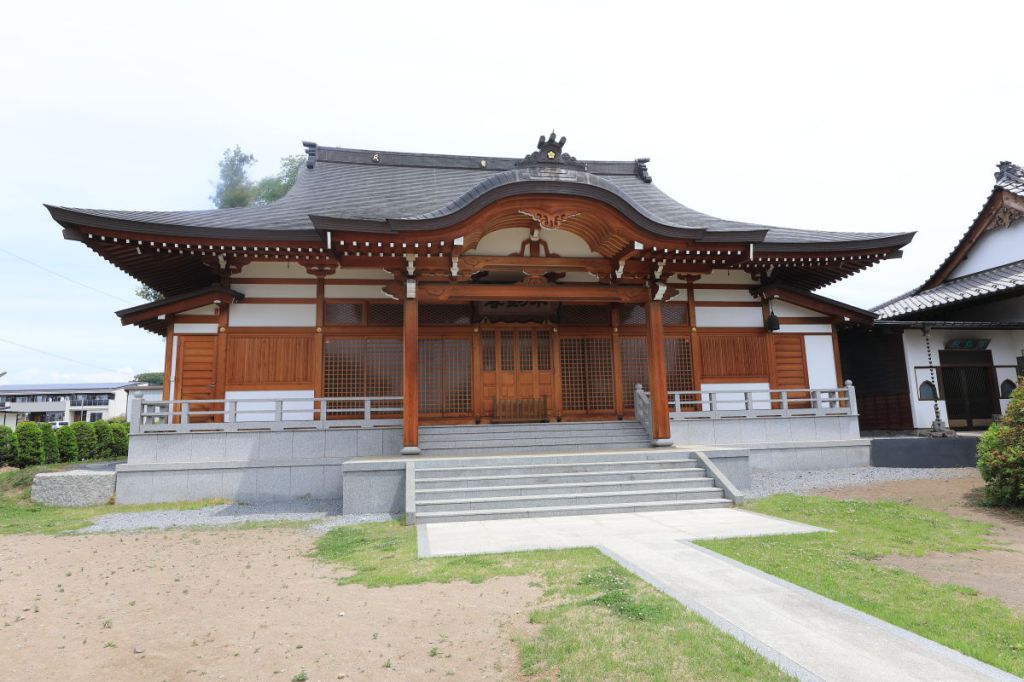
After checking out, I’ll do some sightseeing in Saku city before heading home. First, I headed to Enmanji Temple, as the Saku city tourist information said that the wisteria there is at its best in late May. I parked behind the main hall and went to the main hall, where there was a magnificent wisteria trellis, but it seemed that the flowering season was already over. It is an ancient temple founded in 1142, and the wisteria is said to be an old tree brought back from Kyoto by the founder. It seems that the high temperatures this year caused the flowers to bloom earlier than usual.
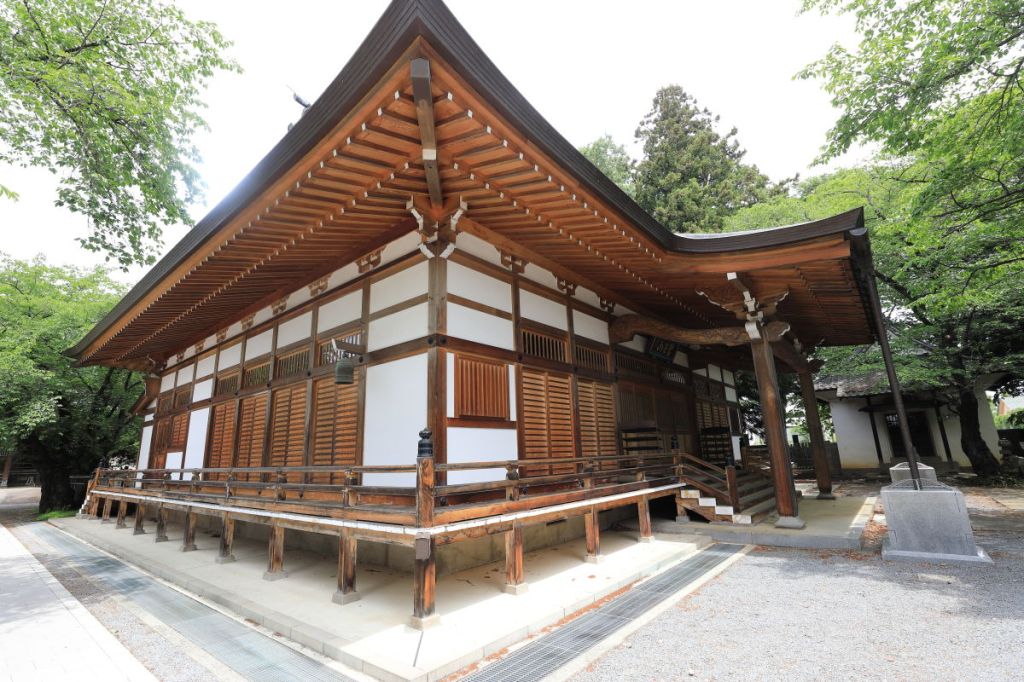
It’s a magnificent main hall.
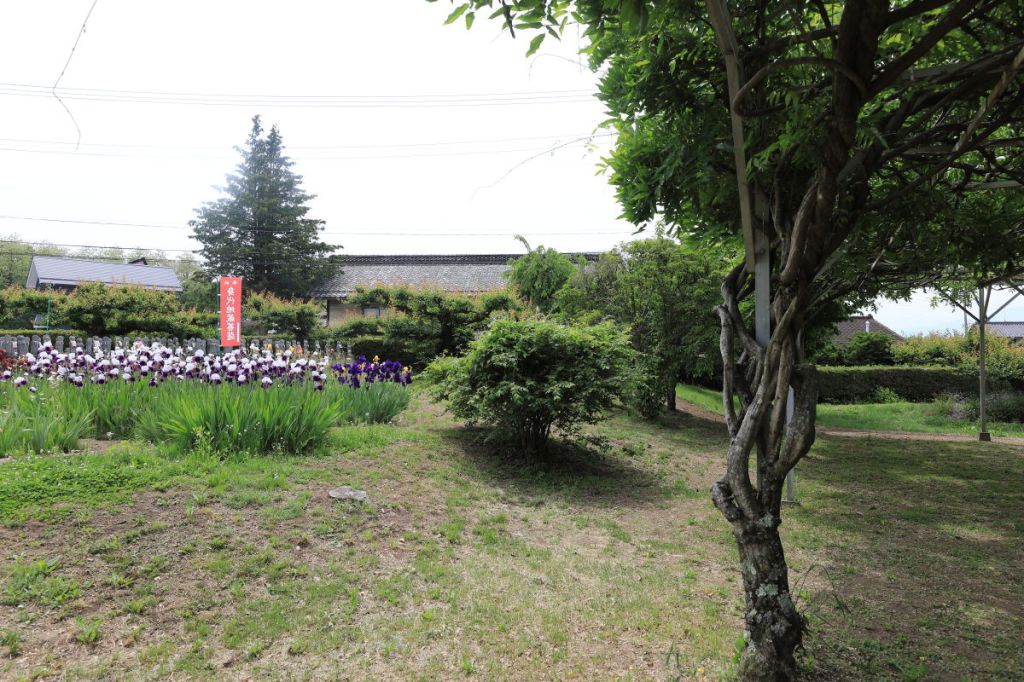
There was also a wisteria trellis in front of the main hall. I was fortunate to see the colorful irises.
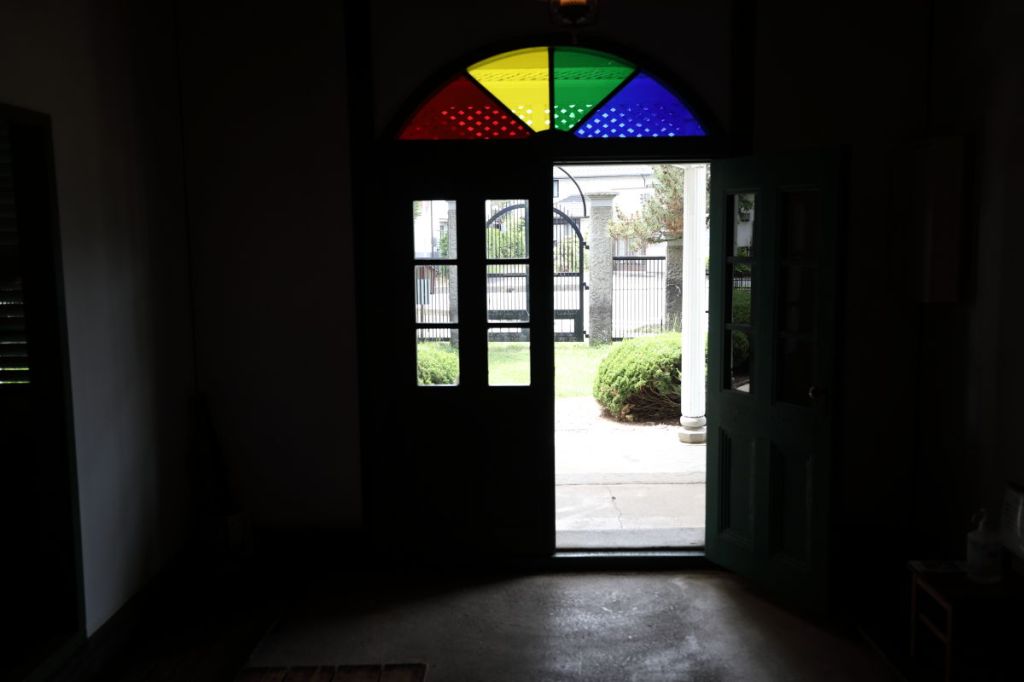
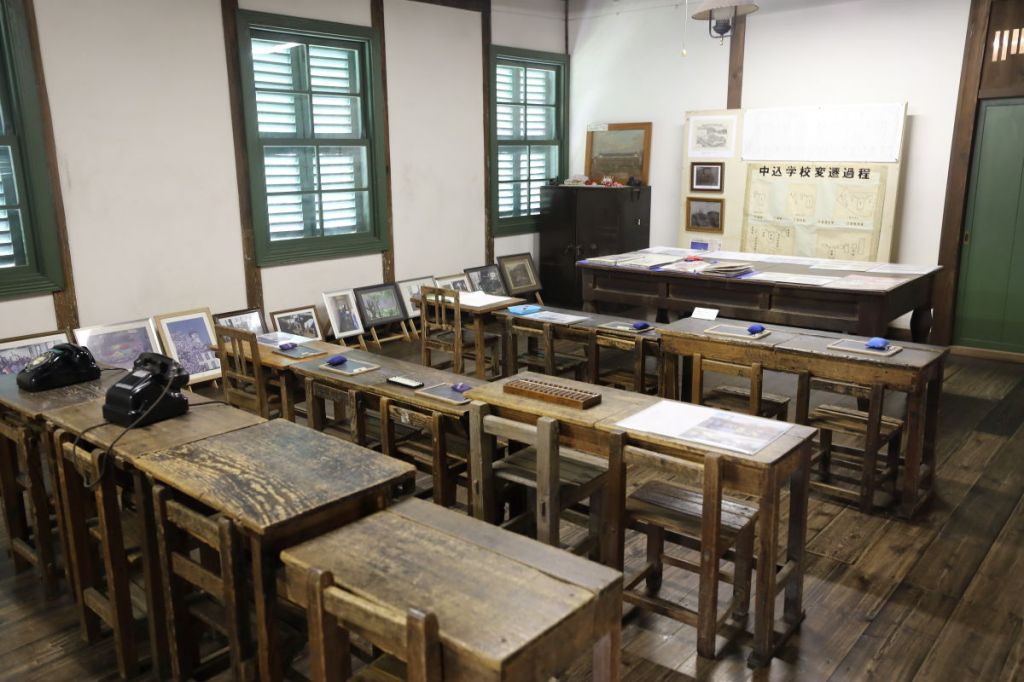
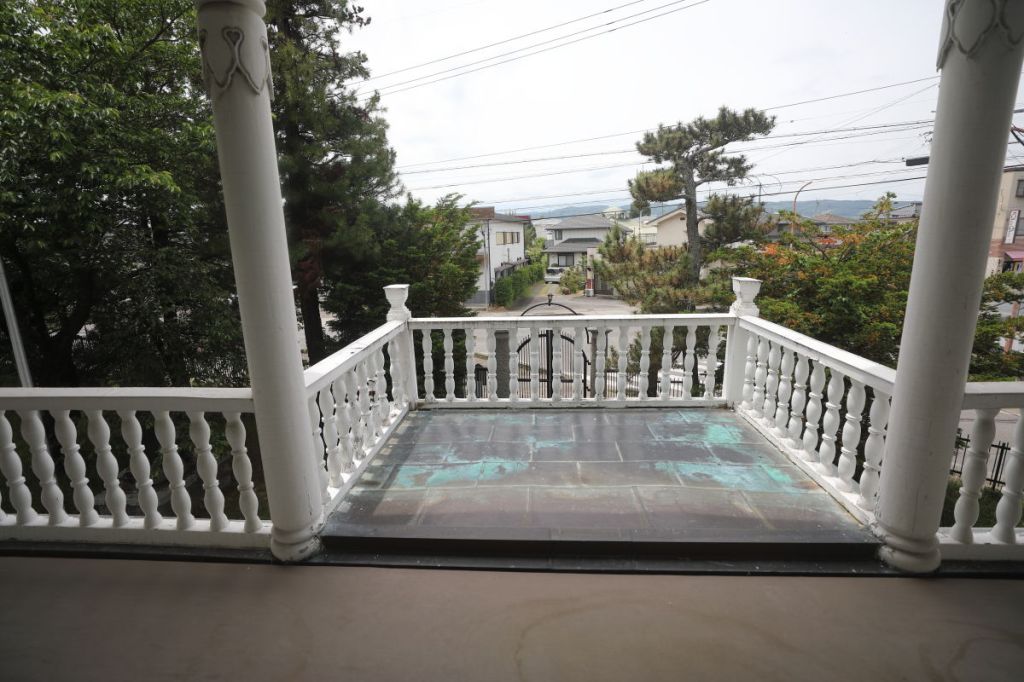
Next, I headed to the former Nakagomi School, a national historical site and designated important cultural property. Built in 1875 with donations from villagers and local benefactors, the former Nakagomi School is one of the oldest pseudo-Western style schools in Japan. I had previously seen a similar school in Matsuzaki, West Izu, and it was equally magnificent. Nagano Prefecture is famous as an education-focused prefecture, and this school is a symbol of that. There was also a beautiful wisteria trellis here, but the flowers had already fallen.
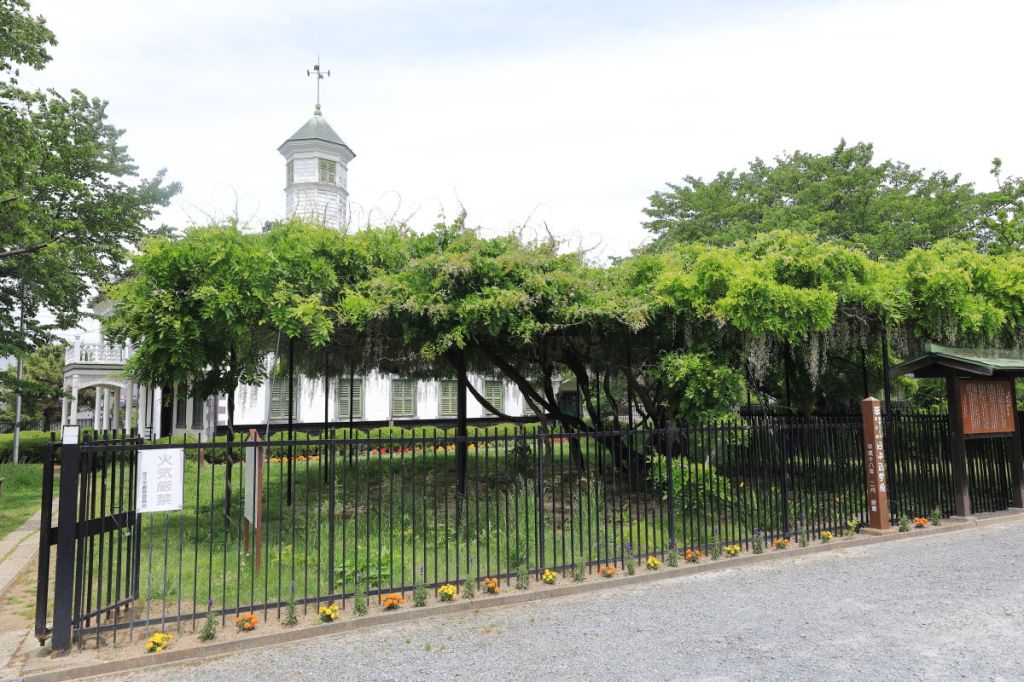
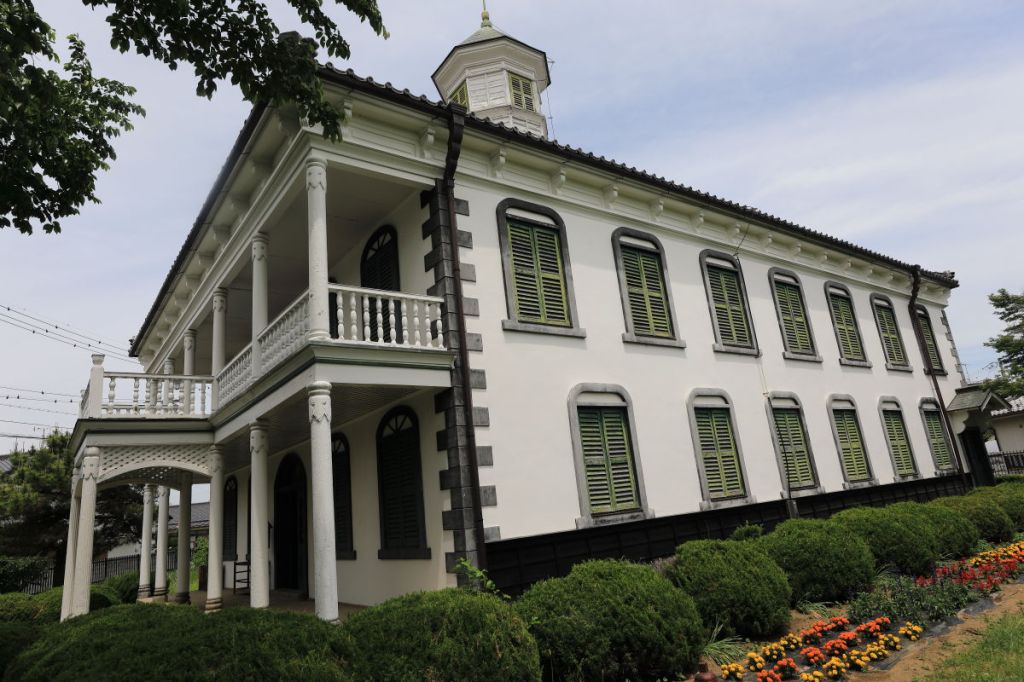
It also features stained glass windows and is sometimes called the “Glass School.”
After our visit, we headed to Naritasan Yakushiji Temple, where the Pinkoro (living helthy until the moment of death) Jizo statue is located. In 1921, Fudo Myoo was invited from Naritasan Shinshoji Temple and it is recognized as a branch office of Naritasan in Shinano. It has a magnificent main hall.
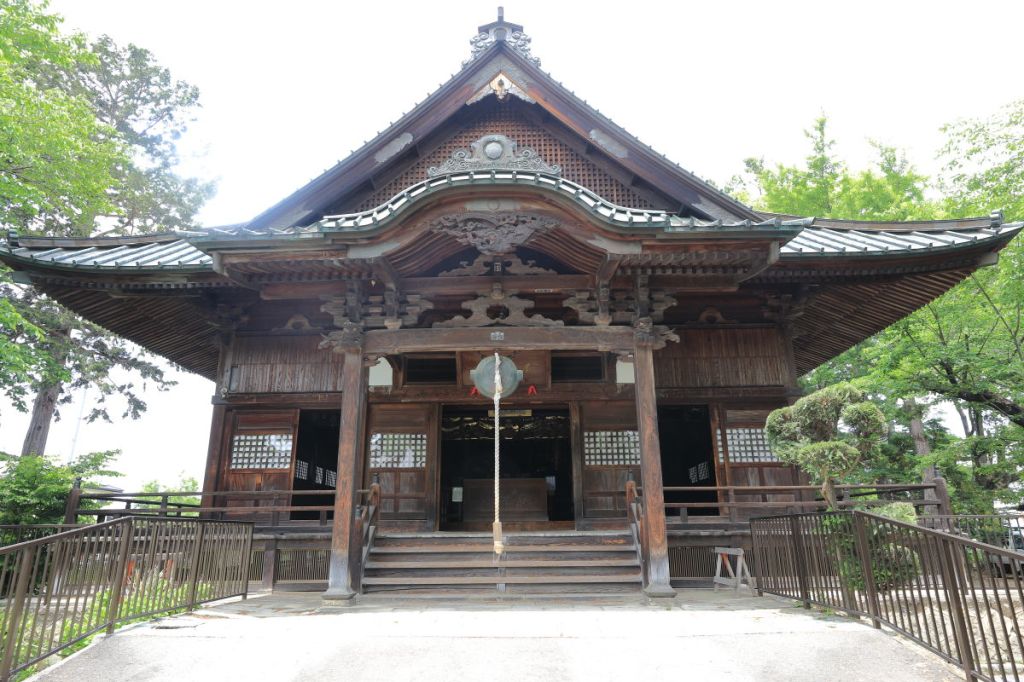
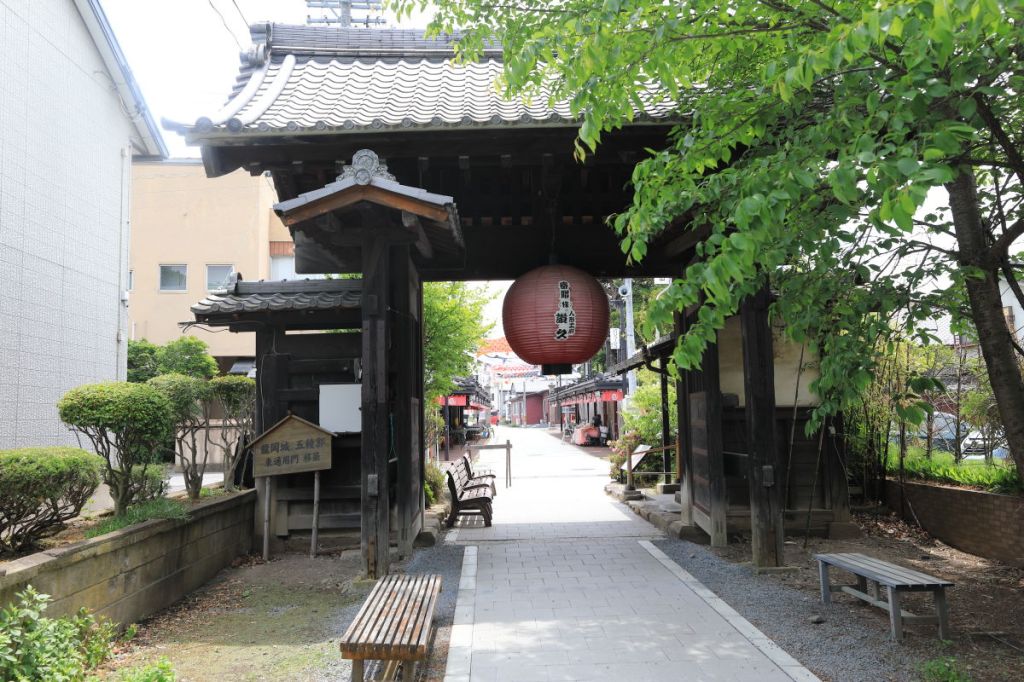
The entrance in front of the gate is a relocated eastern gate of the Goryokaku fort of Tatsuoka Castle, which I will be heading to later.
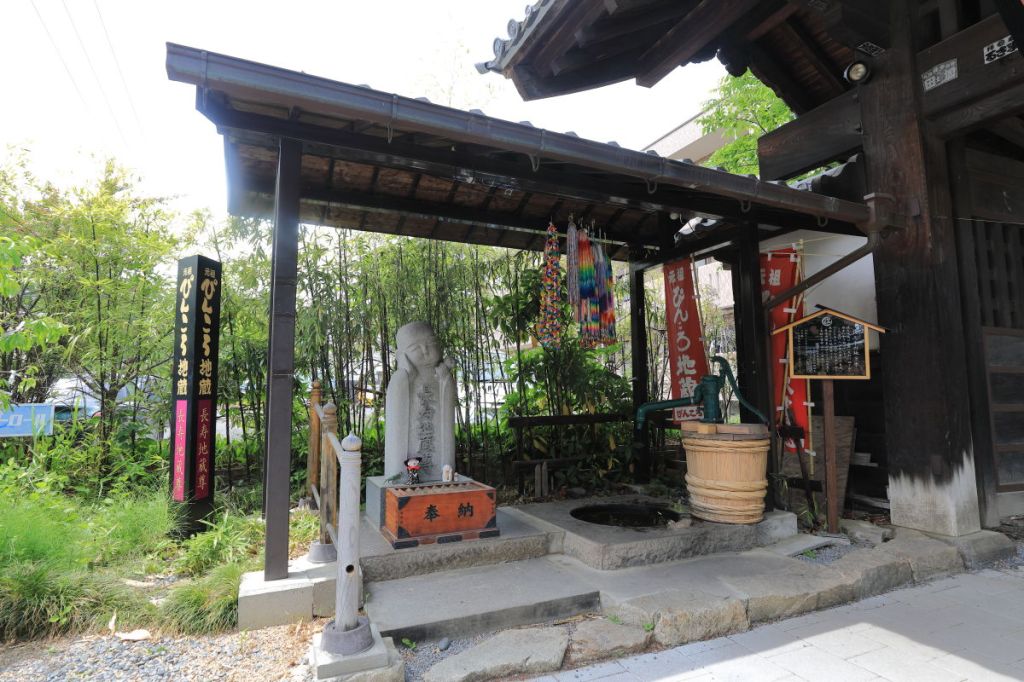
At the entrance to the temple gate, a Pinkoro Jizo statue was erected in 2003 as a symbol of Saku City, a town known for its healthy and long-lived residents. It’s a cute-looking Jizo statue, and I prayed for good health by putting my hands together and stroking its head.
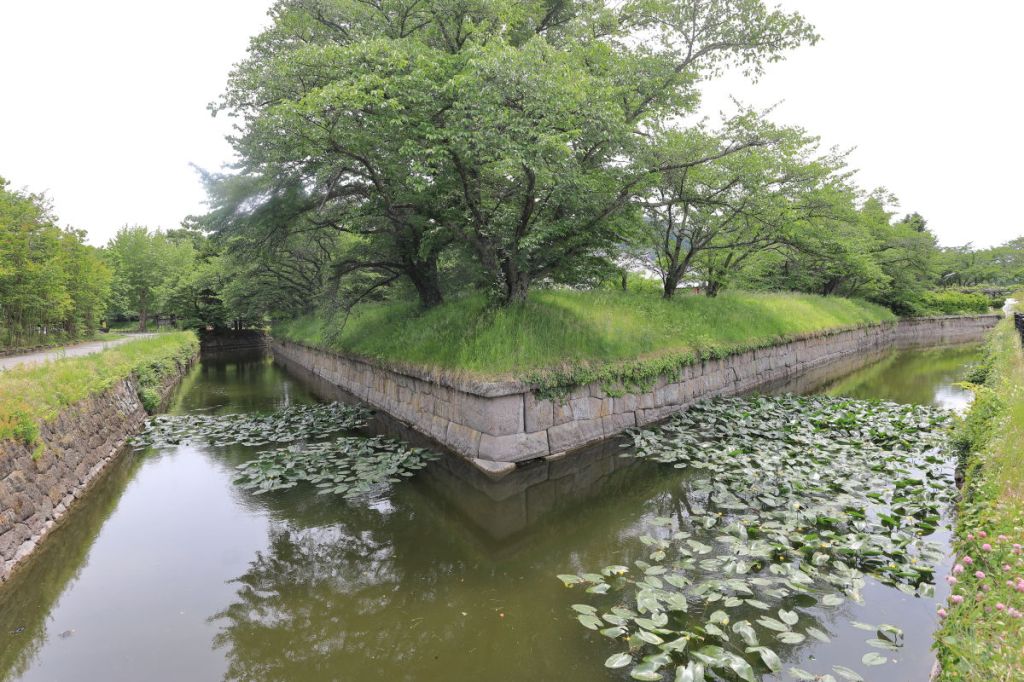
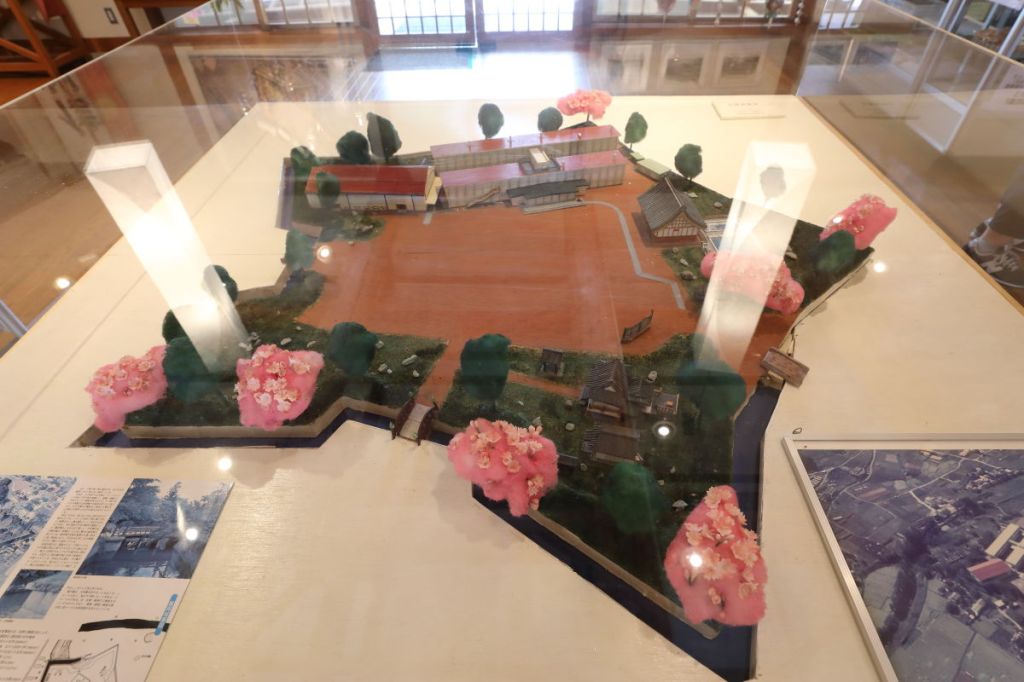
Next, I went to Tatsuoka Castle Goryōkaku, one of only two star-shaped fortresses in Japan. I had visited Goryōkaku in Hakodate last month, so it seems I have some connection to it. Construction of Ryūoka Castle began in the late Edo period by Matsudaira Norimasa, the lord of the Tanoguchi domain, as a new encampment, and it was completed in 1867. Although smaller in scale than Hakodate’s, it is a forward-thinking design that anticipated battles primarily using cannons. It was designated a national historic site in 1934.
The community center displays a model and materials of Goryokaku, and it mentions that Matsudaira Noritaka was appointed to the positions of Senior Councilor and Army Commander at a young age in the Edo shogunate. After the Meiji Restoration, he changed his name to Ogyu Yuzuru and apparently participated in the founding of the Japanese Red Cross Society. There is an observation deck from which you can see the whole fort, but it requires climbing a steep slope from the parking lot, so I settled for the model.
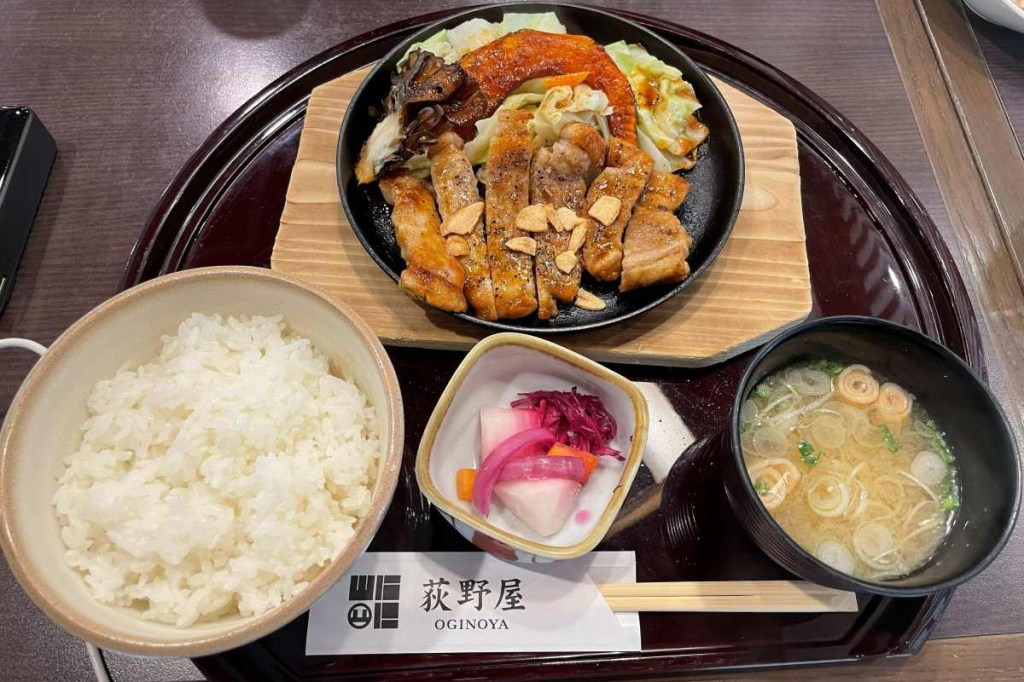
After finishing our sightseeing in Saku City, I took the Joshinetsu Expressway from Saku Interchange and then the Kanetsu Expressway from Fujioka Junction to head home. On the way, I stopped for lunch at the Toka restaurant in Yokogawa Service Area, where I had the Joshu Mochibuta Tonteki Gozen (a set meal featuring Joshu mochi pork). This service area seems to be operated by Oginoya, famous for its kamameshi (rice cooked in a pot) bento boxes. Of course, kamameshi Gozen was also on the menu. It had a light garlic flavor and was delicious.
This was my first trip using my car in a while, and it was a smooth drive with no accidents or traffic jams. I was able to enjoy the magnificent scenery of the Northern Alps in Nagano Prefecture, soak in secluded hot springs, and savor dishes made with plenty of local Shinshu ingredients, making it a very satisfying trip. I’m planning a trip to Kumamoto Prefecture in June.


コメントをどうぞ