

From Saturday, August 15, to Saturday, August 22, I toured Hokkaido with my own car, utilizing a ferry. My itinerary took me from home to Oarai Port, then to Noboribetsu Onsen, Lake Shikotsu Onsen, Asahidake Onsen, Lake Abashiri, Obihiro, Tomakomai Port, and Sendai Port, before returning home. The total driving distance was 1,614 km—the longest distance I have ever covered in a single trip. I will be sharing the details of the journey on my blog in three parts: (1) Oarai and Noboribetsu Onsen, (2) Lake Shikotsu Onsen and Asahidake Onsen, and (3) Lake Abashiri and Obihiro.
Let’s start with Part 1: Oarai and Noboribetsu Onsen.
August 15th(Sat)
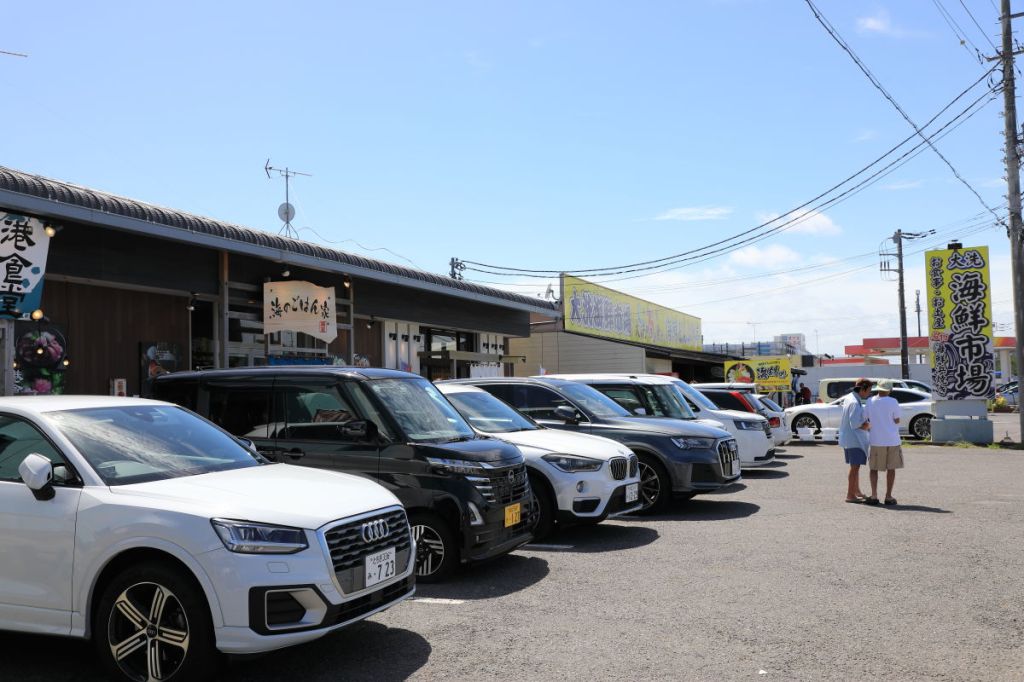
The ferry departs from Oarai Port at night, but since I had never been to Oarai before, I decided to leave my home in Tokyo before noon and have lunch at the Oarai Seafood Market. There were many seafood restaurants there, and the place was quite bustling, likely because it was a Saturday.
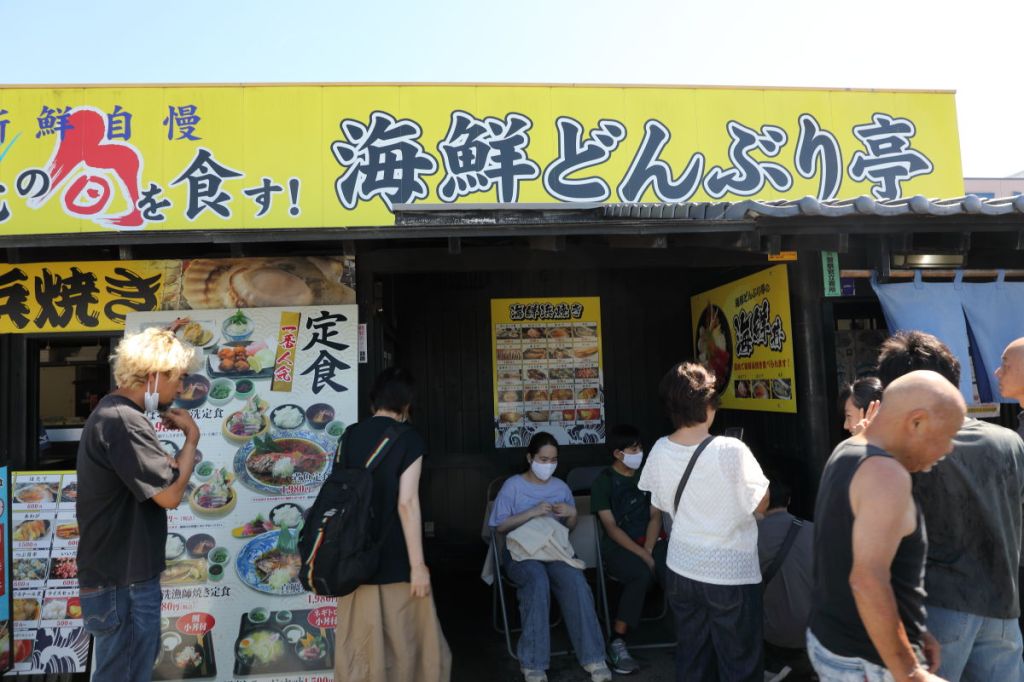
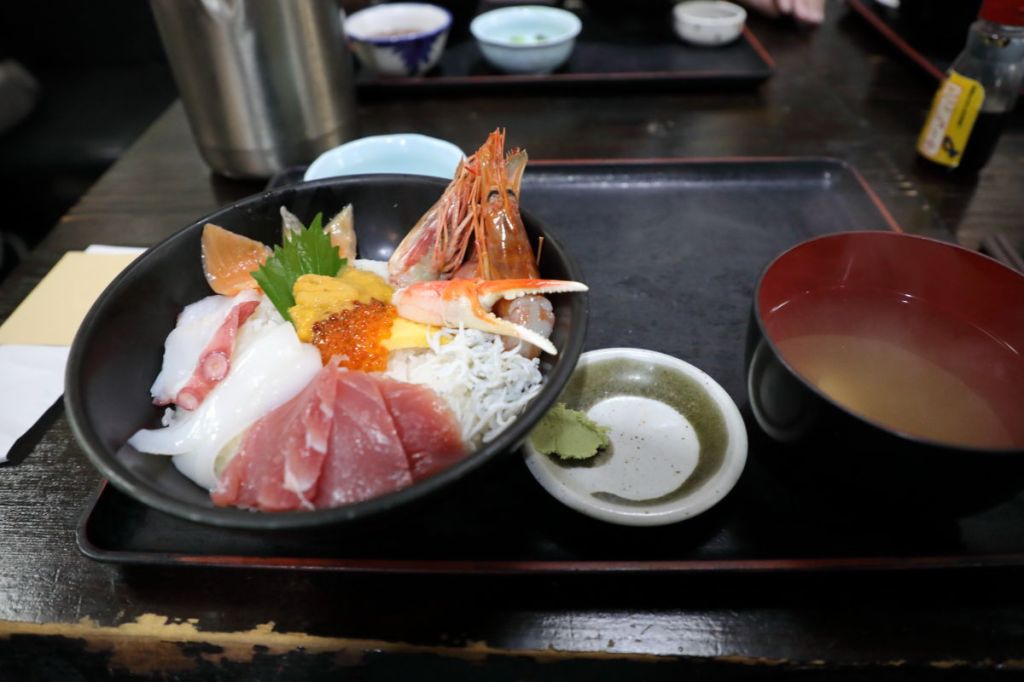
I had the special seafood bowl at the Kaisen Donburi Tei (the seafood bowl shop) located at the very back. While the meal was satisfying enough for the price of 2,980 yen, I might have preferred something of higher quality, even if it cost a little more.
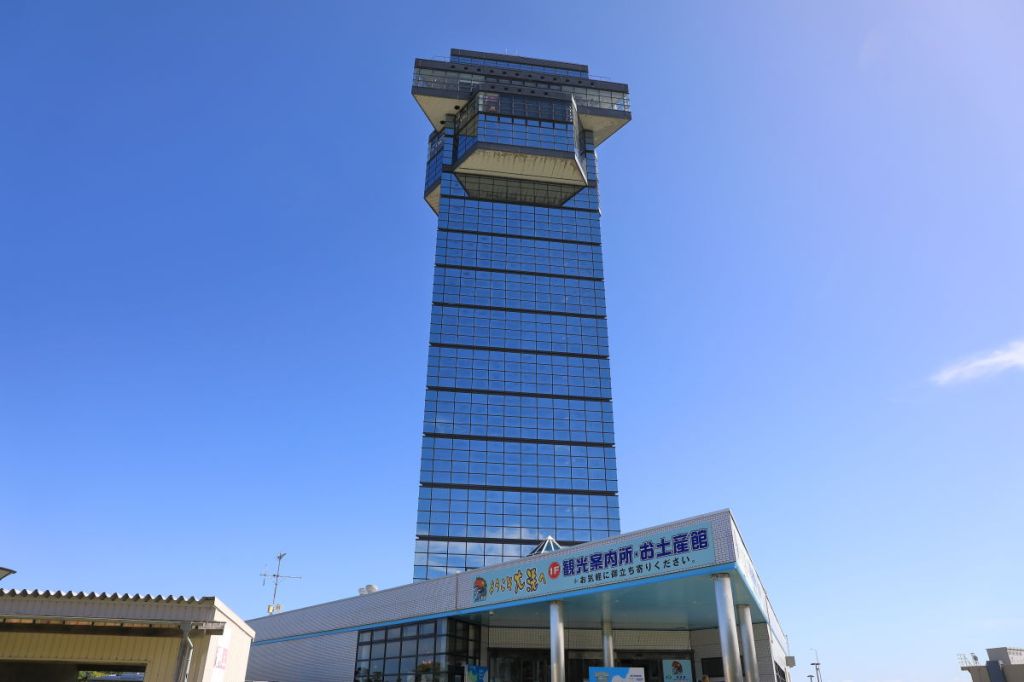
After lunch, I headed to the Marine Tower, a landmark of Oarai Port. Standing 60 meters tall, it offers a spectacular view from its observation deck.
The Sunflower Sapporo, the ship I will be boarding today, is already docked. It is a large ferry with a gross tonnage of 13,816 tons, an overall length of 199.7 meters, and a passenger capacity of 590.
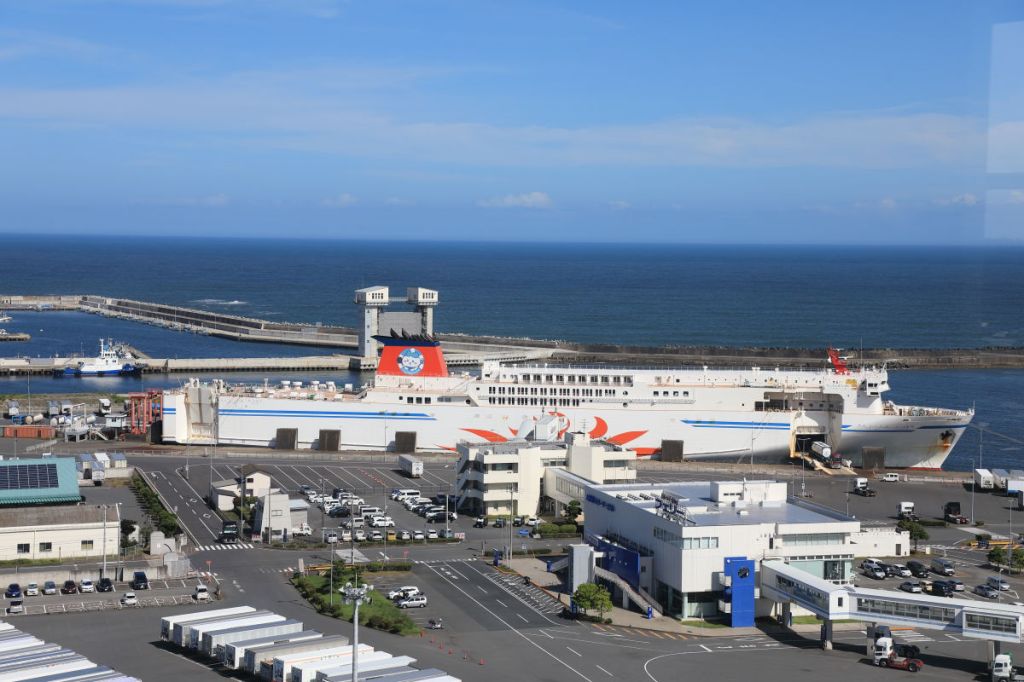
On the second floor, there is a café themed around the anime Girls und Panzer, which is set in Oarai; perhaps because of the season, they were offering a treat consisting of soft-serve ice cream served atop half a melon. For fans of the anime, this place is likely considered a “pilgrimage site.”
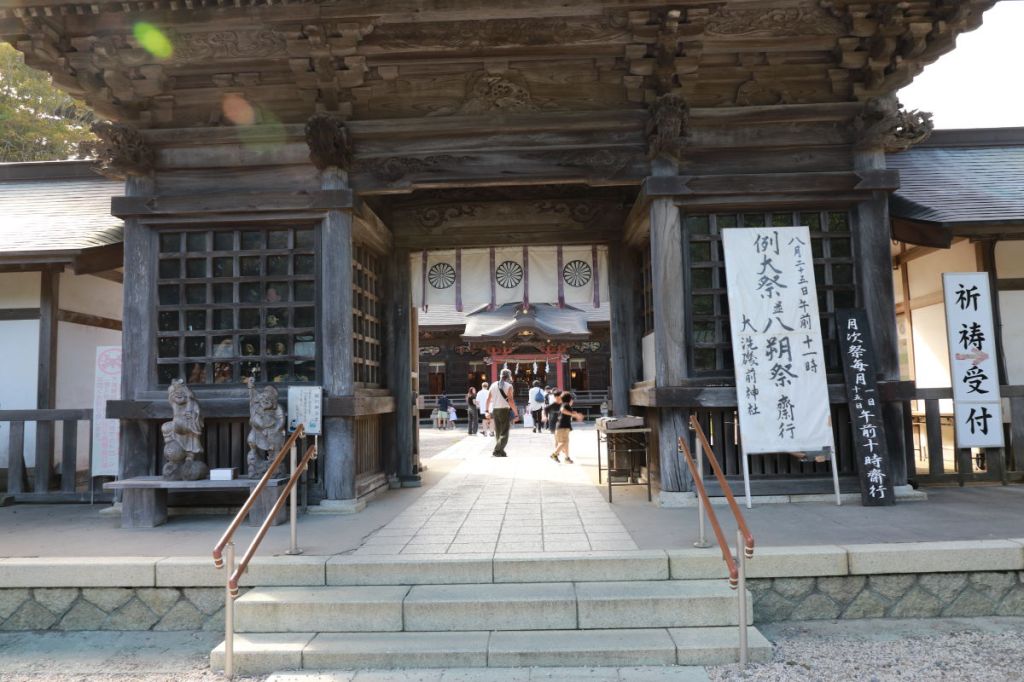
Since I still had some time, I decided to visit Oarai Isomae Shrine. It is a historic shrine said to have been founded in 856, and its worship hall is an impressive structure.
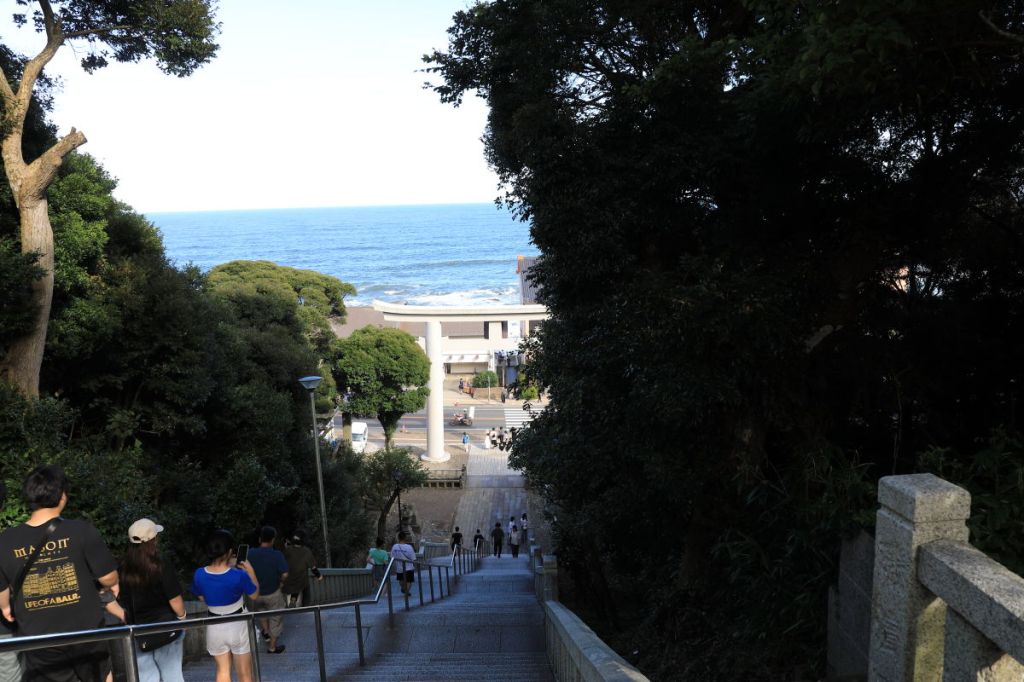
If you go down these stairs to the beach, you can see the famous Kami-iso Torii Gate, but I decided against it after considering the climb back up.
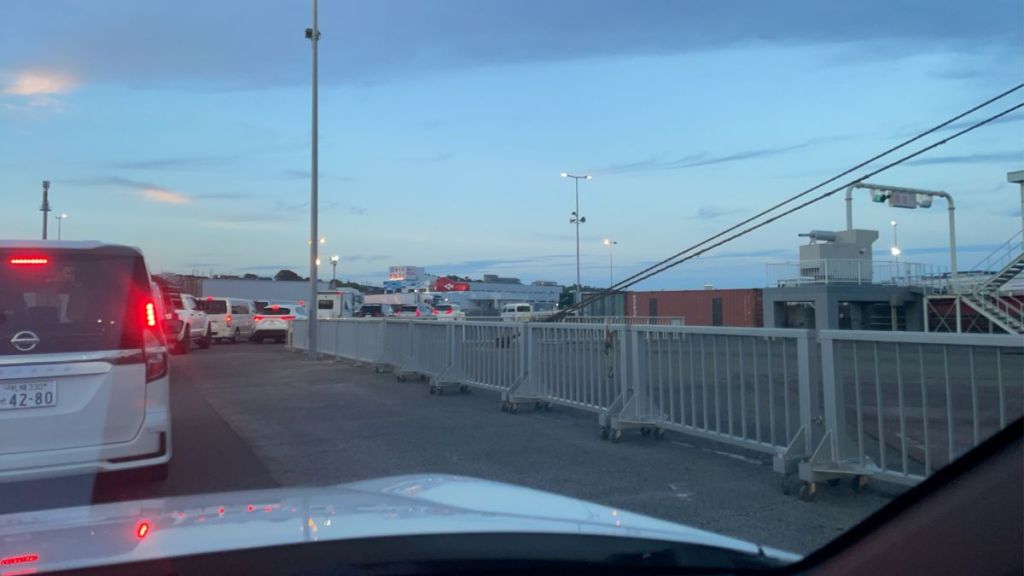
I headed to the ferry terminal, as boarding procedures were set to begin at 16:00. Vehicle boarding started around 18:30.
We set sail at 19:45; before the ship started rocking, I enjoyed a buffet dinner in the restaurant, took a short rest, bathed in the large communal bath, and then went to bed. There wasn’t much motion, so I was able to sleep soundly.
August 16th(Sun)
When I woke up in the morning and stepped out onto the deck, I could see a mountain range—perhaps in Iwate Prefecture.
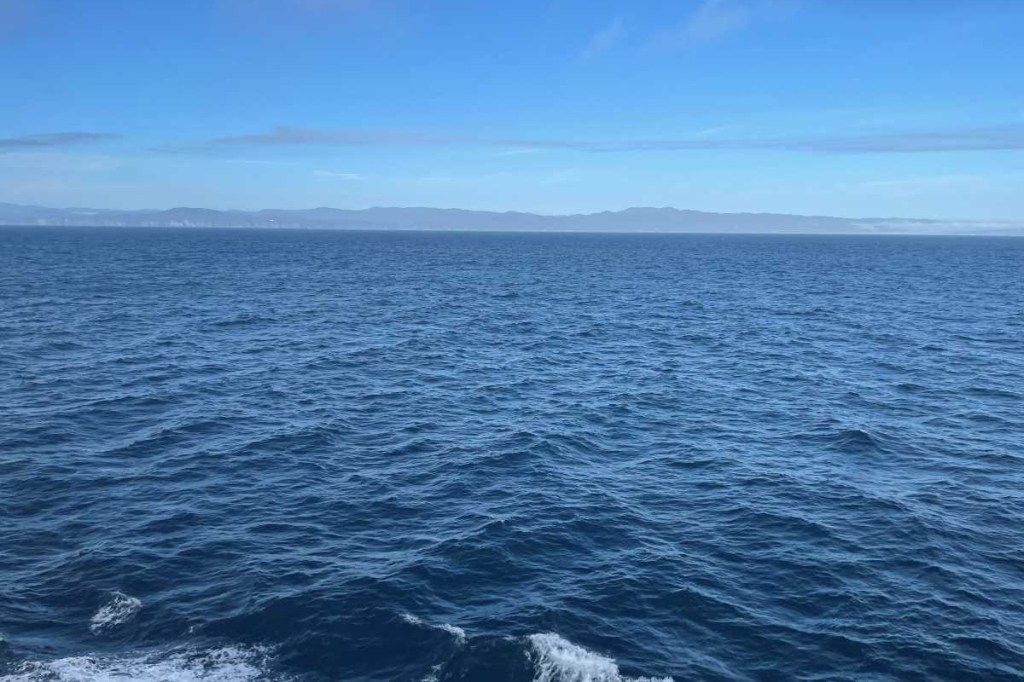
We entered Tomakomai Port shortly after midday and docked just past 13:00, ahead of schedule.
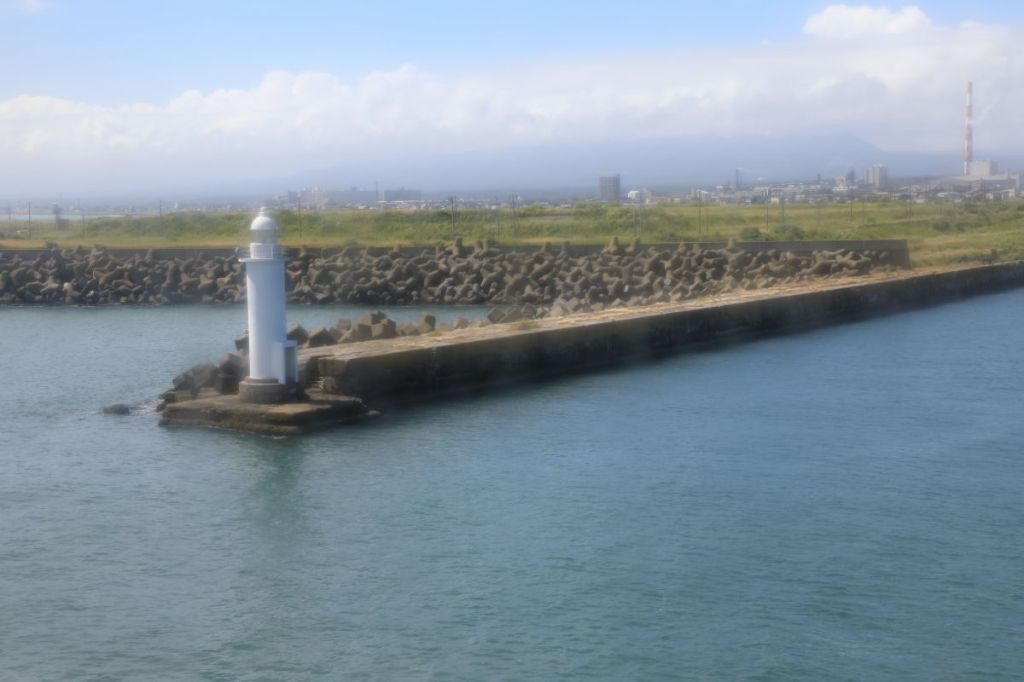
After disembarking, I drove for about an hour to our accommodation for the night, Oyado Kiyomizuya in Noboribetsu Onsen.
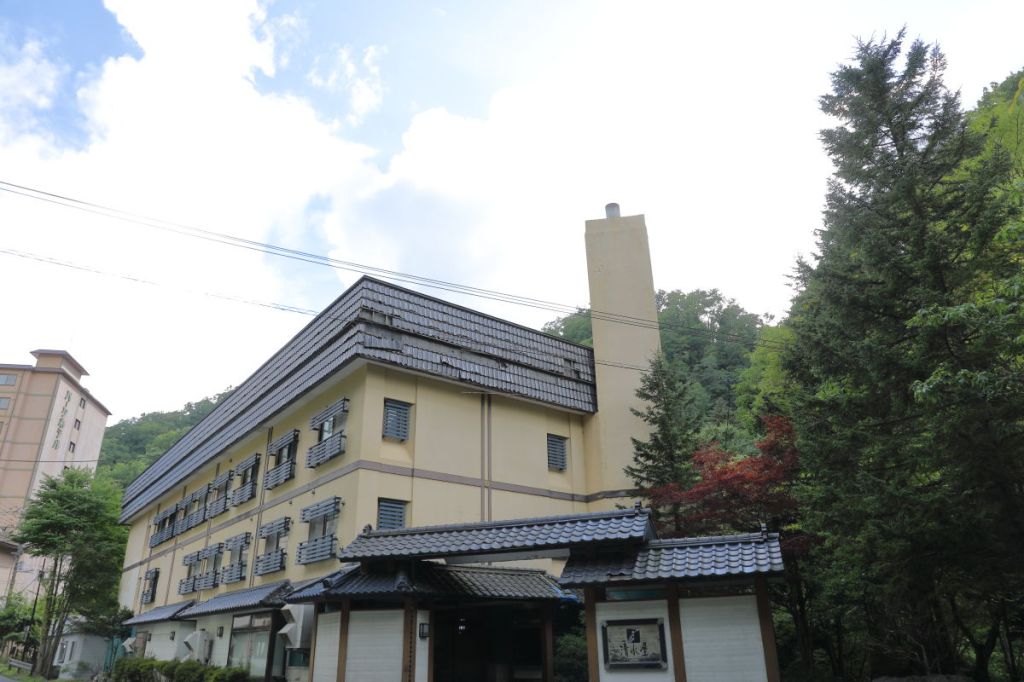
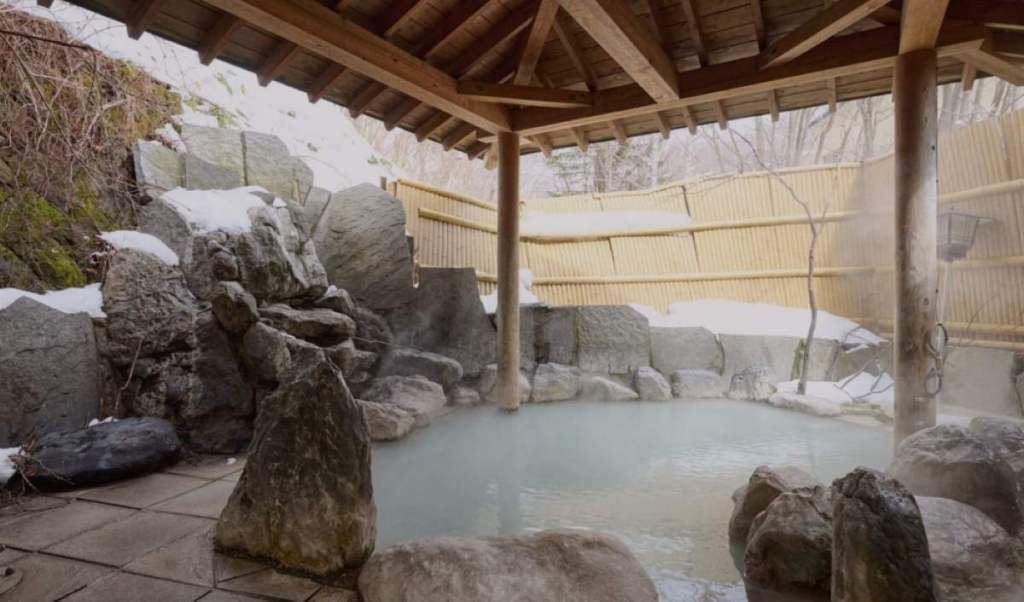
Noboribetsu Onsen boasts nine different types of spring water; while large-scale inns typically pipe in water from about five of these varieties, this particular inn features only sulfur springs. I had bathed in sulfur springs at other inns in Noboribetsu before, but the water here feels more potent—and it certainly warms you up thoroughly. As it is a small inn, the baths were never crowded, allowing me to enjoy a relaxing soak. The photo is a screenshot from the inn’s website.
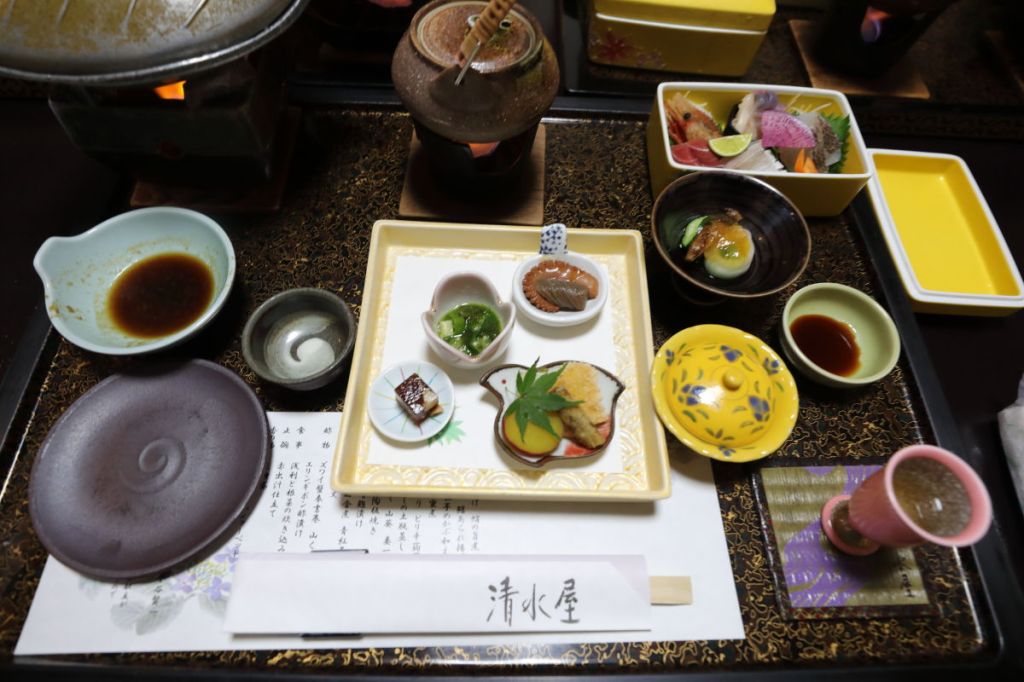
Dinner was a kaiseki meal served in the room. The dobin-mushi (steamed soup in a teapot) featured pike eel and shimeji mushrooms, while the toban-yaki (ceramic plate grill) dish used Tokachi beef. As the establishment began as a kappo restaurant, every dish was truly satisfying.
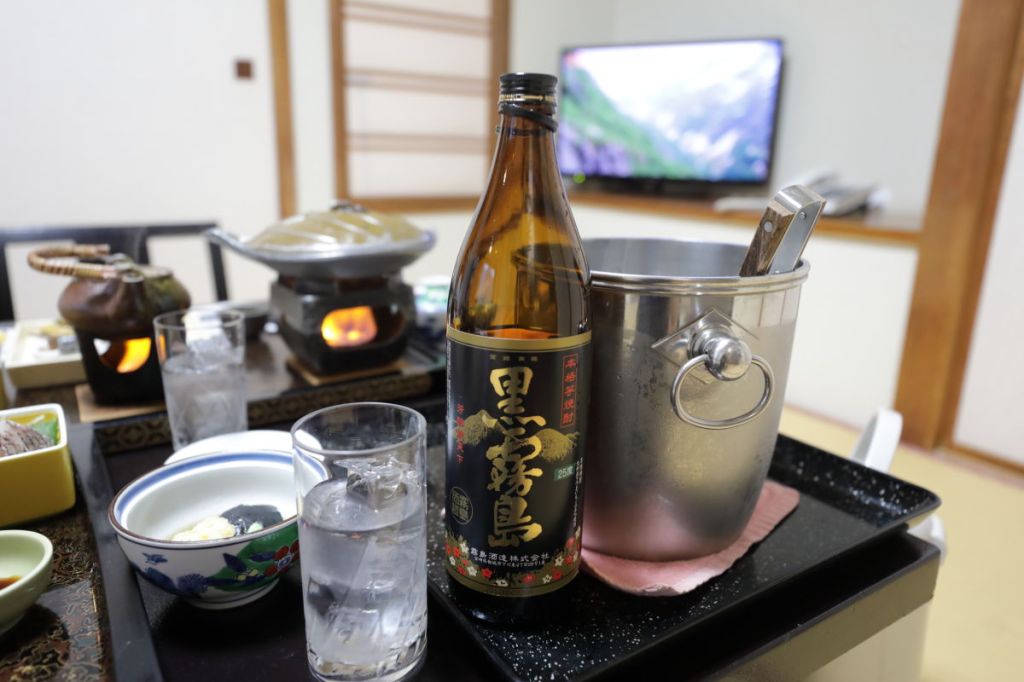
I ordered Kuro Kirishima, the sweet potato shochu I also drink at home.
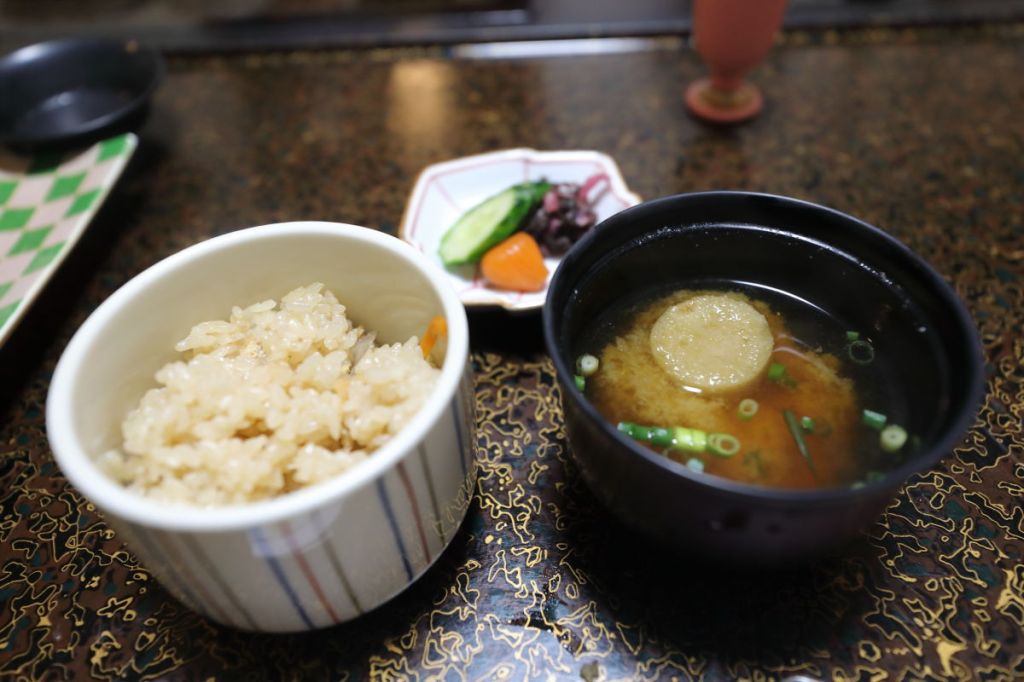
The mixed rice with Manila clams and root vegetables was delicious.
August 17th(Mon)
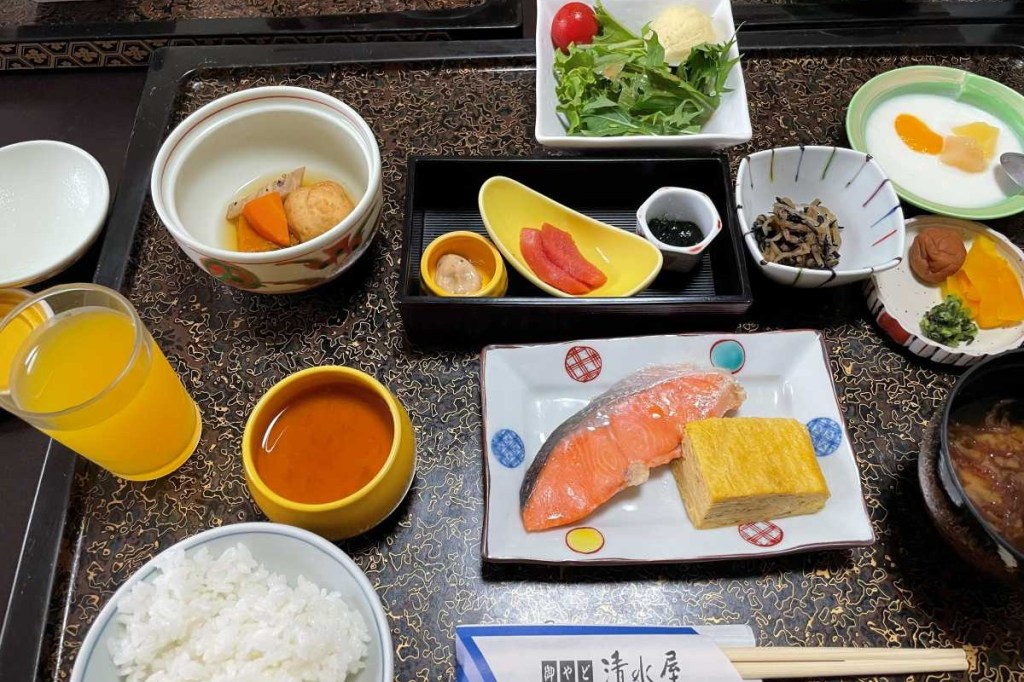
Breakfast is also a well-balanced Japanese set meal served in your room.
After checking out, I visited the nearby Noboribetsu Bear Park. You take a ropeway to reach the park, which is located at the summit, and the fare is included in the 3,200-yen admission fee.
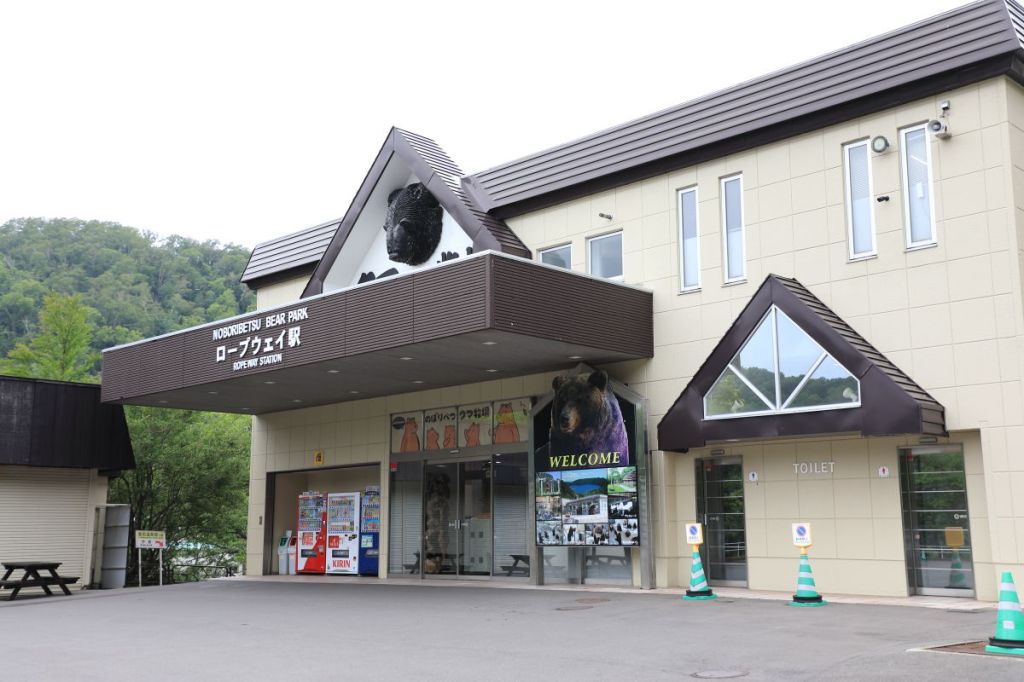
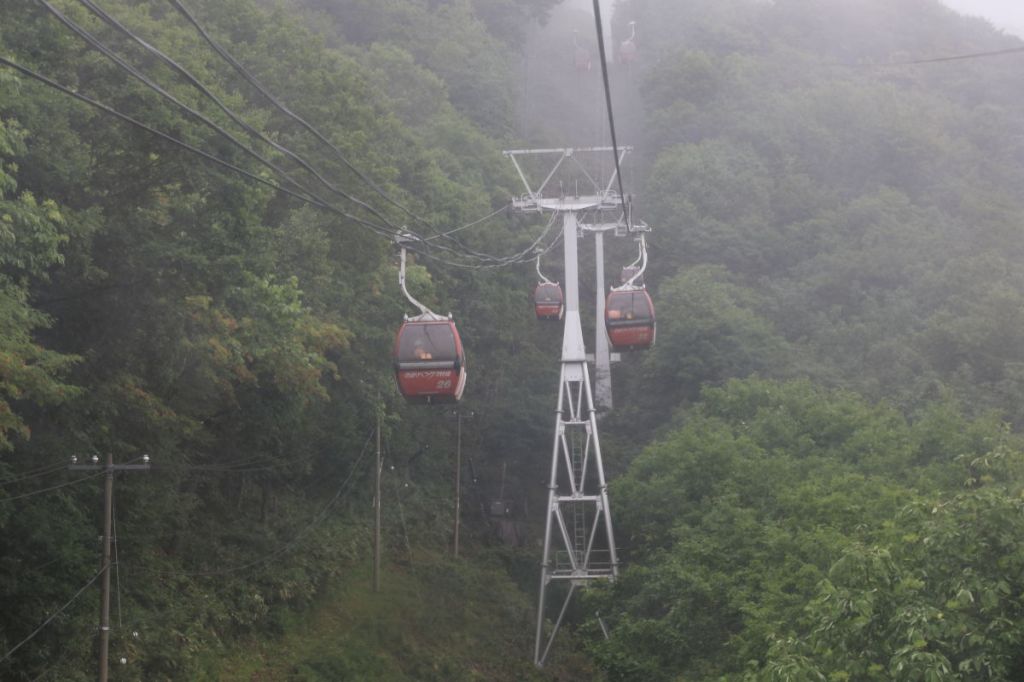
The first things to greet you after leaving the summit station are the bear cubs. From the third floor of the building straight ahead, you can usually see Lake Kuttara—a caldera lake—but it was shrouded in thick fog and remained hidden from view.
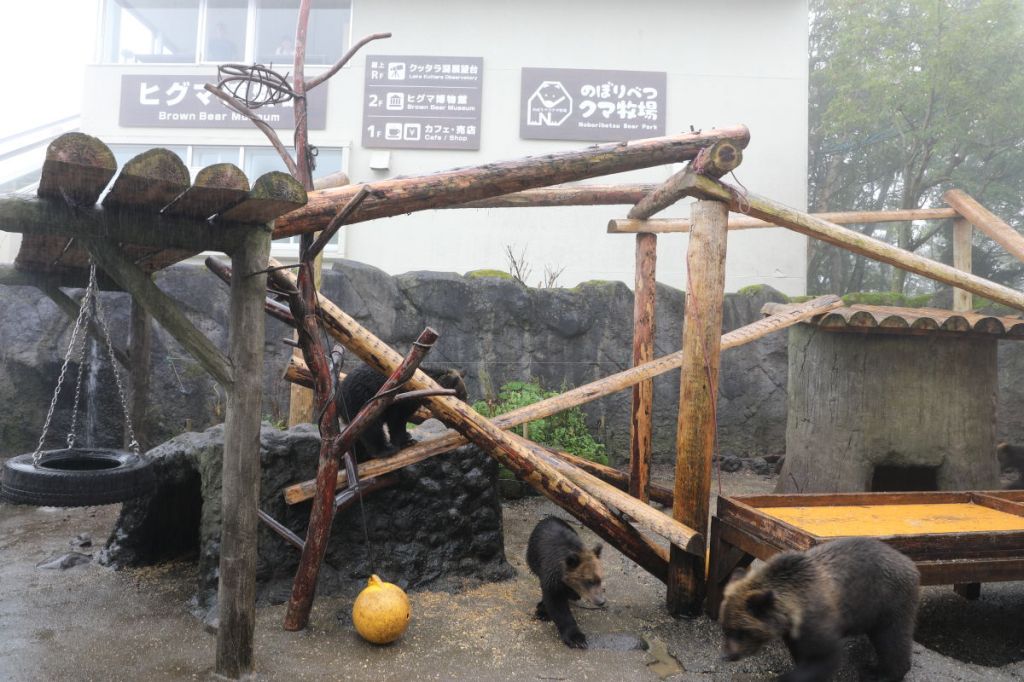
At the Bear Mountain stage, they were skillfully eating the hidden food using their front paws and other body parts.
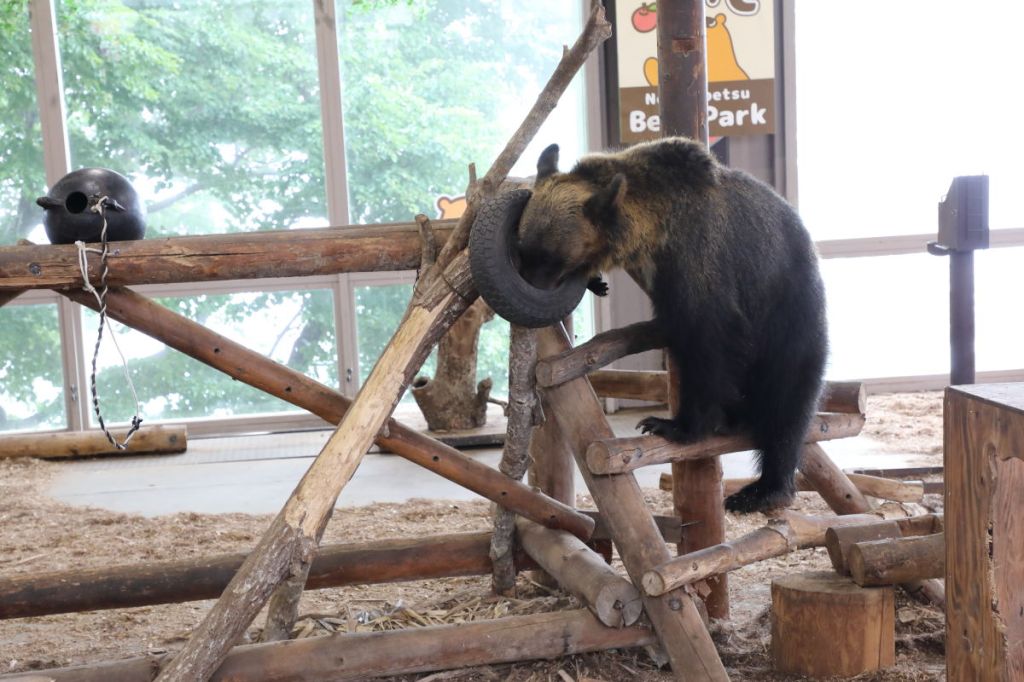
The bear is raising its paw to ask for food.
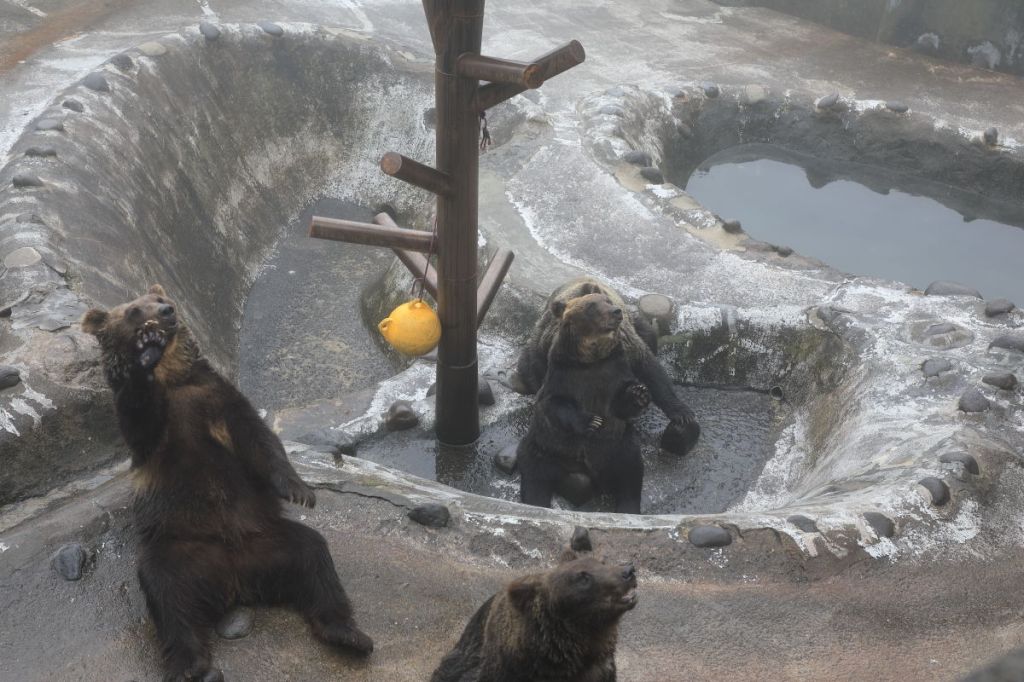
It had been nearly 50 years since I last visited the bear park on a school trip; compared to back then, it seemed they were now using a rotation system—splitting the bears into groups—to reduce the number of bears out on display at any one time.
After visiting the bear park, I headed to Lake Shikotsu; I will cover the details in the section on Shikotsu-ko Onsen and Asahidake Onsen.
 旅好き爺の旅行記
コメントを残す