

From Saturday, August 15, to Saturday, August 22, I toured Hokkaido with my own car, utilizing a ferry. My itinerary took me from home to Oarai Port, then to Noboribetsu Onsen, Lake Shikotsu Onsen, Asahidake Onsen, Lake Abashiri, Obihiro, Tomakomai Port, Sendai Port, and finally back home. The total driving distance was 1,614 km—the longest distance I have ever covered in a single trip. I am sharing the details of the journey on my blog in three parts: (1) Oarai & Noboribetsu Onsen, (2) Lake Shikotsu Onsen & Asahidake Onsen, and (3) Lake Abashiri & Obihiro.
This post covers part (2): Lake Shikotsu Onsen and Asahidake Onsen.
August 17th(Mon)
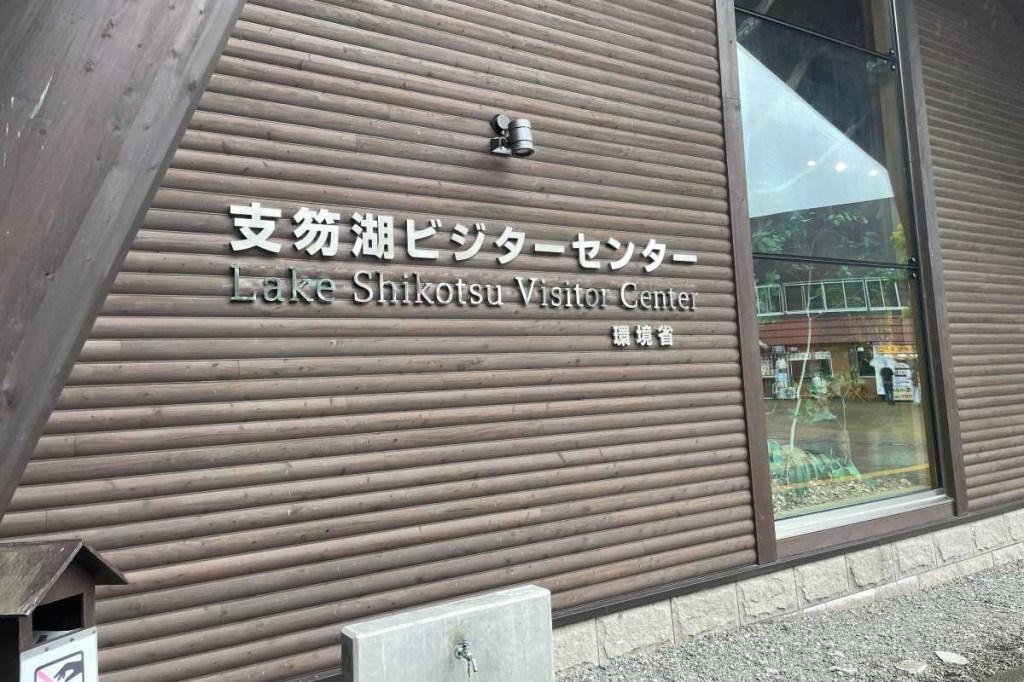
After visiting the Noboribetsu Bear Park, I headed to Lake Shikotsu, where I would be staying for the night. I parked near the Lake Shikotsu Visitor Center and first looked for a place to have lunch. Although I had really wanted to try the famous himemasu (landlocked sockeye salmon) dishes, the catch had been small and everywhere was sold out, so I ended up having miso ramen at a restaurant called Shikotsuso. It was a delicious ramen made with white miso. After the meal, I stopped by the Visitor Center, which features exhibits explaining the origins and natural environment of Lake Shikotsu.
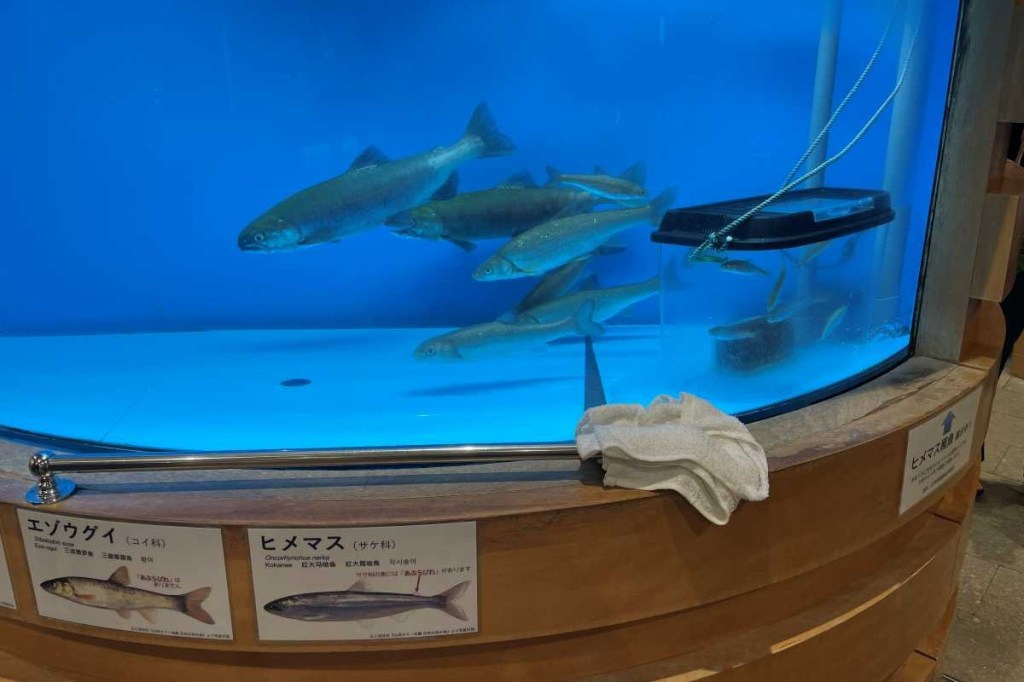
The landlocked salmon I had wanted to eat were swimming there, too.
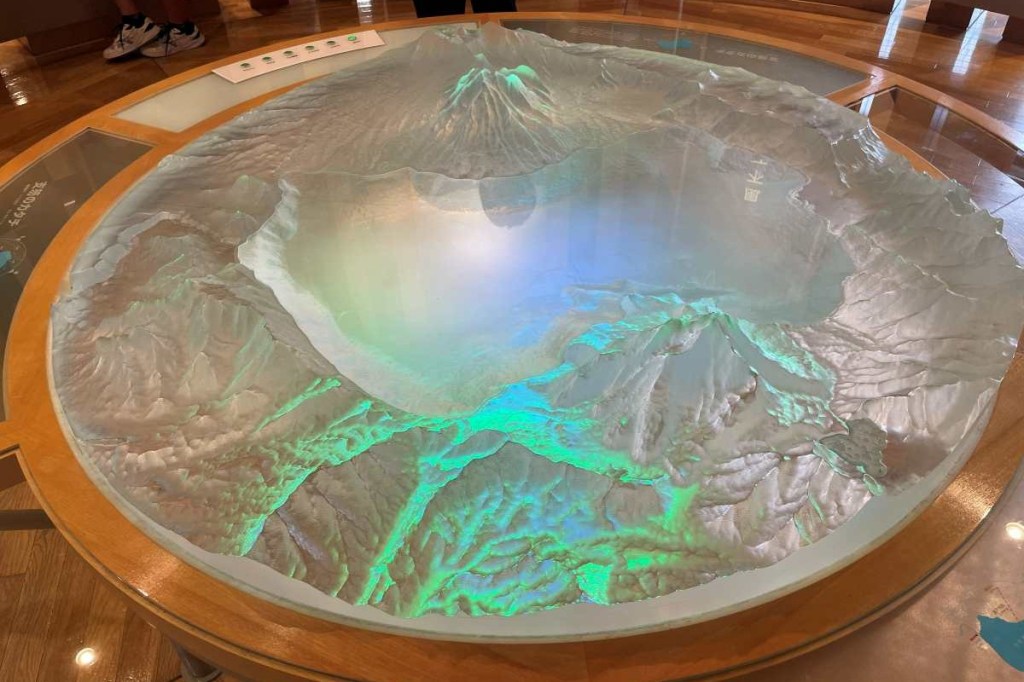
Lake Shikotsu is a caldera lake, but the formation of Mount Eniwa and Mount Fuppushi within the caldera gave it a constricted shape. It is a massive lake, ranking second in depth at 363 meters (after Lake Tazawa) and second in water volume at 20.9 cubic kilometers (after Lake Biwa, which holds 27.5 cubic kilometers). It is the northernmost ice-free lake in Japan and is said to boast the country’s highest water quality. I was surprised by just how large the lake actually is.
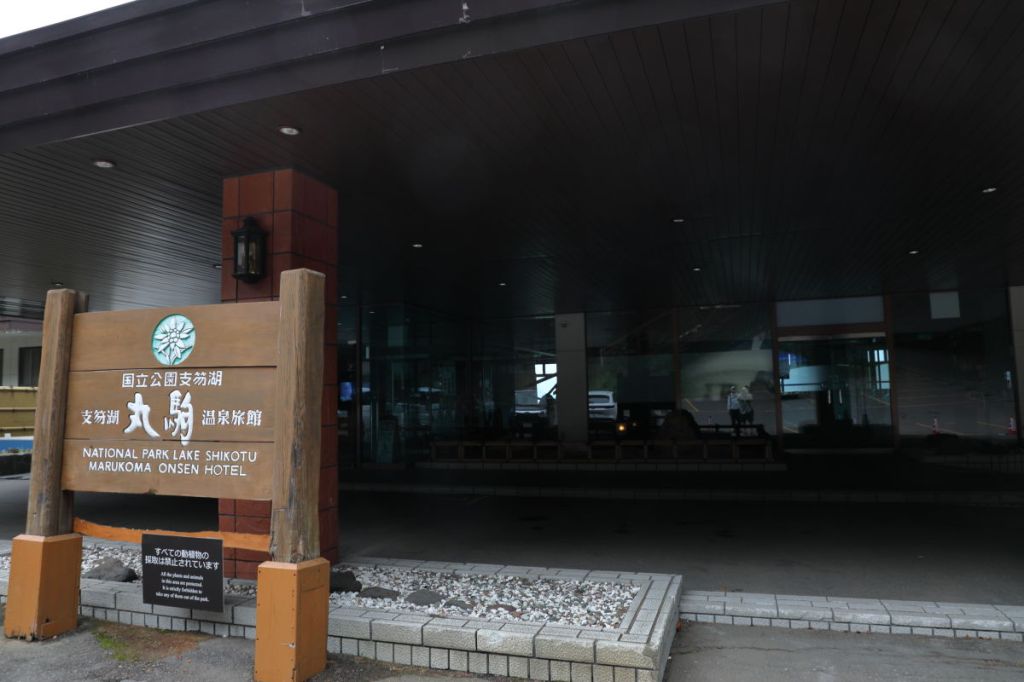
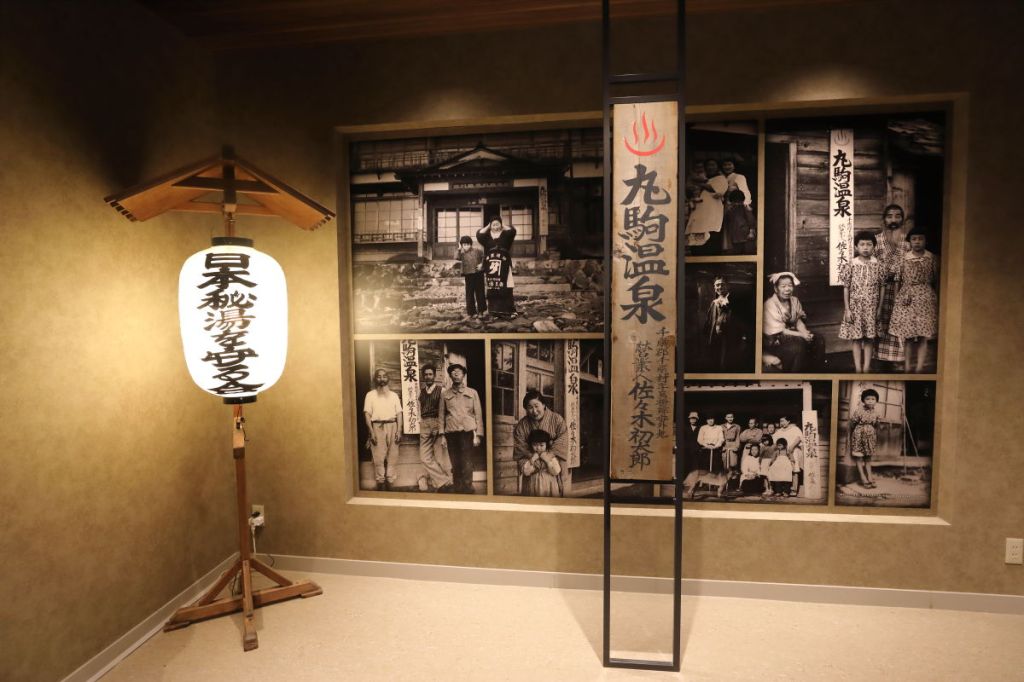
After finishing the tour, we headed to Marukoma Onsen Ryokan, our accommodation for the night. It is a historic inn established in 1915 and a member of the “Association of Hidden Hot Spring Inns of Japan” (Nihon Hitō o Mamoru Kai).
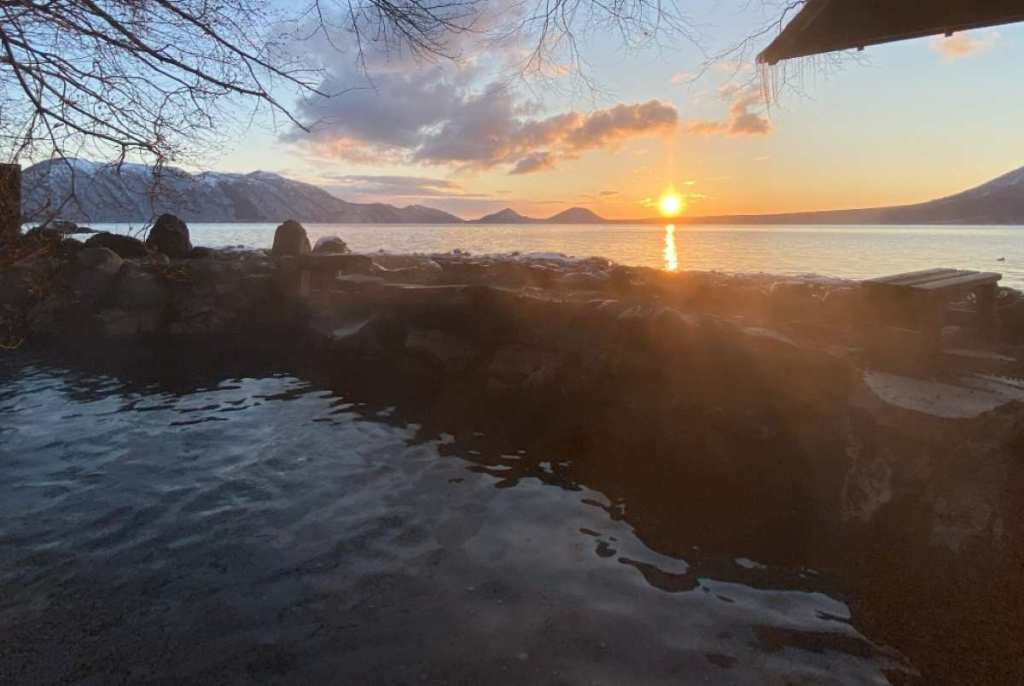
The inn’s signature hot spring is a natural, open-air bath where the water wells up directly from the ground—just as it has since the establishment first opened—and the water level constantly matches that of the lake. Although the photo is a screenshot from the inn’s website, I was disappointed to find the water level much lower on the day of my visit, reaching only about waist-deep. The water itself is a colorless, clear saline spring.
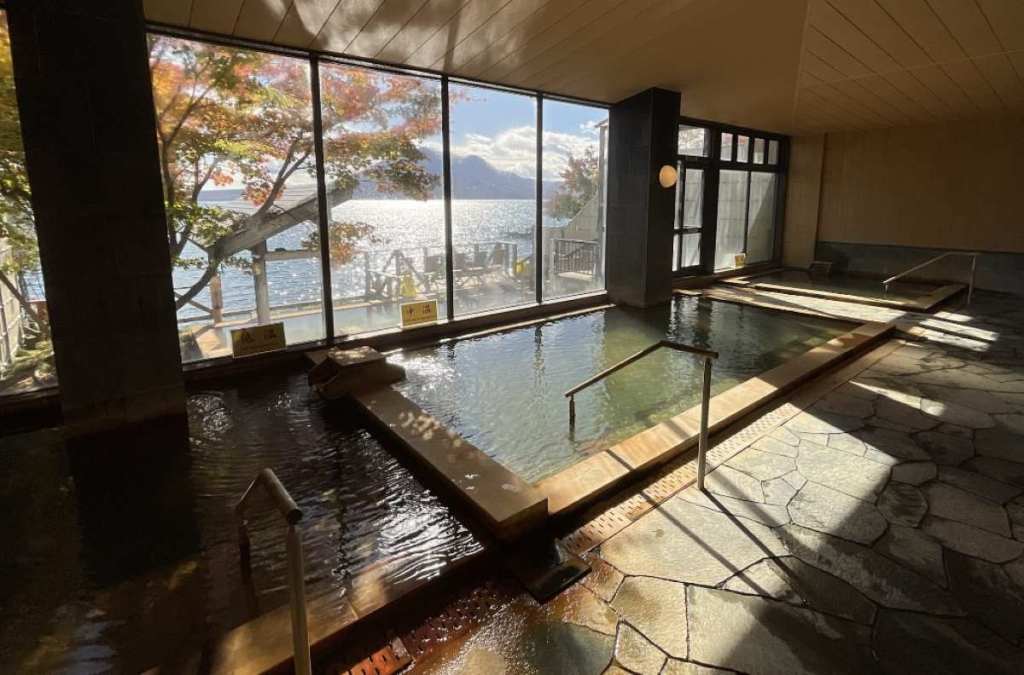
The facility features a large indoor bath and an outdoor open-air bath. The water is a sodium-calcium-chloride-bicarbonate-sulfate spring with a greenish hue.
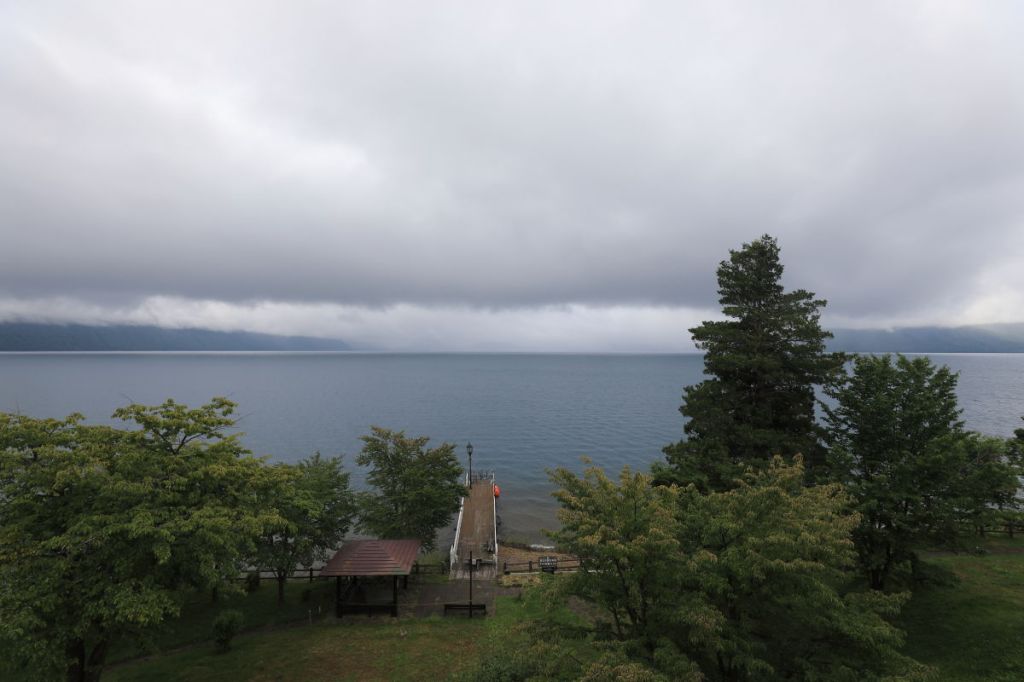
You can enjoy a panoramic view of Lake Shikotsu from the room’s window, but unfortunately, the weather is poor, so the lake’s signature “Shikotsu Blue” waters are not visible.
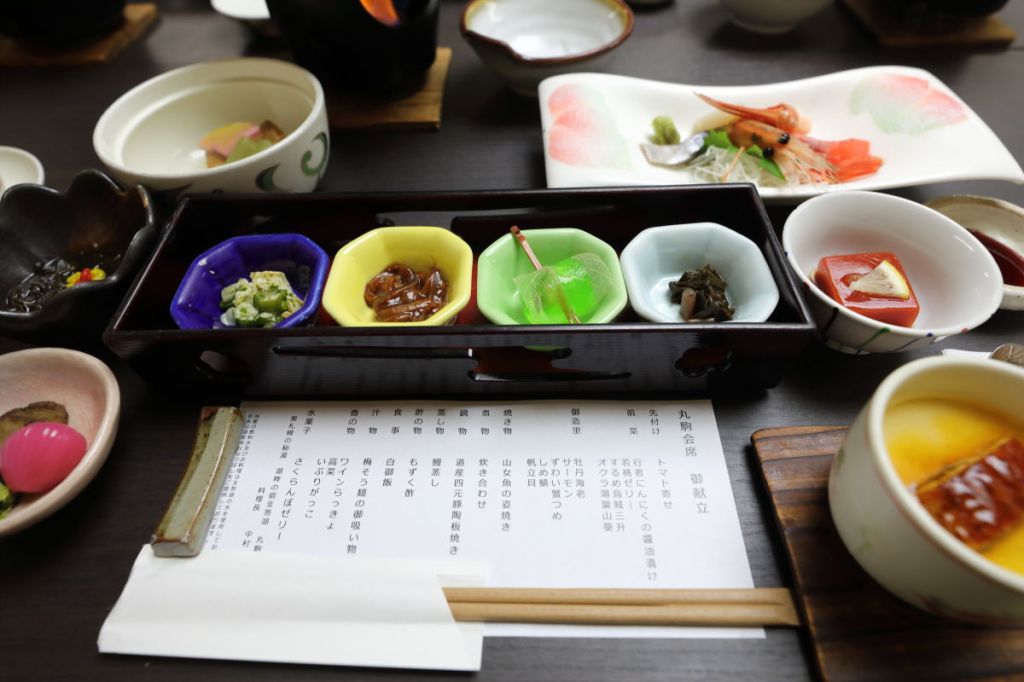
Dinner was a kaiseki meal. The sashimi platter featured botan shrimp, salmon, snow crab claw, cured mackerel, and scallops. It was evident that great care had gone into preparing each of the appetizers.
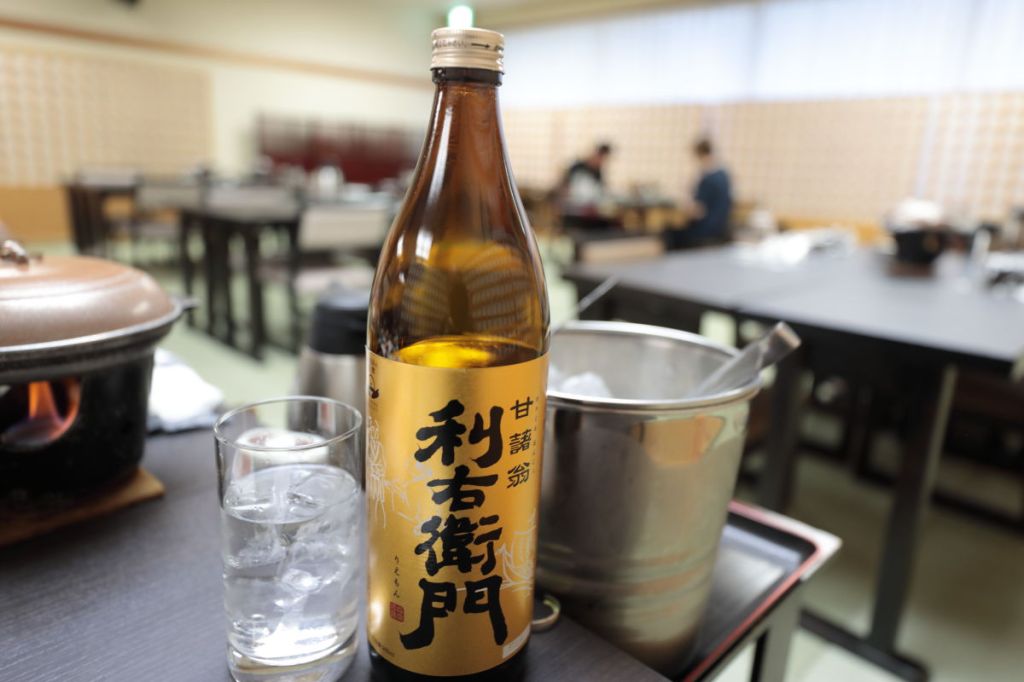
I ordered Riemon, a sweet potato shochu. It is a shochu with a smooth, clean finish.
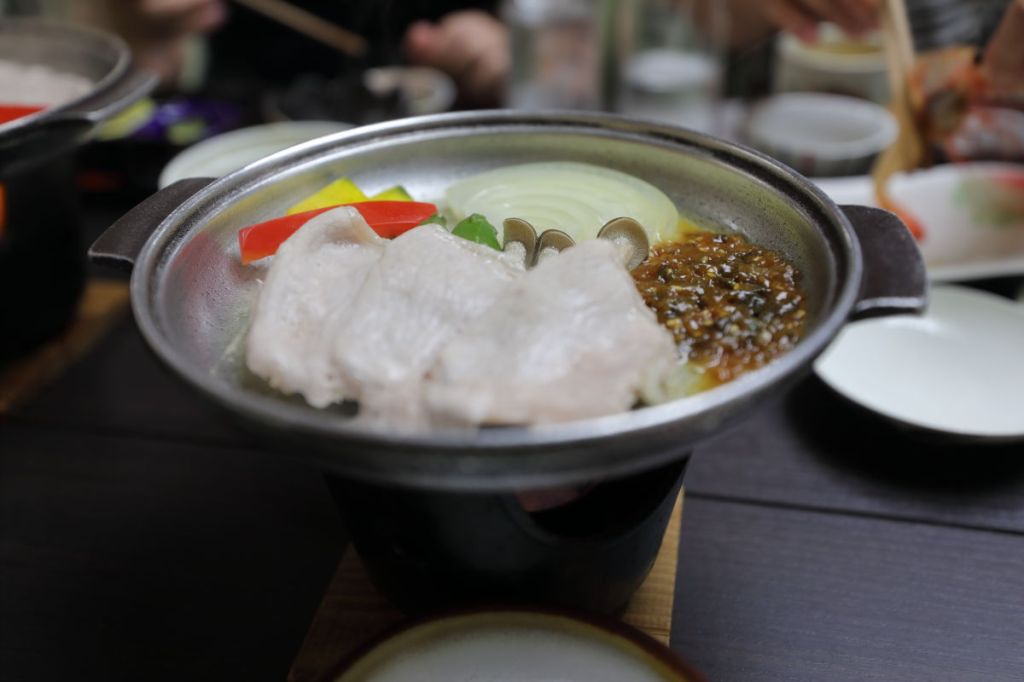
Hokkaido-produced four-breed cross pork grilled on a ceramic plate
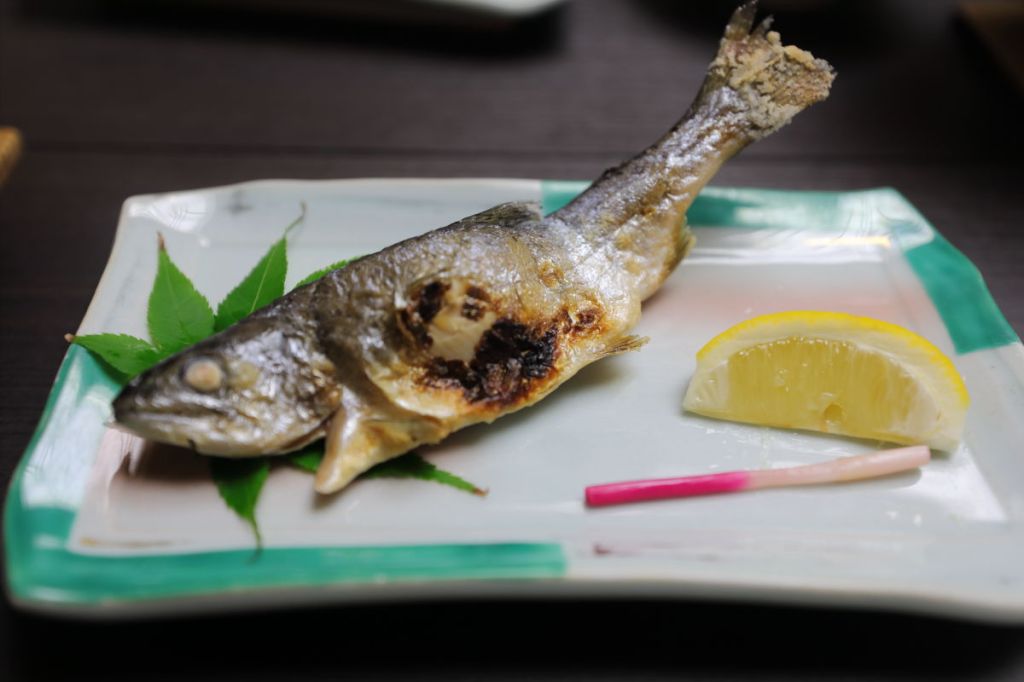
Whole-grilled yamame trout
Cherry jelly for dessert
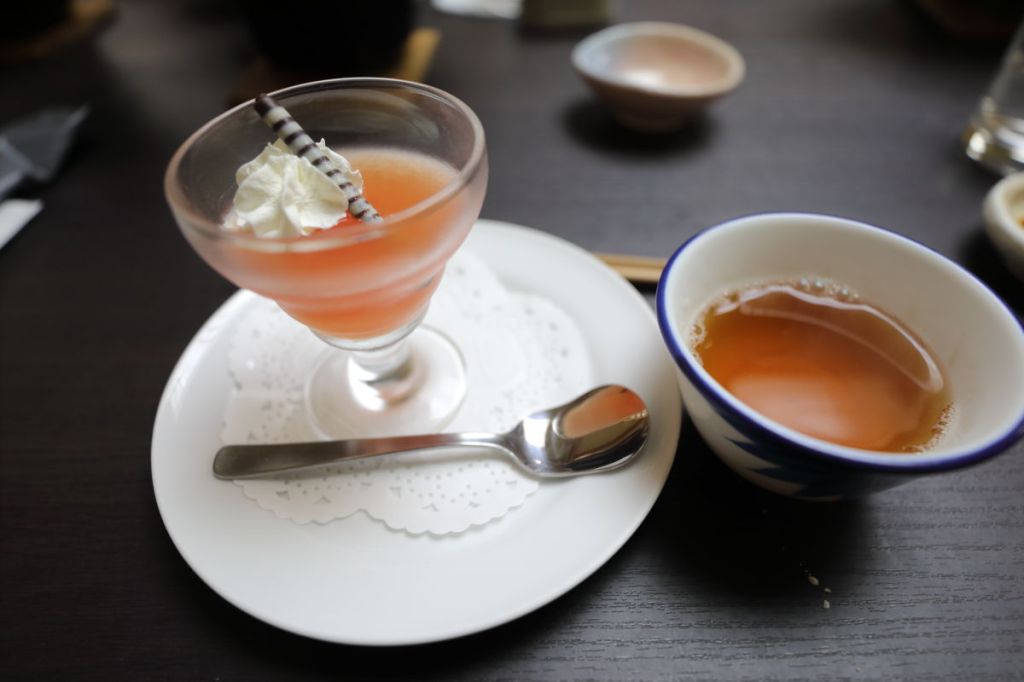
There wasn’t any particular dish that stood out, but I enjoyed the meal.
August 18th(Tue)
I enjoyed a buffet breakfast in the hotel lobby while gazing out at Lake Shikotsu. Today, I am heading to Asahidake Onsen via Biei. It had been since 2014 since my last visit to Shikisai-no-Oka in Biei; the area has since become a major tourist destination and was bustling with crowds, including many visitors from overseas. Since the park is quite large to explore on foot, I toured the grounds on a vehicle pulled by a tractor.
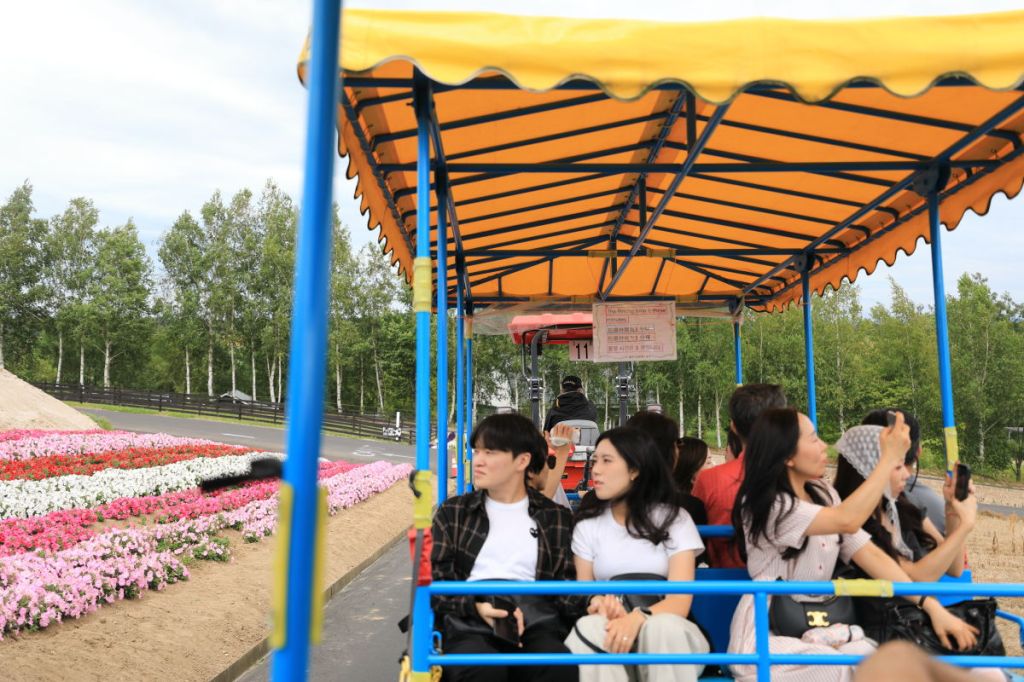
You can also stop for about five minutes along the way to take your time and snap some photos. In the distance, you can see the peaks of the Daisetsuzan mountain range.
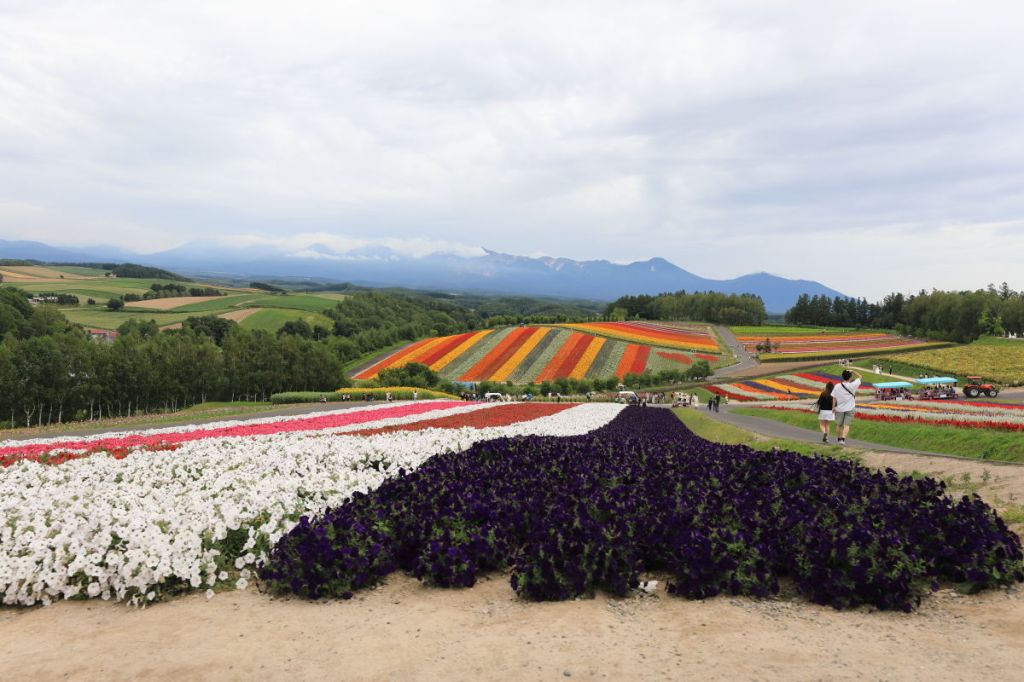
After having lunch at a restaurant in Shikisai-no-Oka, I headed to Yumoto Yukomanso in Asahidake Onsen, where I would be staying for the night. It was a five-story, lodge-style building.
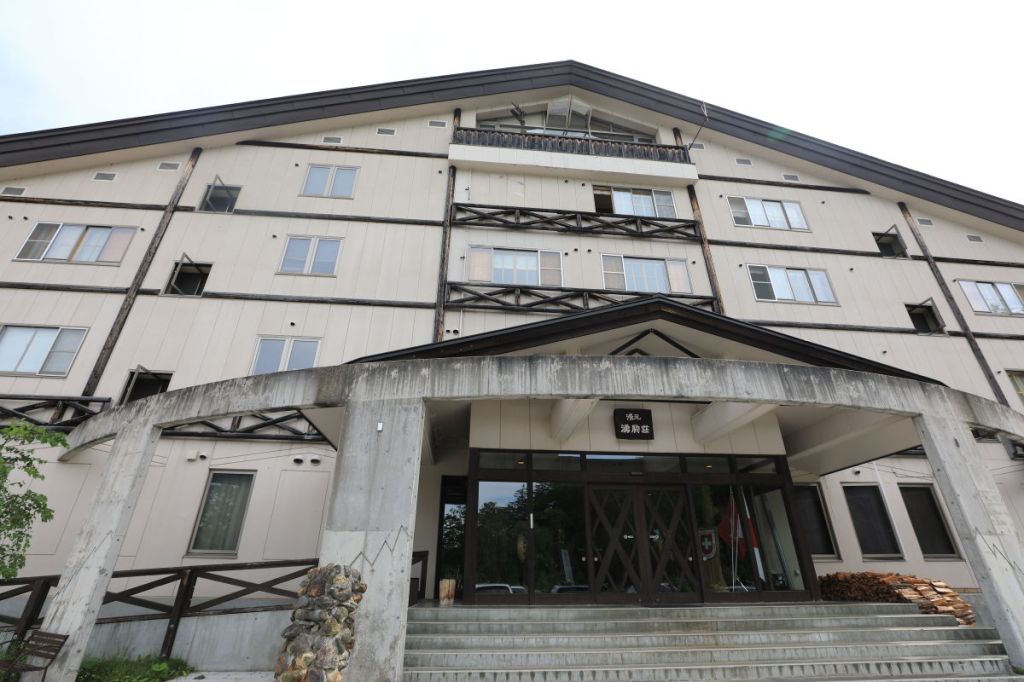
Like the inn where I stayed the previous night, this establishment is a member of the “Association of Japanese Hot Spring Inns” (Nihon Hito o Mamoru Kai). It began operations as a hot spring inn in 1950.
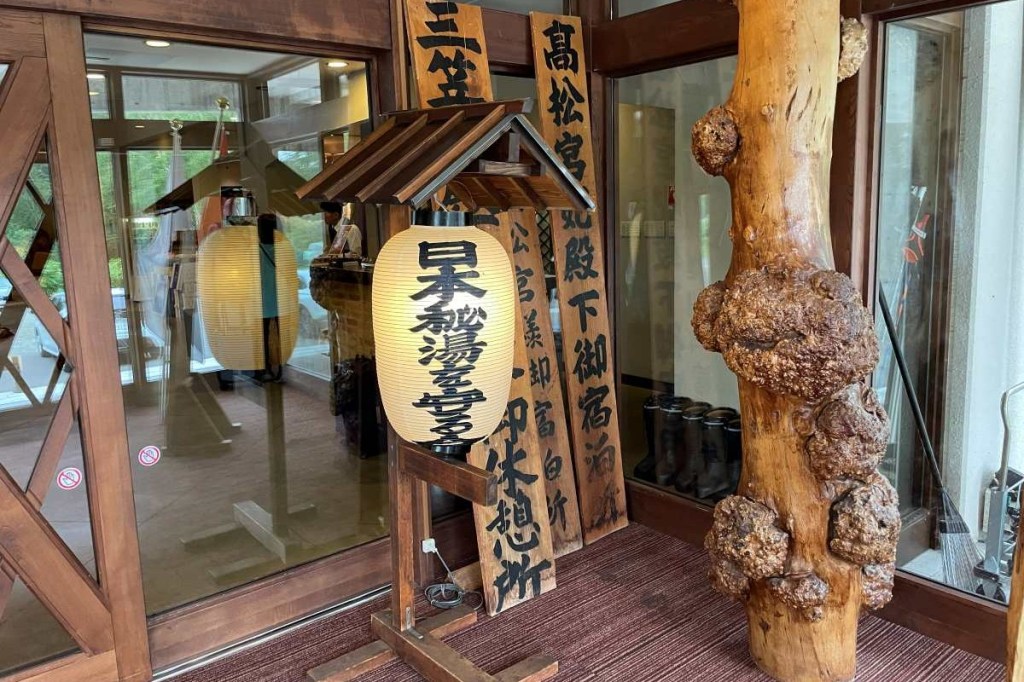
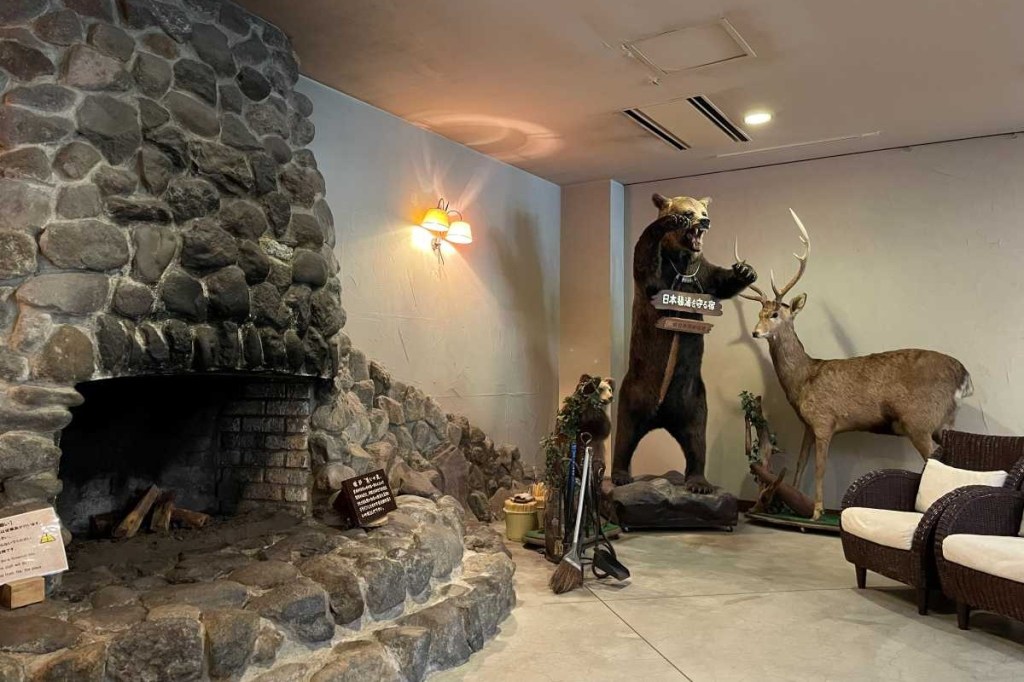
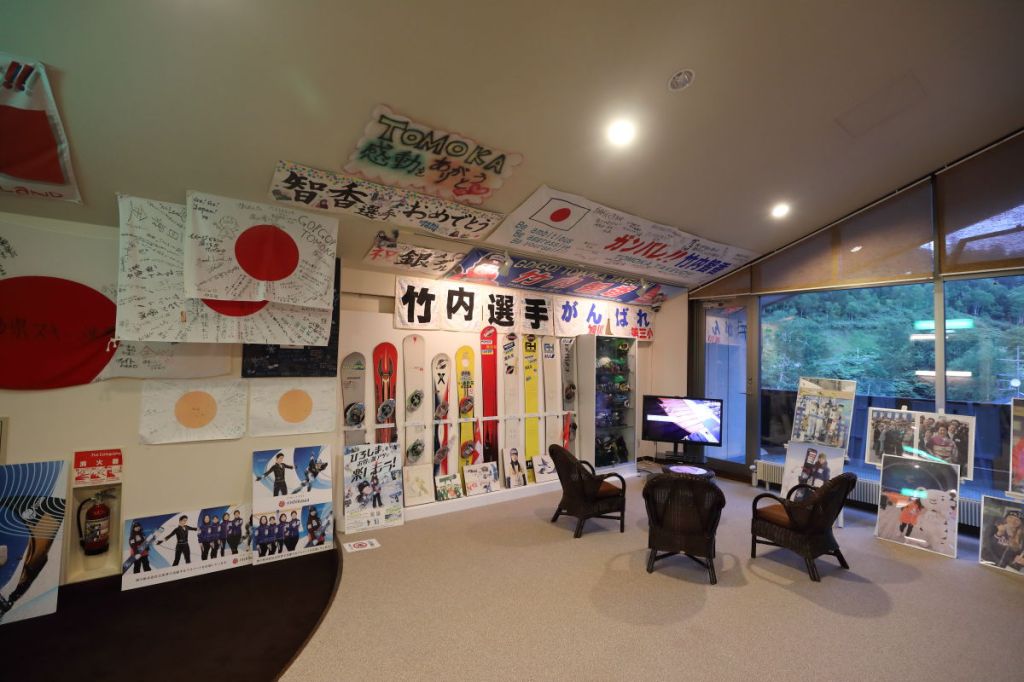
This inn is the family home of Tomoka Takeuchi, who won a silver medal in the snowboard parallel giant slalom at the 2014 Sochi Olympics; she reportedly still visits frequently with friends. There is an exhibition room dedicated to her in the gallery on the fifth floor.
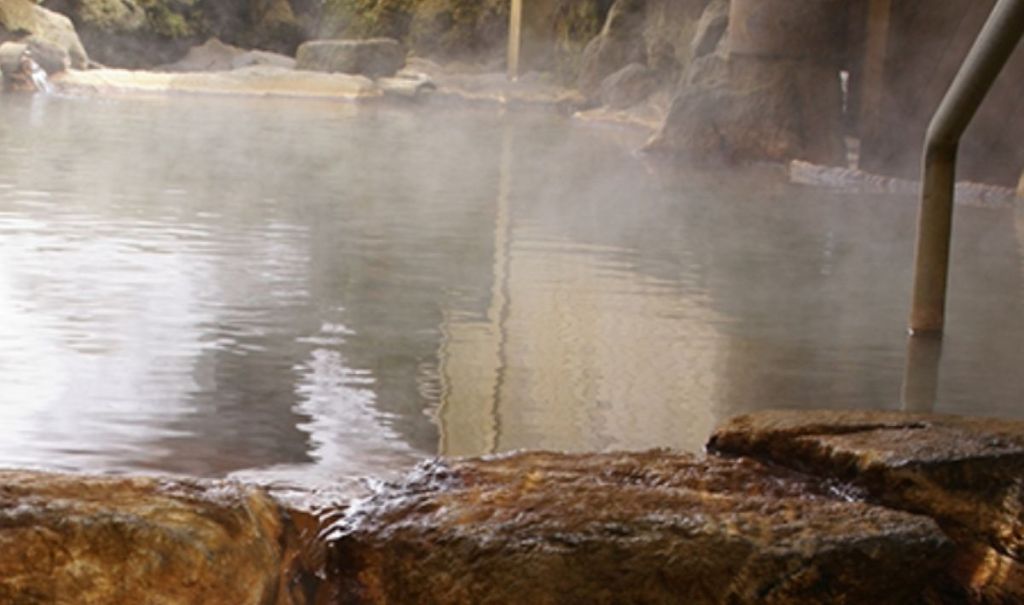
This facility features five types of hot spring sources—sulfate, magnesium-sulfate, bicarbonate, sodium-sulfate, and sodium-calcium-chloride-bicarbonate-sulfate—all of which are available as free-flowing baths. With a total of 17 baths, it is truly a hot spring paradise. The photo is a screenshot from the inn’s website.
Dinner features creative cuisine prepared with local ingredients. The head chef, Takashi Takeuchi, honed his skills at the renowned ryotei (traditional high-end restaurant) Tsuyama in Akasaka, Tokyo, and later worked at the famous Kagaya inn in Wakura Onsen before assuming his current role; he also serves as the president of the inn.
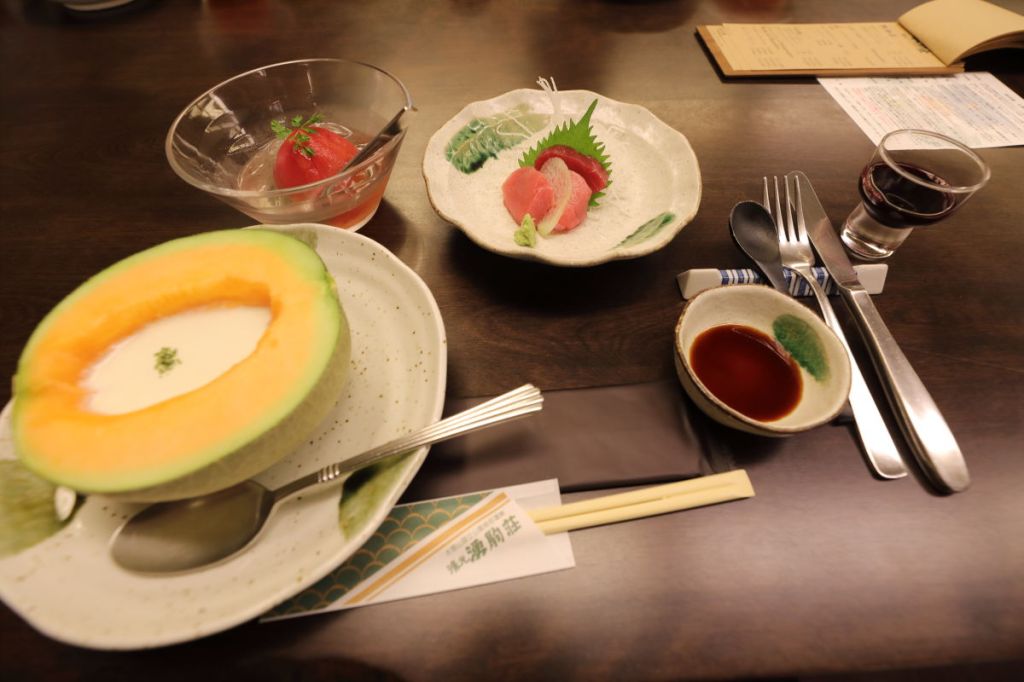
As it was summer, the menu included a dish featuring local melon hollowed out and filled with vichyssoise; enjoying the soup together with the melon flesh was a delicious experience. The white-wine-simmered ripe tomato from Biei—visible in the upper left—was clearly a labor of love and tasted absolutely exquisite.
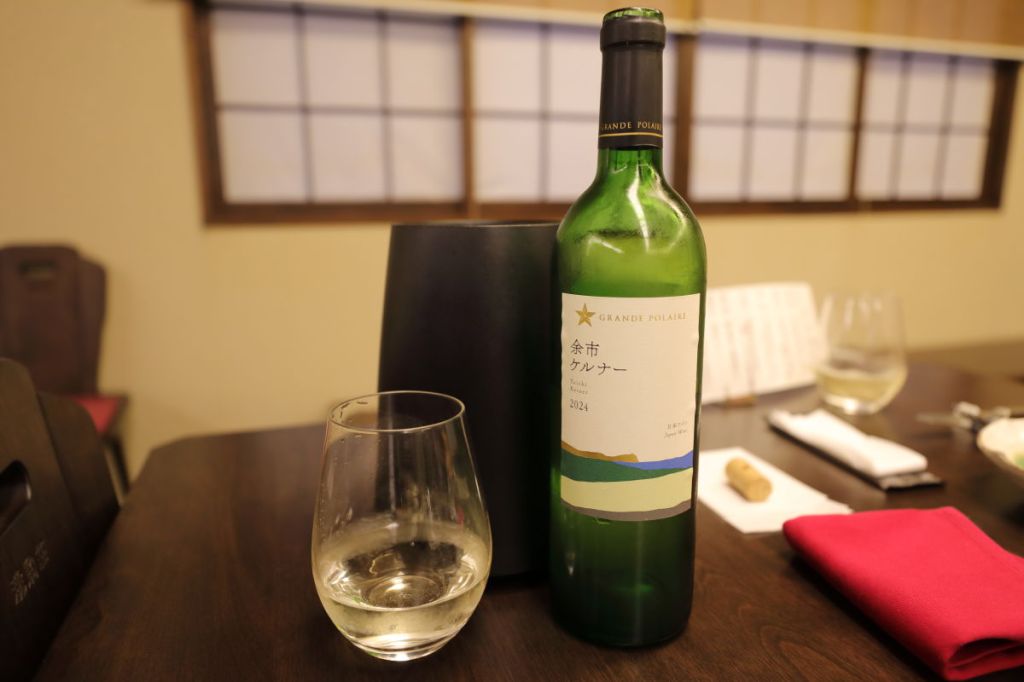
I ordered a white wine called Yoichi Kerner. It is a crisp, off-dry wine with a fruity aroma.
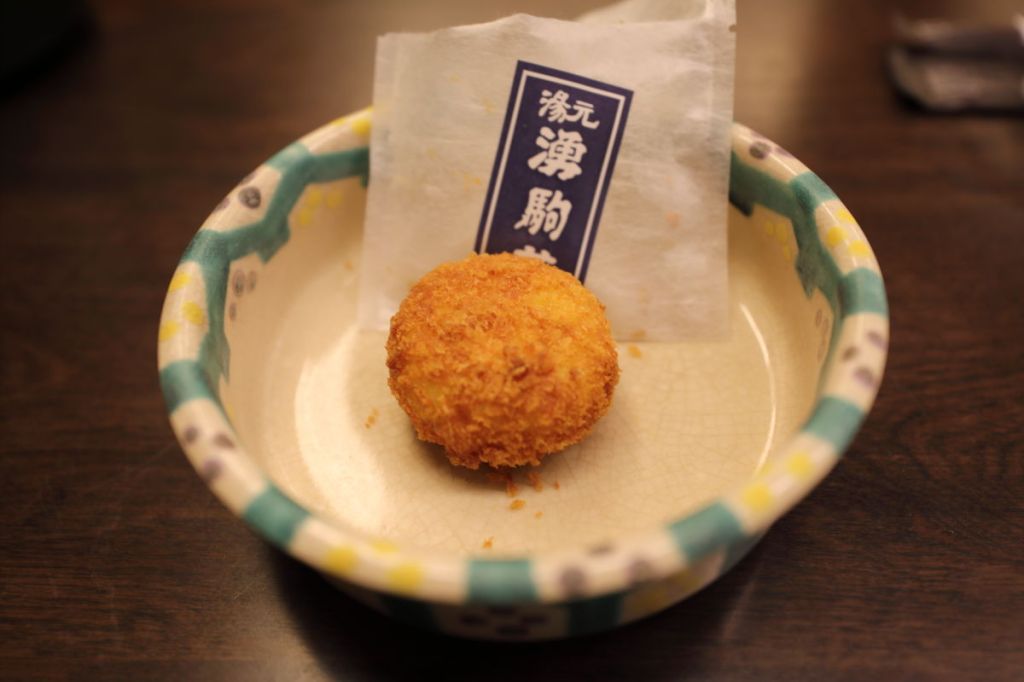
Croquettes made from “Inka no Mezame” potatoes grown in Makubetsu, Tokachi, were served in a bag.
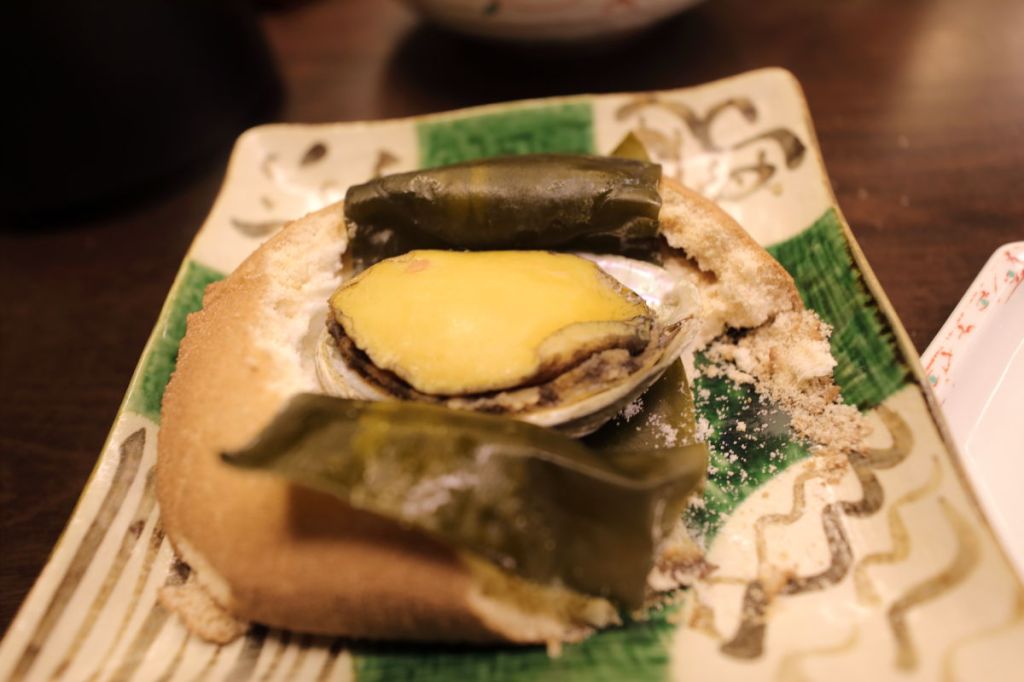
The salt-crusted Ezo abalone is wrapped in kelp and baked in a salt crust, resulting in a dish with a rich, flavorful taste.
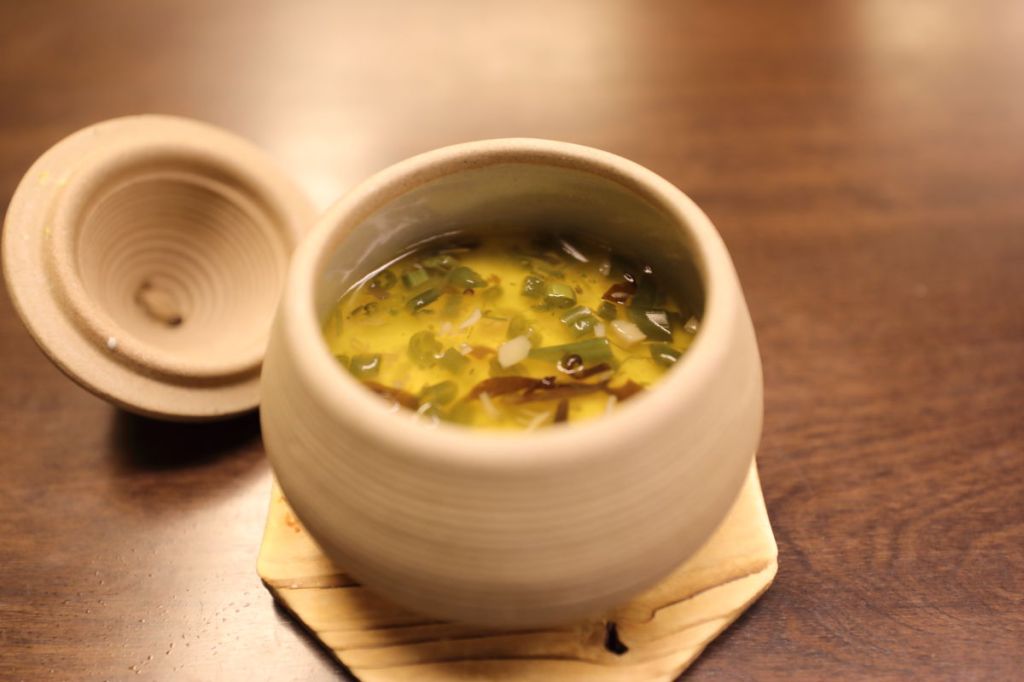
The chawanmushi is also a dish where grilled scallops and summer vegetables pair beautifully.
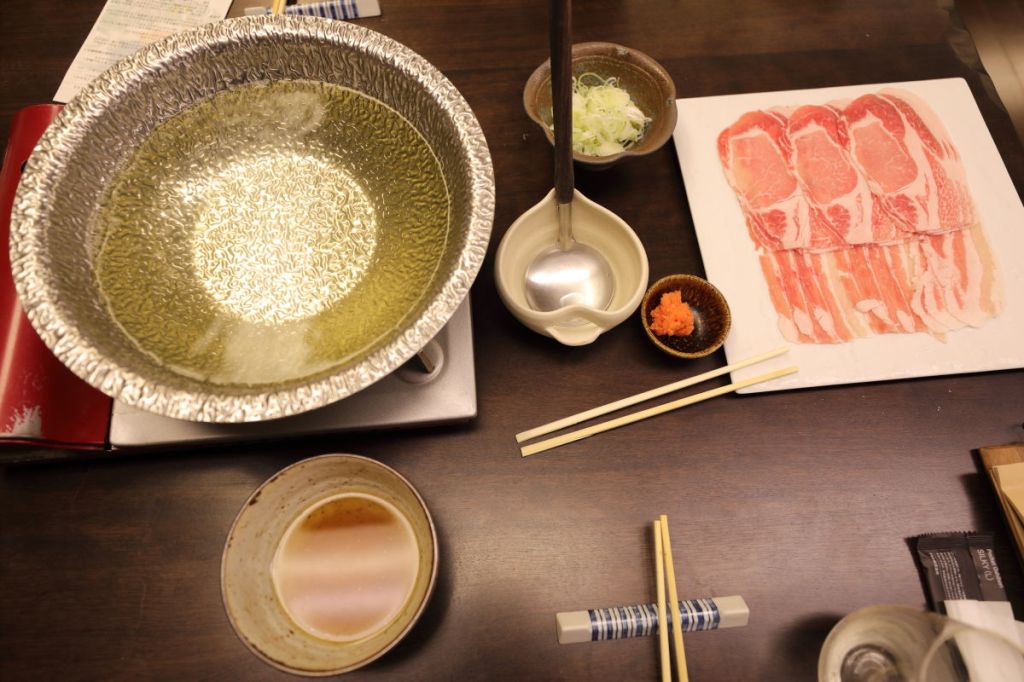
The Shiretoko Clean Pork shabu-shabu was also delicious when warmed in the broth.
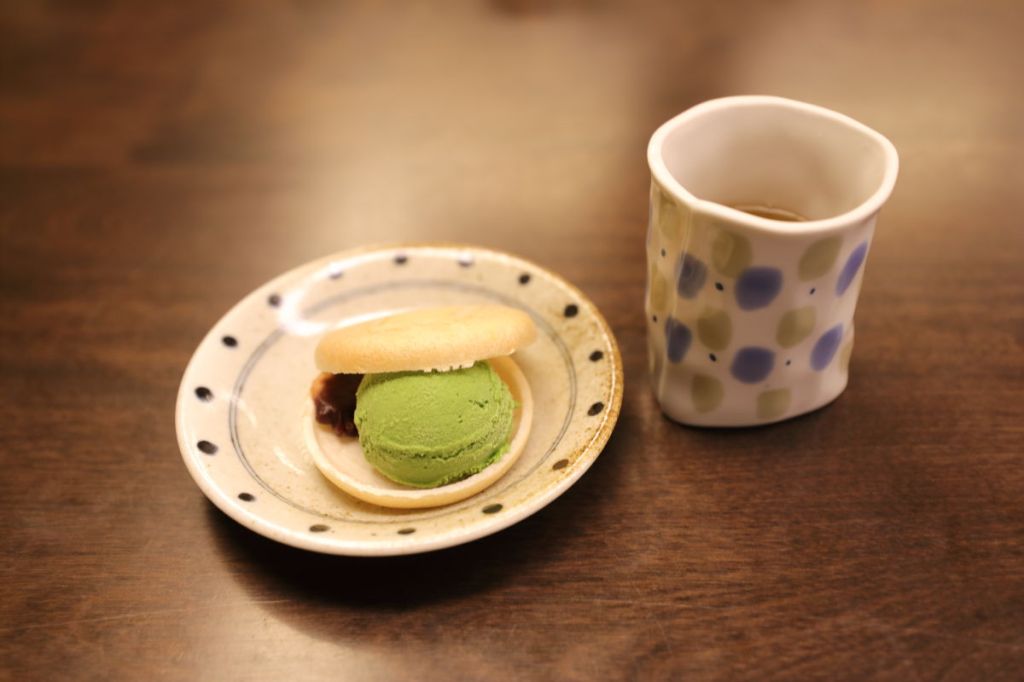
The matcha ice cream monaka served for dessert was exceptional.
The meal was absolutely superb—far beyond what one would expect at a remote hot spring inn.
August 19th(Wed)
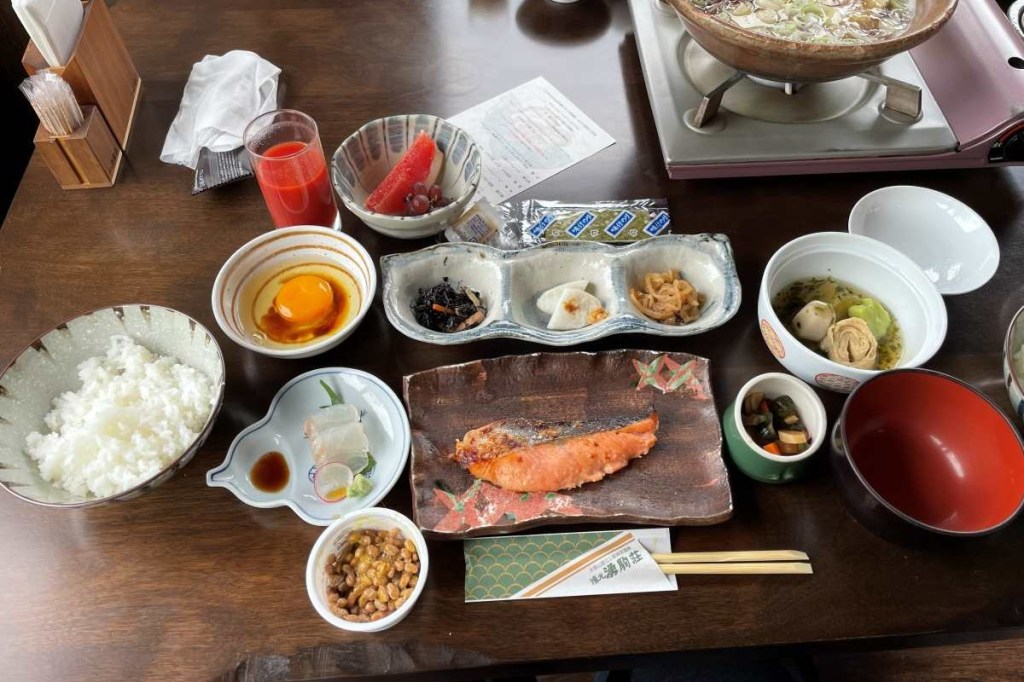
Breakfast was a Japanese-style set meal. Every dish—such as the grilled silver salmon marinated in salted rice malt—showed that extra touch of care and effort.
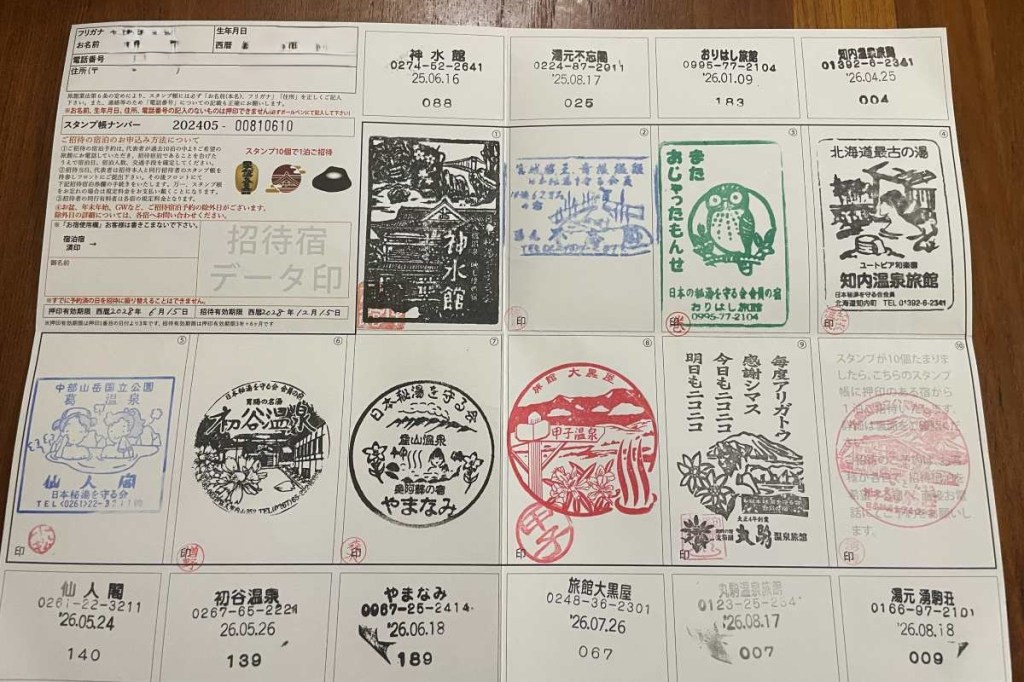
Staying here completed my stamp book for the “Hidden Hot Springs” (Hito) collection—all ten slots are now filled. I was fortunate to stay at such a wonderful inn to mark the grand finale of this journey. Having completed the set, I am now entitled to one free night’s stay at any of the ten inns I visited.
Today, I am heading to Lake Abashiri in eastern Hokkaido.
 旅好き爺の旅行記
コメントを残す