

From Saturday, August 15, to Saturday, August 22, I toured Hokkaido with my own car, utilizing ferries for the journey. My itinerary took me from home to Oarai Port, then to Noboribetsu Onsen, Lake Shikotsu Onsen, Asahidake Onsen, Lake Abashiri, Obihiro, Tomakomai Port, and Sendai Port, before returning home. The total driving distance was 1,614 km—the longest distance I have ever covered in a single trip. I am sharing the details of this journey on my blog in three parts: (1) Oarai and Noboribetsu Onsen, (2) Lake Shikotsu Onsen and Asahidake Onsen, and (3) Lake Abashiri and Obihiro.
In this post, I will introduce the Western-style accommodations I stayed at in the Lake Abashiri and Obihiro areas (Part 3).
August 19th (Wed)
After departing from Yukomaso in Asahidake Onsen, I headed straight for Lake Abashiri in eastern Hokkaido. After passing through the Asahikawa area, I drove along National Route 450—the Asahikawa-Monbetsu Expressway, a toll-free expressway—but there were hardly any parking areas along the way; the only one available was the Shirataki Roadside Station parking area.
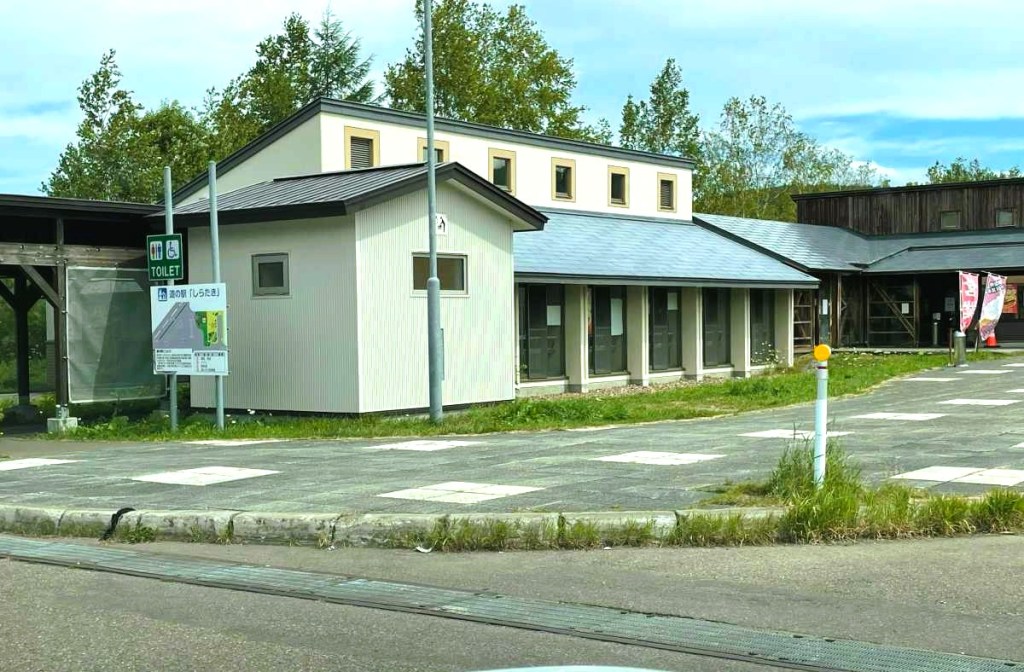
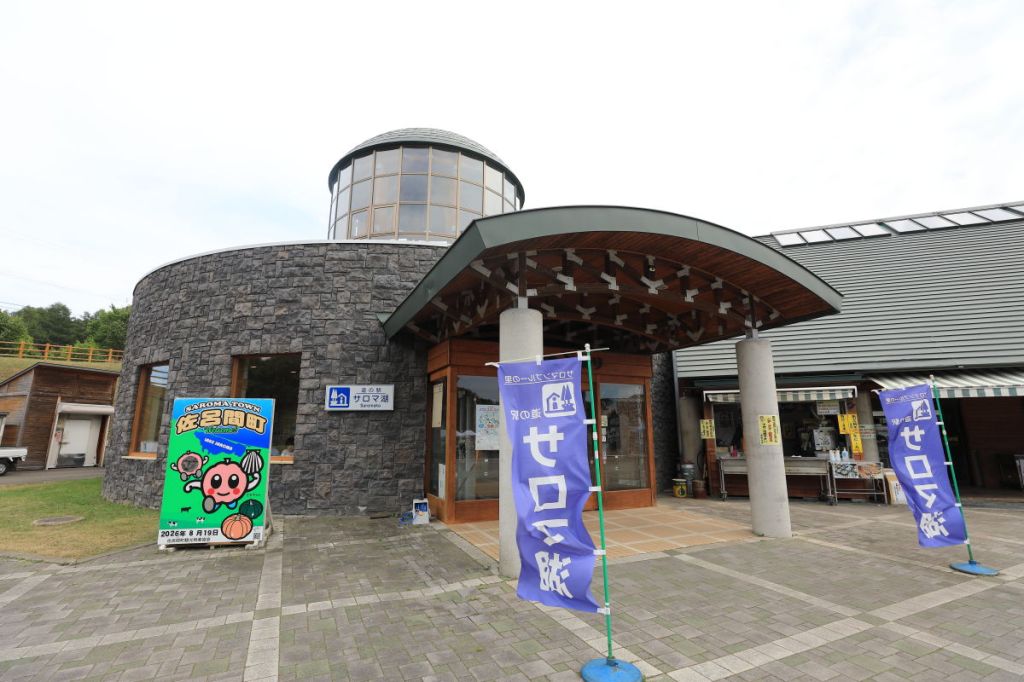
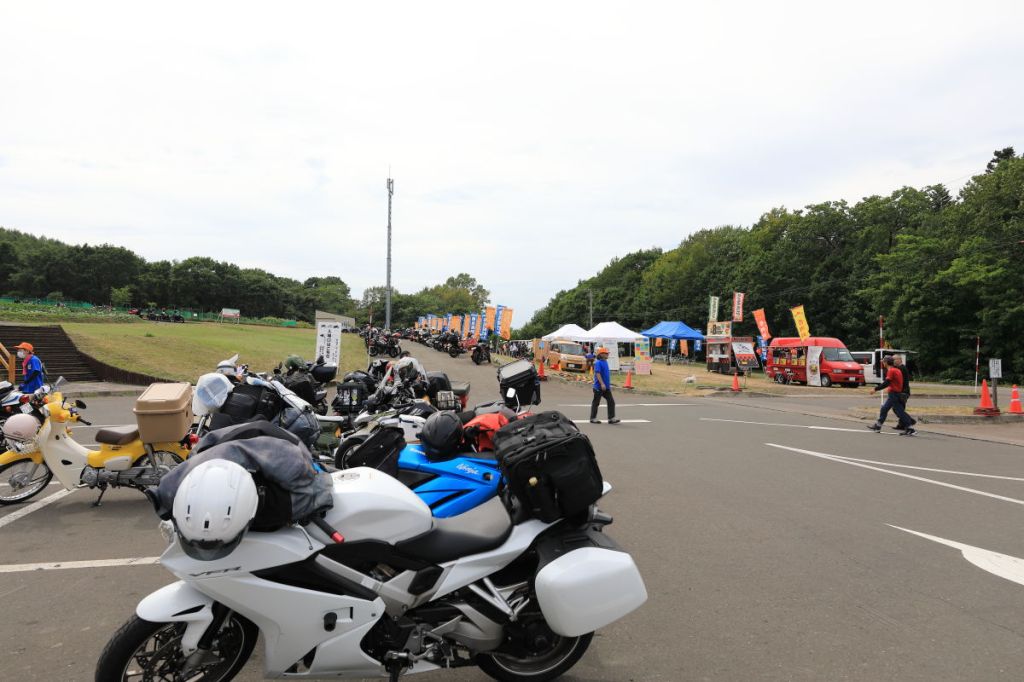
After a restroom break, I headed toward Lake Saroma. I decided to have lunch at the “Michi-no-Eki” (Roadside Station) Saroma-ko. The parking area was filled with countless motorcycles; it turned out that August 19th is “Motorcycle Day,” and a motorcycle event called the “Saroma Summer Coffee Break” was being held there.
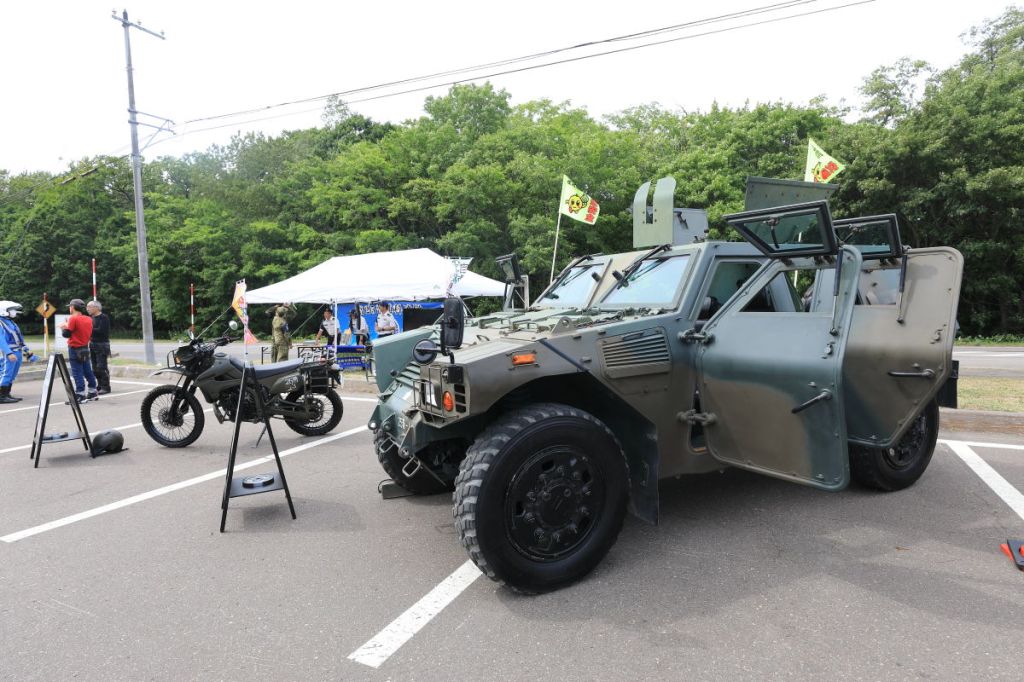
Ground Self-Defense Force light armored vehicles and motorcycles were also on display.
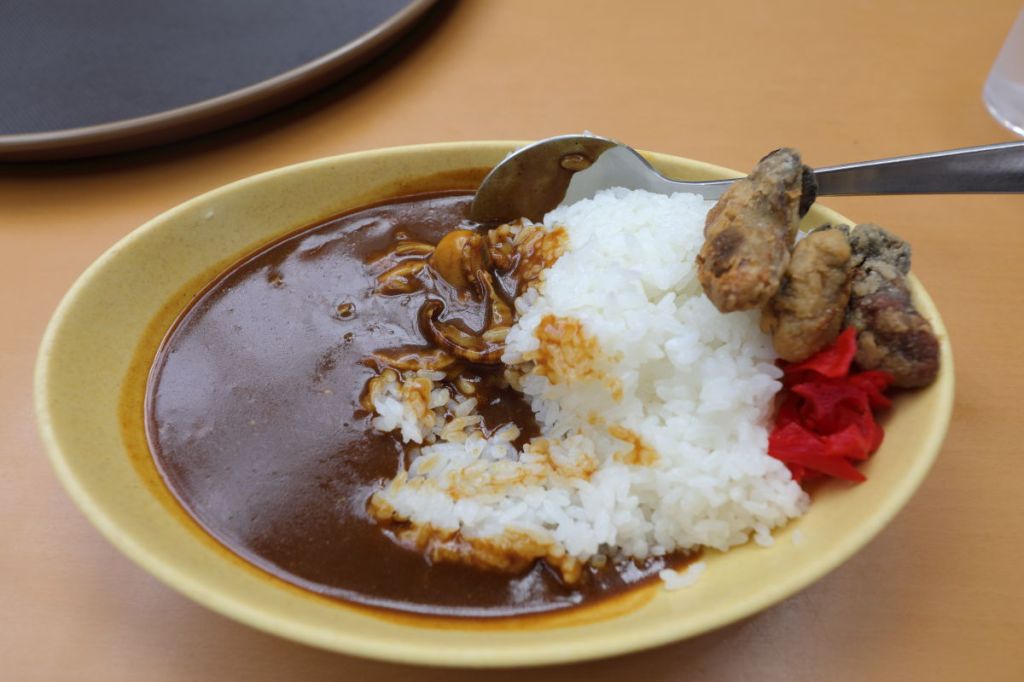
Since I was at Lake Saroma, I ordered the curry featuring the local specialty—scallops—and added an extra topping of deep-fried oysters. While the scallops didn’t stand out much, the taste was decent.
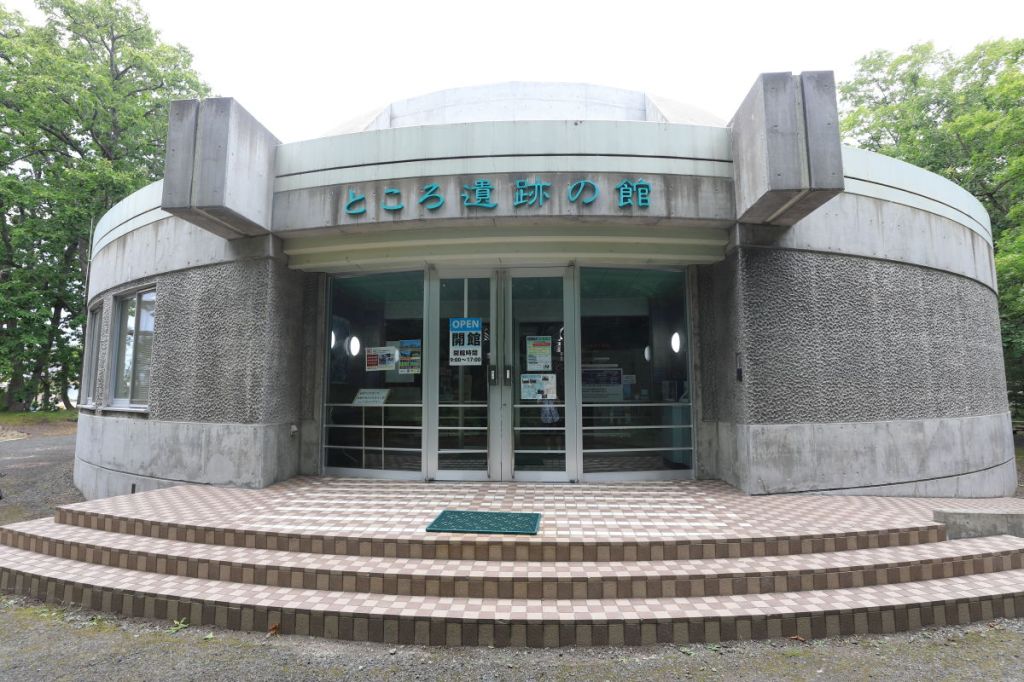
I had hoped to see Lake Saroma, but the view was blocked by woods; I tried going to the observation deck at the top of the hill, but gave up on the climb after seeing the long flight of stairs from the parking lot. I did catch a glimpse of the lake from my car window, but it looked more like the sea than a lake. Next, I headed to the Tokoro Archaeological Site Museum by the lakeshore. The Tokoro site is a nationally designated historic site and home to one of Japan’s largest collections of pit-dwelling ruins.
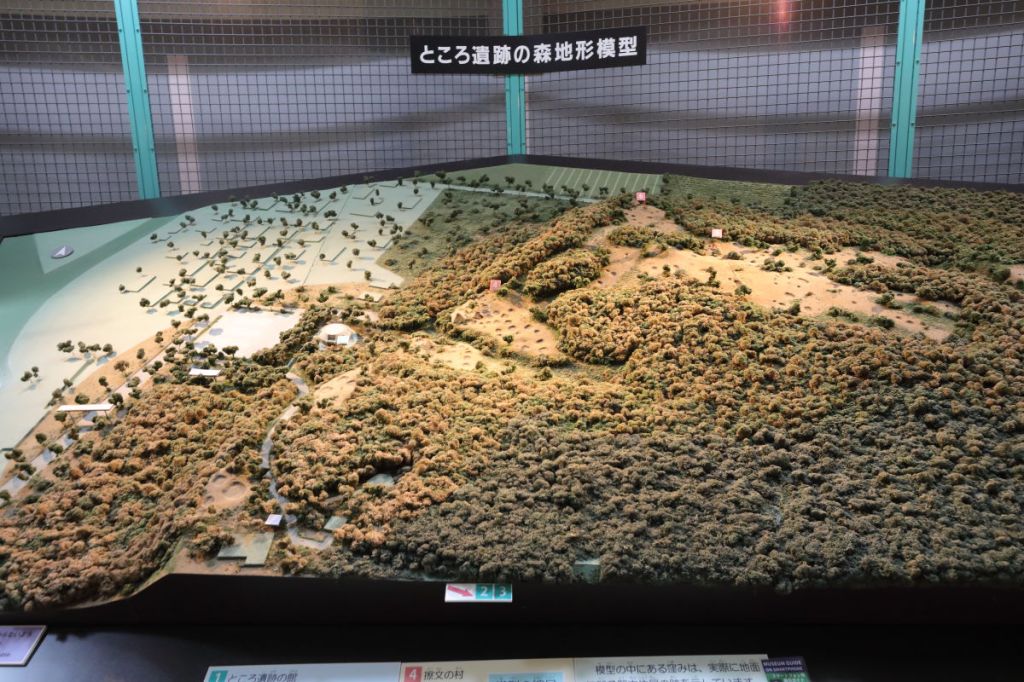
The area with the depression appears to be the site of a former dwelling.
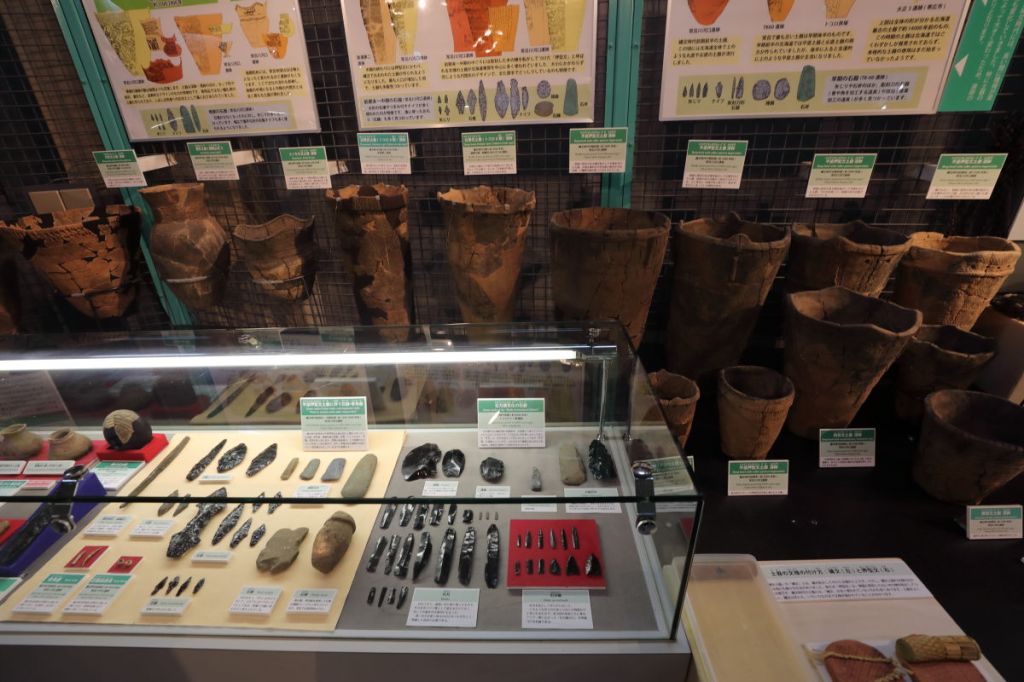
The site features various archaeological remains spanning from the Paleolithic era to Ainu culture, with excavated artifacts on display. I learned for the first time that Hokkaido did not experience the Yayoi period—as rice cultivation was not possible there—but instead saw the continuation of the Epi-Jomon period. Additionally, the Okhotsk culture existed in this region from the 3rd to the 13th century.
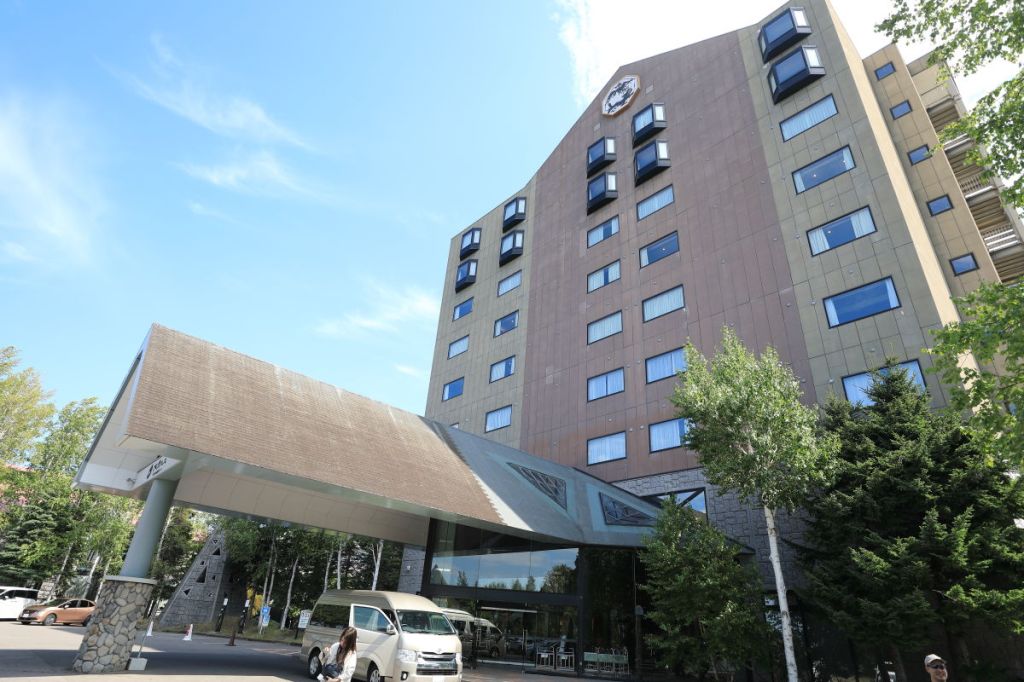
After the tour, I headed to Lake Abashiri Tsuruga Resort, where we would be staying for the night.
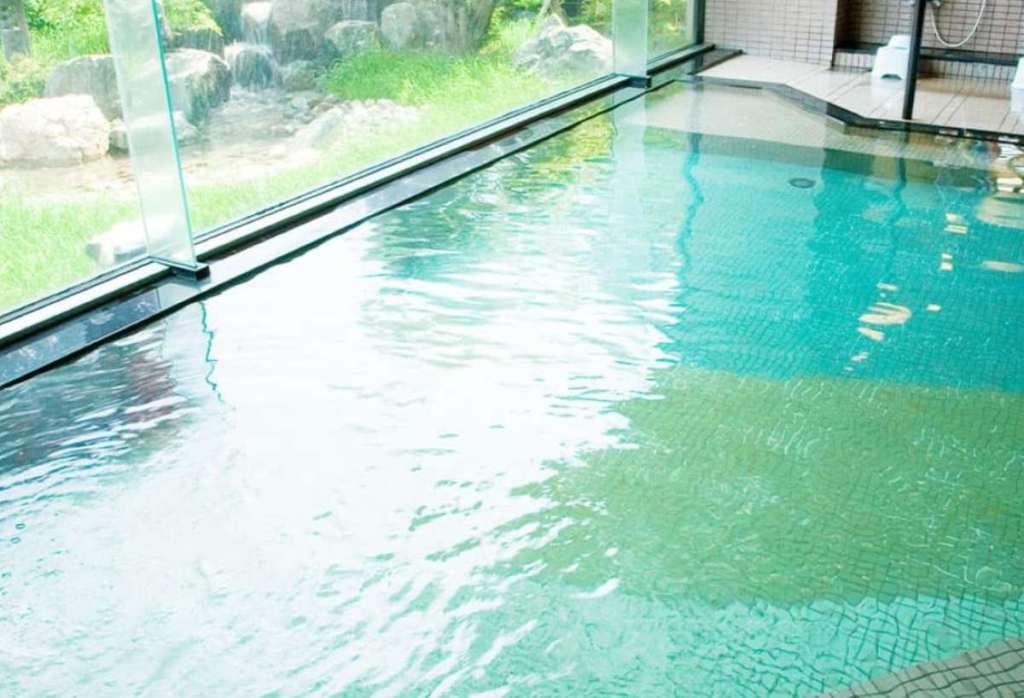
This facility features a simple alkaline hot spring, and guests can also enjoy bedrock baths free of charge. The photo is a screenshot from the hotel’s website. An open-air bath is also available outdoors.
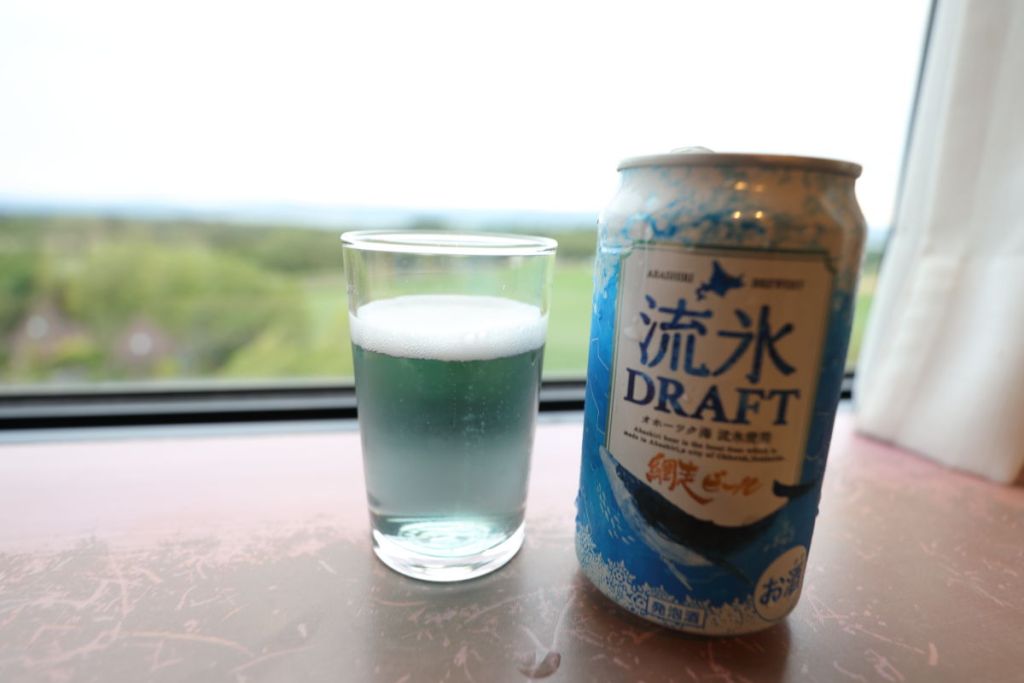
After my bath, I quenched my thirst with “Ryuhyo Draft” beer, brewed using drift ice from the Sea of Okhotsk as the water source. Colored blue with natural gardenia pigment, it perfectly evokes the image of the drift ice.
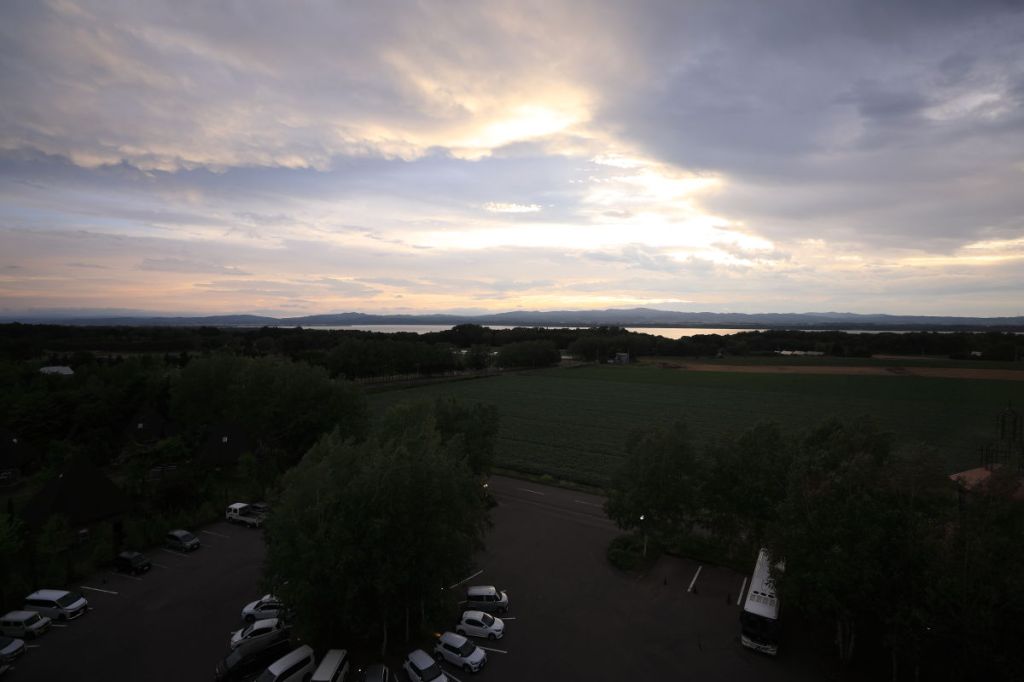
From the room’s window, I could see the sunset over Lake Abashiri.
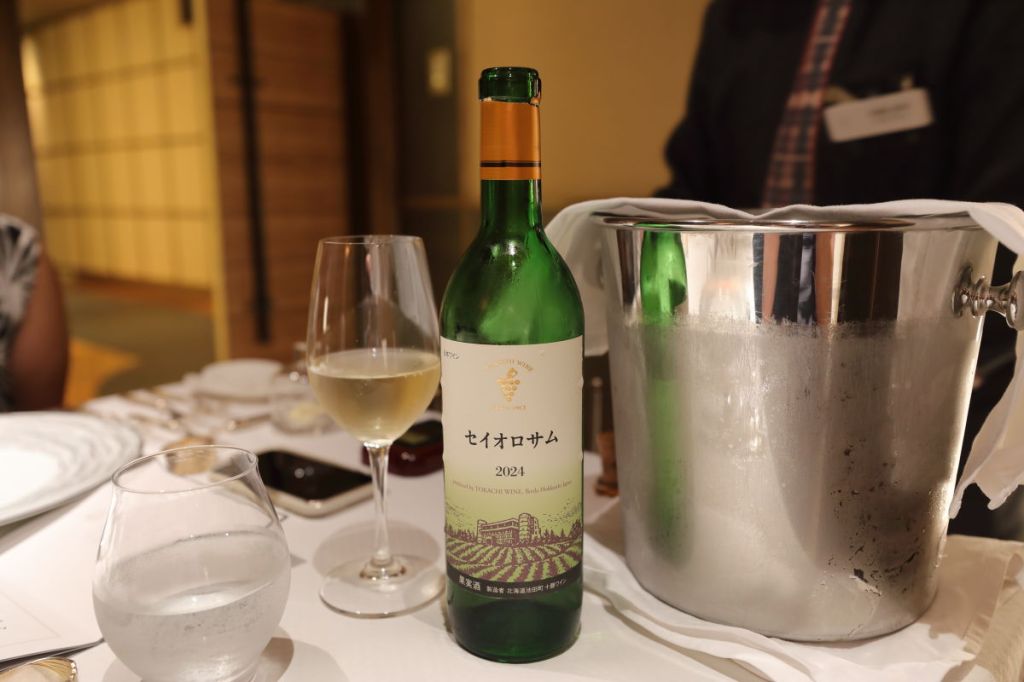
To go with my Okhotsk Sea-style French cuisine today, I ordered a glass of Tokachi Wine’s “Seiorosamu” white wine. Although it was a fruity, dry wine, it lacked depth and felt somewhat watery.
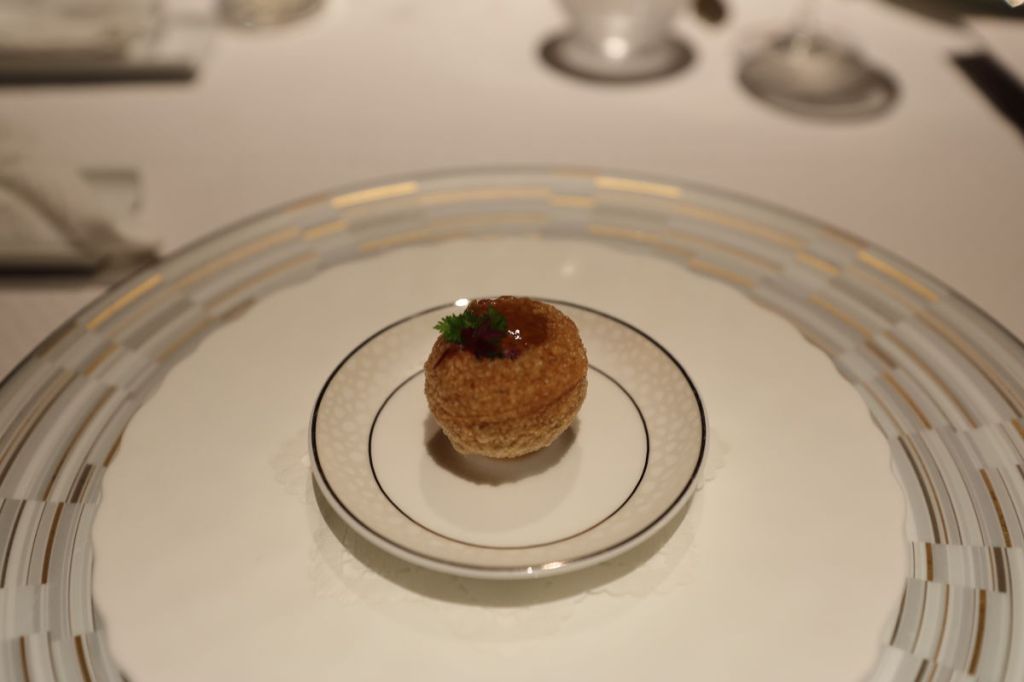
When you peel away the outer coating, you find Higashimokoto beef toro tartare and a Japanese-style gelée inside.
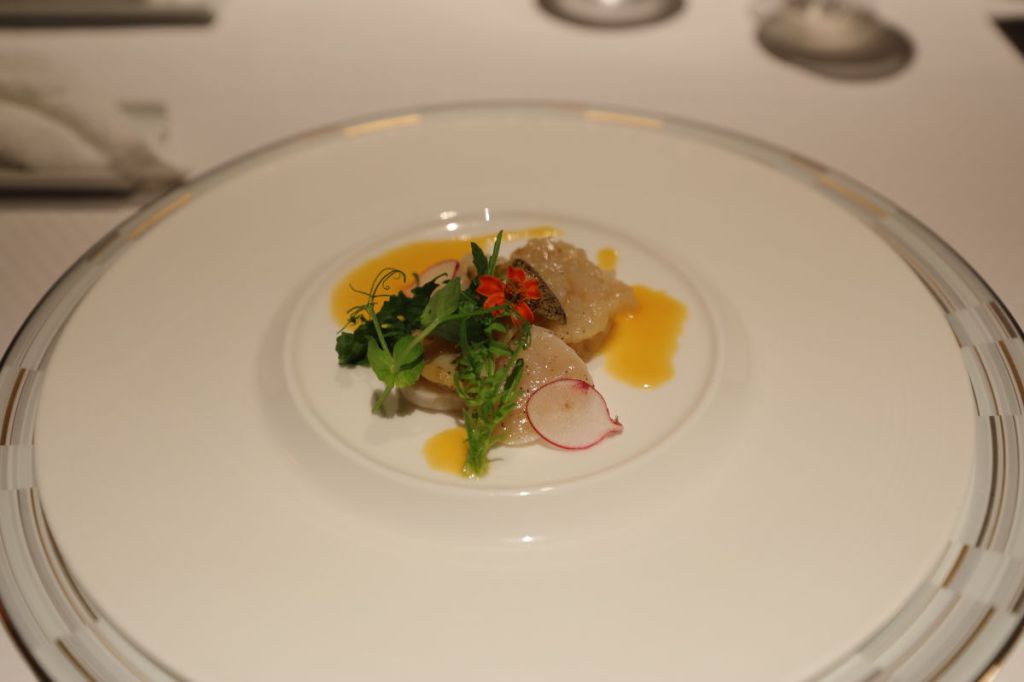
Scallop Tartare and Whelk Salad
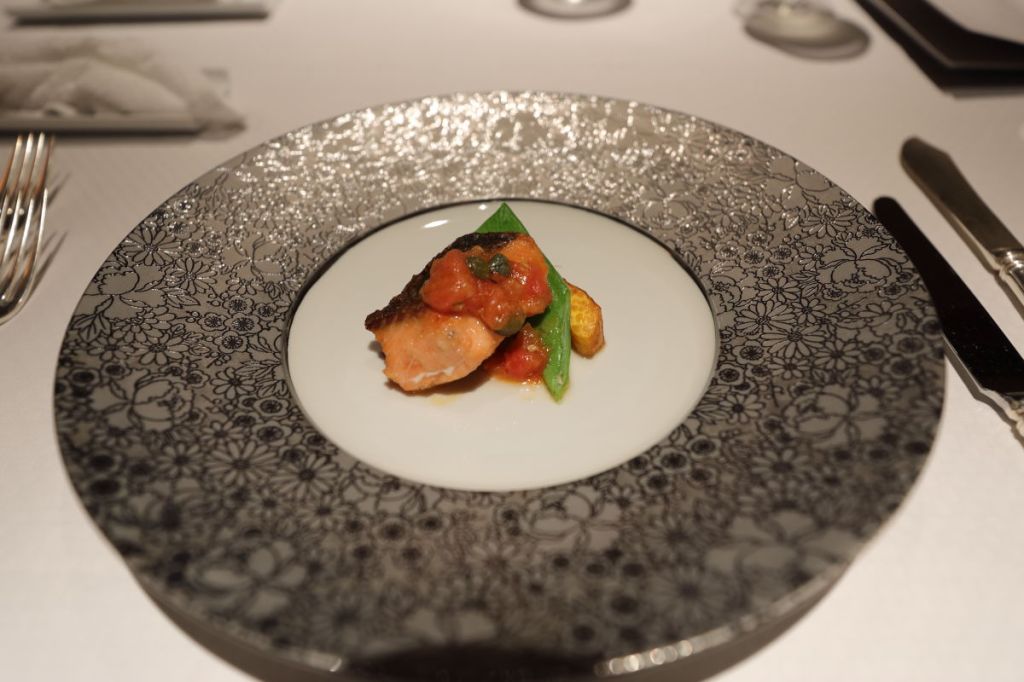
“Ginsei” salmon meunière with Provençal sauce. “Ginsei” salmon is caught off the coast of Hidaka and is prized for its rich, perfectly balanced fat content.
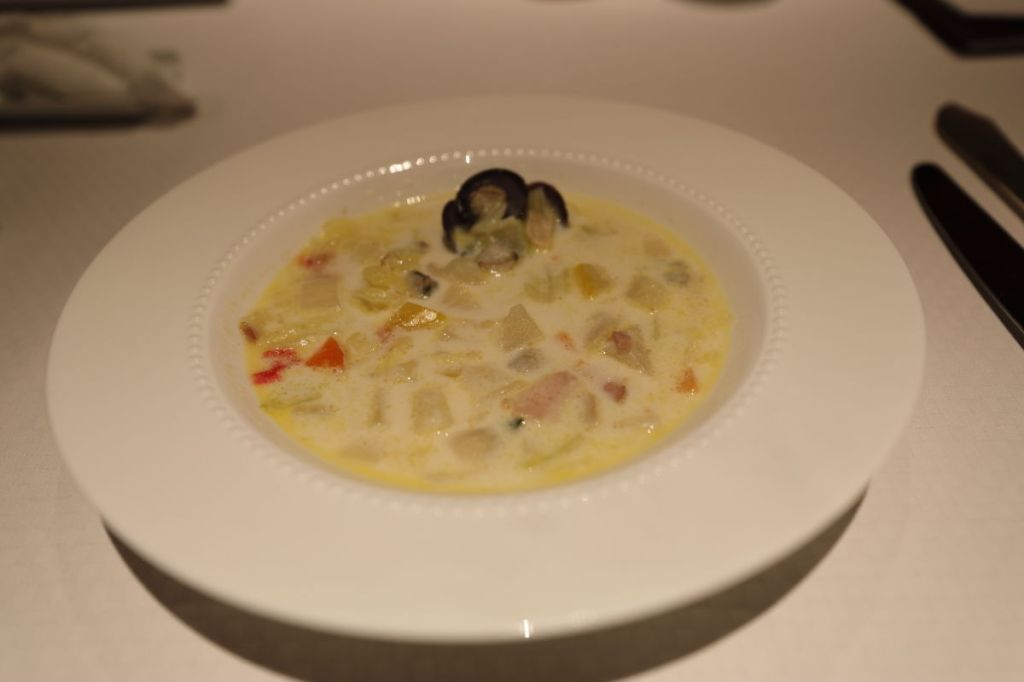
This shijimi clam chowder is made using shijimi clams from Lake Abashiri. Lake Abashiri is apparently the seventh-largest production area for these clams in Japan.
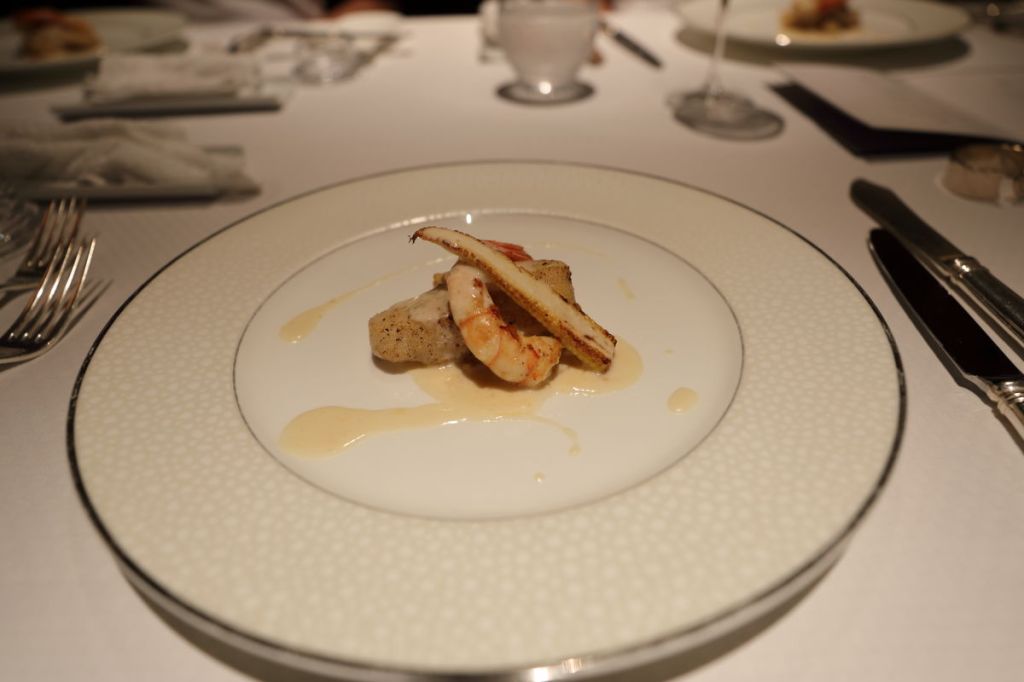
Flounder, Botan shrimp, and sea urchin risotto
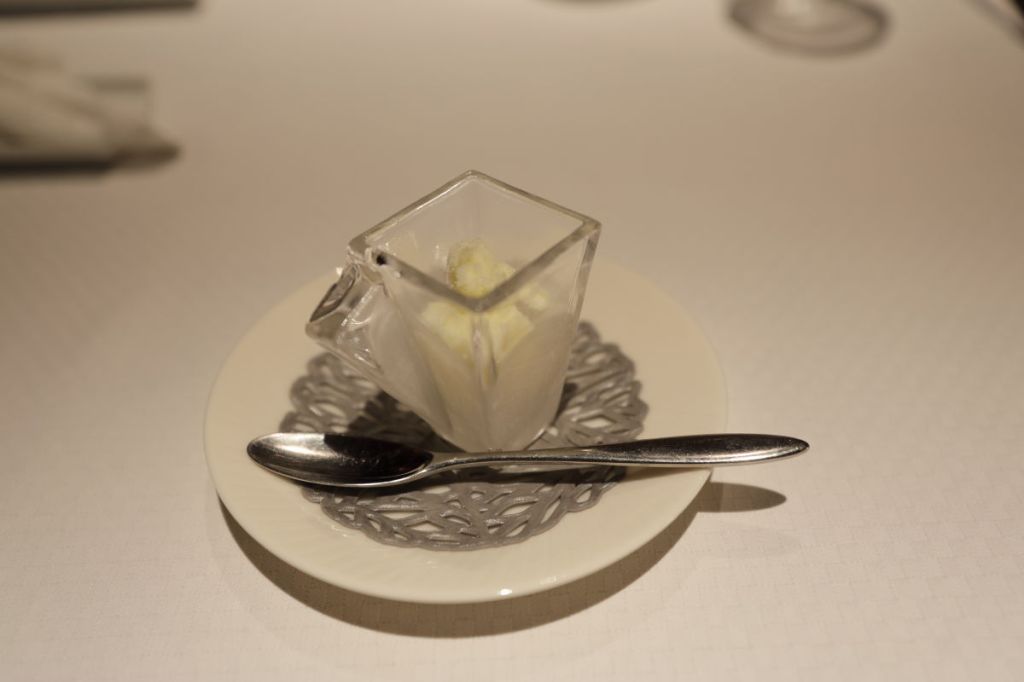
A palate-cleansing sorbet was served.
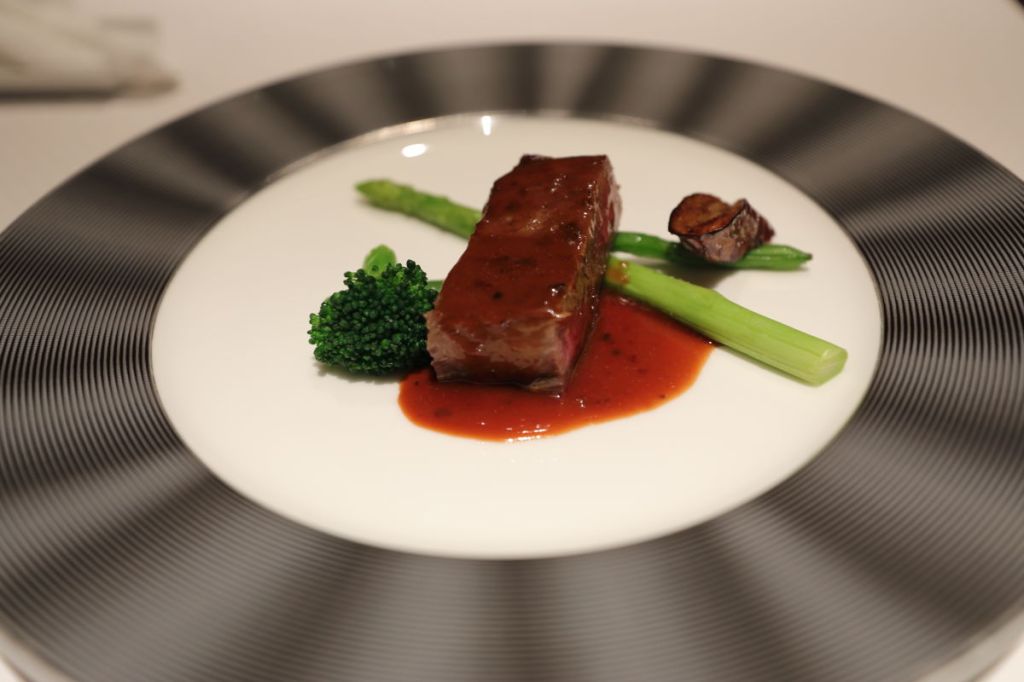
Abashiri Prison Wagyu roast steak with black pepper sauce. The Wagyu beef from Abashiri Prison is rated A5, but it is highly prized for its rarity, with only about 20 head shipped annually. It was a delicious steak with a natural sweetness.
For dessert, I had a Basque cheesecake topped with sorbet, and the taste was every bit as good as the Basque cheesecake I had in San Sebastián.
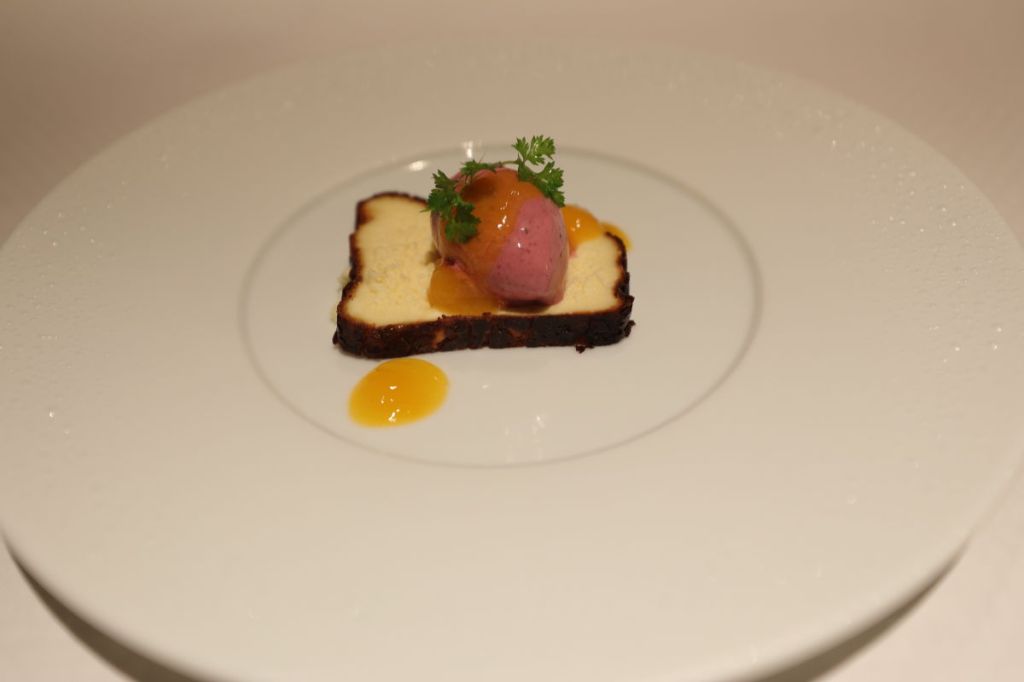
Each dish was delicious, but I was bothered by the long gaps between them.
August 20th(Thr)
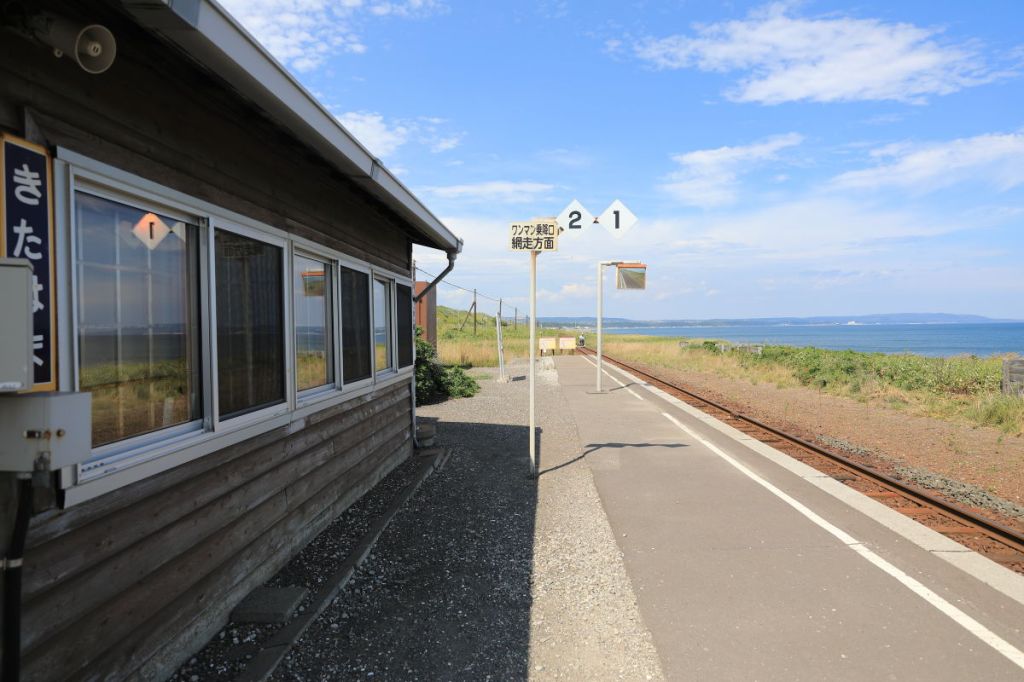
Today, I am heading to Obihiro while doing some sightseeing along the way. After a buffet breakfast, I first visited Kitahama Station on JR Hokkaido’s Senmo Main Line, located nearby. This station is famous for being the closest to the Sea of Okhotsk, situated just 20 meters from the coast.
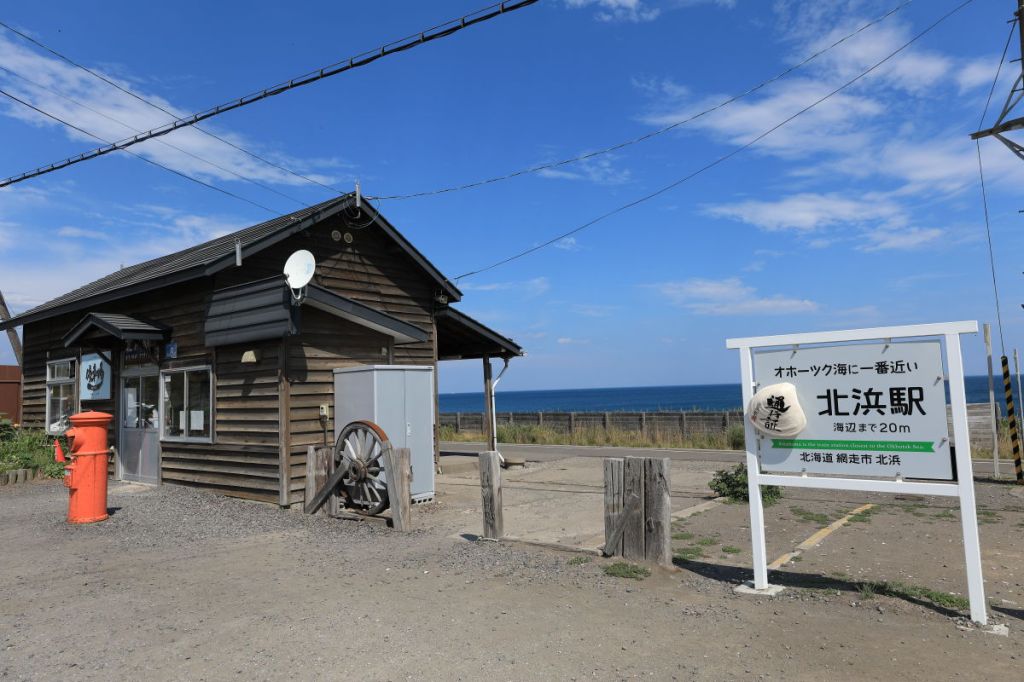
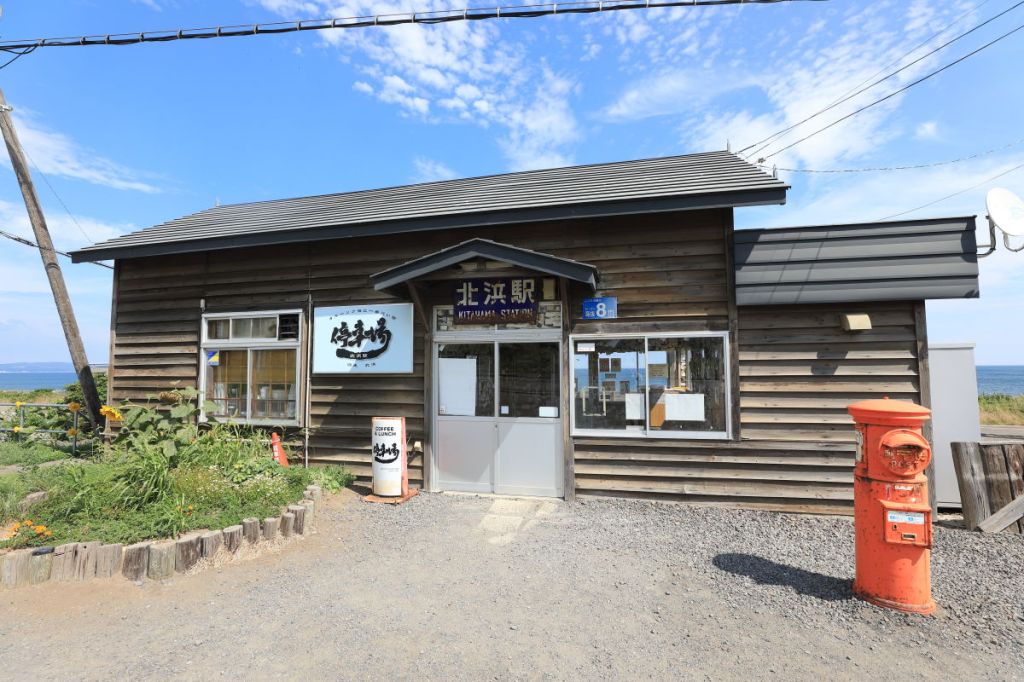
Although it is an unmanned station, there is a café called “Teishajo” where you can have lunch; however, I arrived too early, so it wasn’t open yet.
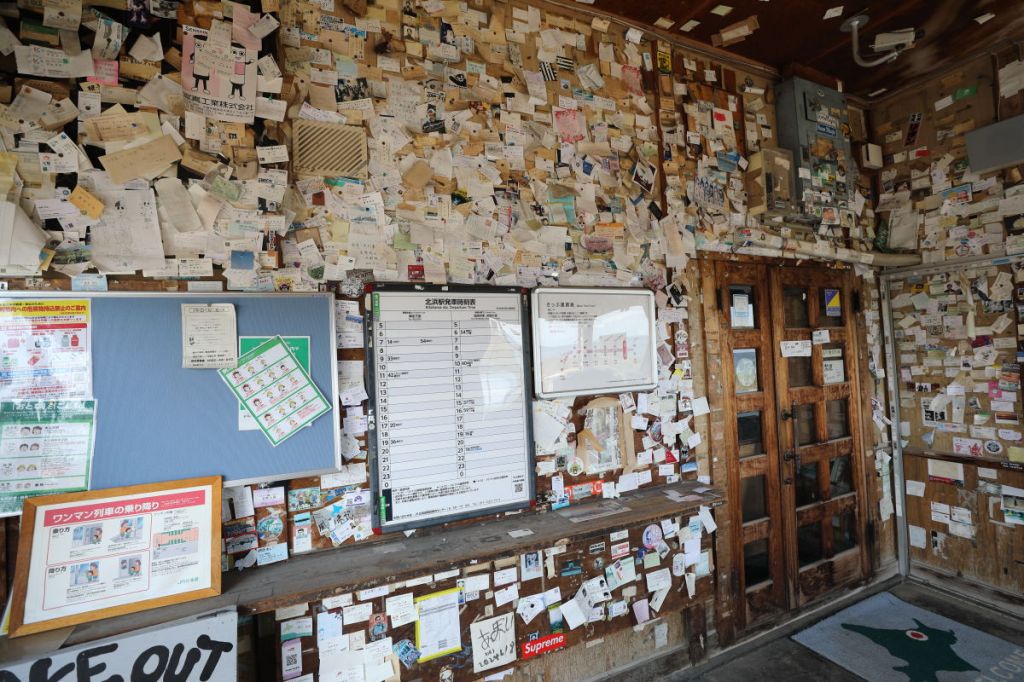
Inside the station building, there are many pieces of paper, such as business cards, posted on the walls.
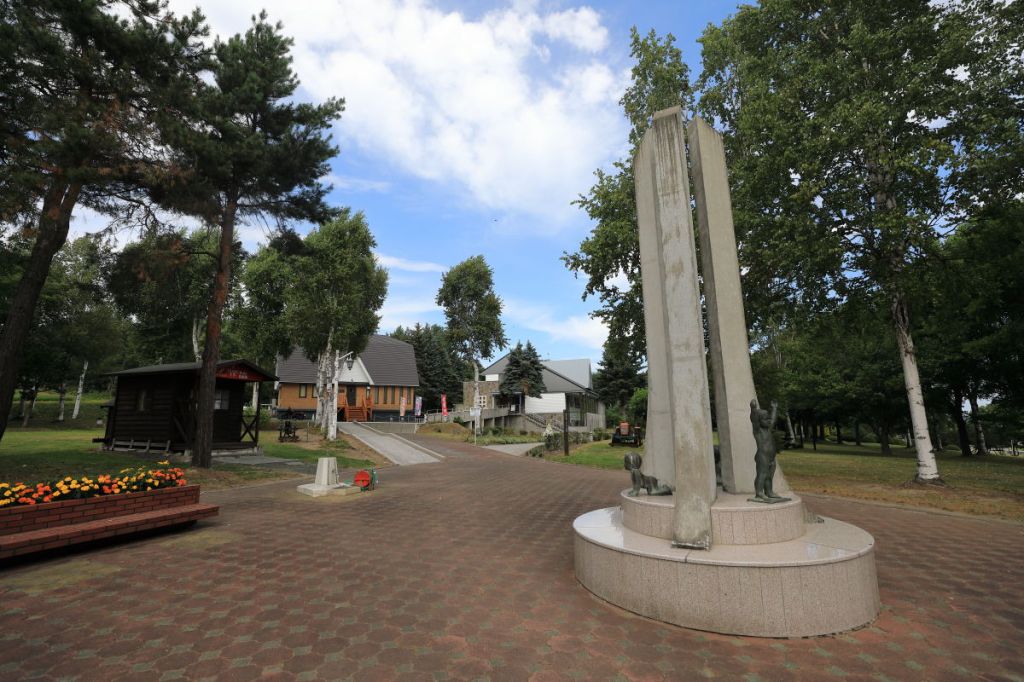
From here, I’m heading to Obihiro via Lake Mashu, but I stopped at the Higashimokoto Dairy Center along the way.
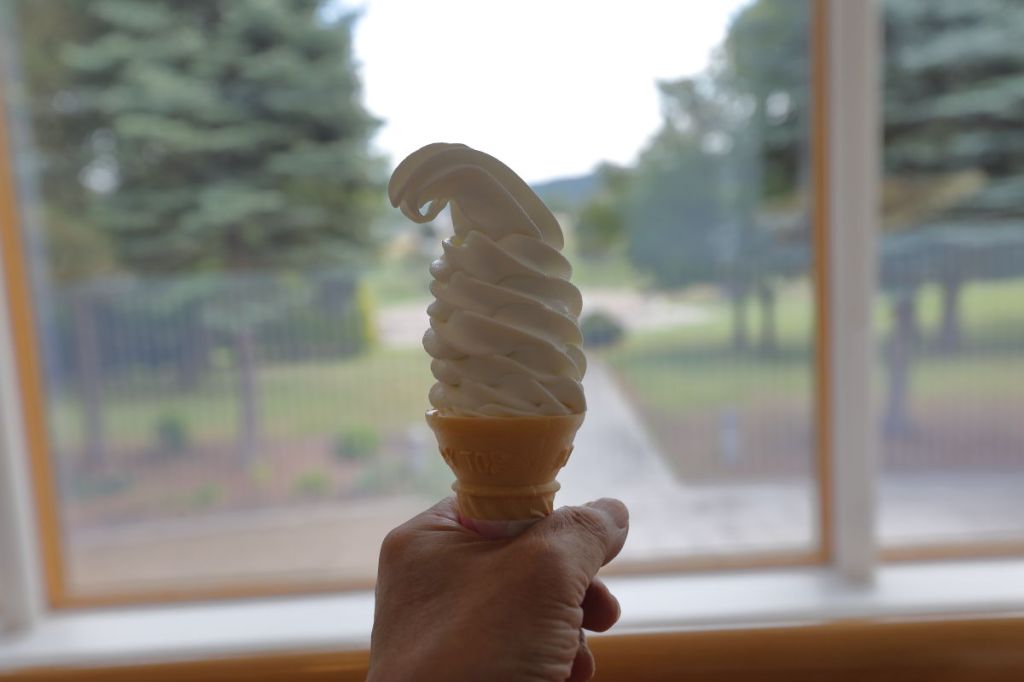
Cheese making is popular in Higashimokoto, and they offered soft-serve ice cream made with Camembert cheese. It has a distinct cheese flavor and is delicious.
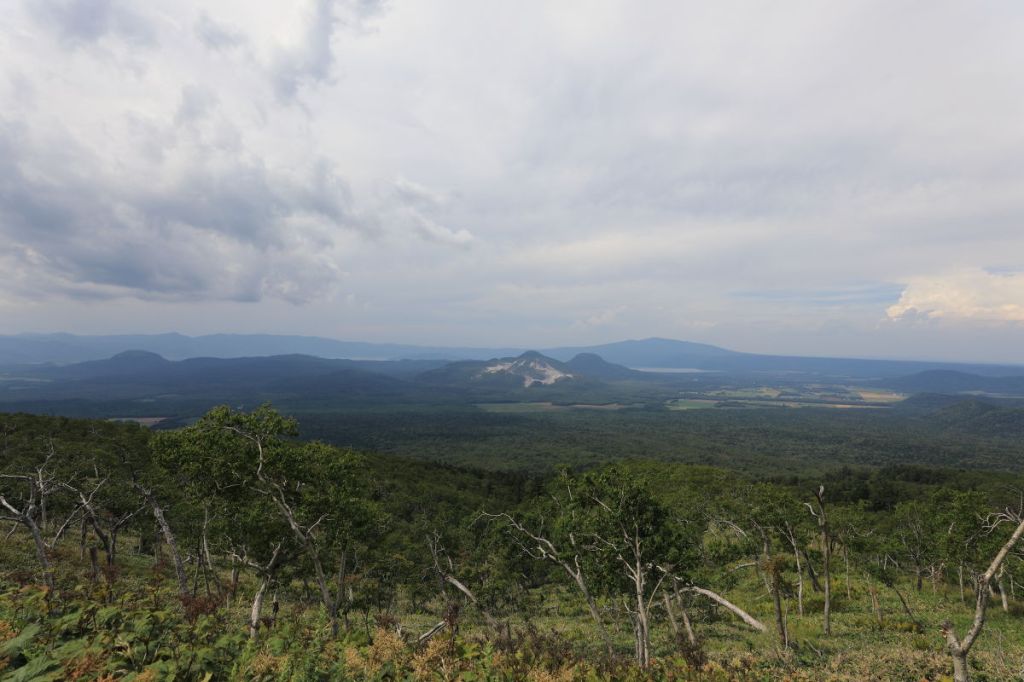
I arrived at Lake Mashu before noon. Although the lake is famous for its mist, the weather was fine, and the surface of the water was clearly visible.
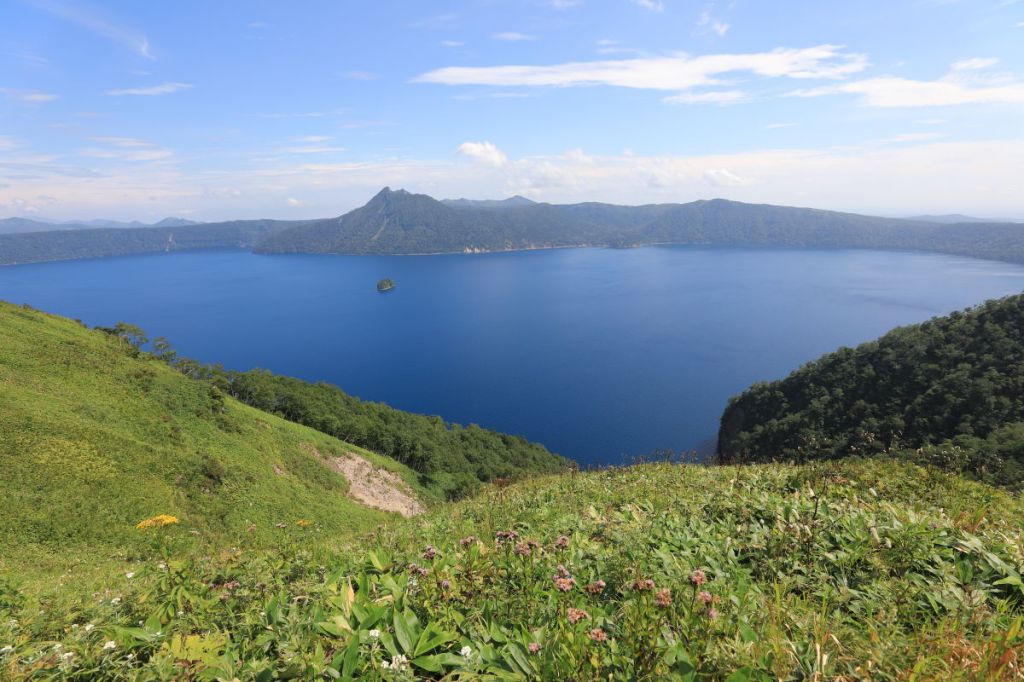
I parked at the third parking lot; from here, you can also see Lake Kussharo beyond Mount Iō.
I looked for a place to have lunch, but it seemed the shop was closed for the day, so I drove on to Ashoro and stopped at the Roadside Station Ashoro Ginga Hall 21. Ashoro is the hometown of Chiharu Matsuyama, and there is a dedicated corner featuring him.
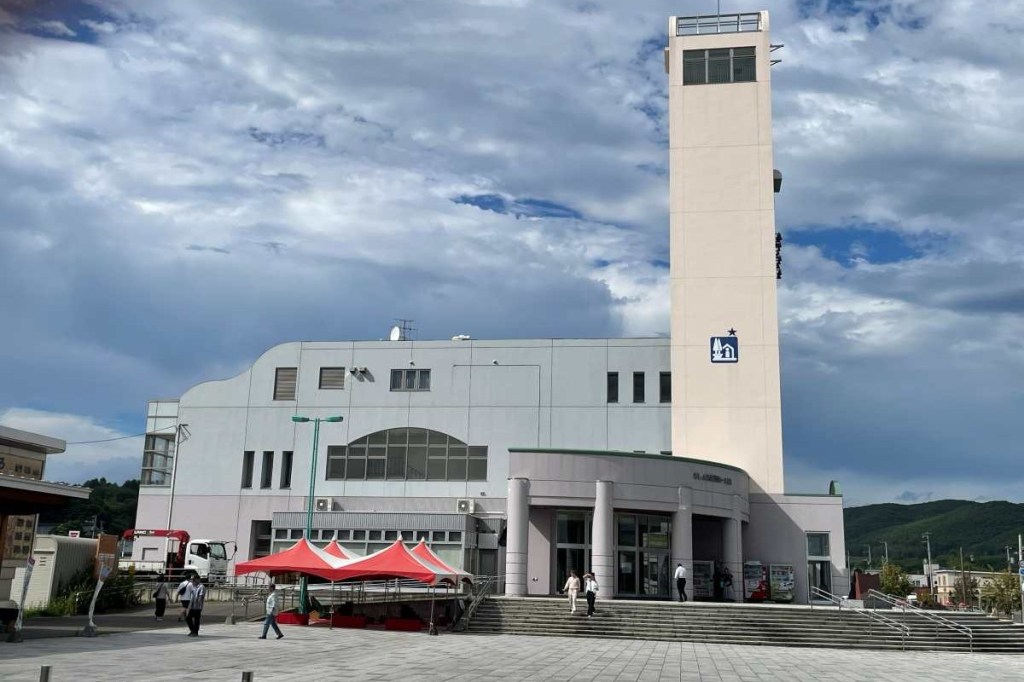
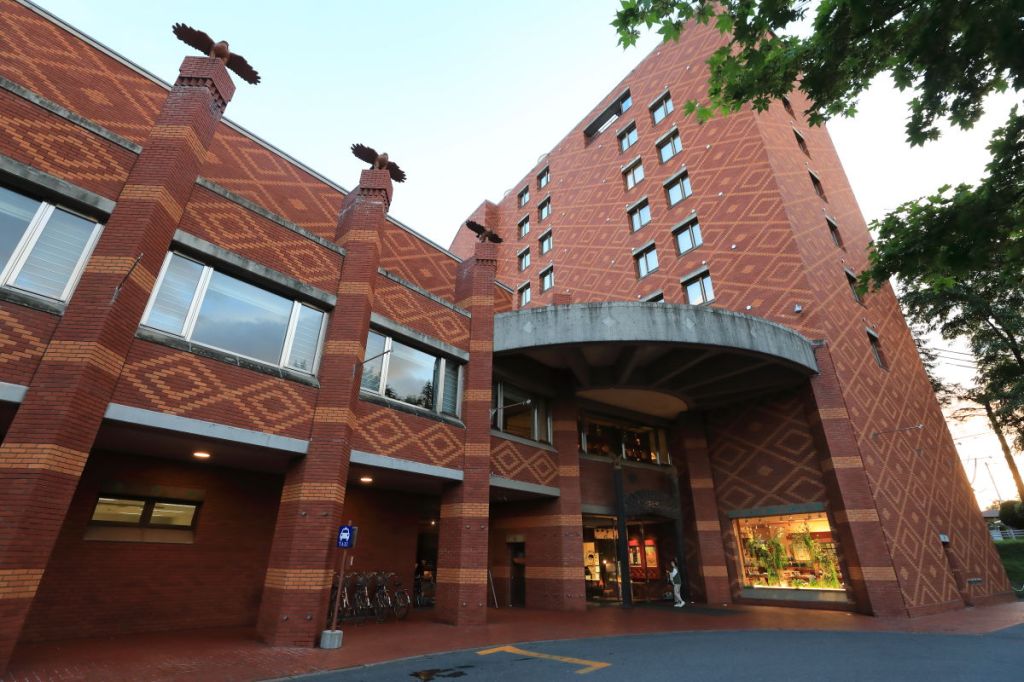
There is a restaurant here, but unfortunately, it was closed, so I bought some bread at the shop for lunch. After driving for about an hour, I arrived at my accommodation for the night, Spa Resort in the Forest, Hokkaido Hotel—a historic hotel established in 1899.
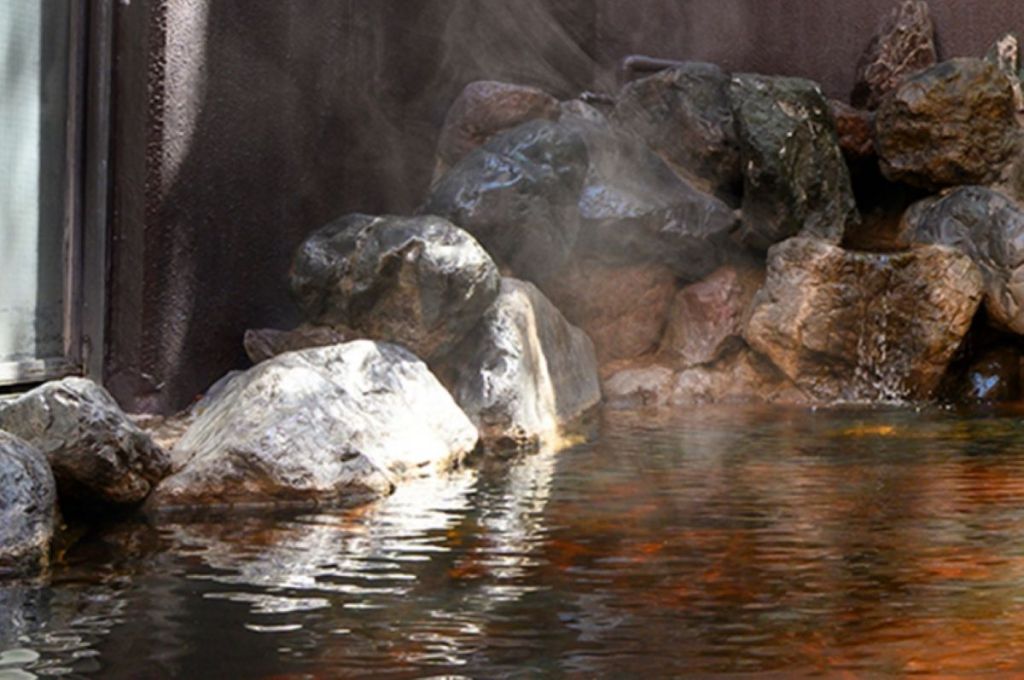
This location features a “Moor hot spring.” These springs contain groundwater infused with organic substances—such as humic and fulvic acids—that leave the skin feeling silky smooth; these substances are released as ancient buried plant matter transforms into black coal. The water is a brownish-amber color, and bathing in it truly made my skin feel incredibly smooth. The photo is a screenshot from the hotel’s website.
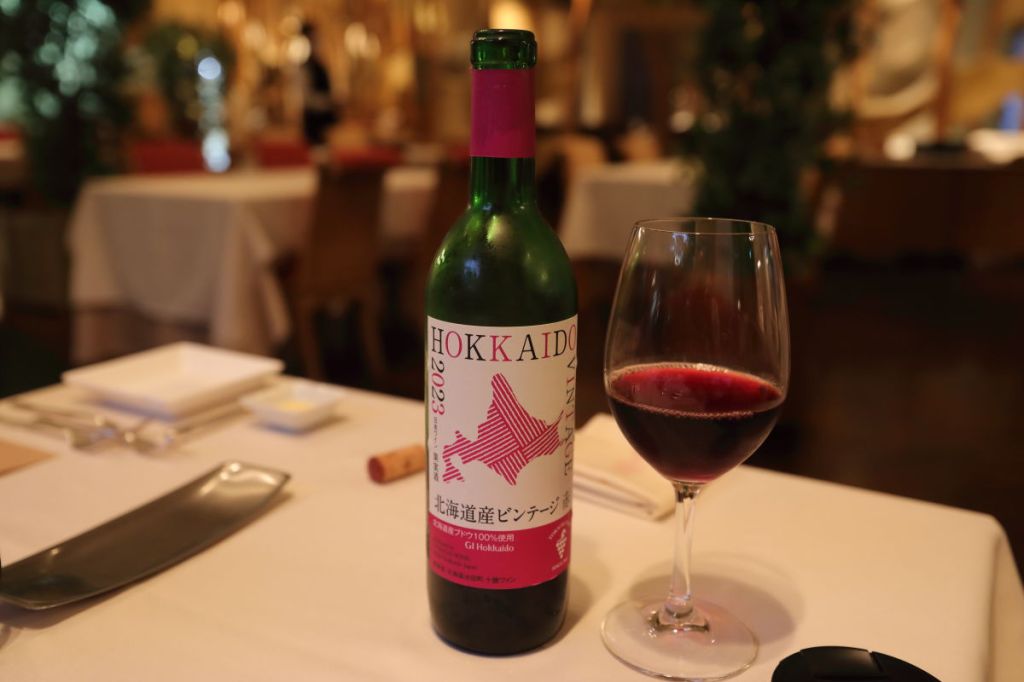
I booked a full-course Western-style dinner. I ordered a red wine called “Tokachi Wine Hokkaido Vintage.” It is a fruity, full-bodied wine.
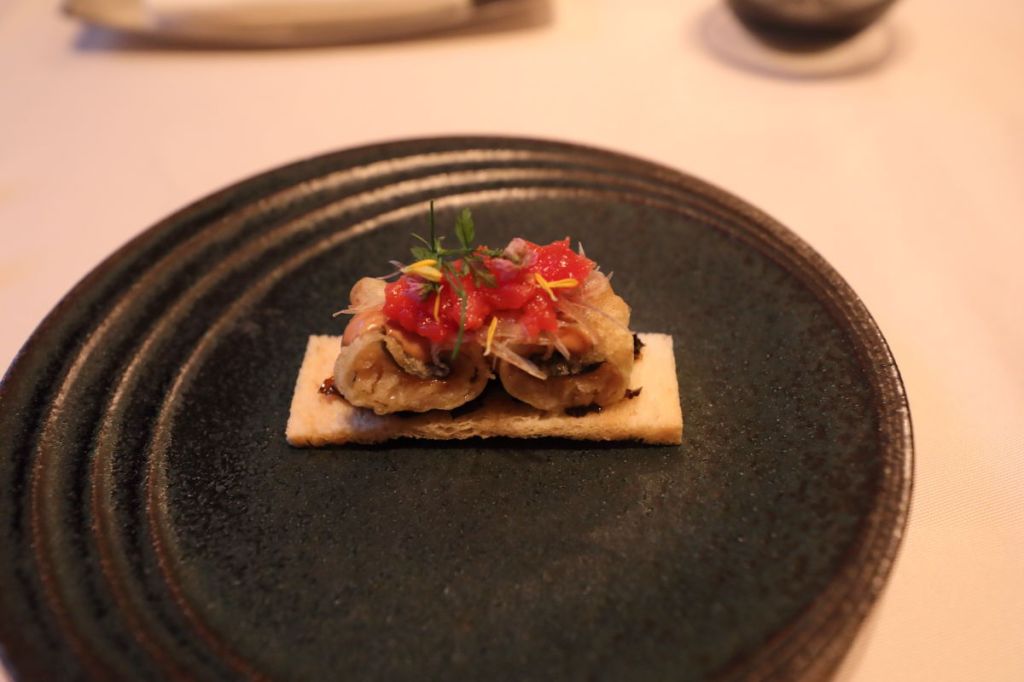
The amuse-bouche consisted of a conger eel fritter served atop a piece of kombu.
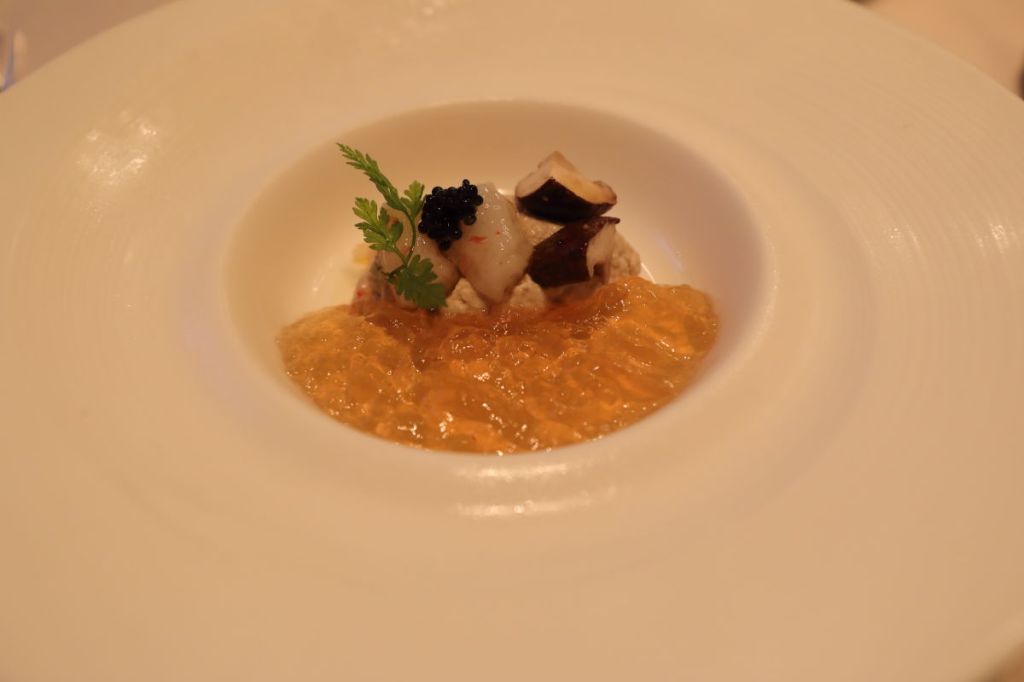
The vegetable mousse with gelée—made from “Hoshikuzu Konbu” (kelp scraps from the Hidaka region)—paired beautifully with the kelp dashi flavor.
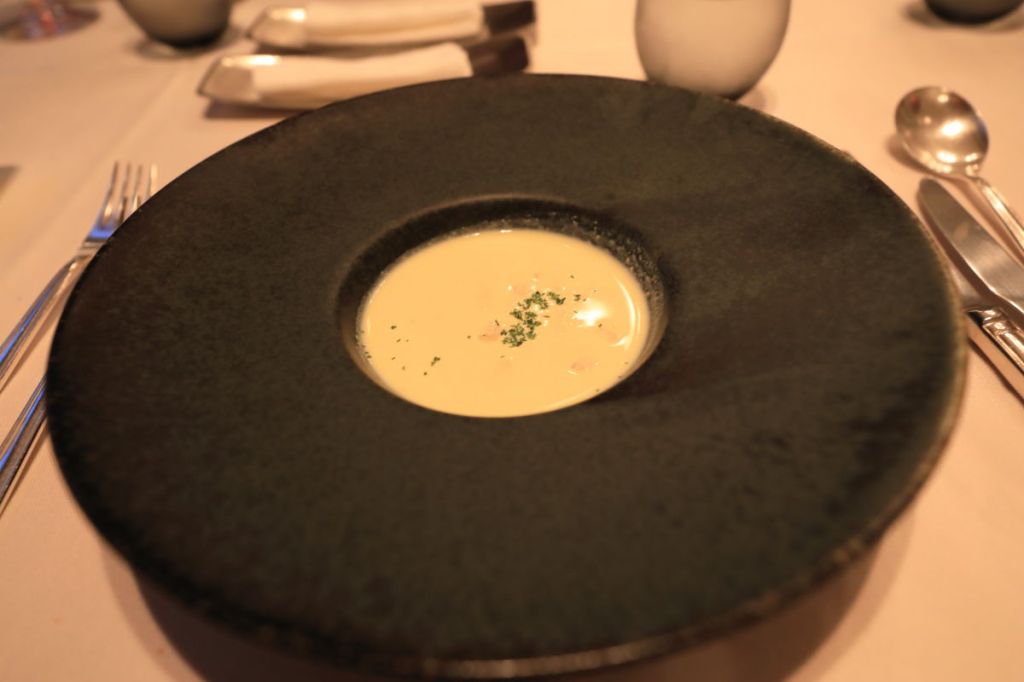
Chilled corn soup is perfect for summer.
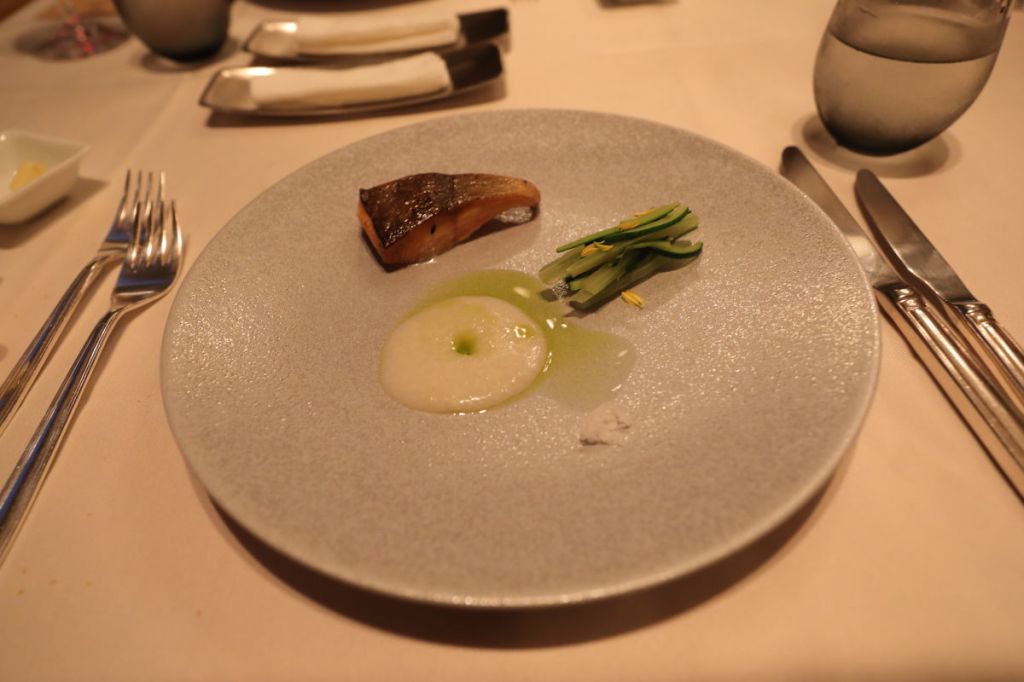
I enjoyed today’s fresh fish with a sauce made using rice flour.
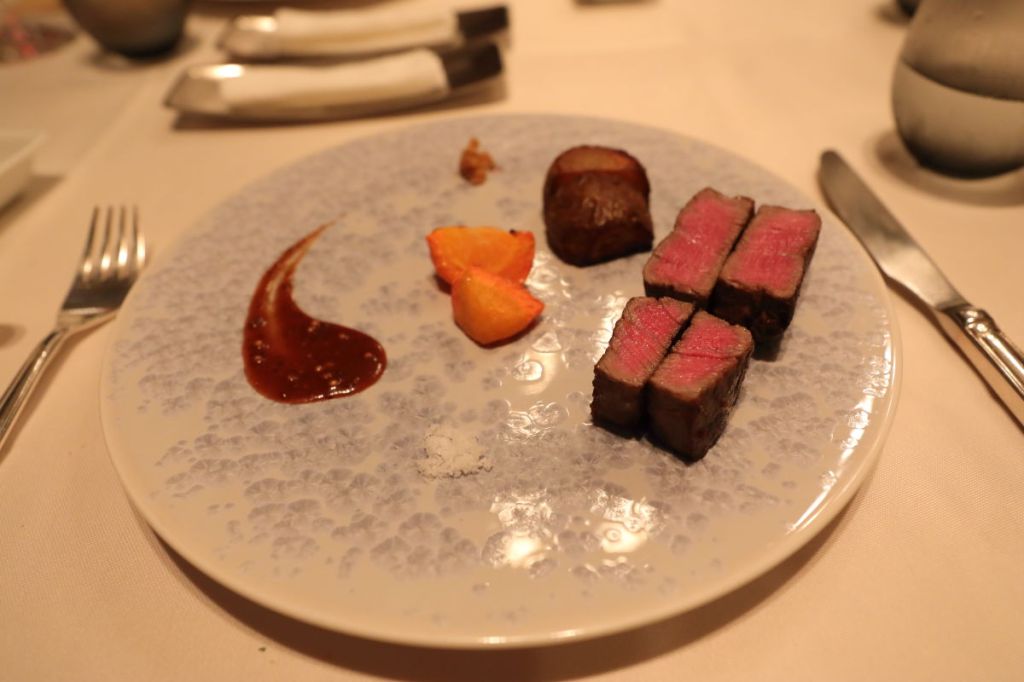
For the Tokachi Wagyu steak, the piece in the foreground is the sirloin and the one in the back is the fillet; both were cooked to perfection and were tender, allowing the rich flavor of the meat to truly shine through.
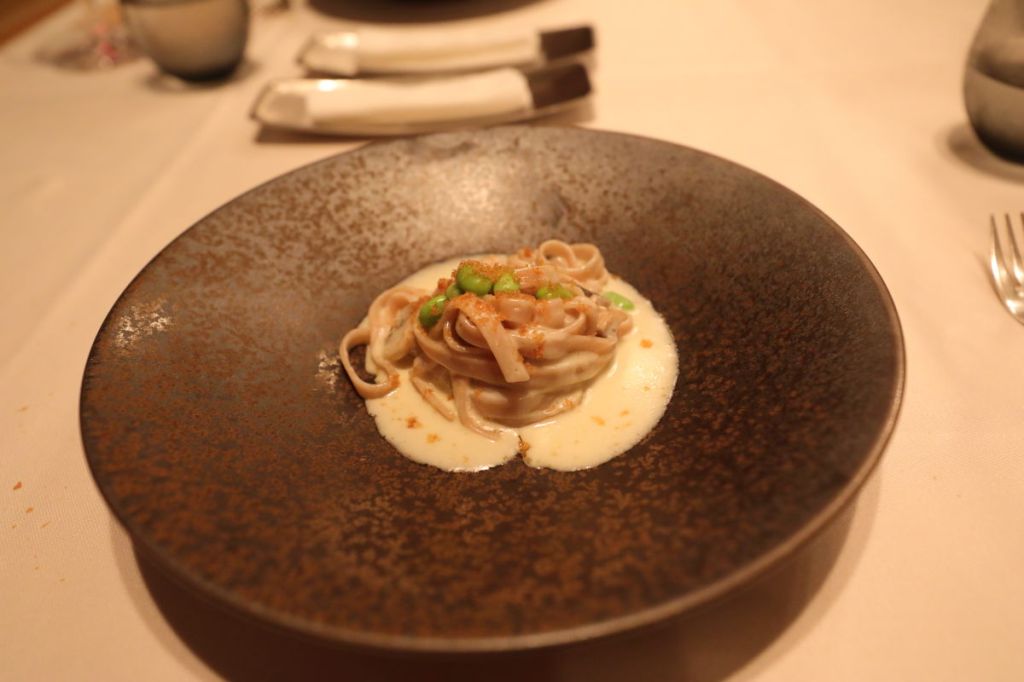
For the final dish, the whole-wheat fettuccine offers a truly satisfying flavor.
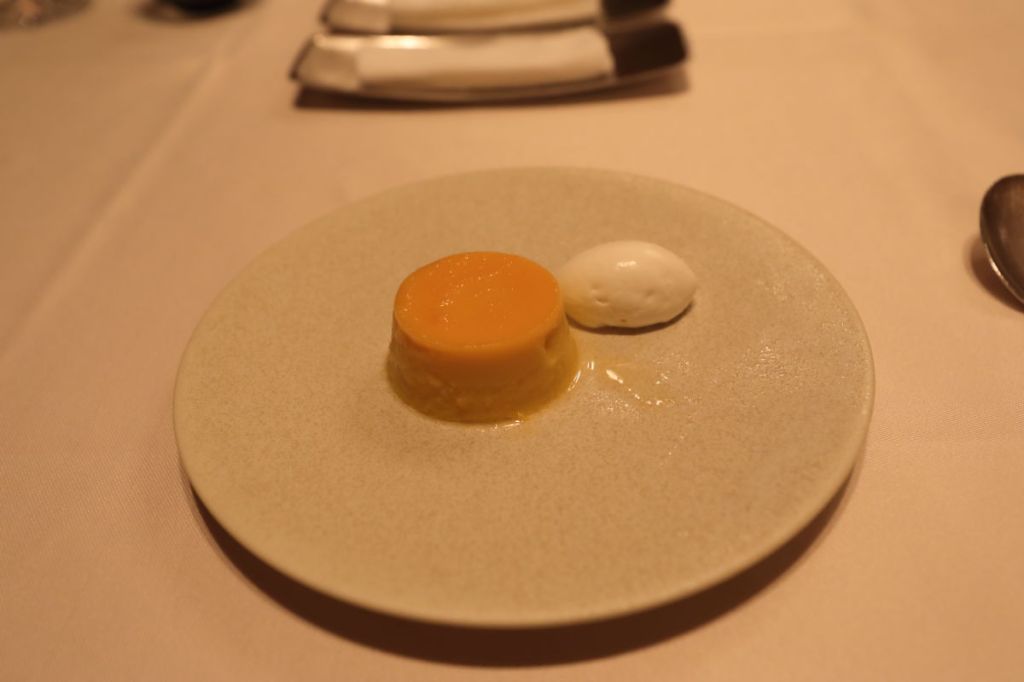
The dessert wasn’t overly sweet, which suited my taste.
Every single dish was absolutely delicious. Although I don’t have a photo, the bread baked at the hotel’s bakery is exquisite, and you can have as many helpings as you like.
August 21st(Fri)
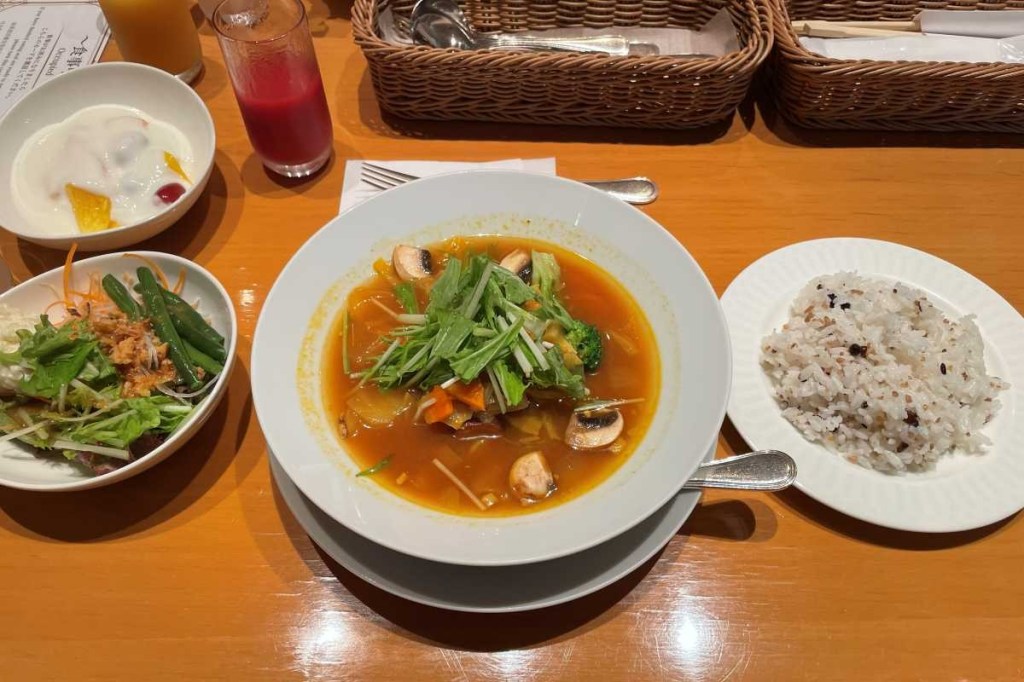
For breakfast, there was a choice between a Japanese set meal, a Western set meal, and a vegetable soup curry; since I was in Hokkaido, I opted for the soup curry. Salads, fruits, and other items were available buffet-style.
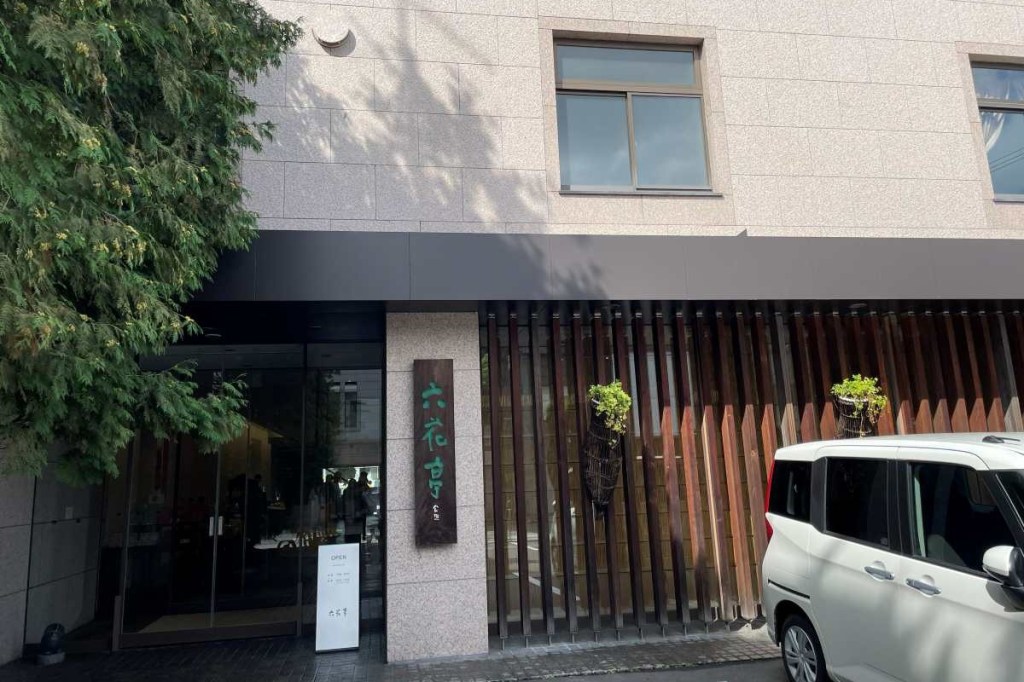
Today, I’m sightseeing around Obihiro before heading to Tomakomai Port. My first stop was the main Rokkatei store in Obihiro. Since Rokkatei was founded here in 1933—originally under the name Obihiro Senshuan—this is truly the company’s home base. Although the café area wasn’t open yet, there was a section inside where you could stand and enjoy items like cake.
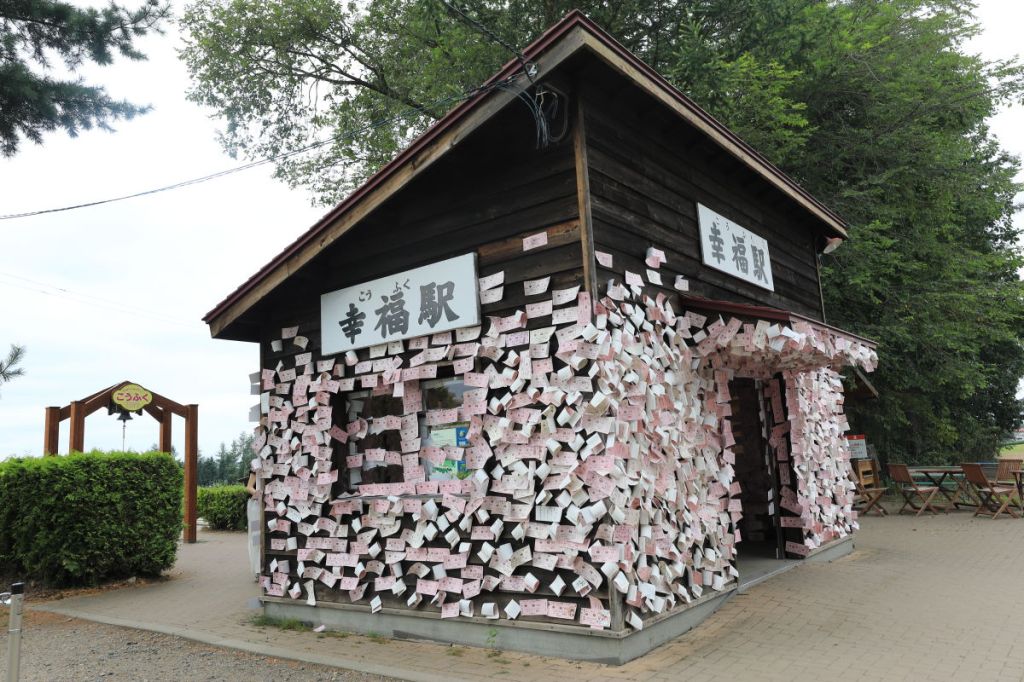
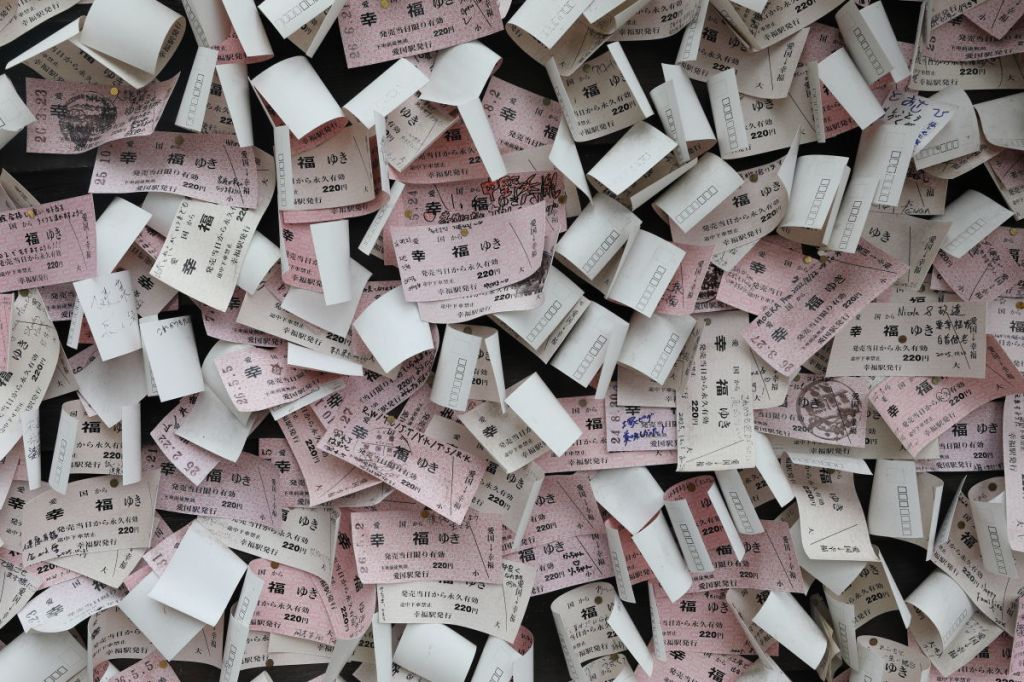
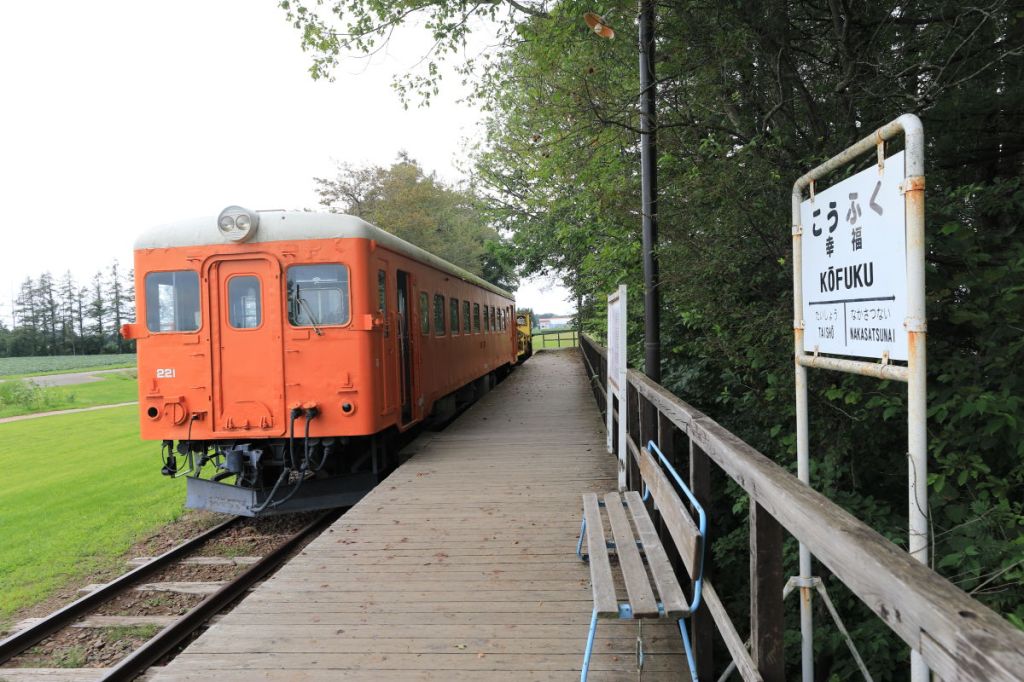
I visited Kofuku Station, a famous tourist spot. Although the former JNR Hiroo Line has long since been discontinued, the station was bustling with many tourists. The interior and exterior of the station building were plastered with tickets bound for “Kofuku” (Happiness).
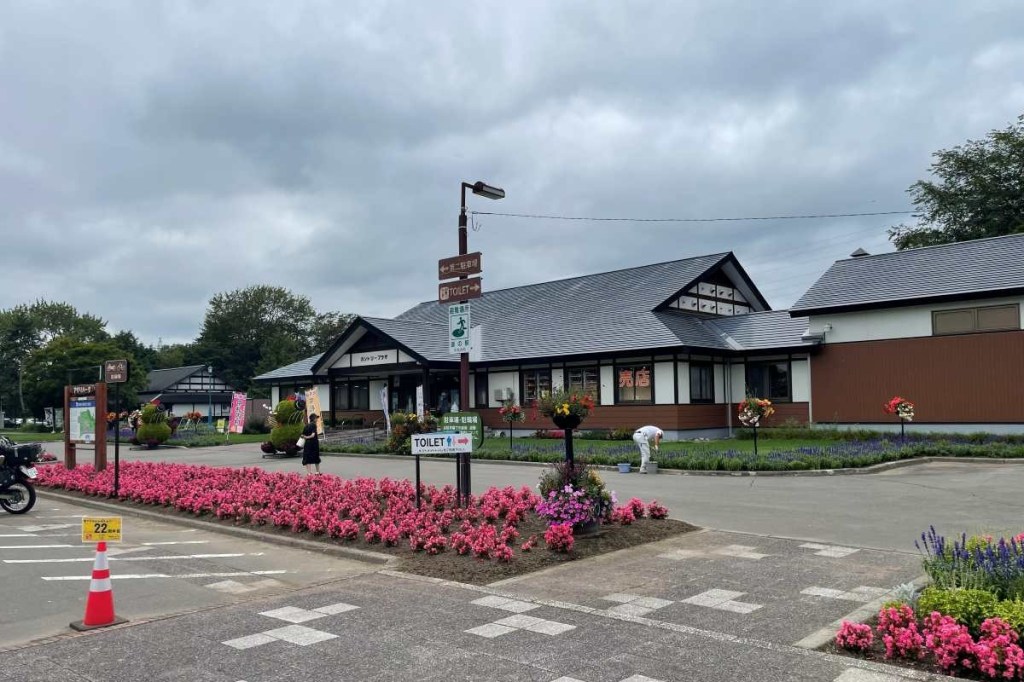
I decided to have lunch at the nearby roadside station, Nakasatsunai.
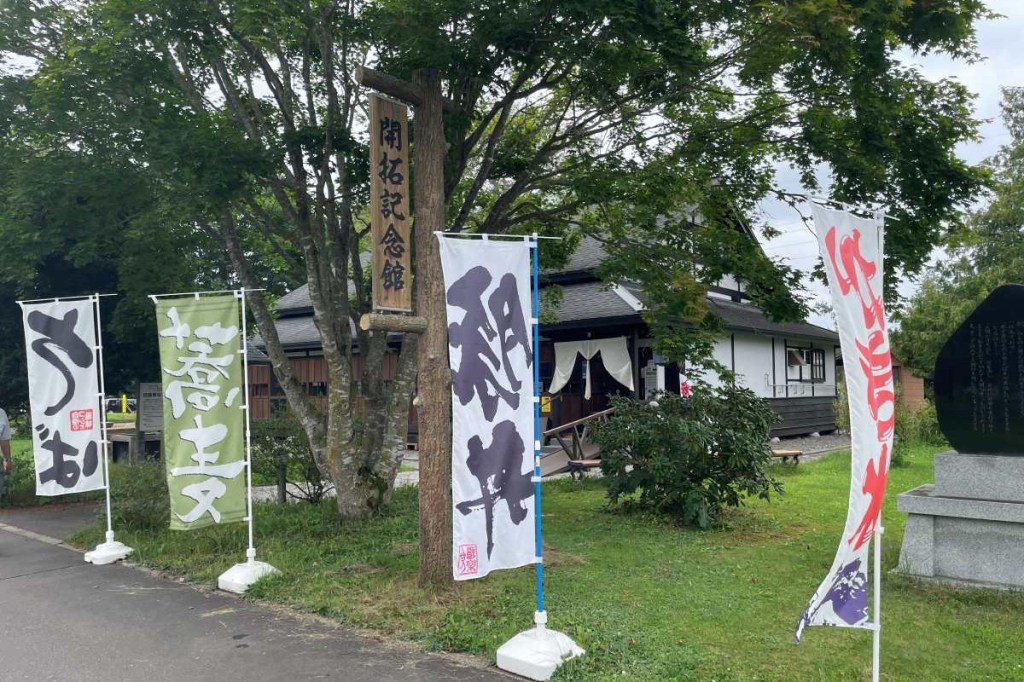
There was a soba workshop called “Sobajiro” inside the Pioneer Memorial Hall.
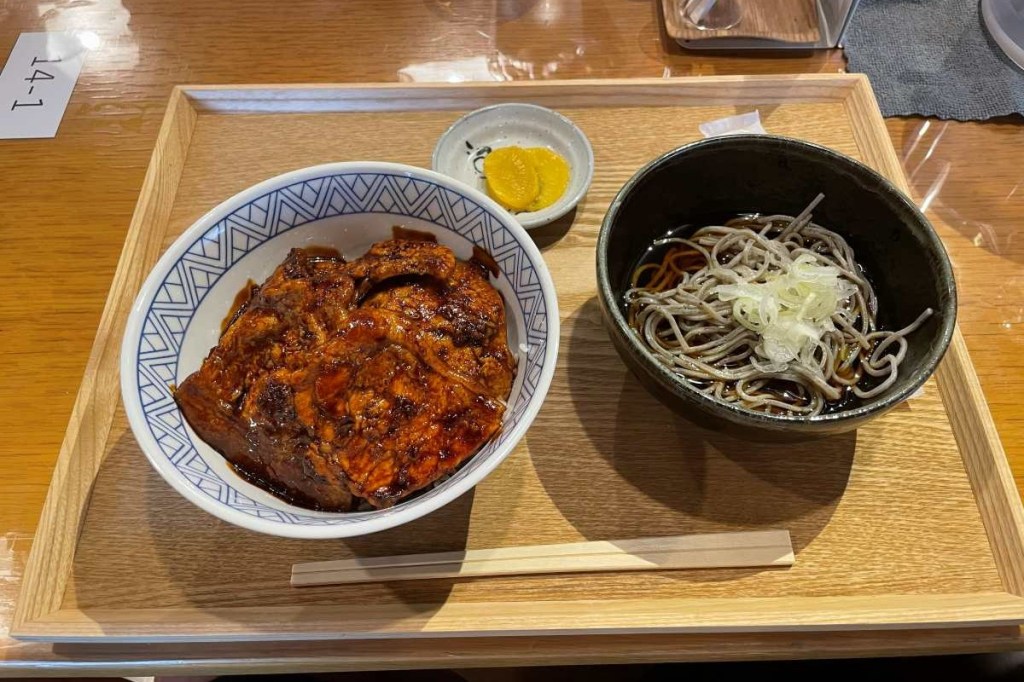
Tokachi-Obihiro is famous for butadon (pork bowl) and soba noodles, so I ordered a set meal featuring both. The sauce on the pork bowl was reminiscent of unadon (eel bowl), and adding sansho pepper enhanced the flavor.
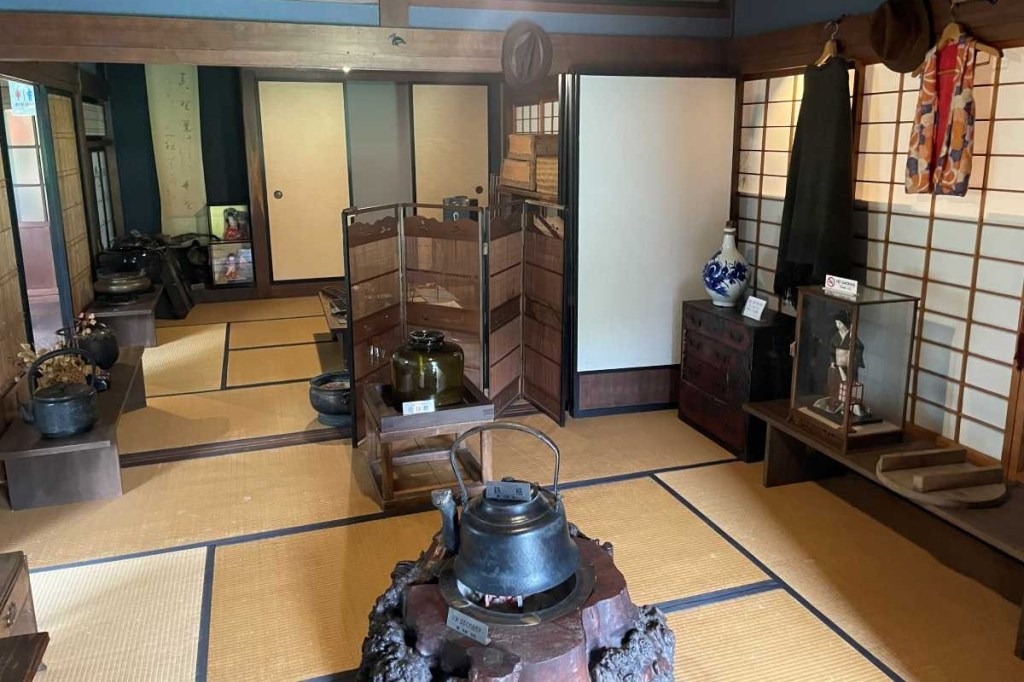
As the facility consists of relocated pioneer farmhouses, a section of it displays historical materials from that era.
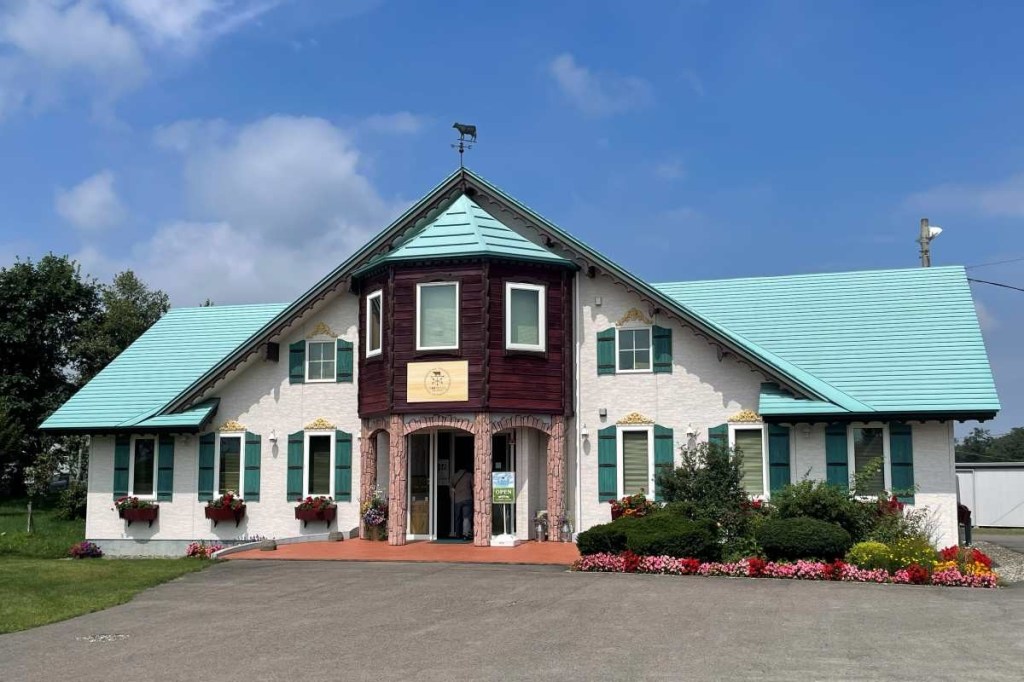
There is a cheese workshop called Tokachino Fromage nearby, and just like in Higashimokoto, they offered Camembert-flavored gelato.
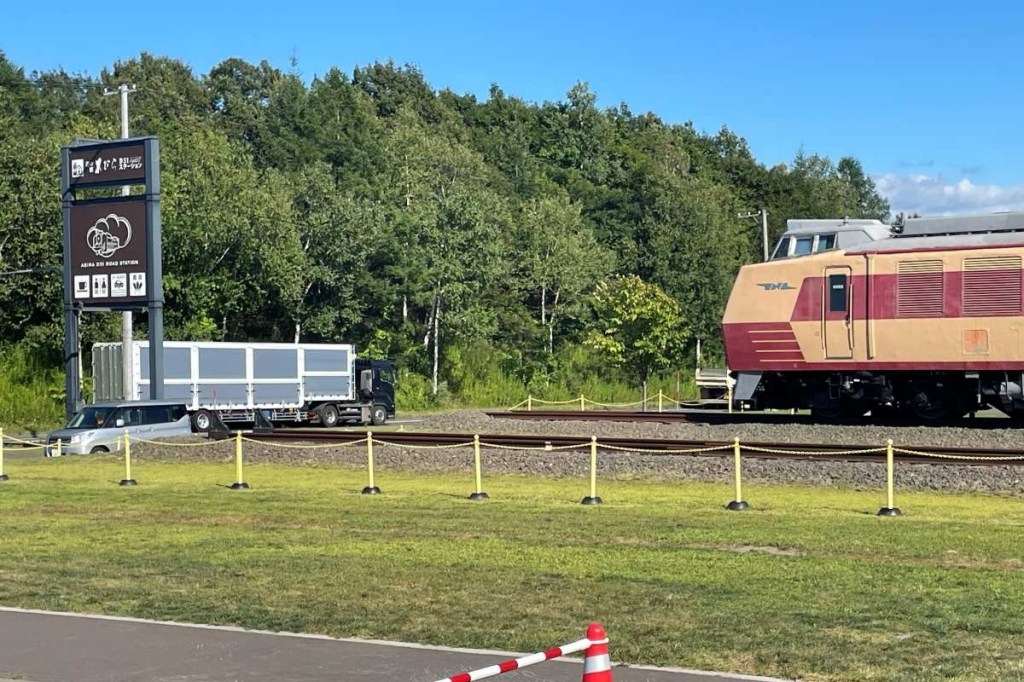
I left Obihiro and headed toward Tomakomai, but stopped at the roadside station “Abira D51 Station” along the way. An express train that had once operated in Hokkaido was on display at the entrance.
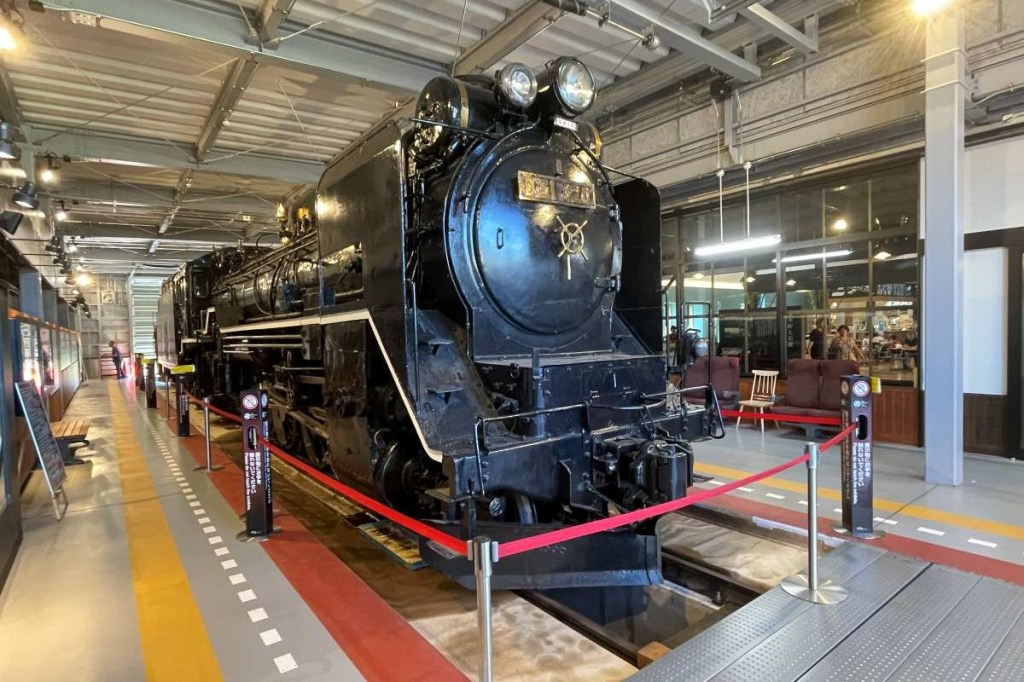
Inside the warehouse, a D51 steam locomotive is on display, having been beautifully restored and maintained.
For the return trip, I will be traveling to Sendai Port on the Kitakami (operated by Taiheiyo Ferry), which is currently docked at Tomakomai Port.
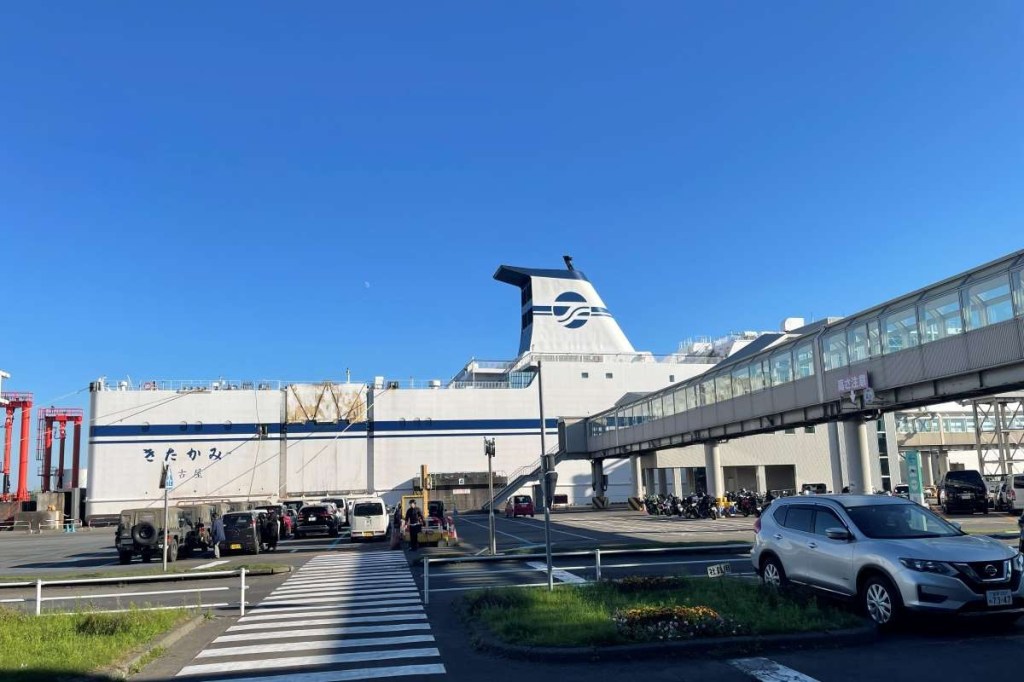
Although the ship was scheduled to depart at 19:00, I was able to drive my car onto the vessel around 18:00. I had the buffet dinner in the restaurant, and I felt that both the quality and the selection of dishes were better than those on the Sunflower ferries.
August 22th(Sat)
We arrived at Sendai Port before 10:00.
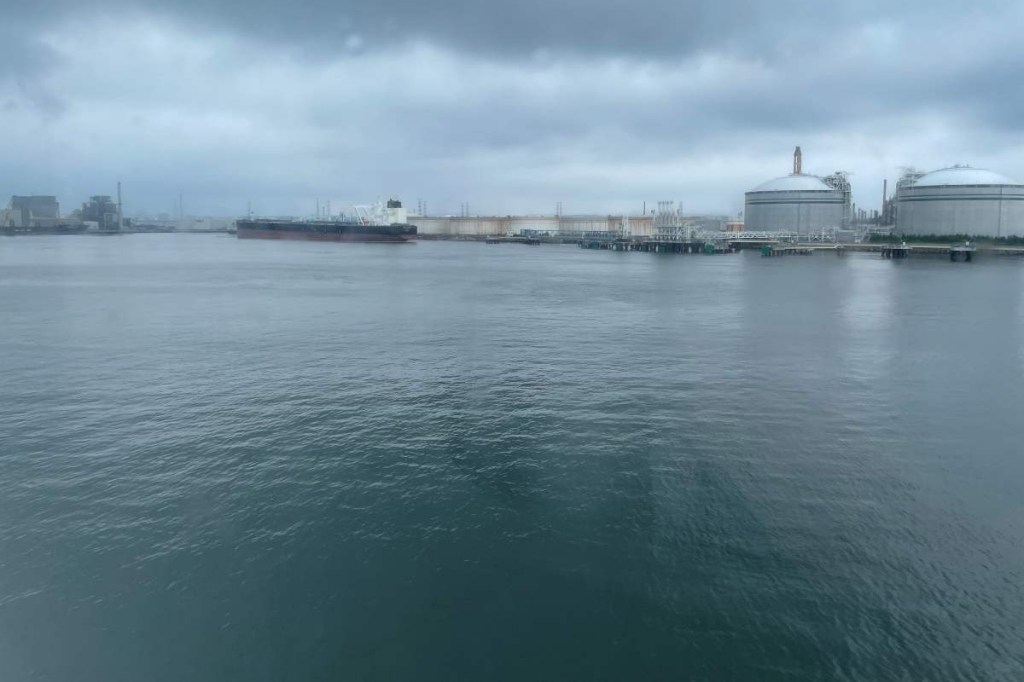
After disembarking, I headed toward Tokyo via the Joban Expressway. I decided to have lunch at the Minamisoma-Kashima Service Area along the way.
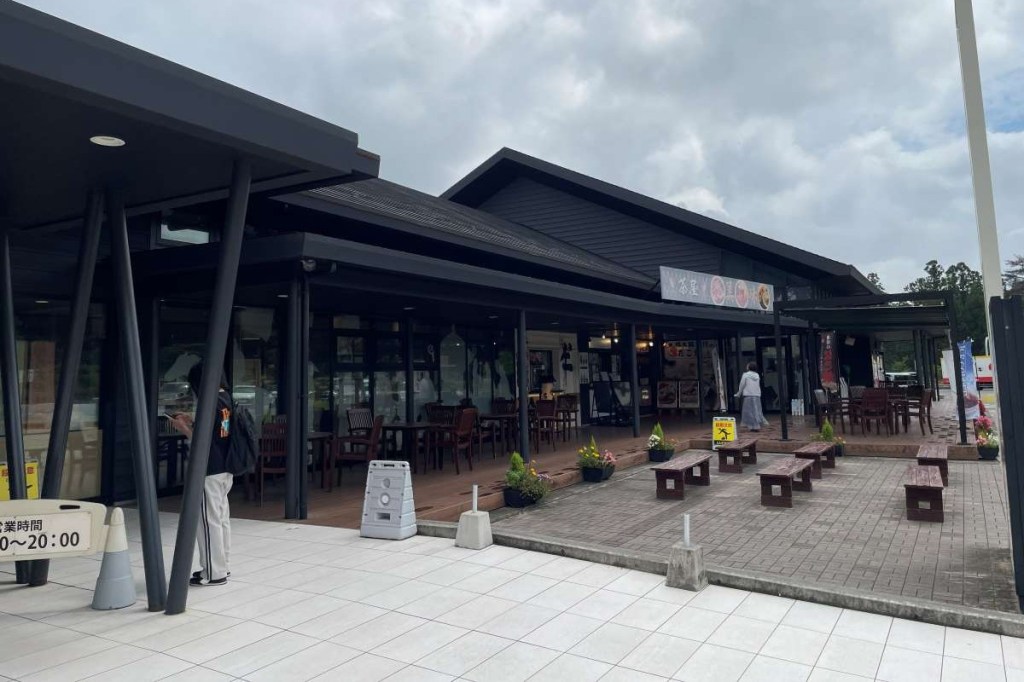
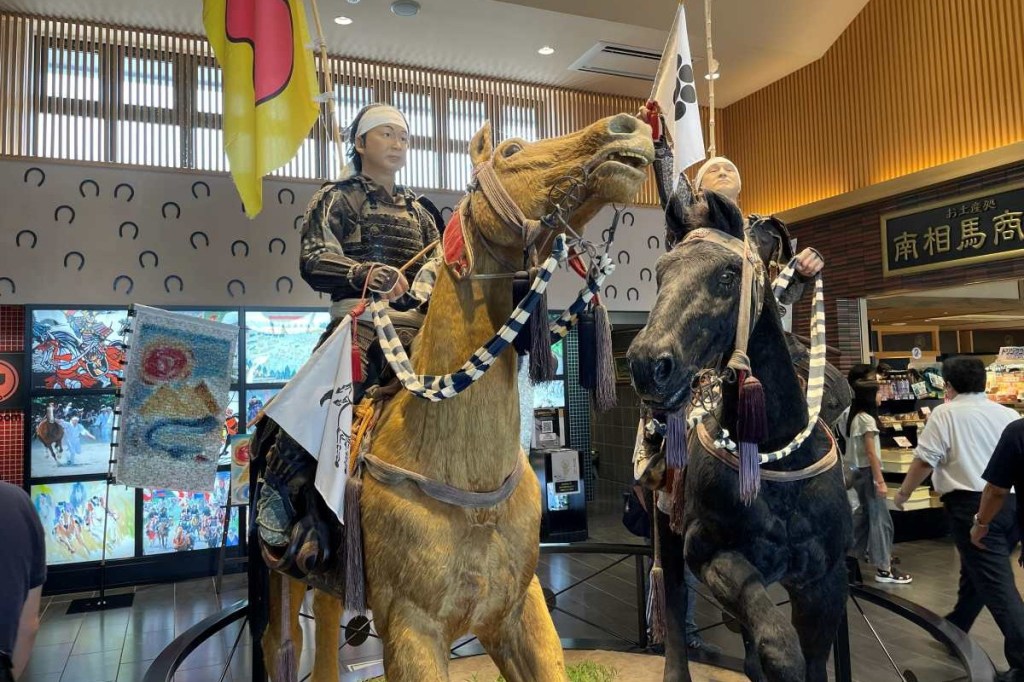
There is also an exhibit on the Soma Nomaoi festival inside.
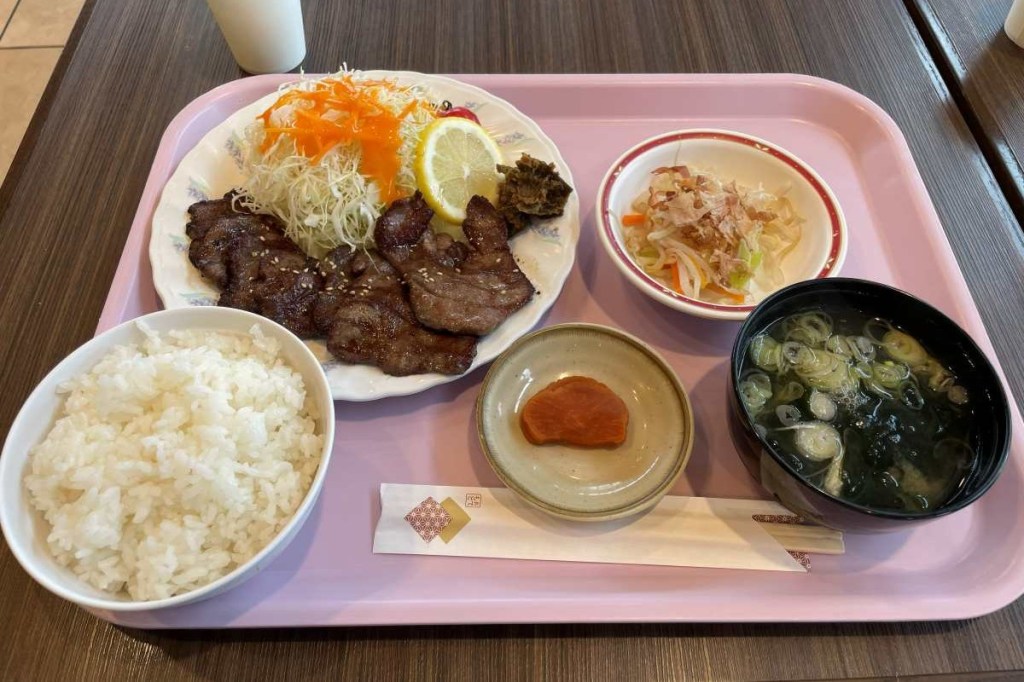
It wasn’t in Sendai, but I had a beef tongue set meal. Although it didn’t come with barley rice or oxtail soup, the thick-cut beef tongue tasted excellent.
As I approached the stricken Fukushima Daiichi Nuclear Power Plant, the radiation levels displayed on the road increased; however, I later found that while they were slightly higher than natural background levels, they posed no risk to human health. It made me keenly aware that, even fifteen years after the disaster, its impact still lingers.
I arrived safely back at my home in Tokyo this evening. It was a long road trip involving a ferry crossing, but I had no accidents and thoroughly enjoyed Hokkaido’s nature and cuisine—a truly wonderful journey. I plan to take another road trip in my car next time as well.
 旅好き爺の旅行記
コメントを残す