

From Monday, September 14, to Friday, September 18, I took a five-day, four-night road trip through central Honshu in my own car. Starting from my home in Tokyo, I traveled through a total of 12 prefectures: Saitama, Gunma, Nagano, Niigata, Toyama, Ishikawa, Fukui, Shiga, Gifu, Aichi, Shizuoka, and Kanagawa. The total driving distance came to 1,265 km.
In this post, I will cover the leg of the journey extending from Nagano Prefecture to Ishikawa Prefecture.
September 14(Mon)
I left home at 6:30 a.m. and headed first for Zenko-ji Temple in Nagano City. The temple’s principal image—the Ikko Sanzon Amida Nyorai (Amida Buddha flanked by two attendants, all sharing a single halo)—is said to be the oldest Buddhist statue in Japan, having arrived in the country from India via the Baekje kingdom on the Korean Peninsula in 552. Following a dispute over the adoption of Buddhism, the statue was cast into the Horie Canal in Naniwa by the Mononobe clan; however, it was retrieved by Honda Yoshimitsu—a retainer to the provincial governor of Shinano—and has been enshrined at its current location since 642. Later, temple buildings were constructed, and the temple was named Zenko-ji after Yoshimitsu. After parking my car in the No. 4 parking lot and entering through the west gate, the first structure that came into view was the Japan Chureiden (Memorial Hall for the War Dead).
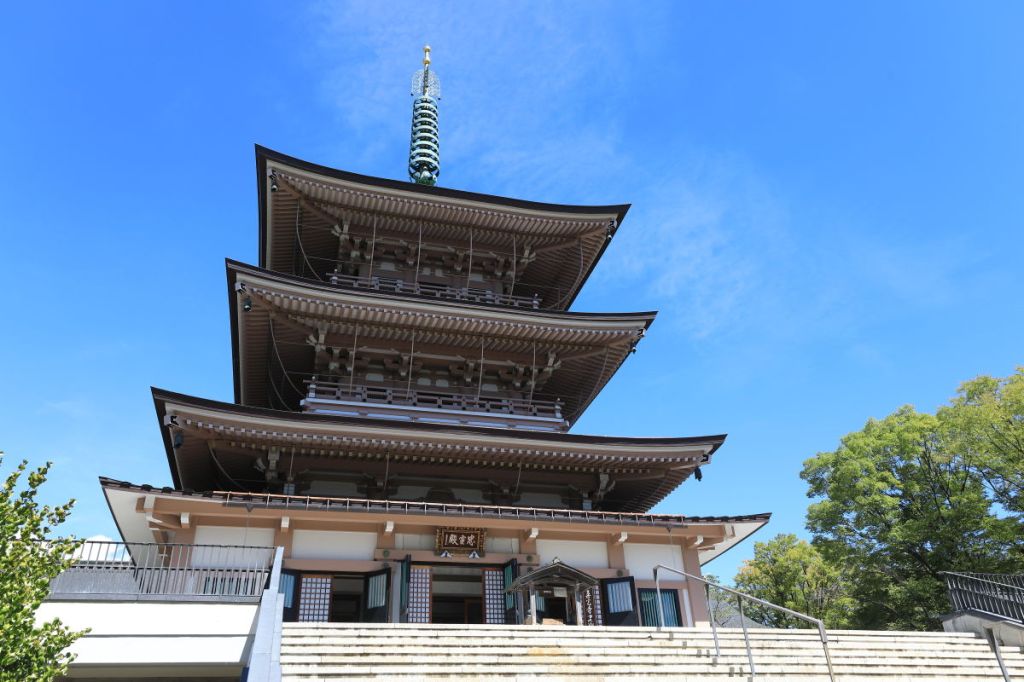
Further along, you will find the Sutra Repository, a structure designated as an Important Cultural Property and built in 1759. Although it serves as a storehouse for scriptures, it is equipped with projecting wooden arms; it is said that by pushing and rotating these arms, one gains the same spiritual merit as reading all the scriptures housed within.
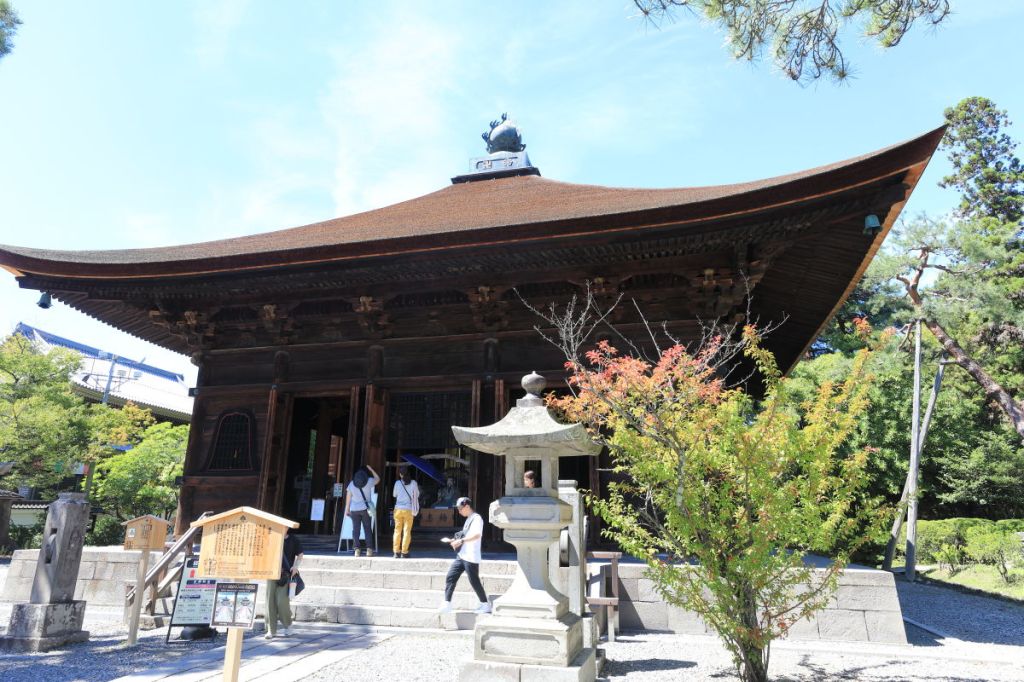
As you proceed further, the Main Hall—a National Treasure—comes into view. Built in 1707, it is said to be the fourth-largest wooden structure designated as a National Treasure. Inside, there is a Kaidan-meguri (pilgrimage through a dark underground corridor), which is said to guarantee rebirth in the Pure Land; having experienced it previously, I decided simply to pay my respects this time.
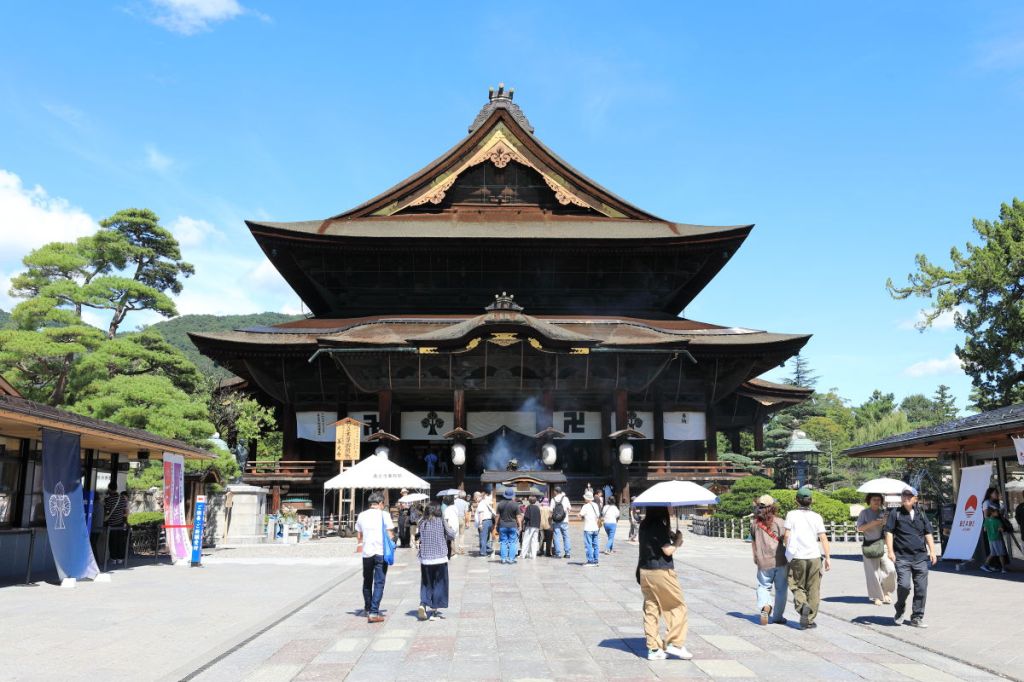
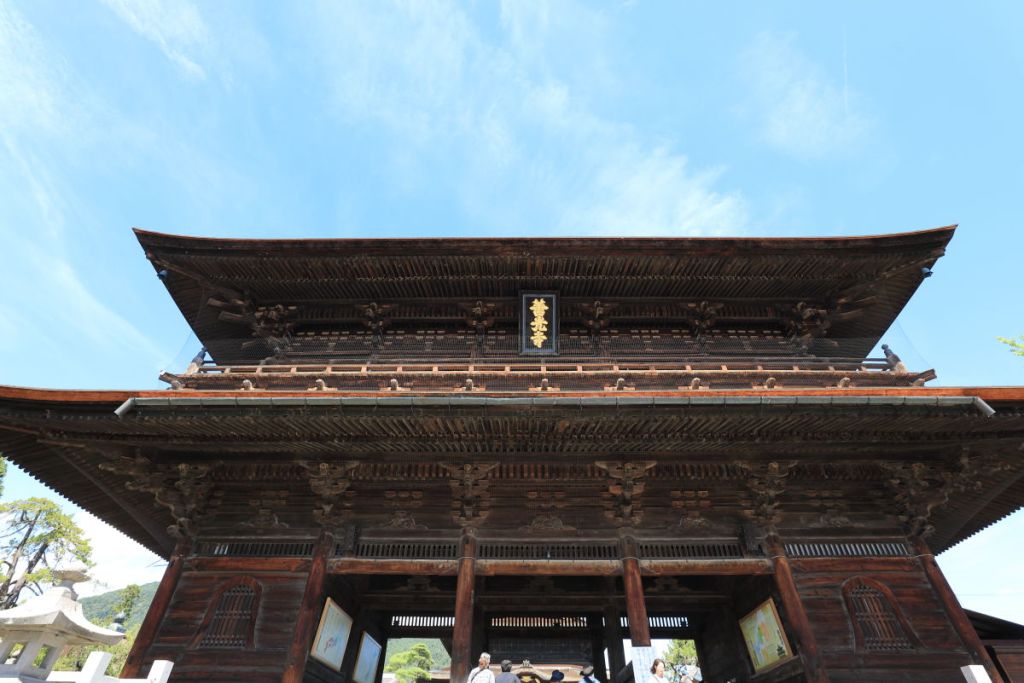
The temple gate, an Important Cultural Property built in 1750, is also a magnificent structure.
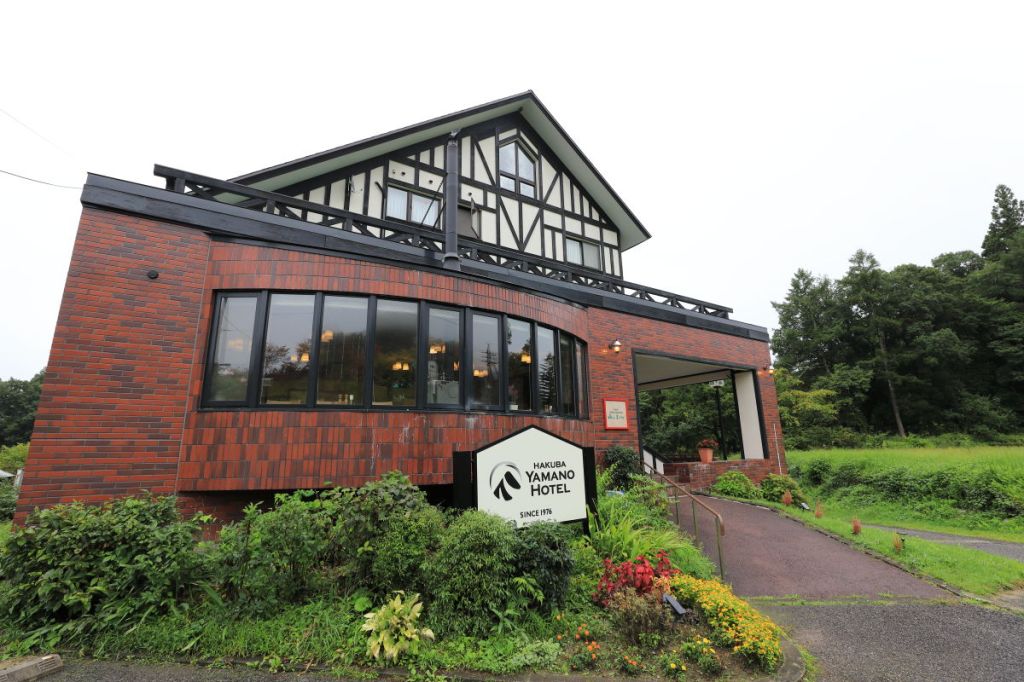
After having pasta at a restaurant next to the parking lot, I headed to Hakuba Yamano Hotek where I would be staying for the night. It was a stylish, lodge-style building. I was a bit surprised to be assisted by a Romanian woman when checking in at the front desk; she turned out to be the owner’s wife.
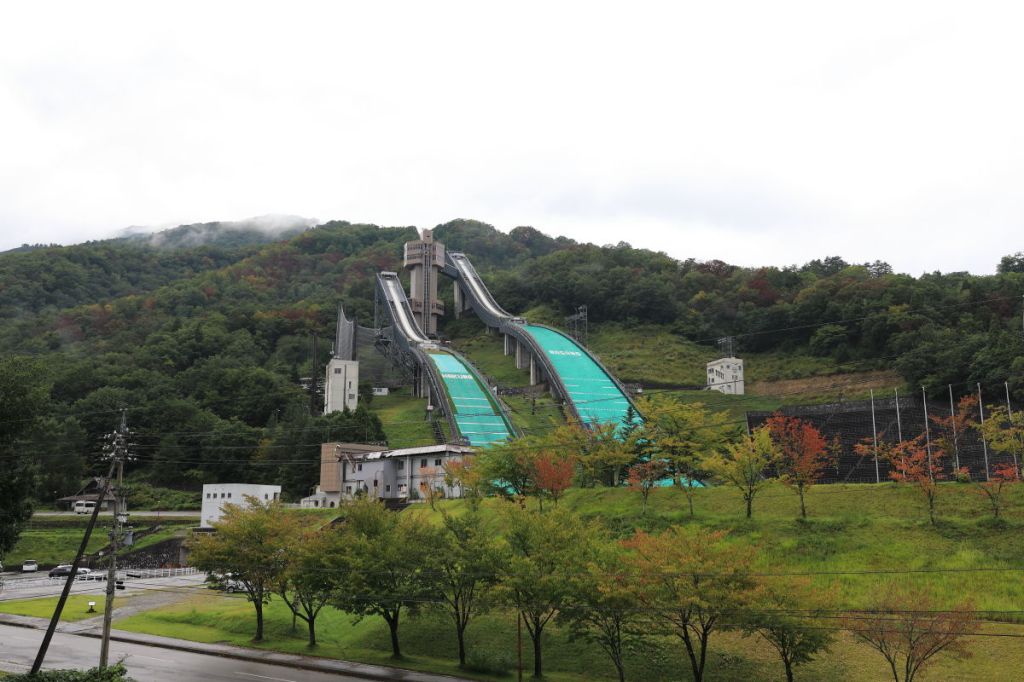
I could see the Hakuba Ski Jumping Stadium from my room’s window. Had the weather been clear, Mount Goryu (2,814m) should have been visible to the left of the jump hill. Seeing the stadium—which was used during the 1998 Nagano Winter Olympics—brought back memories of the Japanese athletes’ impressive performances.
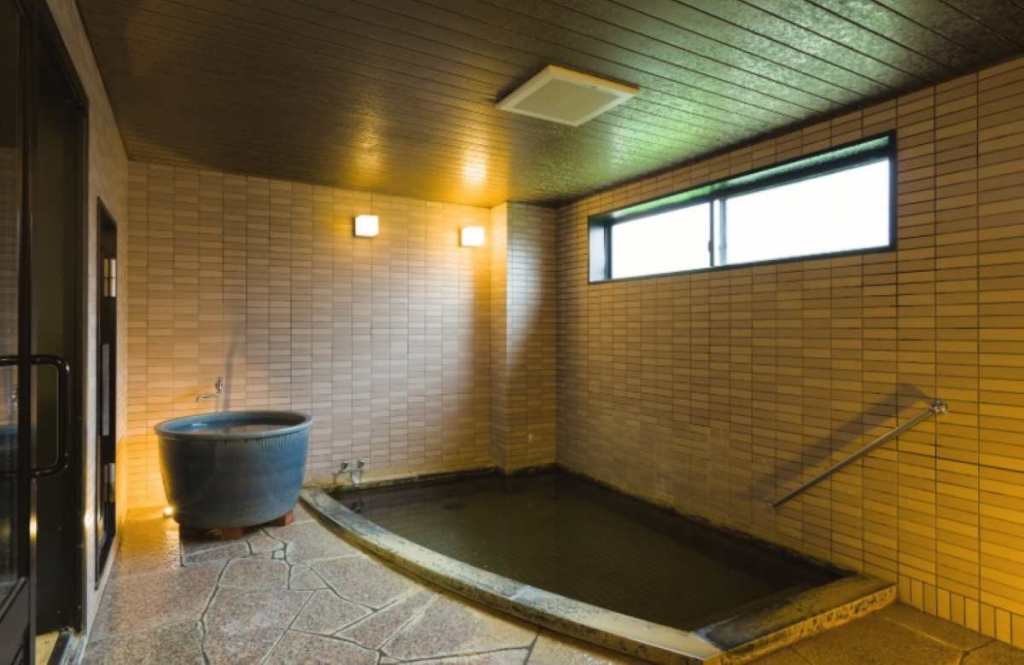
There is an indoor bath featuring water from the Hakuba Himekawa Onsen; the water is a sodium chloride spring that is gentle on the skin. Beyond the door on the left, there is also an authentic sauna—albeit a small one—where you can enjoy loyly (steam generated by pouring water onto hot stones). The photo is a screenshot from the hotel’s website.
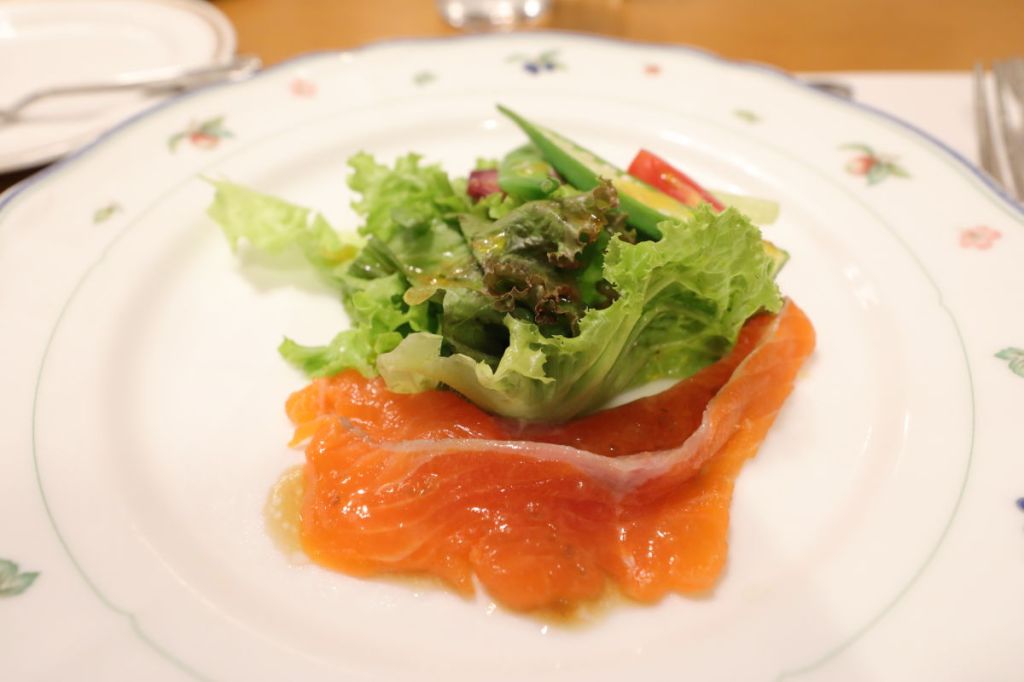
Dinner was a Western-style course meal. The Shinshu salmon from Hakuba Oide, served first, was vibrant in color, sweet, and absolutely delicious.
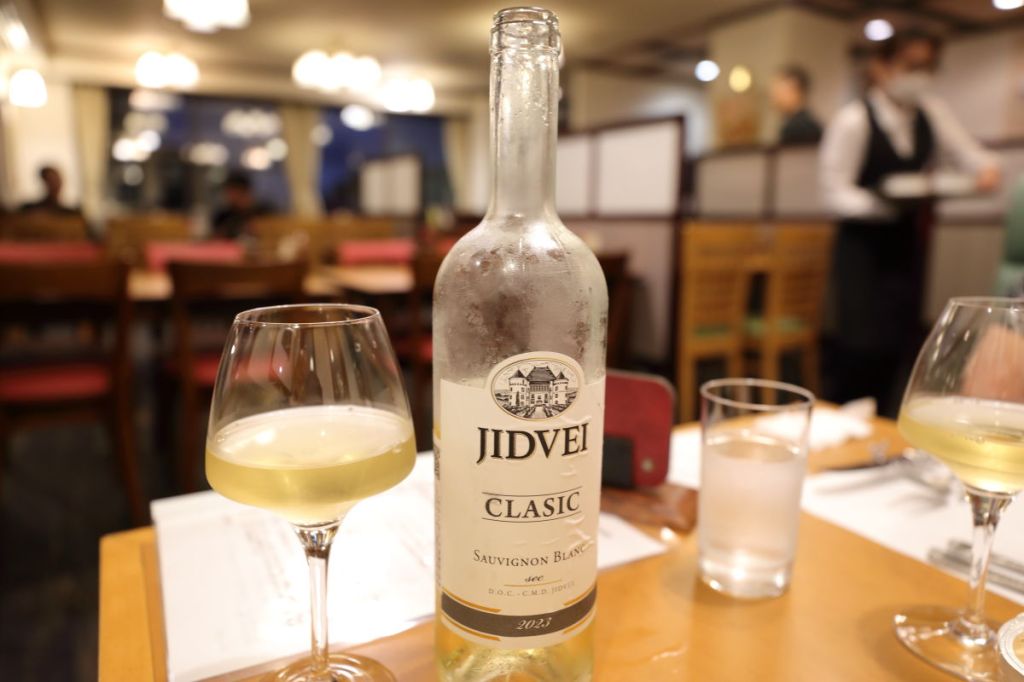
Since the owner’s wife is Romanian, they also offer Romanian wines. I ordered a wine called Jidvei; it had a fruity aroma and a crisp, clean finish.
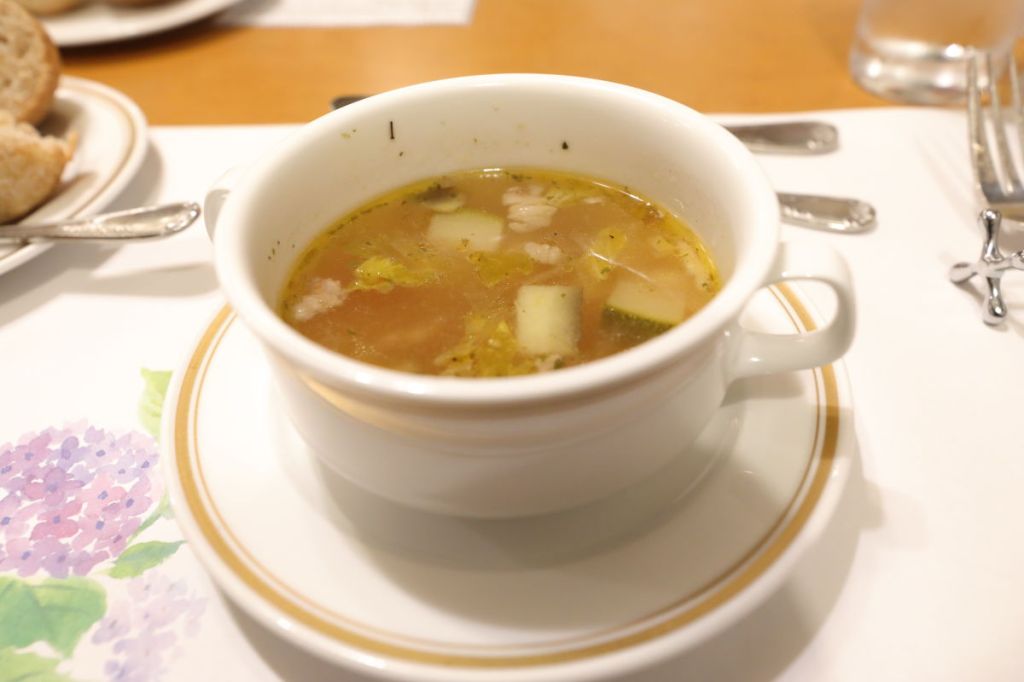
Summer Vegetable Minestrone
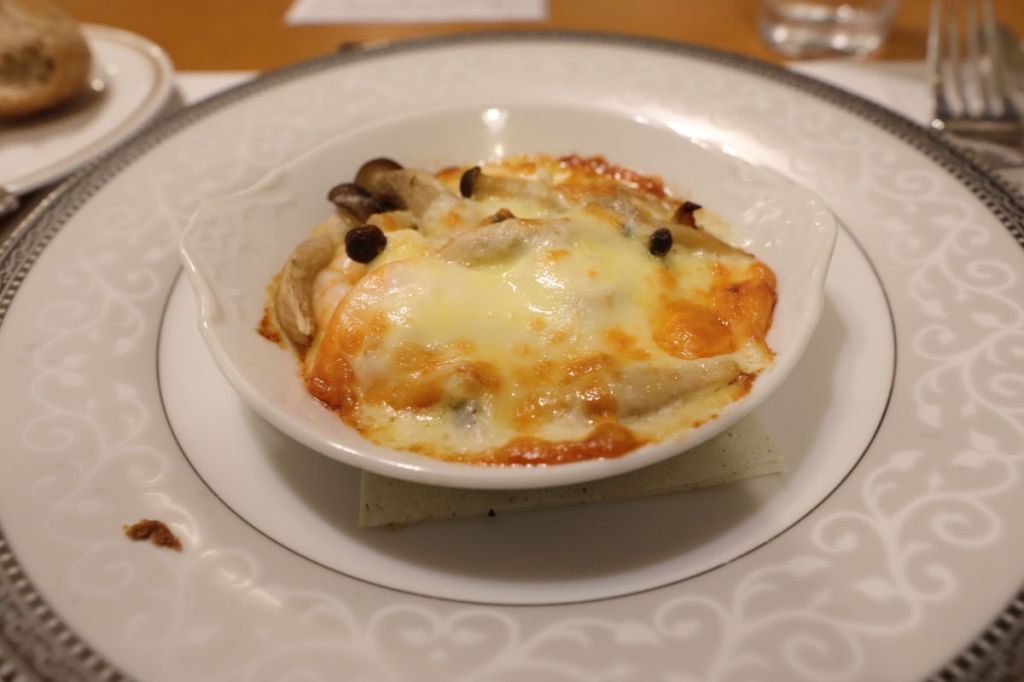
Scallop, Shrimp, and Mushroom Gratin
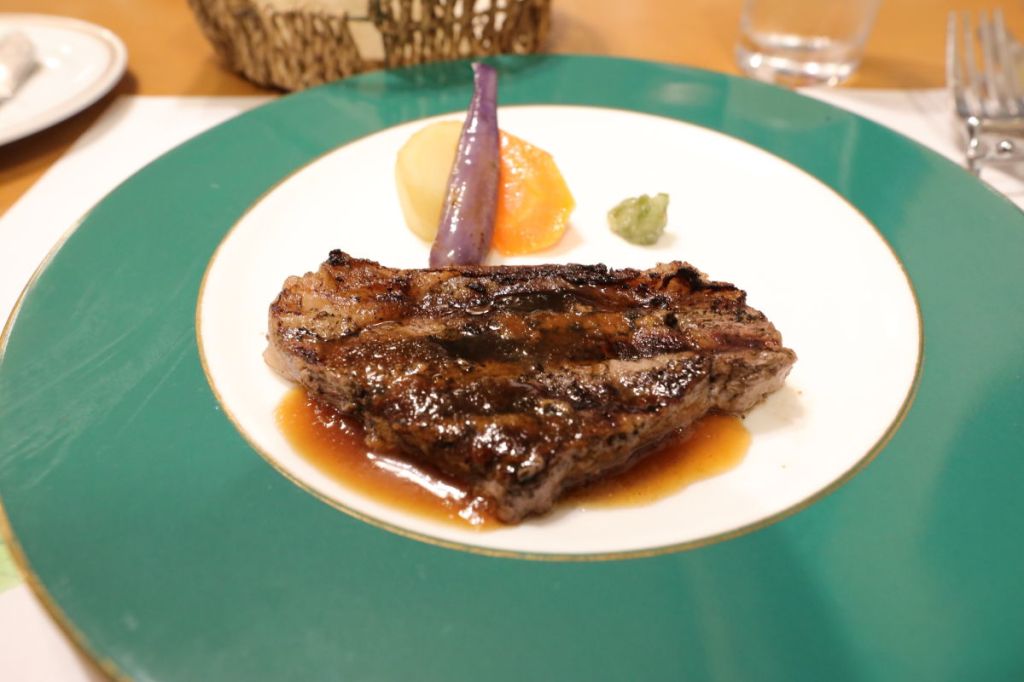
The grilled beef was served with a Japanese-style sauce that paired perfectly with the wasabi from Azumino.
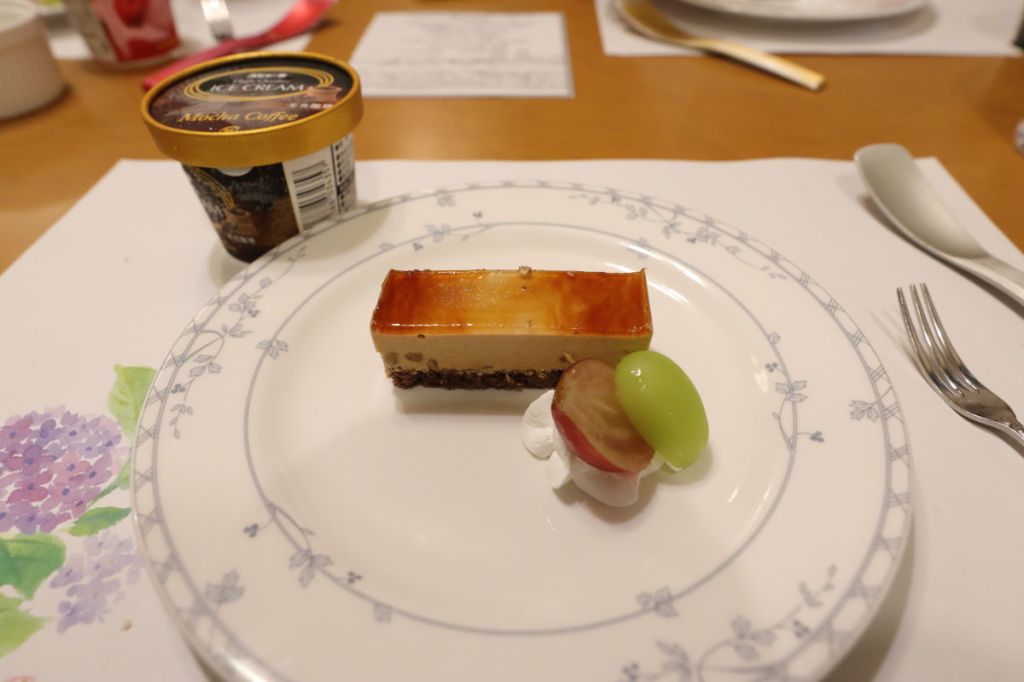
The dessert was delicious, too.
September 15(Tue)
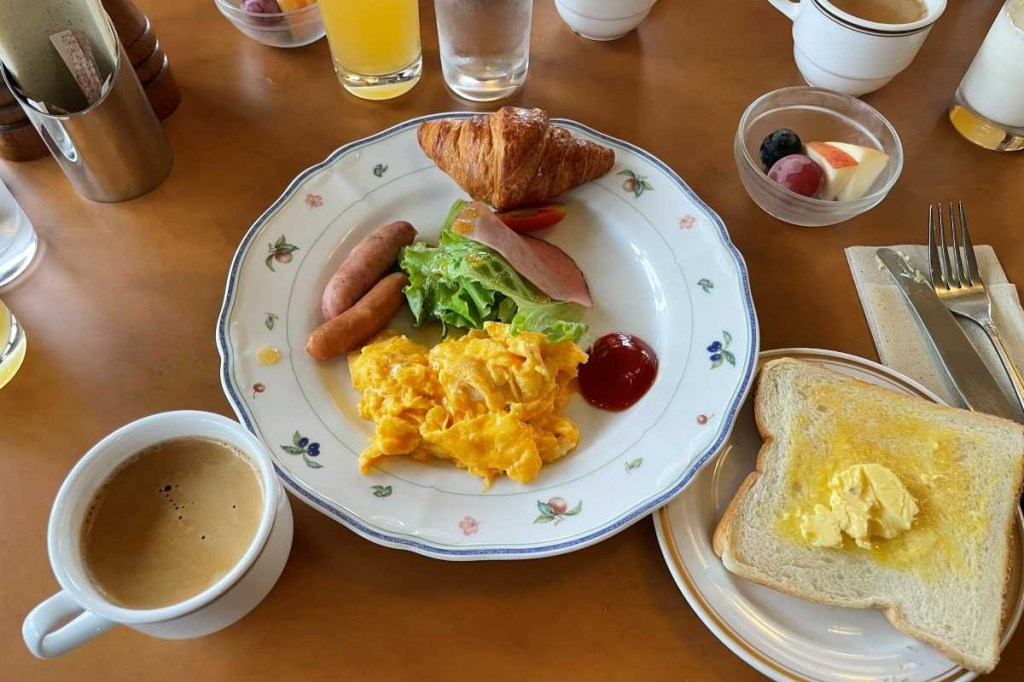
Breakfast was an American-style breakfast.
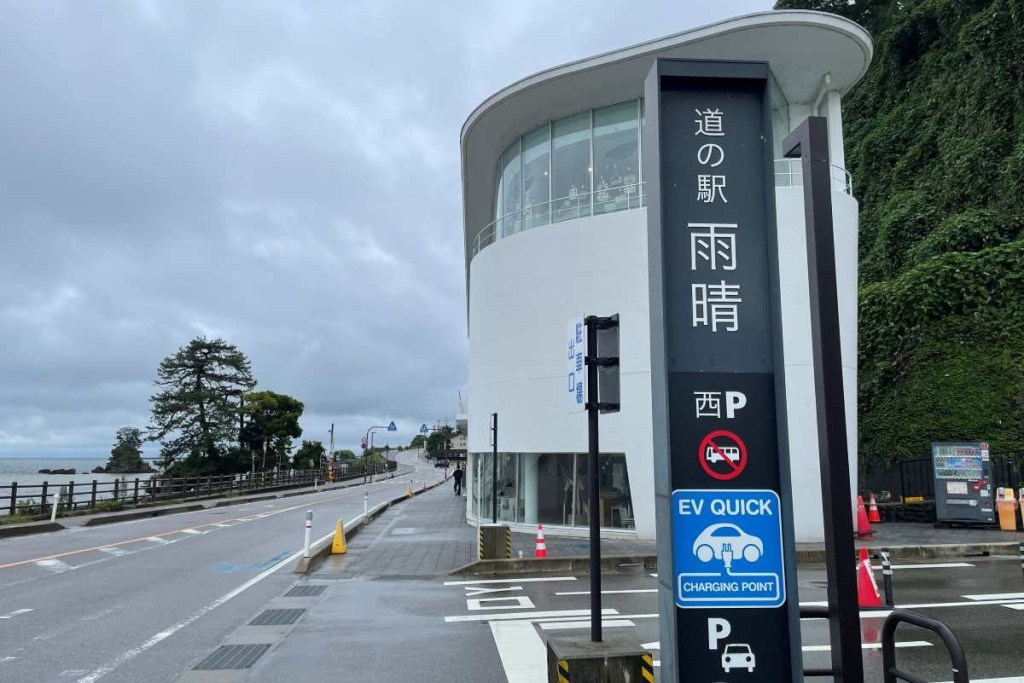
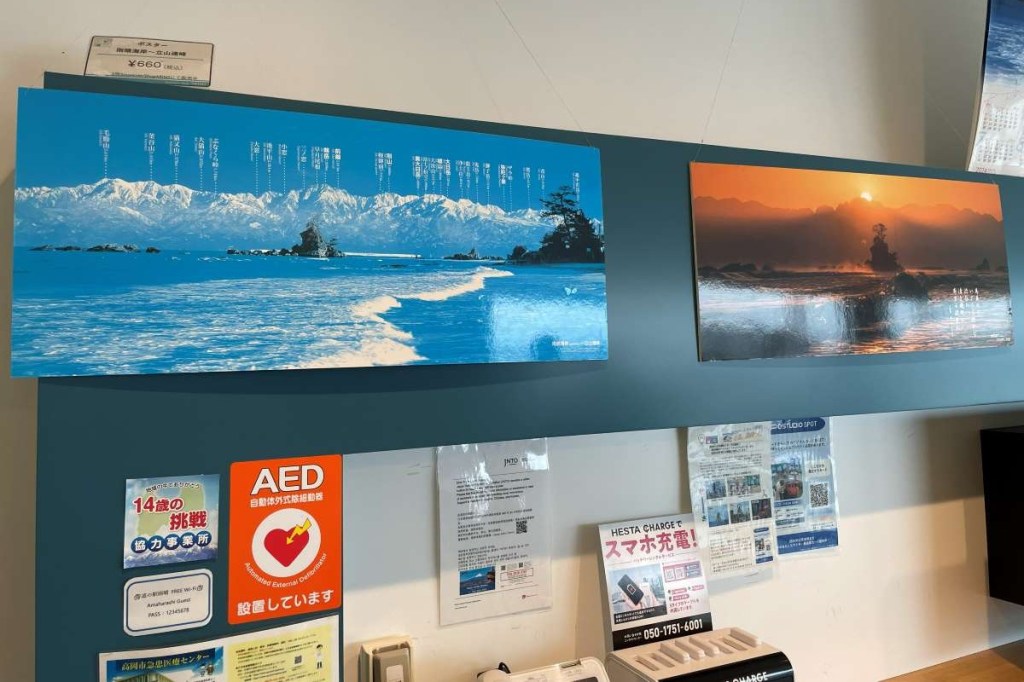
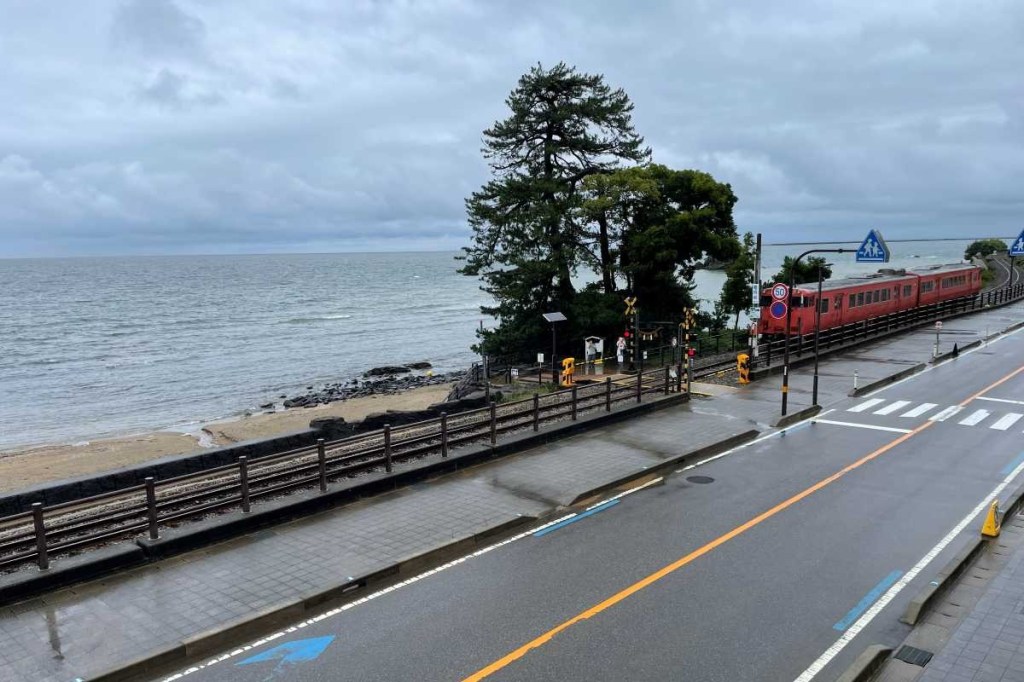
After breakfast, I decided to head to Roadside Station Amaharashi in Takaoka City, Toyama Prefecture. I traveled north from Hakuba along the road following the Himekawa River to Itoigawa, then drove along the coast to reach Takaoka City. On a clear day, Roadside Station Amaharashi offers a magnificent view of the Tateyama Mountain Range across Toyama Bay.
道の駅にあった写真の風景が見たかったのですがあいにくの天候に阻まれました。
I was lucky enough to see a train passing the JR Himi Line crossing near Yoshitsune Rock. This rock is said to be the place where Yoshitsune waited for a passing shower to clear while fleeing to Oshu; it is also the origin of the name “Ameharashi” (literally “rain clearing”).
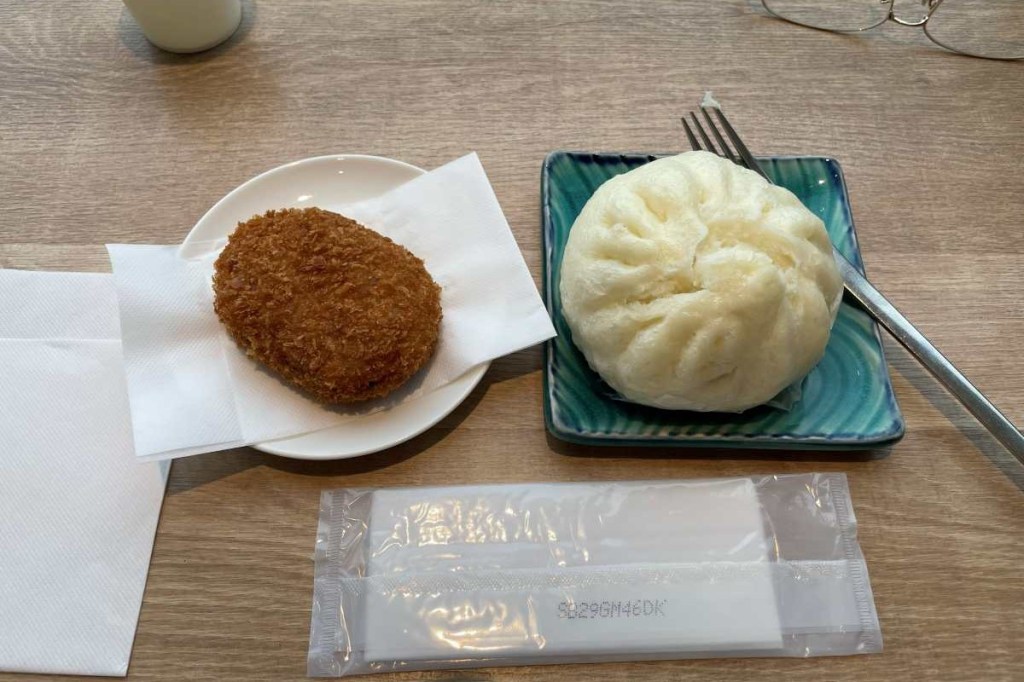
The restaurant where I had planned to have lunch was closed, so I had no choice but to eat a “buri-man” (steamed bun filled with local yellowtail) and a white shrimp croquette here instead. They tasted excellent.
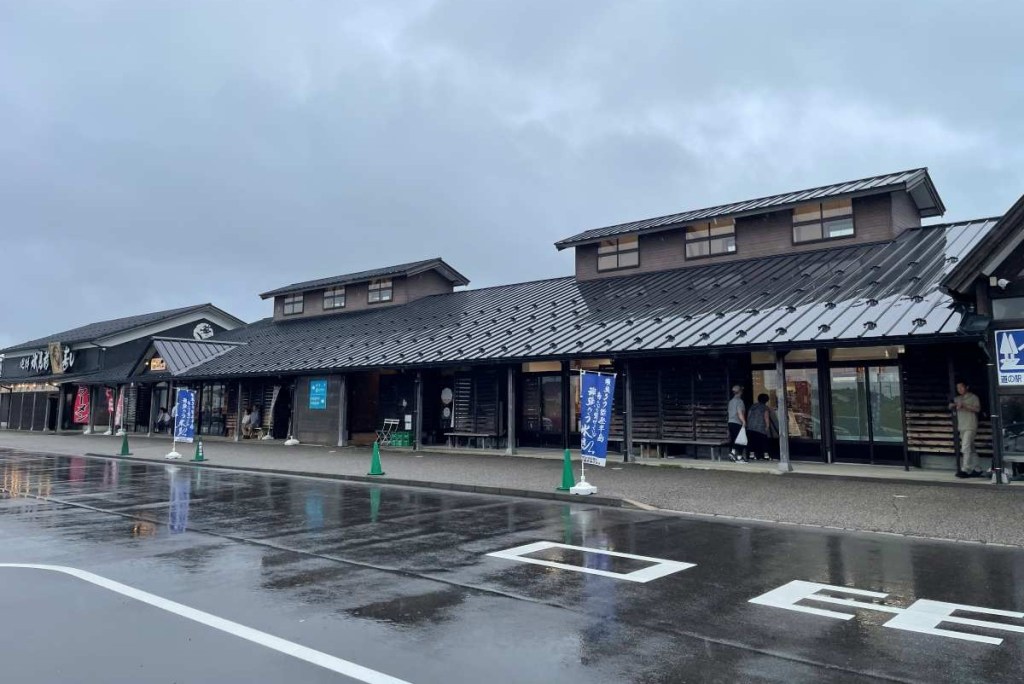
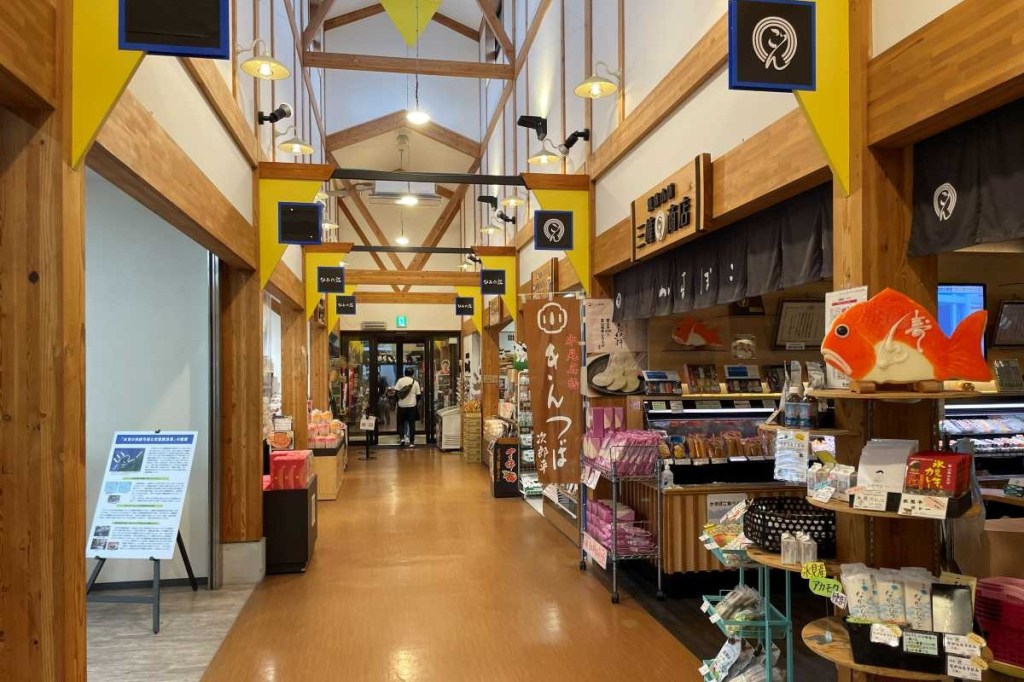
Next, I visited the Himi Banya Roadside Station. There were many shops inside, and if the timing had worked out, it might have been a good place to have a meal.
There is a shop called “Noto Milk” right near where I am staying today. They sell various dairy products and gelato, and the gelato seemed to be popular.
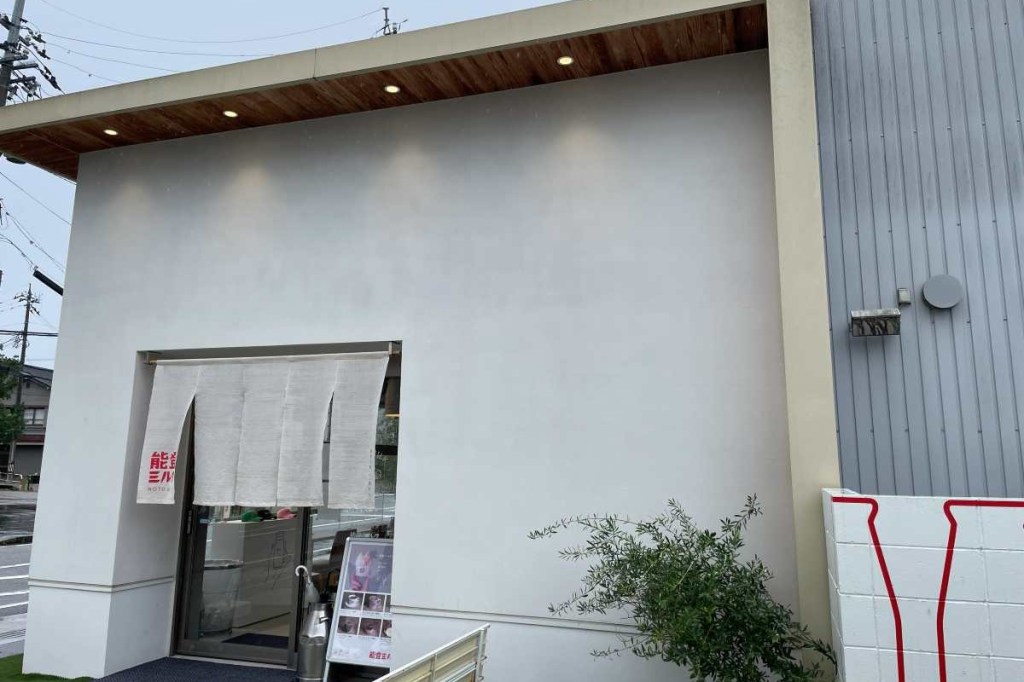
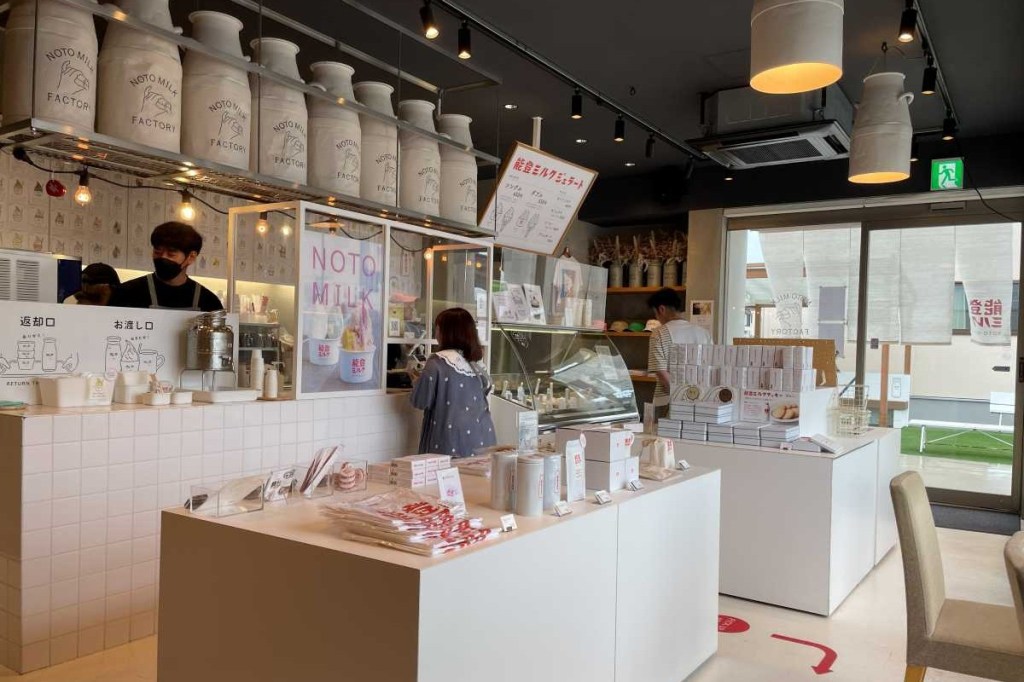
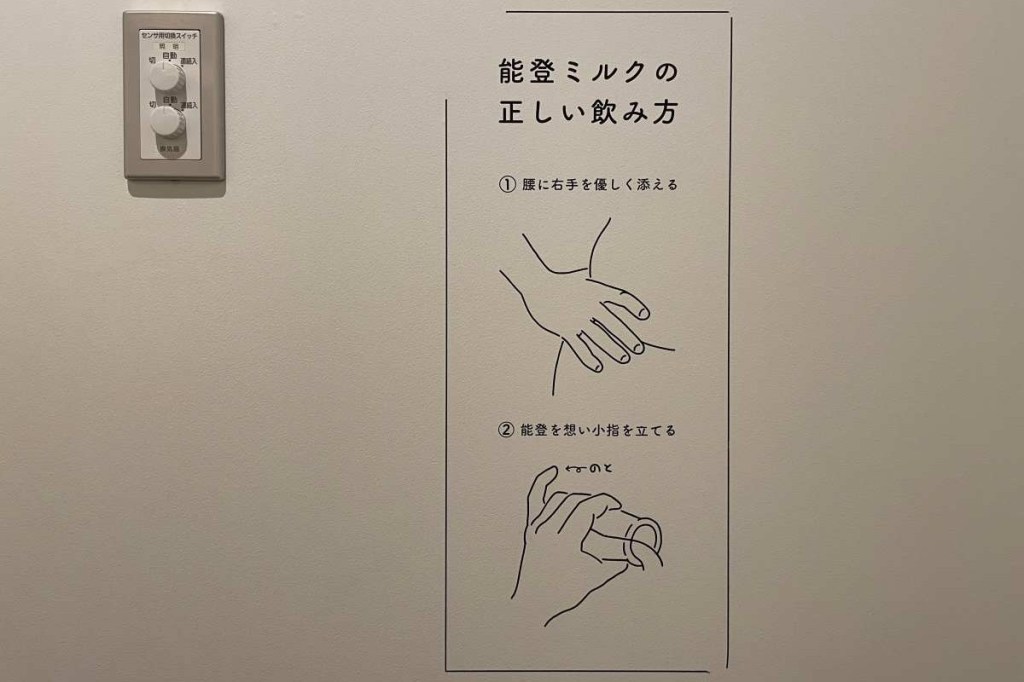
There was an illustration on the wall showing the proper way to drink Noto Milk; it was a fun design that likened an extended little finger to the shape of the Noto Peninsula.
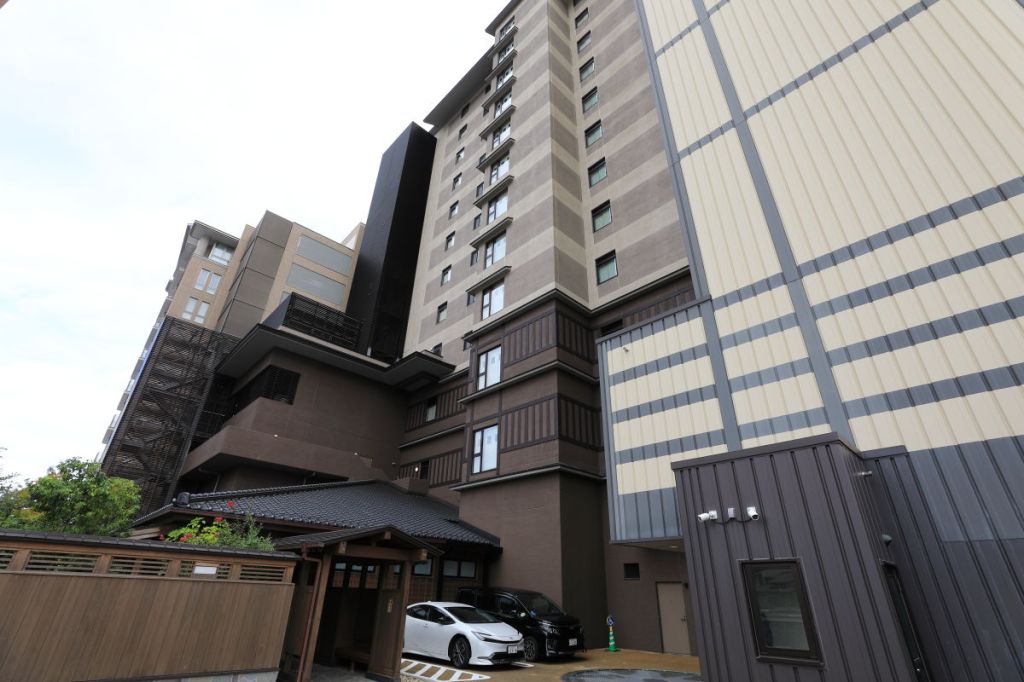
My accommodation for tonight is Shirasagi-no-Yu Noto Kaishu, located at Wakura Onsen in Nanao City, Ishikawa Prefecture. The Noto Peninsula was struck by a major earthquake on New Year’s Day 2024, and while this inn sustained damage, the fact that it was a new building meant that only interior repairs were required, allowing it to resume operations this past July. In contrast, famous establishments like Kagaya have not yet reopened, as they are being demolished and rebuilt. Traces of the disaster were still clearly visible in the surrounding area.
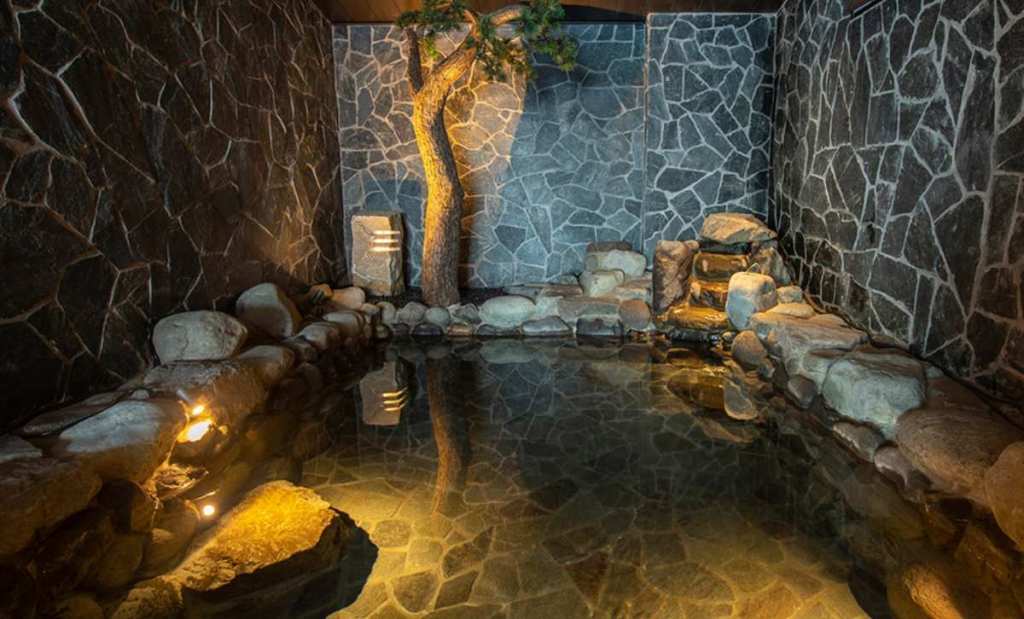
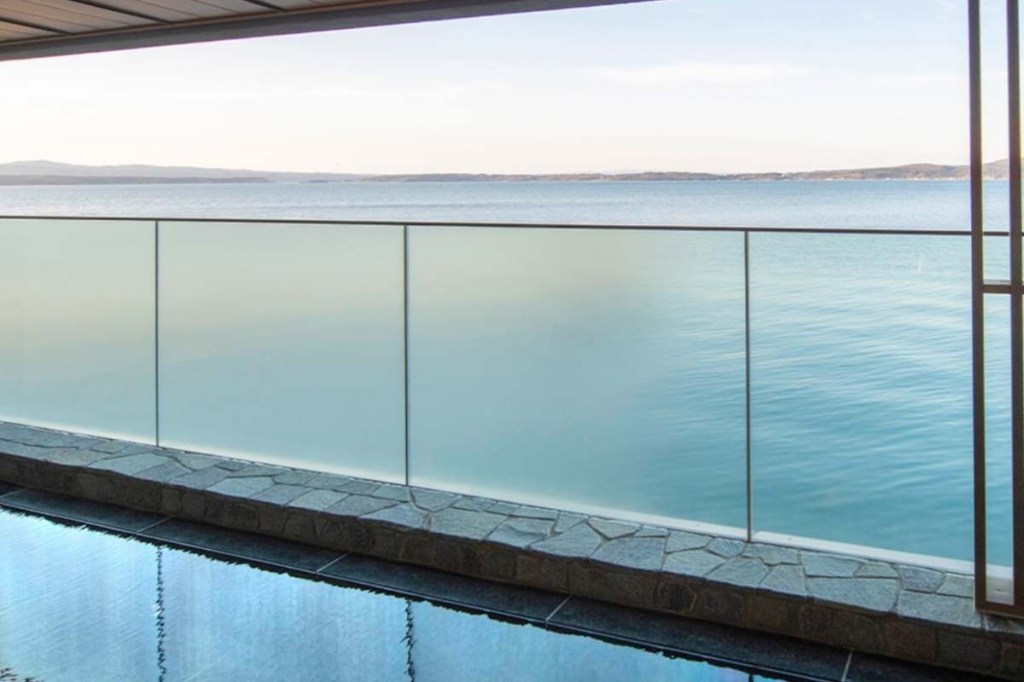
The indoor bathing area featured various types of tubs; however, unlike the photos shown on the inn’s website—where the view was open—the sea-facing side was actually covered up, so the ocean was not visible, which was a disappointment. The water is a sodium-calcium chloride spring that feels pleasant on the skin.
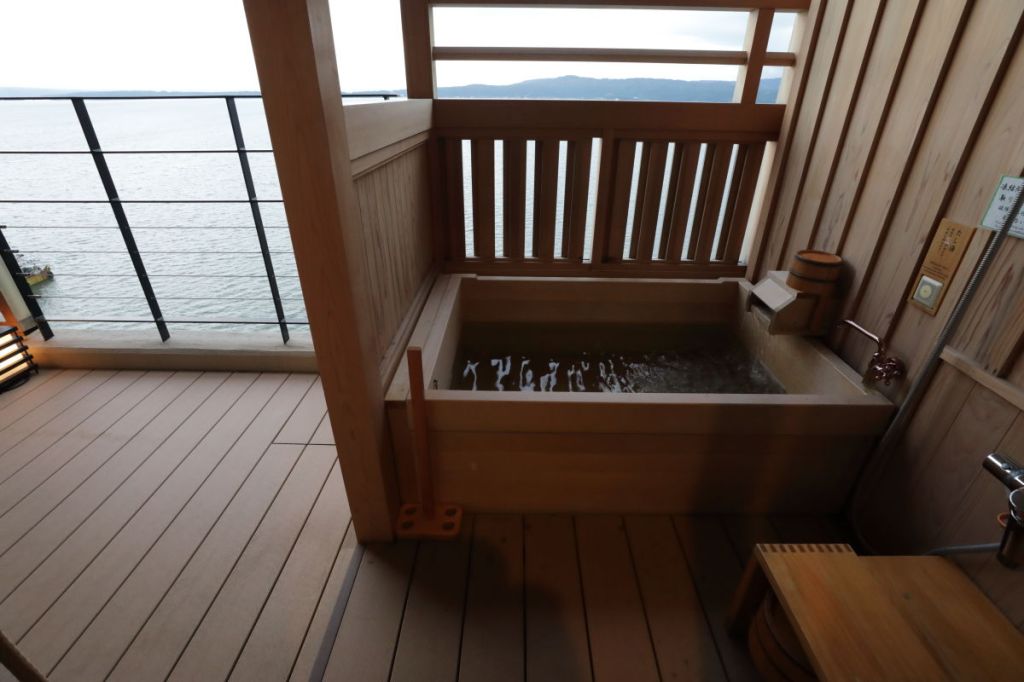
The room featured a semi-open-air hot spring bath; I was able to enjoy a relaxing soak while taking in the view and feeling the outside breeze.
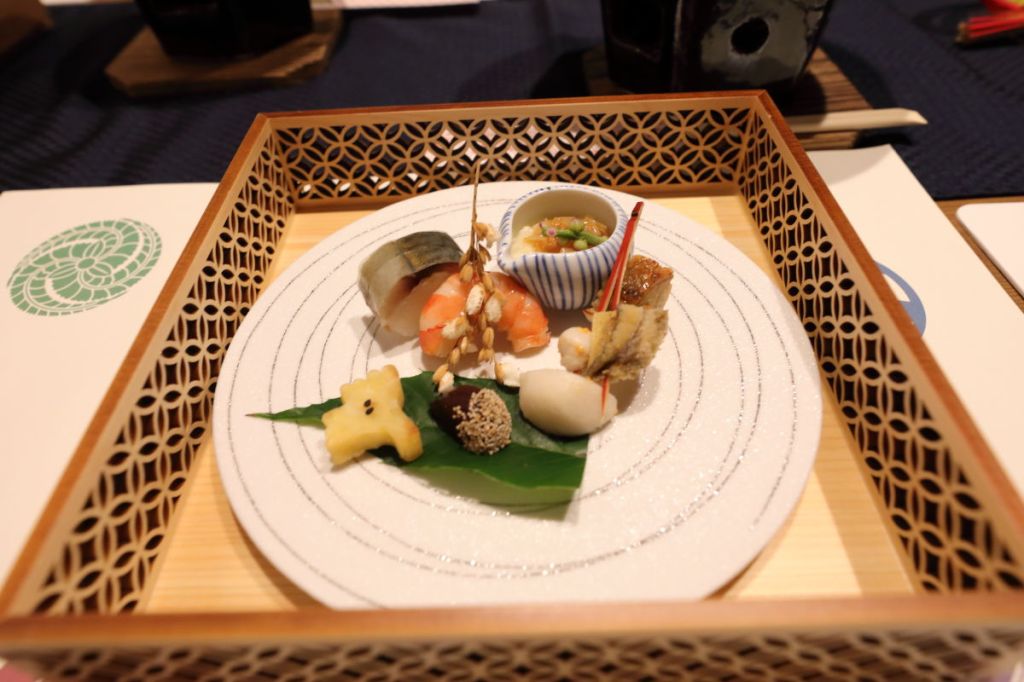
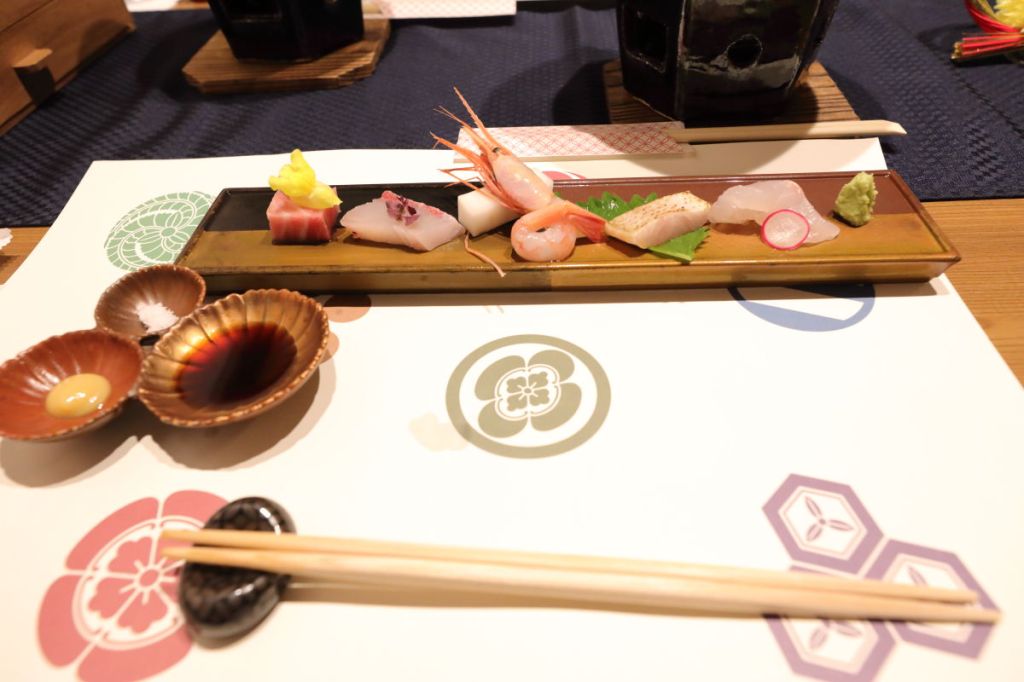
Dinner is a Japanese kaiseki meal featuring the bounty of Noto’s land and sea. The appetizer course is a colorful assortment that includes tilefish, shrimp, and grilled mackerel sushi.
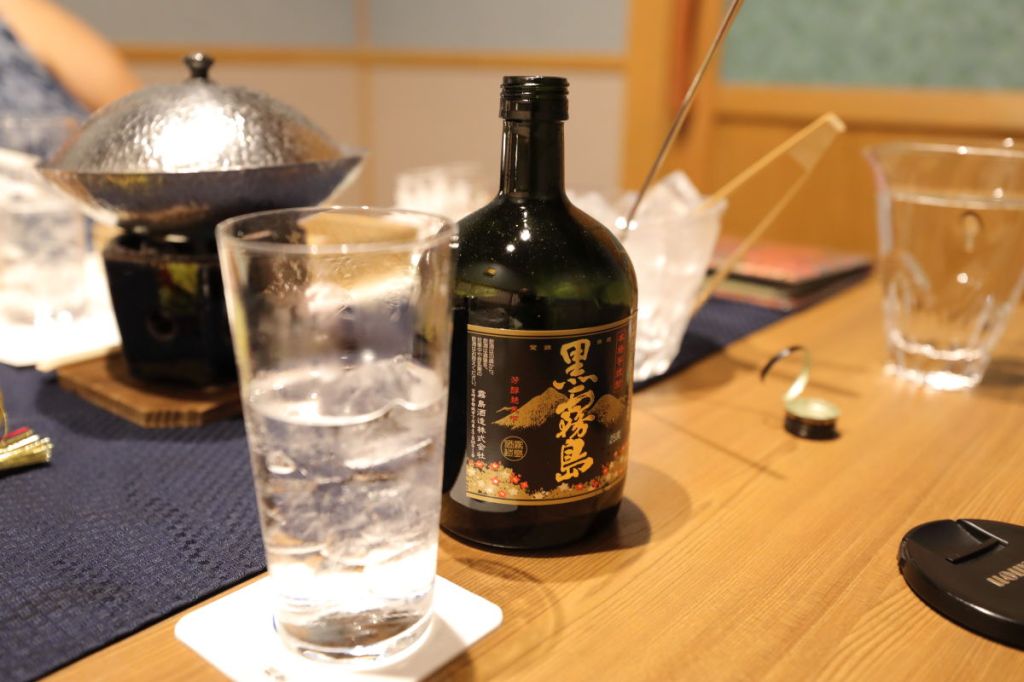
I ordered Kuro Kirishima, the sweet potato shochu I also drink at home.
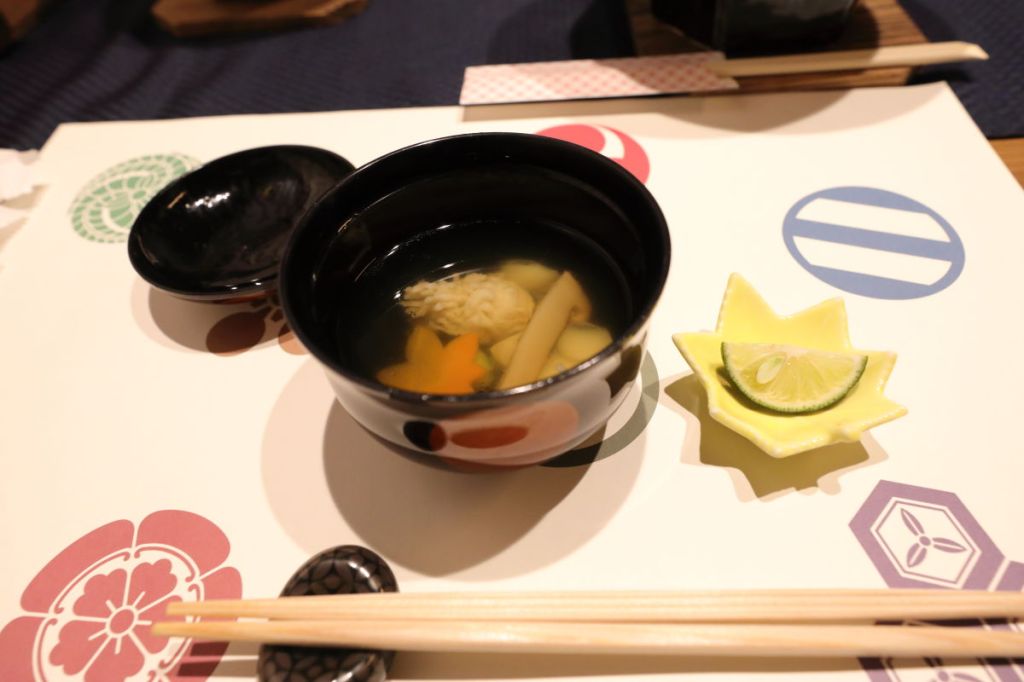
The clear soup offers a luxurious flavor, featuring ingredients such as matsutake mushrooms, pike eel, and lily bulbs.
The sashimi platter, arranged from right to left, consisted of namera (red spotted grouper), seared nodoguro (blackthroat seaperch), sweet shrimp, kanpachi (greater amberjack), and tuna; the namera had a wonderful texture and a pleasant sweetness.
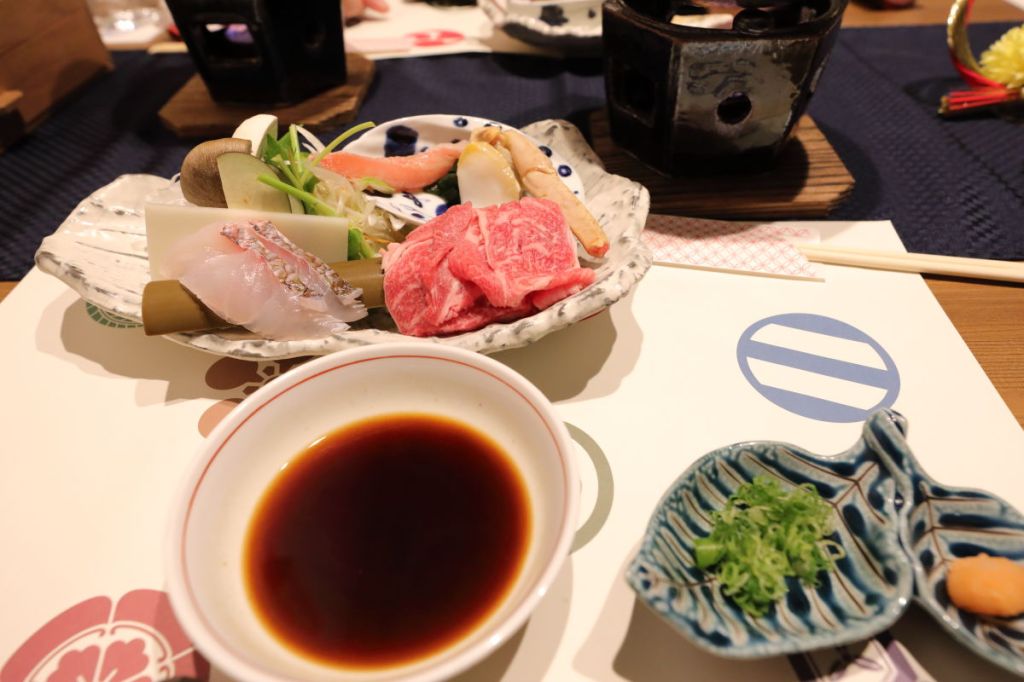
I enjoyed the Kuroge Wagyu beef, crab legs, white whelk, and red sea bream shabu-shabu style.
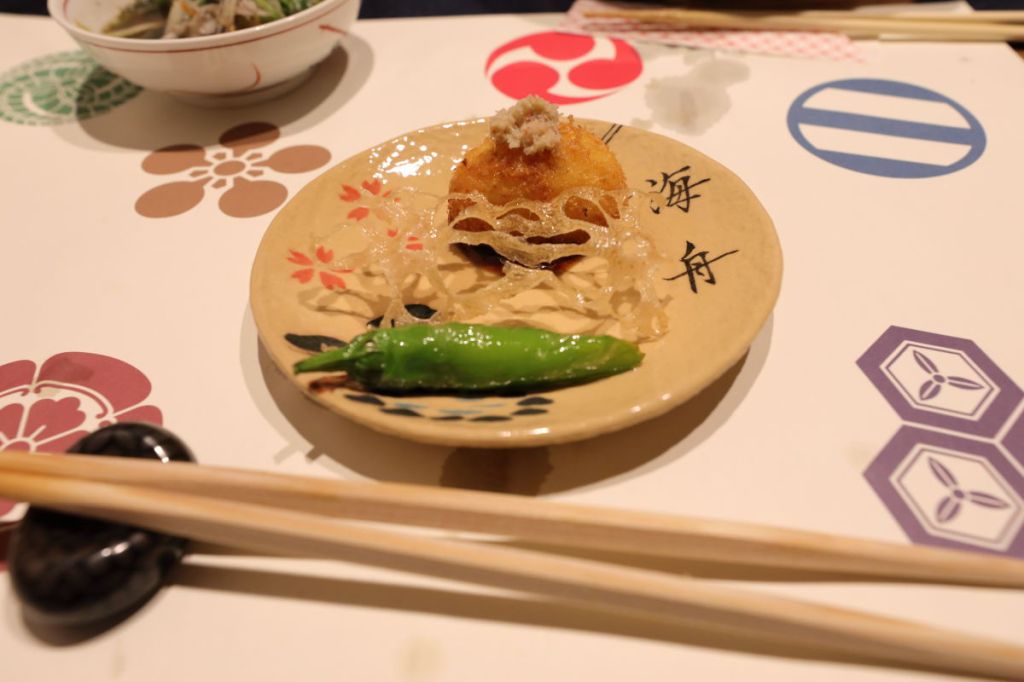
The crab cream croquette is delicious.
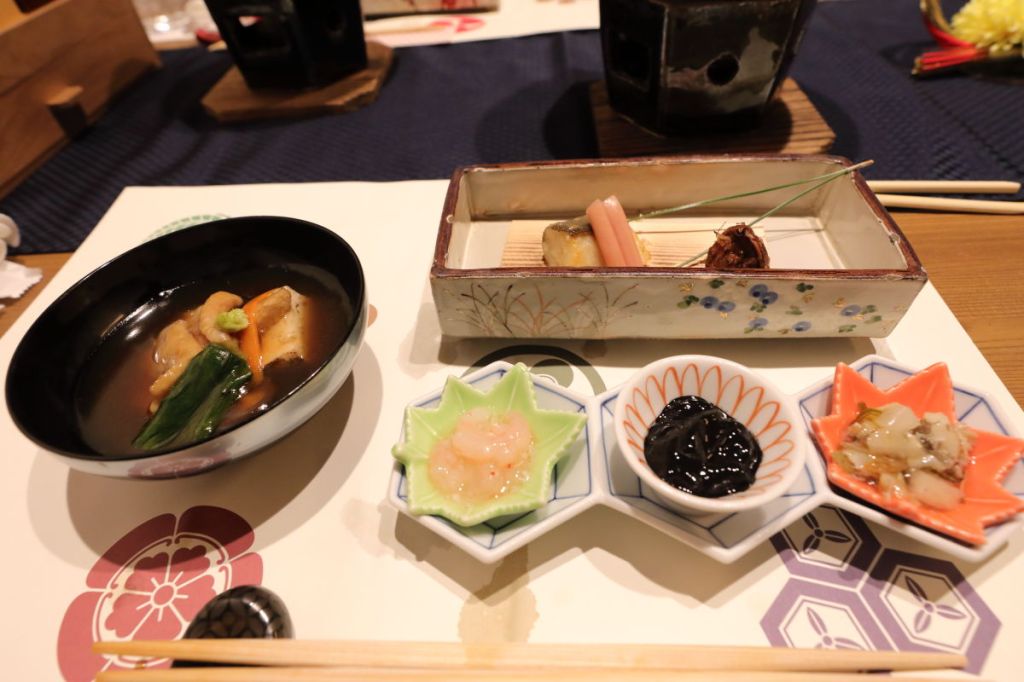
You can order the simmered Aigamo duck (Jibu-ni), Saikyo-yaki black cod, and the “Satoumi Sanchin” (three coastal delicacies) platter individually, but since I was there, I decided to try all three.
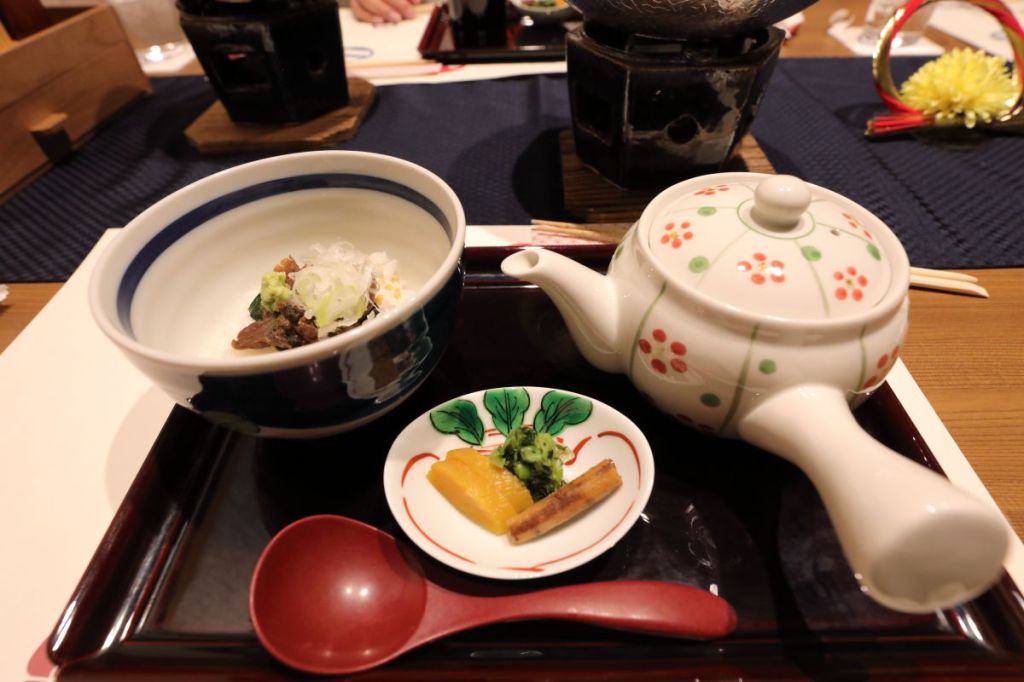
For the final course, there were three options to choose from, and I selected the saba konka-zuke ochazuke (rice with tea and cured mackerel). Saba konka-zuke is a traditional preserved food from the Hokuriku region made by aging salted mackerel in rice bran and koji (malted rice); it pairs perfectly with ochazuke.
September 16(Wed)
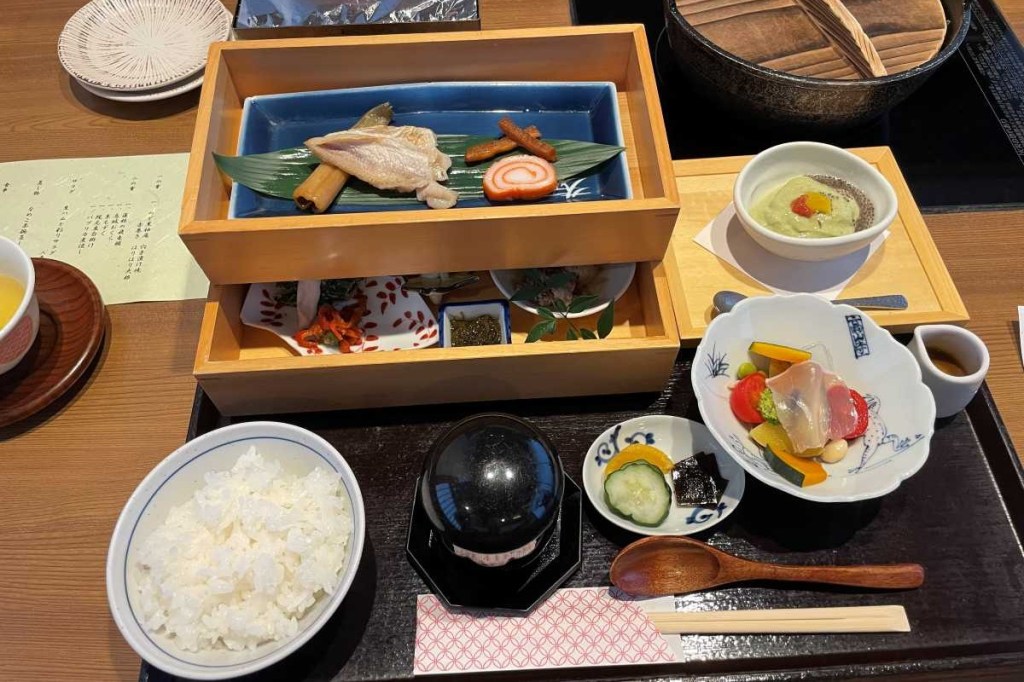
The breakfast featured a wide variety of ingredients; the nodoguro (blackthroat seaperch) grilled with yuzu-soy sauce and the marinated grilled conger eel, found in the top tier of the tiered box, were particularly delicious.
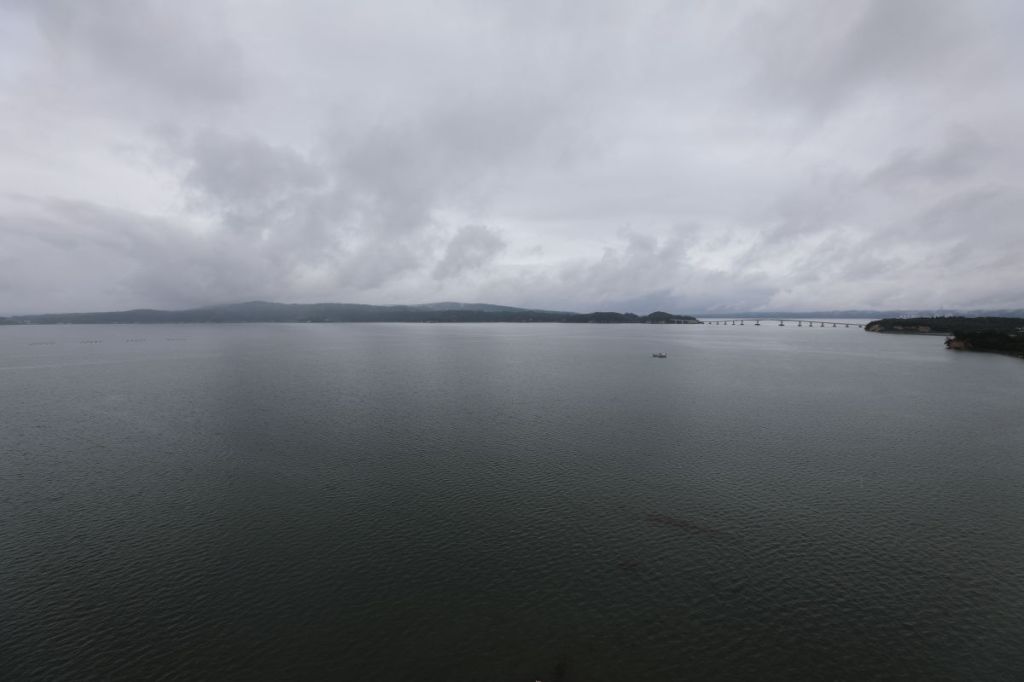
From the room’s balcony, I could see the Notojima Bridge, which spans the water here and leads to Wajima.
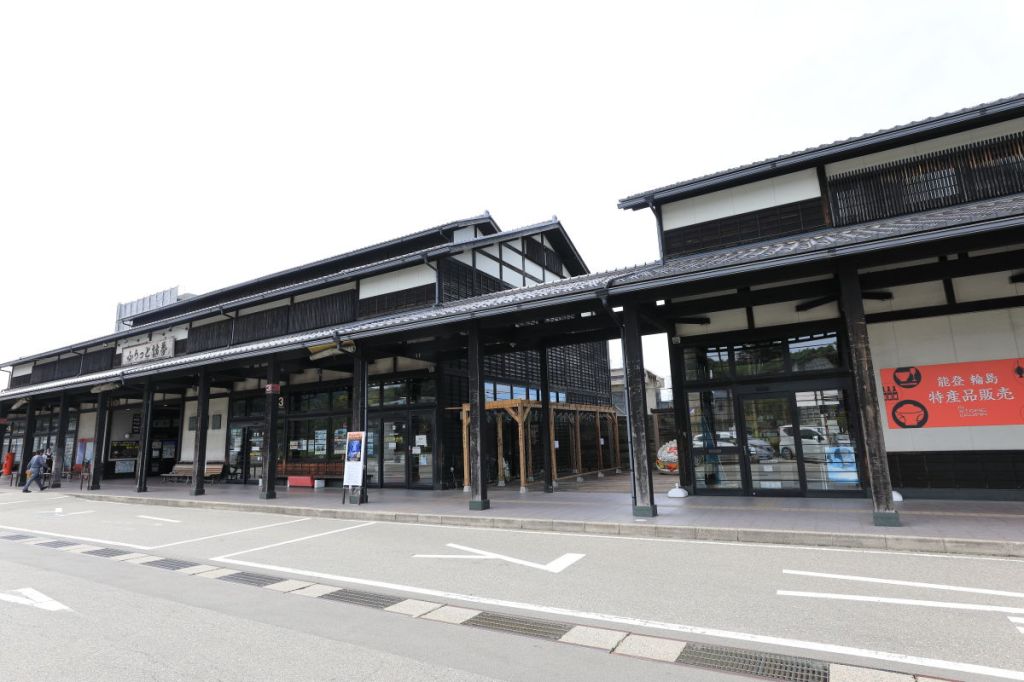
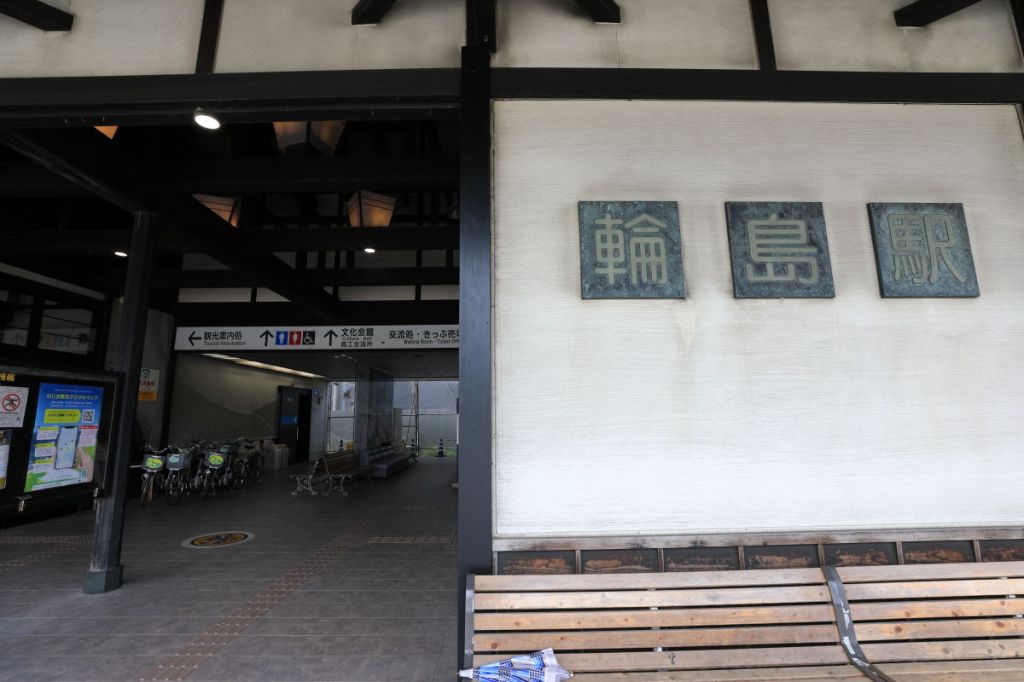
One of the goals of this trip was to see the recovery efforts following the 2024 earthquake and to show my support. My first stop was the Wajima Roadside Station. The site originally served as the terminus of the Noto Railway Nanao Line, but after the section between Anamizu and Wajima stations was discontinued, it was converted into a roadside station. Unfortunately, the shop on the right selling local specialties was closed, but the tourist information center on the left was also selling souvenirs.
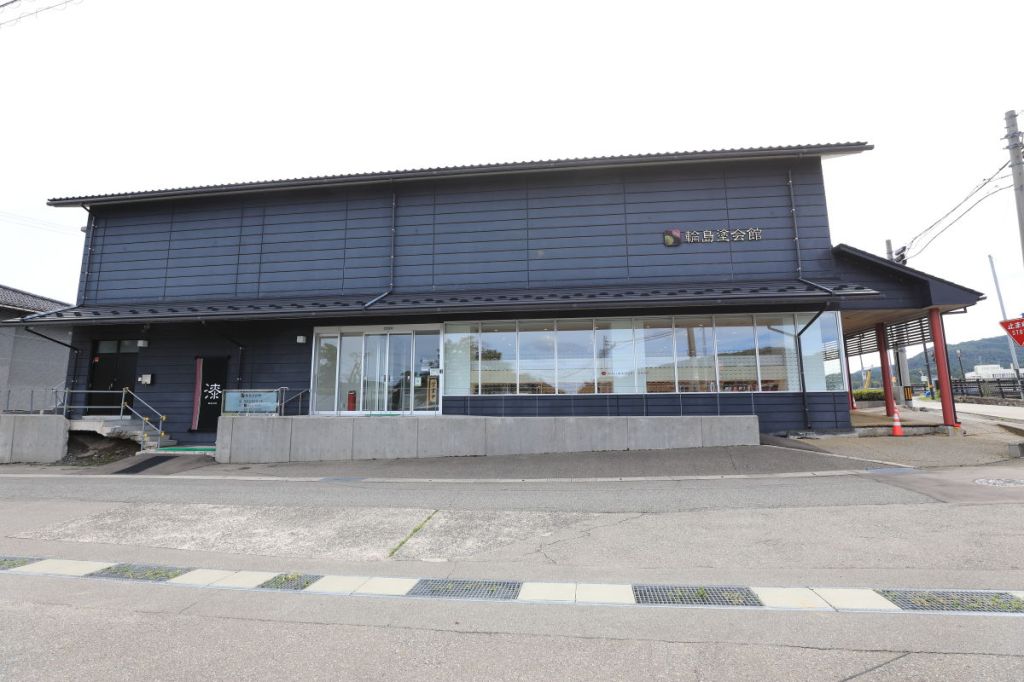
I headed to the Wajima-nuri Hall to buy some Wajima-nuri chopsticks. Although the main entrance is presumably on the right side, the sidewalk and surrounding areas were not yet fully developed, so the entrance was located on the parking lot side. There was a wide array of wonderful Wajima-nuri products available.
I had intended to have lunch somewhere, but the places I considered were either closed or too crowded; instead, I bought some bread at a bakery called Rapport du pain and enjoyed it with an iced coffee on the second-floor terrace. Afterward, I headed south along the Noto Peninsula to the Anamizu Roadside Station, but I was disappointed to find that the Anamizu Town Local Products Center “Shikisai-sai” was closed for the day. It seems that many shops in the area are closed on Wednesdays.
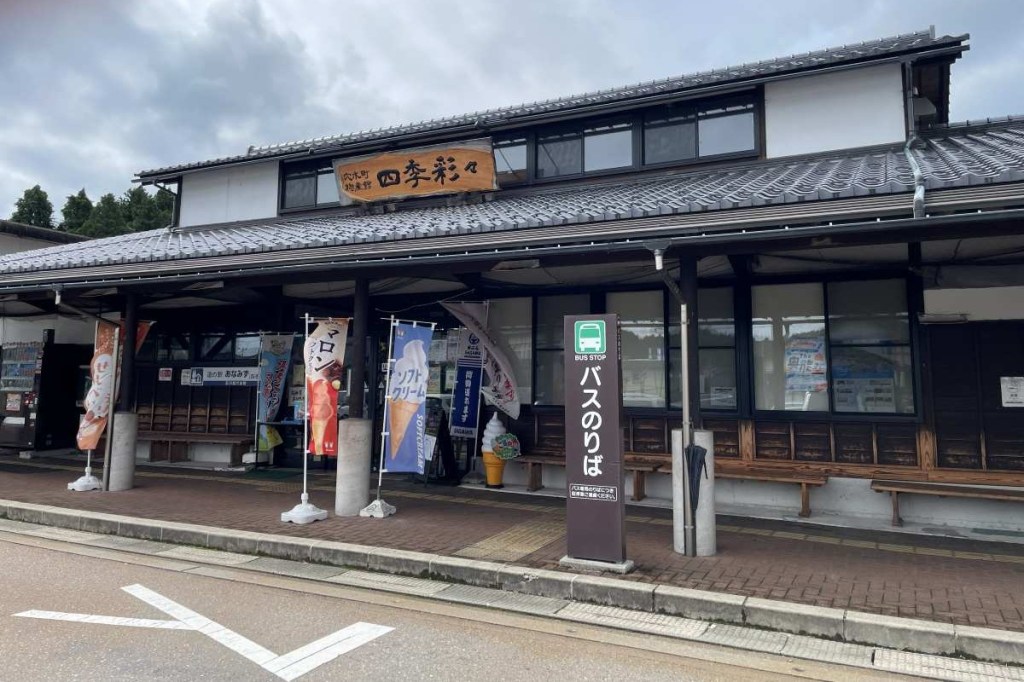
It was just a restroom break; the restroom entrance connected to the platform side of Noto Railway’s Anamizu Station, so it served as the station’s restroom as well. The line runs from Anamizu Station to Nanao Station.
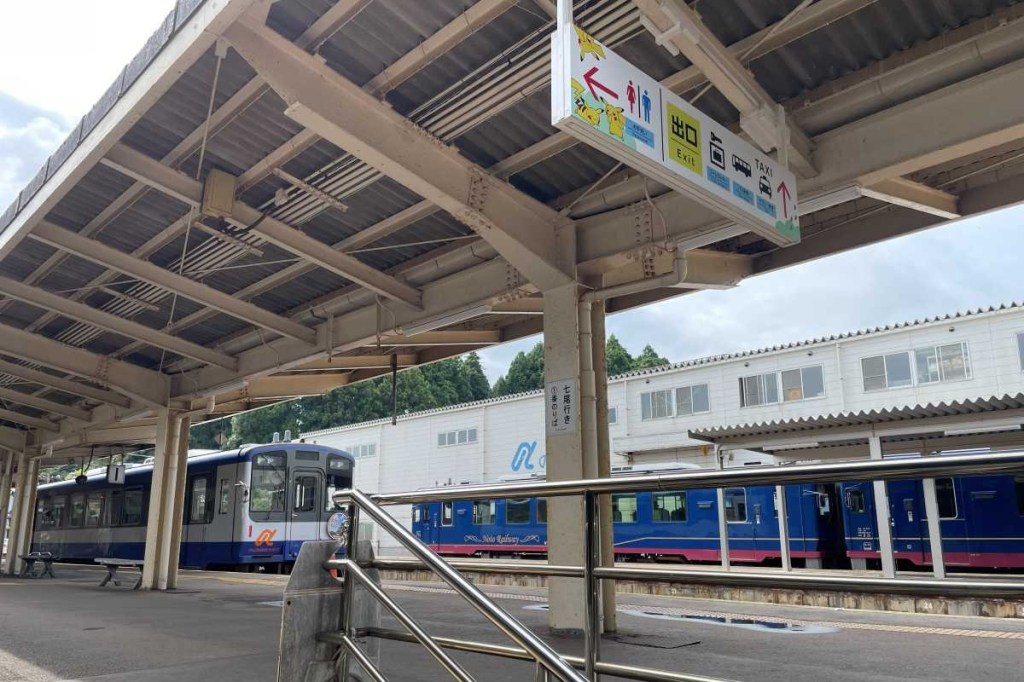
From here, I am heading to Awara Onsen in Fukui Prefecture—where I will be staying tonight—but I will cover the rest of the journey in the upcoming Fukui and Shizuoka installment. While traveling around the Noto Peninsula, I saw roadworks taking place everywhere; with vacant lots standing out in areas like Wakura Onsen and Wajima, the impression I got was that recovery efforts still have a long way to go.


コメントを残す