

From Monday, September 14, to Friday, September 18, I took a five-day, four-night road trip through central Honshu in my own car. Starting from my home in Tokyo, I traveled through a total of 12 prefectures: Saitama, Gunma, Nagano, Niigata, Toyama, Ishikawa, Fukui, Shiga, Gifu, Aichi, Shizuoka, and Kanagawa. The total driving distance came to 1,265 kilometers.
Here, I will share the part of the journey where I traced the footsteps of Sengoku-period warlords, covering the area from Fukui Prefecture to Shizuoka Prefecture.
September 16(Wed)
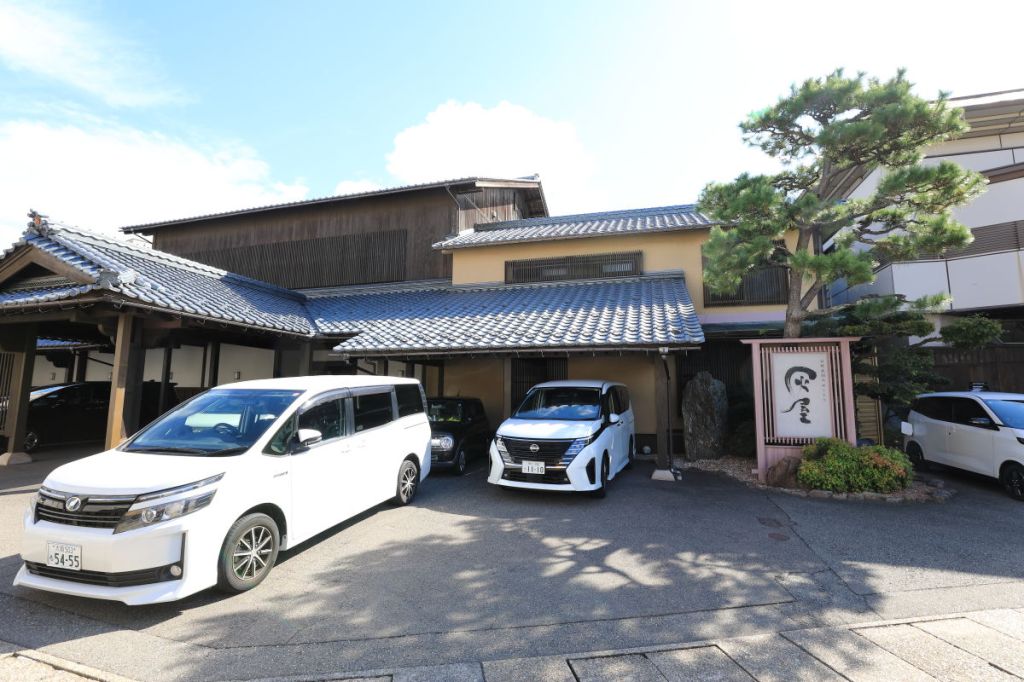
After leaving Anamizu Town in Ishikawa Prefecture, I headed to Awara Onsen in Fukui Prefecture, where I would be staying for the night. I hadn’t realized Fukui had any famous hot spring resorts, but I became intrigued by Awara Onsen after passing by it in a taxi during a previous business trip. My accommodation for the night was Haiya, a traditional inn. Awara Onsen was discovered in 1883, and while operations began with just a few inns in 1884, Haiya was one of them—a truly historic establishment. The entrance has been designed to recreate the atmosphere of the inn as it appeared when originally built.
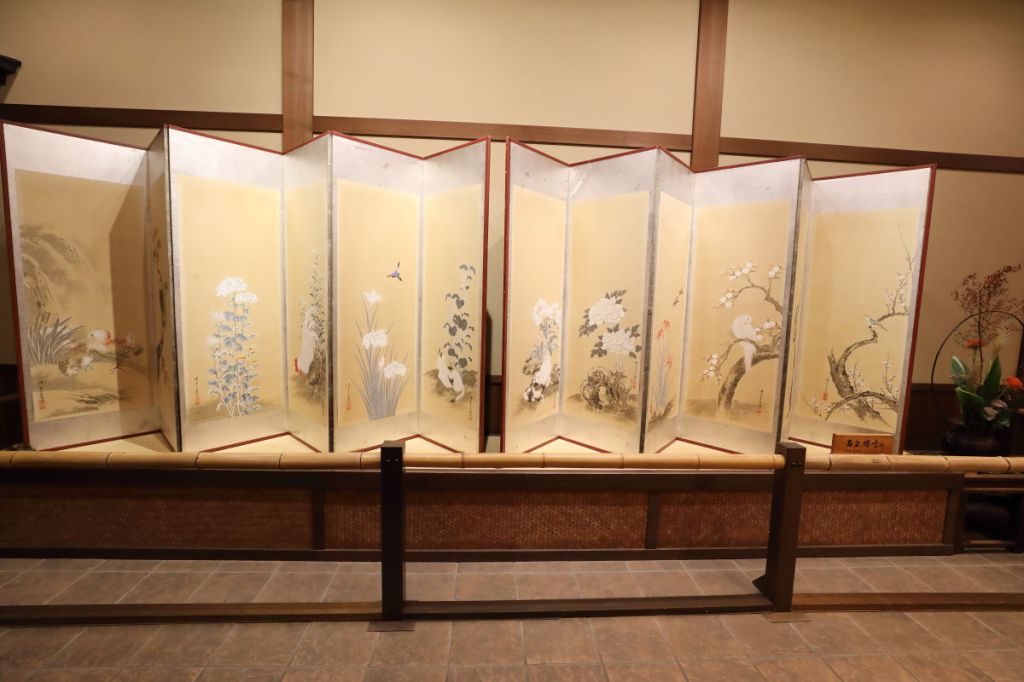
As you proceed through the lobby, you will also see a magnificent folding screen painting created by Hakuun Ishigami during the Edo period.
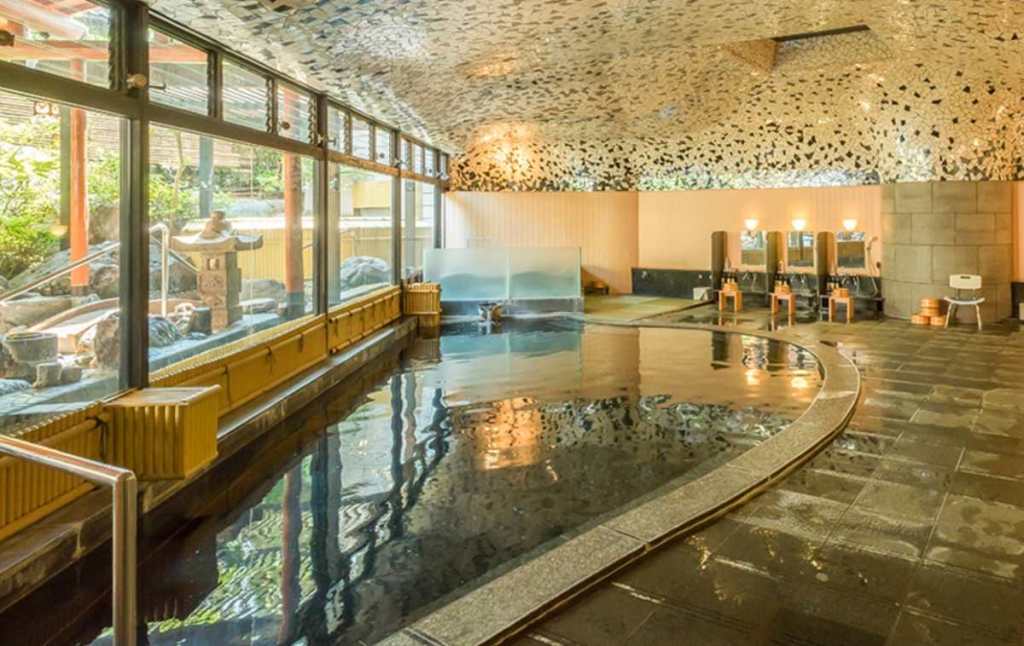
After resting briefly in my room, I headed straight for the hot springs. There are two large public baths—”Hidamari-no-Yu” and “Komorebi-no-Yu”—which alternate between men and women depending on the time of day. The photo here is a screenshot from the inn’s website showing “Hidamari-no-Yu”; both baths feature an outdoor open-air section.
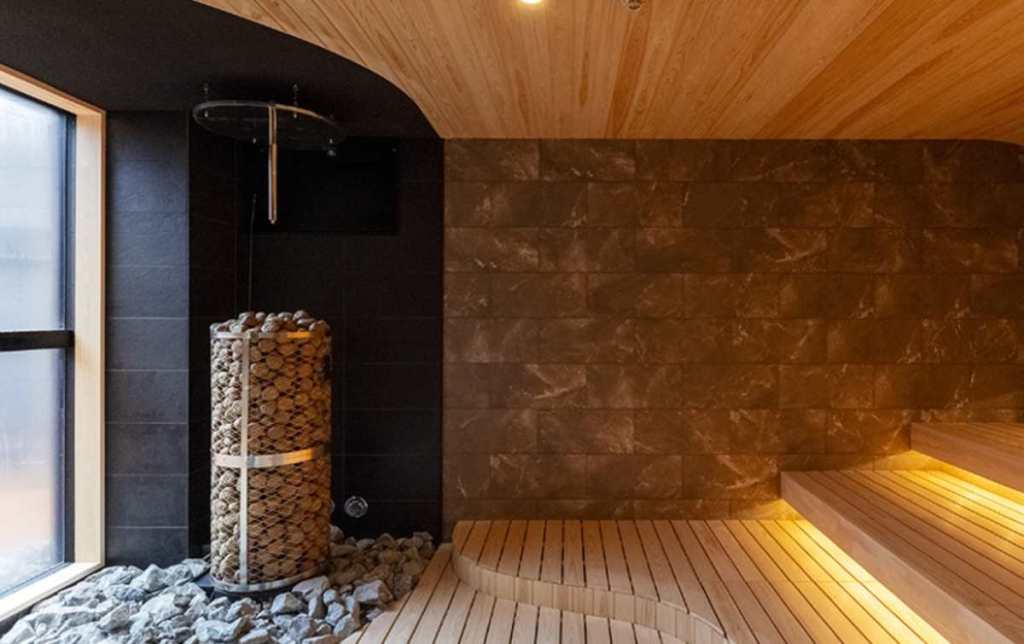
A short distance away, there is also an authentic “Garden Sauna” that opened last February; in addition to a cold plunge pool, it features an open-air hot spring bath and chairs for relaxing in the fresh air. It seems that saunas are becoming a key attraction in efforts to draw in younger people.
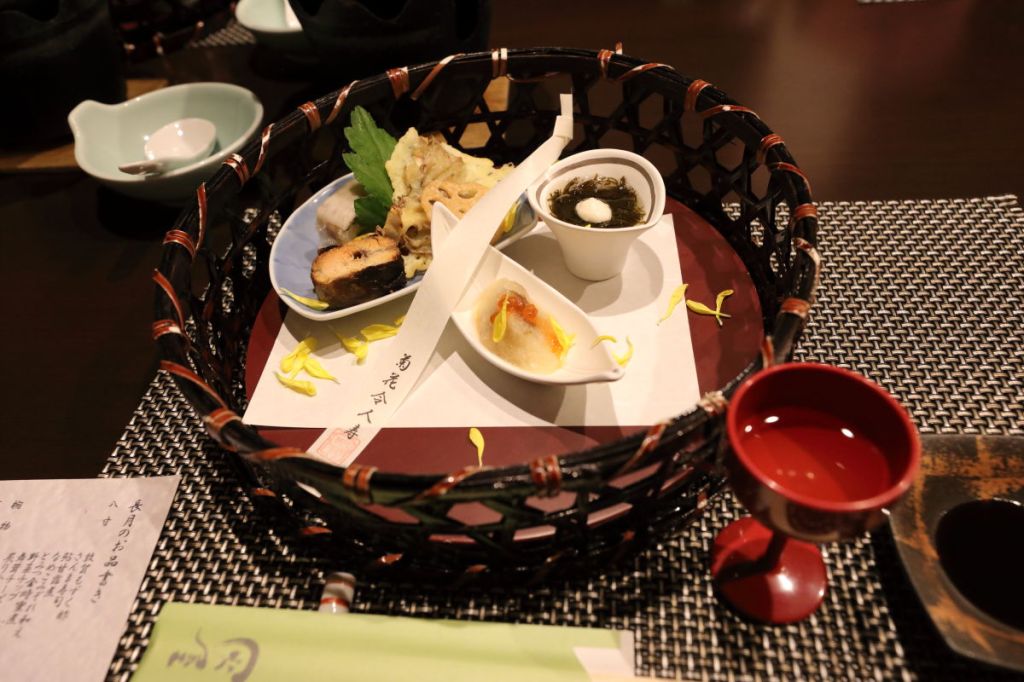
For dinner, I enjoyed a Japanese kaiseki meal featuring an abundance of local ingredients. The appetizers offered a delightful variety of flavors, including Echizen mozuku seaweed in vinegar, Pacific saury sushi, and sweet-simmered ayu (sweetfish).
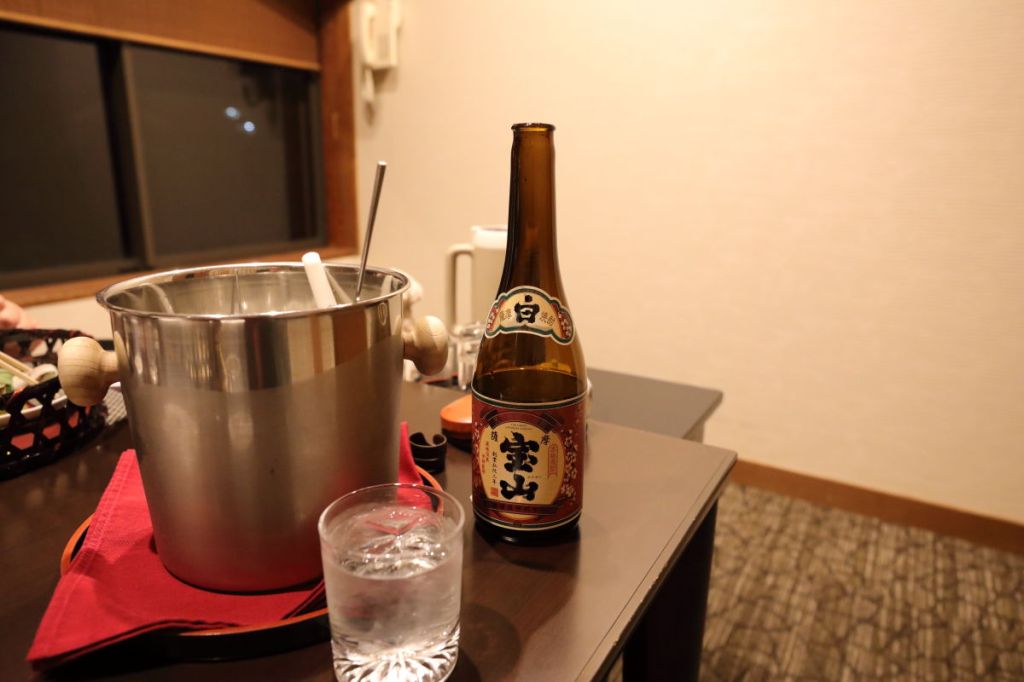
I ordered Satsuma Hozan, a sweet potato shochu.
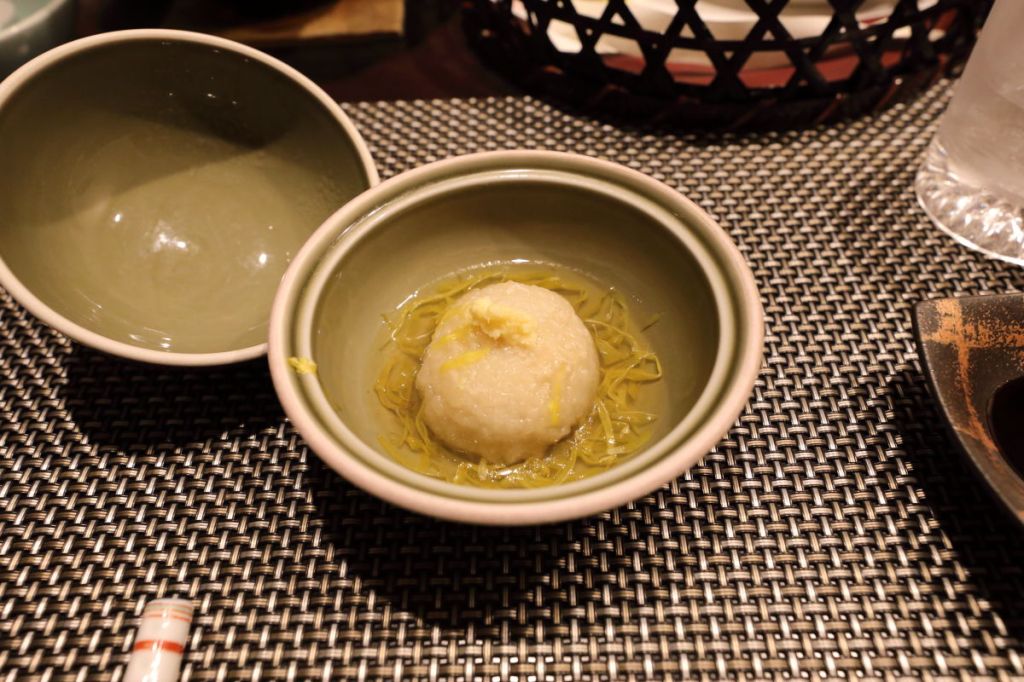
Taro Dumpling with Chrysanthemum Sauce
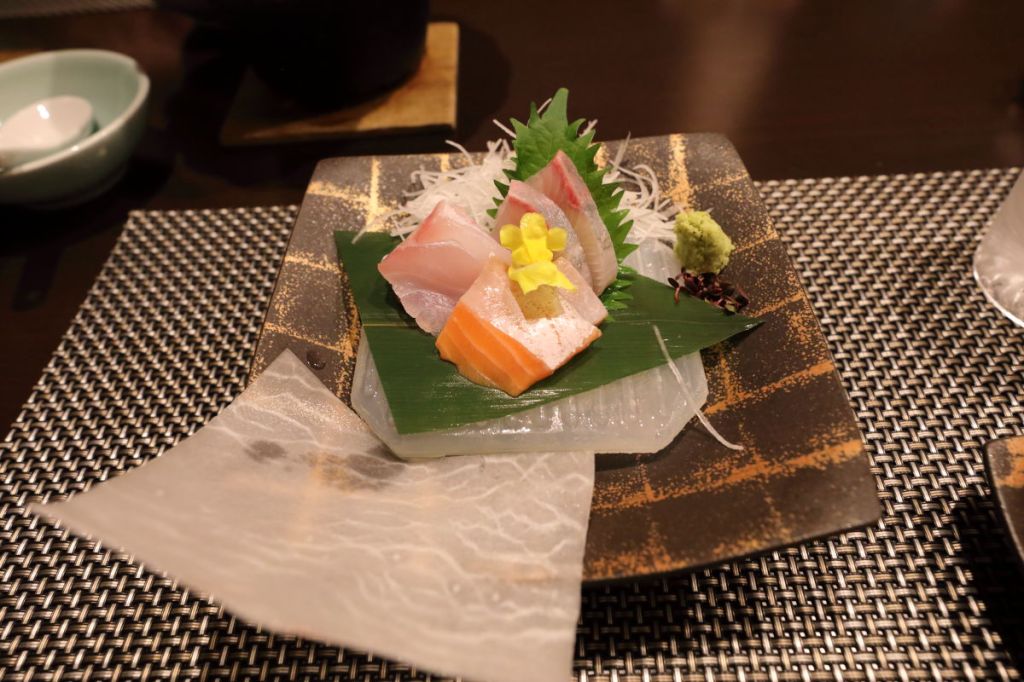
The sashimi—amberjack, sea bream, and Fukui Meisui Salmon—had a wonderful texture and was delicious.
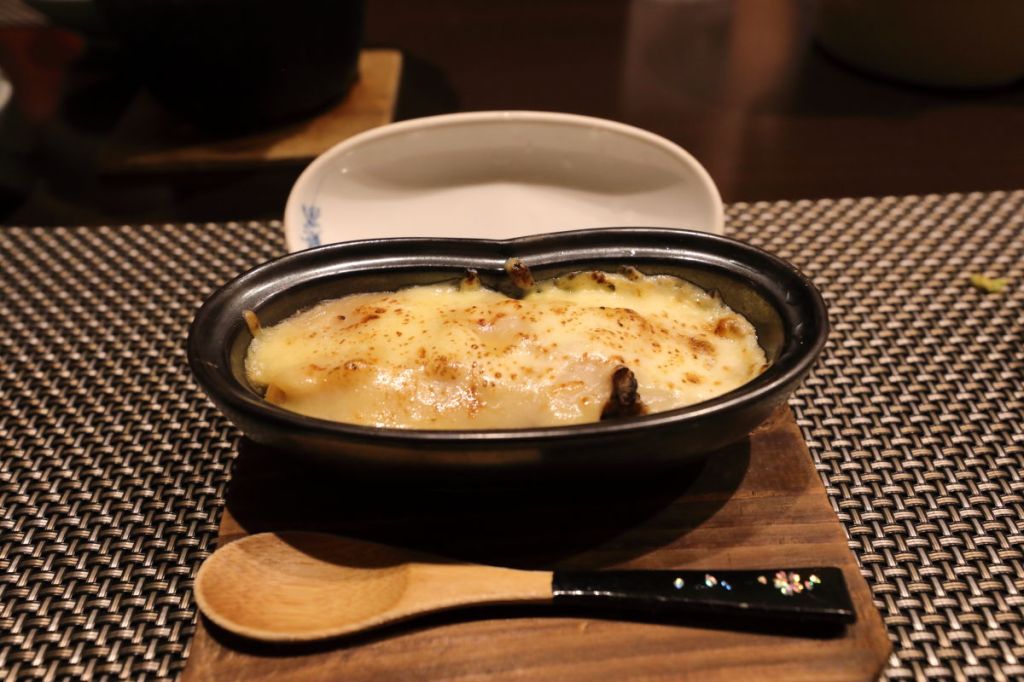
Mushroom and Autumn Salmon Gratin with Sesame Tofu
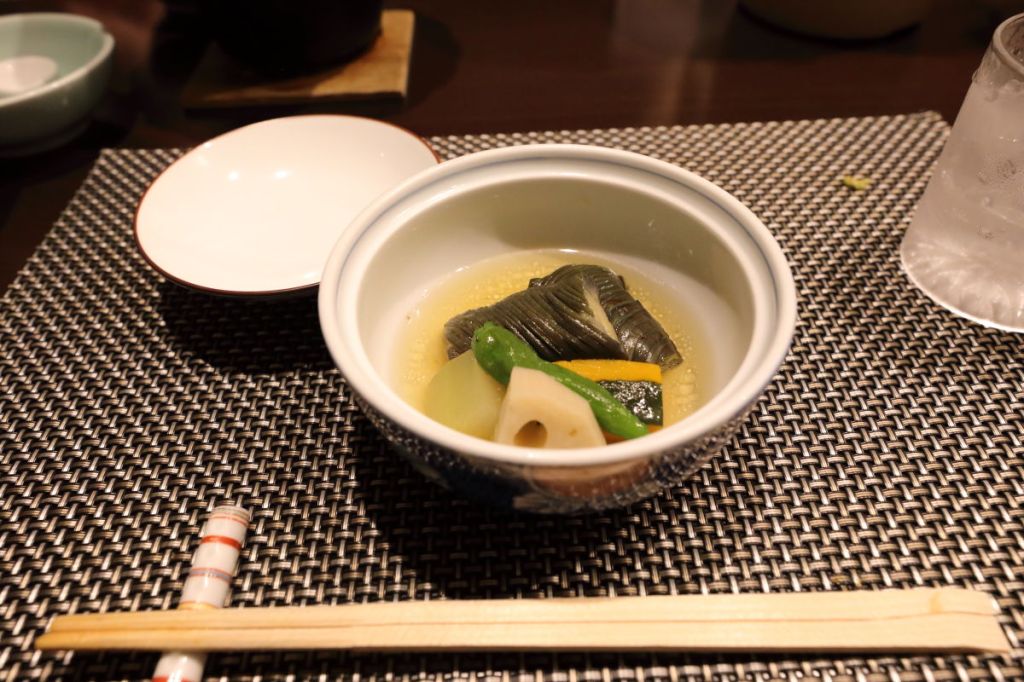
Among the simmered dishes—featuring autumn eggplant, winter melon, pumpkin, lotus root, and shishito peppers—the eggplant was truly outstanding.
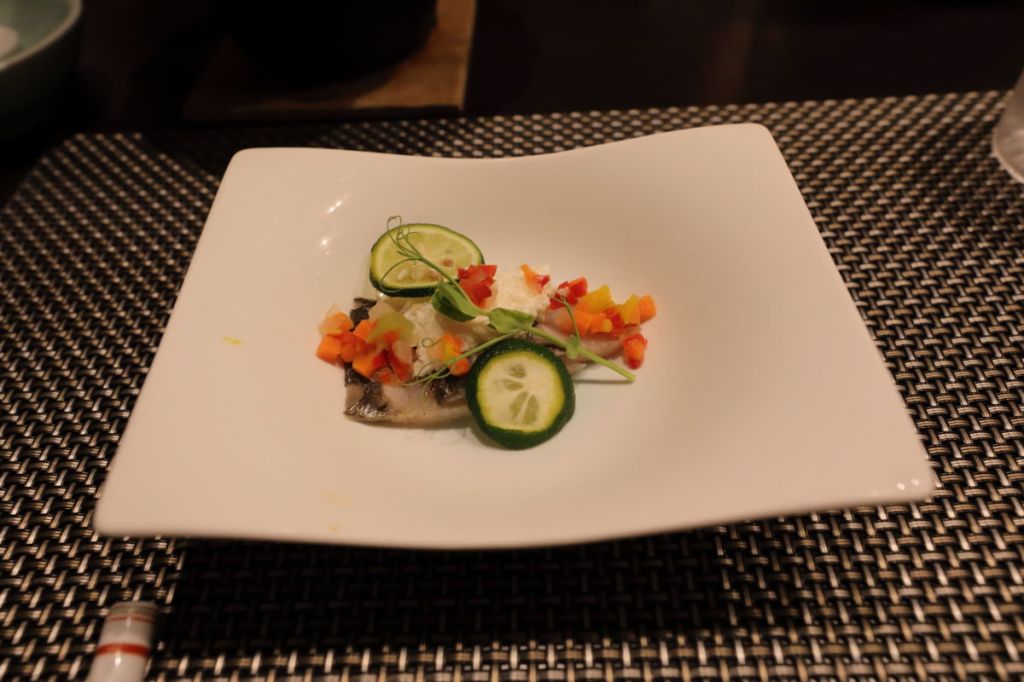
The lightly seared, vinegar-cured Spanish mackerel is a satisfying dish, beautifully accented by the colorful vegetables.
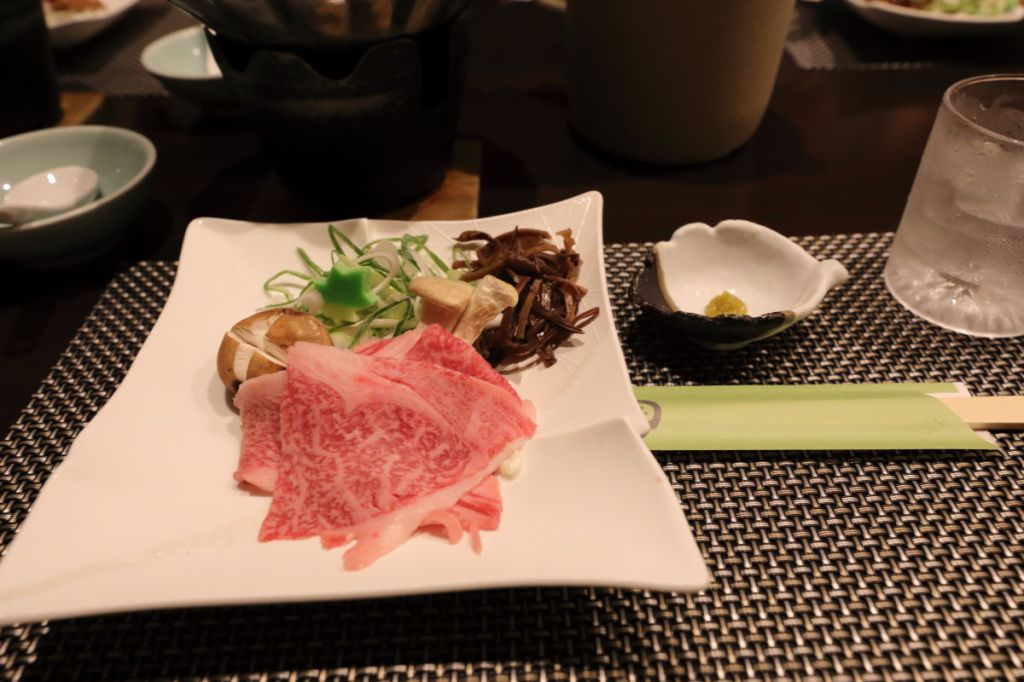
Wakasa beef shabu-shabu features beautiful marbling and an elegant flavor.
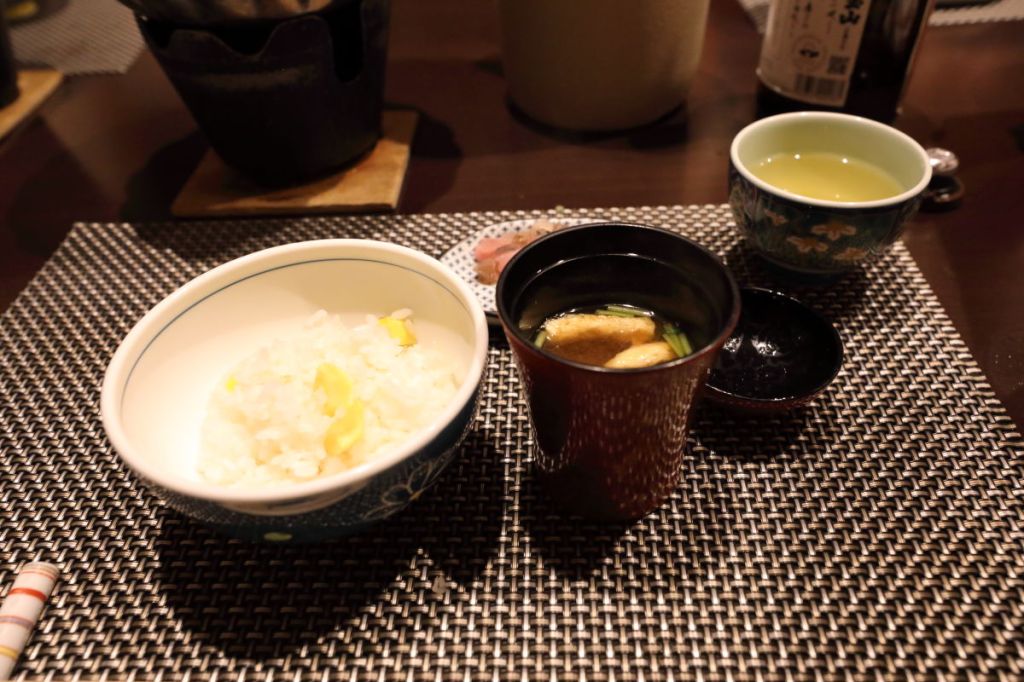
Chestnut rice evokes the feeling of autumn.
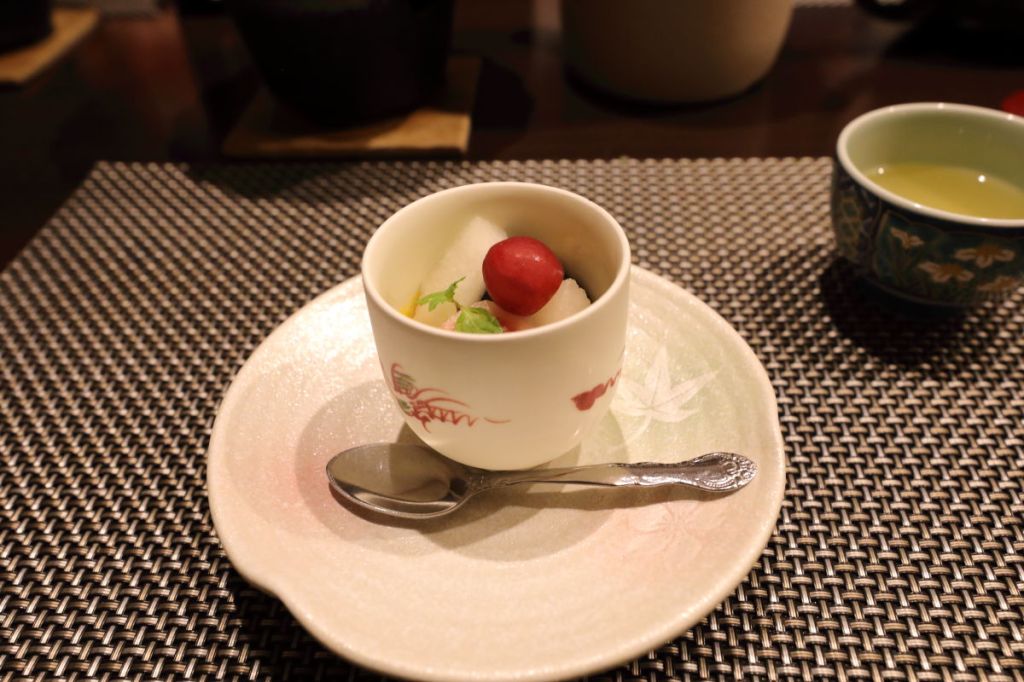
For dessert, there was carrot pudding topped with pear and grapes, and drizzled with bamboo charcoal cream.
I was thoroughly satisfied with every dish, as they all evoked the feeling of early autumn.
September 17(Thr)
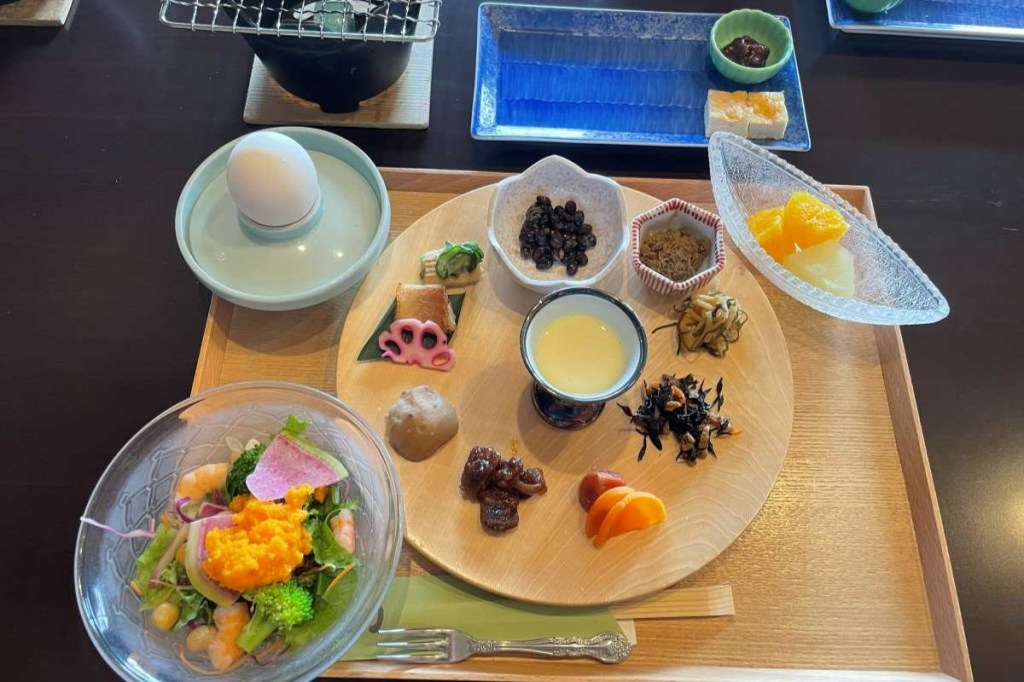
Breakfast was also a Japanese-style set meal. Although not shown in the photo, the blue plate held a piece of lightly dried Wakasa flounder and some conger eel—both grilled over a small stove by the attendant—and they were absolutely delicious.
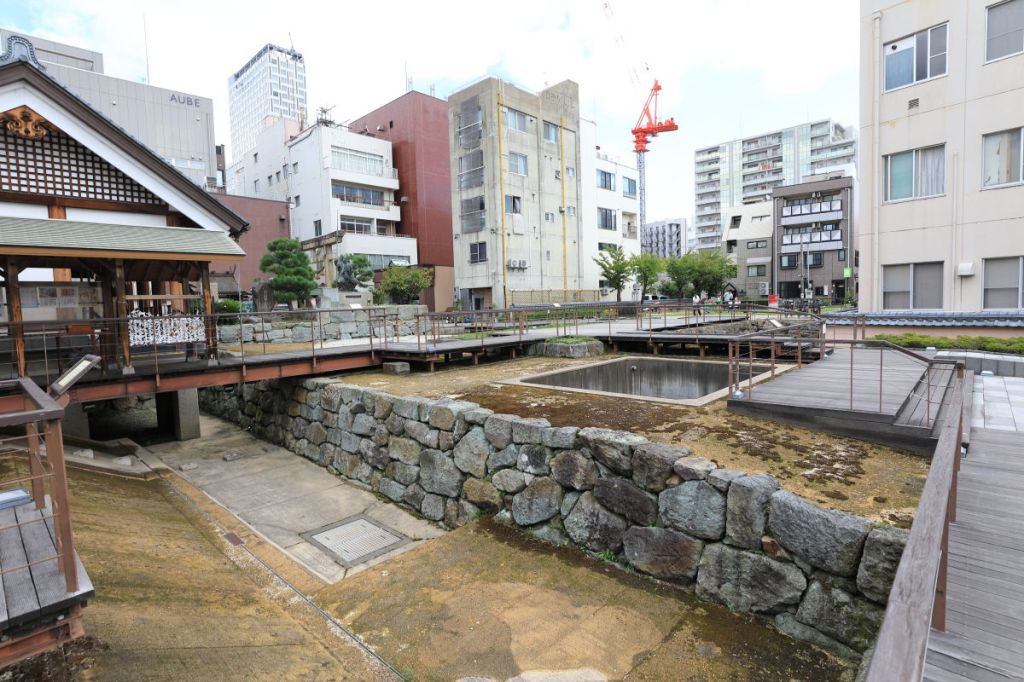
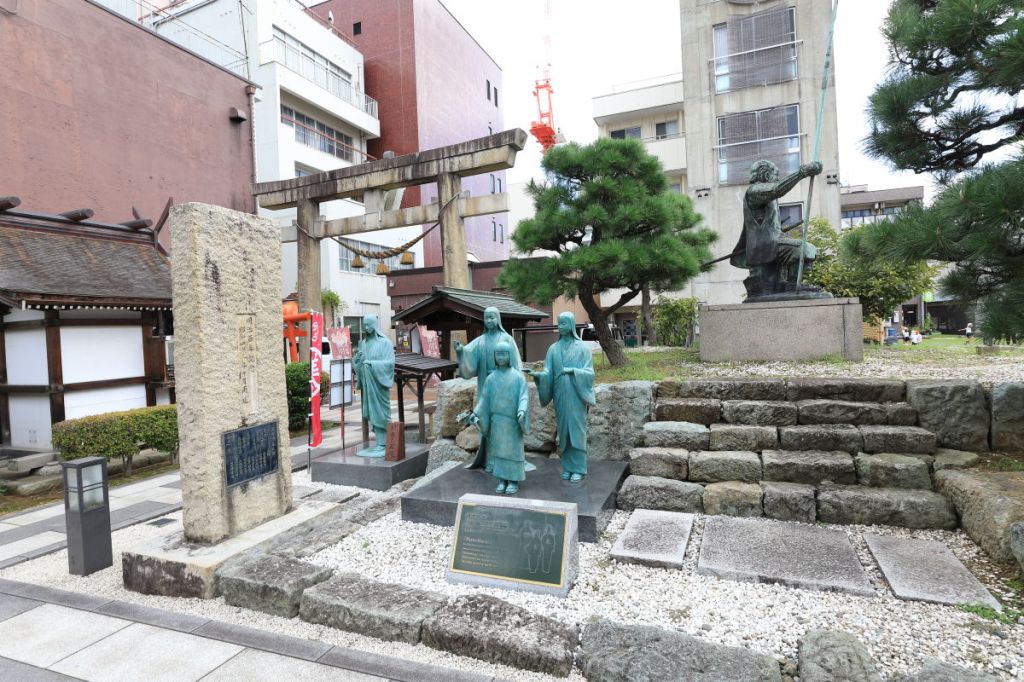
After checking out, I visited the ruins of Kitanosho Castle, the site where Shibata Katsuie met his end in 1583. The area is now home to Shibata Park and Shibata Shrine. Archaeological excavations have been conducted there, and stone walls are visible. It appears that the castle’s keep at the time had nine stories—surpassing even the seven-story keep of Azuchi-Momoyama Castle.
Statues of Shibata Katsuie on the right, Oichi-no-kata on the left, and the three sisters in the center are placed there.
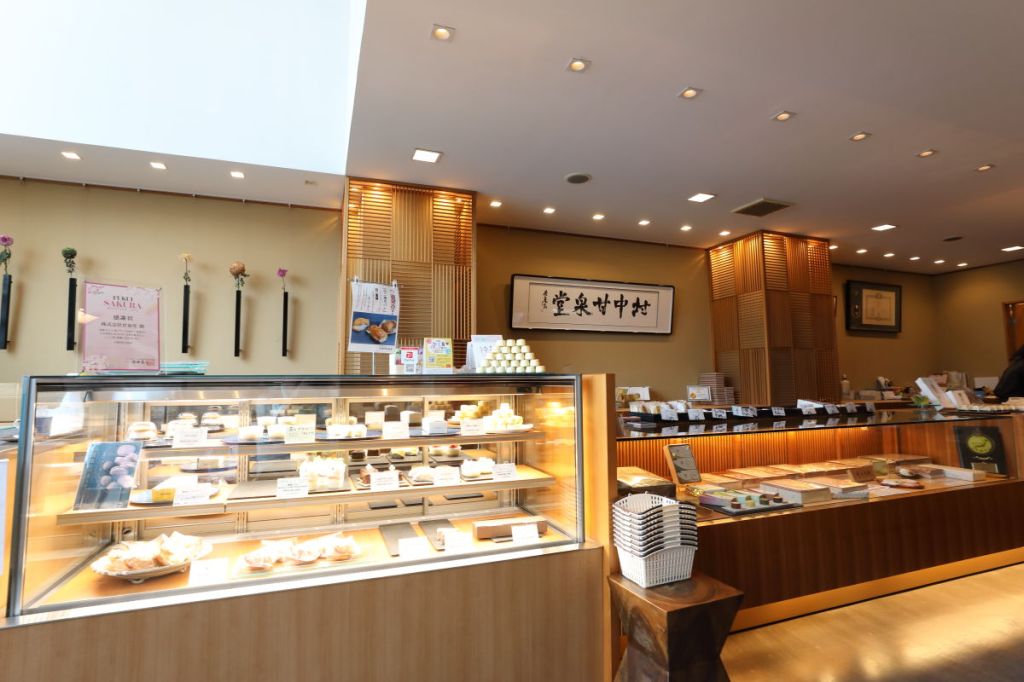
Directly across from the parking lot was Muranaka Kansendo, a famous shop that has won numerous awards for its Habutae Mochi, so I bought some as a souvenir.
I headed toward Nagahama via Fukui Station. Although the station’s west exit features a “Dinosaur Plaza”—complete with a robotic Tyrannosaurus that visitors can get up close to—I chose to view it only from the car window. My route took me along the Hokuriku Expressway, passing sites steeped in Sengoku-period history, such as Shizugatake (where Shibata Katsuie was defeated by Toyotomi’s forces) and Anegawa (the battlefield where the Oda-Tokugawa alliance clashed with the combined forces of the Asai and Asakura clans). My first destination was Nagahama Castle.
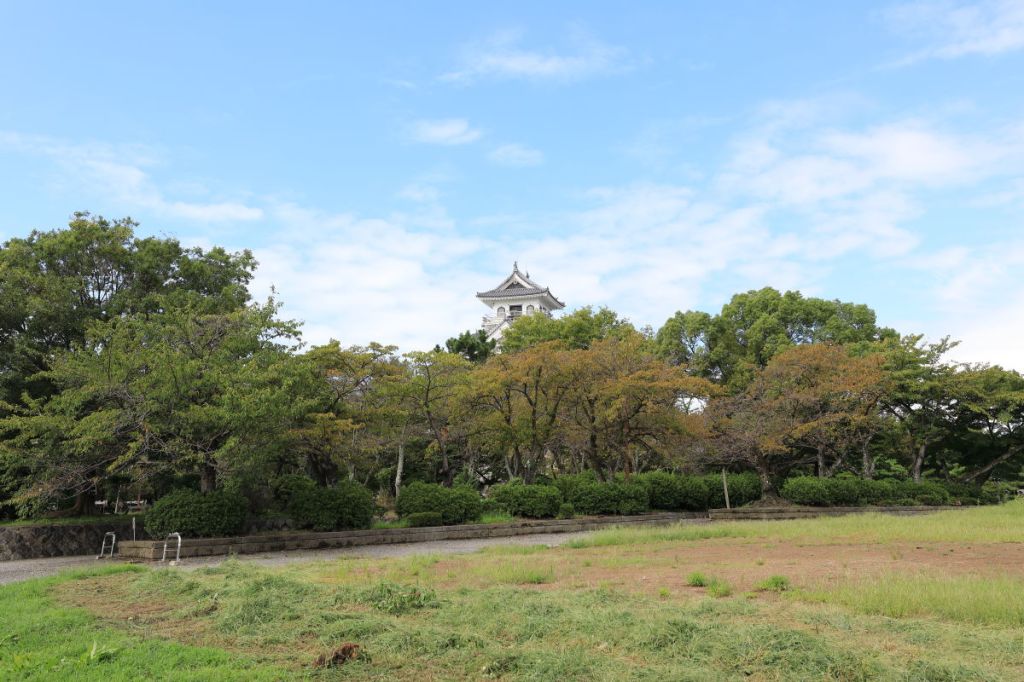
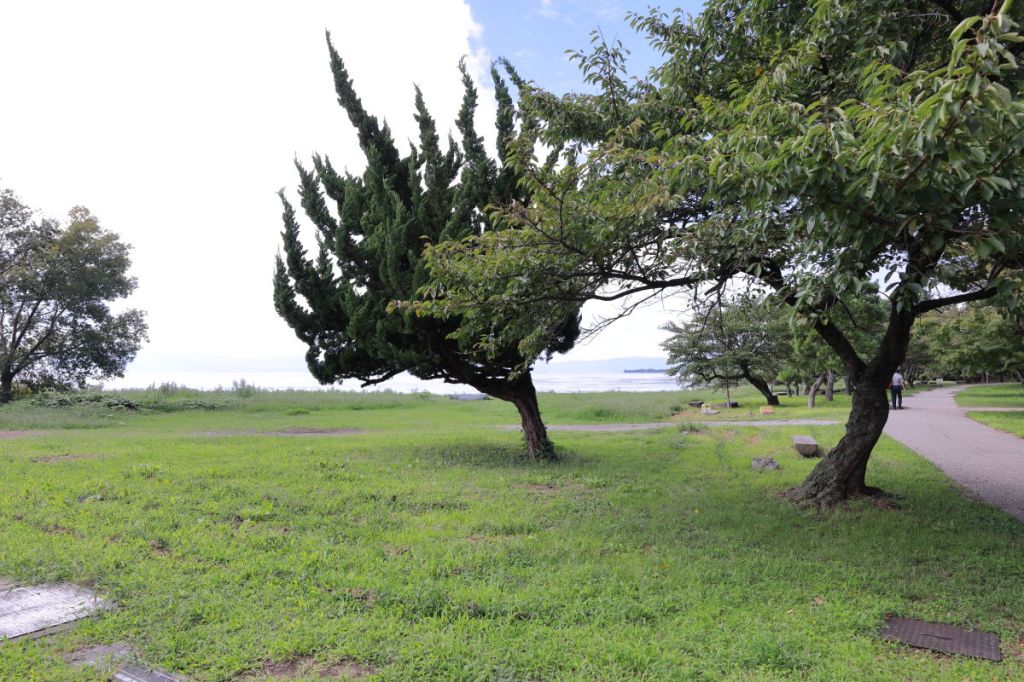
Nagahama Castle is a “water castle” situated on the shores of Lake Biwa; it was built by Toyotomi Hideyoshi—who had distinguished himself in the conflict against Asai Nagamasa—after he received the former Asai territories from Oda Nobunaga in 1573. The castle’s keep, a structure with three exterior tiers and five internal floors, has been reconstructed. Looking toward the west, one can see how close the waters of Lake Biwa come to the castle grounds.
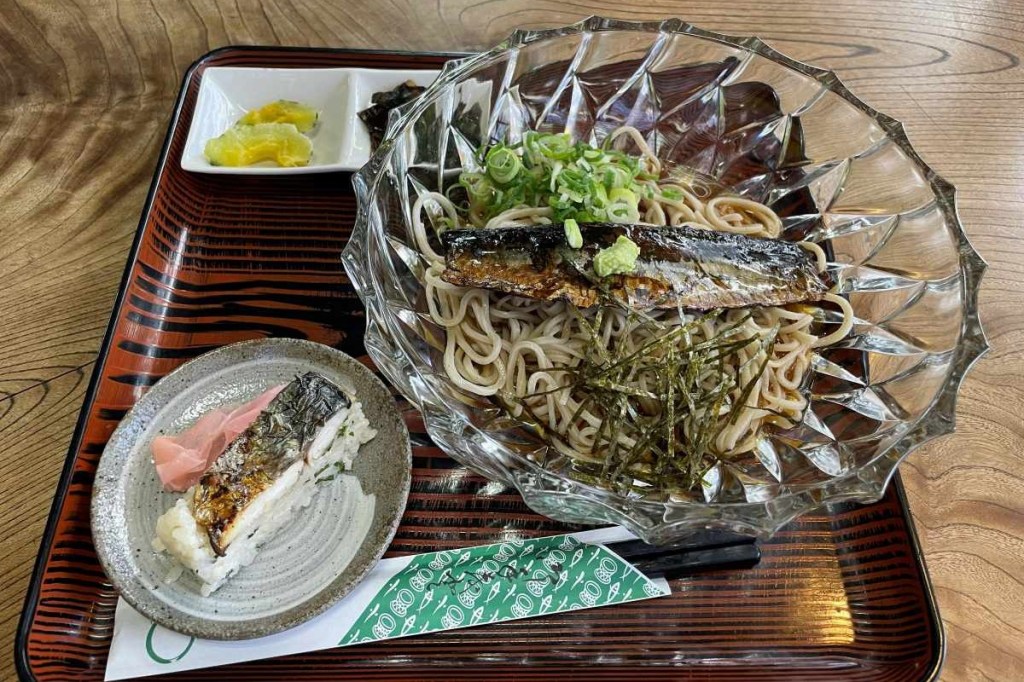
For lunch, I had chilled herring soba and grilled mackerel sushi at a nearby soba shop. Since the temperature was rising, the chilled noodles were the perfect choice.
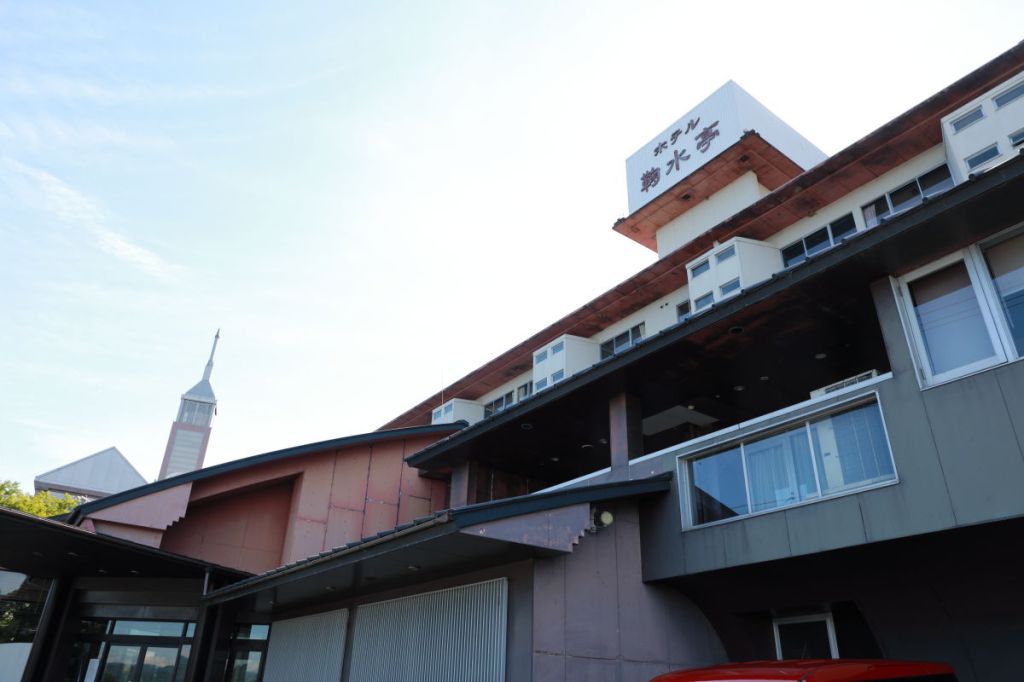
From Nagahama, I headed toward Maibara and continued via the Meishin and Tomei Expressways; along the way, I passed through Sekigahara, the site of the decisive battle in the year 1600 that determined the ruler of the nation. My accommodation for the night was Hotel Kikusuitei at Kanzanji Onsen on Lake Hamana. The hotel’s interior had a nostalgic, Showa-era atmosphere and felt a bit dated.
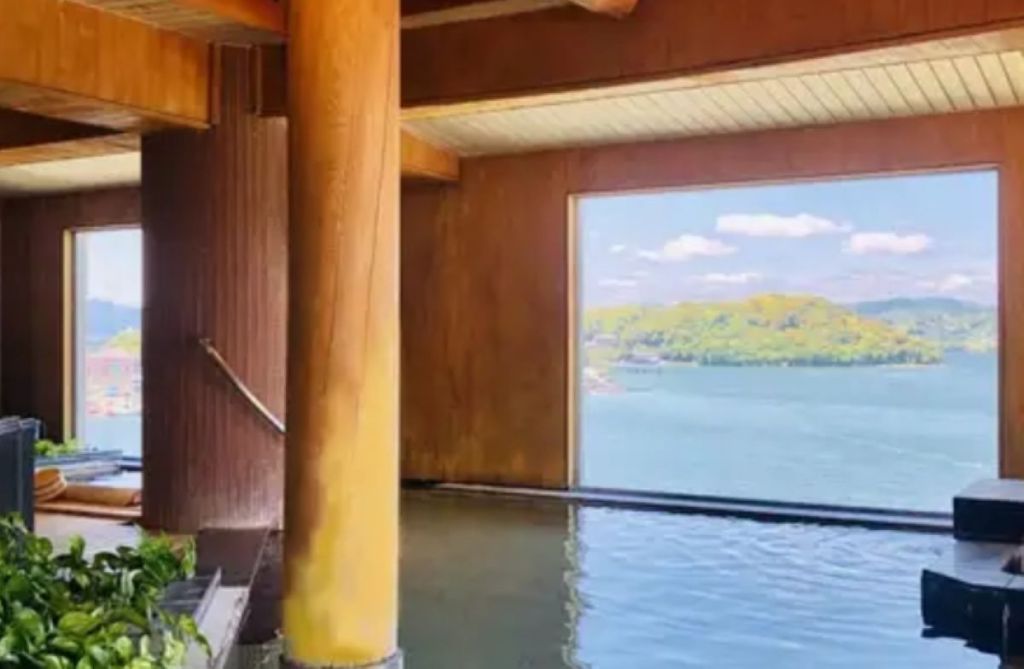
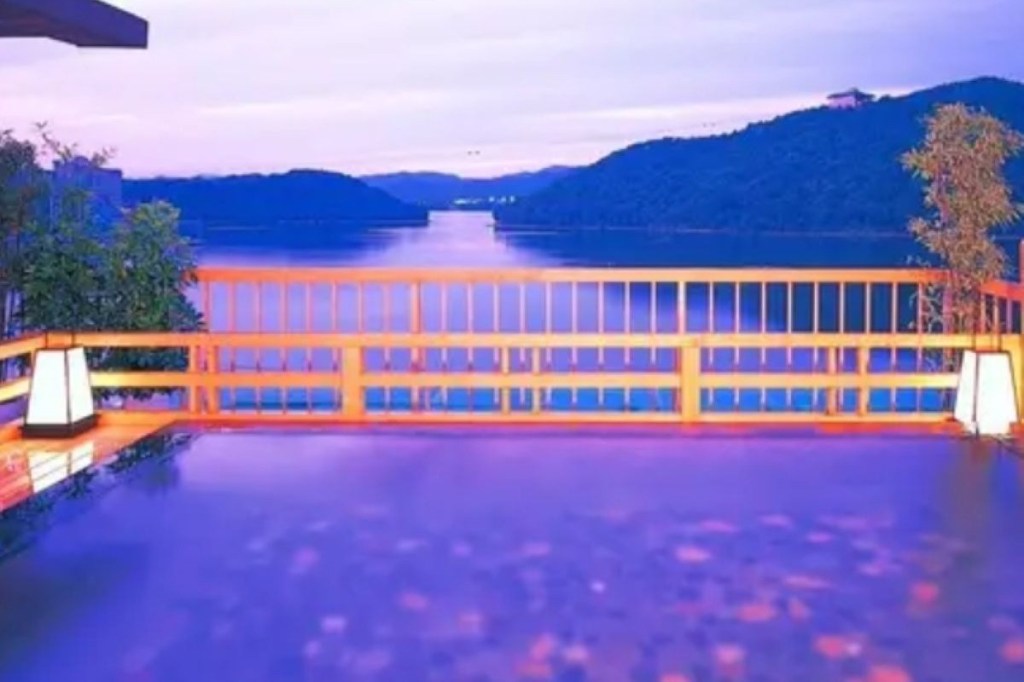
There are two large public baths—”Mari-no-Yu” and “Umino-no-Yu”—and both feature open-air baths. On the day of my visit, the men’s bath was Mari-no-Yu; it offers a spectacular view of Lake Hamana. The water is a high-salinity chloride spring that warms the body thoroughly. The photo is a screenshot from the inn’s website.
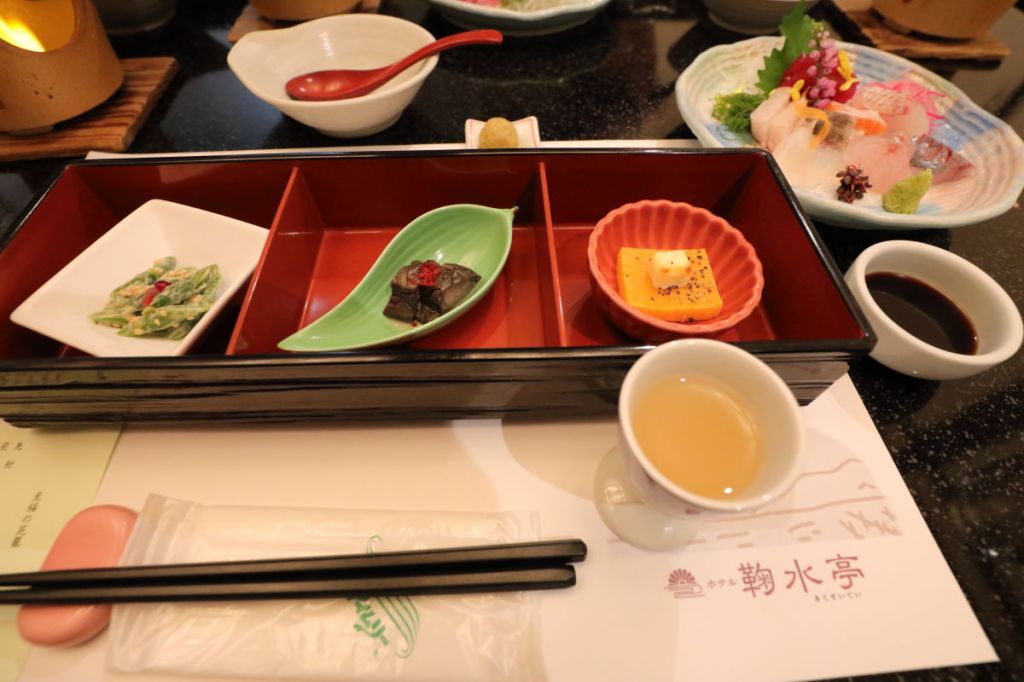
Dinner was a Japanese kaiseki meal served in our room, featuring seafood from Lake Hamana and the Enshu-nada Sea, as well as local vegetables. The appetizers included green beans dressed with sesame sauce, eggplant in Tosa-zu vinegar, and pumpkin baked with cream cheese. The sashimi course was an assortment of eight varieties, including amberjack and sea bream.
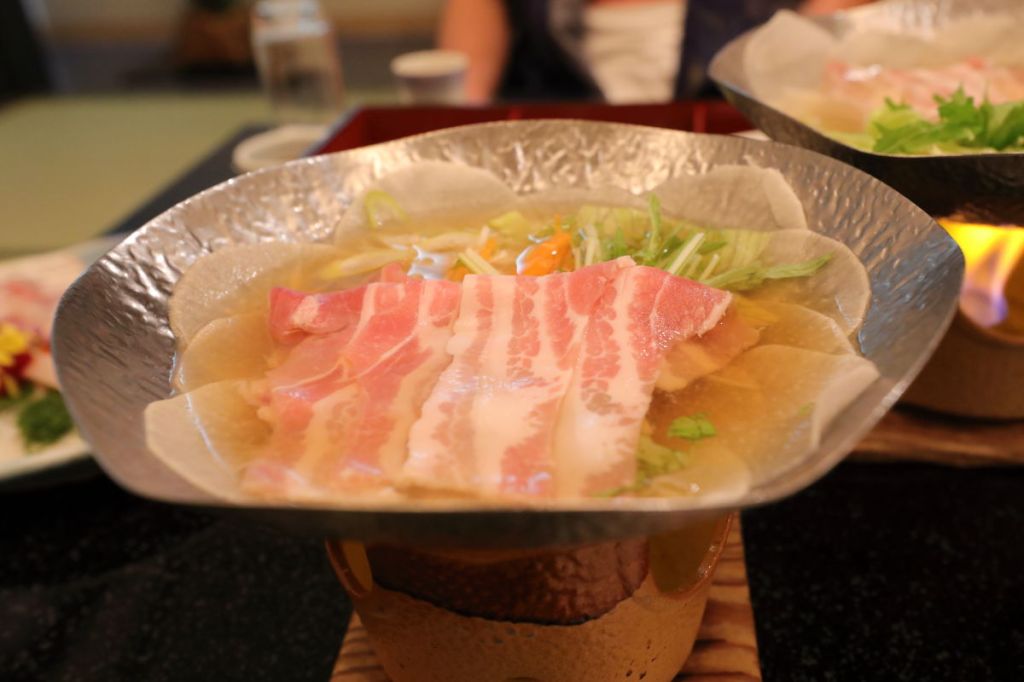
The Enshu pork and daikon radish shabu-shabu was a delicious dish; the thinly sliced daikon paired perfectly with the pork, which had a clean-tasting fat.
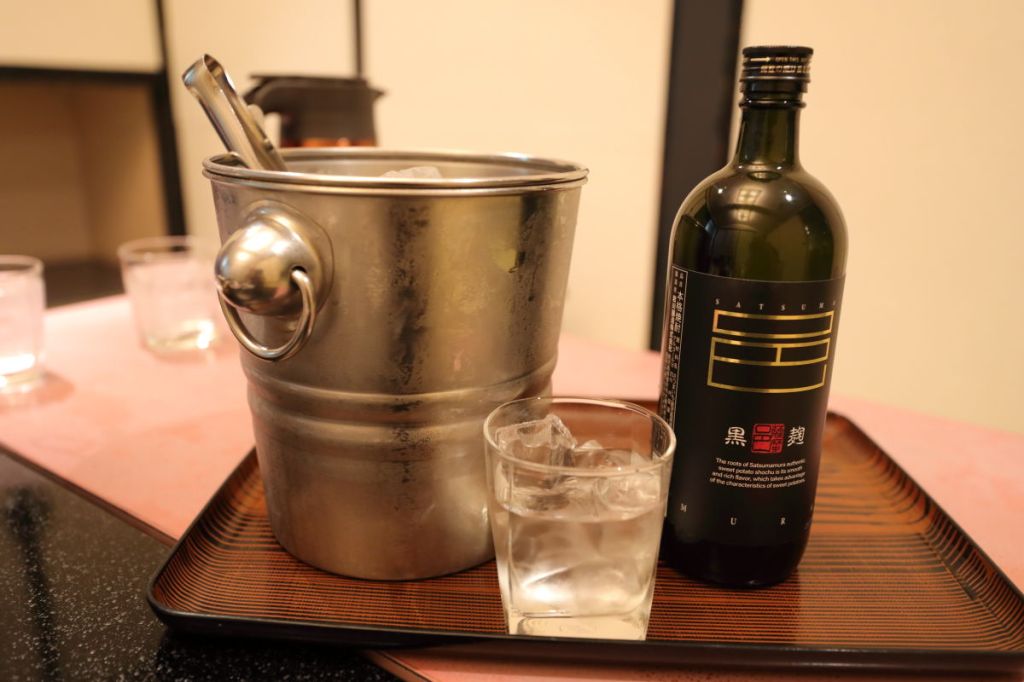
I ordered the “Tomoe” sweet potato shochu; its clean, crisp flavor pairs well with the meal.
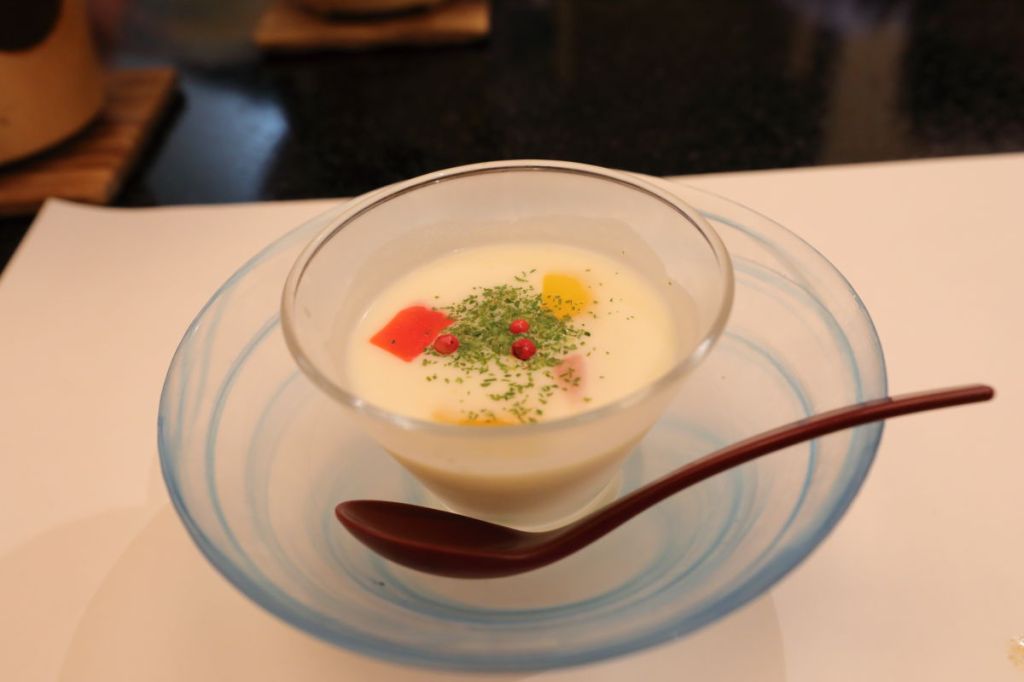
Is the vichyssoise meant to replace the clear soup?
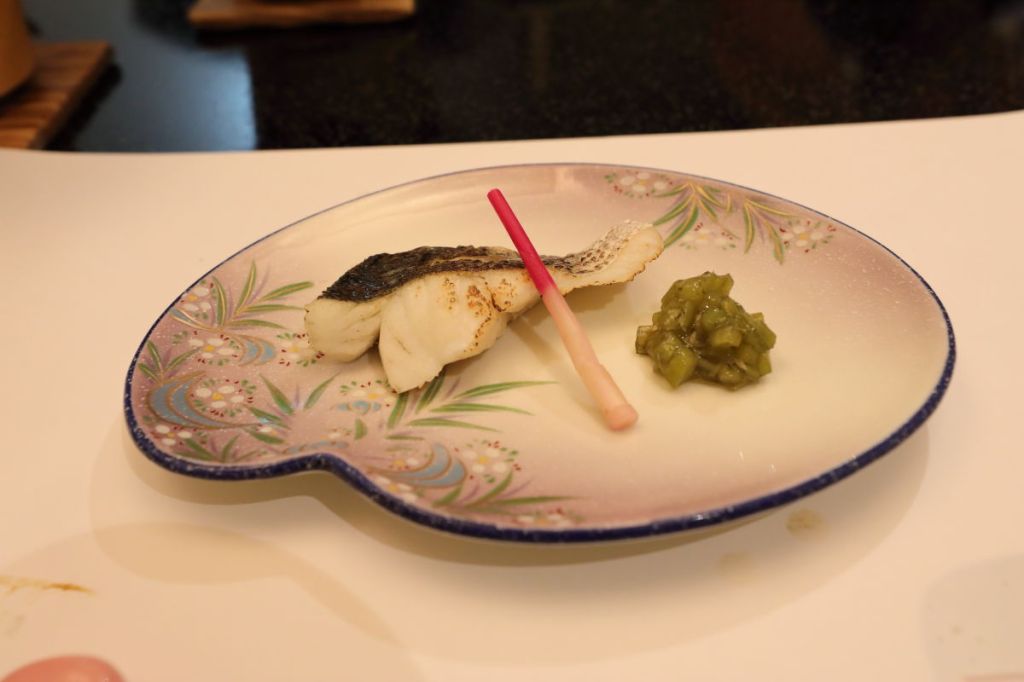
Salt-grilled Japanese sea bass is delicious when eaten with wasabi-pickled vegetables.
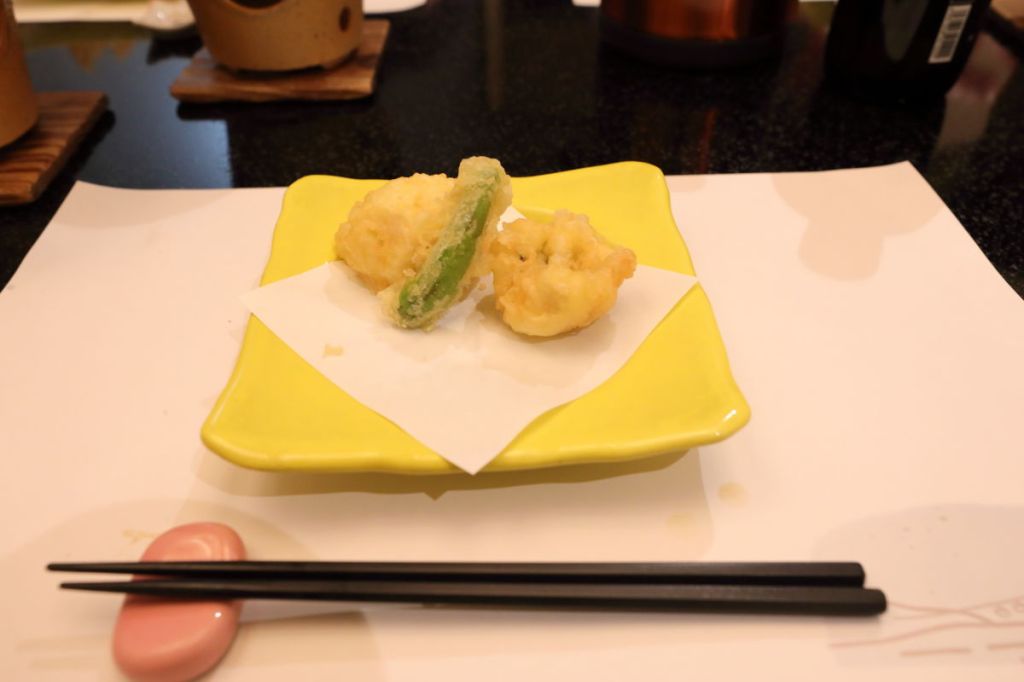
The pike conger tempura from Enshu-nada is exquisite.
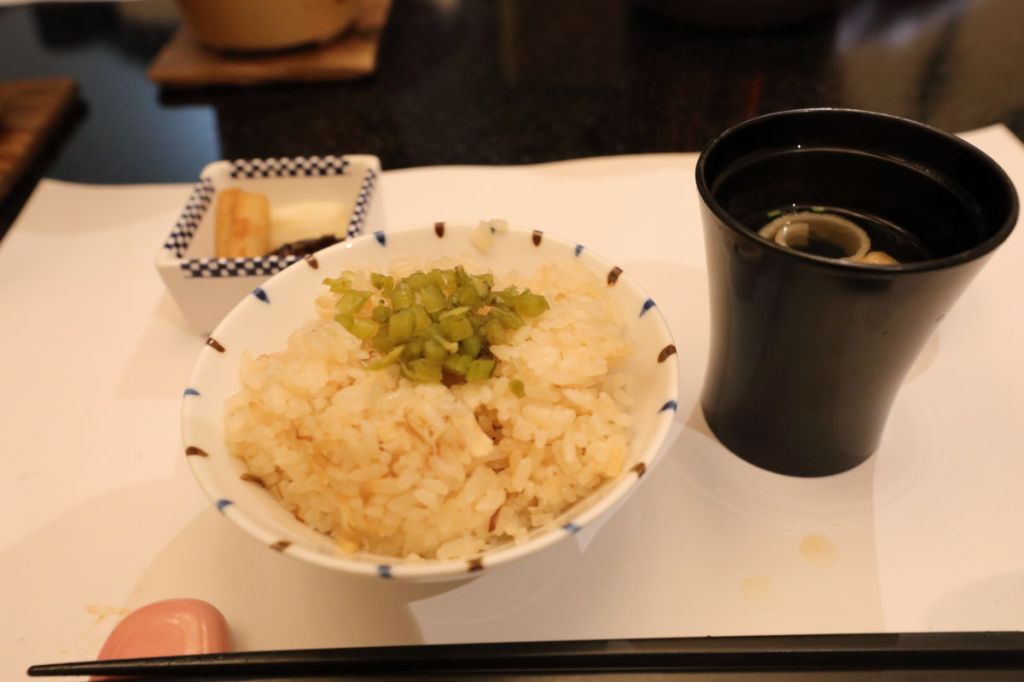
It was my first time eating mackerel mixed rice.
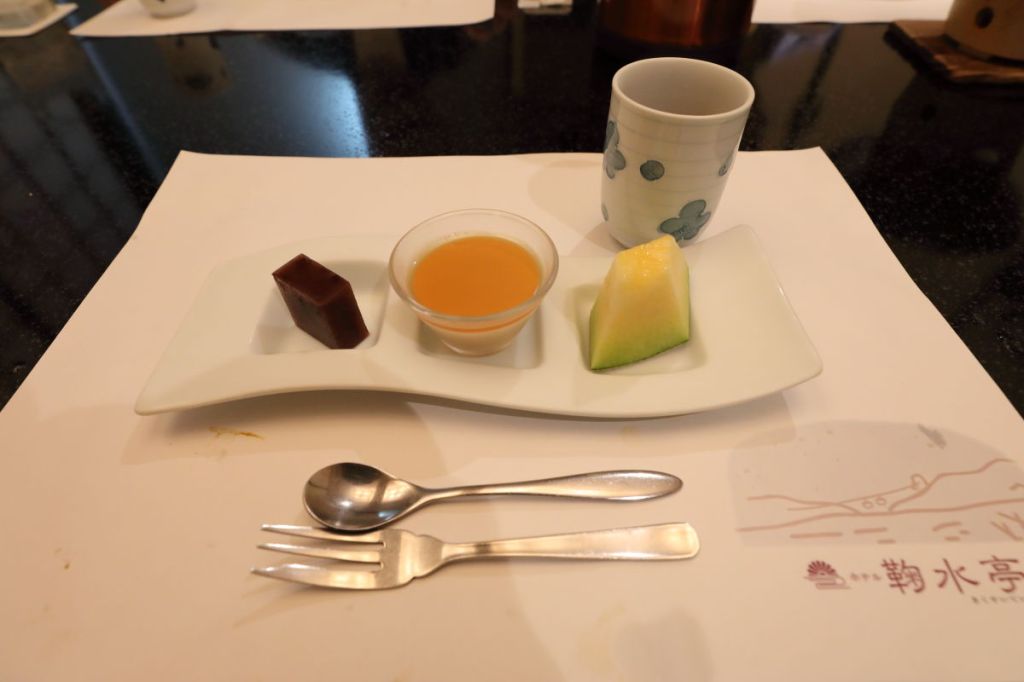
For dessert, there is hojicha pudding, melon, and more.
Given the low accommodation rate, I was concerned about the quality of the dinner, but it offered excellent value for money.
September 18(Fri)
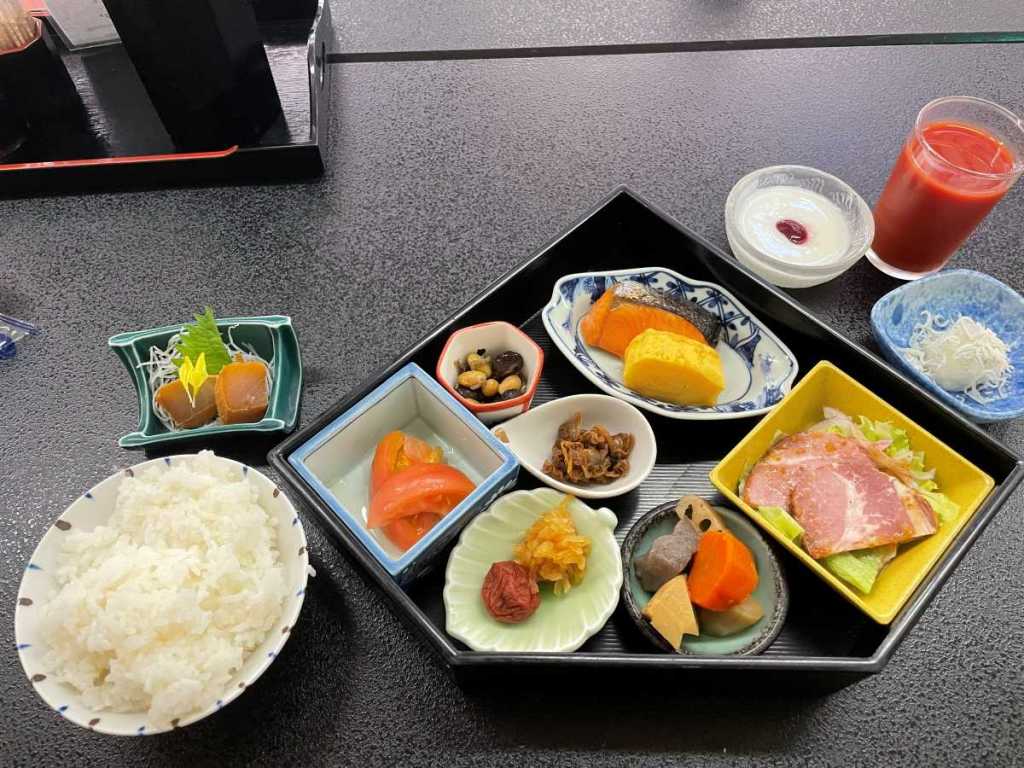
Breakfast was a well-balanced Japanese set meal served in the dining area.
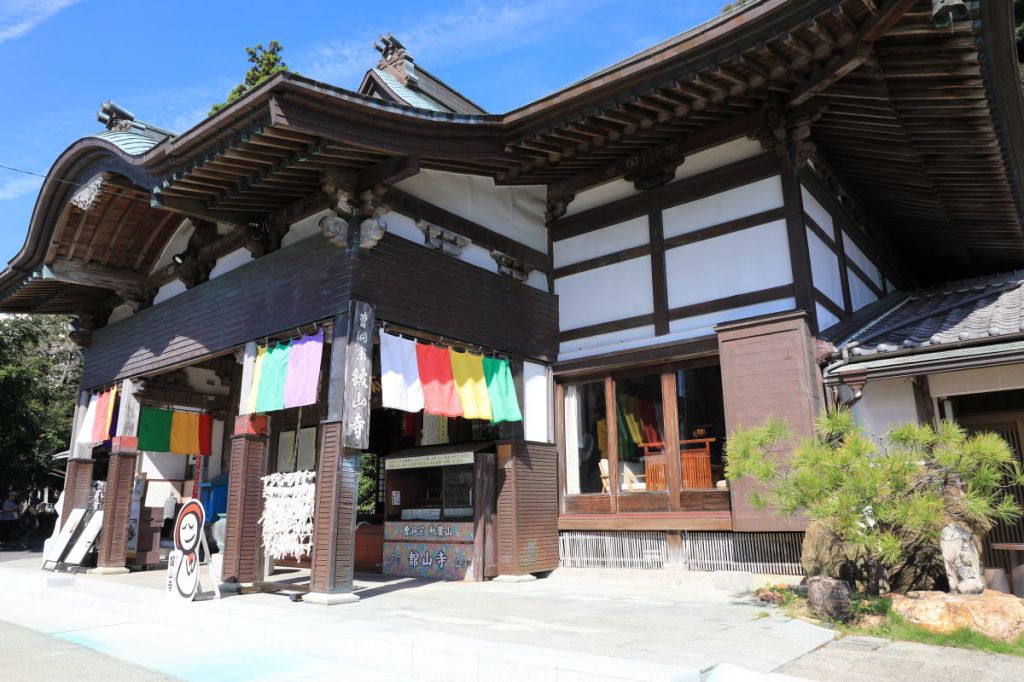
After checking out, I went sightseeing around Lake Hamana. My first stop was Kanzan-ji Temple, which gave its name to the Kanzanji Onsen hot spring area. The temple was founded in 810 AD by the monk Kobo Daishi, who visited Mount Tateyama—the site where the temple now stands—from Mount Koya to engage in ascetic practices. Minamoto no Yoritomo later rebuilt the temple buildings after they had burned down, and the temple was subsequently maintained by local feudal lords; originally affiliated with the Shingon sect, it switched to the Soto sect during the Meiji era, an affiliation it retains to this day.
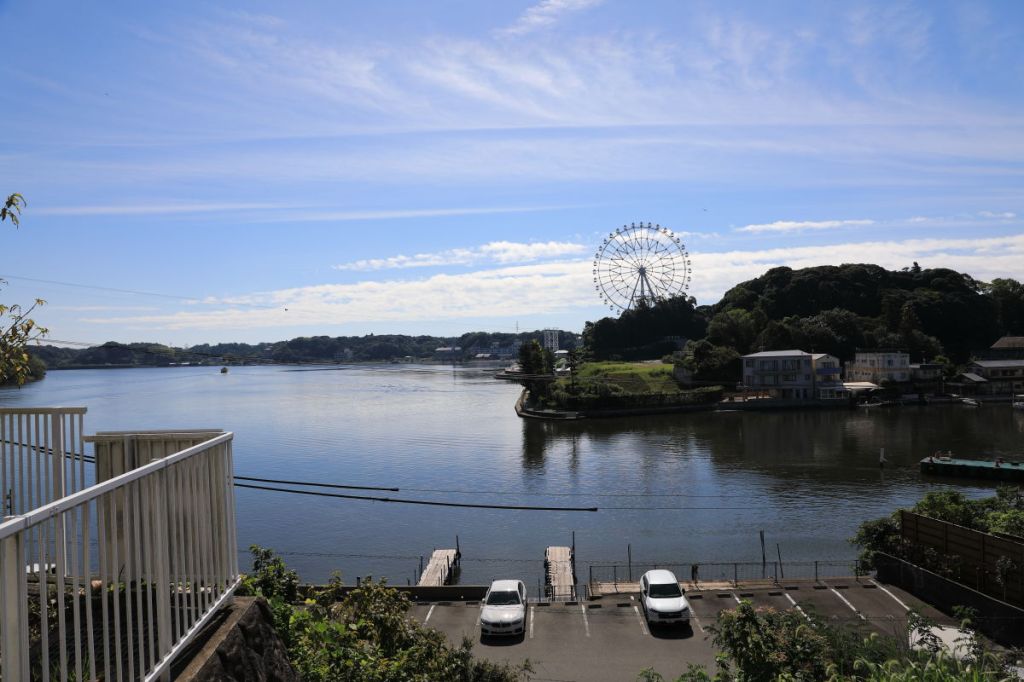
It is situated on high ground, up a flight of stairs from the parking lot, so the view is spectacular.
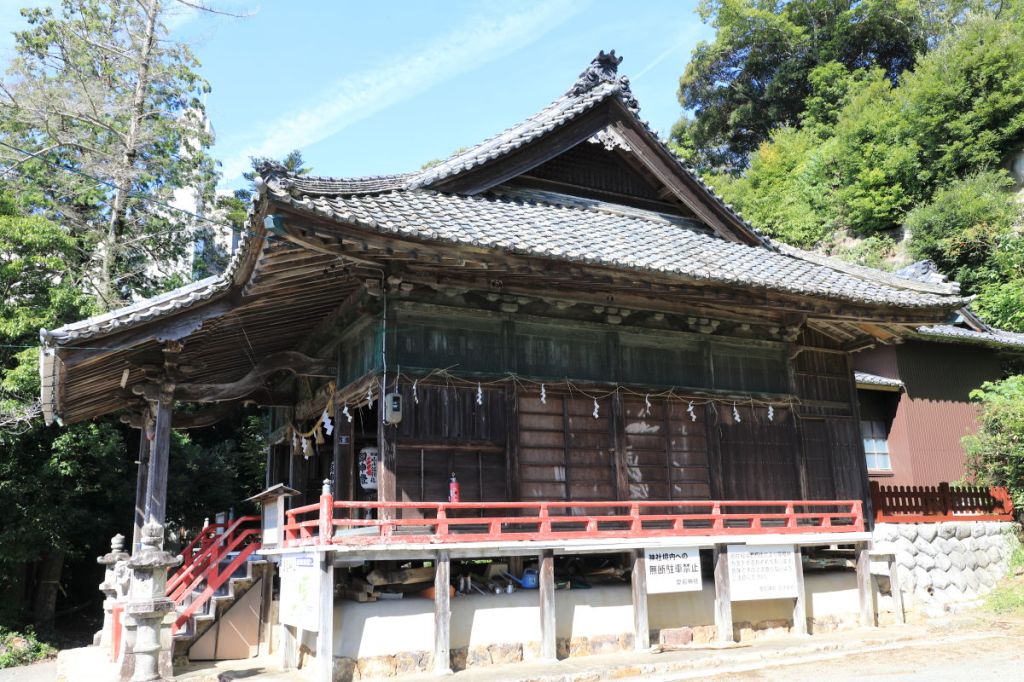
Located next door is Atago Shrine, established in 727; like Kanzan-ji Temple, it enshrines a deity of fire protection.
Next, I headed to the ropeway station. I took the ropeway up to the observation deck.
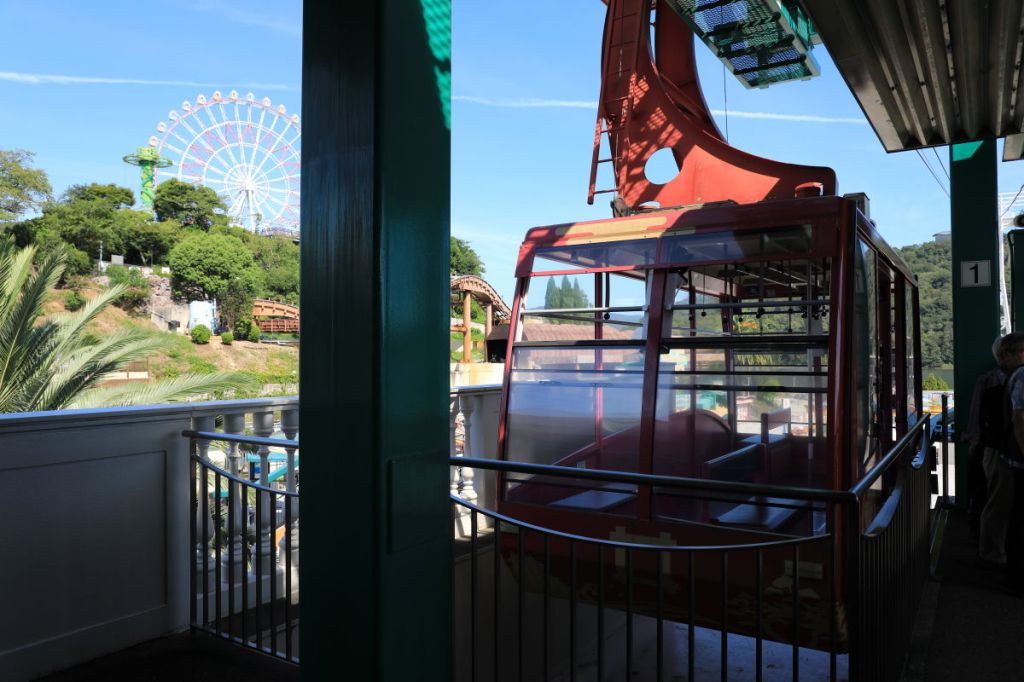
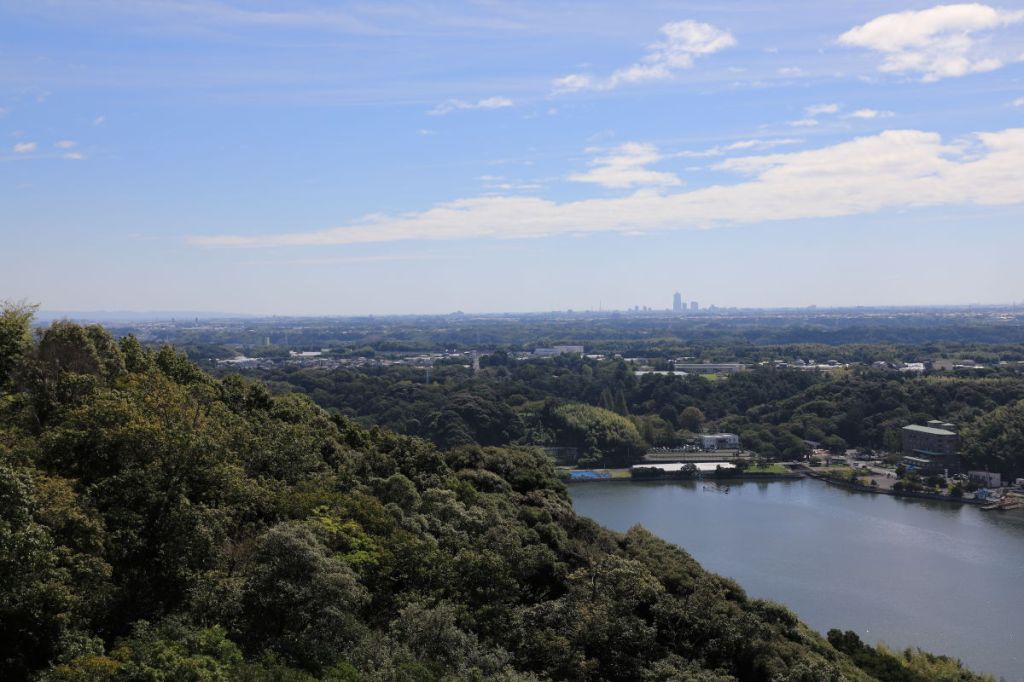
You can enjoy a 360-degree panoramic view from the observation deck.
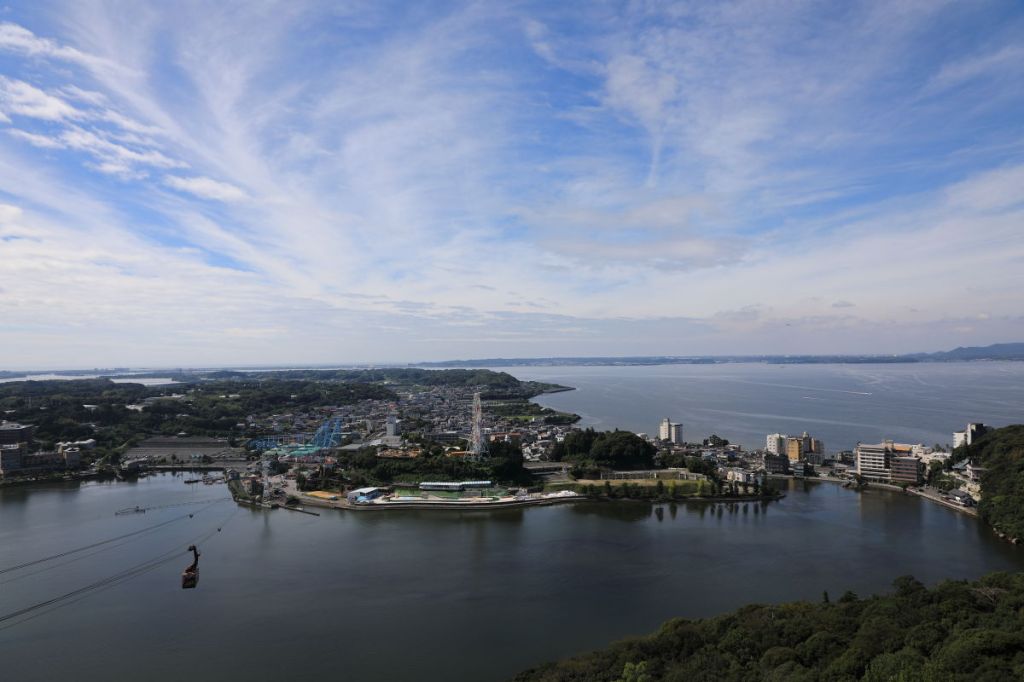
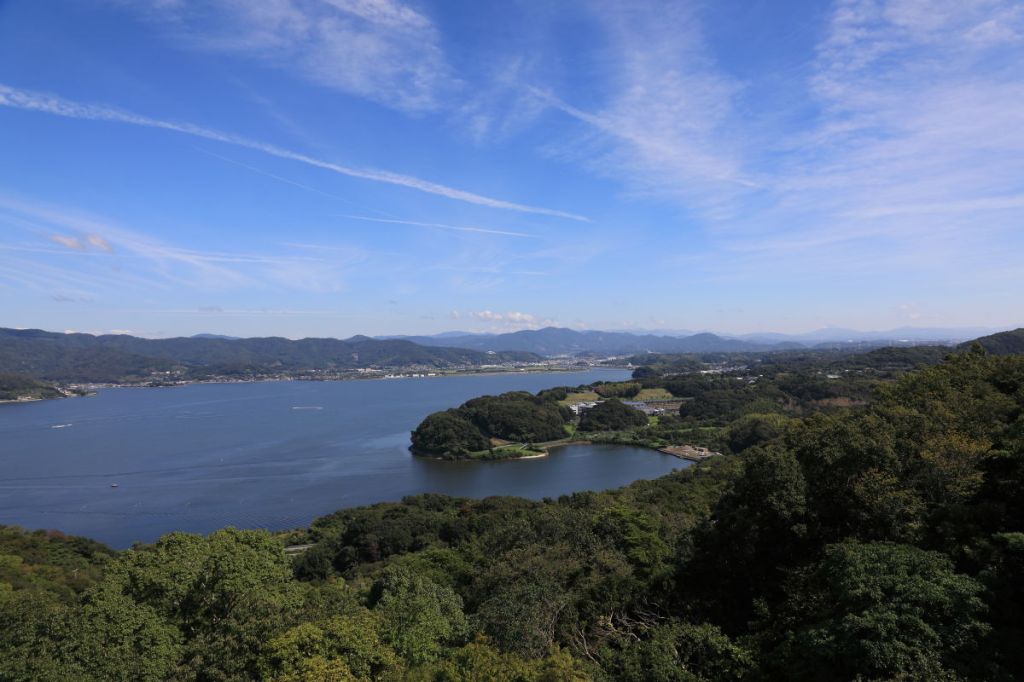
Mount Fuji was also faintly visible in the distance.
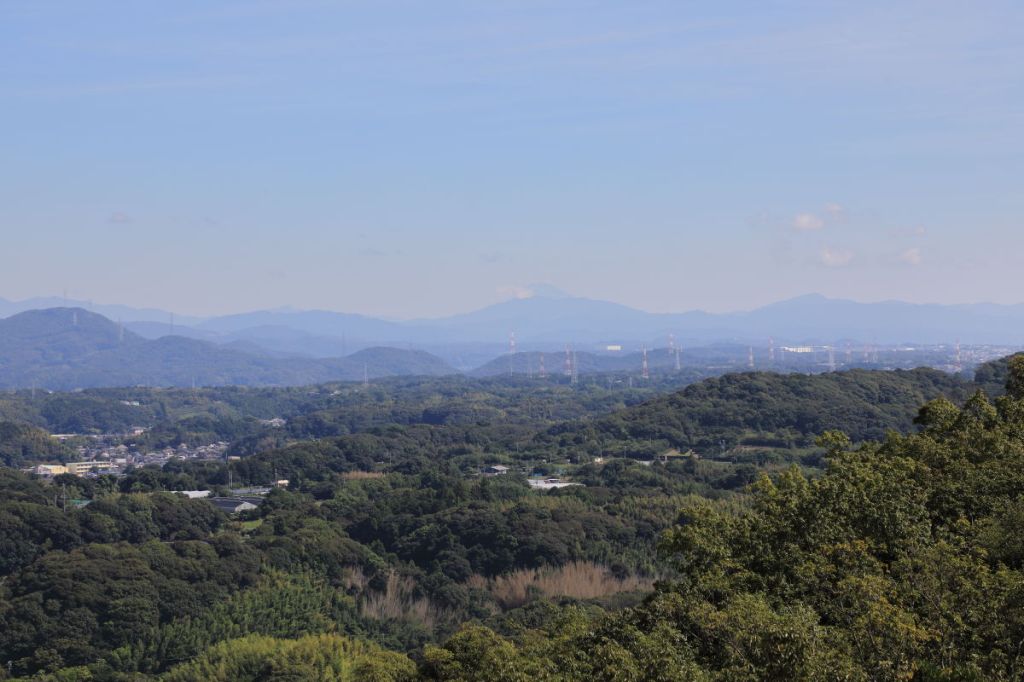
The area with the buildings is downtown Hamamatsu.
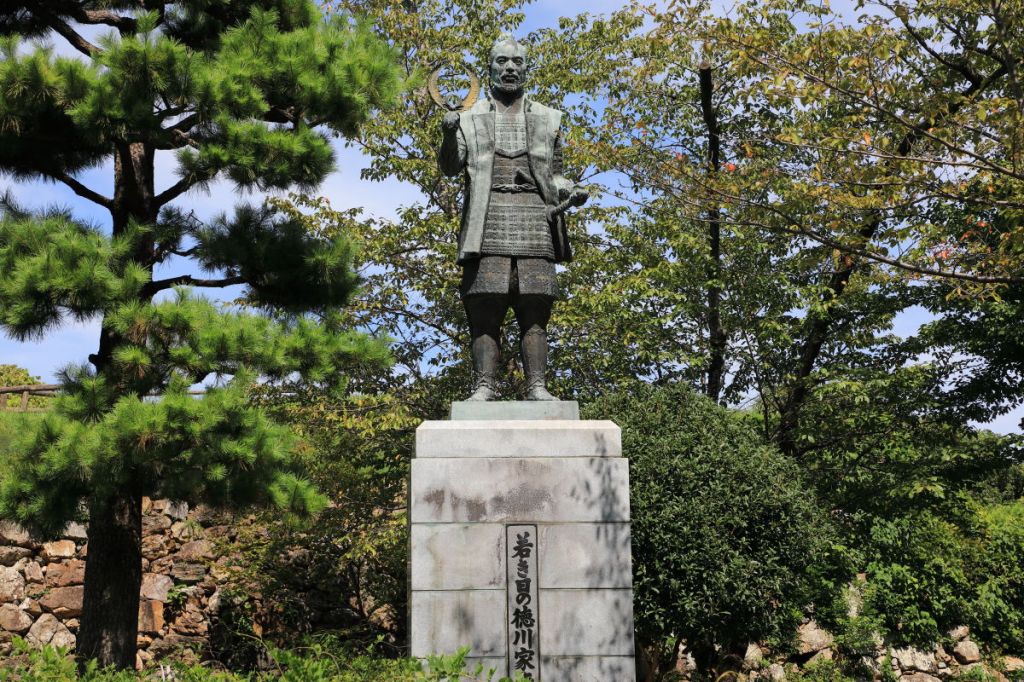
After enjoying the spectacular view, I headed to Hamamatsu Castle, which served as the residence of Tokugawa Ieyasu during his younger years. In 1570, Ieyasu relocated his base from Okazaki Castle to Hikuma Castle—the predecessor to Hamamatsu Castle—renovating and renaming it Hamamatsu Castle. He spent 17 years there and is said to have marched out from the castle to engage in the Battle of Komaki-Nagakute against Toyotomi Hideyoshi. A statue of the young Ieyasu stands at the foot of the white castle tower.
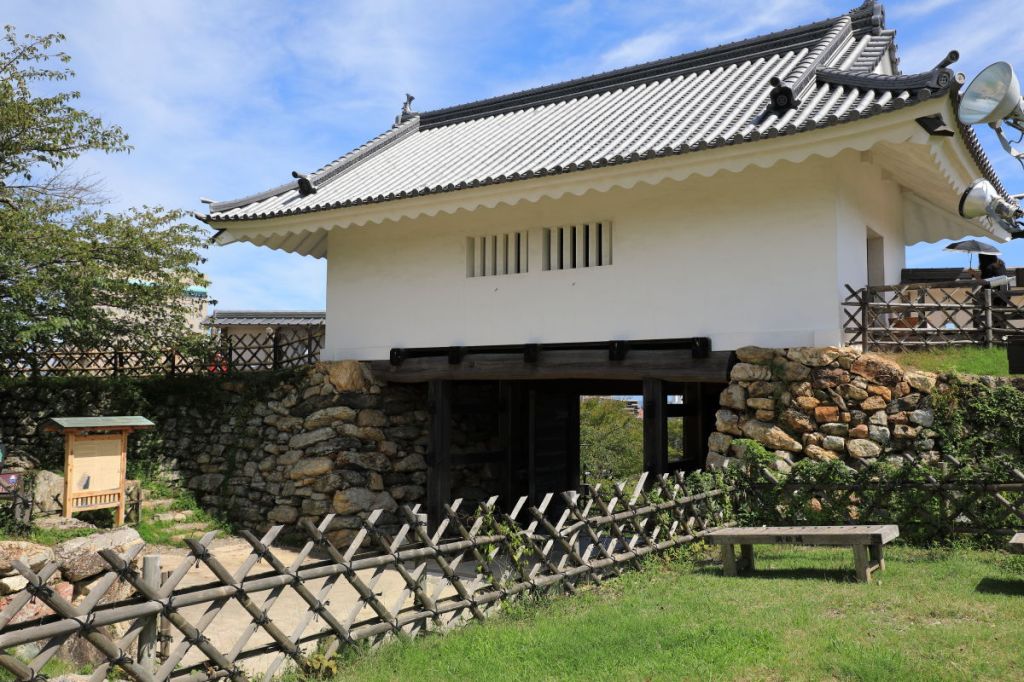
It is a magnificent Tenshu-mon gate.
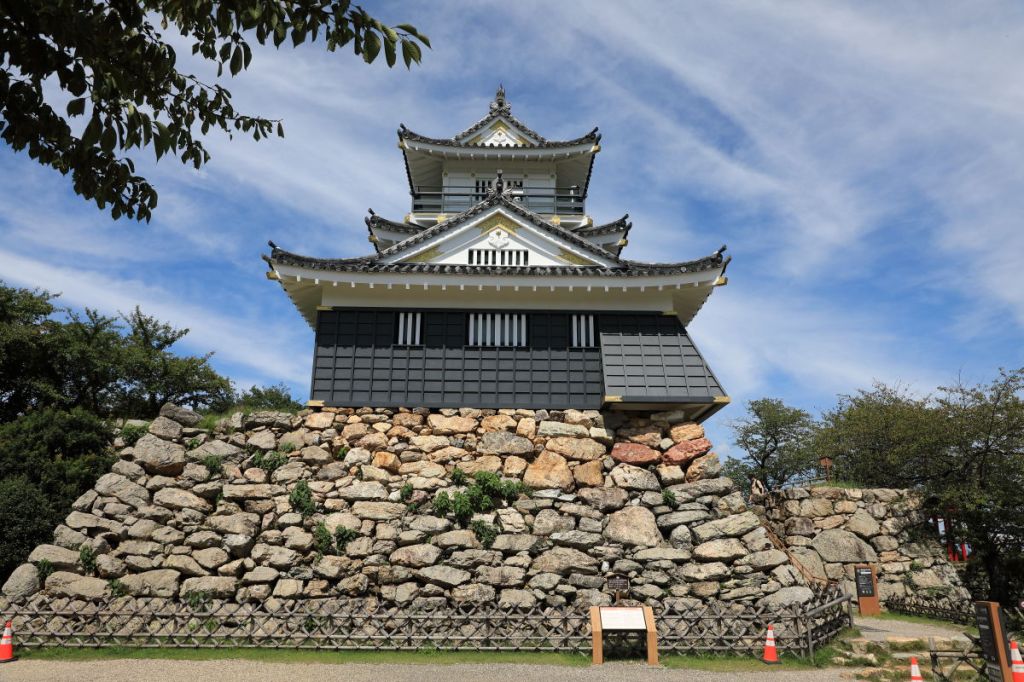
The current castle keep was reconstructed in 1958, but the stone walls date back 400 years.
I had never tried Hamamatsu gyoza before, so I decided to have gyoza for lunch. I went to the main branch of the famous Hamataro.
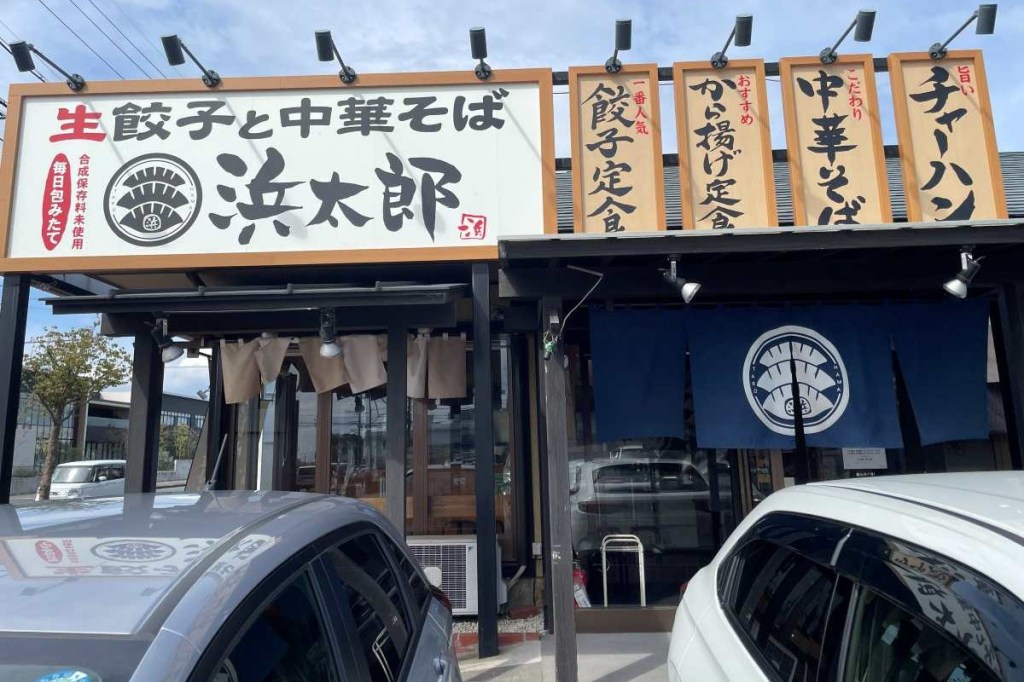
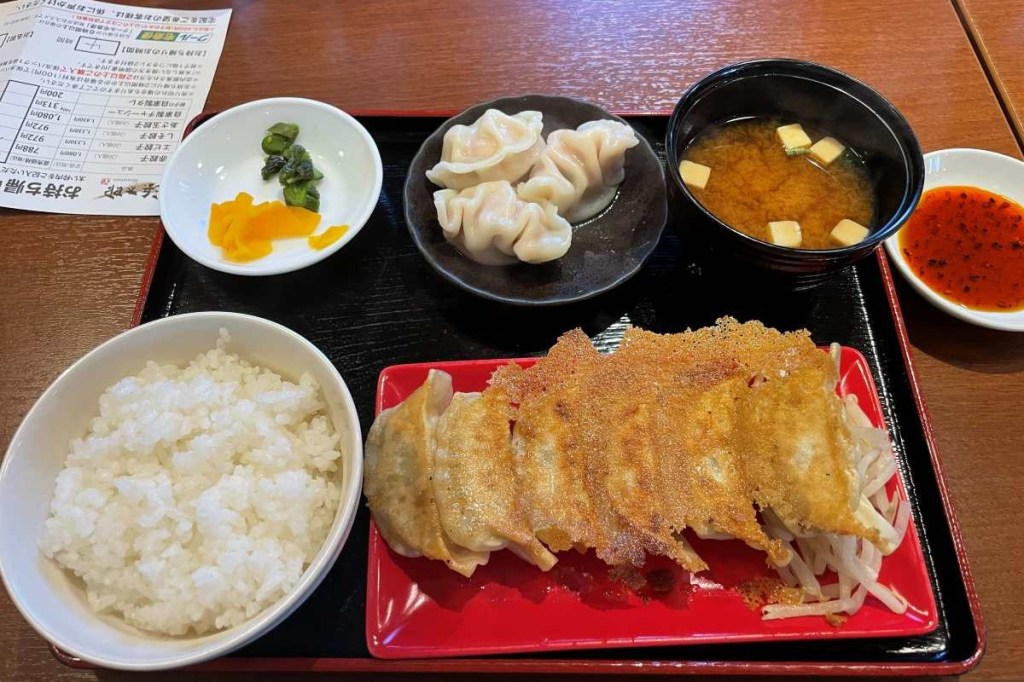
I ordered the set meal featuring both boiled and pan-fried gyoza; the taste was excellent, and it left me feeling fully satisfied. I also bought a pack of frozen sakura shrimp gyoza to eat at home, and they were delicious, with a wonderful shrimp aroma and flavor.
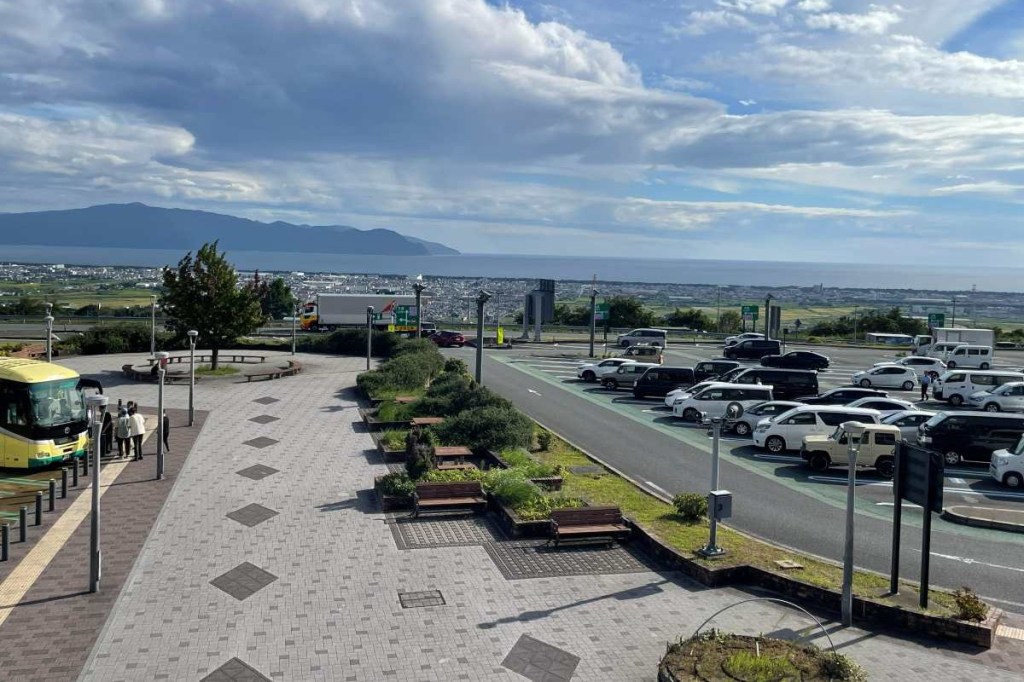
From there, I headed home via the Tomei Expressway. I stopped for a break at the Surugawan Numazu Service Area on the Shin-Tomei Expressway; there was an observation deck on the second floor, offering a view of the Izu Peninsula’s mountains across Suruga Bay.
I arrived home around 17:30; the drive went smoothly with no major traffic jams. Although there was some rain along the way, the weather was generally favorable, and it was a satisfying trip—I enjoyed delicious local ingredients and soaked in hot springs.


コメントを残す