

いつもは3泊以上の旅をしてきましたが、今回は10/4(日)から、きままに1泊で甲府市周辺に旅に出かけました。
October 4 (Sun)
I set off from my home in Tokyo in my car around 7:00 a.m., drove along the Chuo Expressway, exited at the Katsunuma Interchange, and headed for “Soba-maru,” a popular soba restaurant in Enzan, Koshu City. Although the restaurant doesn’t open until 11:00 a.m., I arrived at 10:30 a.m. because I had visited before and knew the parking space was limited. The lot was already nearly full, and eleven parties were already on the waiting list ahead of me. Near the entrance, there was a visible area where soba noodles were being prepared, and a young artisan was carefully crafting the noodles.
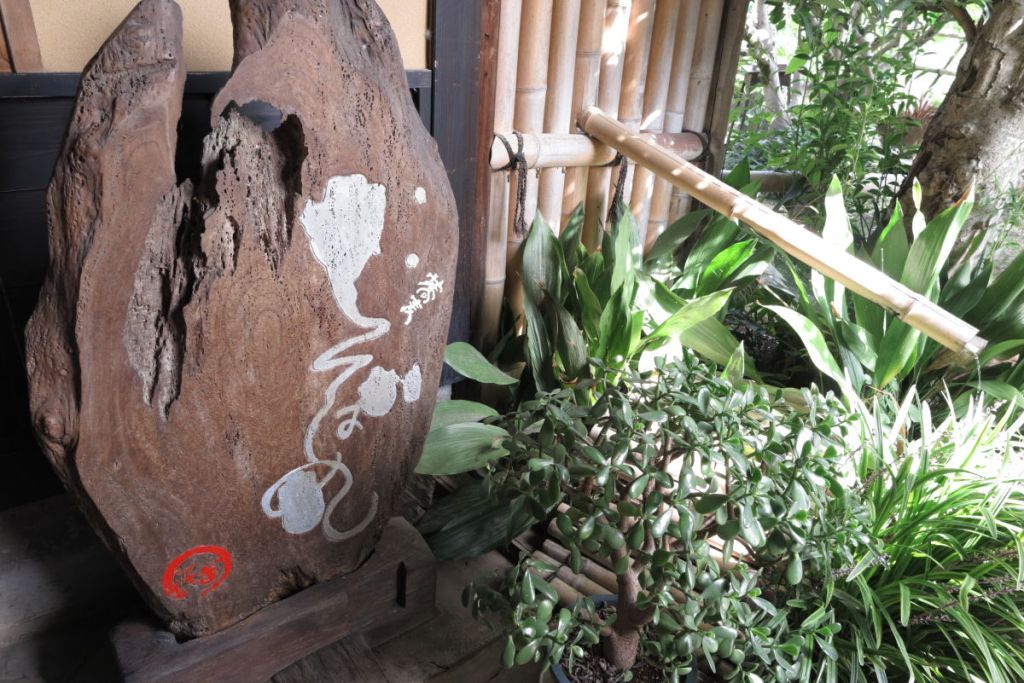
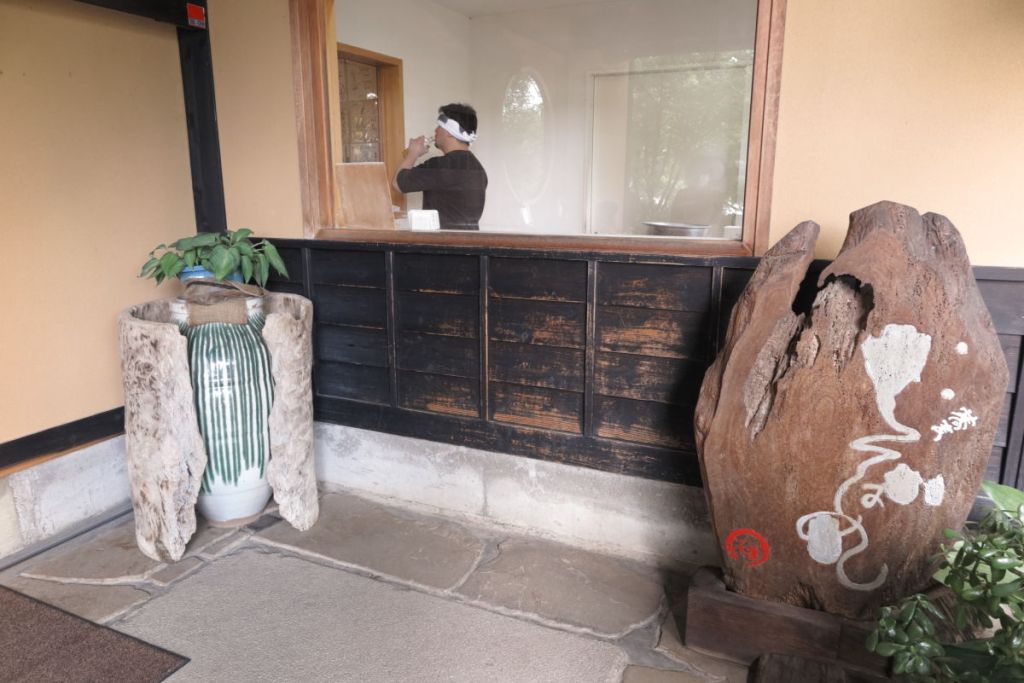
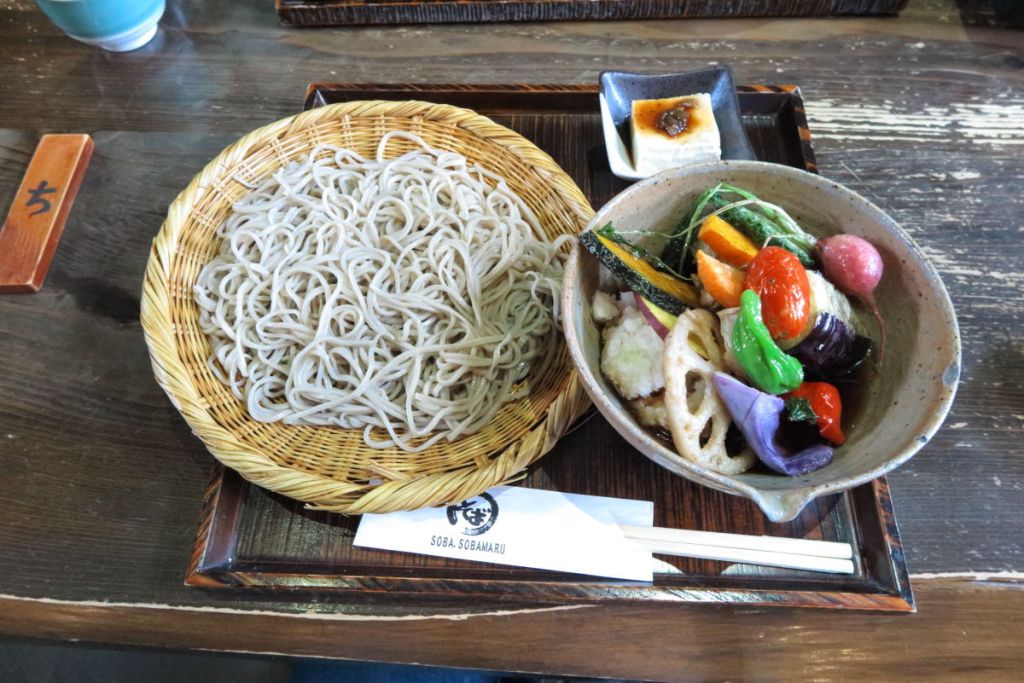
Since guests are shown to their seats one party at a time, I didn’t actually get seated until around 11:30. I ordered the Mori (cold soba noodles) with deep-fried seasonal vegetables. You can choose between 100g and 200g portions, and since the standard serving size at the shop is 200g, I opted for that amount—though it might have been a bit too much for me. The dipping sauce was placed beneath the colorful, deep-fried seasonal vegetables, and I enjoyed dipping the noodles into it.
After the meal, we headed to the nearby Erin-ji Temple. Founded in 1330, Erin-ji is a renowned temple belonging to the Myoshin-ji branch of the Rinzai school of Zen Buddhism. It has deep ties to Takeda Shingen; the monk Kaisen—whom Shingen revered—served as the temple’s head priest, and Shingen himself donated land to the temple. Shingen’s mausoleum is also located here. A temple gate stood near the parking area, leading to a long approach path.
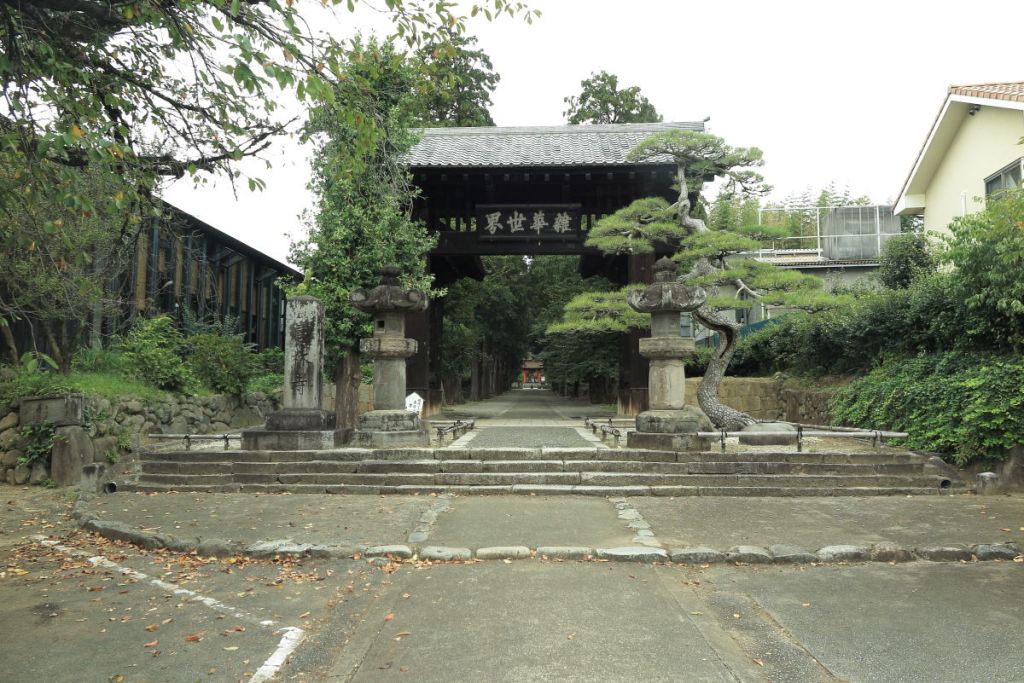
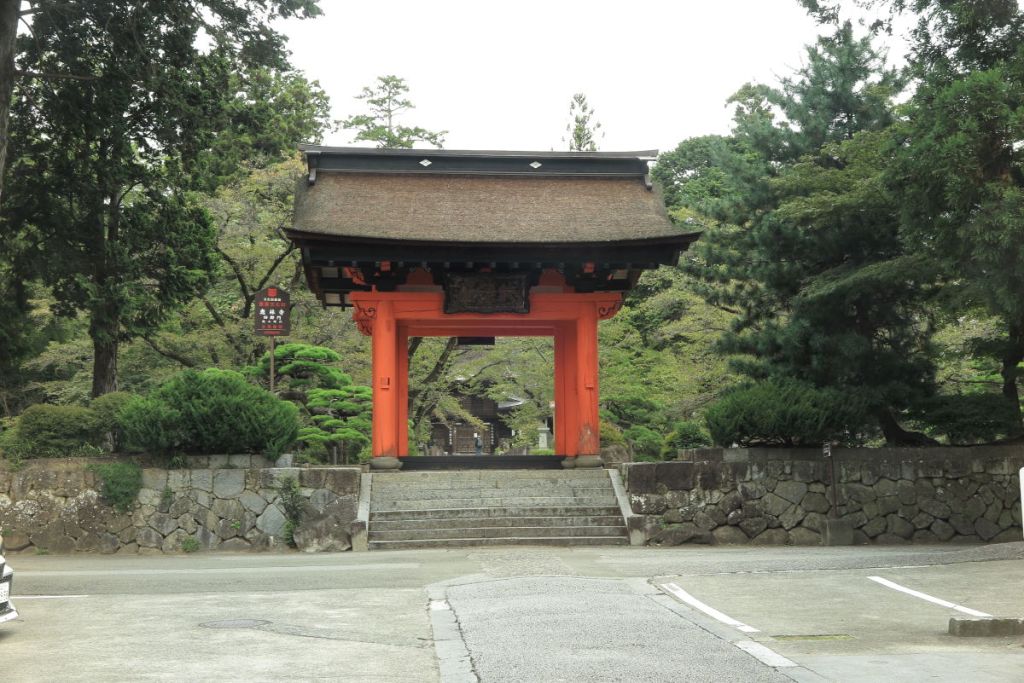
As I proceeded along the approach, I caught sight of the Erin-ji Temple’s yonkyaku-mon (four-legged gate)—also known as the “Red Gate”—which is designated as a National Important Cultural Property. Although the original structure was burned down after the fall of the Takeda clan—having stood in the path of Oda Nobunaga—it was magnificently rebuilt by Tokugawa Ieyasu in 1606 and remains the only surviving structure that preserves its original appearance.
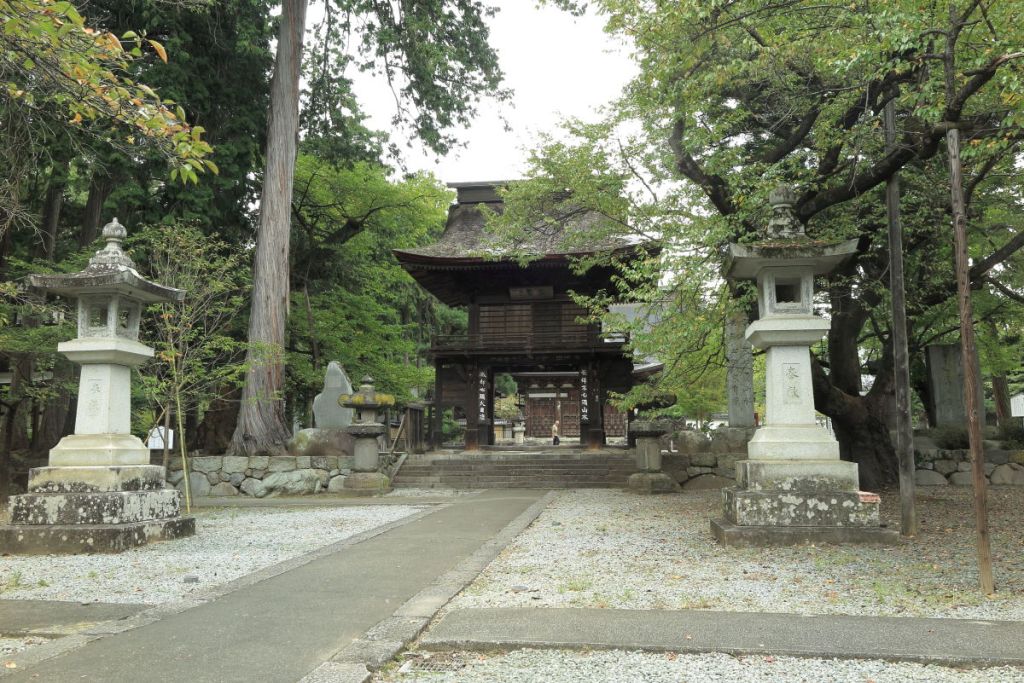
Venturing further in, the Sanmon Gate of Erin-ji Temple came into view. When the temple was subjected to an arson attack by Oda Nobunaga, the monk Kaisan and others barricaded themselves here; it is said that, in his final moments, he calmed the other monks by reciting the phrase: “If the mind is extinguished, even fire feels cool.”
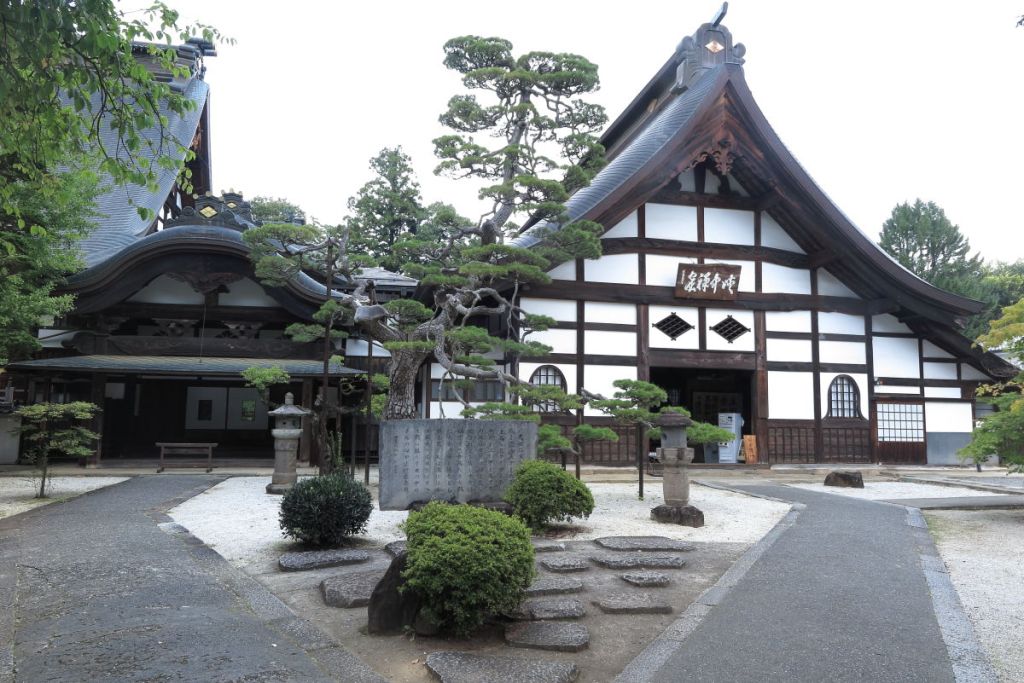
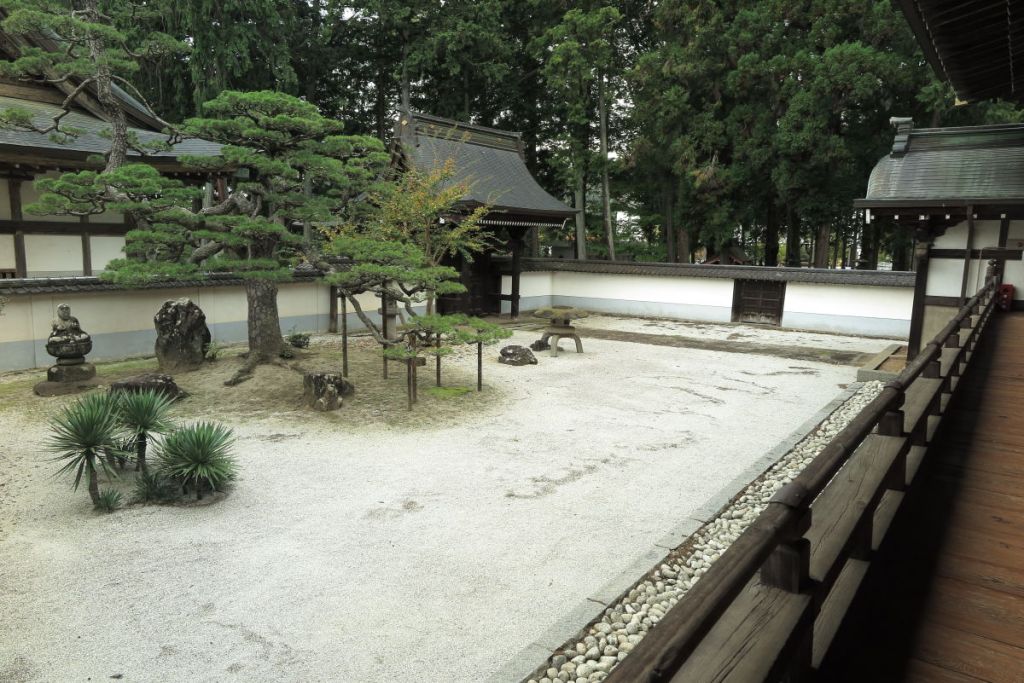
You can view the interior and the garden by paying the admission fee at the entrance of the white-walled kuri (priest’s living quarters). As Shingen’s mausoleum is open to the public only on the 12th of each month—the anniversary of his death—I was unable to see it on this visit.
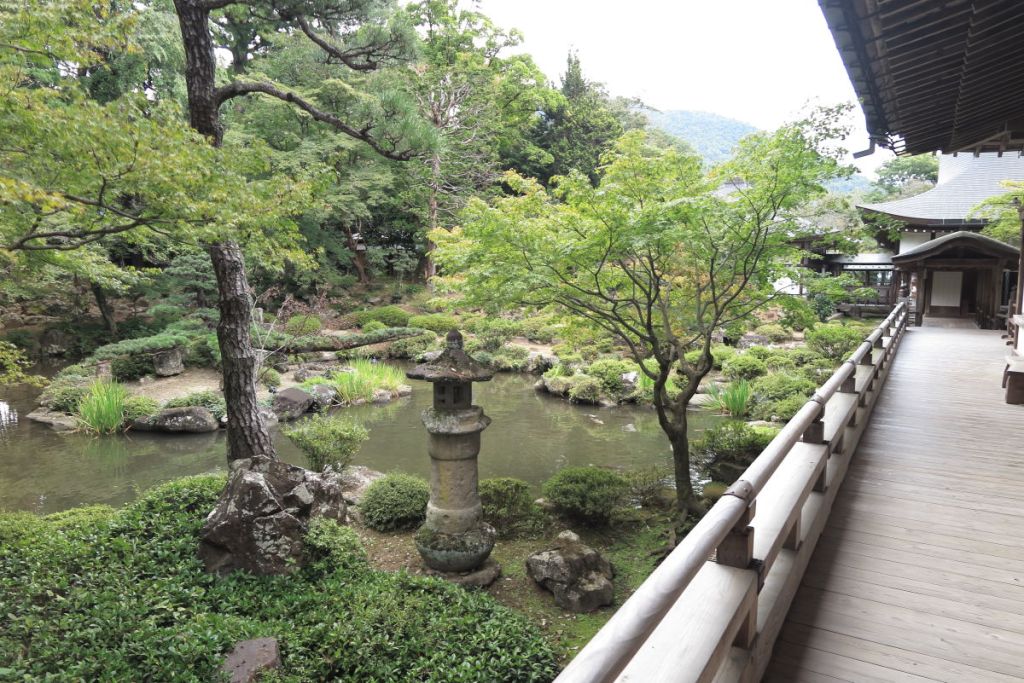
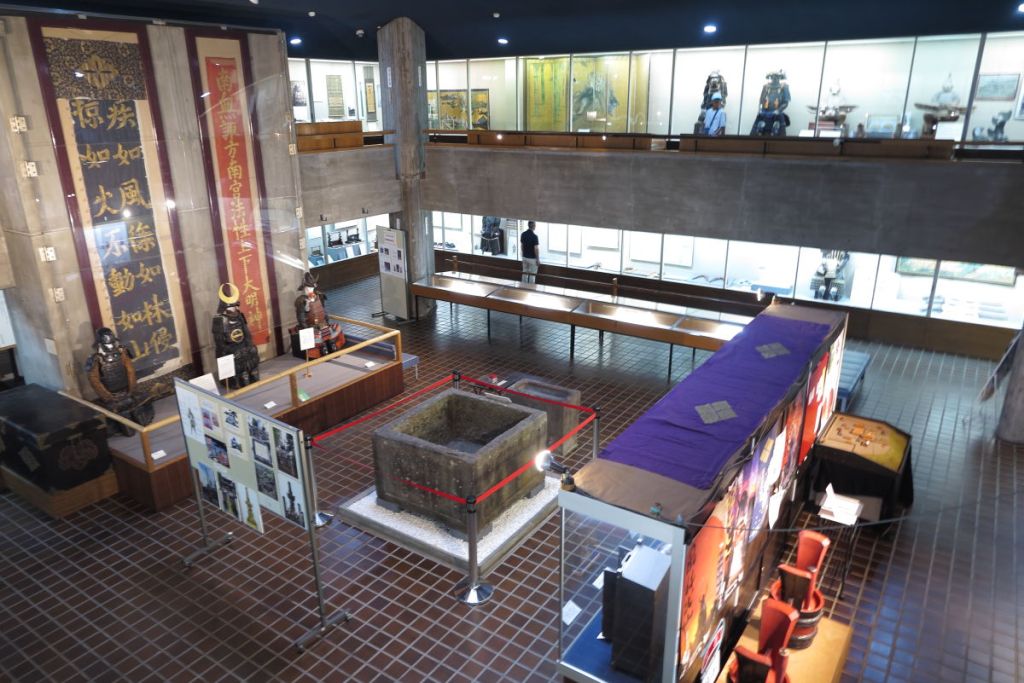
Next, I visited the Takeda Shingen Treasure Museum located right next door. Surprisingly, photography was permitted throughout the entire museum.
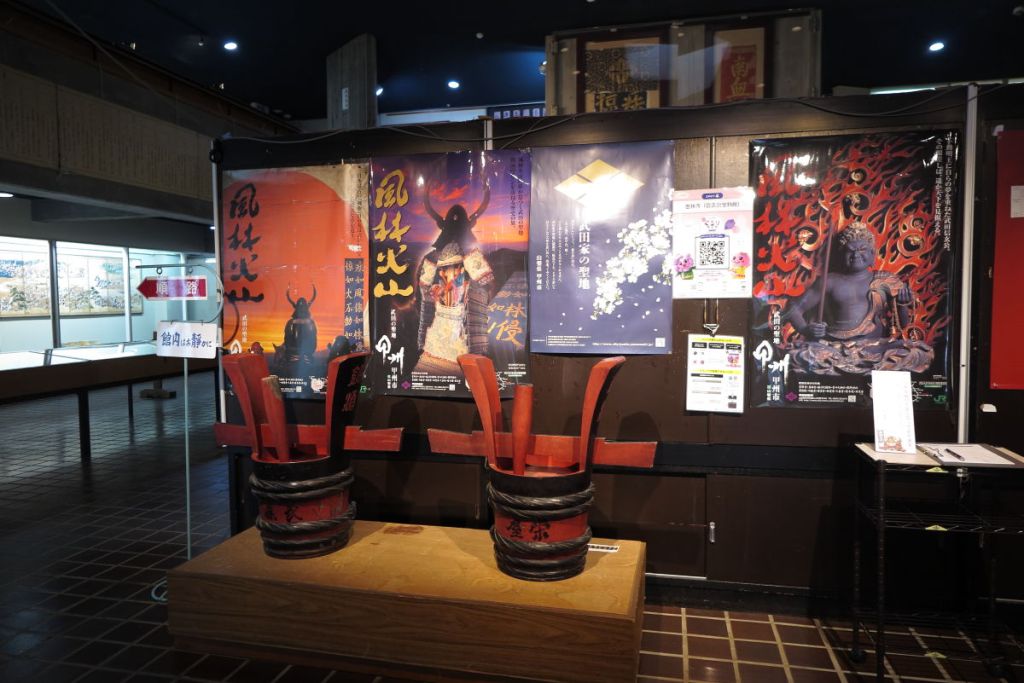
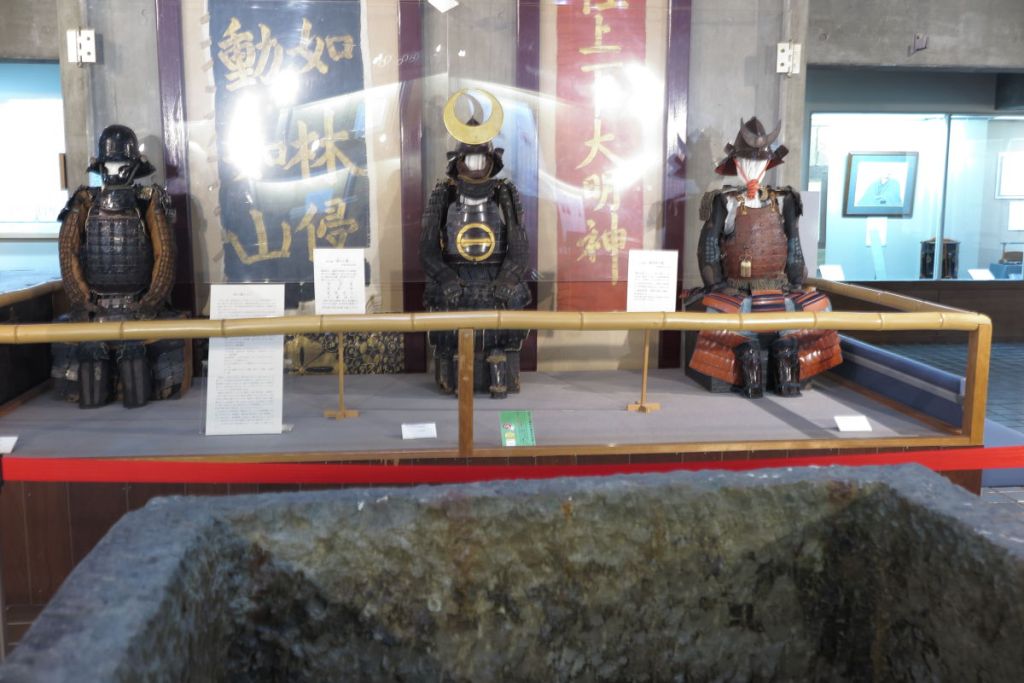
Exhibits related to figures such as Lord Shingen and Yanagisawa Yoshiyasu—a close aide to Tokugawa Tsunayoshi—are on display here. Yanagisawa Yoshiyasu was a descendant of the Takeda clan (of the Kai-Genji line) and deeply admired Takeda Shingen; he became the lord of the Kai domain, and the graves of both him and his wife are located at Erin-ji Temple. The square stone in the center is the stone coffin of Ogo-no-kata, the third daughter of Oichi-no-kata, who married Tokugawa Hidetada.
After the tour, I headed to my accommodation for the night, the Fruit Park Fujiya Hotel. I enjoyed some gelato and the scenery at the Fruit Center—located at the highest point of Fuefukigawa Fruit Park—and caught a glimpse of Mount Fuji peeking out beyond the Kofu Basin.
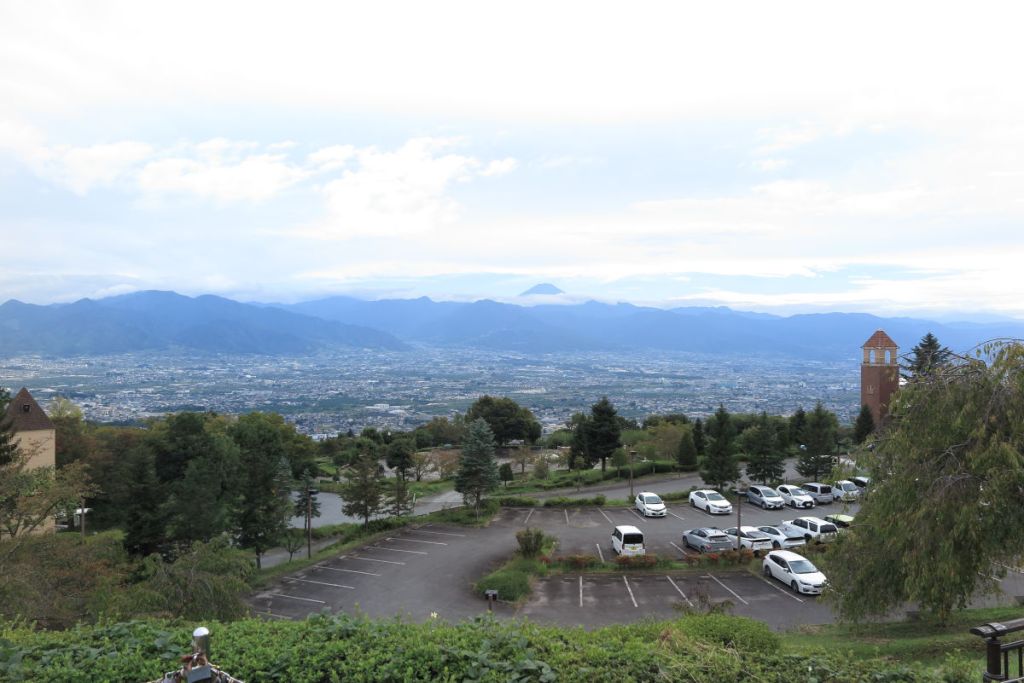
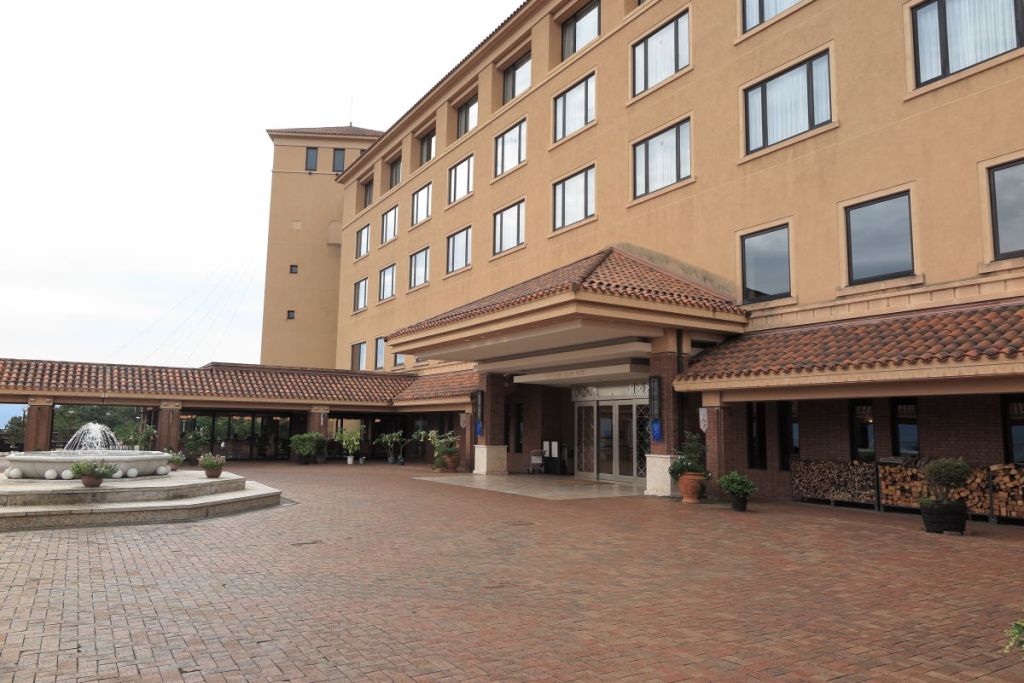
The Fruit Park Fujiya Hotel is also located within this park.
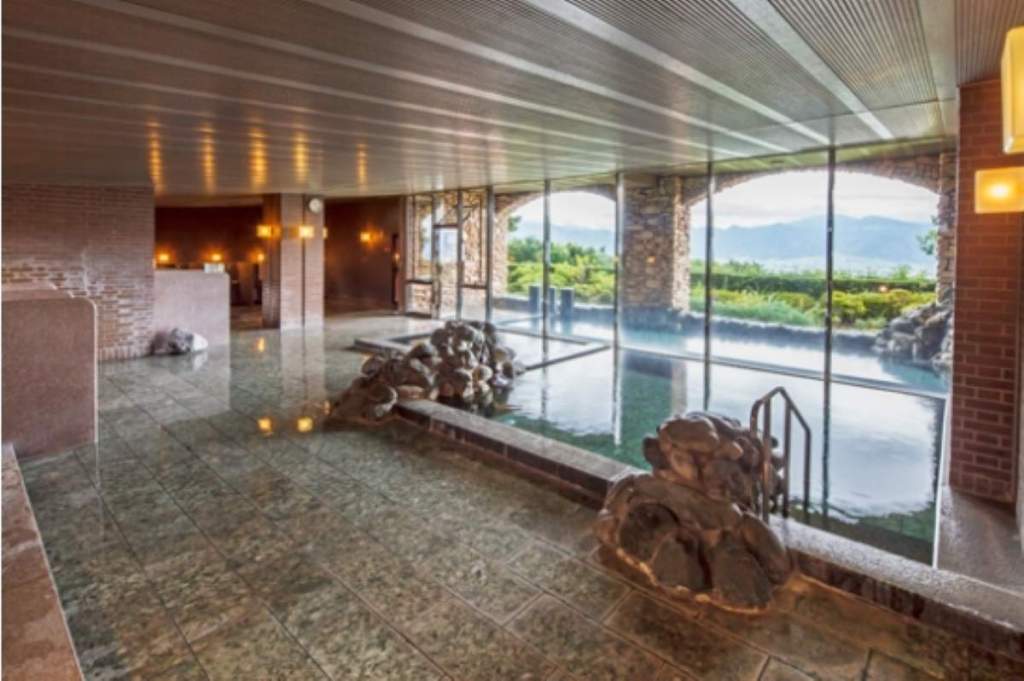
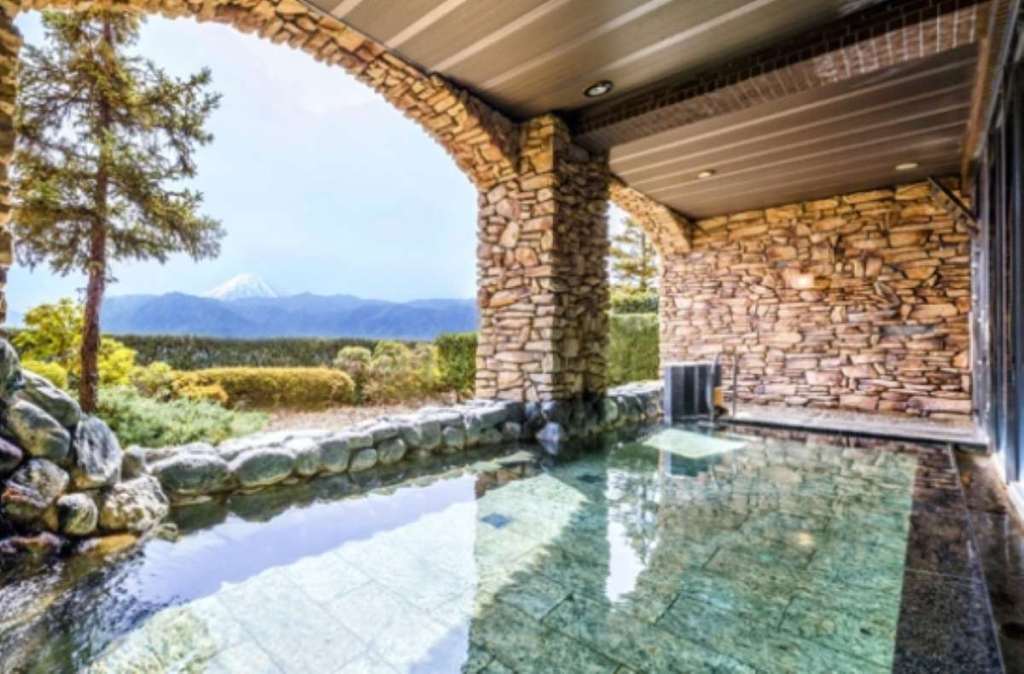
This facility features “Manyo Onsen,” a simple alkaline hot spring with a high pH of 9.5, giving the water a noticeably smooth, silky feel. The photo is a screenshot of the men’s bath taken from the inn’s website.
I stayed here about 25 years ago and used to enjoy a beautiful night view of the Kofu Basin from the bath; unfortunately, I couldn’t see it this time—perhaps due to renovations.
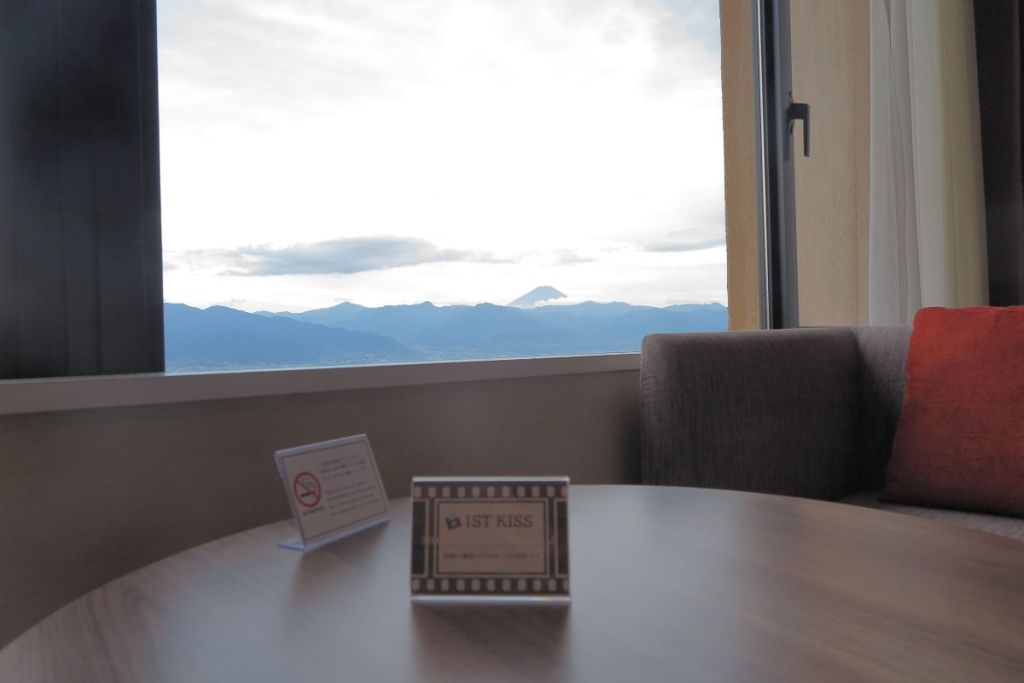
This hotel served as a filming location for the 2025 movie 1st Kiss, and it appears the room I stayed in was actually used during the shoot. I could see Mount Fuji from the window.
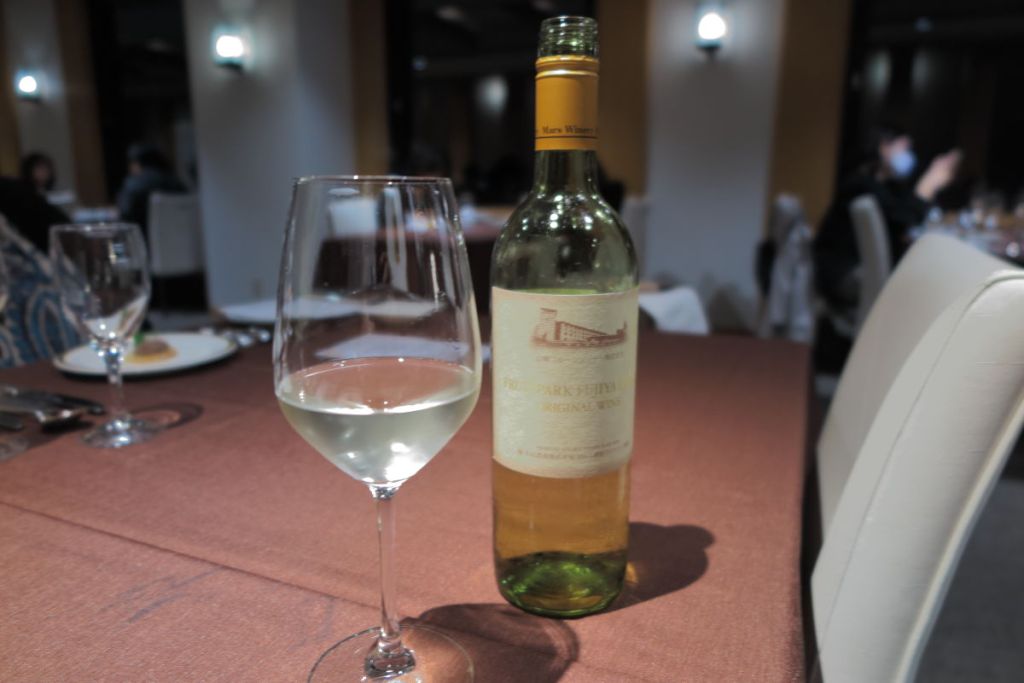
For dinner, you can choose between Western and Japanese cuisine; this time, I opted for the Western meal. I ordered the house white wine, produced by Chateau Mars in Yamanashi, which had a fruity and crisp flavor.
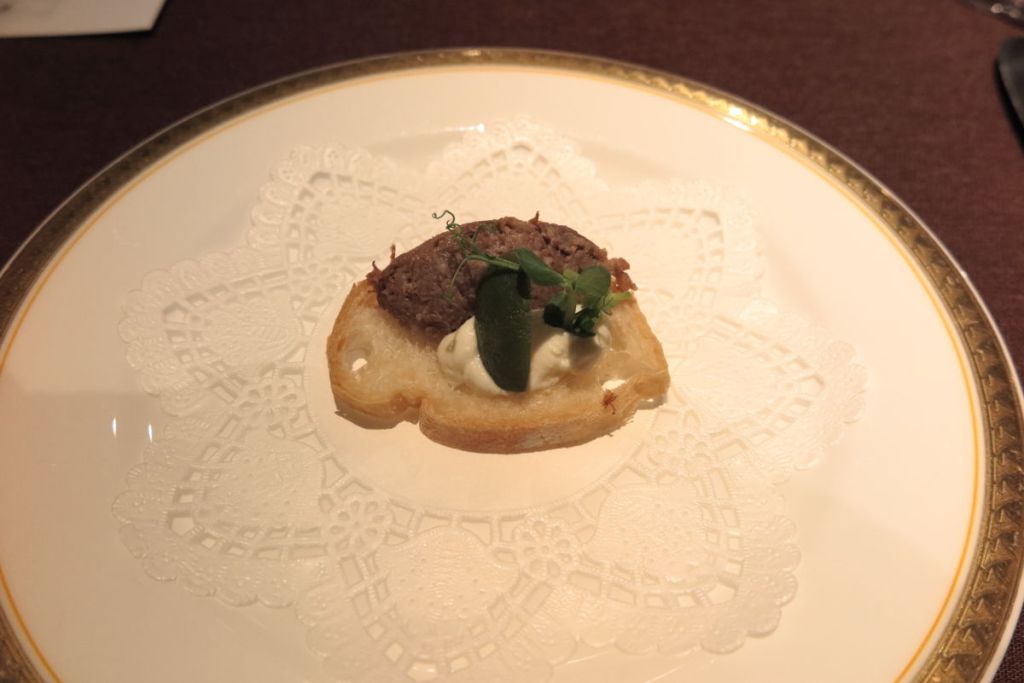
Amuse
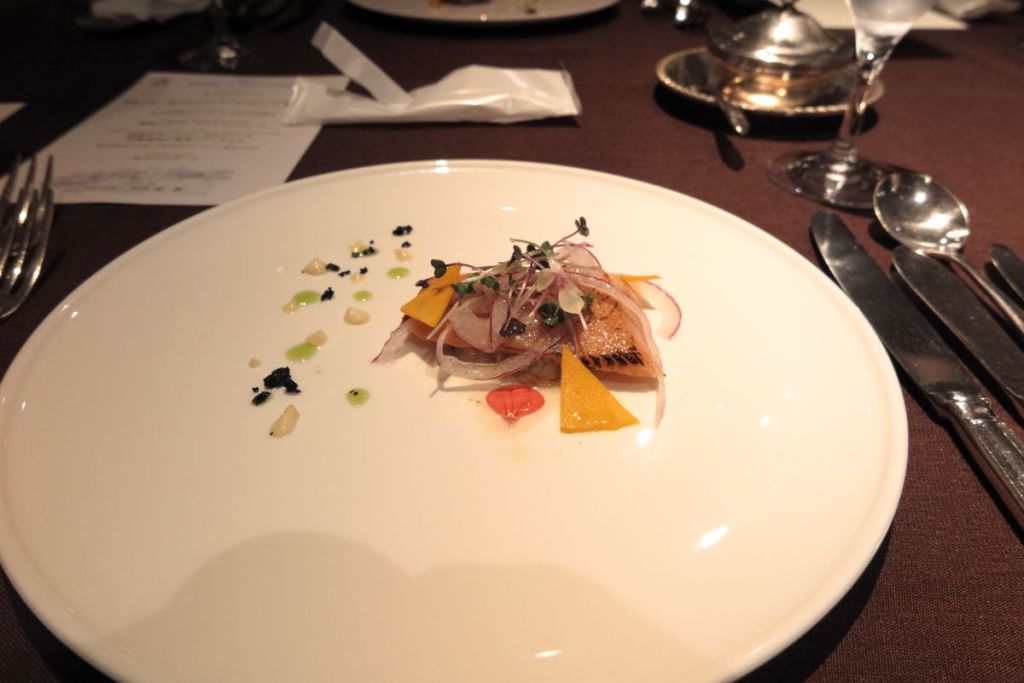
The dish featuring seared “Fujinosuke” (a hybrid of King salmon and rainbow trout farmed in Yamanashi) topped with anchovy sauce was delicious, showcasing the excellent flavor of the salmon.
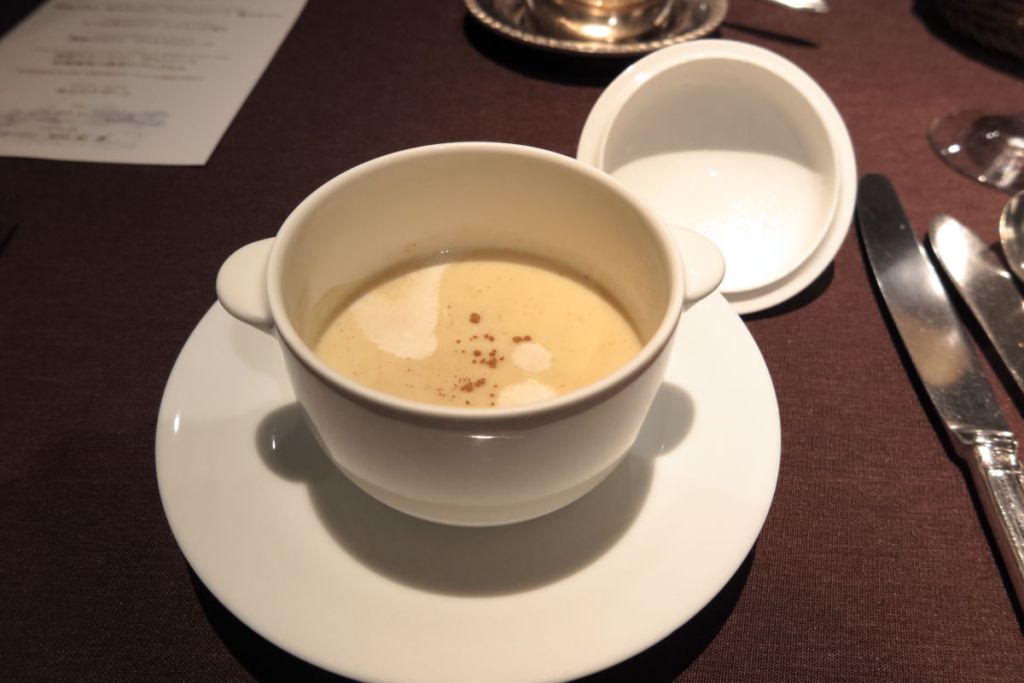
The sweet potato soup was creamy and sweet, with the aroma of cinnamon.
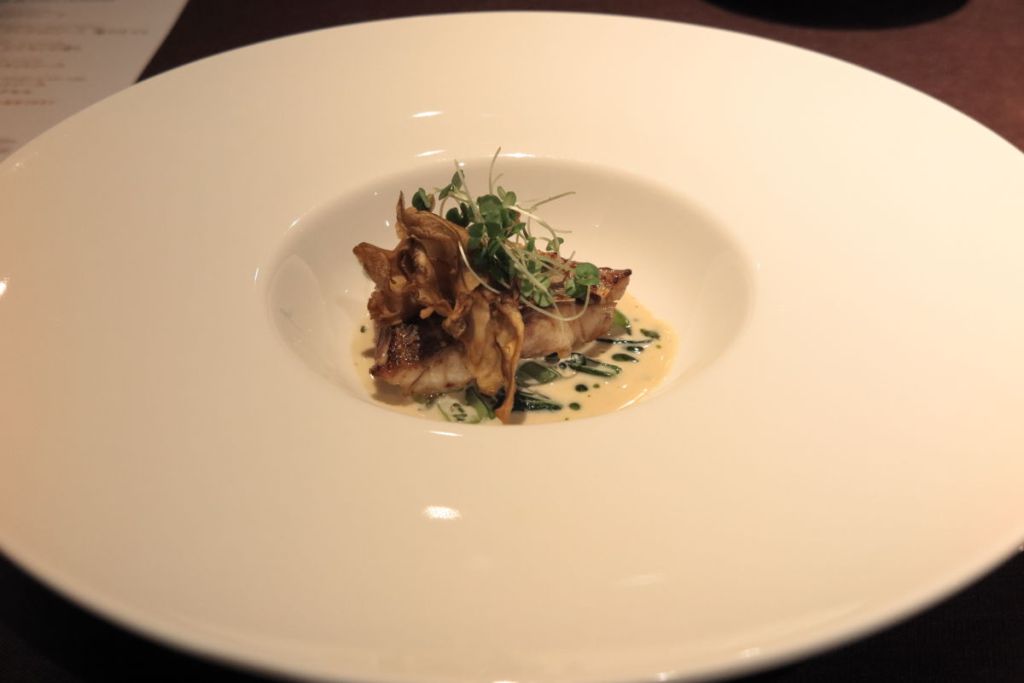
The pan-seared threadfin bream paired perfectly with the vermouth sauce.
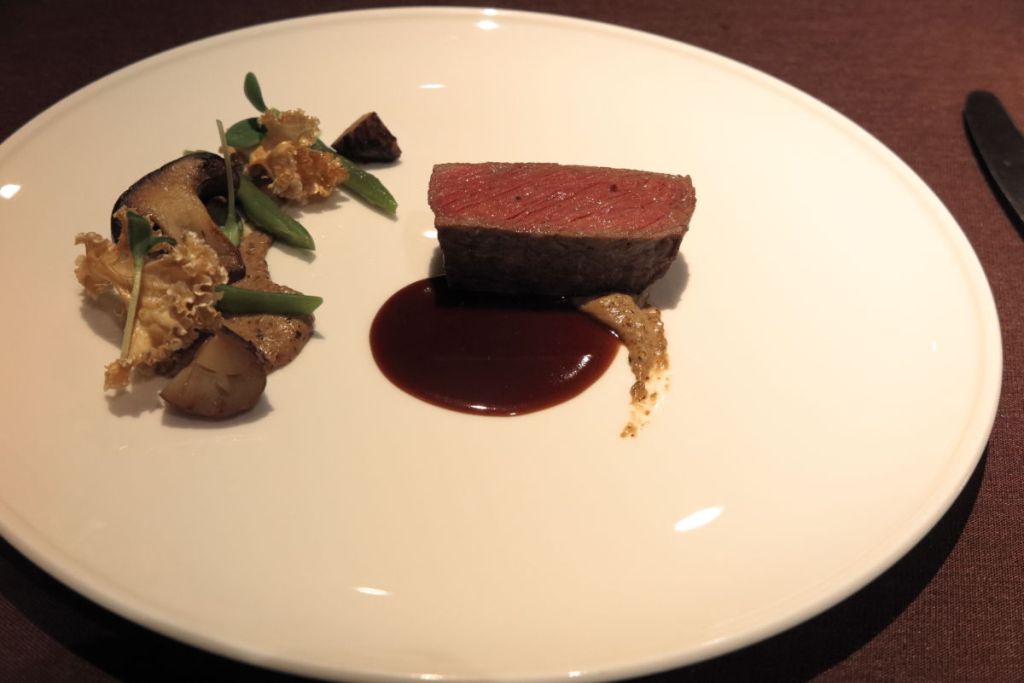
The Japanese beef sirloin was delicious; the way it was cooked paired perfectly with the Porto sauce.
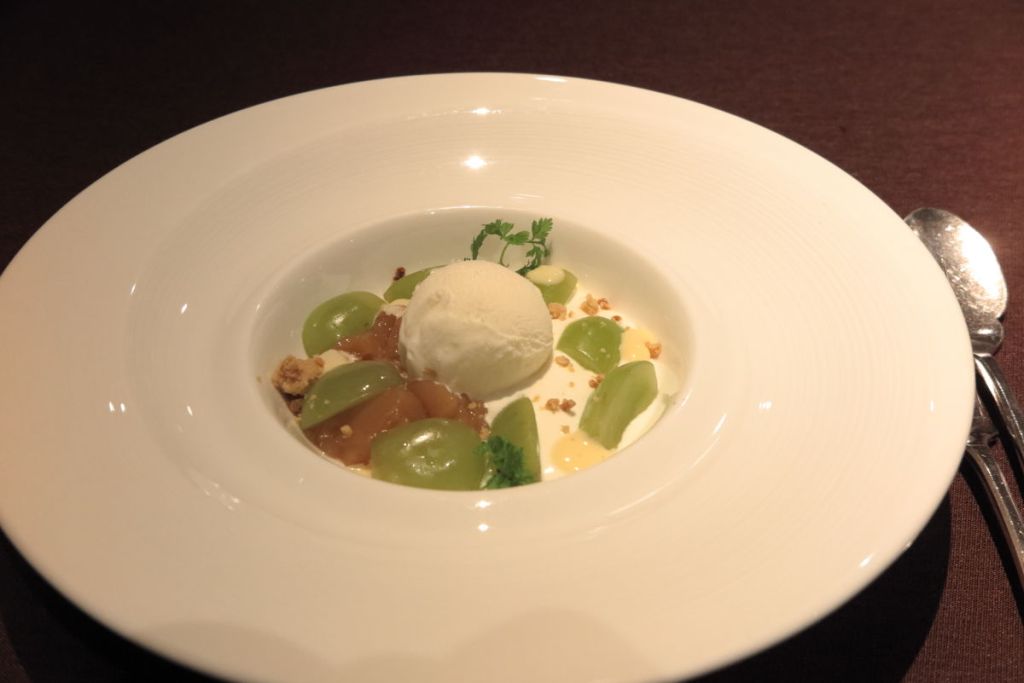
The dessert contains Shine Muscat grapes.
It was a satisfying dinner course.
October 5(Mon)
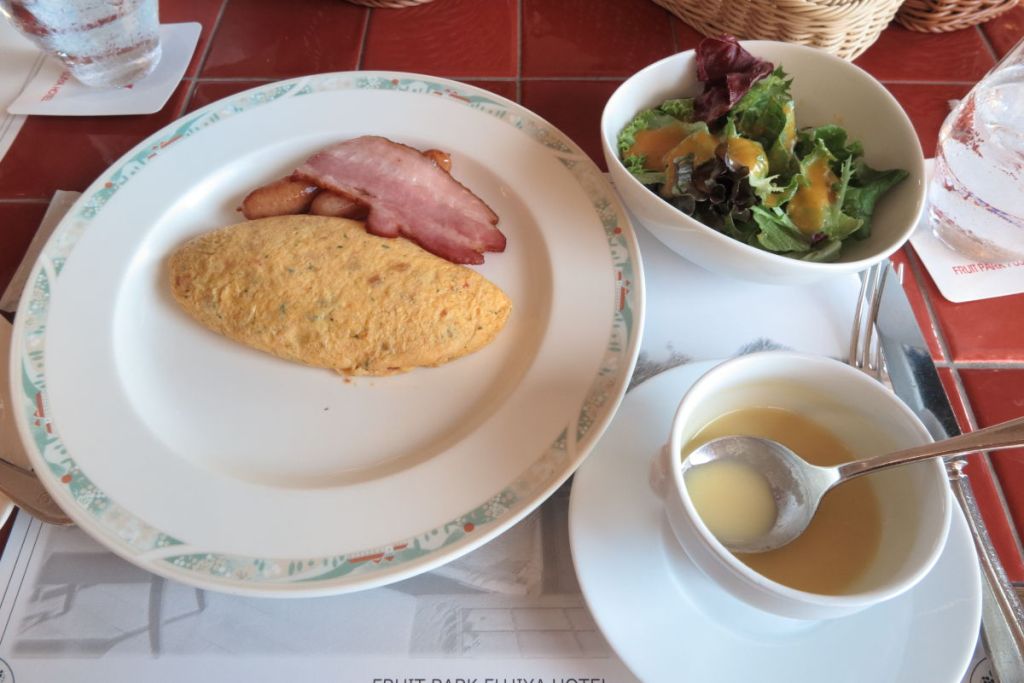
I opted for a Western-style breakfast. There was a choice between an American breakfast and a salad breakfast; I chose the American breakfast and selected the Spanish omelet. It contained tomato purée, onions, and parsley, though it was a shame that—for some reason—it did not include potatoes.
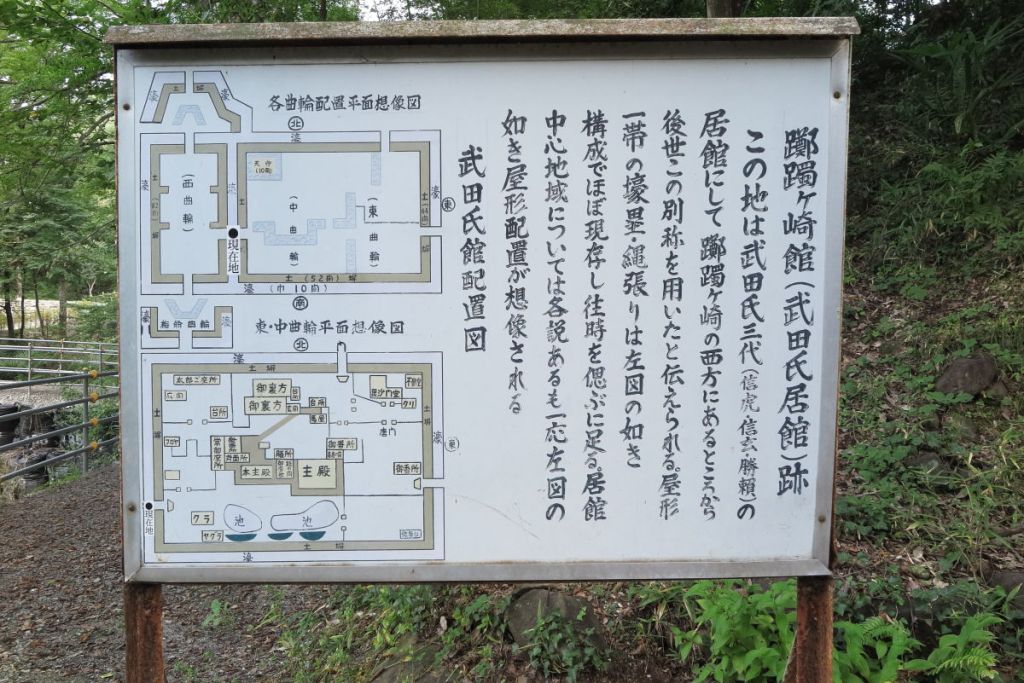
After checking out, I visited Takeda Shrine. Although I have been to Yamanashi many times, for some reason I had never stopped by Takeda Shrine before. Dedicated to Lord Takeda Shingen, the shrine was established in 1919; however, the site itself was originally the location of the residential compounds of Takeda Nobutora, Shingen, and Katsuyori. Following the fall of the Takeda clan, the area served as a base for governing the Kai region, and it appears that a castle keep was even constructed there during the era of Tokugawa Ieyasu.
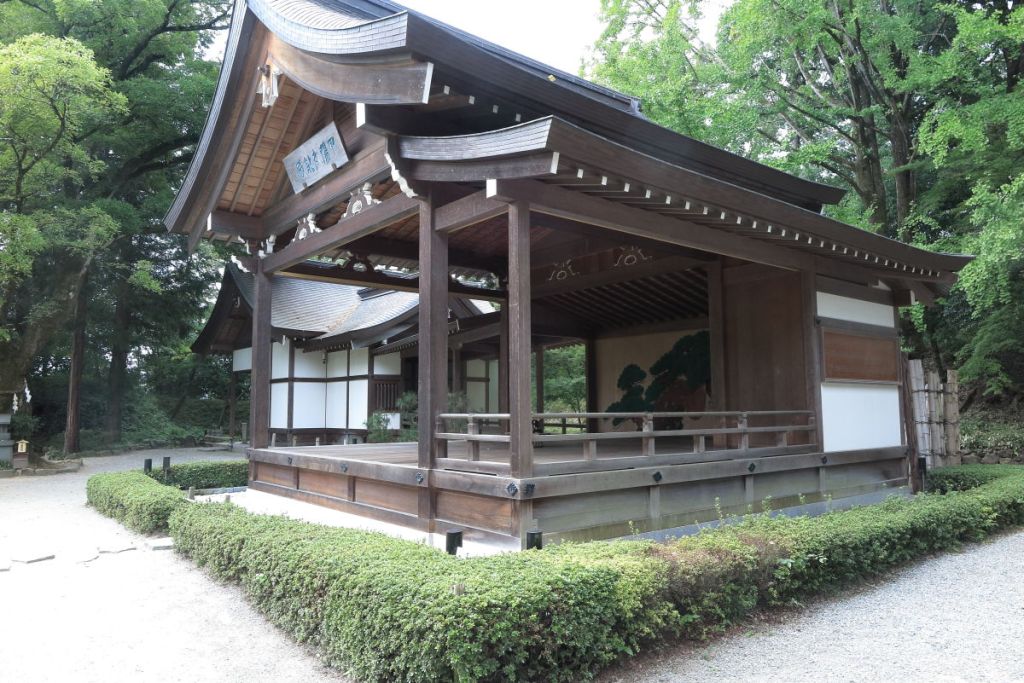
There is also a Noh stage called Koyo Bunoden.
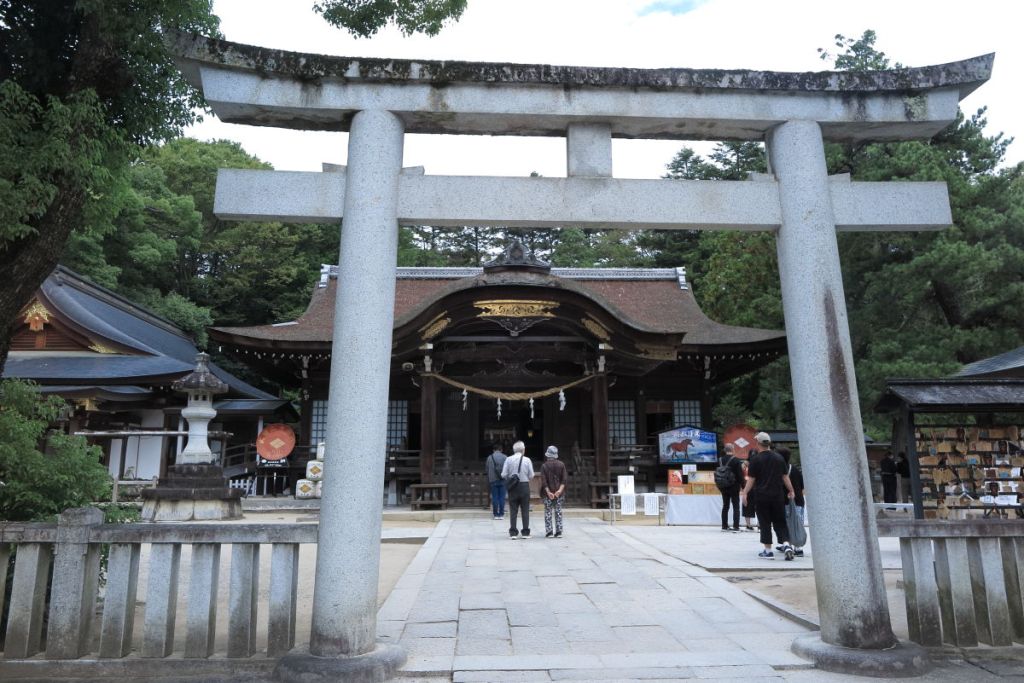
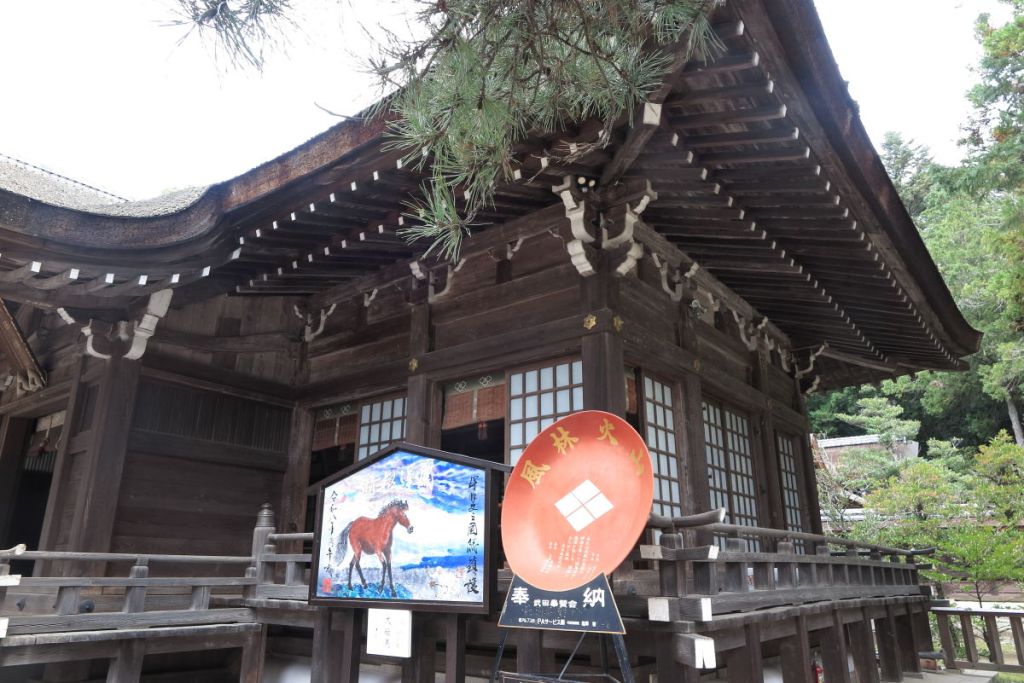
After passing through the torii gate, you will find the worship hall.
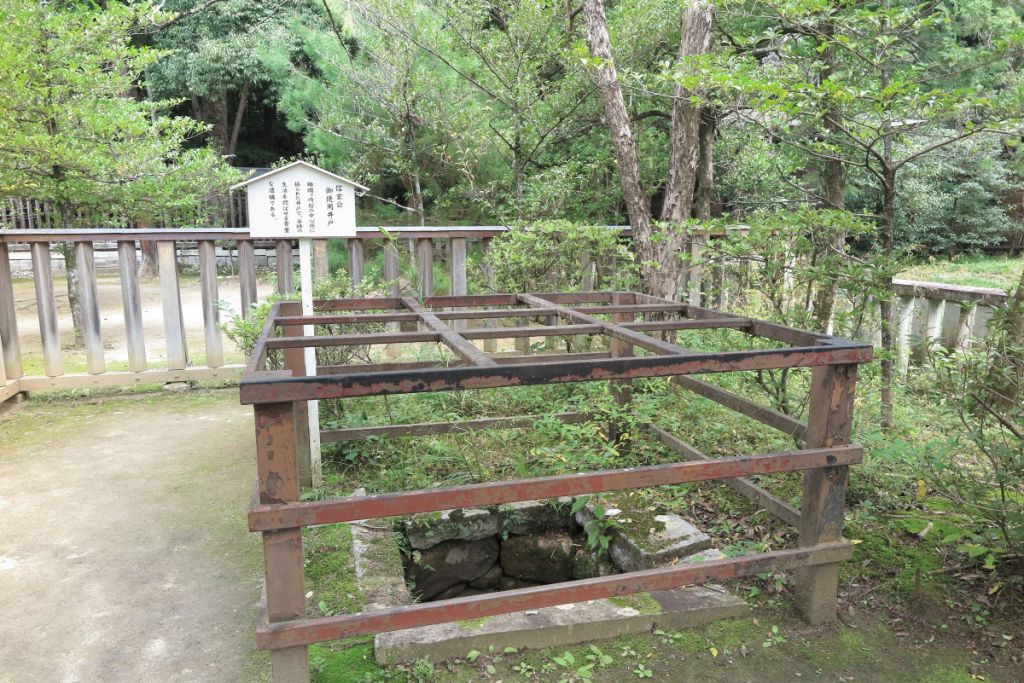
The well used by Shingen also remains; however, peering inside reveals only murky, accumulated rainwater, so it retains little more than a trace of its former self.
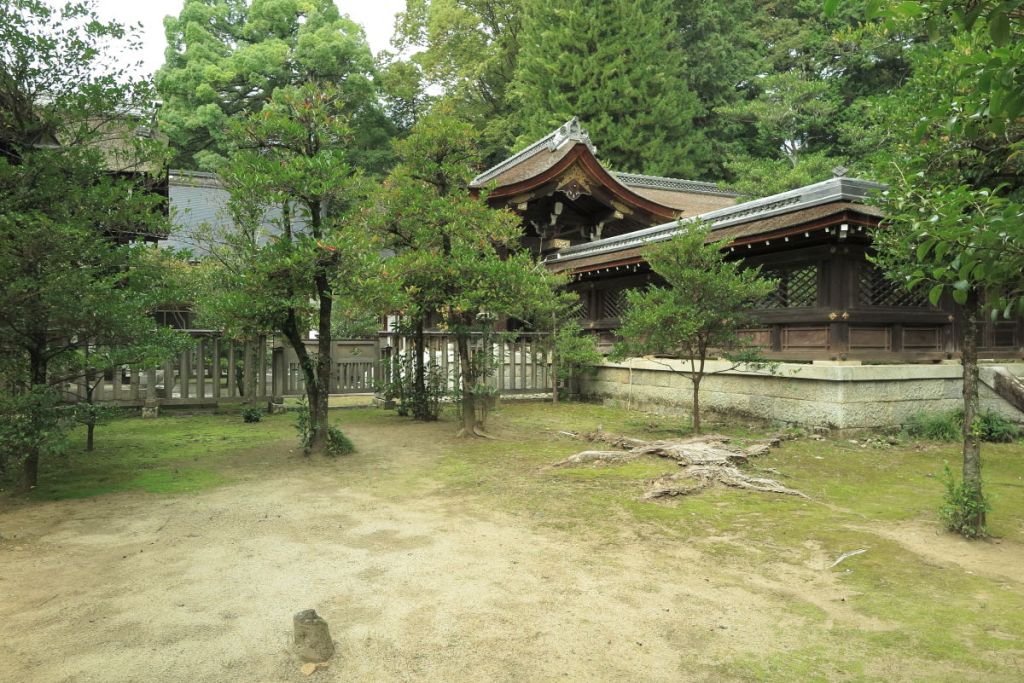
The main hall was visible beyond the worship hall.
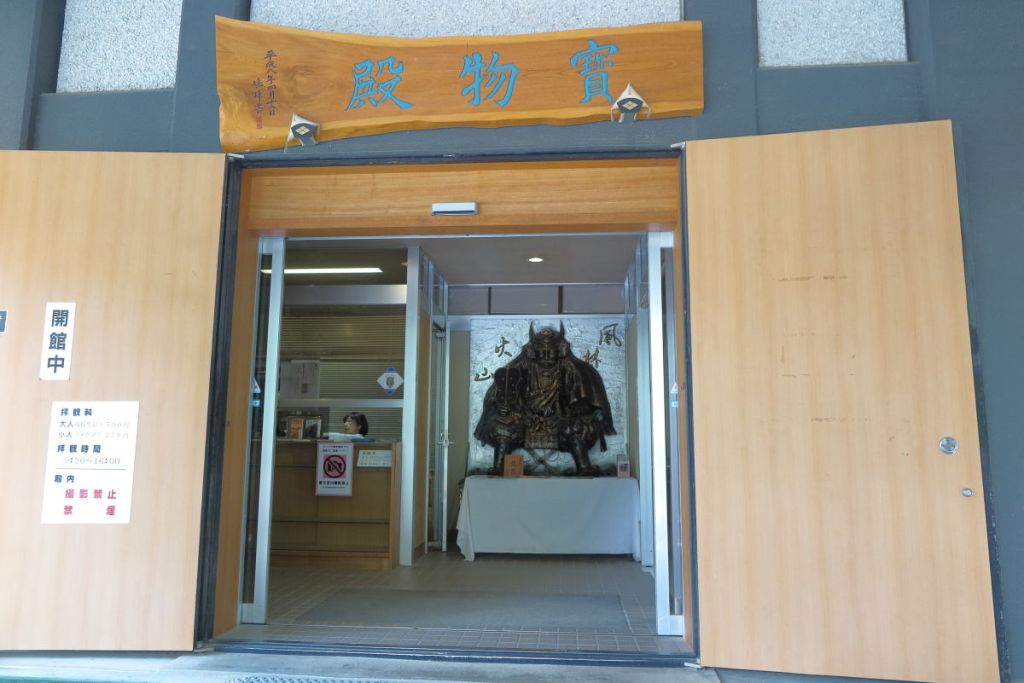
Photography was prohibited inside the treasure hall, but historical artifacts from the era—such as armor, a military fan, and a “Furin Kazan” battle standard—were on display.
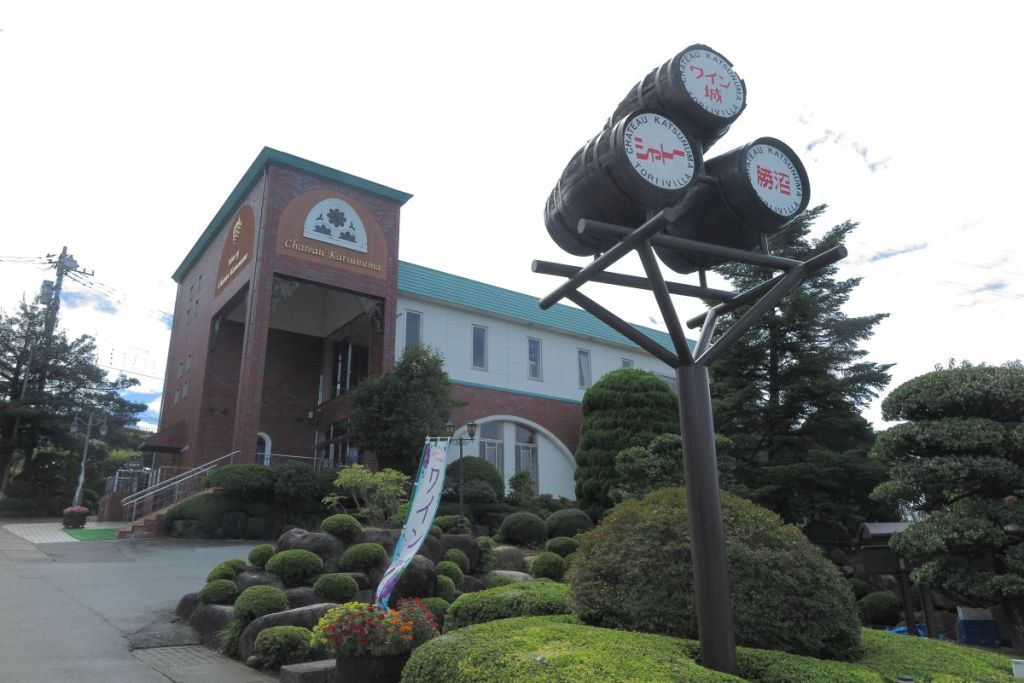
After the temple visit, I went to Chateau Katsunuma, located near the Katsunuma Interchange. This is a long-established winery that began production in 1877. I decided to have lunch at Restaurant Toriidaira, located on the second floor.
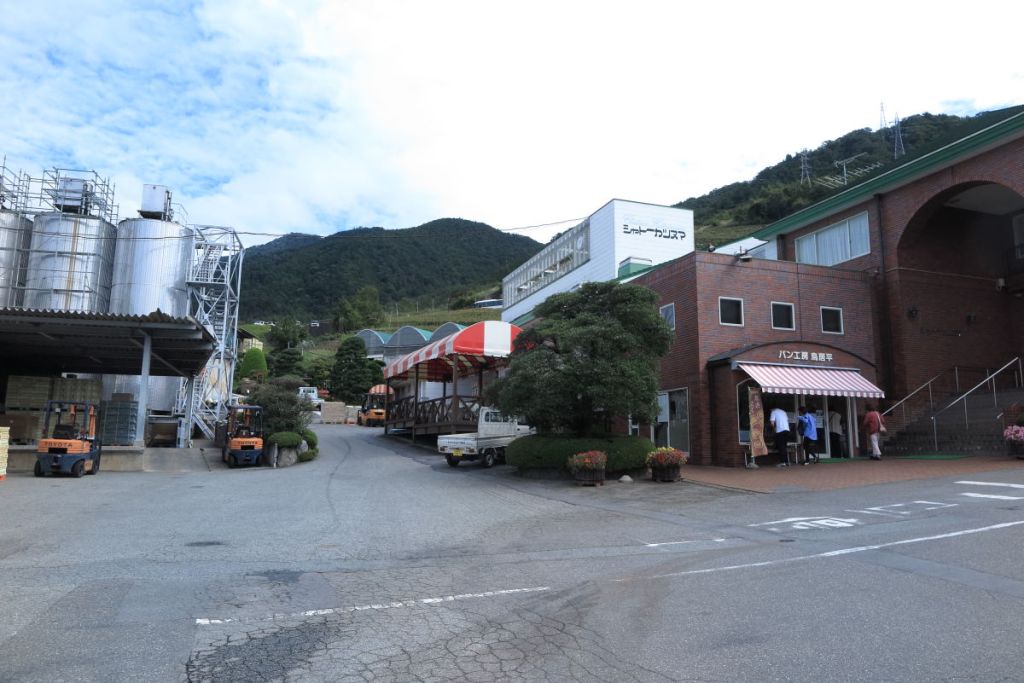
Across the way, there is a factory and a bakery where you can buy delicious bread at low prices.
The restaurant offers lunch course menus; since it was lunchtime, I opted for the “Pioneer Course,” which consists of a simple hors d’oeuvre, soup, and a main dish.
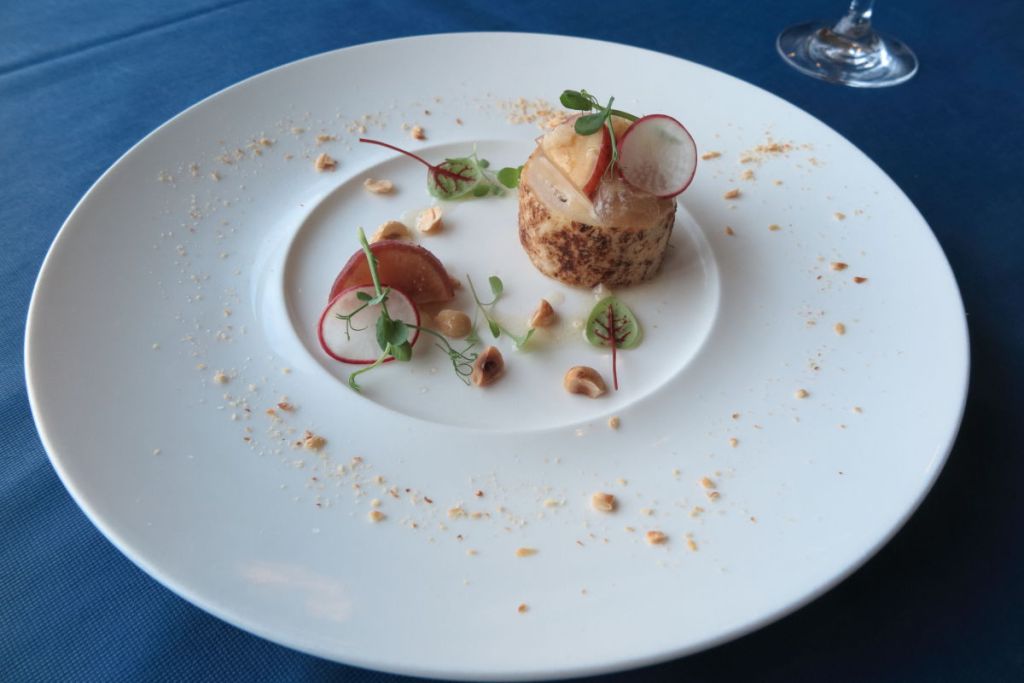
The hors d’oeuvre was a galantine of Koshu Shingen chicken—a truly flavorful dish.
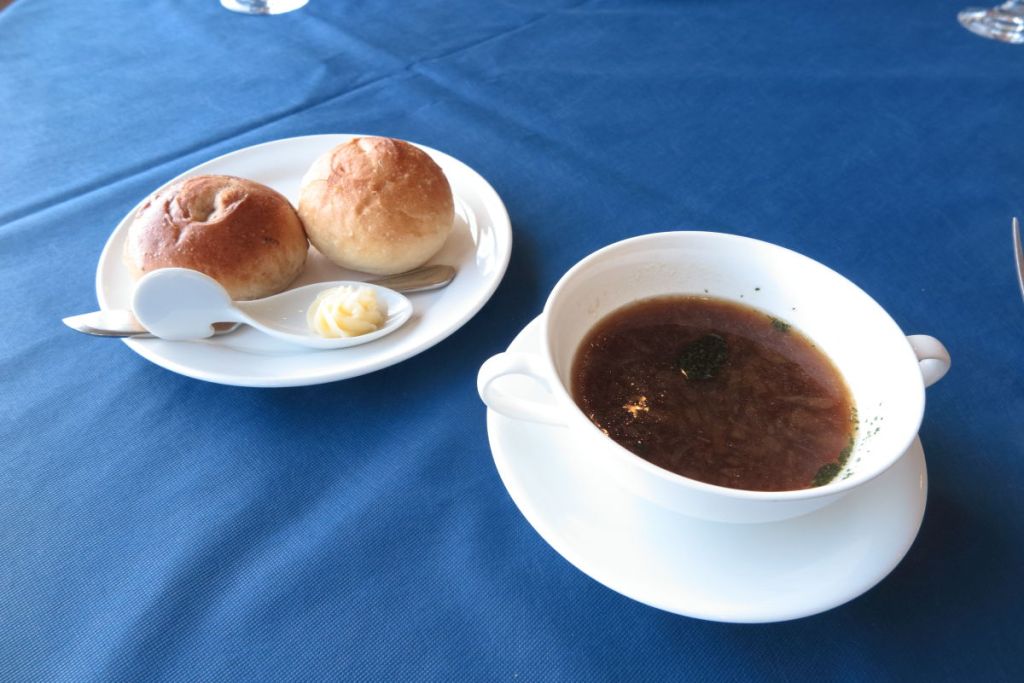
The soup was onion gratin soup; the onions had been slowly sautéed, resulting in a rich, sweet flavor. The bread was also delicious, and refills were available.
You can choose either fish or meat for the main course, and I opted for the Koshu Shingen pork ragout. It was slow-cooked to incredible tenderness, and the sauce served over it was a perfect match.
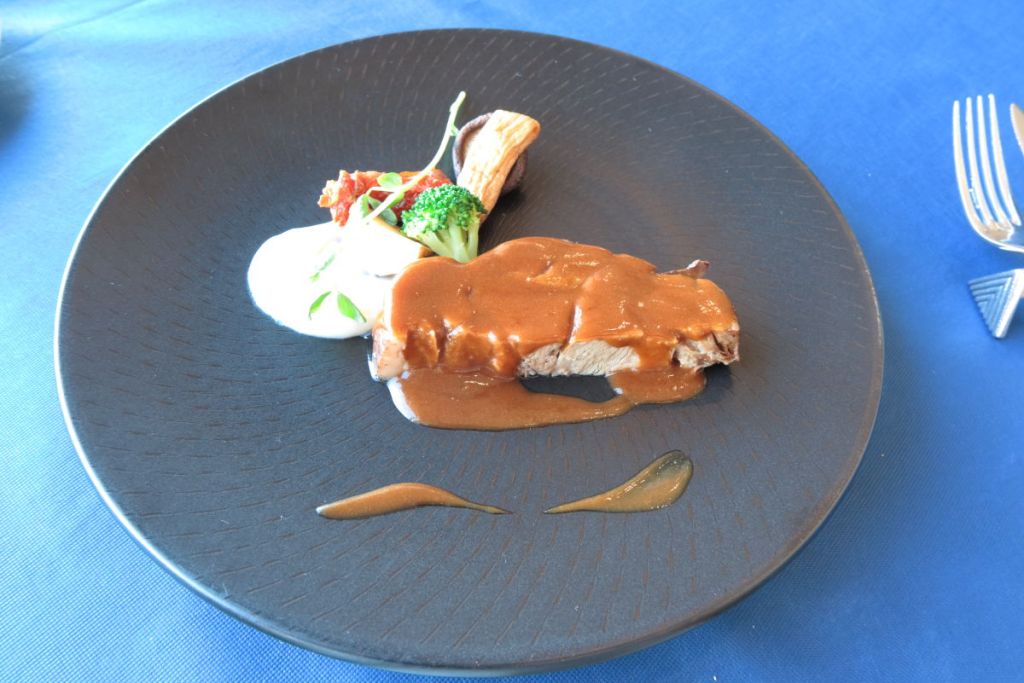
I enjoyed a lunch that offered great value for money. Afterward, I bought some organic red and white wines as souvenirs at the wine shop on the first floor. Although there was a tasting corner, I had to rely on my intuition to choose from the wide selection since I was driving.
I returned to my home in Tokyo via the Chuo Expressway, getting back on at the Katsunuma Interchange. Although it was a short trip, I was able to immerse myself in history—including the legacy of Takeda Shingen—and savor the delicious local ingredients of Yamanashi.


コメントをどうぞ