

From April 25th (Saturday) to 28th (Tuesday), I took a 3-night, 4-day trip around southern Hokkaido in spring. I wasn’t able to enjoy the cherry blossoms properly in Tokyo, so I decided to combine cherry blossom viewing in southern Hokkaido, where the blossoms bloom later, with a tour of hot springs.
April 25th (Sat)
I took JAL flight 585 departing from Haneda Airport at 7:30 AM for Hakodate Airport. Since it was an early morning flight, I bought a bento box for breakfast on board and arrived at Hakodate Airport on time at 8:50 AM. After arriving, I rented a car and headed first to the Trappistine Convent, which is located near the airport. This convent is a nunnery founded in 1898 by eight nuns.
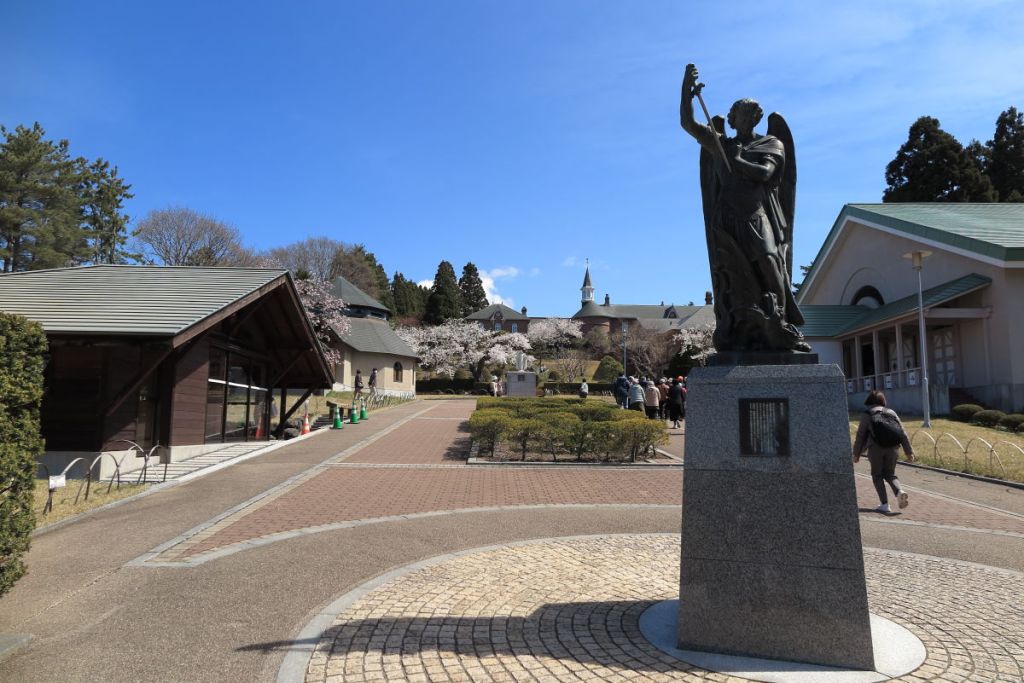
I was greeted by cherry blossoms in full bloom.
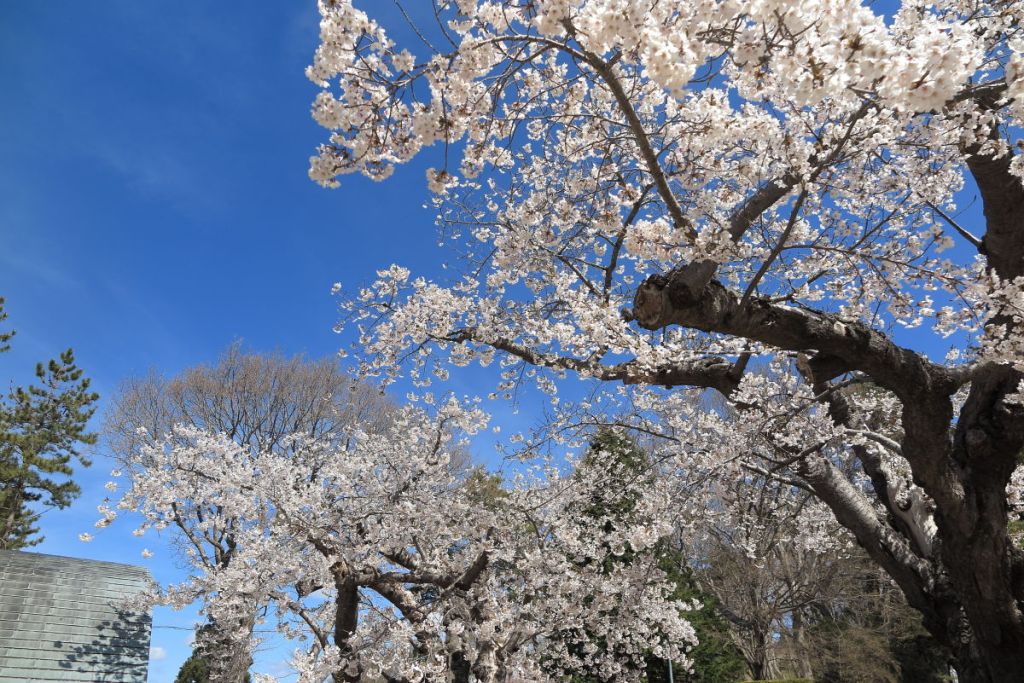
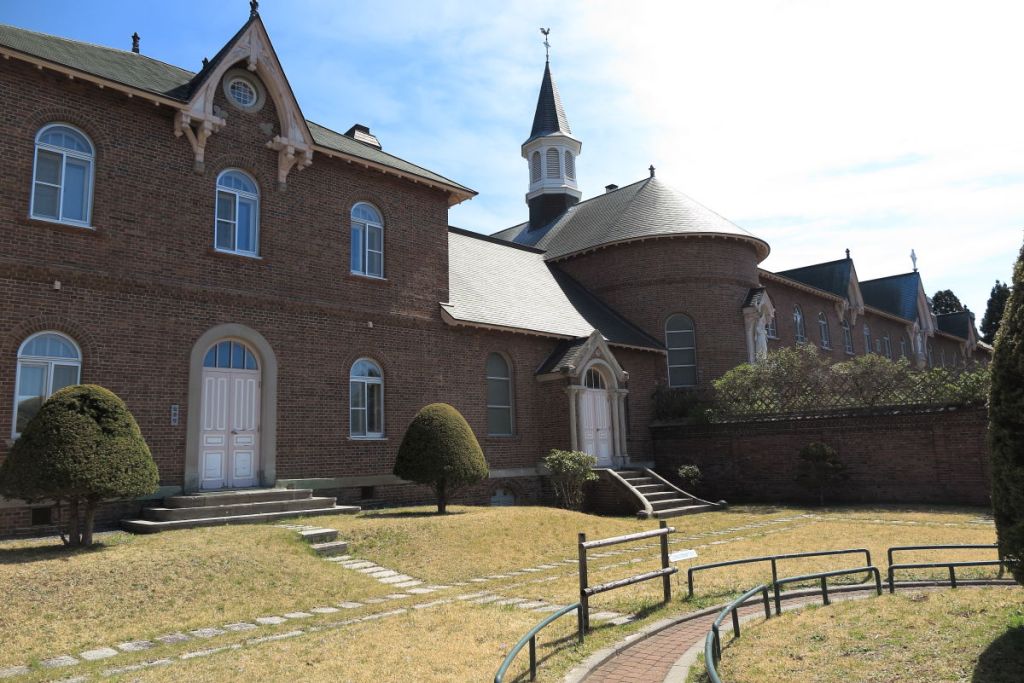
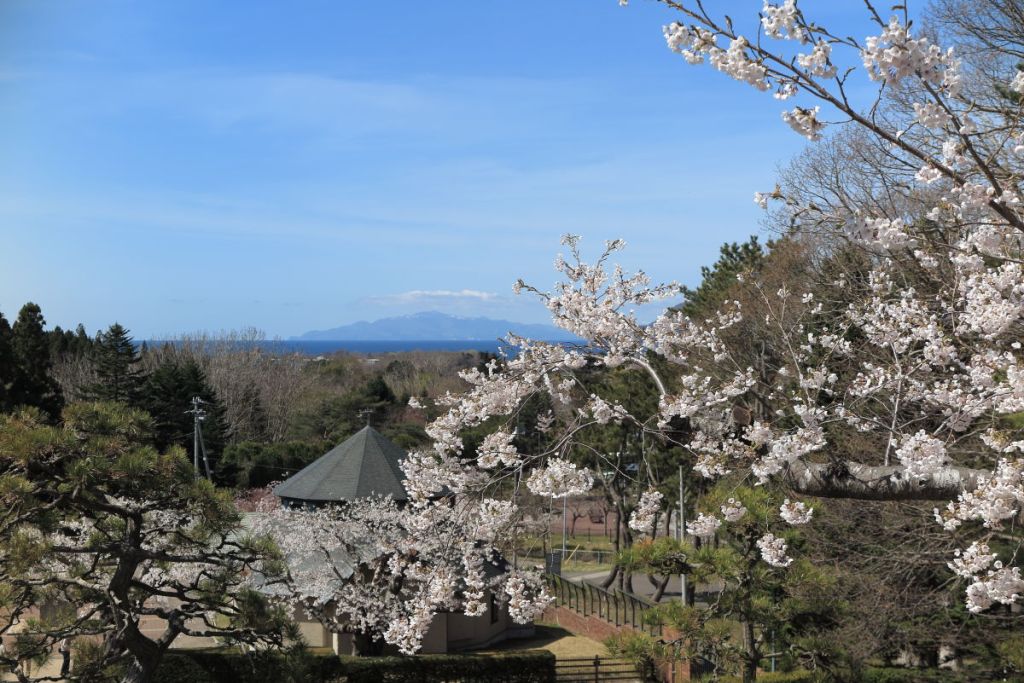
I could see the Shimokita Peninsula in the distance across the Tsugaru Strait. Is that Mount Osorezan I can see?
Next, I headed to the former Iwafune family garden, Kōsetsuen, a nationally designated scenic spot located in the nearby Miharashi Park. This landscape garden was created by the Iwafune family around 1898 and was used as a villa, but toilets and a lawn area were added, and it was opened to the public free of charge in 1927.
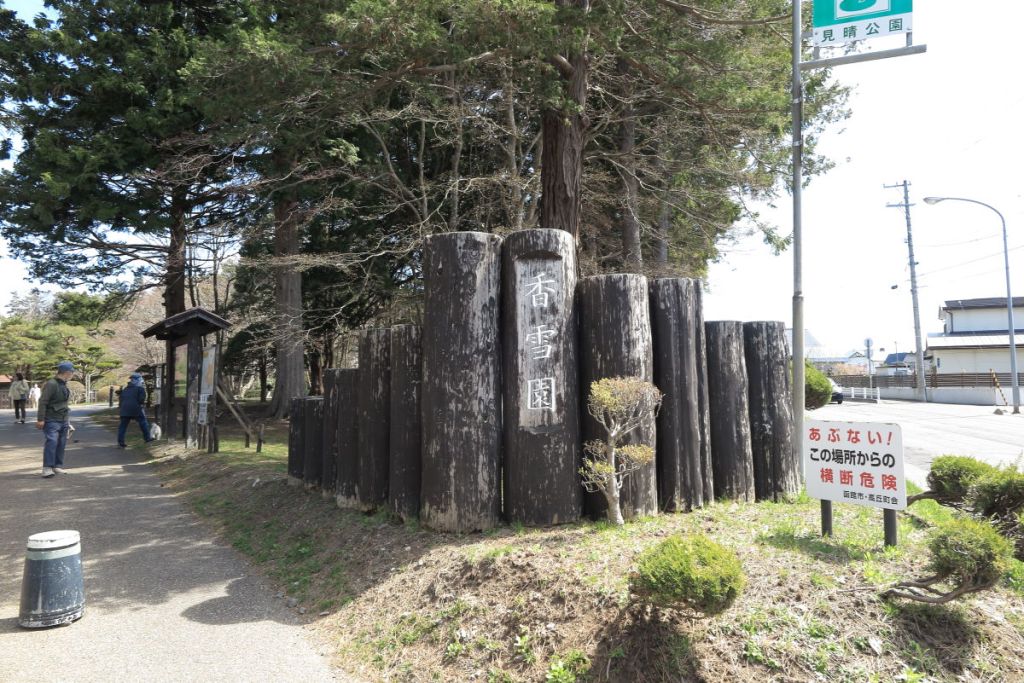
This place is apparently famous for its autumn foliage, but you can also enjoy the cherry blossoms in spring.
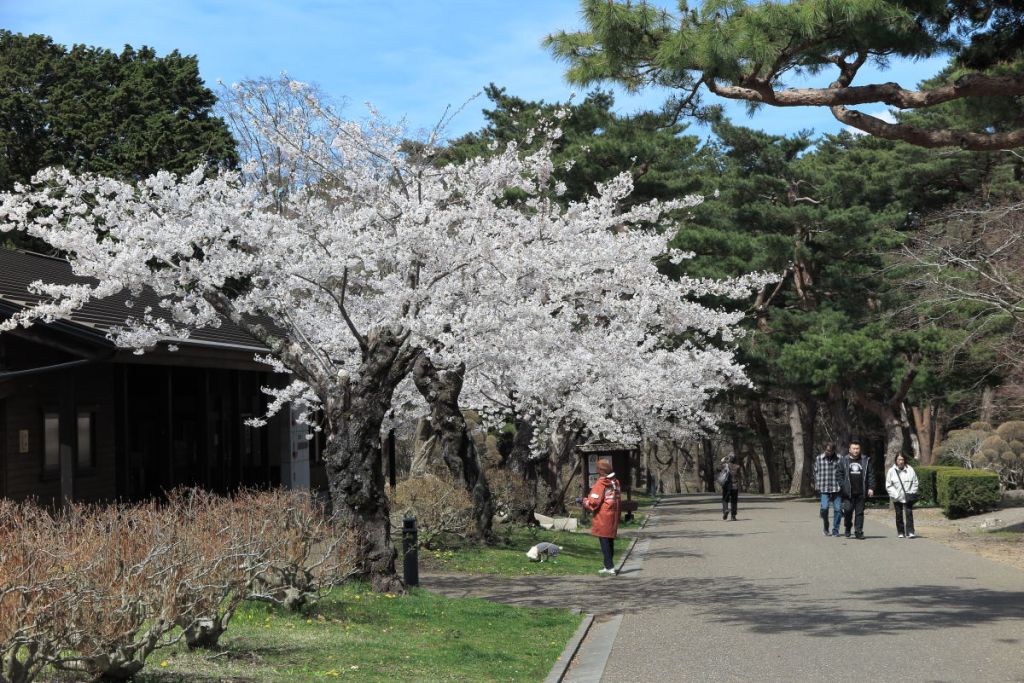
In springtime in Hokkaido, various flowers such as daffodils and cherry blossoms bloom all at once.
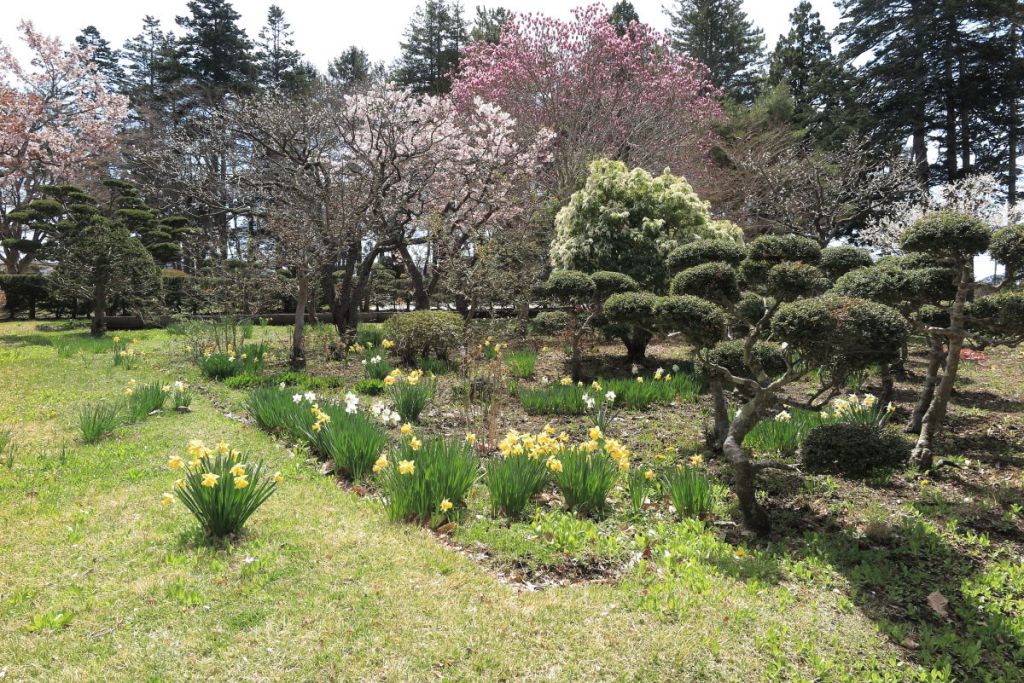
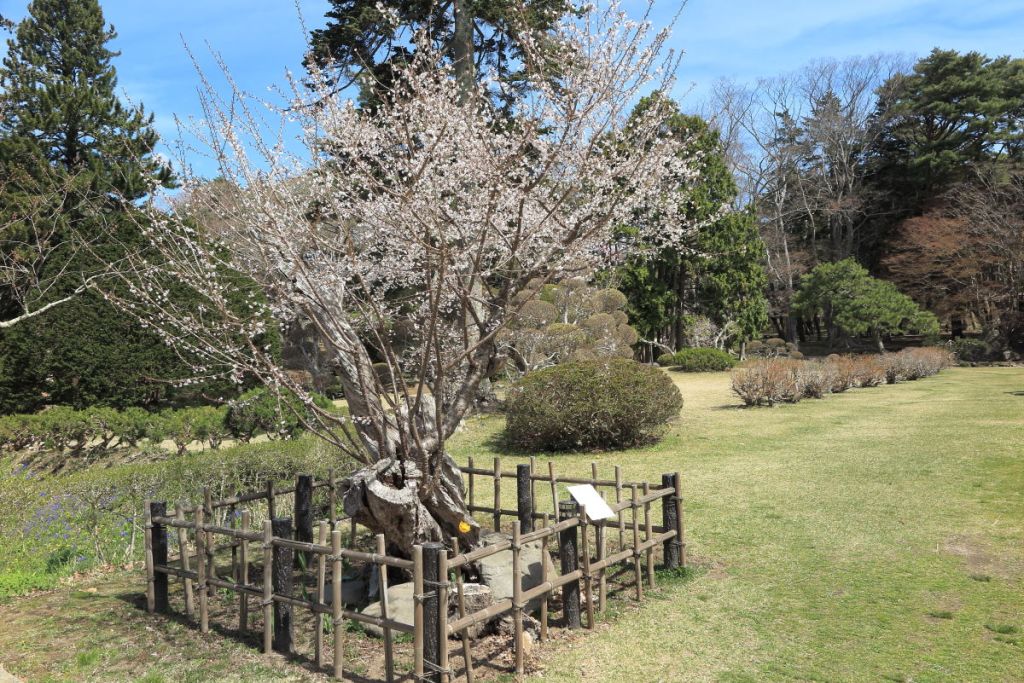
There were also some cherry blossoms with small flowers.
After the tour, I drove towards Shiriuchi Onsen, but since it was lunchtime, I stopped at a ramen shop called Shodai Ichien that was located along the national highway.
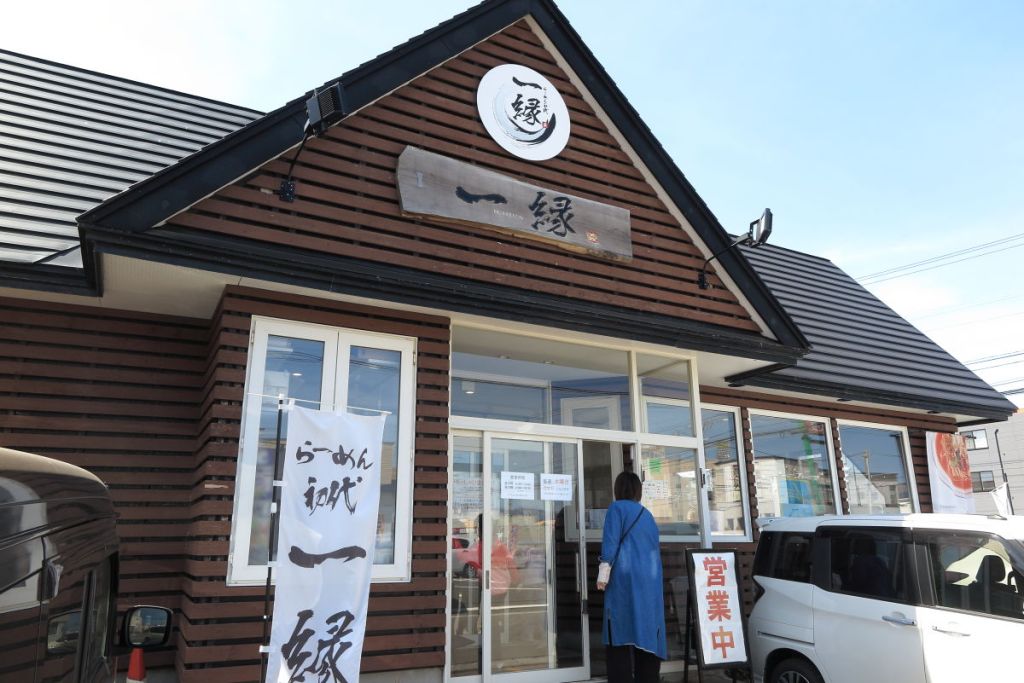
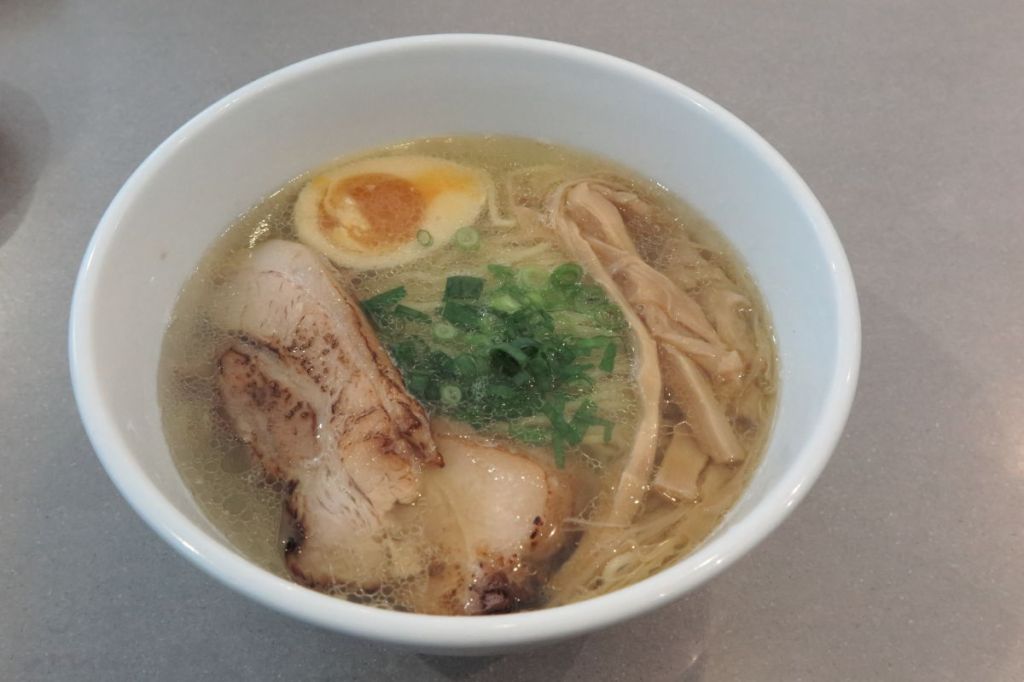
Since Hakodate is famous for its salt ramen, I ordered the chicken broth salt ramen. The soup had a refined flavor, and the thin, straight noodles were delicious.
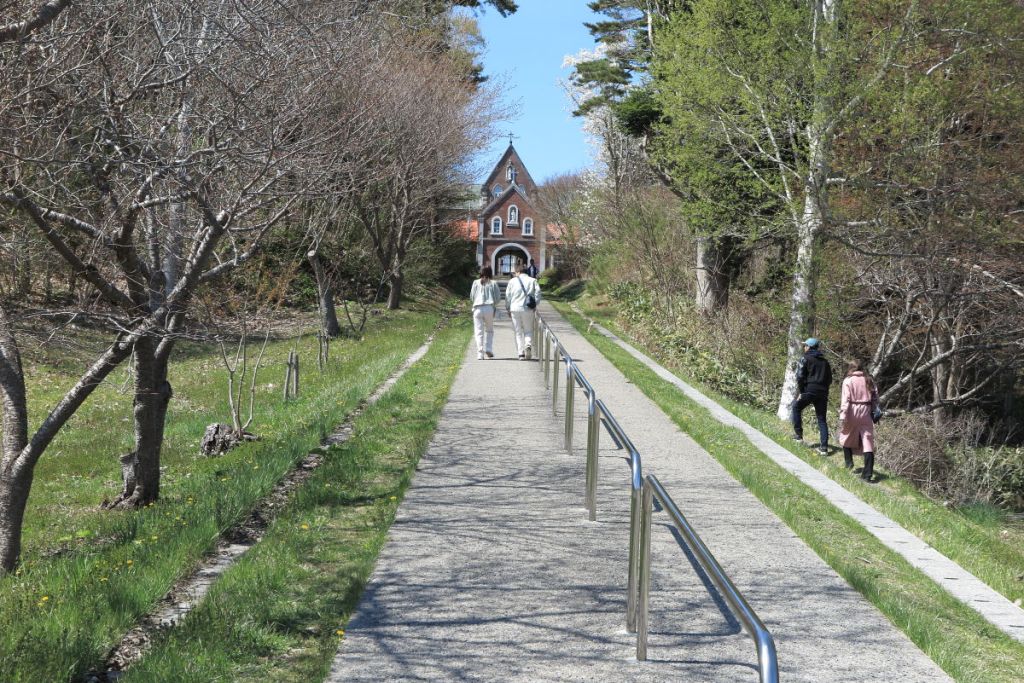
Immediately afterwards, I drove on and stopped at the Trappist monastery. This monastery is a monastic community founded in 1896 by nine monks. It belongs to the Cistercian Order of the Strict Observance, the same order as the Trappistine Convent. A gentle slope led from the parking lot in front of the shop to the monastery gate.
Although I couldn’t go beyond the gate, there were exhibits inside the building.
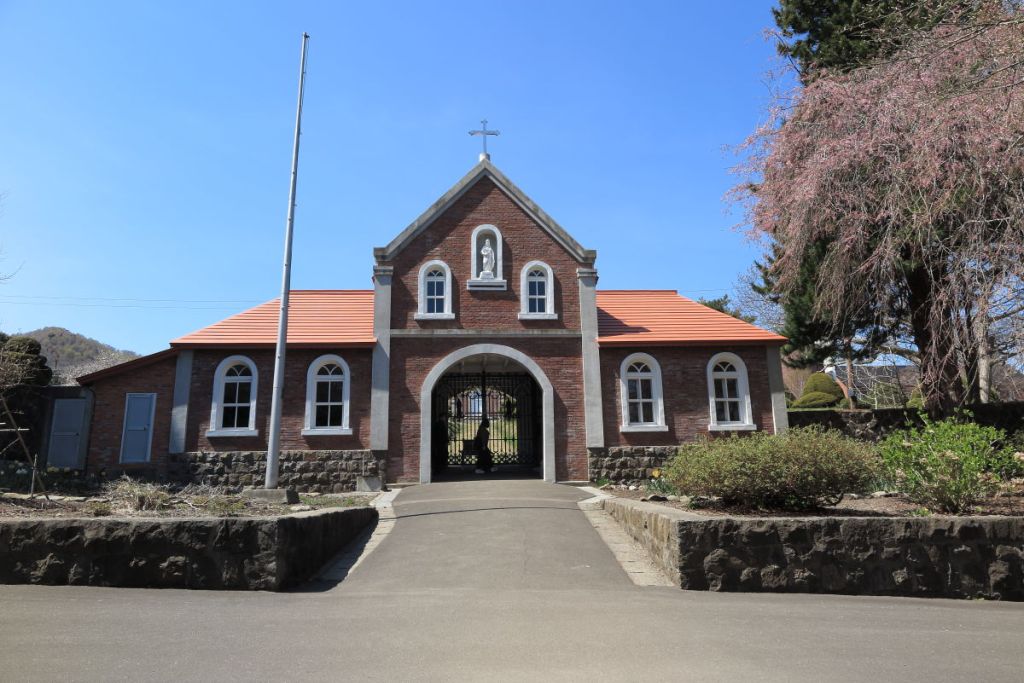
You can see the main building of the monastery through the gaps in the iron gate.
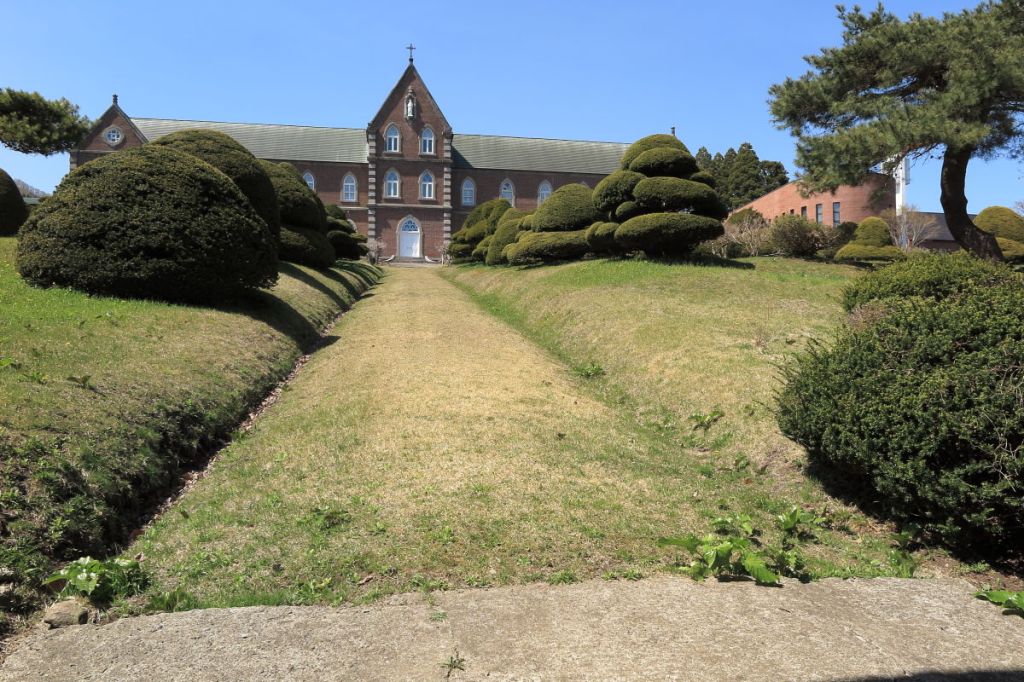
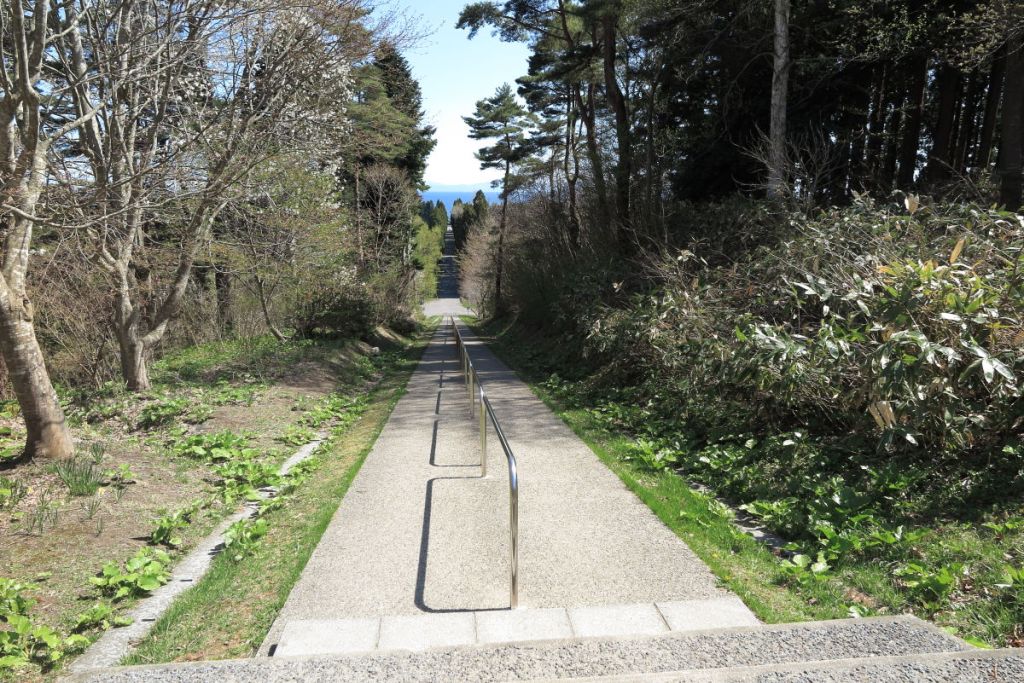
A road leads straight from the gate towards the sea. The shop sells famous butter and cookies, but the soft-serve ice cream here was rich, creamy, and delicious.
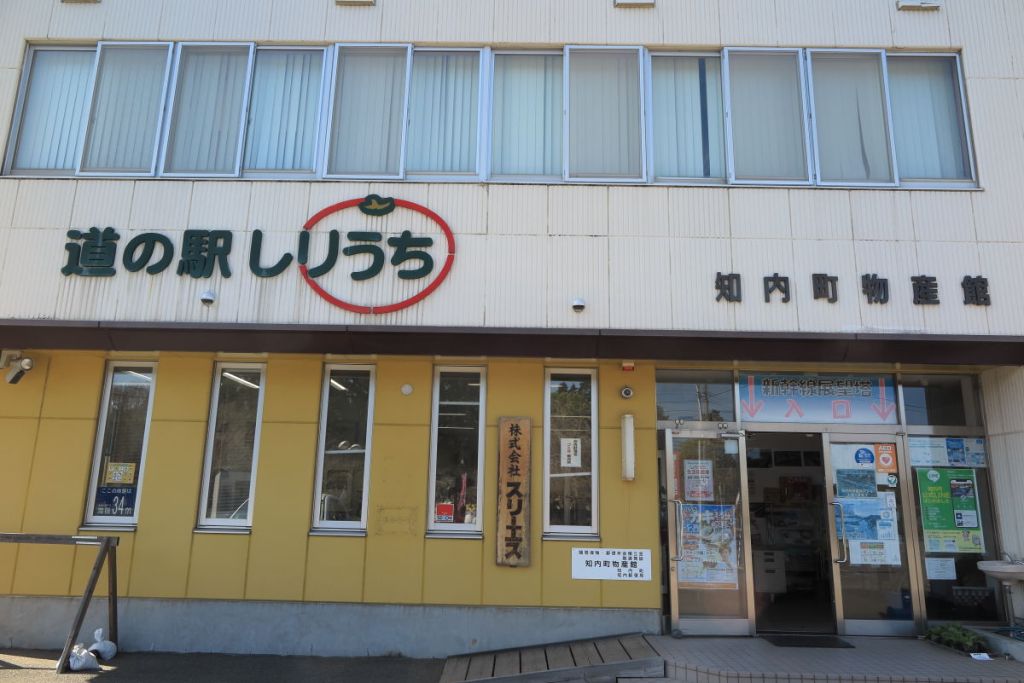
I also stopped by the roadside station Shiriuchi, near Shiriuchi Onsen.
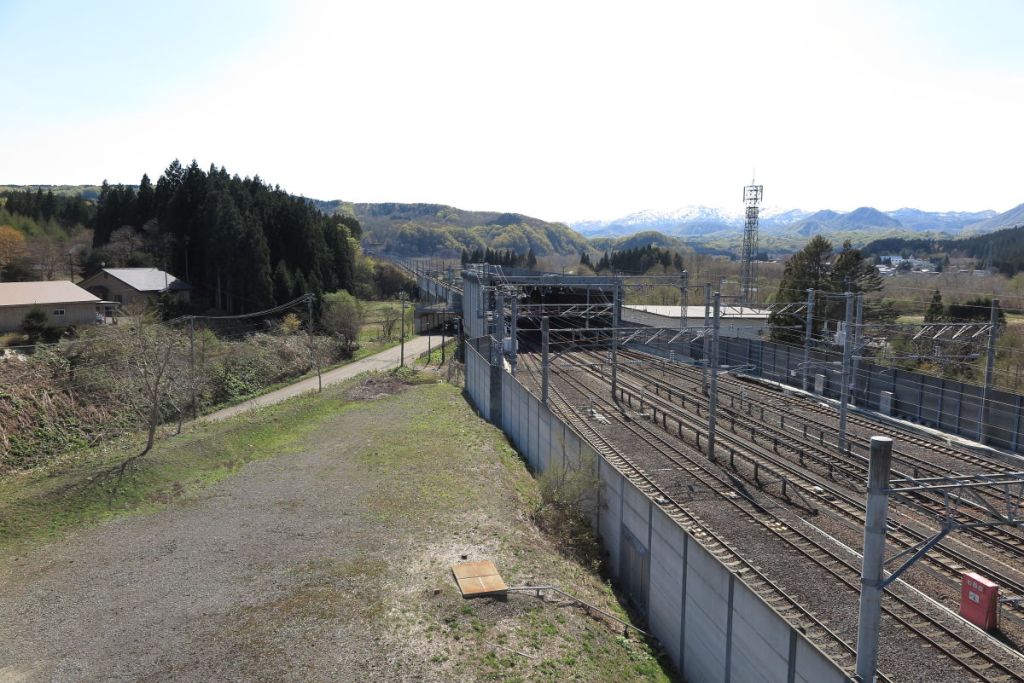
This spot is near the exit of the Seikan Tunnel, and you can see the Hokkaido Shinkansen tracks from the observation deck. If the timing is right, you can apparently see the Shinkansen passing alongside freight trains. However, since there aren’t many Shinkansen trains, I decided against waiting for one to pass this time.
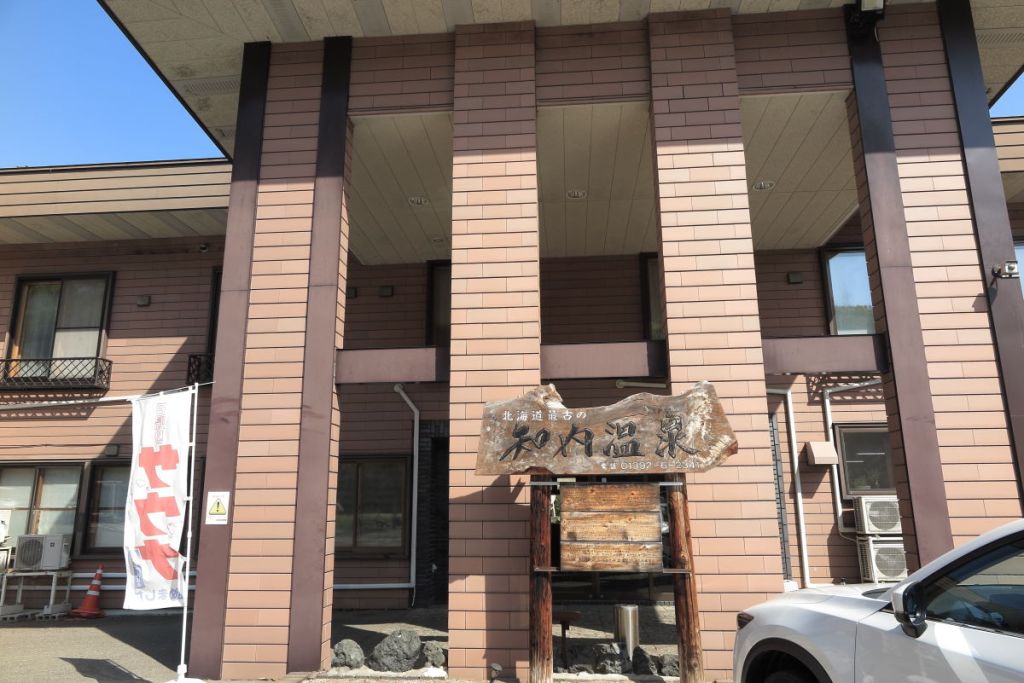
I arrived at our accommodation for the night, the Shiriuchi Onsen Ryokan, at 3:00 PM. It is the oldest hot spring in Hokkaido and a member of the Association for the Preservation of Hidden Hot Springs.
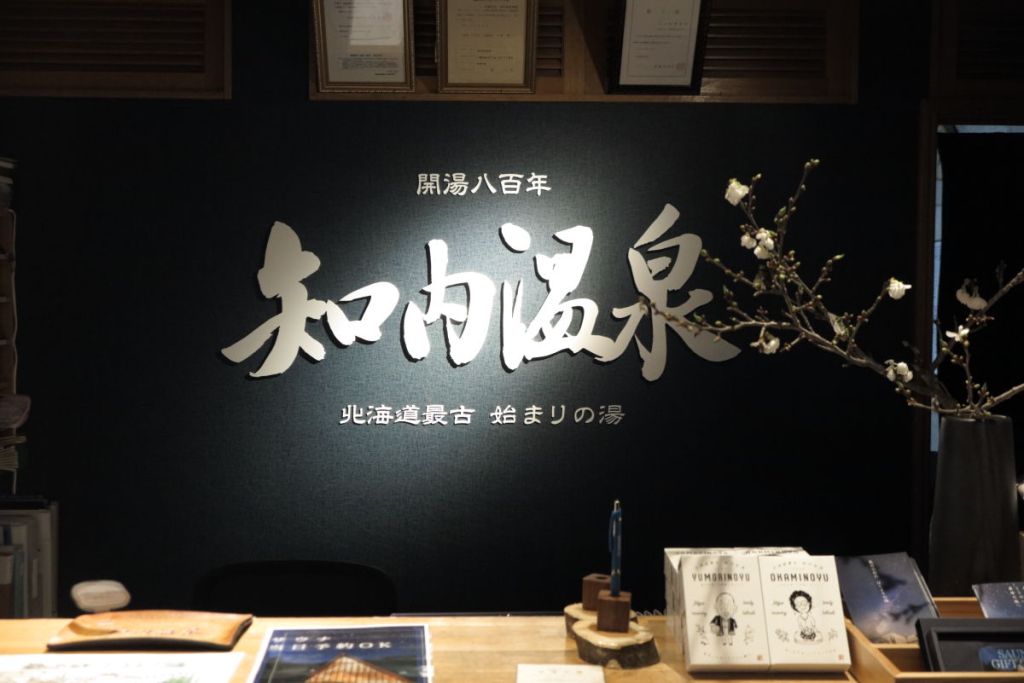
A magnificent sign was displayed at the front desk.
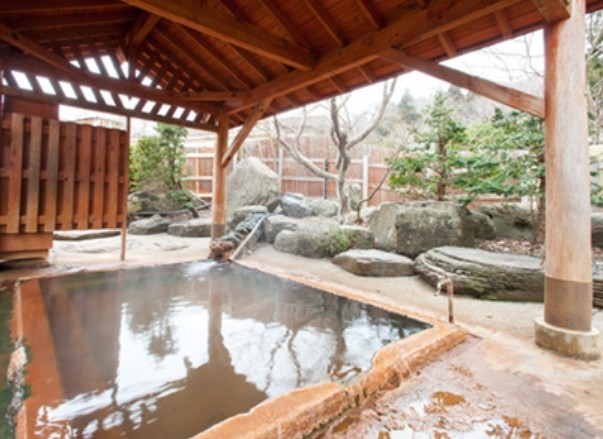
After a short rest in my room, I immediately went to the hot springs. There are two baths, an upper bath and a lower bath, both fed by different hot springs with continuously flowing water. First, to soothe my fatigue, I went into the lower bath, a sodium chloride and bicarbonate spring rich in iron. The water temperature was so high that I could only stay in for about a minute. Guests can also use the private open-air bath located near this bath. The water temperature there was a little lower, so I was able to relax in it for a while. The photo of the bath is a screenshot from the inn’s website.
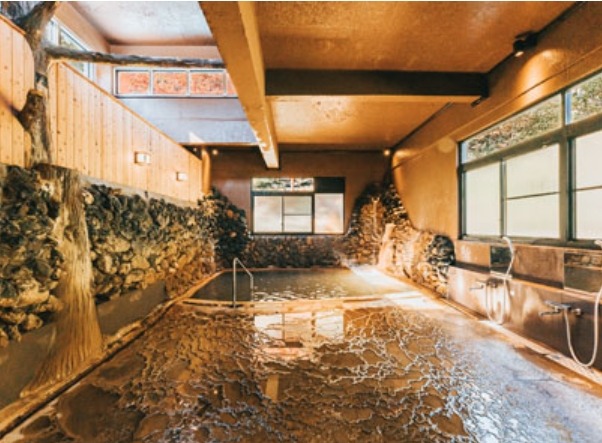
After this, I went to the upper bath, which is also a sodium chloride and bicarbonate spring, but with a stronger alum and saline content. It seems to be good for the skin and has a high beautifying effect. This bath was at a more comfortable temperature. The temperature of the bathtubs is on the higher side, but the quality of the spring water is excellent in both.
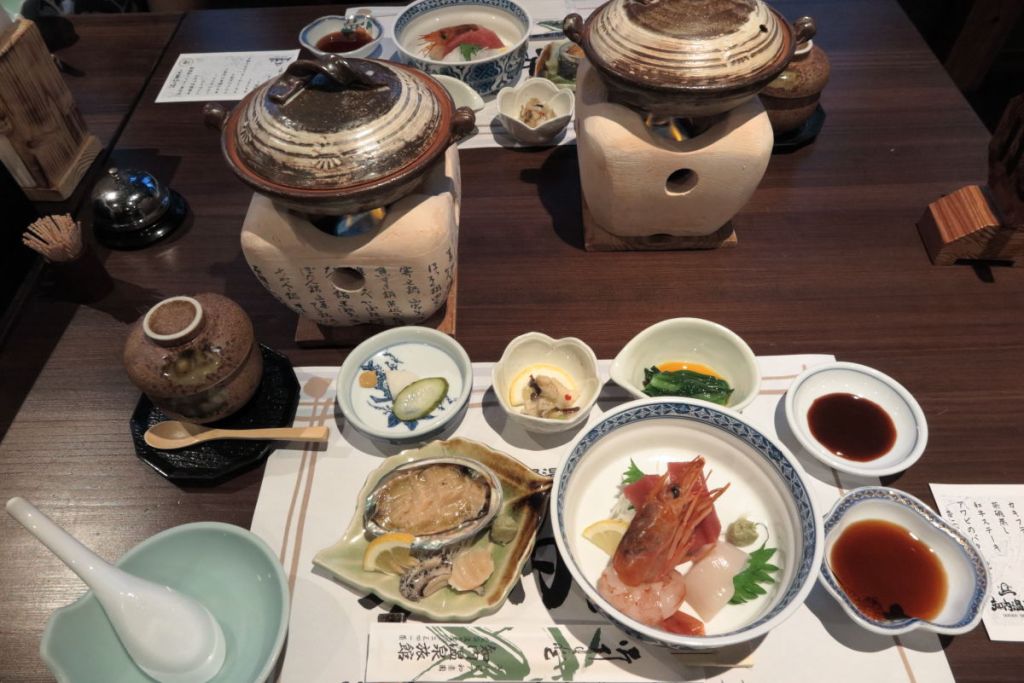
After bathing, it was time for dinner. There were mountain and sea plans, but we chose the sea plan this time. The sashimi included spot prawns, tuna and scallops, and there was also abalone sashimi on the side. Shiriuchi town is famous for its chives, and the blanched chives were delicious with a great texture and aroma.
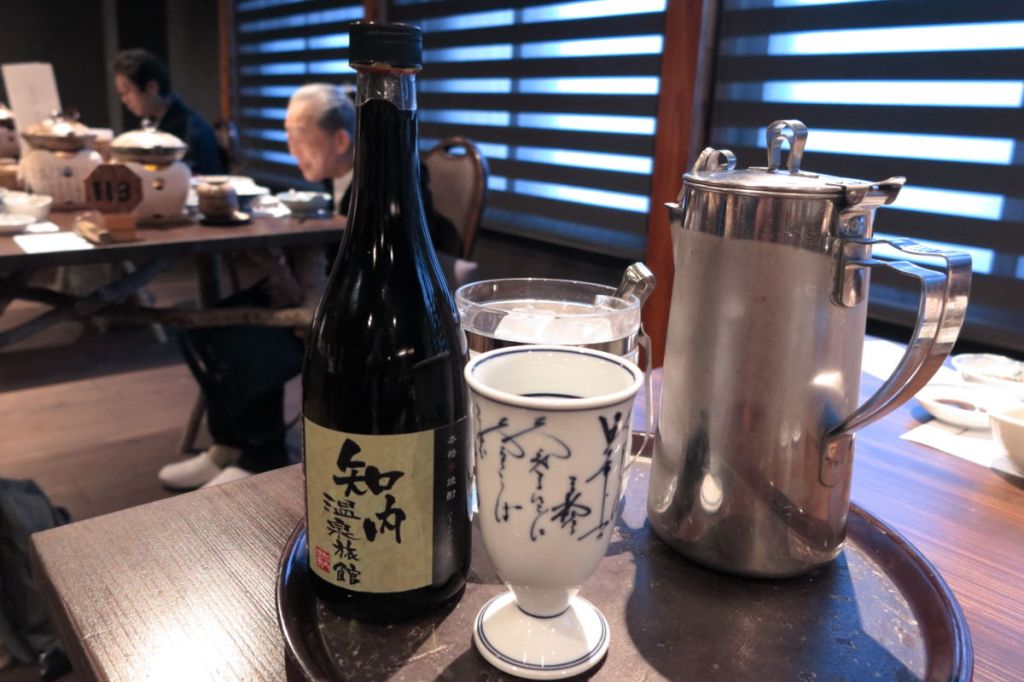
I ordered sweet potato shochu, and it came in an original bottle with the inn’s label on it.
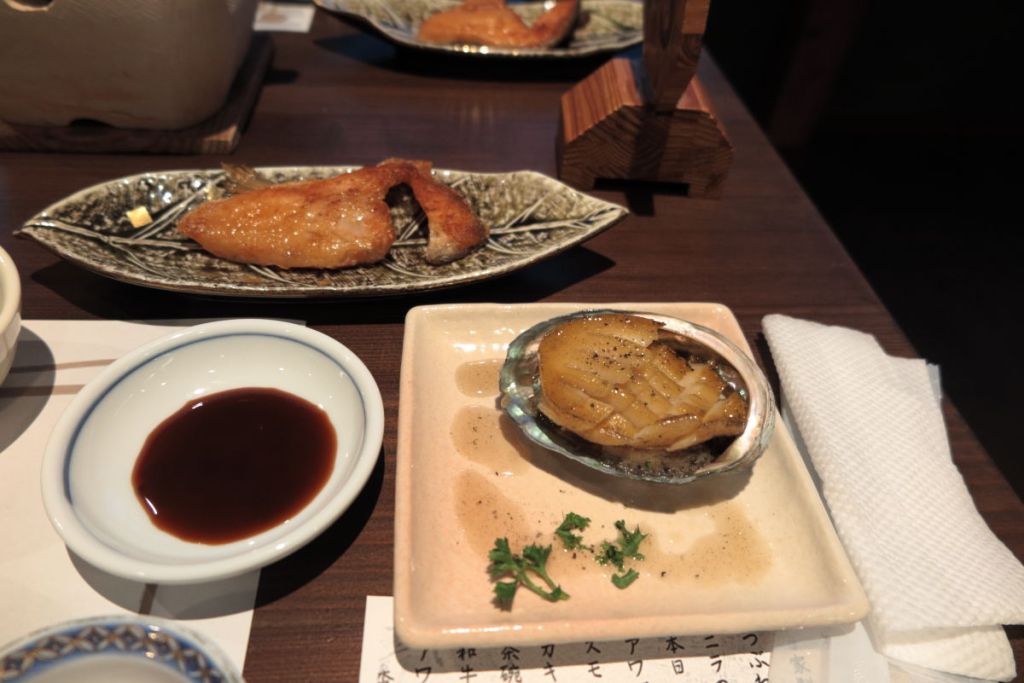
Grilled salmon collar and butter-sautéed abalone were also served.
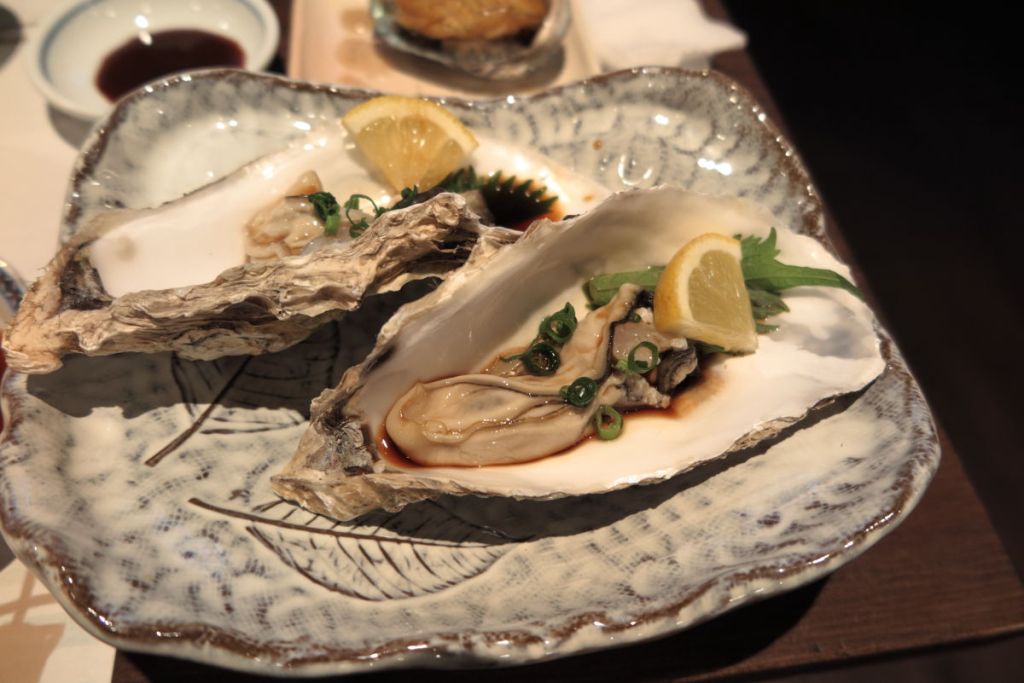
The oysters are served both raw and fried.
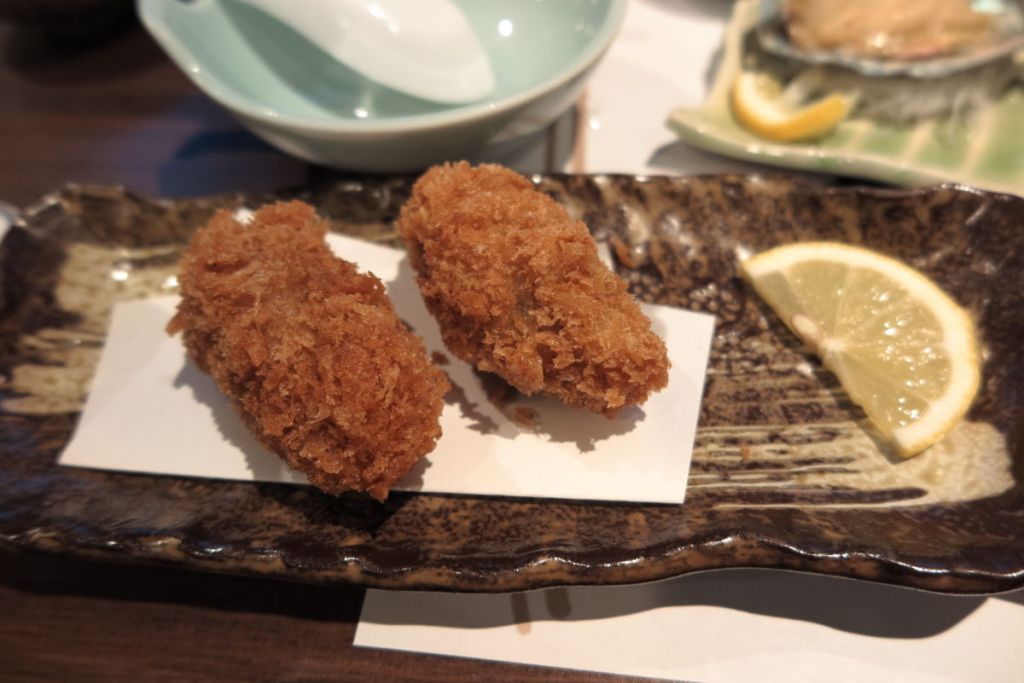
I thoroughly enjoyed the dishes, which made generous use of local ingredients.
April 26th (Sun)
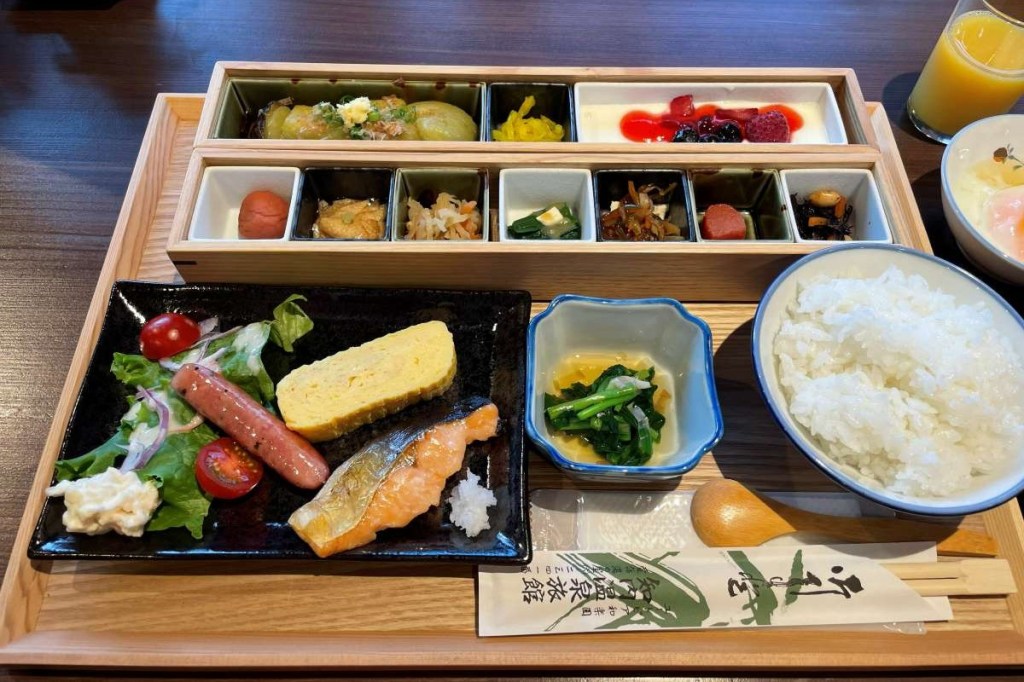
The inn’s breakfast was a Japanese set meal, and it was a satisfying meal with a colorful array of ingredients. The simmered eggplant and blanched chives were especially delicious.
Today, I’m going to see the Matsumae Castle Cherry Blossom Festival, one of the main purposes of this trip. This year’s Matsumae Castle Cherry Blossom Festival is scheduled from April 18th to May 10th, and I was worried because the standard Somei Yoshino cherry tree bloomed 14 days earlier than usual, but there were also mid-blooming and late-blooming cherry blossoms, making it quite a sight to behold. After climbing the stairs and slope from the parking lot, I could see the keep of Matsumae Castle.
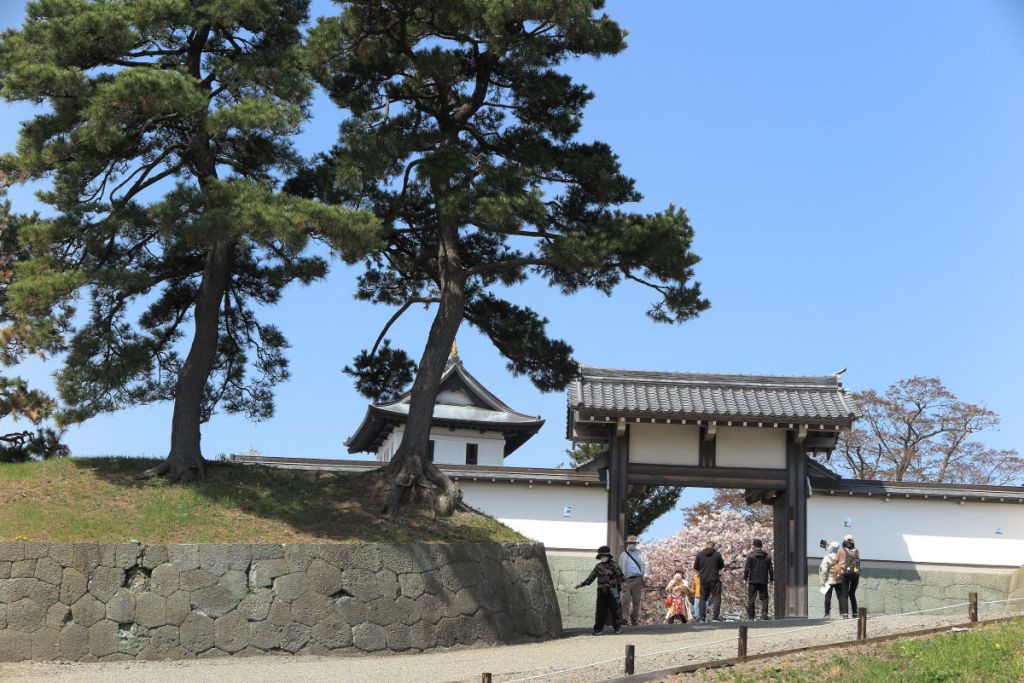
Many different varieties of cherry blossoms are in bloom.
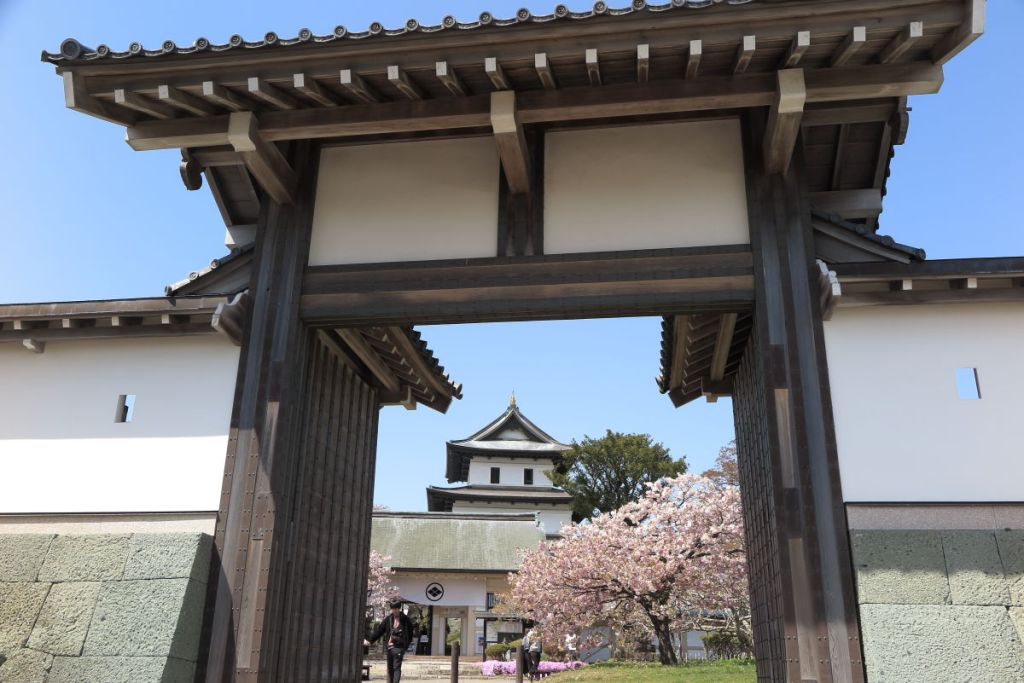
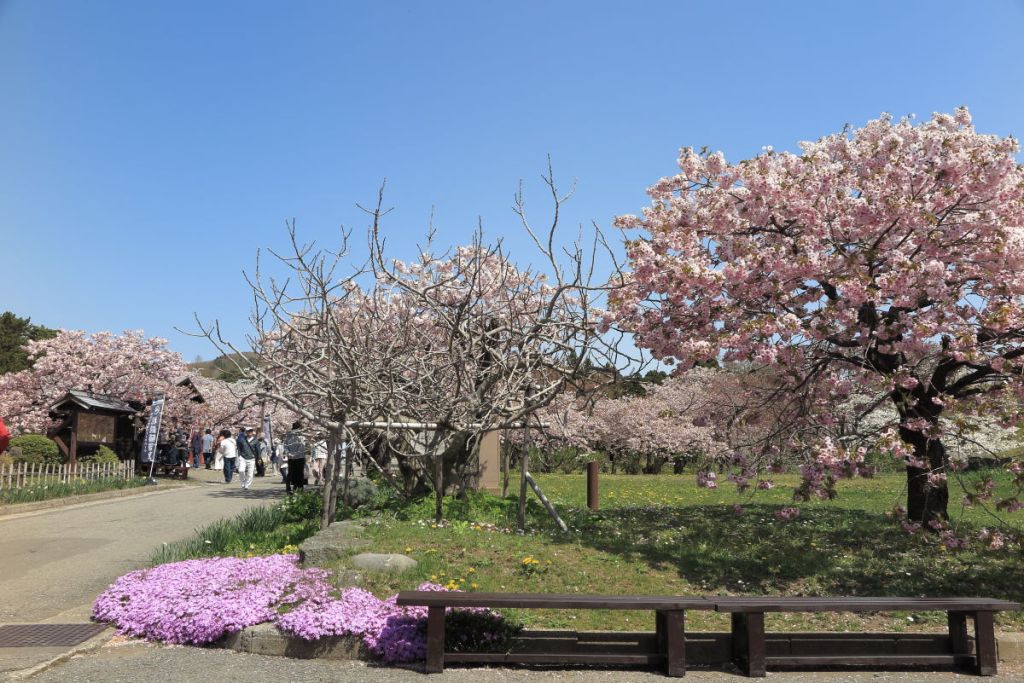
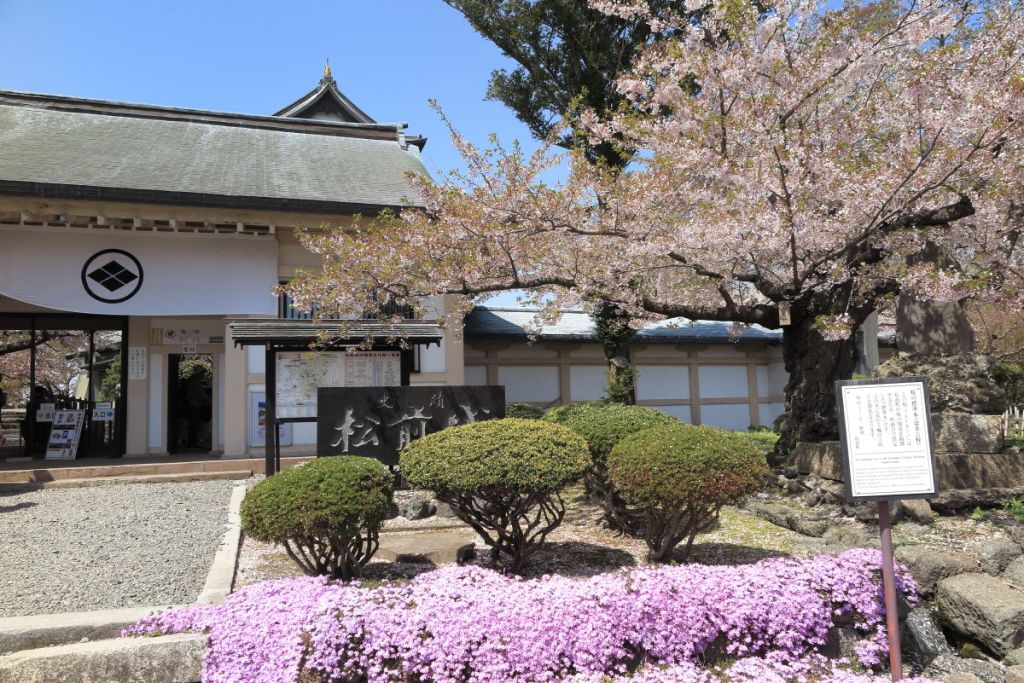
The Somei Yoshino cherry tree in front of the entrance to Matsumae Castle, which is the standard tree for this region, was past its peak bloom and beginning to shed its petals. The moss phlox in the foreground was in full bloom, however.
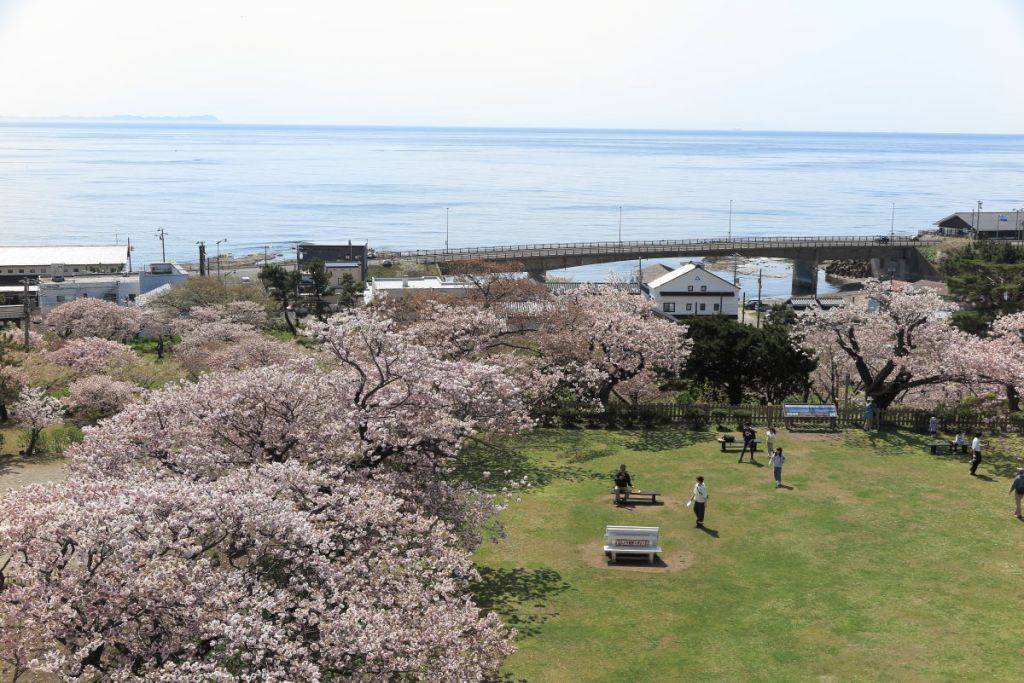
The castle tower now houses a museum, but the view from the third floor is magnificent, with Cape Tappi in Aomori Prefecture visible across the Tsugaru Strait.
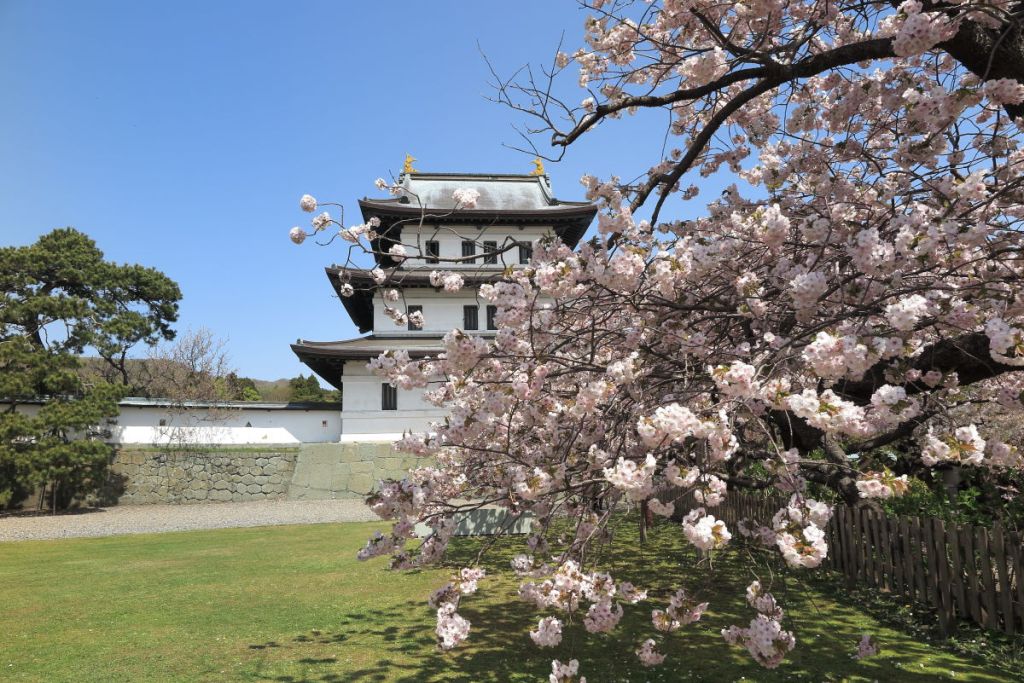
Matsumae Castle, officially known as Fukuyama Castle, is the last Japanese-style castle completed in 1854, commissioned by the Edo shogunate for the purpose of guarding the northern frontier. The wooden keep was destroyed by fire that spread from a nearby fire in 1942, but it was rebuilt with reinforced concrete in 1953.
The main gate of the castle is a magnificent structure and is designated as a nationally important cultural property.
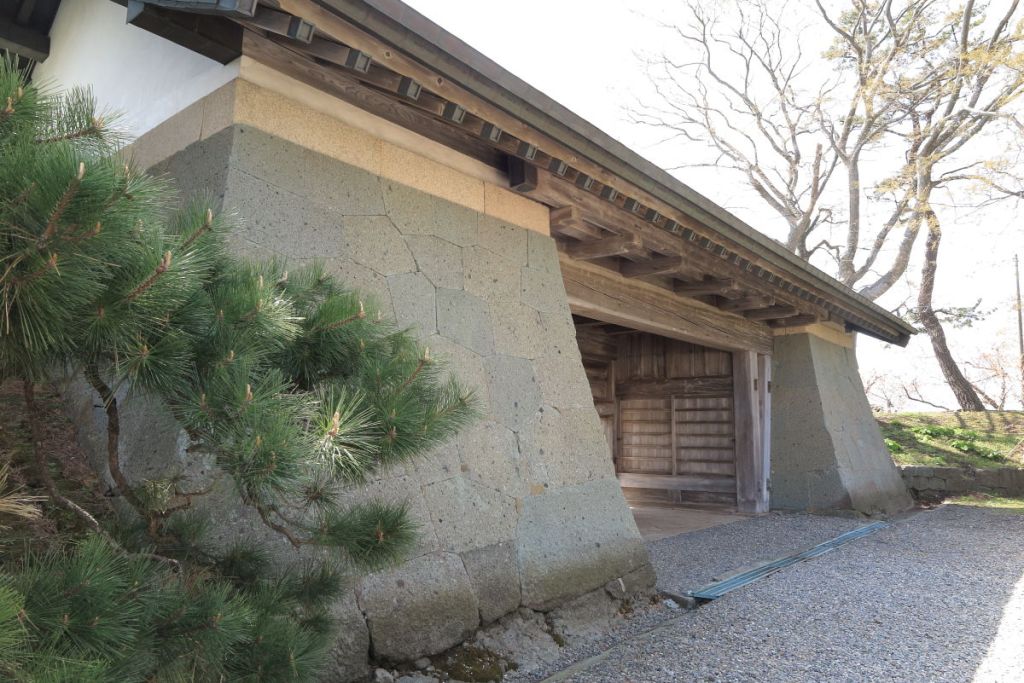
After visiting the cherry blossom festival, I headed towards Onuma via National Route 228, which runs along the Sea of Japan coast. I stopped at the Kitamaebune Matsumae roadside station, located a short distance from Matsumae Castle, for lunch.
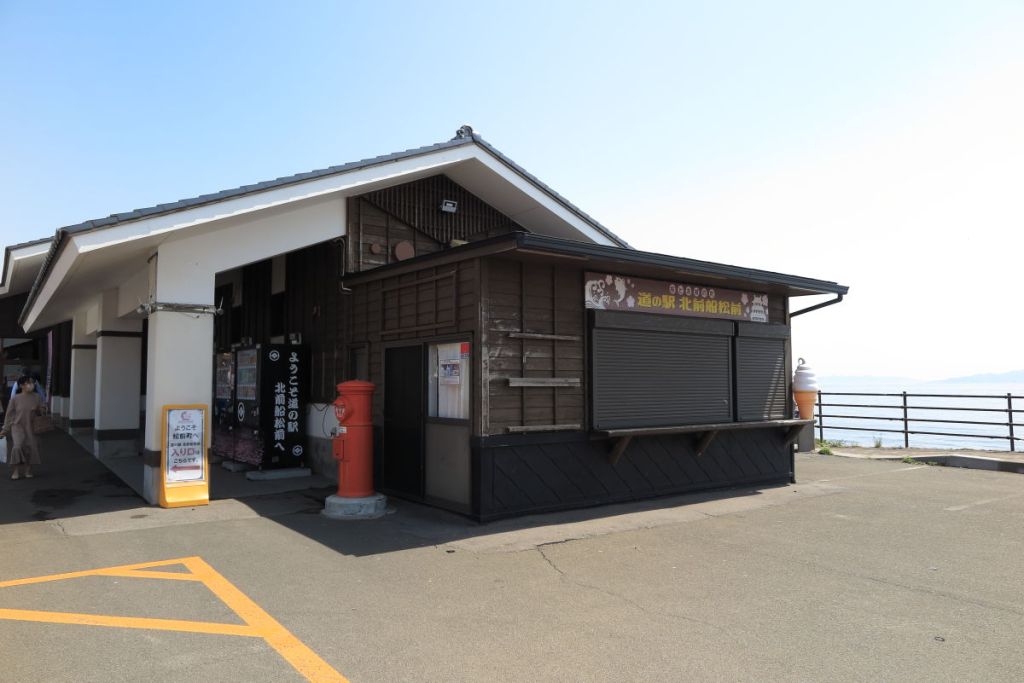
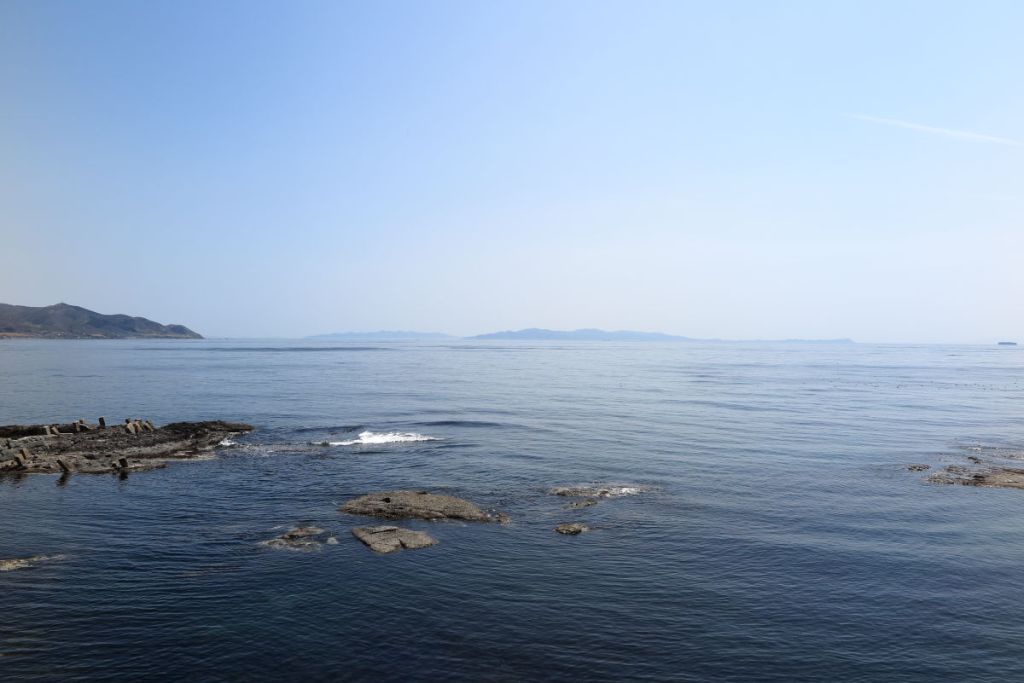
You can see Cape Tappi across the Tsugaru Strait from here as well.
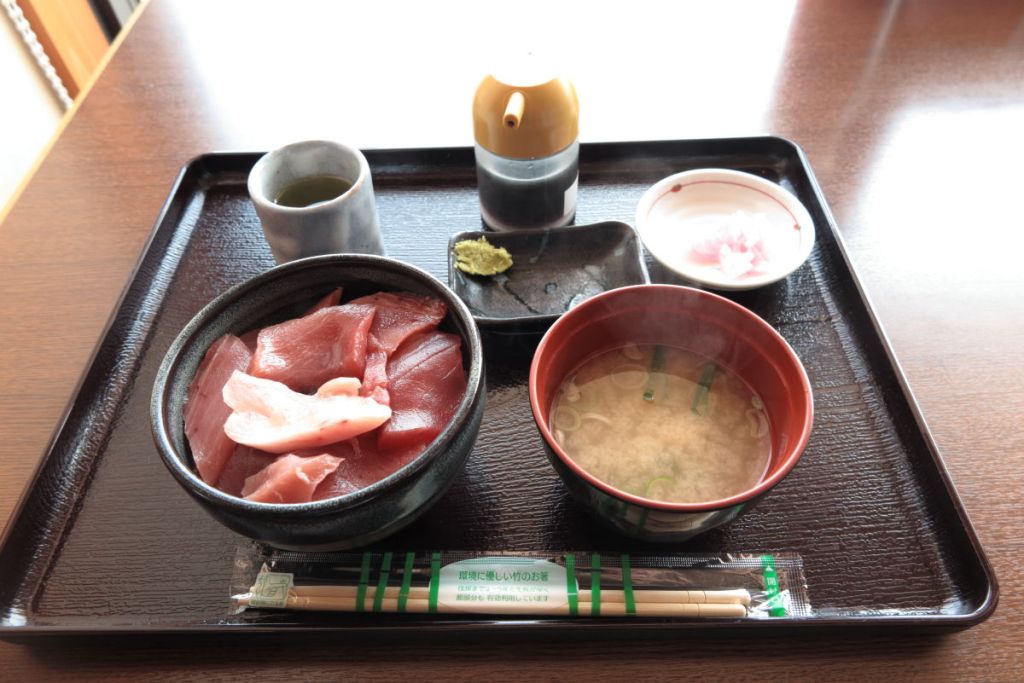
Here you can enjoy a bowl of bluefin tuna rice using tuna caught in the Tsugaru Strait and landed locally. It’s the same Tsugaru Strait tuna that’s caught in Oma, Aomori.
I continued to drive north along National Route 228 after my meal, and I will find the Kaminokuni Monju roadside station.
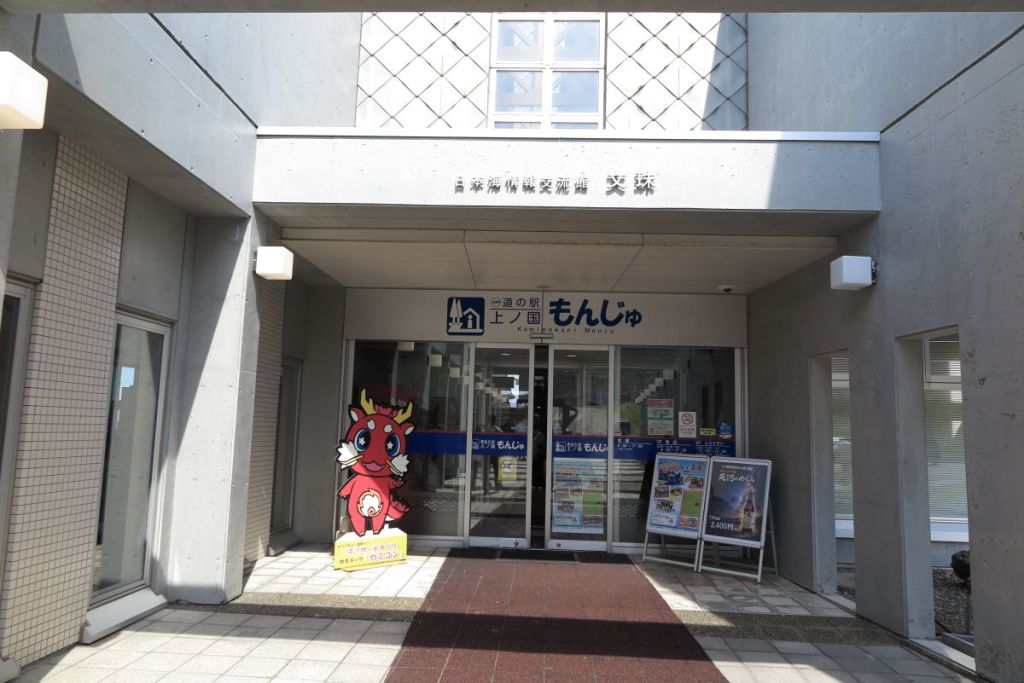
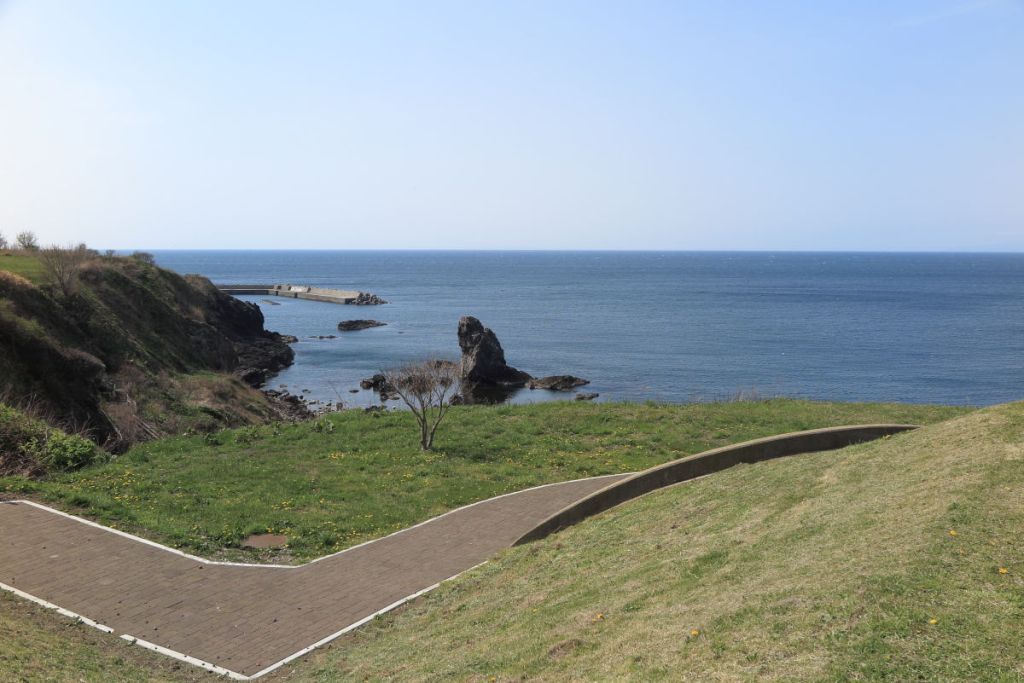
The restaurant on the second floor here apparently serves dishes made with large flounder, locally known as “tekkui,” so if the timing had been right, it might have been a good place to have lunch. The Sea of Japan stretches out before you, and the view is also very nice.
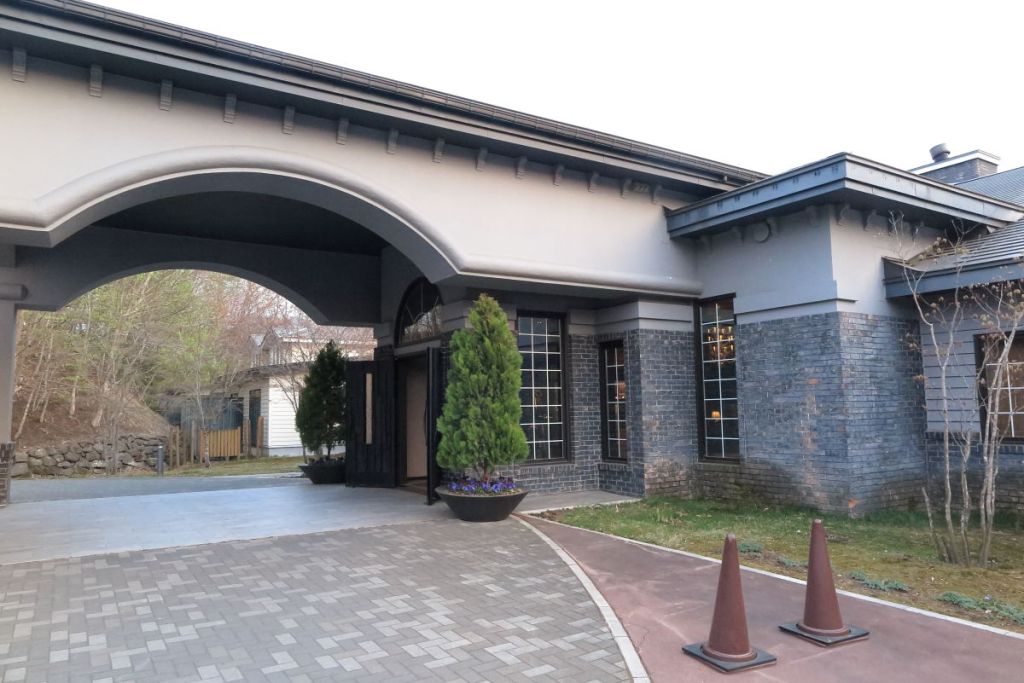
I arrived at our accommodation for the night, Hakodate Onuma Tsuruga Resort, in just over an hour. The entrance has a luxurious feel.
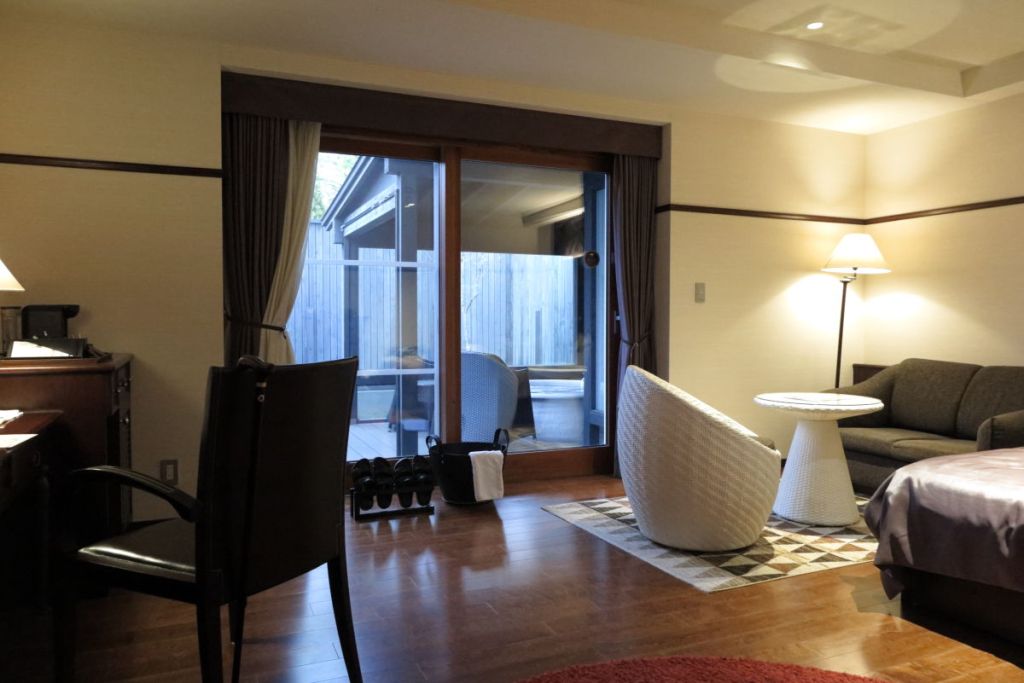
The room has a private open-air hot spring bath outside, but there is no separate washing area, so you will need to wash yourself in the room’s bathroom. It is a wonderful room with a calm atmosphere.
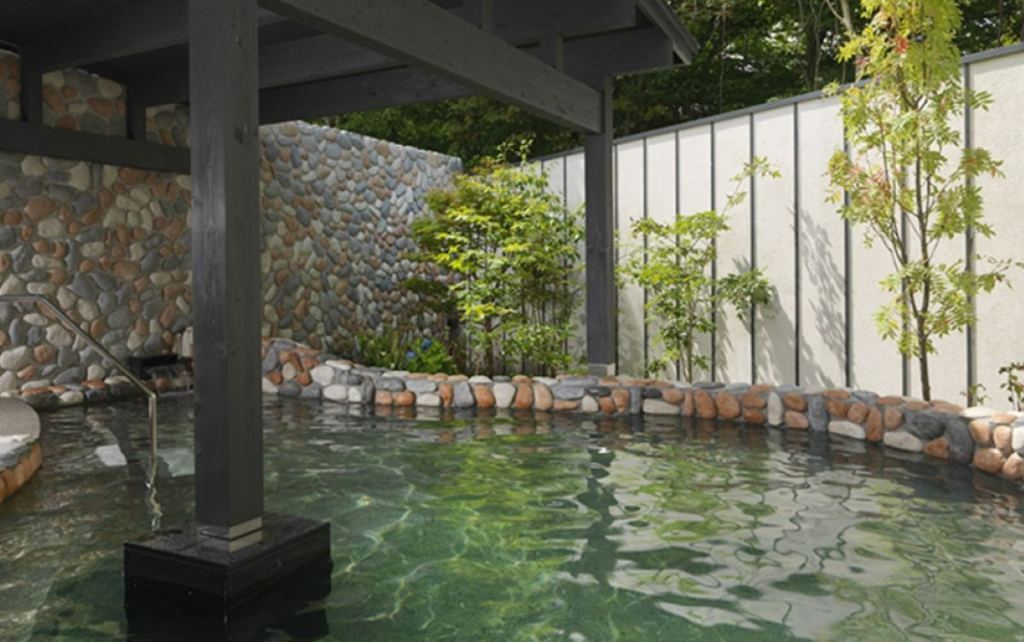
This hotel also has a large public bath with an open-air bath, so I relaxed there first to soothe my fatigue. The photo is a screenshot from the hotel’s website. The spring water is weakly alkaline and colorless and transparent.
Dinner was a full-course French meal, which I had been looking forward to. The restaurant’s entrance has a calm atmosphere. The cuisine is based on the concept of Onuma 50 Mile Slow Food, using carefully selected seasonal local ingredients.
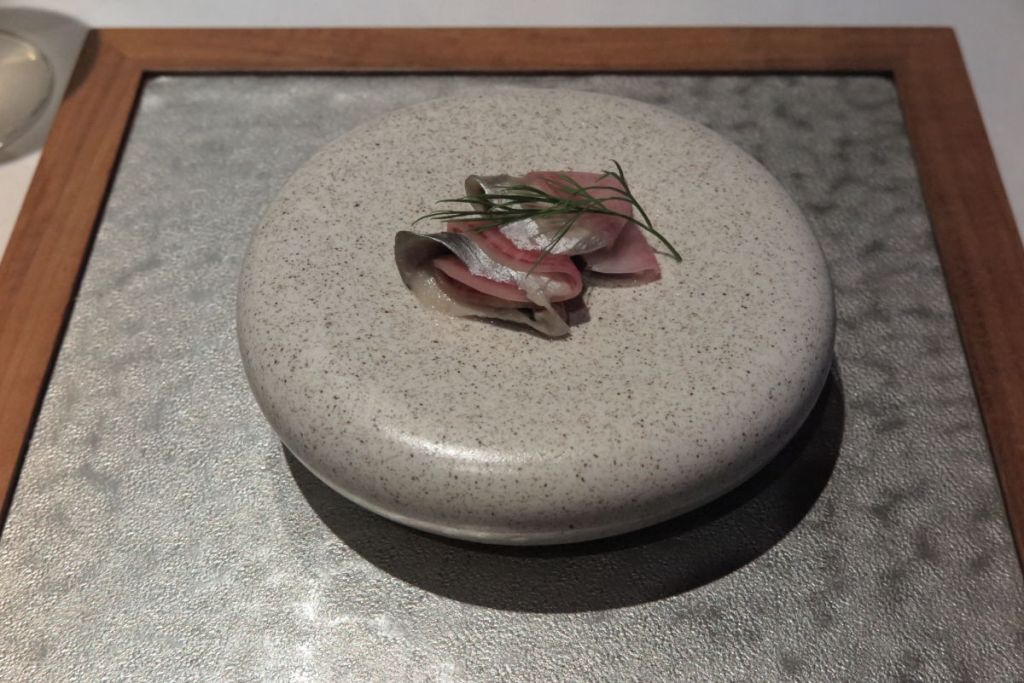
The amuse-bouche was marinated herring.
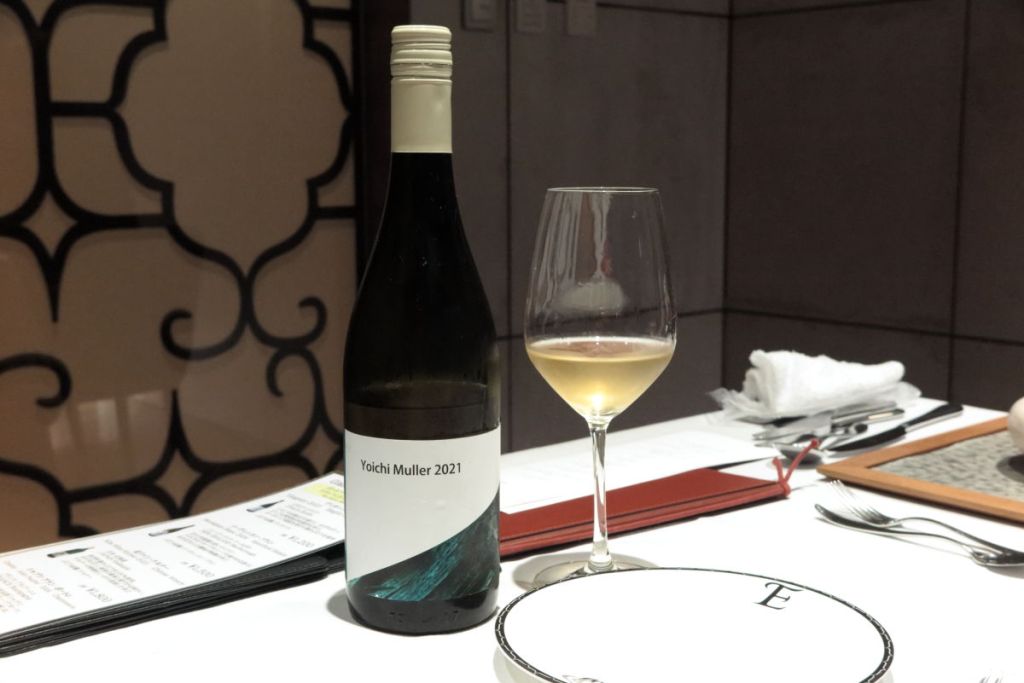
I ordered a white wine made with Müller-Thurgau grapes from the Nobori district of Yoichi Town. It’s a wine with a gentle flavor.
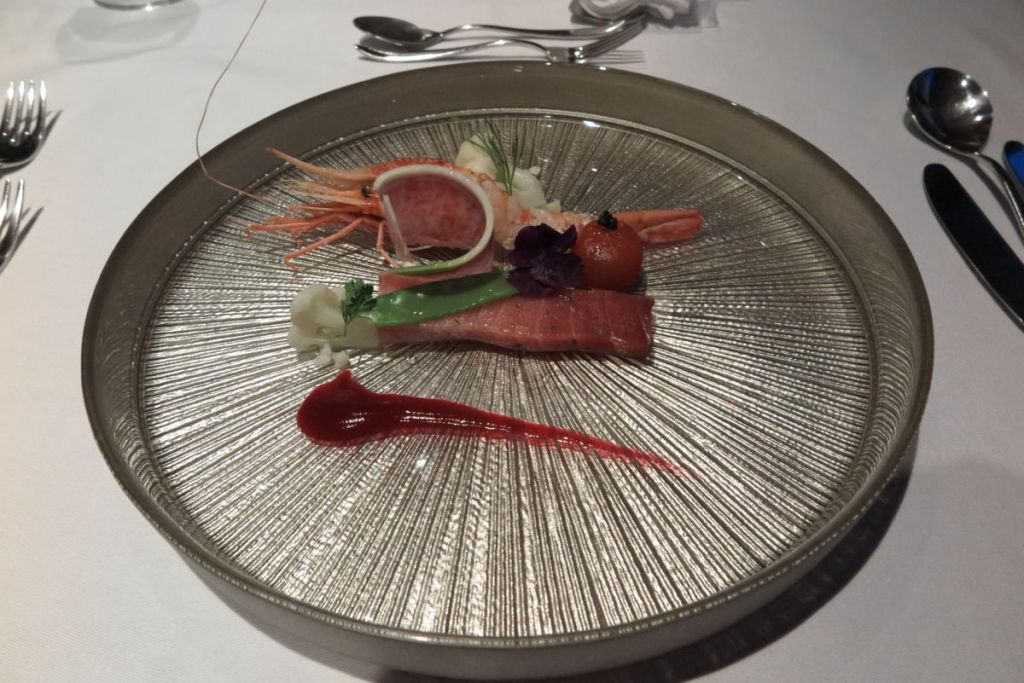
The first dish was a marinated dish of bluefin tuna and spot prawns, and it was absolutely delicious.
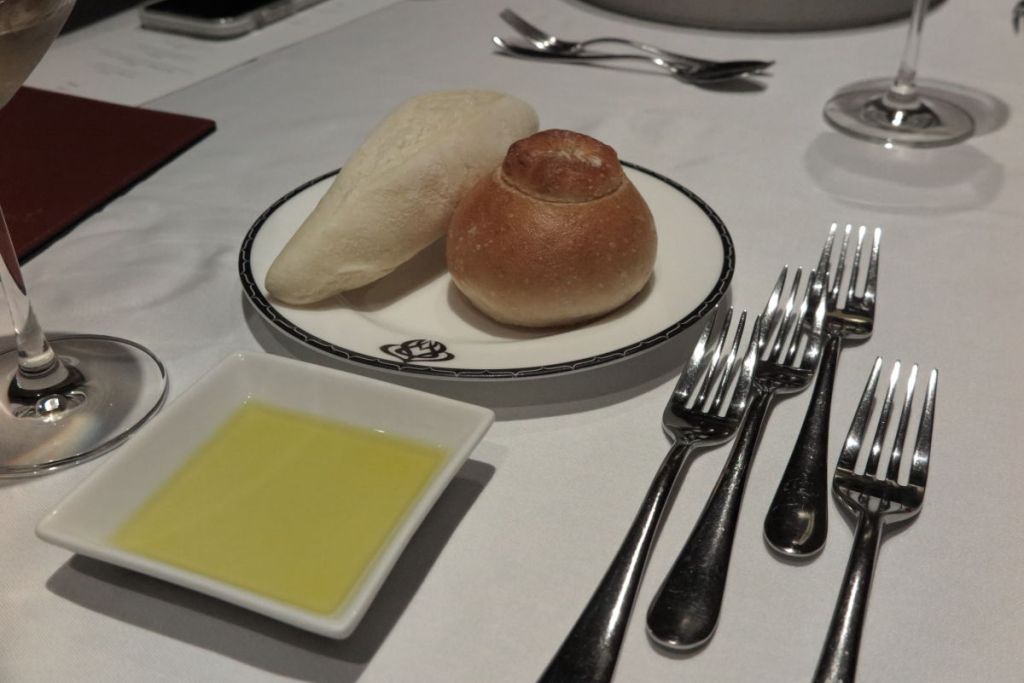
The hotel’s bakery is famous in the area, and they served bread that they don’t sell commercially, but which they provide specifically for the restaurant.
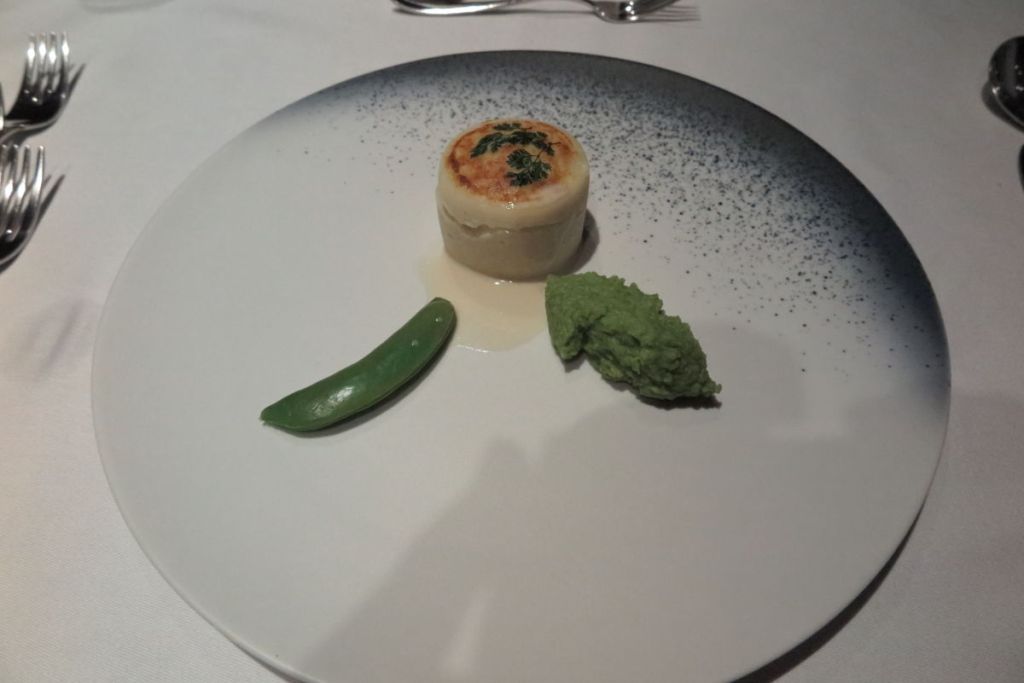
The next dish was a scallop mousse filled with salmon. The scallop mousse had a very soft flavor.
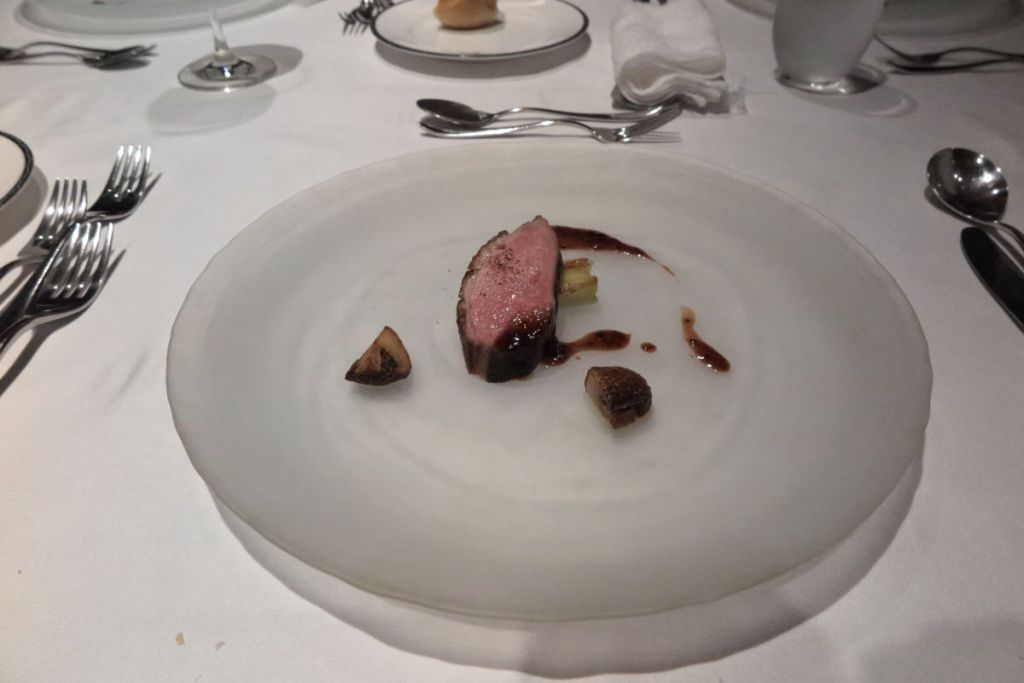
The next dish is roasted duck from Takikawa.
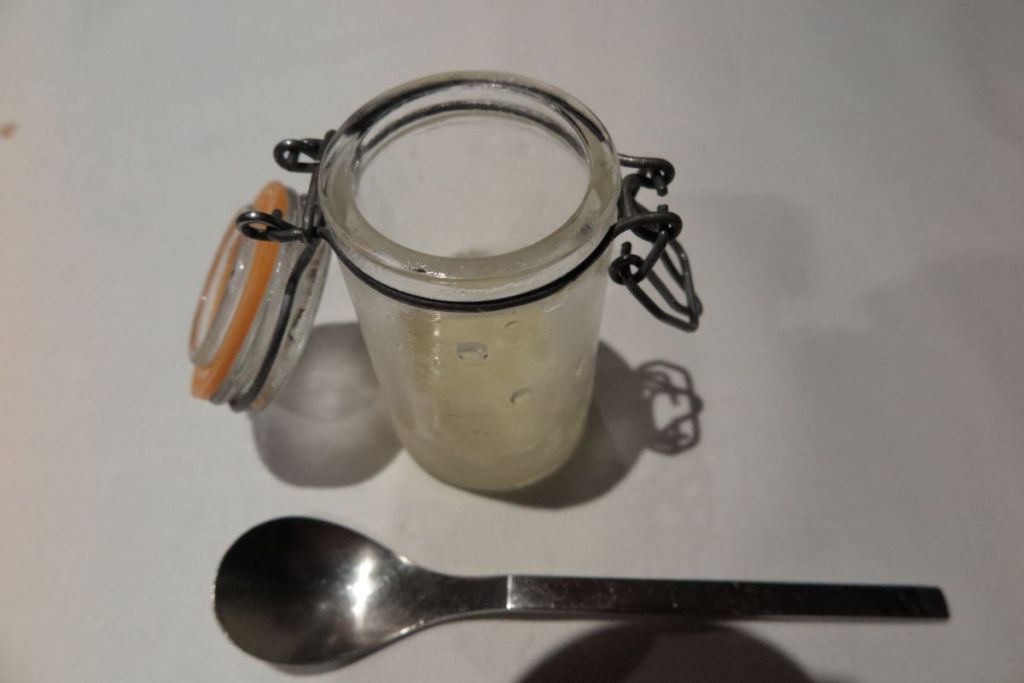
Orange granita
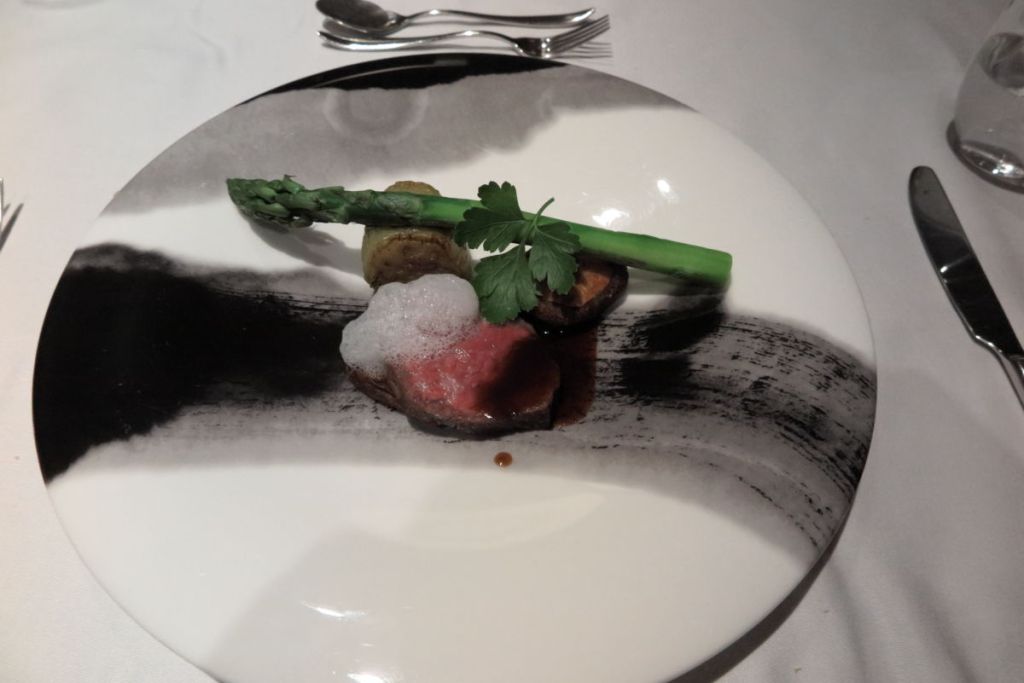
The final dish was pan-seared Hokkaido beef sirloin with red wine sauce. I forgot to take a picture, but a bouillabaisse made with seafood from Hakodate was also served.
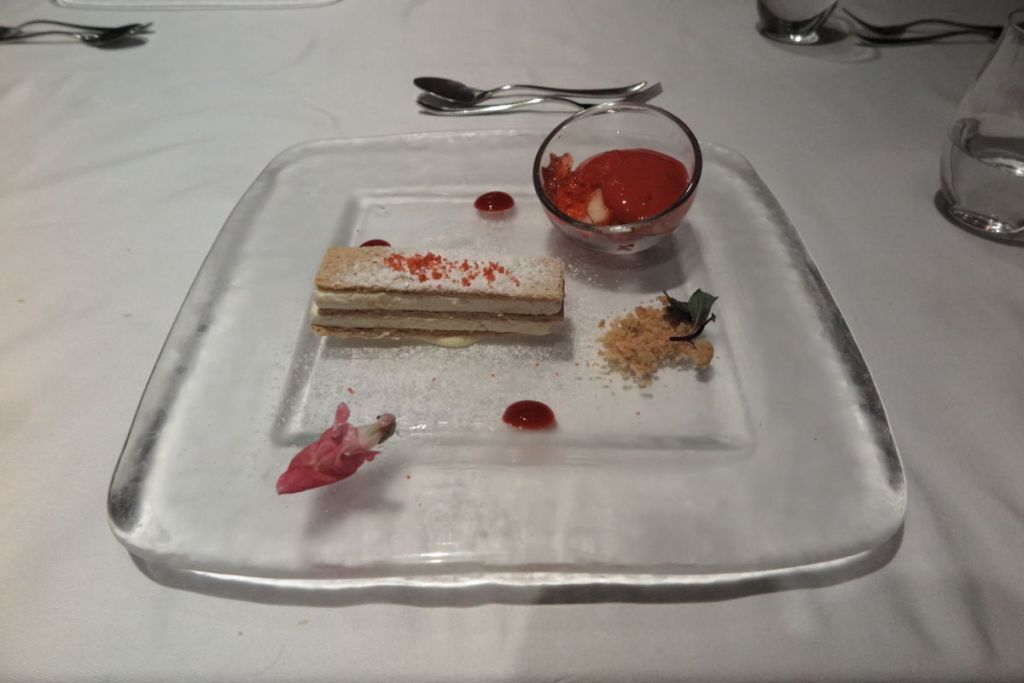
For dessert, I have vanilla mille-feuille and strawberry espuma.
Every dish was meticulously prepared, making for a truly satisfying full-course French meal. The experience more than justified the cost of the accommodation.
April 27th (Mon)
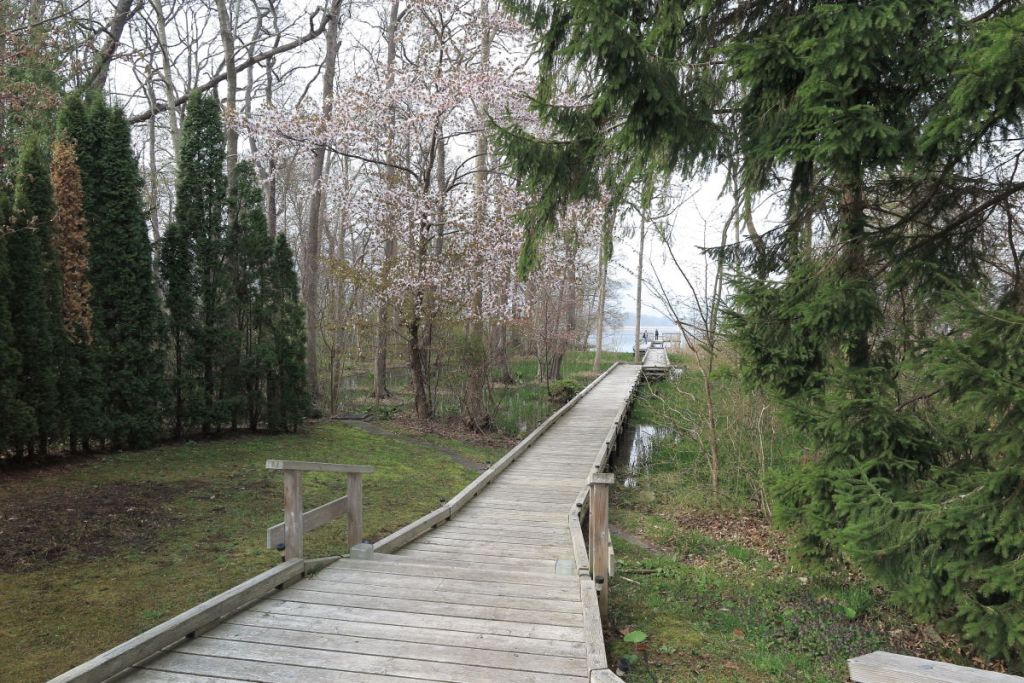
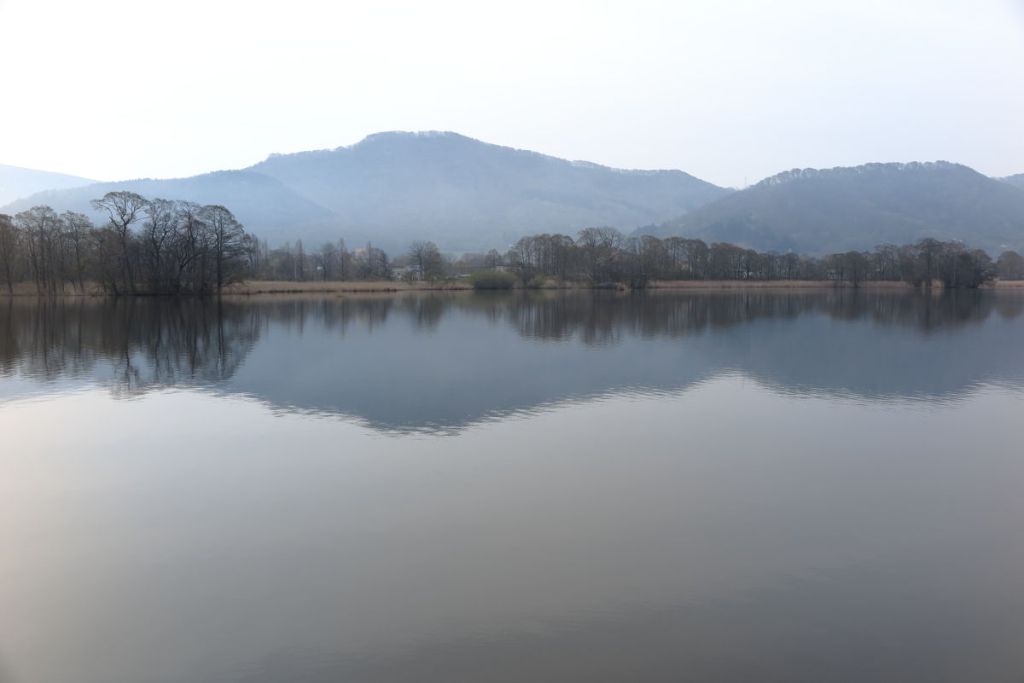
Before breakfast, I enjoyed the view from the hotel’s lakeside terrace. In the refreshing morning tranquility, I could hear the birds chirping.
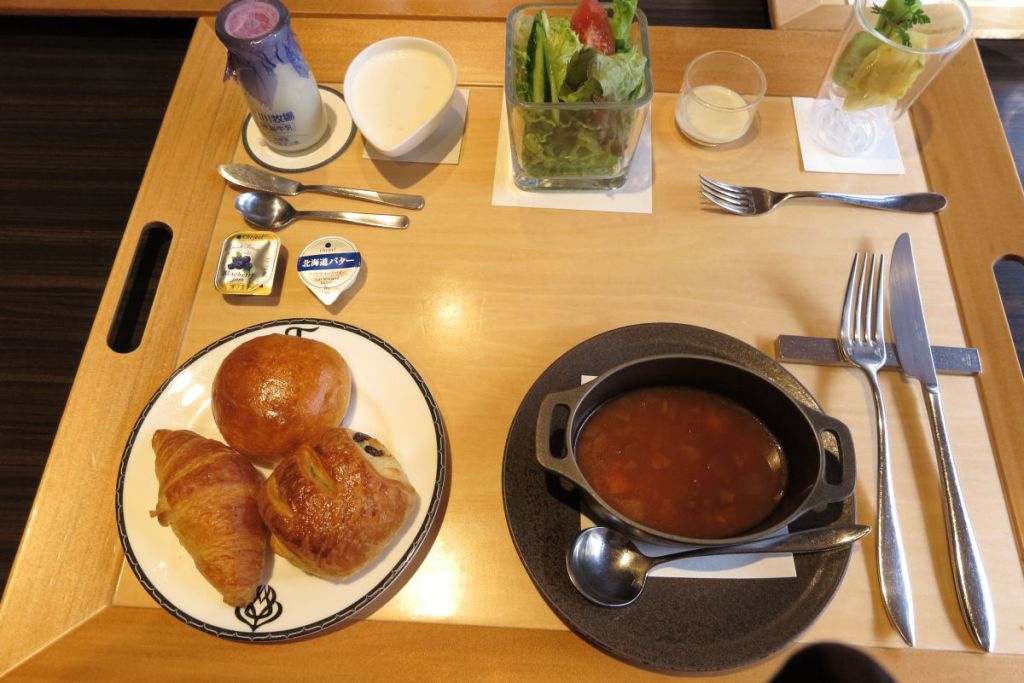
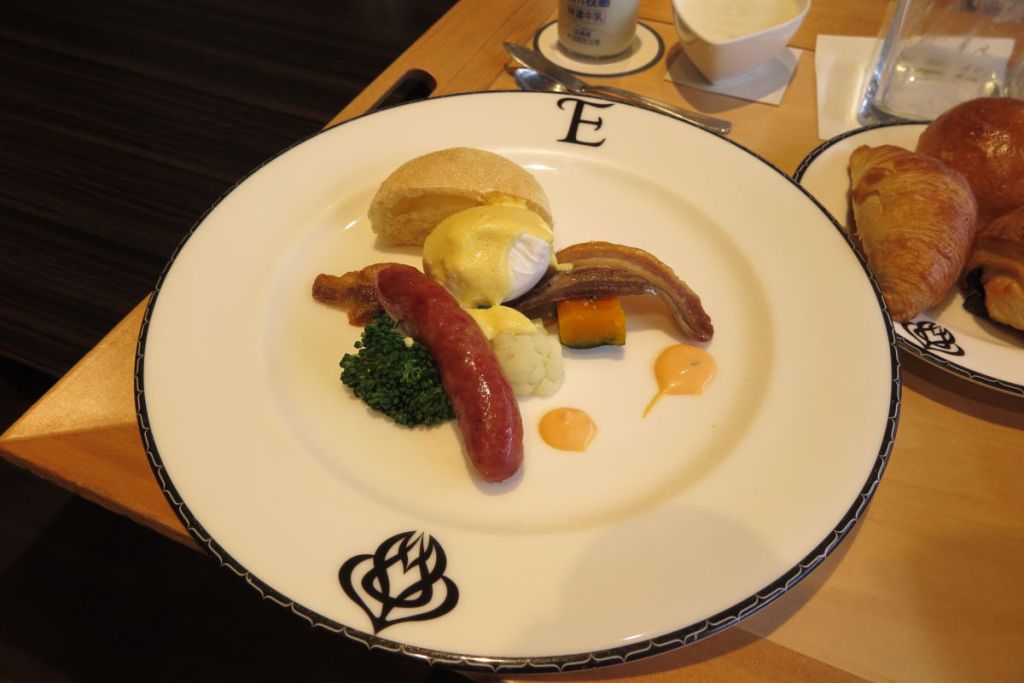
Breakfast was also Western-style, at the same restaurant as yesterday. They told me to shake the bottled milk well before drinking because it’s very rich, and it certainly is. The egg dish was Eggs Benedict with sausage and bacon, making it quite substantial.
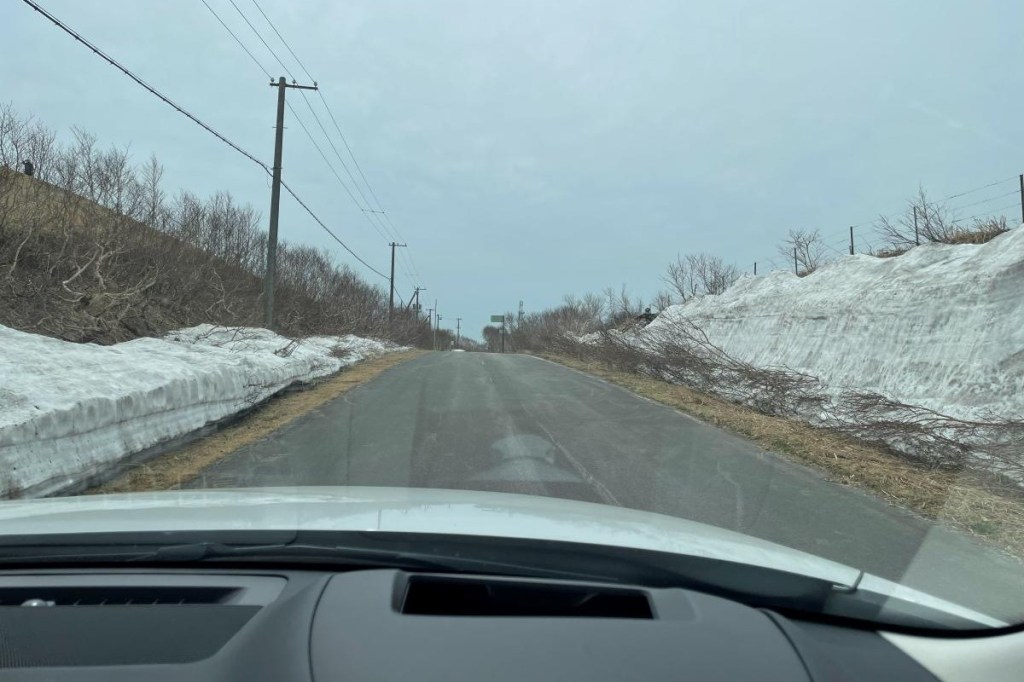
After checking out, I headed to the Kijihiki Plateau Panorama Observatory. There was still snow remaining along the side of the road near the summit.
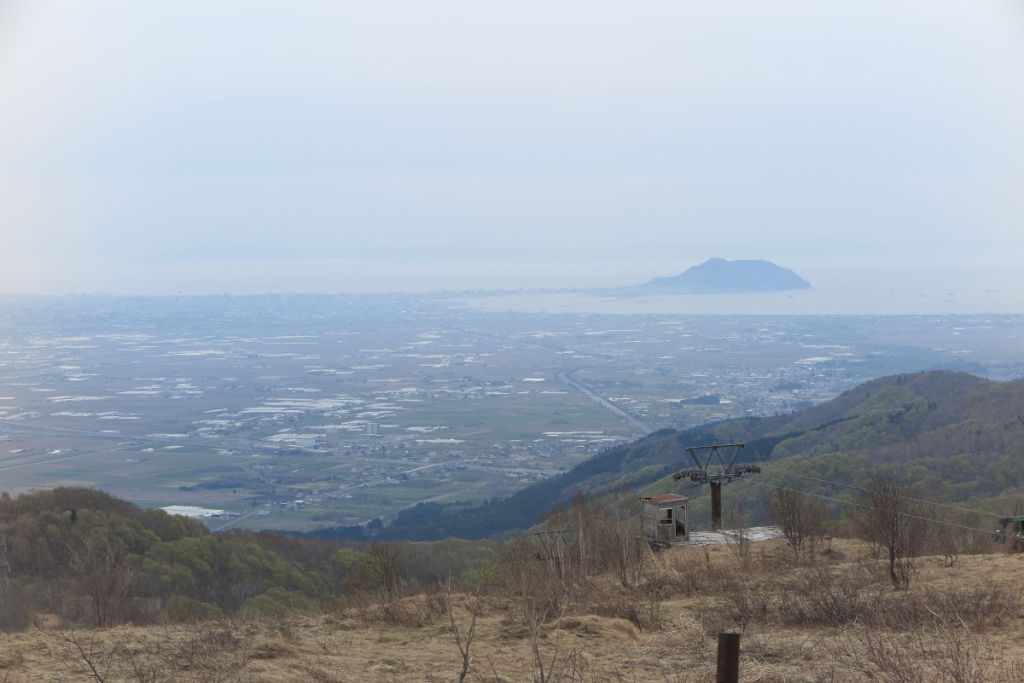
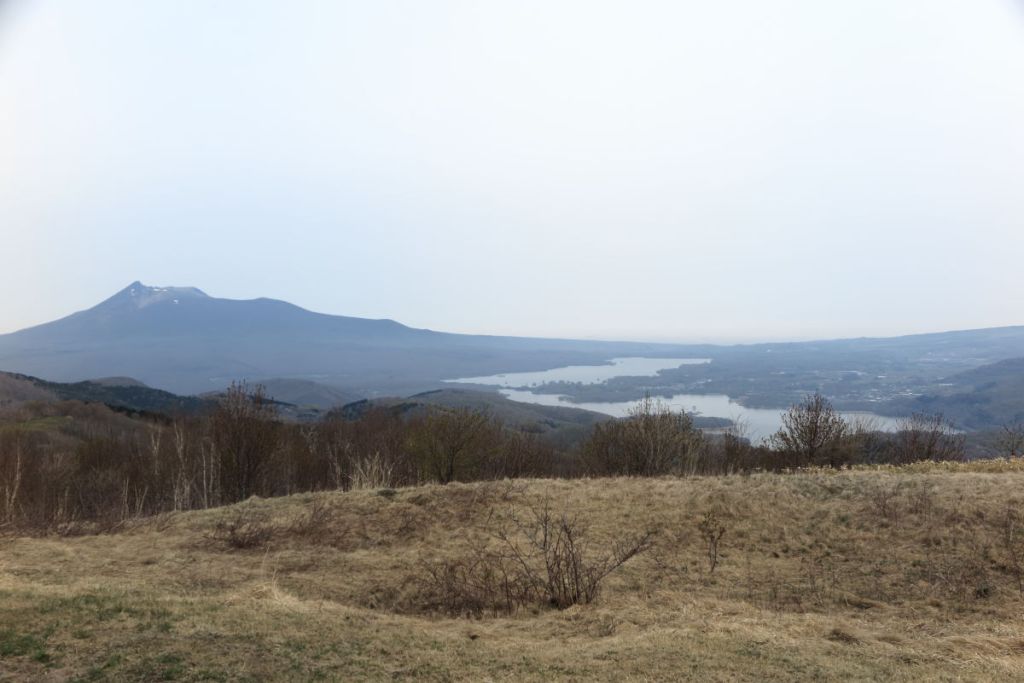
The view from the observation deck is breathtaking. You can see the Tsugaru Strait and Mount Hakodate, and on the other side, you can see Mount Komagatake and Lake Onuma.
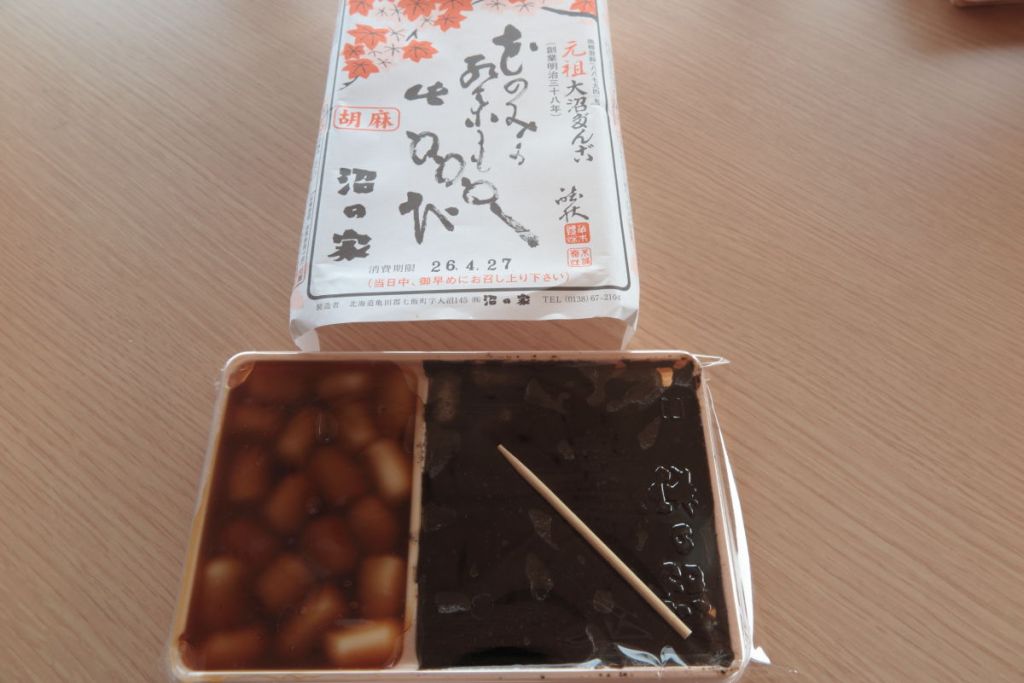
I enjoyed some dango (rice dumplings) that I bought at Numa no Ie near Onuma Park Station during my rest stop. Numa No Ie is a long-established dango shop founded in 1905, and their bean paste has a refined sweetness and the texture of the dumplings is excellent.
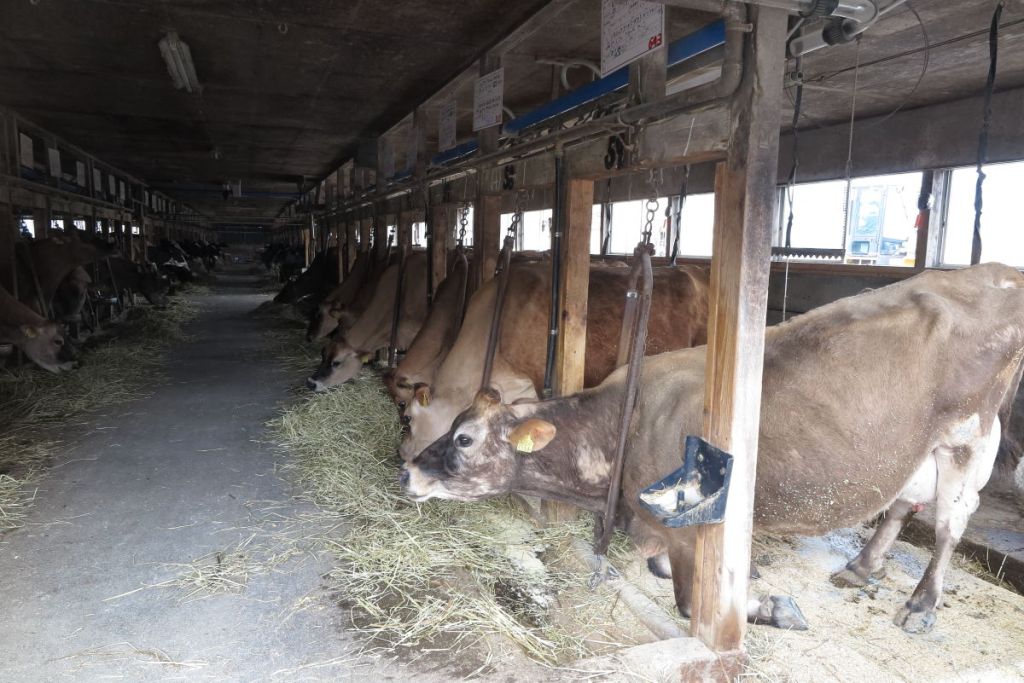
I returned towards Onuma and bought lunch box at Yamakawa Ranch, where I had drunk milk that morning.
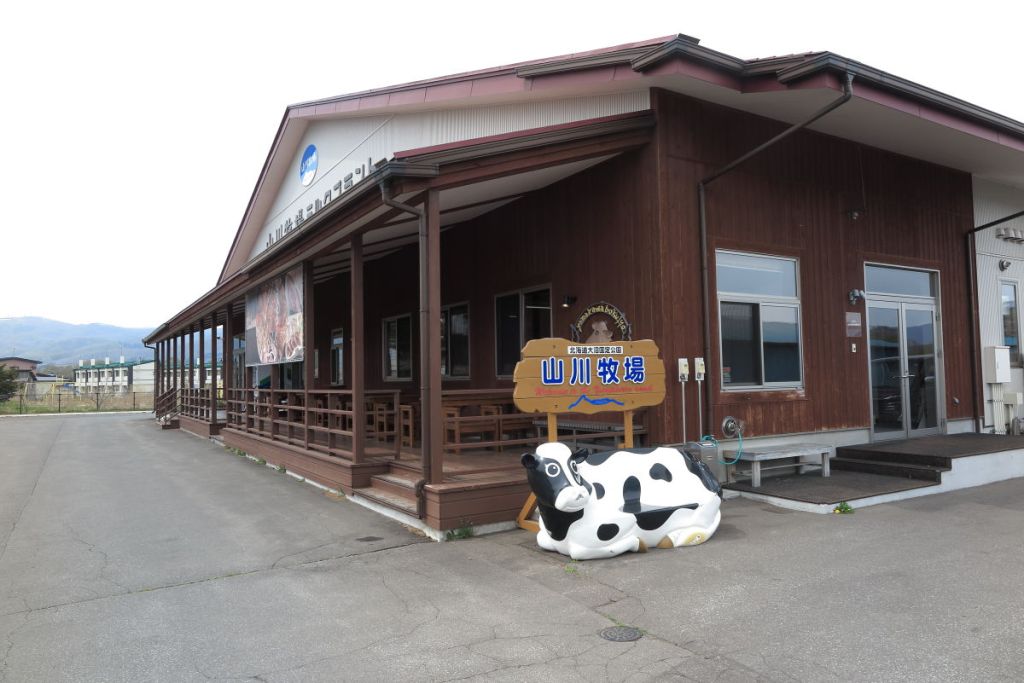
You can also see the milking facilities.
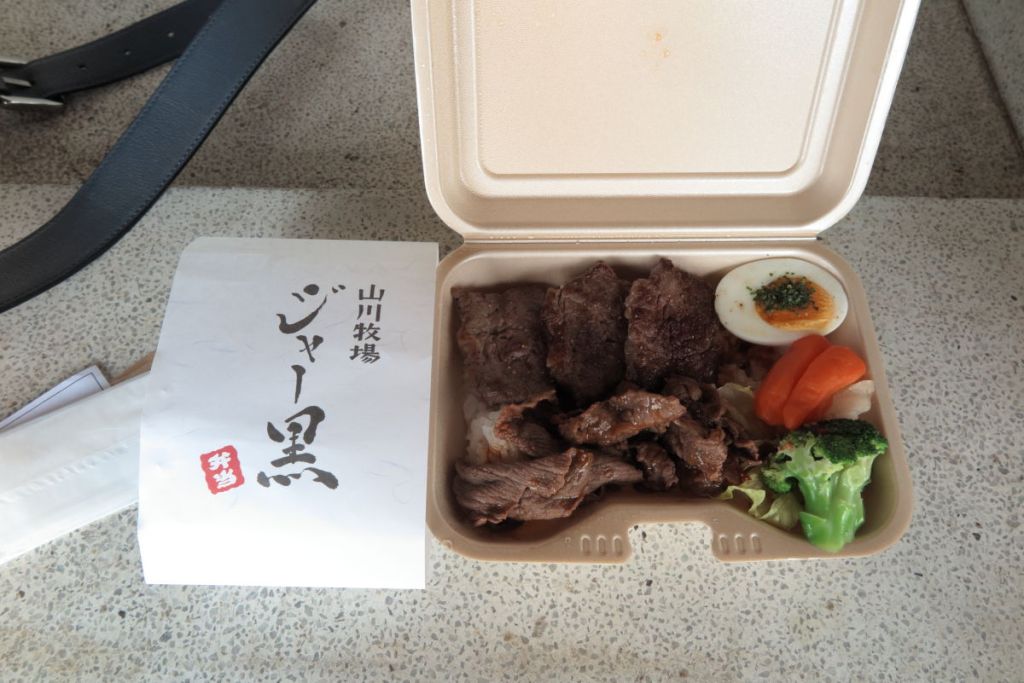
I drove along the lakeside road looking for a place to eat my lunch. I found a campsite and enjoyed my Jar Kuro bento there. Jar Kuro is a hybrid beef breed created by crossing Jersey cows and Japanese Black cattle, and it has a wonderful flavor with a good balance of delicious lean meat and moderately sweet fat.
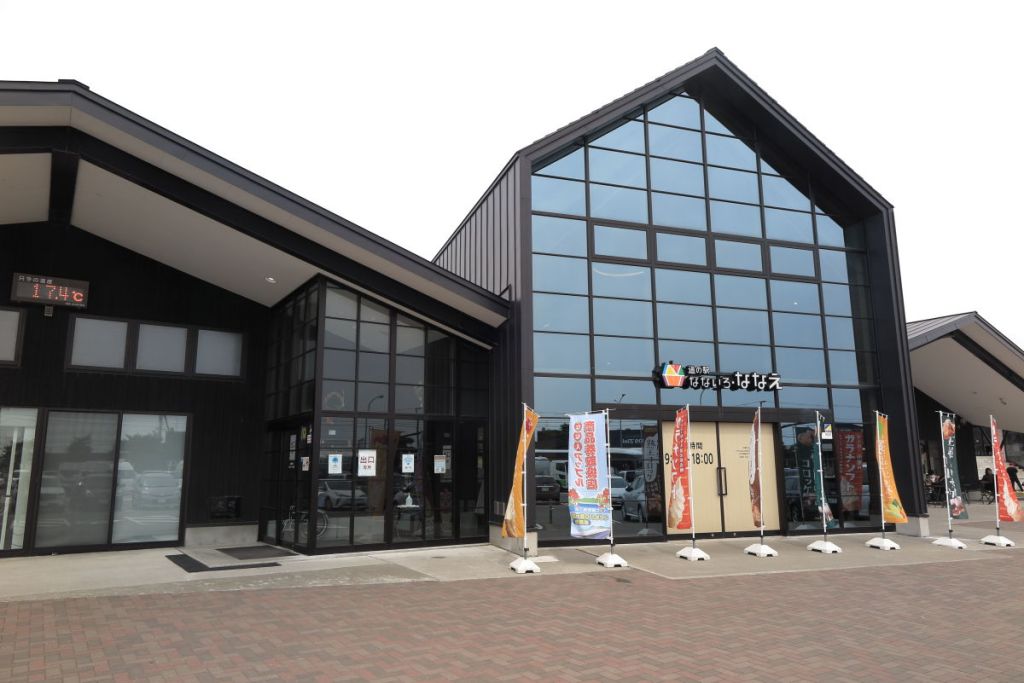
After lunch, I headed to our final destination, Hakodate. I stopped for a break at the Nanairo Nanae roadside station. The cafe there has a guarana soft serve ice cream that’s only available there. It seems that guarana is one of Hokkaido’s soul foods because guarana drinks were sold in Hokkaido three years before Coca-Cola.
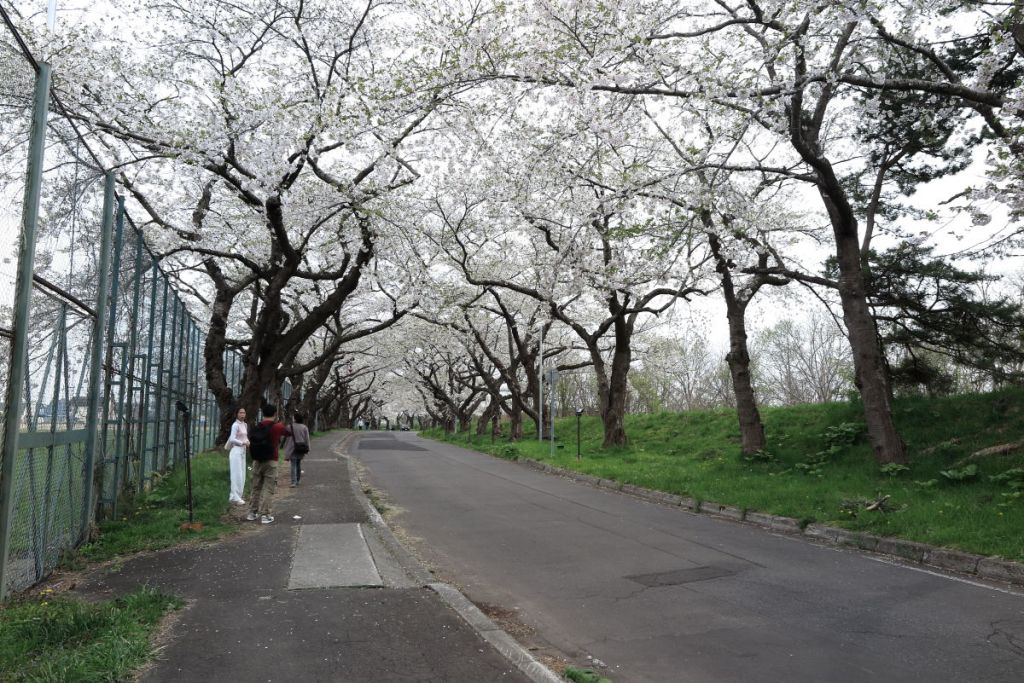
I decided to stop by the cherry blossom corridor along the Ohno River in Hokuto City. The blossoms were past their peak and starting to fall, but I still enjoyed them very much.
My accommodation in Hakodate is Hakodate Tokyu Stay Akari no Yu.
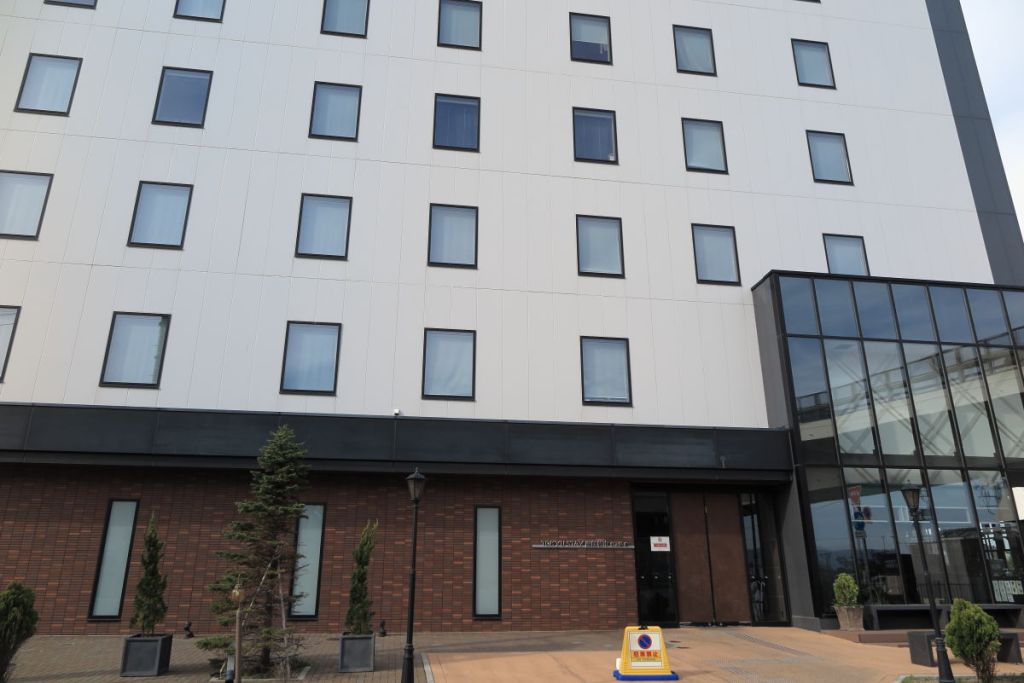
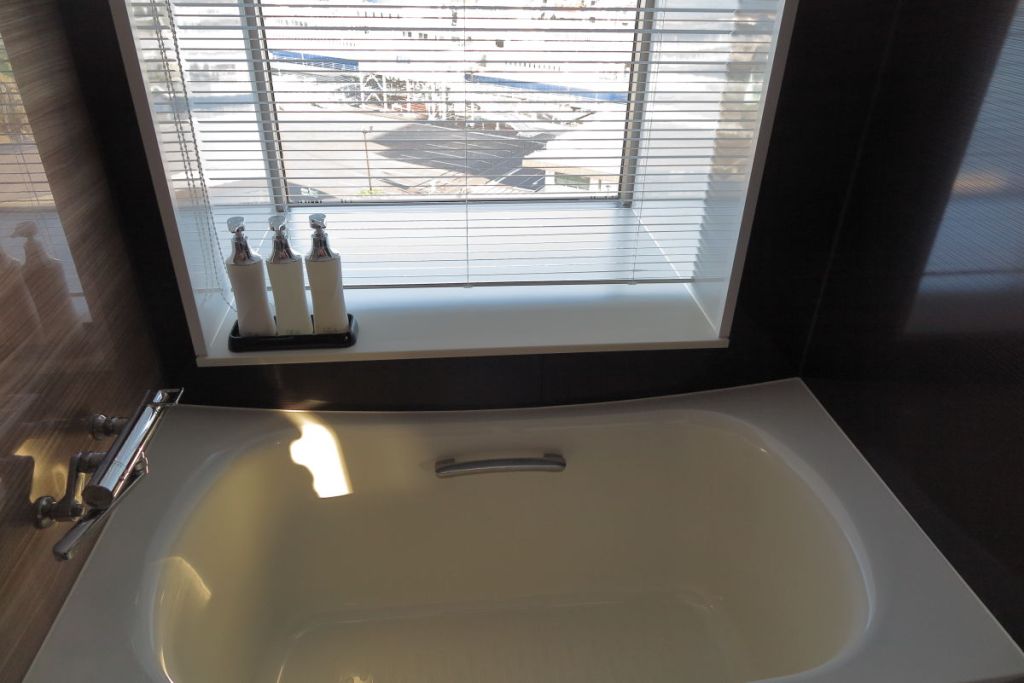
I could see the harbor from the bathroom in my room.
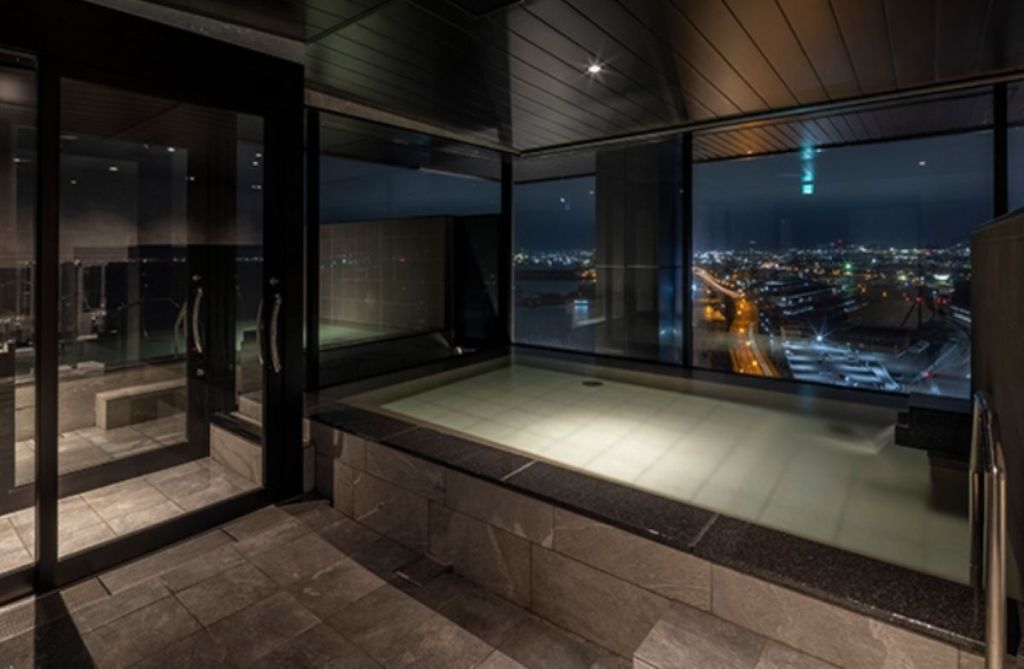
As the hotel’s name suggests, the top floor (18th floor) features a hot spring bath called “Akari no Yu”. It has both an indoor and an outdoor bath, offering a magnificent view. While the water is a simple hot spring, its yellowish-green color gives it a distinctly hot spring feel, and it warms the body effectively. The photo is a screenshot from the hotel’s website.
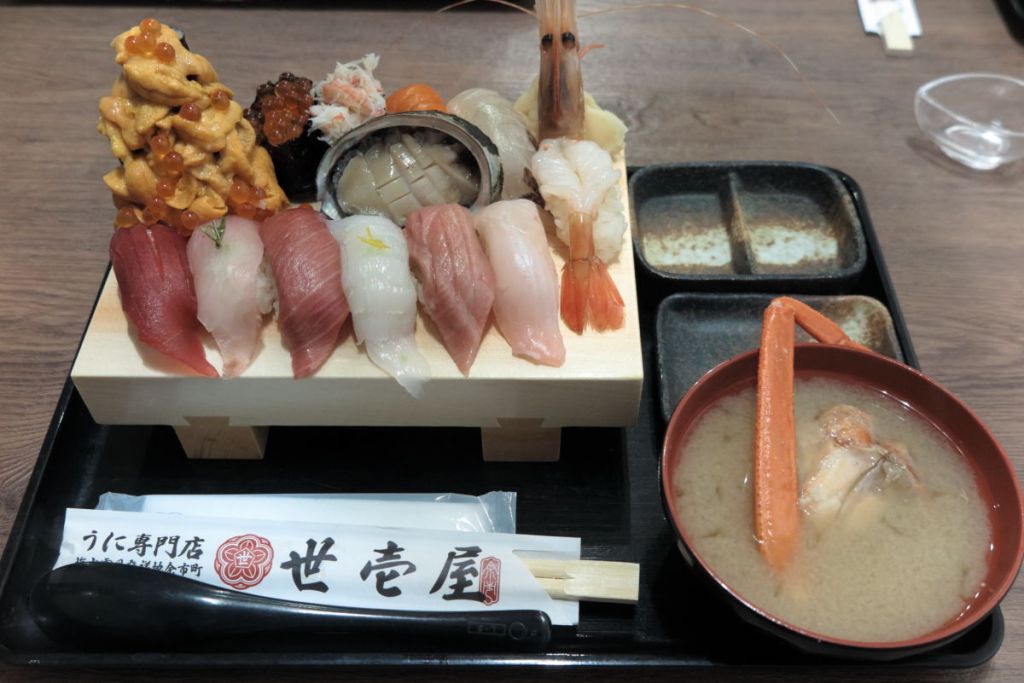
After soaking in the hot springs, I decided to have dinner near the hotel. I walked around the nearby Hakodate Morning Market, but as the name suggests, many shops were closed at night. I finally managed to find Yoichiya, a specialty shop for sea urchin.
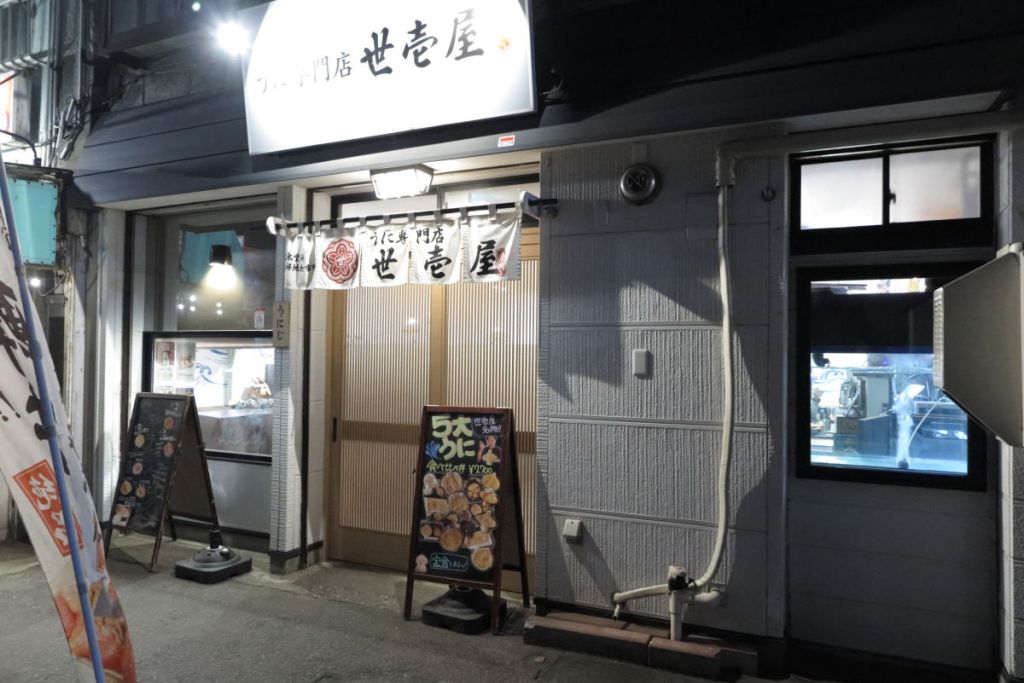
Since I was in Hokkaido, I ordered a sushi dish called “Uni Tower.” The nigiri sushi was also very delicious.
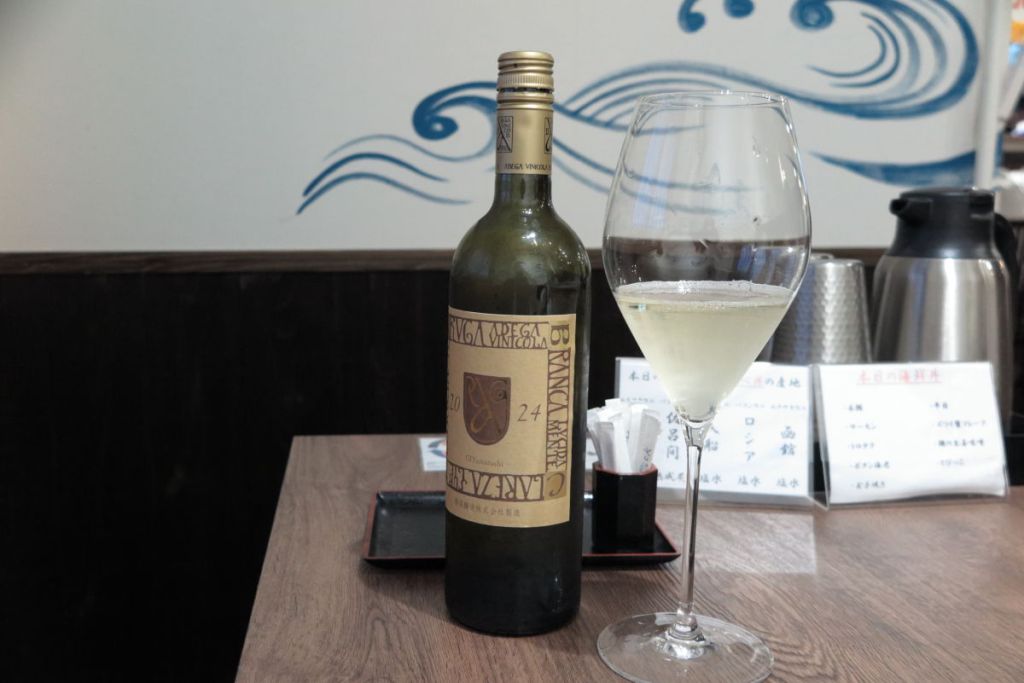
I ordered a white wine called Alca Blanca from Katsunuma Brewery, and it was dry and paired very well with sushi and other dishes.
April 28th (Tue)
This hotel doesn’t have a restaurant, but with your breakfast voucher, you can choose from 65 different menu items at 19 partner shops in Hakodate Morning Market. Hakodate Morning Market is bustling with activity from early in the morning.
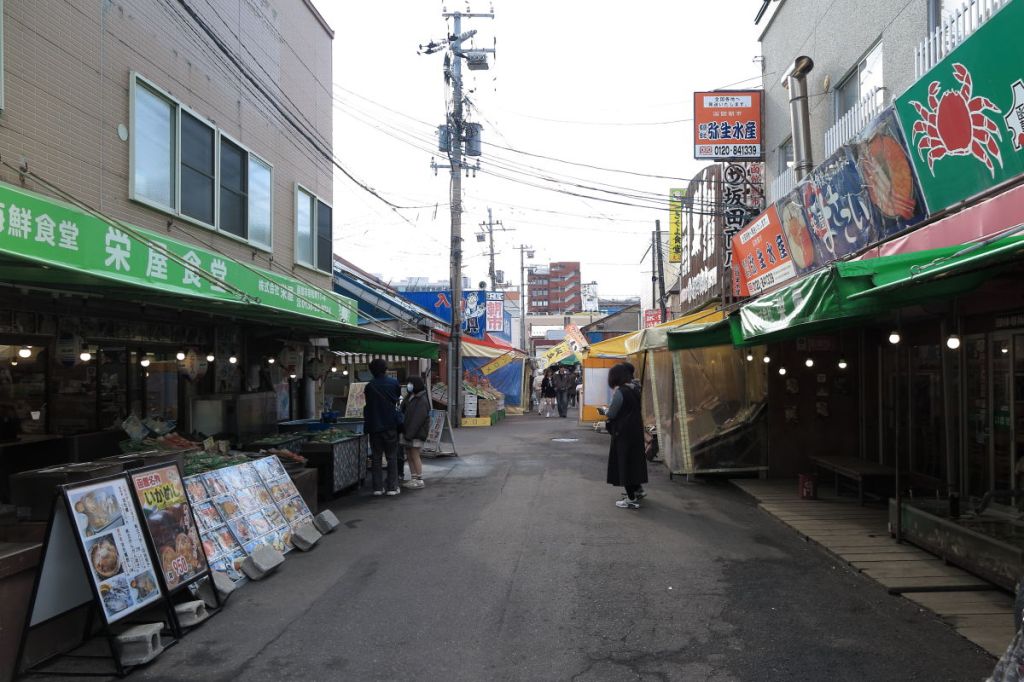
After walking for a while, I arrived at Kikuyo Restaurant.
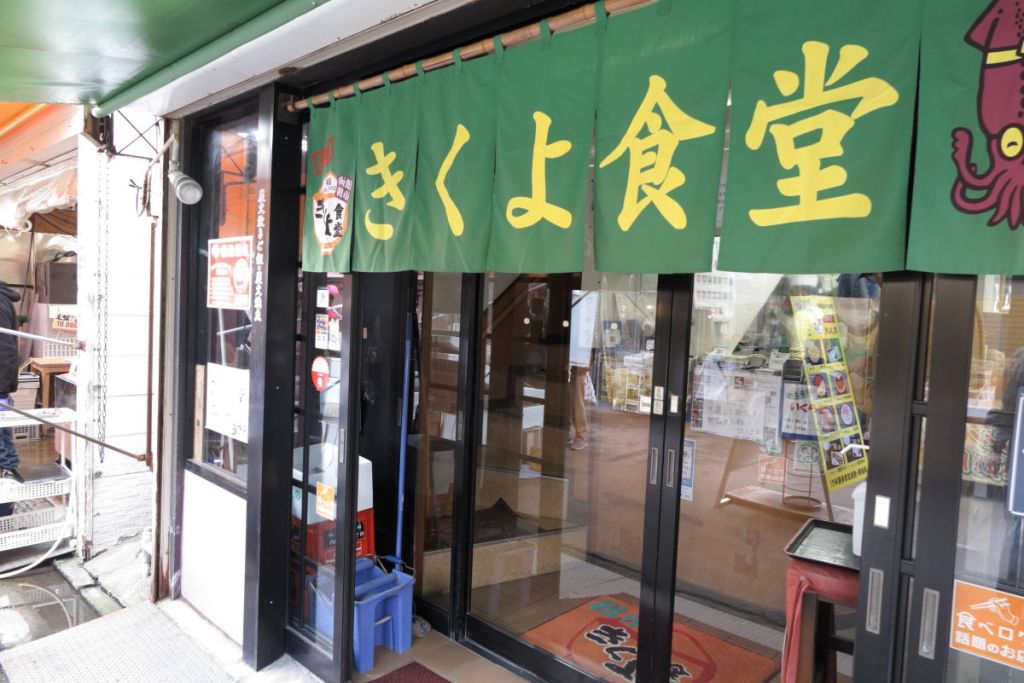
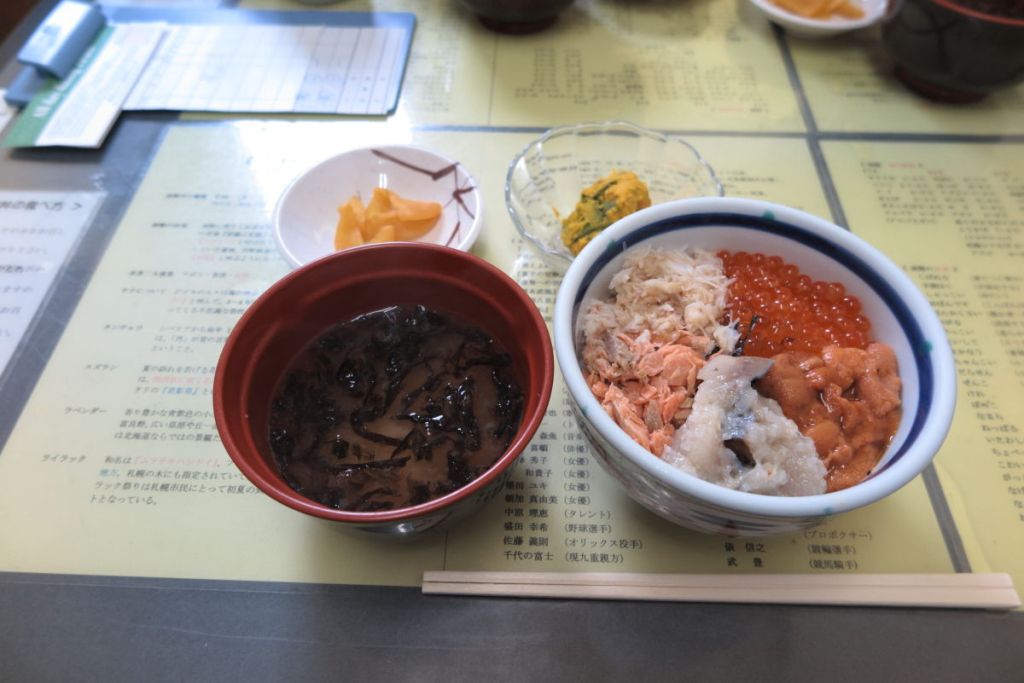
I ordered the five-kind seafood rice bowl, which is one of the menu items. It was very satisfying, with herring, sea urchin, salmon roe, crab, and salmon flakes on top.
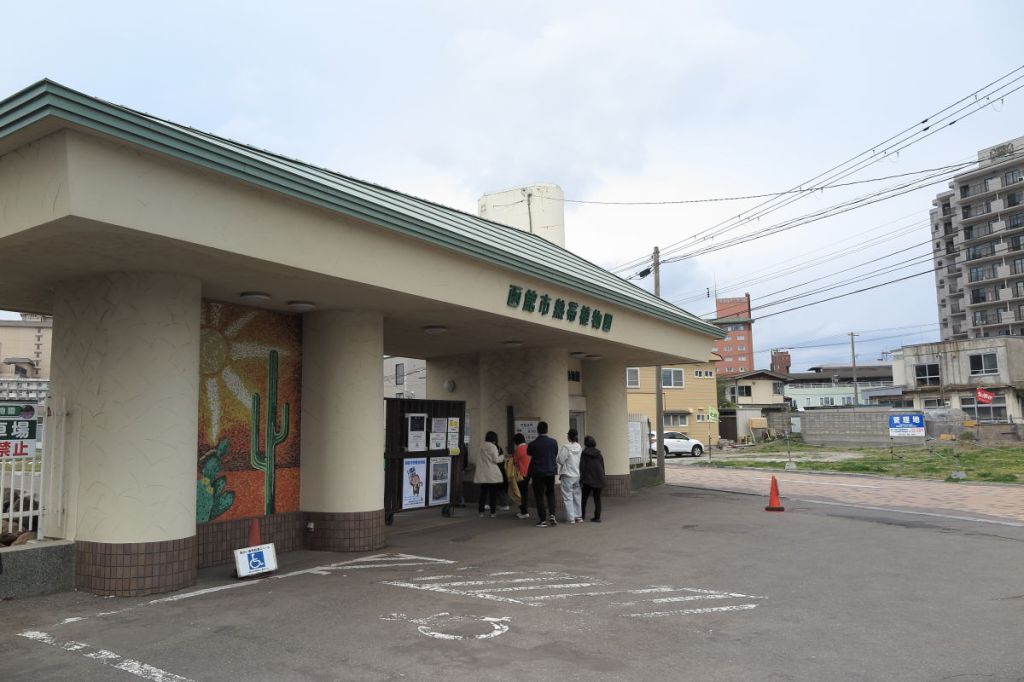
After checking out of the hotel, I went to the Hakodate Tropical Botanical Garden, which is located near Yunokawa Onsen.
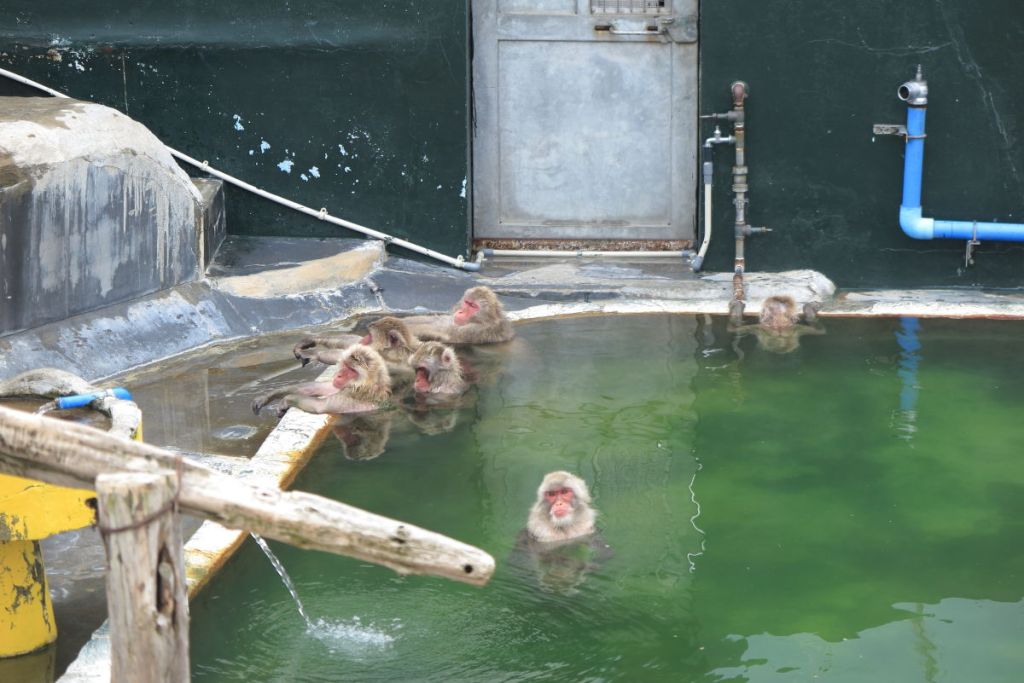
At this monkey mountain, you can see monkeys soaking in the hot springs from December through the Golden Week holidays in May.
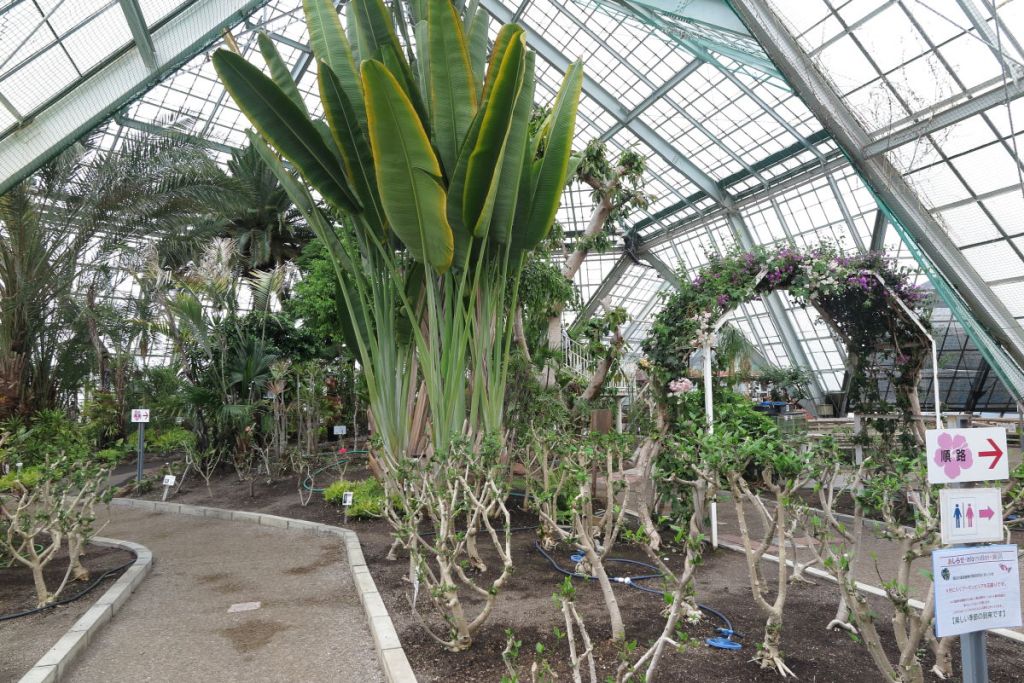
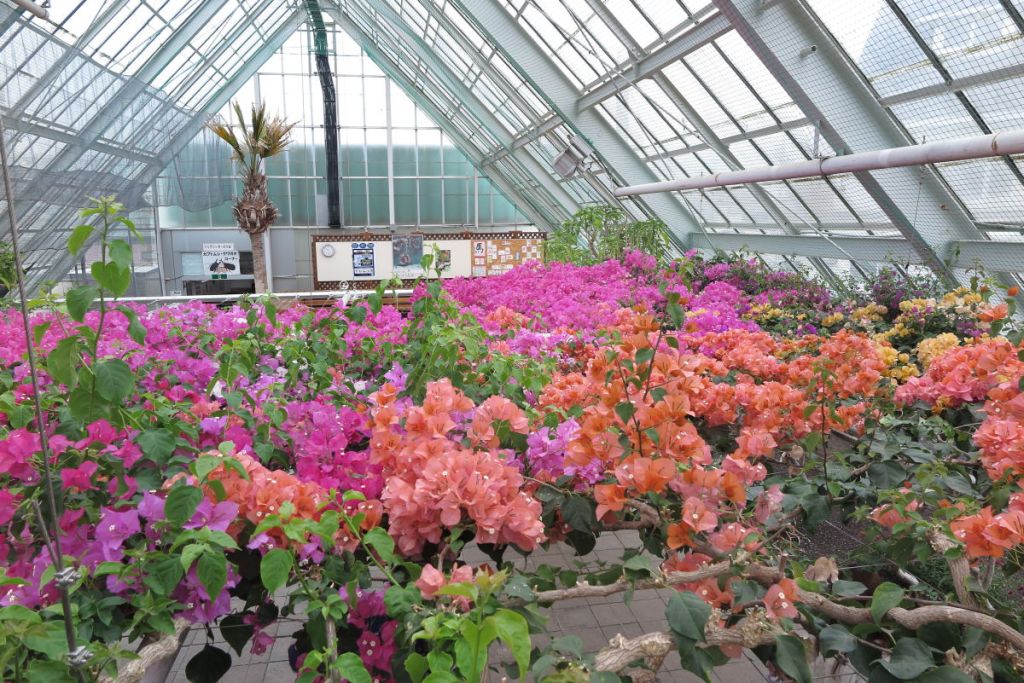
You can see tropical plants inside the greenhouse.
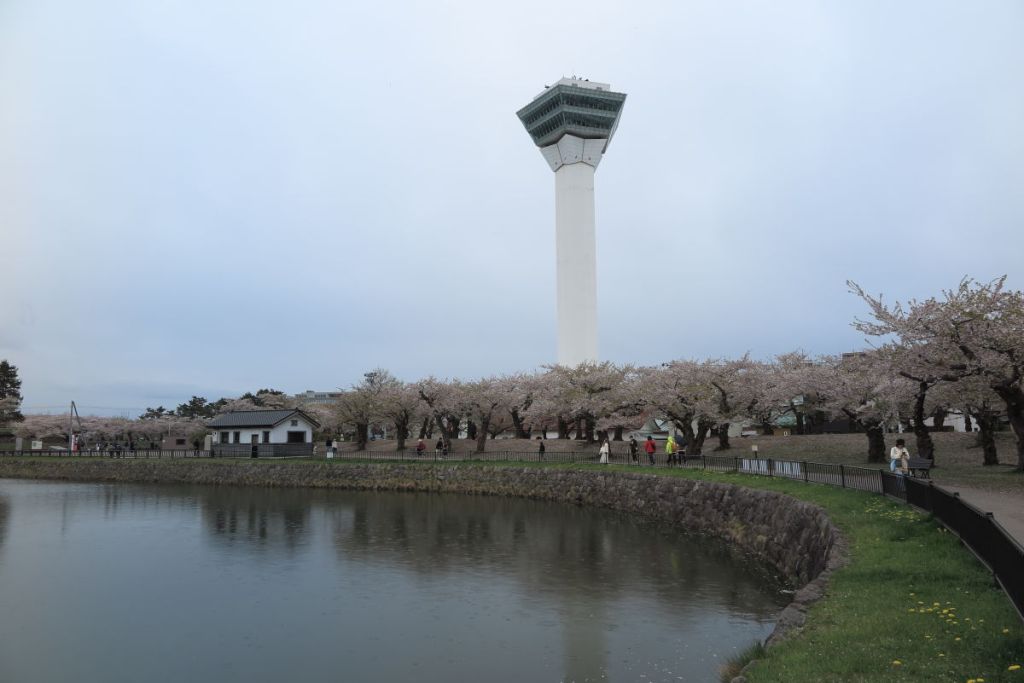
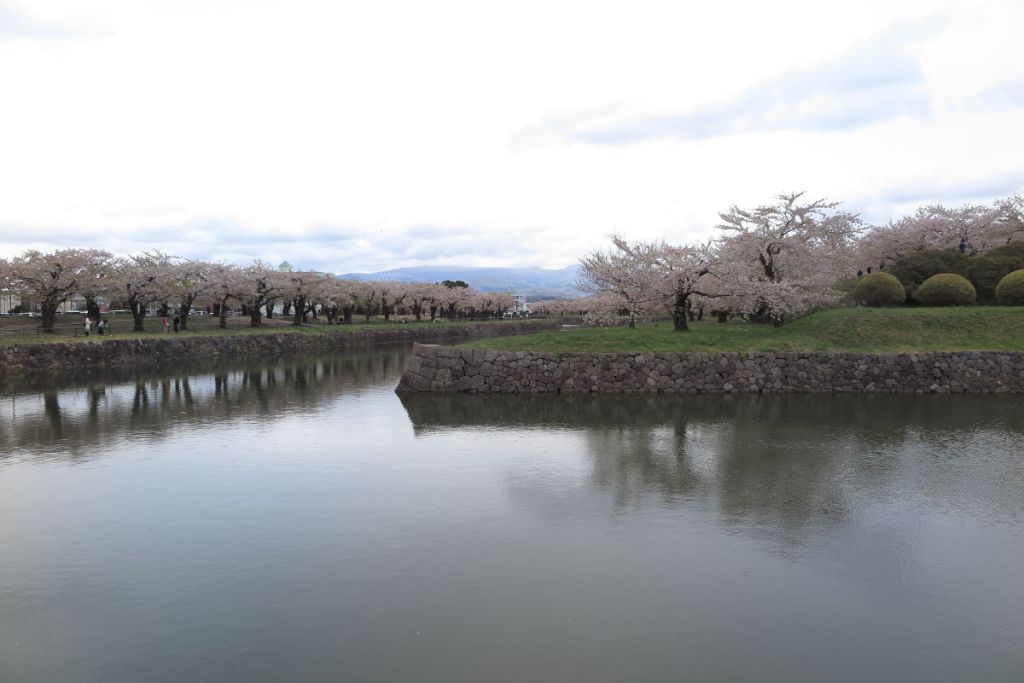
Next, I headed to Goryokaku. The cherry blossoms were just beginning to fall, but there were still many cherry trees.
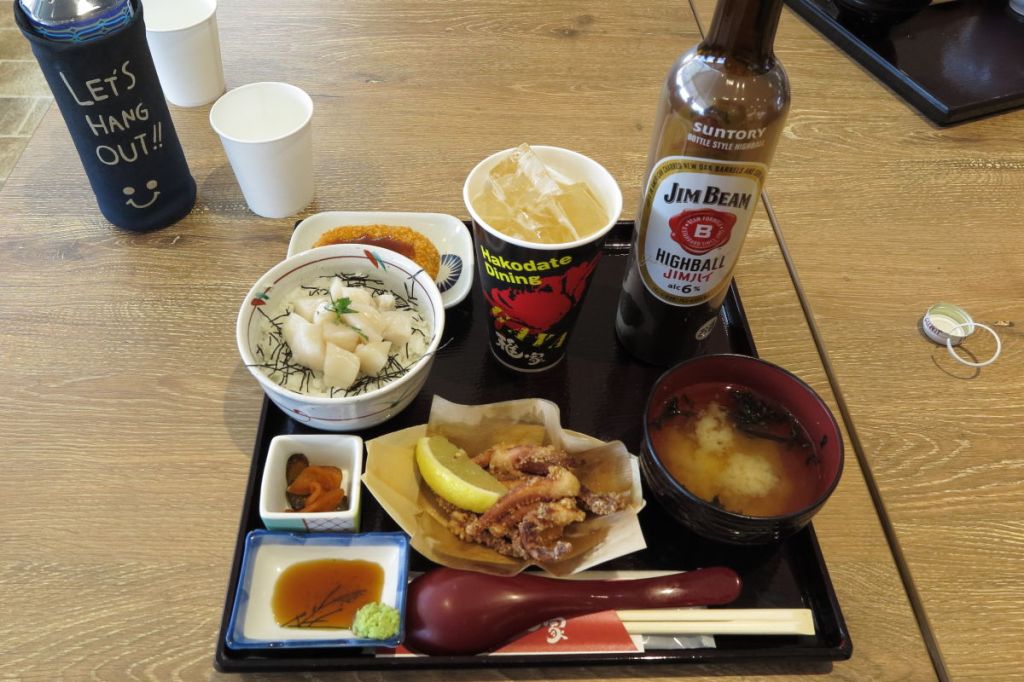
After returning the rental car at Hakodate Airport, I had lunch at the airport’s food court: a scallop rice bowl set and fried squid tentacles from Hakodate Dining Gaya. It was the first time I’d seen highball served in a bottle. The scallop rice bowl and fried squid tentacles were delicious.
I arrived safely at Haneda Airport at 4:25 PM, right on schedule, on JAL flight 586, which departed Hakodate Airport at 2:55 PM. The last day of this trip was mostly cloudy, but I was blessed with good weather and was able to see wonderful scenery, including cherry blossoms, and enjoy delicious Hokkaido cuisine. Looking at the license plates in the parking lot, I saw many from outside Hokkaido, so I’m thinking of traveling to Hokkaido in my own car next time.
 旅好き爺の旅行記
コメントを残す