

I spent four days and three nights—from Wednesday, June 17, to Saturday, June 20—visiting the hot springs of Amakusa and Oku-Aso in Kumamoto Prefecture, and spent the final day in Kumamoto City. I chose Kumamoto as my destination because I hadn’t used Kumamoto Airport since its renovation in 2023 and wanted to see what it looked like now.
June 17th (Wed)
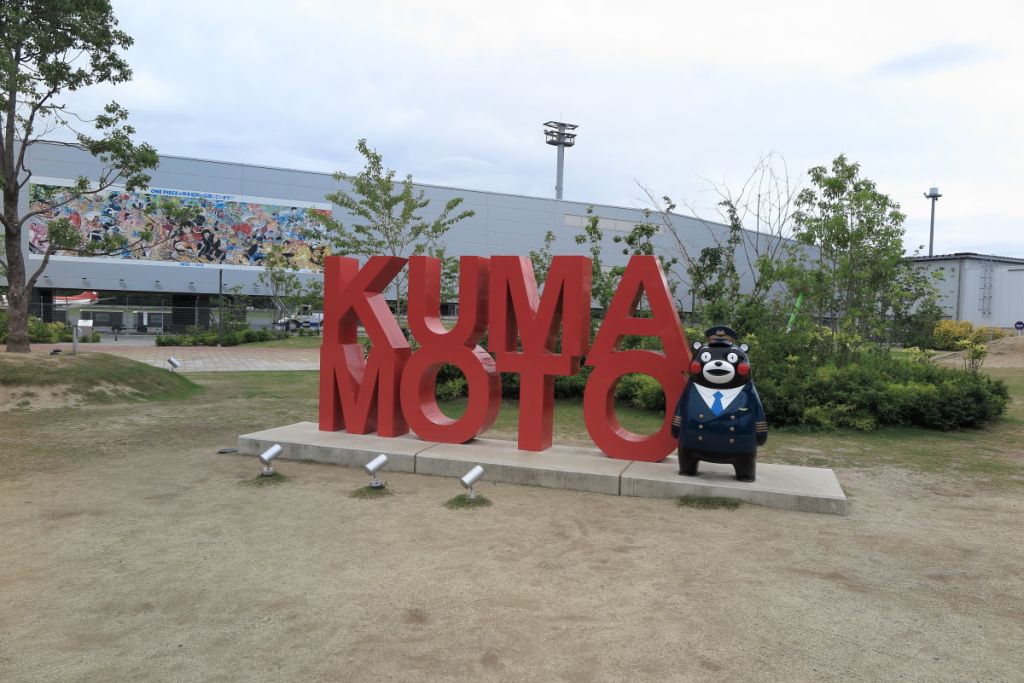
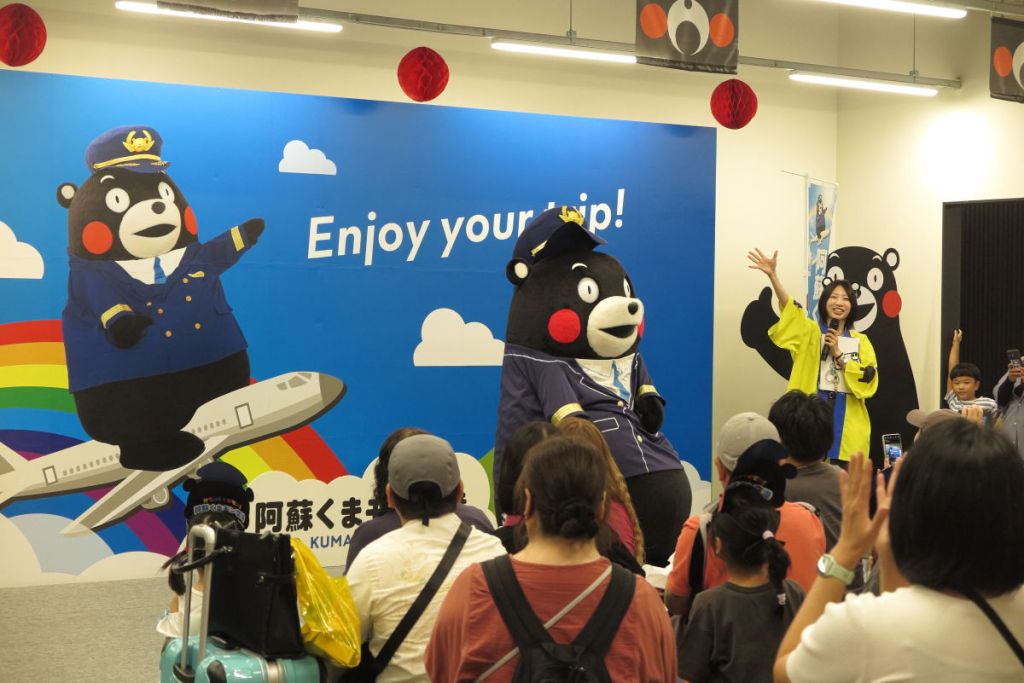
I boarded JAL Flight 625, departing Haneda Airport at 8:00 AM, and arrived at Aso Kumamoto Airport on schedule at 9:45 AM. It appears that the airport is temporarily using the nickname “Aso Kumamon Airport” as part of the “Ka-mon Kumamon” campaign, running from last October through the end of June this year.
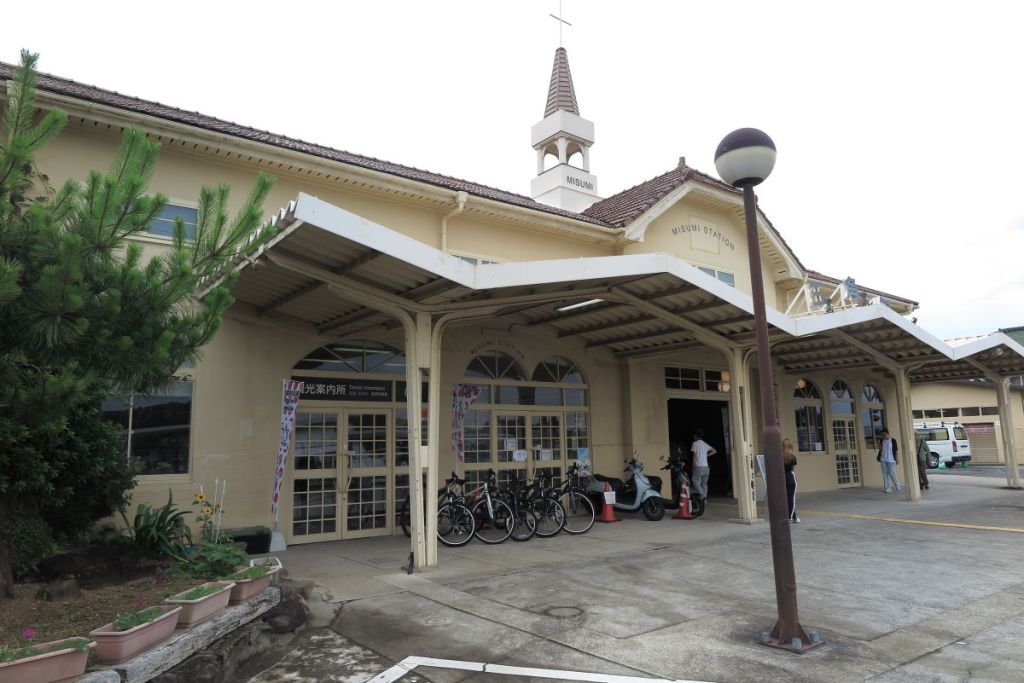
After renting a car at the airport, I headed for my first destination, Amakusa. On the way, I passed by Misumi Station—the terminus of JR Kyushu’s Amakusa-Misumi Line—and decided to have lunch there. The station’s wooden building has a classic Western-style design and a charming atmosphere.
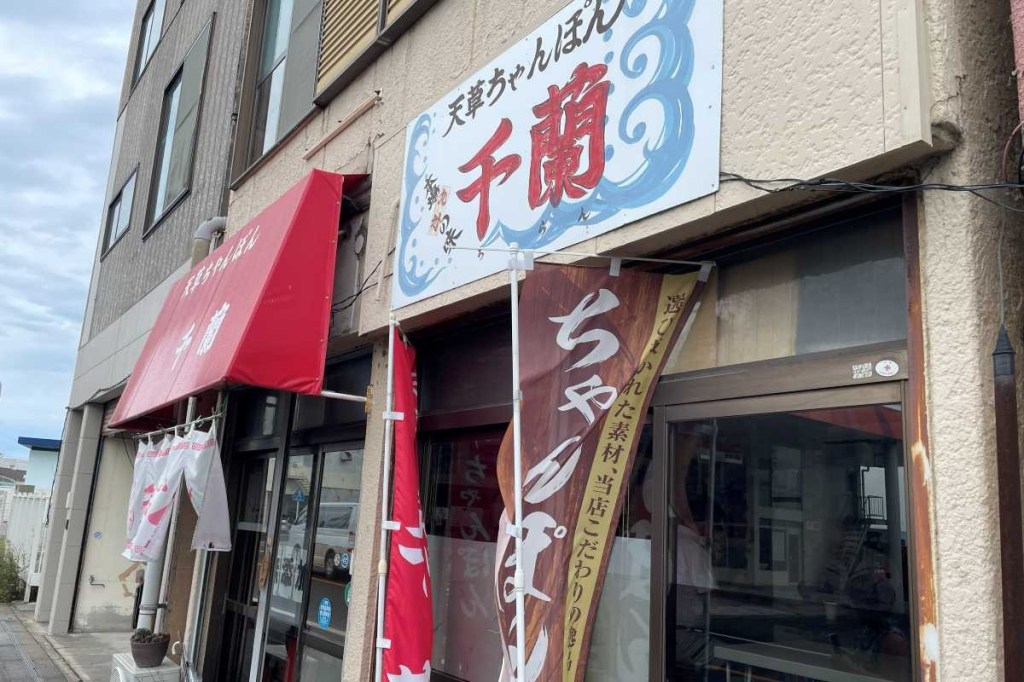
Amakusa Champon is said to be one of Japan’s three great Champon varieties, alongside those from Nagasaki and Obama; I visited a shop called Senran located right near the station.
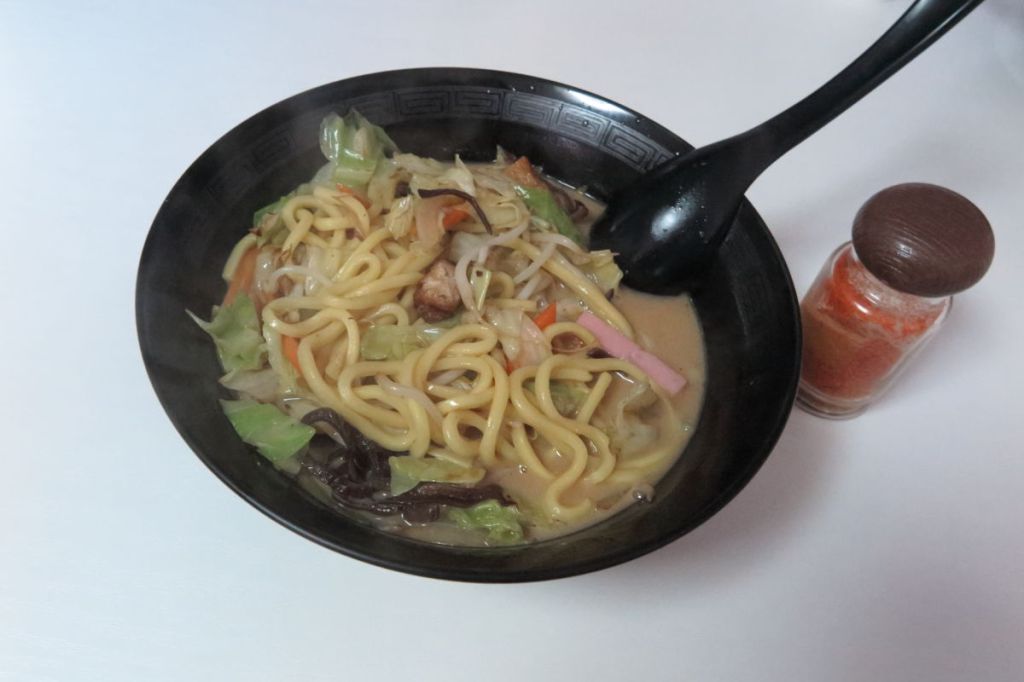
It features thick noodles and a rich, flavorful broth made from Amakusa free-range chicken stock. I ordered the champon with Amakusa Daio chicken; adding a dash of ichimi (red chili pepper) gives the flavor a sharp, crisp edge.
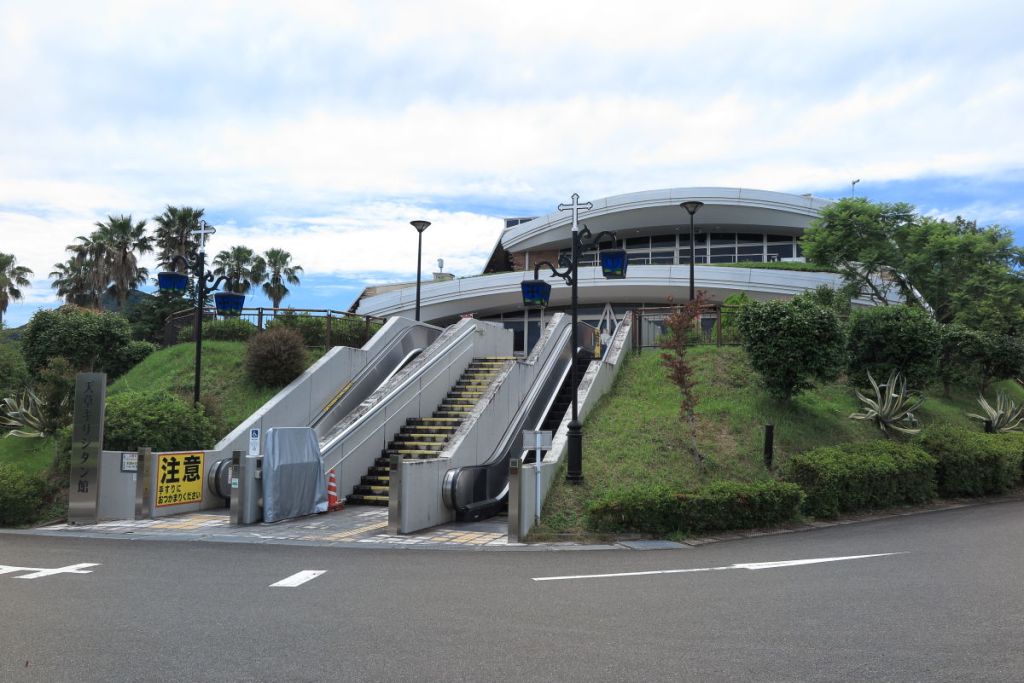
After finishing my meal, I headed to the Amakusa Christian Museum. It has been made barrier-free, which is a great help for the elderly.
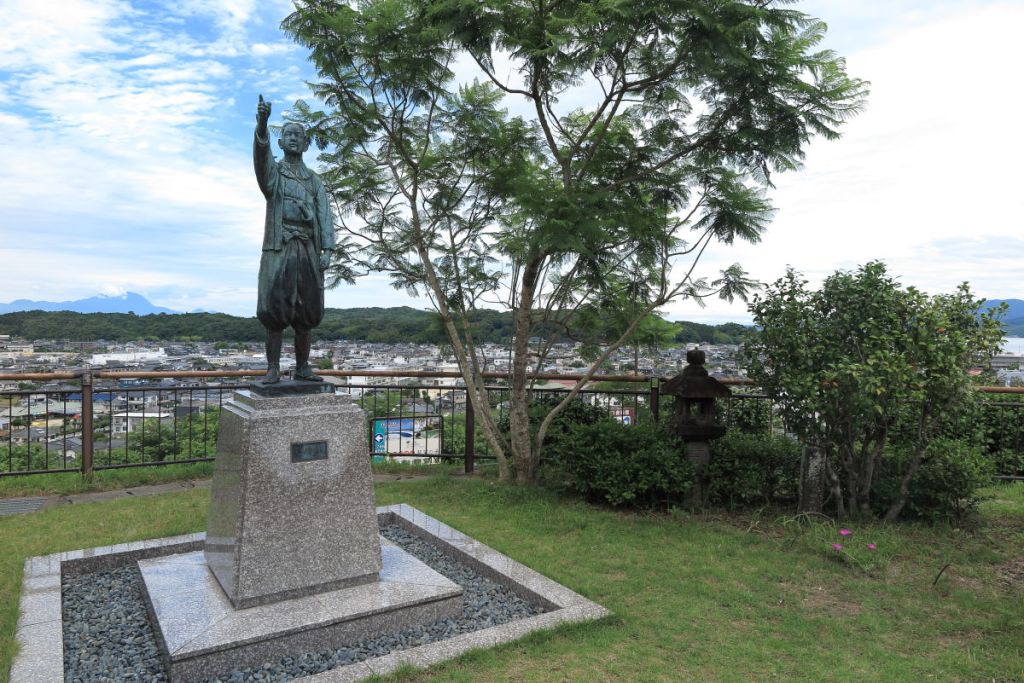
The exhibits focused on the history of the Christians in Amakusa, centering on the Shimabara-Amakusa Rebellion. A bronze statue of Amakusa Shiro, the leader of the rebellion, stood beside the entrance. The mountain visible in the distance to the left is Mount Unzen-Fugen in Shimabara. Photography is prohibited inside the museum, so please check the website or other sources for details.
After the tour, I headed to my accommodation for the night: Hotel Ryugu at Amakusa-Matsushima Onsen.
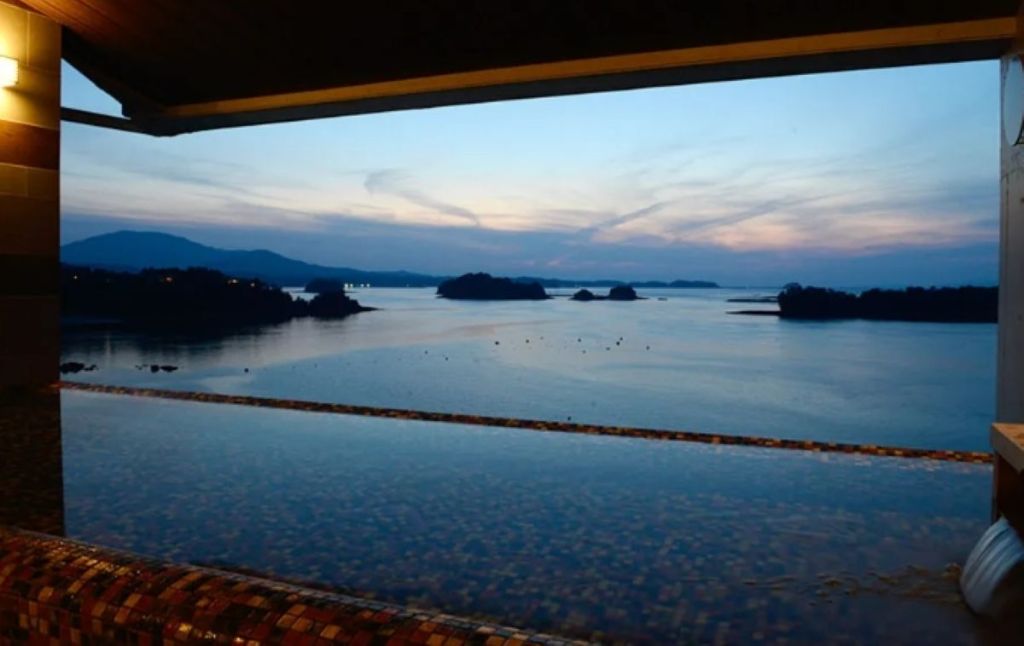
The hot spring here is a sodium-chloride type, and the water feels pleasant on the skin. The view from the open-air bath on the top floor was outstanding. The photo is a screenshot from the inn’s website.
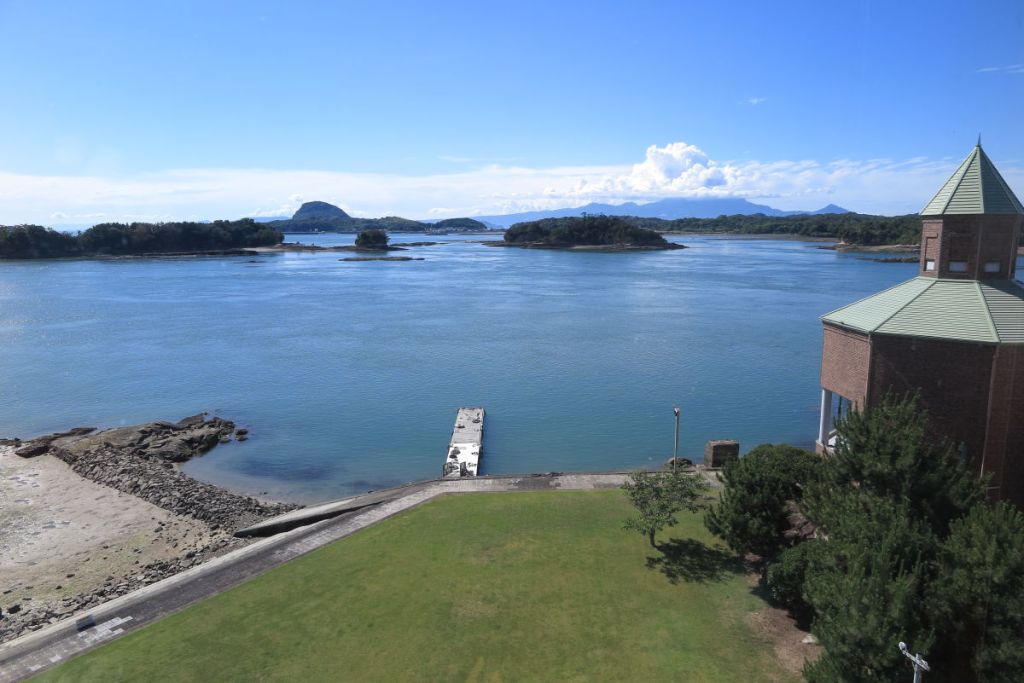
You could see a similar view from the room as well. Beyond the islands of Matsushima, Mount Unzen-Fugen—partially shrouded in clouds—is also visible.
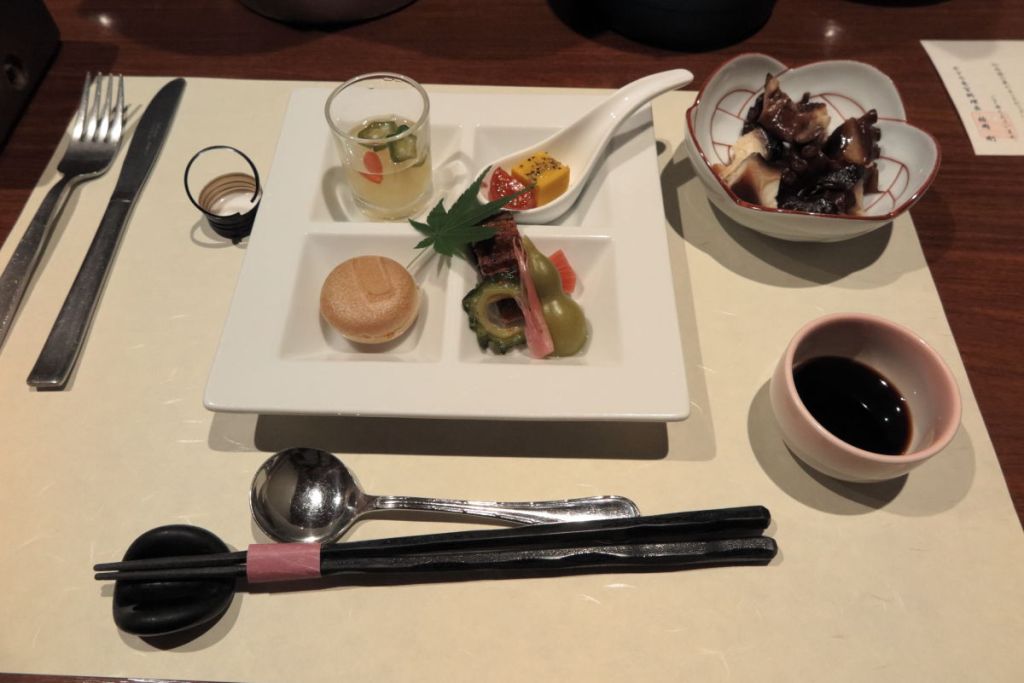
Dinner is a kaiseki meal featuring local ingredients. I began with a selection of seasonal appetizers from Amakusa; the dish at the top right contains tender-simmered octopus. True to its name, it was incredibly tender and delicious.
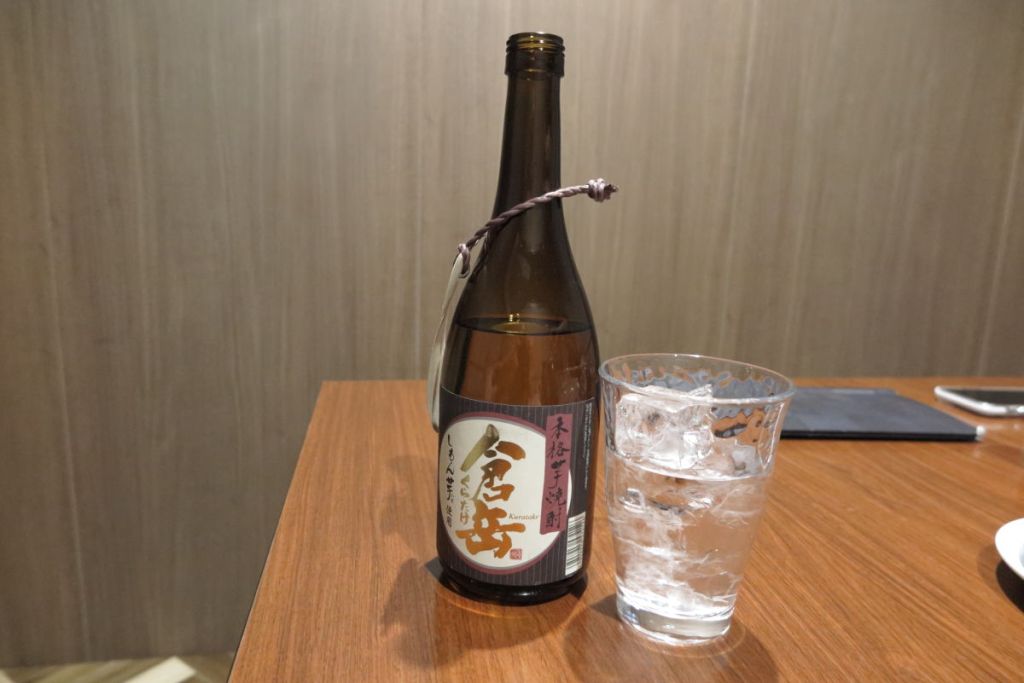
I ordered “Kuradake,” a local shochu made from Shimon-imo sweet potatoes grown in Amakusa. Shimon-imo is a rare variety harvested only once every two years; compared to ordinary sweet potatoes, it contains vastly higher levels of vitamins and minerals. It has a mellow, sweet flavor that makes it very easy to drink.
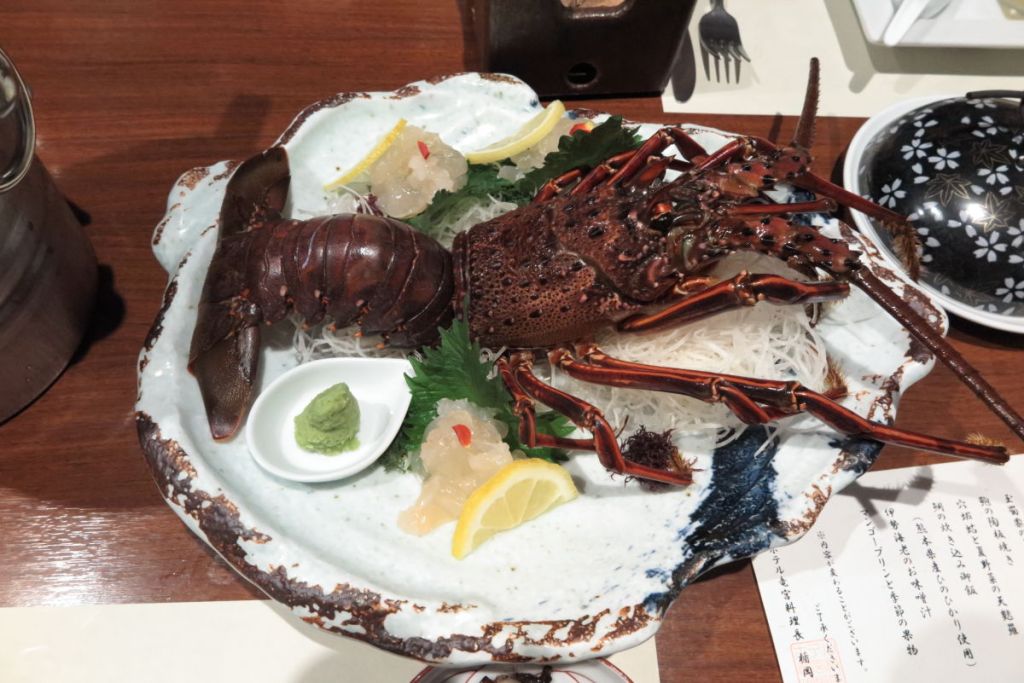
Ise-ebi (Japanese spiny lobster)—a specialty of Amakusa—was served as sashimi. Sashimi made from local fish such as amberjack, sea bream, and flounder was also served, but it was so delicious that I completely forgot to take photos of it.
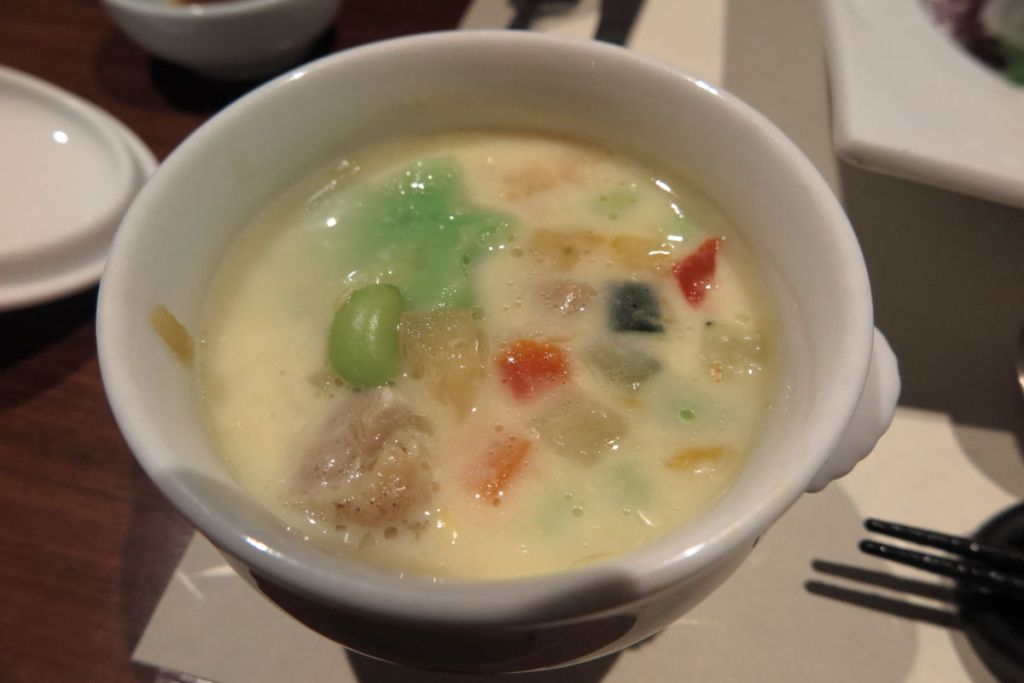
The onion chawanmushi was also mellow and delicious.
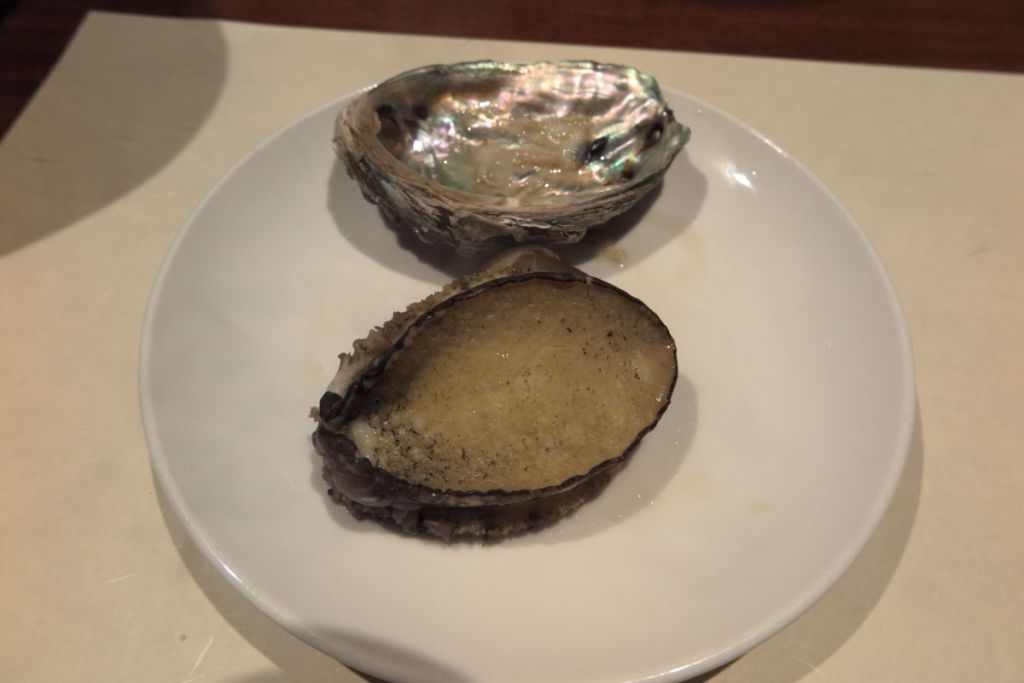
Abalone grilled on a ceramic plate
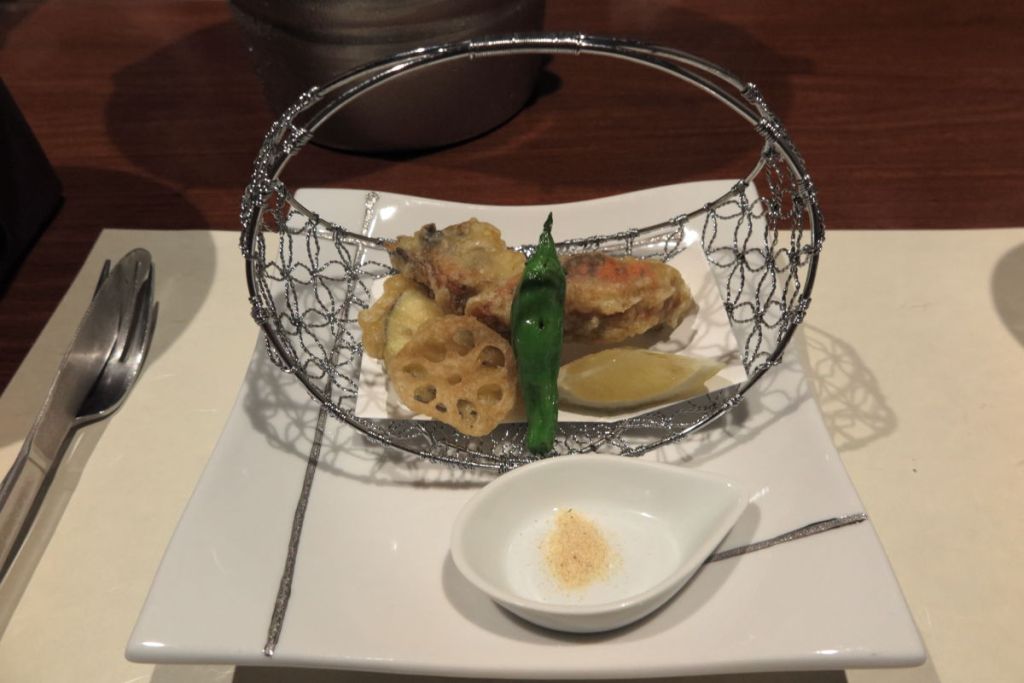
Mud shrimp and summer vegetable tempura
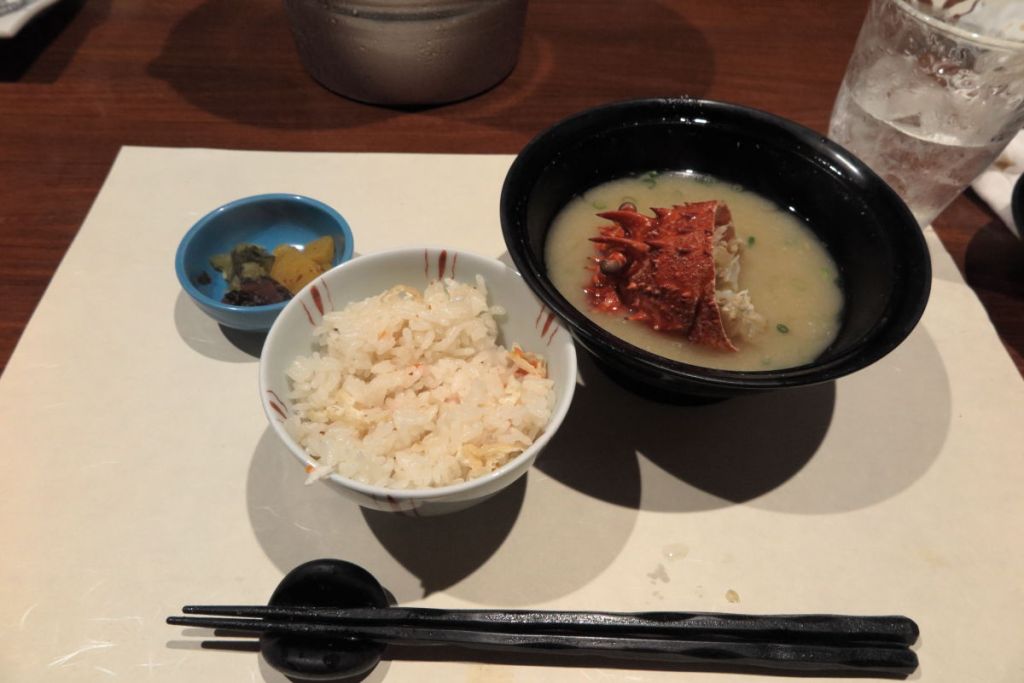
The combination of sea bream mixed rice and spiny lobster miso soup is outstanding.
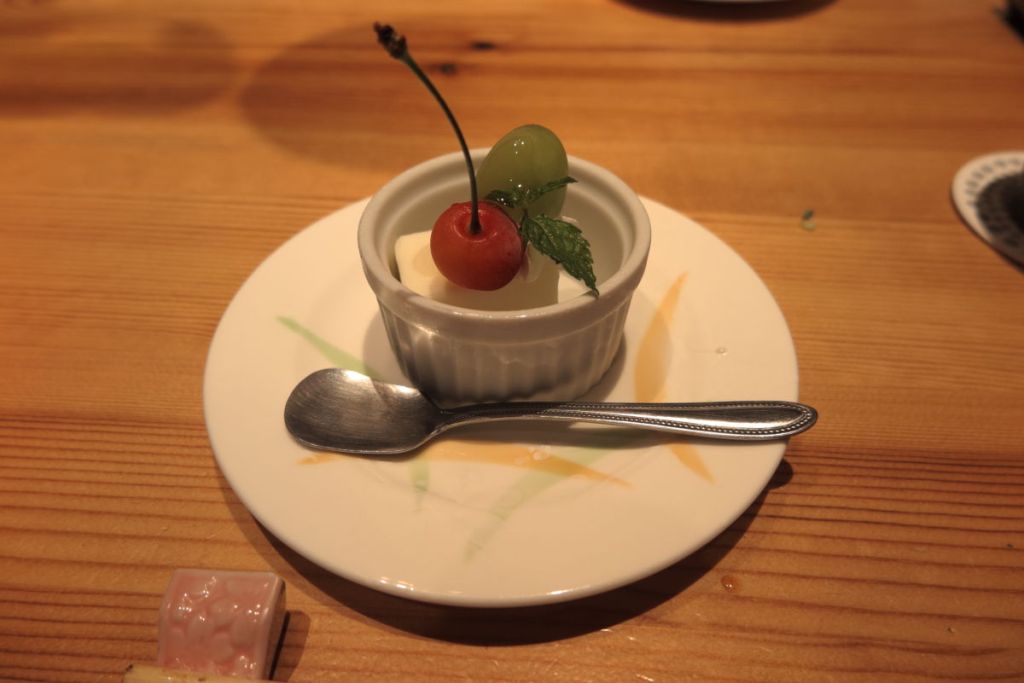
For dessert, there was mango pudding, seasonal fruit, and more.
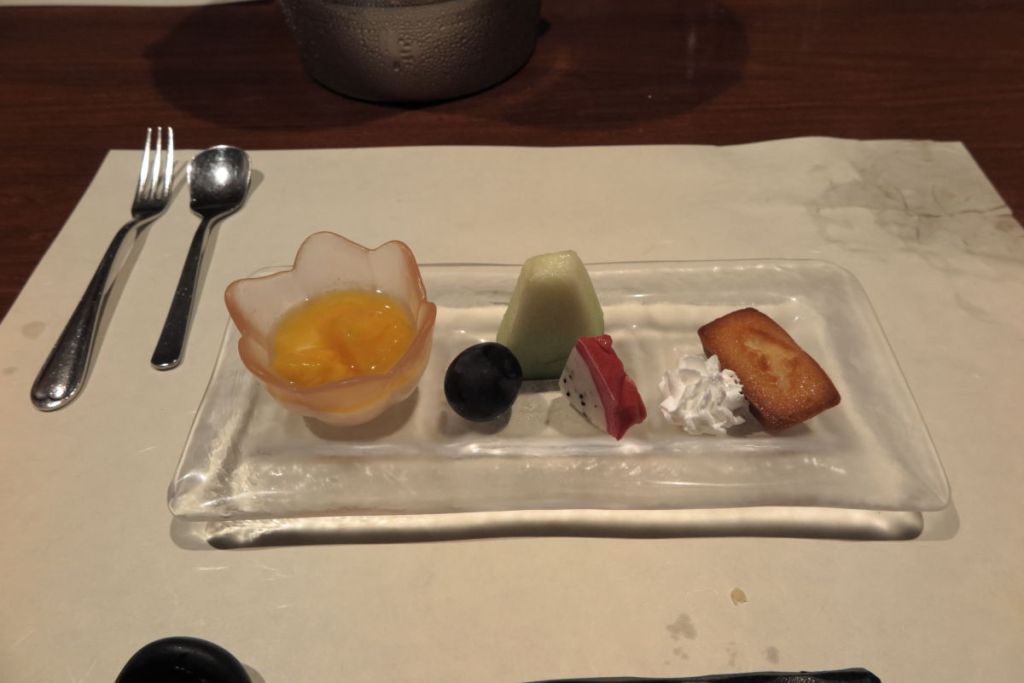
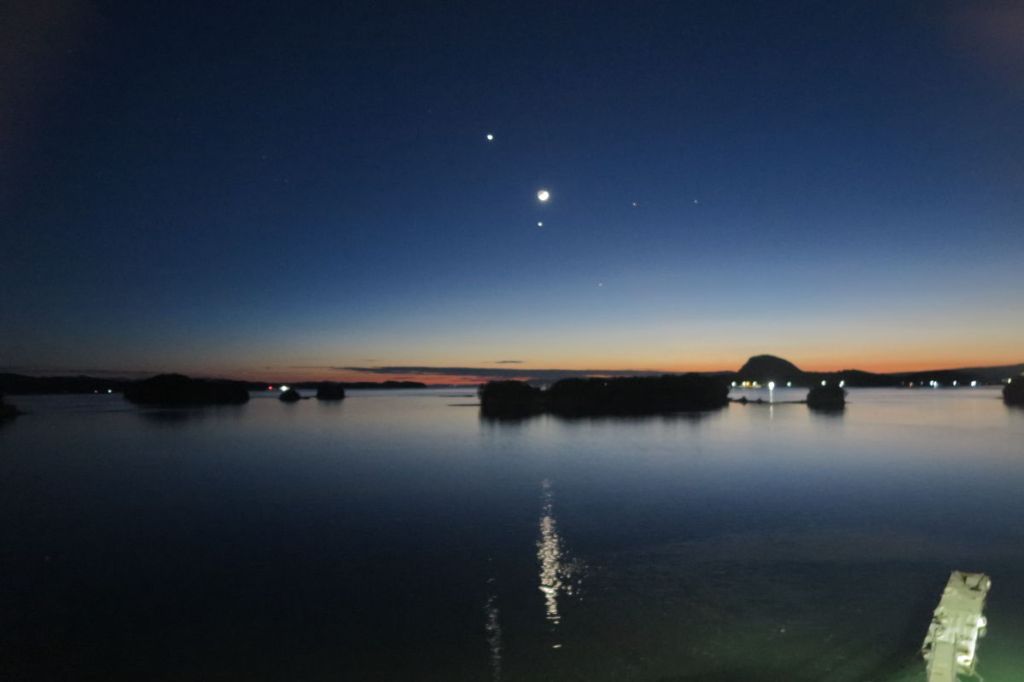
Although the course was designed to offer “satisfaction through small portions of delicious cuisine”, the quantity was actually quite sufficient, allowing me to fully enjoy the ingredients of Amakusa. Upon returning to my room, I looked out the window to see a magnificent starry sky featuring the rare alignment of Venus, the crescent moon, Jupiter, and Mercury, alongside the stars Pollux and Castor of the Gemini constellation.
June 18th (Thr)
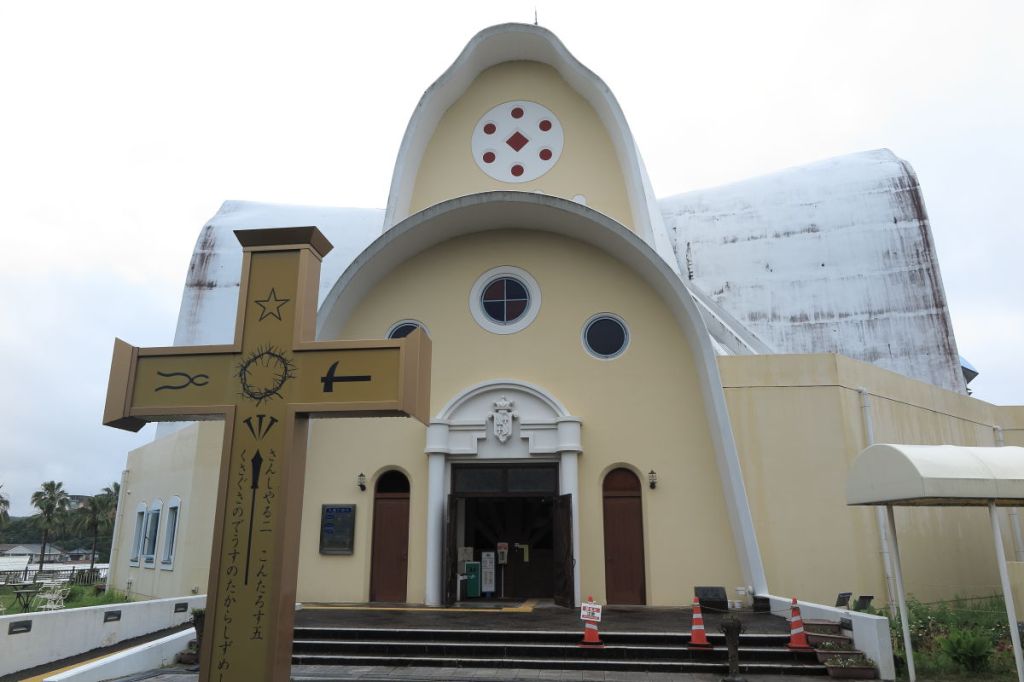
After checking out, I head to our next destination, Oku-Aso. I decided to first stop at the Amakusa Shiro Museum along the way. Although the content overlaps somewhat with yesterday’s Amakusa Christian Museum, this facility also presents the historical background of the Shimabara-Amakusa Rebellion and the era’s atmosphere—shaped by the influence of Nanban culture—through exhibits and video presentations.
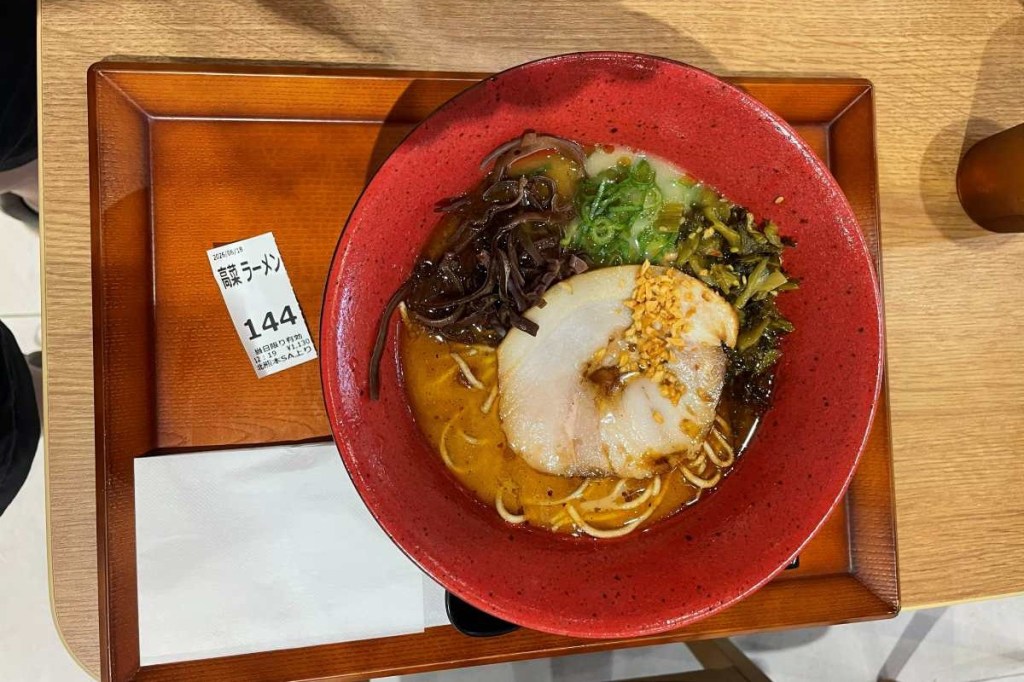
After the tour, I continued my journey toward Oku-Aso, but decided to stop for lunch at the Kita-Kumamoto Service Area on the Kyushu Expressway. I ordered Kumamoto ramen with takana (pickled mustard greens). Kumamoto ramen is a style of pork-bone (tonkotsu) ramen originating in Kumamoto; it features a pork-bone broth blended with chicken stock and aromatic vegetables, and is enhanced with burnt garlic oil (ma-yu) and garlic chips.
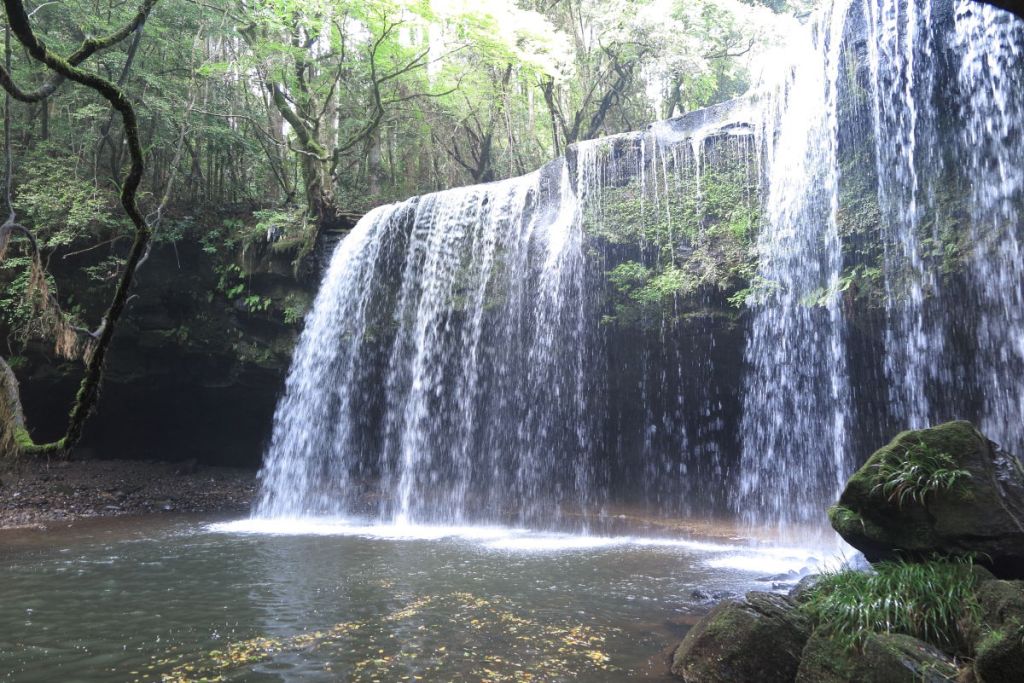
Next, I decided to stop by Nabegataki Falls, located near where I was staying that night. Formed during the massive eruption 90,000 years ago that created the Aso Caldera, this waterfall is a beautiful sight, resembling a curtain of water. After paying the 300-yen entrance fee, I walked down a flight of stairs to reach the falls; the steps were well-maintained, so the descent wasn’t too strenuous.
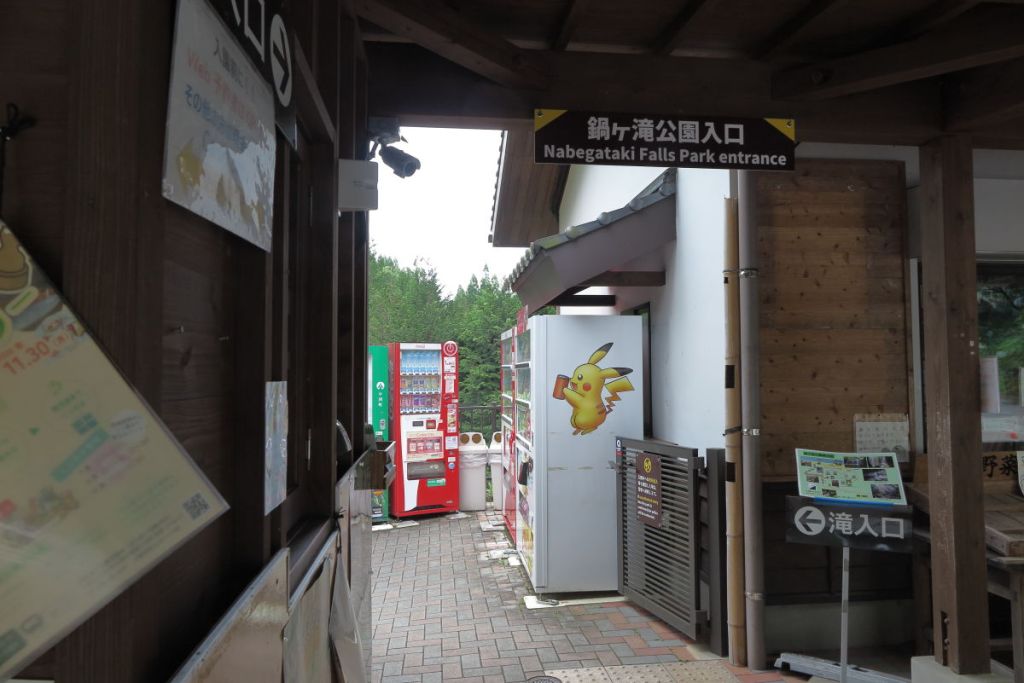
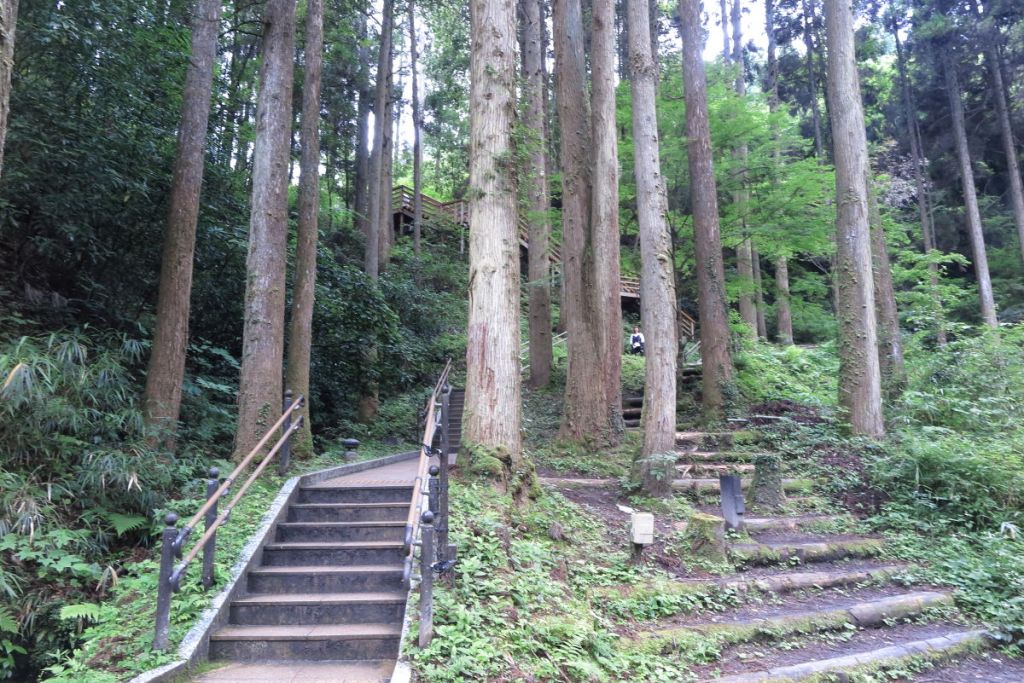
The area behind this waterfall is hollow, allowing you to view it from the back, but the footing was poor, so I decided against it.
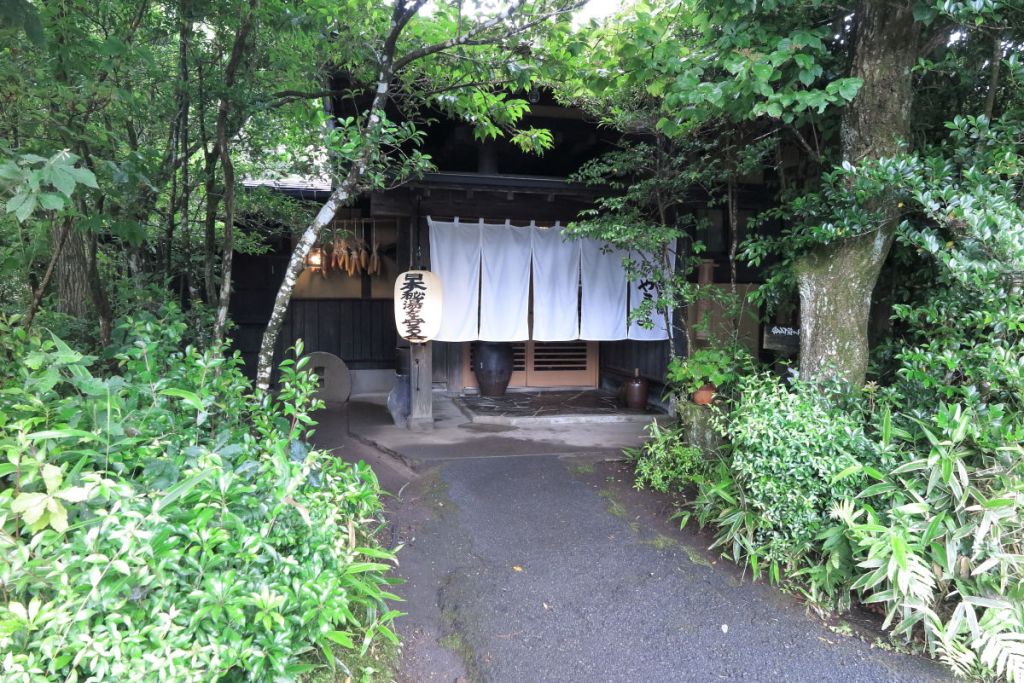
Continuing past Kurokawa Onsen, you will arrive at “Oku-Aso no Yado Yamanami” in Ubuyama Onsen, where you will be staying tonight. It is an intimate inn with just ten guest rooms and is a member of the “Association of Hidden Hot Spring Inns of Japan” (Nihon Hitō o Mamoru Kai).
Upon entering the room, I found a semi-open-air bath large enough to accommodate up to three people. There are two Japanese-Western style rooms—which feature beds—come with their own private baths, allowing guests to enjoy a continuous flow of hot spring water 24 hours a day.
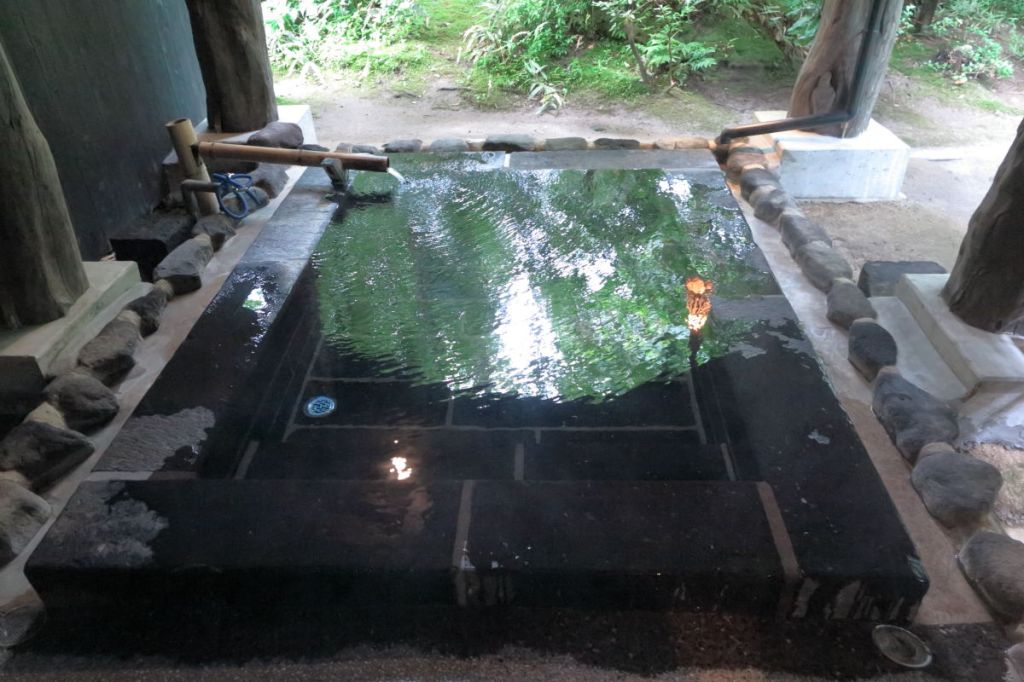
Naturally, the inn features large communal baths—”Kabocha-no-Yu” and “Shiki-no-Yu”—which alternate between men and women depending on the time of day. The water is a simple alkaline spring with a pH of 9.1; it felt incredibly smooth on the skin and was of exceptional quality. The photo below is a screenshot from the inn’s website.
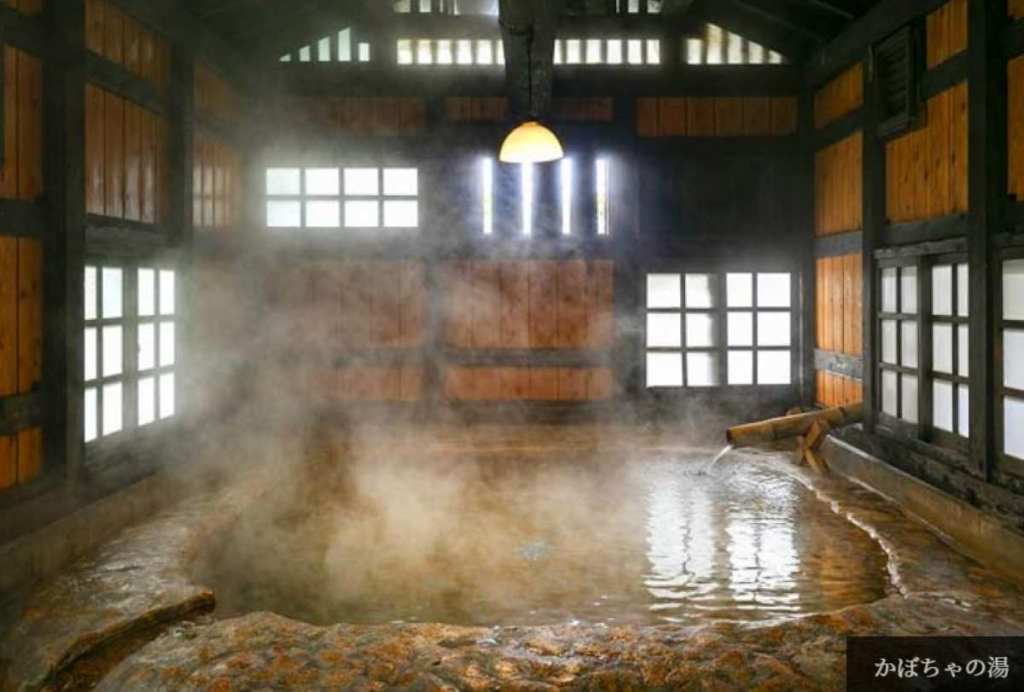
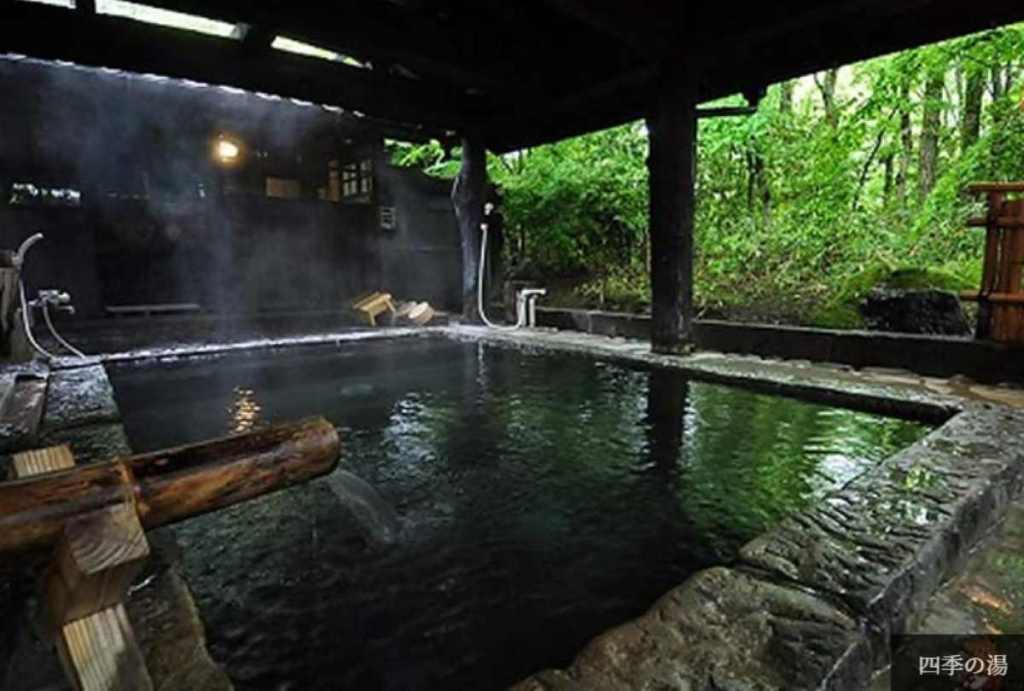
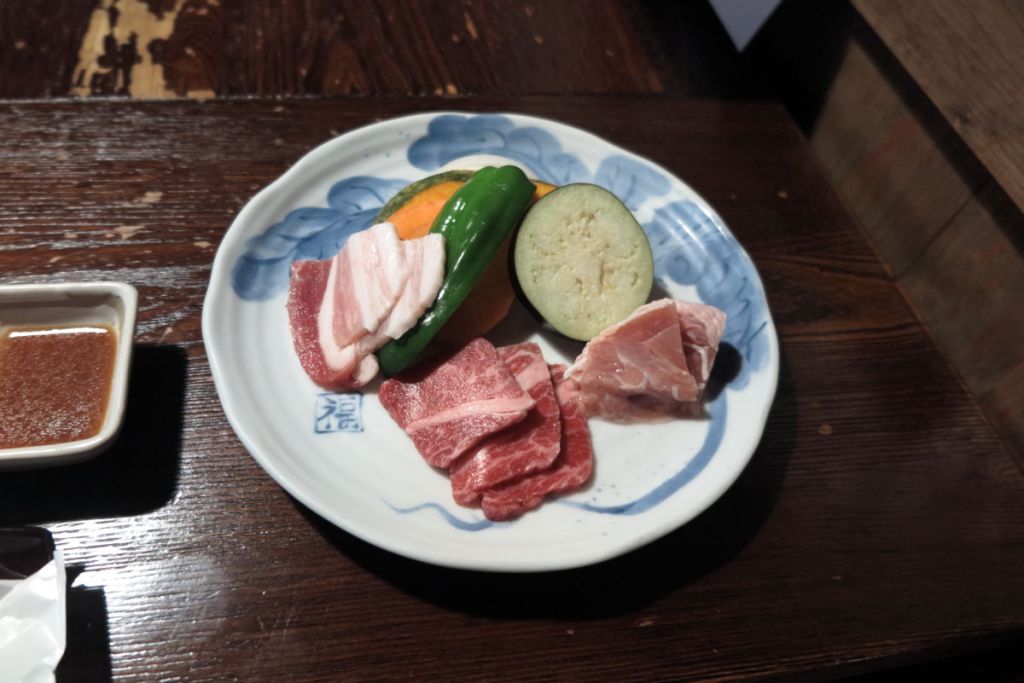
For the meal, I chose the irori (sunken hearth) course. The appetizers included yuba (tofu skin), horse sashimi, Aso red trout, and simmered octopus. There was a cooking surface made of black stones set over the hearth, where we grilled and ate chicken, pork, beef, and vegetables.
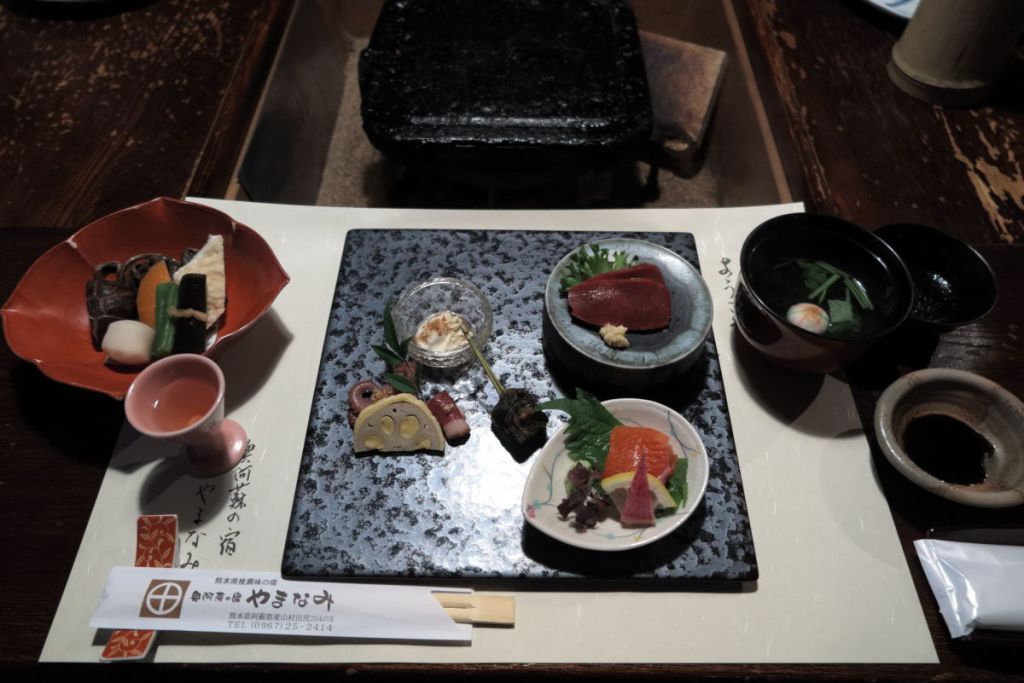
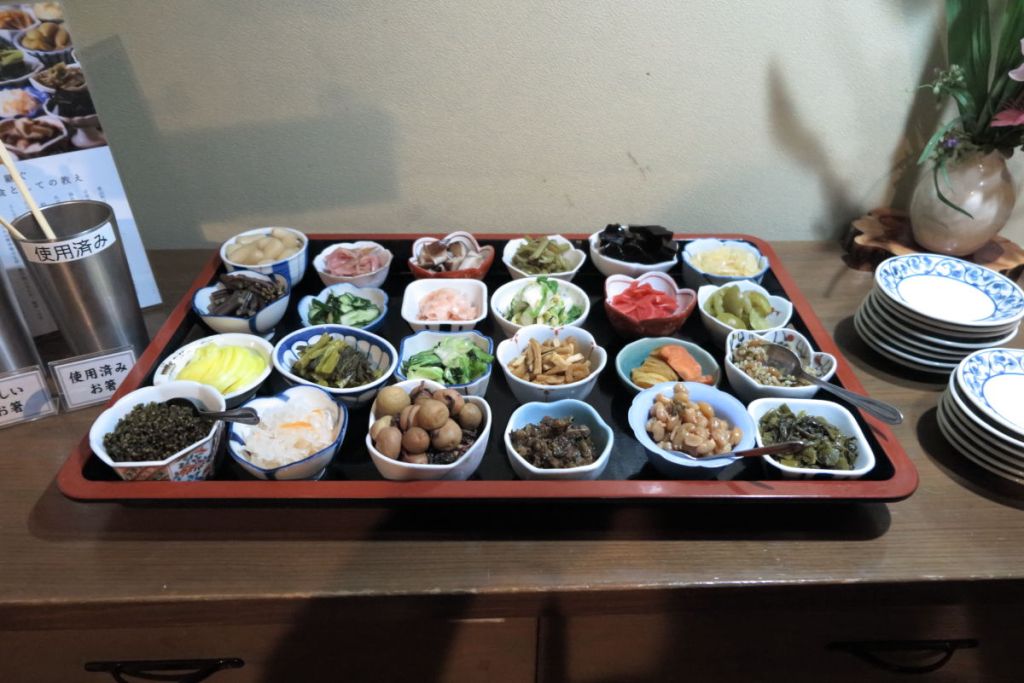
You can also help yourself to a variety of homemade pickles from the buffet.
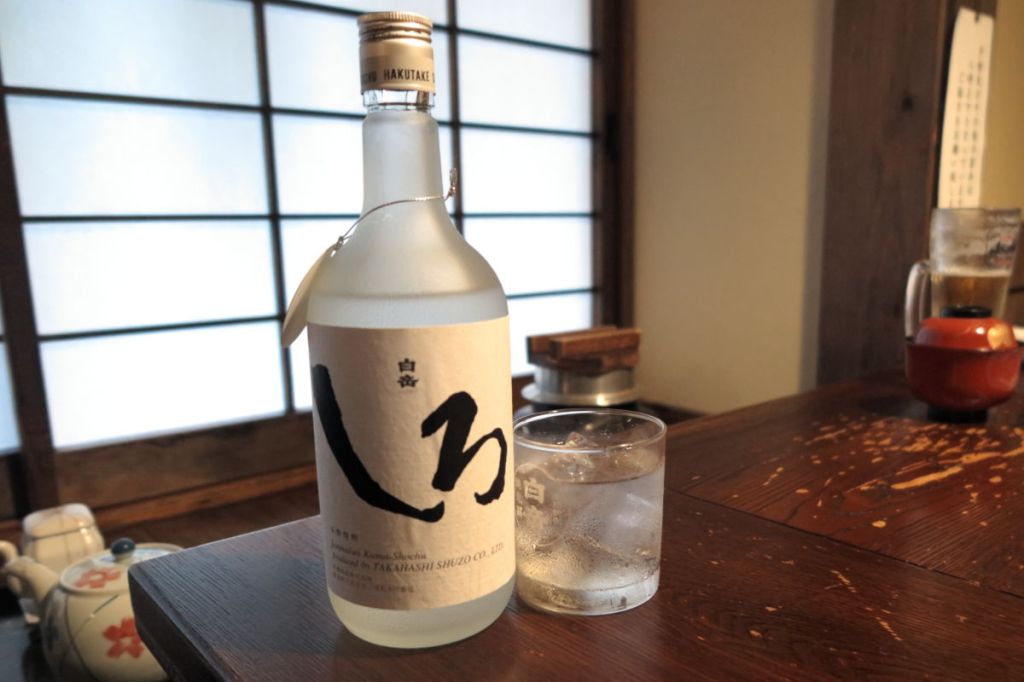
When I think of shochu in Kumamoto, rice shochu comes to mind, so I went with Hakutake Shiro for its clean, crisp flavor.
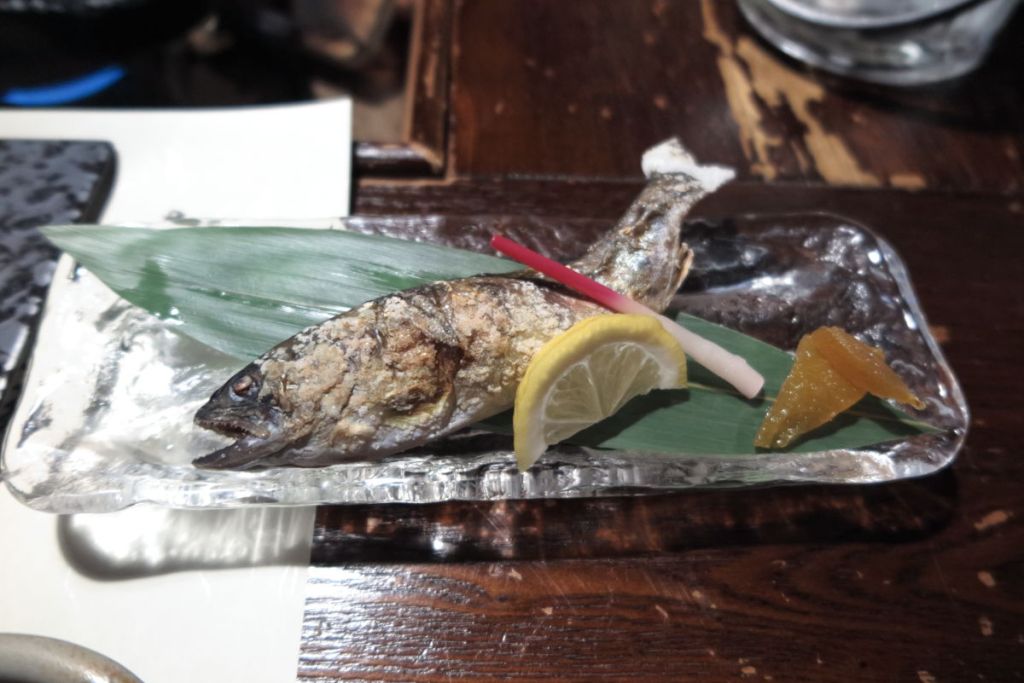
Salt-grilled yamame trout is delicious.
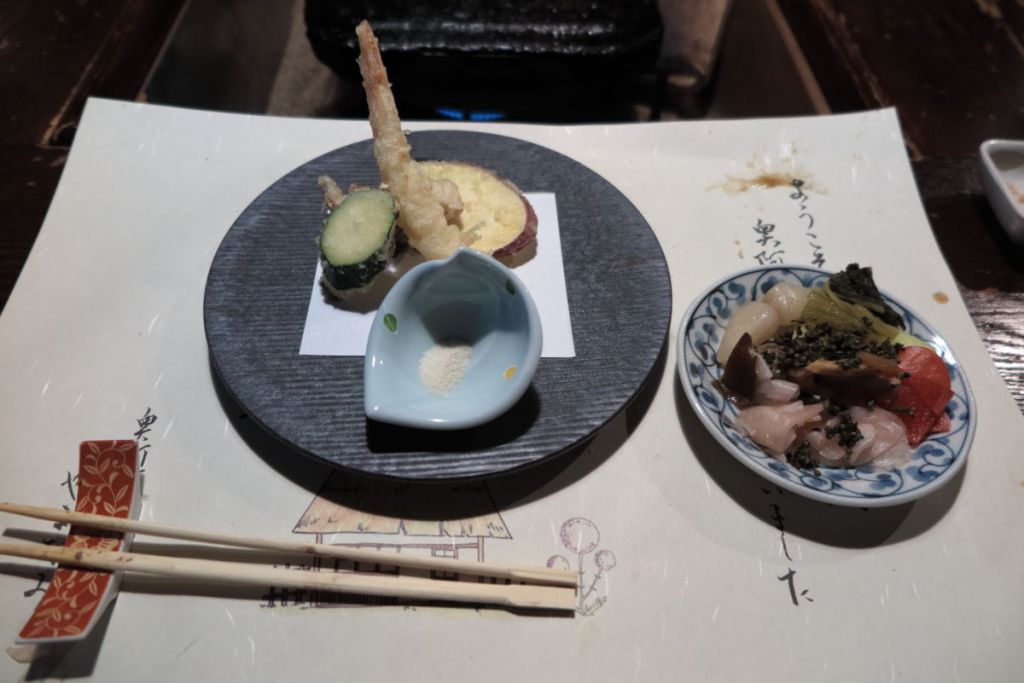
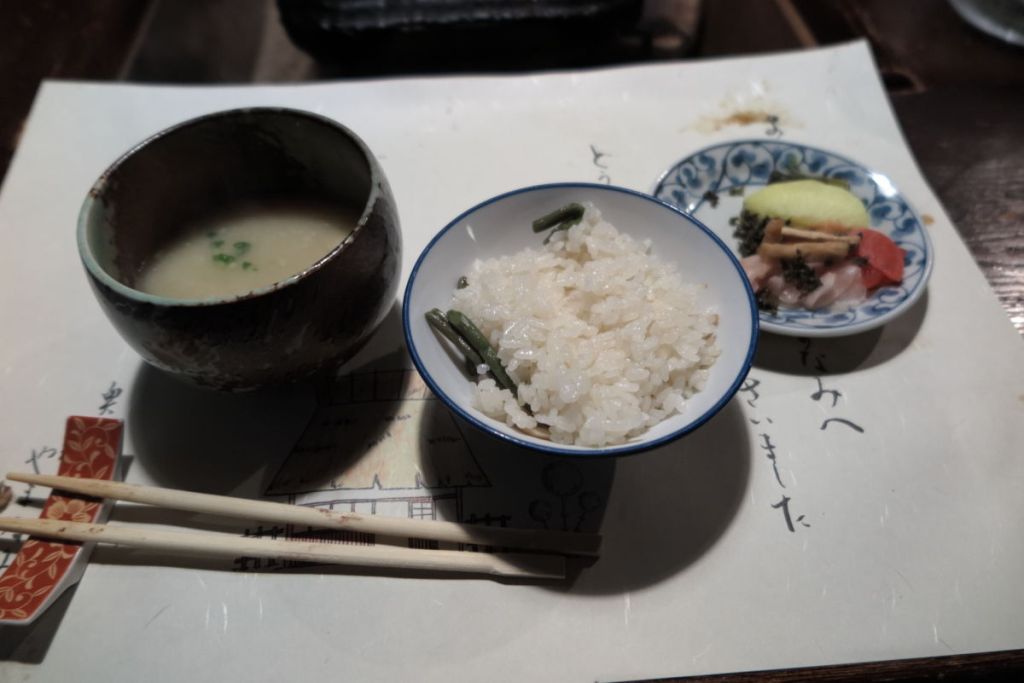
For dessert, there was homemade ohagi with a refined sweetness.
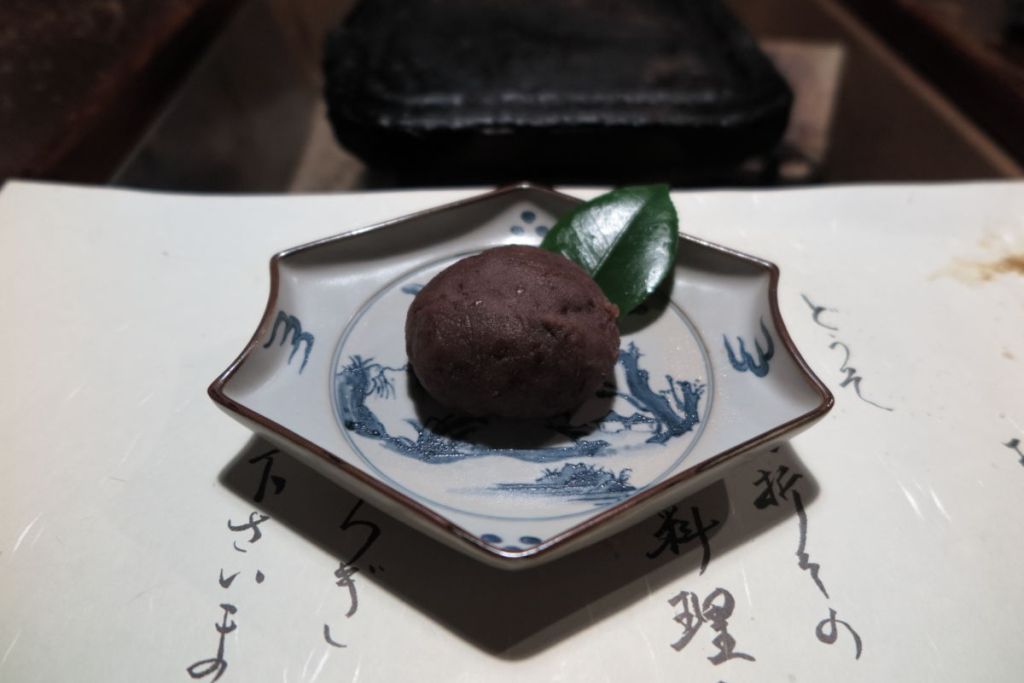
I was delighted with the delicious dishes, each one prepared with heart.
June 19th (Fri)
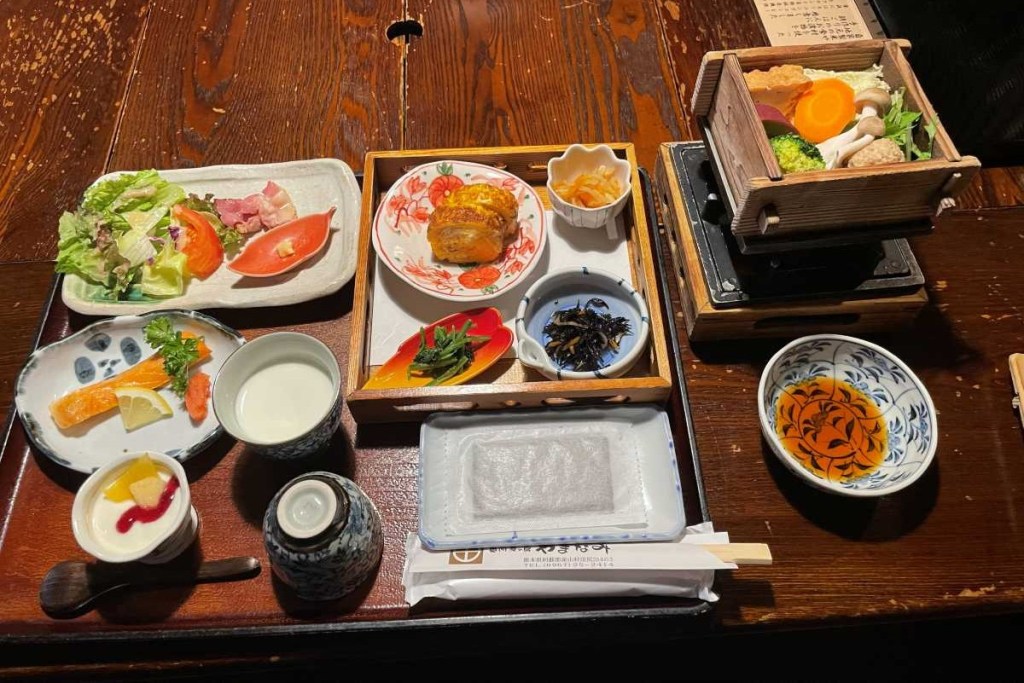
Breakfast was a homemade Japanese-style set meal that was gentle on the body. The rice, served a little later, was harvested from the innkeeper’s own fields and was absolutely delicious.
After checking out, I headed to the nearby Kitasato Shibasaburo Memorial Museum. Kitasato Shibasaburo was a bacteriologist who achieved great things in the history of medicine; notably, his portrait has been featured on Japan’s new 1,000-yen banknote since 2024. Located in Oguni Town—his birthplace—the museum showcases his accomplishments through videos and exhibits.
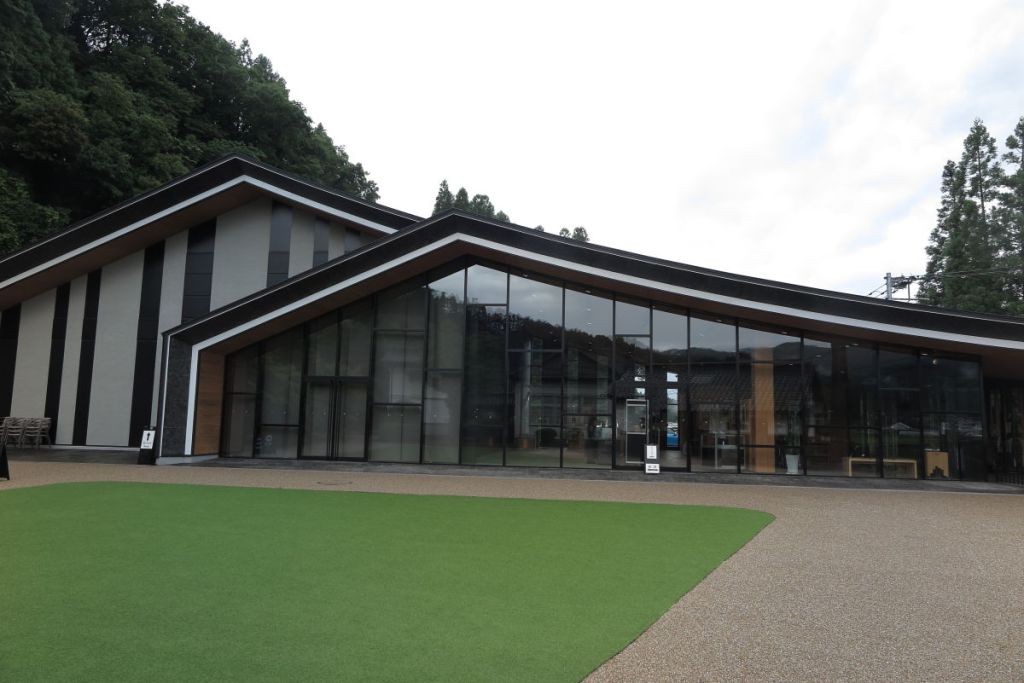
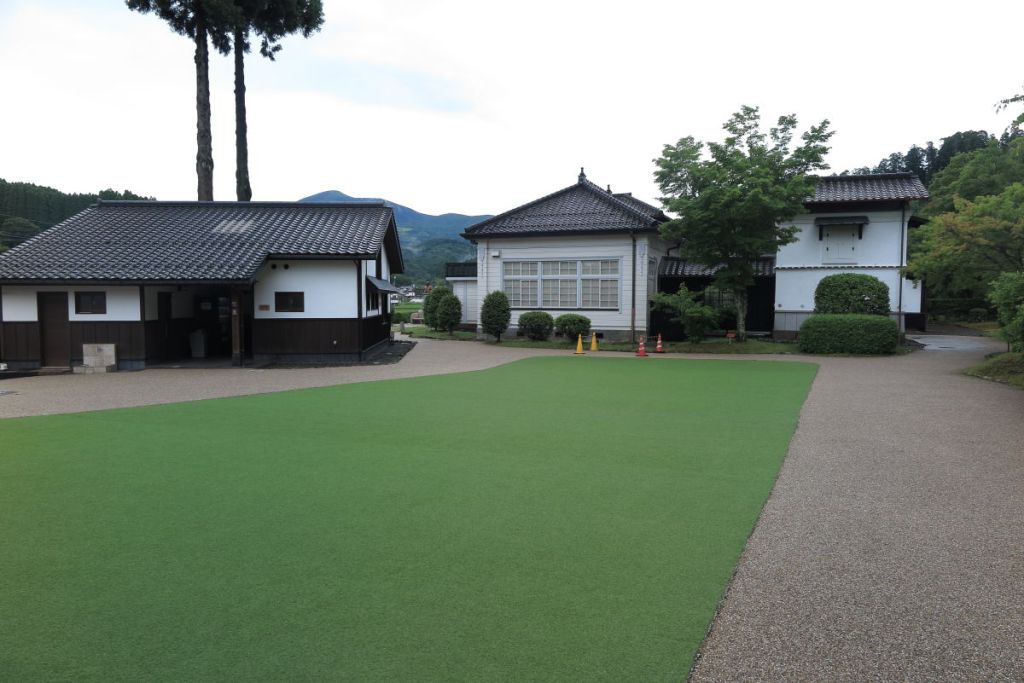
From here, you can view Mount Waita—known as “Oguni Fuji”—which Shibasaburo Kitasato also gazed upon.
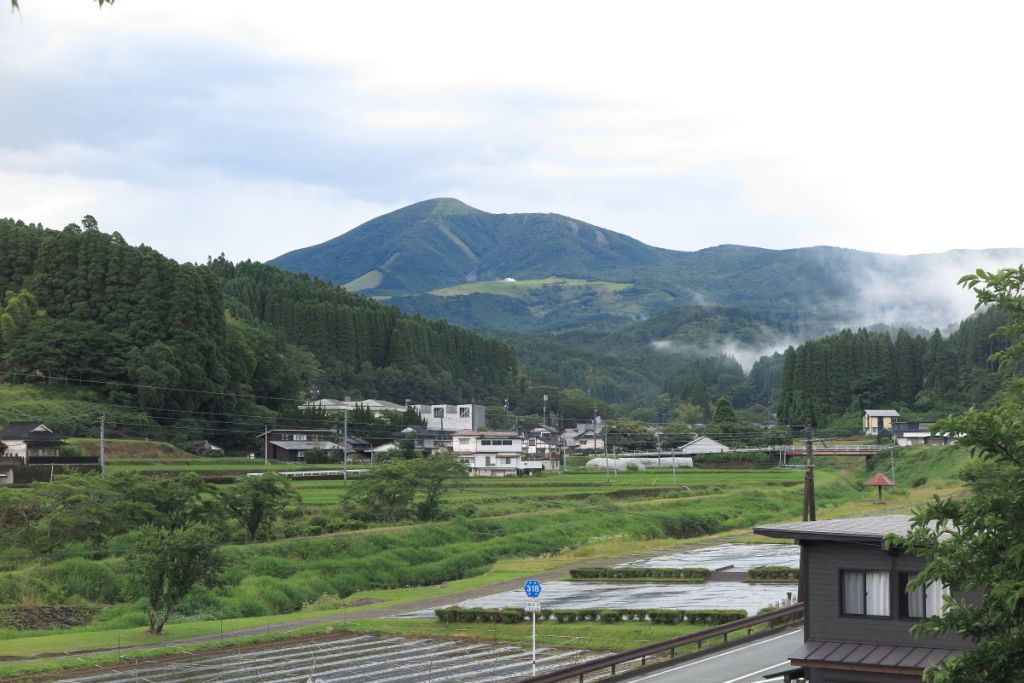
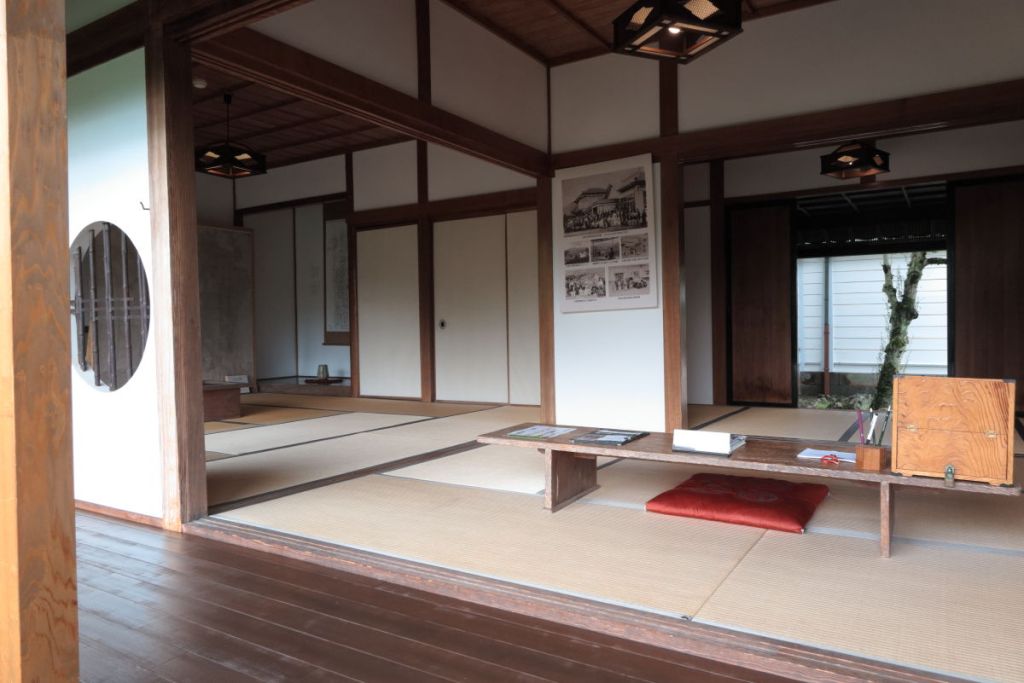
After the tour, I decided to have lunch at Roadside Station Oguni. This area is known for its soba (buckwheat noodles) and has many soba shops, but I chose to eat at a place called “Tomoe,” which serves handmade soba.
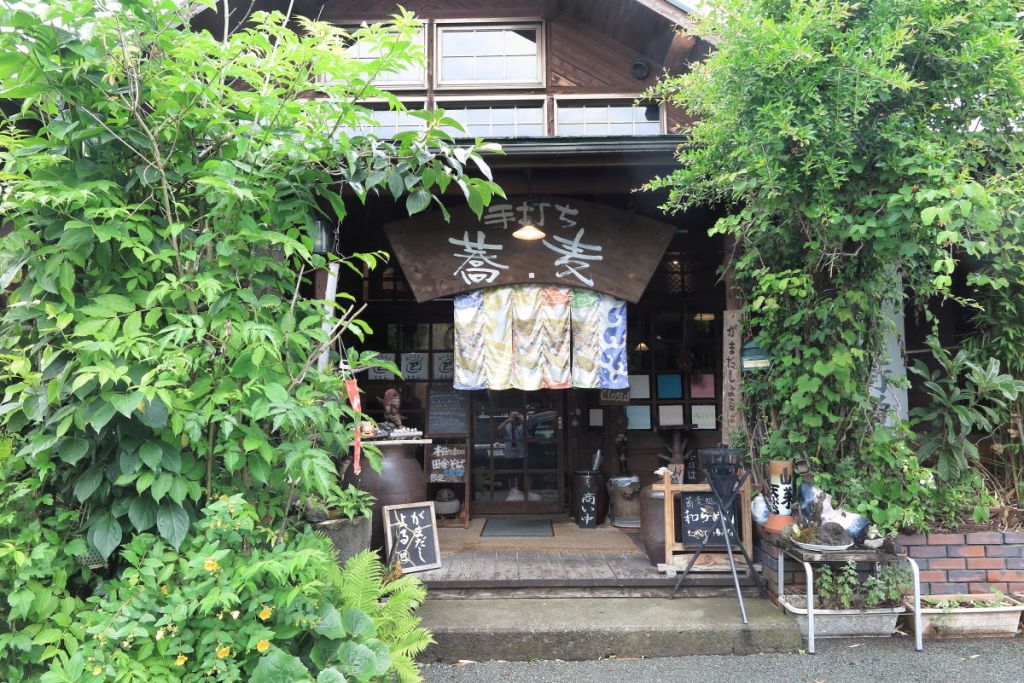
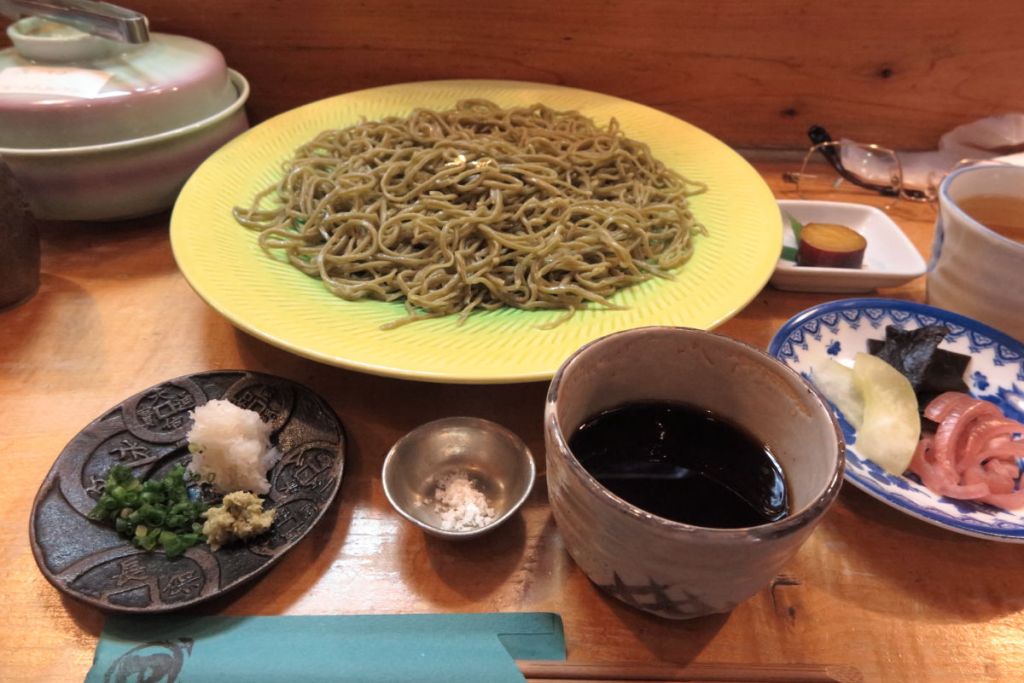
I ordered the green soba noodles infused with buckwheat leaves; sprinkling a little salt on them really brings out their flavor. Made using mineral-rich water from Kuju, these 100% buckwheat noodles stood out for their remarkably firm texture.
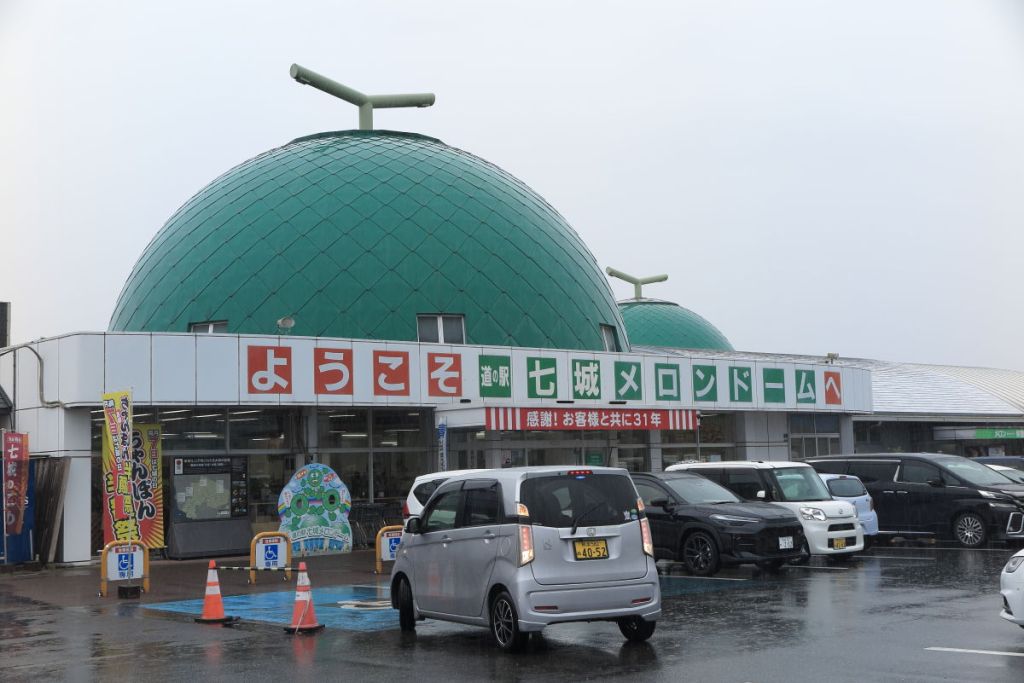
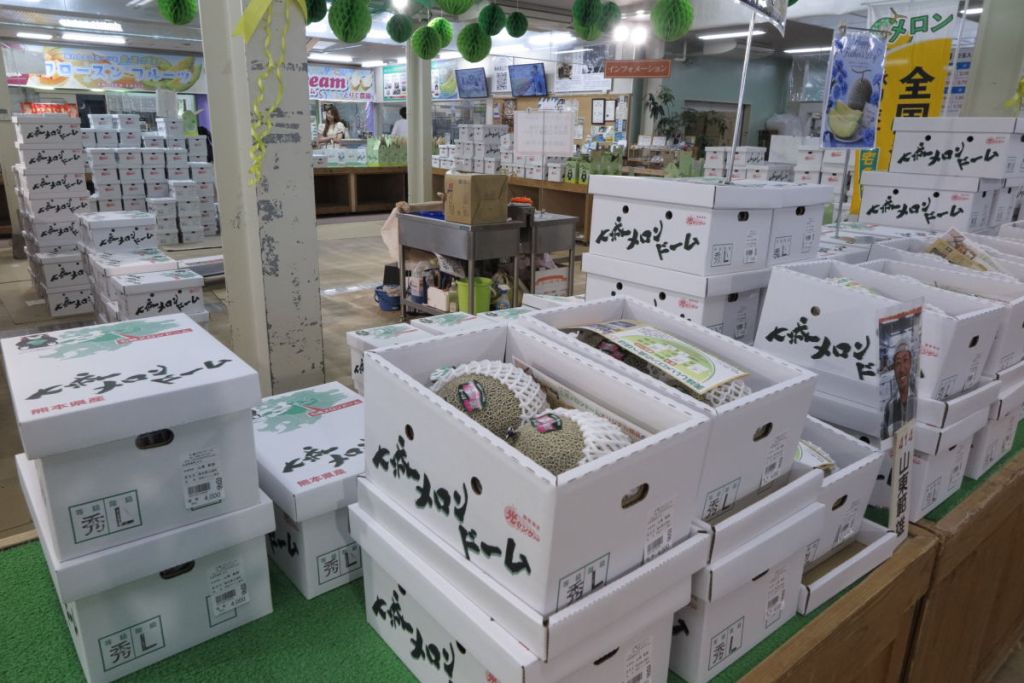
After the meal, and on the way to Kumamoto my final destination, I stopped at the Shichijo Melon Dome roadside station. The town of Shichijo is a production area for melons and watermelons, and inside, I saw stacks of boxed melons. There was a juice counter where I tried the melon juice; it was incredibly sweet, even though it was made entirely from melon.
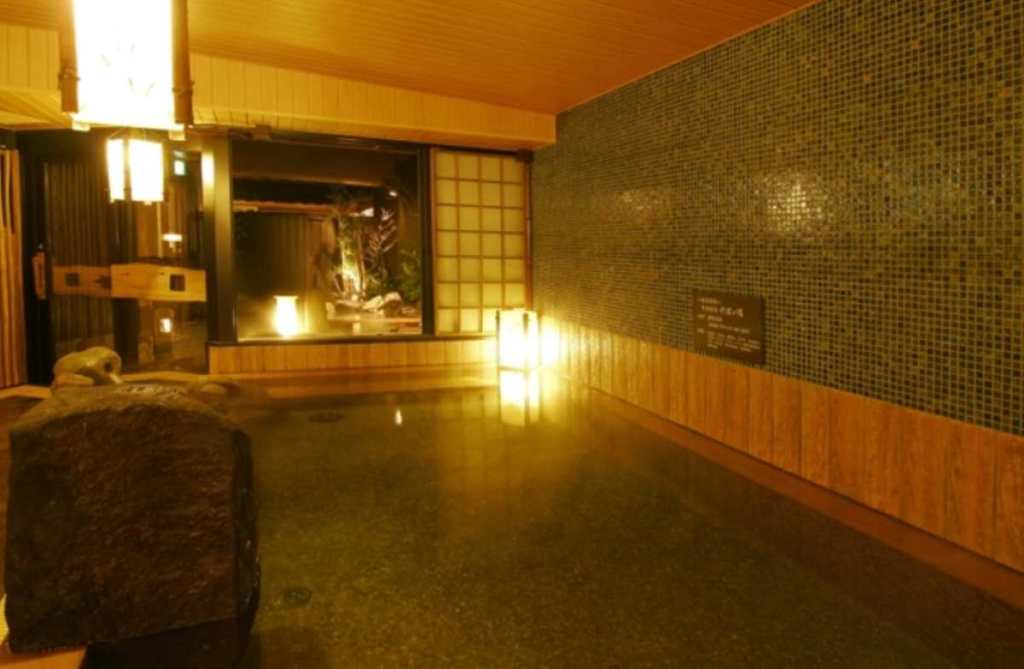
For the final night, I am staying at Dormy Inn Kumamoto, located in the heart of Kumamoto City. The hotel’s top floor features both indoor and open-air baths fed by its own source—a mild alkaline simple hot spring. I chose this hotel so I could enjoy a hot spring experience on my last day as well. The photo of the bath is a screenshot from the hotel’s website; the open-air bath is visible in the background.
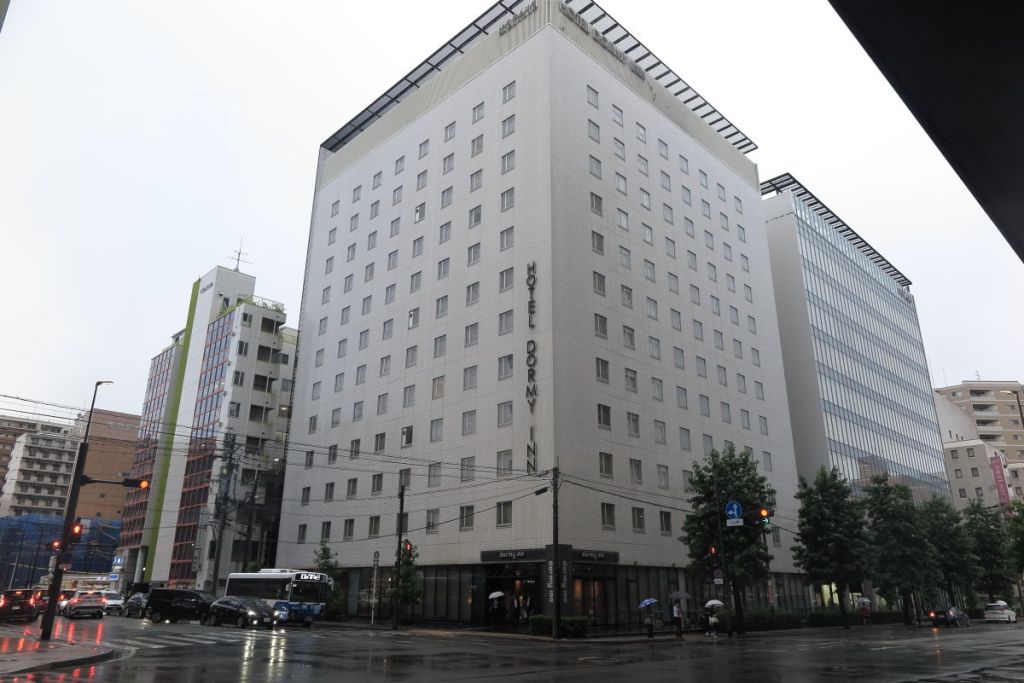
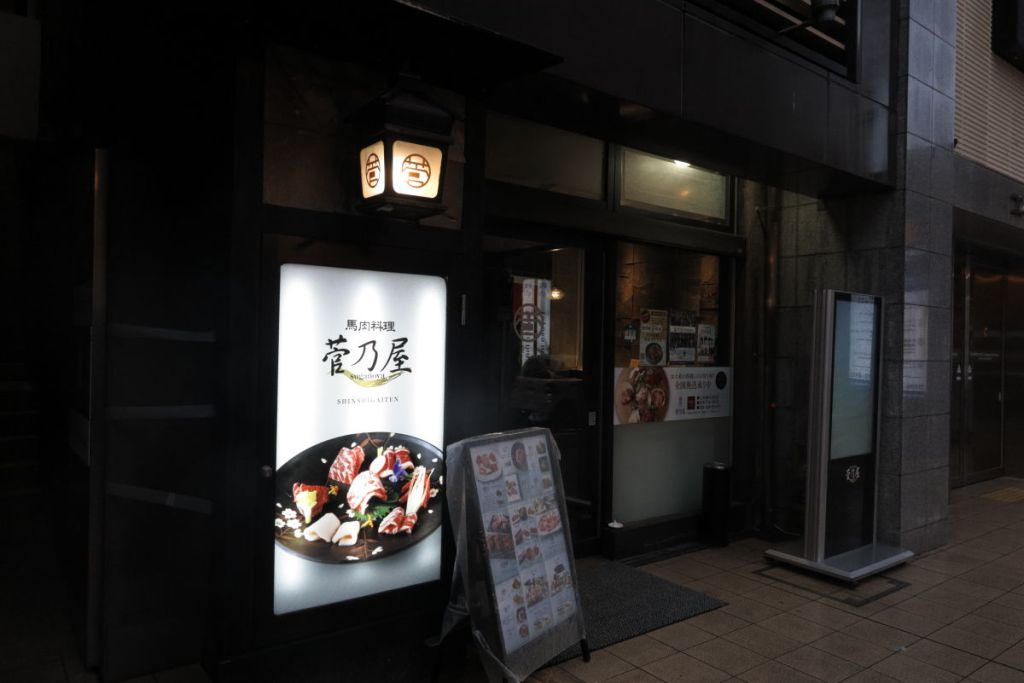
I had planned to eat horse meat dishes when visiting Kumamoto, so I decided to go to the Suganoya Shin-shigai branch near my hotel.
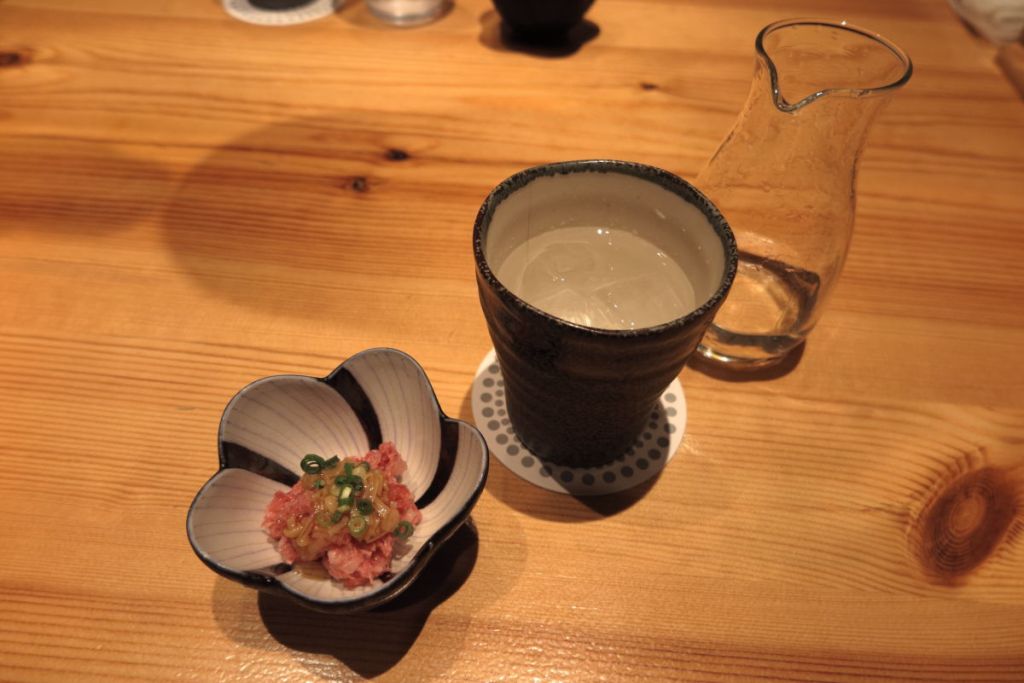
I ordered the horse meat grilling course; the first dish was seasoned minced horse meat served in a small bowl, which I enjoyed alongside Kawanabe rice shochu.
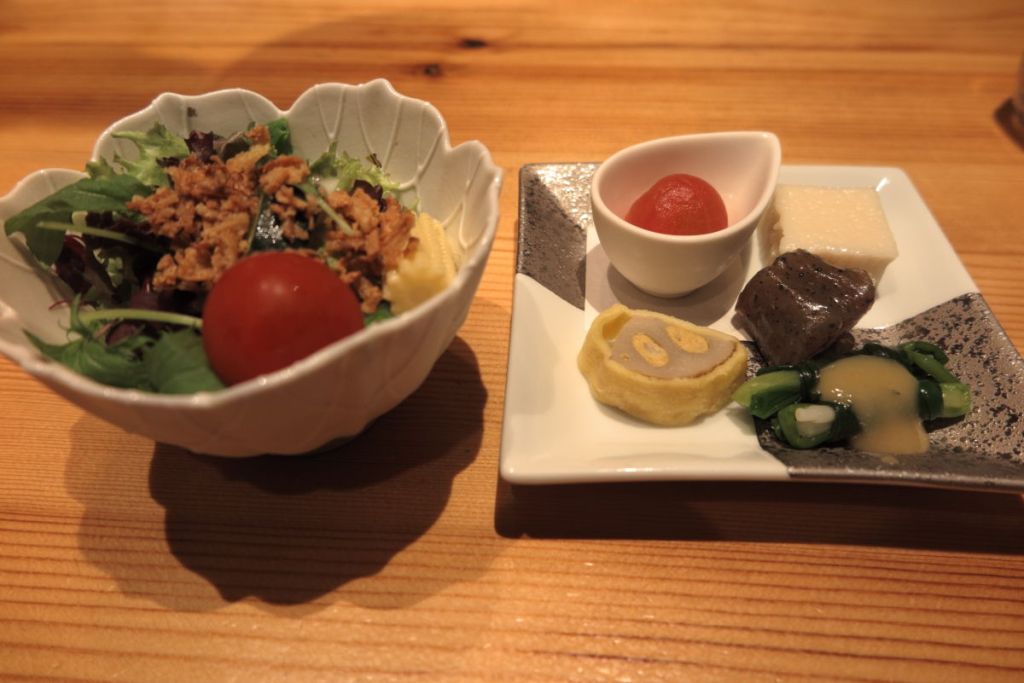
Yukhoe salad and an assortment of Kumamoto local specialties.
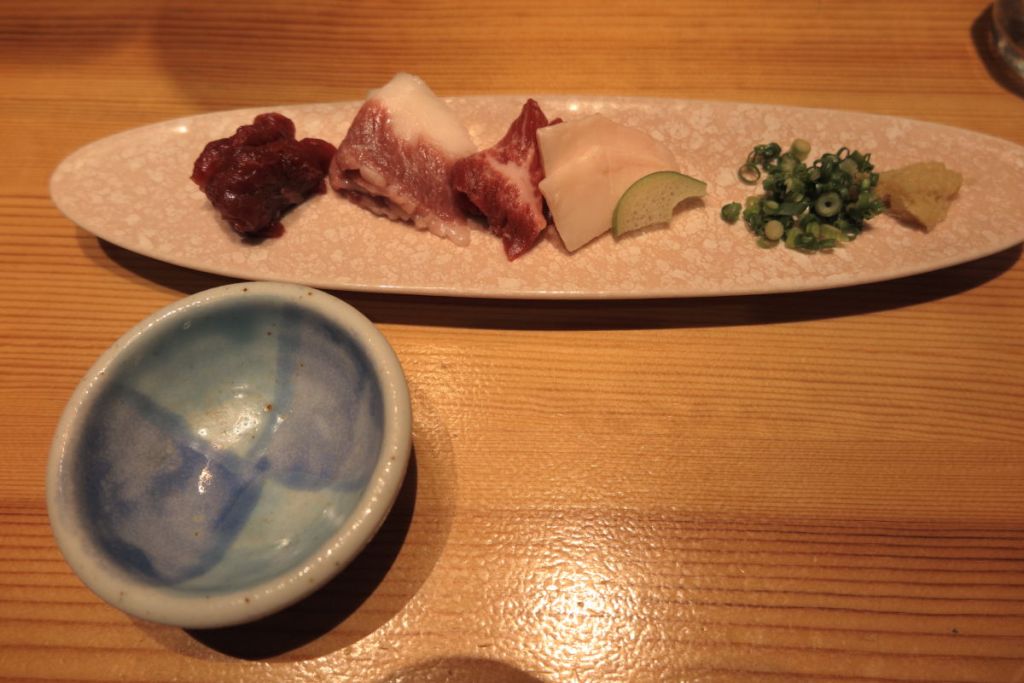
The four varieties of horse sashimi—lean meat, futaego (layered belly meat), marbled meat, and mane—each offered a distinct flavor and were delicious.
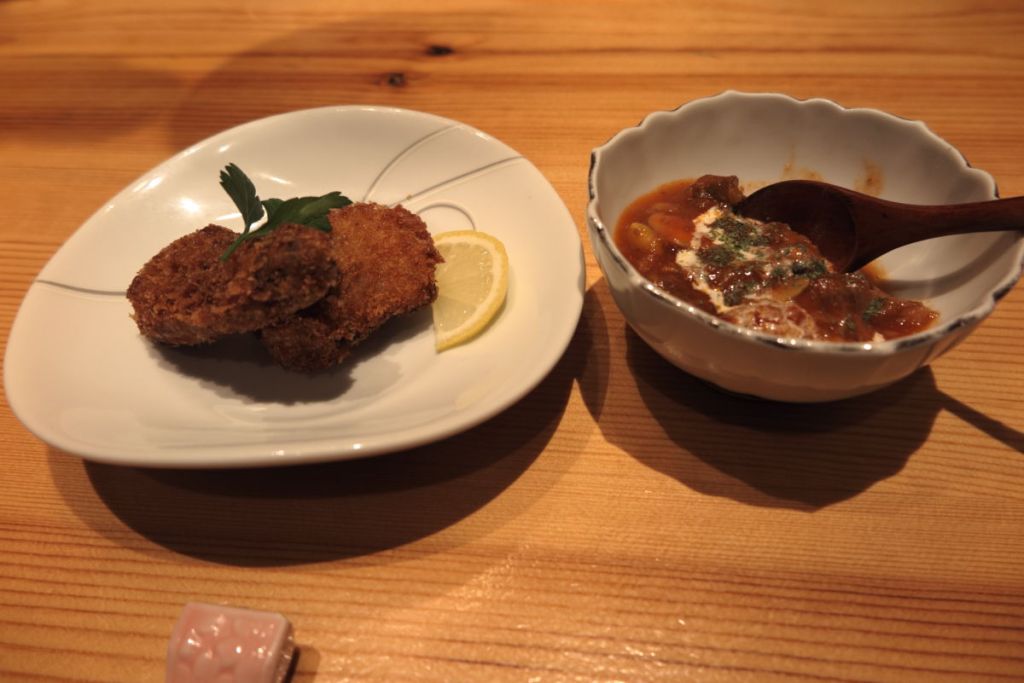
The horse meat cutlet and stew were also delicious.
It was my first time eating the main horse meat dish, and I was amazed at how delicious it is when grilled.
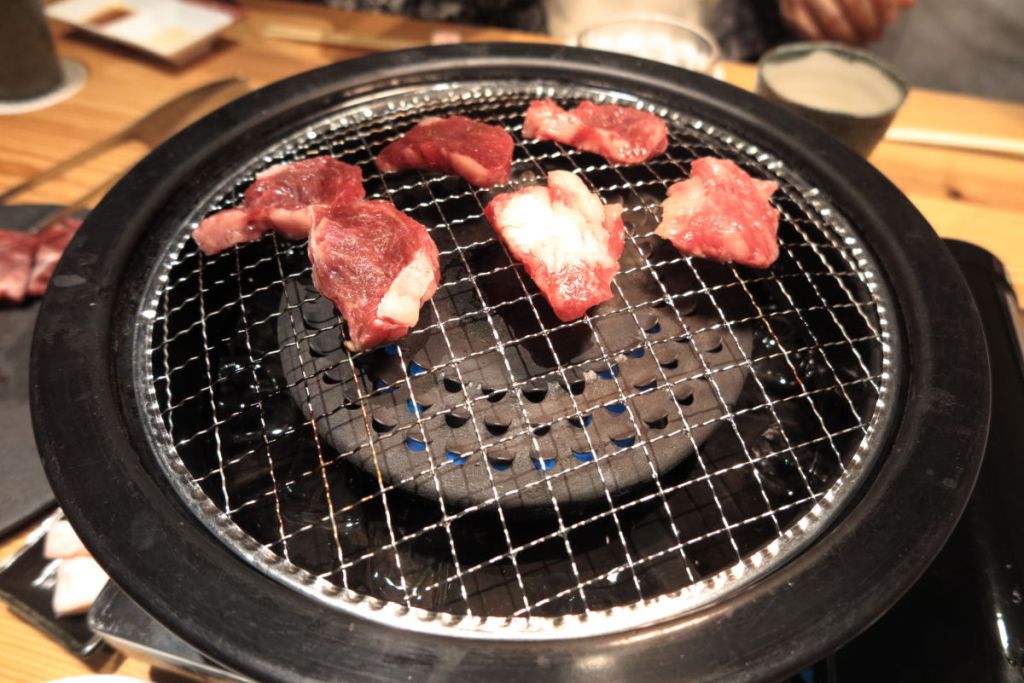
It was a wonderful course that included dessert following the rice and soup, and allowed us to enjoy horse meat prepared in a variety of ways—sashimi, deep-fried, stewed, and grilled.
June 20th (Sat)
I had the buffet breakfast at the hotel, and I was satisfied with the wide variety of dishes available. Since the weather was unfortunately rainy, I decided to visit the Kumamoto Castle Museum—located right next to Kumamoto Castle—after checking out. Although I had visited Kumamoto Castle several times before, I hadn’t known about this facility. The hall on the second floor features a stage where visitors can learn about Kumamoto Castle and local culture through video presentations and short skits. There was also a ramp on the second floor that led directly to Kumamoto Castle.
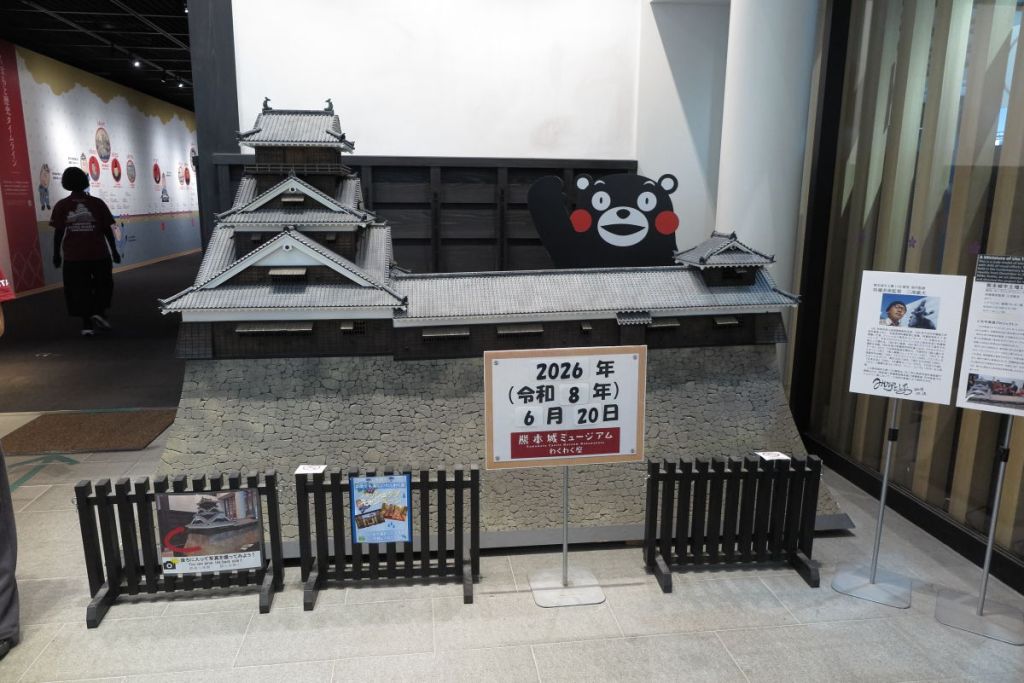
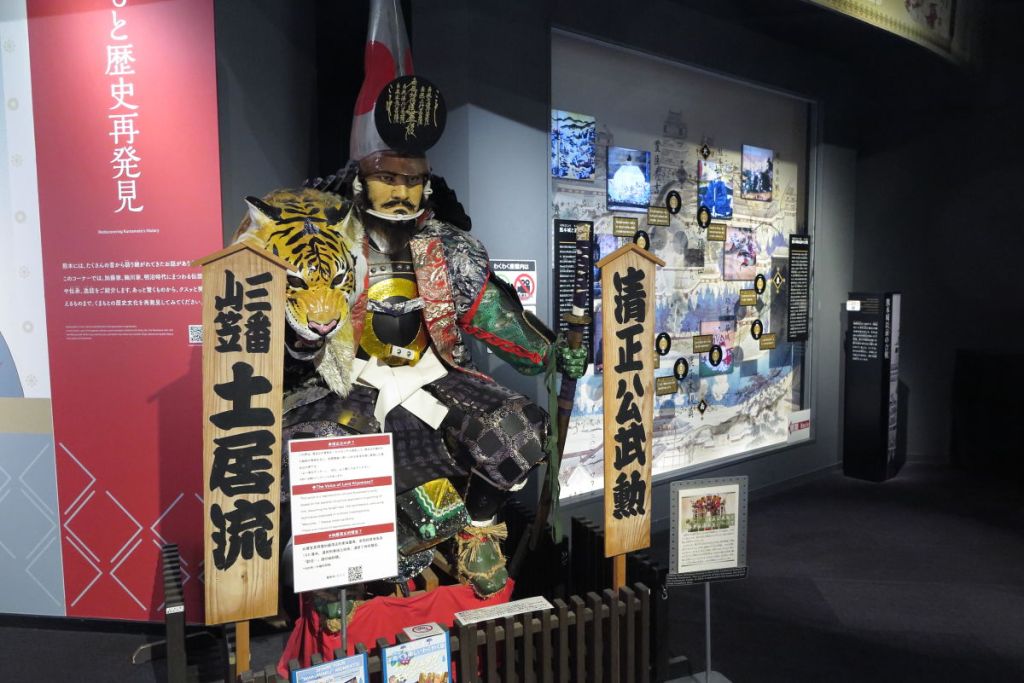
In the exhibition room on the first floor, you can learn about the history—starting with Kato Kiyomasa, who built Kumamoto Castle—and what life was like at that time.
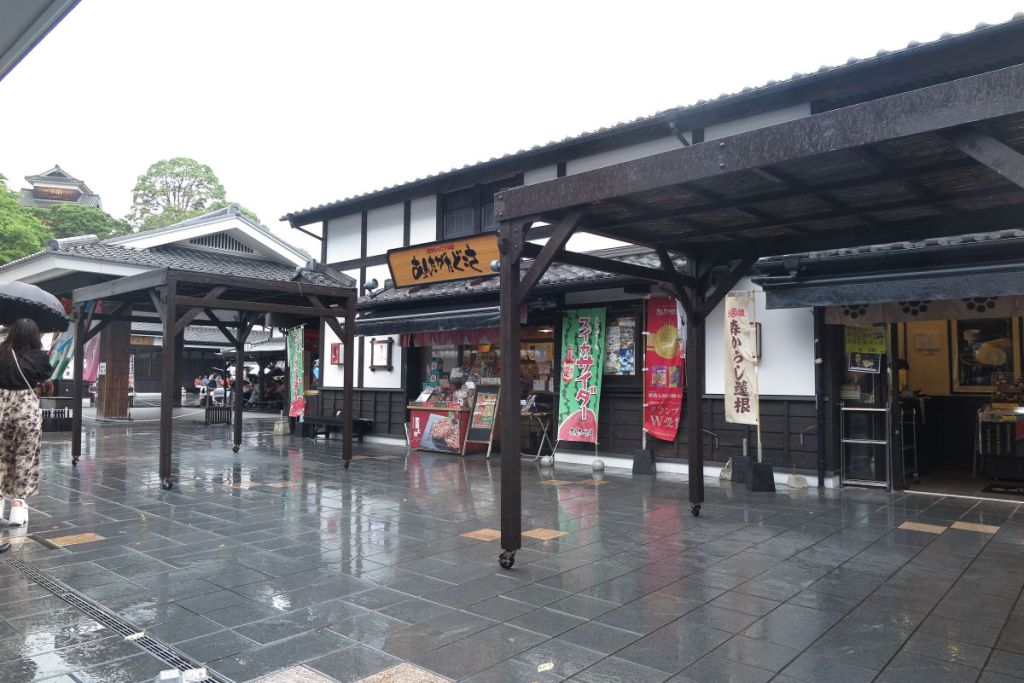
Nearby, you will find Sakura-no-Baba Johsaien, a facility where you can enjoy local cuisine and purchase souvenirs, offering a chance to experience Kumamoto’s food culture. In the distance, you can see the Hitsujisaru-yagura (Southwest Turret) of Kumamoto Castle.
After the tour, I headed to Kumamoto Airport, returned my rental car, and checked in for my flight. Kumamon was also there, as a promotional campaign was underway.
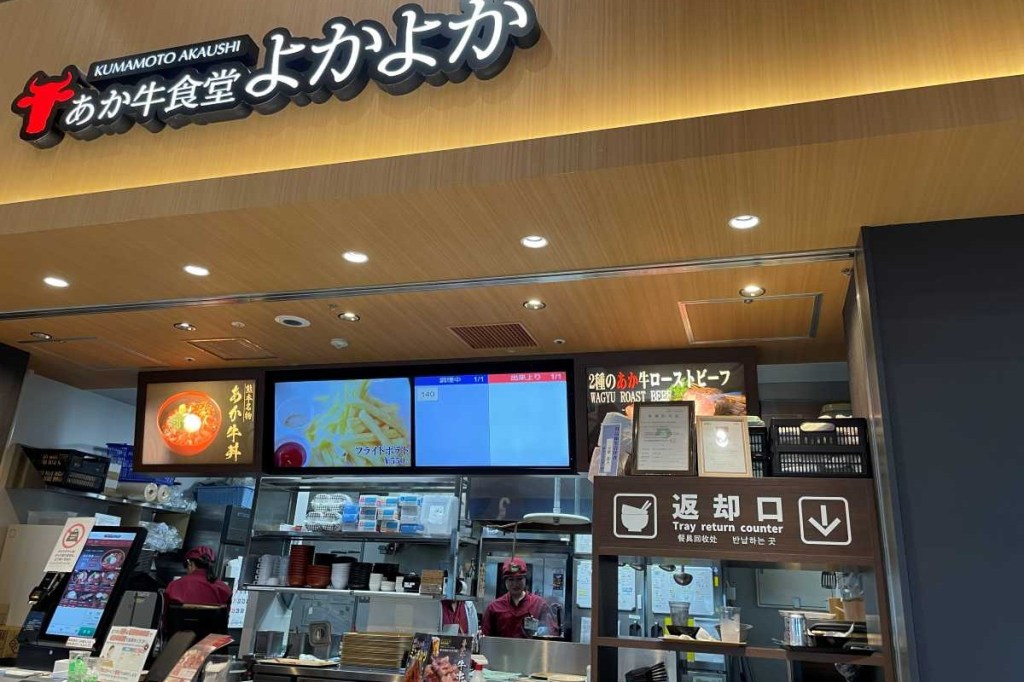
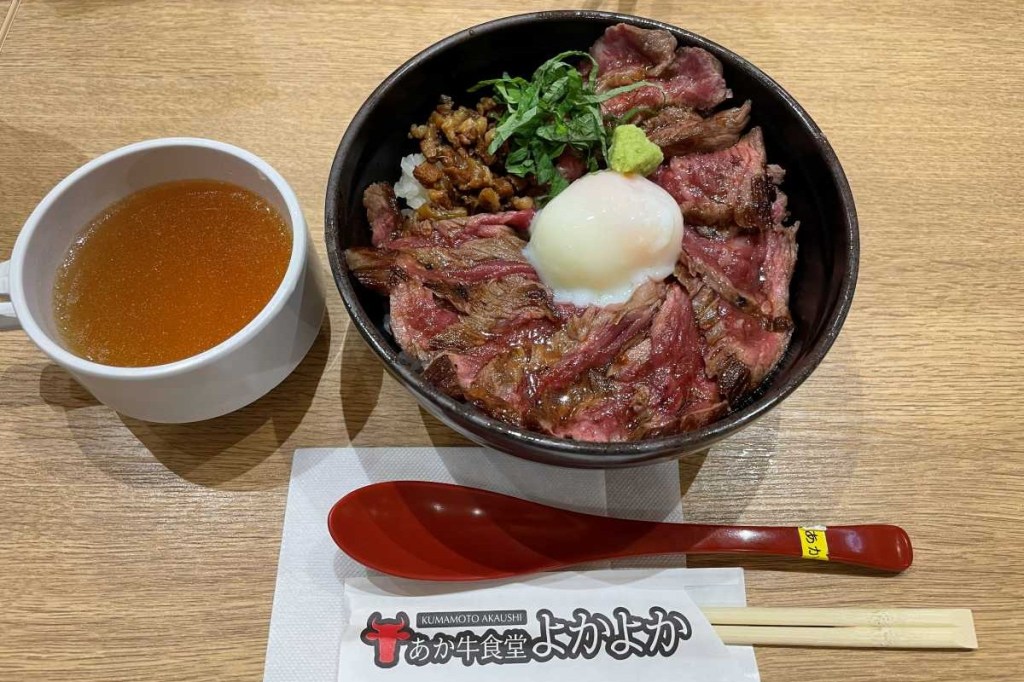
The airport has been renovated into a large-scale facility where the food court and shops—including those selling souvenirs—are accessible only after passing through security. Since I hadn’t yet had much of Kumamoto’s famous Akaushi (Red Wagyu) beef, I ordered an Akaushi beef bowl for lunch at “Akaushi Shokudo Yoka-Yoka” in the food court.
The lean meat had just the right amount of fat; it was healthy and allowed me to savor the rich flavor of the meat.
I arrived at Haneda around 17:30 on JAL Flight 632, which departed Kumamoto Airport at 15:20. Although the flight was delayed by about 20 minutes, the journey itself was uneventful.
While the weather took a turn for the worse during the latter half of the trip, it was unusually favorable for sightseeing given that it was the rainy season. I thoroughly enjoyed the delicious local ingredients of Kumamoto and discovered some wonderful hot springs. I am planning another hot spring trip for next month.
 旅好き爺の旅行記
コメントを残す