

From Sunday, July 26, to Wednesday, July 29, I toured the hot springs of Kashi Onsen, Noji Onsen, and Urabandai in Fukushima Prefecture. This was my first long-distance road trip since purchasing a new Honda Vezel RS in late June.
July 26th (Sun)
I left my home in Tokyo at 6:30 a.m. and headed north along the Tohoku Expressway, aiming for Shirakawa City in Fukushima Prefecture. After stopping for breakfast and other breaks along the way, I arrived in Shirakawa at 9:30 a.m. My first stop was the ruins of Komine Castle. Designated as a National Historic Site, Komine Castle is also listed among the “100 Fine Castles of Japan.” Although the castle’s origins date back to its construction by Yuki Chikatomo in 1340, it underwent a major renovation ordered by the Tokugawa Shogunate under Niwa Nagashige, reaching completion in 1632. It was the site of fierce fighting during the Boshin War in 1868, during which the majority of the structure burned down. I decided to visit the Komine Castle History Museum, located near the parking lot, to view the exhibits.
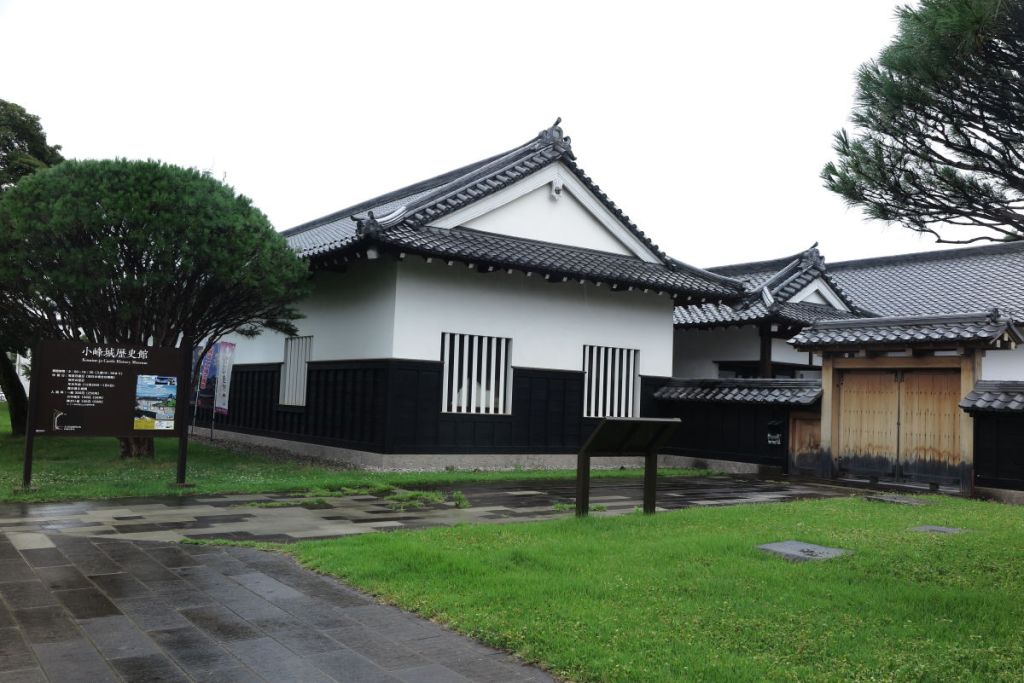
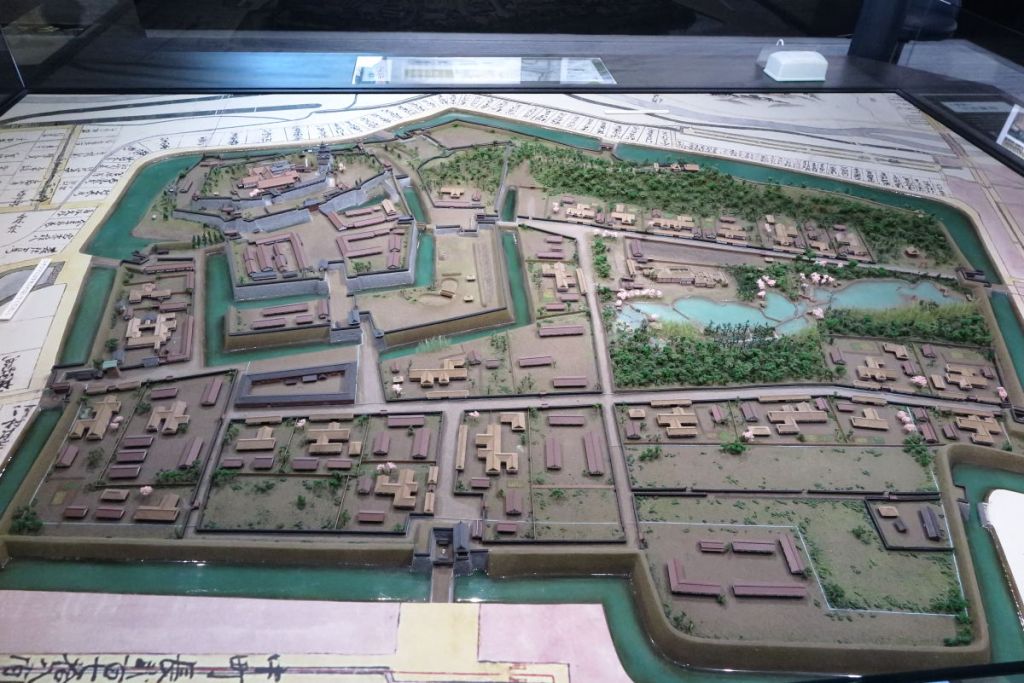
Inside, a VR theater screens footage depicting scenes such as Edo-period samurai arriving at the castle, while various exhibits showcase the history of Komine Castle, its successive lords, and related artworks. Although the castle complex itself covered a vast area, the main keep appears to have been situated in the far rear corner on the left; this layout is characteristic of a teikaku-shiki flatland-mountain castle. It is ranked among the three great castles of the Tohoku region, alongside Morioka Castle and Aizuwakamatsu Castle.
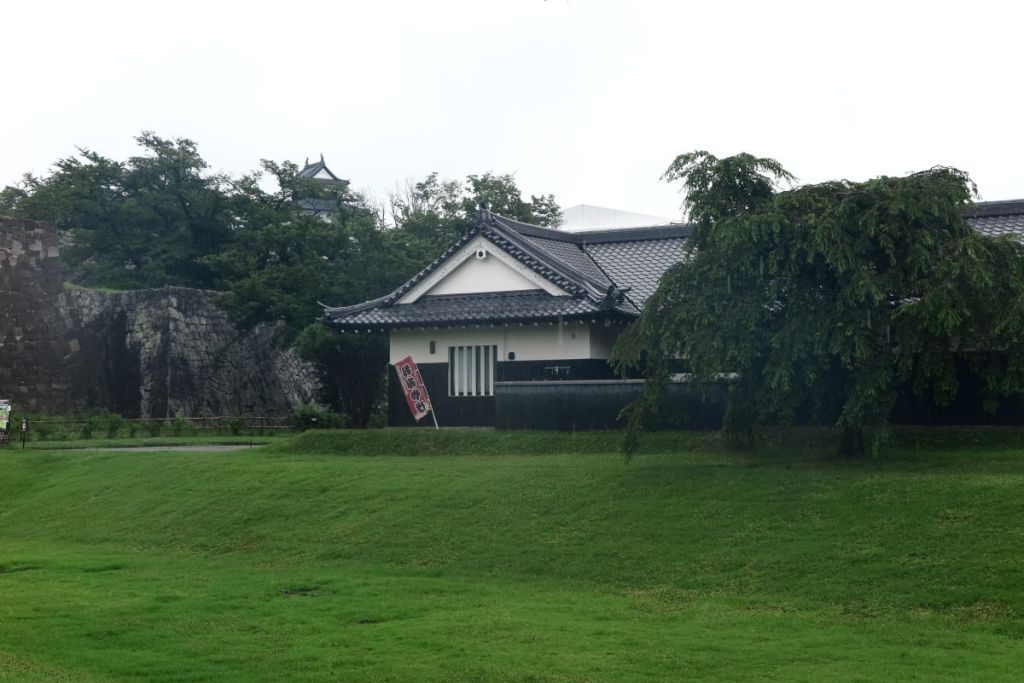
After finishing the tour, if you look toward the Ninomaru Teahouse, you can see the reconstructed three-story castle keep.
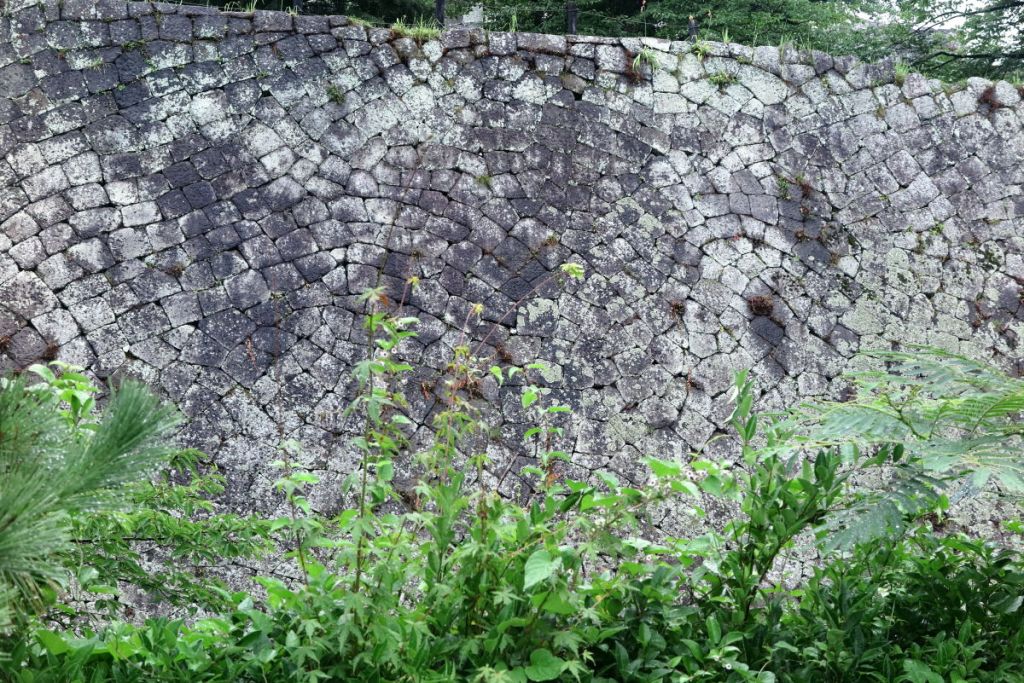
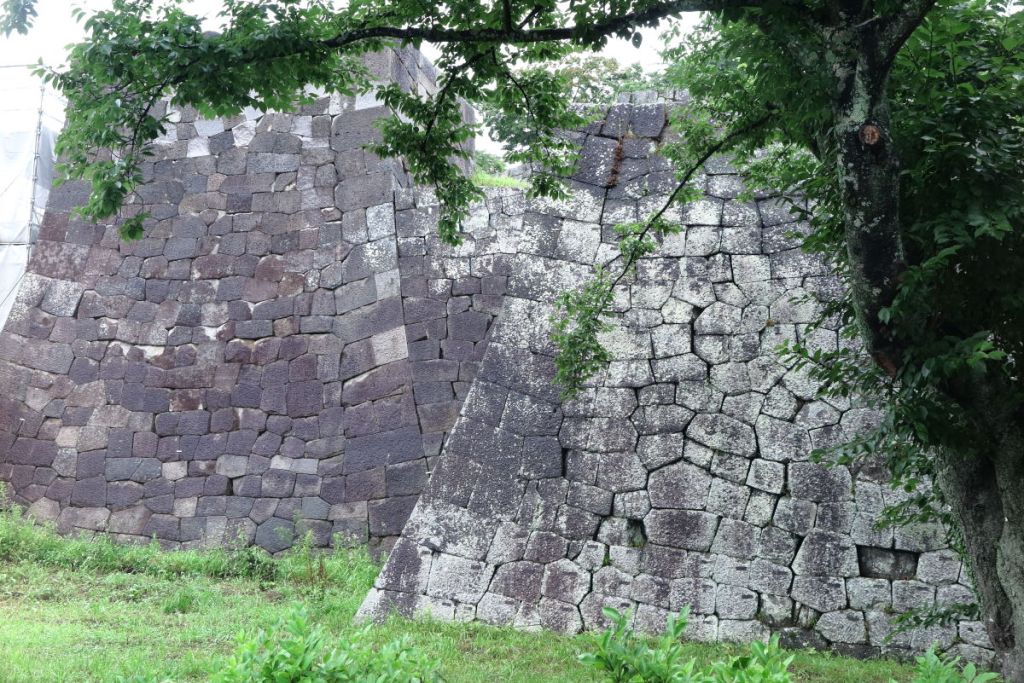
The stone walls of Komine Castle featured beautiful masonry and a distinctive stacking style.
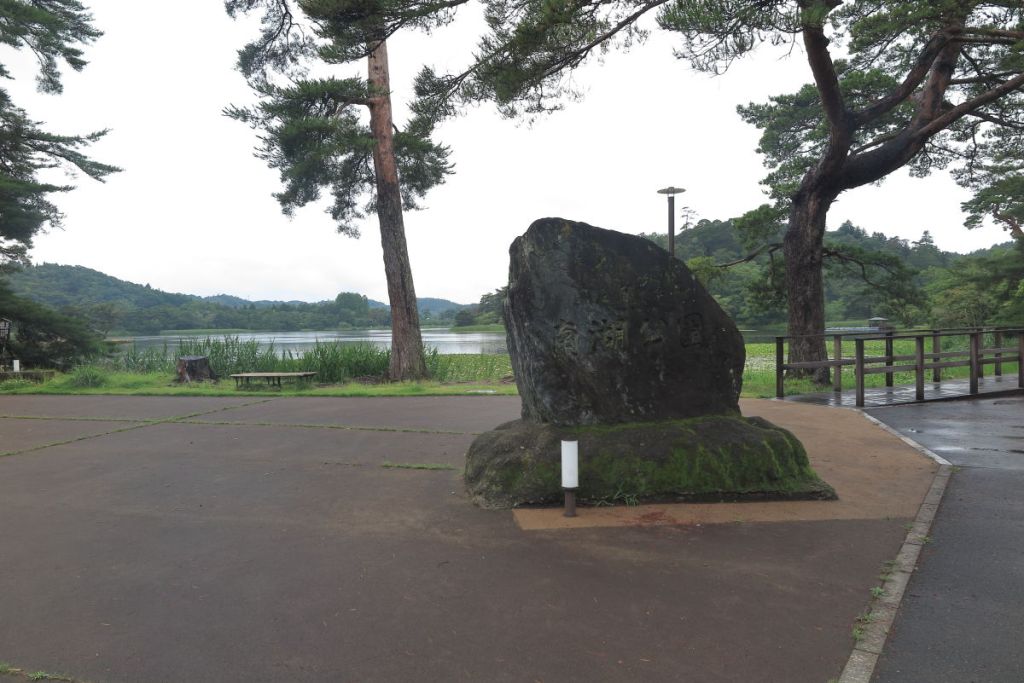
After finishing the tour and having lunch, I headed to Nanko Park. Nanko Park is considered the oldest park in Japan, constructed in 1801 by Matsudaira Sadanobu, the lord of the Shirakawa Domain. It was reportedly created based on the philosophy of shimin kyōraku (shared enjoyment among samurai and commoners), intended as a place where everyone could enjoy themselves regardless of social status.
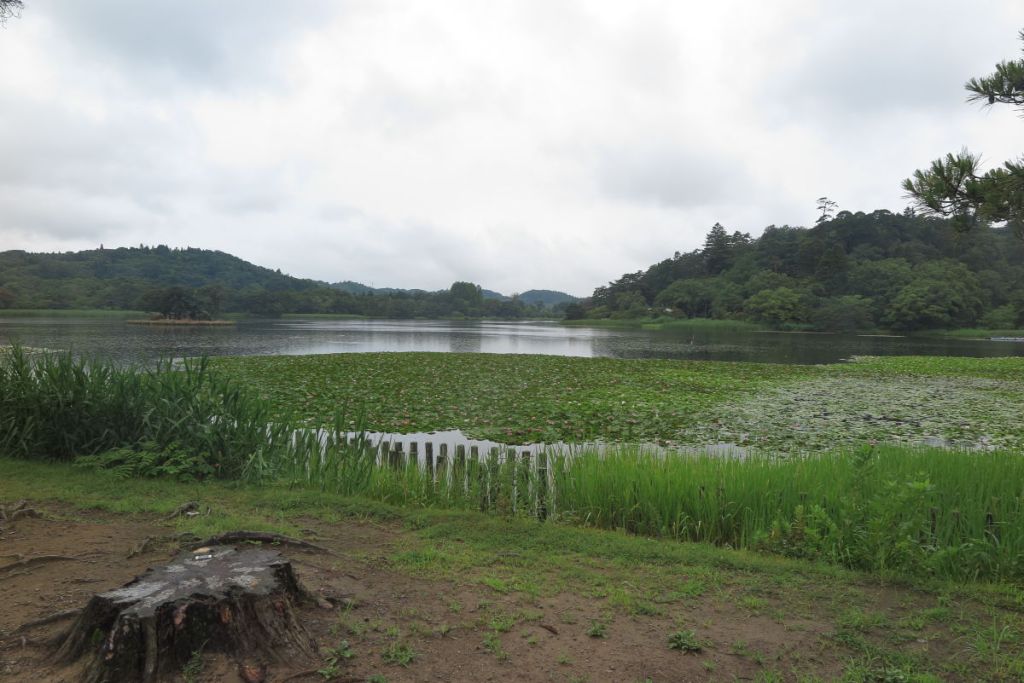
Lotus flowers were blooming on the surface of the water.
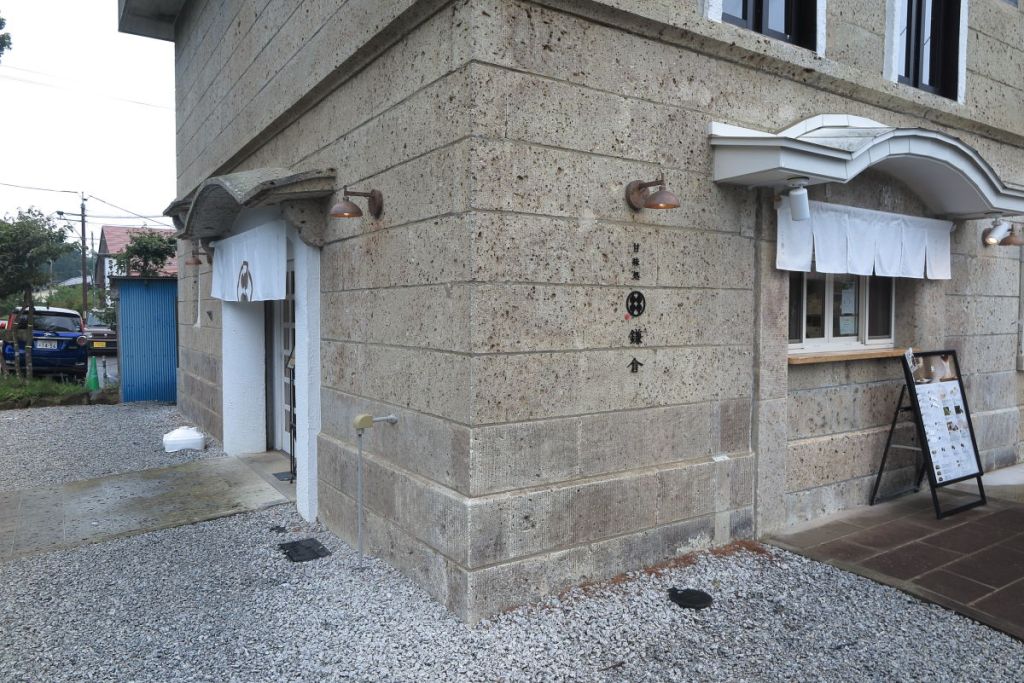
Near the park entrance, there was a stylish shop called “Kanmidokoro Kamakura.” It is a specialty shop for warabi-mochi (bracken starch dumplings) and appears to have numerous locations both in Japan and overseas.
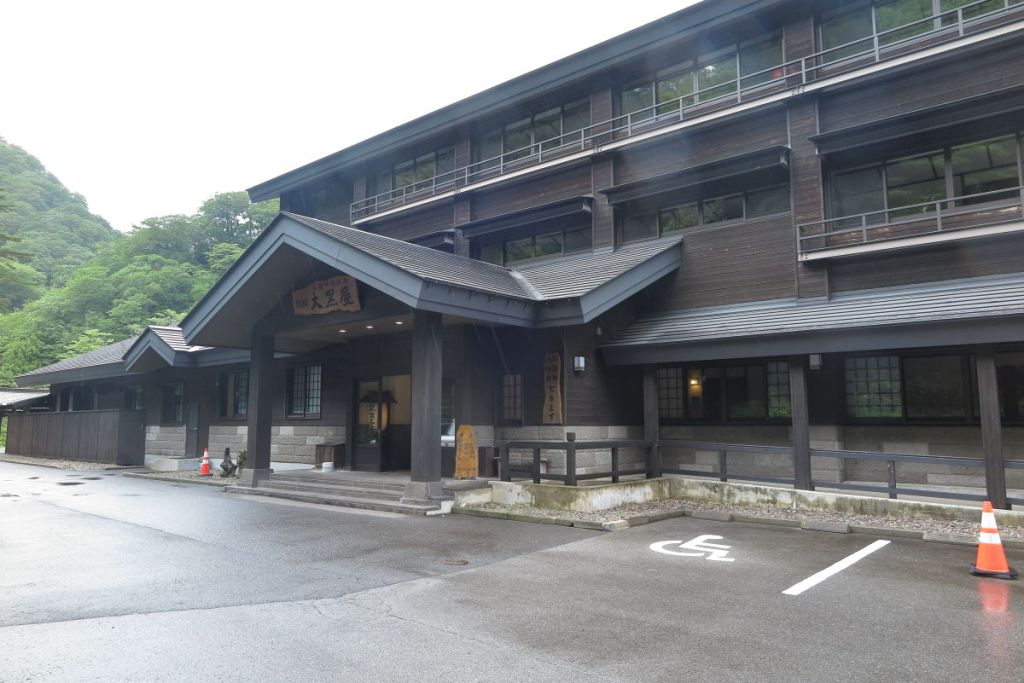
I bought some warabi-mochi here and headed to Kashi Onsen Daikokuya, my accommodation for the night. Daikokuya is a secluded inn located in the remote Okukashi area—a place beloved by Matsudaira Sadanobu, the Lord of the Shirakawa Domain—and is a member of the “Association of Hidden Hot Spring Inns of Japan.”
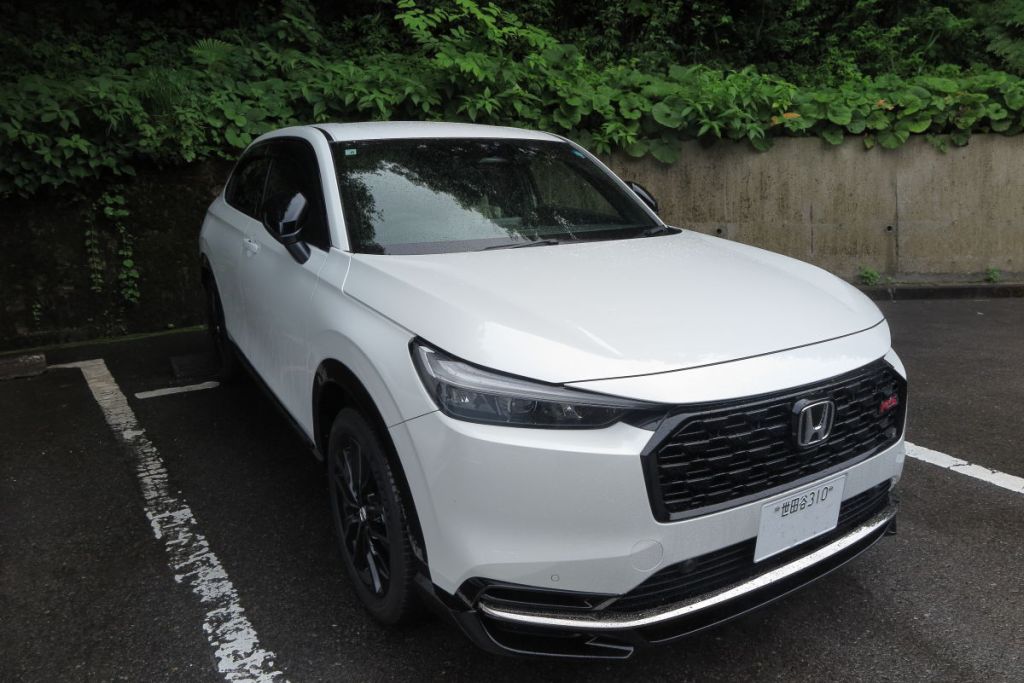
This is the Honda Vezel RS I used for this drive. It offers a stable ride and excellent handling.
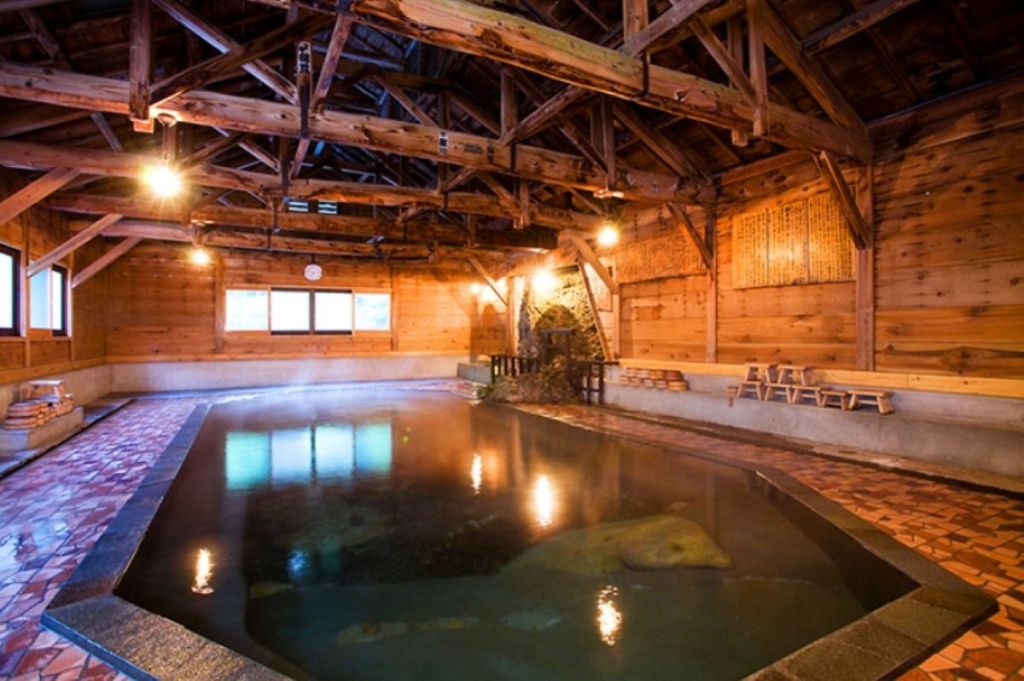
After resting briefly in my room, I bathed in the inn’s famous “Oiwa-buro” (Large Rock Bath), which boasts a 150-year history. Measuring 5 by 15 meters and quite deep, the bath is best enjoyed by sitting on the edge before easing in. The changing area and the bath itself share the same space, creating the atmosphere of a rustic, secluded hot spring. Since the water drains directly into the nearby Abukuma River, the use of soap or other products is prohibited. While the bath is generally mixed-gender, there are designated times reserved exclusively for women. The water is a “simple spring” type—gentle on the skin and relaxing—and is said to be beneficial for neuralgia. The main drawback is the 110-step staircase; the descent on the way there was easy enough, but the climb back up was tough on the legs. Fortunately, there was a rest area with chairs along the way. The photo is a screenshot from the inn’s website.
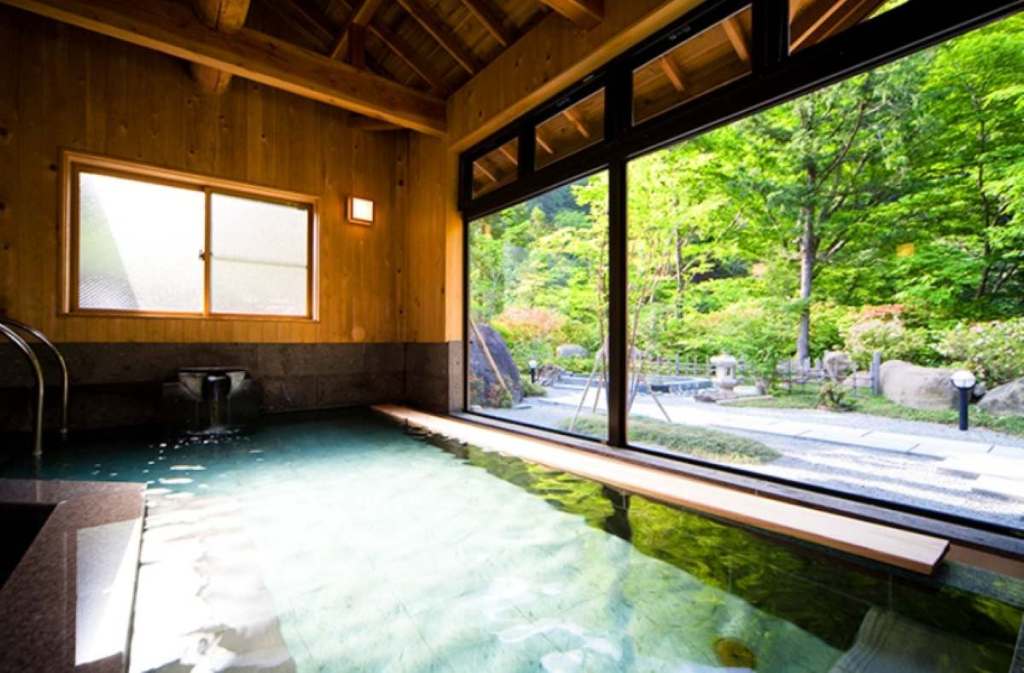
In addition to this, there are separate baths for men and women—known as “Ebisu-no-Yu”—each featuring an adjoining open-air bath. The water here is a calcium-sodium sulfate spring, known for feeling pleasant on the skin.
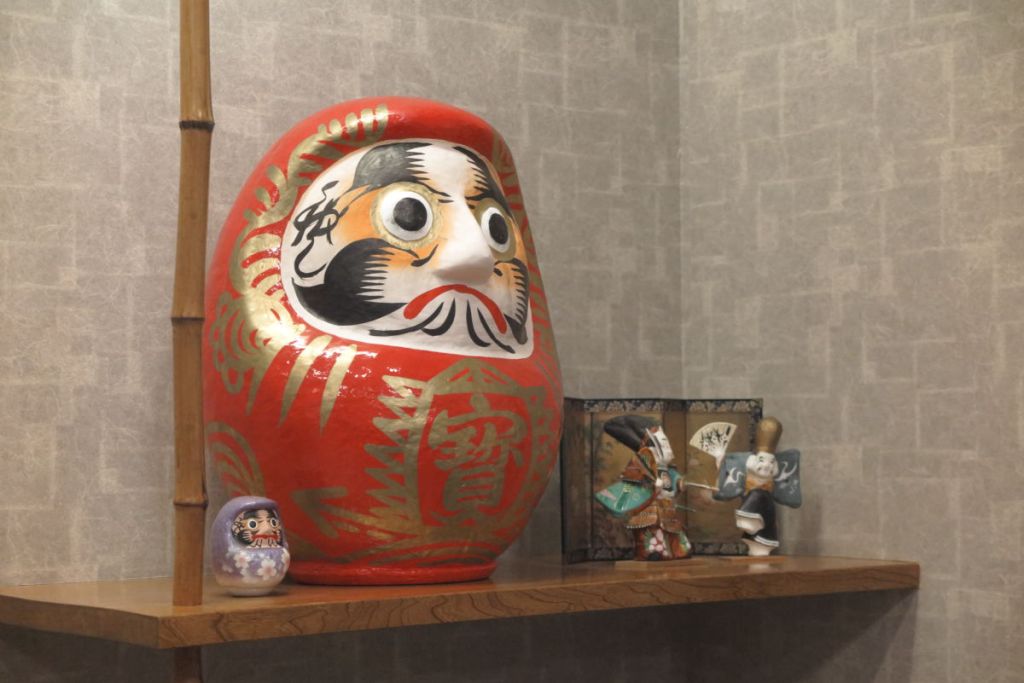
Dinner consists of kaiseki cuisine featuring seasonal ingredients. A Daruma doll was displayed in the tokonoma (alcove) of the dining area. This tradition dates back to the Tenmei era, when Matsudaira Sadanobu, the lord of the Shirakawa Domain, promoted the dolls as part of his industrial development policies. The doll features auspicious motifs: the eyebrows are shaped like cranes, the mustache like a turtle, and the beard like bamboo.
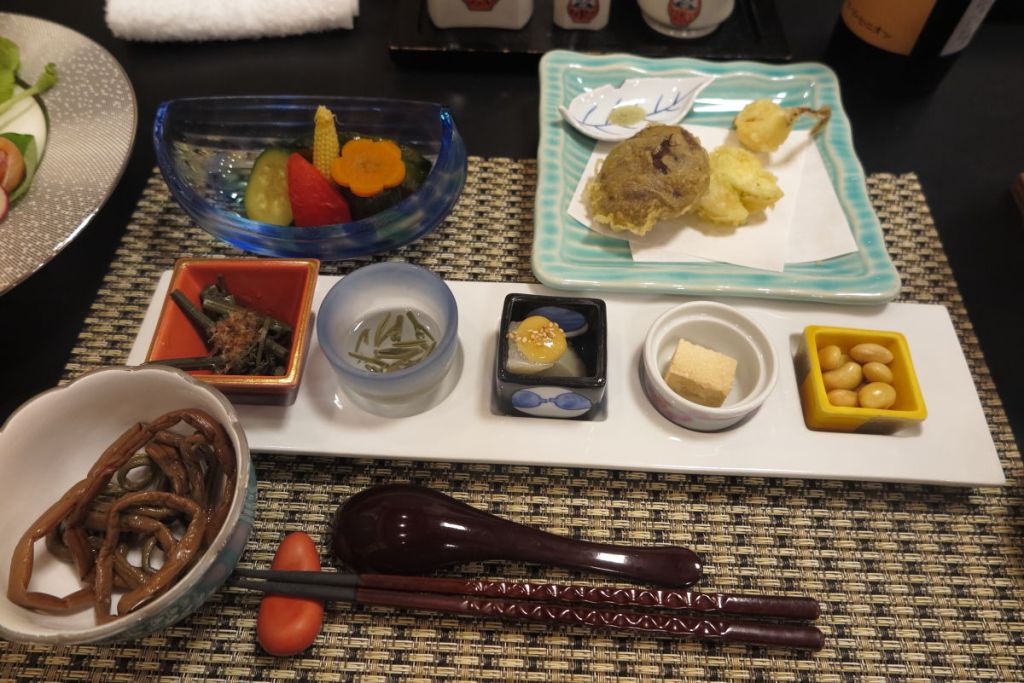
The meal included a sautéed zenmai (fiddlehead fern) appetizer, a starter platter, tempura, and a chilled dish of summer vegetables; the smoked beans were a first for me.
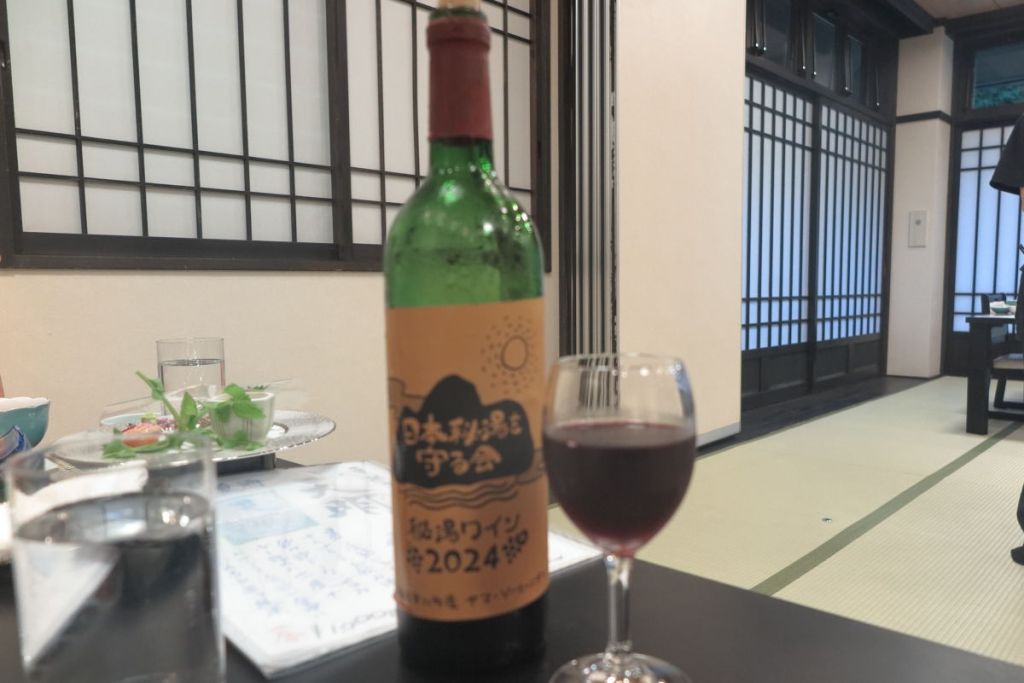
I had no idea there was a red wine bearing the label of the “Association of Hidden Hot Springs of Japan” (Nihon Hitō o Mamoru Kai). It was a robust wine made from “Yamasauvignon”—a cross between wild mountain grapes and Cabernet Sauvignon.
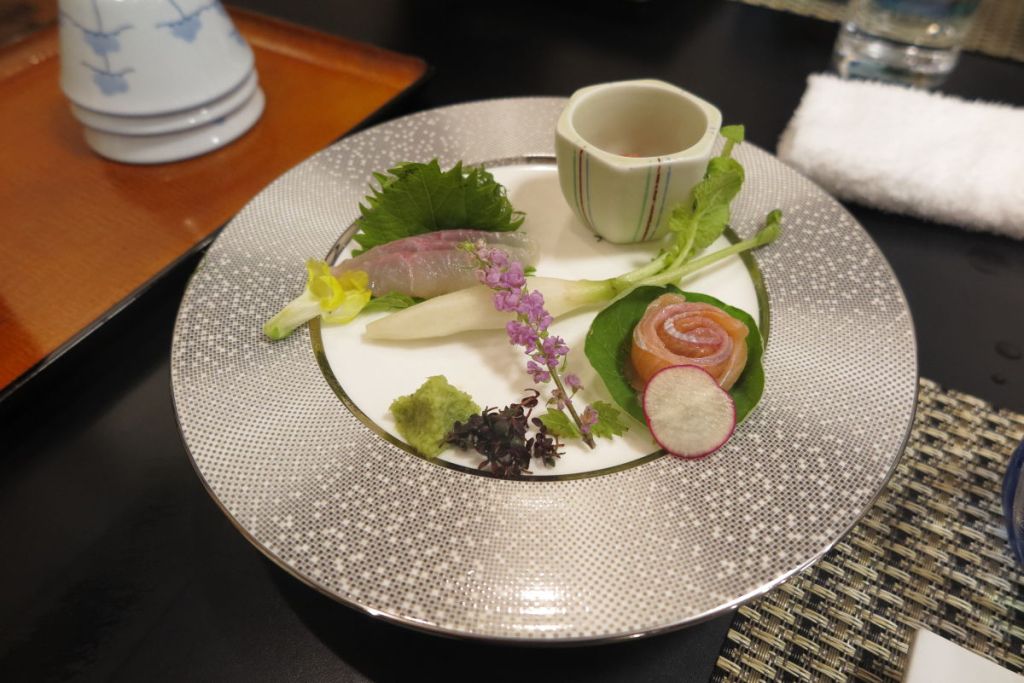
Sashimi made from cherry salmon and river trout has a firm texture and an elegant flavor.
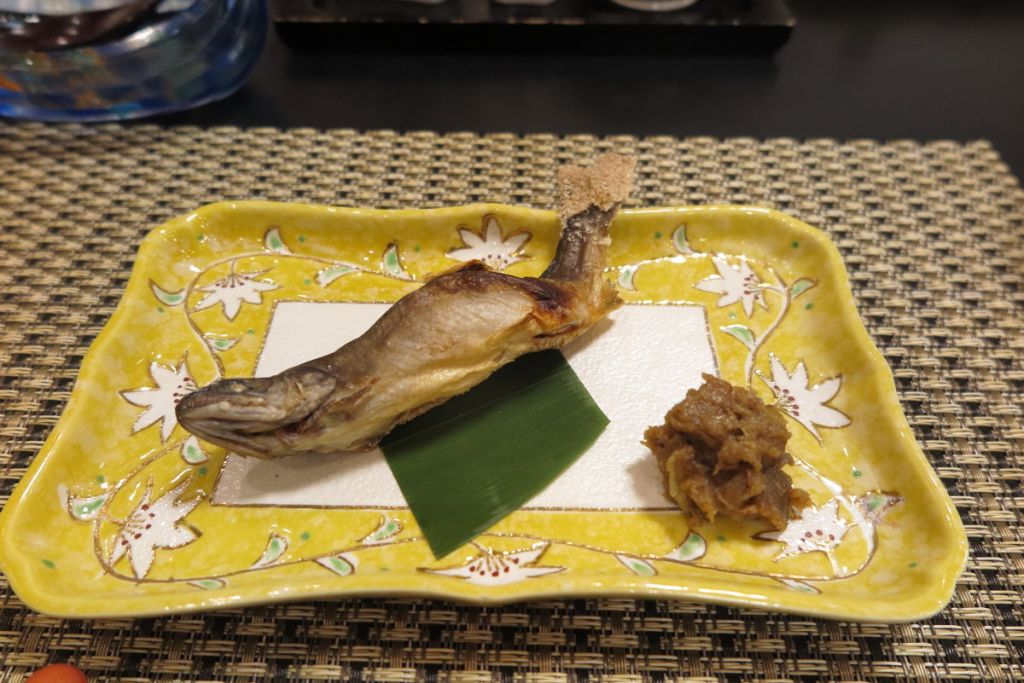
Salt-grilled char is a dish typical of an inn located deep in the mountains.
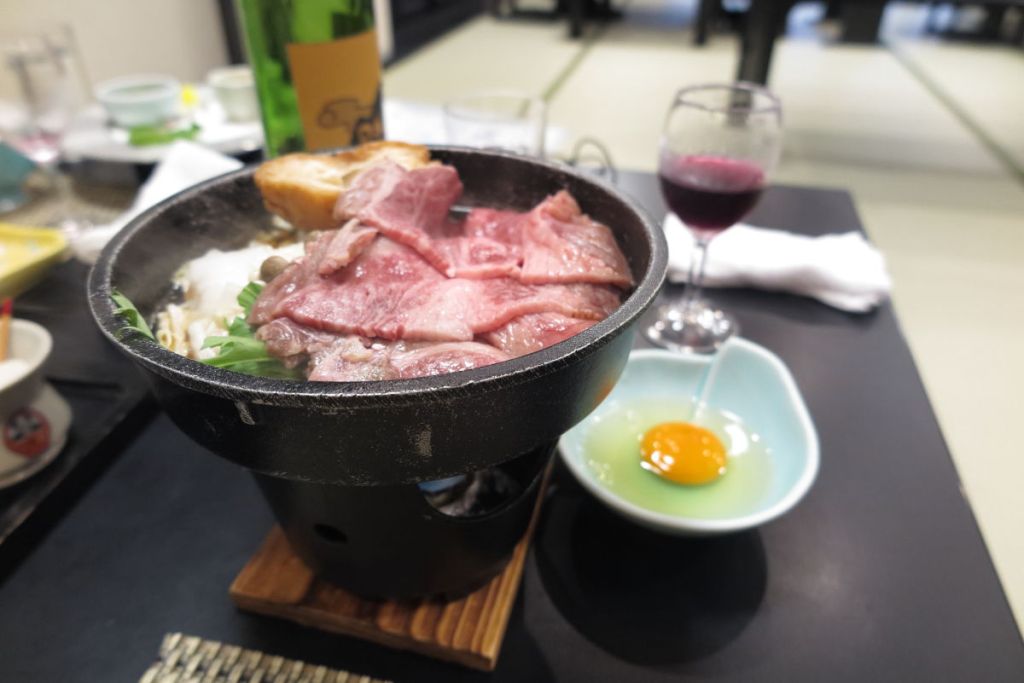
The Fukushima Wagyu sukiyaki, with its perfect balance of fat, really boosted my energy.
July 27th (Mon)
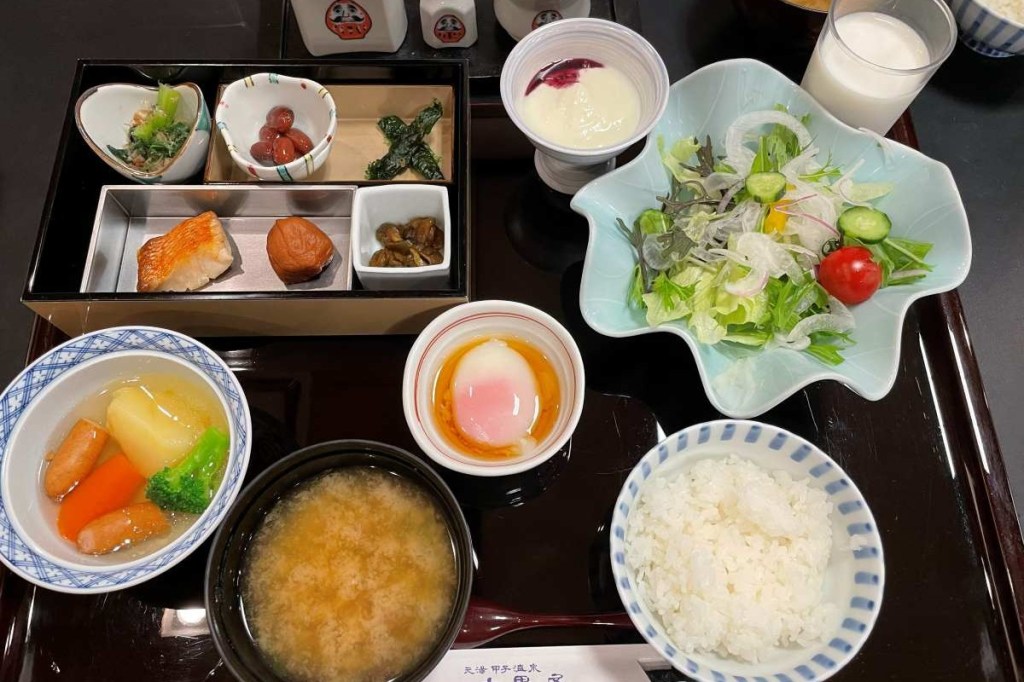
I started the day by taking a dip in the hot spring, followed by a balanced Japanese-style set meal that gave me the energy I needed for the day ahead.
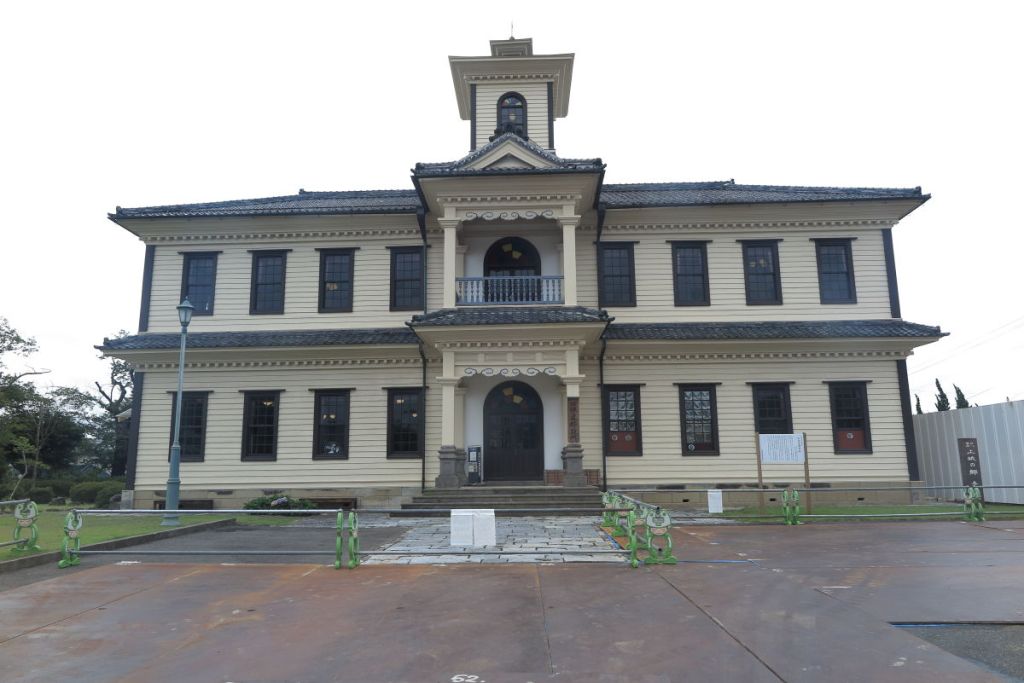
Nishigo Village, home to Kashi Onsen, is located at the southernmost tip of Fukushima Prefecture; however, today I decided to start by visiting Koori Town in Date District—situated at the prefecture’s northernmost end—after seeing it featured recently on the TV program Tabi Salad. The town is home to the former Date District Government Office, a structure designated as a National Important Cultural Property. Built in 1883, it is a large-scale example of gi-yofu (pseudo-Western style) architecture. Unfortunately, as it was closed on Mondays, I was unable to view the interior.
Koori Town is a peach-producing area, and the “Akatsuki” variety grown there has been designated for presentation to the Imperial Household from Fukushima Prefecture. Since it is currently the peak shipping season, I visited a nearby JA direct-sales market. The sweet aroma of peaches awaiting shipment filled the air.
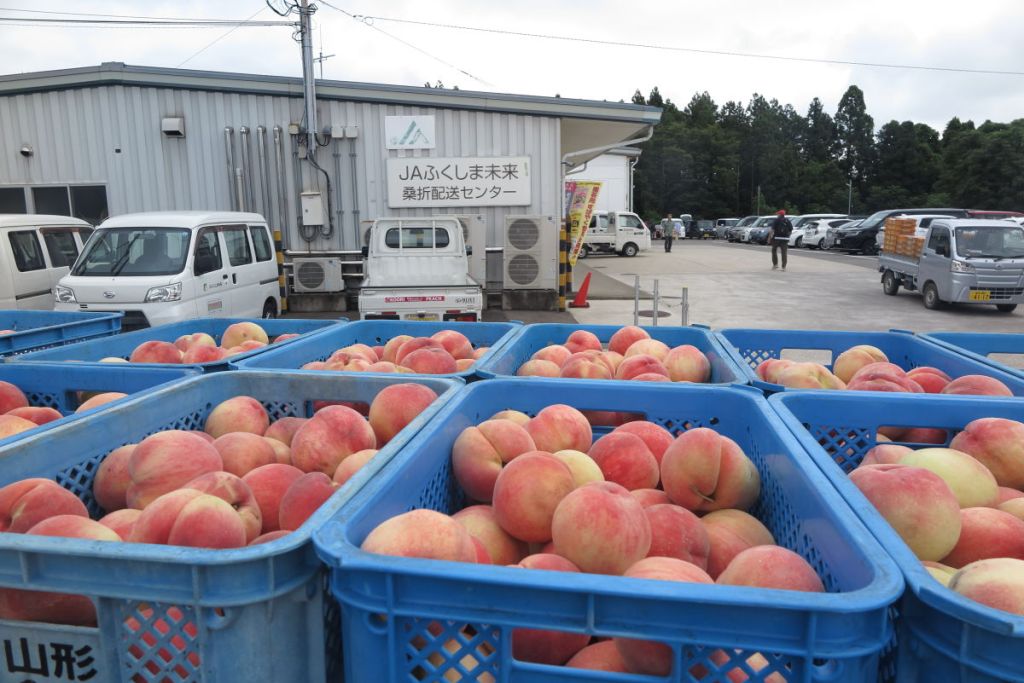
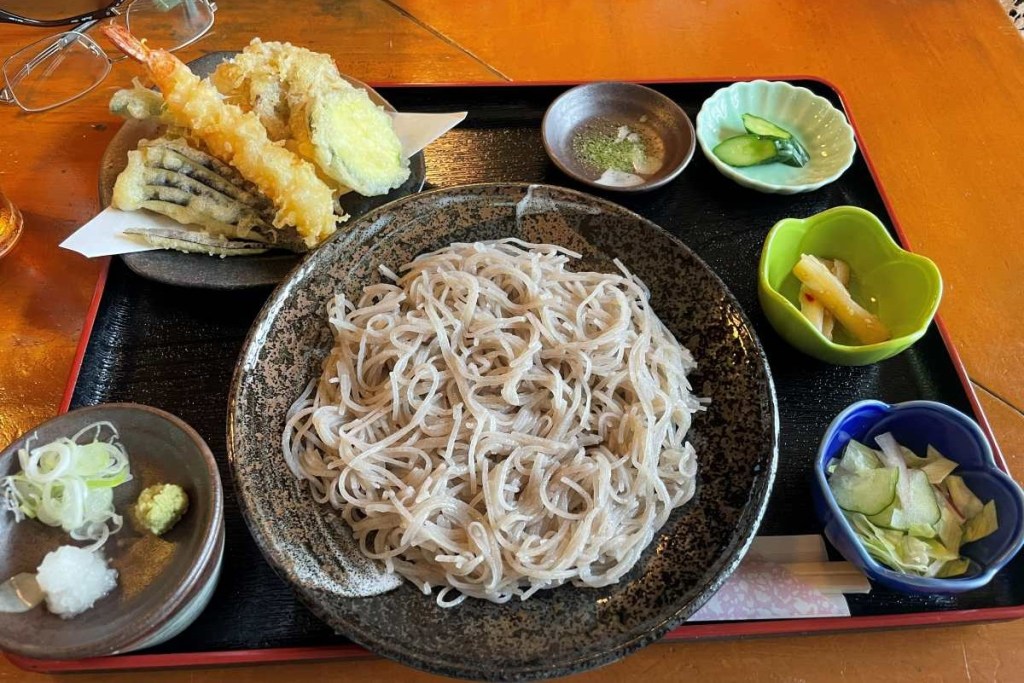
I considered buying some, but since I was still traveling and they would be past their prime by the time I got home, I decided against it and bought a set of 100% peach juice as a souvenir instead. For lunch, I ordered ten-mori soba (cold soba noodles served with tempura) at a nearby shop called Ajisai Sakochan. The noodles were thin and handmade, offering a smooth, pleasant texture as they went down.
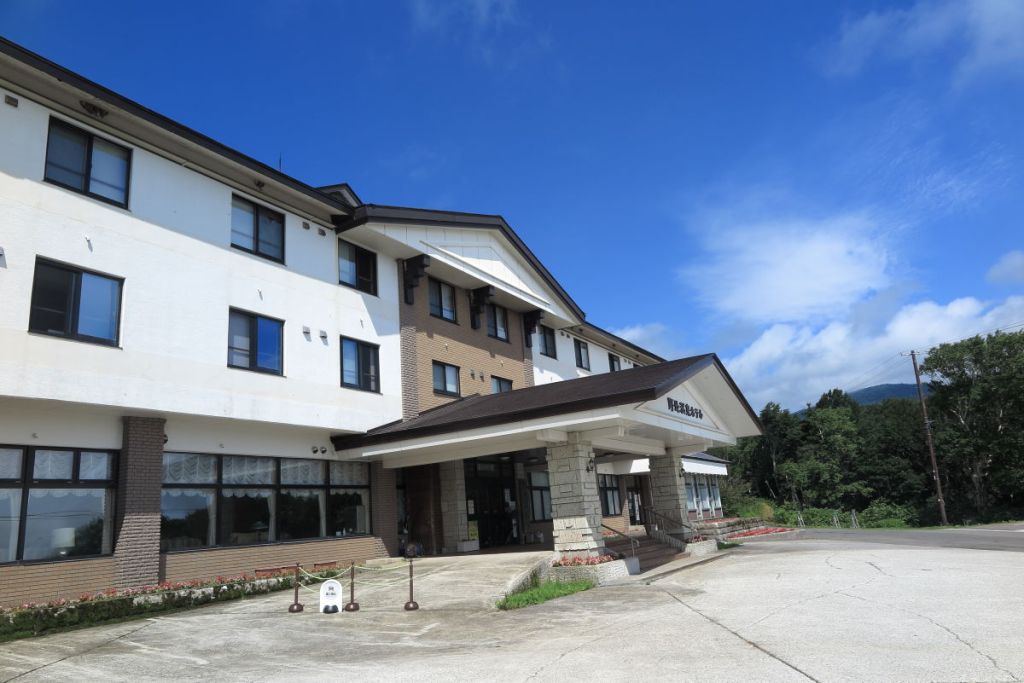
My accommodation for the night is Noji Onsen Hotel, situated at an altitude of 1,200 meters. I arrived after driving steadily along a mountain road shrouded in thick fog; the photo here was taken the following morning. The hotel is located on the Tsuchiyu Onsen side of the Bandai-Azuma Skyline, while Takayu Onsen—another area featuring the same type of sulfur spring that I have visited previously—lies on the opposite side. Although poor weather prevented me from driving the Bandai-Azuma Skyline itself, the route offers spectacular scenery when the weather is clear.
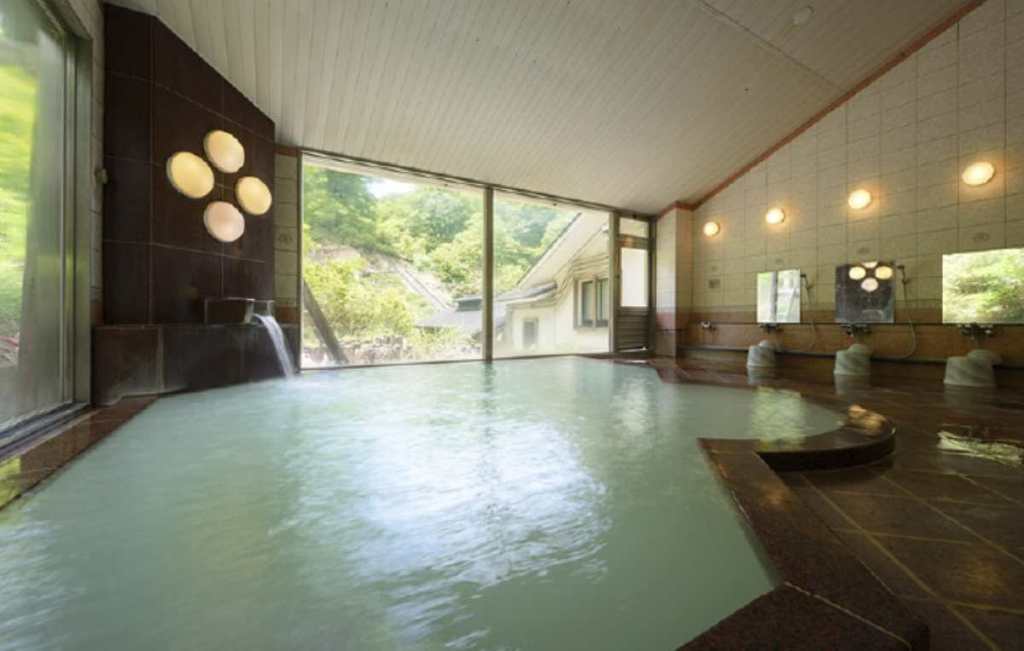
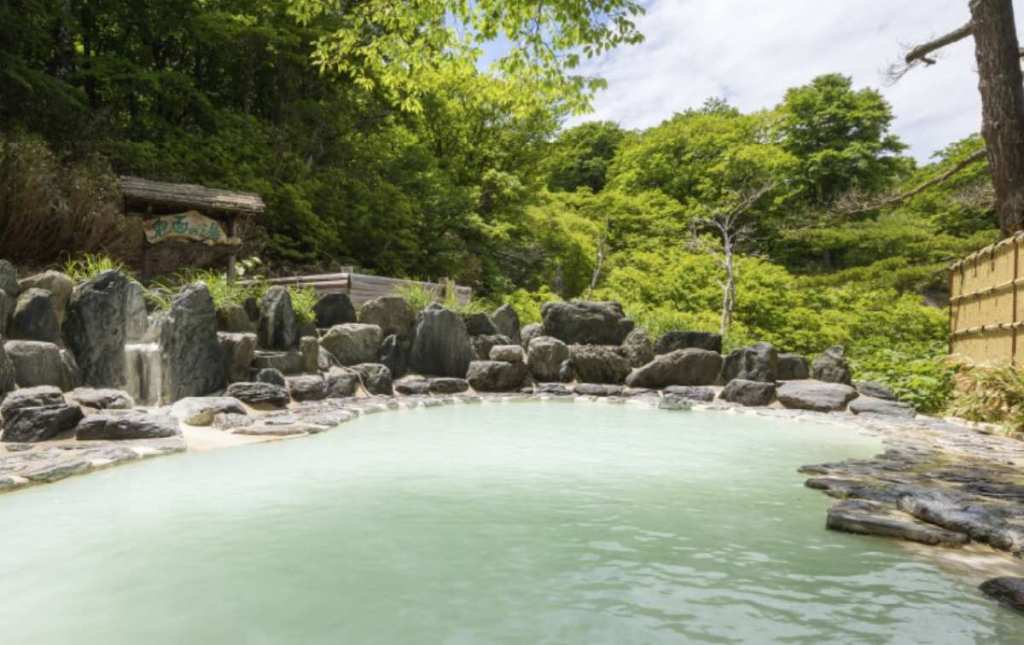
After taking a short break, I decided to head straight to the hot springs. There are six baths in total; two are reserved for women, meaning men can enjoy four baths, each with a distinct atmosphere. However, the water quality is the same for all of them—a simple sulfur spring. The photo below shows “Tsurugi-no-Yu,” a bath exclusively for men. This image is a screenshot from the inn’s website.
Kimen-no-Yu, featuring a spacious open-air bath.
Tengu-no-Yu, featuring connected indoor and outdoor baths.
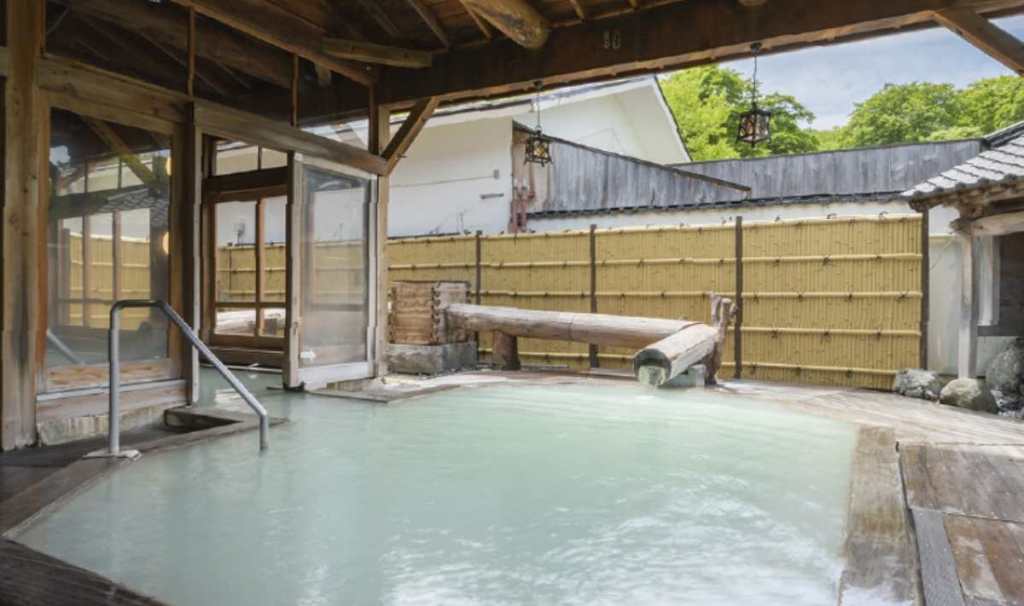
The water had a beautiful milky-white color, lacked a strong sulfur odor, and felt gentle on the skin.
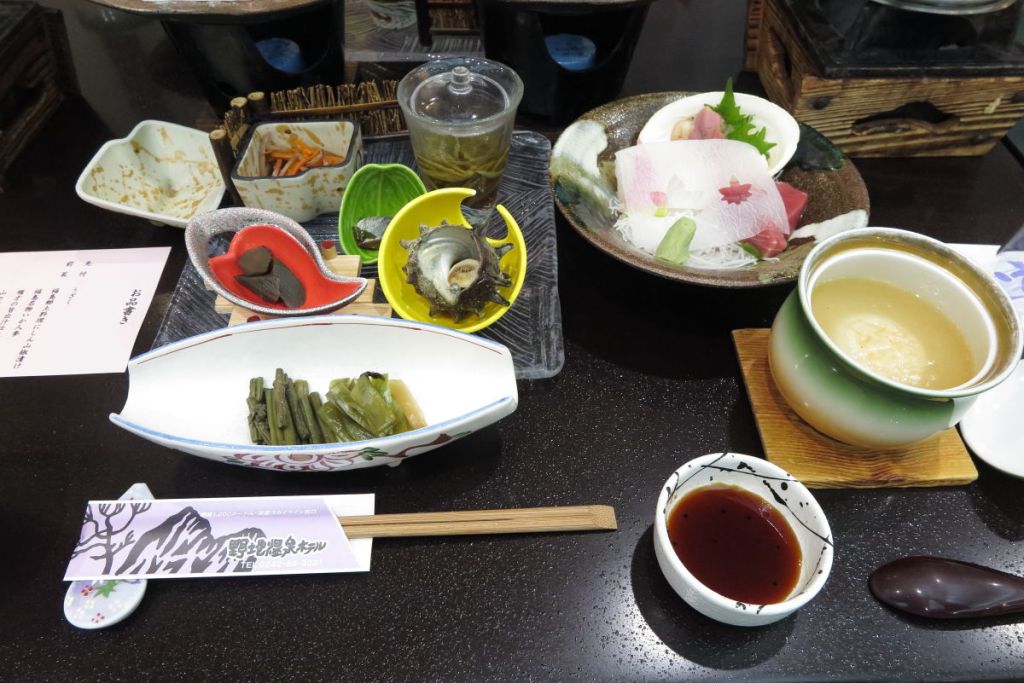
Dinner was a kaiseki meal, and the appetizers included ika-ninjin (squid and carrot salad), a local specialty of Fukushima.
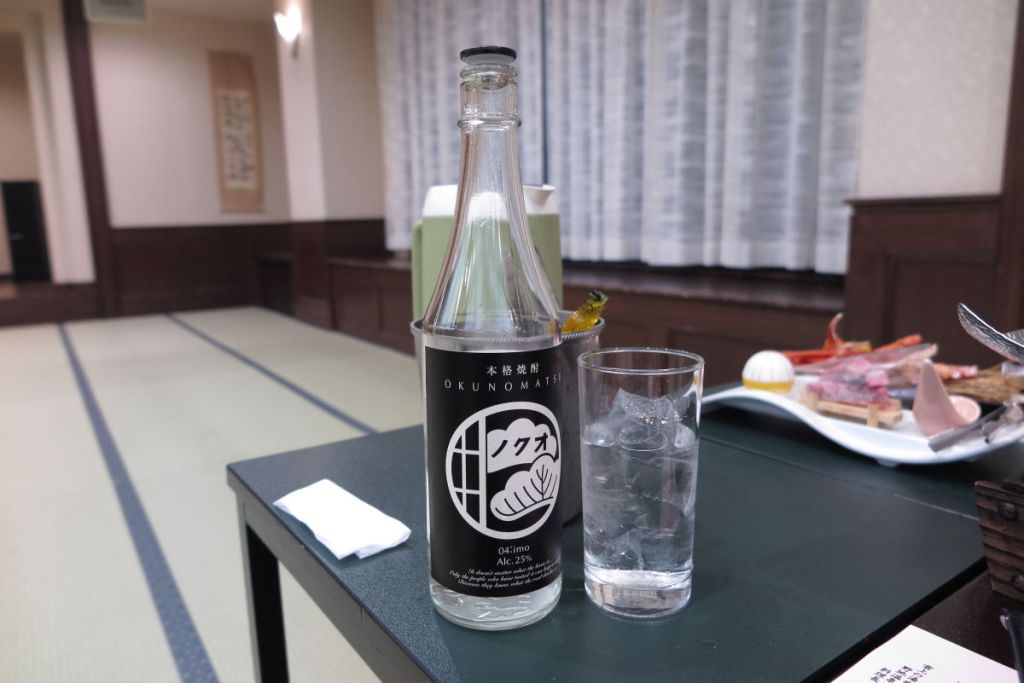
I ordered the “Honkaku Shochu 04 Imo” from Okunomatsu Sake Brewery. It has a wonderful aroma and a refreshing taste.
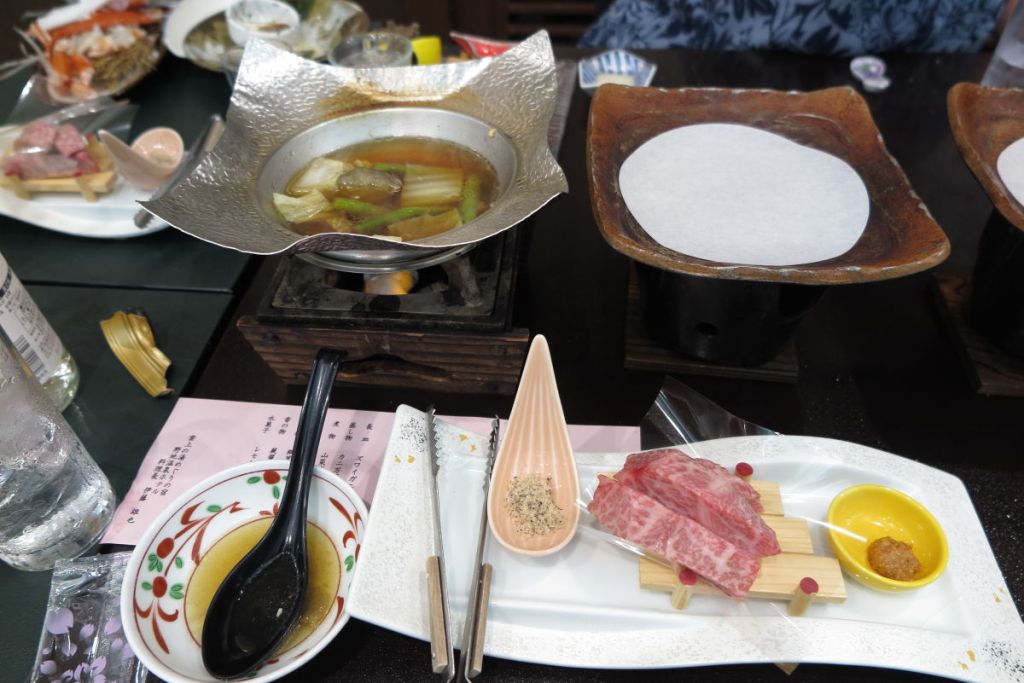
The Fukushima-grown Kuroge Wagyu sirloin is grilled on the ceramic plate at the back right; it tasted outstanding when seasoned with salt.
July 28th (Tue)
Since the weather has been nice in this morning, I decided to head toward Mount Bandai. First, I visited Bishamon-numa, one of the Goshiki-numa (Five-Colored Ponds) in the Urabandai area. Mount Bandai was visible in the background.
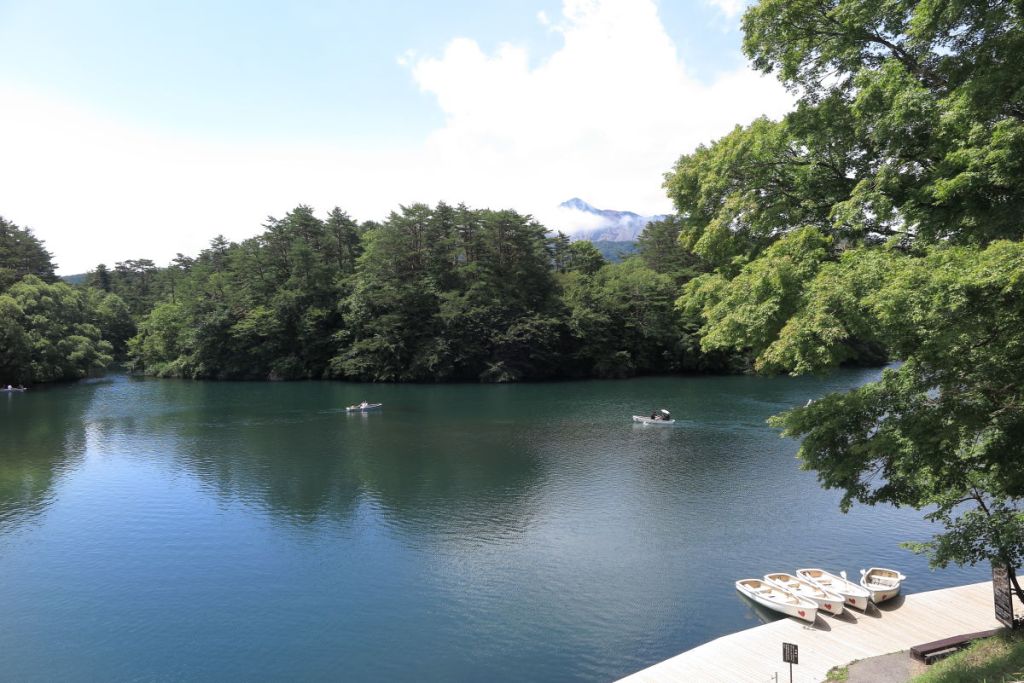
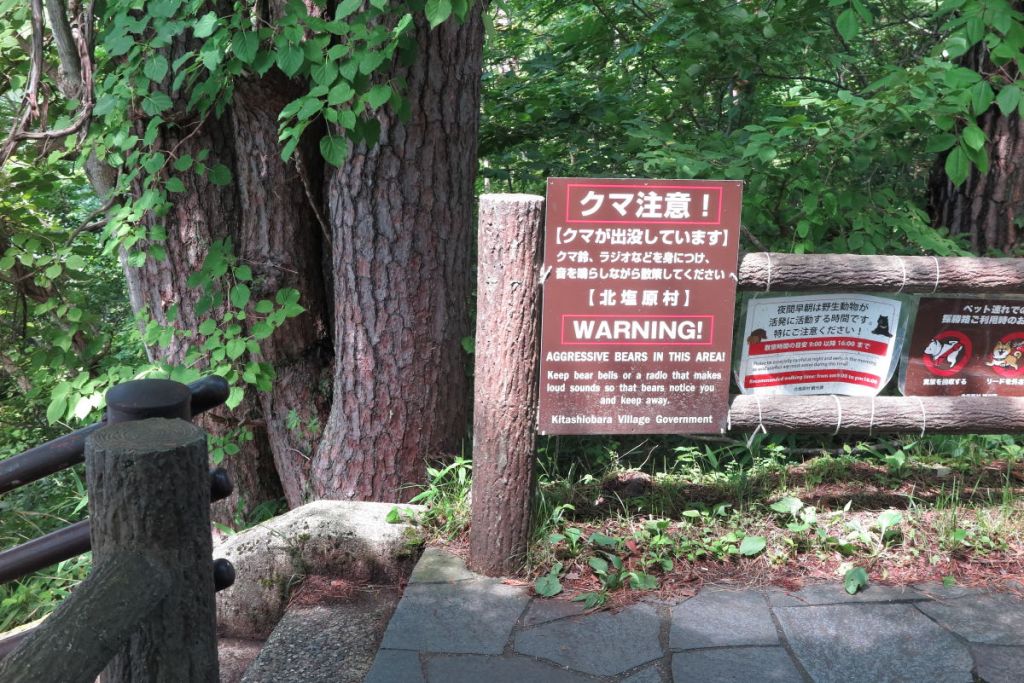
When I visited previously, I walked down to the promenade and visited other ponds as well; however, since my leg strength hasn’t fully recovered and there are signs warning of bears, I decided to limit myself to just the view from here.
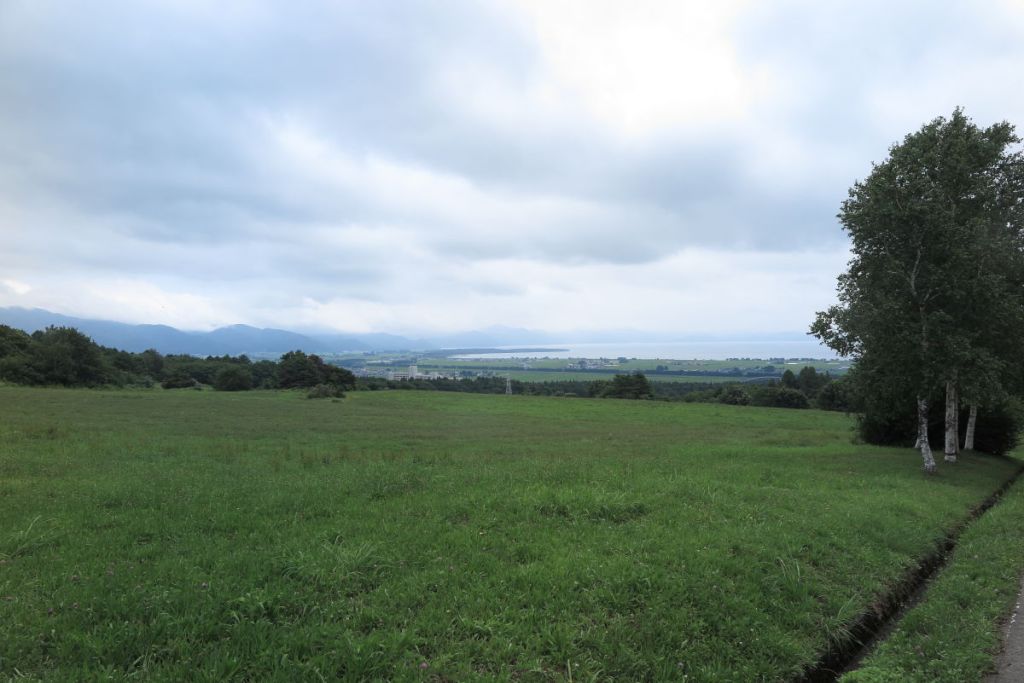
Next, I headed to Tenkyodai on the opposite side, but since I couldn’t reach the spot where Lake Inawashiro is visible, I simply enjoyed the view from the car window.
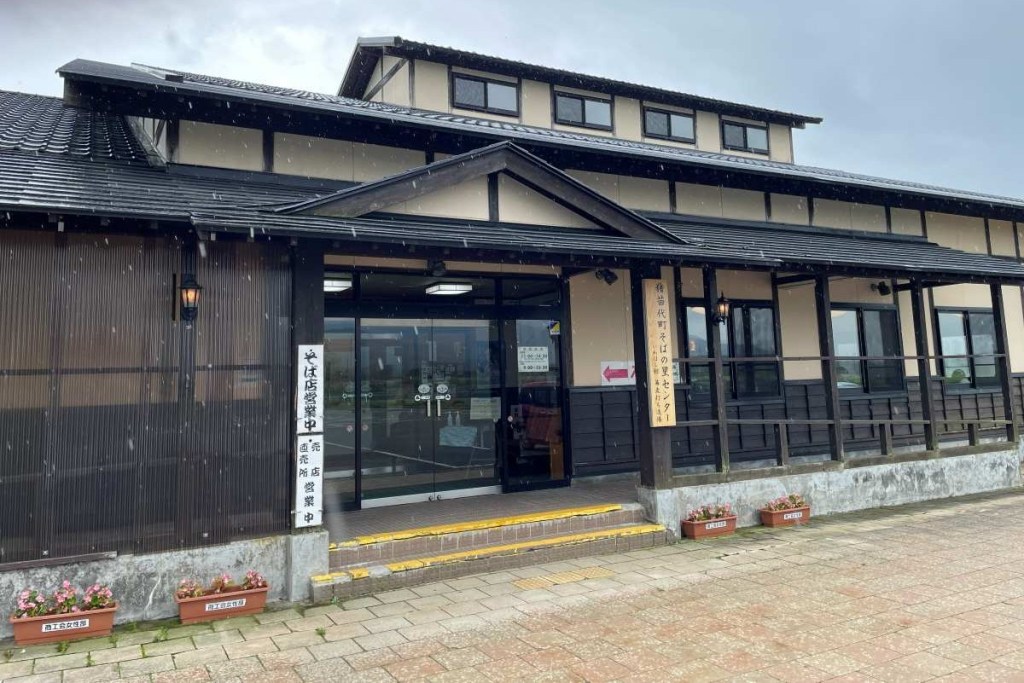
On the way to Lake Inawashiro, I came across the Inawashiro-machi Soba-no-Sato Center Iwahashi-kan, so I stopped there for lunch.
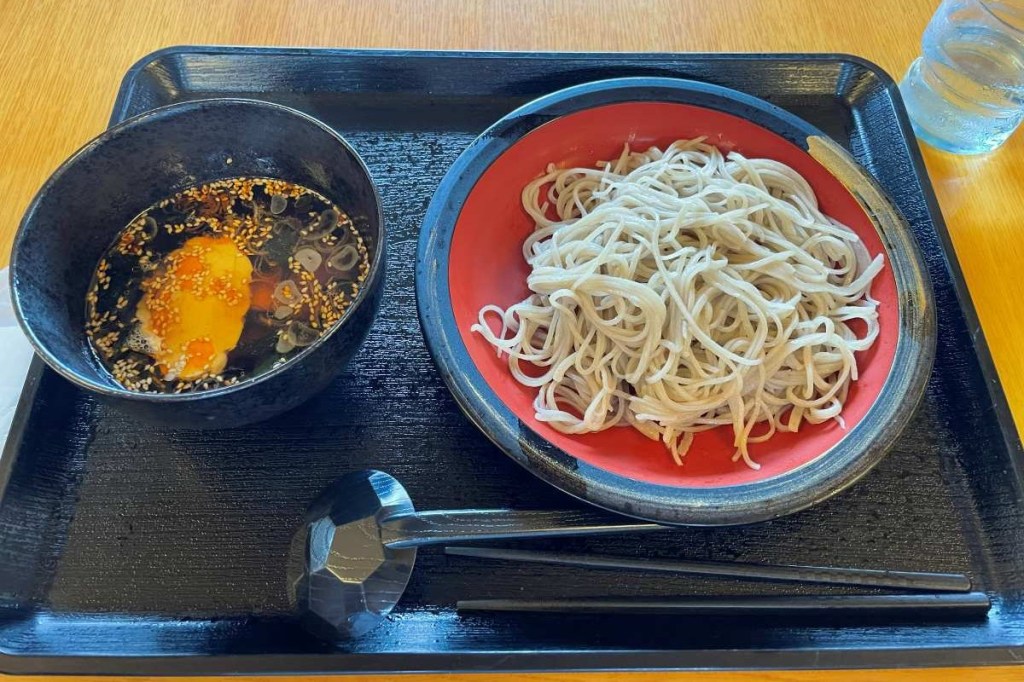
I ordered the chilled soba noodles with steamed chicken for dipping. The warm dipping broth contained steamed chicken and chili oil, creating a flavor that paired perfectly with the handmade soba noodles.
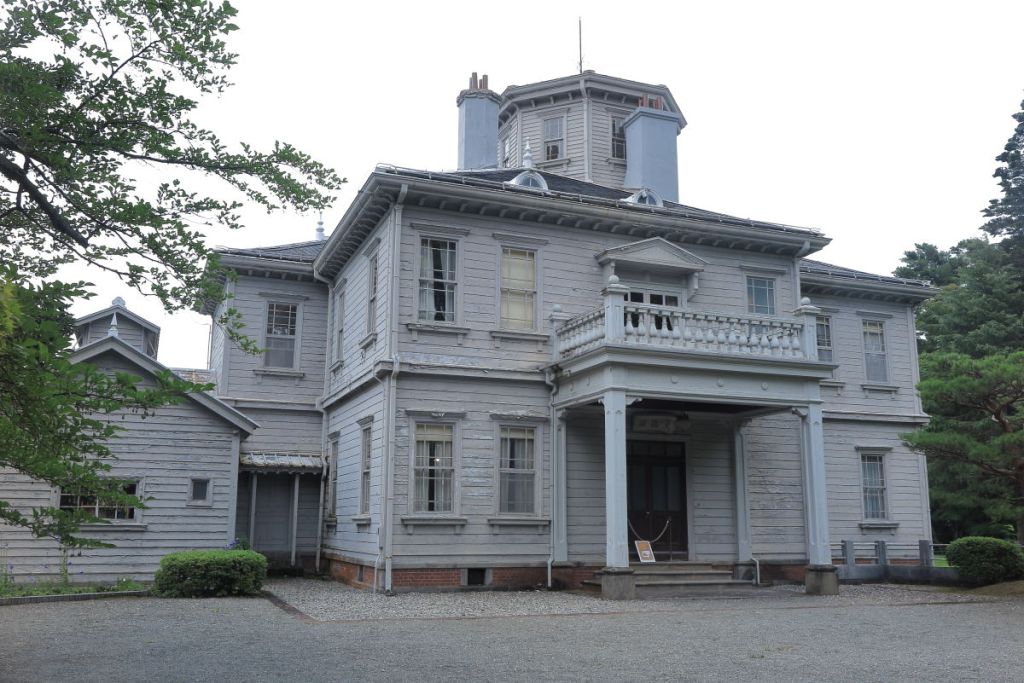
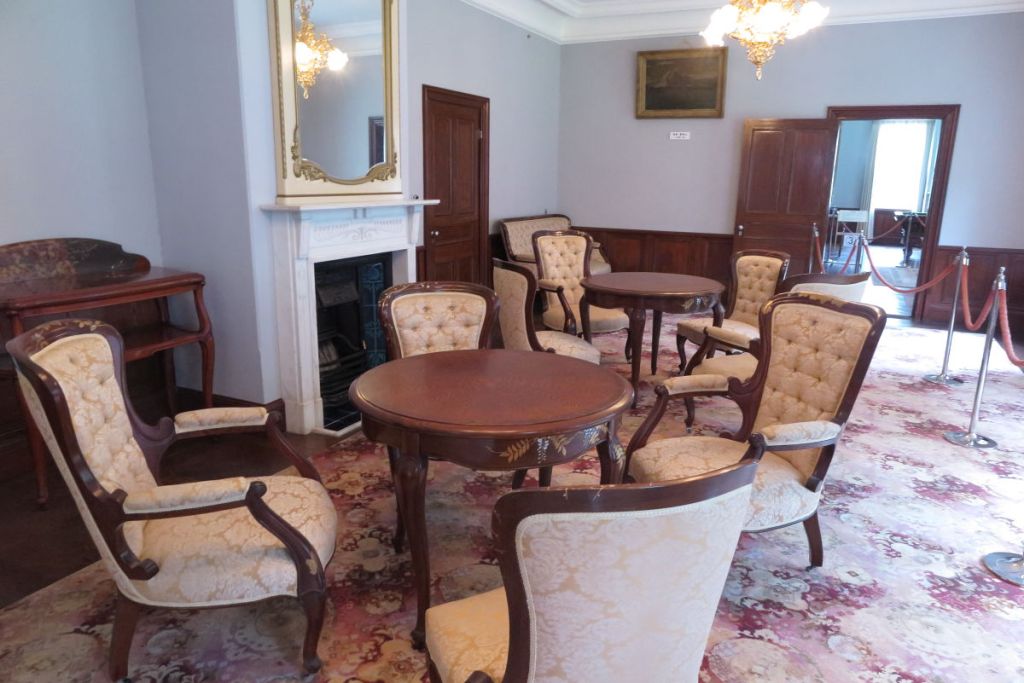
After the lunch, I headed to Tenkyokaku, a villa designated as a National Important Cultural Property. Built in 1908 by Prince Arisugawa Takehito, it served as a retreat where both Emperor Taisho and Emperor Showa stayed; it is currently owned by Fukushima Prefecture.
It seems you can order and enjoy a tea set at the cafeteria inside.
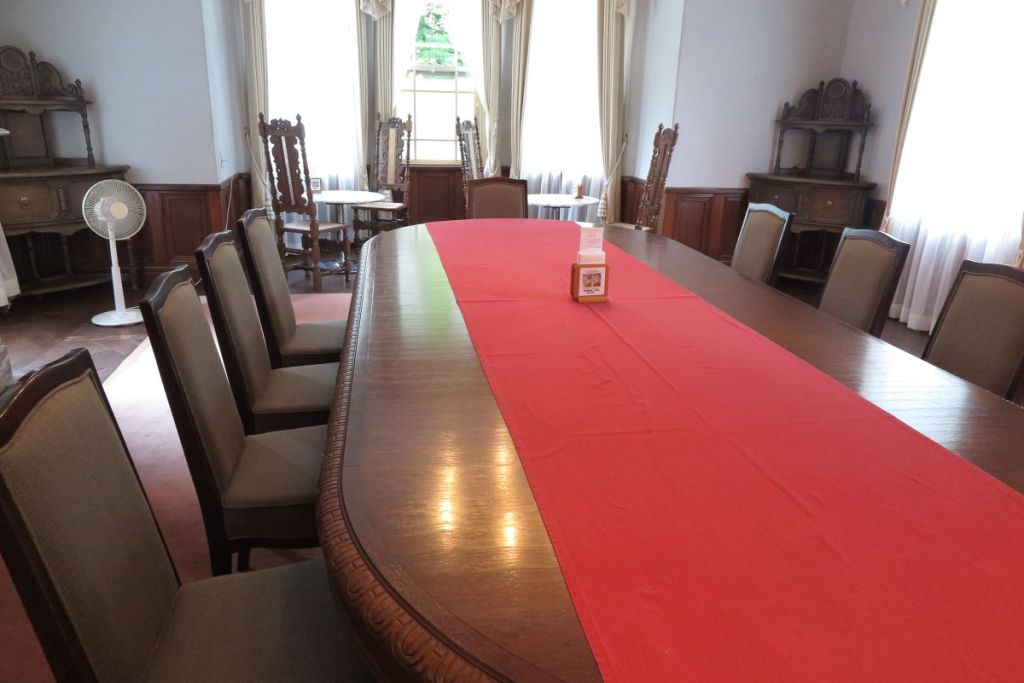
Art Nouveau furniture was used.
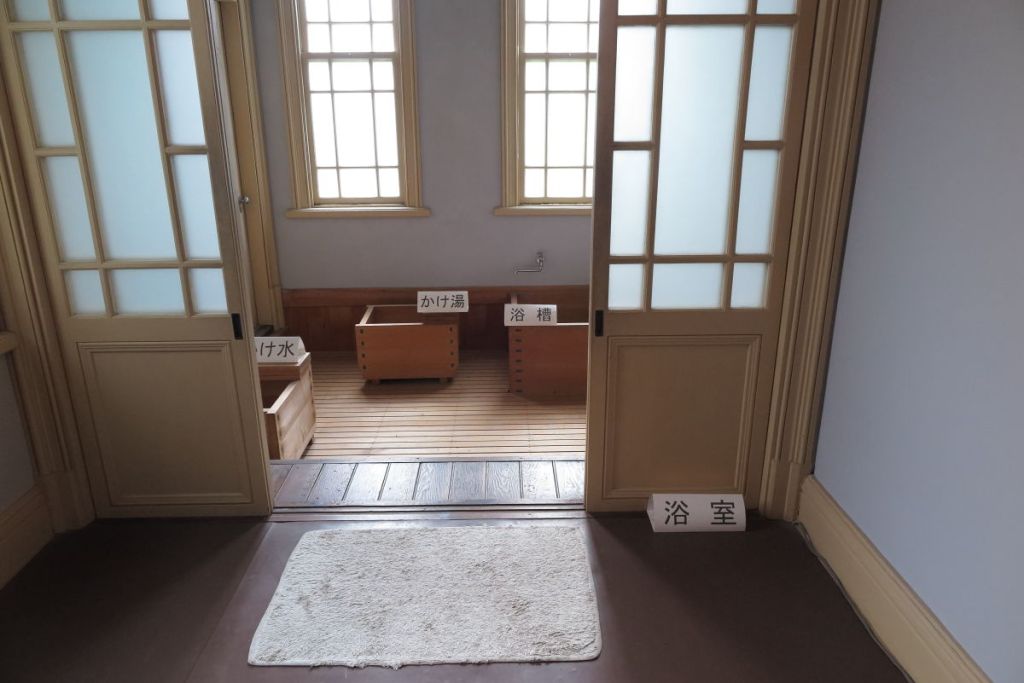
The first-floor bathroom appears to be in a traditional Japanese style. Incidentally, the second-floor bathroom featured a Western-style marble tub.
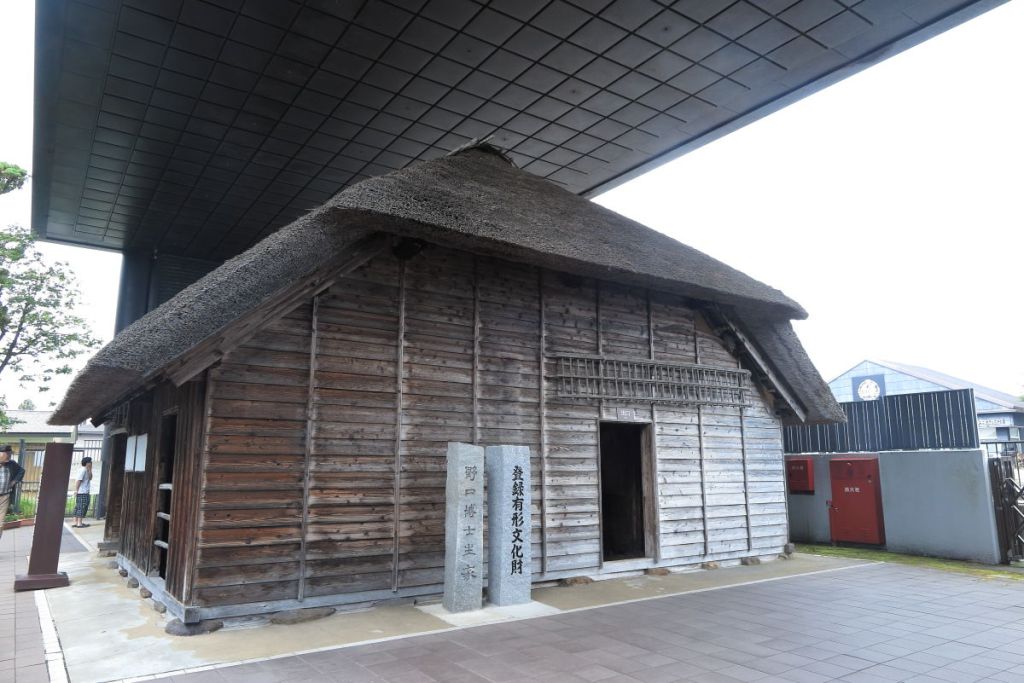
I headed back to the shores of Lake Inawashiro and visited the Hideyo Noguchi Memorial Museum. His birthplace has been preserved outdoors, right next to the exhibition hall. Having visited the Shibasaburo Kitasato Memorial Museum during a trip to Kumamoto, this marked my second encounter with a bacteriologist featured on the 1,000-yen note. The exhibits covered not only his background and achievements but also offered a glimpse into Hideyo Noguchi’s diverse range of hobbies.
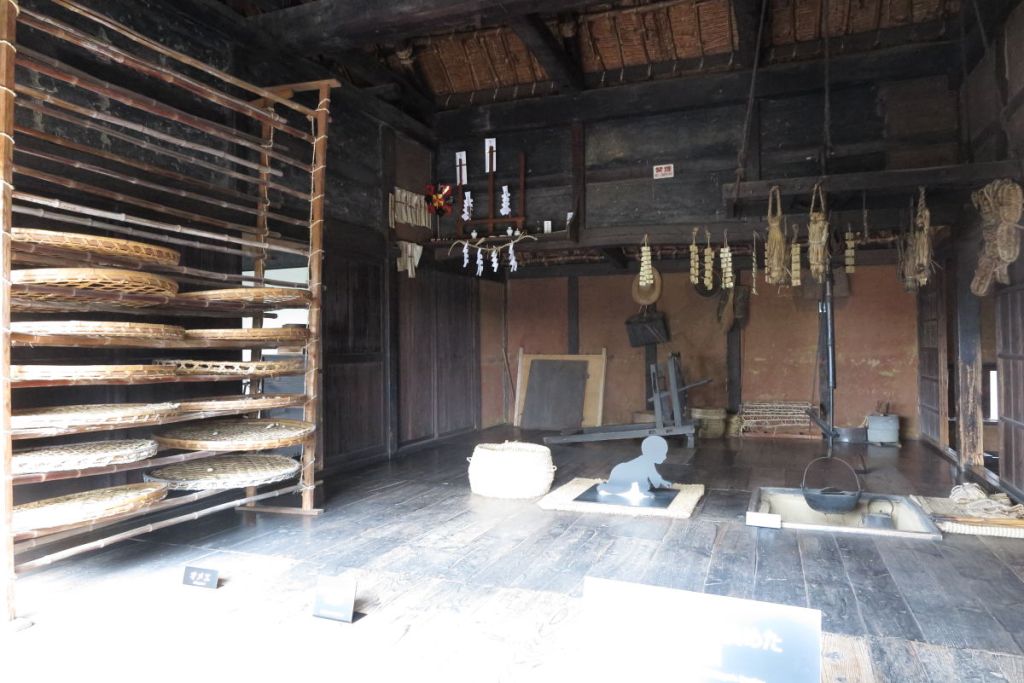
There was also the spot by the irori (sunken hearth) where Hideyo suffered severe burns on his left hand at the age of one.
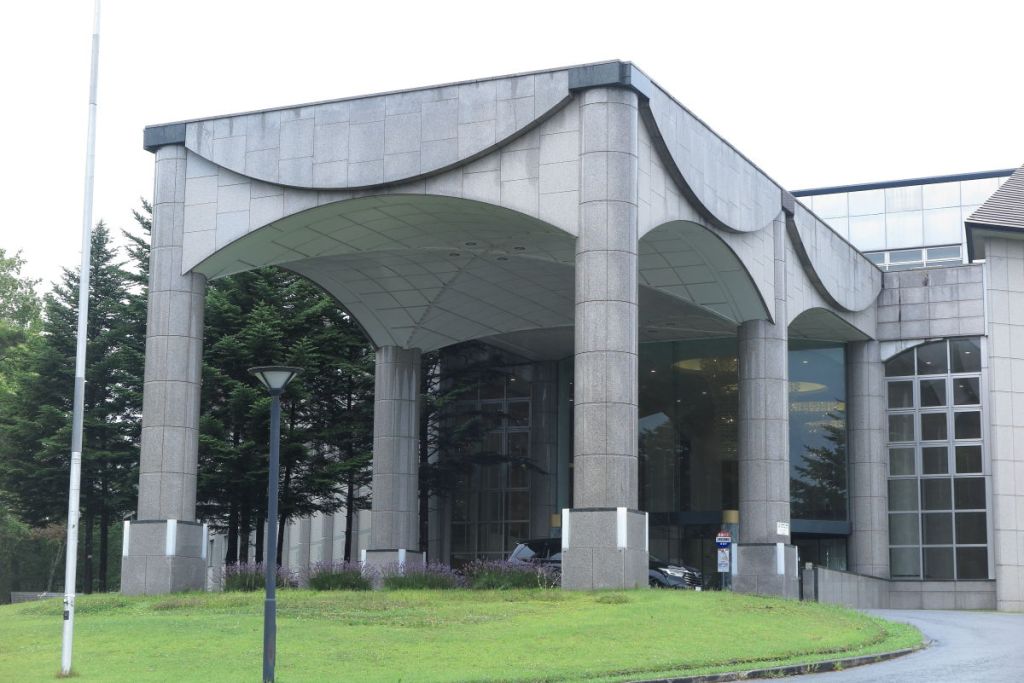
After finishing the tour, I headed to my accommodation for the night, Urabandai Lake Resort Nekoma Rikyu. The entrance exuded an air of luxury.
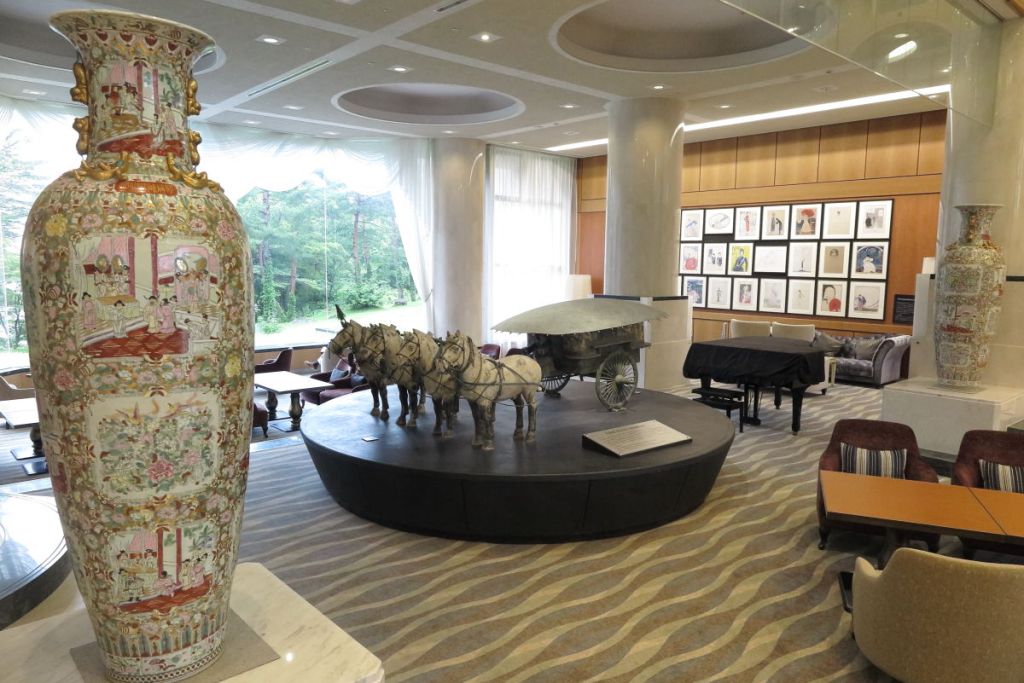
The lobby features a faithful reproduction of the gold, silver, and bronze horse-drawn carriages associated with the First Emperor of Qin and the Terracotta Army; while they appear to have been exhibited in various locations in the past, they are now a rare sight that can only be viewed here.
This hotel is connected to the main building of Urabandai Lake Resort, allowing guests to enjoy the “Goshiki no Mori” large public bath located in the main building, as well as the “Niji no Mori” hot spring, which is reserved exclusively for guests staying at Nekoma Rikyu. The photo is a screenshot from the hotel’s website. The water is a sodium-chloride/sulfate spring—a gentle, brownish-colored water that is kind to the skin.
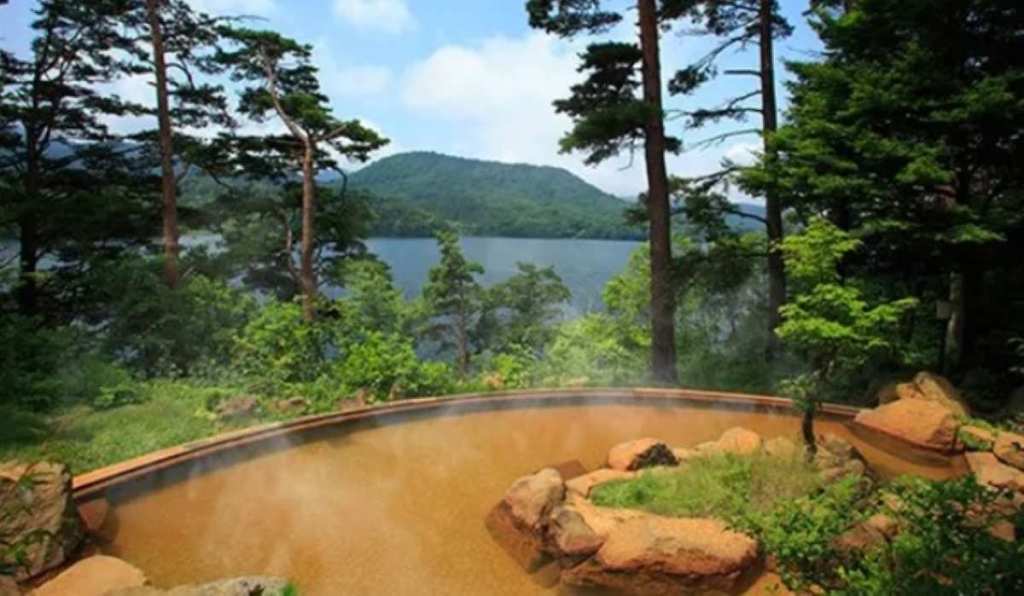
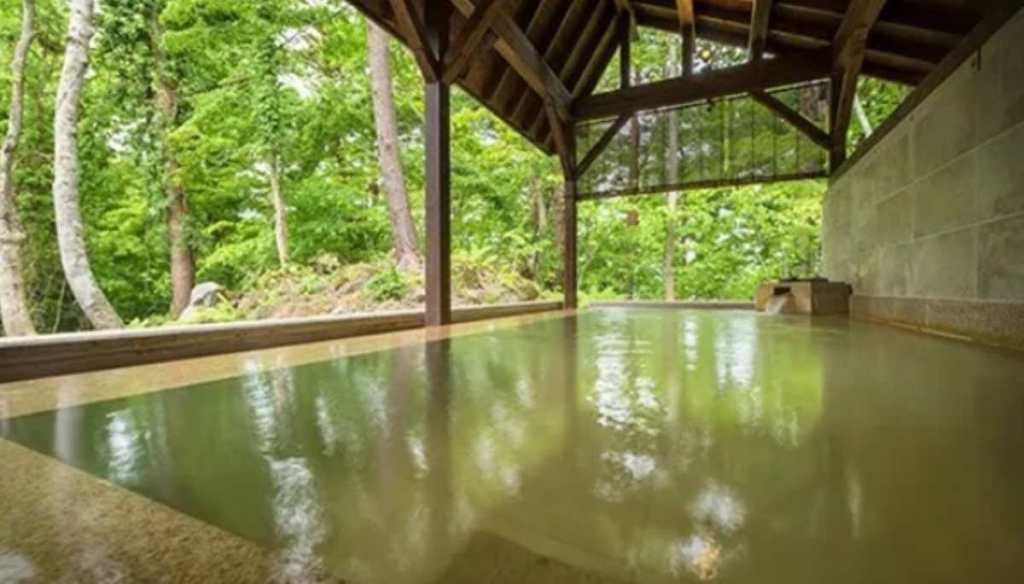
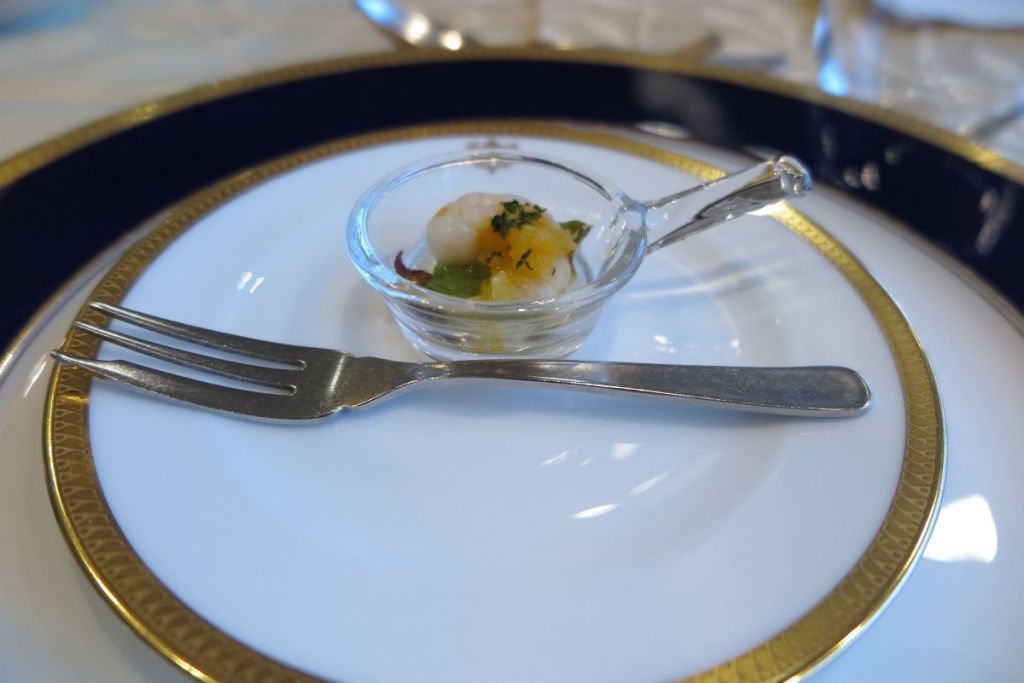
Since the two hot spring baths were located at opposite ends of the complex, it was quite a walk to the large communal bath. After the bath, I enjoyed the full-course French meal I had been looking forward to; the appetizer was a dish featuring small shrimp.
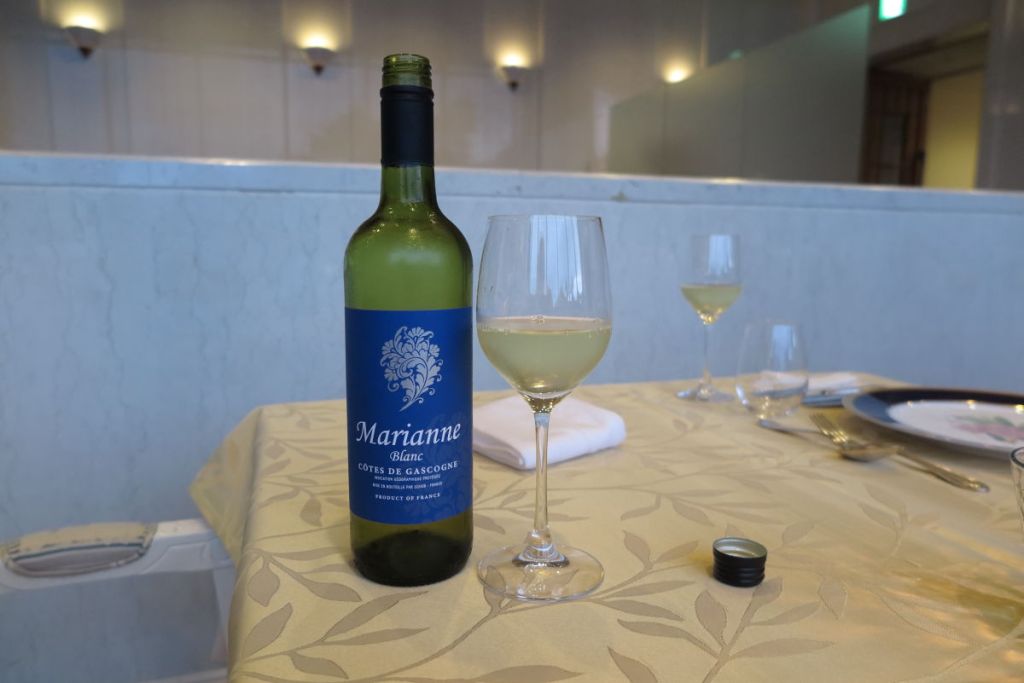
I ordered the recommended French white wine; it had citrus aromas and a fruity flavor.
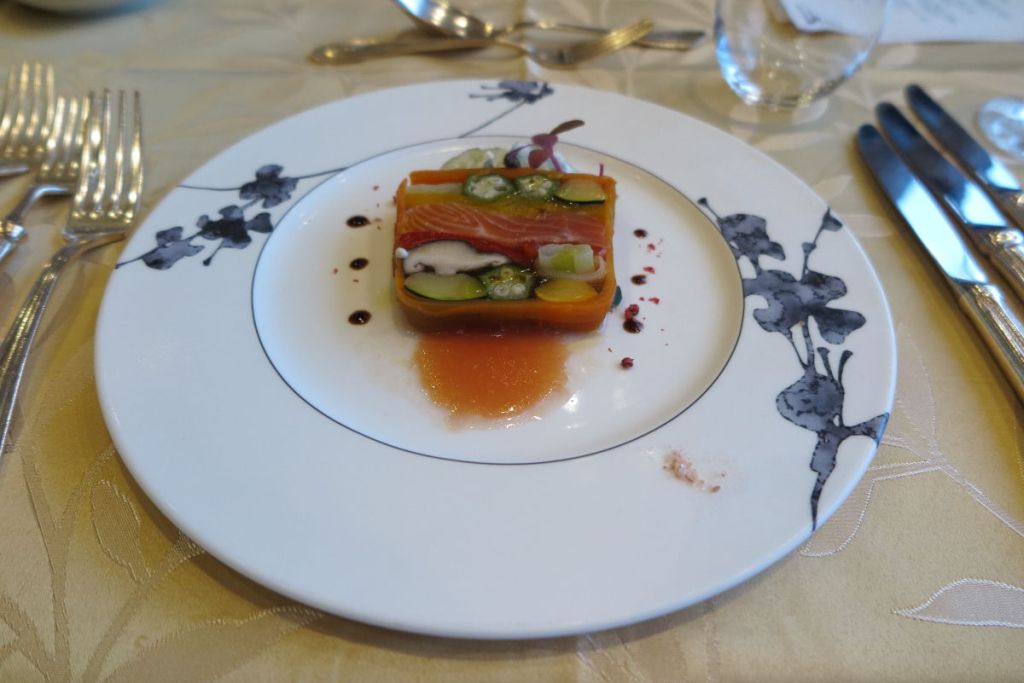
The hors d’oeuvre was a pressé of Tasmanian salmon and summer vegetables from Aizu; the salmon was particularly delicious.
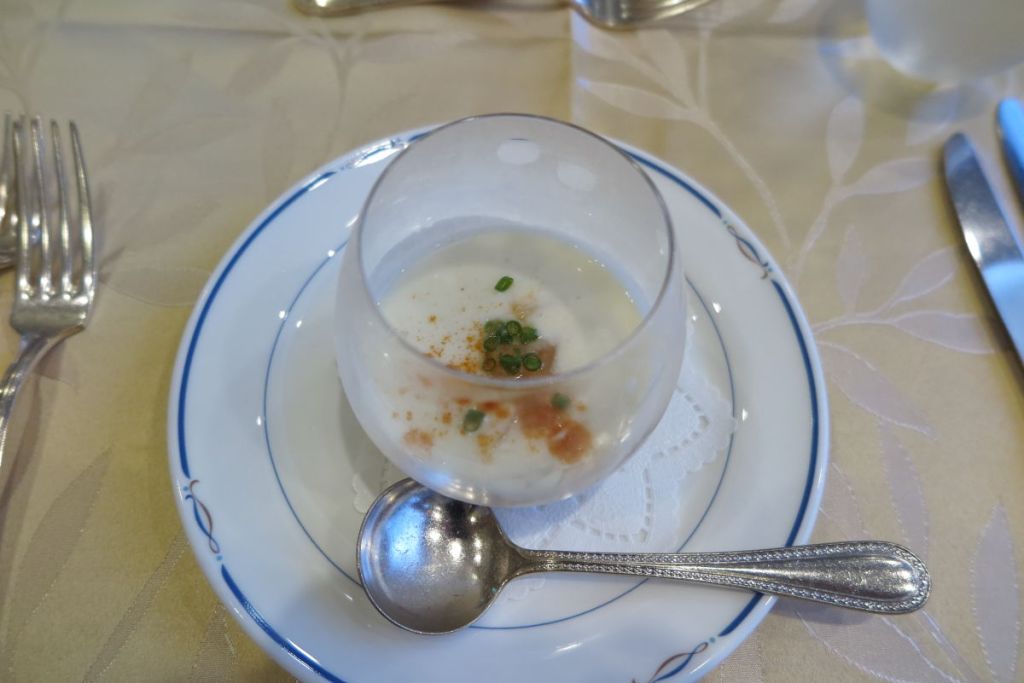
The soup is based on vichyssoise with the addition of Fukushima peach purée, offering a taste of the season.
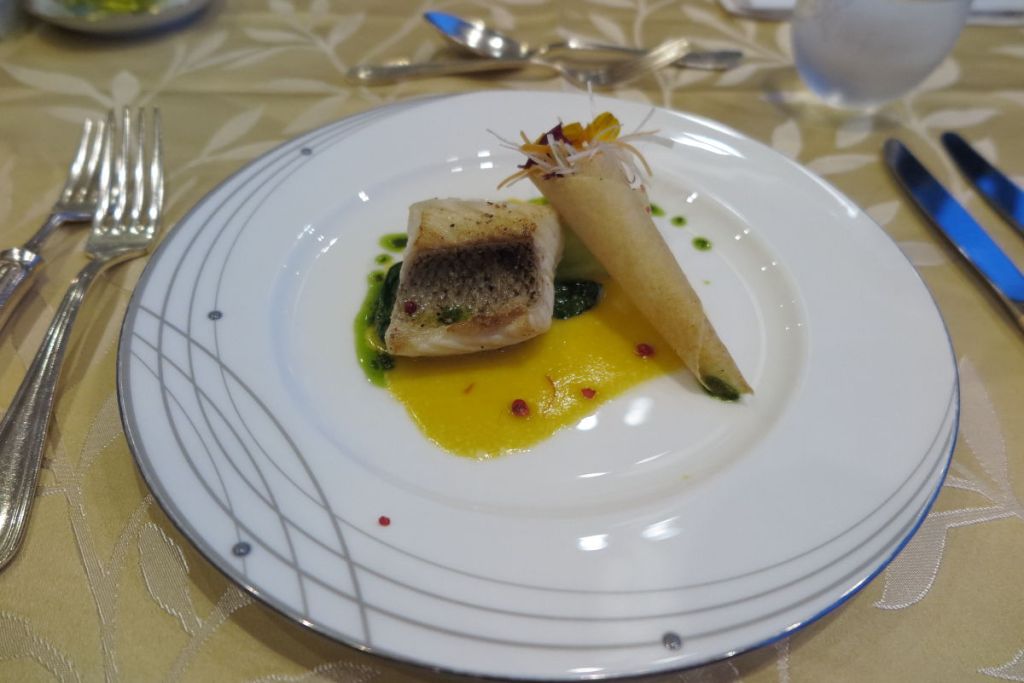
For the fish course, I had the Ebisu-yaki style sea bass; the skin was delicious as well.
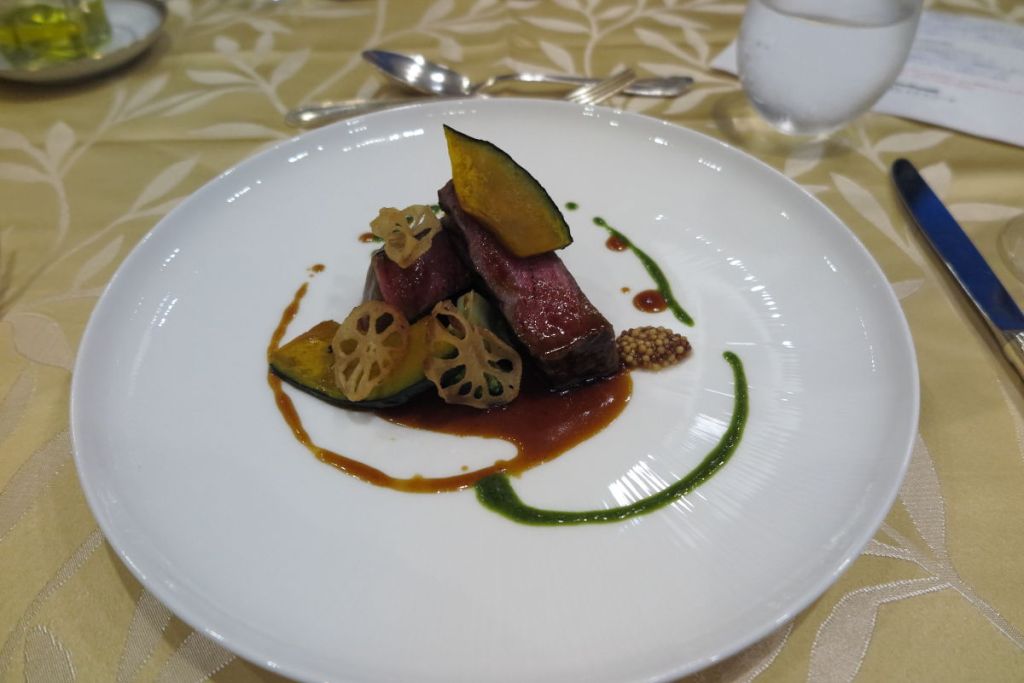
For the meat course, the grilled domestic beef sirloin paired perfectly with the Aizu-produced grainy mustard.
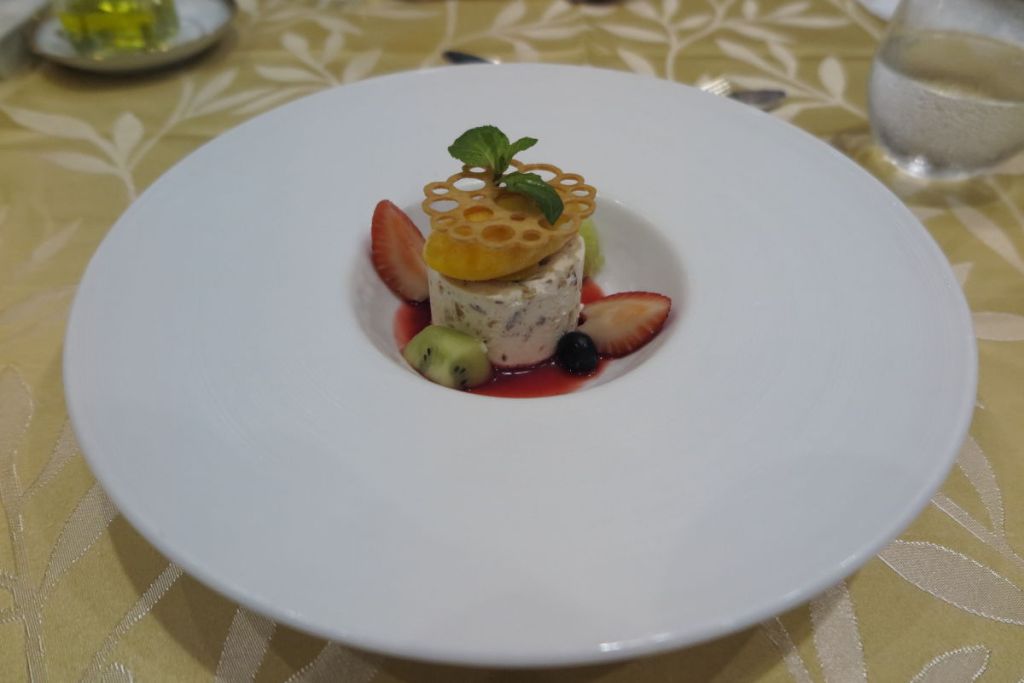
The dessert also has a refined sweetness.
It seems that every dish incorporates ingredients from Fukushima. I never expected to be able to enjoy a course meal like this for an accommodation cost of around 20,000 yen per person.
July 29th (Wed)
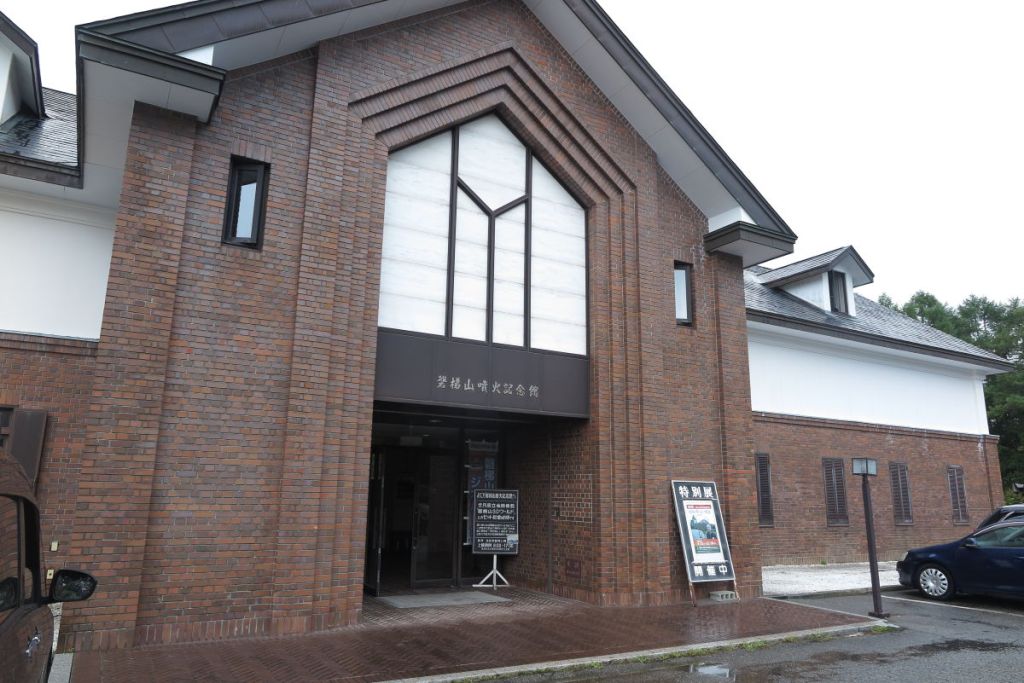
Breakfast was also a Western-style set meal served in the same restaurant. Since the weather was unfortunately rainy, after checking out, I visited the nearby Mt. Bandai Eruption Memorial Museum. Built in 1988 to commemorate the centennial of the eruption, the museum features exhibits on the massive 1888 eruption and the surrounding natural environment.
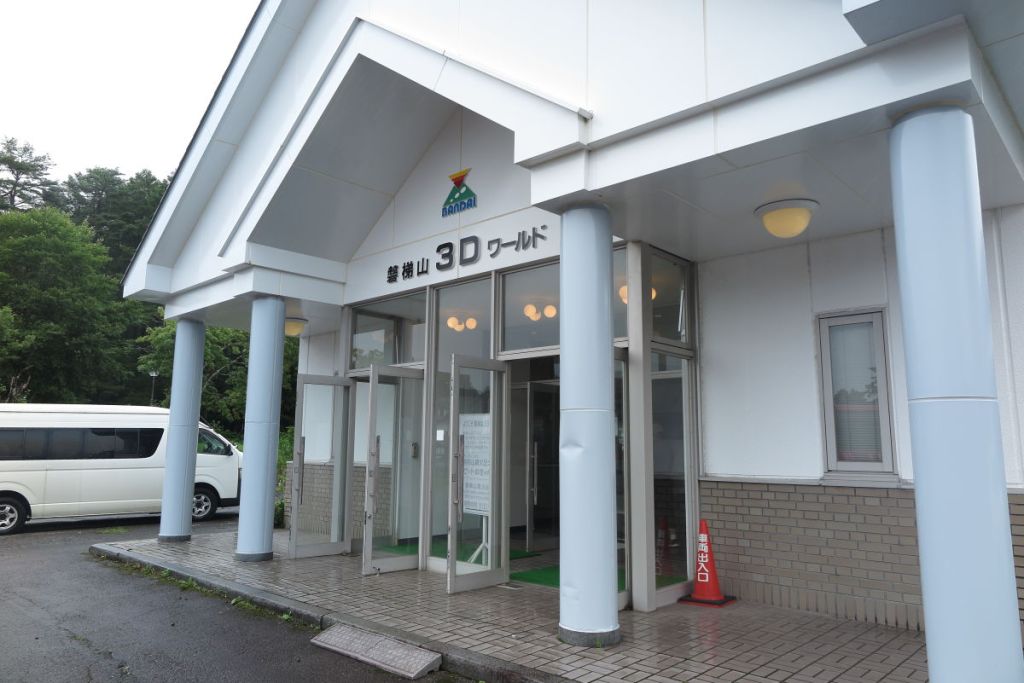
Bandai-san 3D World is located just across the road; since I had purchased a combination ticket, I decided to visit. They screen 3D footage showing Mount Bandai throughout the four seasons, but the visuals weren’t particularly impressive.
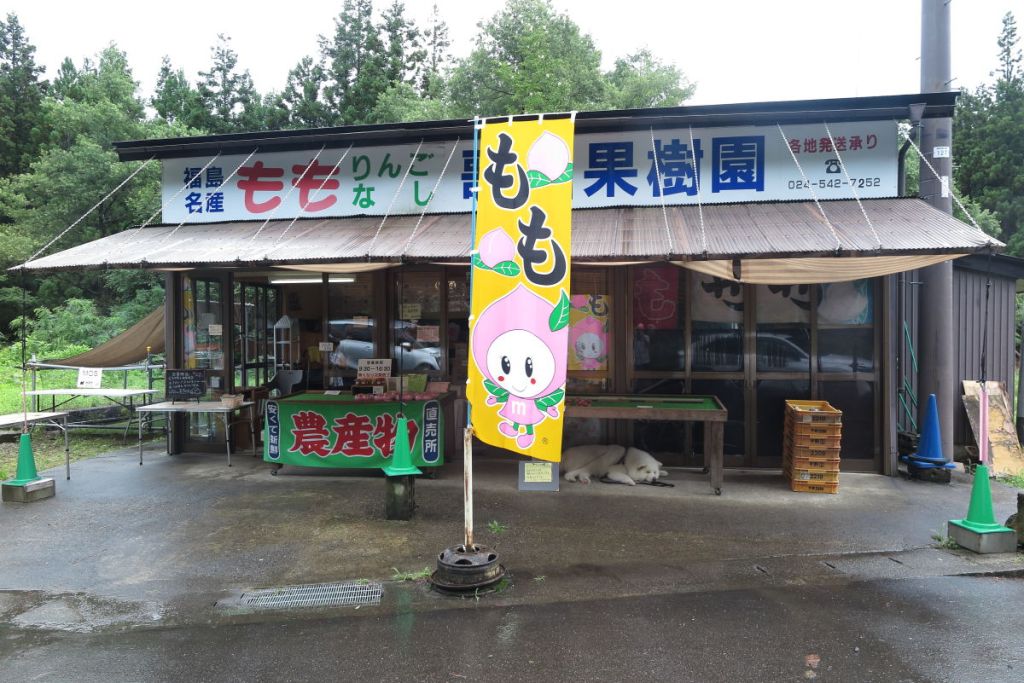
On the way, I stopped at the Utagawa Fruit Orchard’s direct sales stand and bought some seasonal “Akatsuki” peaches as a souvenir. I ate them a few days after returning home and was very satisfied—they were delicious.
I stopped in Koriyama to buy Fukushima’s famous usukawa manju (thin-skinned steamed buns) at the Kashiwaya main store before returning home to Tokyo via the Tohoku Expressway. Over the four-day trip, I covered 845 km with a fuel economy of approximately 21 km/L. The car offered a satisfying driving experience, with significantly better fuel efficiency and handling than the older model Vezel I used to own.
It was a wonderful trip where I enjoyed hot springs with diverse water qualities and delicious local cuisine. I plan to continue traveling with my new car for the foreseeable future.


コメントをどうぞ